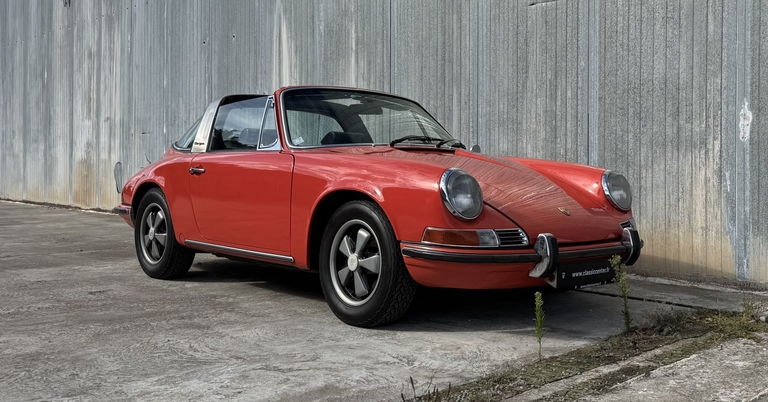
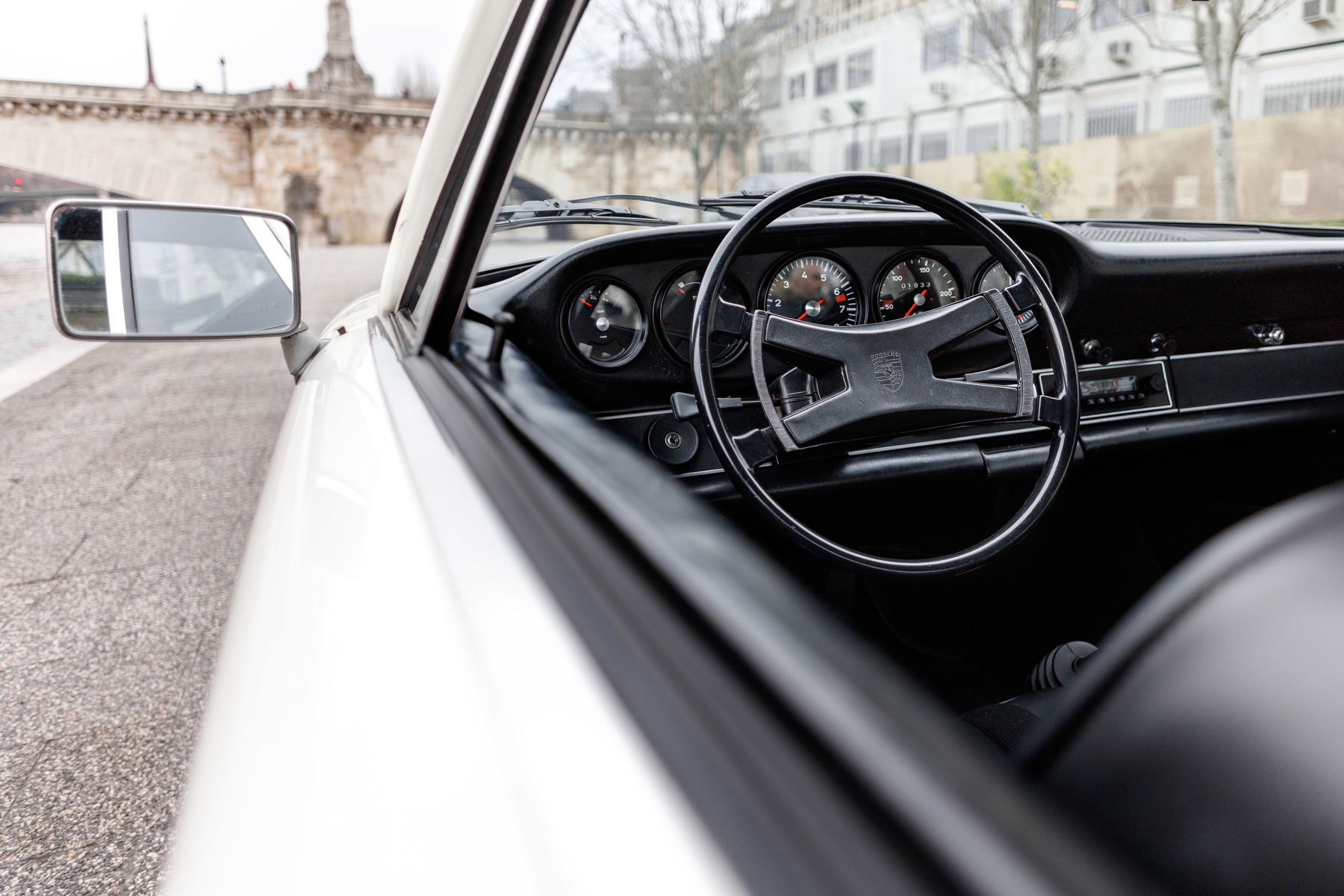
At the 1963 Frankfurt Motor Show, Porsche unveils its # 5 prototype called “901”. But at the official launch of its new GT, Porsche must rename them 911 because Peugeot had already filed all three-digit denominations with a 0 in the middle. Until 1967, Porsche will sell more than 10,000 copies of its GT that will become a reference in the world of sports car.
It is this year that a range is available around the same bodies (coupe and targa) with the same Flat 6 of two liters of engine capacity but with different powers. Thus, the 2.0S will develop 160 hp, the 2.0 T, 110 hp to position itself as entry-level and the 2.0 L will develop 130 hp.
In August 1968, Porsche will try to bring a solution to the very characteristic handling of the Porsche 911. The technicians of the factory modify their flagship model and increases the wheelbase of the 911 of 5.8 cm to pass from 2,210 m to 2,268 m. If 5.8 cm seem little on paper, they are enough to significantly improve the handling of the Porsche 911, without distorting its character that is all its charm … That same year, Porsche replaces the 911 2.0 “L” by the “E”. Its name comes from its engine supply system which goes to the injection (“E” for Einspritz, or “injection” in German).
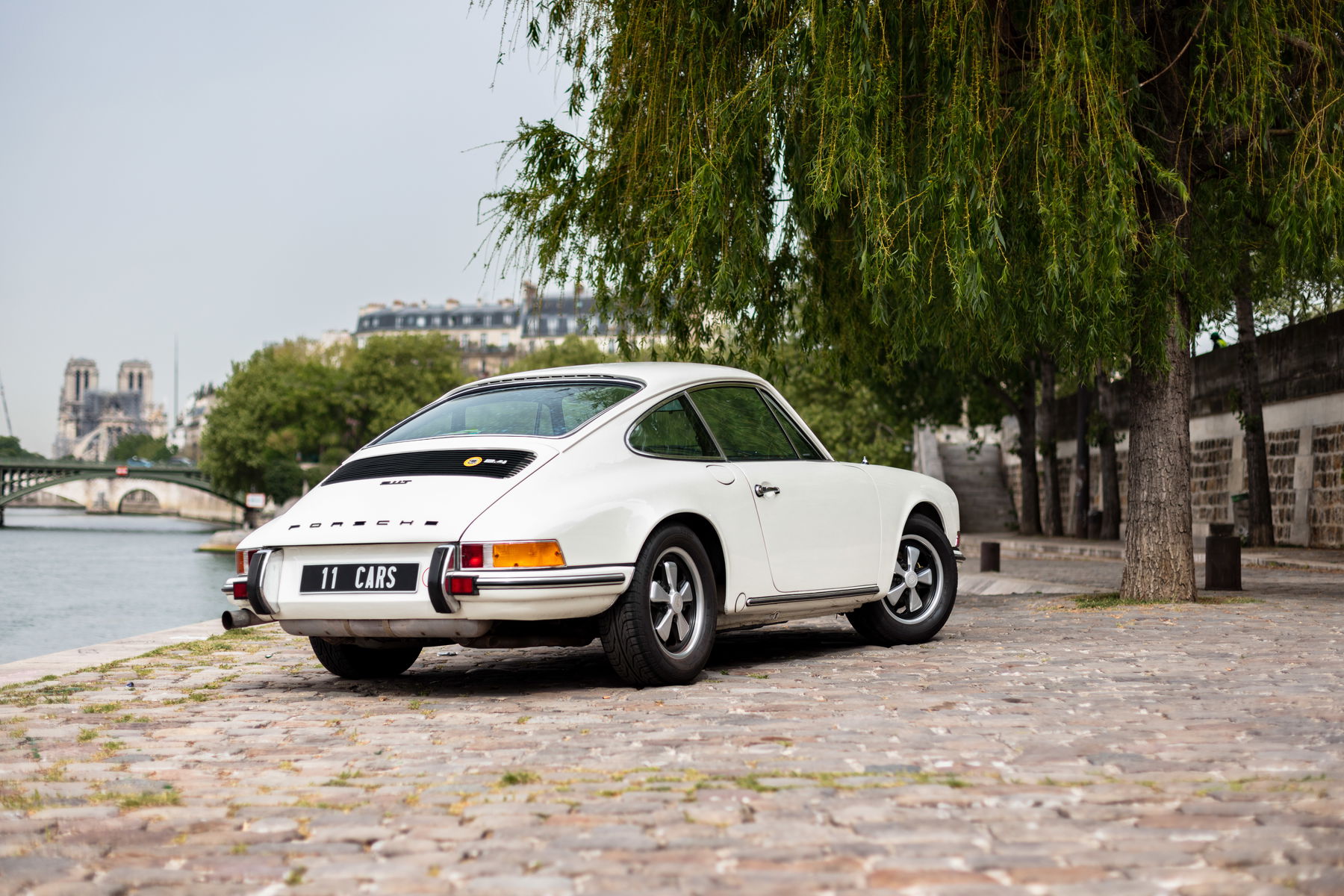
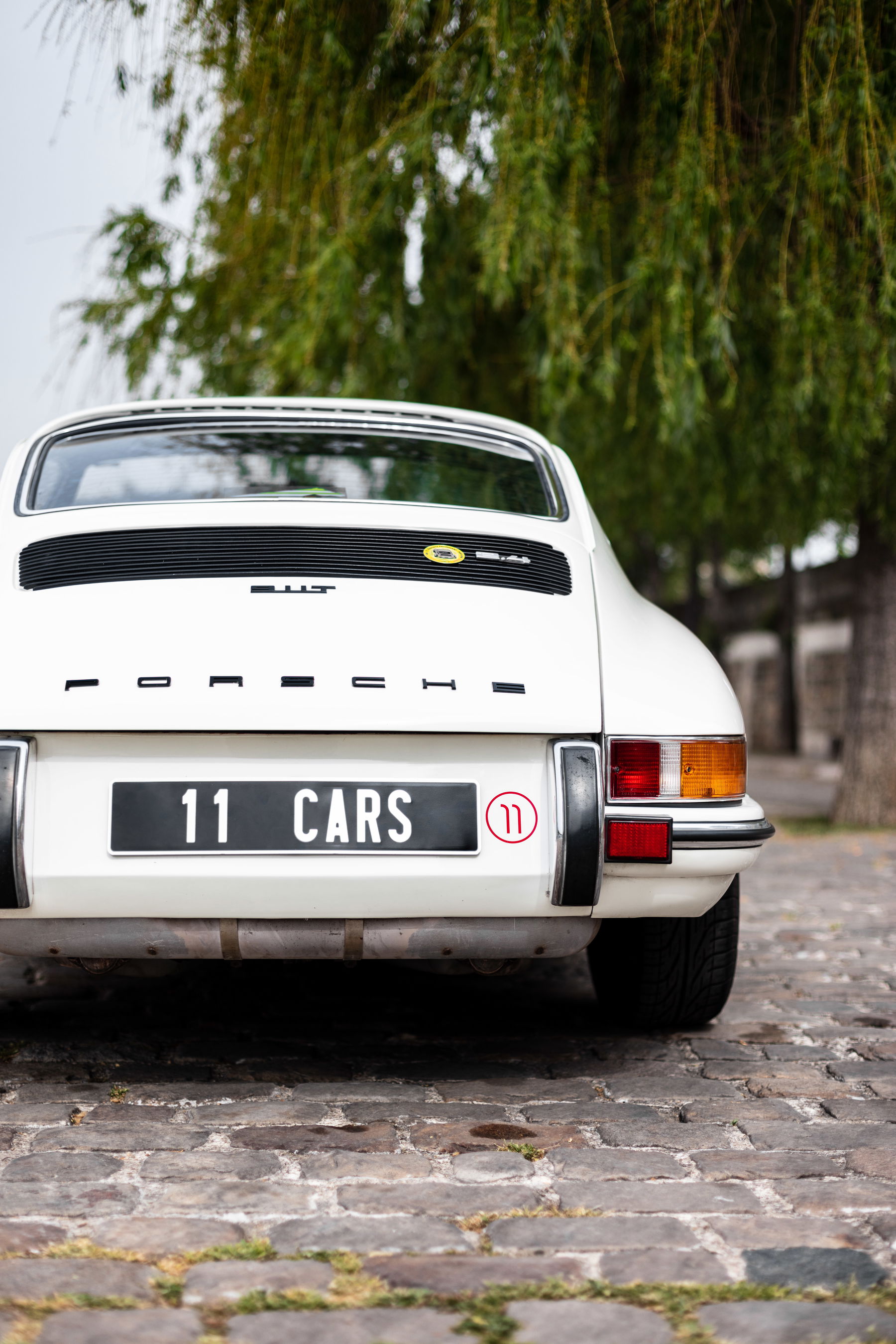
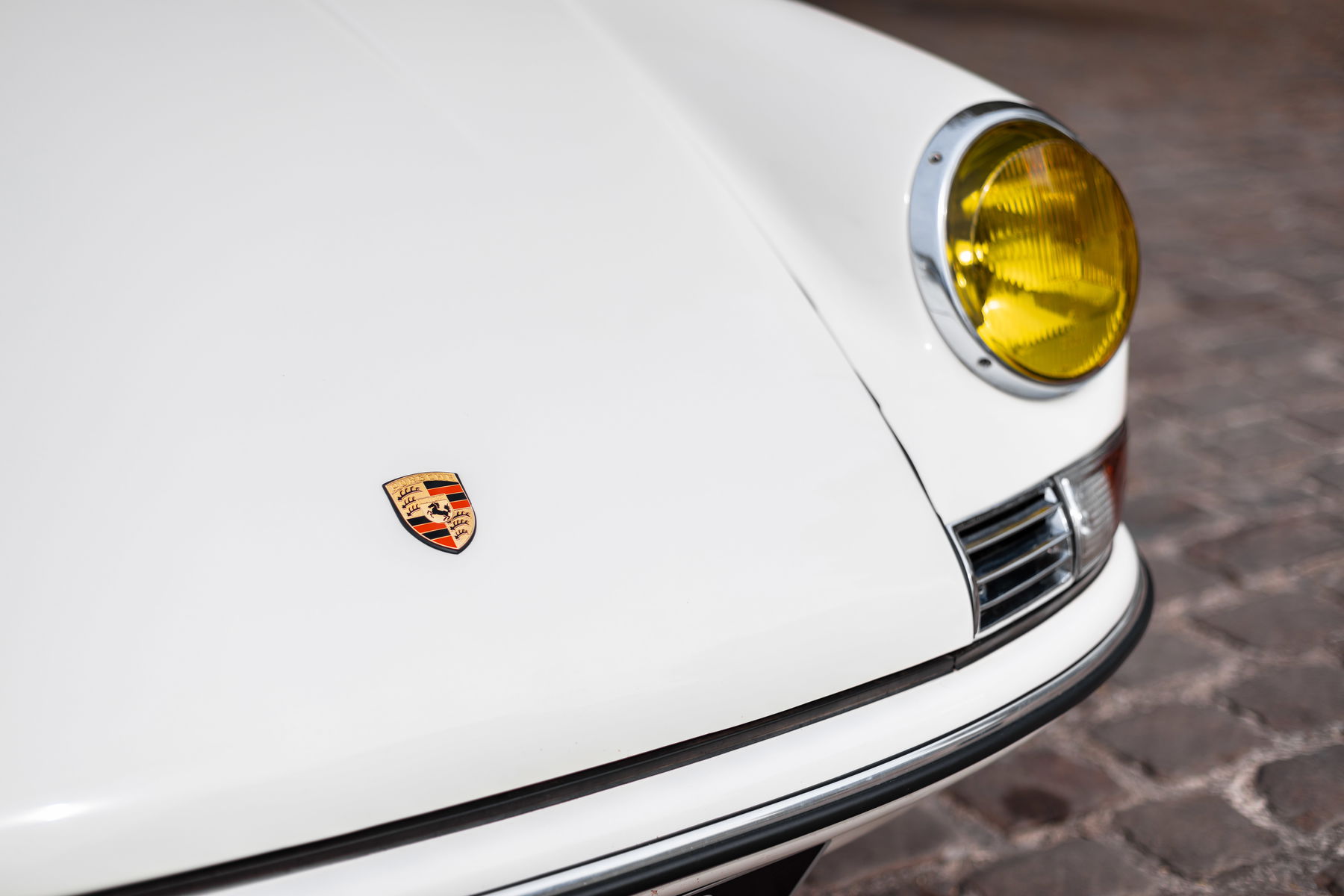
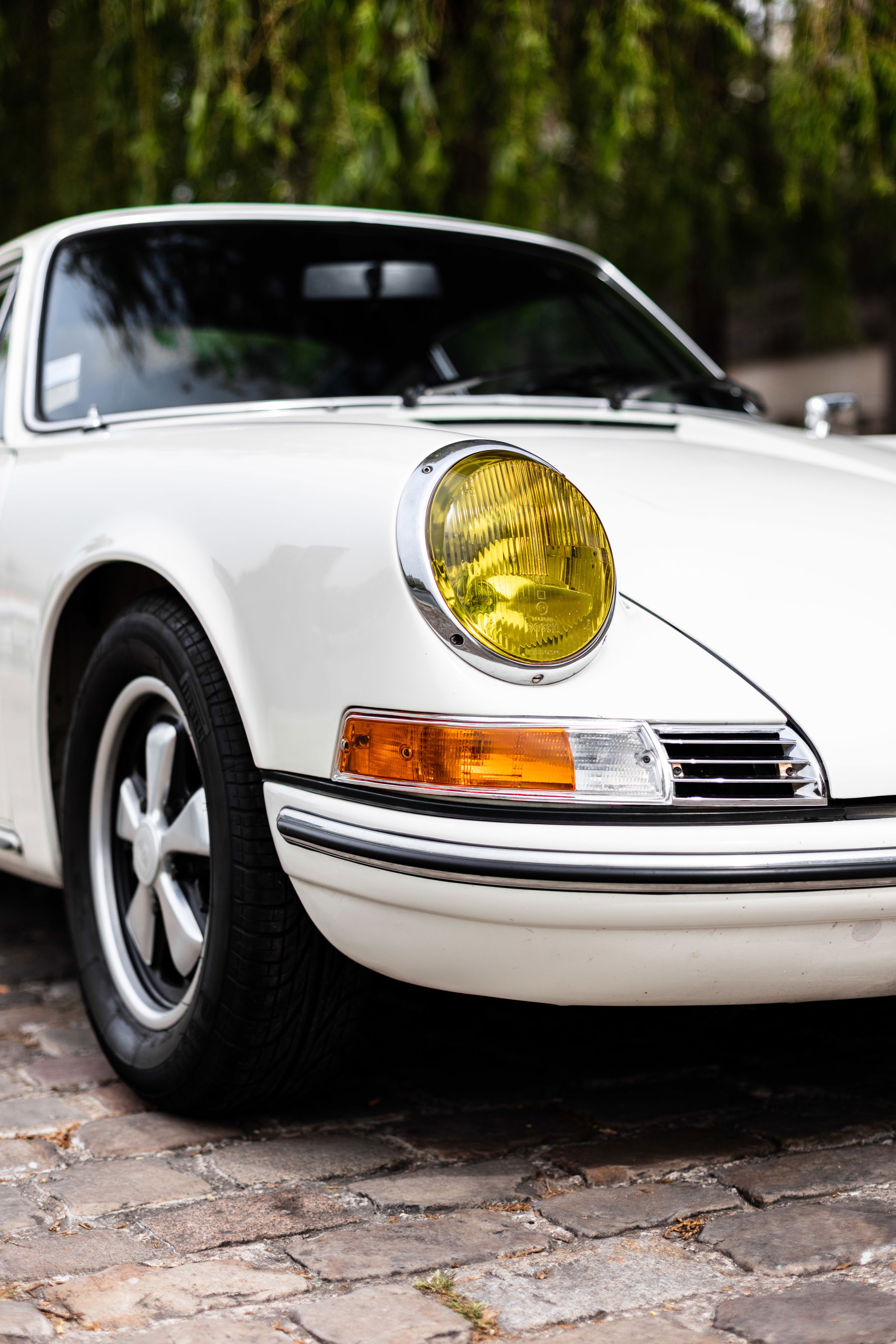
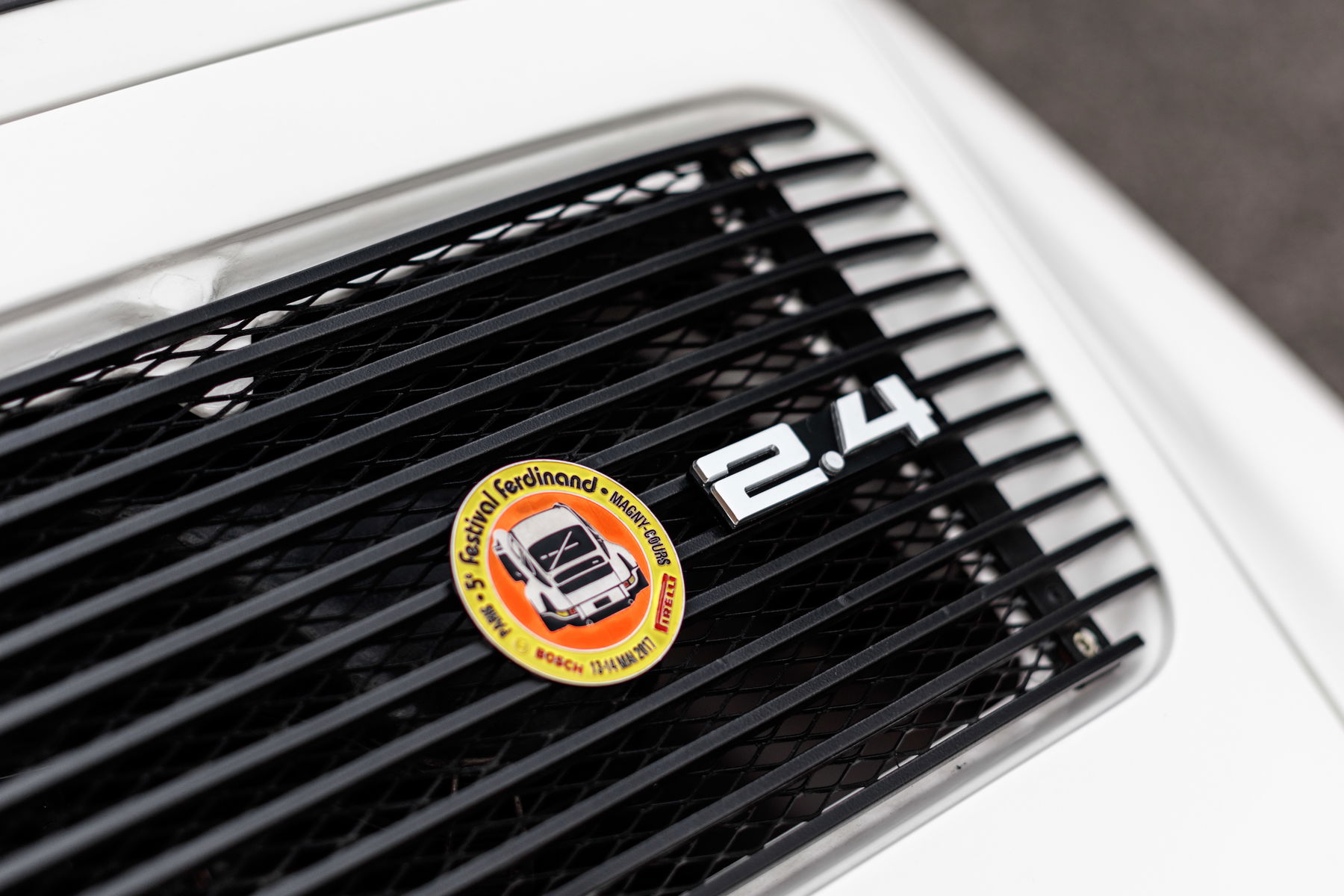
In August 1969, the 2.0 will be replaced by the 2.2l still under the three declination T, E and S. Finally for the vintage 1972, Porsche will increase again the cubic capacity to 2.4 liters (moreover closer to 2.3L since of 2341 cm3) with especially the adoption of a new gearbox, the 915 replacing the box 901 in dogleg. The 911 2.4T will retain the Zenith carburetors, developing 130 hp, the other two models in the range being mechanical injection.
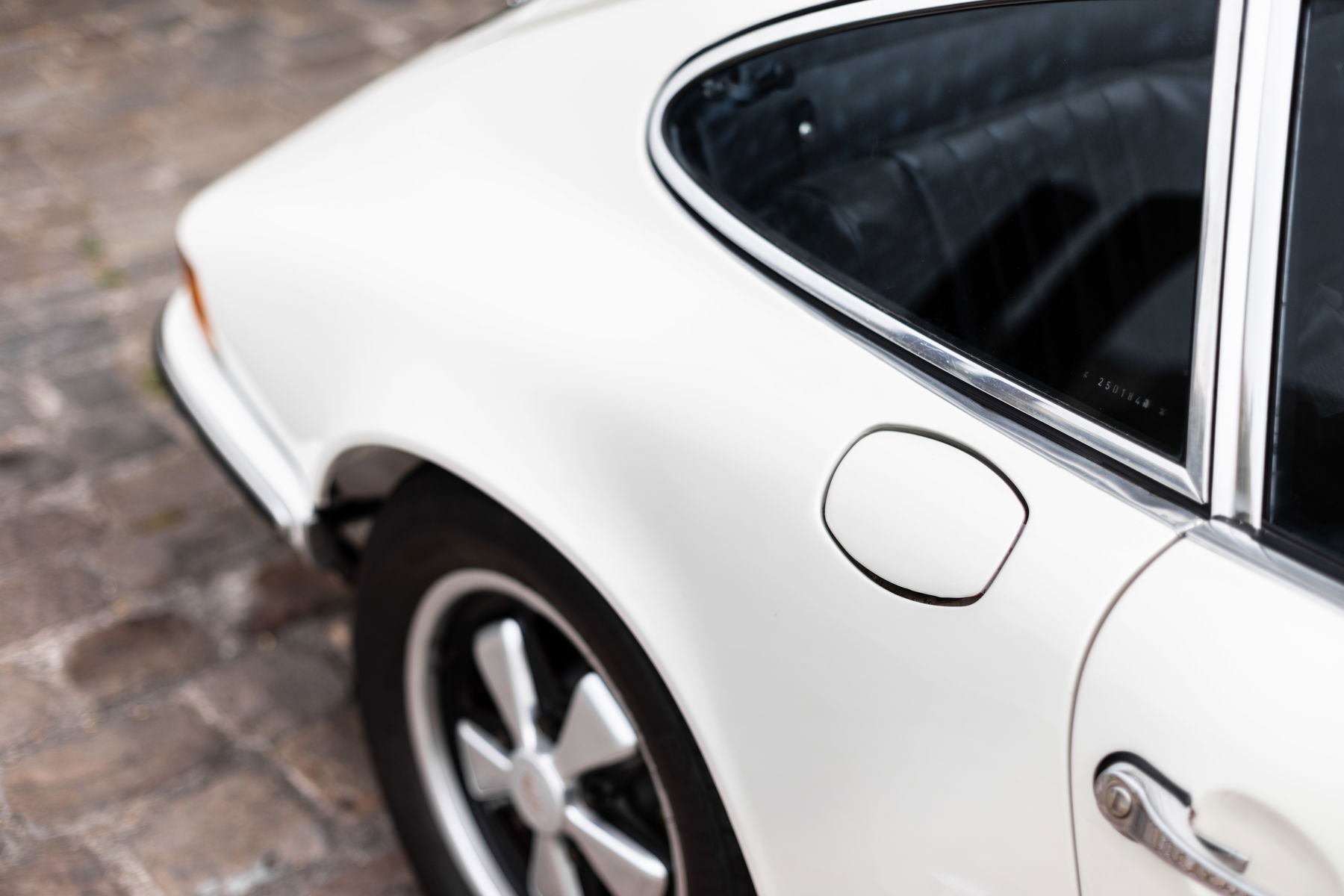
The first year of production of the 2.4 is characterized by the famous “oil trap”, placed on the wing ARD, idea abandoned on the vintage 73 considering a few full of essence carried out by the oil hatch …








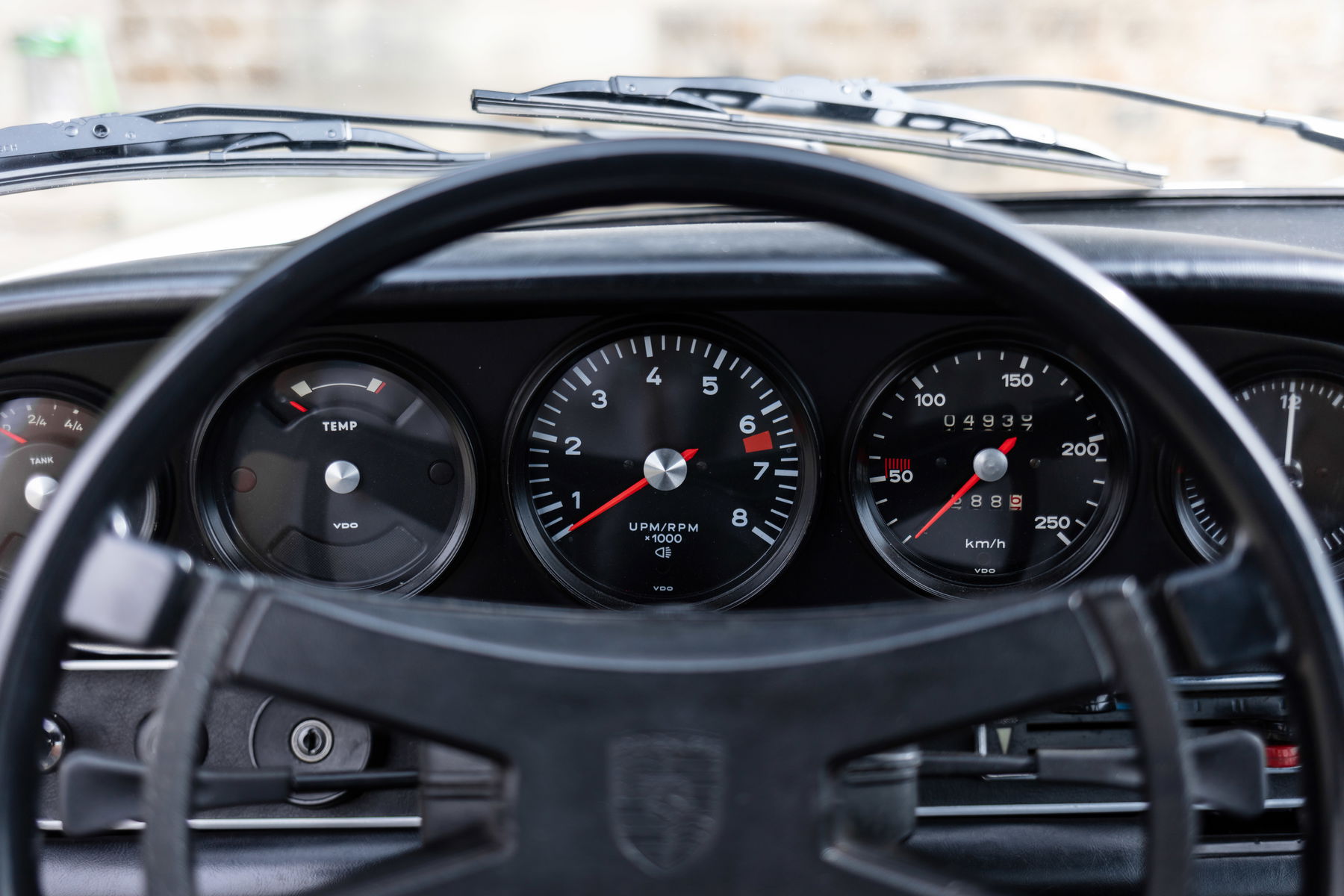
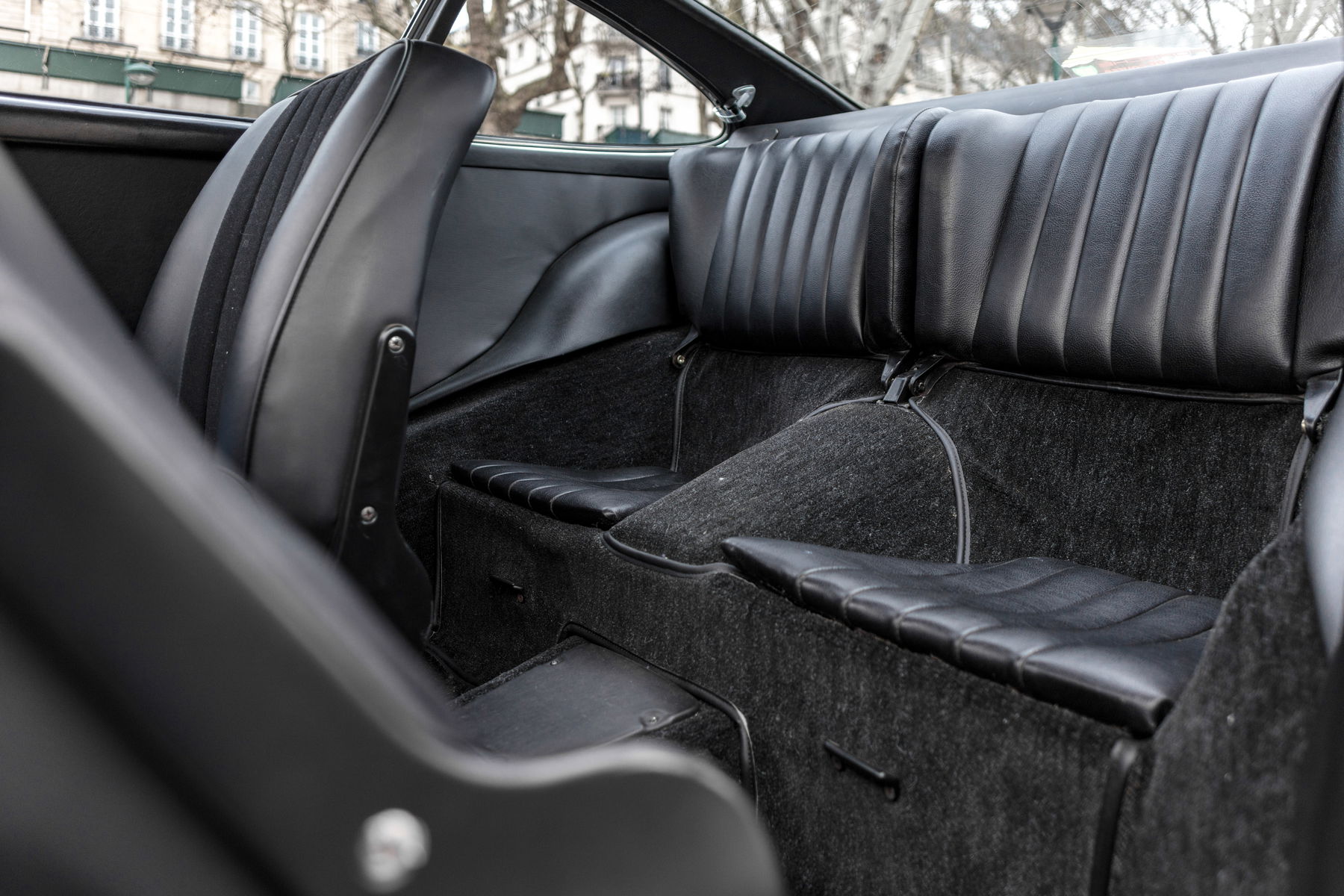
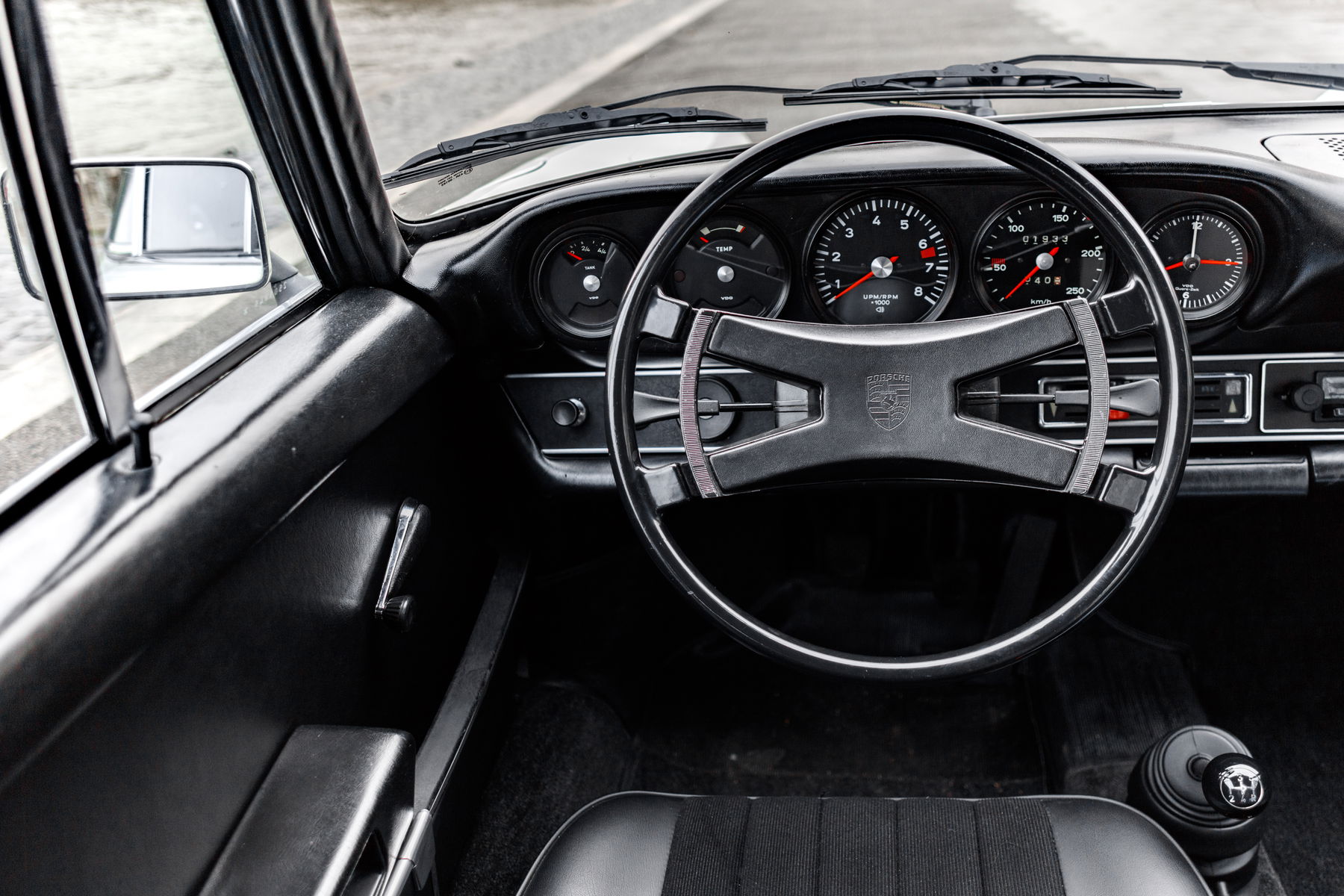
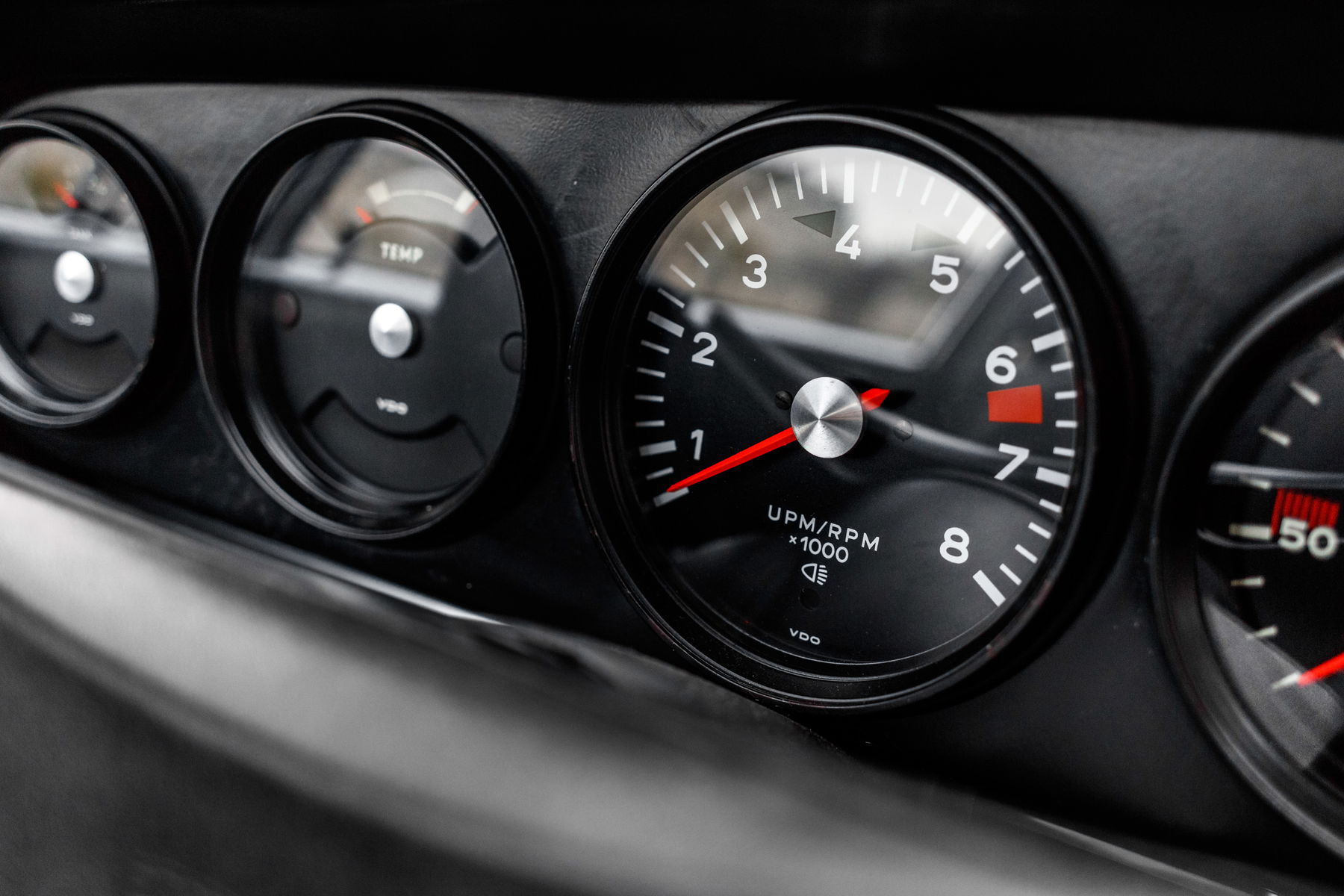



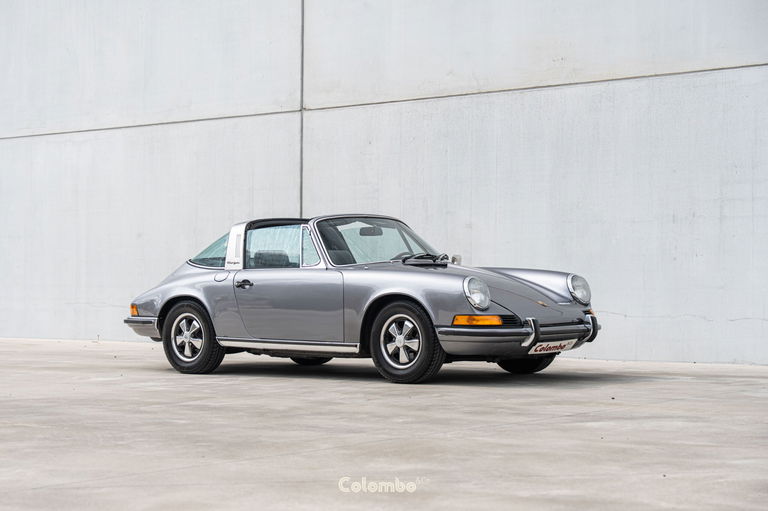
 1972
1972 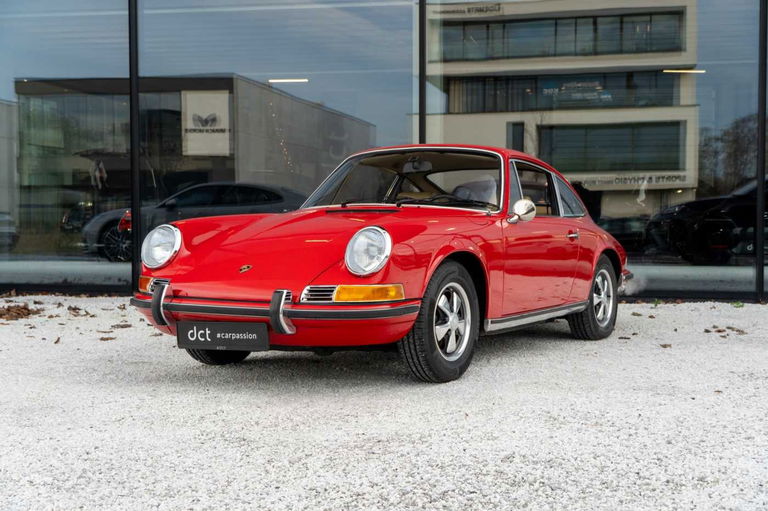

 1971
1971