Translated literally as “little beach car,” the term barca (or spiaggina) has long occupied a uniquely Italian corner of automotive culture—cars built not for speed or utility, but for pleasure, place, and atmosphere. From Gianni Agnelli’s Fiat 500 Boano to Michelotti’s Ferrari 365 GTC/4 Beach Car, these vehicles were expressions of la dolce vita as much as transportation.
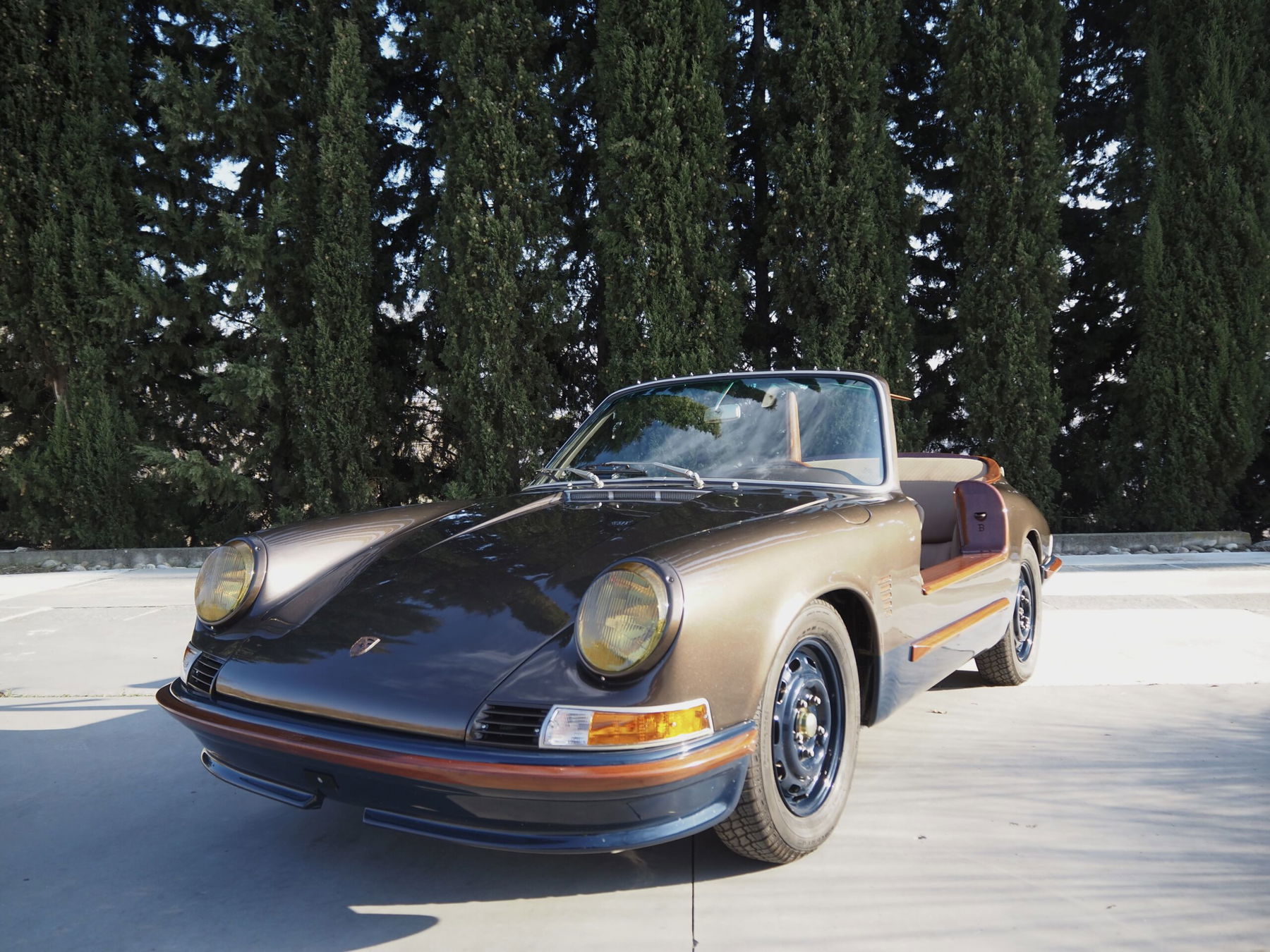
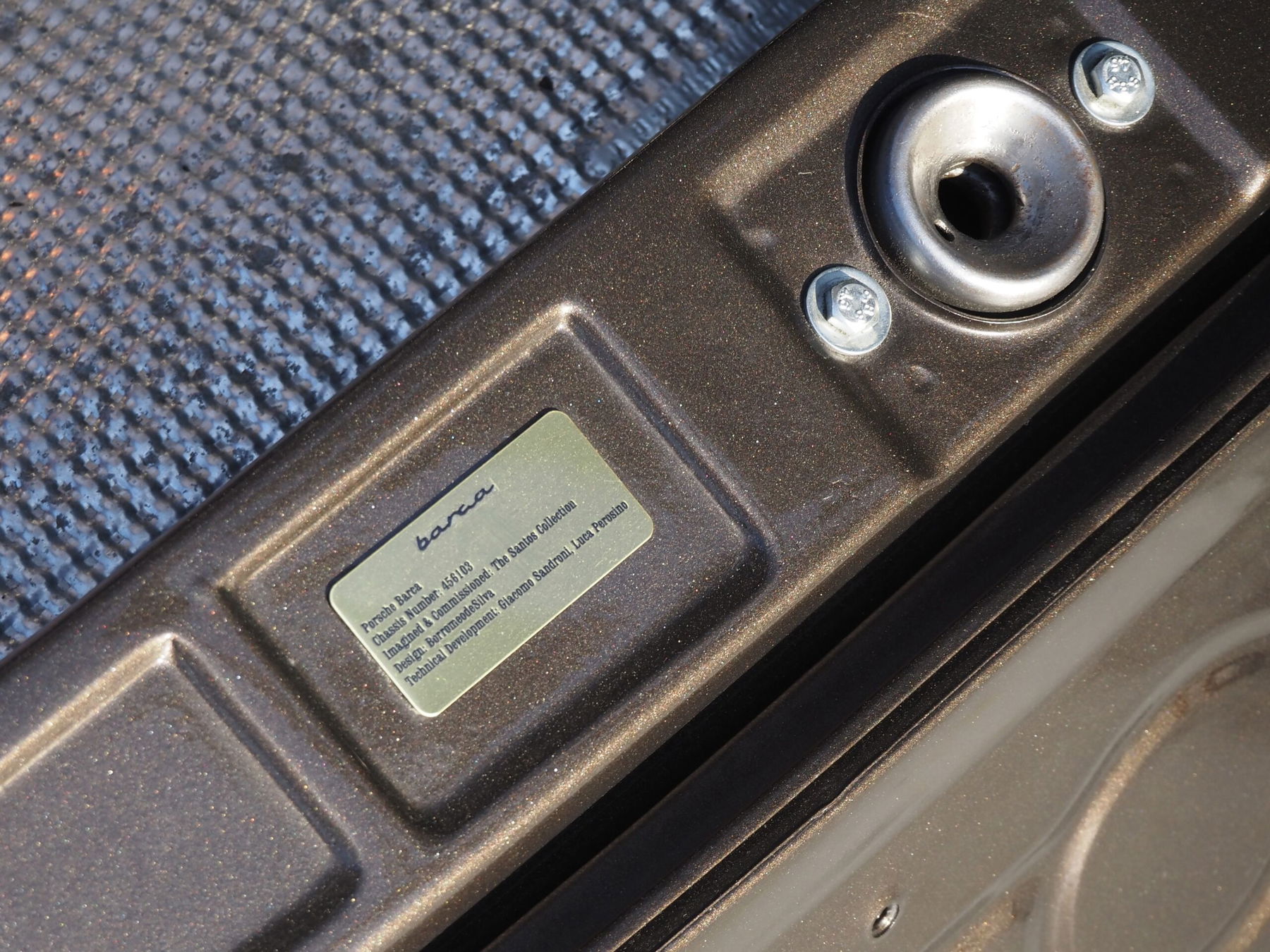
The Porsche 912 Barca belongs squarely in that lineage. Conceived by a private collector and realized by Milan-based design studio Borromeo de Silva, it reinterprets the humble 912 through a distinctly nautical and Mediterranean lens. Rather than a restoration or replica, the Barca is a philosophical exercise—blending sailing culture and motoring into a single object designed for coastal roads, marinas, and summer evenings.
The 912 Barca signals the emergence of a modern interpretation of the beach car: playful, beautifully executed, and deeply intentional. It stands apart not only from Porsche’s production history, but from the broader collector landscape—less concerned with lap times or provenance charts, and more focused on experience, design authorship, and joy.
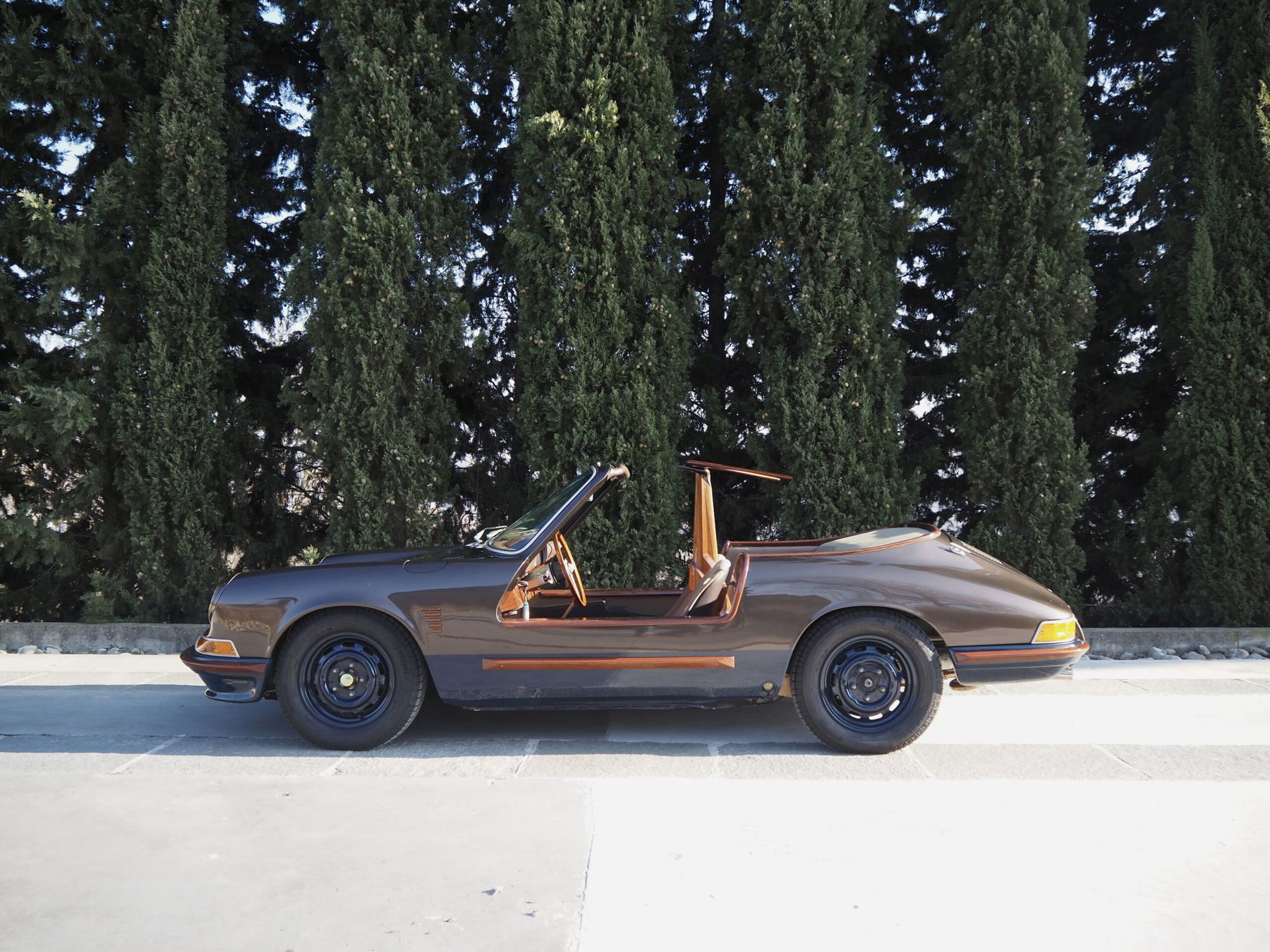
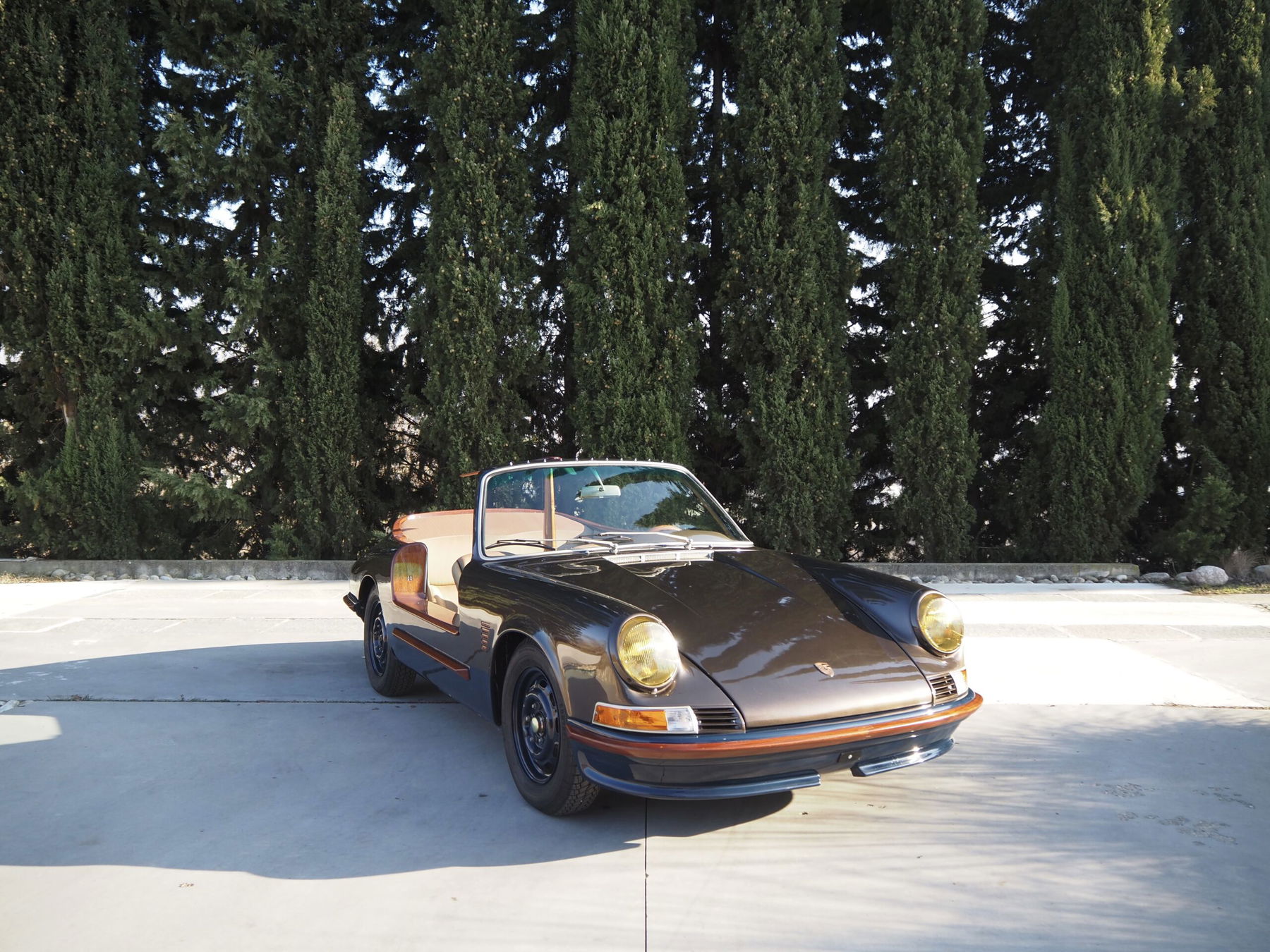
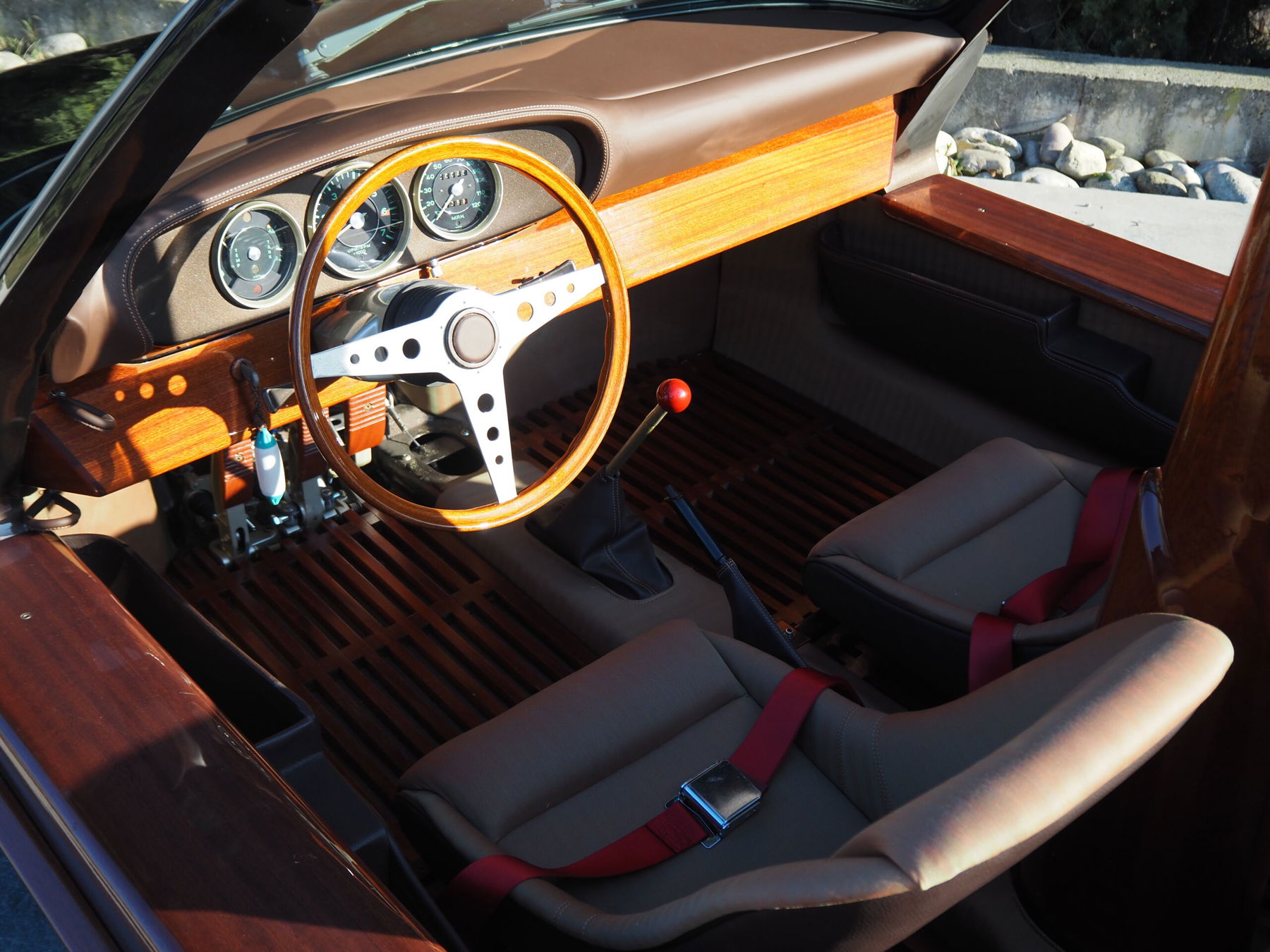
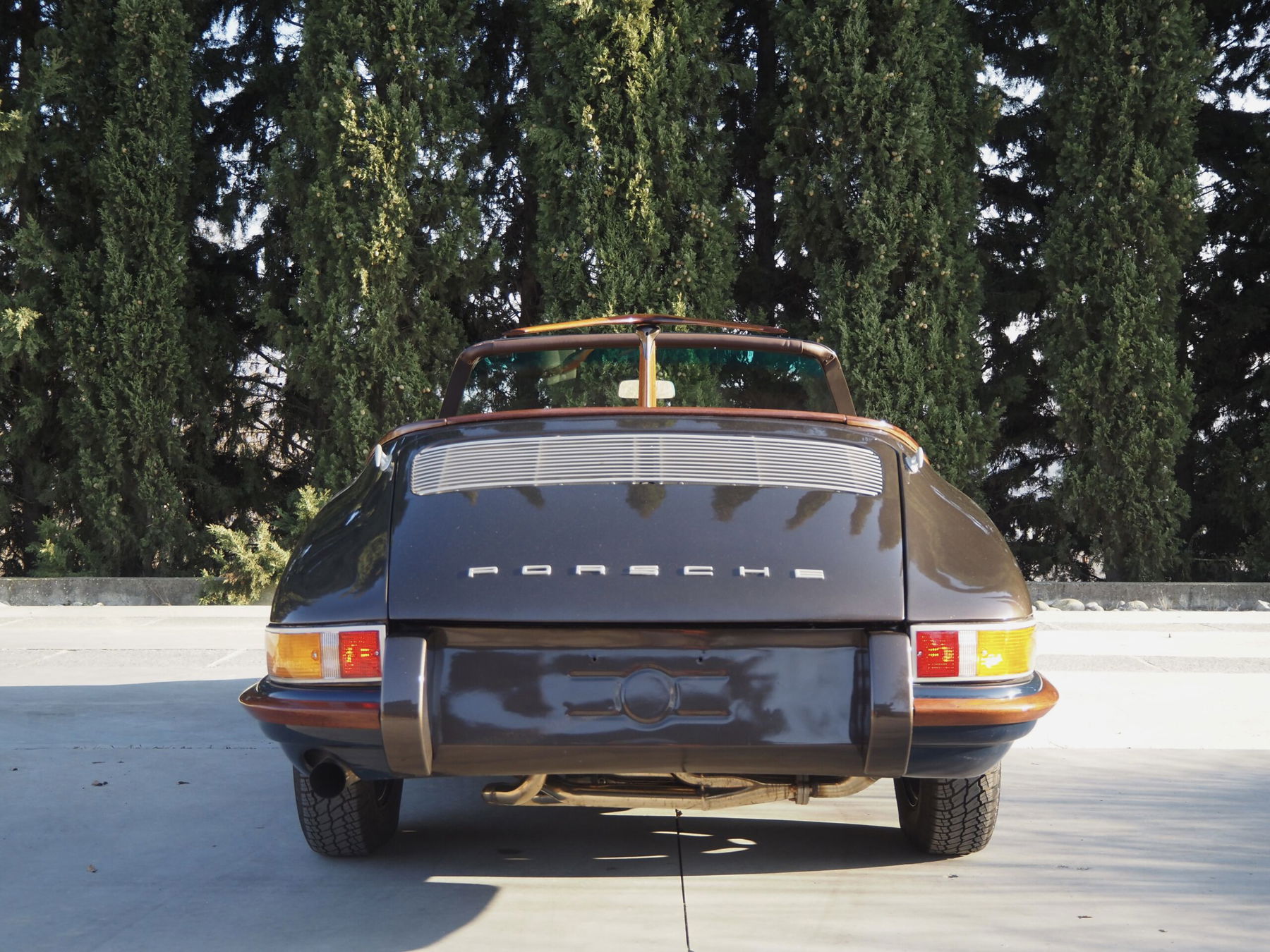
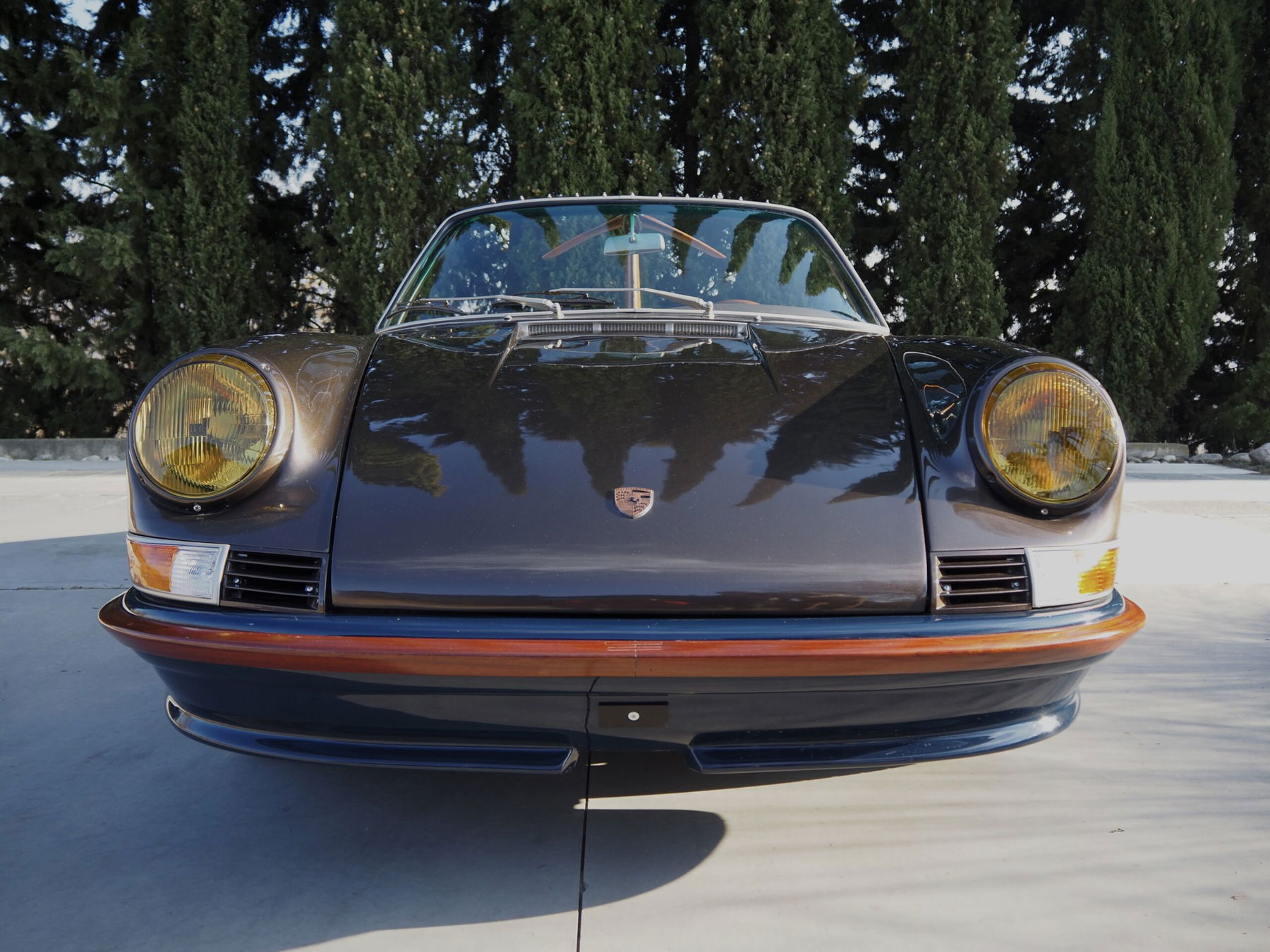
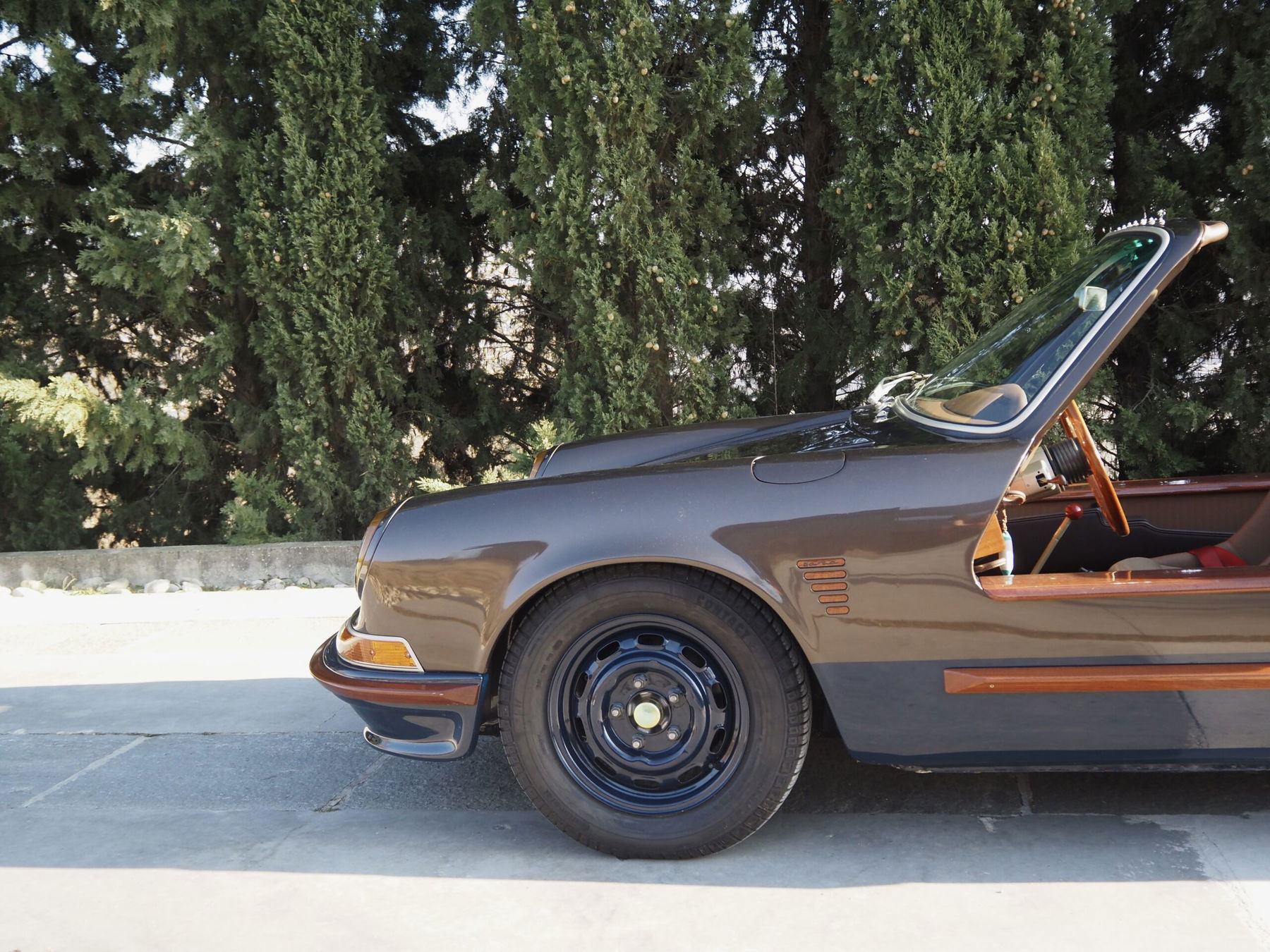
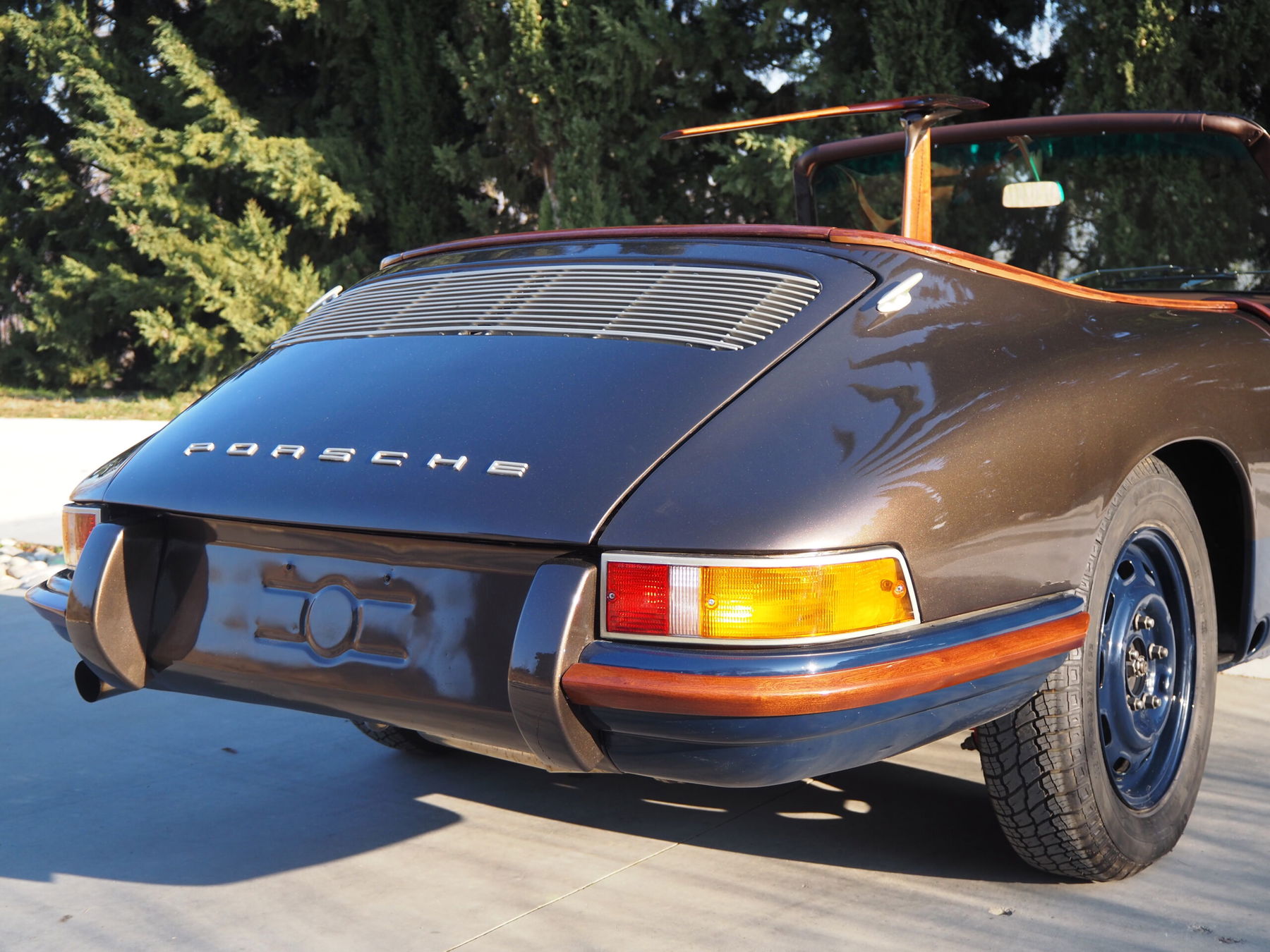
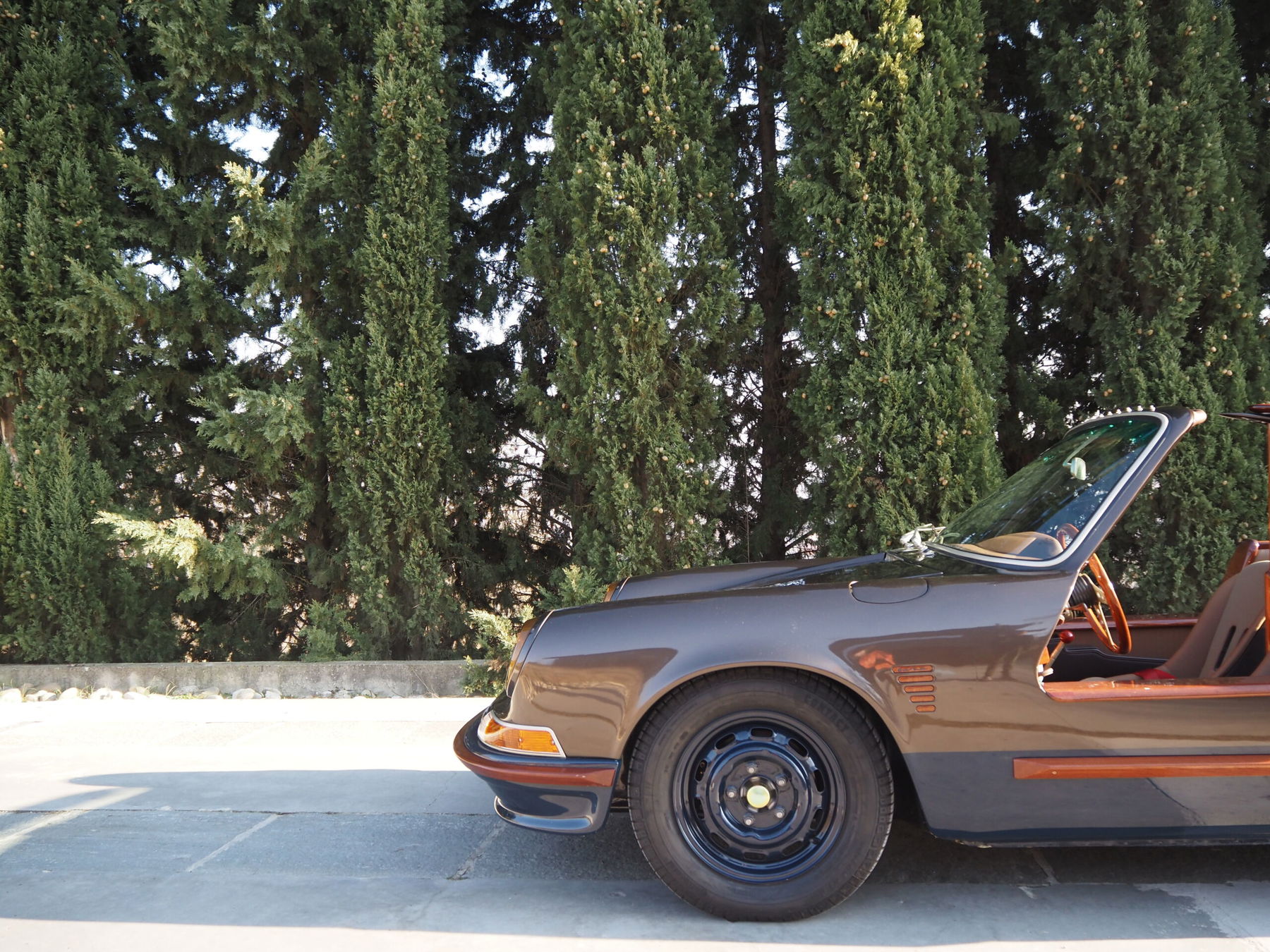
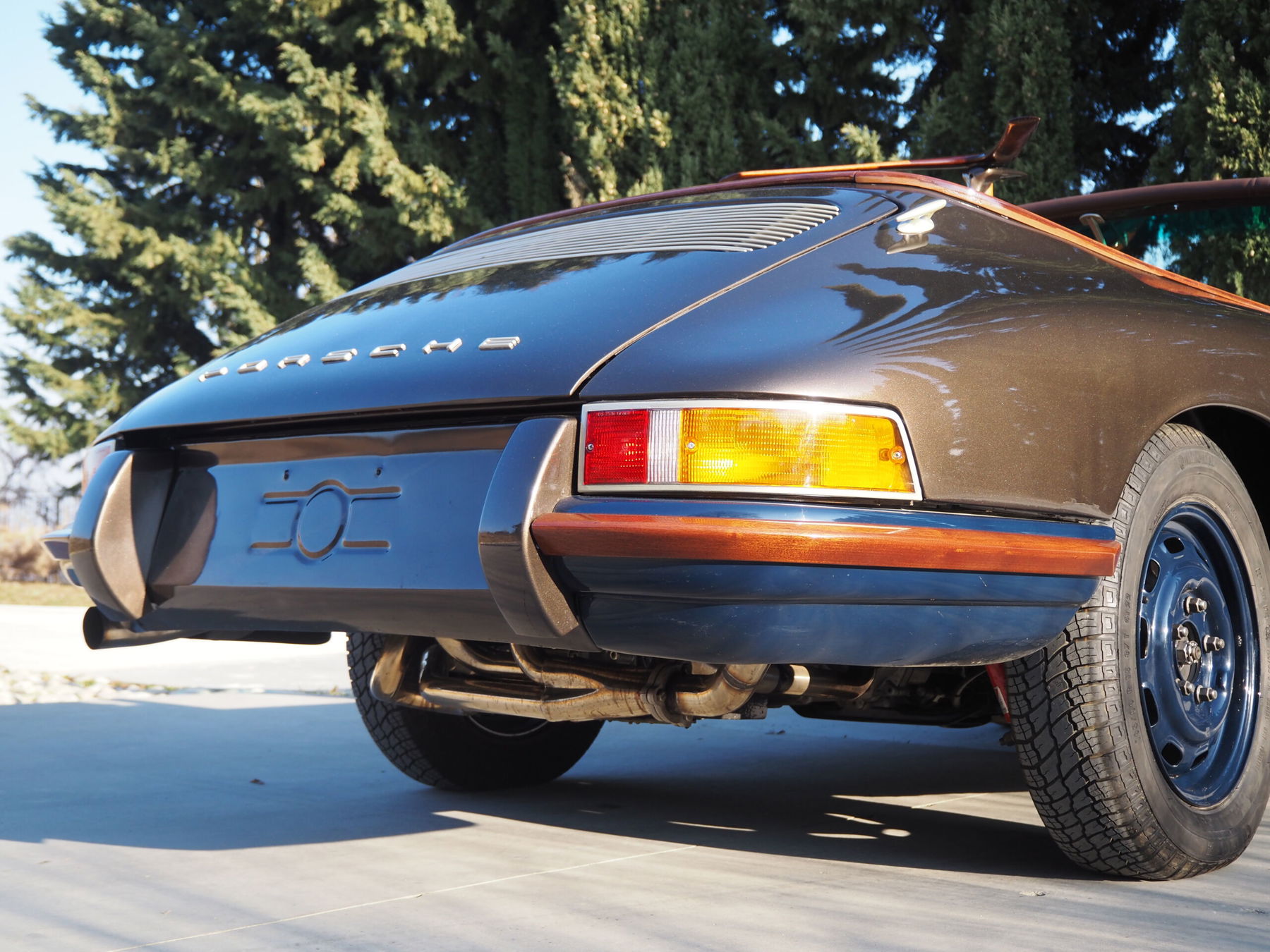
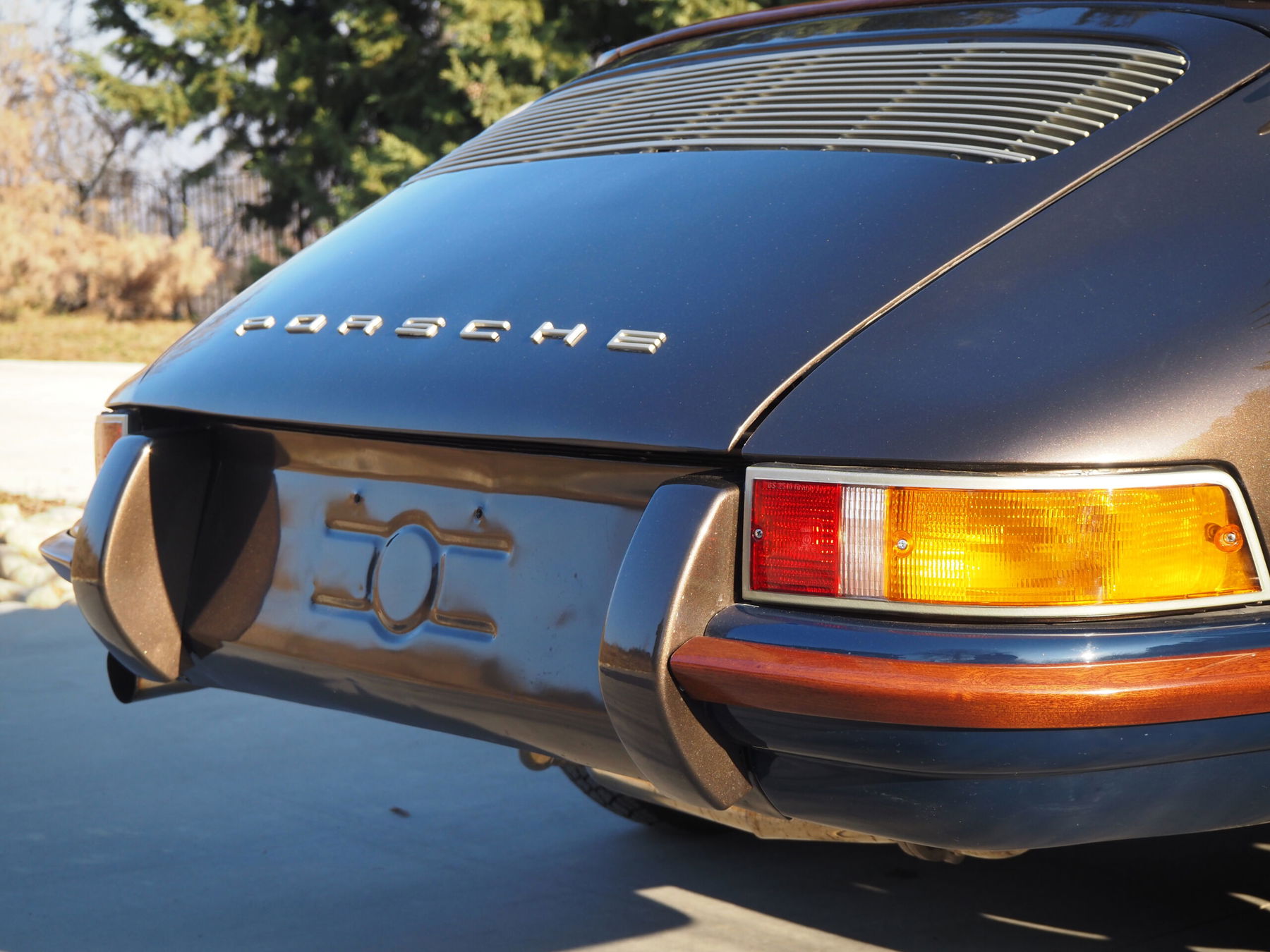
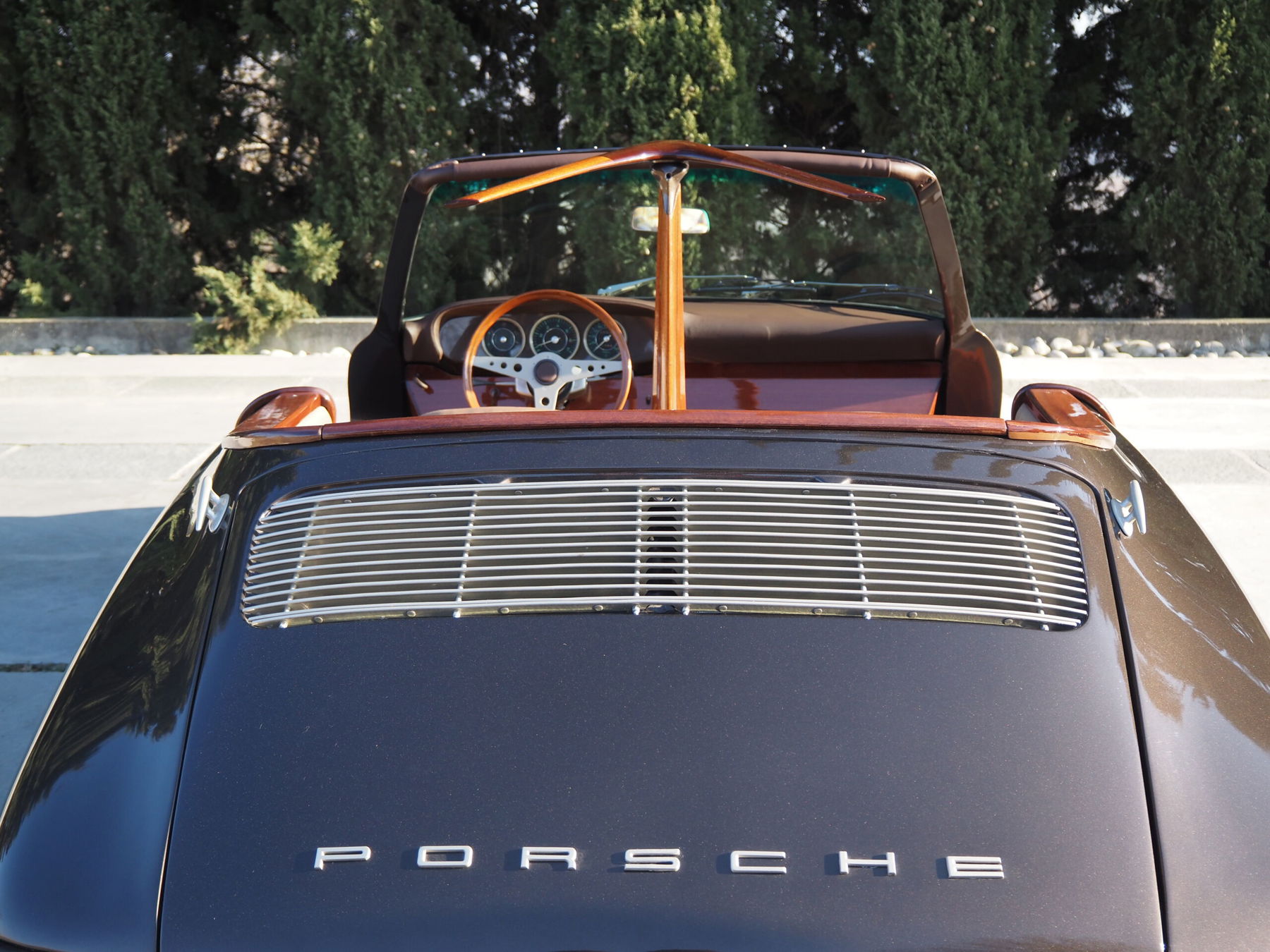
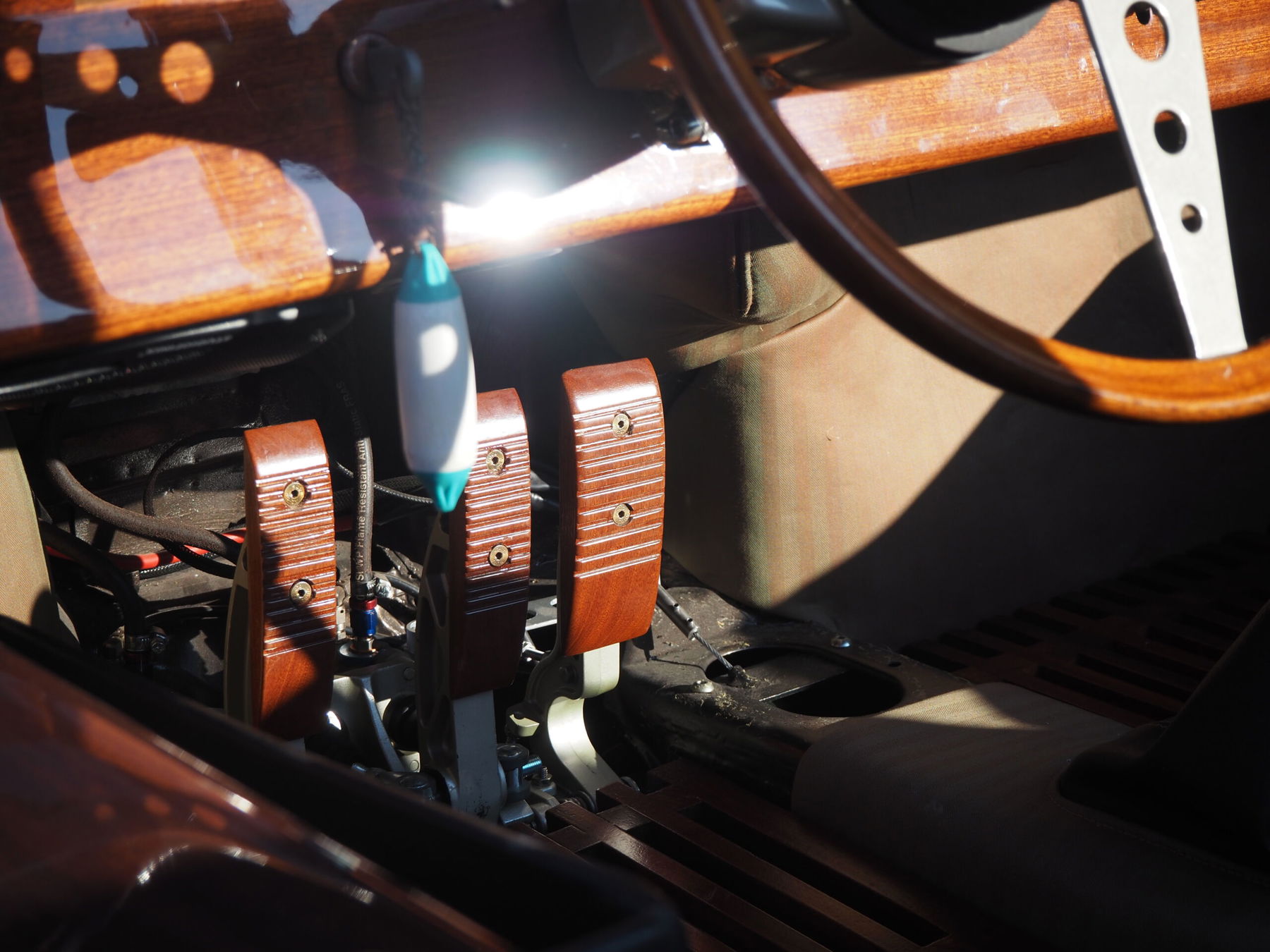
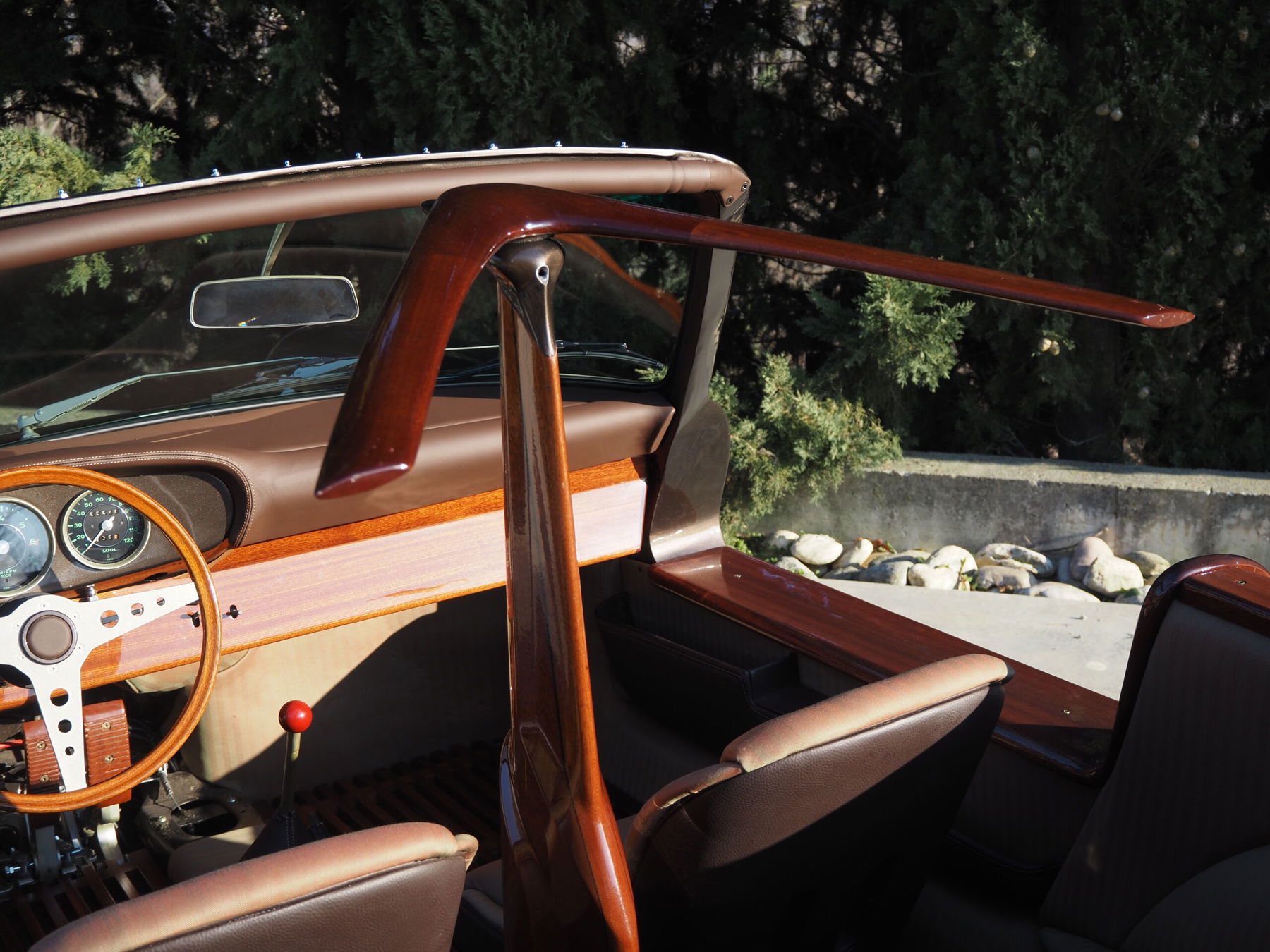
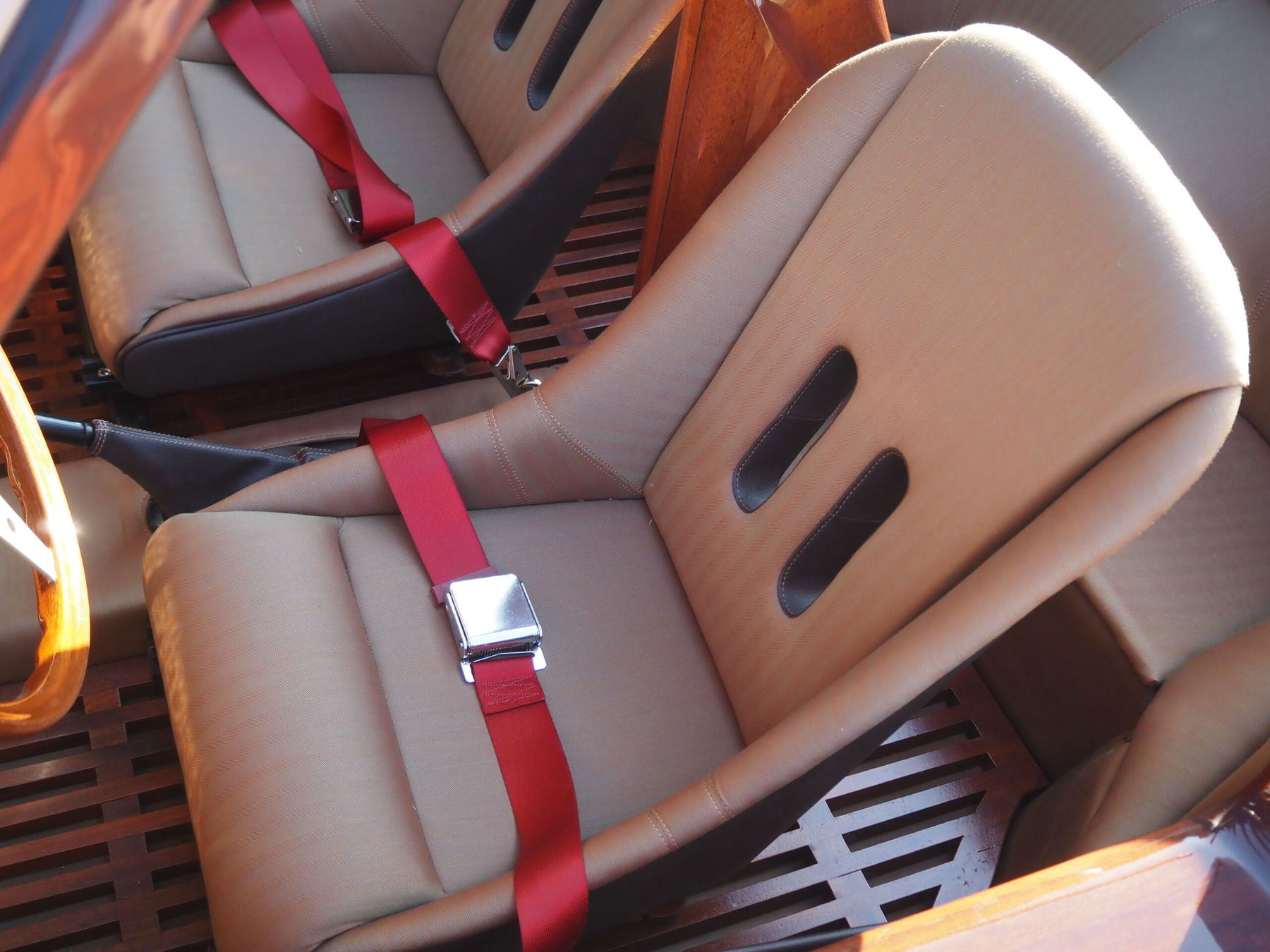
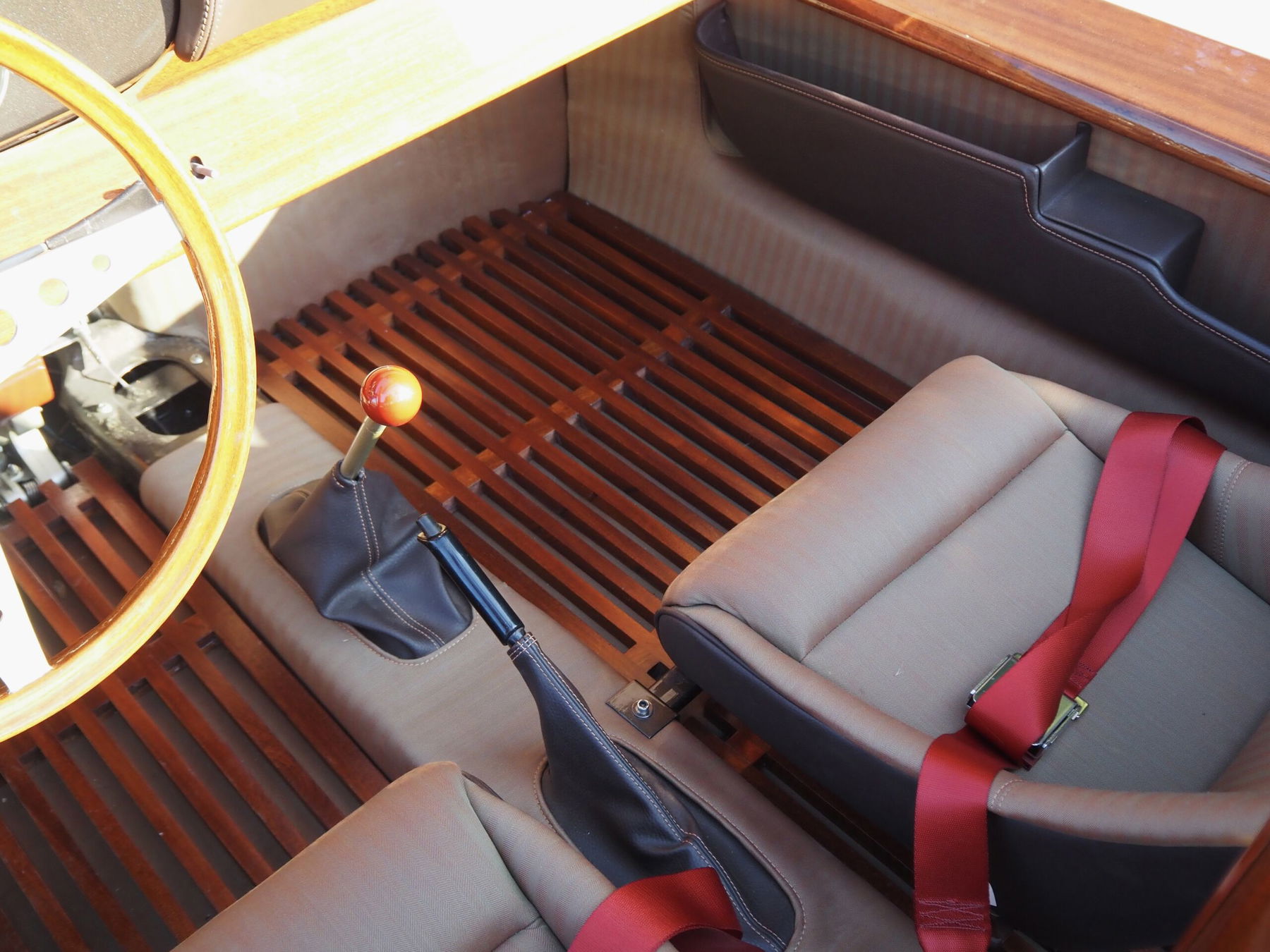
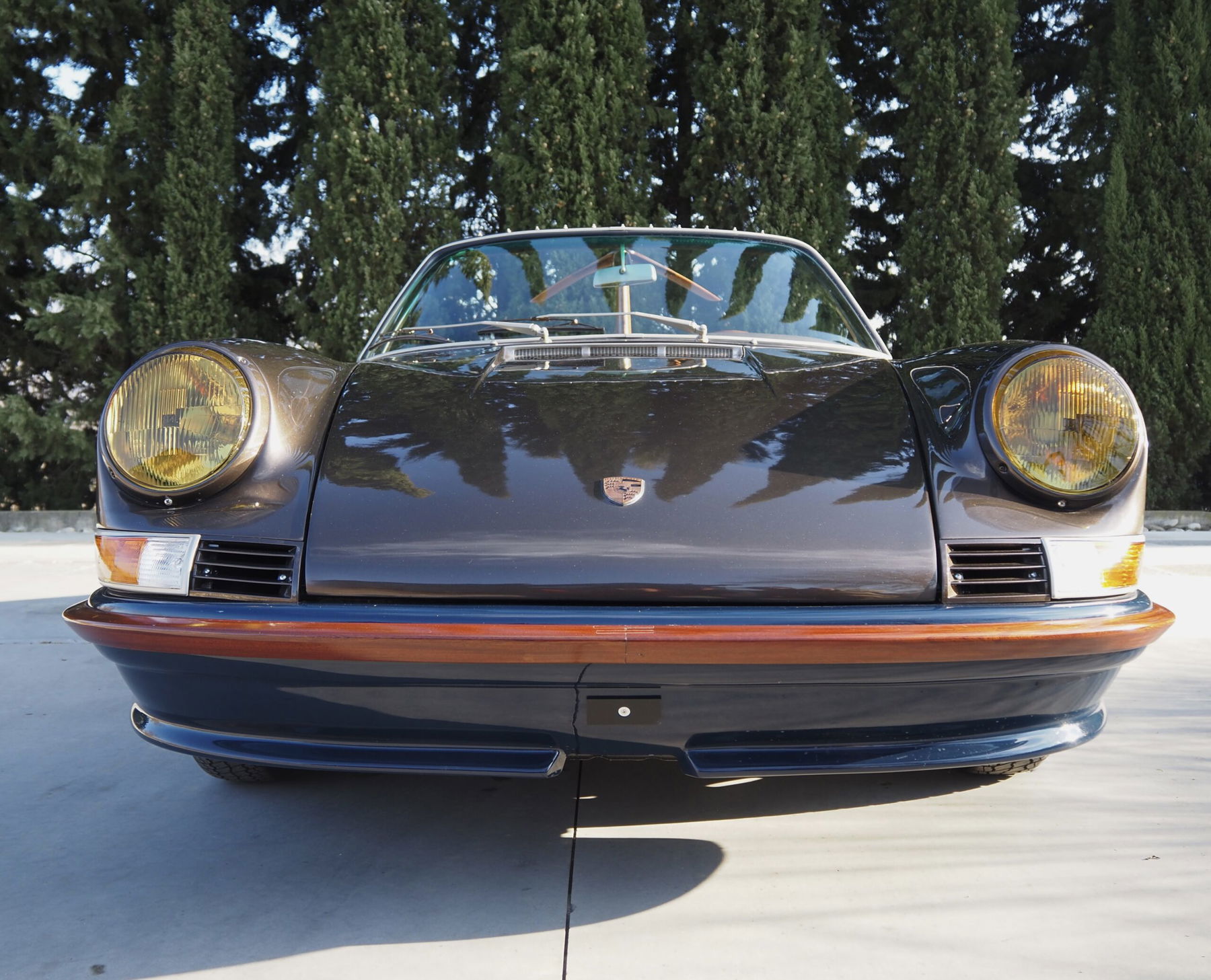
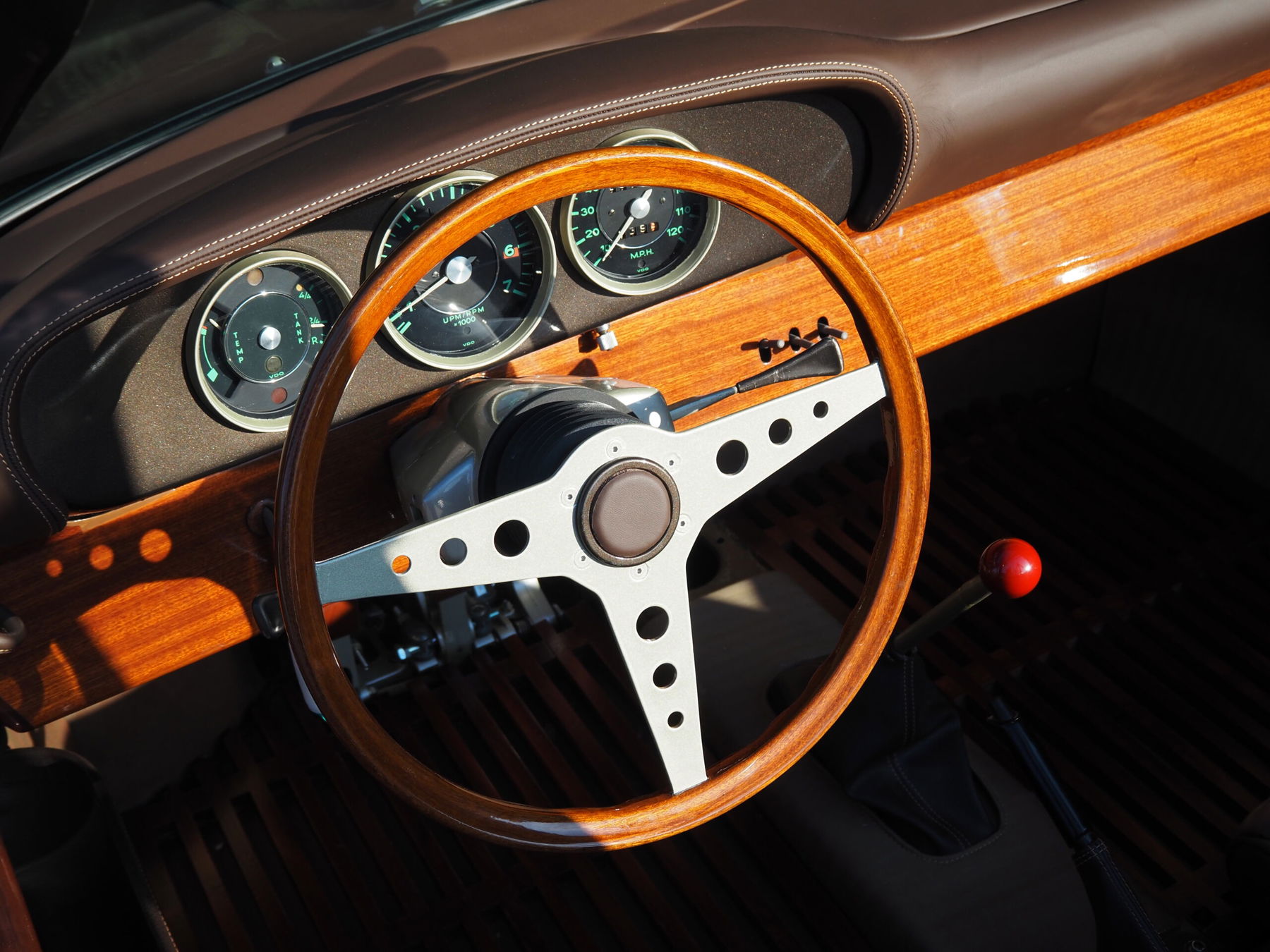
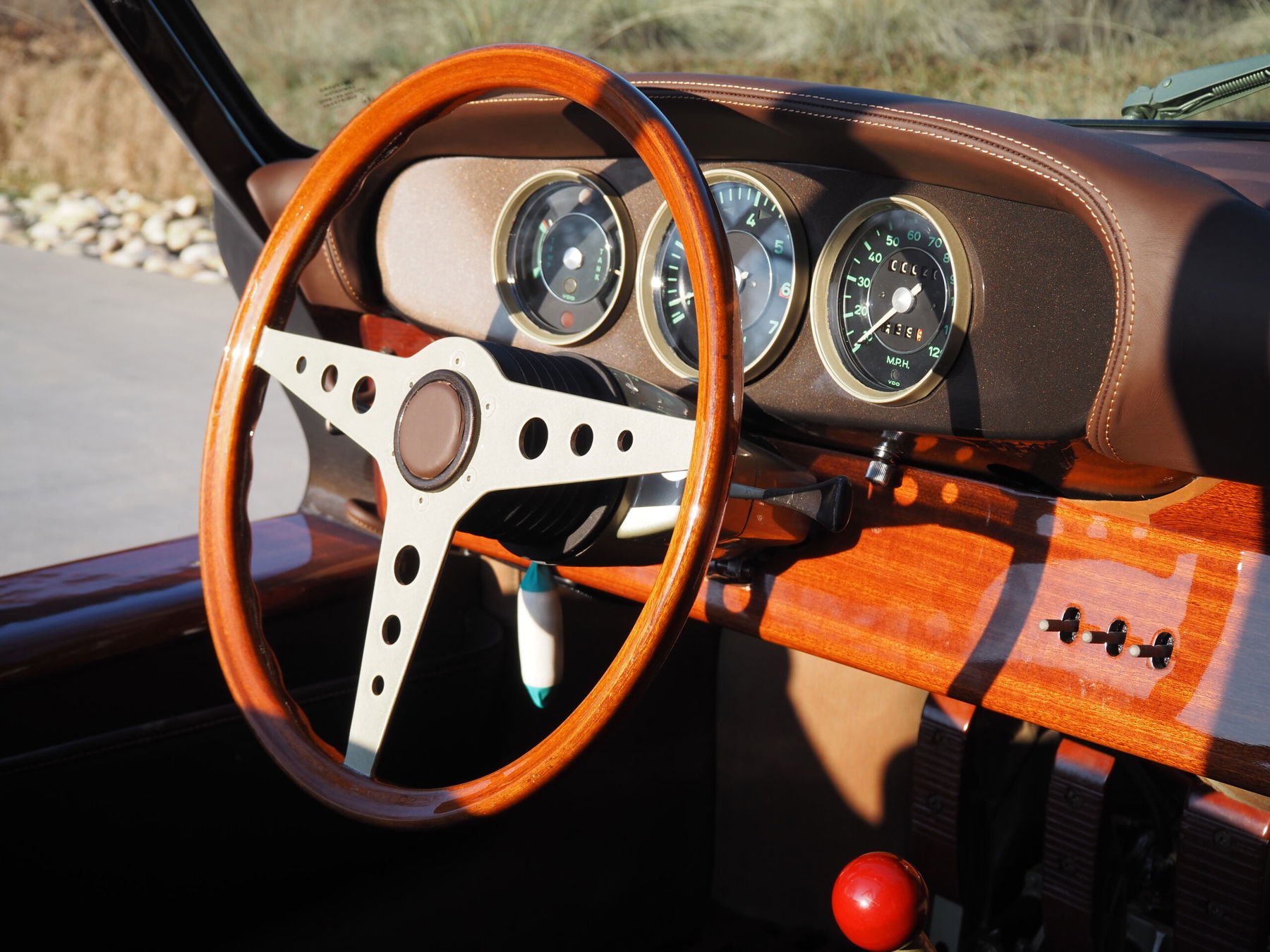
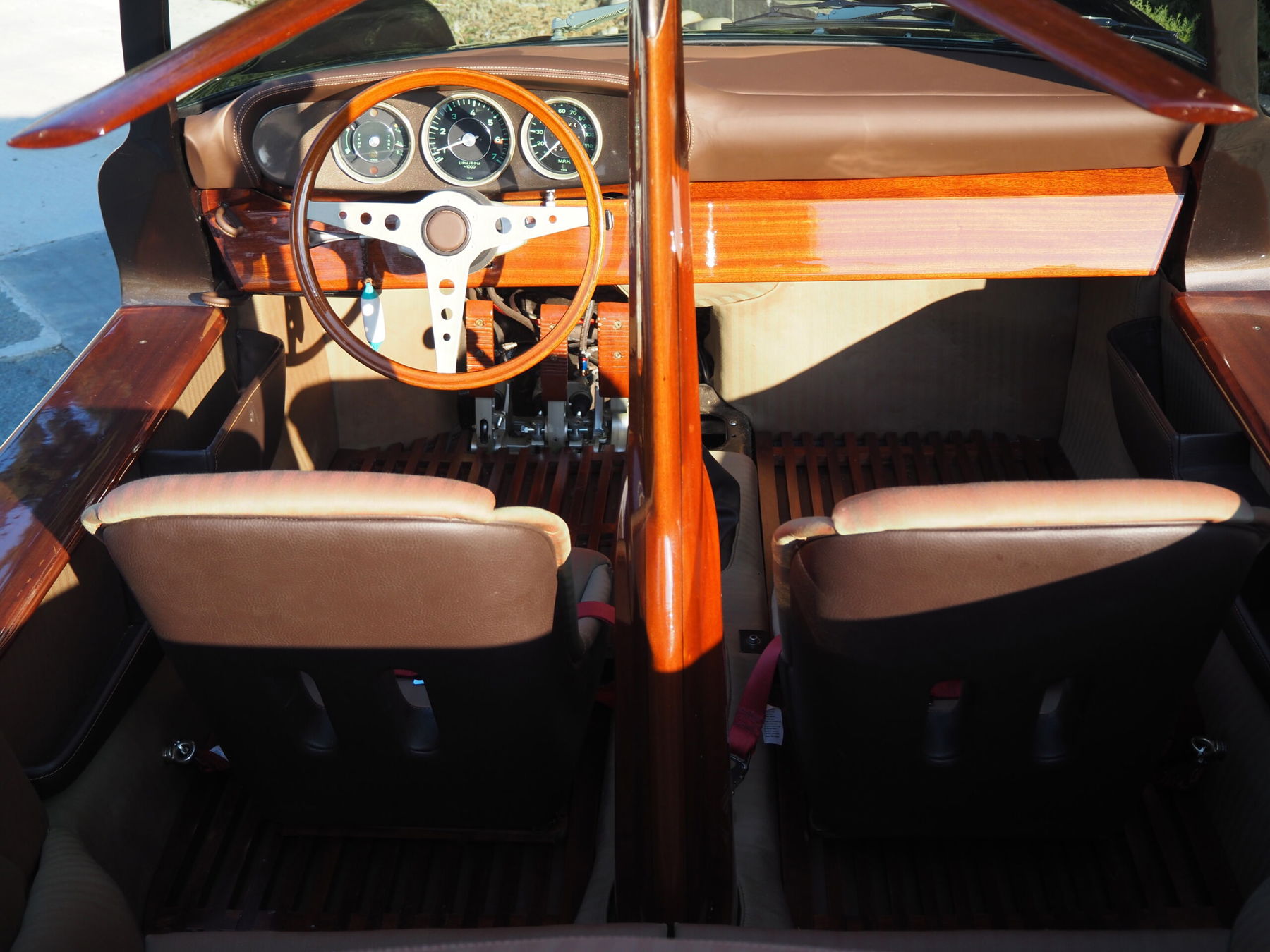
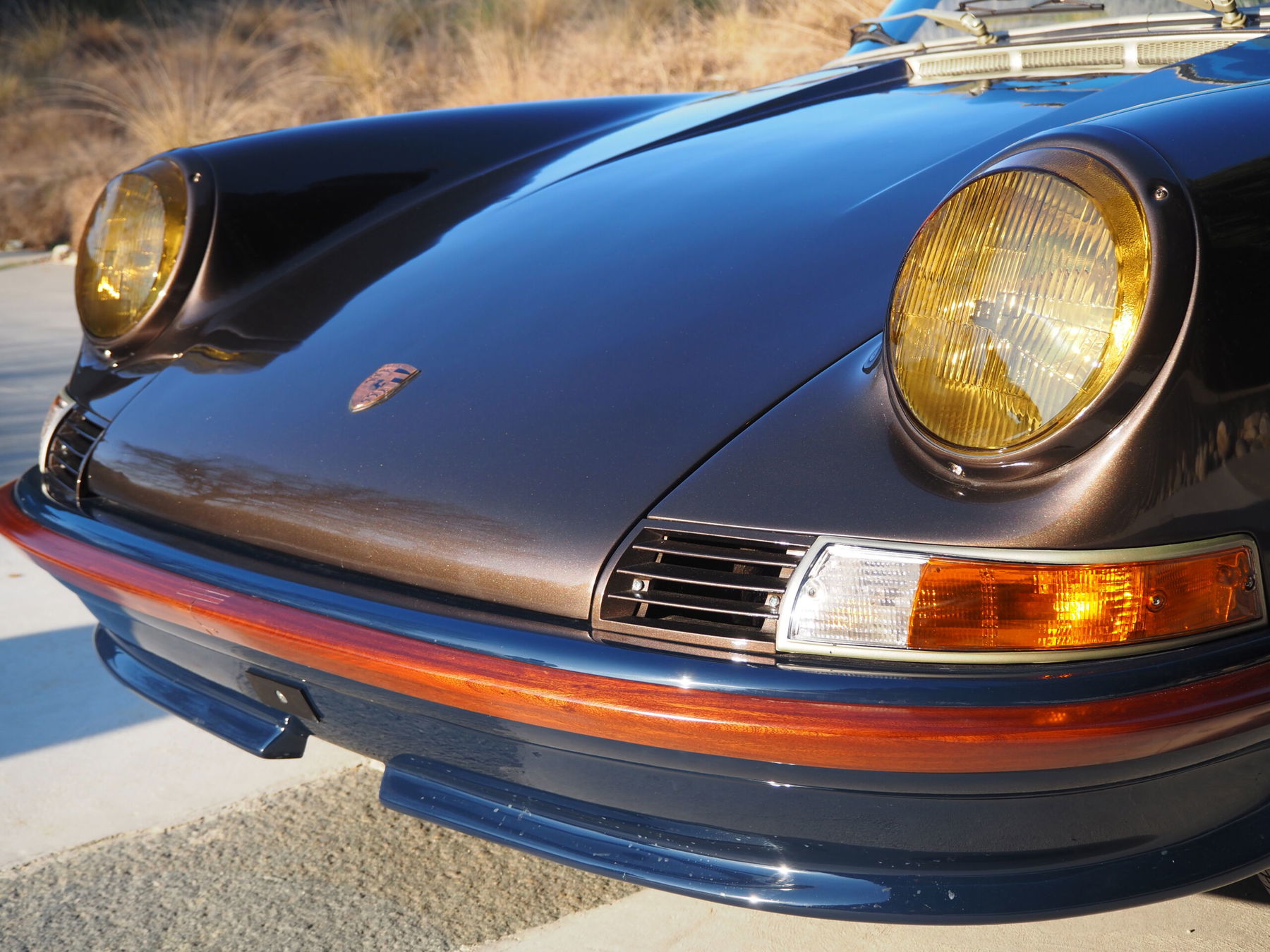
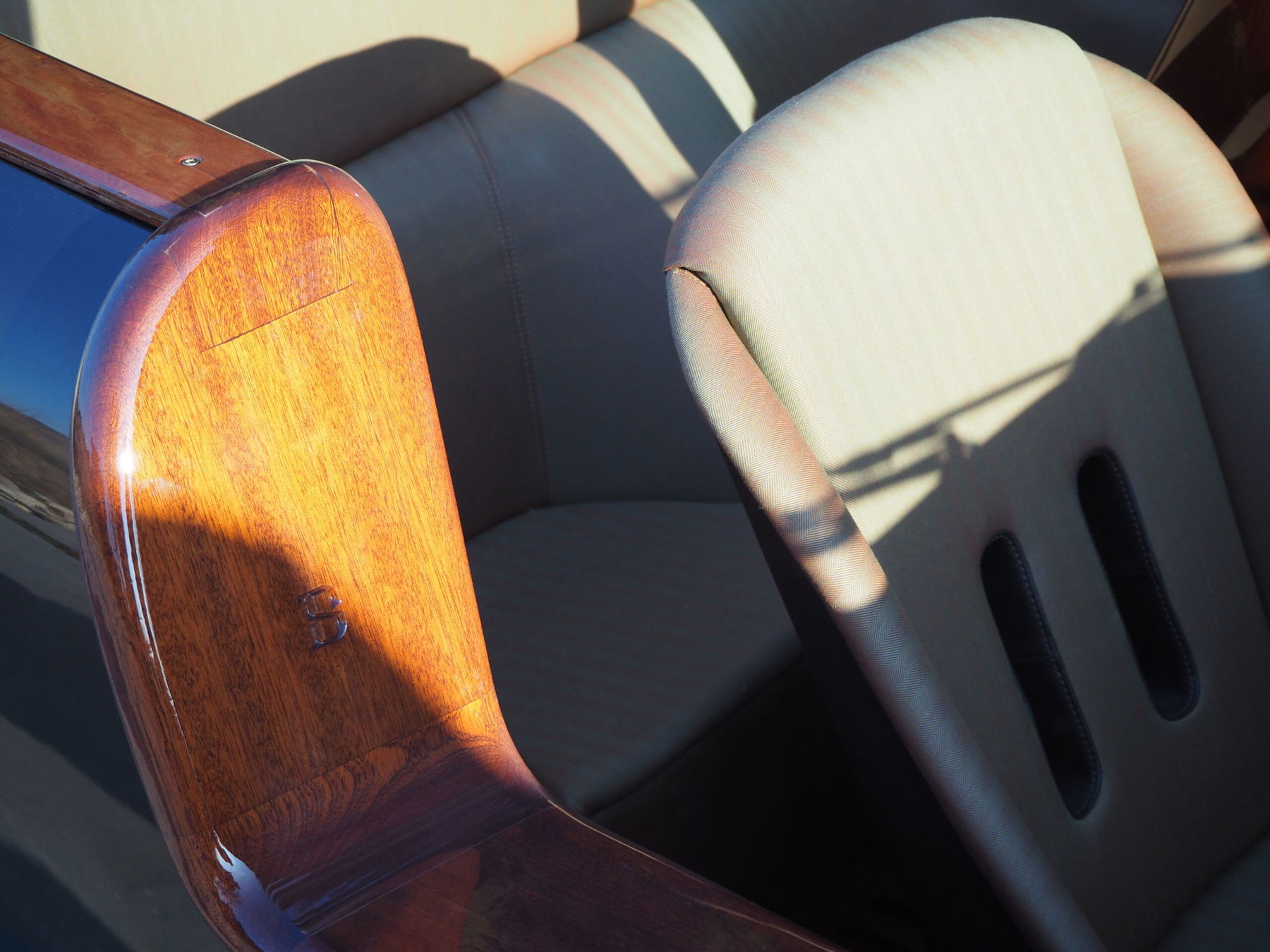
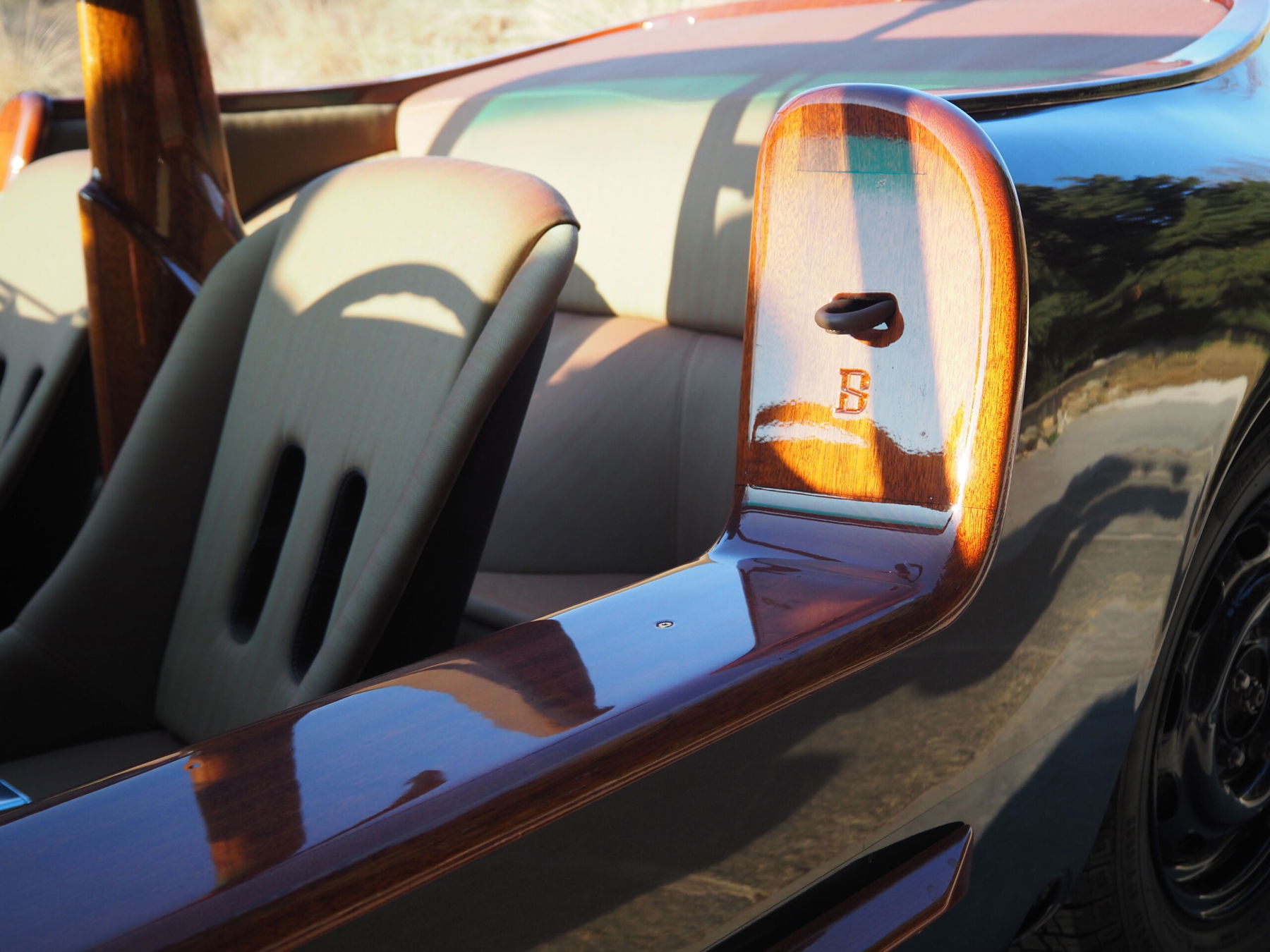
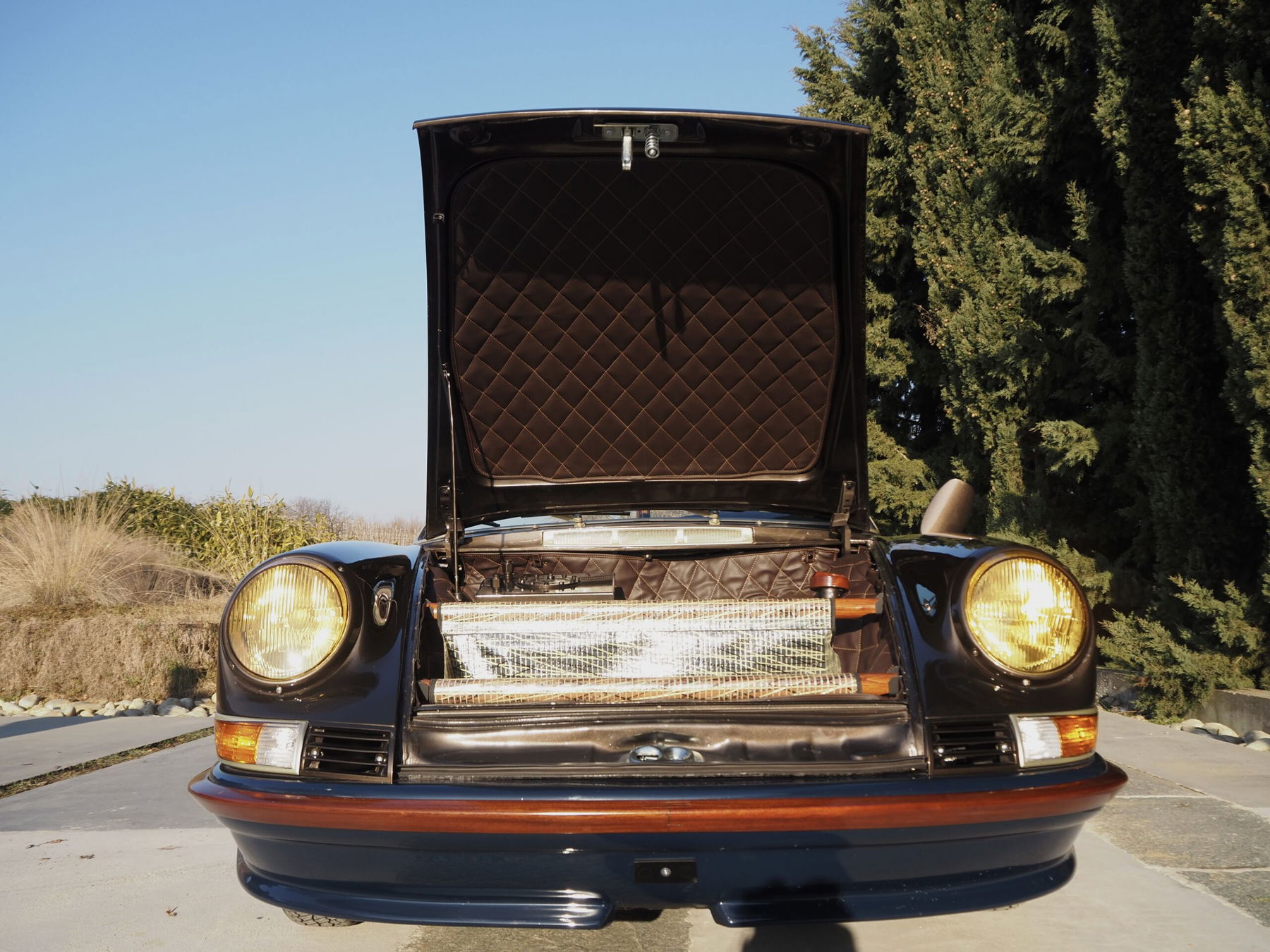
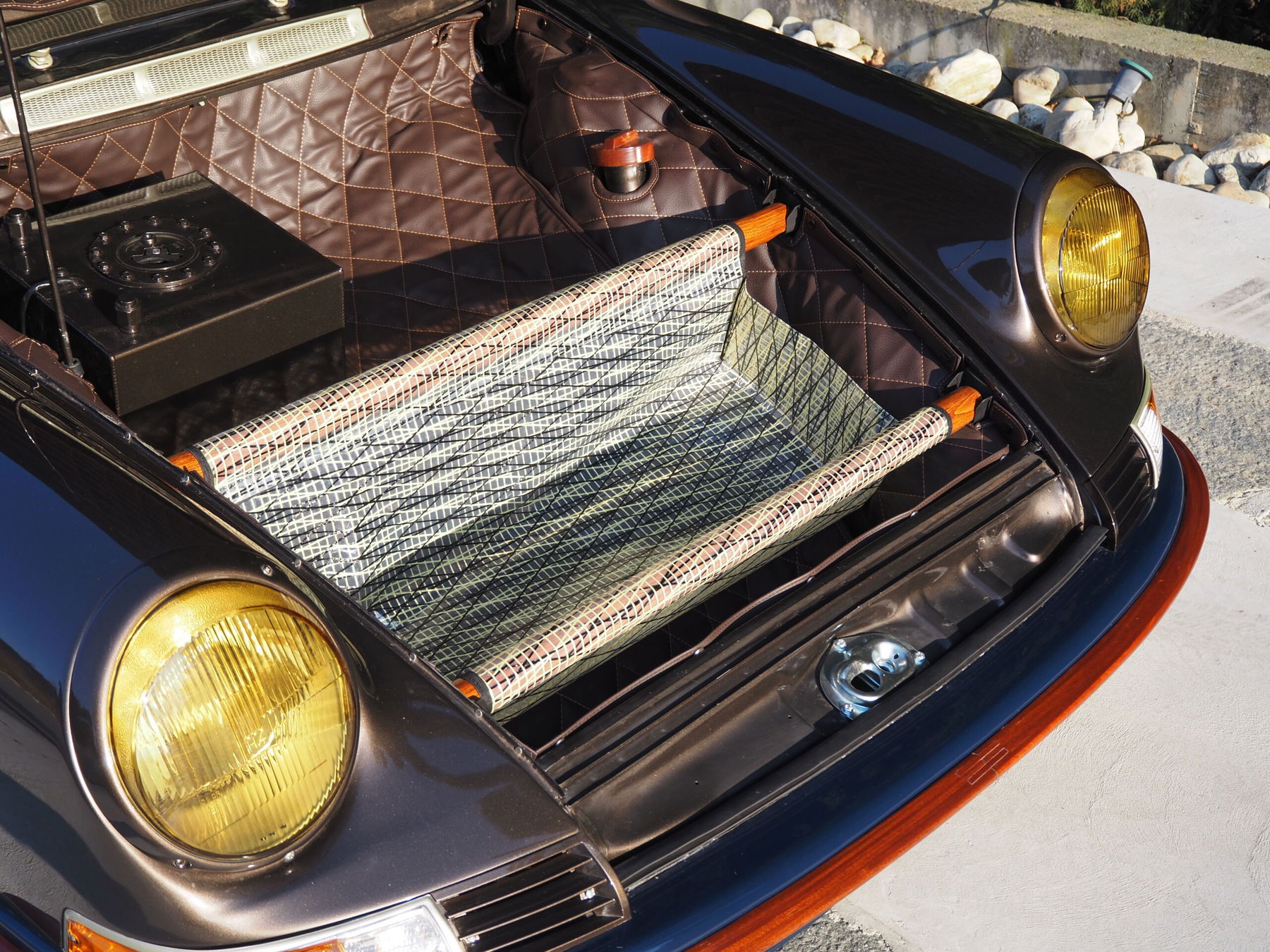
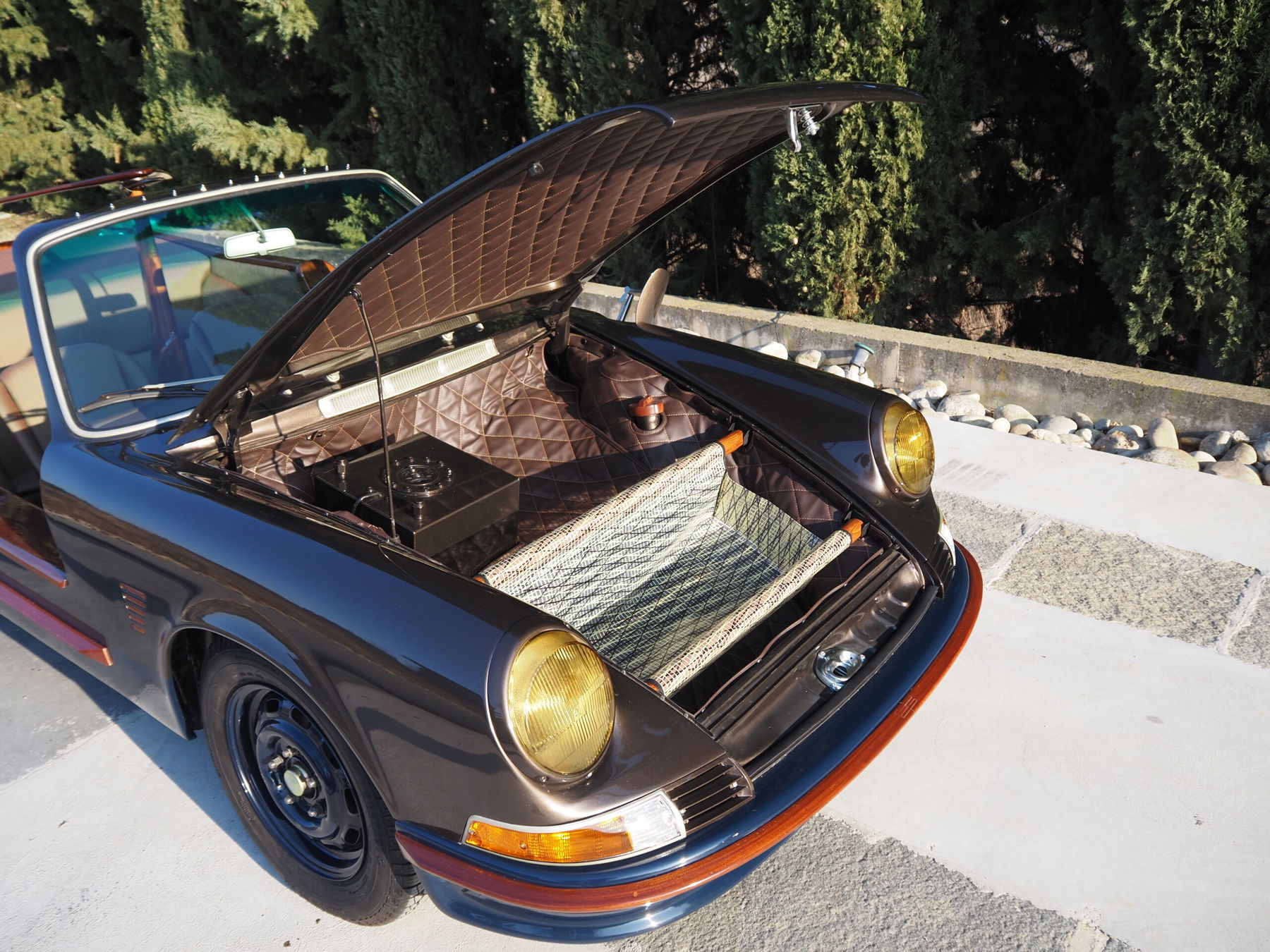
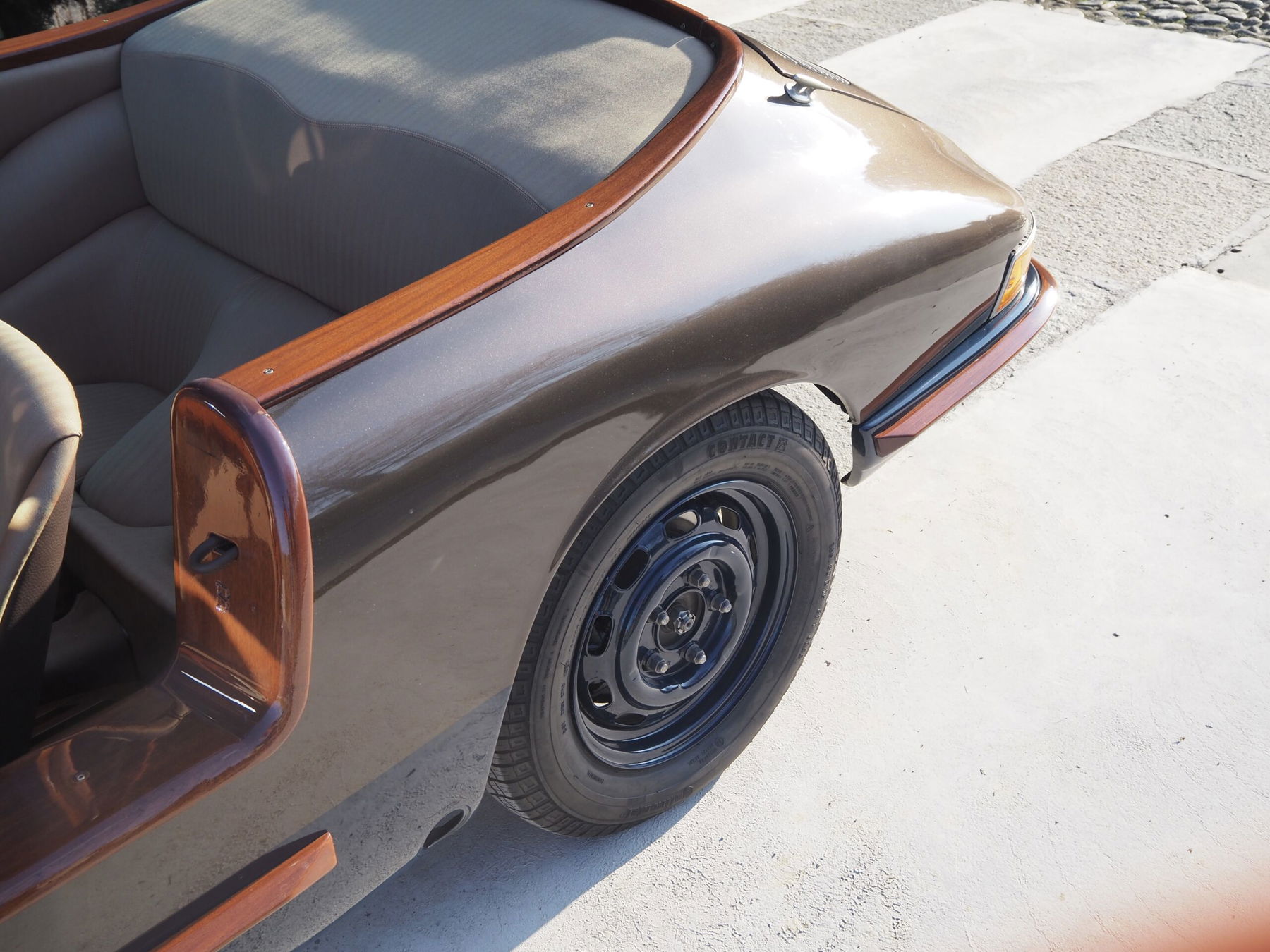
This 1966 Porsche 912 Barca began life as a standard short-wheelbase 912 before being comprehensively reimagined by Borromeo de Silva. The transformation is total. The roof and doors were removed entirely, replaced by flowing coachbuilt bodywork that emphasizes openness and lightness. Nautical influence defines nearly every detail. Mahogany trim wraps the bumpers and traces the bodylines where doors once existed, finished in high-gloss varnish reminiscent of classic wooden runabouts.
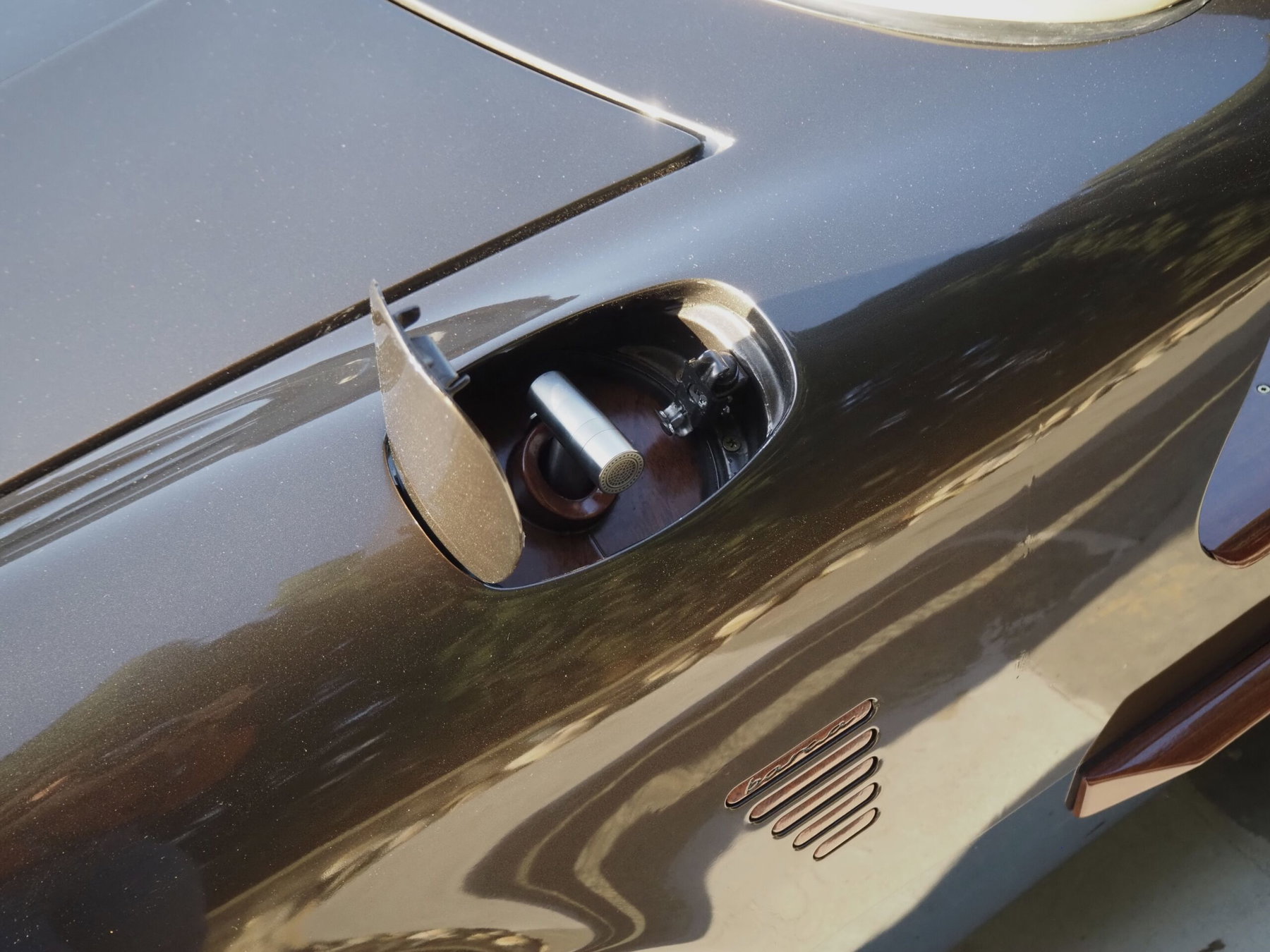
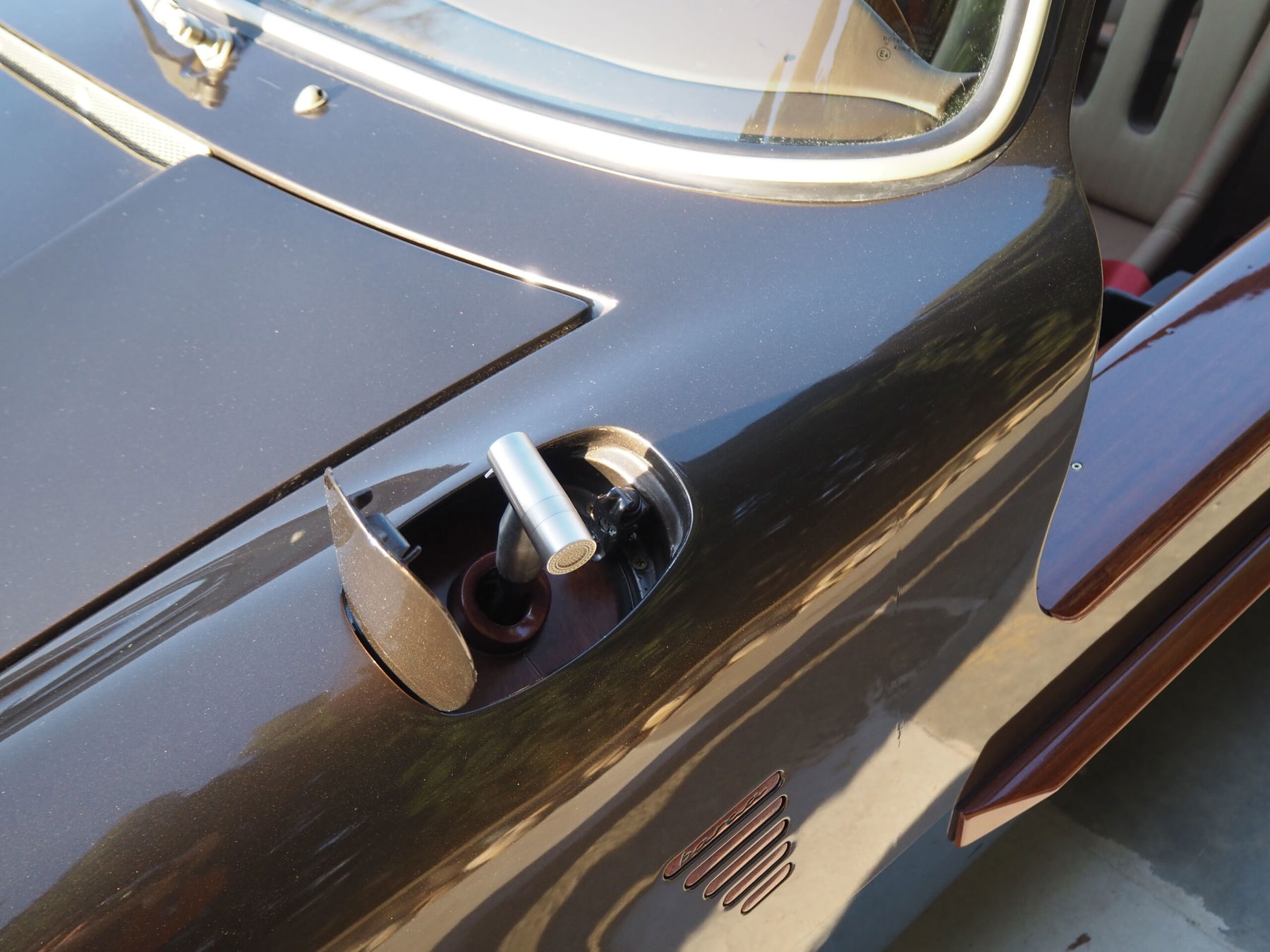
Further reinforcing its sailing inspiration, the car is fitted with a bespoke sailcloth roof, intended as light protection against unexpected summer showers rather than true weatherproofing. In a moment of playful excess, Borromeo de Silva even integrated a retractable shower head concealed within the original fuel filler—an indulgent but telling detail that underscores the car’s beach-first intent.
Mechanically, the 912’s air-cooled flat-four remains an ideal companion to the concept. Lightweight, balanced, and approachable, it suits the Barca’s relaxed, sensory driving experience far better than a more powerful six-cylinder alternative. This is not a car designed to be driven hard, but one meant to be lived with—cruising coastal roads, arriving slowly, and lingering once parked.
The car is currently located in Cuneo, Italy, and is eligible for import to the United States under the 25-year rule. Export documentation is in order, making it a straightforward acquisition for a U.S.-based collector.
While this example is a one-off, Borromeo de Silva has publicly expressed interest in producing a limited number of similar cars on both 911 and 912 platforms. Even so, this original 912 Barca stands as the genesis of the idea—the first, most expressive, and most culturally resonant execution of the concept.
Continue reading
















 1969
1969 
 1968
1968 
 1967
1967