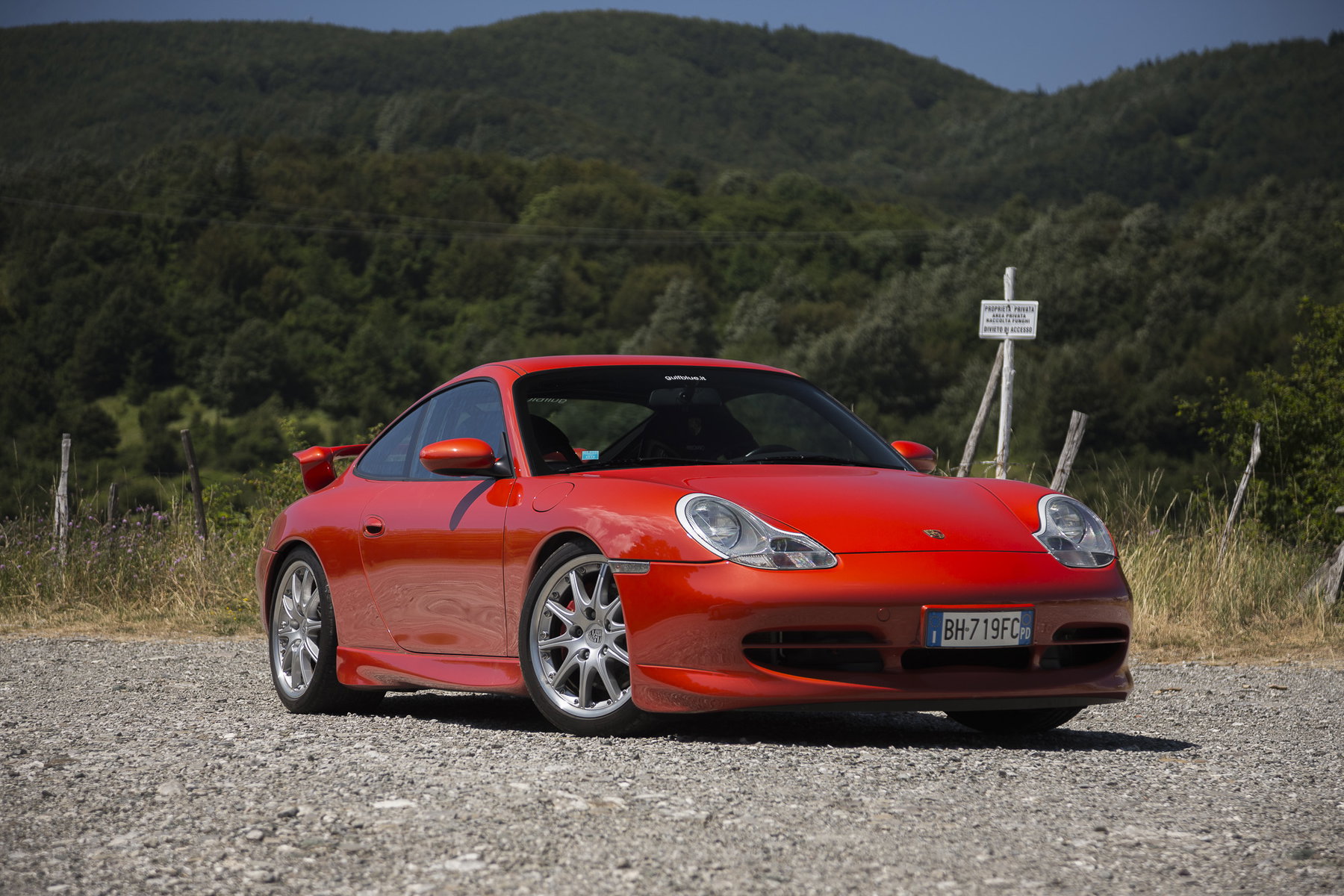
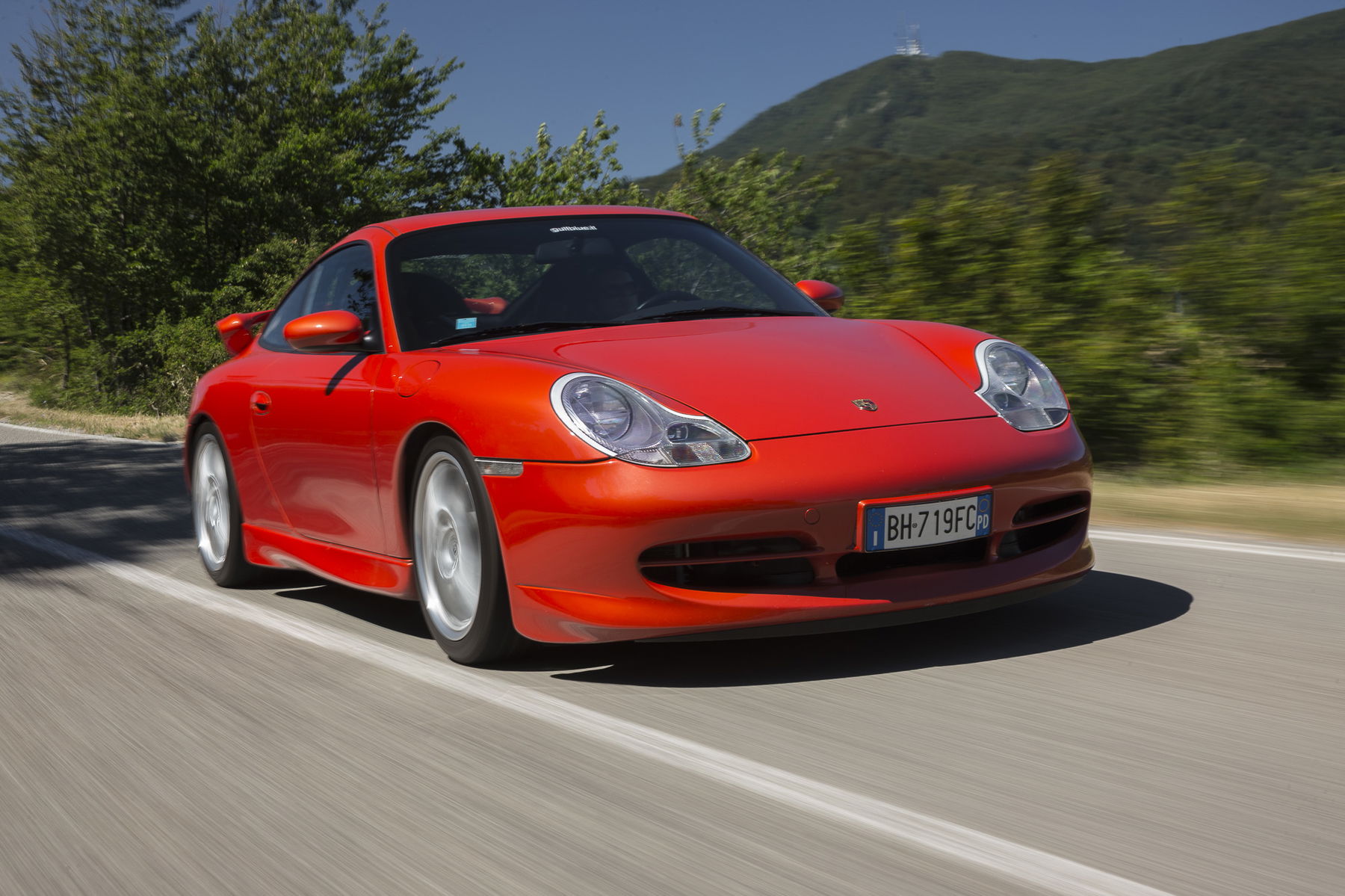
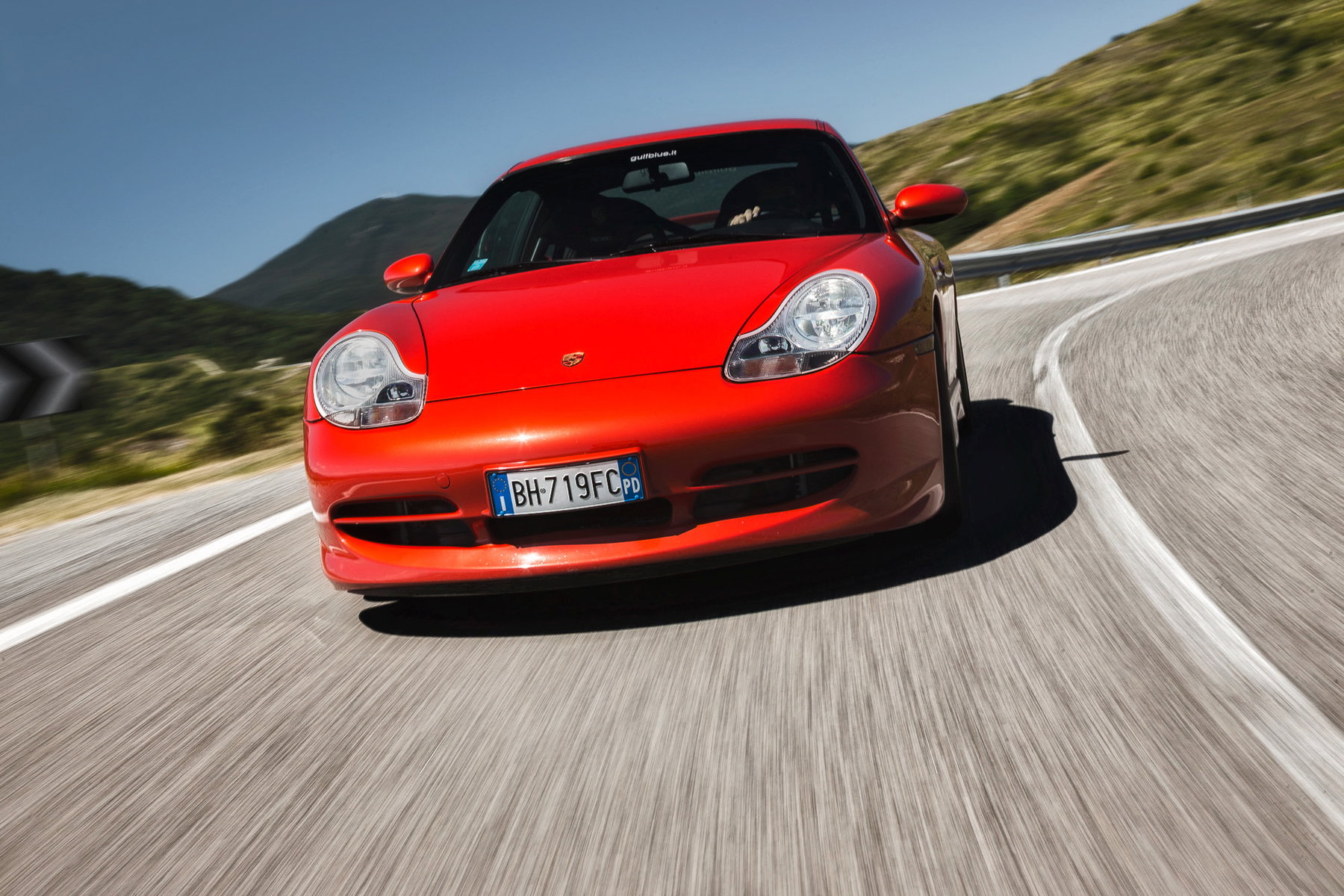
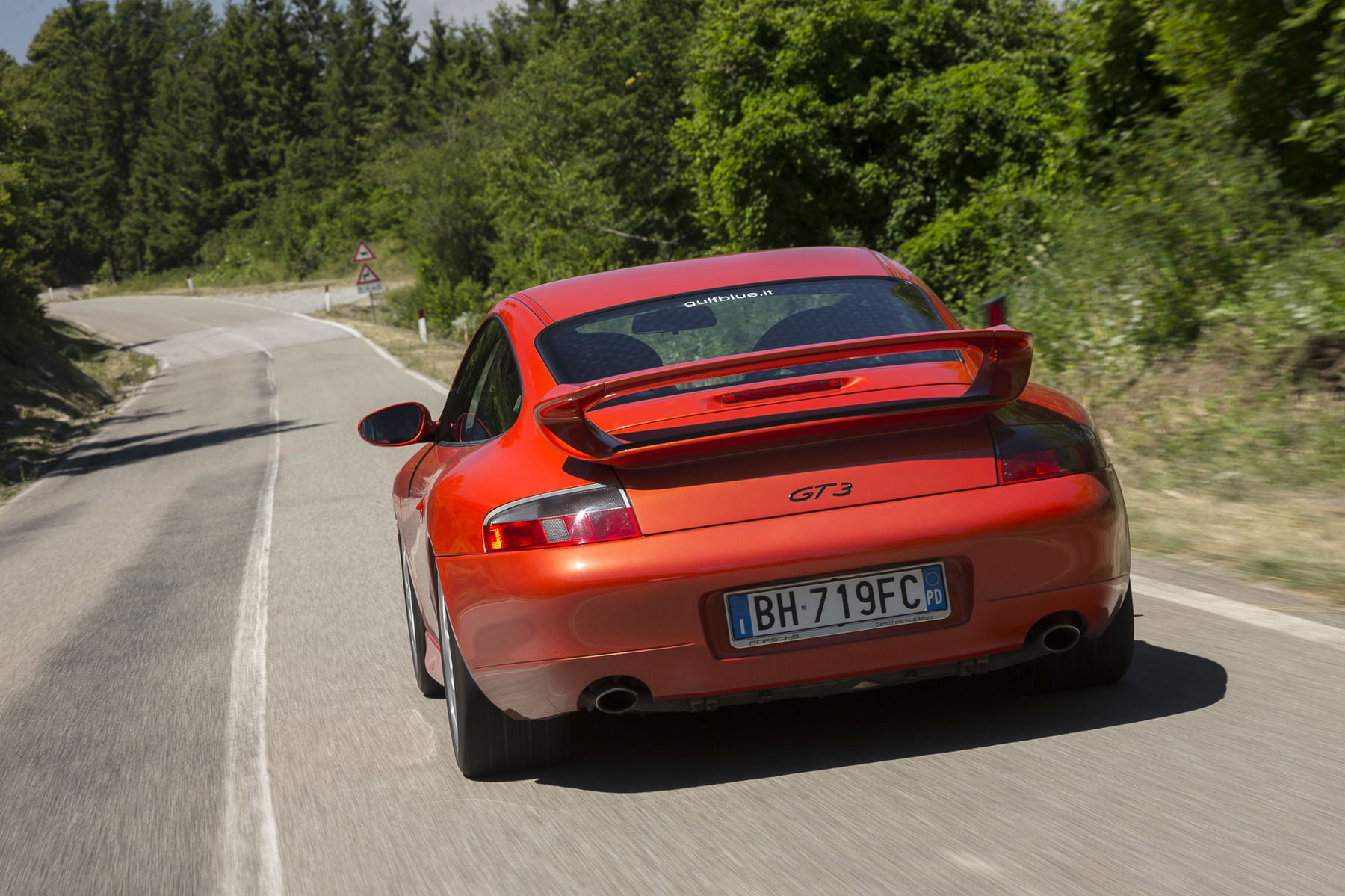
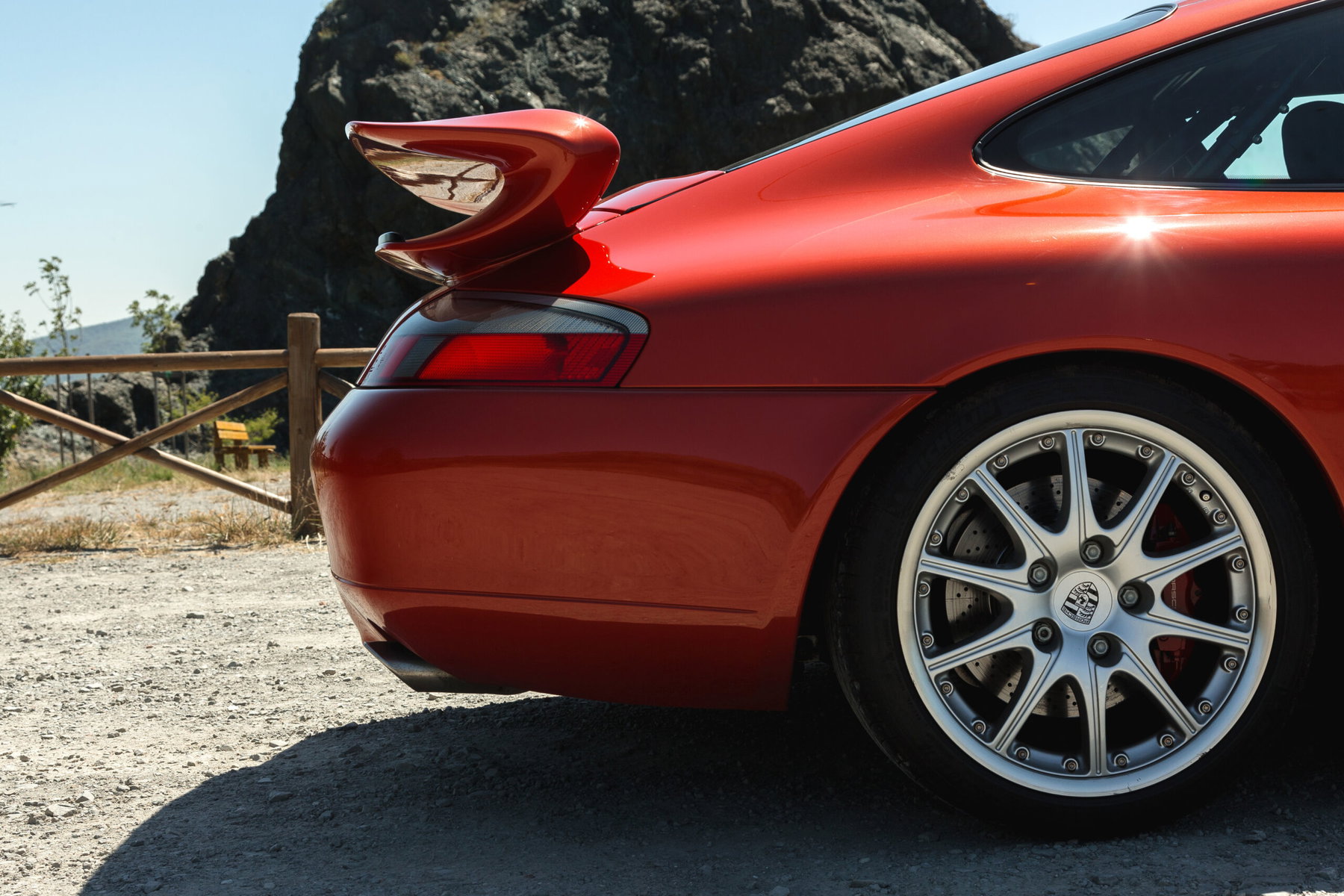
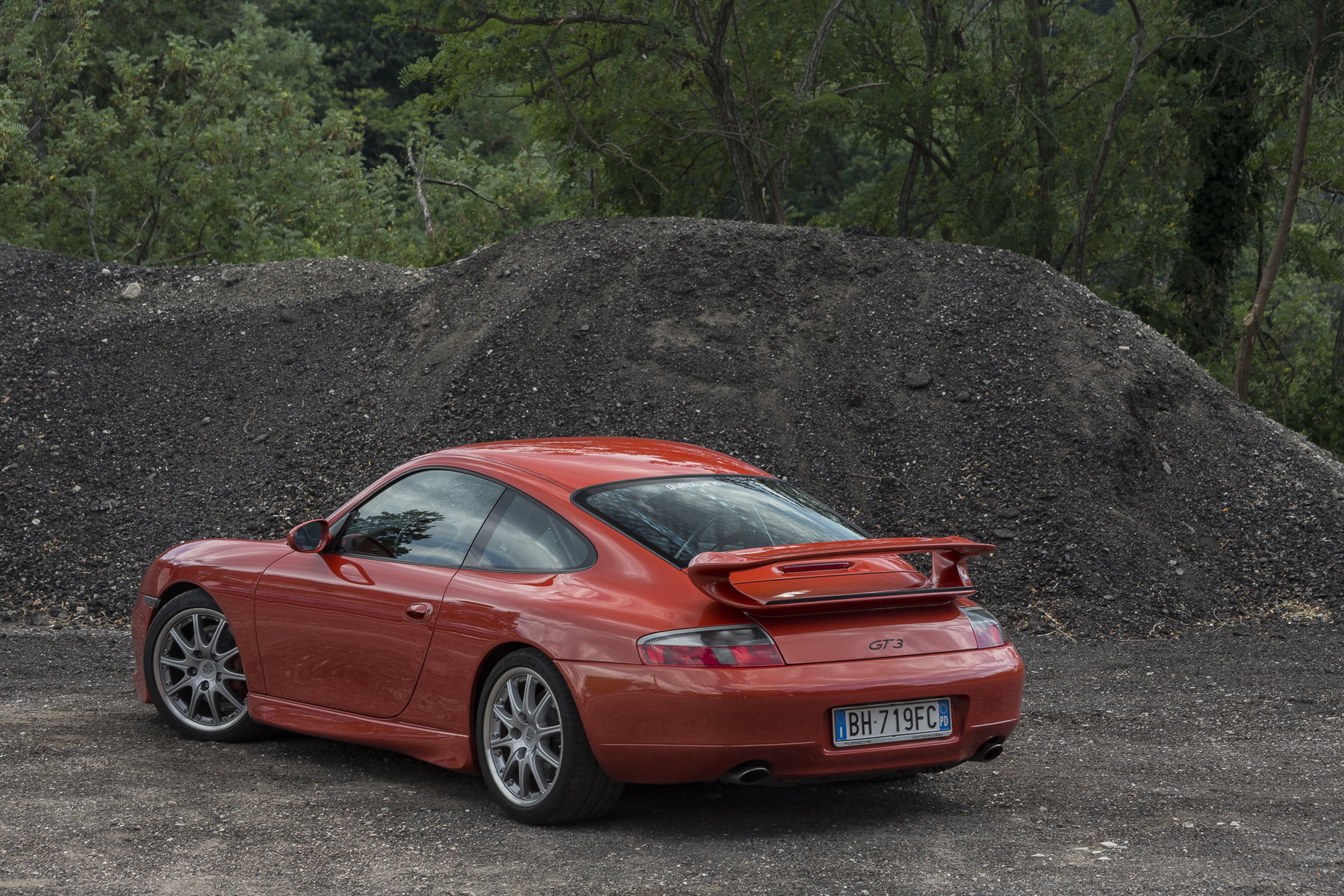
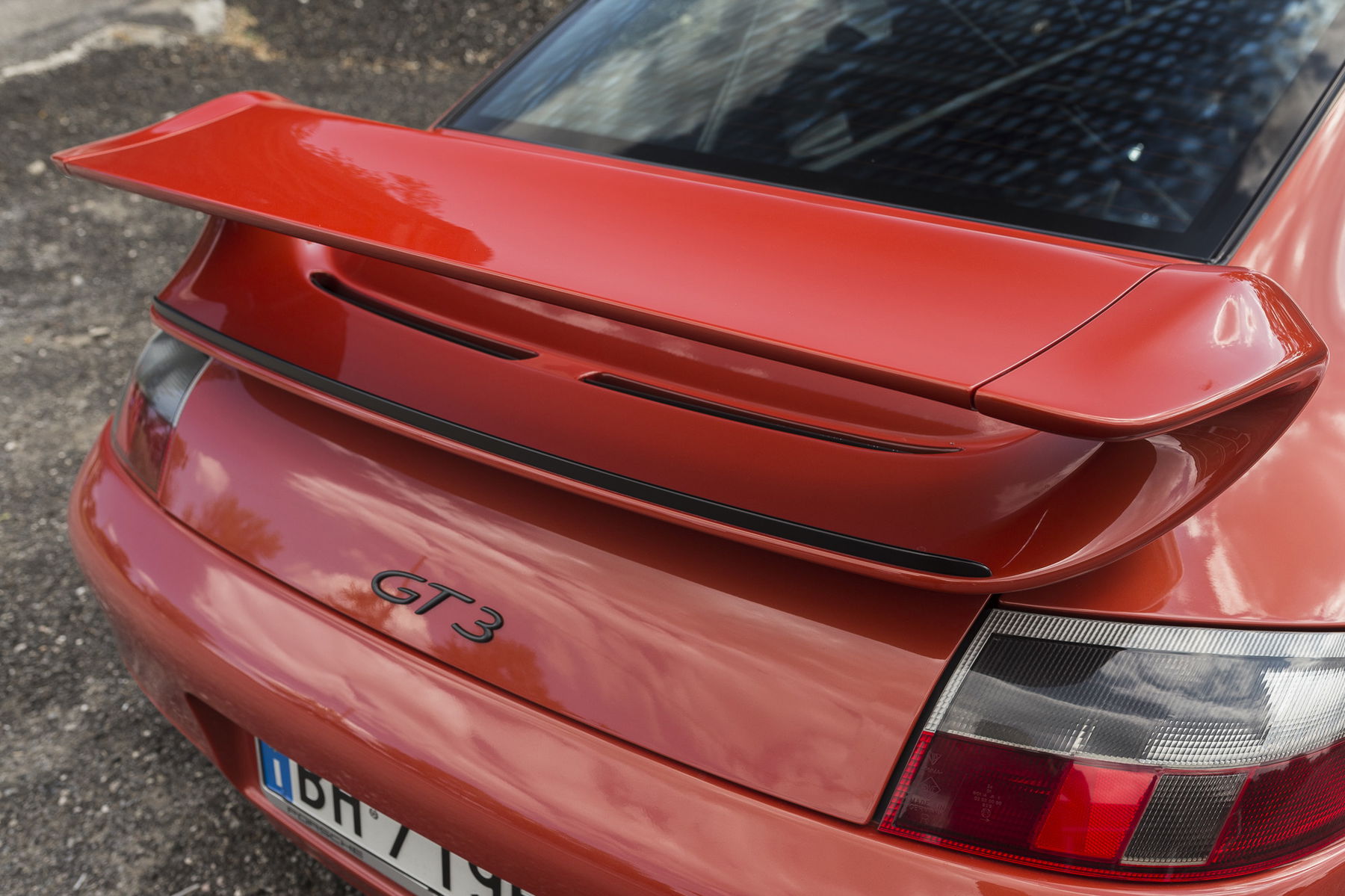
For those who want to read the history of this car, here are more details. Let’s go back to 2004: my dad was looking for a first-generation GT3, primarily the Clubsport version, a model we’d seen in limited numbers in the previous three-four years. We saw the first one during a Porsche Club event in September 1999, one of the very first delivered in Italy, a silver Clubsport. With the unveiling of the Mk2, the headlights were updated to the 996 restyling, 21 horsepower was added, but the beautiful rear wing that characterized the very first GT3 was lost: we really didn’t like the new one, which everyone thought looked like an “ironing board”!
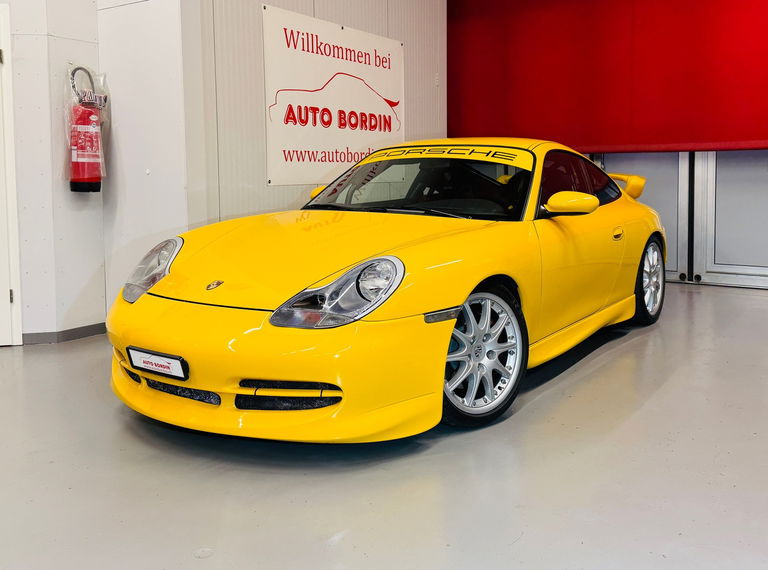
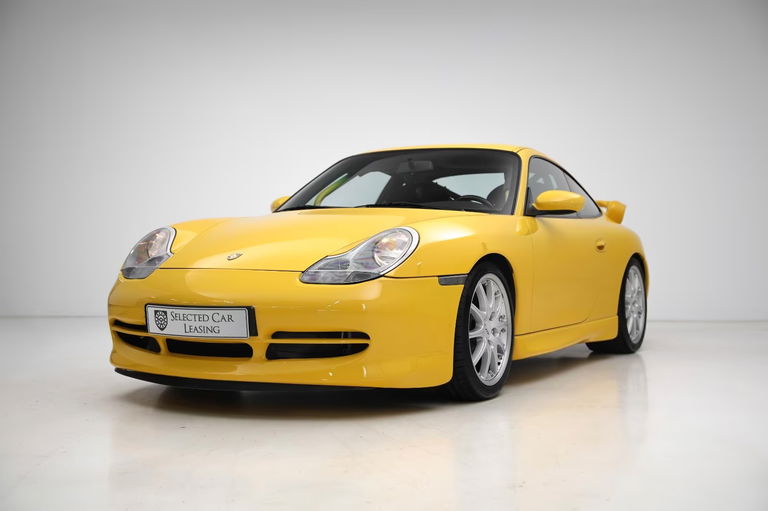
My father then called his cousin Ignazio, then head of sales at the Porsche Center in Padua (Porsche Italia), who had a Polar Silver Clubsport available, lightly tuned for track use, that potentially seemed like the right choice. A few days before going to Padua to see it, Ignazio informed my father that a second Clubsport in pearl orange was on its way; we weren’t even that interested in the orange, so much so that the car was advertised for just a few days on the Porsche Center website (we saved a couple of photos of the ad, which we’re reposting here).
To put our choice into context, let’s remember that the automotive world in the early 2000s was all about “metallic gray”; bright colors hadn’t come back into fashion.
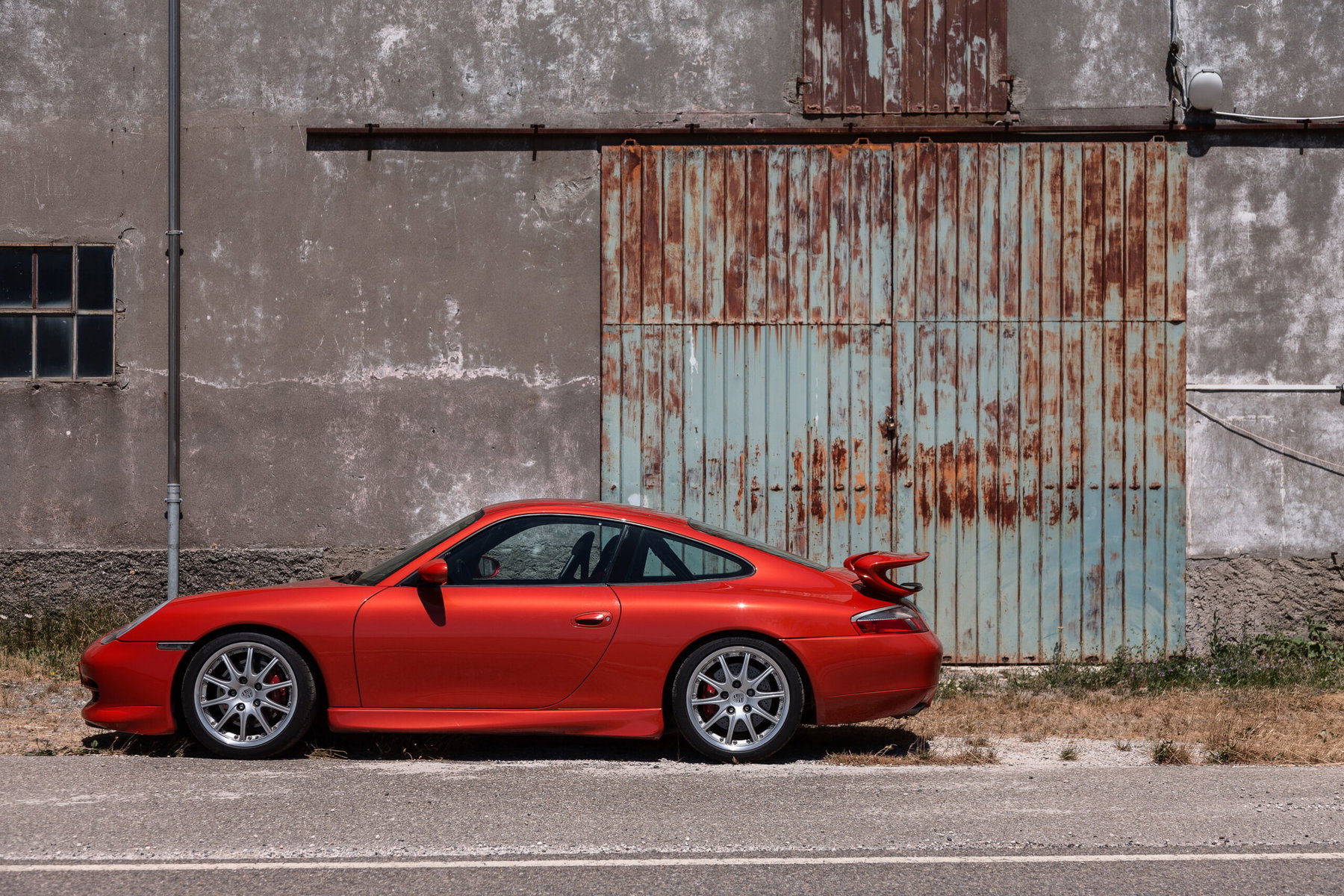
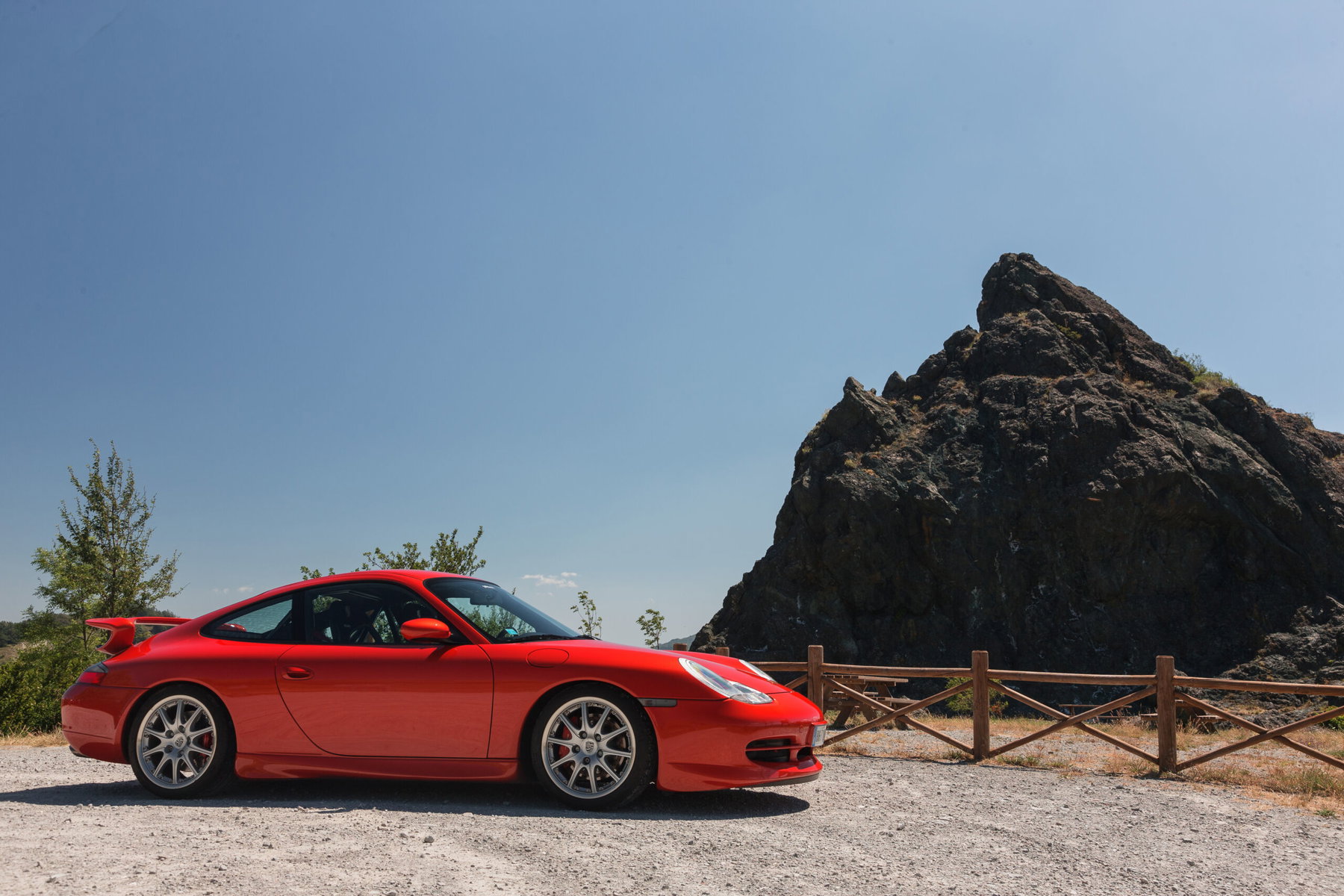
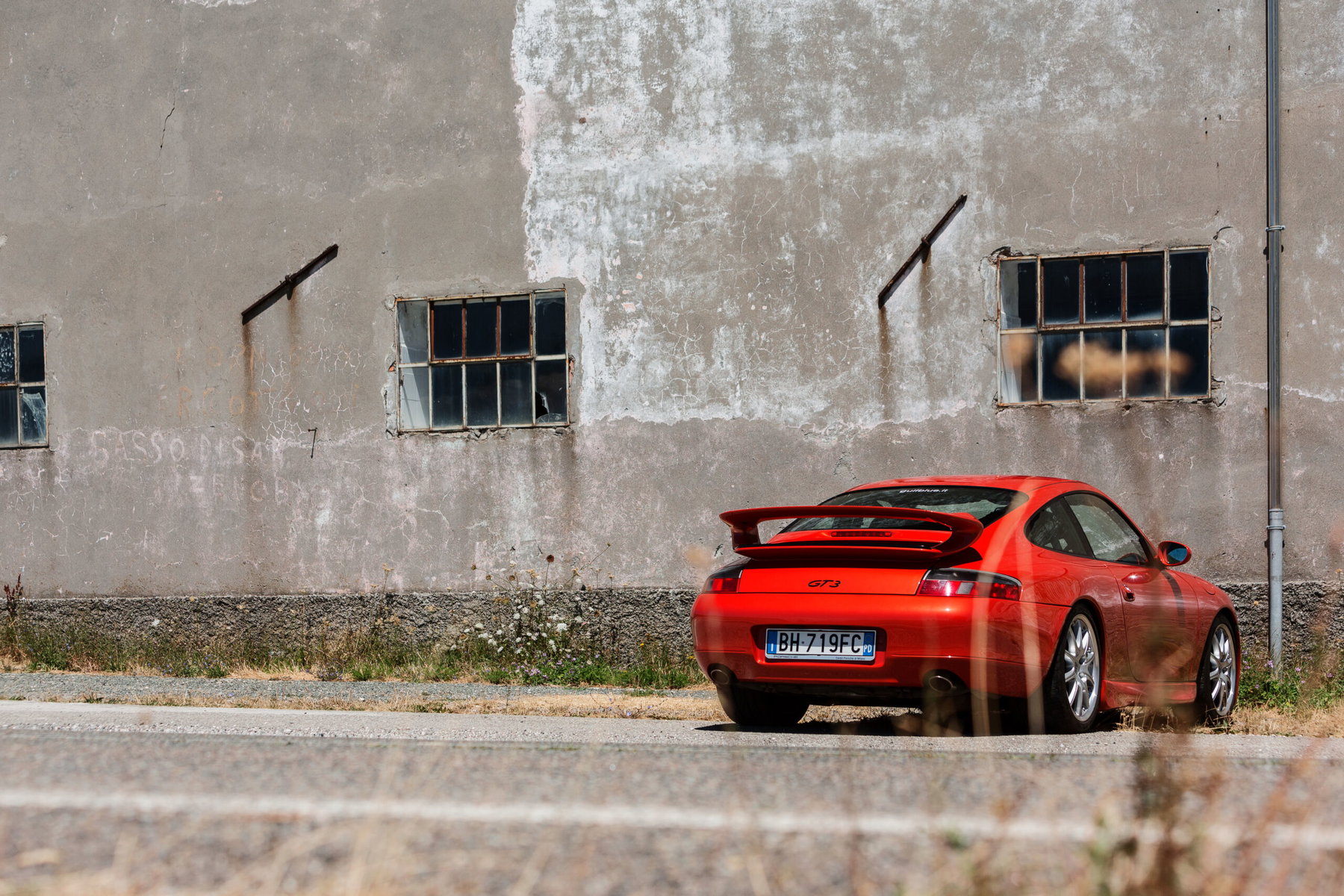
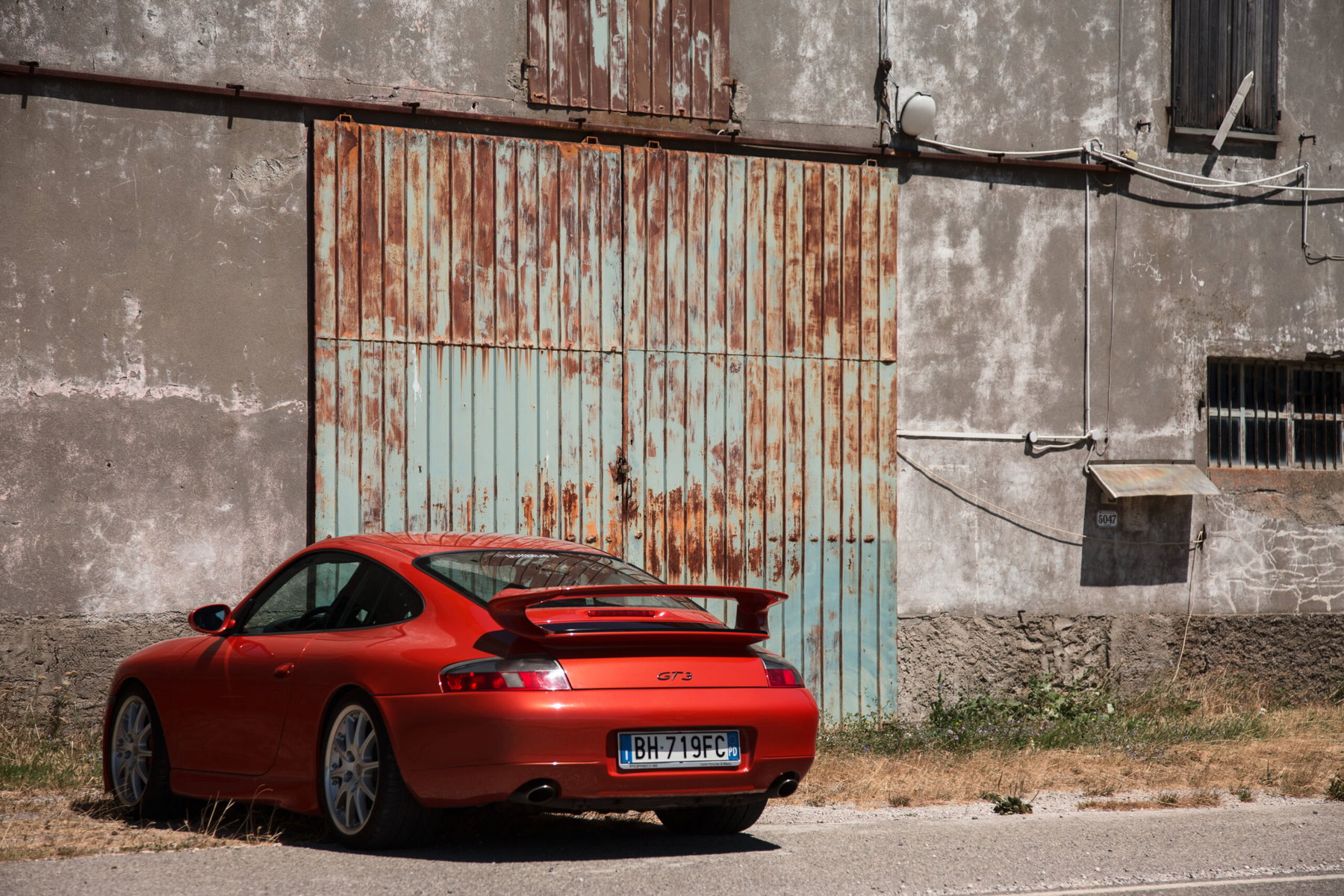
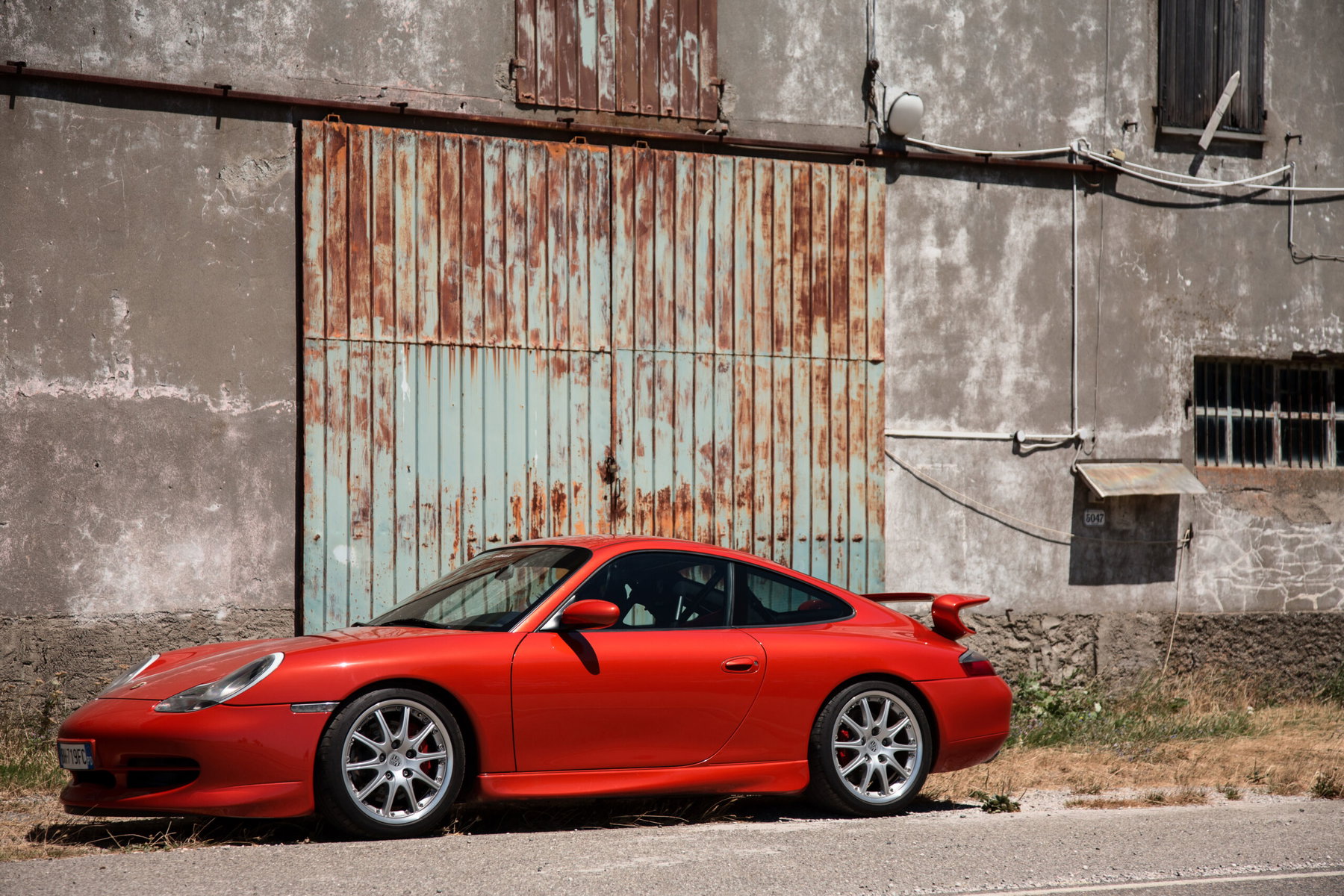
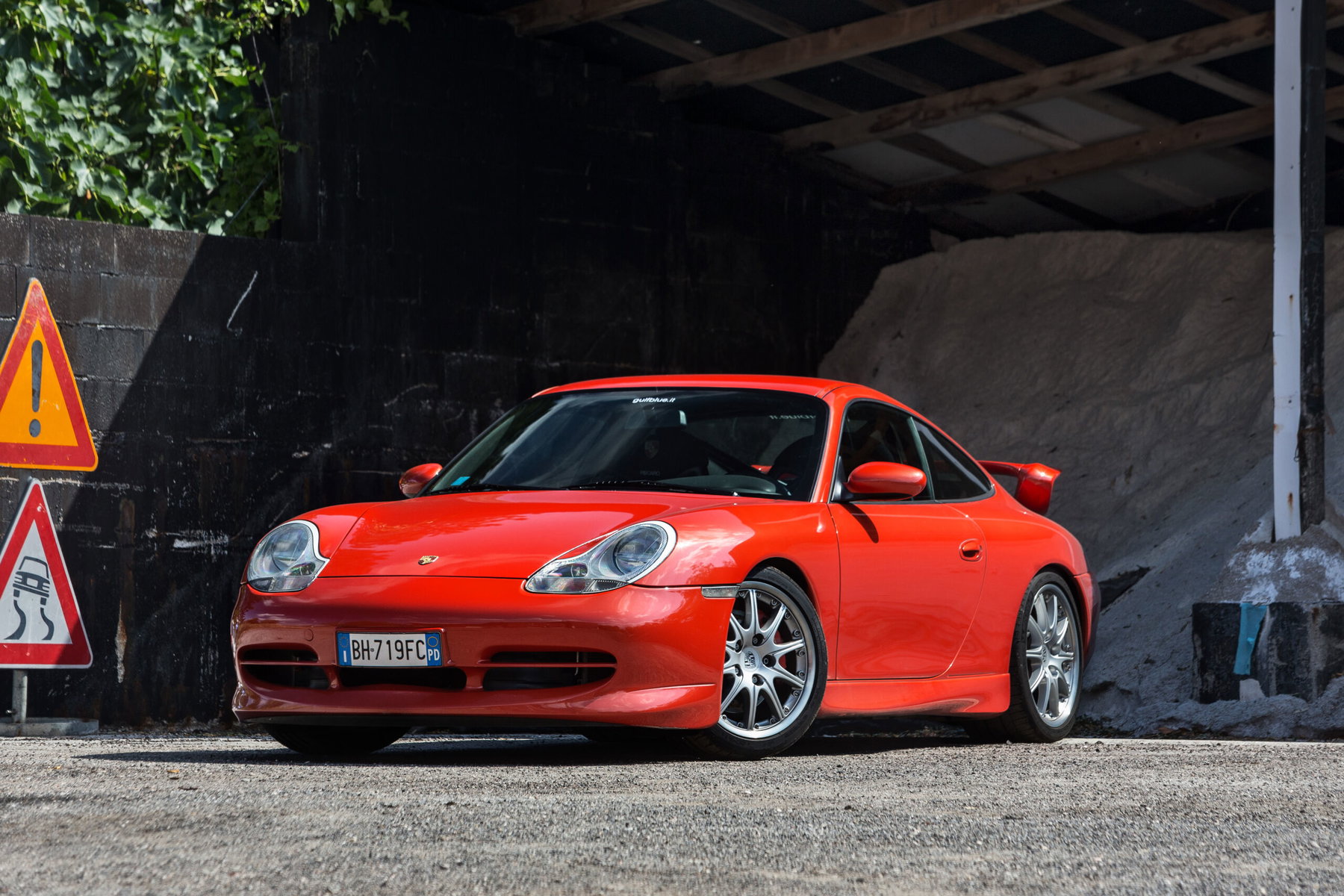
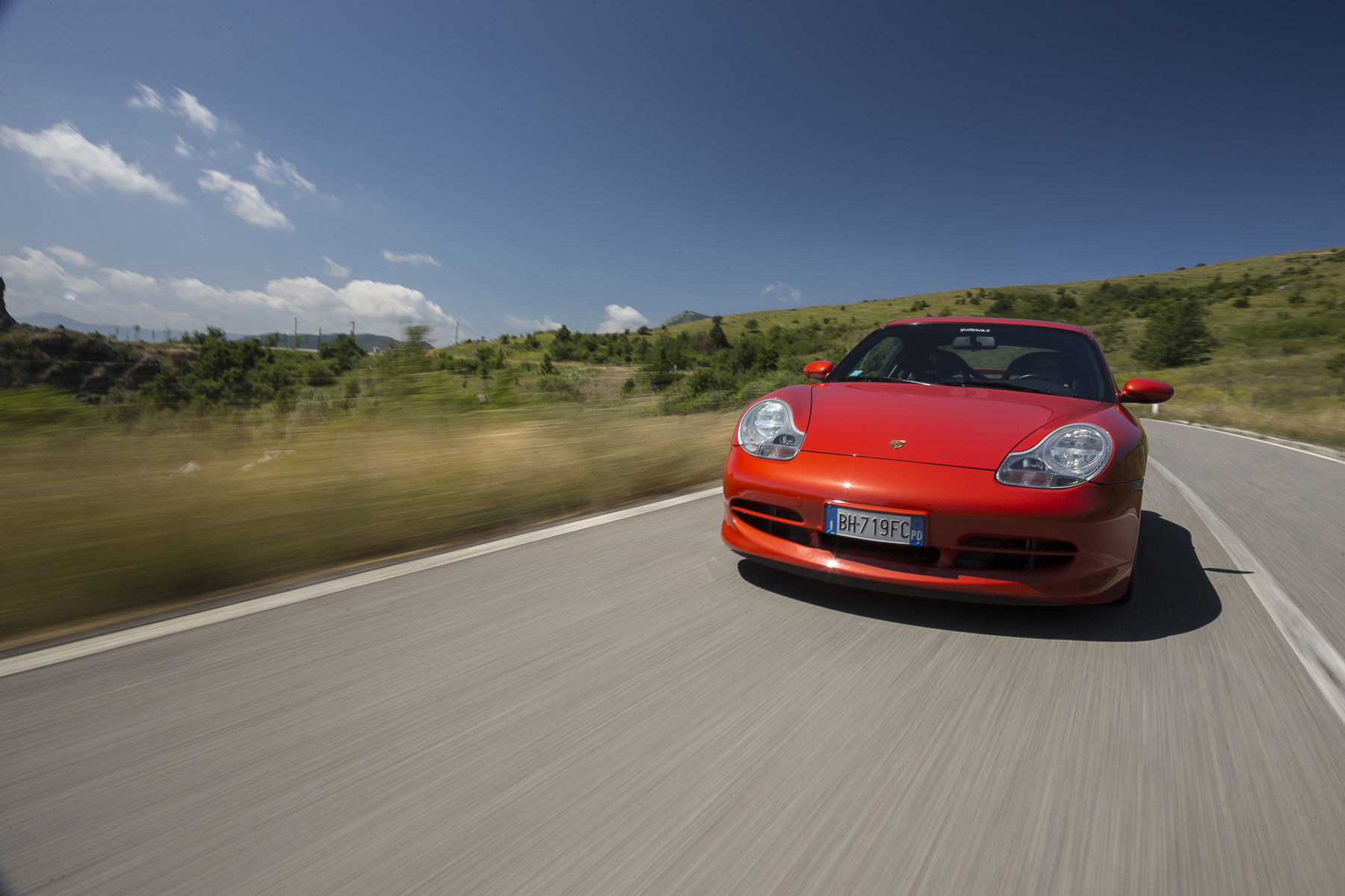
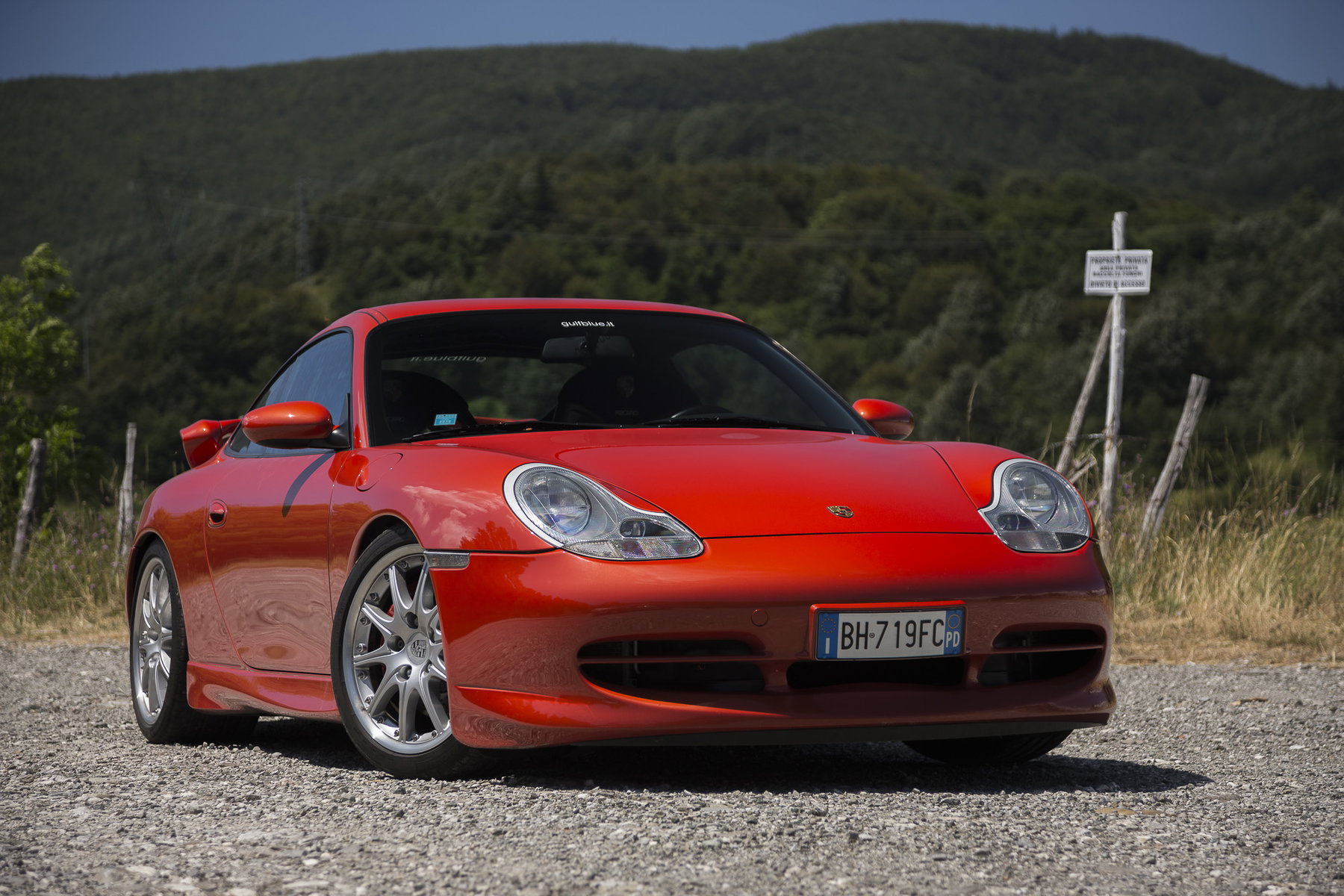
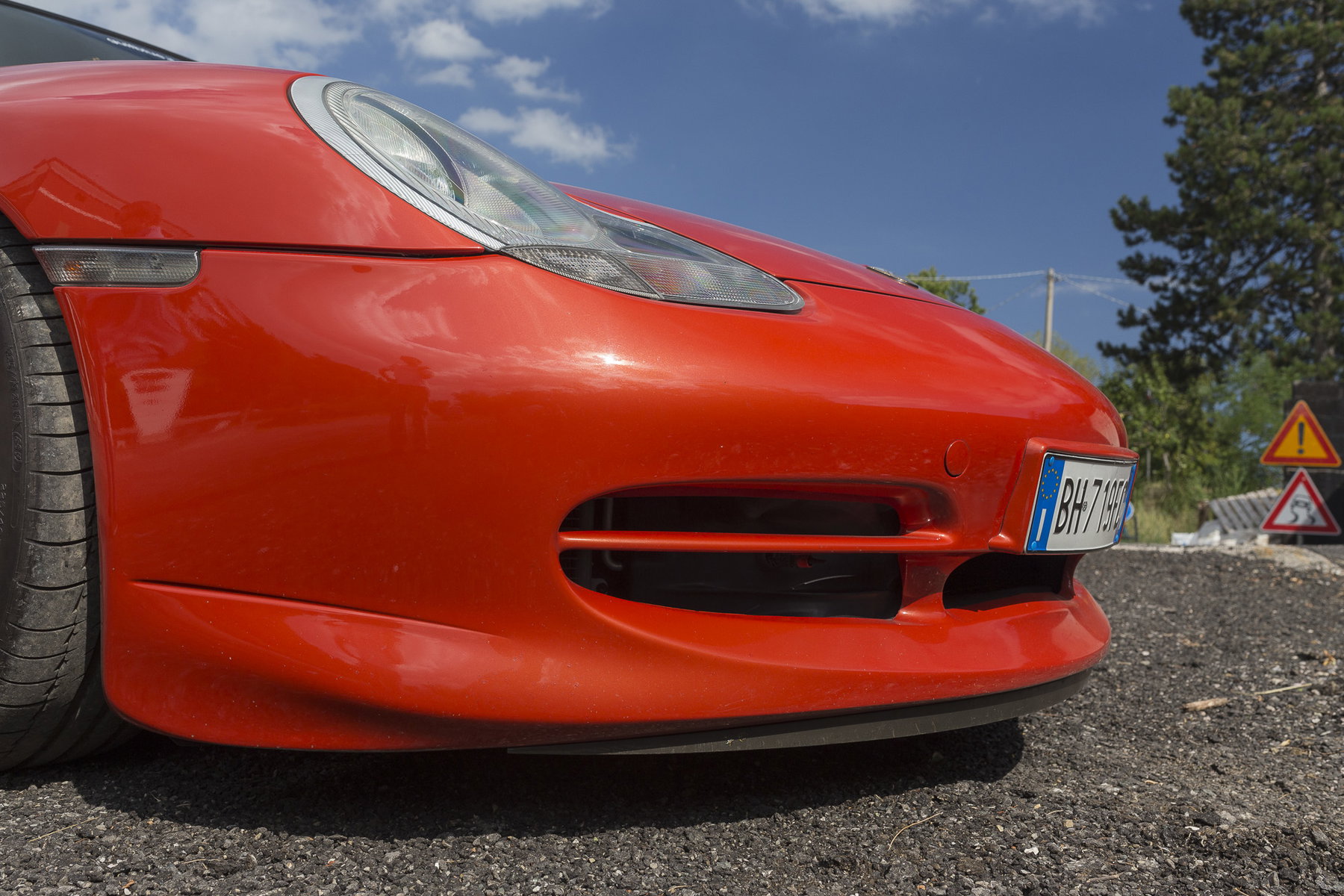
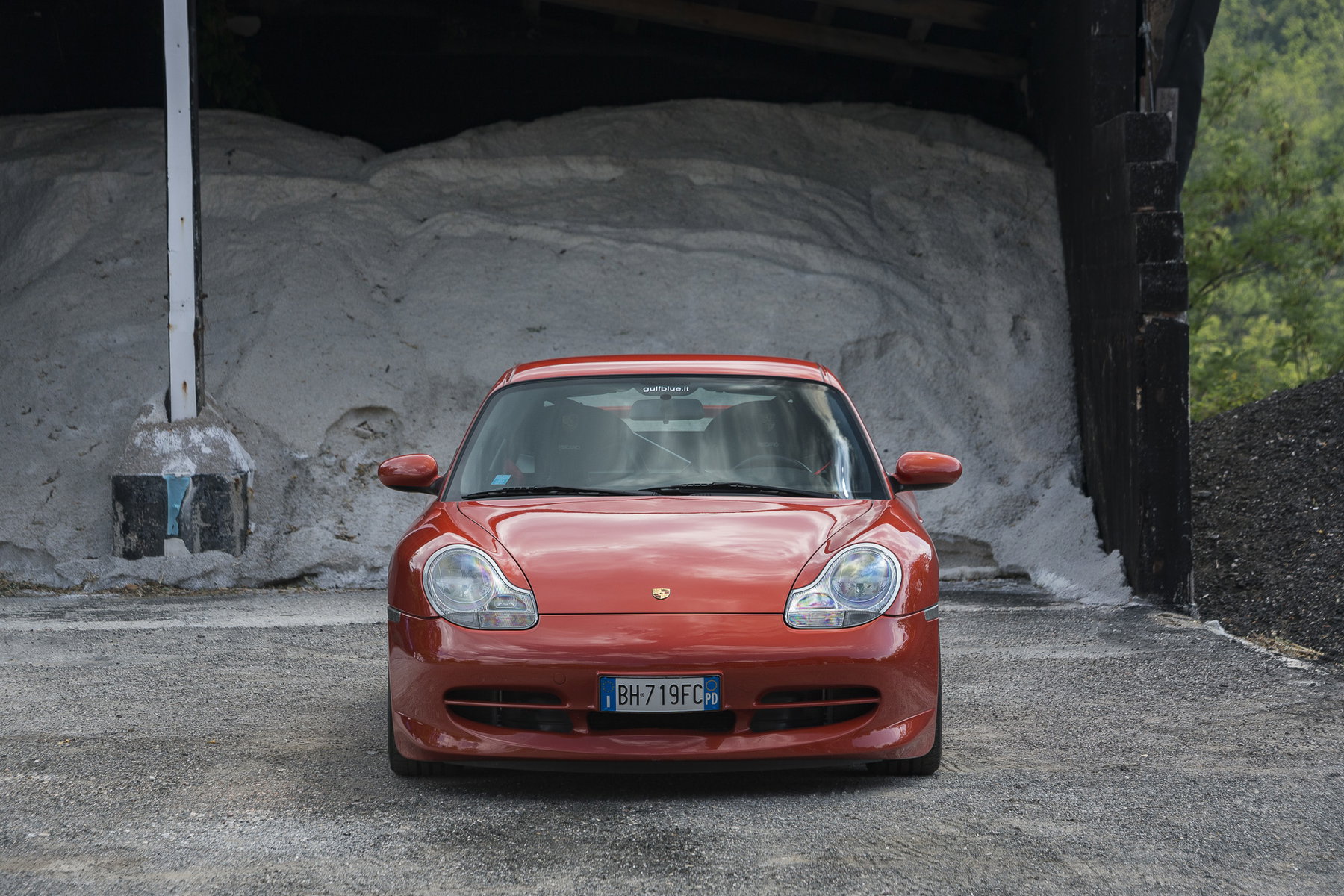
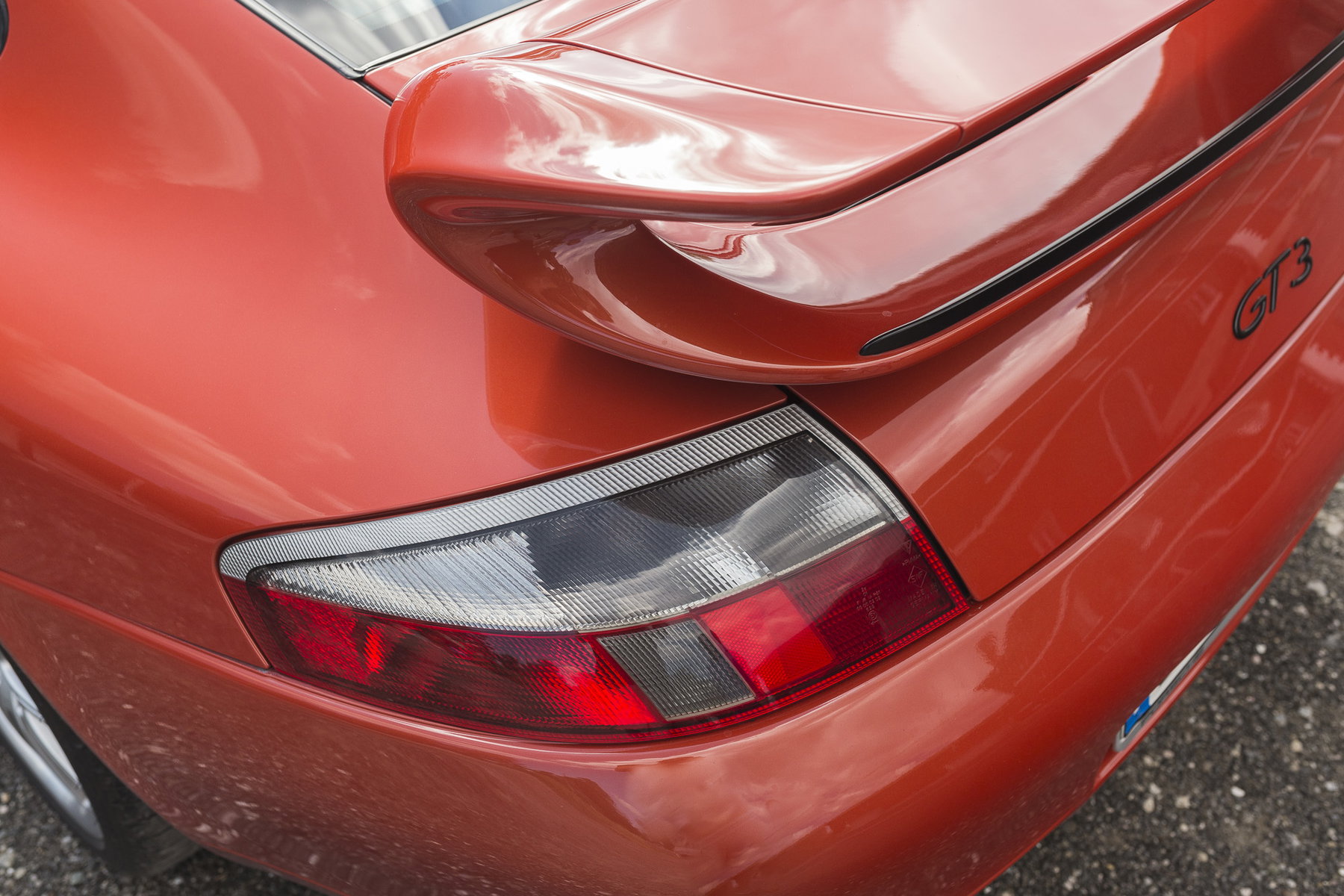
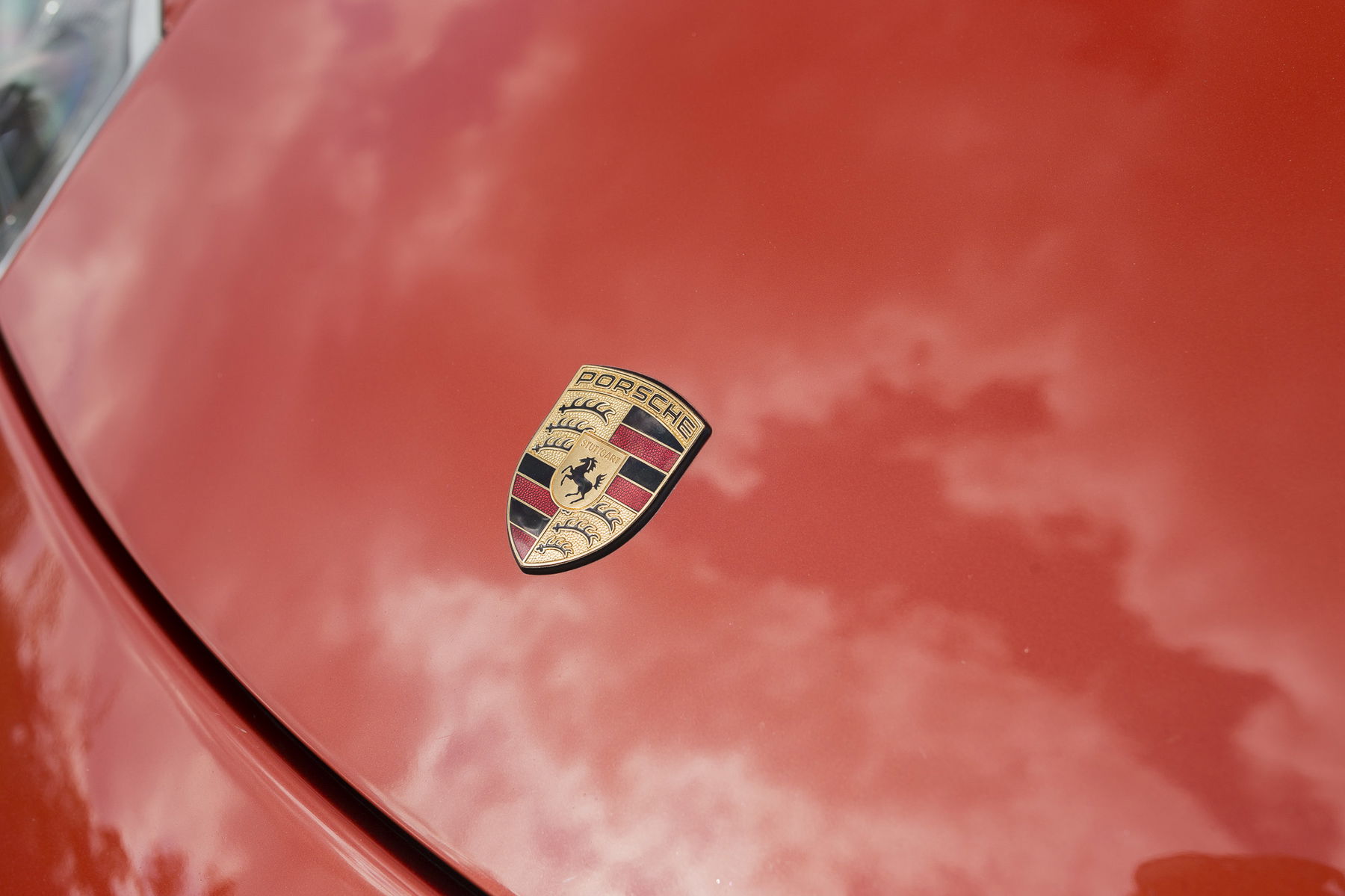
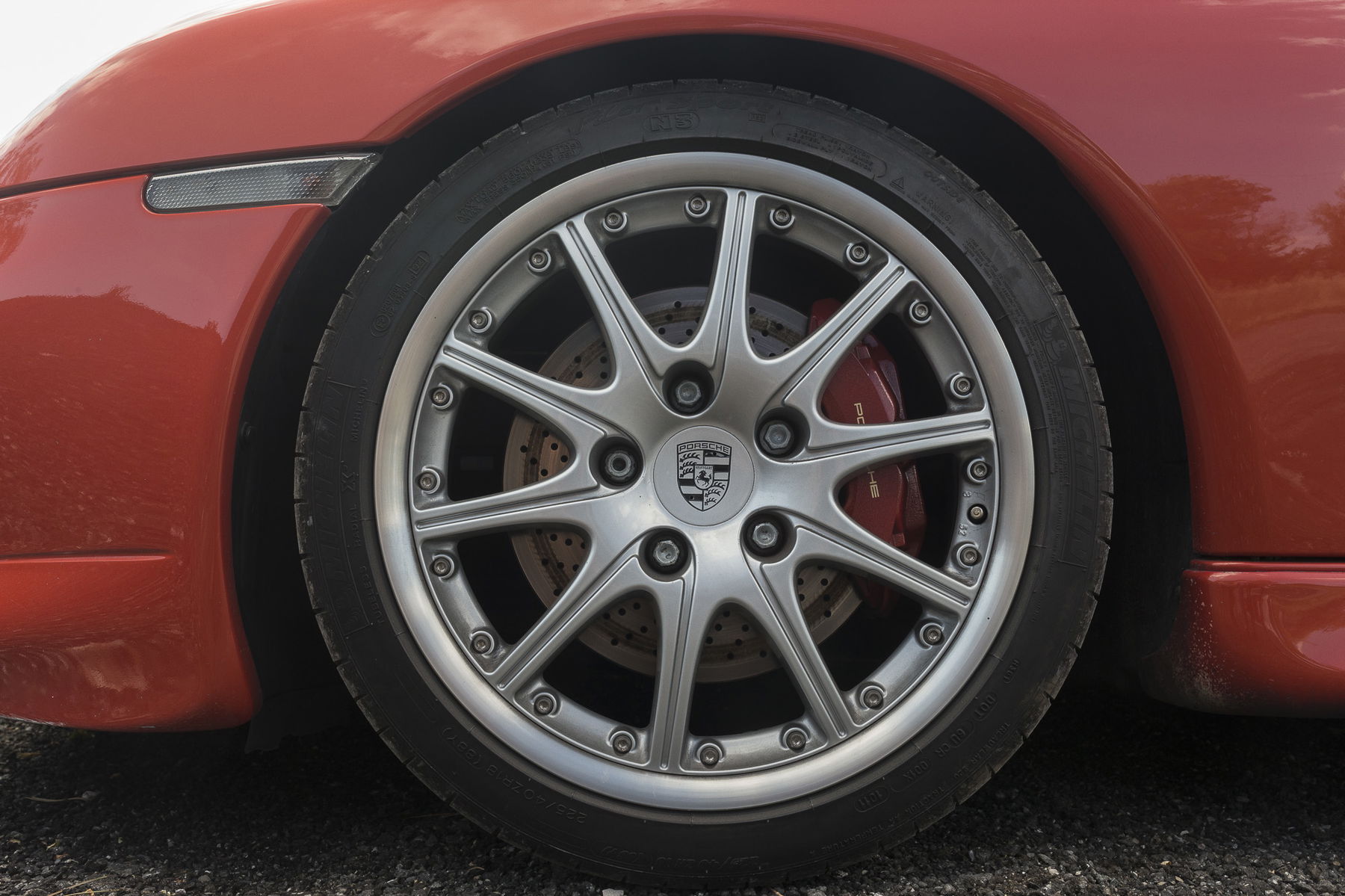
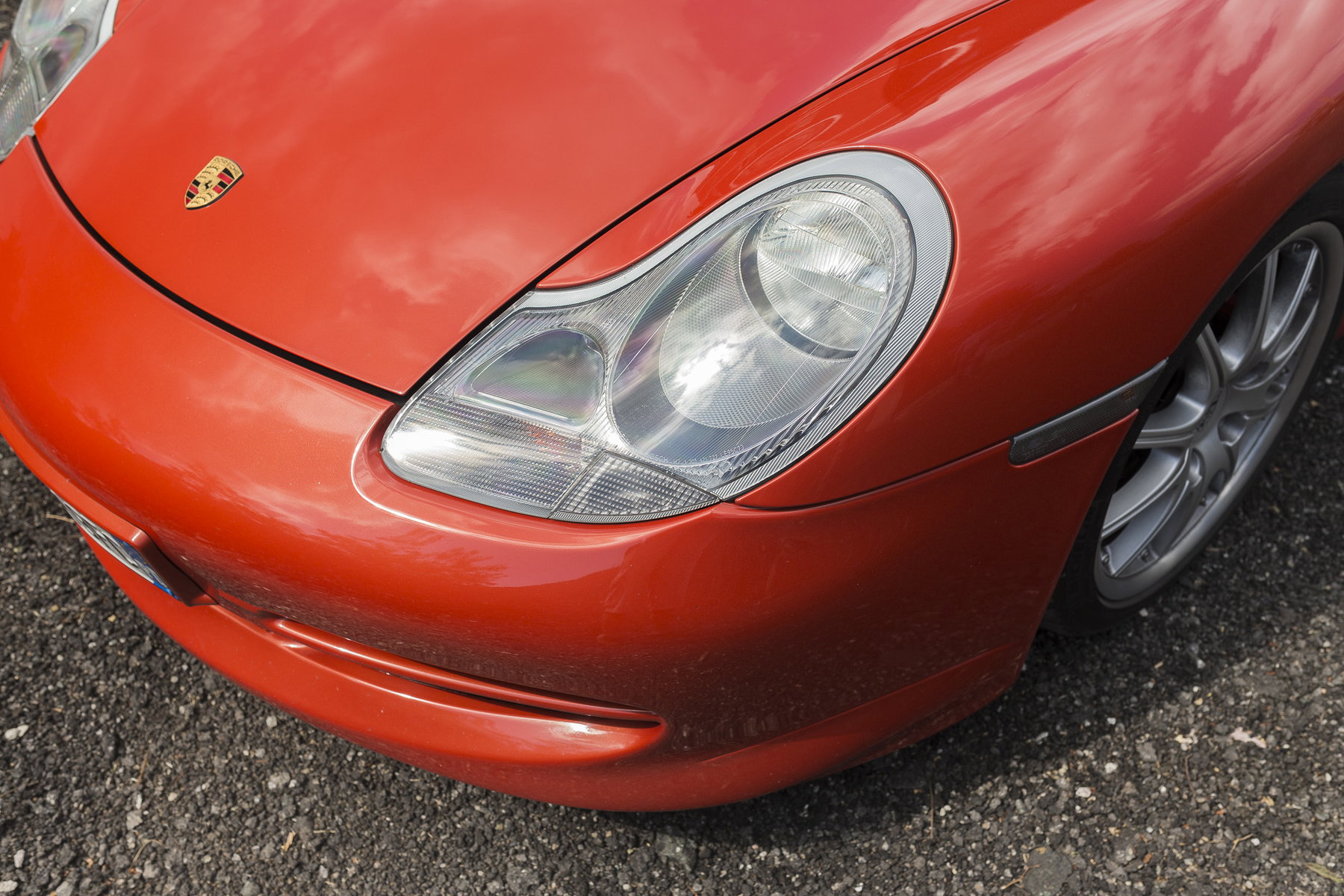
Then, on the afternoon of Saturday, May 8, 2004, a revelation: we arrived on Corso Stati Uniti in Padua (Porsche Italia was closed, or rather, open only for us) and went to the rear garages where Ignazio opened a double garage for us, where both GT3s were parked: the Polar Silver and the “Zanzibar Red”—the official name of the orange—as you can imagine, the choice is right before your eyes! We still have the photographs from that afternoon (attached here).
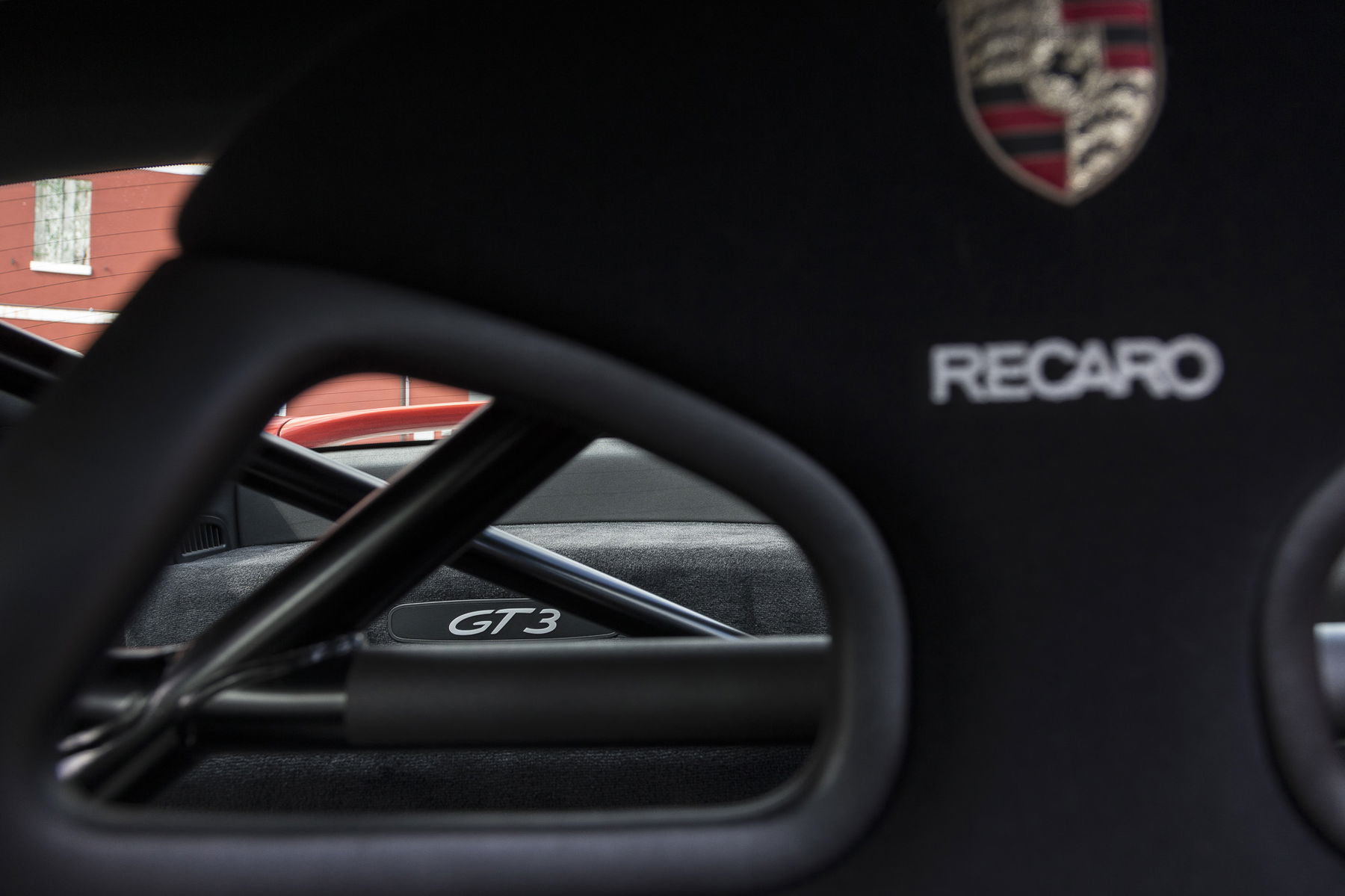
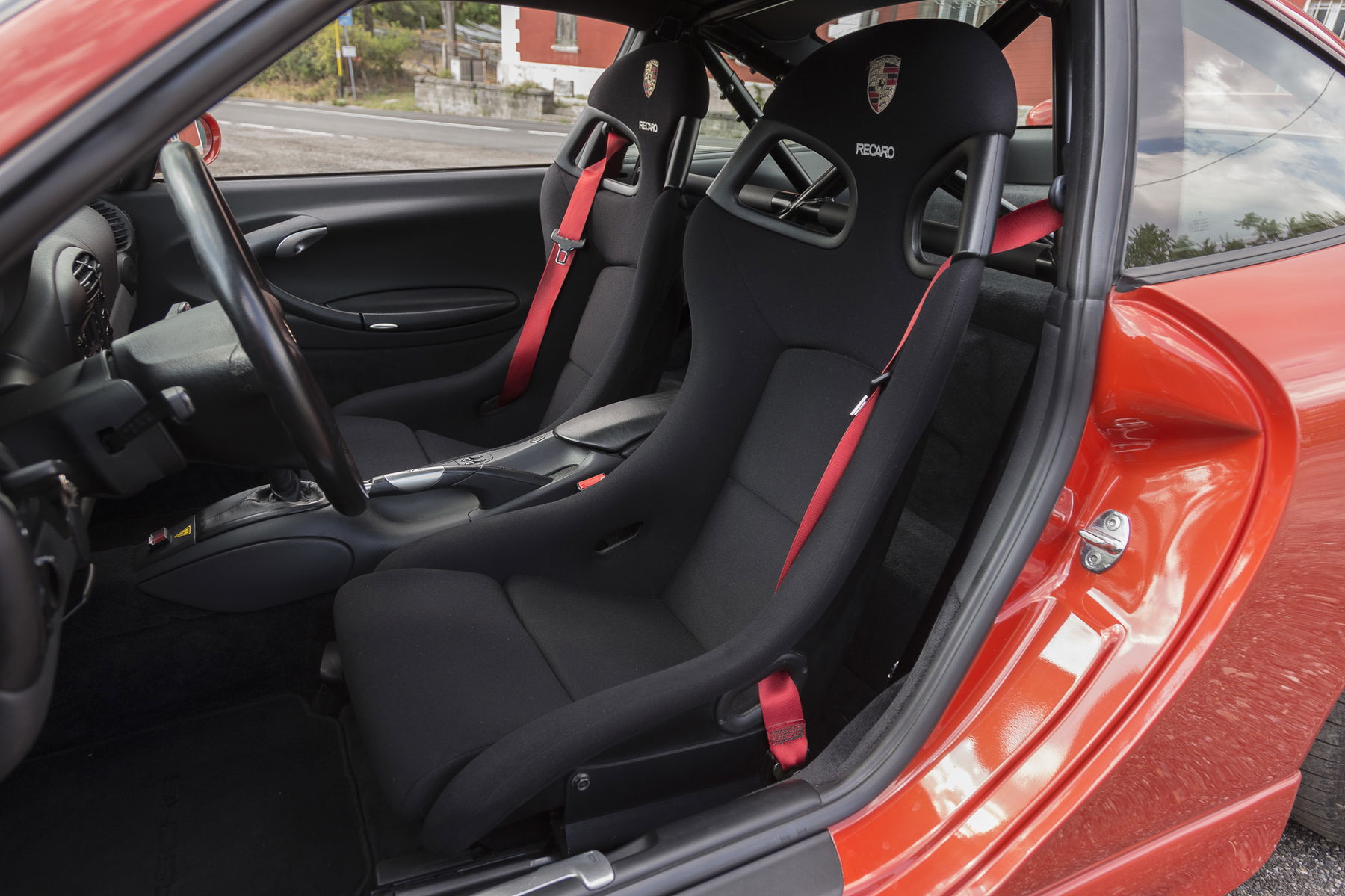
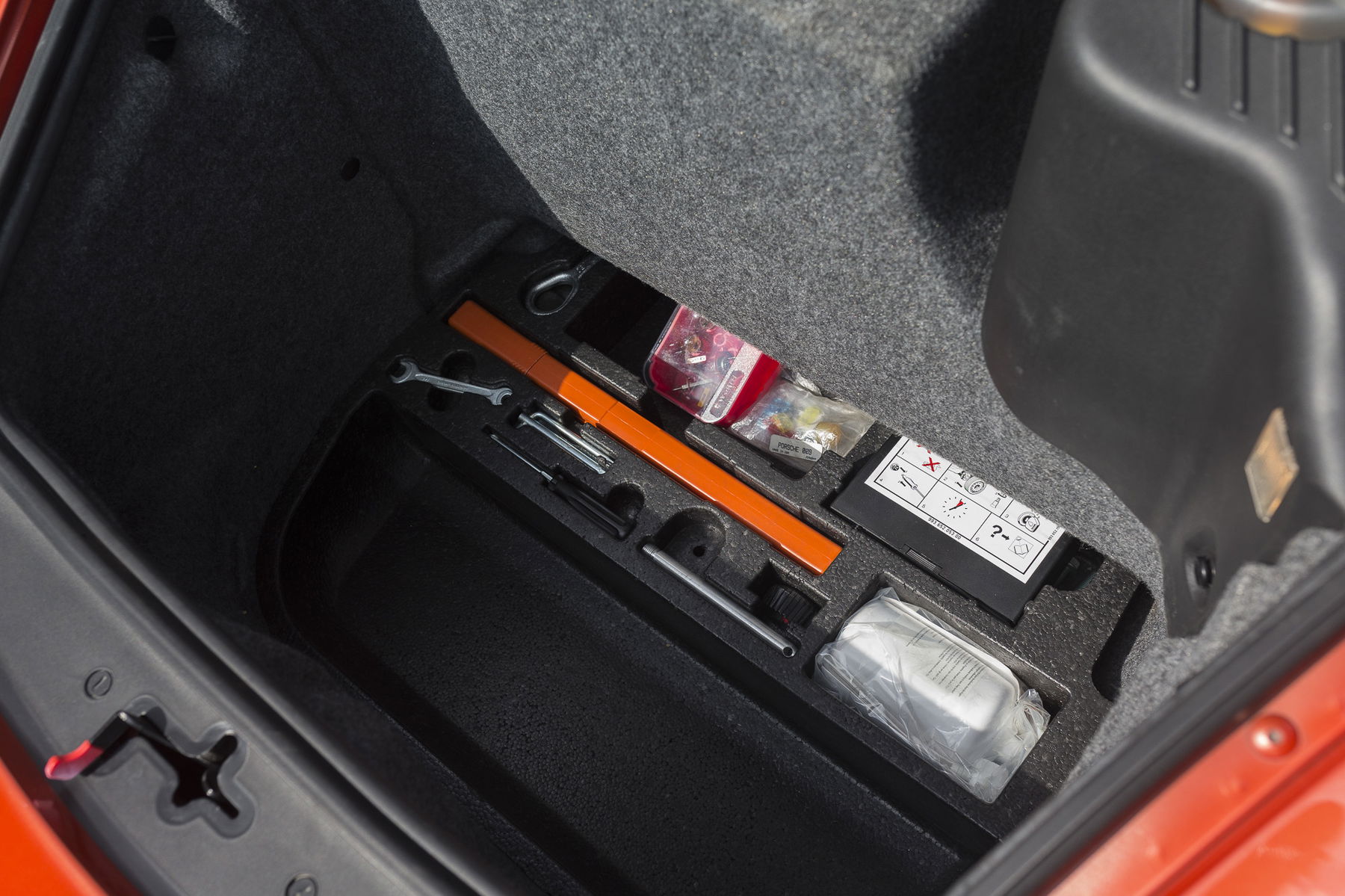
We didn’t even look at the other “Polar Silver” GT3 for a minute – in hindsight, fortunately – and we immediately fell in love with this model purchased new from a long-time customer of the Porsche Padova Center, Mr. Edoardo Mion, on February 28, 2000, even though the car had been invoiced to Porsche Italia on October 20, 1999. The customer was exchanging it for the new Mk2 Clubsport, black (a choice he later regretted, we learned) and my uncle offered it to us because he knew its excellent condition, with a very rare color, but above all never used on the track and never abused: the customer, attracted by the latest models from Stuttgart, had bought it on the fly after seeing the photos of the presentation, attracted by the new model which was very sporty but also usable on the road. The customer had never even picked up from the Dealer the front roll cage, the six-point seat belts, and the fire extinguisher, which were given to those who chose the “003, Clubsport” trim level.
The car had 29,000 km on the odometer, was still under warranty, and had been serviced by the Porsche Center in Padua. Being sold as a “Used Porsche Approved” car, company policy required the car to be free of any paint defects, so the small highway scratches on the front bumper and the front of the hood were removed upon delivery.
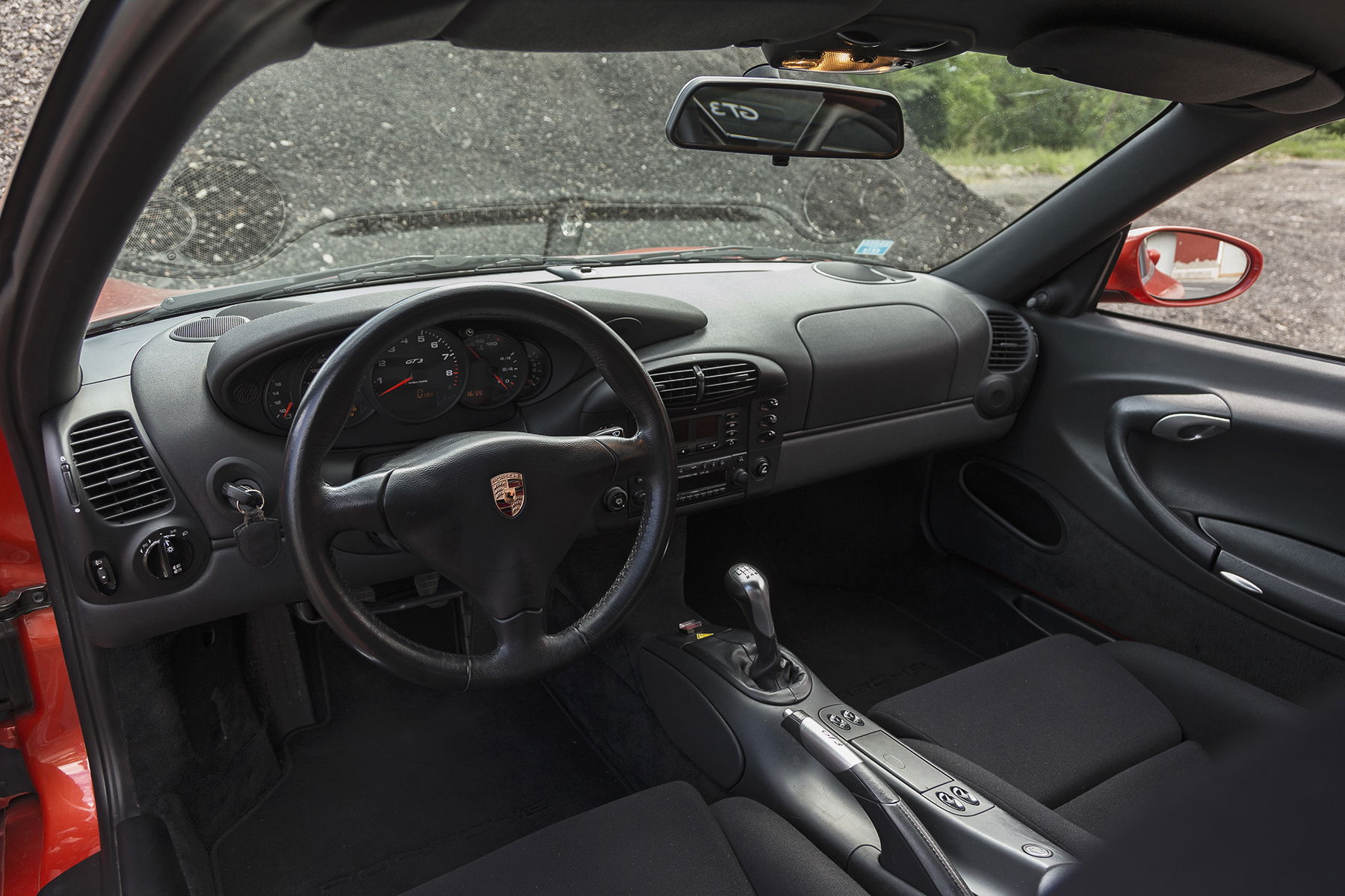
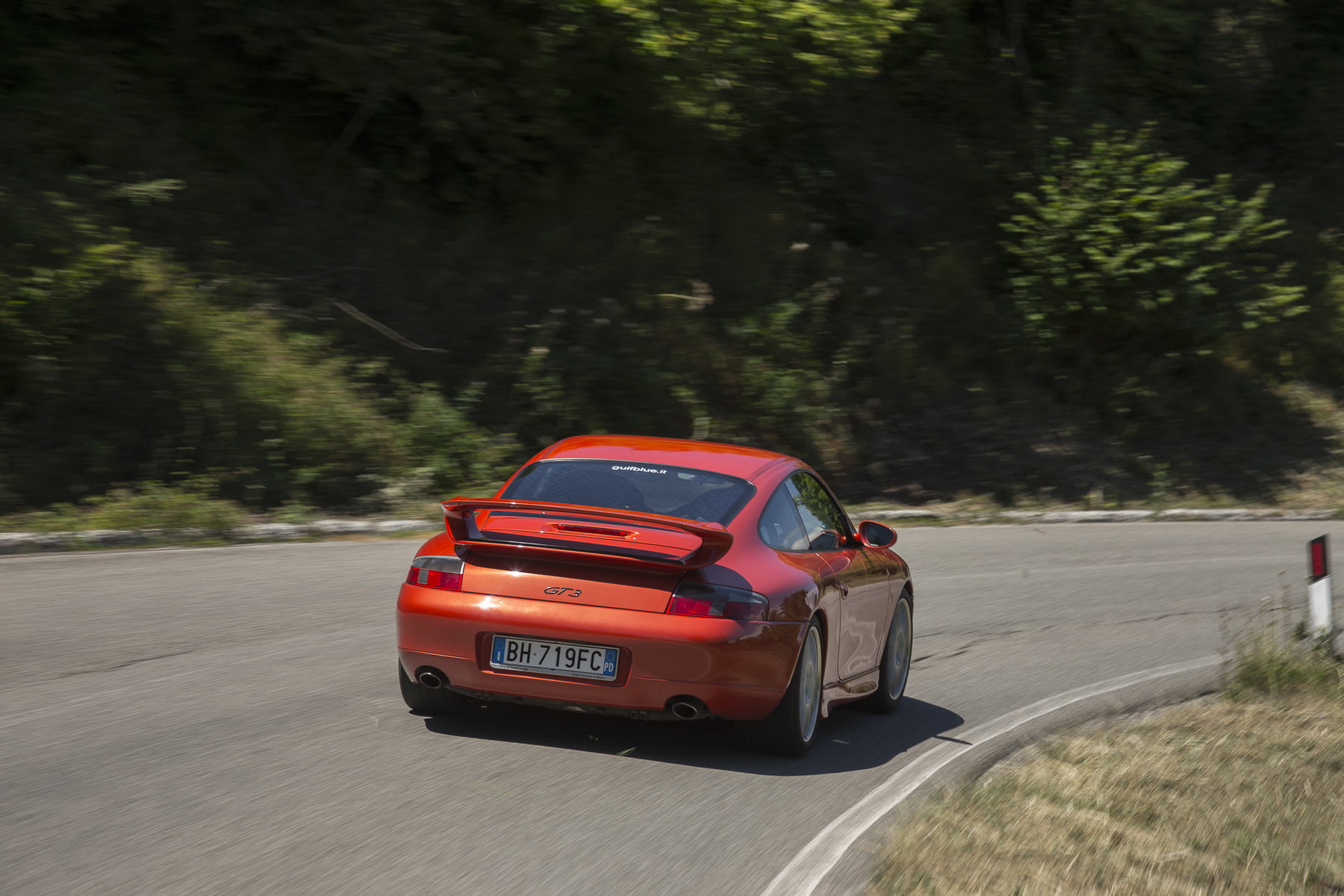
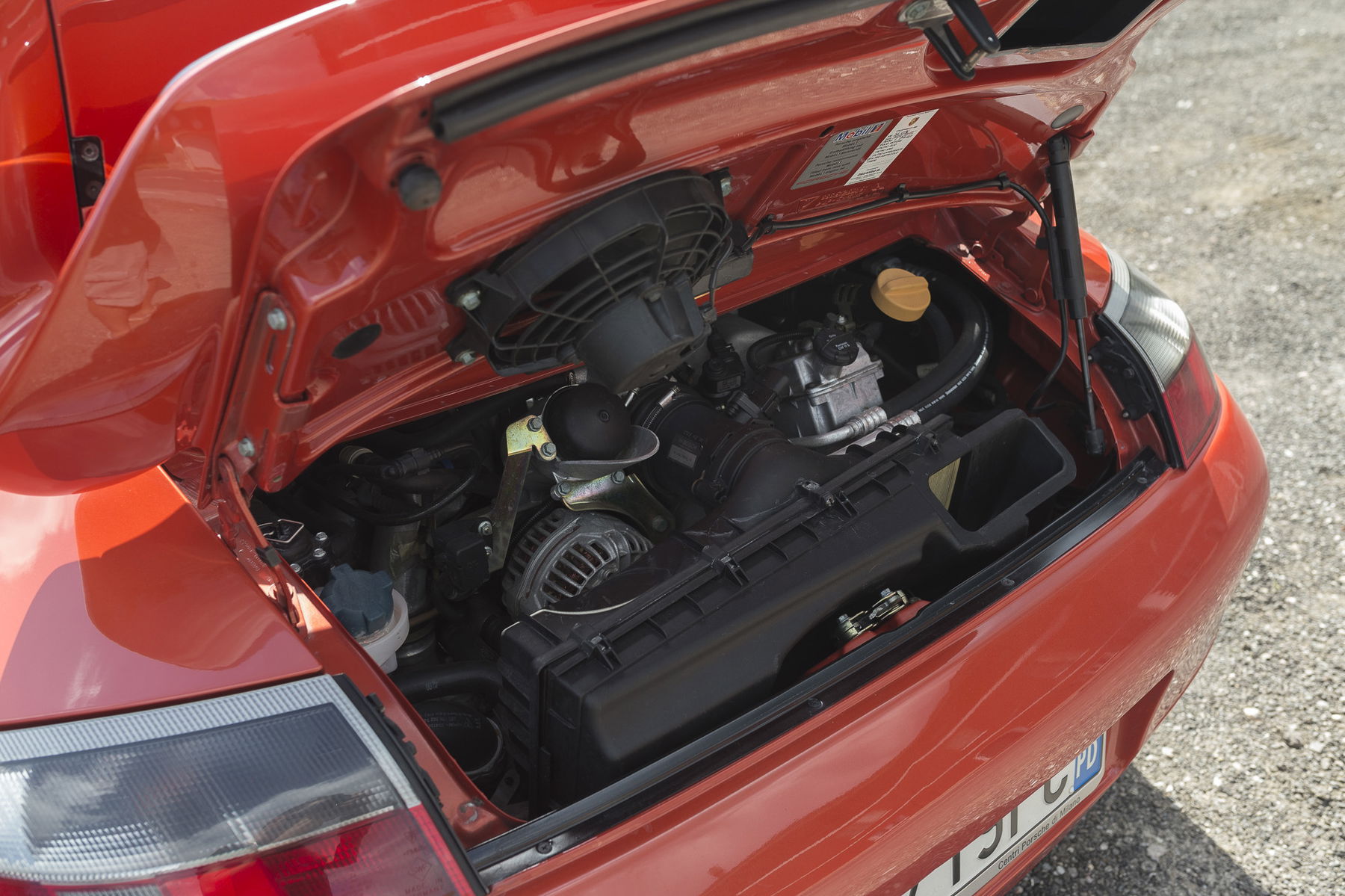
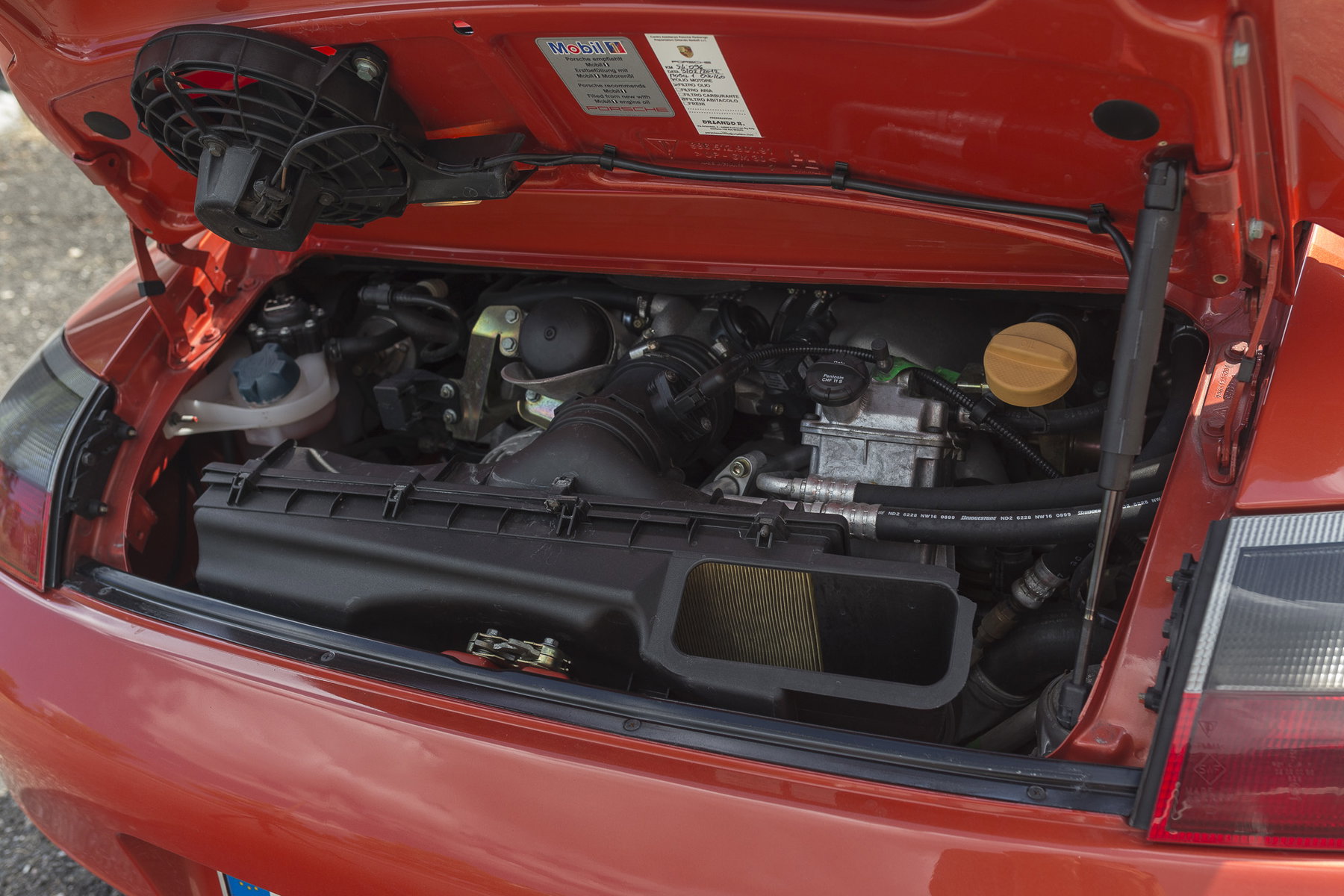
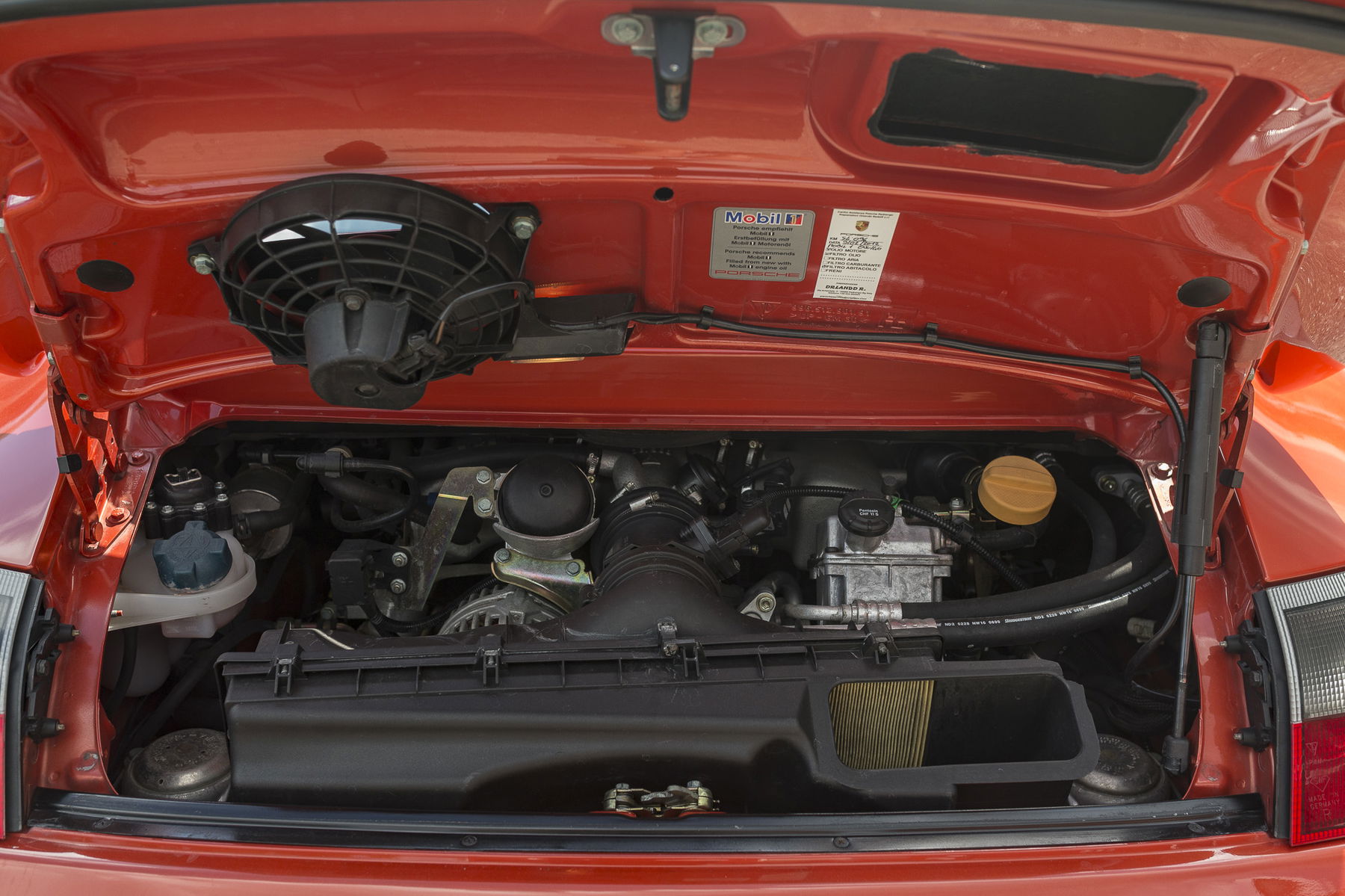
On the day of delivery, Saturday, May 29, 2004, I wasn’t in Padua because I was at the high school, and my father had kept me in the dark, except to surprise me when I got home! It was the car for us, having everything that had made us love the 2.7 Carrera RS first, and the 964 Carrera RS later: it also had air conditioning, which made it far more comfortable than its predecessors, as well as a radio that we sometimes turned on to listen to music, even though the sound of the GT3 engine was truly melodic, especially above 5500 rpm. For those who had doubts about reliability, it’s important to know that the GT3 engine has nothing to do with the normal 996; it’s a GT1-derived dry-sump engine, itself derived from the 964 and 993 racing engines.
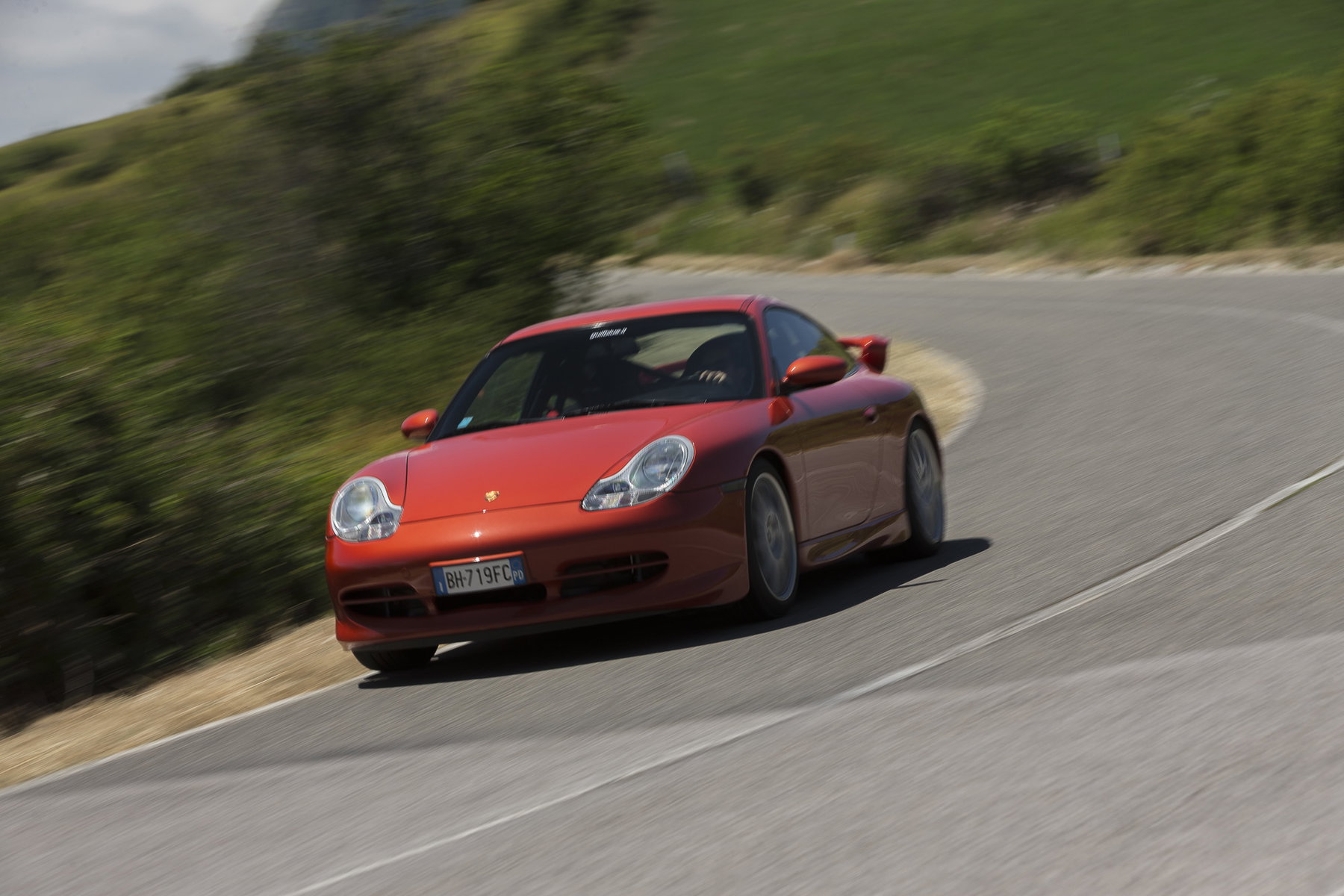
In the early days, we used it for numerous weekend trips in the Apennines or to go to racetracks. One of the first trips was to participate in the Porsche meeting in Interlaken in September 2004. When it was bought, I didn’t yet have a driving license, so my first memories are only as a passenger: finally, on March 20, 2005, with the long-awaited permit in my pocket, my father and I set off for Balocco, Fiat’s proving ground, where I was supposed to participate in the Autosprint Drivers Selection to race the Mazda MX5s. It was the first Porsche I drove on the road, and I remember perfectly the emotion of that long journey, there and back to Piedmont, which was also the first time I’d ever driven on the highway!
Owning a GT3 Clubsport and not driving it on the track is almost a crime: we couldn’t resist, and we used it for two half-hour sessions at Misano in May 2005, two sessions at Imola in September 2009, and two hours at Nardò in October of the same year. Total: 4 hours of track time in 26 years.
We were so enthusiastic about this car that shortly after our purchase, three friends were convinced to buy three 996 GT3s, all in Polar Silver, the most popular color at the time. After approximately 20,000 kilometers, all under warranty since we extended the Porsche Approved warranty to the tenth year of its life (the maximum possible), we sold our GT3 to a dear friend who saw it parked in racetrack paddocks and was always asking for it. In 2011, it became his for about five years, before returning to us in 2016 and then sold in 2020 to a customer who has always kept it in our warehouse.
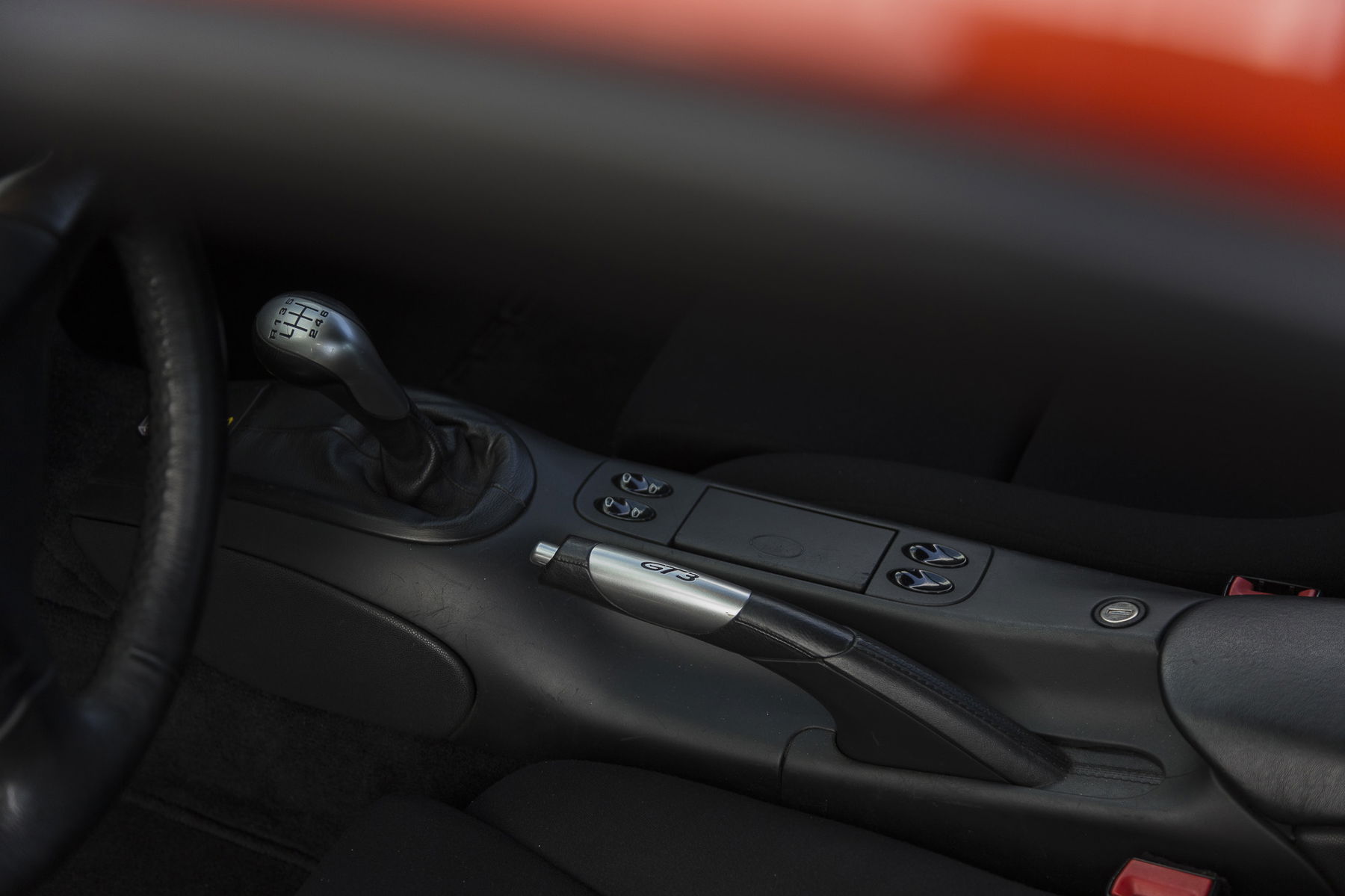
During all these years, in addition to ordinary maintenance at official workshops, some modifications have been made: the first was the installation – in 2006 – of the short gear lever (while retaining the original), while in 2012, our friend entrusted the car to Orlando Redolfi’s Porsche Pedrengo Center to slightly increase the calibration of the limited-slip differential and to make it a sportier set-up while still maintaining all the original components.
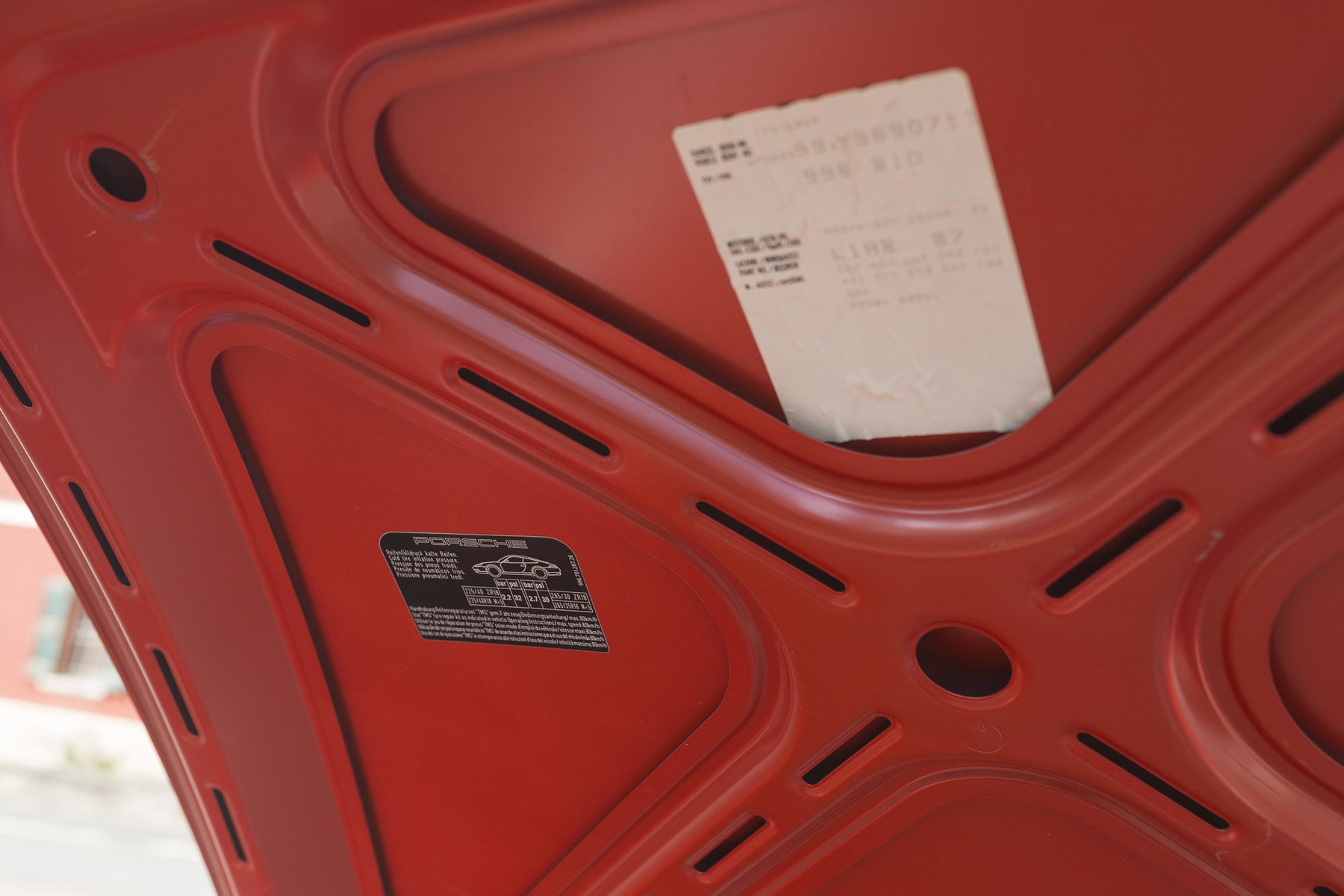
Below is the decoding of the optional codes:
– Clubsport package, built in the Motorsport department in Weissach;
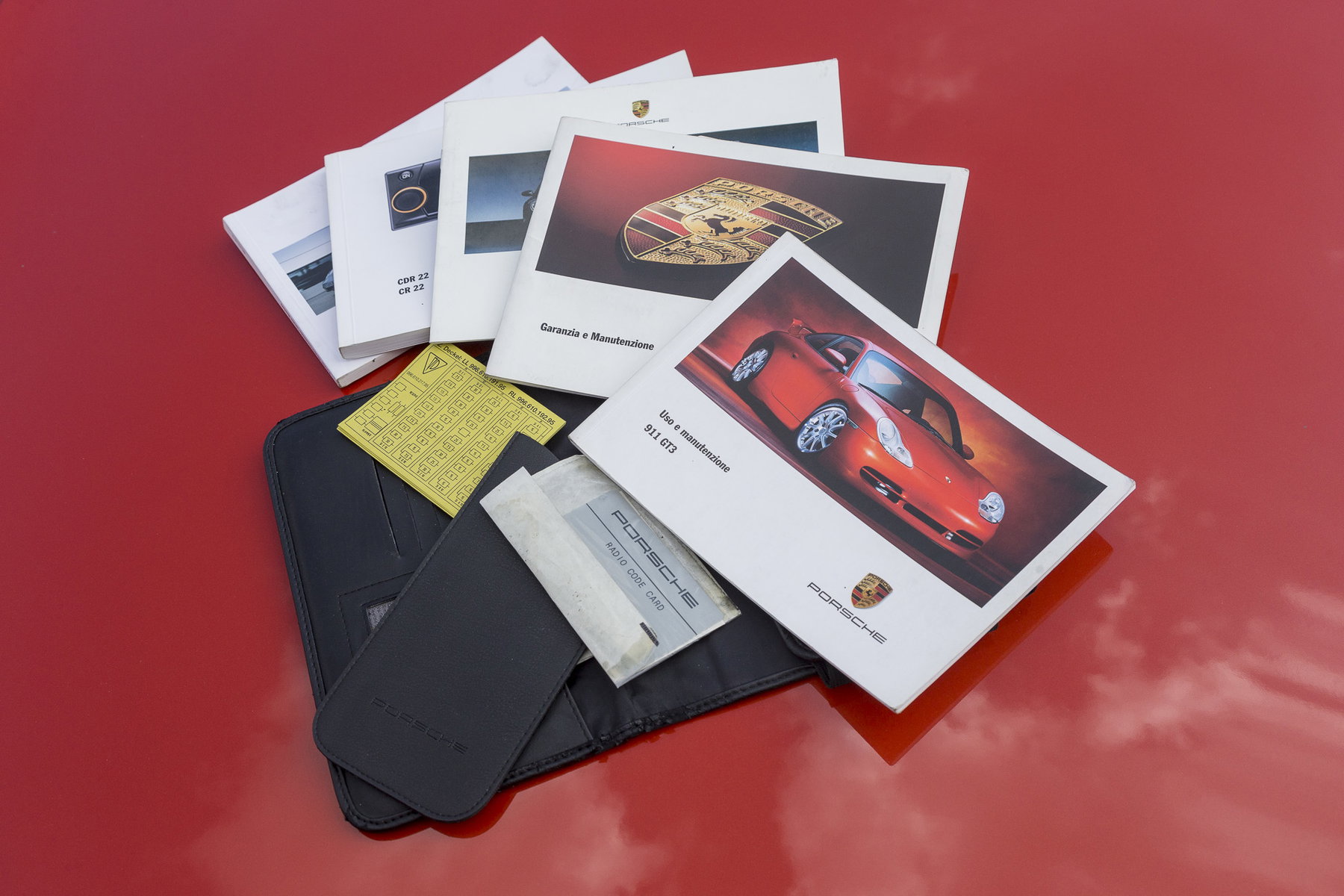
– Porsche CDR-22 radio;
– air conditioning;
– reinforced battery;
– activated carbon filter;
– radio preparation with 4 speakers and built-in antenna.
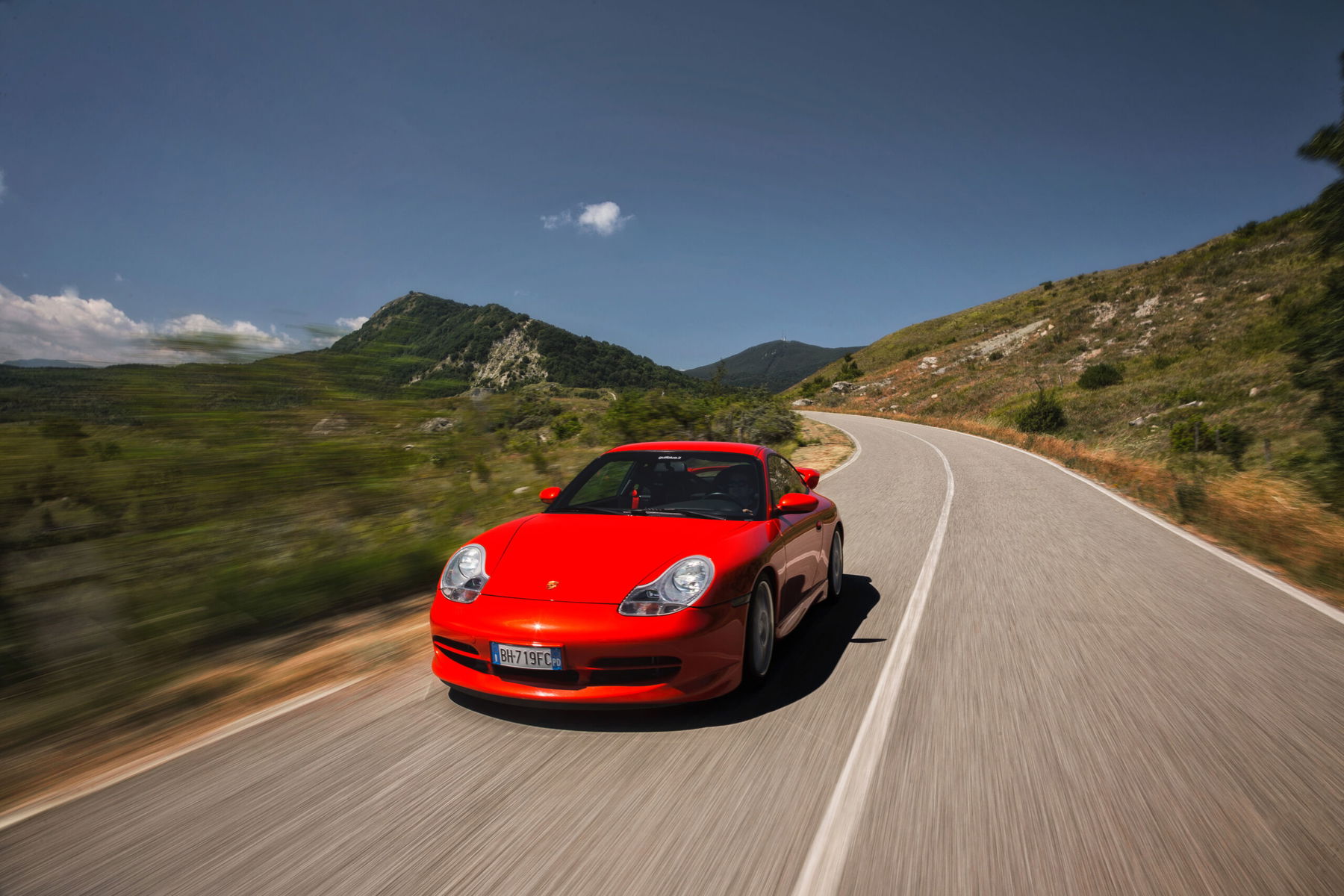
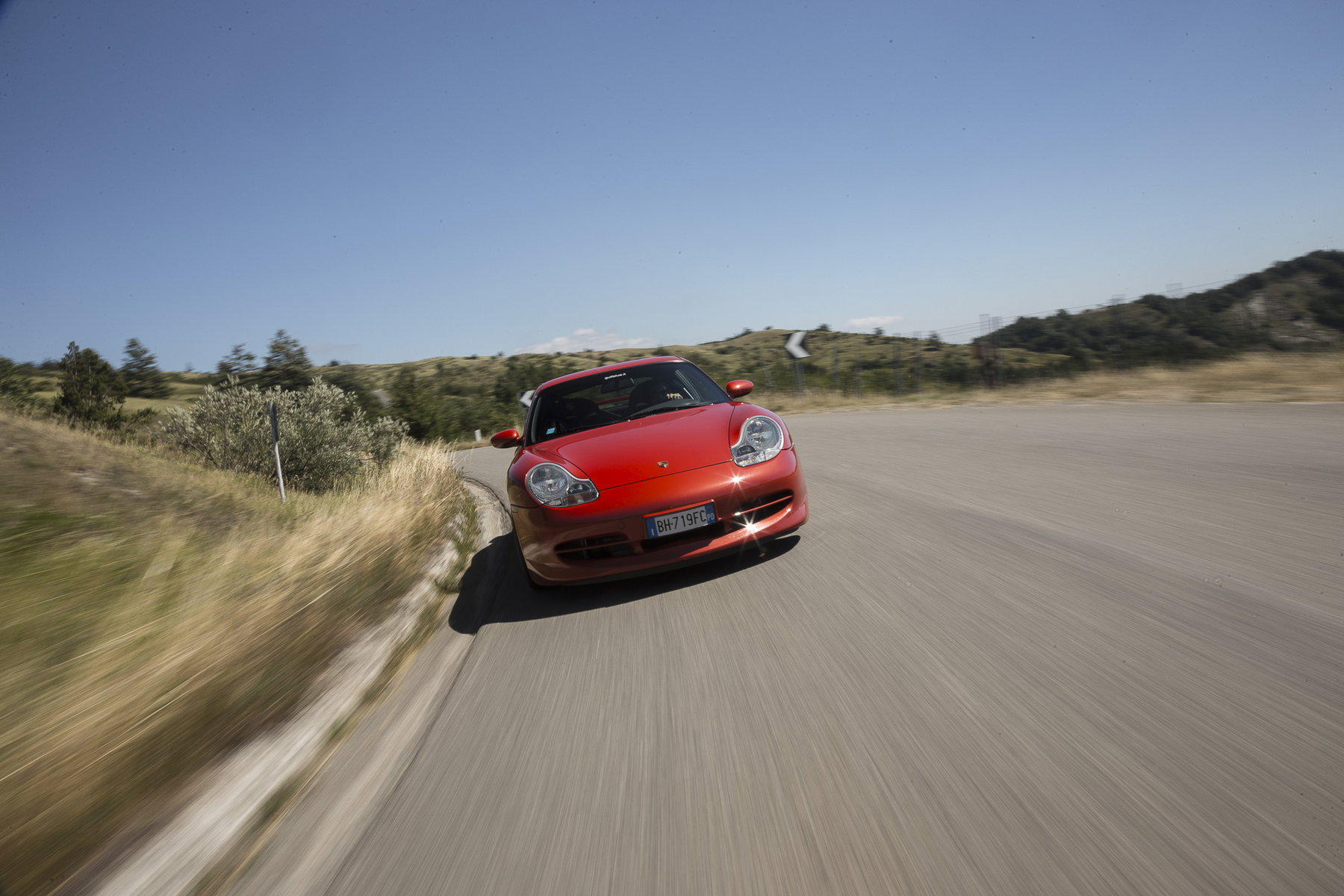
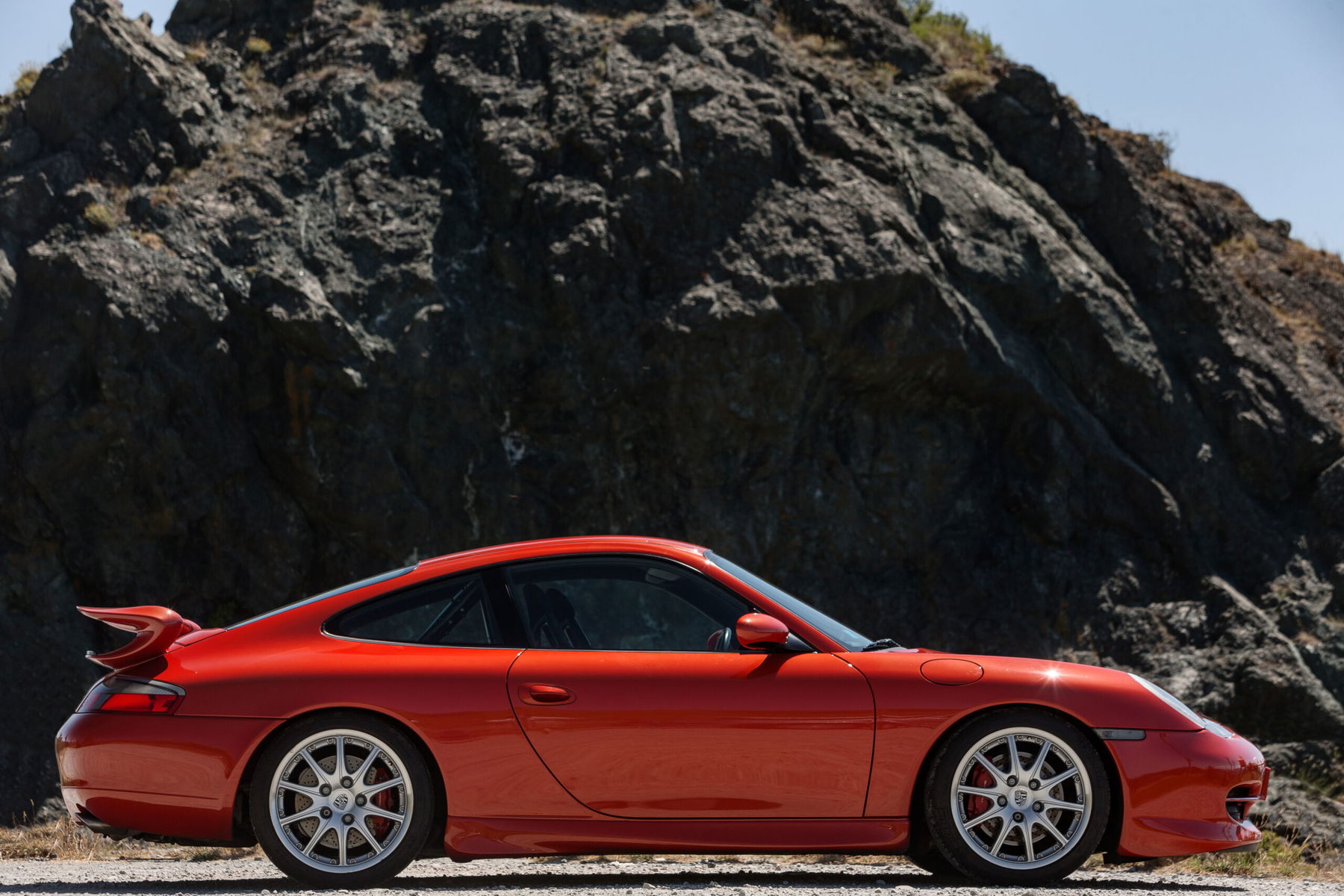
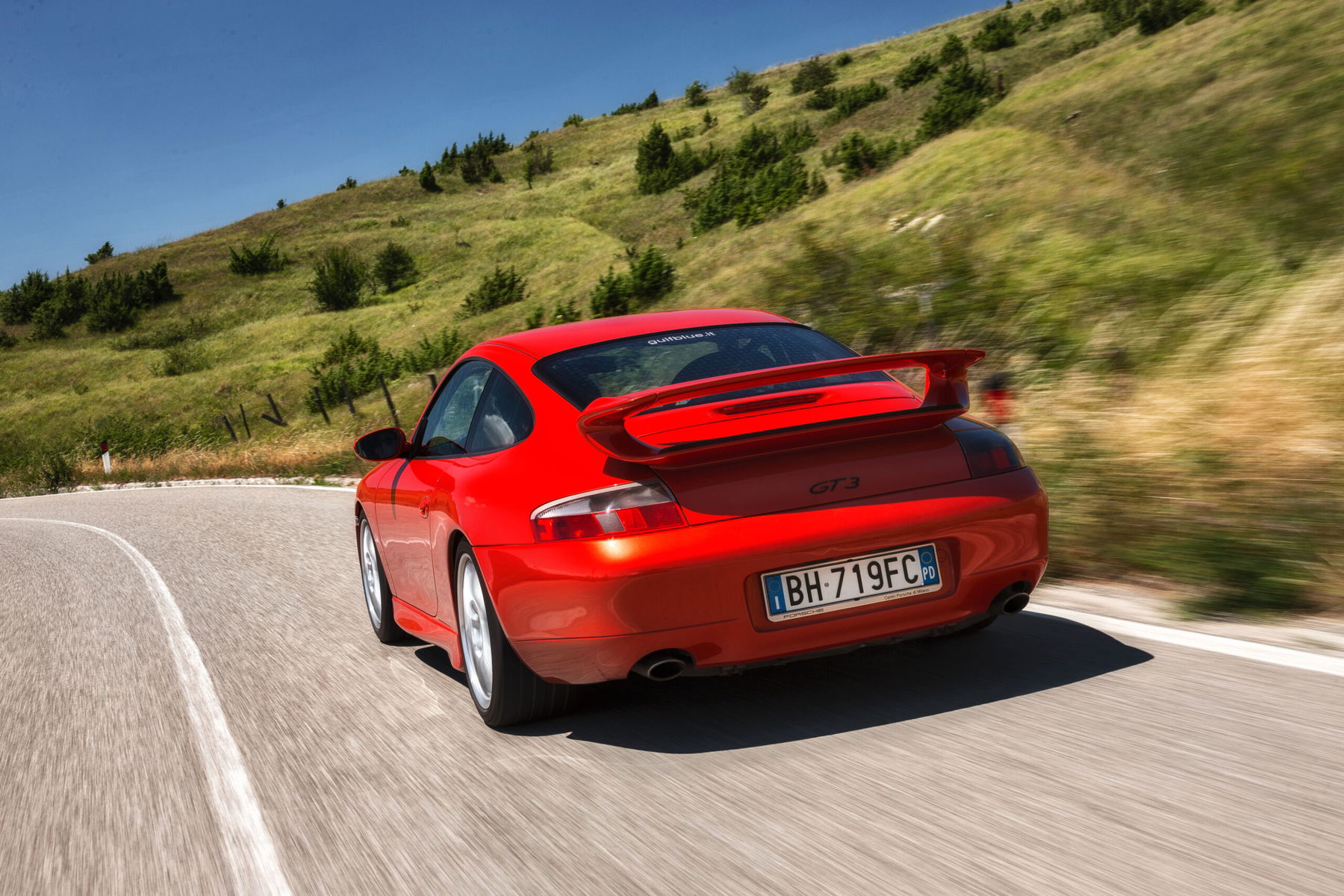
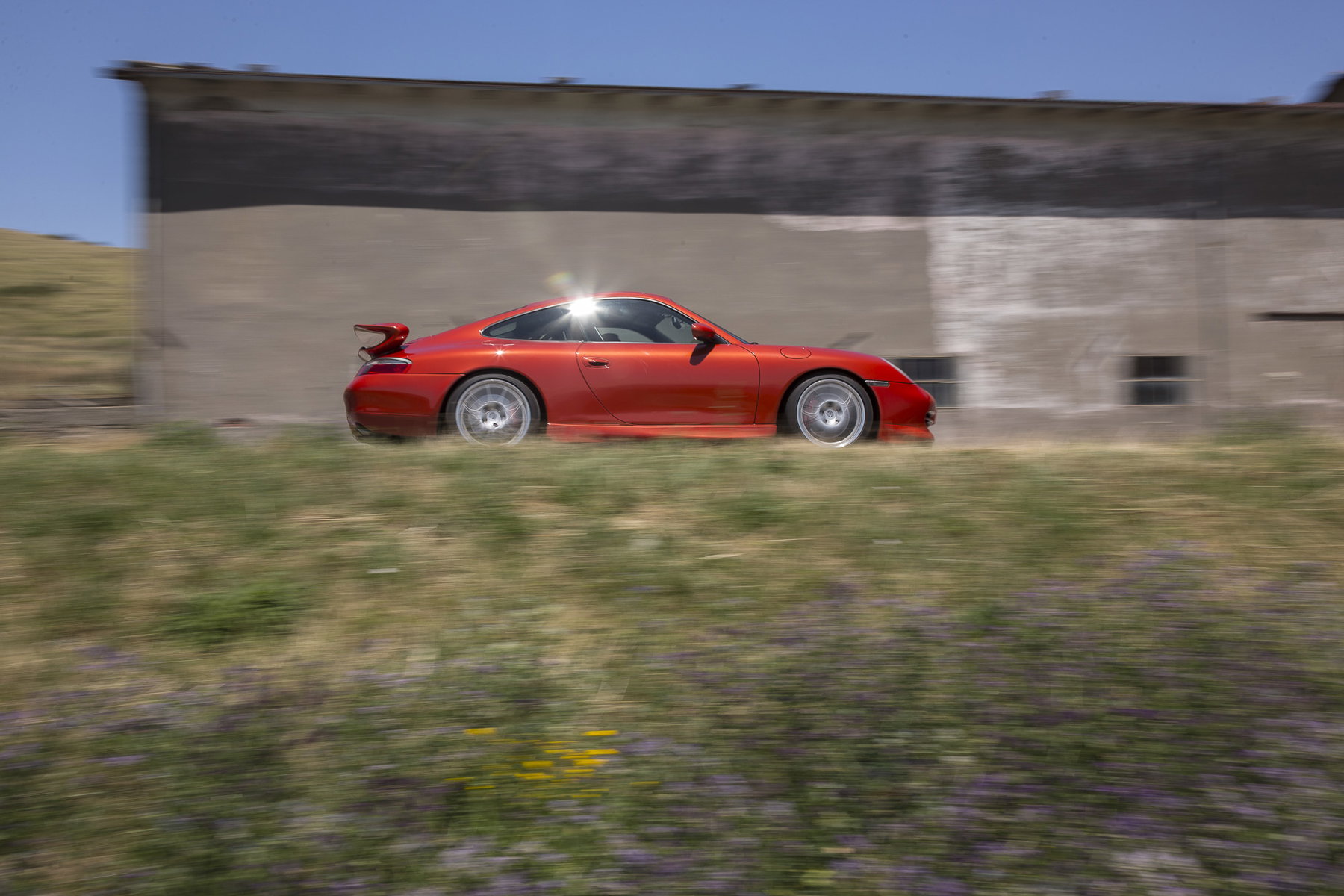
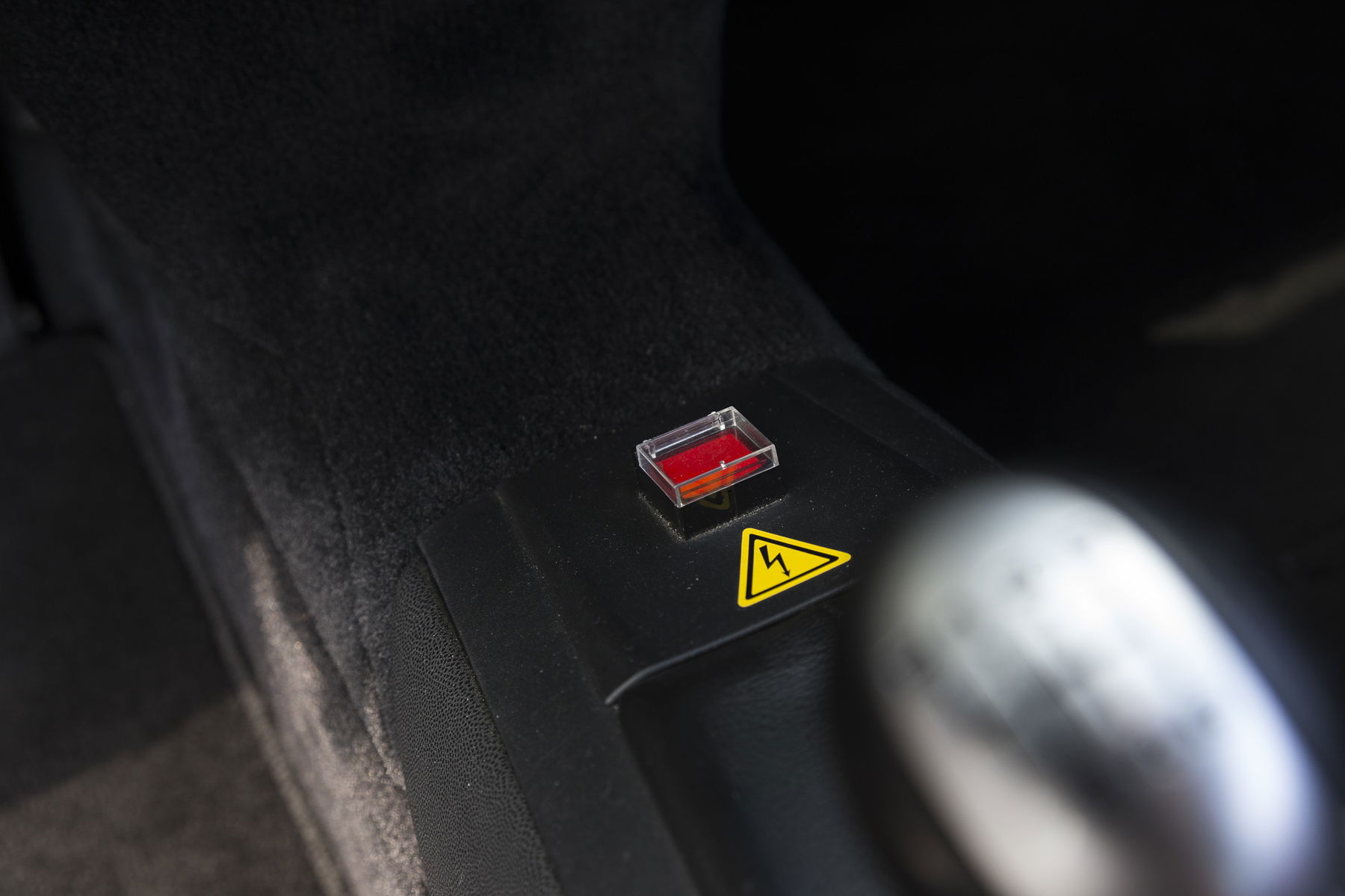
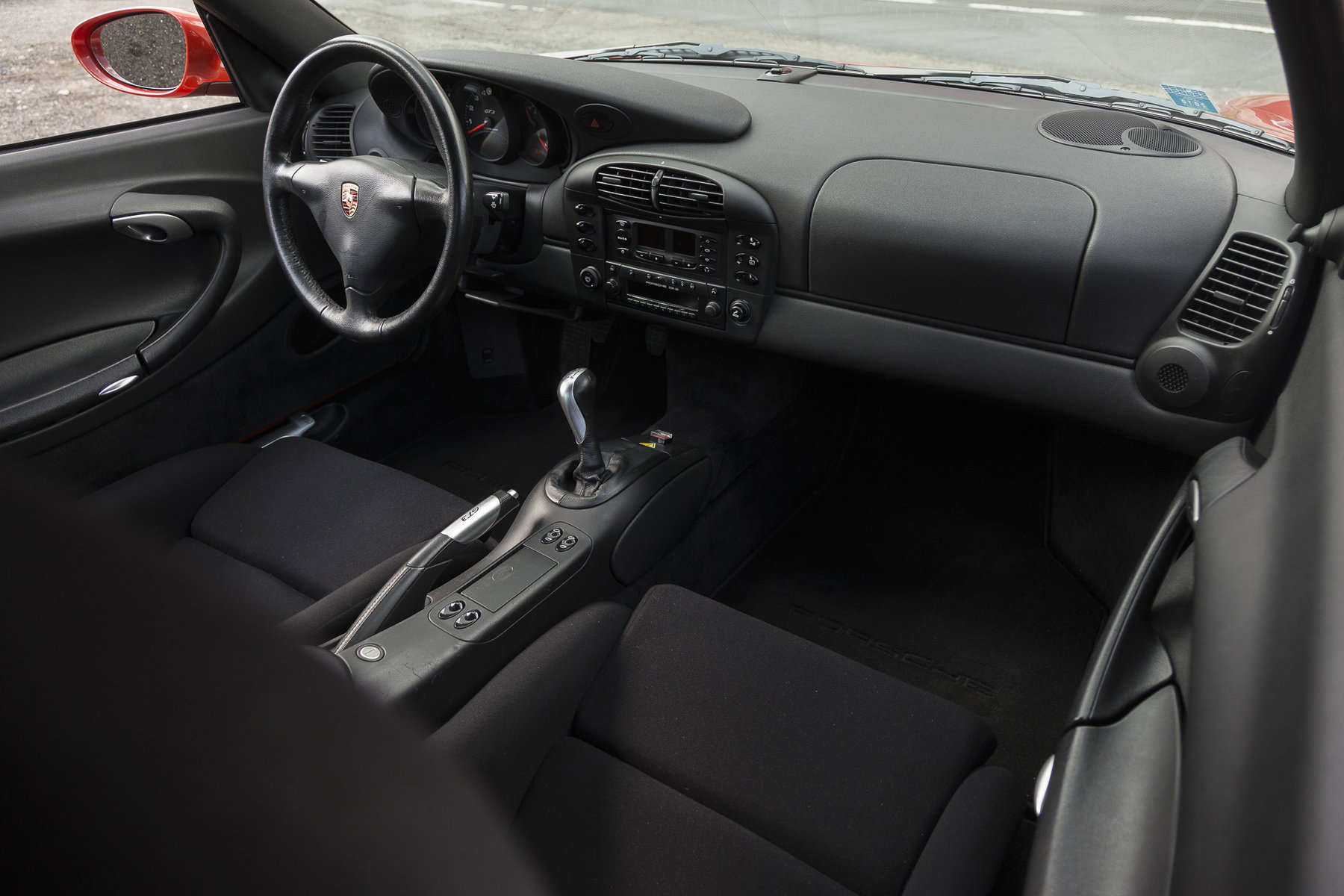
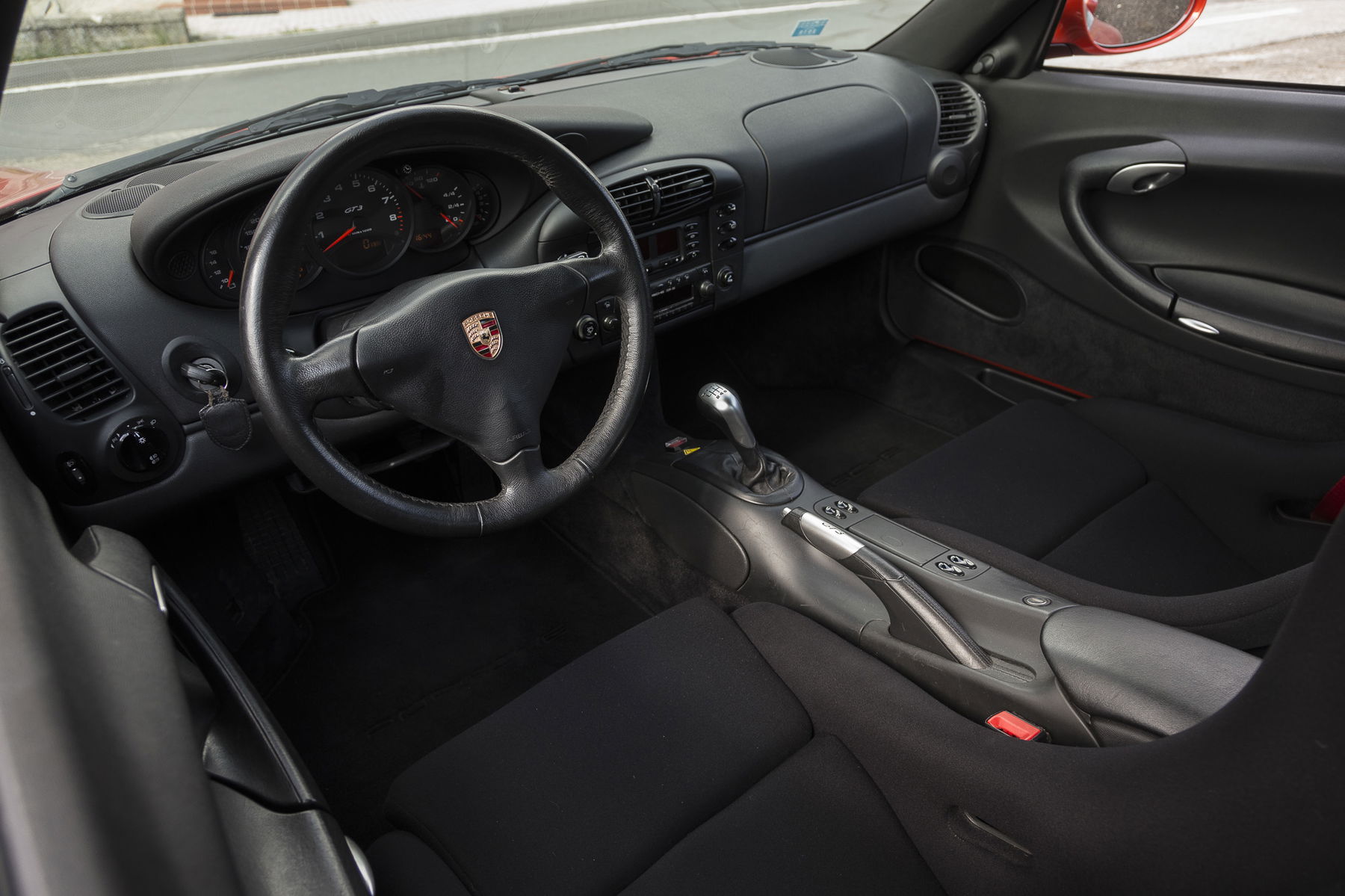
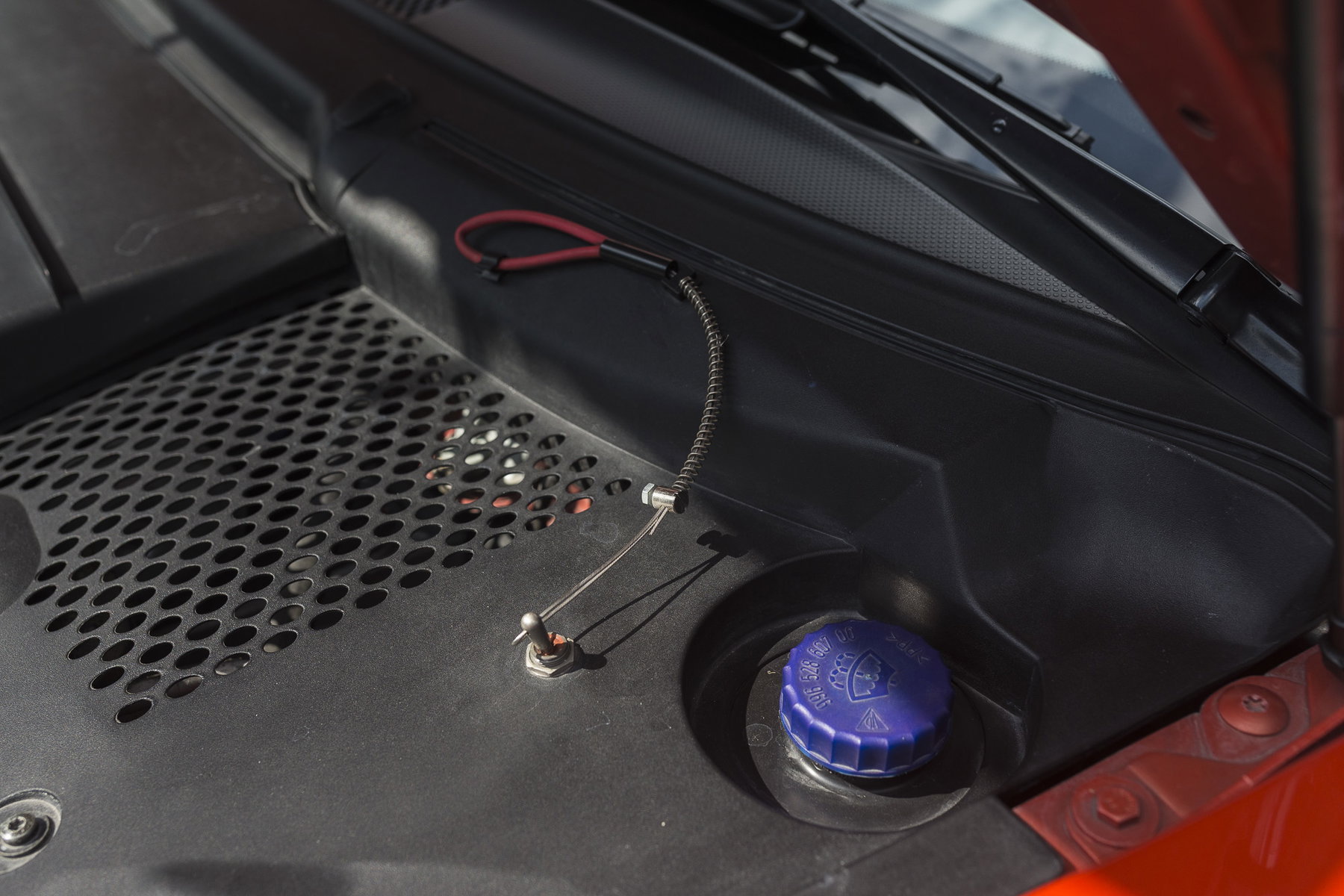
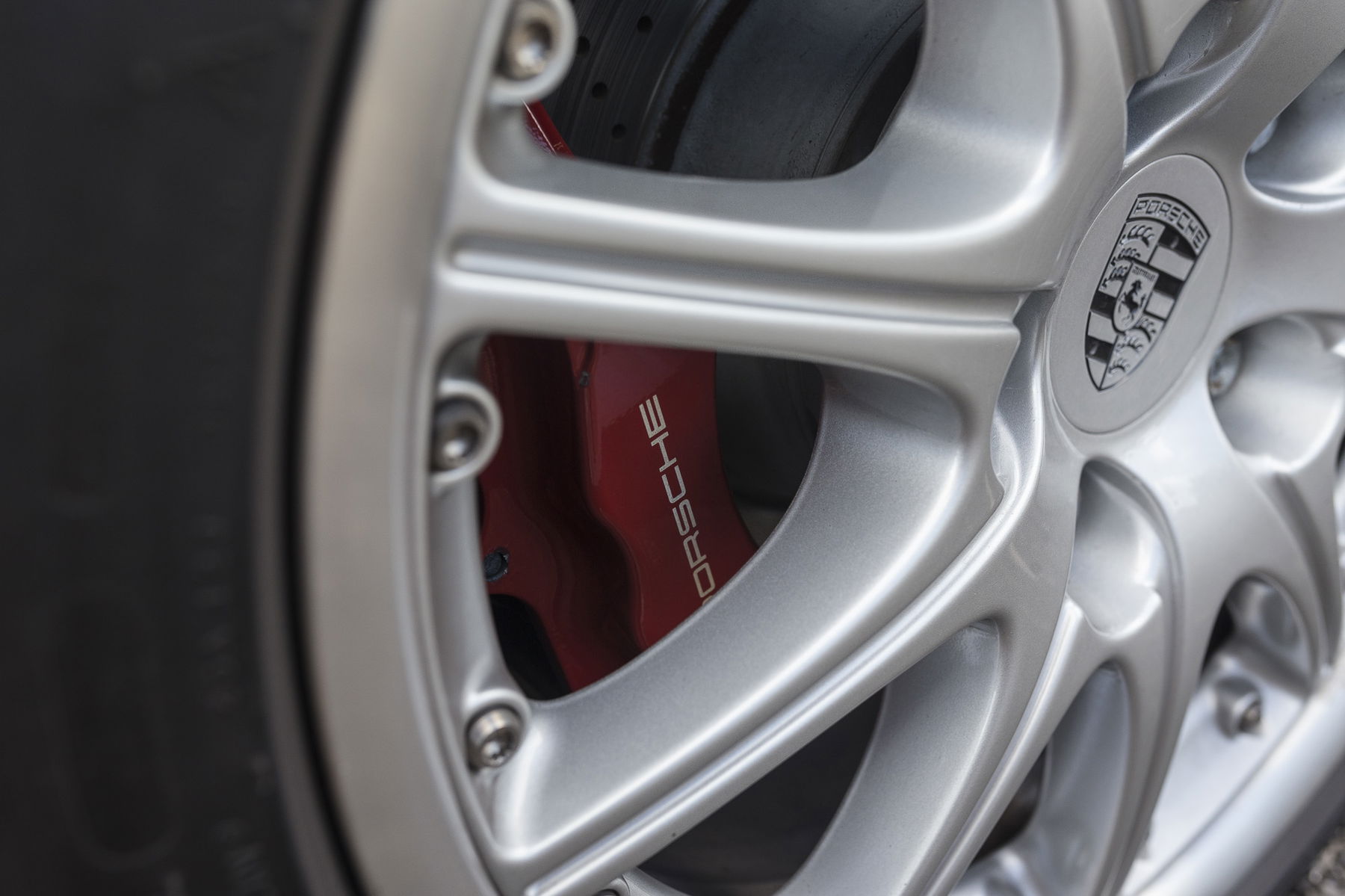
The 3.6-liter Metzger engine delivers 360 horsepower, enough for less than 1,300-kilograms of the GT3 Clubsport. It’s lighter thanks to a simplified interior, fireproof fabric bucket seats, internal and external battery switches, the absence of side airbags, and a lightweight battery. Apart from ABS, there are no other electronic aids; everything is purely mechanical: a specialized braking system, limited-slip differential, gearbox with specific ratios, adjustable suspensions, and the aforementioned dry-sump engine.
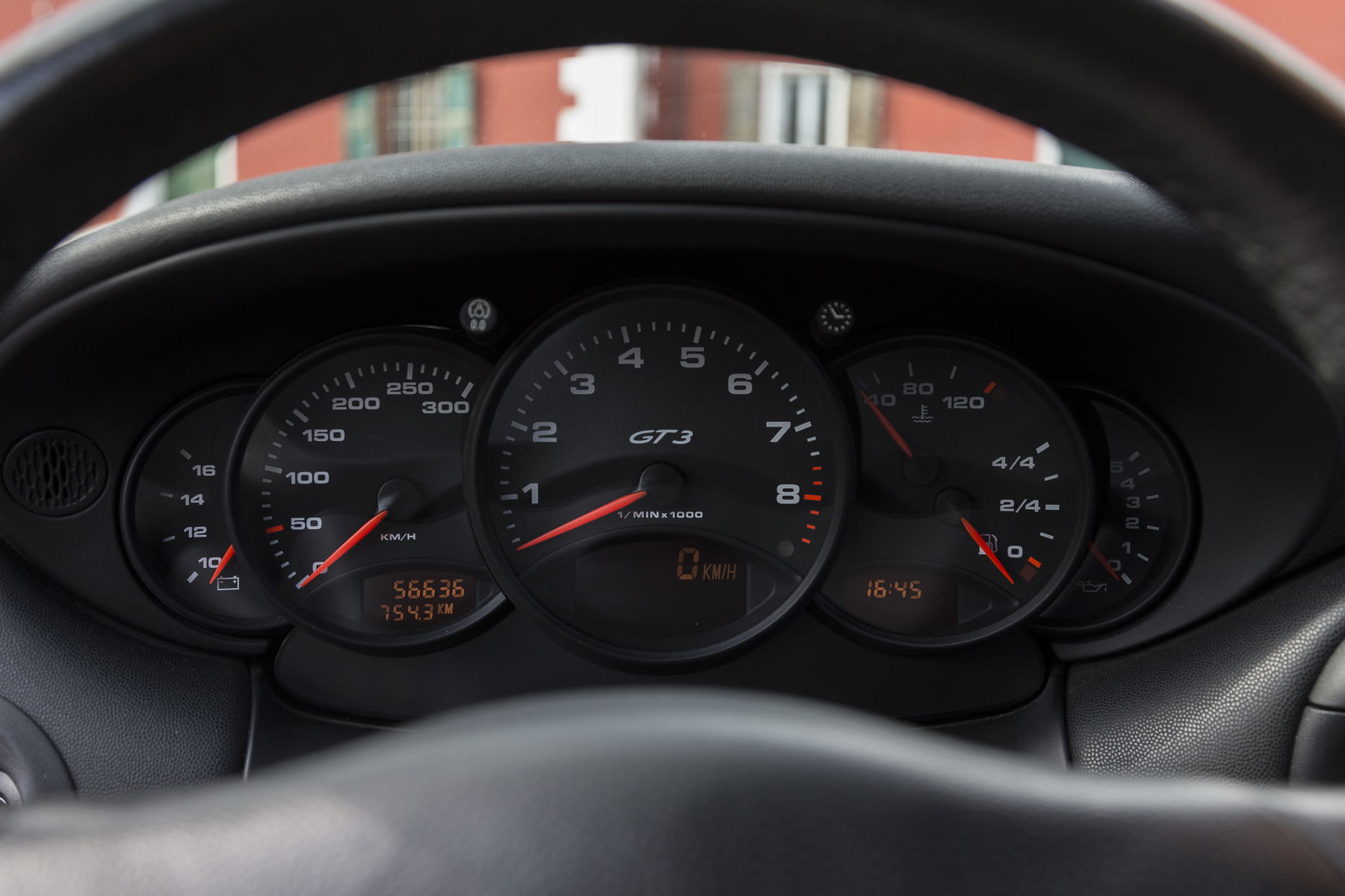
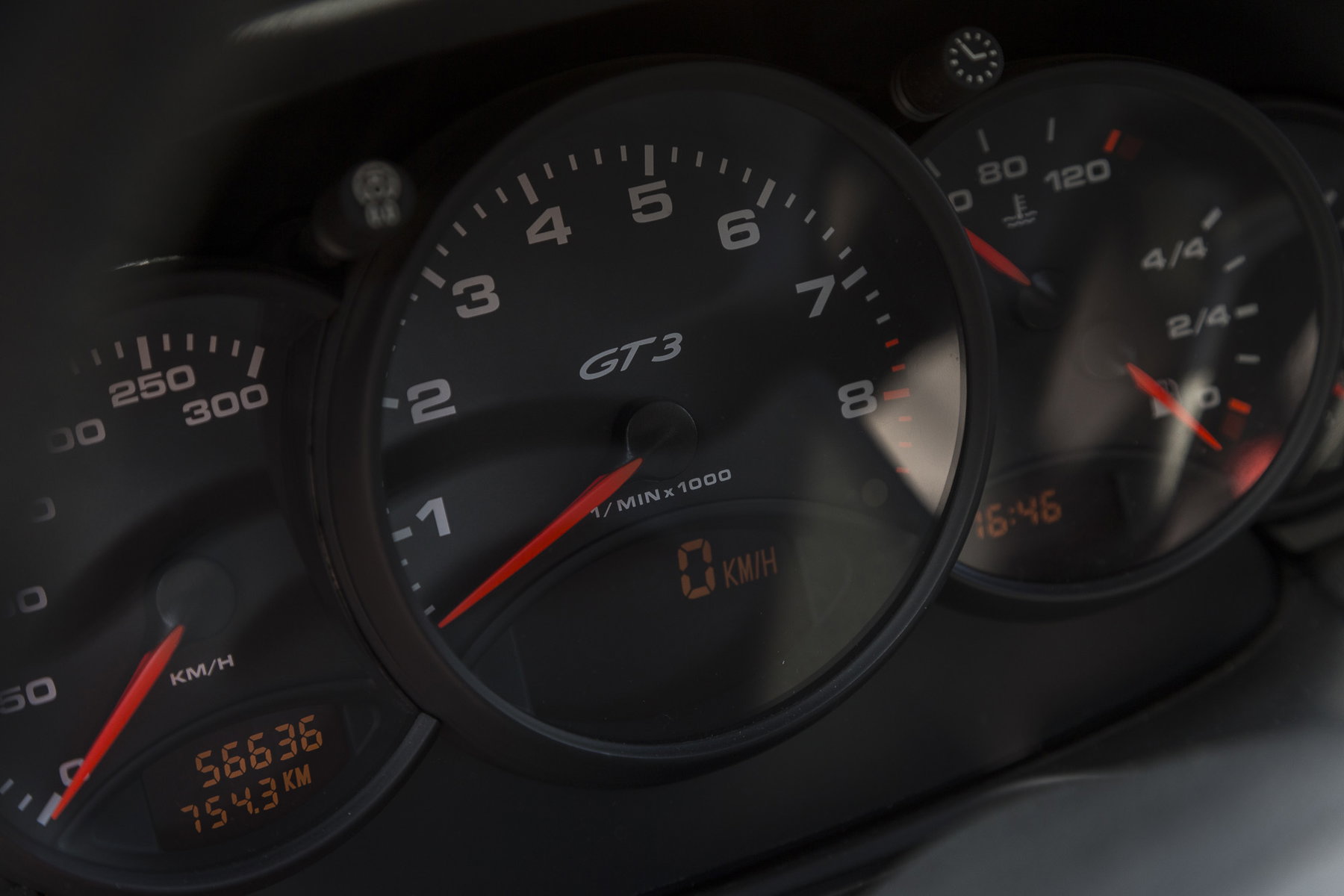
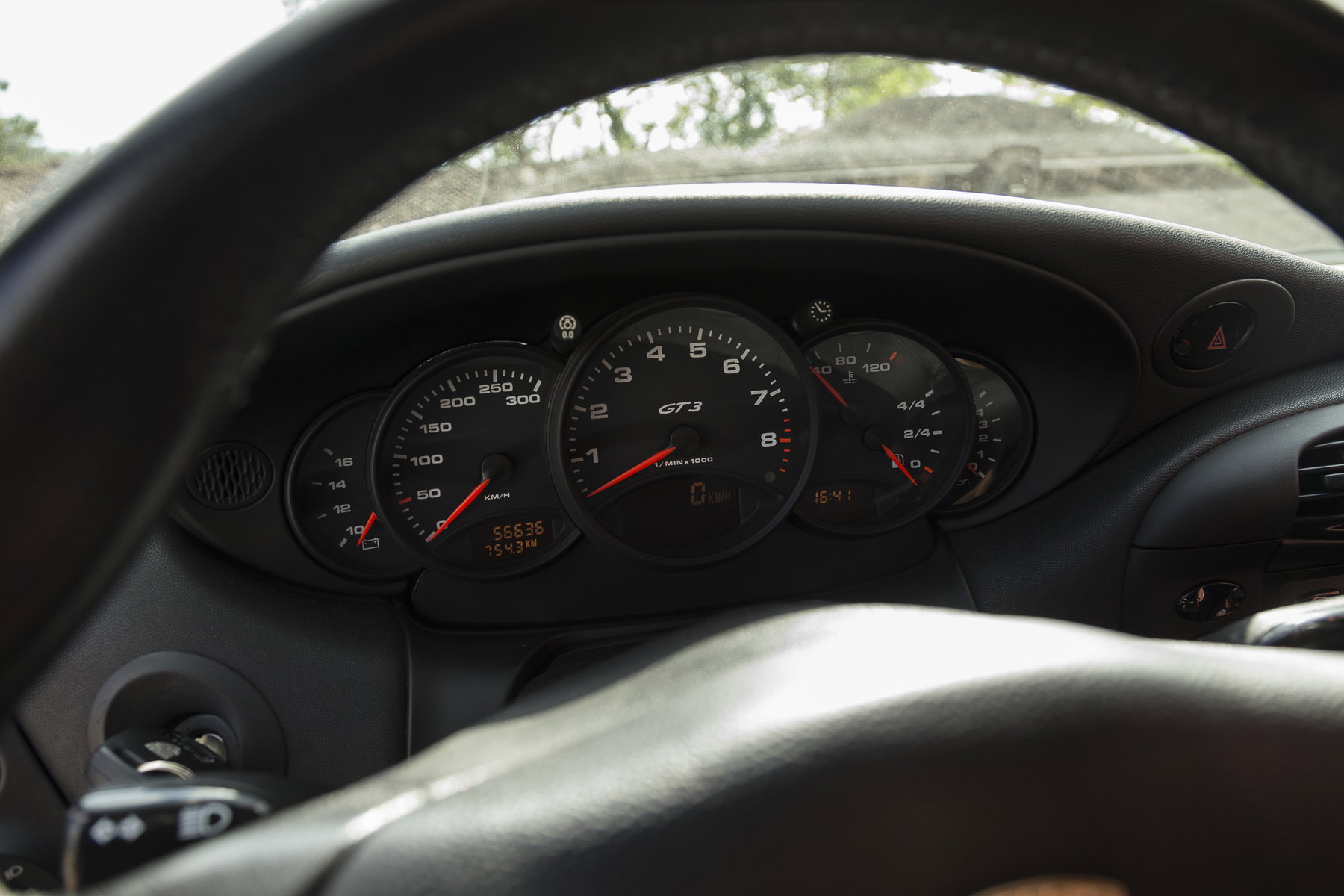
The car, now with less than 60,000 km on the clock, has recently been serviced and inspected: it is ready to pass into the hands of a new owner who knows how to love it as much as we have.
Above the video test “PerchèComprarlaClassic by Motor1.com
The Low Res photos that you see are period digital photos from the time that retrace the history of the car.




 2000
2000 
 2000
2000 
 2000
2000