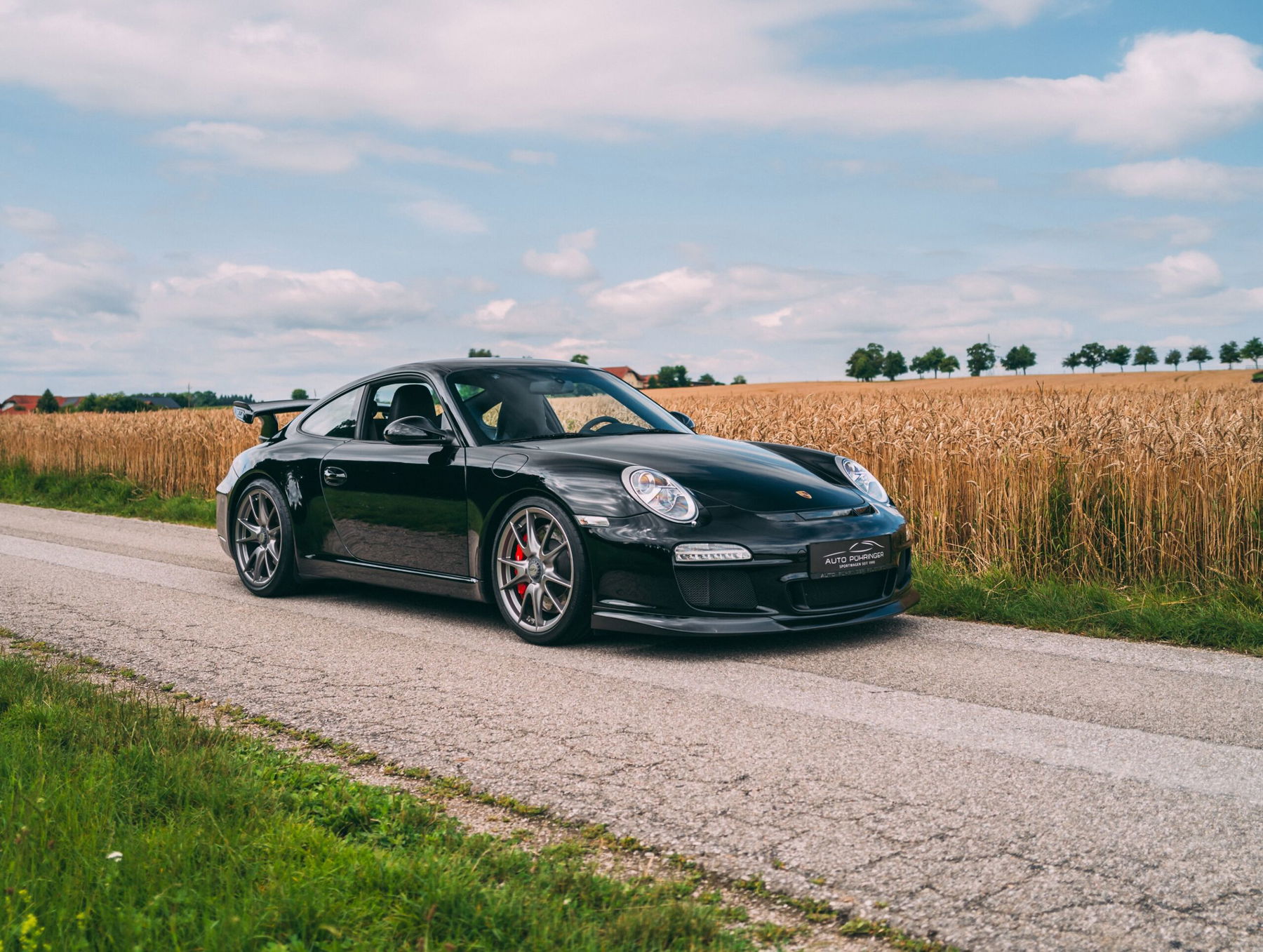
Sometimes it’s not the big mistakes that annoy you later on – but hesitating for too long. The Porsche 997.2 GT3, built between 2009 and 2011, is just such a candidate. In many ways, it is considered the last GT3 of the old doctrine, the last of an era. For all those who are not yet completely convinced, we have put together five reasons for buying a Porsche 997.2 GT3.
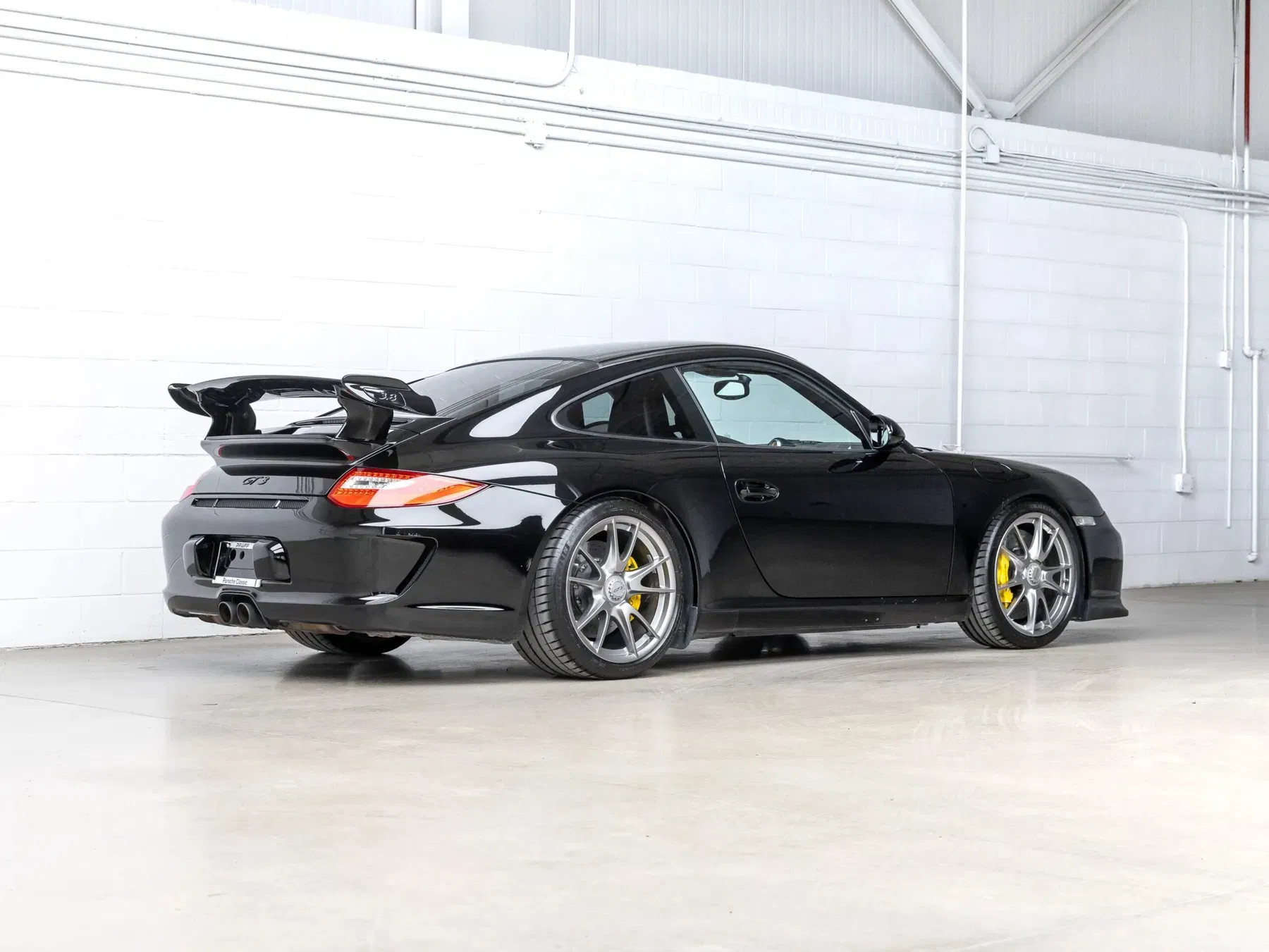
1. The Porsche 997.2 GT3 is the last narrow-body 911 GT3
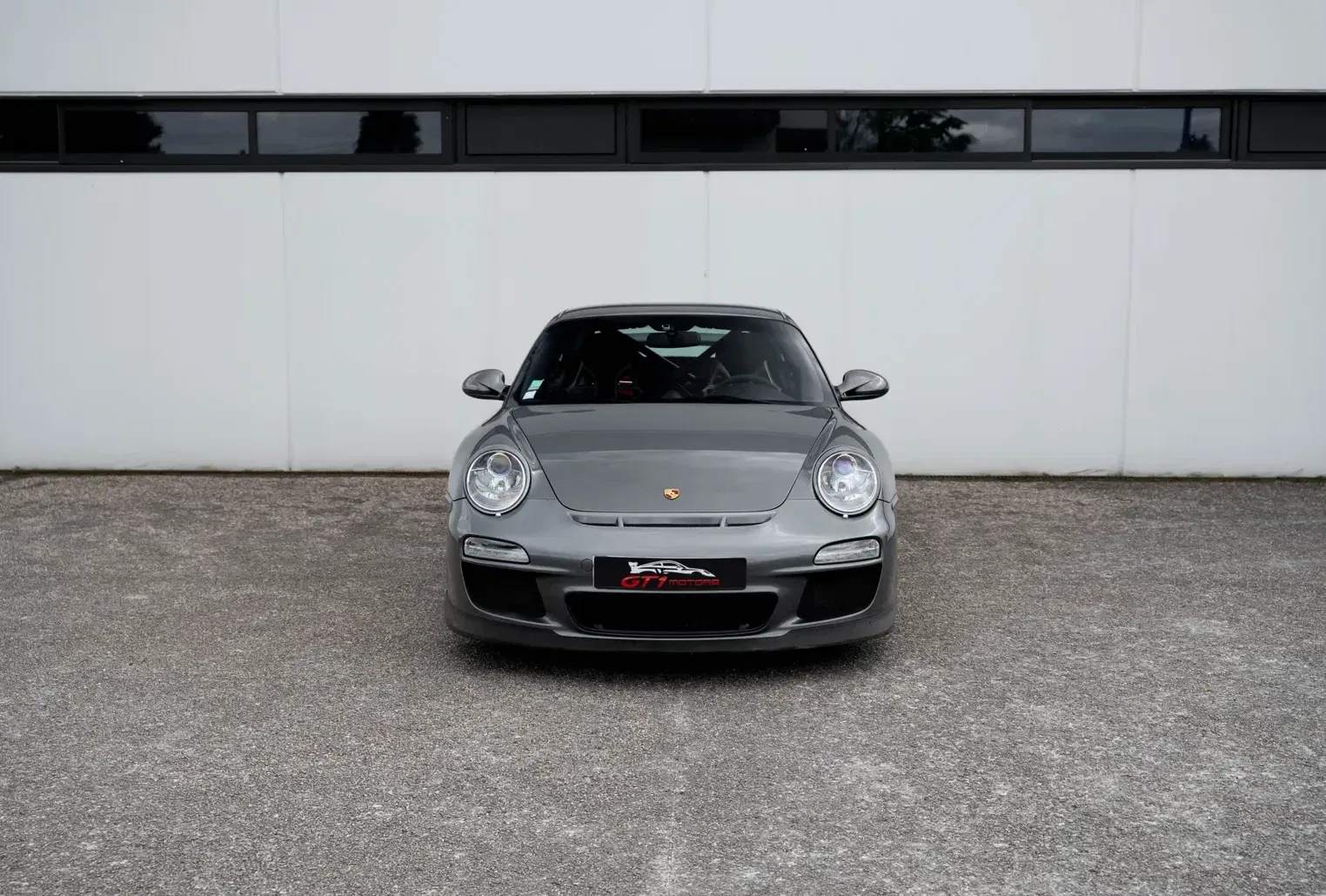
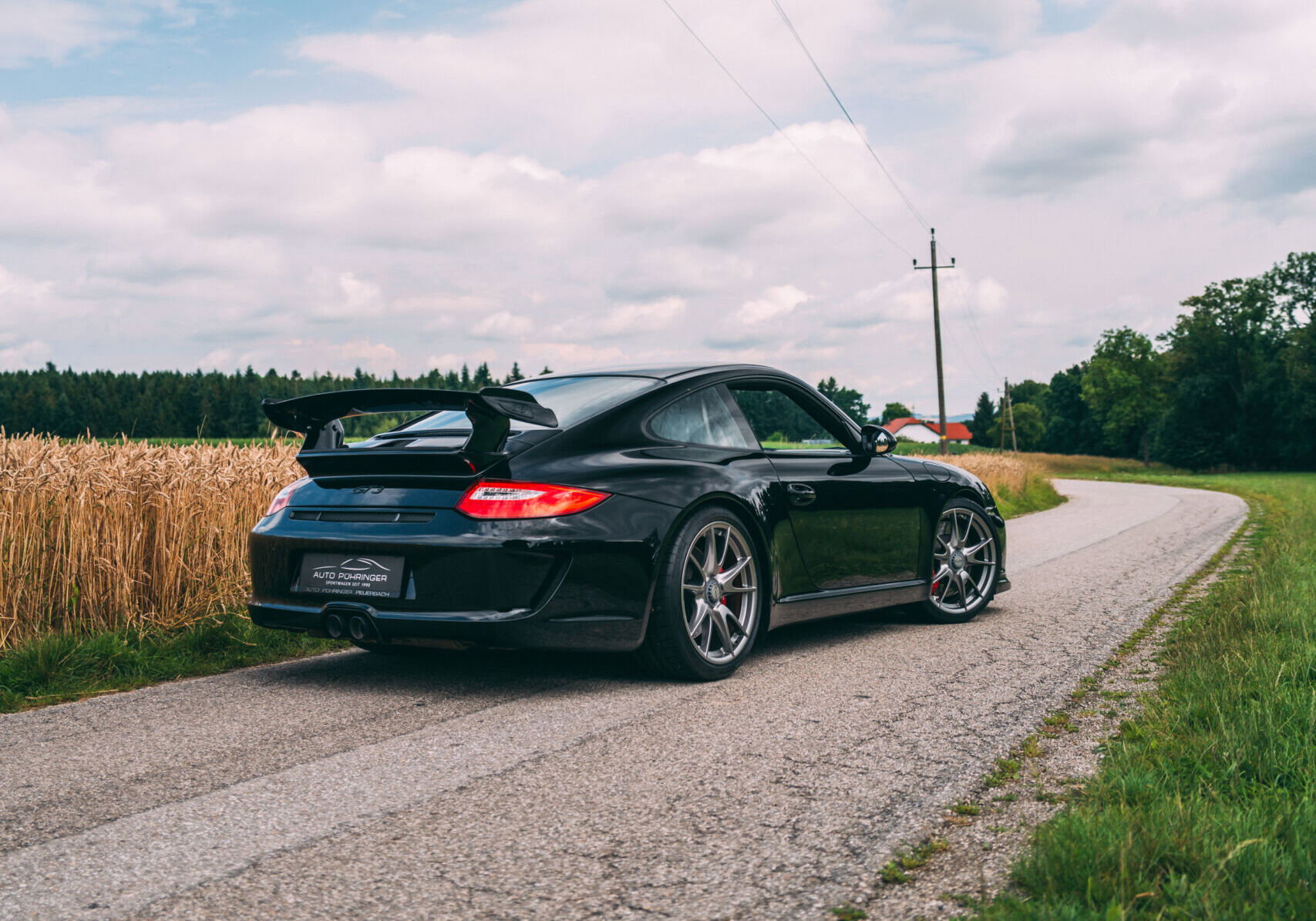
Since the introduction of the current 992-generation Porsche 911, the distinction between narrow and wide body no longer exists. The Porsche 997 was different, though. Its 911 Carrera, Carrera S and GT3 all measured 1,808 millimeters in width. The remaining 997.2 models, including the Carrera (4) GTS and GT3 RS, were given the 1,852 millimeter wide body.
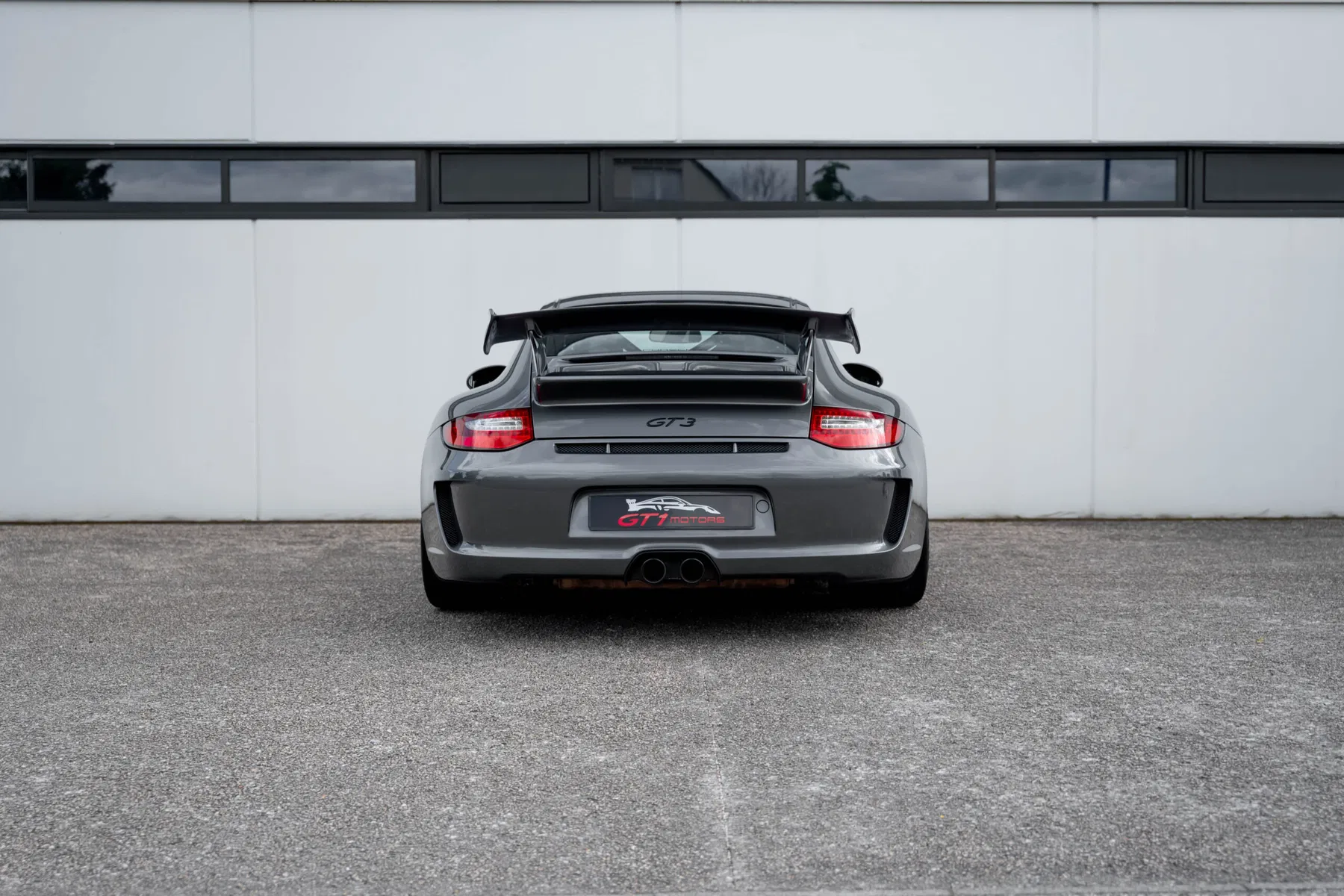
This makes the Porsche 997.2 GT3 the last 911 GT3 to be based on the narrower body variant. From the 991 model series onwards, the regular 911 GT3 also grew in width, not just the RS, as was the case with the 997. The 991 is 44 millimetres wider overall and another 85 millimetres longer than the 997.2 GT3. The difference is particularly noticeable on narrow country roads. There, the 997 conveys the feeling of a truly compact sports car.
2. It is the last 911 GT3 with a Mezger engine
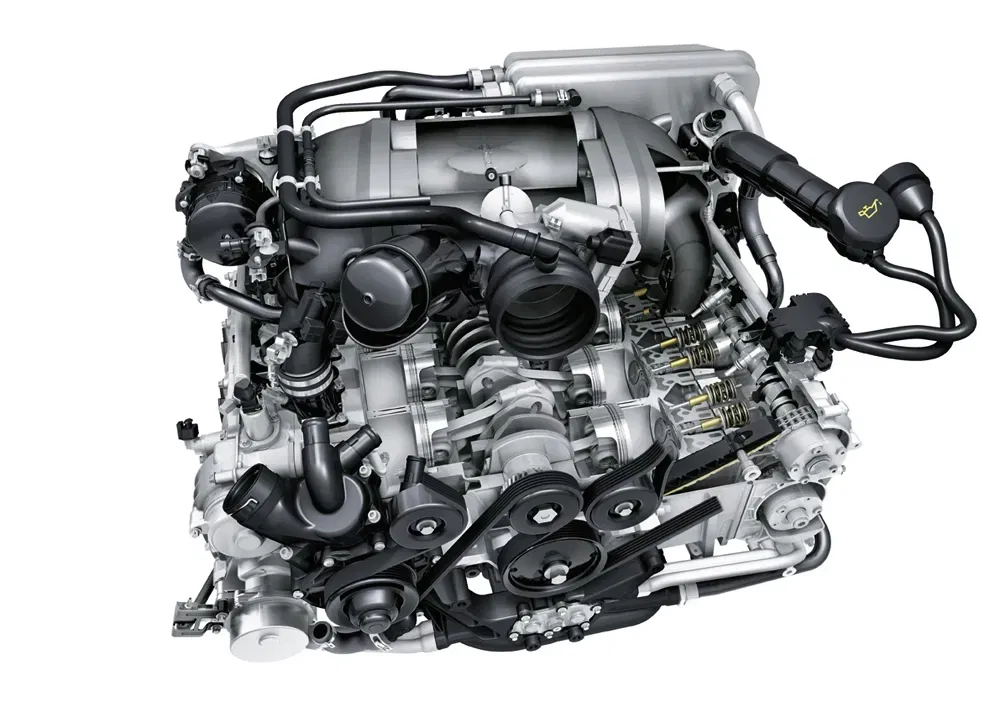
Hans Mezger is regarded as Porsche’s engine pope. His concept of the six-cylinder boxer engine with a two-piece crankcase has determined Porsche’s engine development since the 1960s. One of these so-called Mezger engines was used for the last time in the Porsche 997.2 GT3 and its derivatives GT3 RS and GT3 RS 4.0.
The 3.8 liter version of the Porsche 997.2 GT3 delivers 435 hp at 7,600 rpm and 430 Nm of torque at 6,250 rpm. A maximum of up to 8,500 rpm is possible. Its special feature is above all the sound. When idling, these engines are known for their rough, slightly rattling running. It remains relatively civil up to around 4,000 rpm before the somewhat hoarse sound turns into a high-frequency scream that is simply addictive.
Anyone who drives a Mezger engine close to the rev limiter will inevitably be reminded of a Cup car. For many a purist, its sound is one of the best that automotive engineering has ever produced. Compared to its mechanically somewhat cleaner-sounding successors, the 997.2 GT3 has something primal about it that has rightly earned it a certain cult status today.
3. Its low production numbers – The Porsche 997.2 GT3 is the second rarest 911 GT3 after the 996.1 GT3
The Porsche 997.2 GT3 is also special when it comes to numbers. This is because its successor of the 991 generation is almost a mass product in direct comparison. More than 15,000 units of the 991.1 and 991.2 GT3 alone were built. Only 2,256 units of the Porsche 997.2 GT3 were produced in total. This makes it the second rarest “normal” 911 GT3 after the 996.1 GT3 with 1,868 vehicles produced.
How much narrower is the Porsche 997.2 GT3 than the 997.2 GT3 RS and the 991.1 GT3?
At 1,808 millimeters, the Porsche 997.2 GT3 is 44 millimeters narrower overall than the 997.2 GT3 RS and the 991.1 GT3. Both are 1,852 millimeters wide – measured without mirrors in each case.
Why are Porsches with Mezger engines so popular?
Porsches with engines based on Hans Mezger’s engine design are considered to be particularly robust and powerful. They impress with their characteristic sound, technical sophistication and are also suitable for racetrack use thanks to their dry sump lubrication.
How many Porsche 997.2 GT3s were produced?
A total of 2,256 Porsche 997.2 GT3s were produced. This makes it the second-eldest regular Porsche 911 GT3 model after the 996.1 GT3.
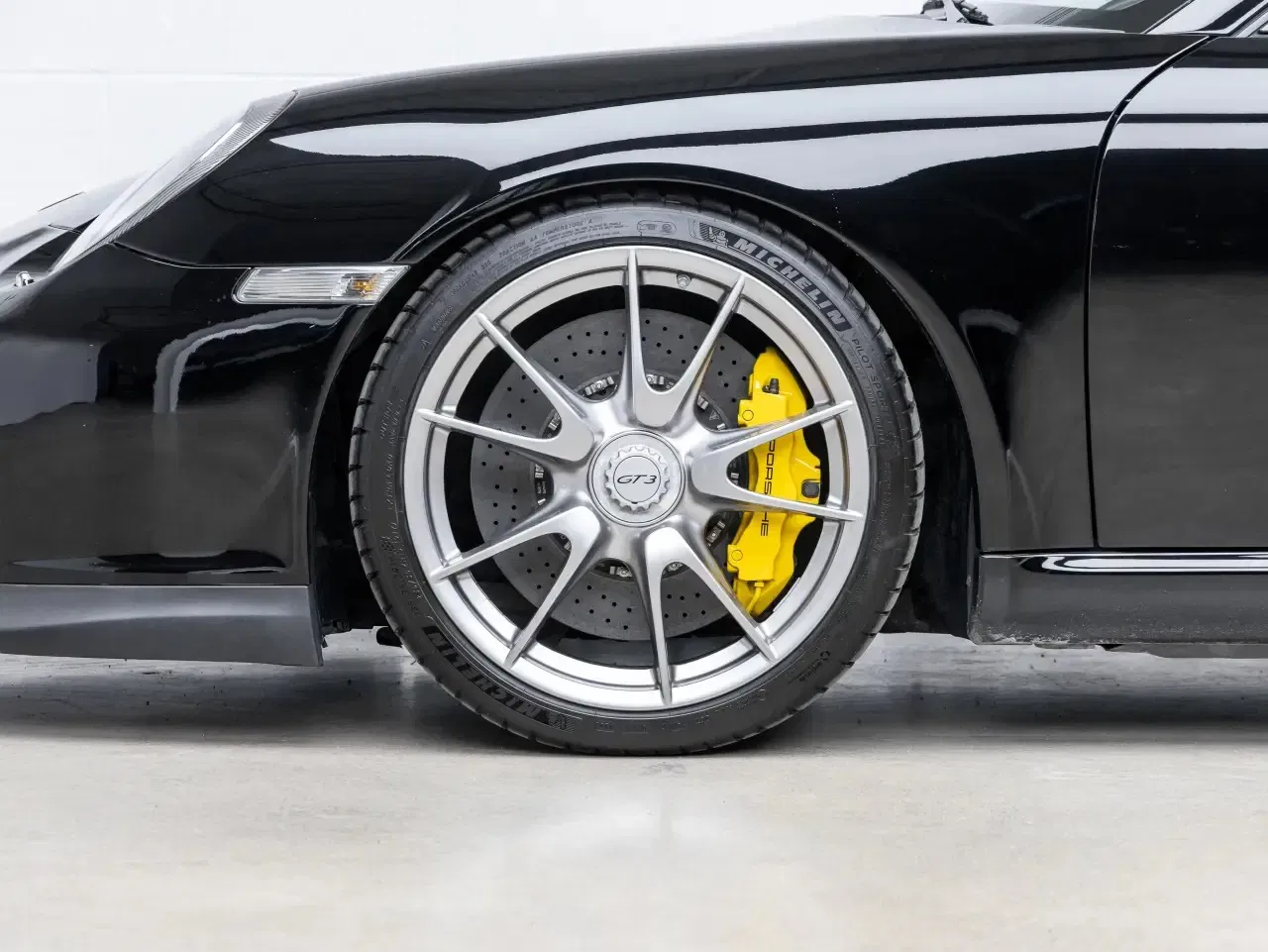
4. It is the first Porsche 911 GT3 to have center-lock wheels
What was already relatively common in motorsport has only just found its way into supercars like the Porsche Carrera GT – center-lock wheels. They are primarily used to speed up wheel changes, as only one wheel nut needs to be loosened and re-fastened. The effect of this technology can be seen most impressively in Formula 1. Here, tire changes in two seconds and sometimes even less are the order of the day.
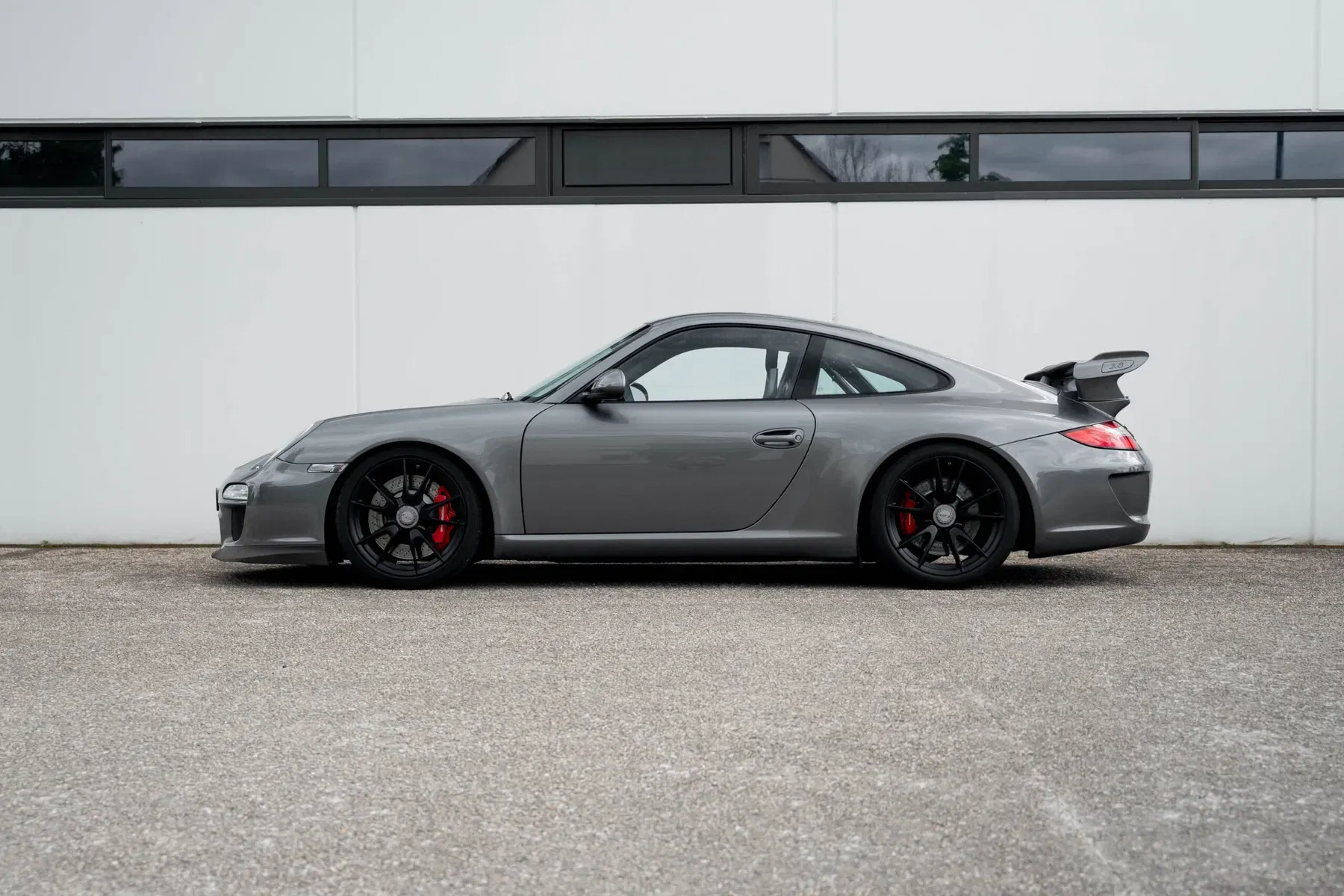
The Porsche 997.2 GT3 also transported this motorsport technology into the world of the 911. Every GT3 in the facelifted 997 series had 19-inch center-lock wheels. This set a trend for all future GT3 models, making it clear at first glance that the GT3 meant business. In the meantime, this motorsports borrowing has become closely associated with the sportiest Porsche 911 models and has also long been part and parcel of the Carrera (4) GTS.
5. Its sporting qualities
Even a good 15 years later, the Porsche 997.2 GT3 is still a respectable sports car. Thanks to its low weight of 1,395 kilograms, its 435 hp peak power is enough for a sprint from zero to one hundred km/h in 4.1 seconds, before the acceleration ends at 312 km/h. Its Nordschleife time of 7:40 minutes from 2010 is also impressive. With modern tires and minor modifications, times of under 7:30 minutes are even possible.
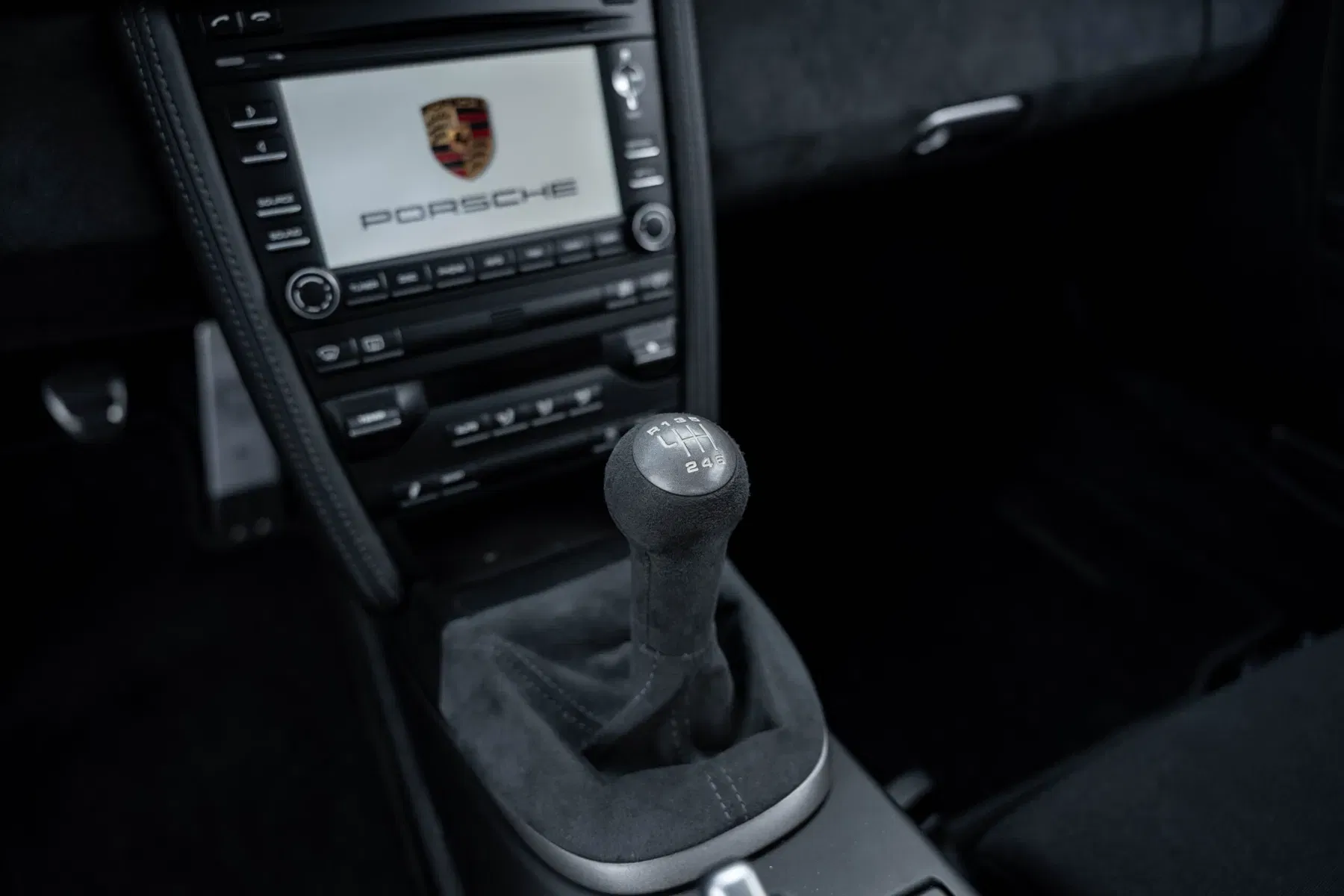
By comparison, the Porsche 991.1 GT3, with 40 hp more and Porsche dual-clutch transmission, was not worlds away from its predecessor at 7:32. At the same time, the older GT3 with the Mezger engine offers the more classic acoustics and, thanks to the 6-speed manual gearbox, certainly no less emotion. It is also the last 911 GT3 with hydraulic power steering without electric assistance. So it seems hardly surprising that even in 2025 so many Porsche 997.2 GT3s were still regularly doing their laps on the Nürburgring’s Touristenfahrten.
Prices are clearly moving in one direction – if you want a Porsche 997.2 GT3, you’d better hurry
(Almost) every rare Porsche costs more than its MSRP at some point – at least that was the case in the past. This was also the case with the 997.2 GT3. Its base price of just under 100,000 euros was already reached again in most cases in 2020. Since then, however, it has seen a huge price increase. At the beginning of the decade, average prices were still just over 105,000 euros. In 2025, Porsche 997.2 GT3s were offered for just under 150,000 euros on average.
Even higher mileages do not devalue the fourth GT3 model overall. Well-driven examples, some with more than 100,000 kilometers on the clock, also cost over 100,000 euros – provided they are in good condition. This also has to do with the technical robustness of these vehicles. Even today, you can still drive them to a track day without any problems, do some incredible lap times and then drive home again.
If you dream of one day owning a Porsche 997.2 GT3, you shouldn’t wait too long. Prices are rising rapidly – and rightly so! Because the 997.2 GT3 offers a perfectly usable package that can still embarrass modern cars and can probably be enjoyed without any depreciation.







 2009
2009 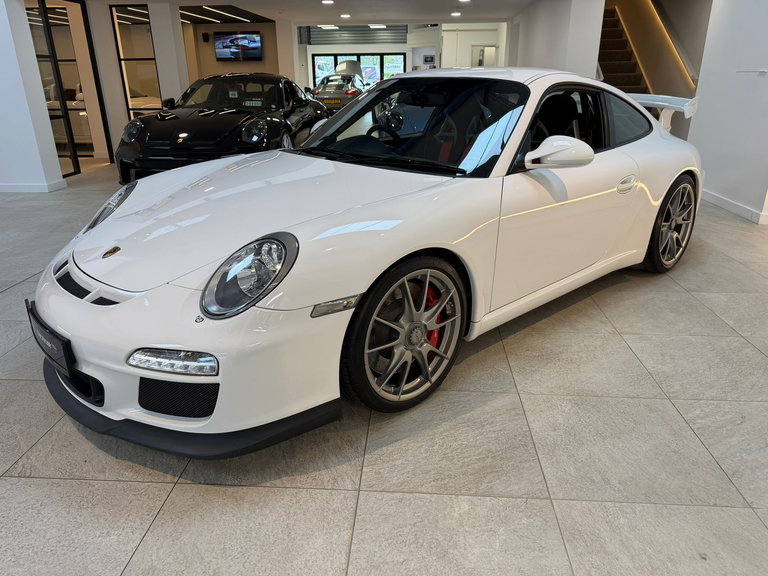
 2009
2009 
 2009
2009 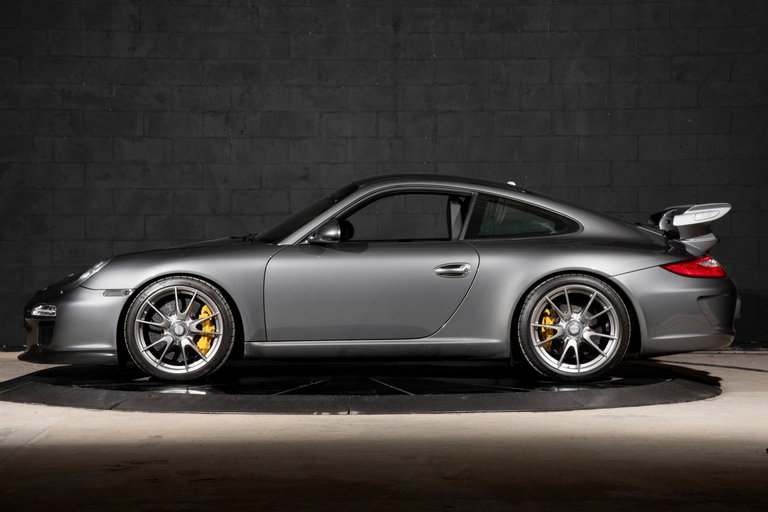
 2010
2010