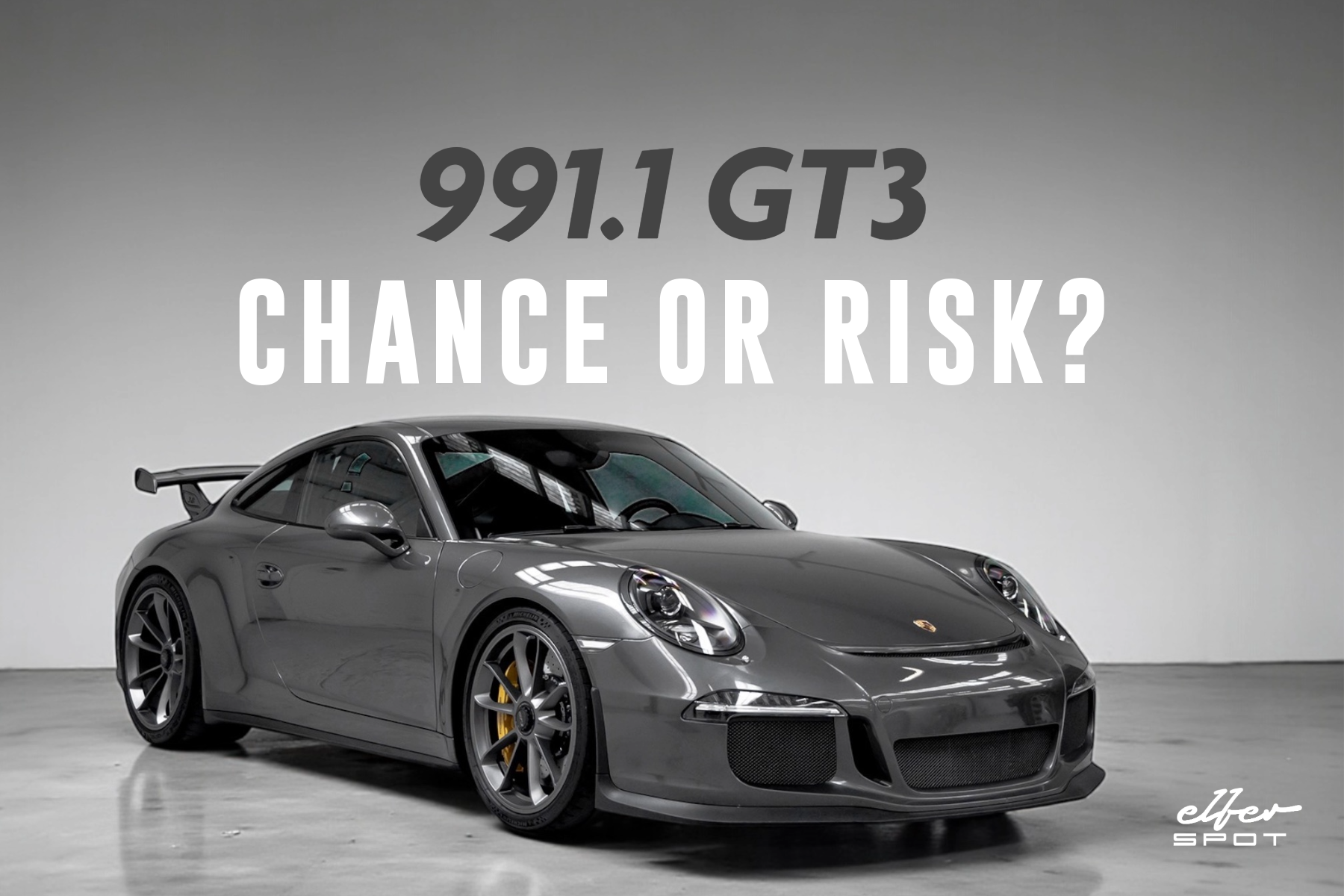
There are sports cars that you want to own – and those that you really use. The Porsche 911 GT3 actually belongs in both categories, as the 991.1 GT3 really highlights. Born as an extremely capable sports car for the road, it stands for Porsche’s core values like hardly any other car. You can still drive it to the racetrack in relative comfort, set blistering lap times there and then drive back home again. For many, the 911 GT3 is the perfect trackday car. So it’s no wonder that during the summer months at the Nürburgring, it feels like at least a third of all cars around is a GT3.
However, with increasing age, this mood eventually changes for some cars: track tools become a collector’s cars. The latent fear of destroying a vehicle of ever-increasing historical relevance with drastically increasing value in an accident might turn spirited drives into nerve-racking experiences. Icons like the 964 Carrera RS or 996 GT3 RS have already reached this point. The 997 is well on its way to following suit and the 991.2 GT3 is already on the rise as well. Somewhere in between is the Porsche 991.1 GT3 from the model years 2013 to 2016. Still incredibly capable, yet quite a bit cheaper than its successor – is the 991.1 GT3 currently the sweet spot? Or is it perhaps even a risky purchase in the end?
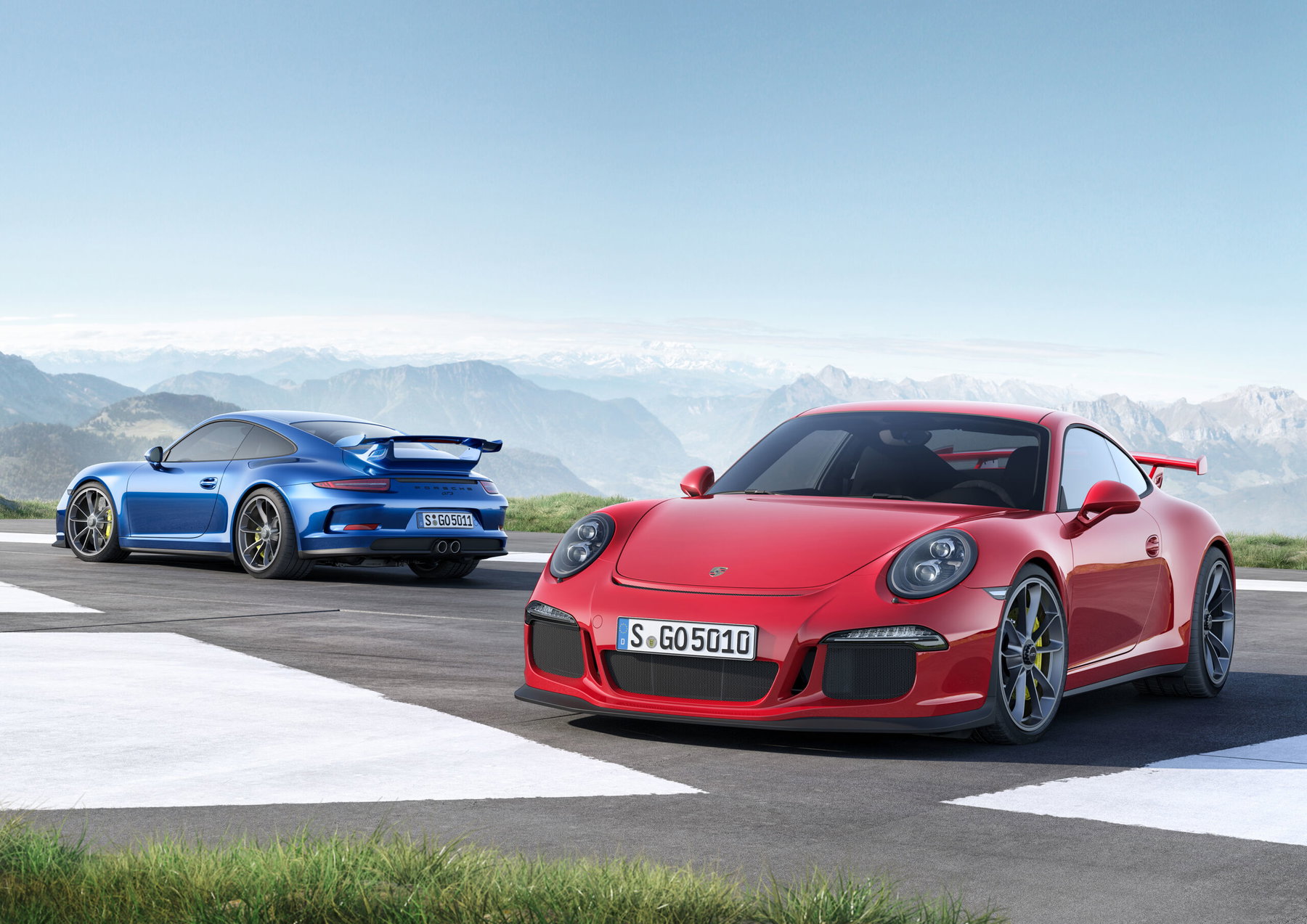
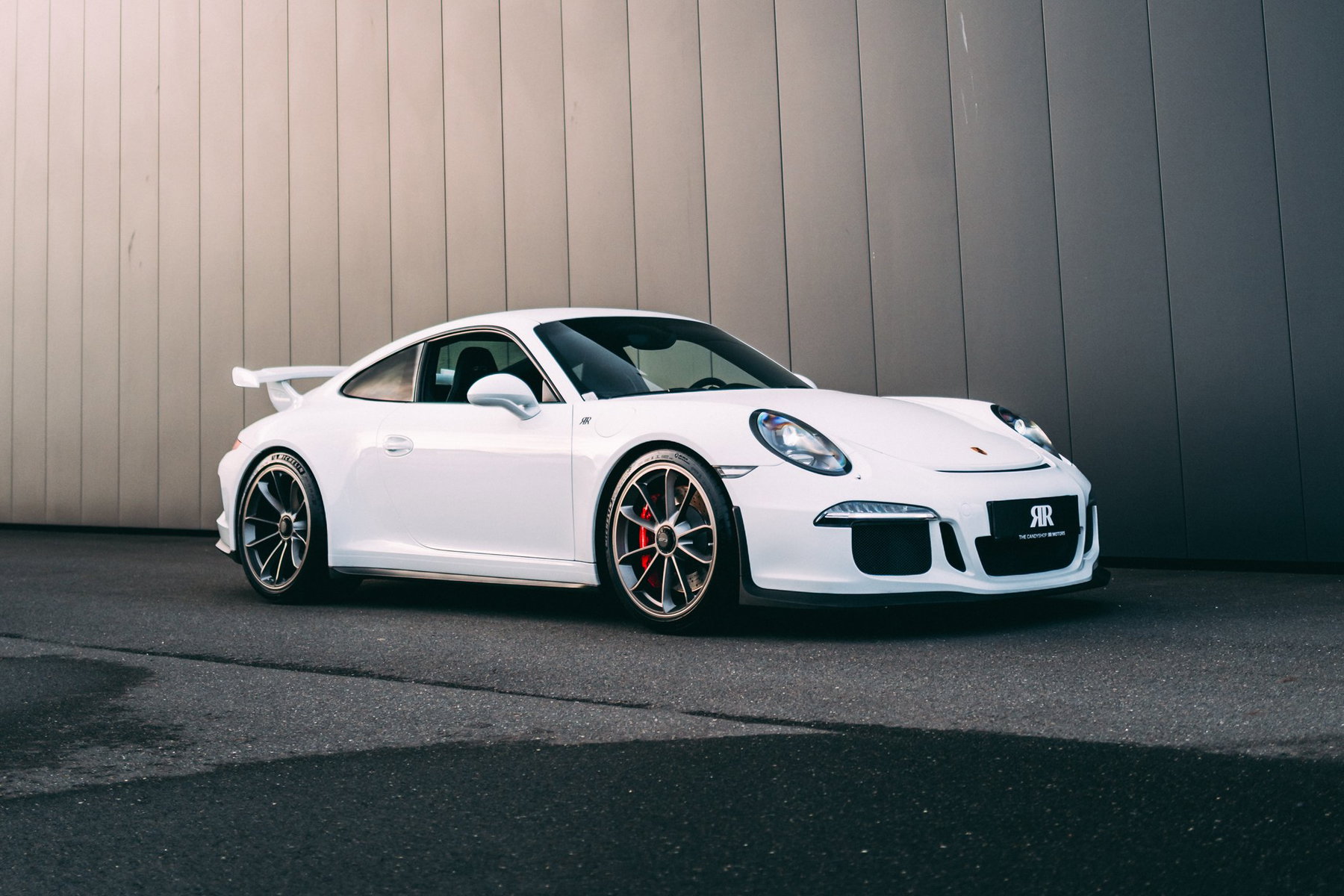
To mark the 50th anniversary of the 911, the Porsche 991.1 GT3 was presented at the Geneva Motor Show 2013
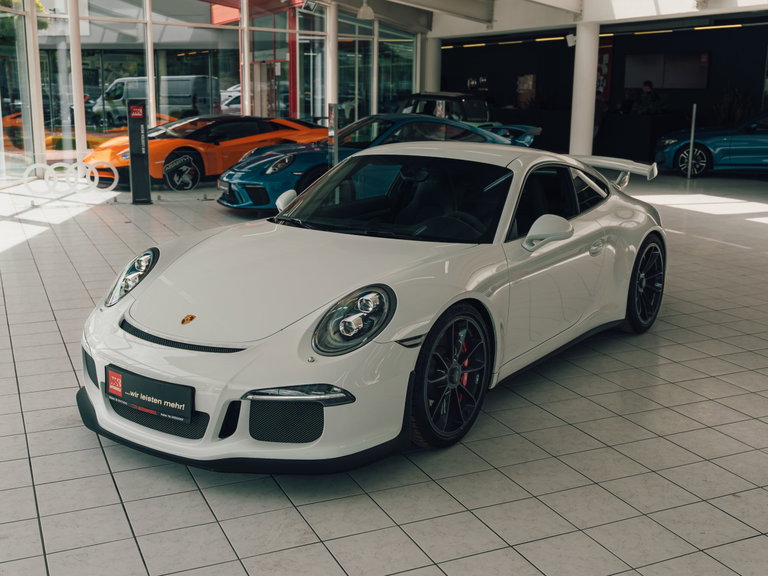
The Porsche 991 was the first completely redesigned 911 generation to be launched on the market in model year 2012 under the direction of the then Porsche Chief Designer Michael Mauer. This was followed in March 2013 by the 991 GT3, the first GT model in the new series. It was presented at the Geneva Motor Show to mark the 50th anniversary of the Porsche 911 and was a real revolution.
After the Porsche 997.1 and 997.2 GT3 were logical evolutions of the 996 GT3 models, Porsche broke new ground with the 991.1 GT3.
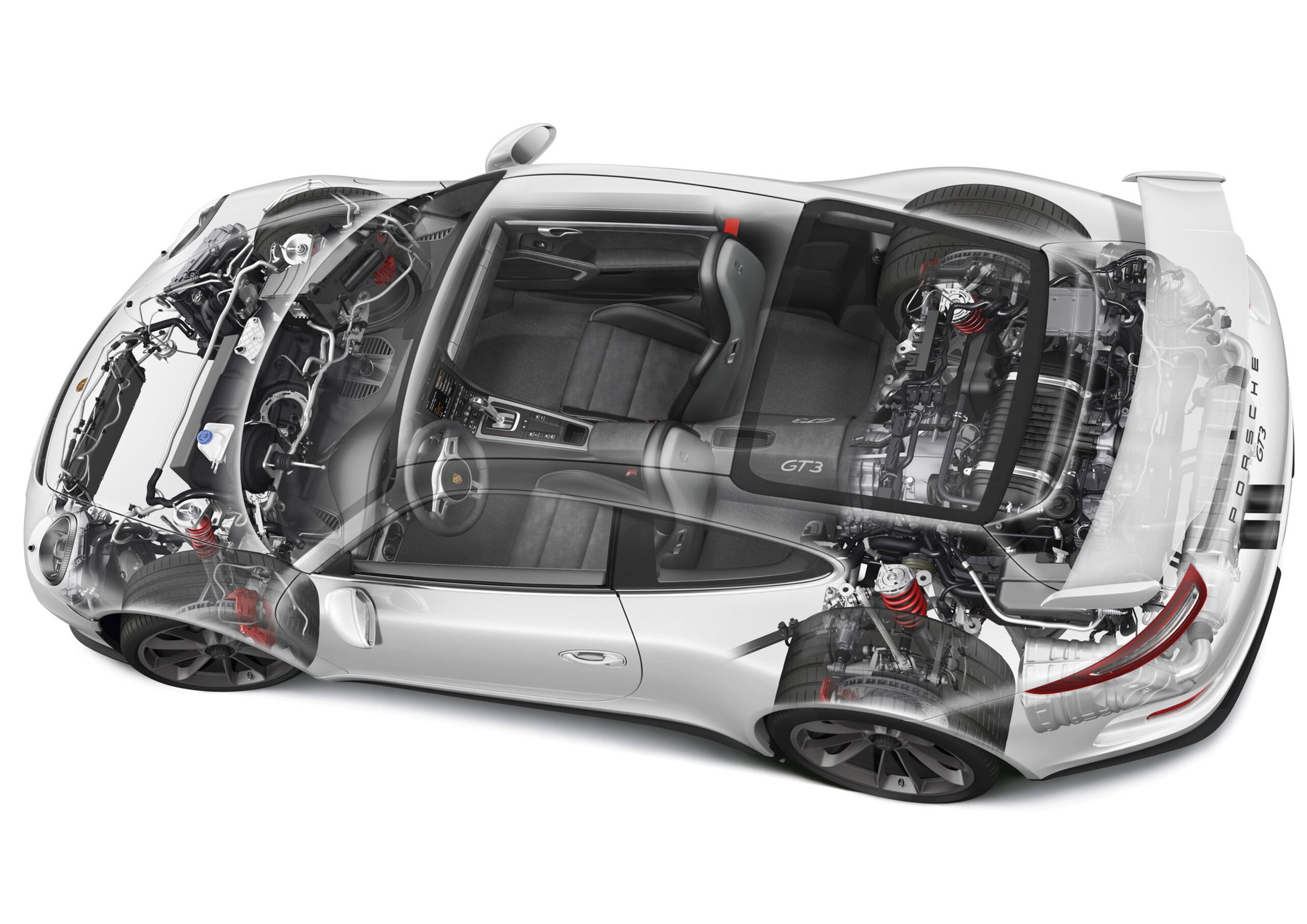
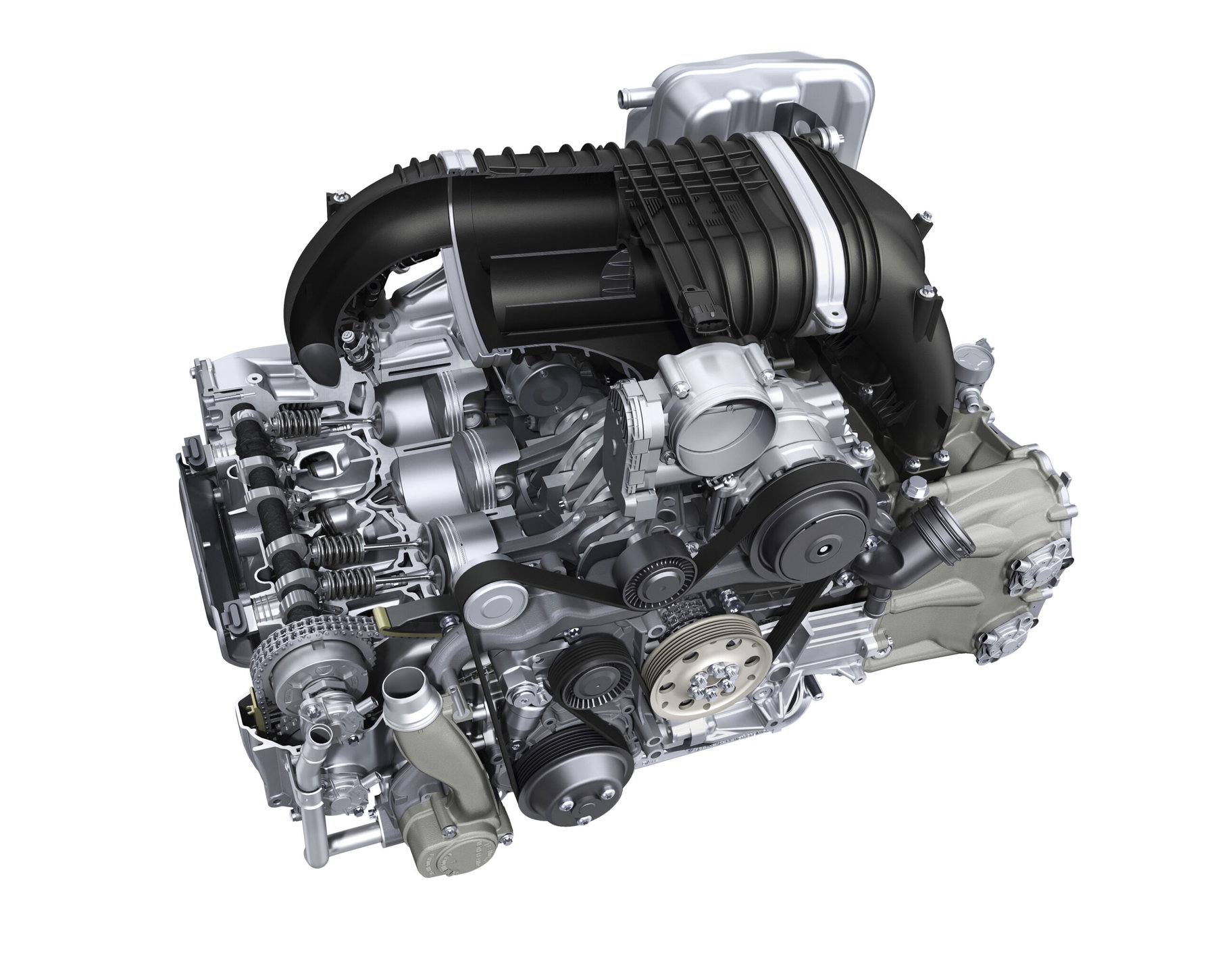
At a base price of 137,303 euros including VAT for the German market at the time, Porsche offered at lot of innovation. The 3.8 liter six-cylinder boxer engine with 475 hp was a completely new development. While the predecessor was still based on the design developed by Hans Mezger, this was based on the general engine design used in the 991.1 Carrera S. Thanks to a revised crank drive with titanium connecting rods and forged pistons, the engine was designed for speeds of up to 9,000 rpm!
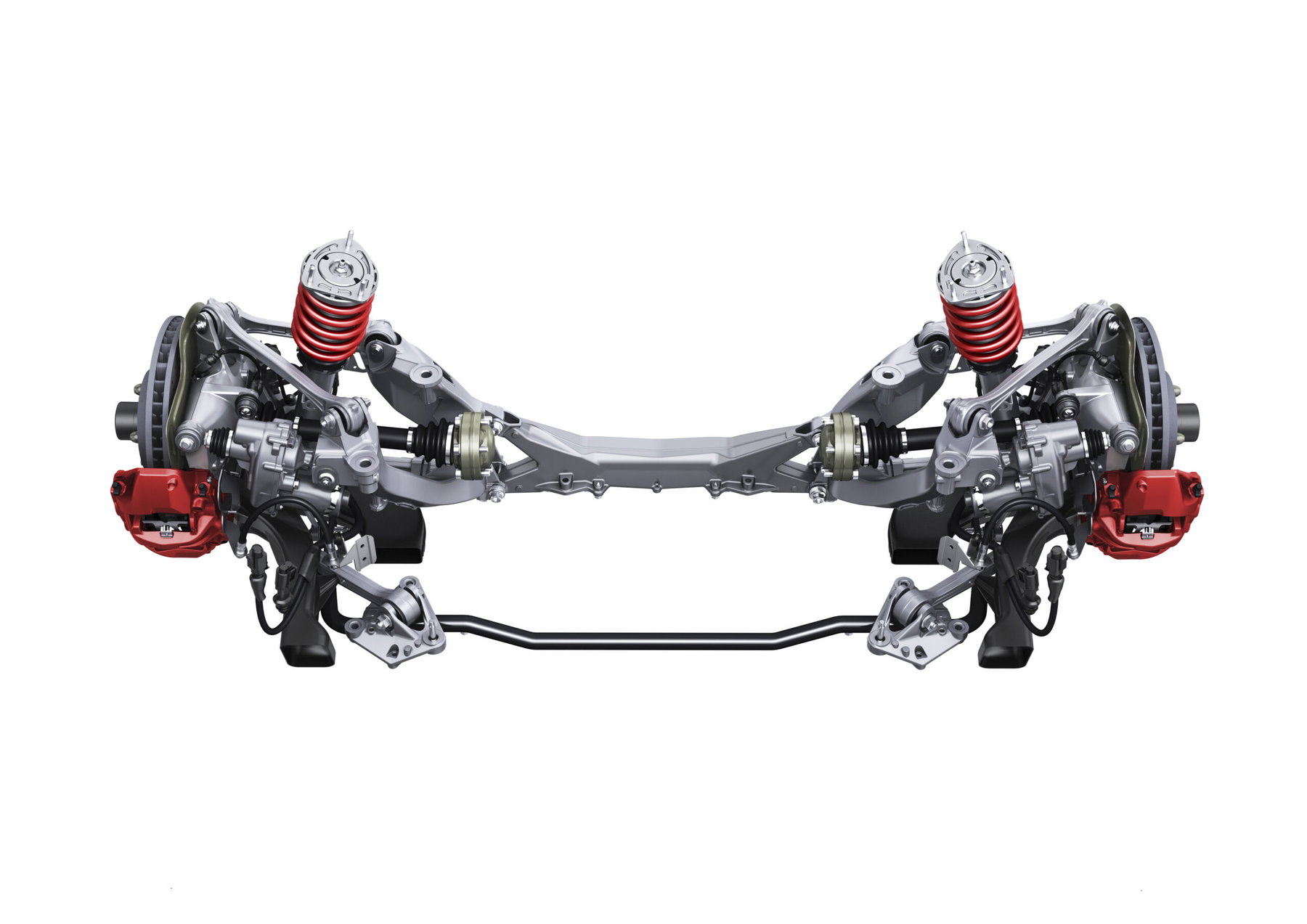
Porsche also proudly presented the first use of active rear-axle steering in a Zuffenhausen sports car. This can actively regulate the track of the rear wheels at will, thus ensuring greater stability at high speeds and more agility in tight bends. In comparison to the 997 generation GT3s, which where physically smaller, the 991.1 GT3 therefore had its turning circle reduced by half a meter.
The first 911 GT3 with PDK – exclusively!
Another innovation in the Porsche 991.1 GT3 concerned its transmission. Until then, the 911 GT3 had stood for purist driving with a naturally aspirated engine and a 6-speed manual gearbox. But with a newly developed 7-speed dual-clutch gearbox it was to strive for even more performance. It was effective in terms of acceleration. At 3.5 seconds, it was a good half a second faster from zero to one hundred km/h than its predecessor. With a lap time of 7:30 minutes on the Nordschleife, the 315 km/h 991.1 GT3 was also in the same league as the 997.2 GT3 RS 4.0, of which only 600 were built, and the Carrera GT!
By using the PDK, Porsche made the 991.1 GT3’s performance more accessible. Even less experienced drivers found it much easier to push the car to its limits.
But what is good for performance does not necessarily have to please the brand’s loyal fans. Porsche probably knows this better than any other car manufacturer. The elimination of the manual gearbox was a real issue at the time and was viewed critically by many customers. Nevertheless, the Porsche 991.1 GT3 sold extremely well. At around 6,300 units, Porsche sold more 911 GT3s than in any previous model series. The 997.1 GT3 sold 3,329 vehicles, the 997.2 GT3 a total of 2,256 units.
What about Porsche 991.1 GT3 prices in recent years? Did they go up or down?
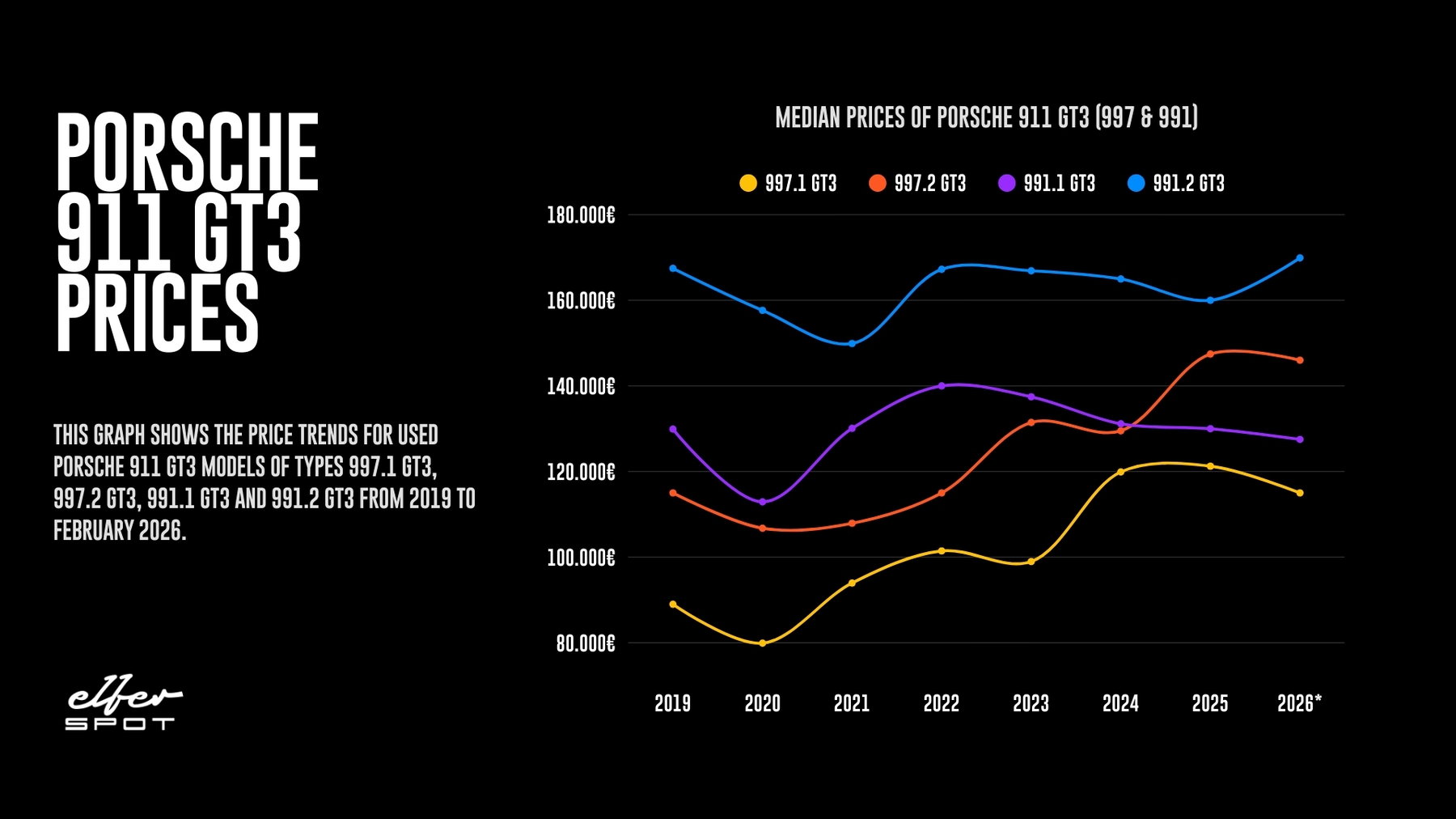
After the great commercial success of the 991.1 GT3, prices on the used market hardly fell at first. Instead, offers were usually relatively close to its sticker price. However, there was a significant dip in 2020. The median price for Porsche 991.1 GT3s fell to just over 110,000 euros. There were plenty of cars on offer below 100,000 euros! By 2022, prices had recovered again towards 140,000 euros, but have fallen by a few thousand euros every year since then. In 2025, the median price was relatively close to 130,000 euros – i.e. very close to the original retail price again. This development is nothing unusual in itself. However, a look at the prices of the predecessors and successors raises questions.
The 997.1 and 997.2 GT3 models also dipped slightly in 2020. However, both have risen noticeably in popularity among buyers since then. In 2025, 911 GT3s from the first 997 generation cost just over 120,000 euros on average, while 997.2 GT3s even cost just under 150,000 euros. This means that both are now on average well above their original retail prices of around 110,000 to 120,000 euros before optional extras.
This wide price gap between the 911 GT3 models before and after their respective facelift can also be seen in the 991 model series. Prices vary almost 30,000 euros on average between 991.1 and 991.2 GT3s. However, it appears that this gap could widen even further in 2026 – despite the even higher number of 991.2 GT3s built, totaling around 9,500. The reason lies in the price increase of the 991.2 on the one hand, but also in the slight downward trend of the 991.1 GT3 on the other. But where does the reluctance on the part of buyers come from?
Why are Porsche 991.1 GT3s significantly cheaper than 991.2 GT3s?
It’s no different in the Porsche world than in the rest of life. You can never have your pie and eat it. But is the Porsche 991.1 GT3 the unicorn here? After all, it is still an incredibly potent, powerful sports car with timeless looks, modern creature comforts and outstanding quality. So why the price gap to the 991.2 GT3? And why are 997.1, 997.2 and 991.2 GT3 prices developing so contrary to the 991.1’s?
Partly, the answer to this has technical reasons. The 991.1 GT3 was initially a very delicate product for Porsche. After two Porsche 991.1 GT3s caught fire as a result of connecting rod bolts coming loose, Porsche stopped production, recalled 785 vehicles and recommended that the cars should no longer be driven. To be on the safe side, Porsche took the precaution of completely replacing the engines in all models produced up to March 2014. The engines with the code E0 were replaced by those with the code E1.
The connecting rod bolts were not the only engine problem with the 991.1 GT3
Anyone who thought they were safe after that was mistaken, though. Because there were further problems with the GT3 engines. Although Porsche installed modified Type F engines from the 2015 models onwards, not everything was rosy. A very common problem were faulty finger followers in the valvetrain. They are responsible for converting the movement of the cams on the camshafts into opening of the valves in the cylinder. Excessive wear of these finger followers led to engine damage, which was usually indicated by misfiring and rattling in the cylinder head.
Porsche responded with further replacement engines and a ten-year engine warranty
This was followed by another revision of the GT3 engine. The so-called G-series should finally provide a remedy. Engines with their numbers starting with G6 in particular are considered to be unproblematic. Among other things, they have specially coated camshafts and finger followers, a modified oil gallery, the same oil filter as in the 991.1 GT3 RS and an adapted engine management system. These measures enabled Porsche to eliminate the design weaknesses of the GT3 engine.
Did all Porsche 991.1 GT3s get a new engine in Porsche’s recall?
Most of the 784 recalled 991.1 GT3s received a new engine in 2014. If an engine with the identifier E0 is still installed, it was not replaced.
Which engines were installed in which model year?
– 2013/2014: E0/E1 – 2015: F – 2016: G According to reports, all replacement motors installed after 2016 are of type G6
How long is/was the Porsche engine warranty valid on the 991.1 GT3?
Porsche’s engine warranty is/was valid for 10 years or 200,000 kilometers (120,000 miles) from initial registration, whichever comes first.
Is there still the possibility of a Porsche Approved Warranty for the 991.1 GT3?
Yes, up to a vehicle age of 14 years, warranty can be taken out at the Porsche Center after passing the 111-point check.
In contrast to the first engine failures, Porsche decided against a recall in 2017. Instead, the Stuttgart-based company subsequently granted a warranty of 10 years or 200,000 kilometers on all 991.1 GT3 engines, whichever came first. This was valid from the vehicle’s first registration and could be transferred to the new owner upon sale. But these ten-year warranties are also coming to an end this year for the last Porsche 991.1 GT3s. However, a further safety net can be “drawn in” until at least 2028 via an individual warranty from Porsche Approved after a completed 111-point check.
991.1 GT3 drivers probably owed the engine warranty to the negotiations of some particularly committed members of the American Rennlist forum. They spoke to the then head of the GT department, Dr. Frank-Steffen Walliser, personally about the issue.
A story that might seem familiar to many Porsche fans
In the meantime, the vast majority of defective engines have been replaced by Porsche. For cars which are still equipped with E or F engines, it is generally advisable to apply for a warranty. Anyone who has one of the later engines with G designation, ideally from G6 onwards, installed in their 991.1 GT3 can look forward to many carefree kilometers.
Anyone who has one of the later engines with G designation, ideally from G6 onwards, installed in their 991.1 GT3 can look forward to many carefree kilometers.
For all models with extremely low mileage and from early model years, checking the engine number is therefore part of the standard repertoire of a pre-purchase inspection for experts. If it turns out during the purchase process that the object of desire has an E- or F-series engine, this is not the end of the world. It is primarily a question of how you want to approach the matter. There are already specialists who take on the matter and offer revisions of the valve train – not a cheap pleasure, but still significantly cheaper than an out-of-warranty engine replacement.
The issue surrounding the first GT3 engines after the Mezger era is in many ways reminiscent of the M96 engines in the Porsche 996. There were also problems that initially attracted a great deal of media attention. After Porsche got the basic problems under control in terms of design, the issue was put into perspective. Nevertheless, Porsche 996s remained “penalized” in terms of price for a long time – but not only for rational reasons. Uncertainty on the buyer side resulted in less demand for many years.
A Porsche 991.1 GT3 with a G-engine has perhaps the best price-performance ratio of all 911 GT3s
The 911 GT3s from the 996 and 997 series have long since become sought-after classics. More recent 992 GT3 and also 991.2 GT3 models are at the other end of the scale as young used cars. The Porsche 991.1 GT3 is currently located exactly between these extremes. While the 991.2 GT3 is already increasing in price again, it remains to be seen what will happen to the 991.1 GT3 models once the last engine warranties have expired.
In the thicket of uncertainties, there are exciting opportunities for connoisseurs in any case. Regardless of future price developments, Porsche 991.1 GT3s with a G-engine are currently the GT3s with probably the best price-performance ratio. They offer enormous driving performance, timeless design and an unusually high level of residual comfort in this vehicle class. There is no doubt that buying a Porsche 991.1 GT3 involves certain risks. But you take them with every car purchase, you have to be honest.
The Porsche 991.1 GT3 is not a bet without risk. But with the necessary caution and possibly preventive measures, it is certainly one of the most emotional in the entire Porsche cosmos.
Richard Lindhorst, Elferspot
Message
Do you have a tip for a story or just want to get in touch with Richard?





 2013
2013 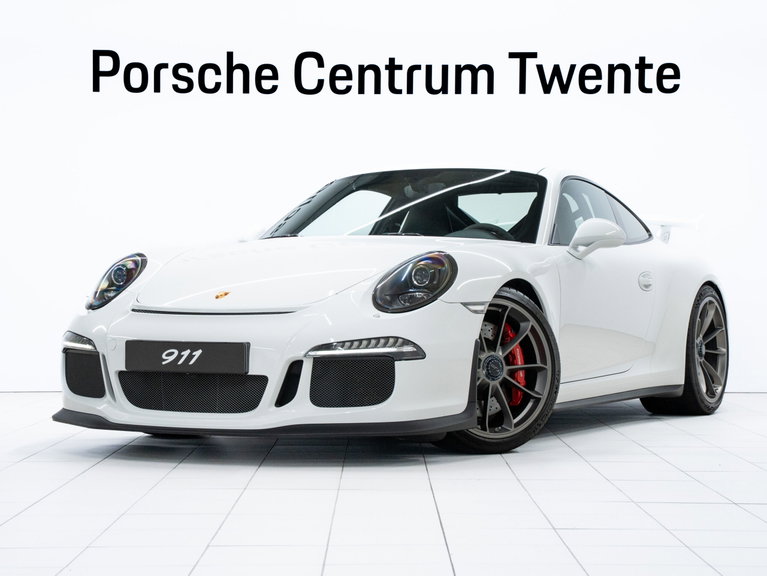
 2014
2014 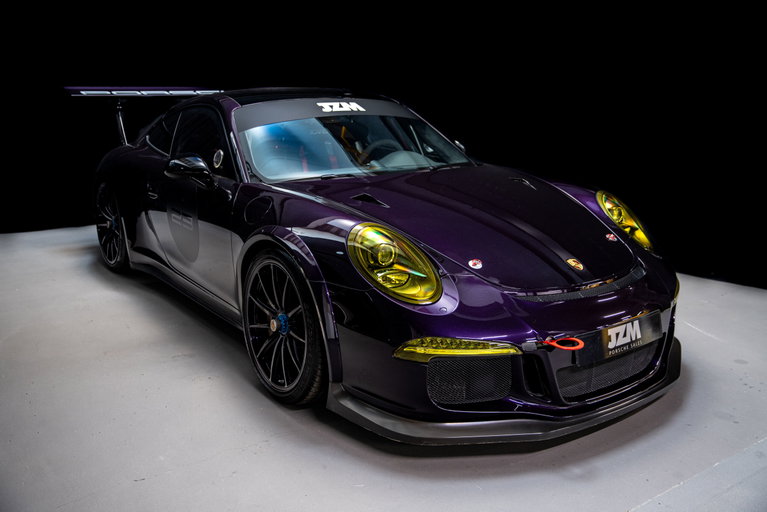
 2014
2014 
 2013
2013