Chassis No. 9305700167
Engine No. 6750162
Transmission No. 750590
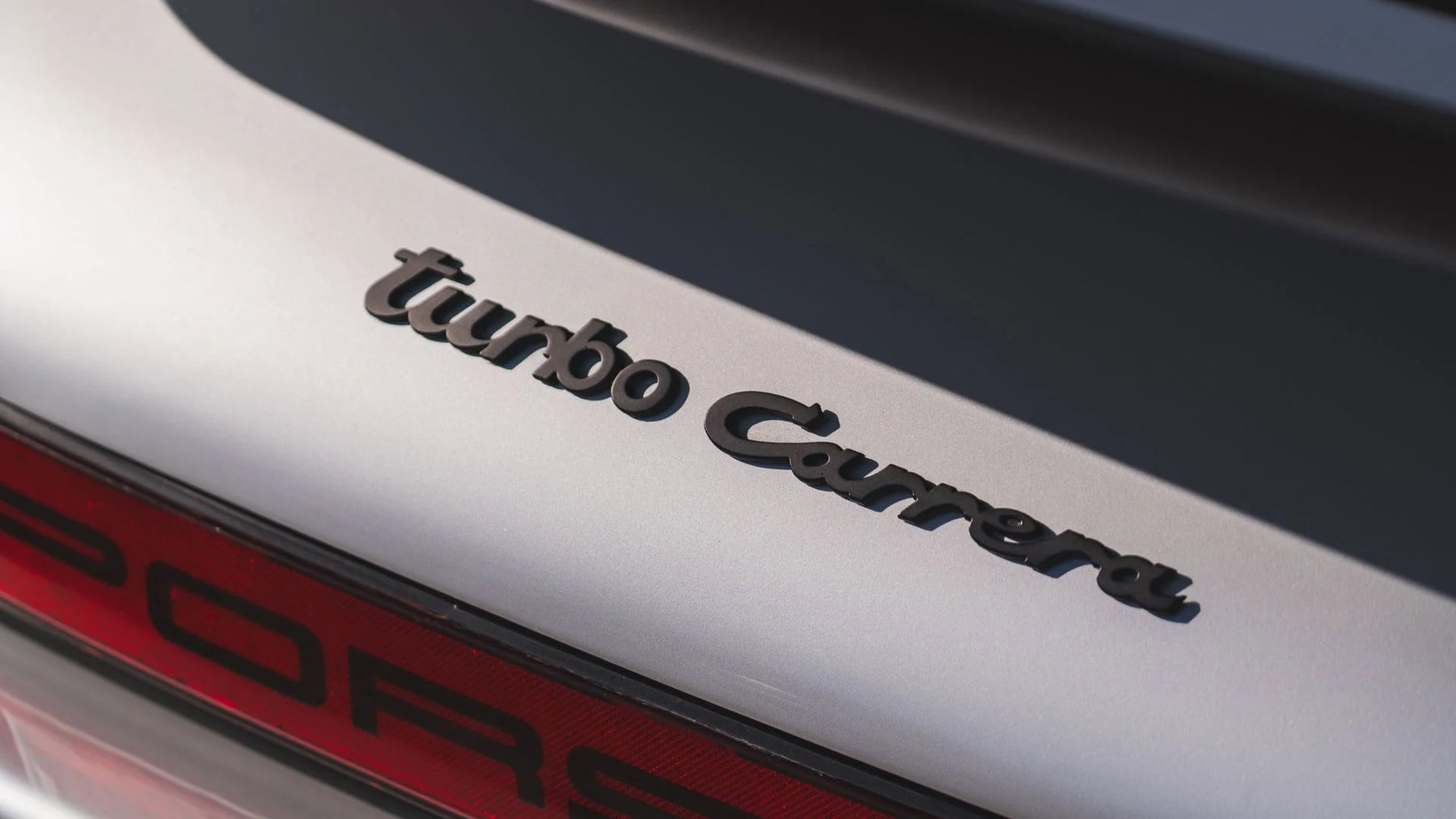
The original Porsche 911 Turbo, known as the “Ur-turbo,” emerged directly from Porsche’s dominance in turbocharged motorsport and the desire to translate that expertise into a roadgoing flagship. In the early 1970s, Porsche perfected forced induction in unrestricted Can-Am and Interserie competition, winning both championships with the turbocharged 917. When regulations ended the program, chairman and engineer Dr. Ernst Fuhrmann redirected this knowledge toward a production 911 to satisfy FIA Group 4 homologation. Unveiled at the 1974 Paris Motor Show, the Type 930 entered production for 1975 as Porsche’s most powerful road car aptly summarized by its original tagline: “Exclusive. Explosive. Expensive.”
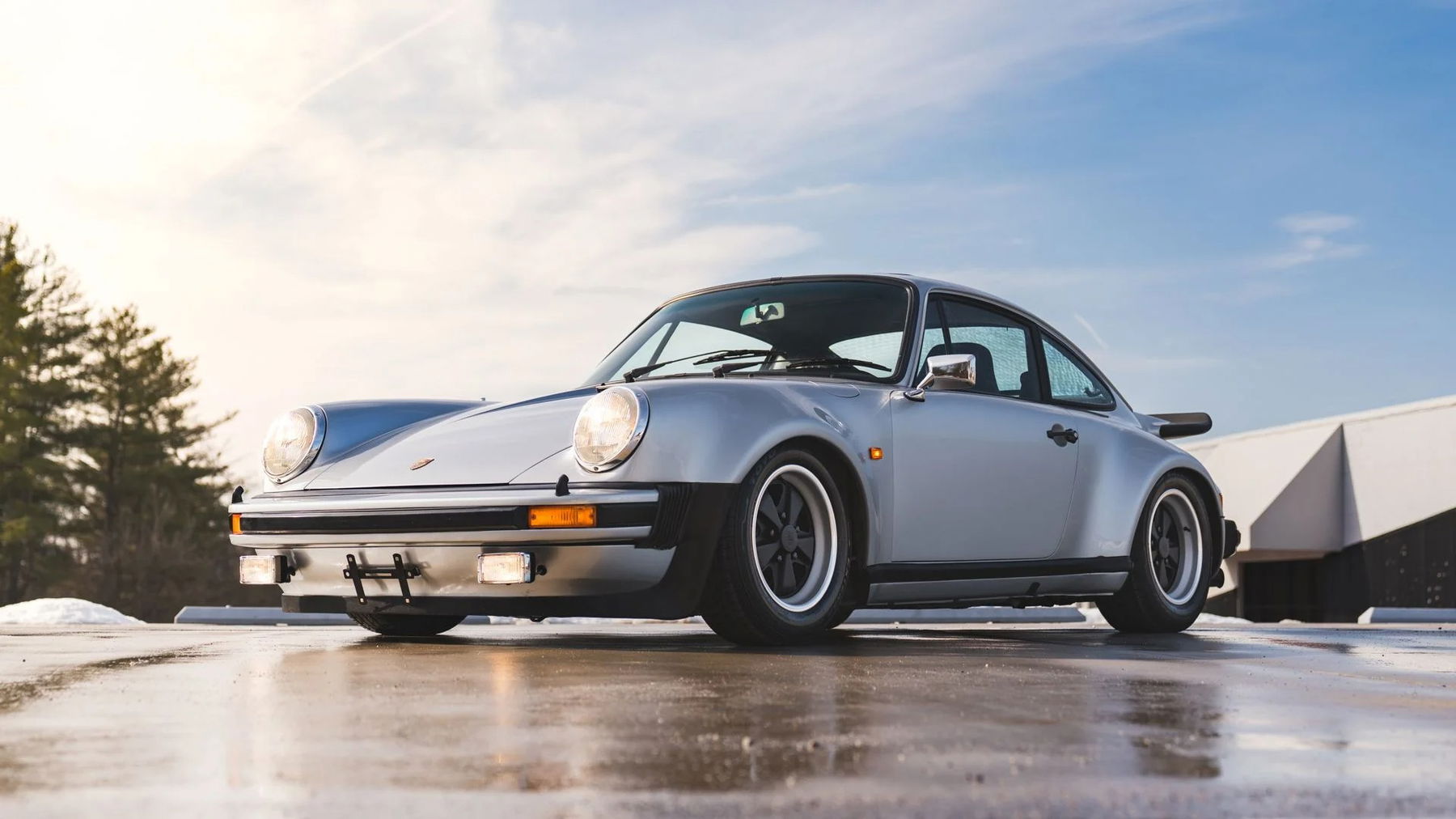
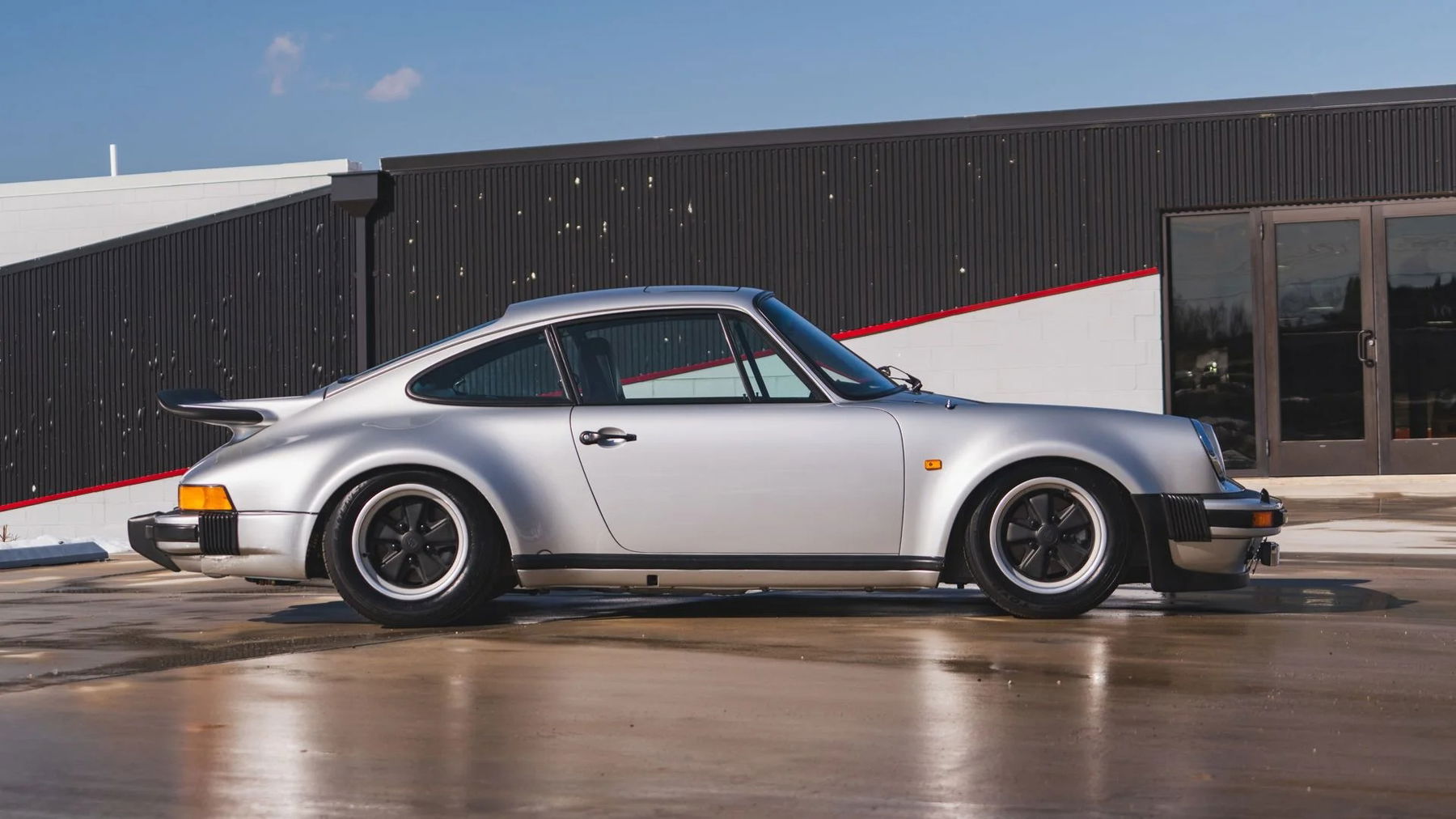
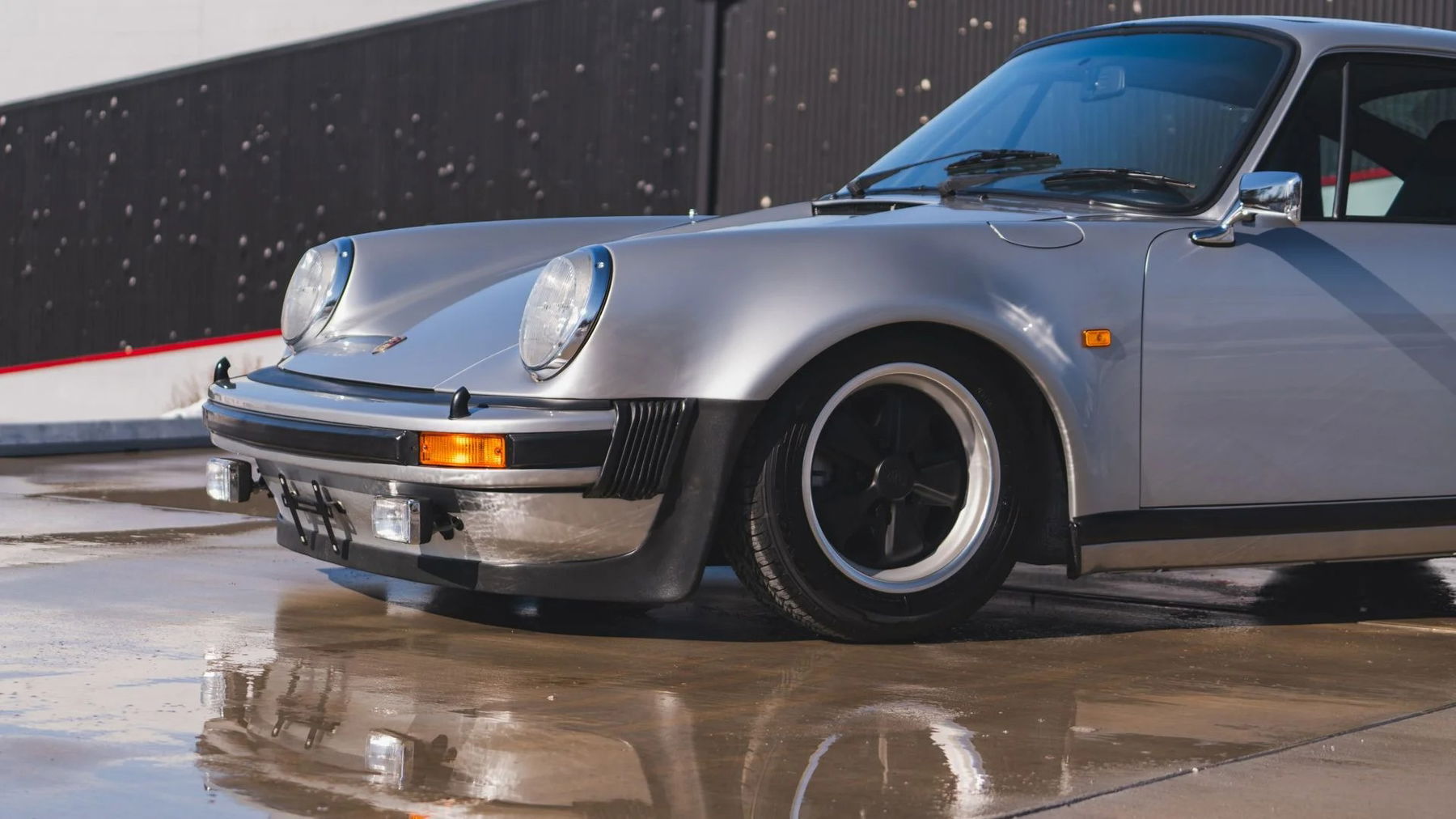
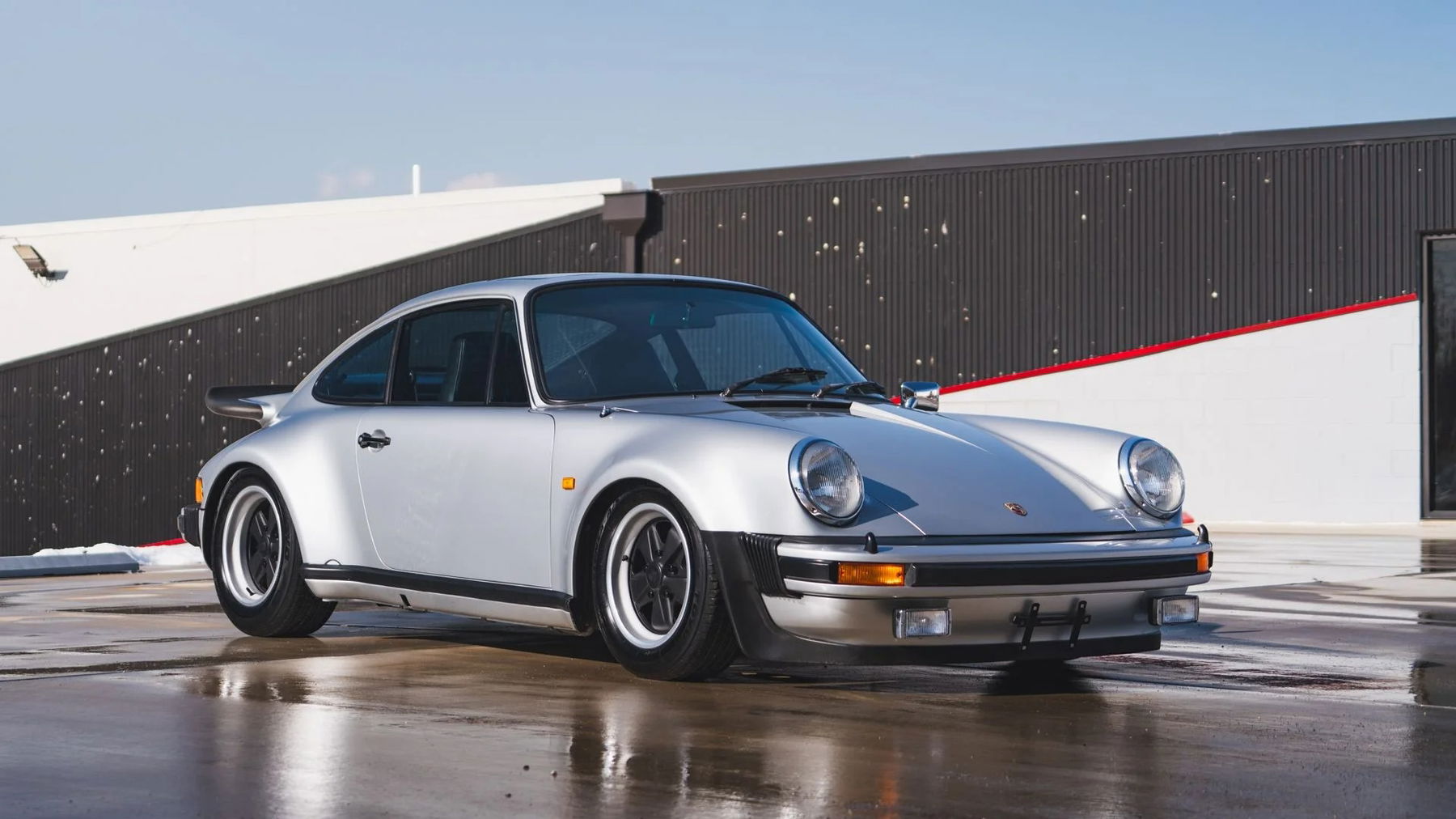
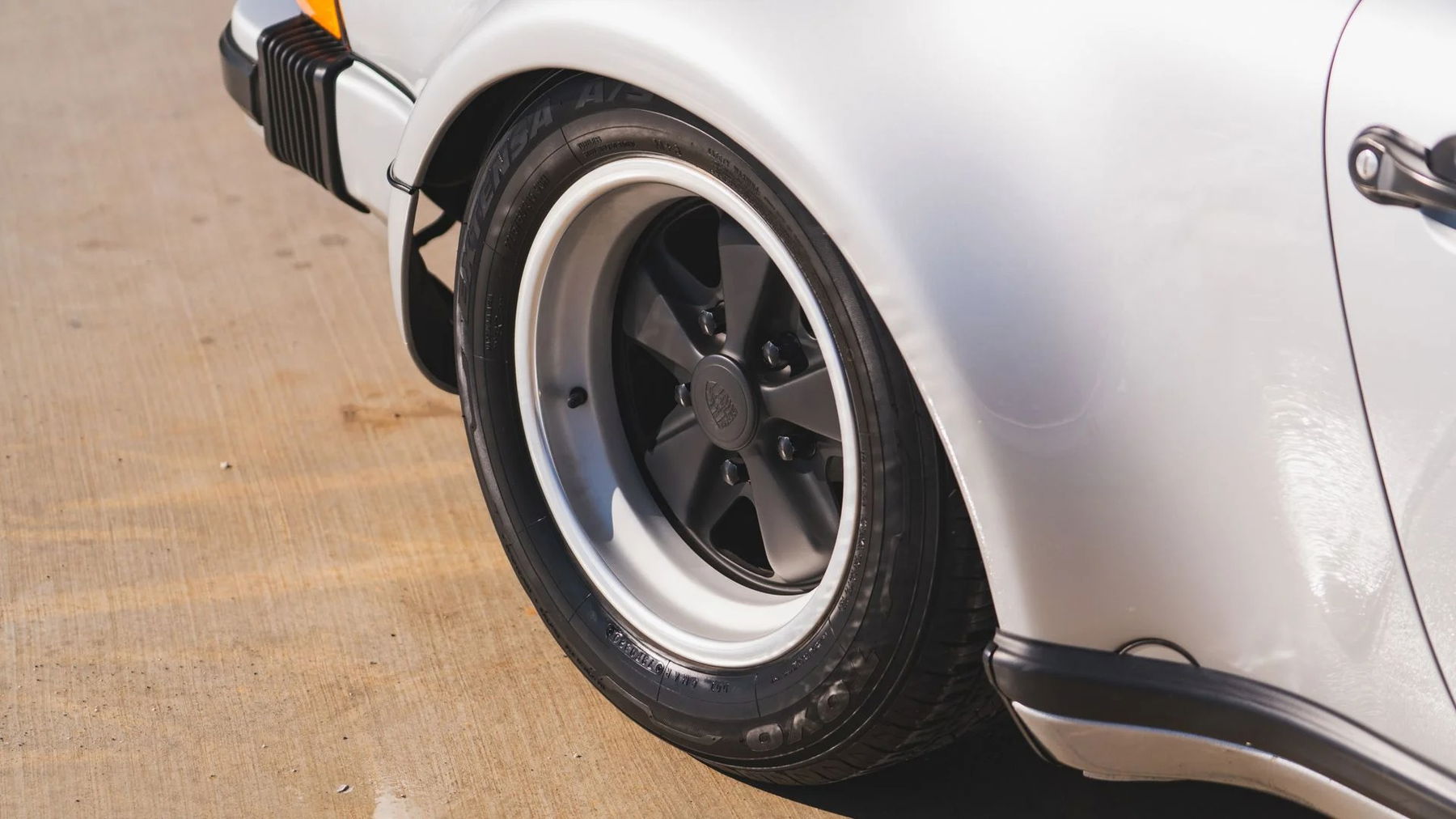
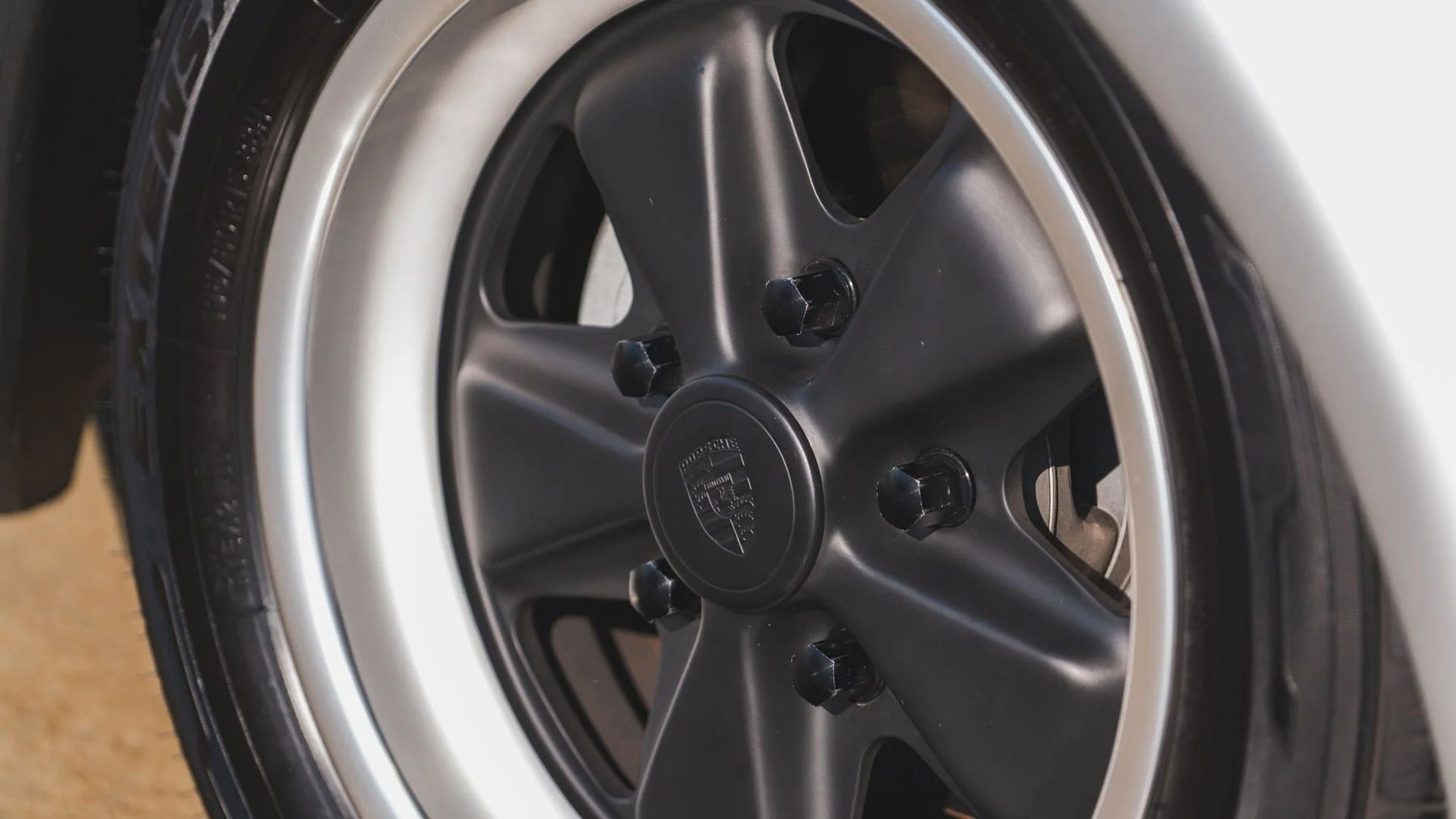
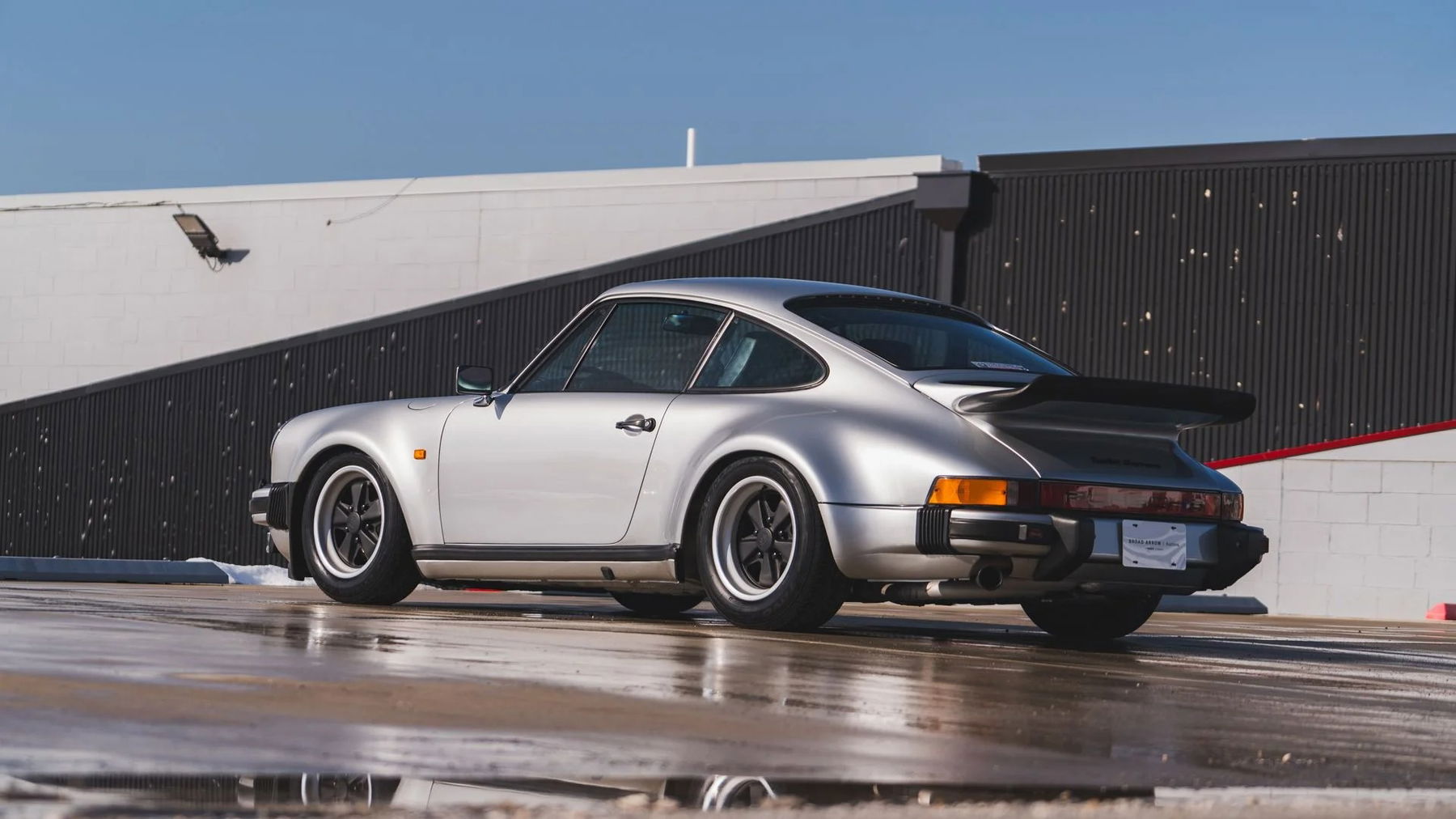
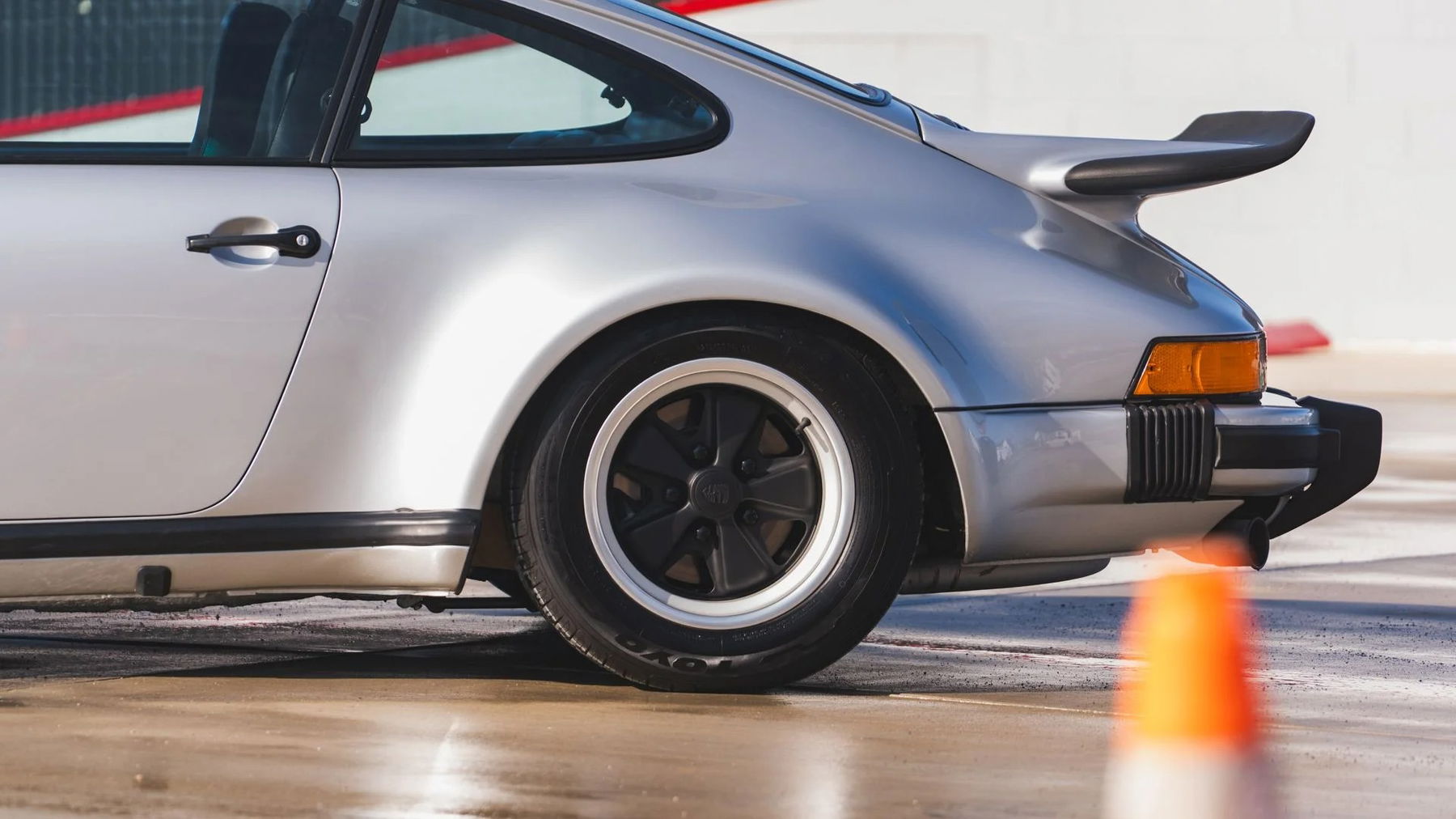
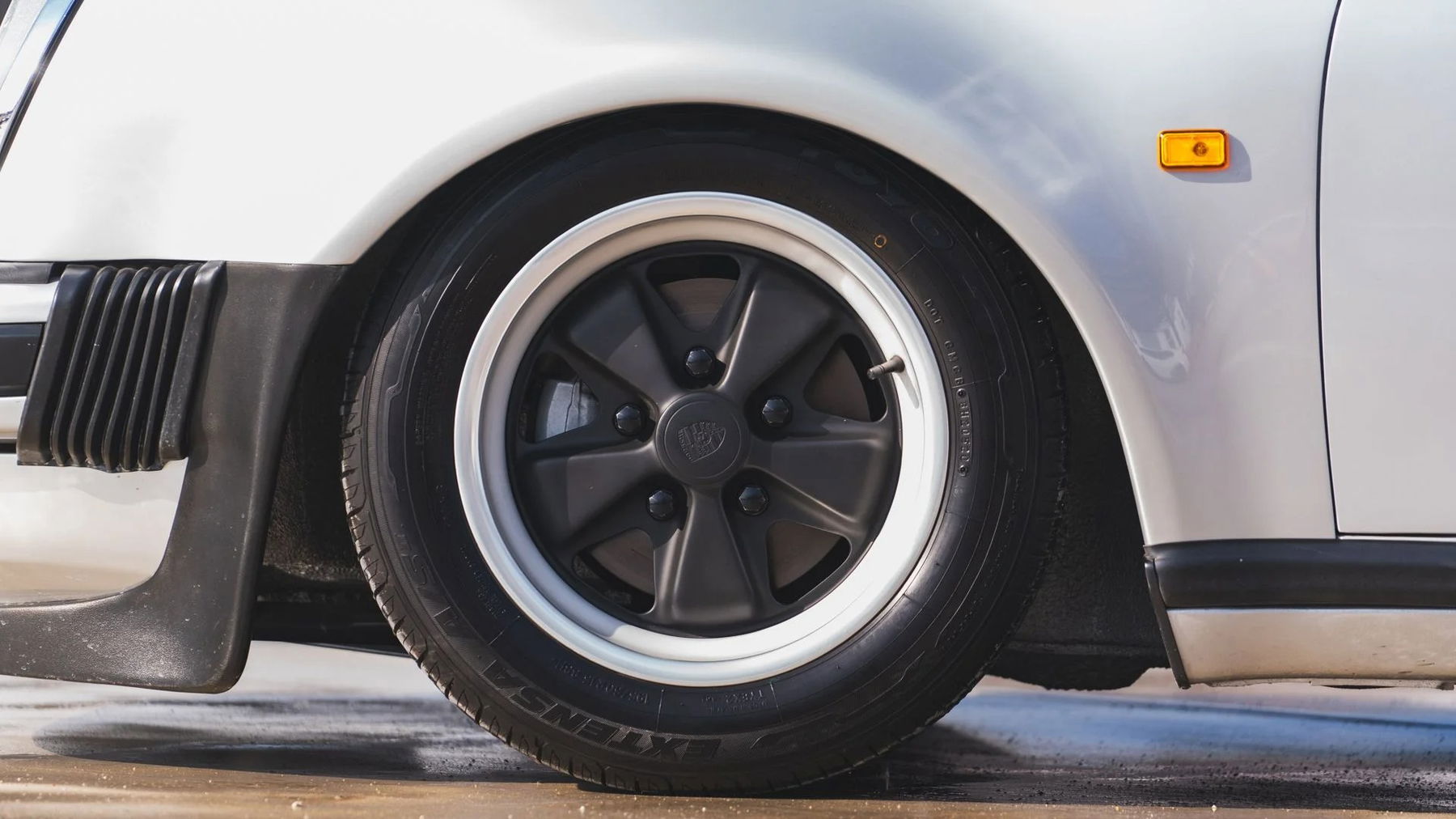
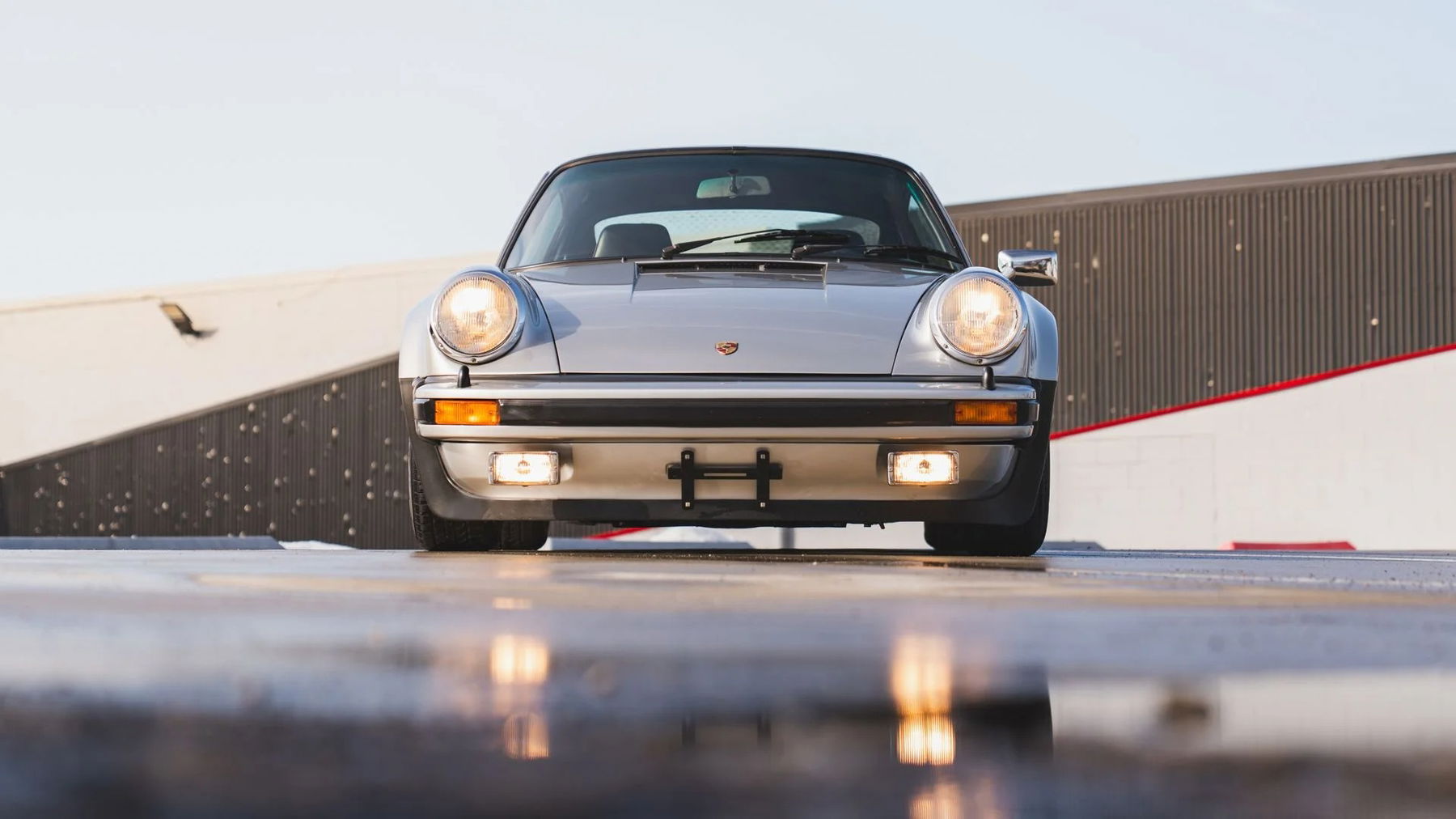
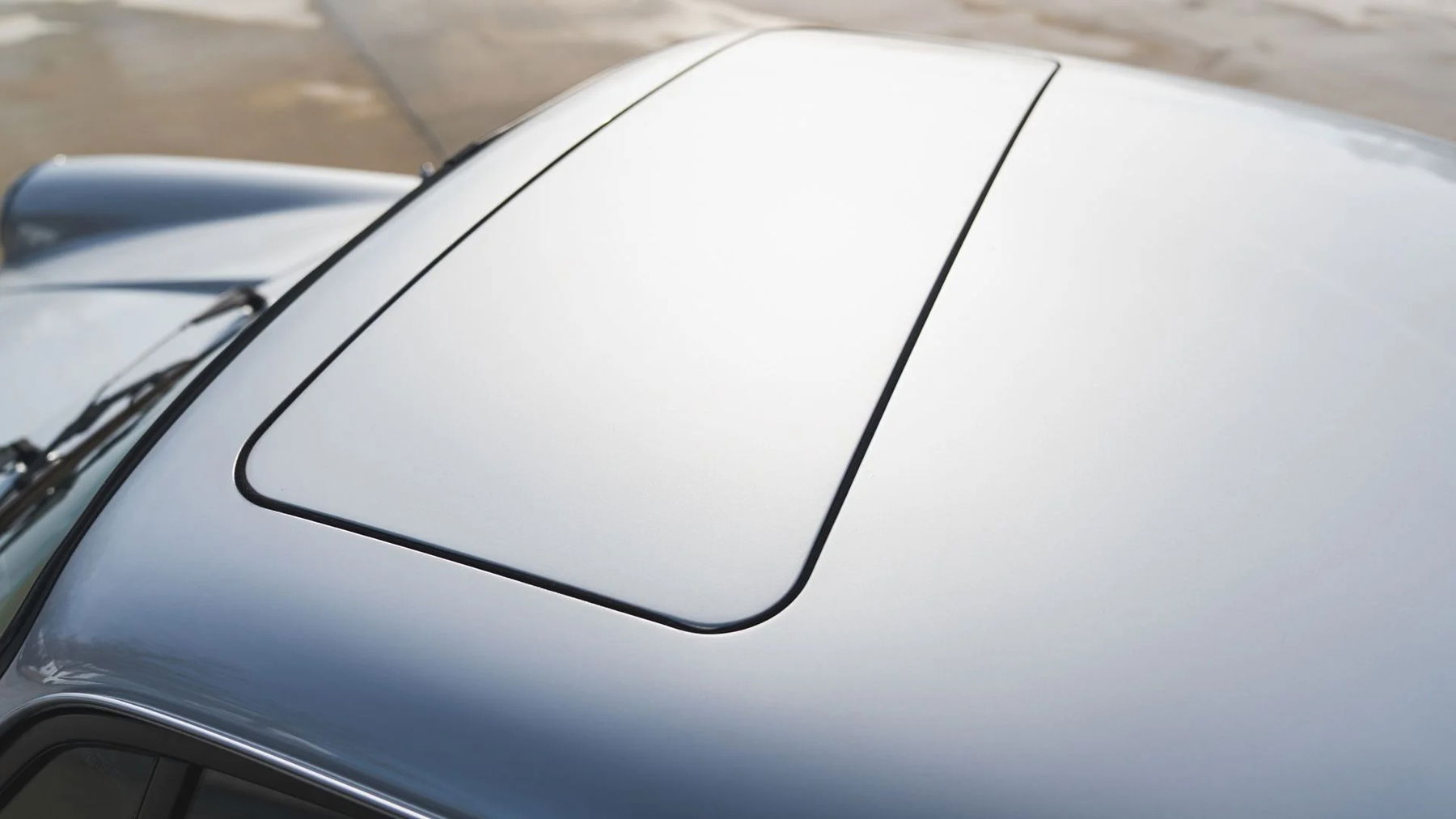
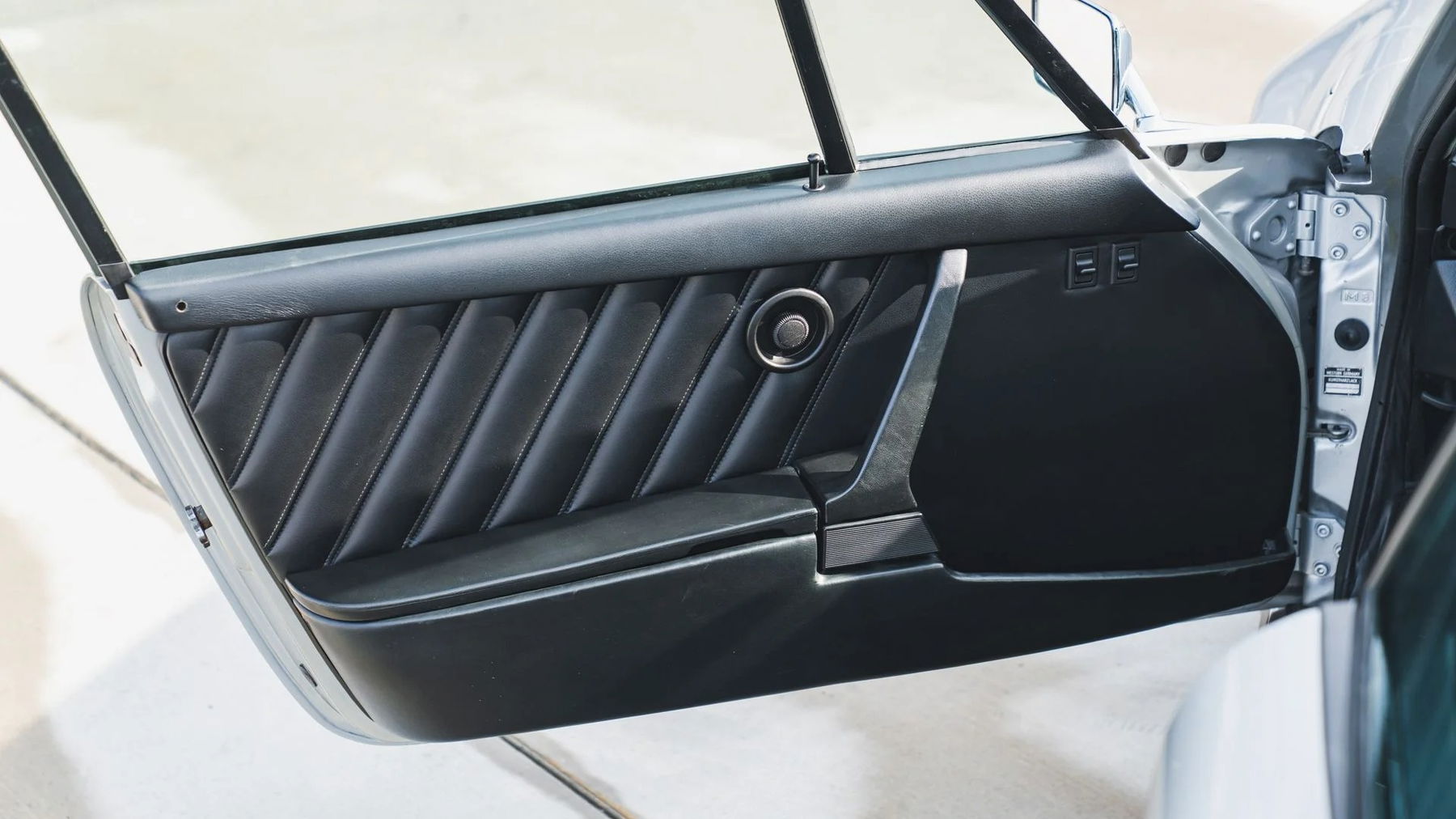
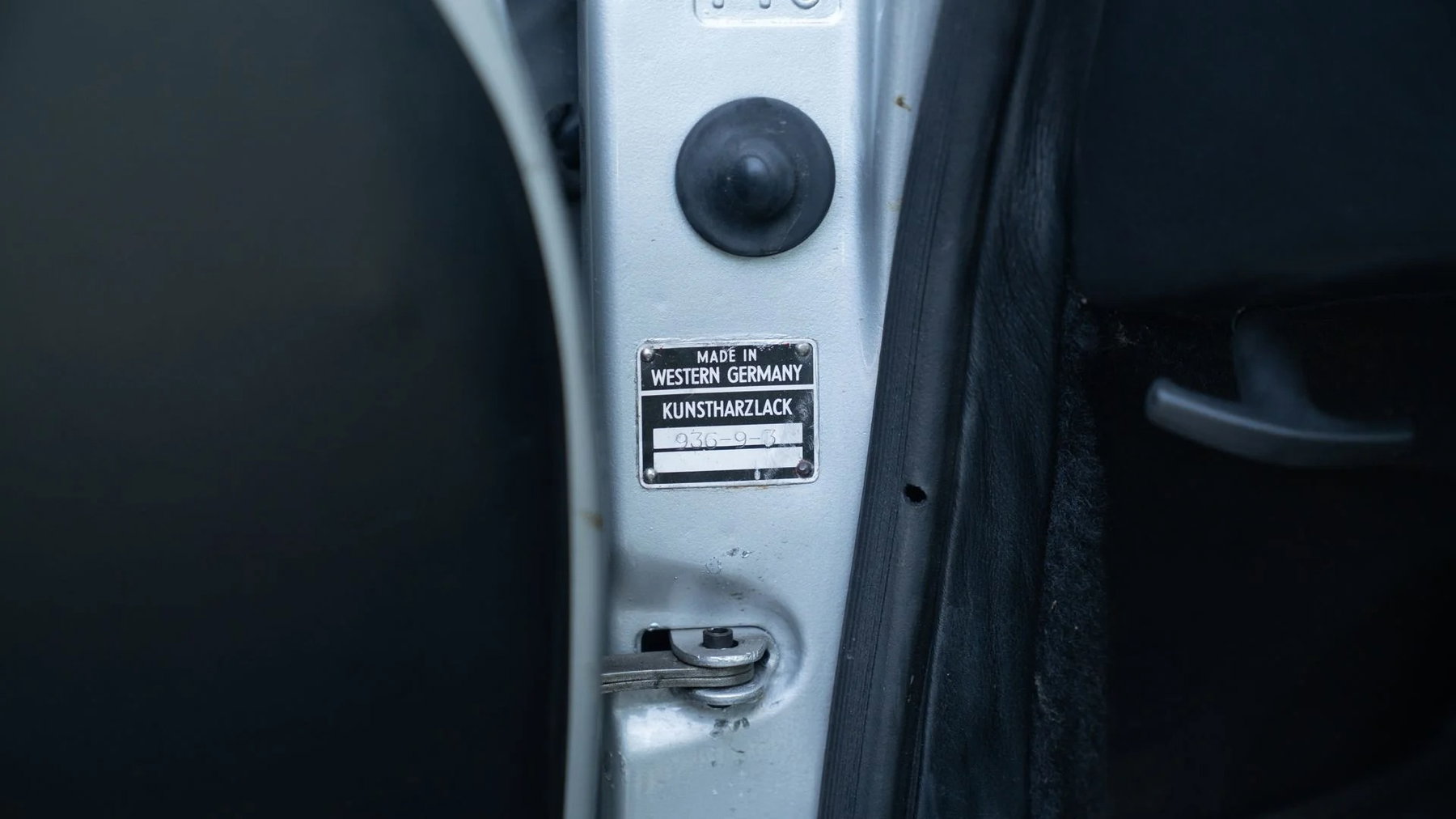
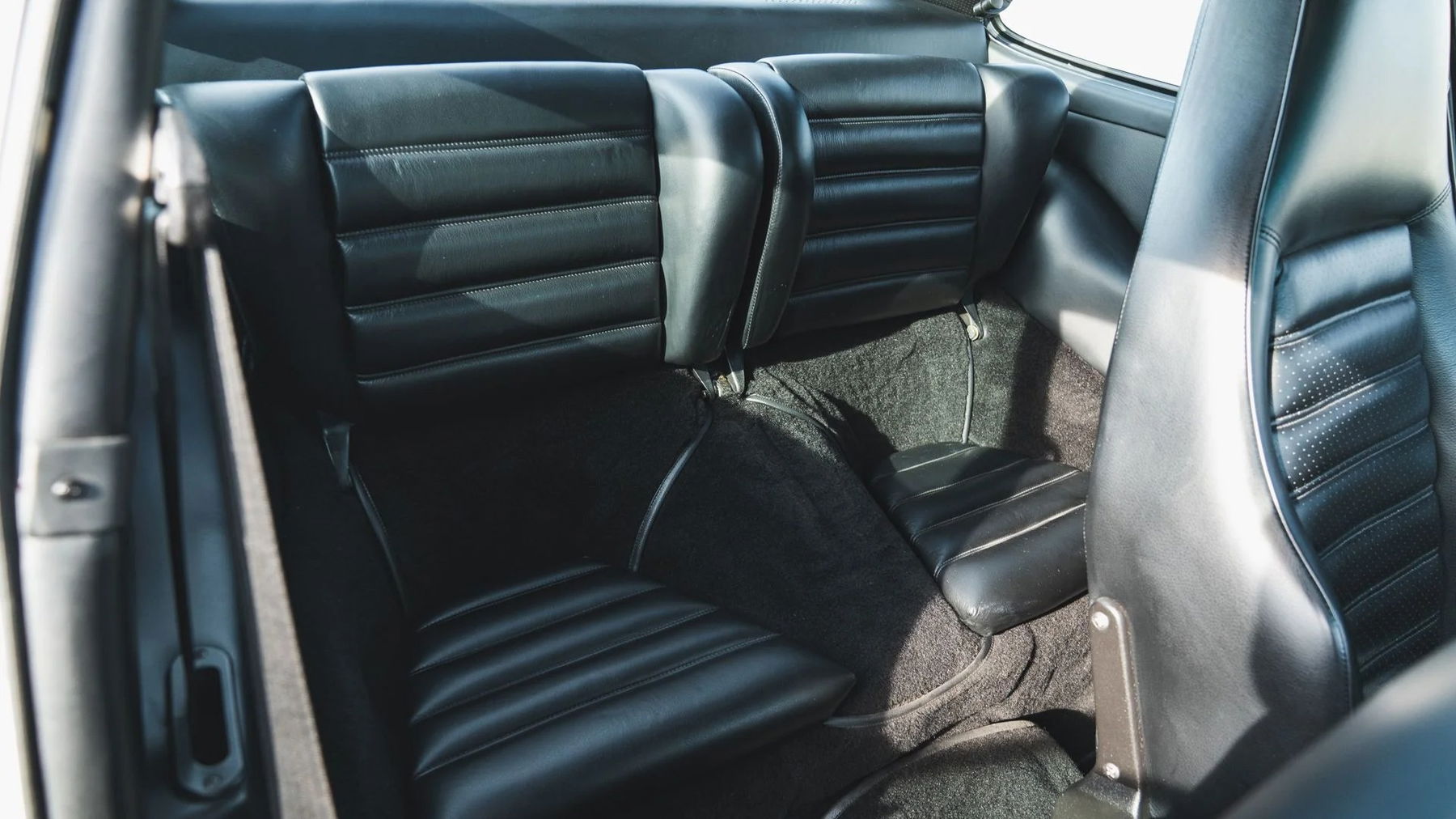
Early 1975 “H-series” examples were built in limited numbers, just 274 to be exact, to meet homologation requirements and were not available in the United States. While fully trimmed to the luxurious nature expected of the most expensive road-going Porsche of its era, these early Turbos remain the rawest of the type with a purpose-first character. Built in Stuttgart-Zuffenhausen in April 1975, this 1975 911 Turbo was finished in popular Silver Metallic and additionally ordered with an electric sliding sunroof and 15-inch Fuchs wheels (7-inch front and 8-inch rear) with 50-series Pirelli P7 Cinturato tires. According to Ryan Snodgrass’ Turbo 3.0, Ur-turbo chassis number 0167 was also selected from new with a full Black leather interior, Midnight carpeting, and front seats with red and blue MacLachlan Schottenkaro tartan seat inserts—a fabric only available for the top-of-the-line Turbo in 1975 before being delivered through the famous Porsche MAHAG dealership in Munich, Germany.
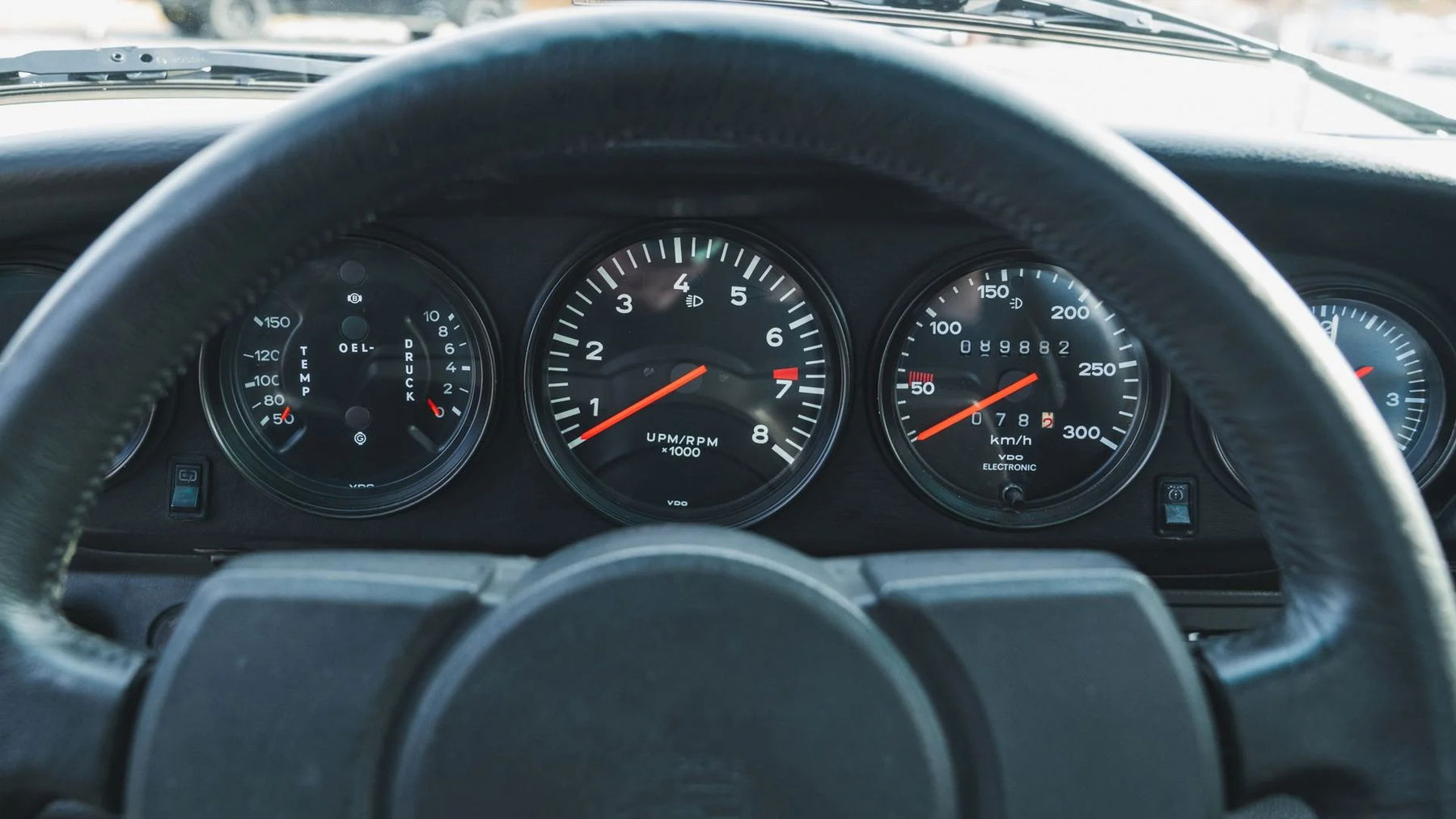
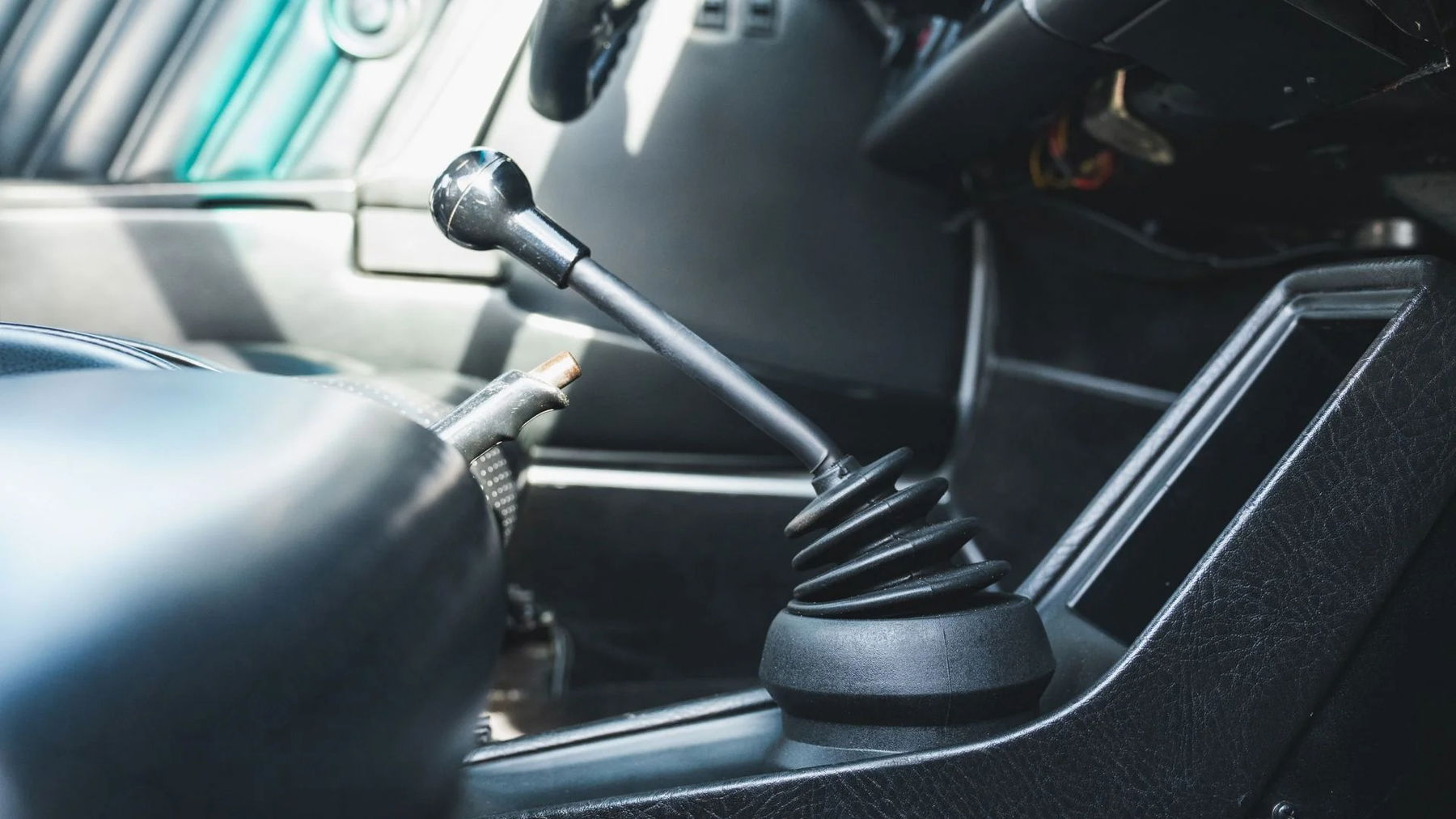
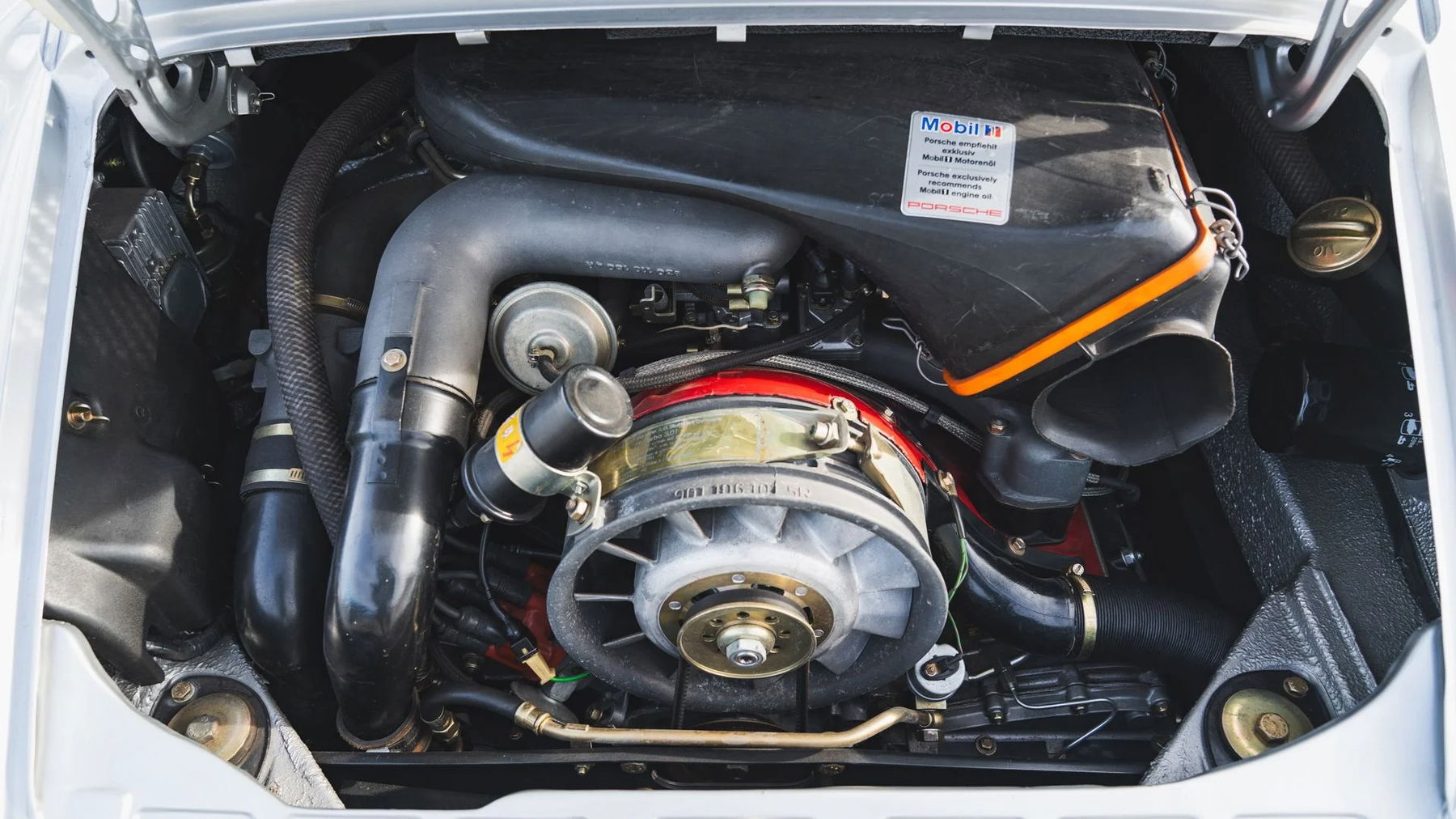
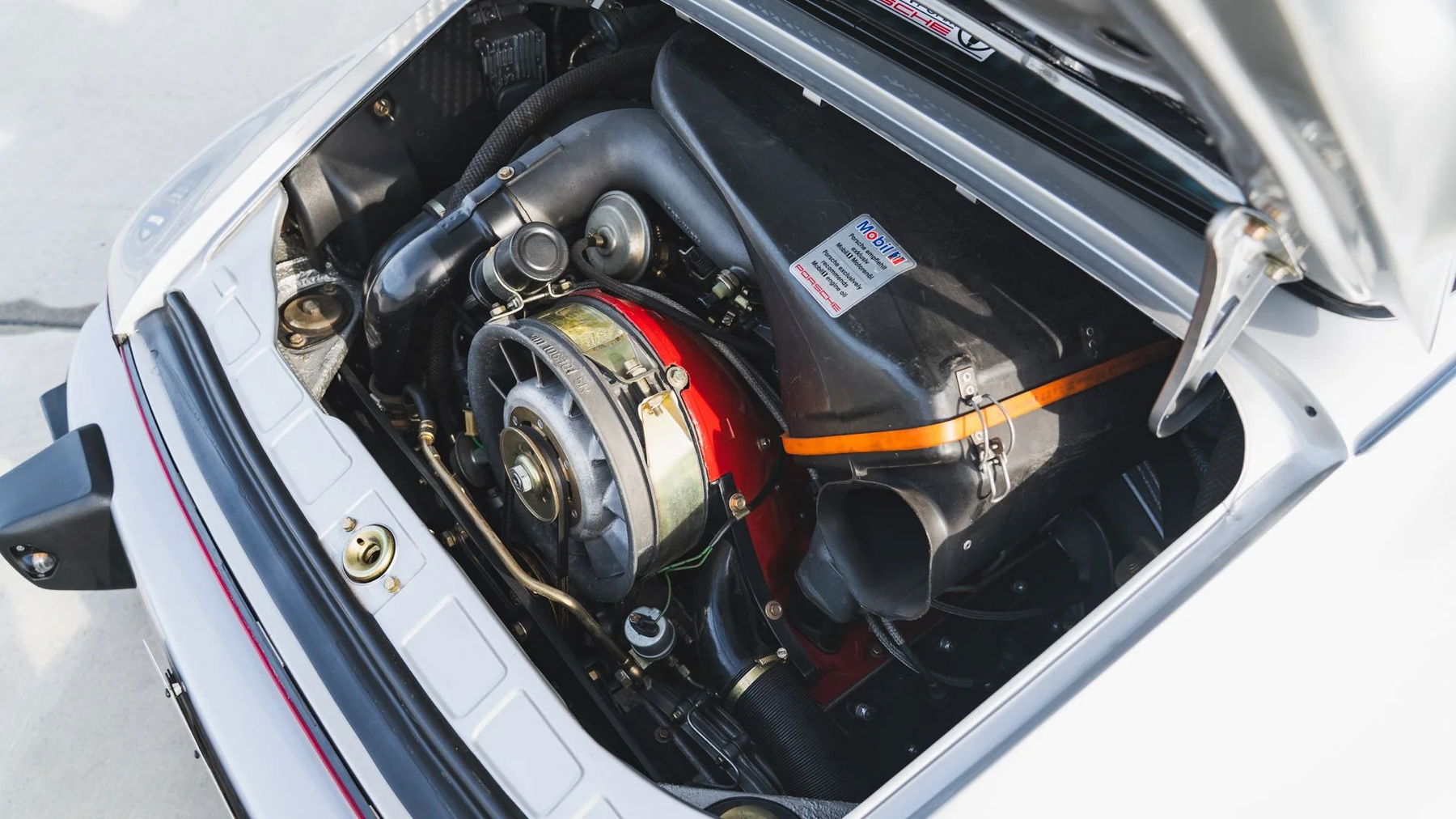
According to its former Norwegian registration, the rare first-year Turbo landed in Norway in February 1998 wearing Norwegian number plates “CE82795.” Pre-restoration images on file reveal the Turbo, after nearly 40 years, retained its original matching-numbers Type 930/50 turbocharged 3.0-liter flat-six and four-speed manual transmission.
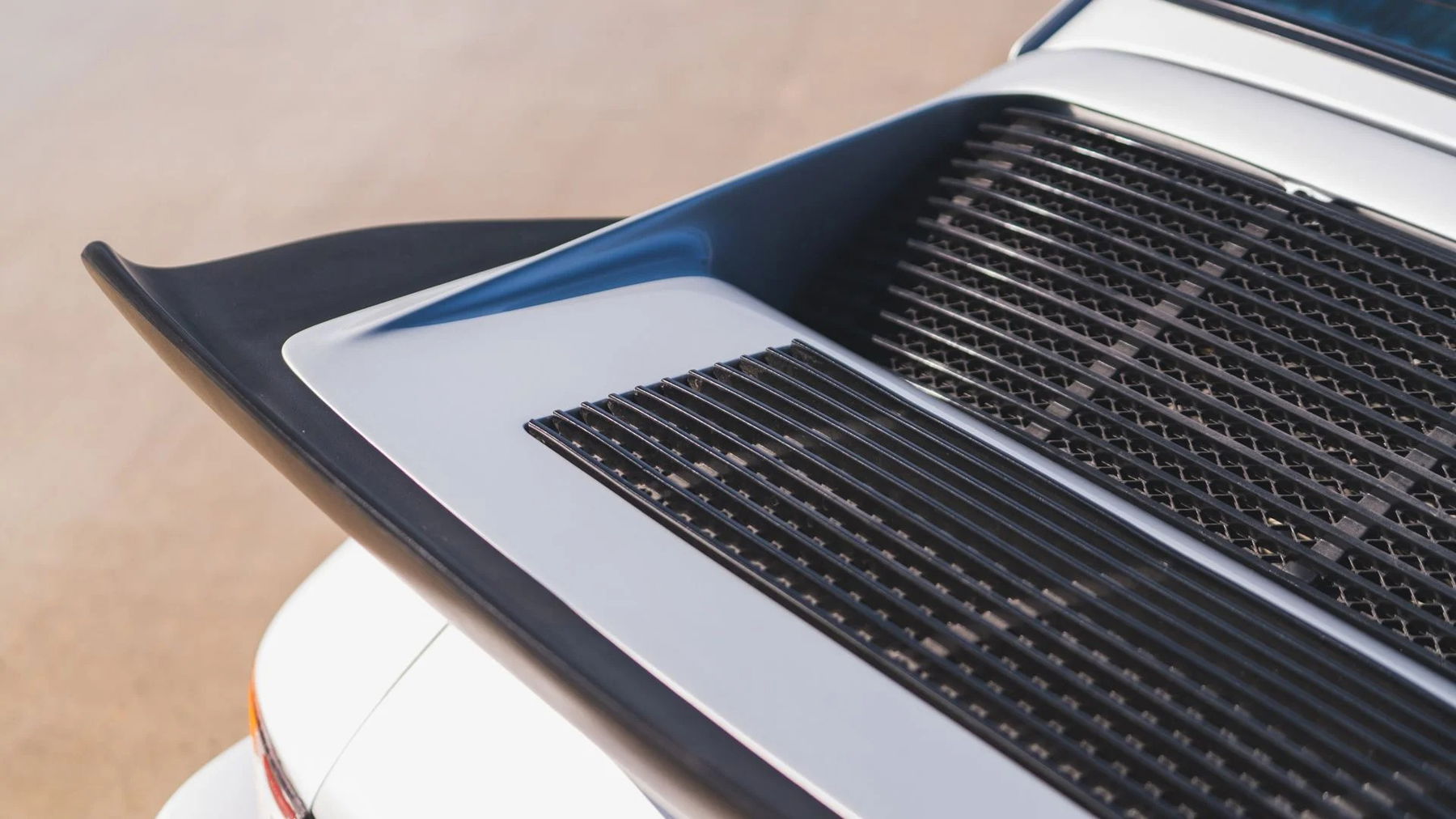
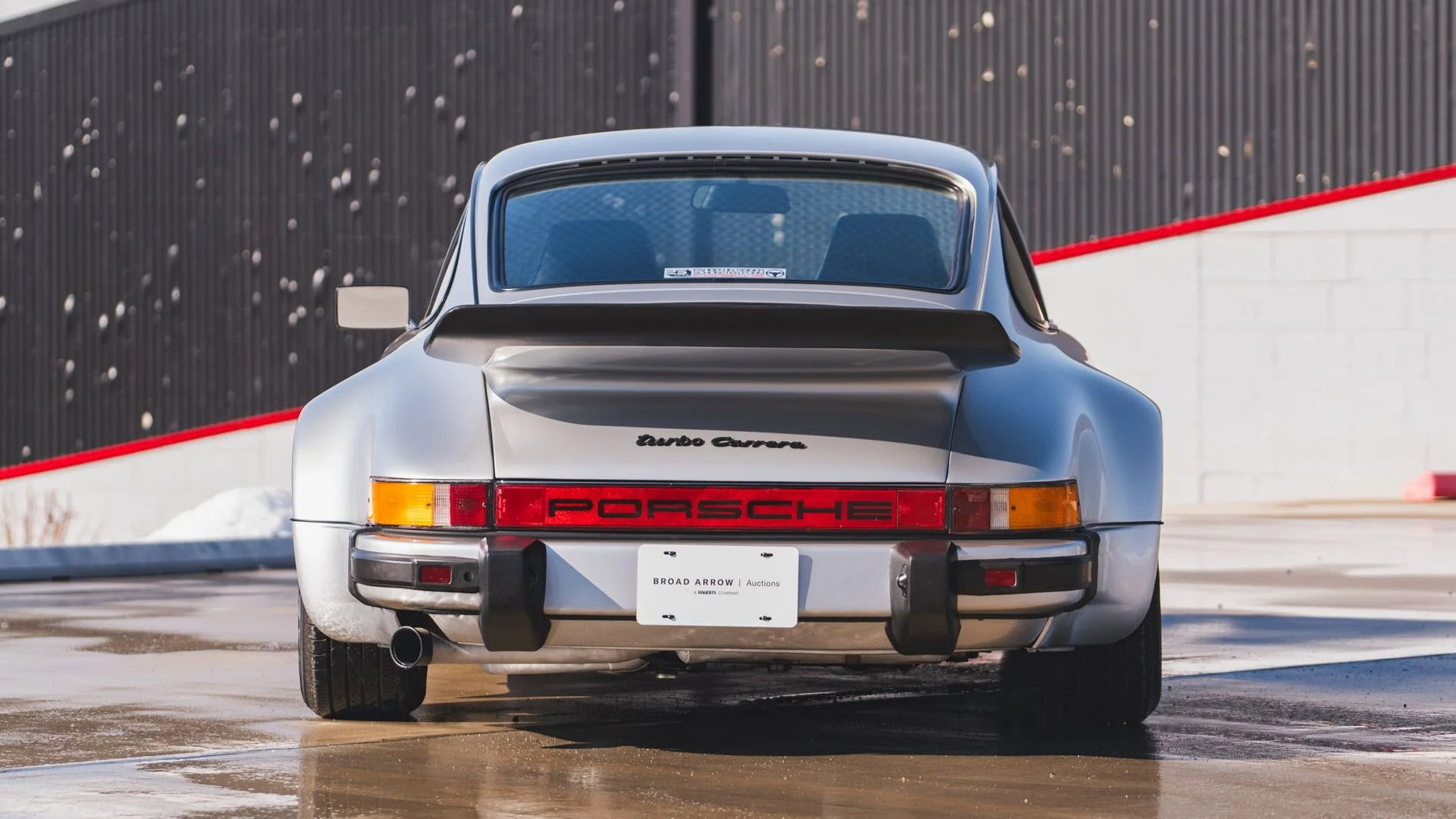
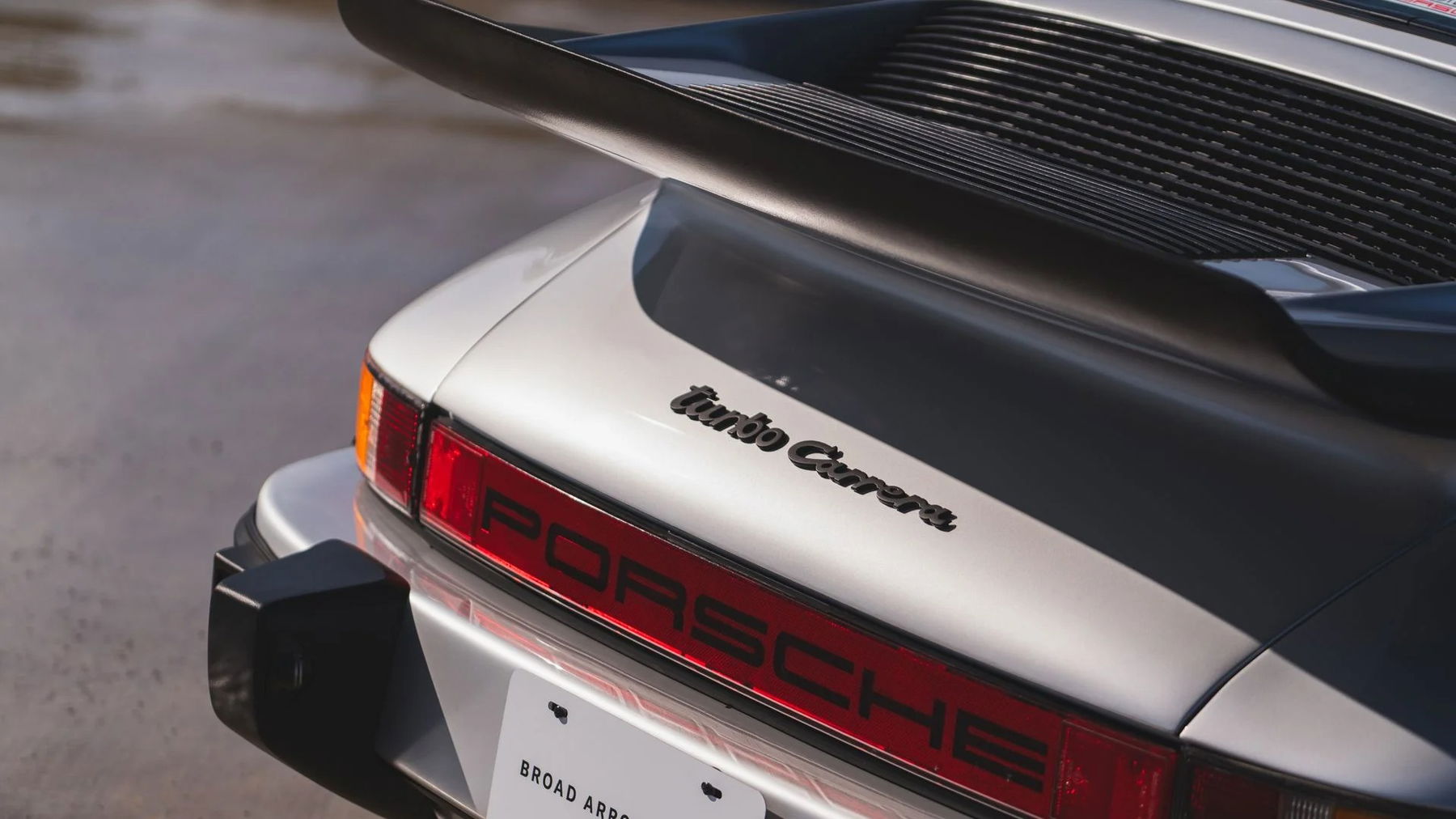
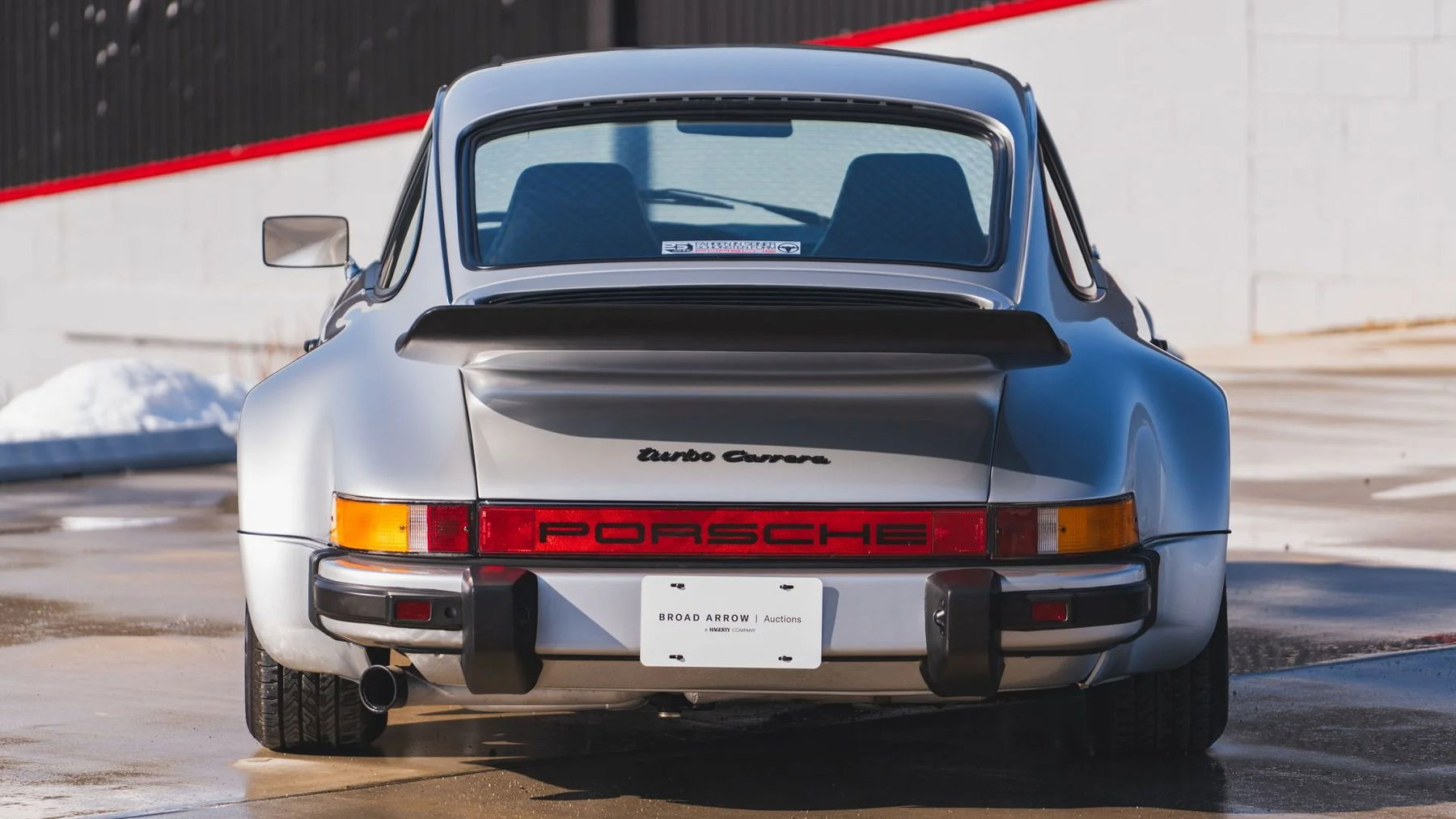
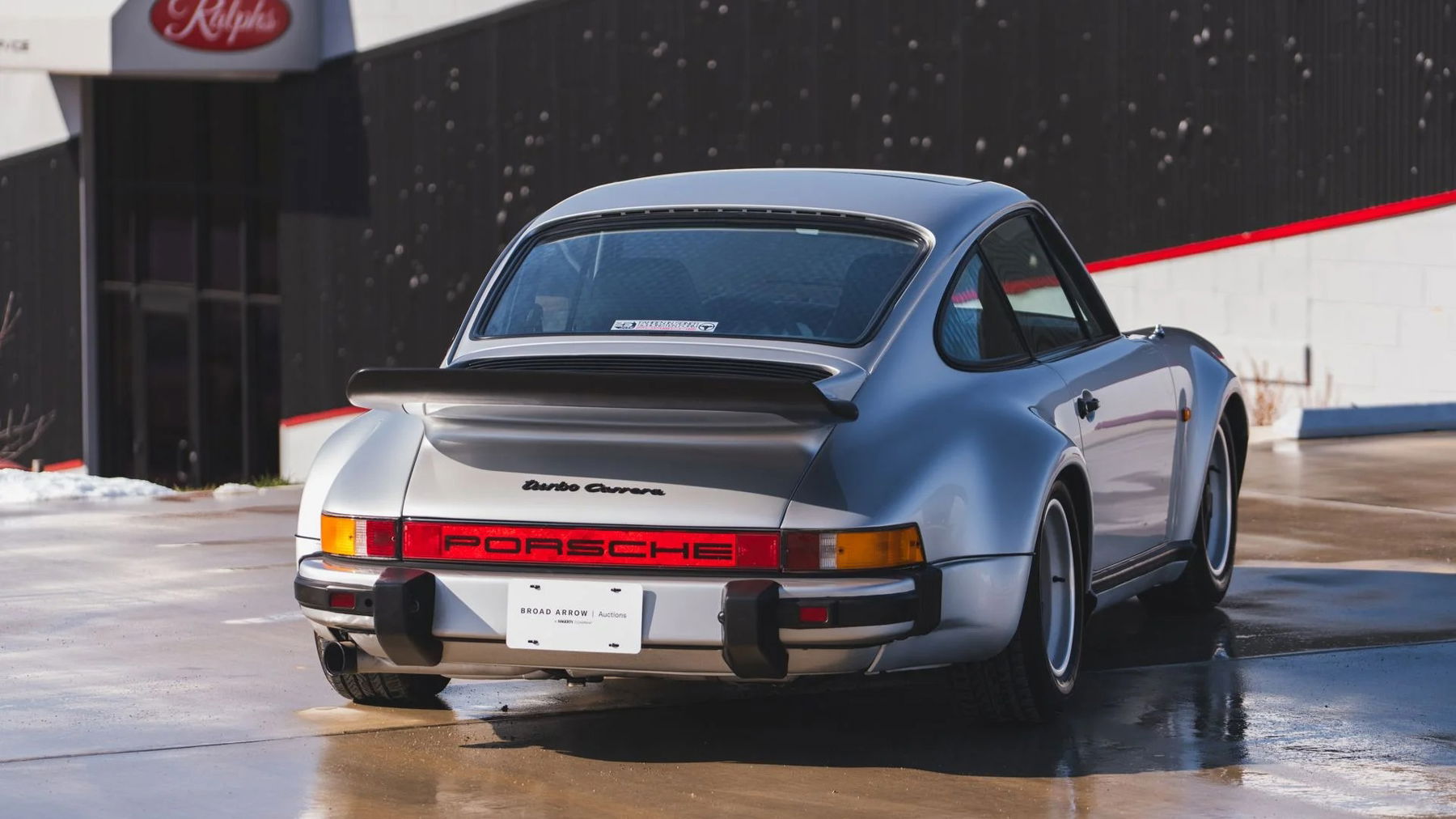
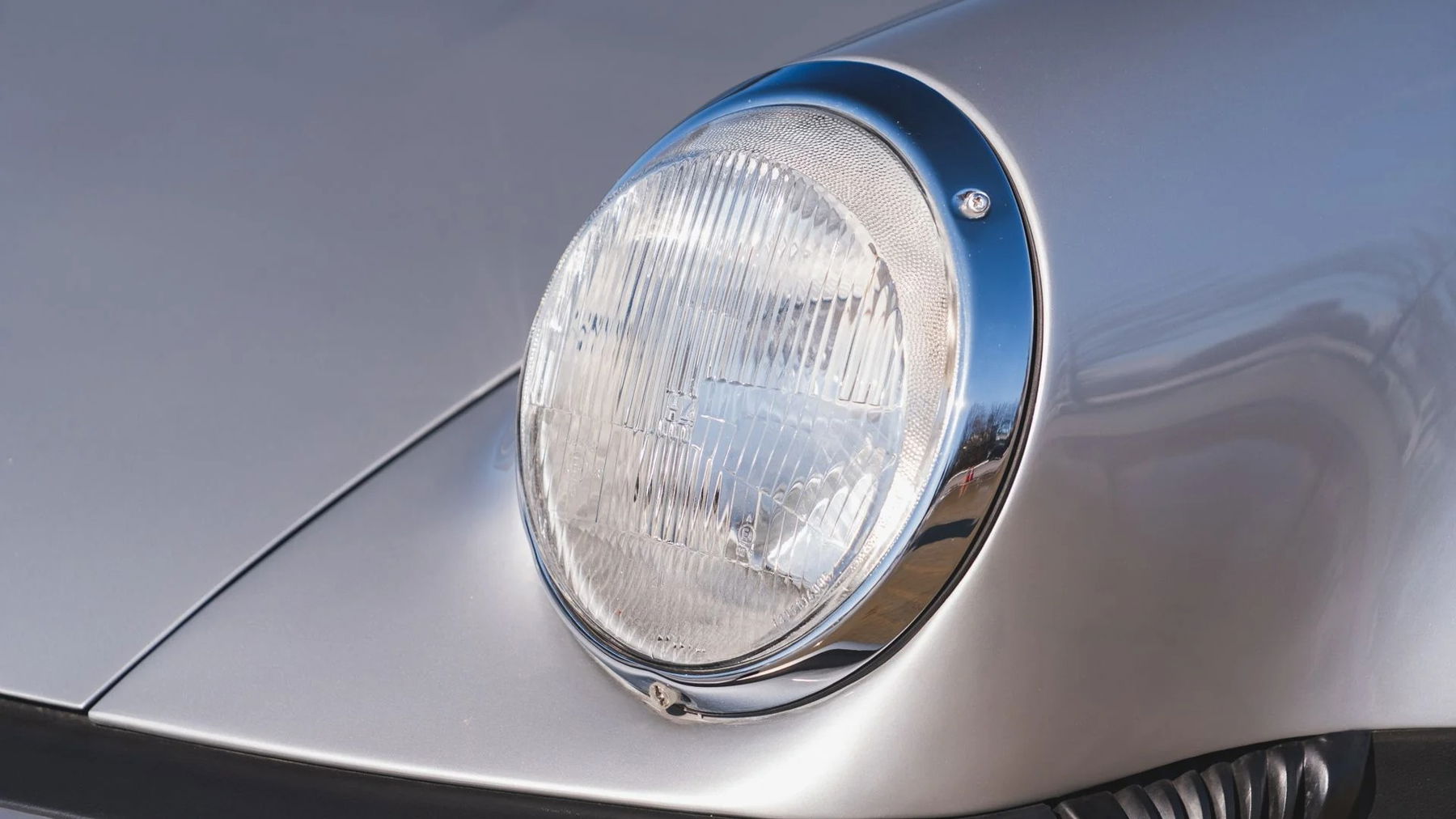
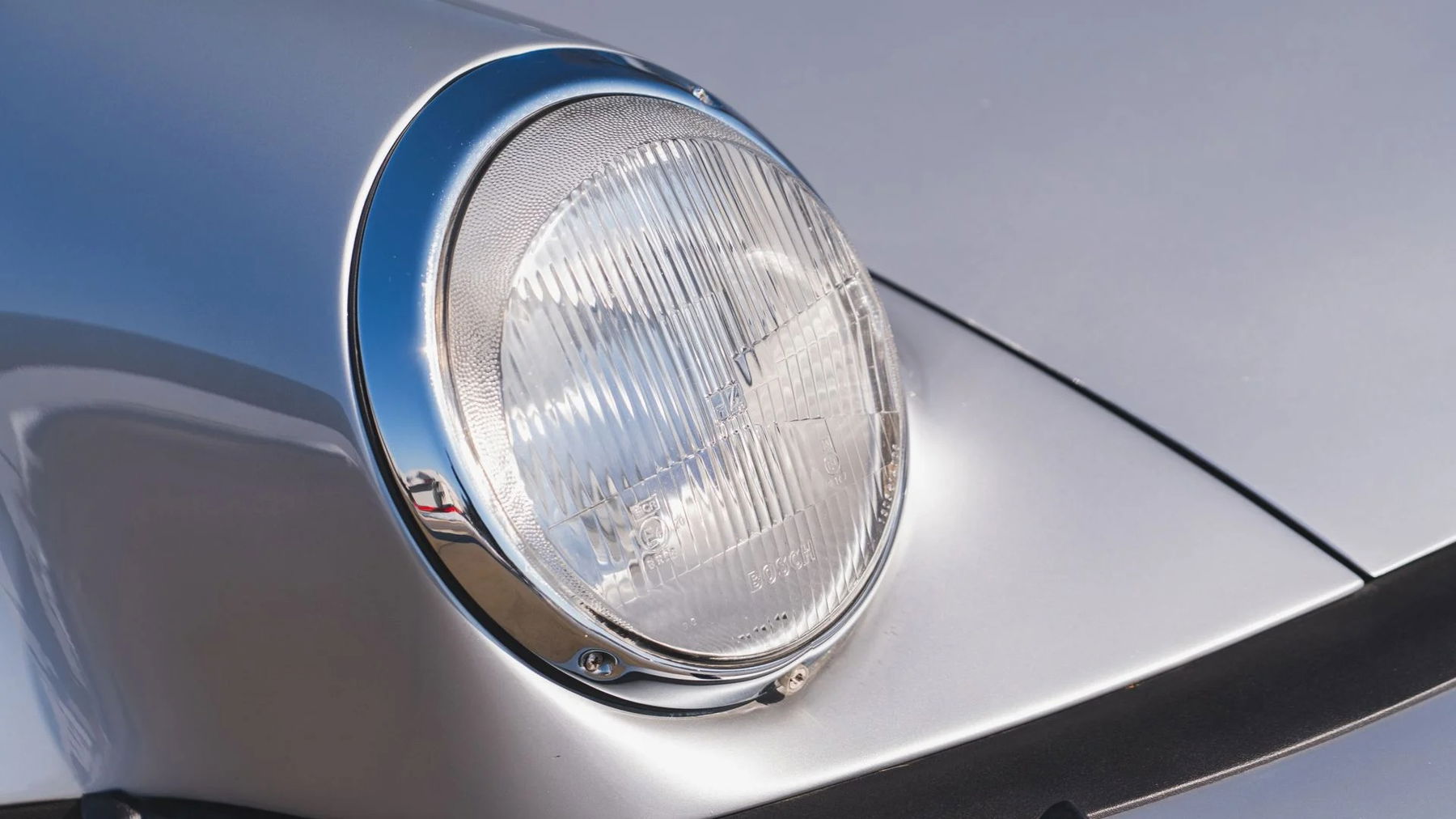
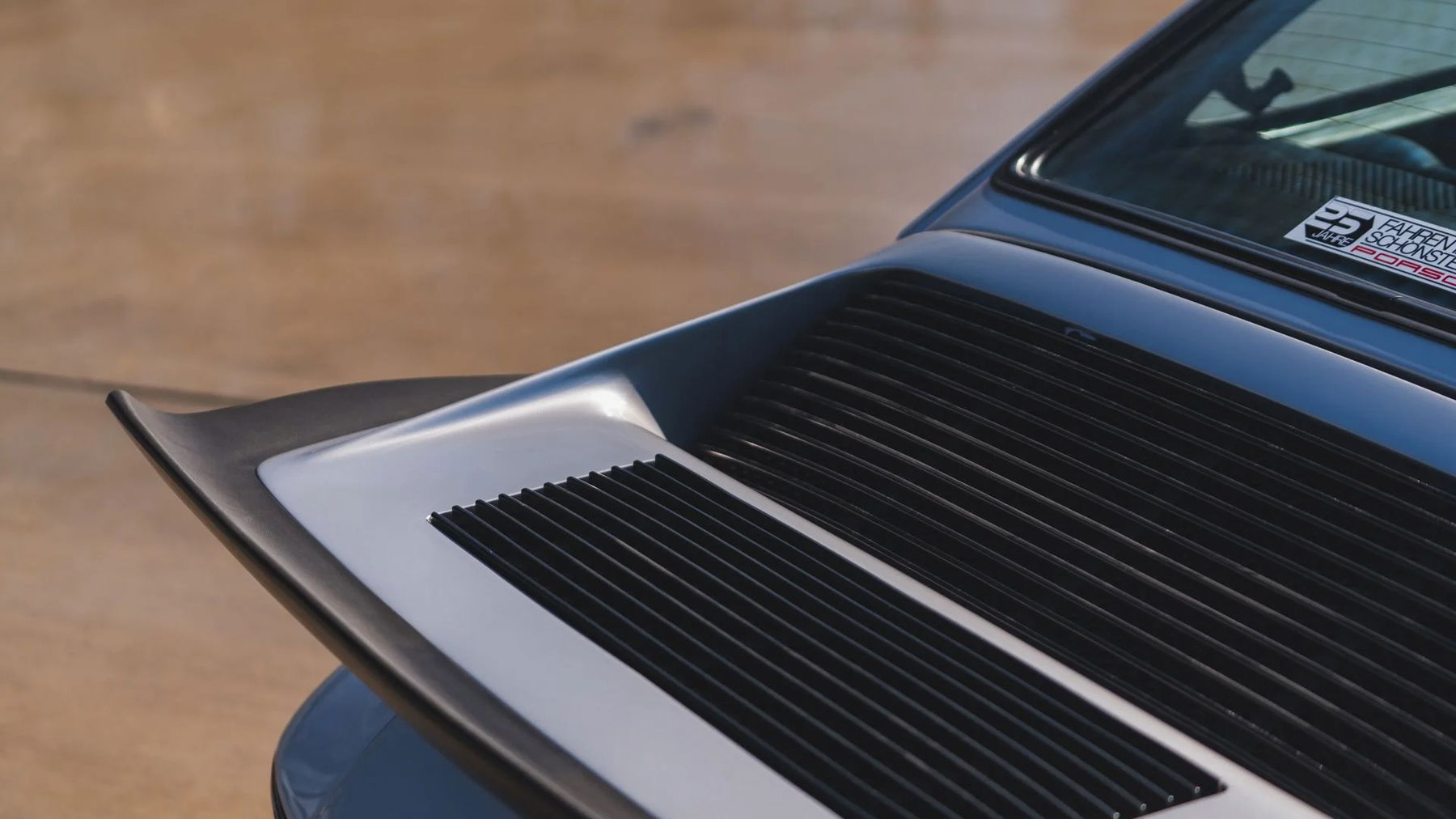
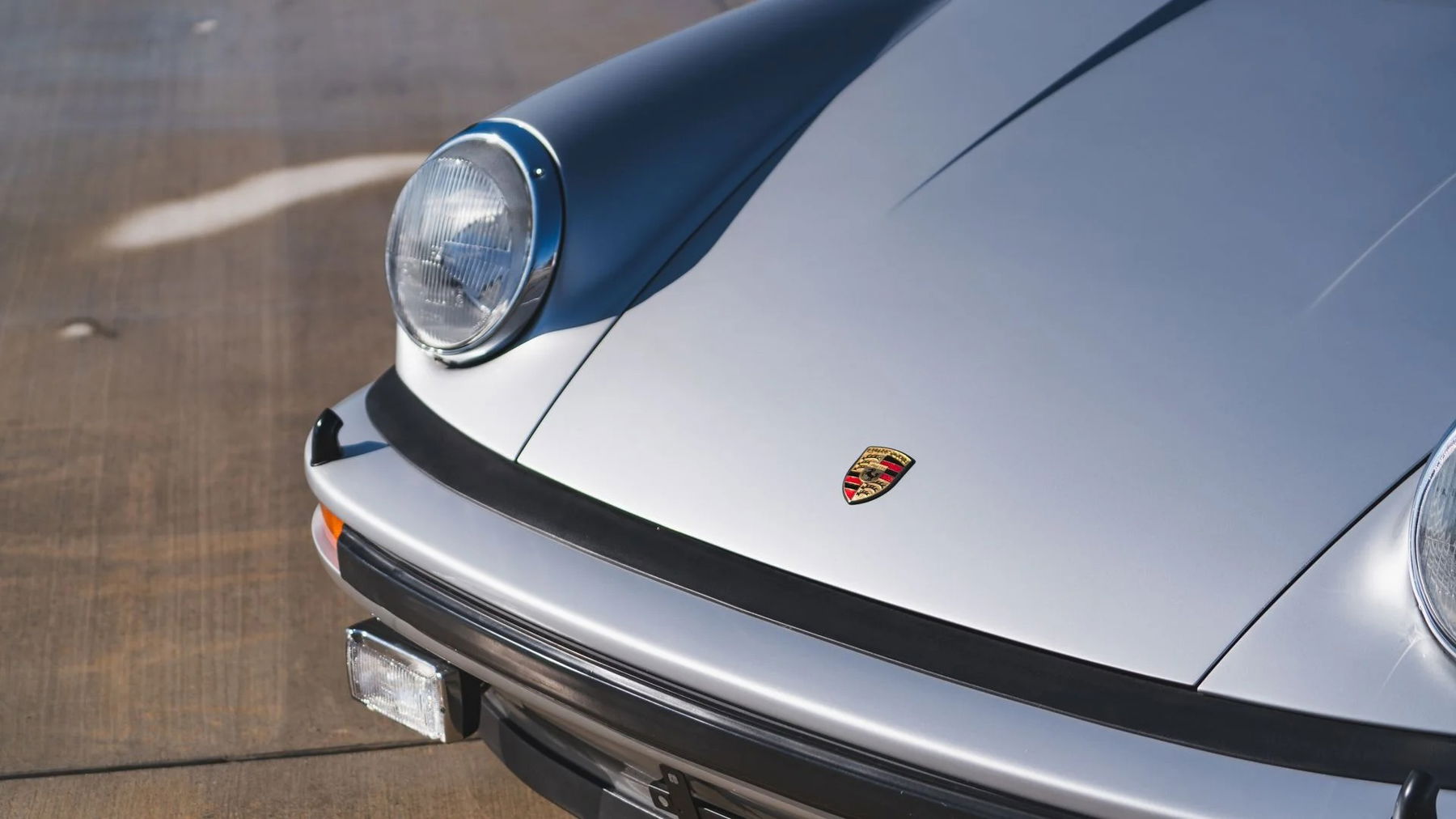
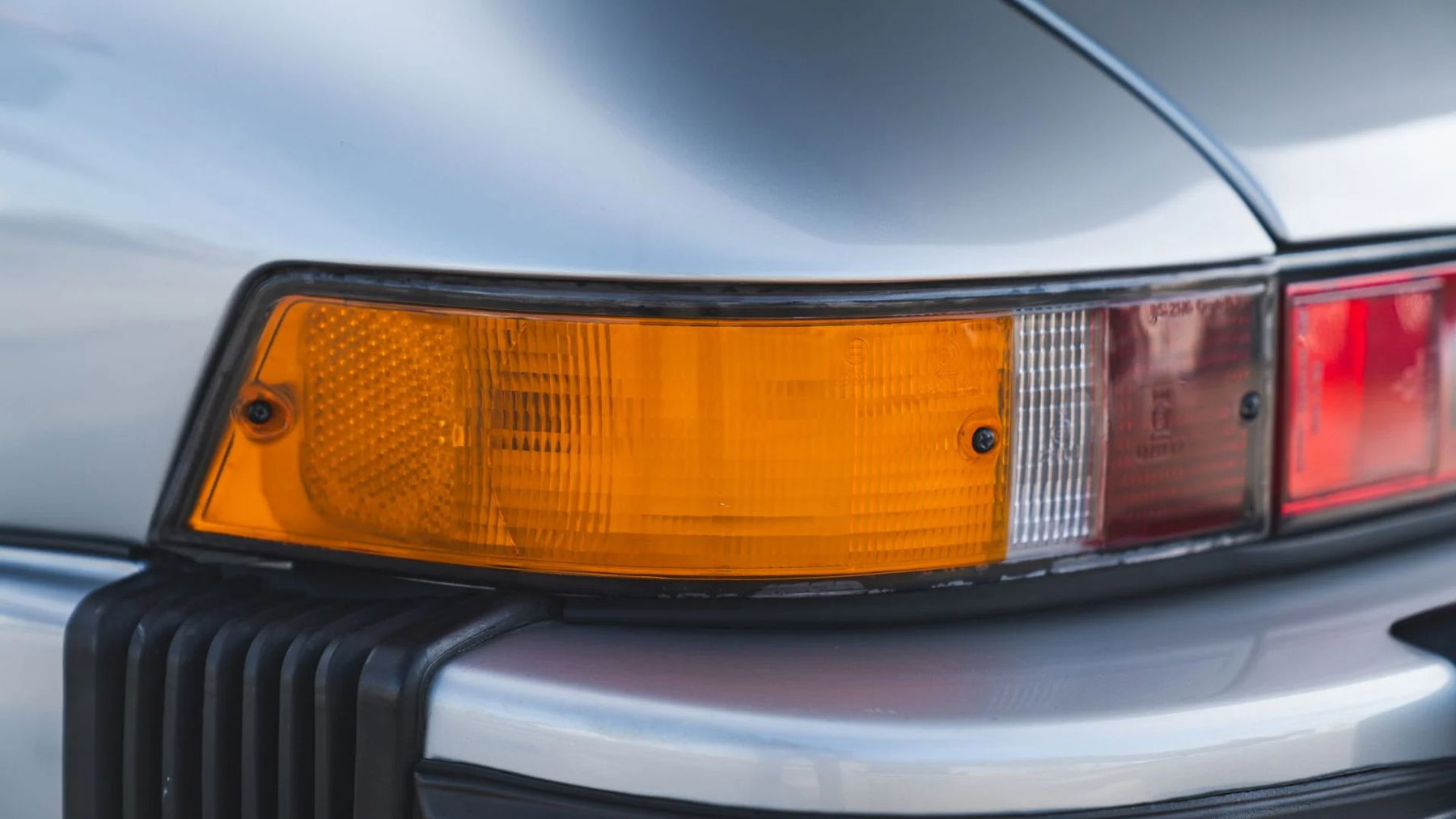
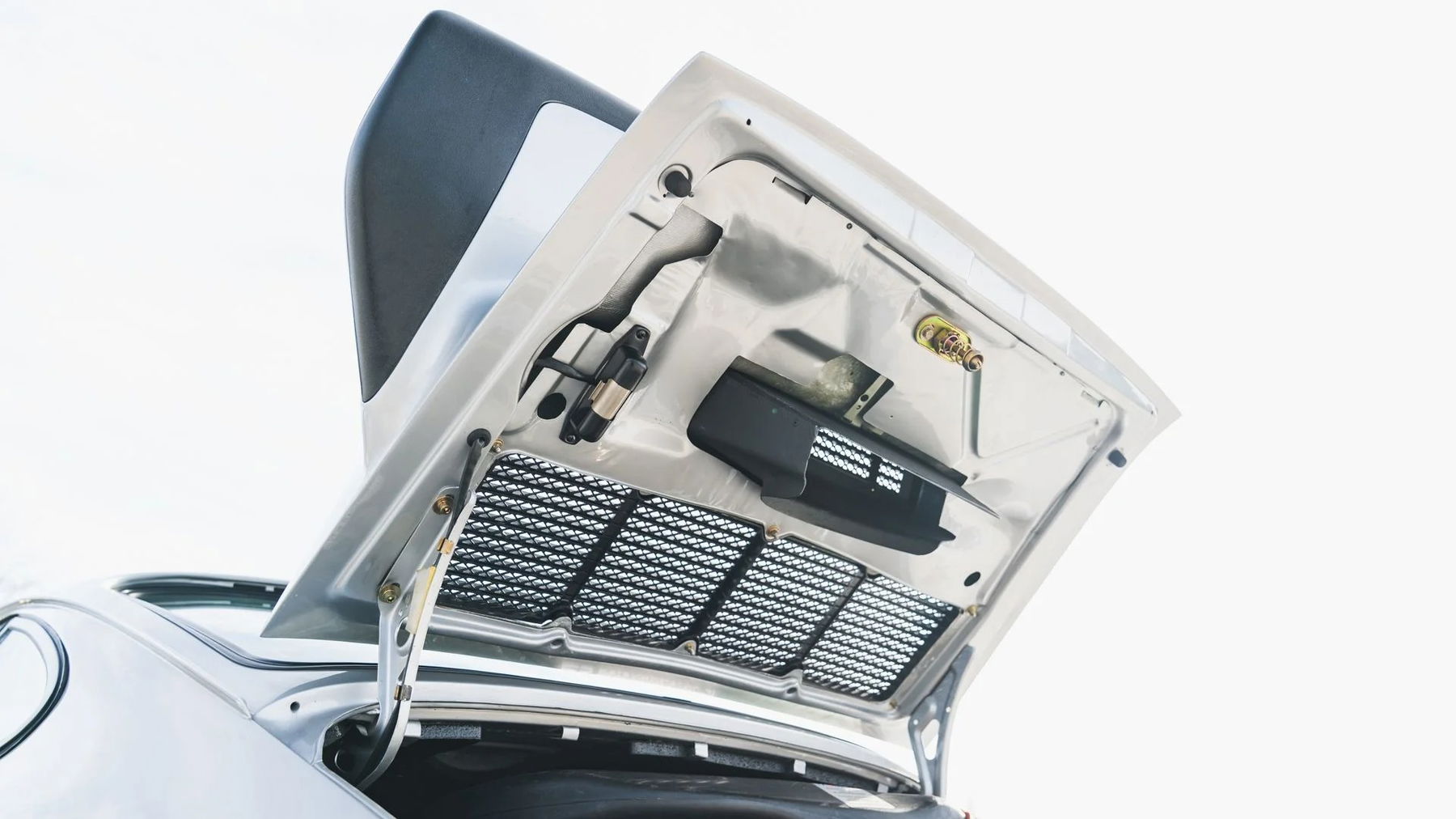
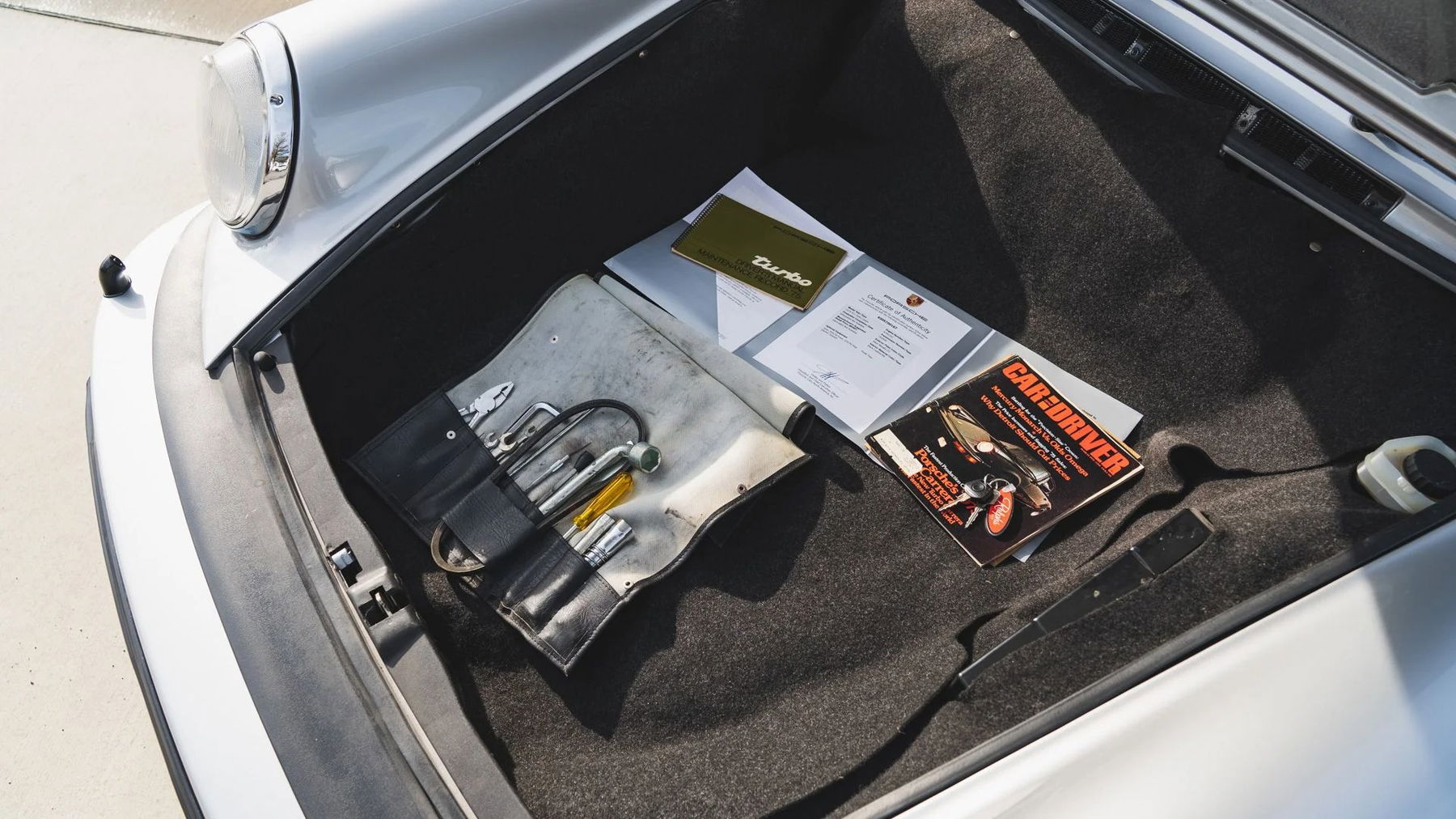
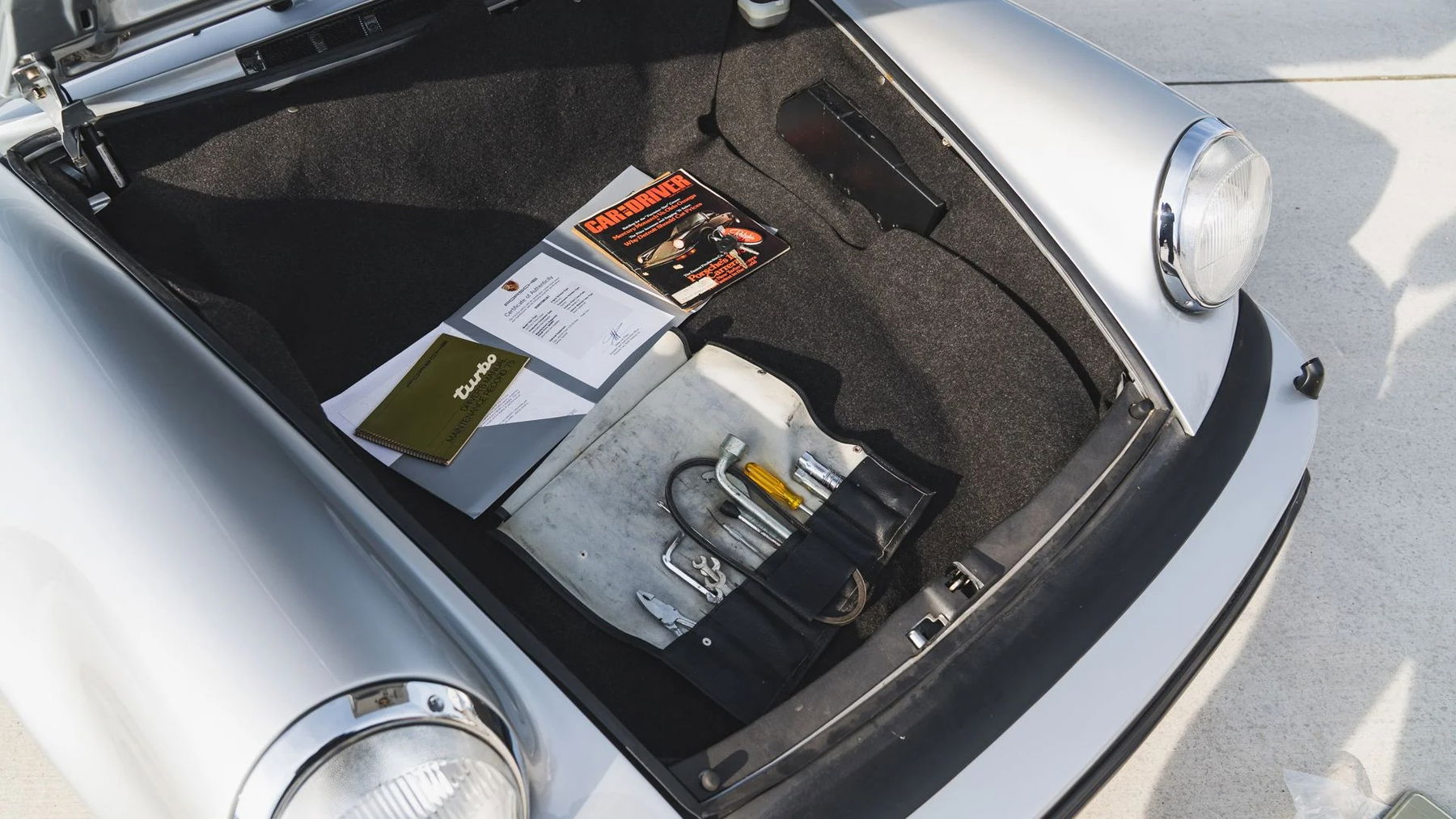
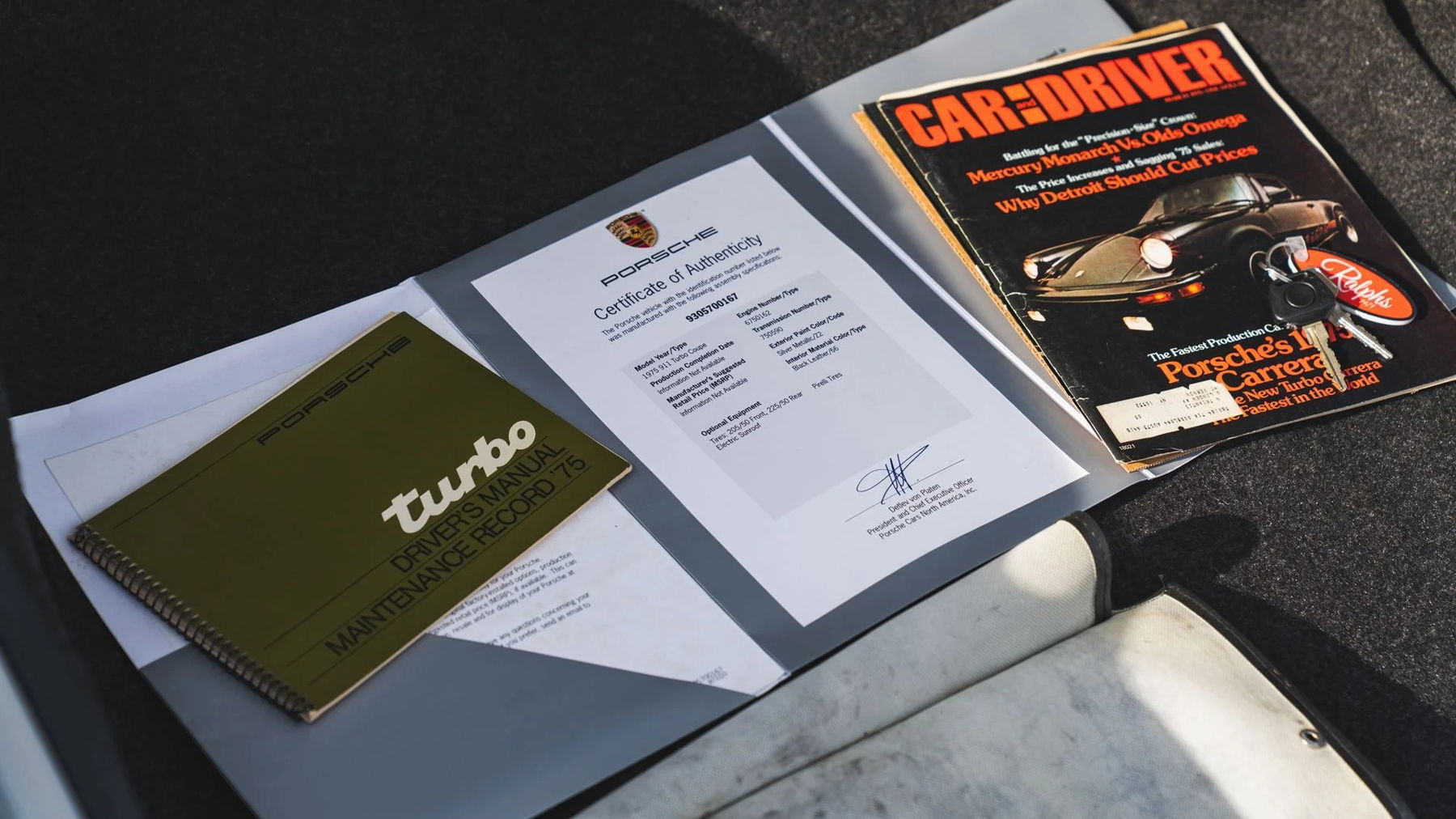
In April 2014, the car was acquired by the consignor and delivered to Dawe’s Motorsports of Stroudsburg, Pennsylvania. In advance of its photo-documented restoration, a Porsche Certificate of Authenticity was acquired as proof of its matching-numbers status, original colors, and optional extras. The Turbo’s exterior metal was stripped revealing no accident damage and little corrosion before fresh exterior coats of primer and Silbermetallic paint were applied. Period-correct front and rear bumpers and early non-intercooled Turbo tail were sourced and received fresh paint at the same time.
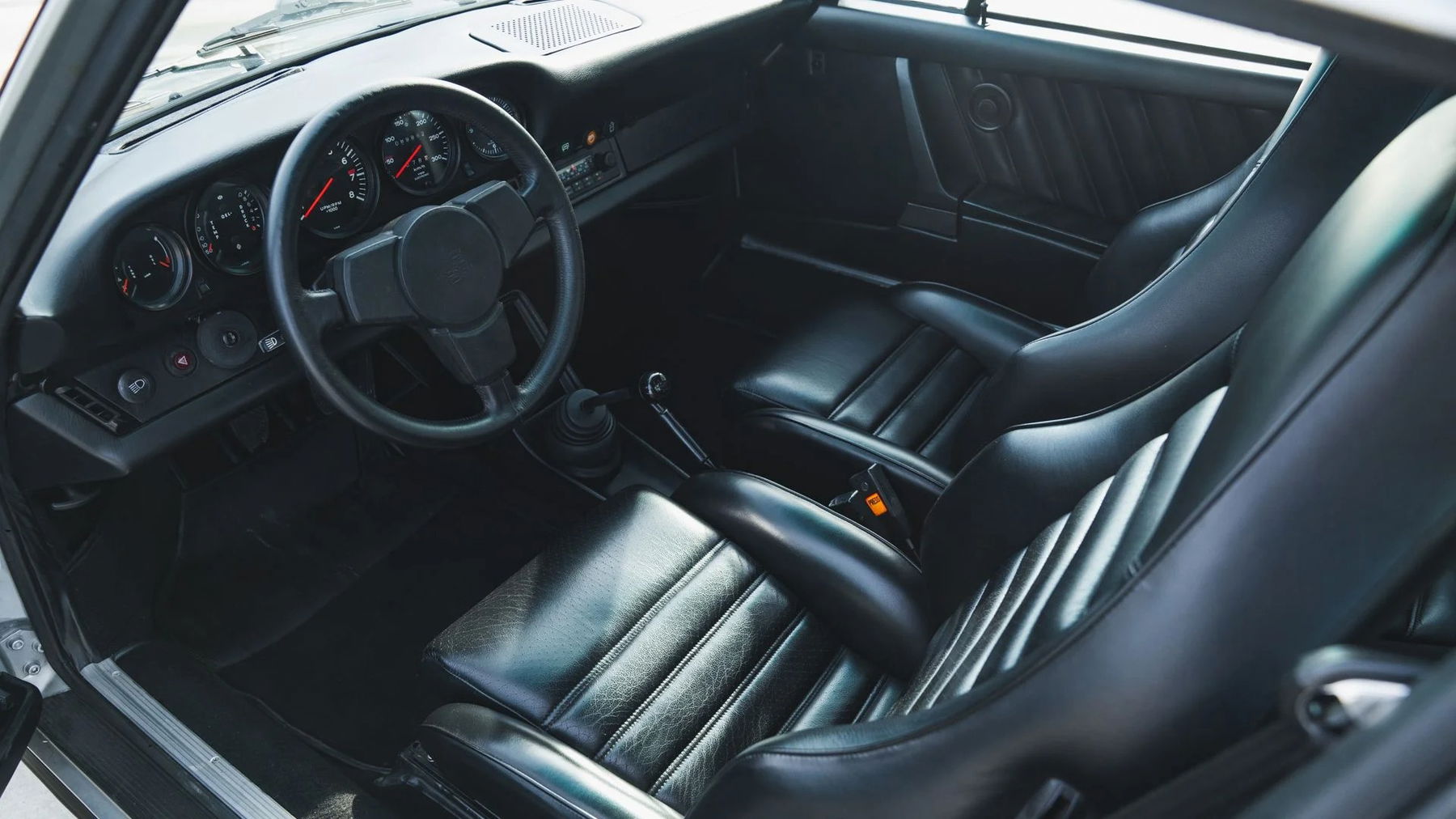
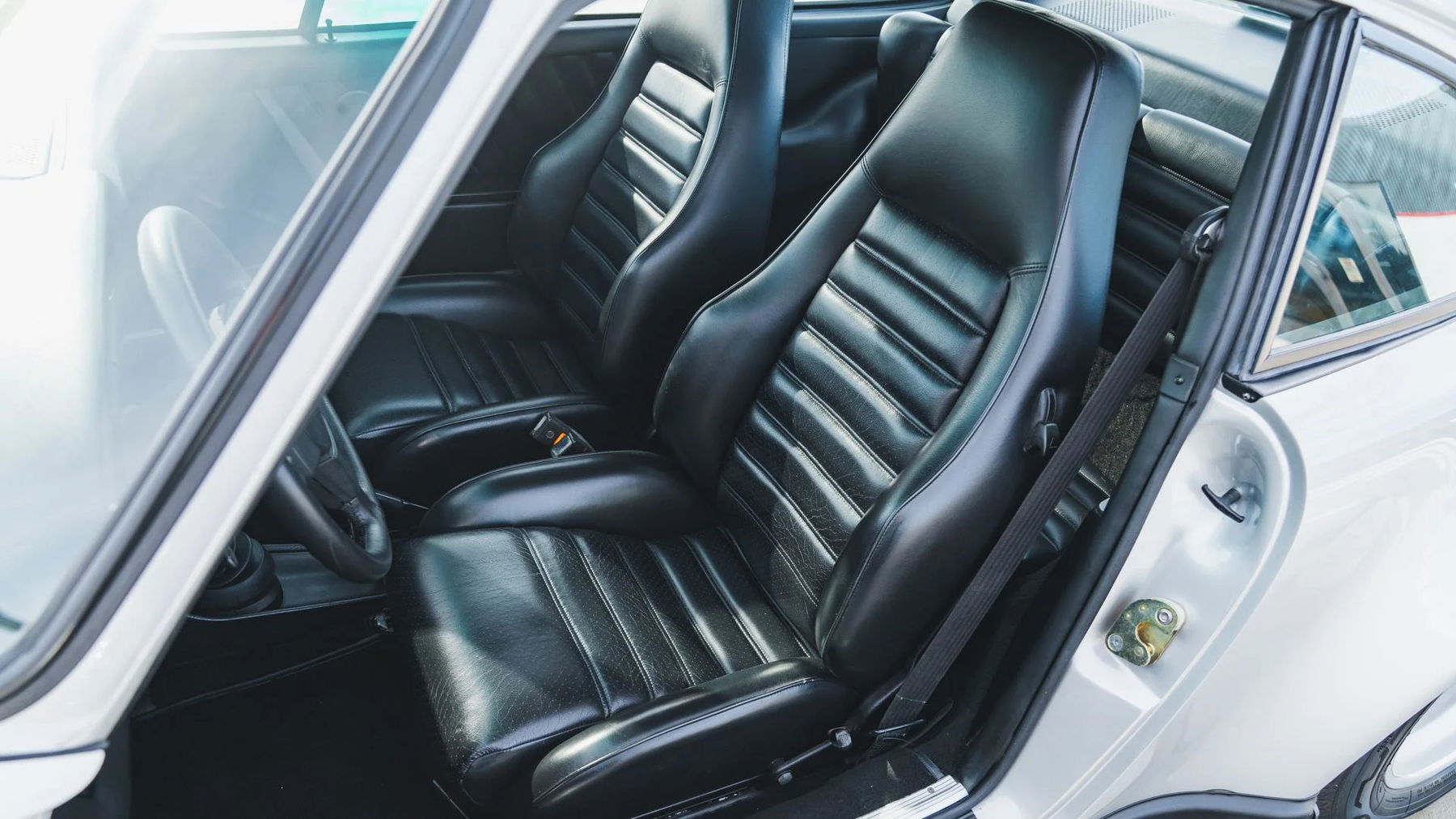
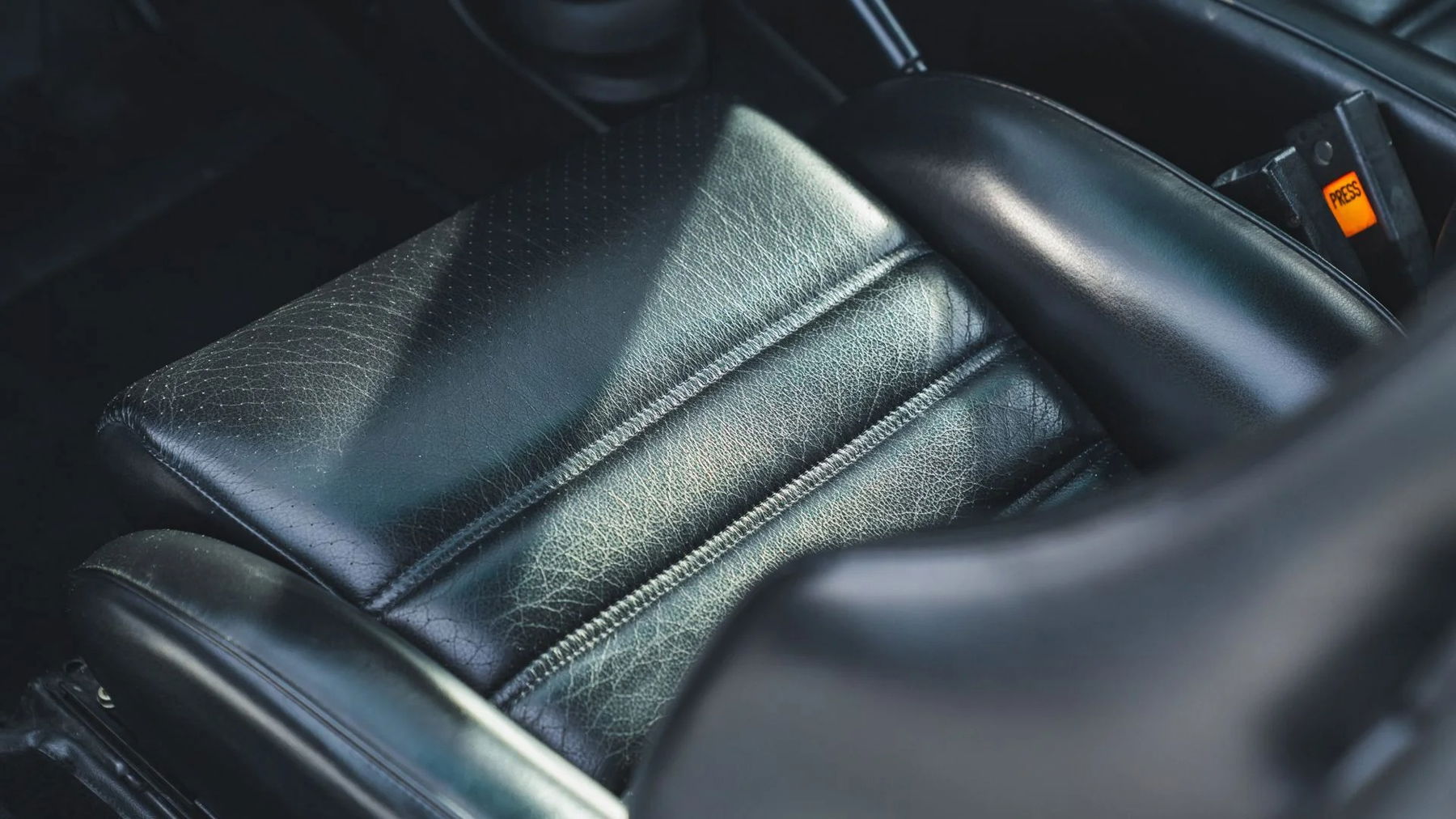
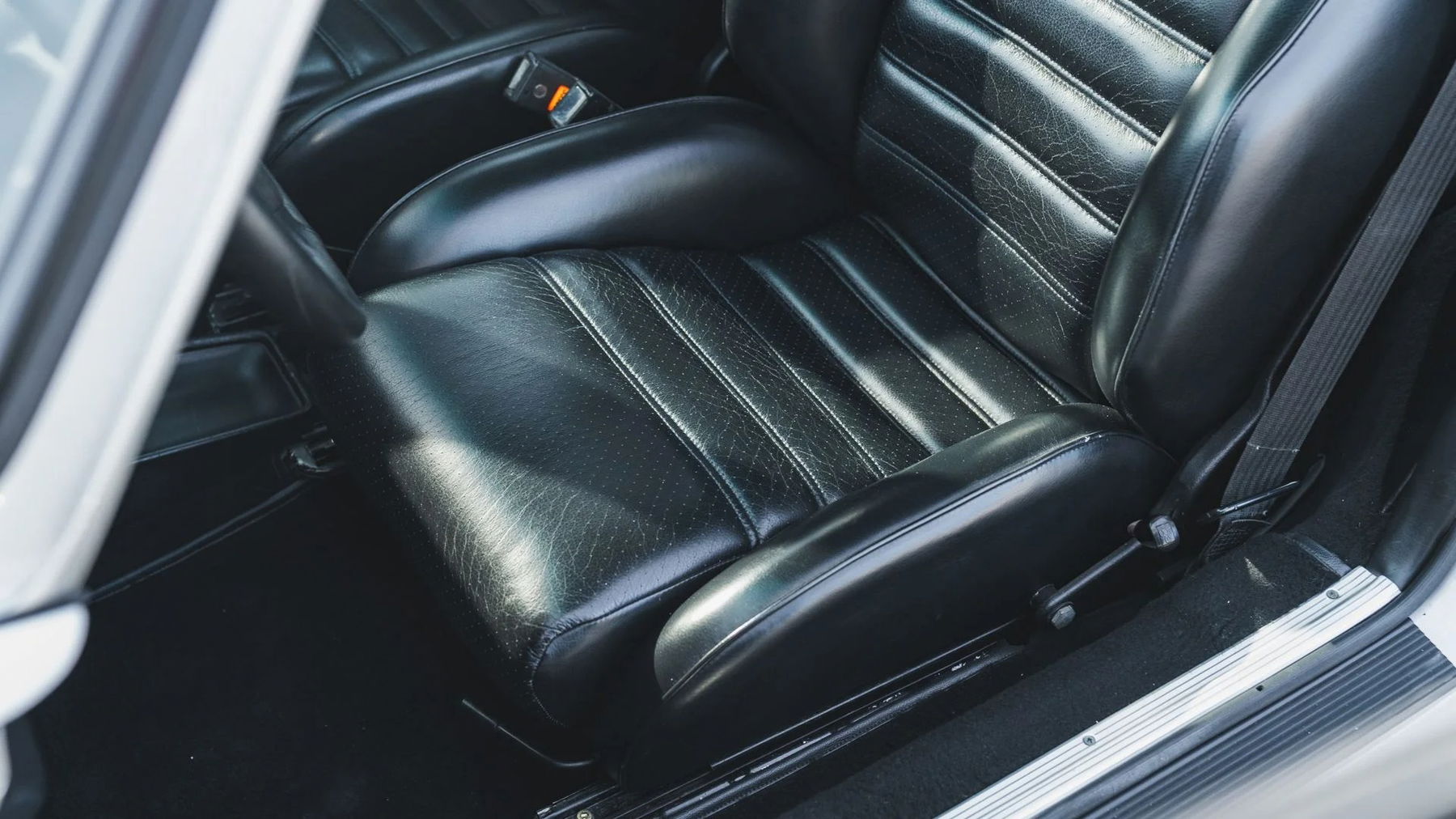
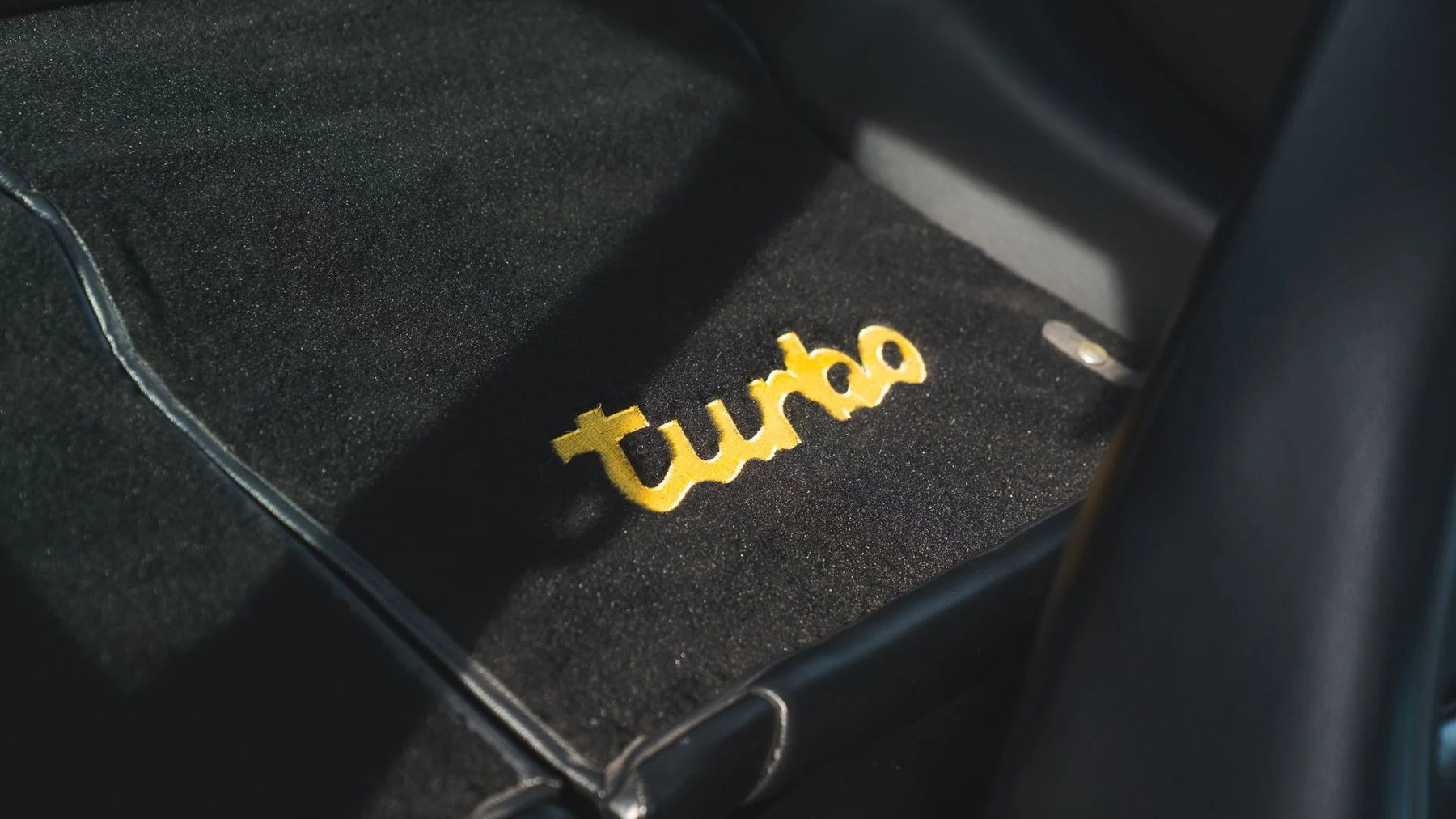
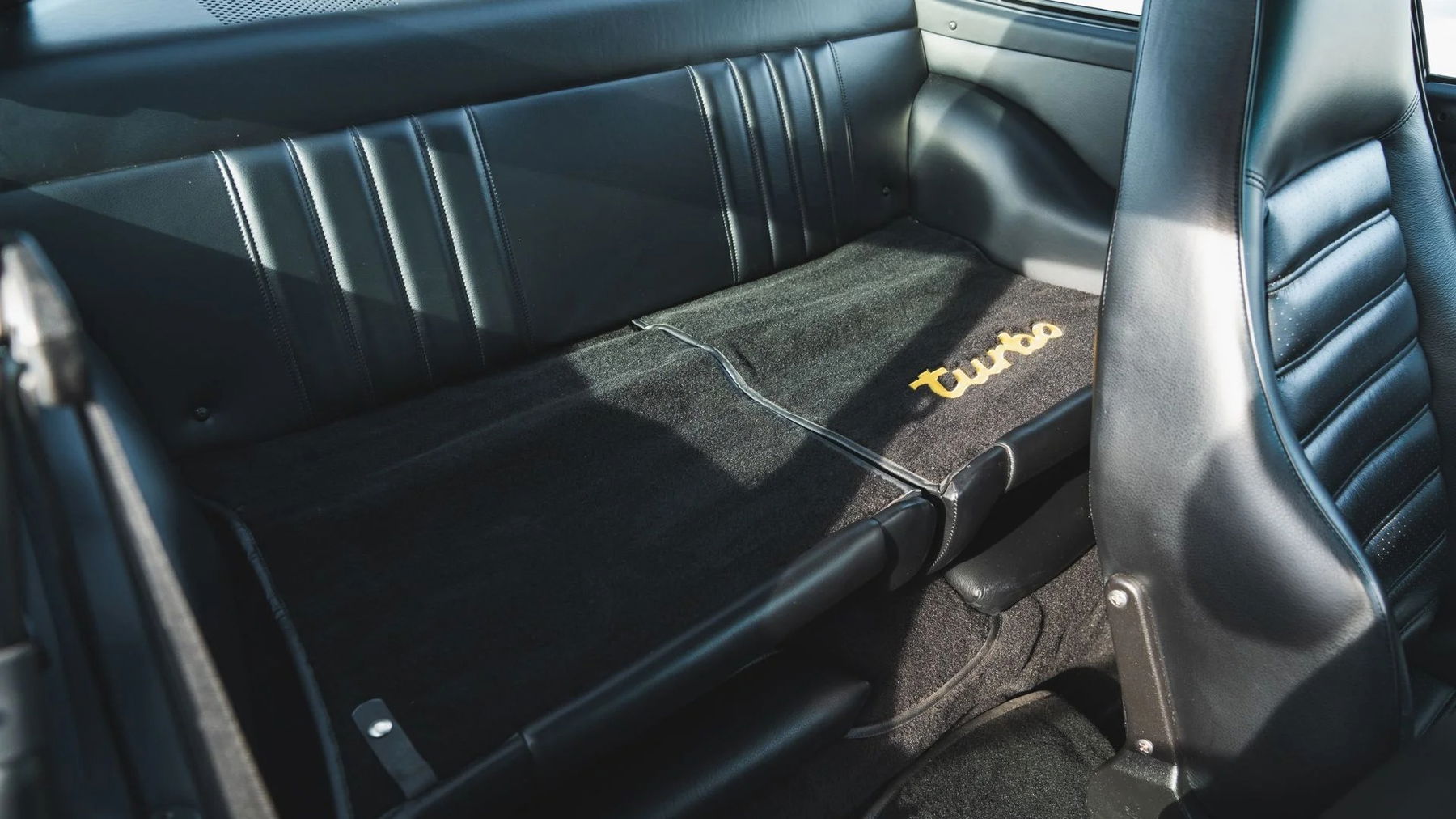
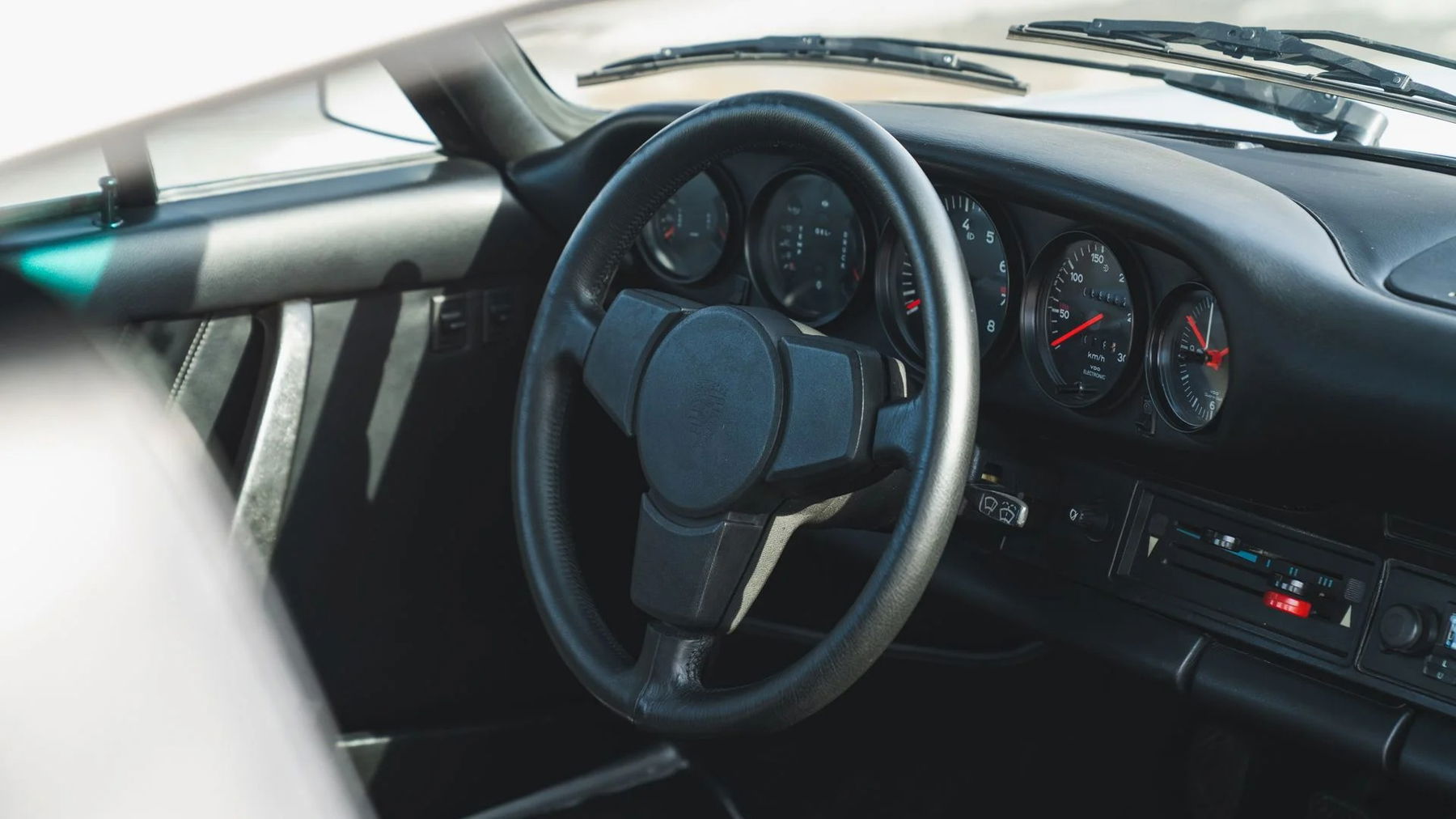
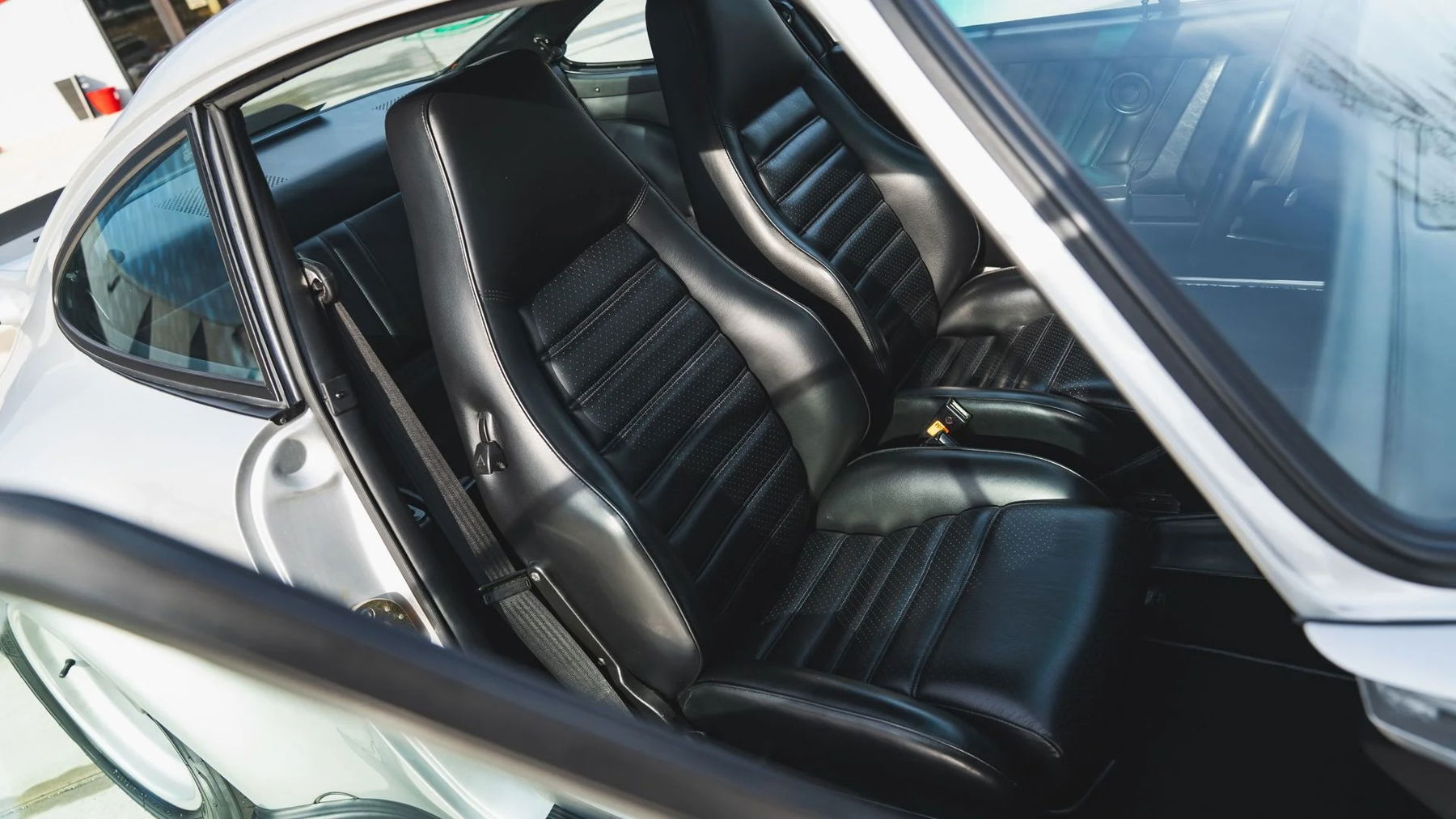
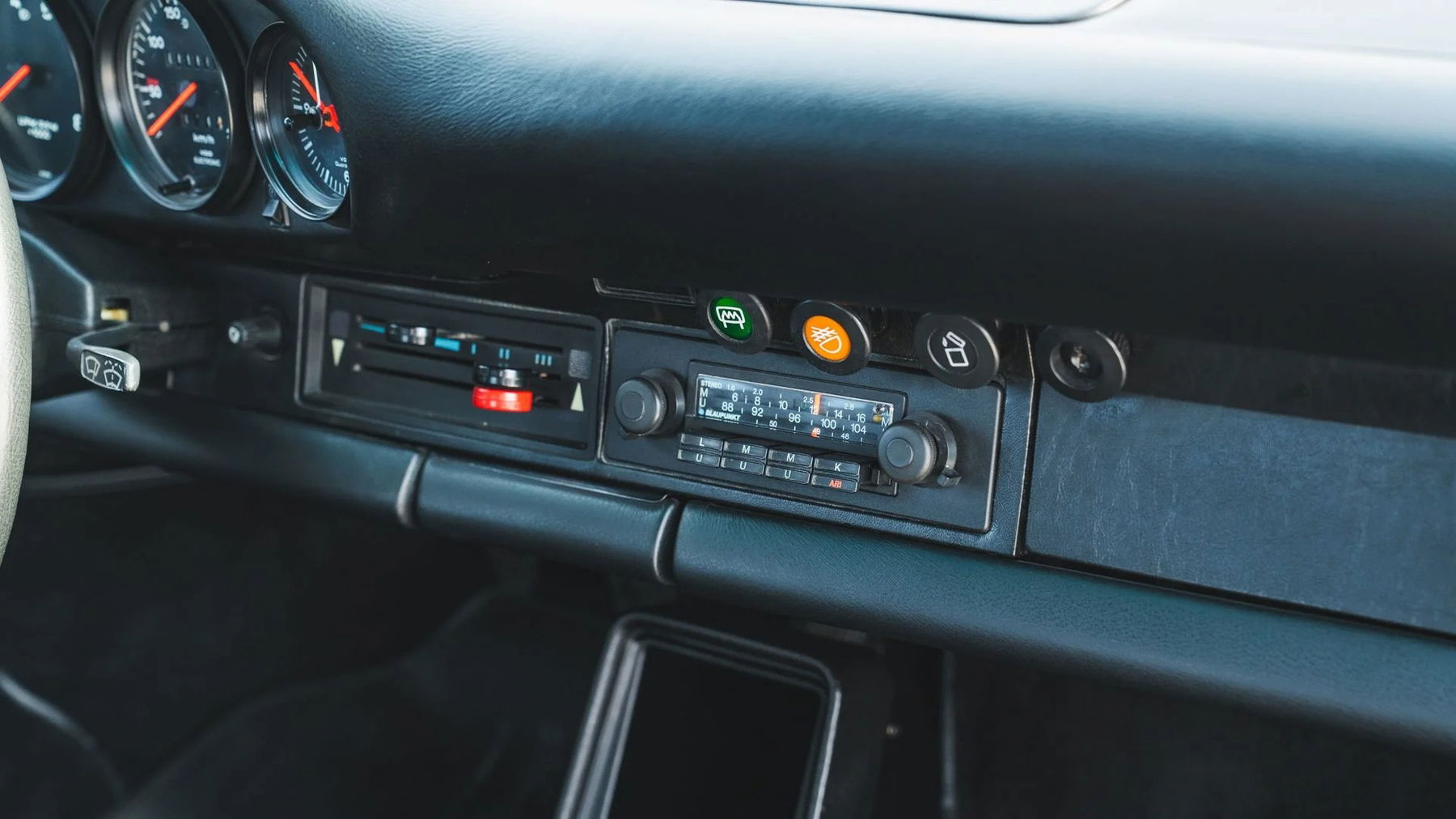
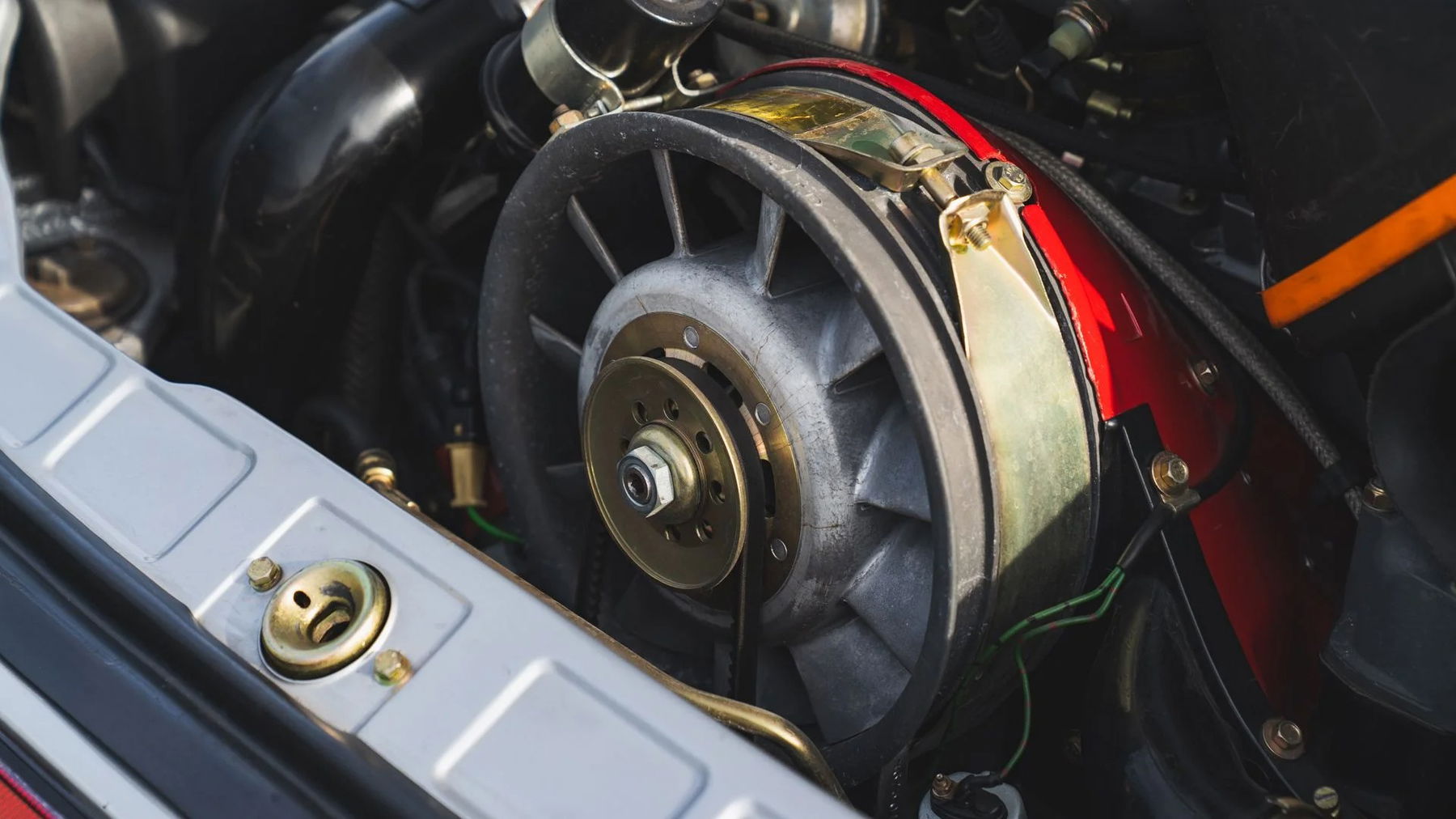
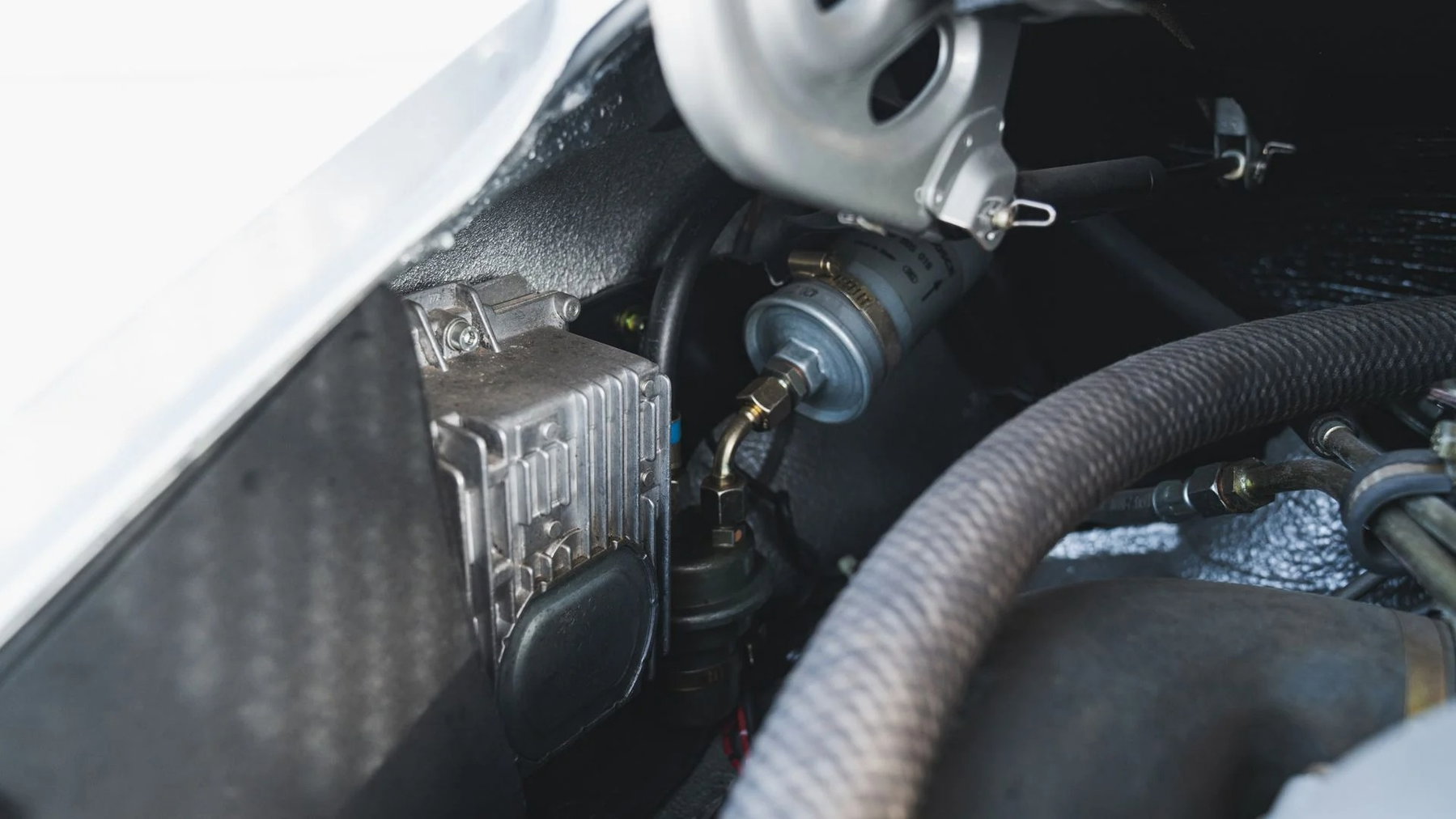
Nearly every mechanical system was disassembled and gone through while at Dawe’s. Both the matching-numbers engine and four-speed transmission were rebuilt and tested by the technicians at Dawe’s. The fuel, oil, braking system, pedal cluster, suspension, and electrics were all attended to, and a correct set of 15-inch Fuchs wheels were sourced and refinished. The interior received a set of factory Recaro sport seats trimmed in Black perforated leather by Autobahn Interiors, along with Black carpeting, a retrimmed dashboard, and a Blaupunkt stereo. Perhaps the crowning achievement is an original, ultra-rare 1975 Driver’s Manual and Maintenance Record sourced at great expense from a fellow 1975 911 Turbo owner. Following the completion of its two-year, six-figure restoration, Ur-turbo 0167 has seen routine service from Ralph’s Auto Service, one of the oldest continuously operating independent Porsche service facilities in the United States.
As is well known, the original 911 Turbo was created first and foremost to satisfy FIA Group 4 homologation, serving as a bridge to Porsche’s turbocharged racing future. The limited first-year production run—just enough to secure eligibility—enabled the development of the fearsome 934 Turbo RSR that soon dominated GT competition. One of only 274 1975 H-series examples built before U.S. availability, this matching-numbers Ur-Turbo represents the model in its purest, most purposeful form.
Continue reading


















































 1977
1977 
 1976
1976 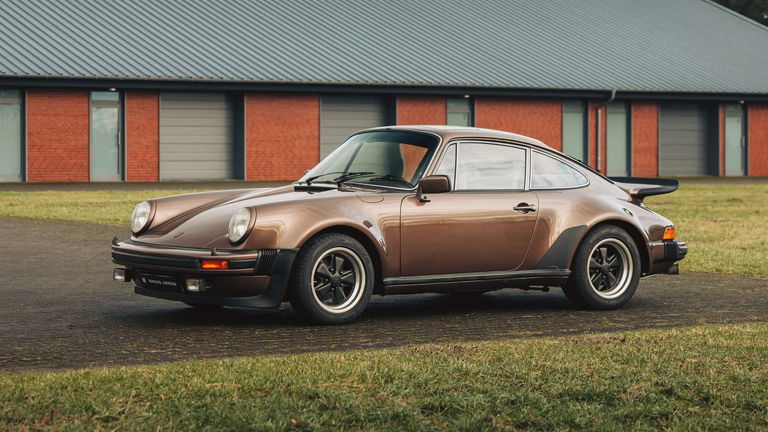
 1976
1976 
 1977
1977