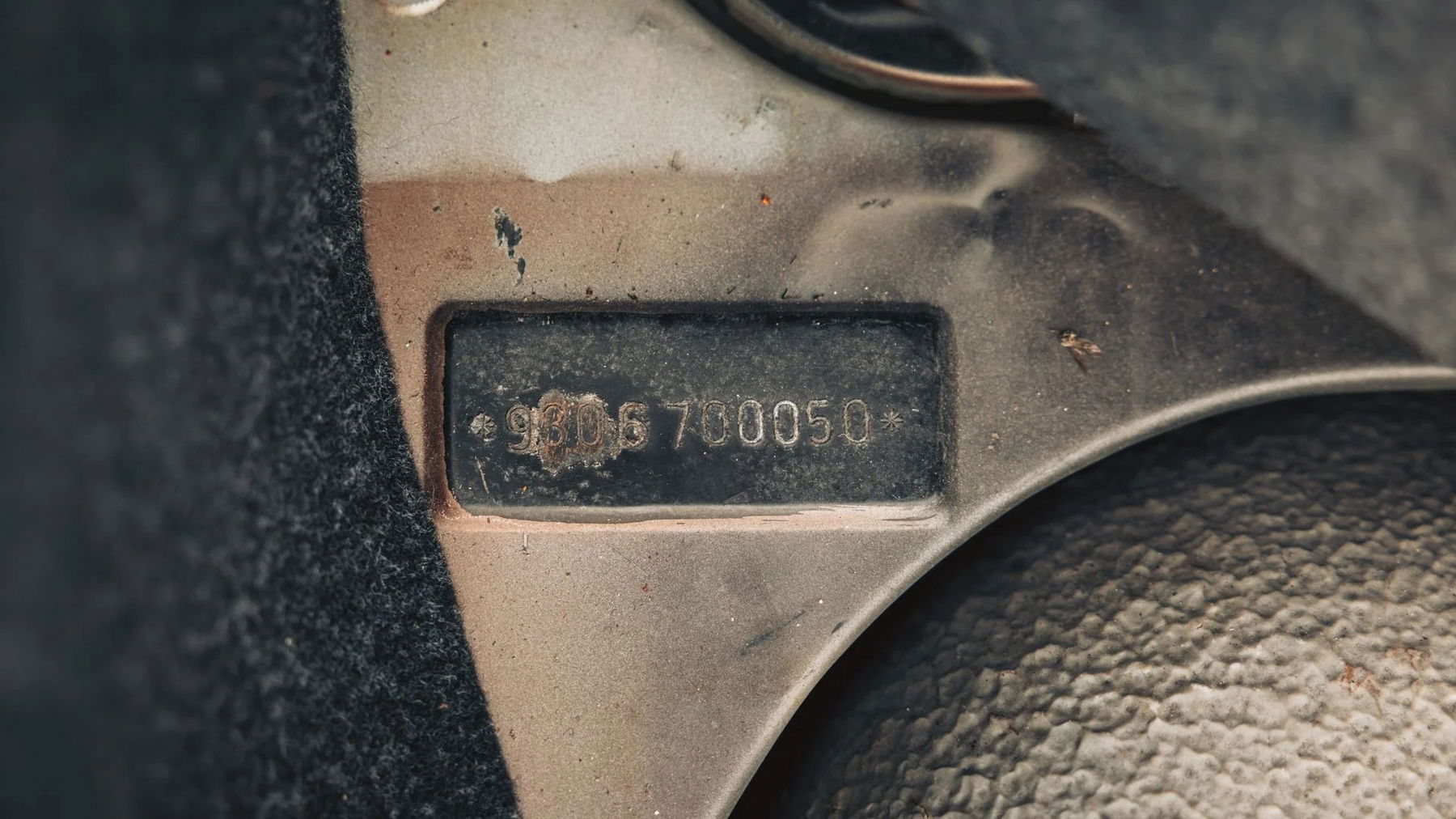
Chassis No. 930670050
Engine No. 6760063
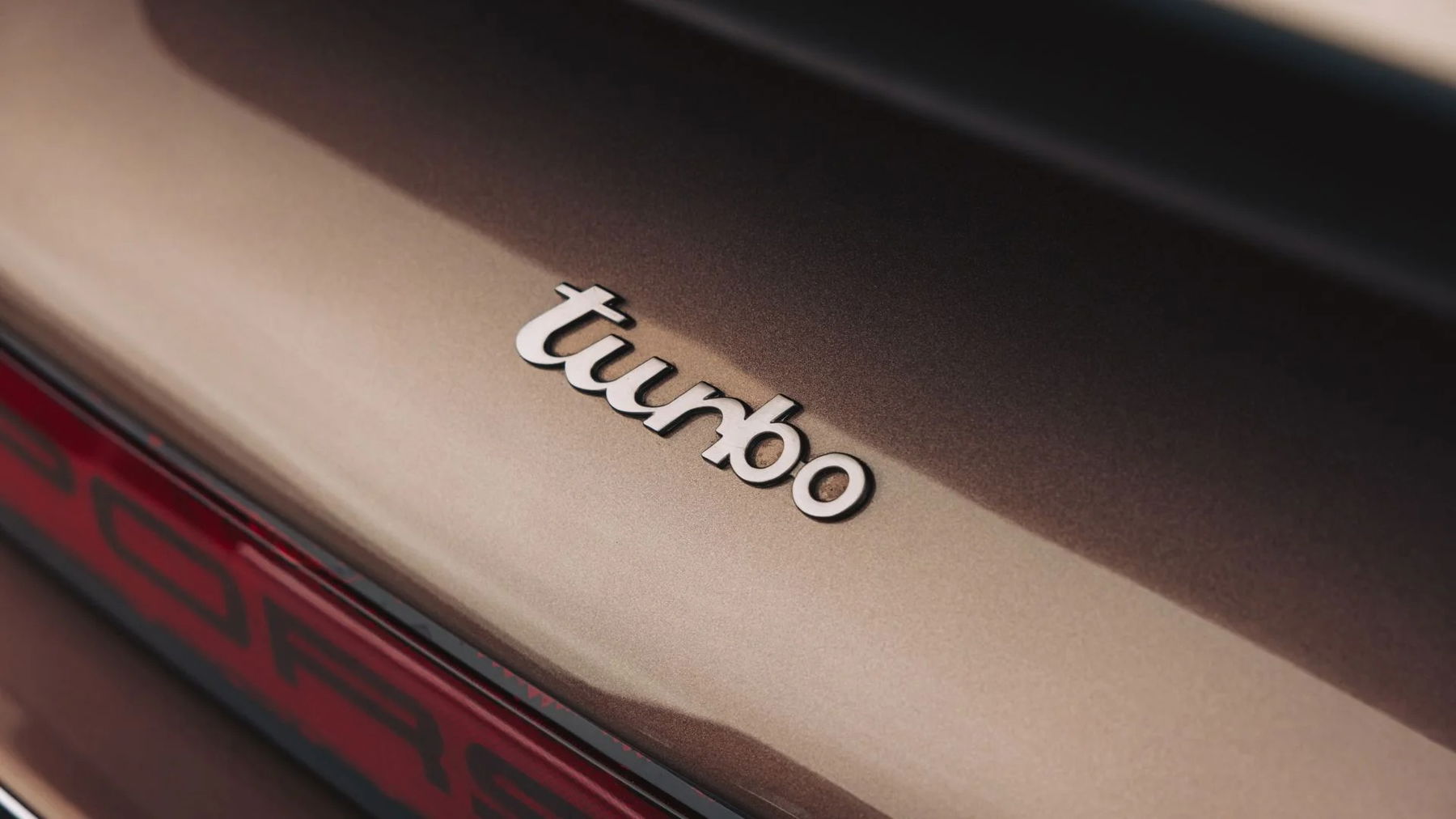
Born directly from Porsche’s domination of early-1970s turbocharged racing, the original 911 Turbo, internally known as the Type 930, represented a decisive transfer of competition technology to the road. Porsche’s Can-Am and Interserie success with the fearsome turbocharged 917/10 and 917/30, developed with Penske Racing and Mark Donohue, proved the immense potential of forced induction. When regulatory changes curtailed those programs, Porsche, under the leadership of chairman Dr. Ernst Fuhrmann, redirected its turbocharging expertise toward a road car that could also serve as the basis for FIA Group 4 homologation.
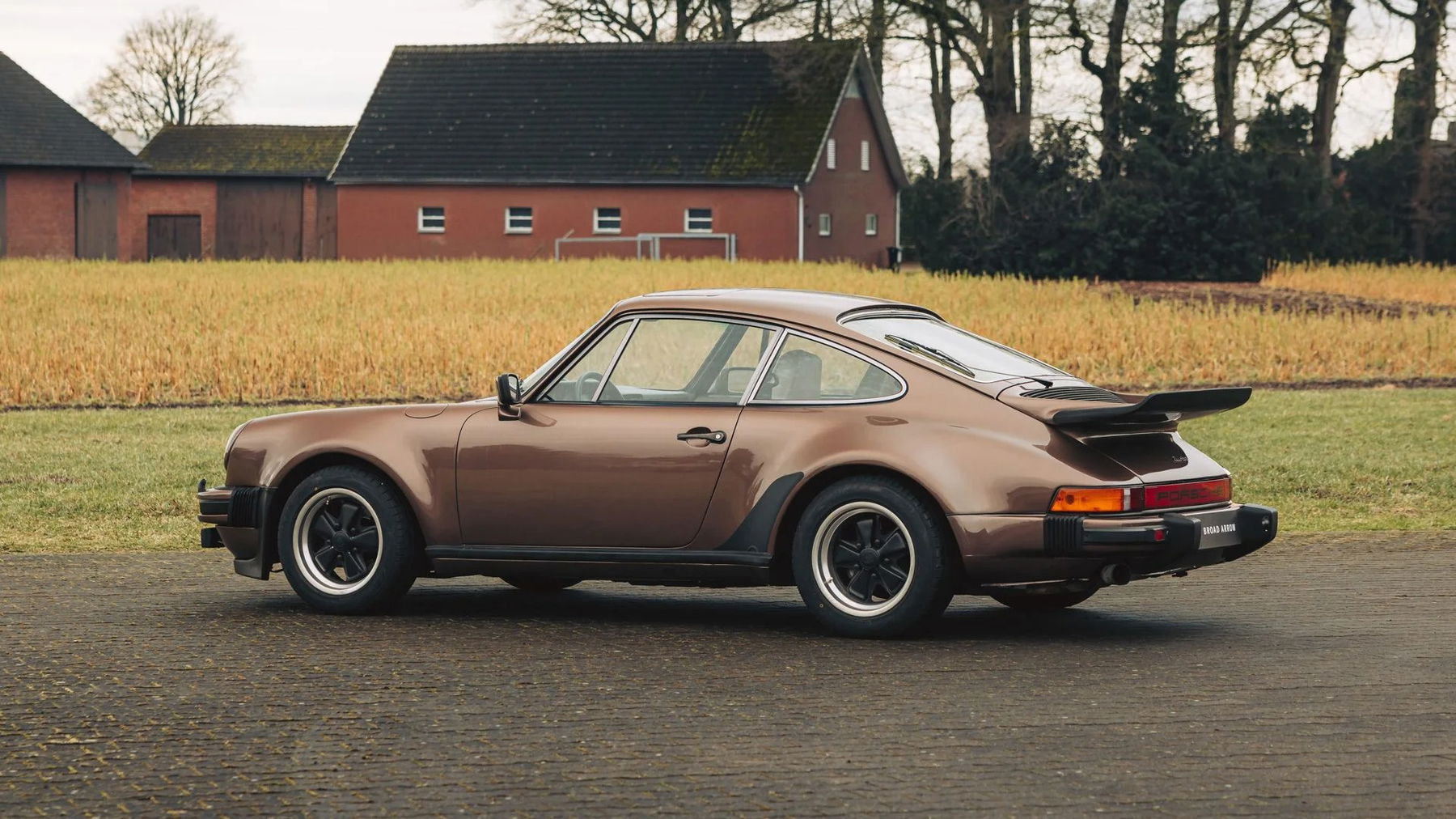
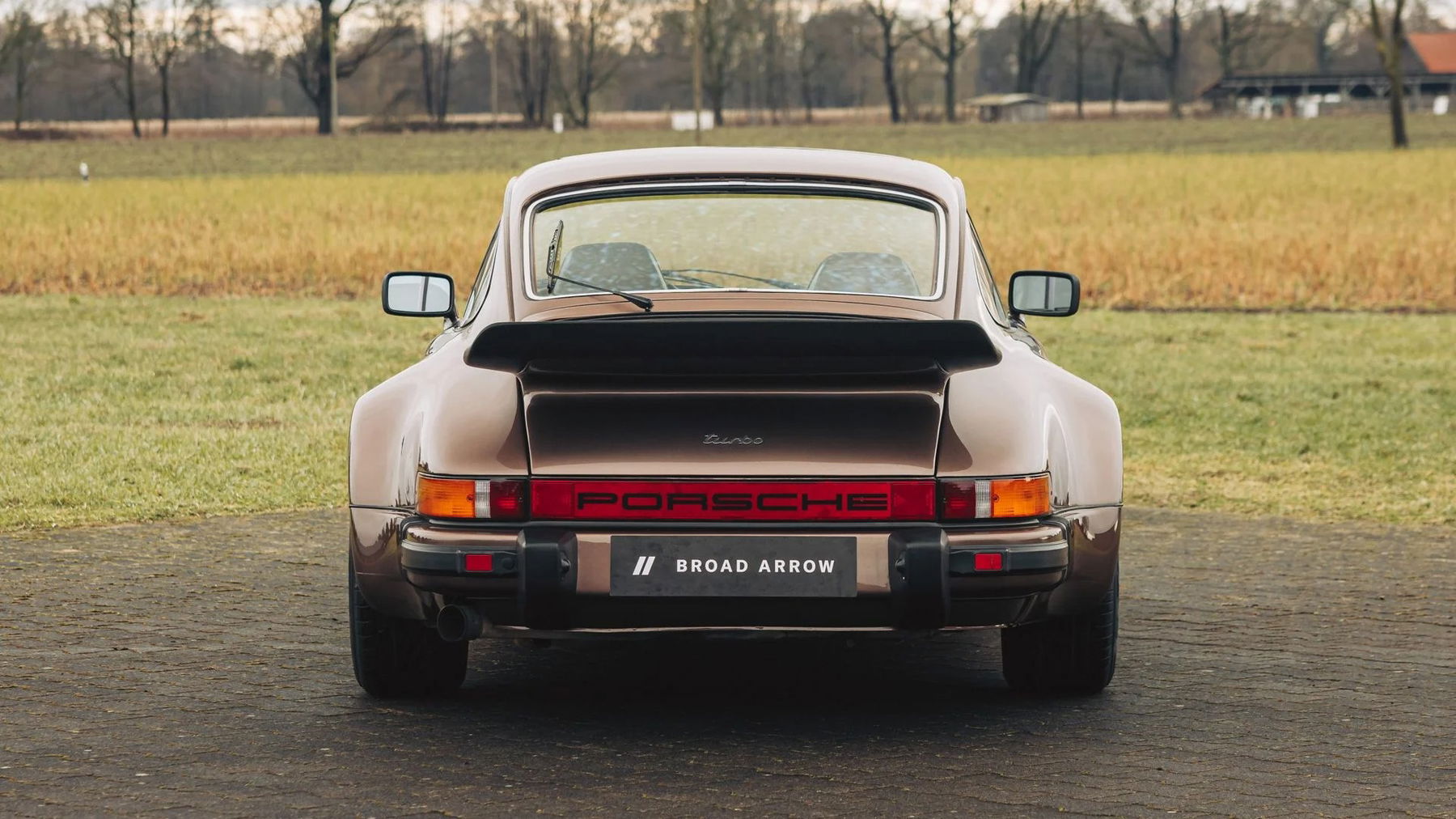
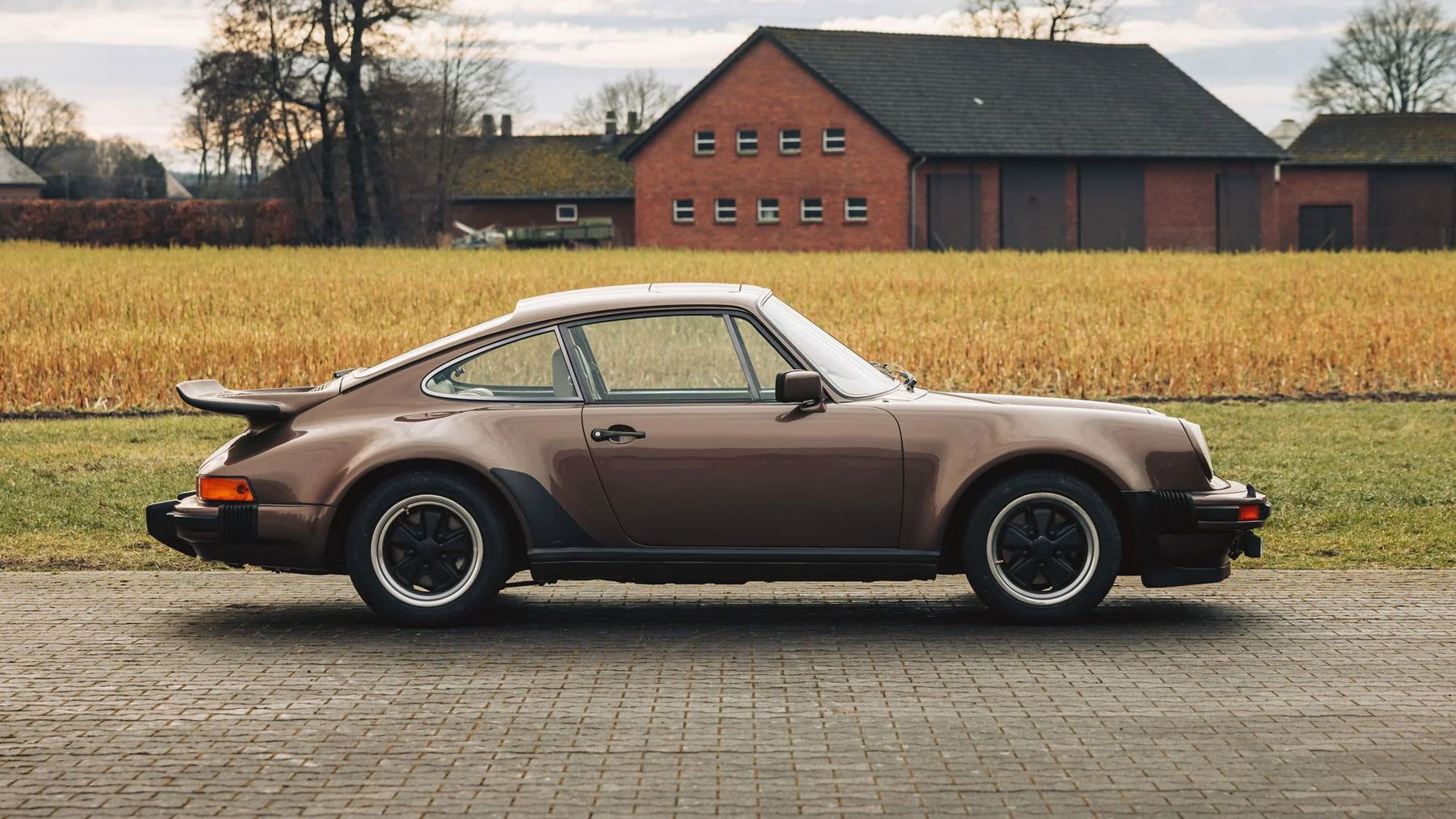
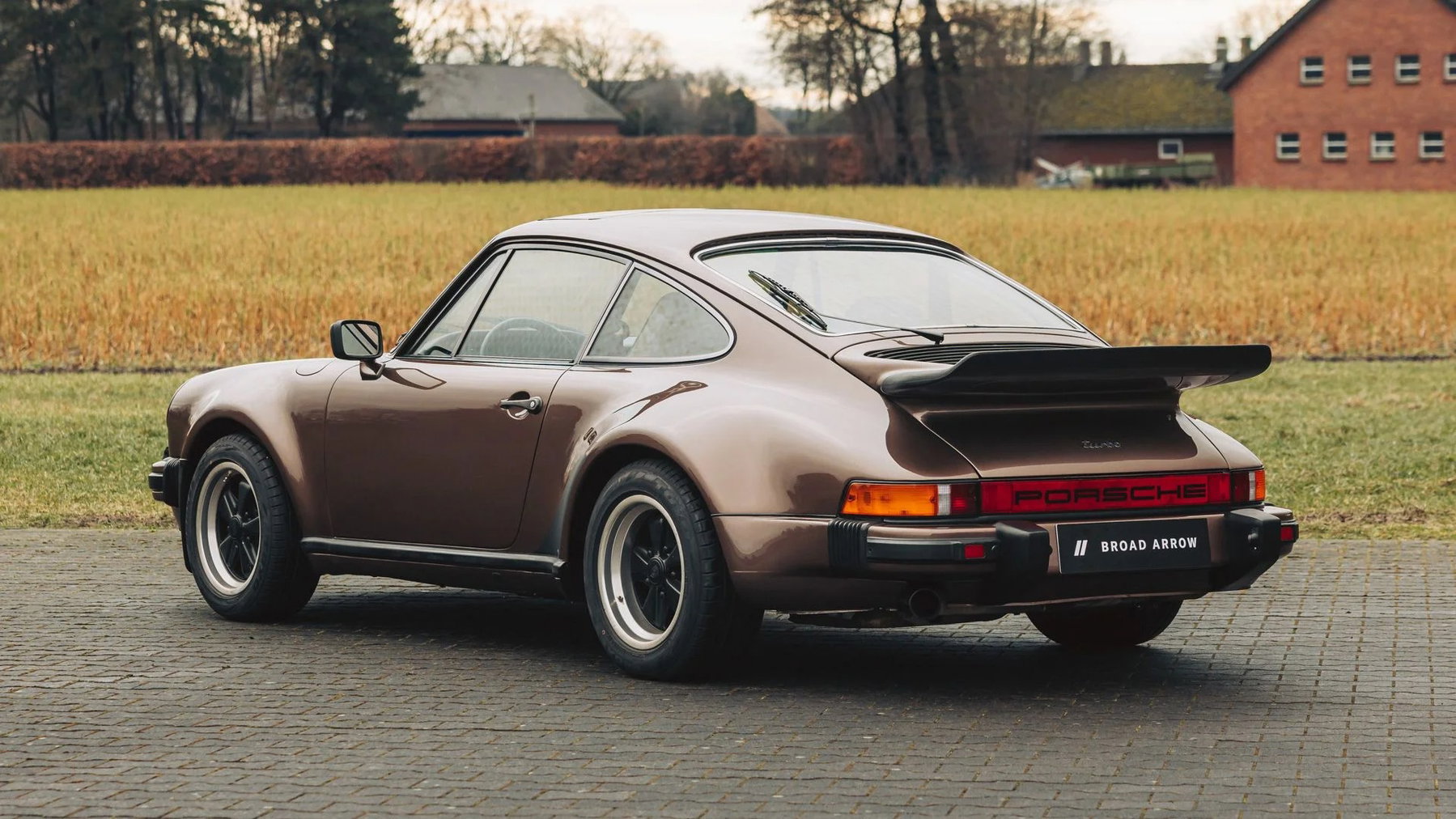
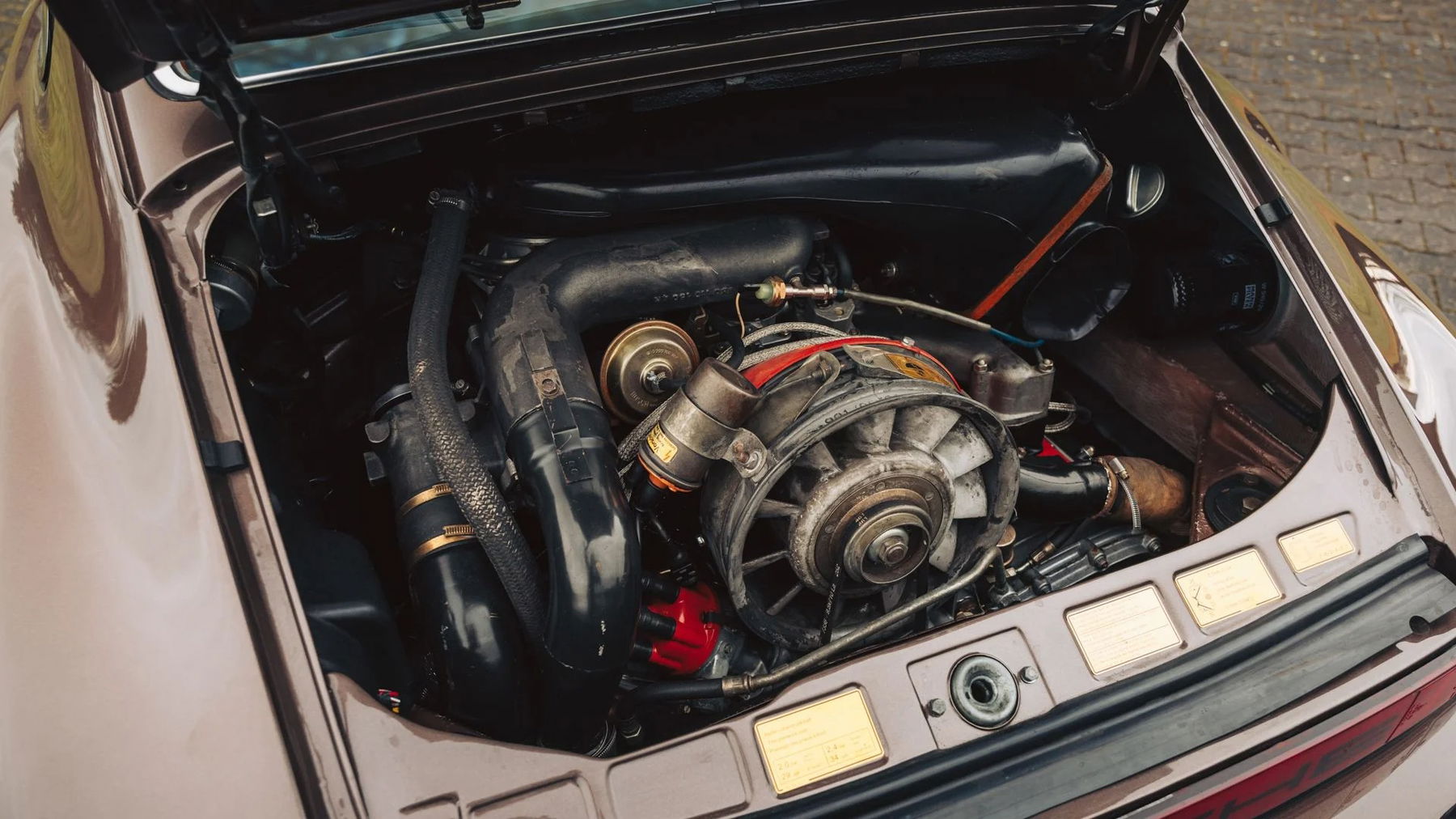
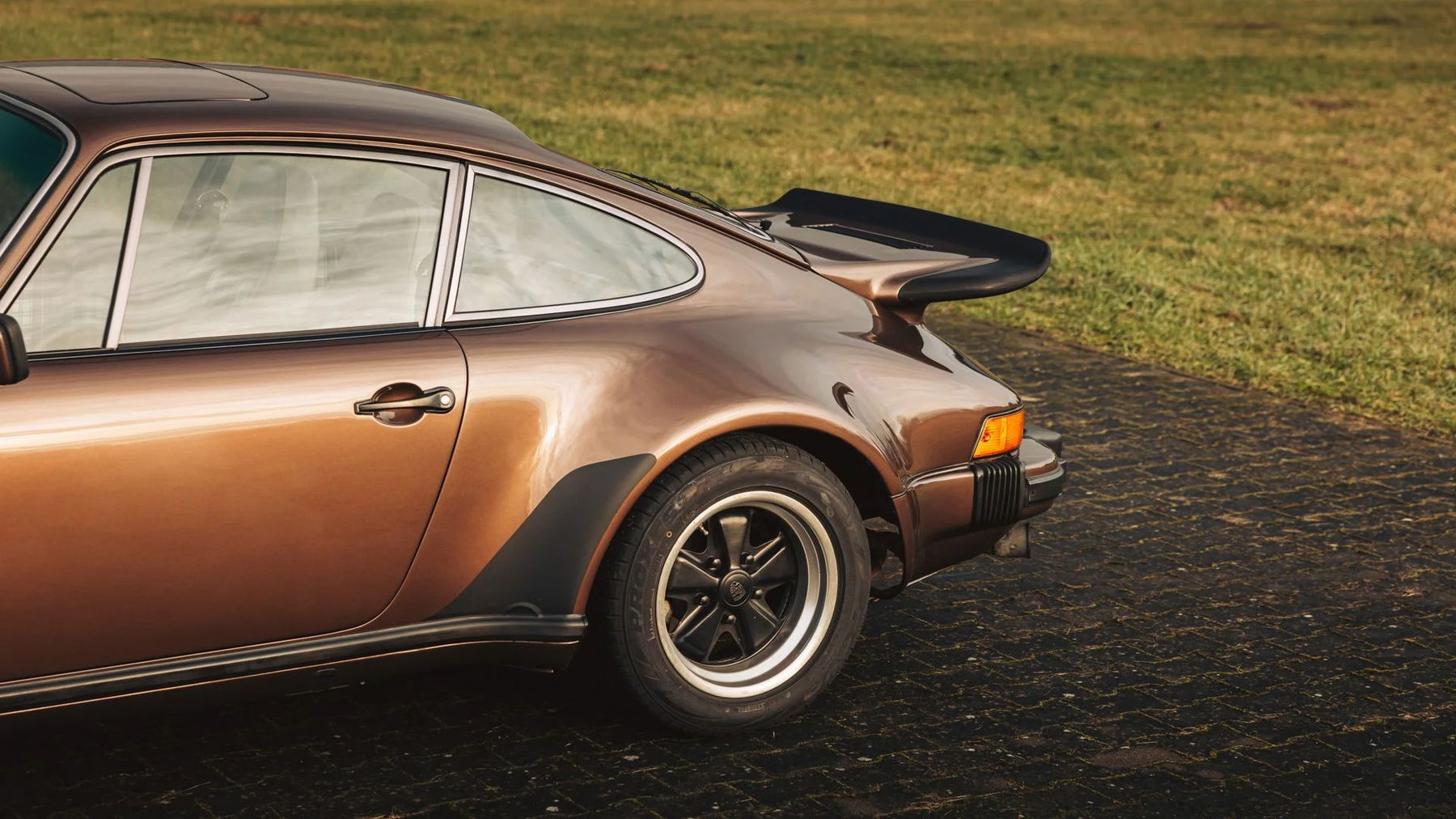
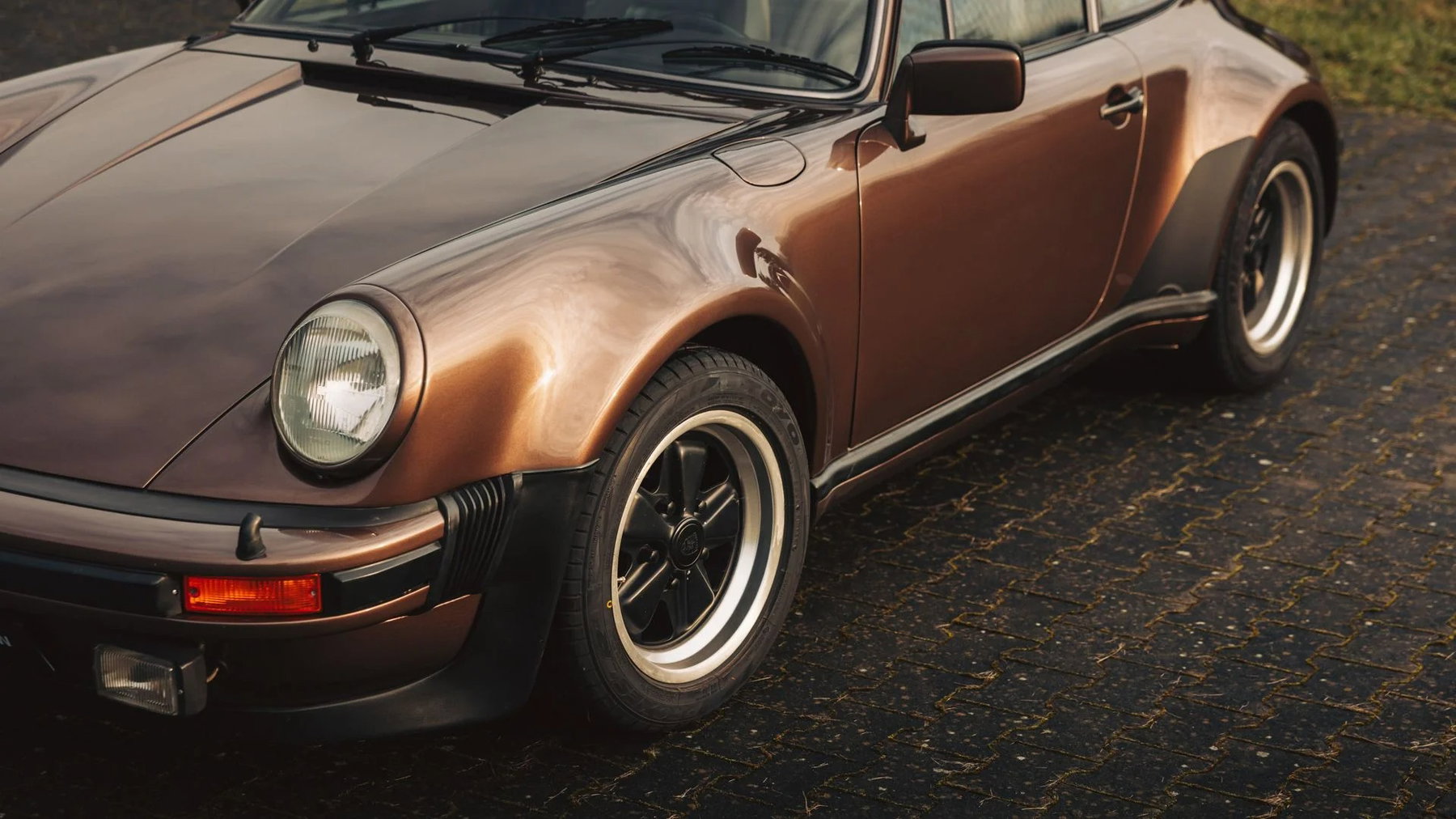
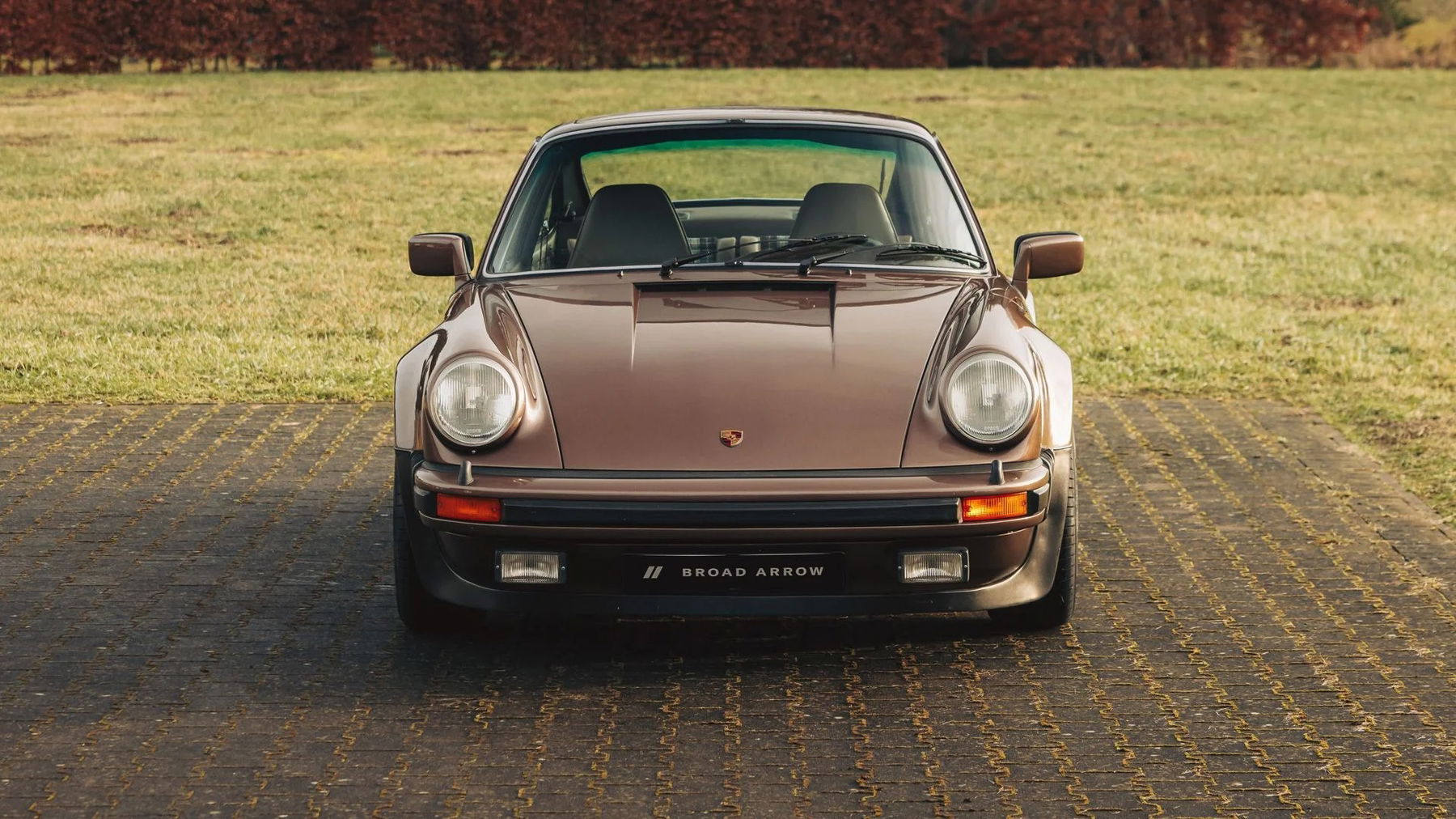
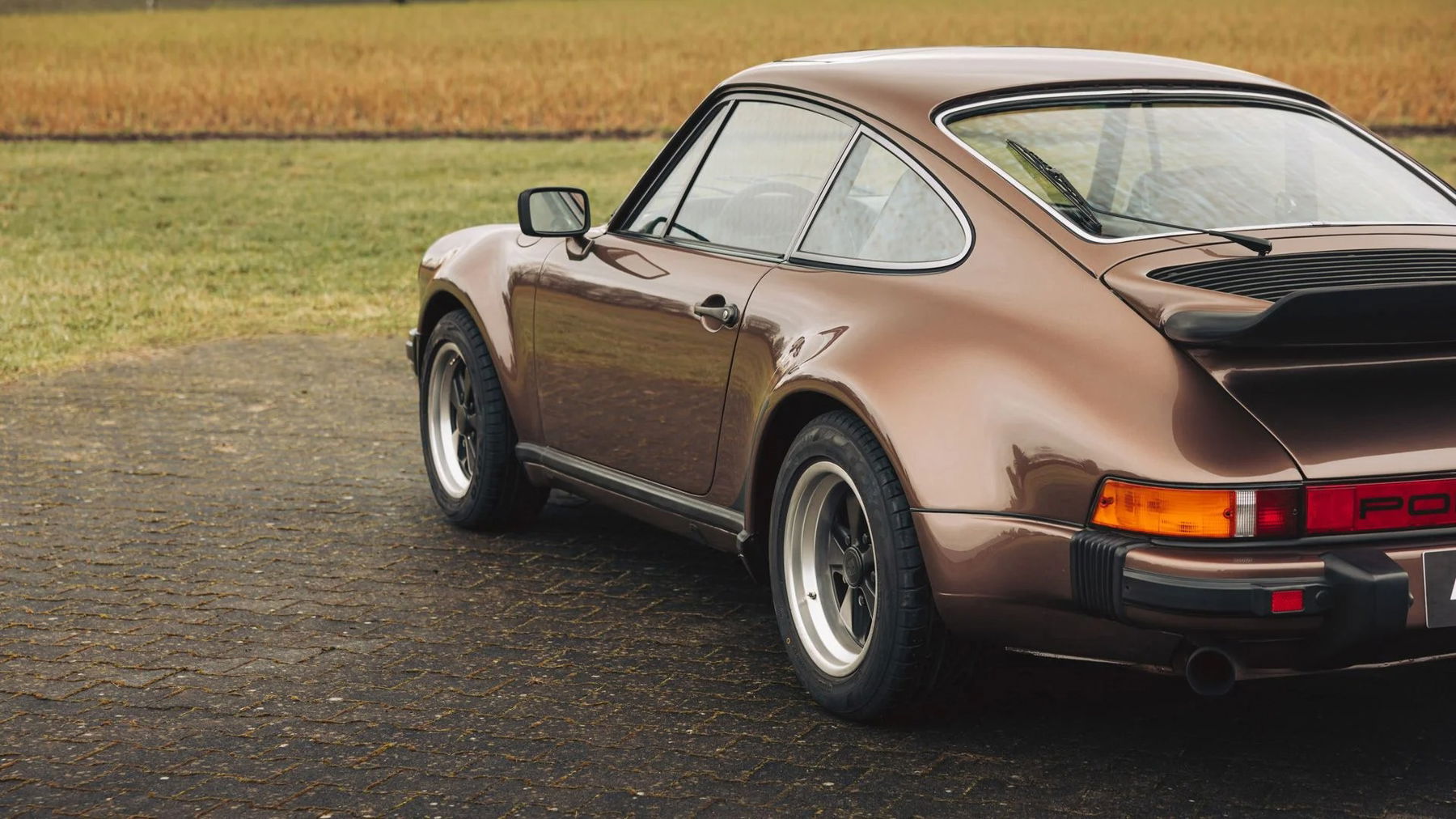
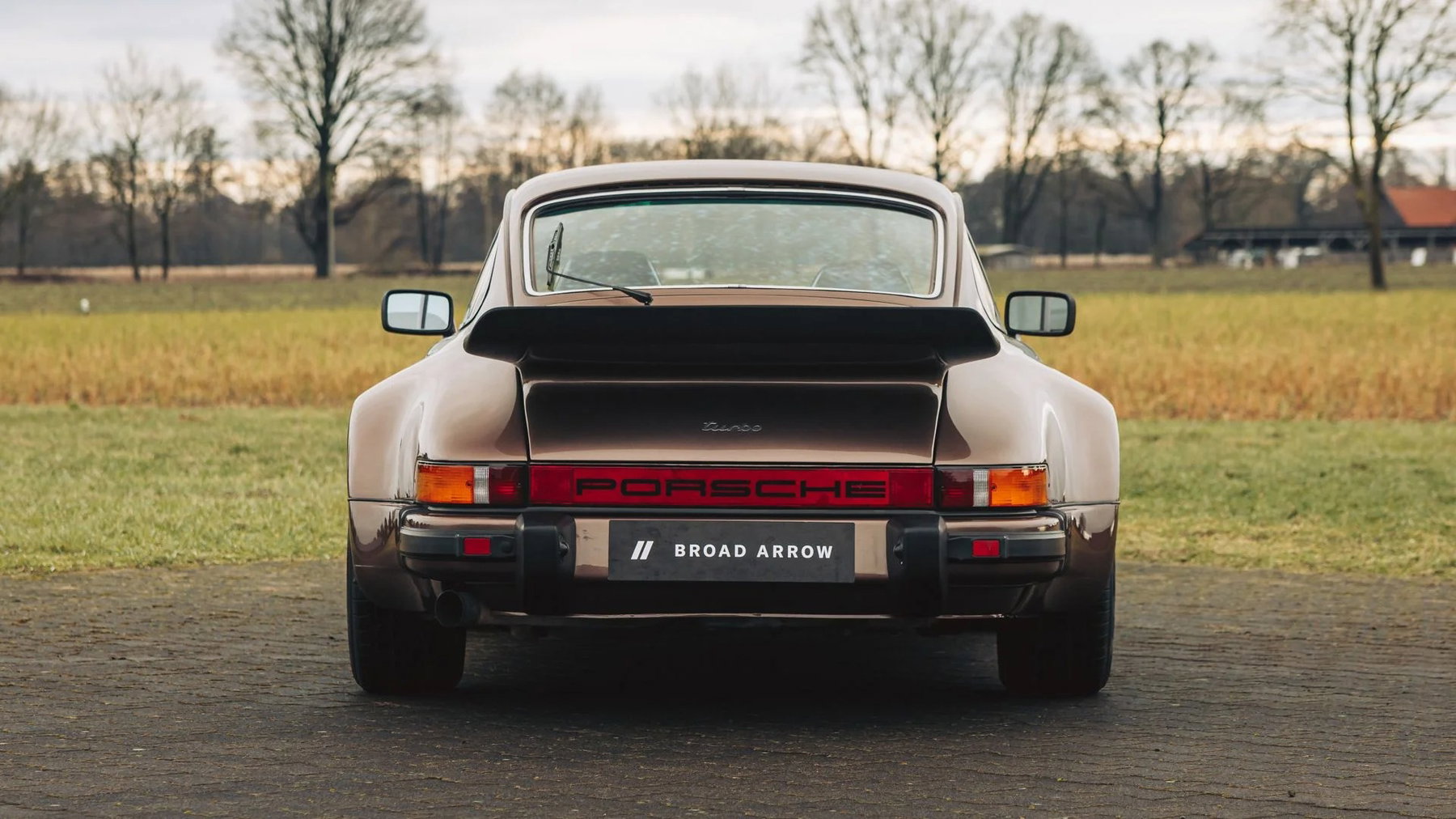
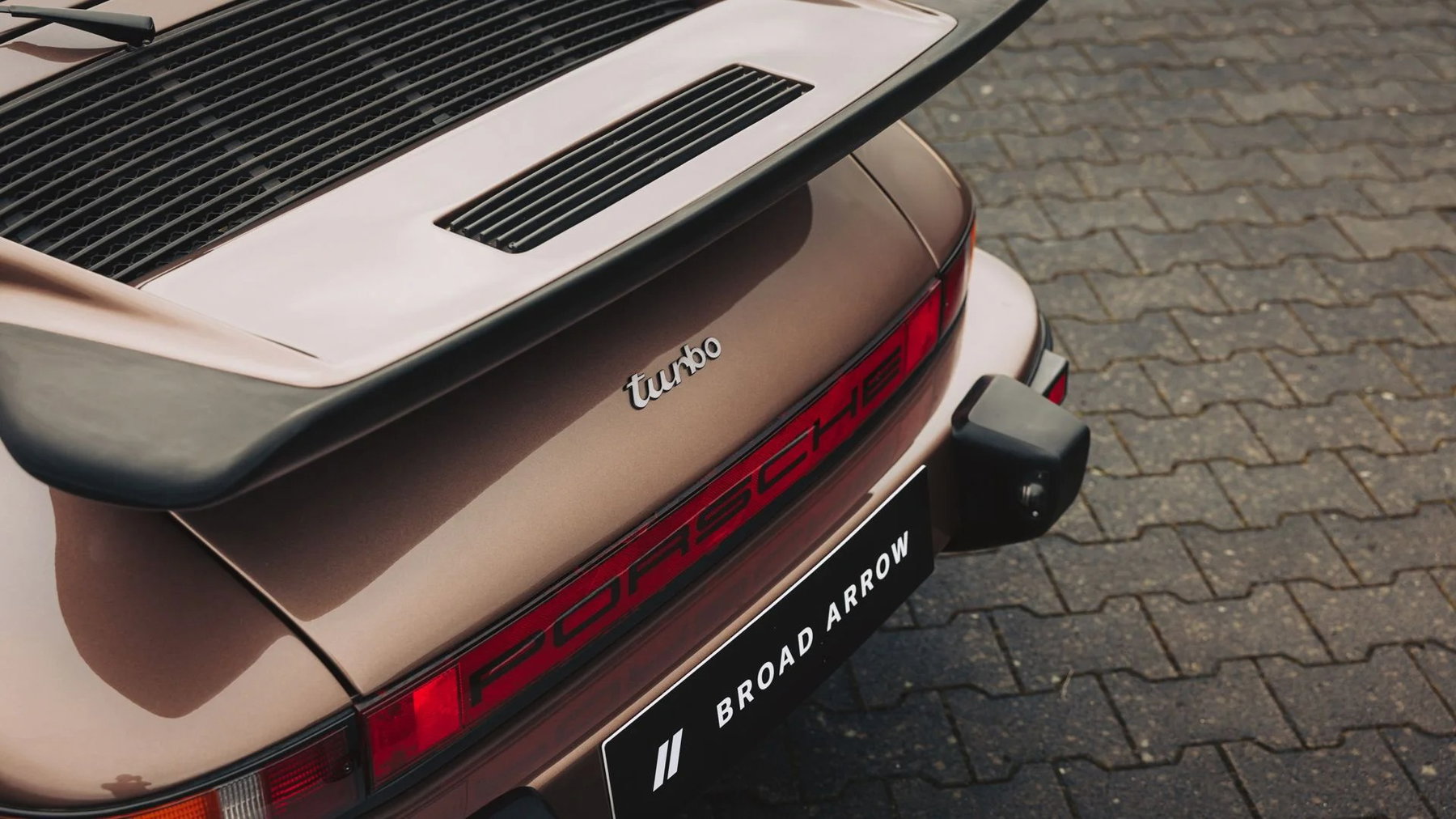
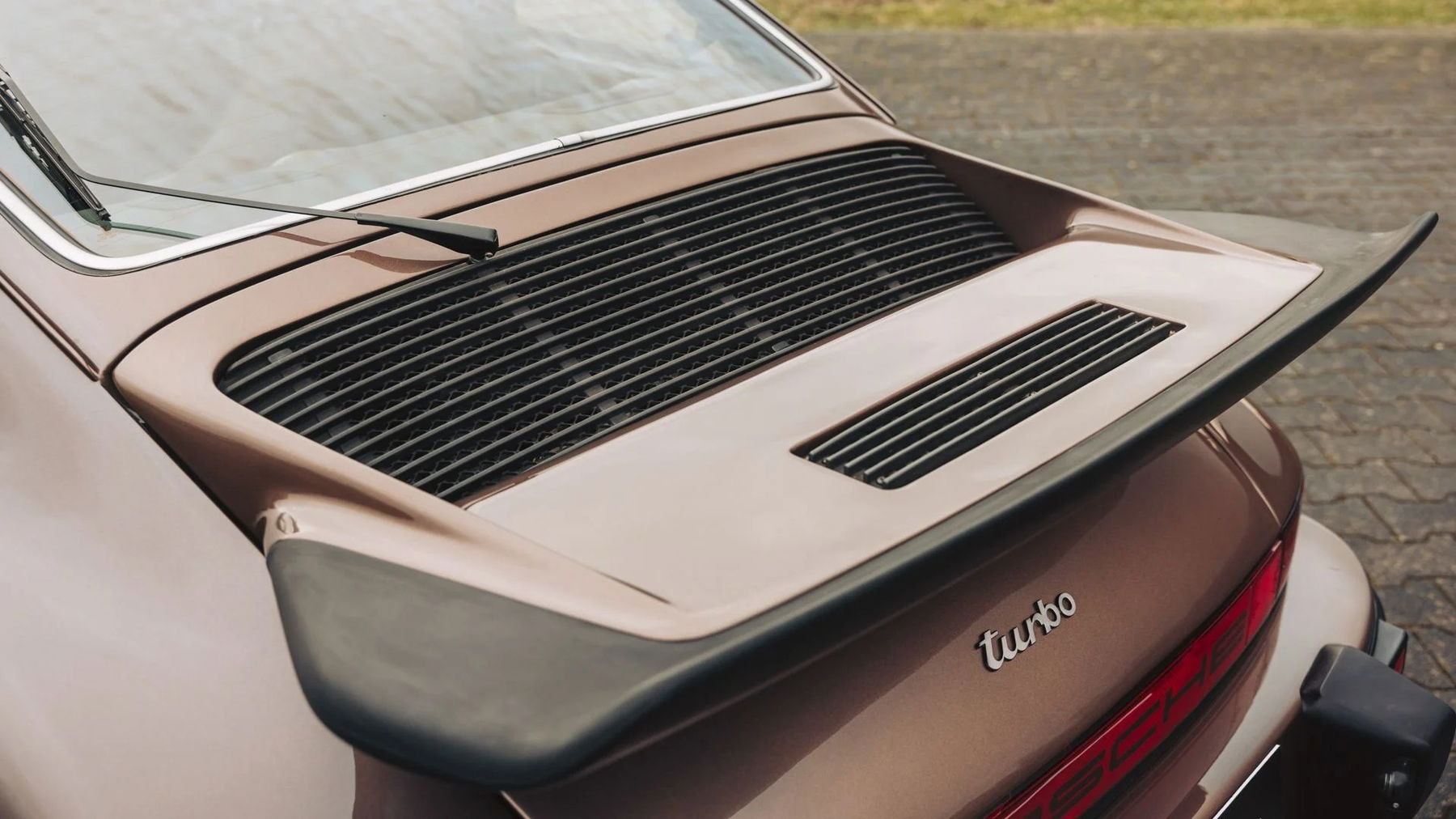
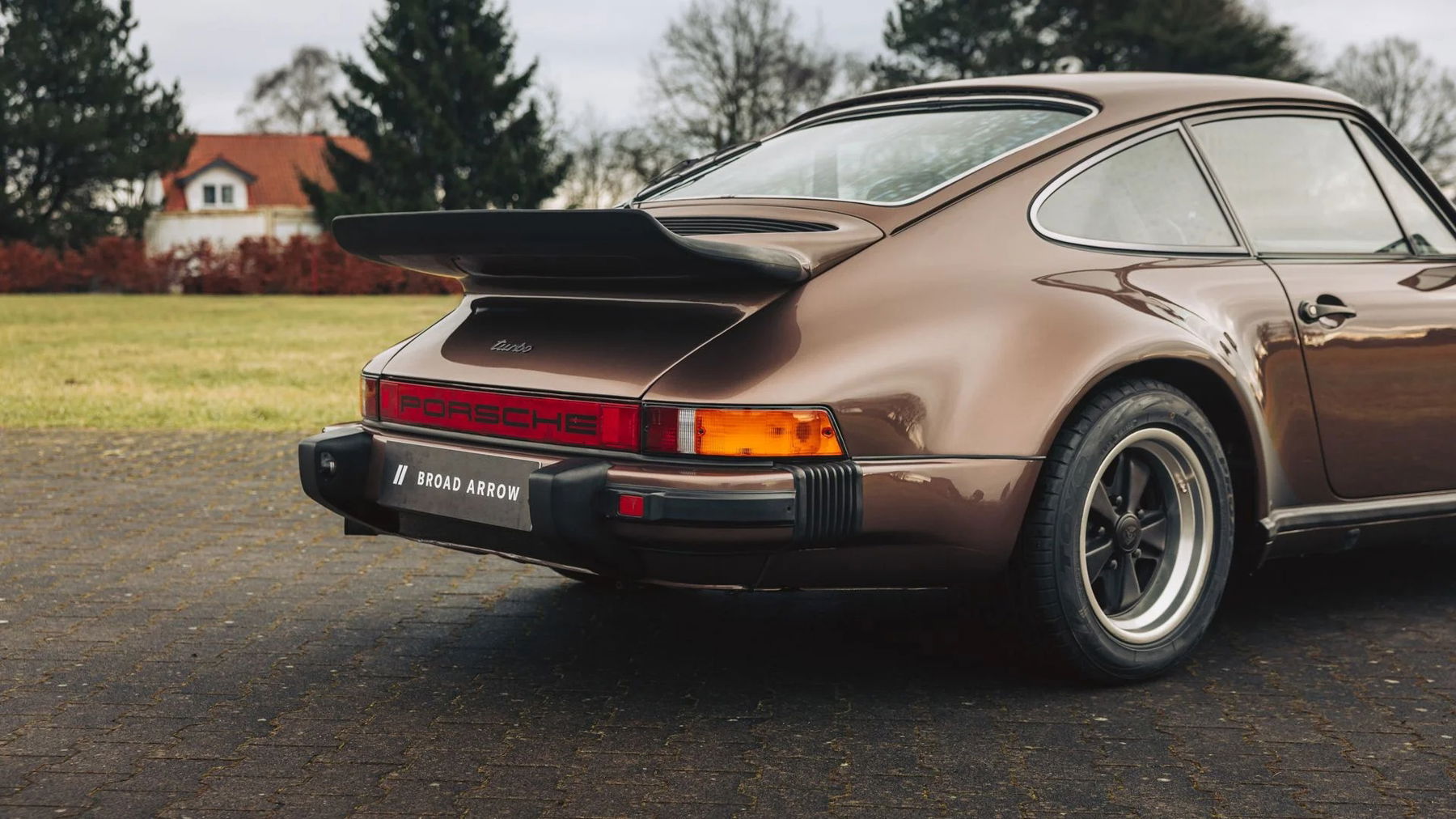
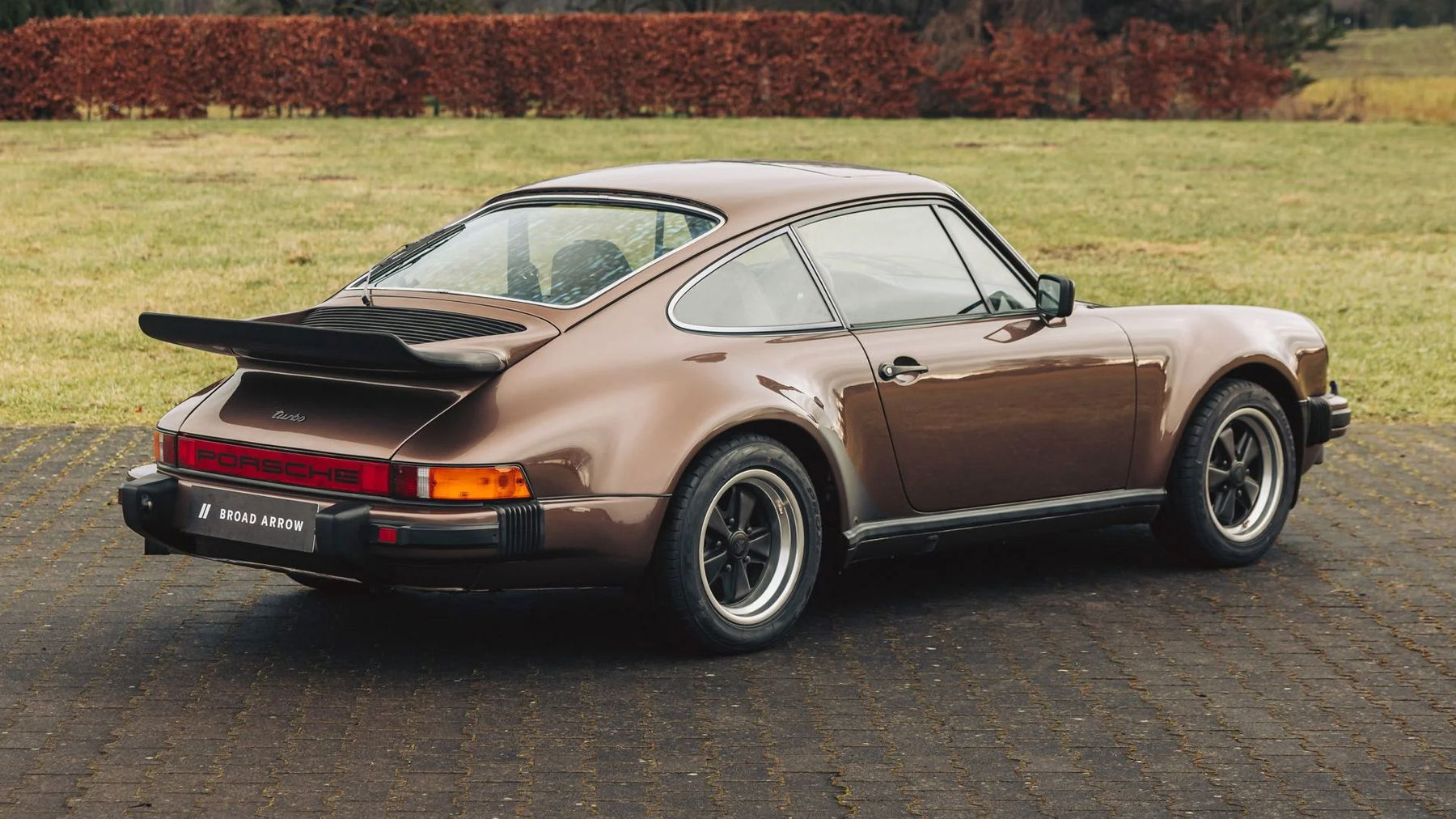
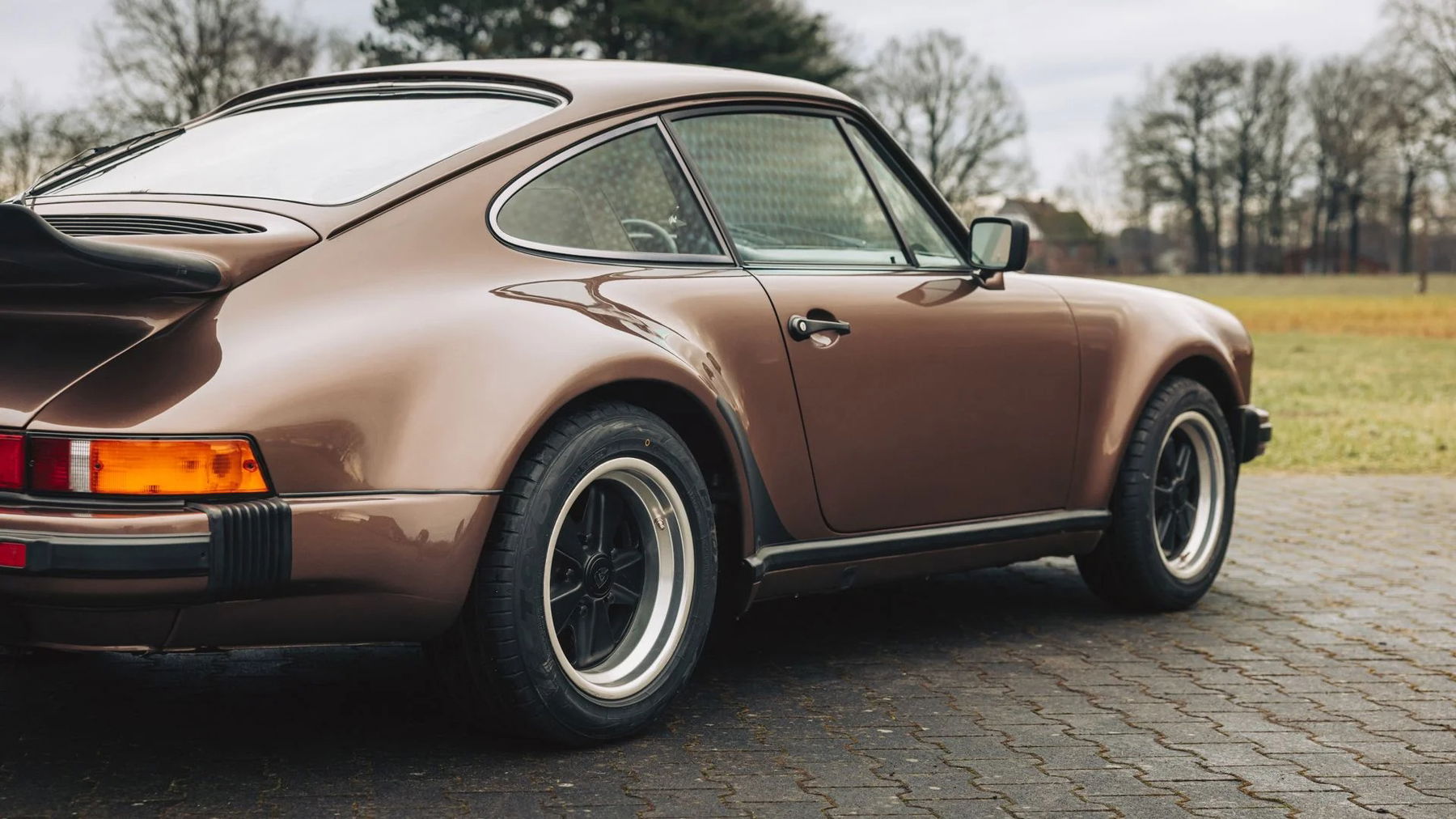
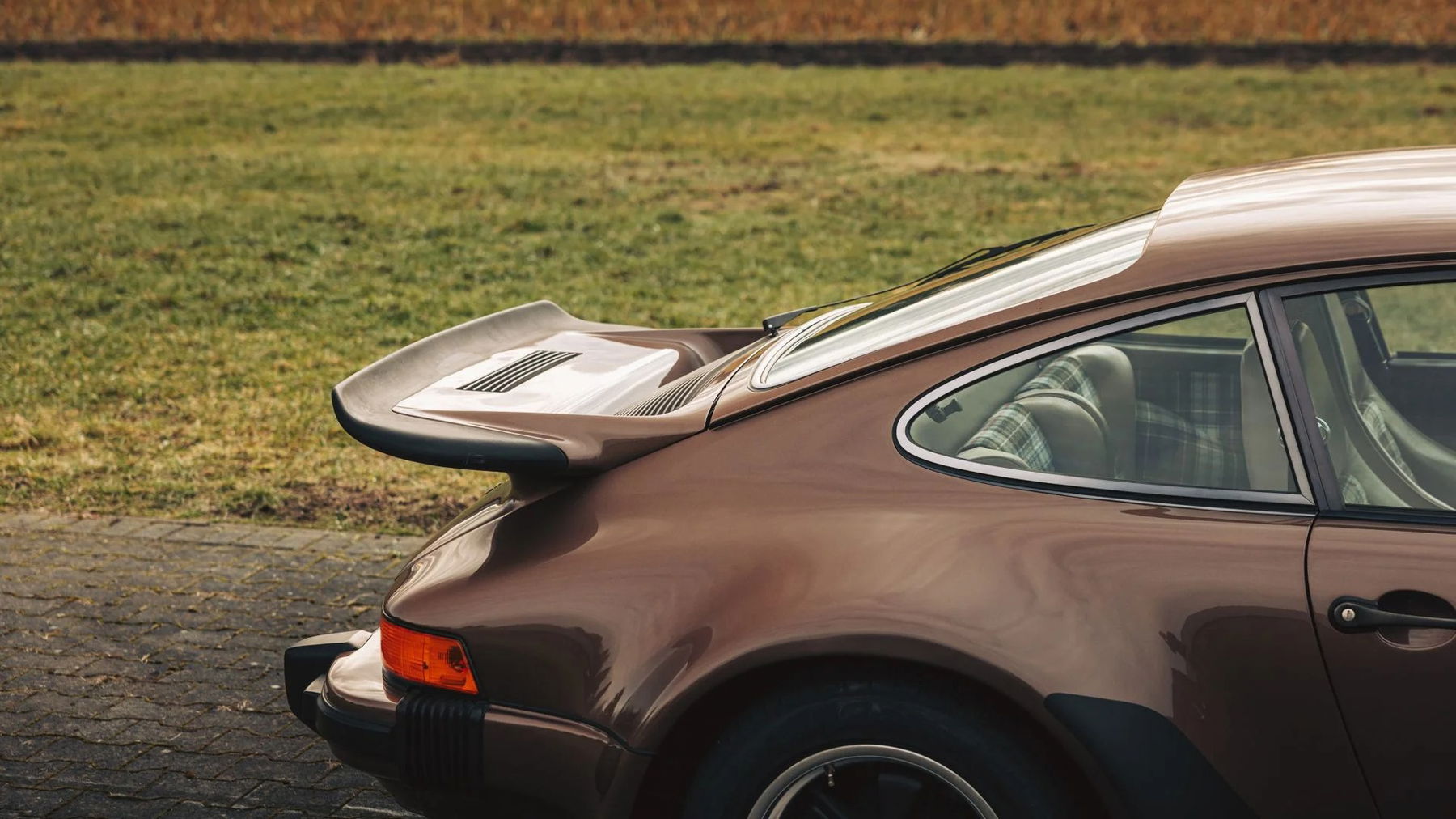
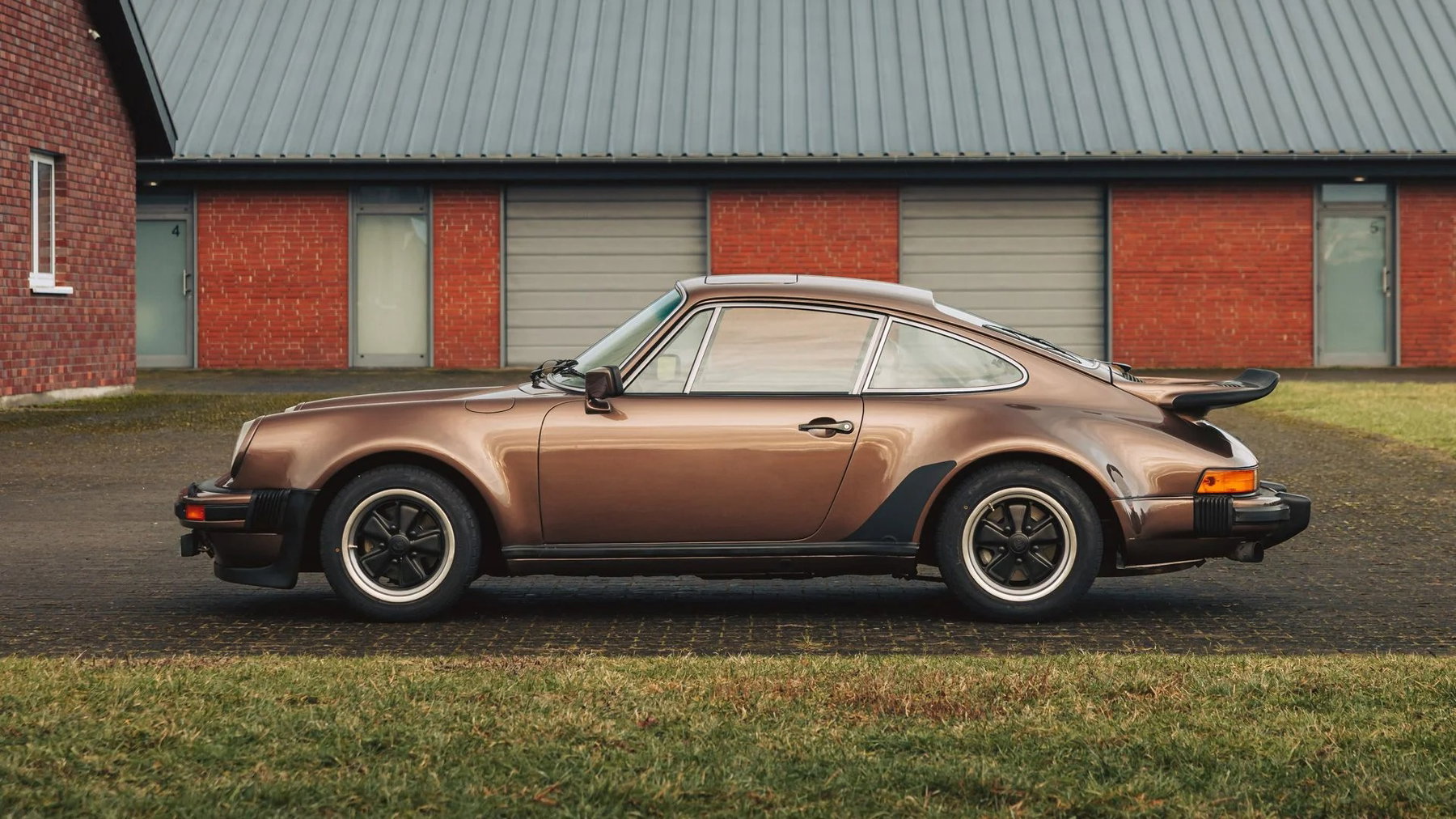
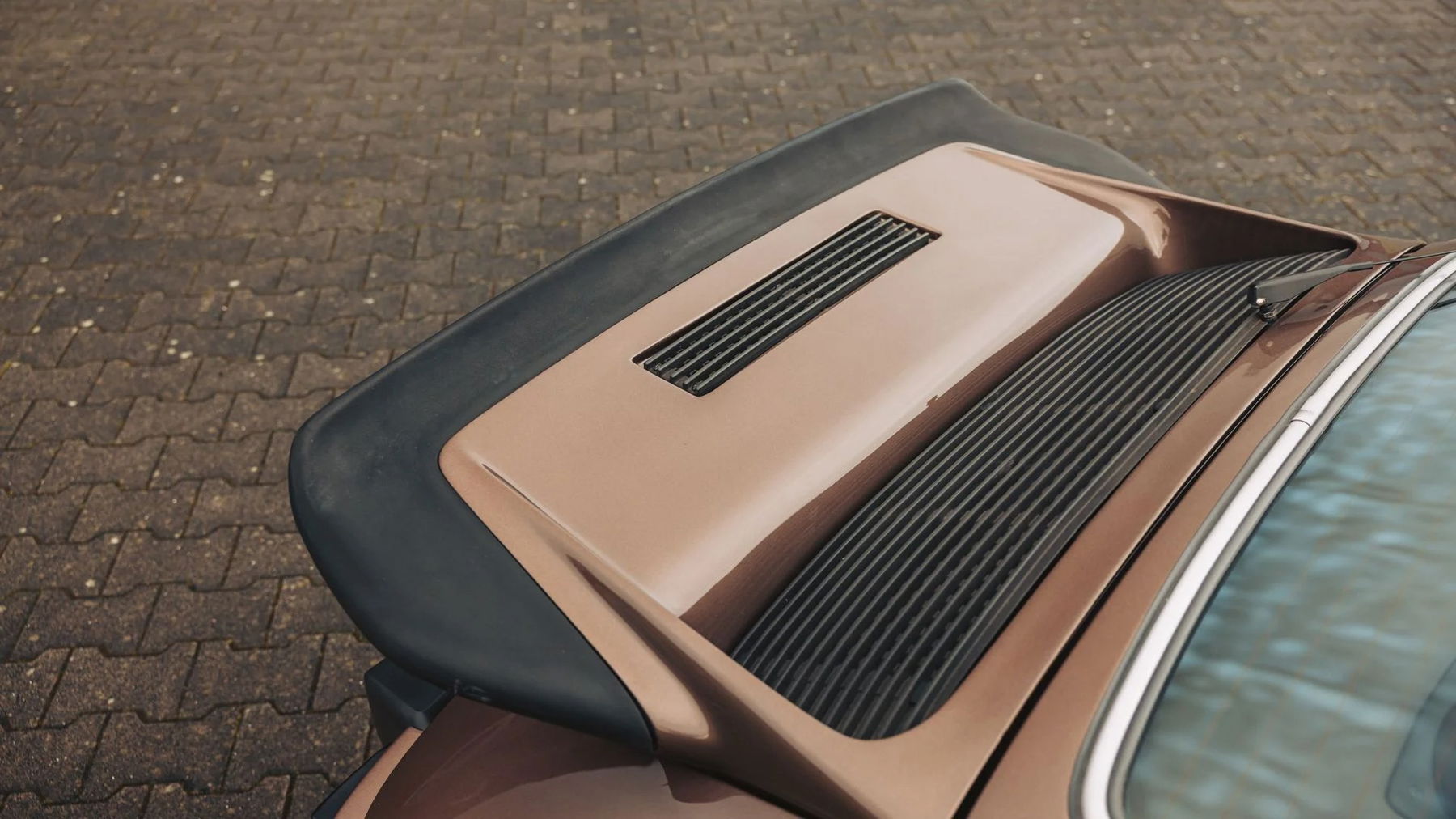
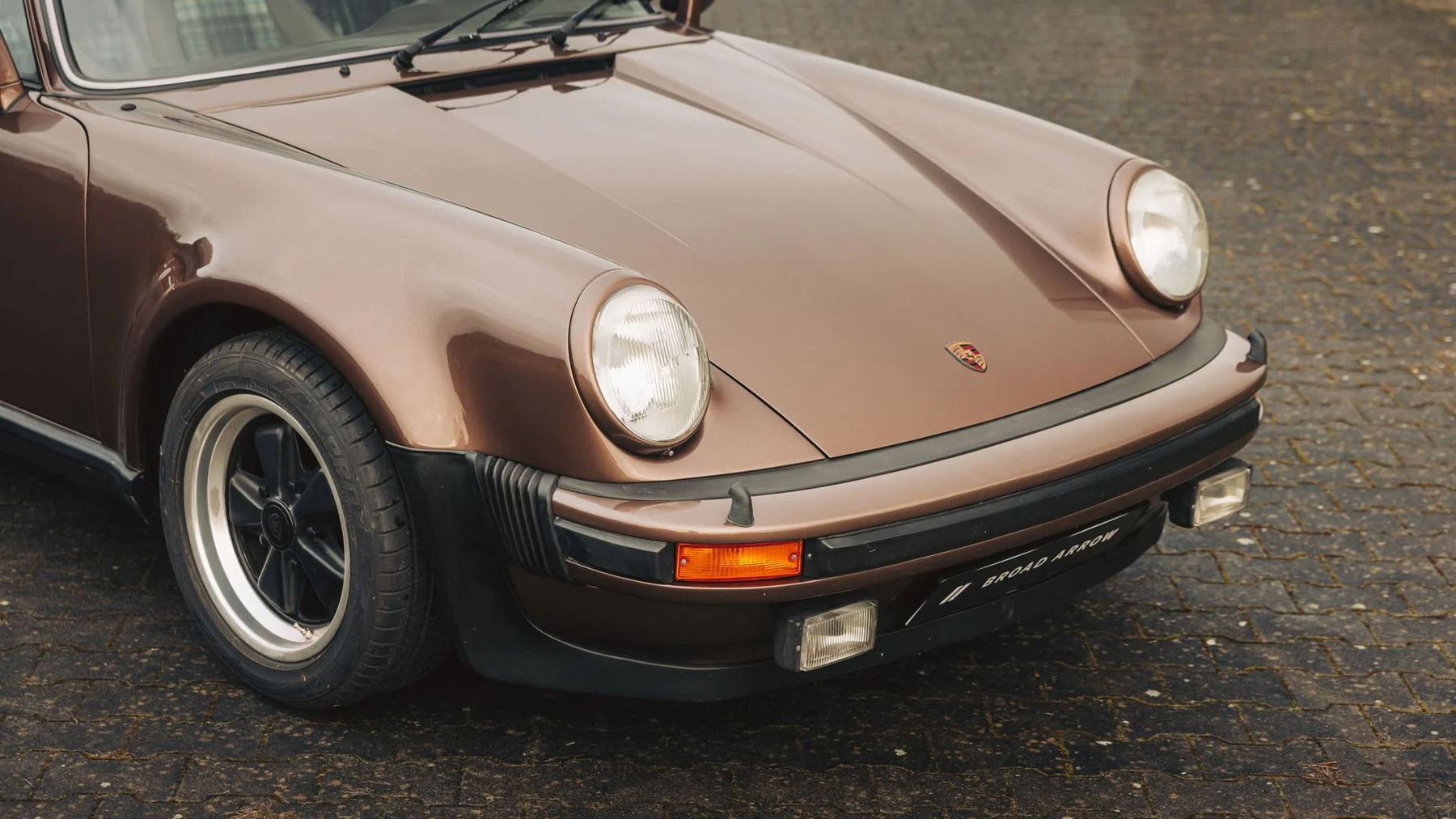
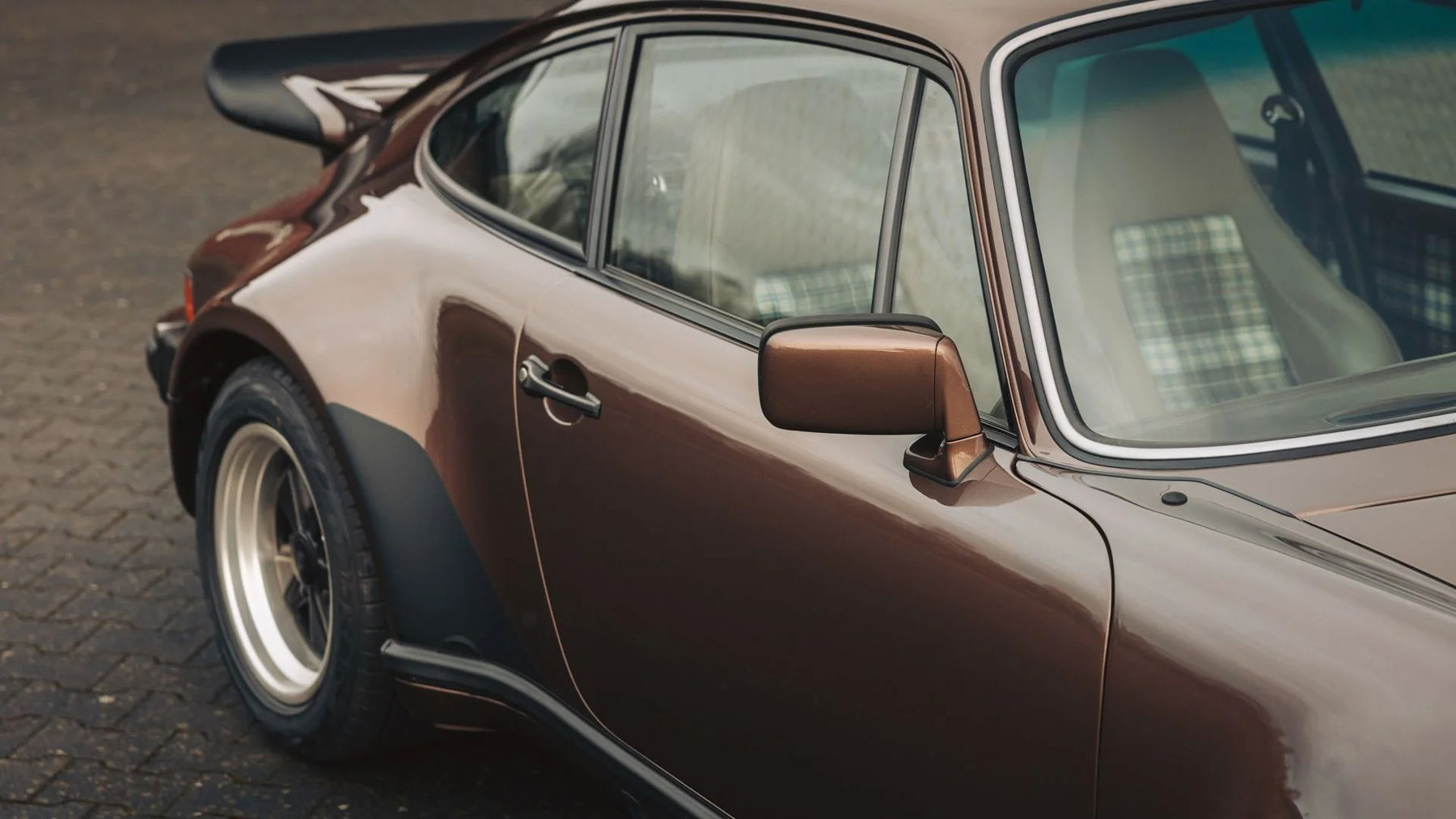
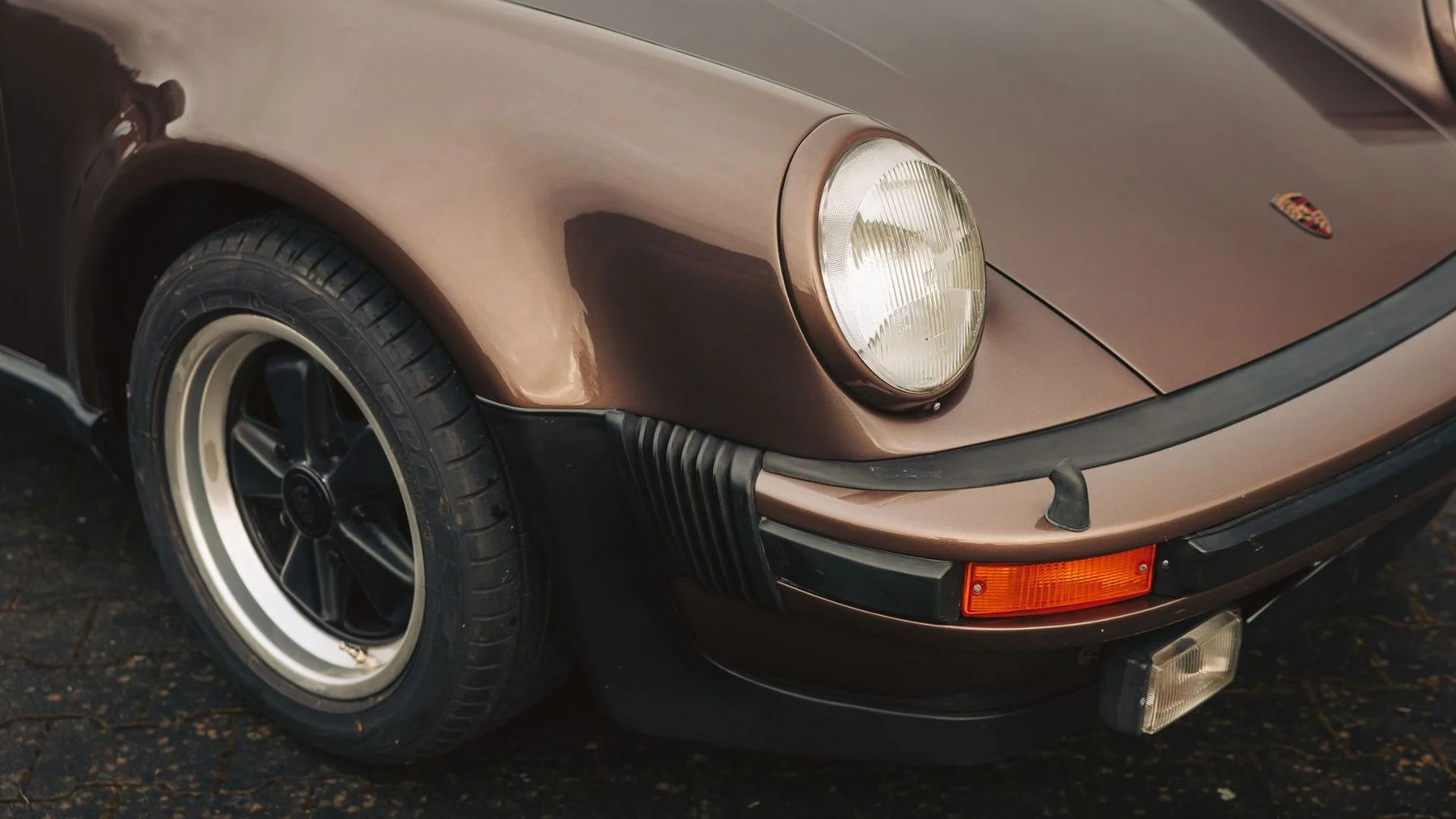
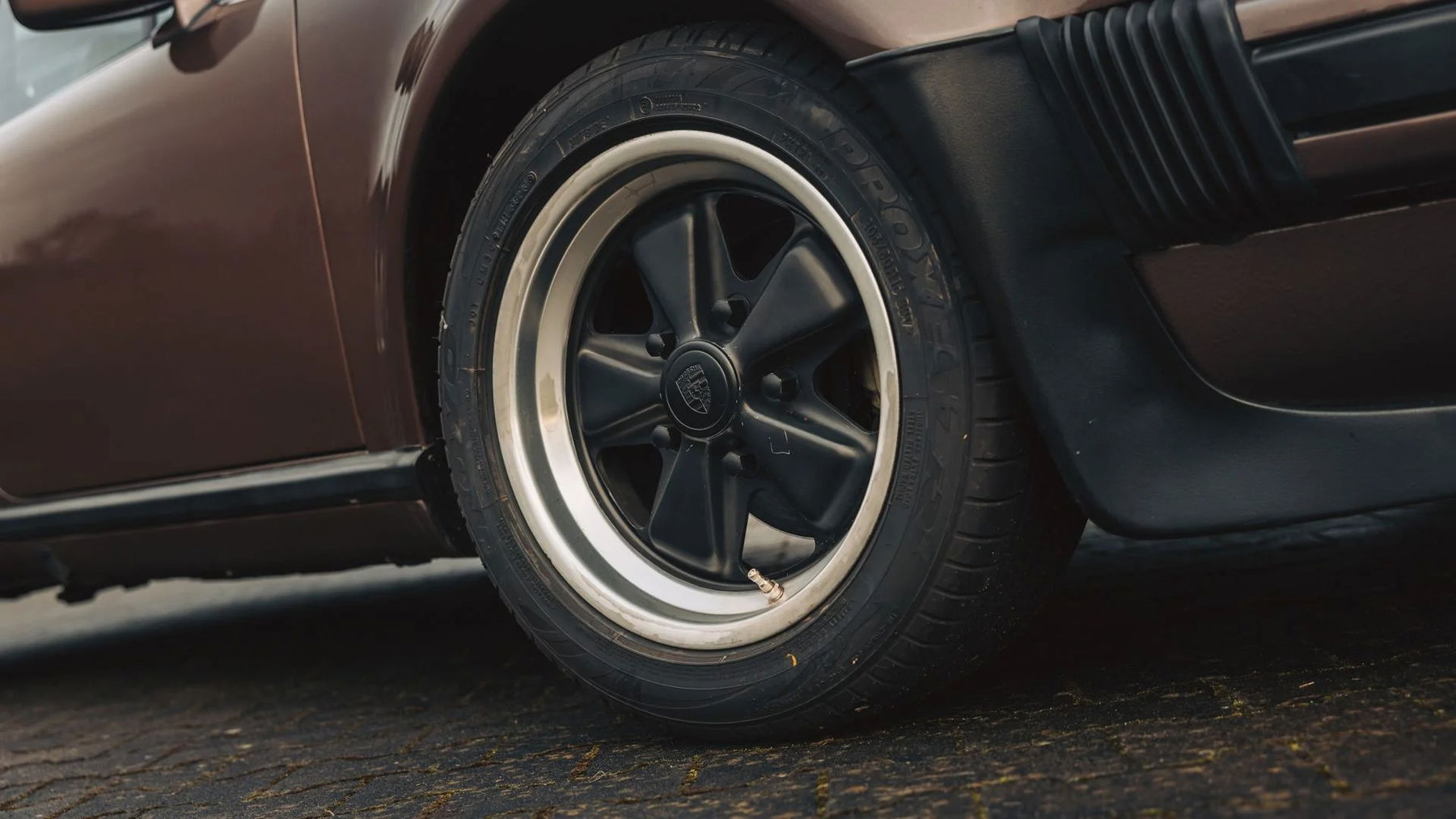
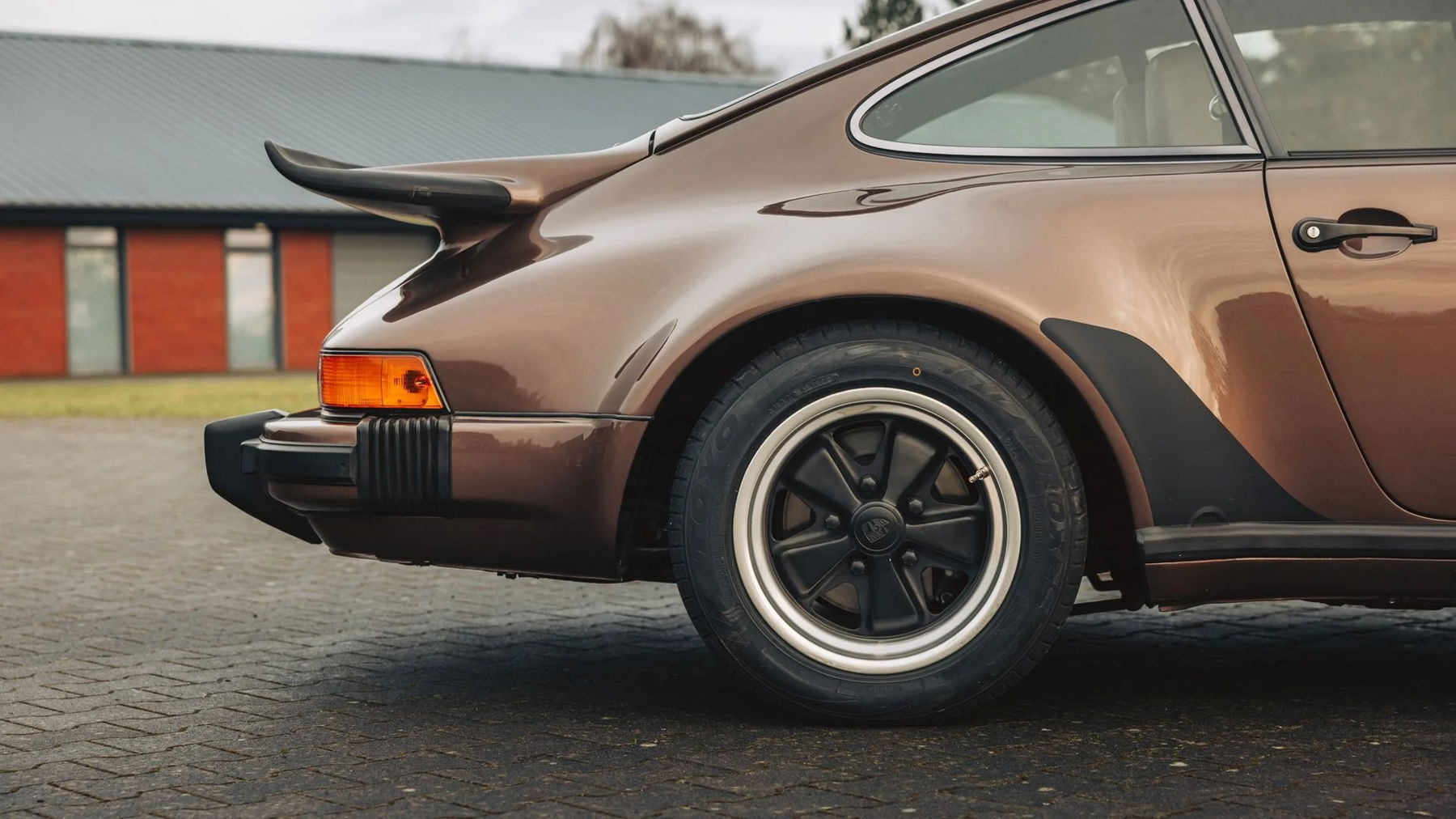
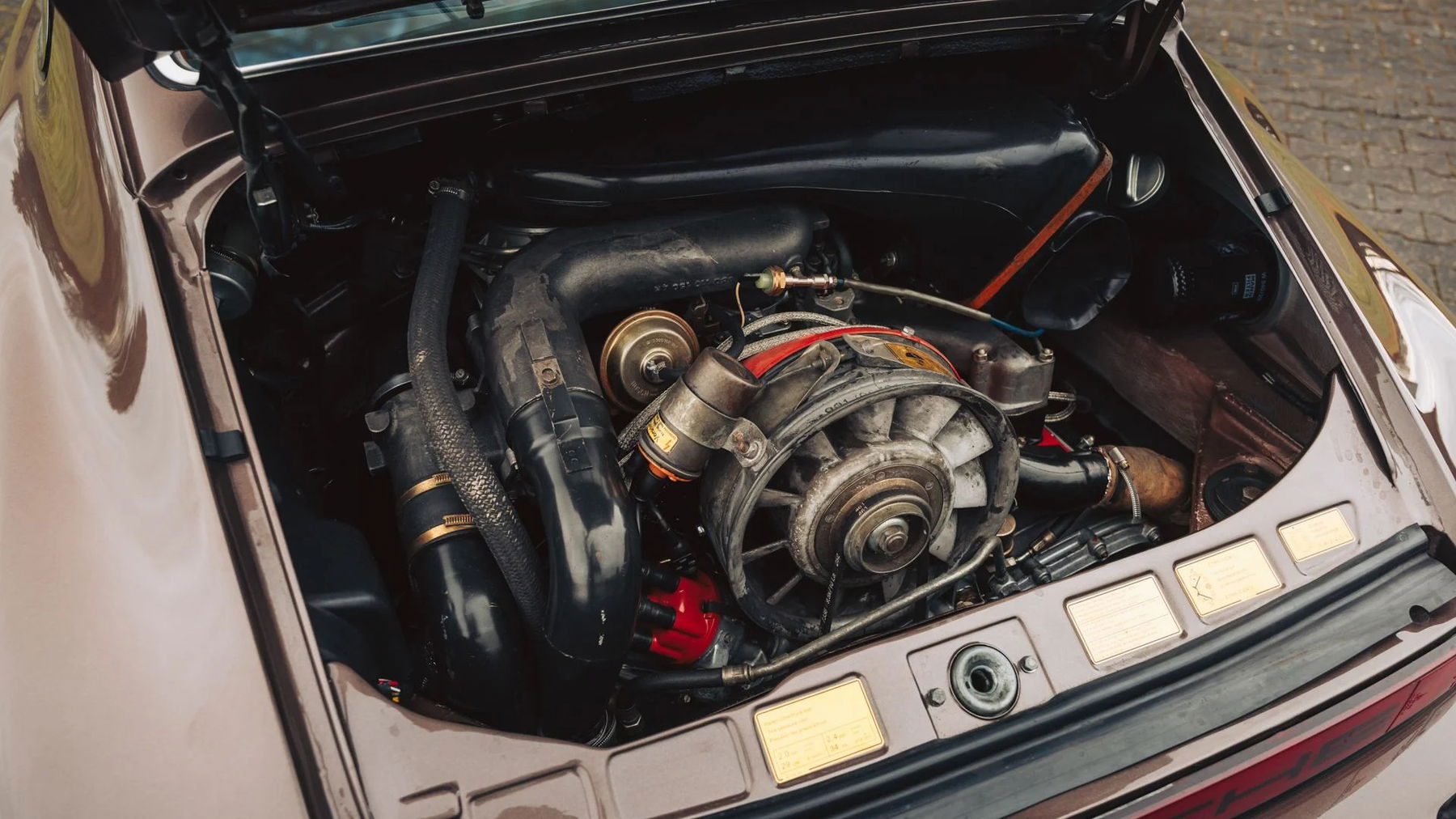
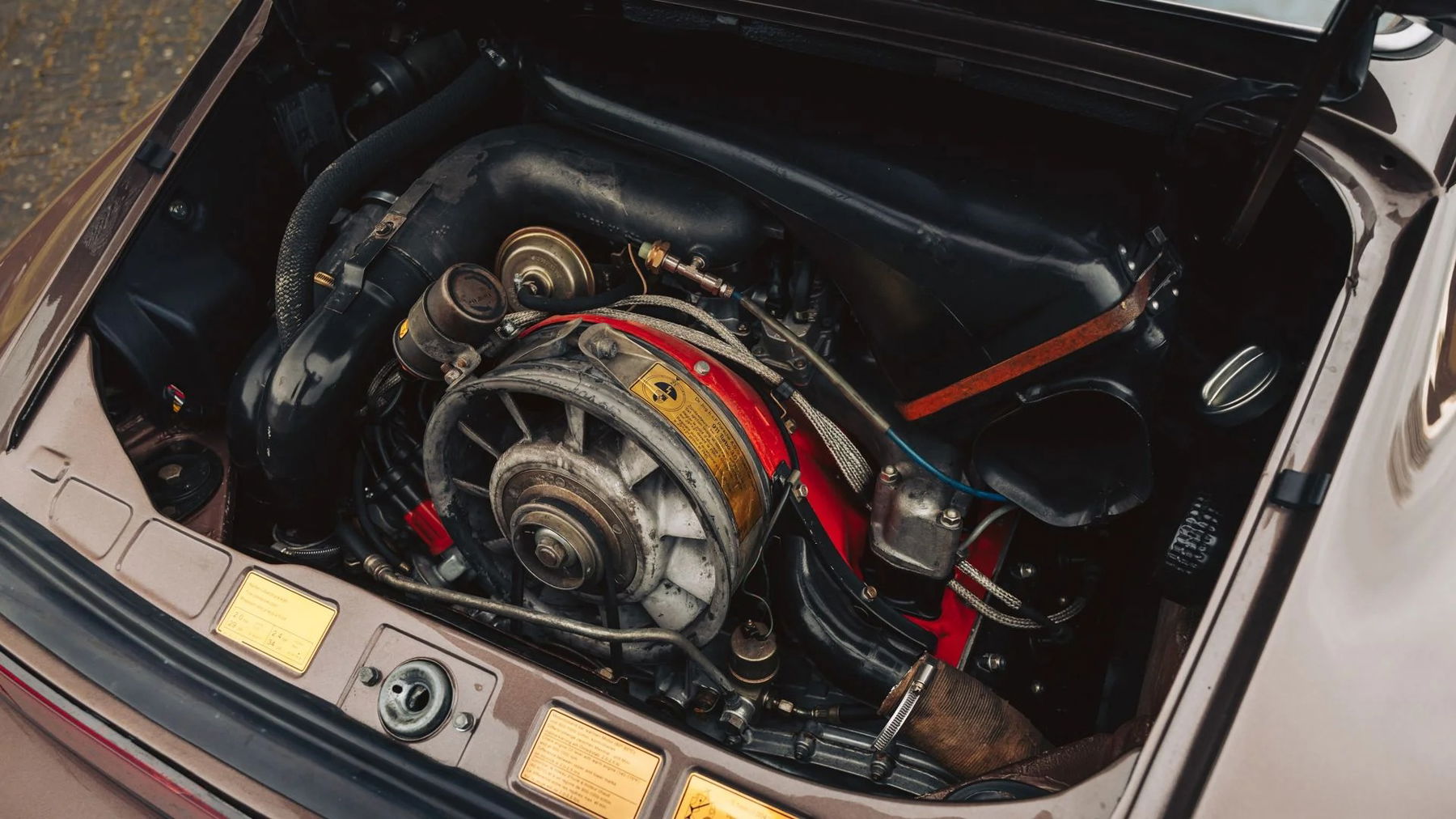
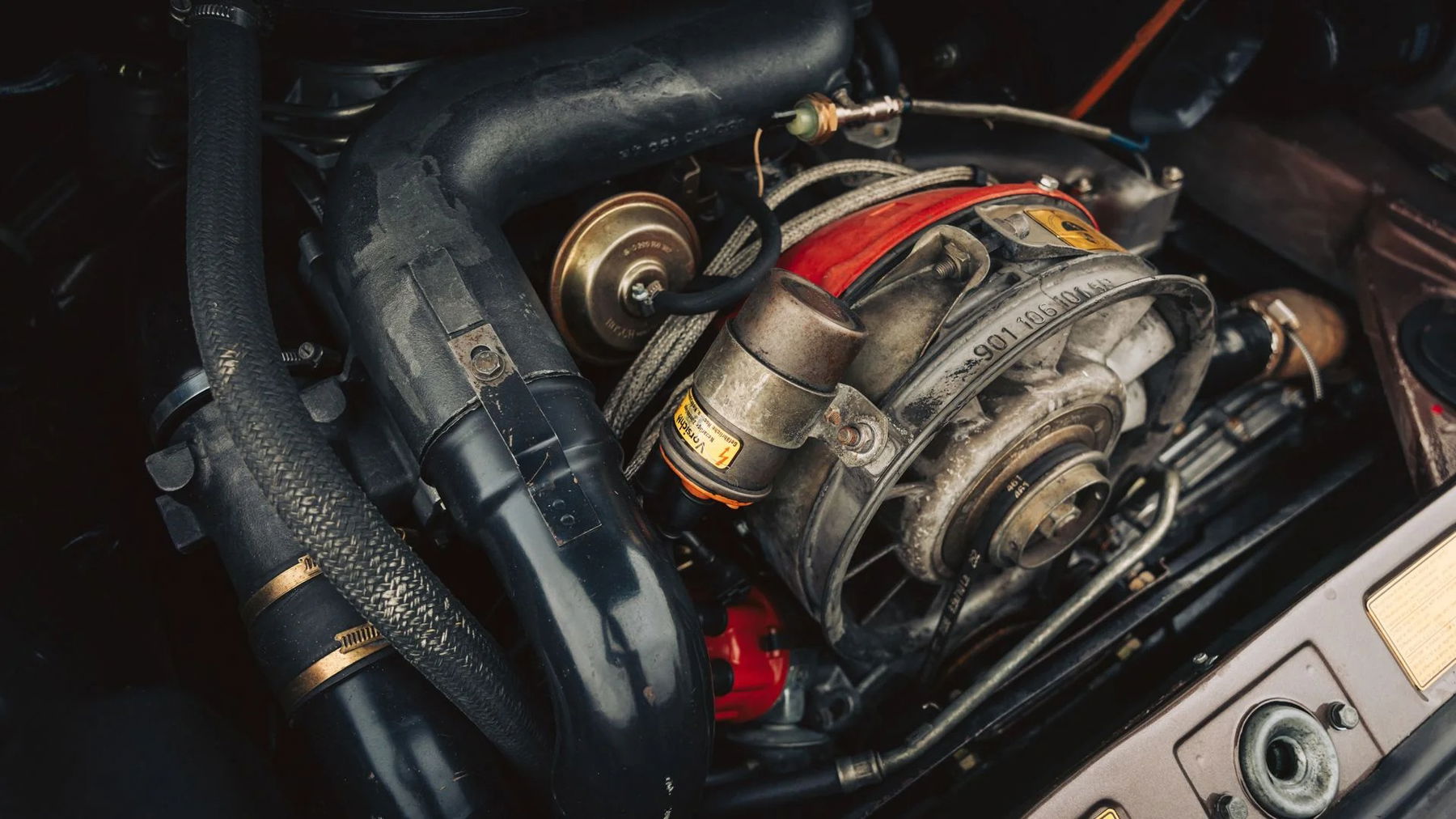
Unveiled at the 1974 Paris Motor Show and entering production the next year, the new 911 Turbo was the most powerful production Porsche to date. Its 3.0-liter flat-six, equipped with a single exhaust-driven turbocharger and Bosch K-Jetronic fuel injection, produced 260 PS—enough for zero-to-100 km/h sprints in 5.7 seconds and a top speed of 250 km/h. Flared rear fenders, wider Fuchs wheels, low profile 50-series tires, uprated suspension, and the now-iconic “whale tail” rear spoiler were functional necessities as much as visual statements.
Despite its formidable performance, Porsche engineered the early Turbo to be civilized and usable, combining race-derived hardware with everyday drivability. In fact, many options for the regular 911 series were standard for the Turbo including the entire series color palette and new interior colors and materials. The result was a landmark model that not only enabled the 934 Turbo RSR and 935 competition cars, but also permanently redefined the upper limits of the 911.
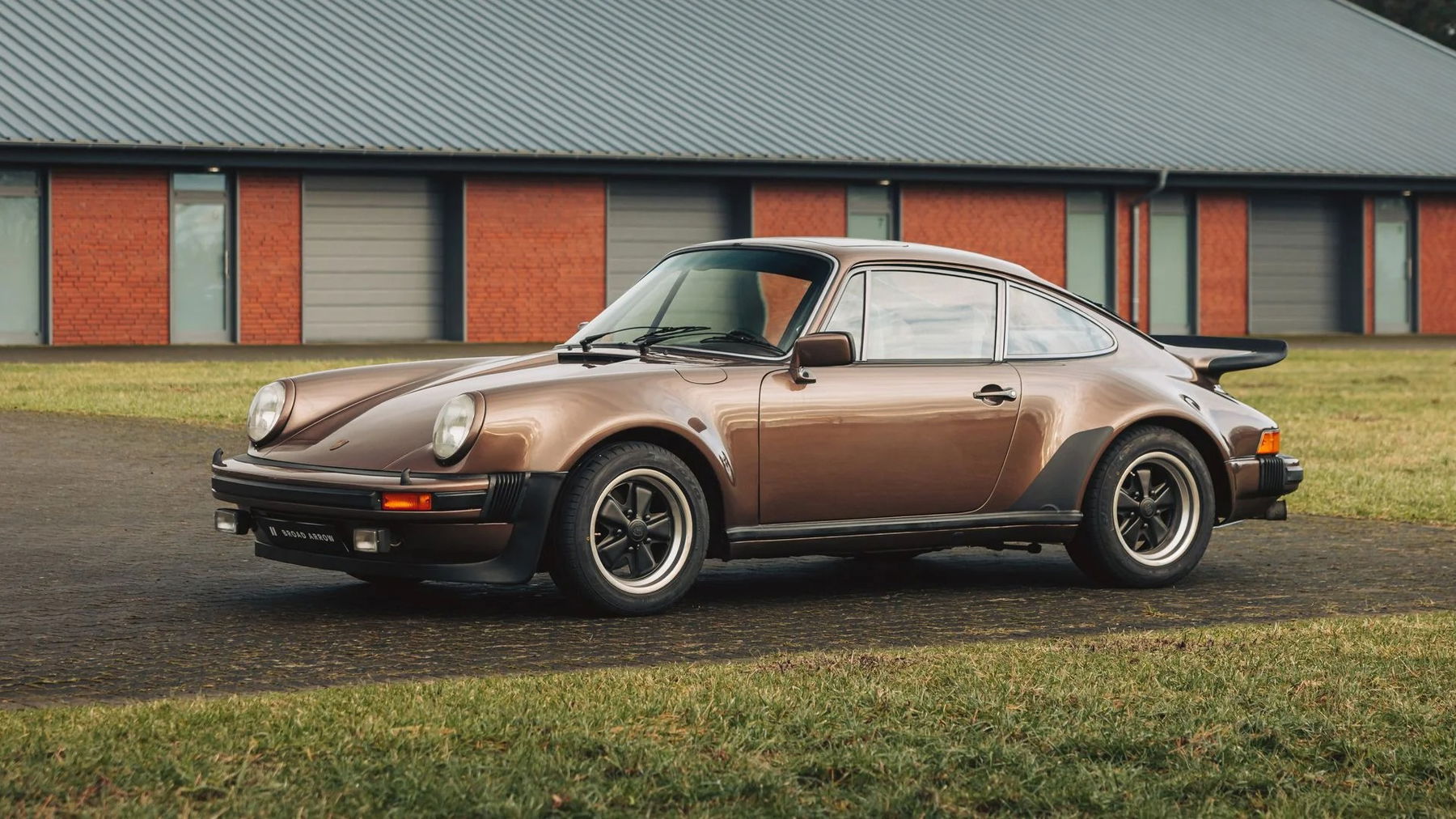
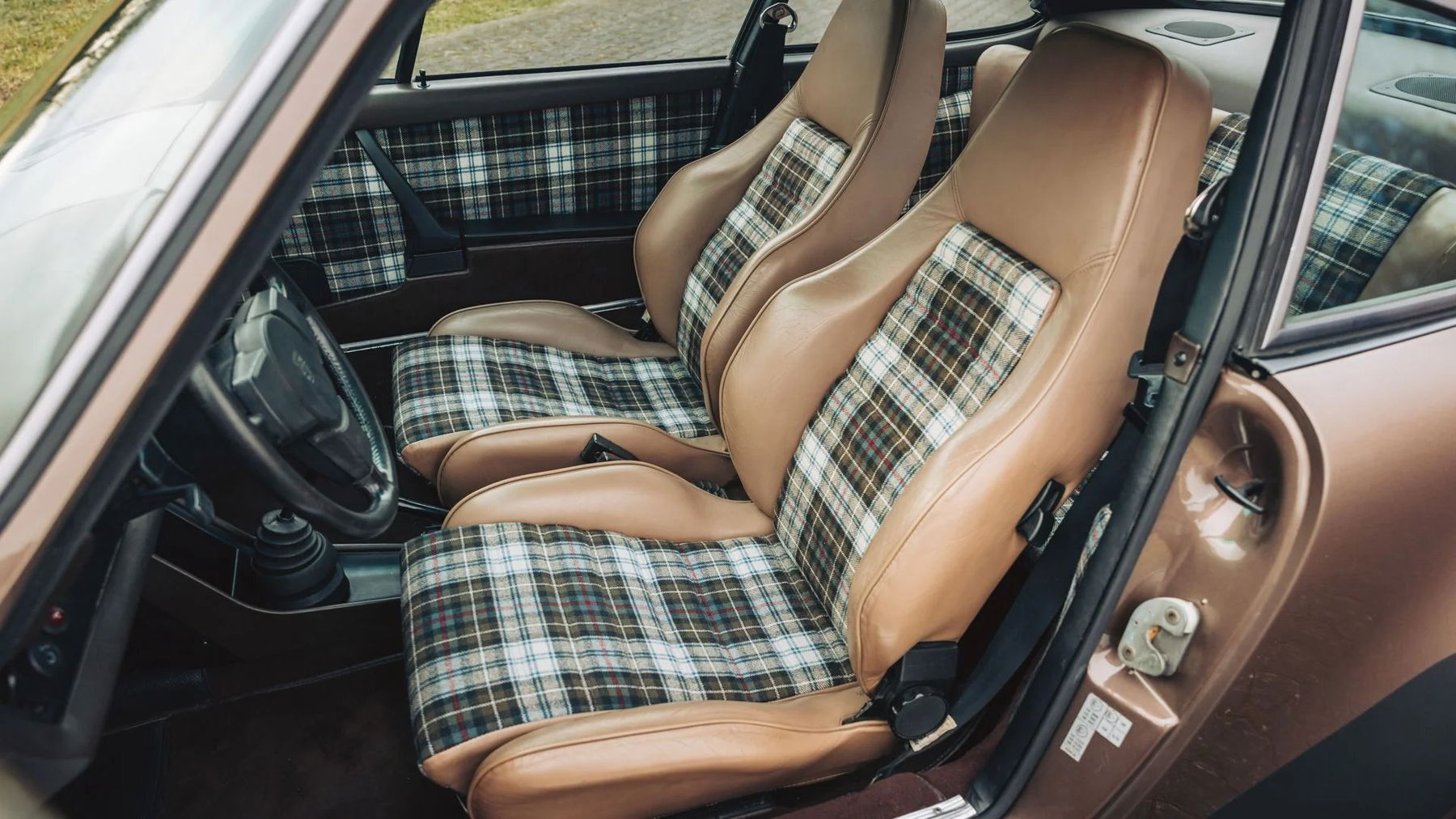
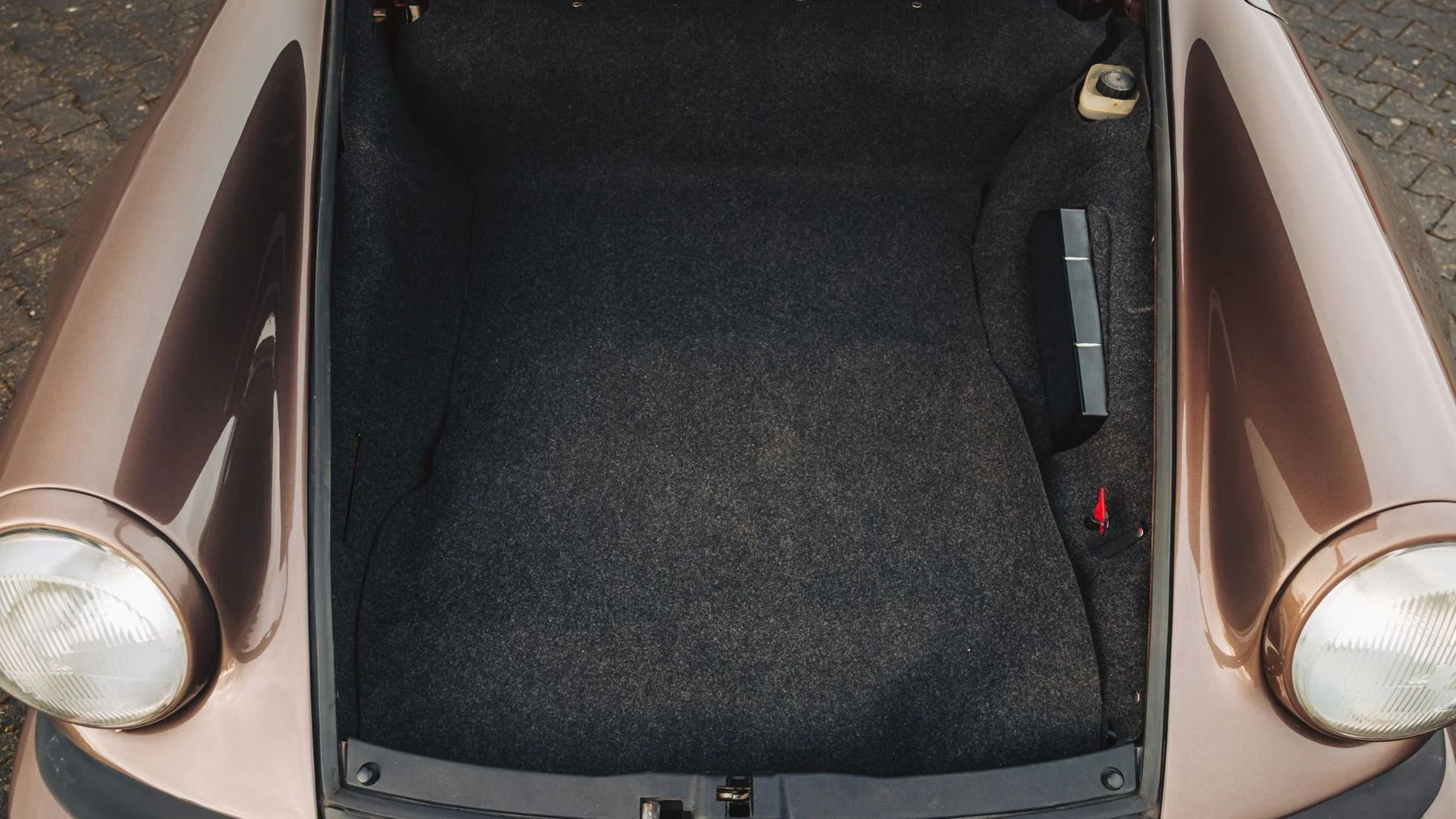
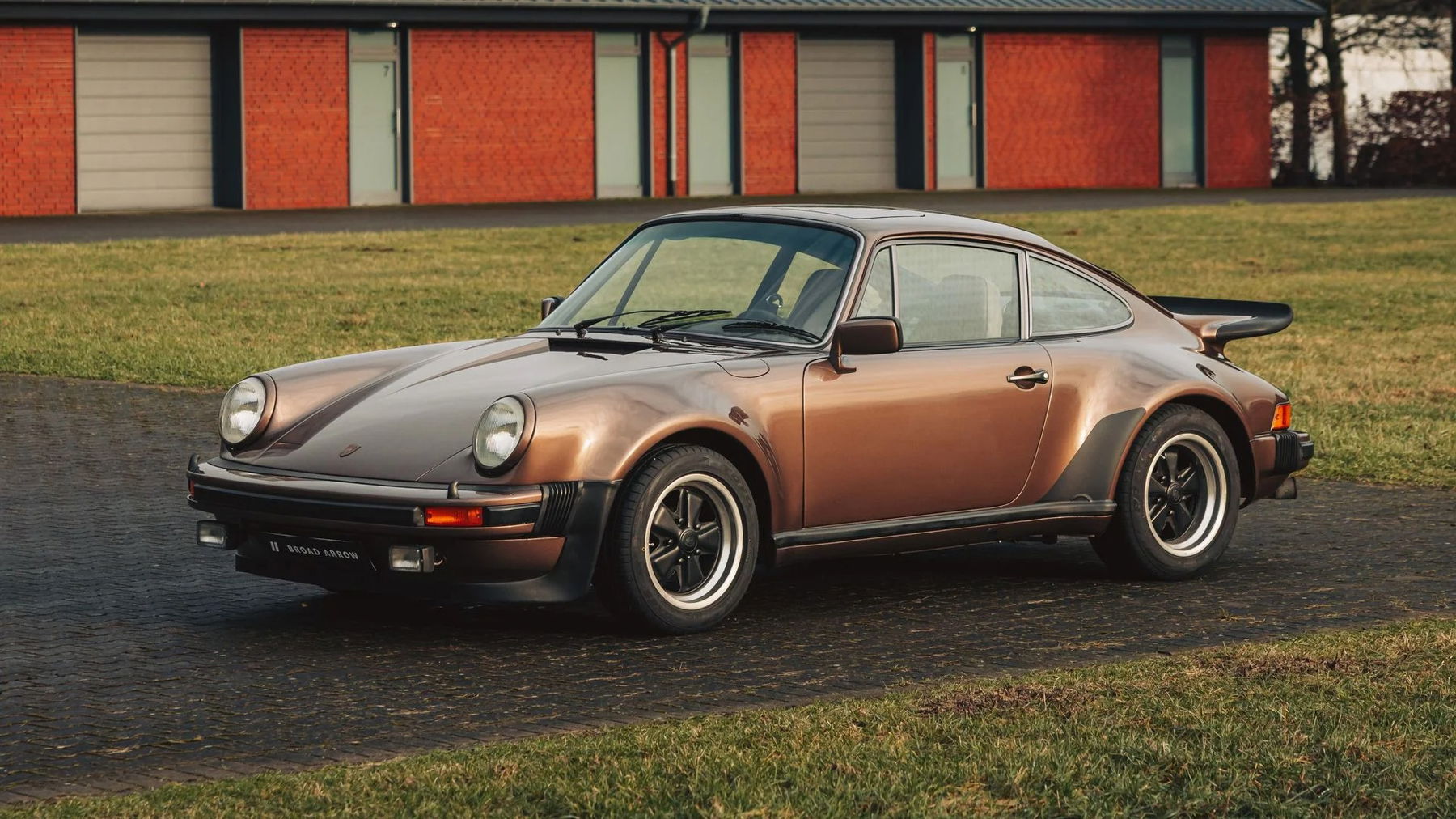
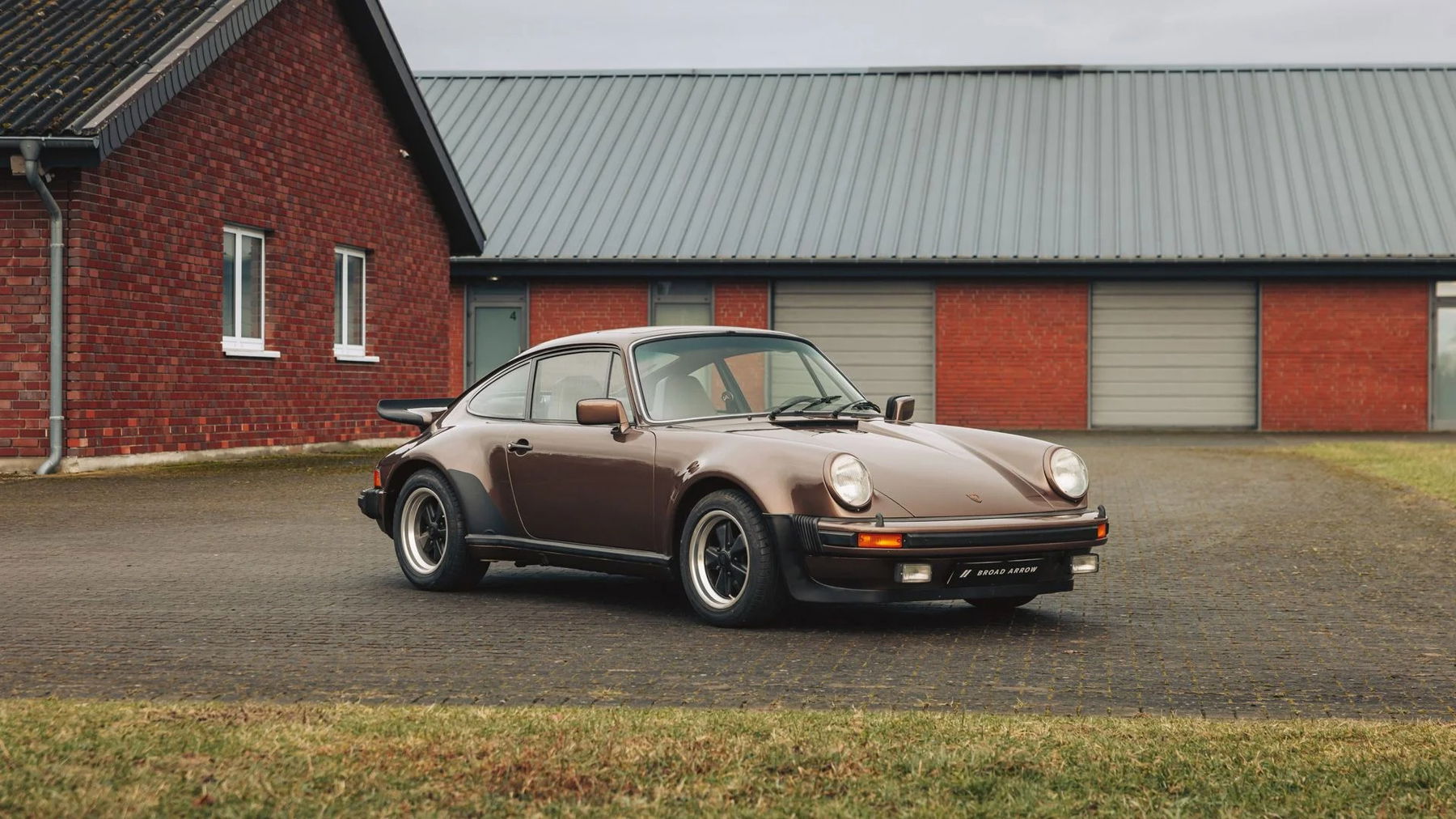
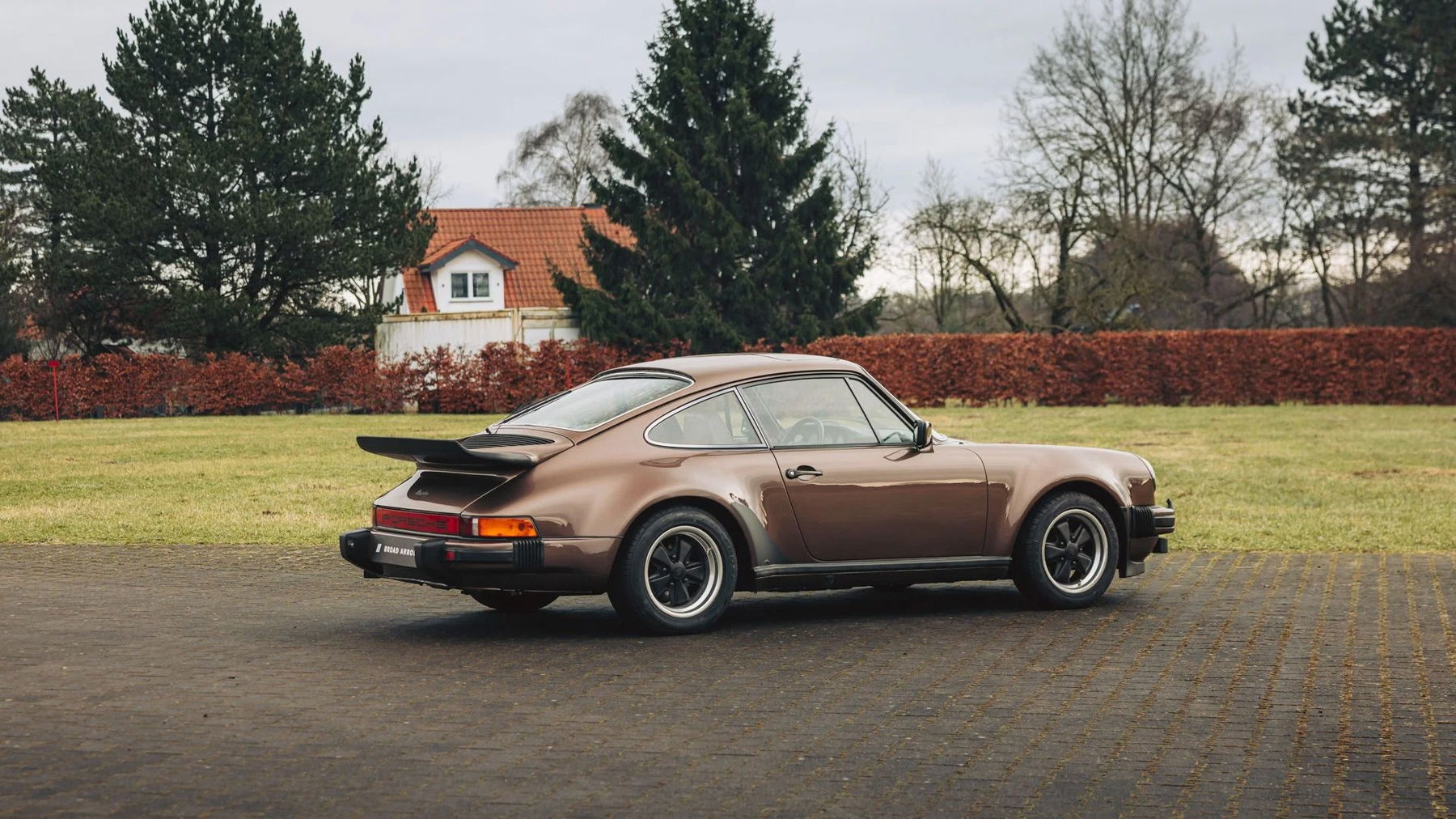
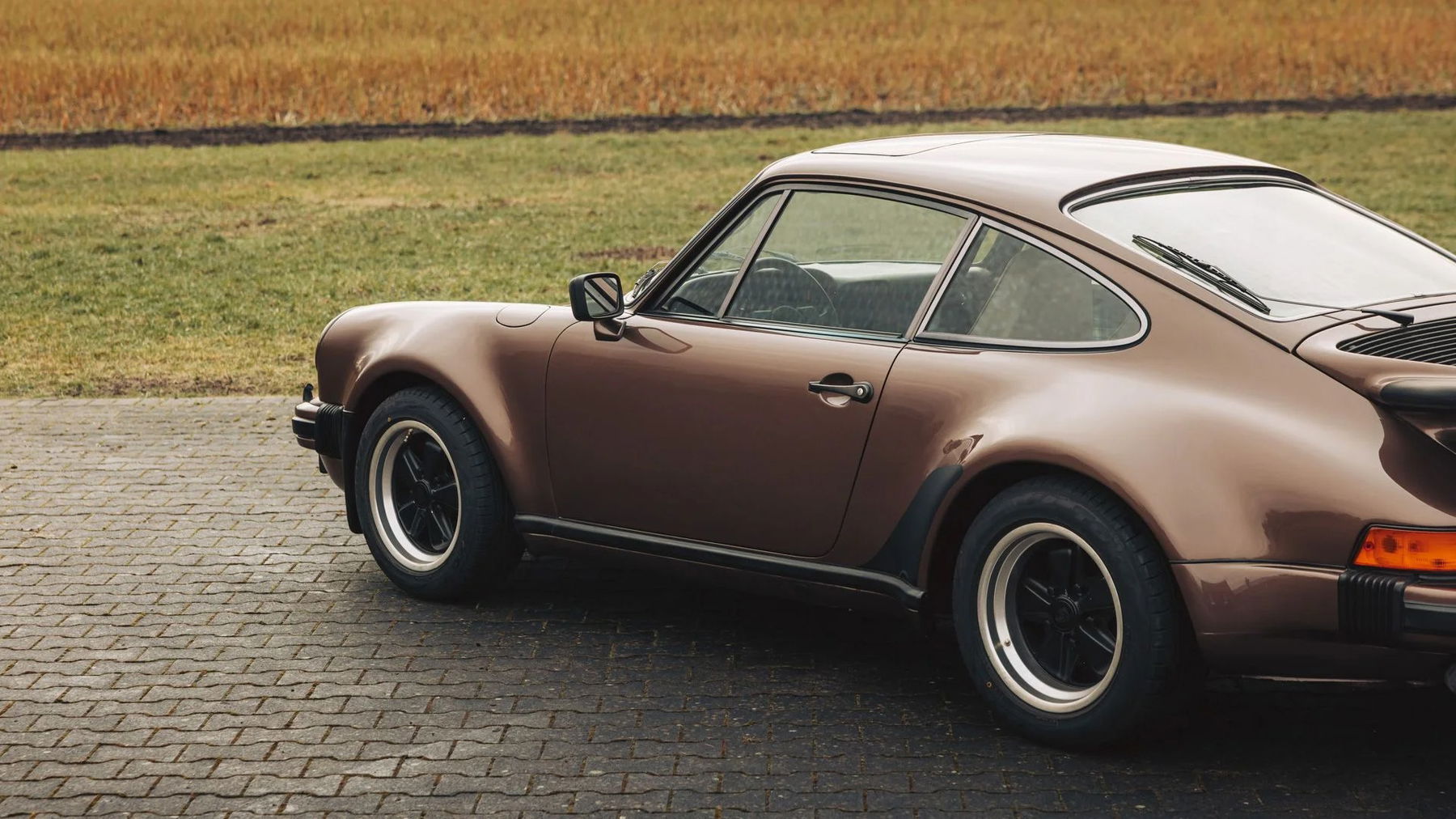
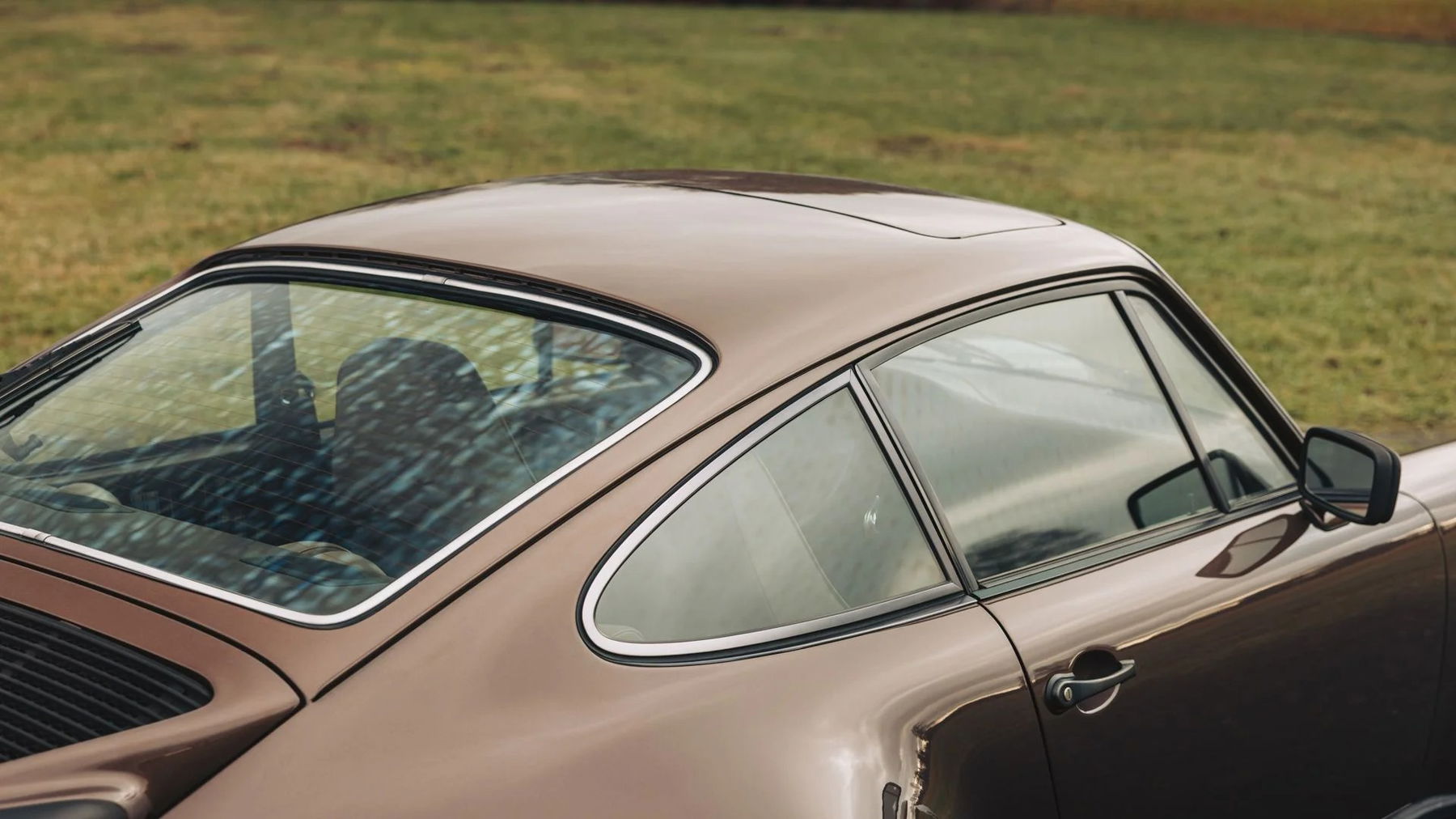
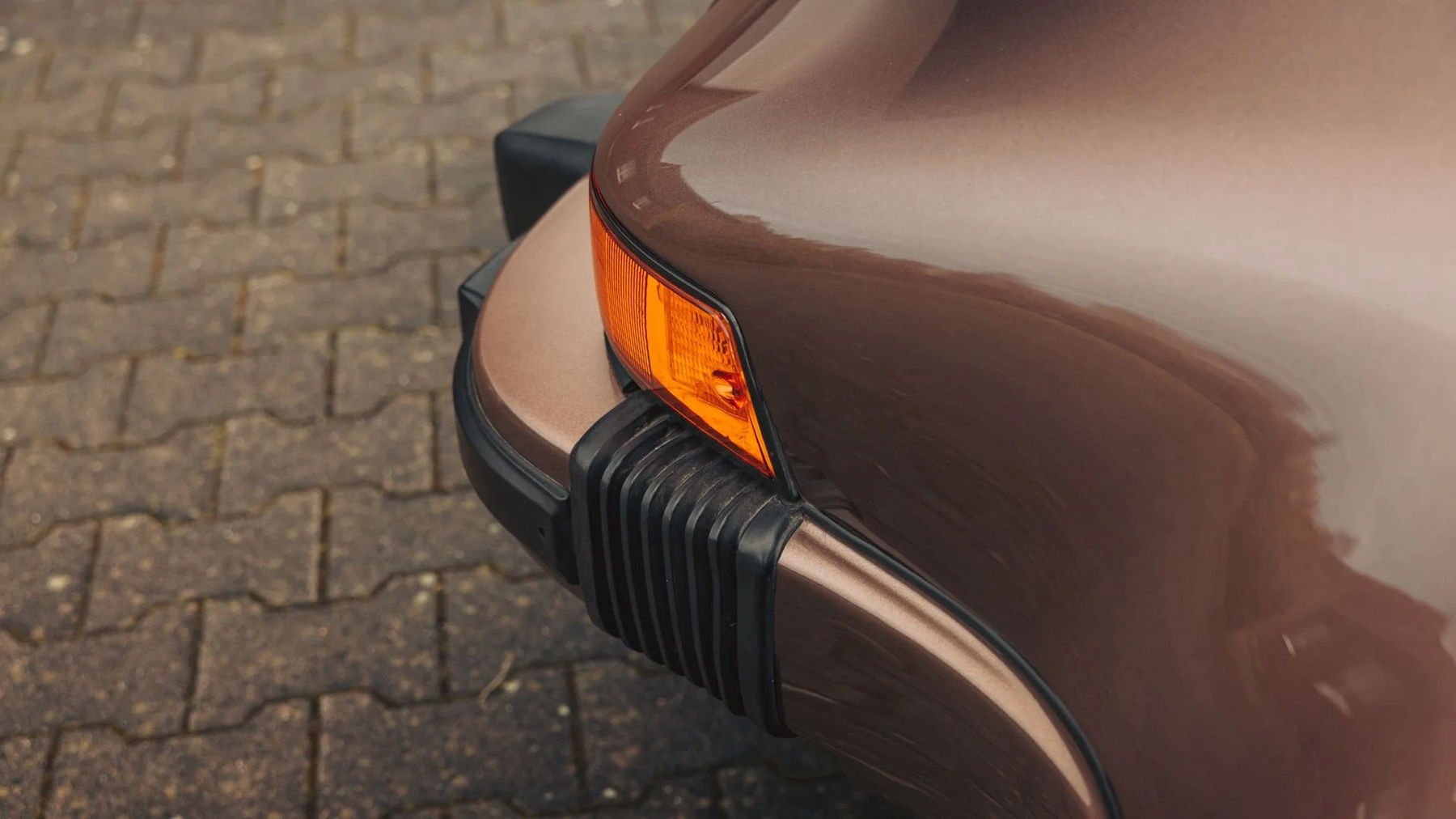
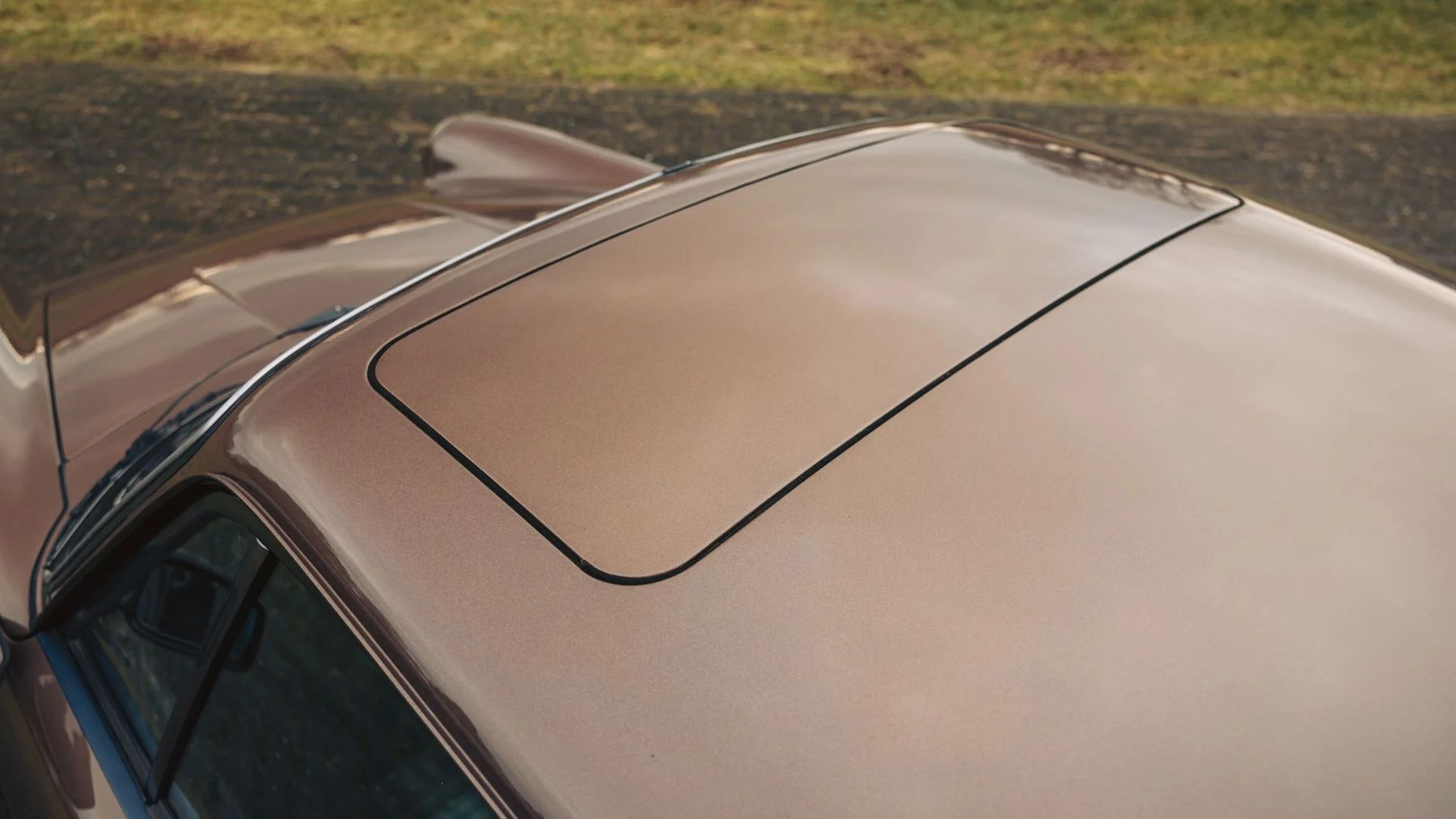
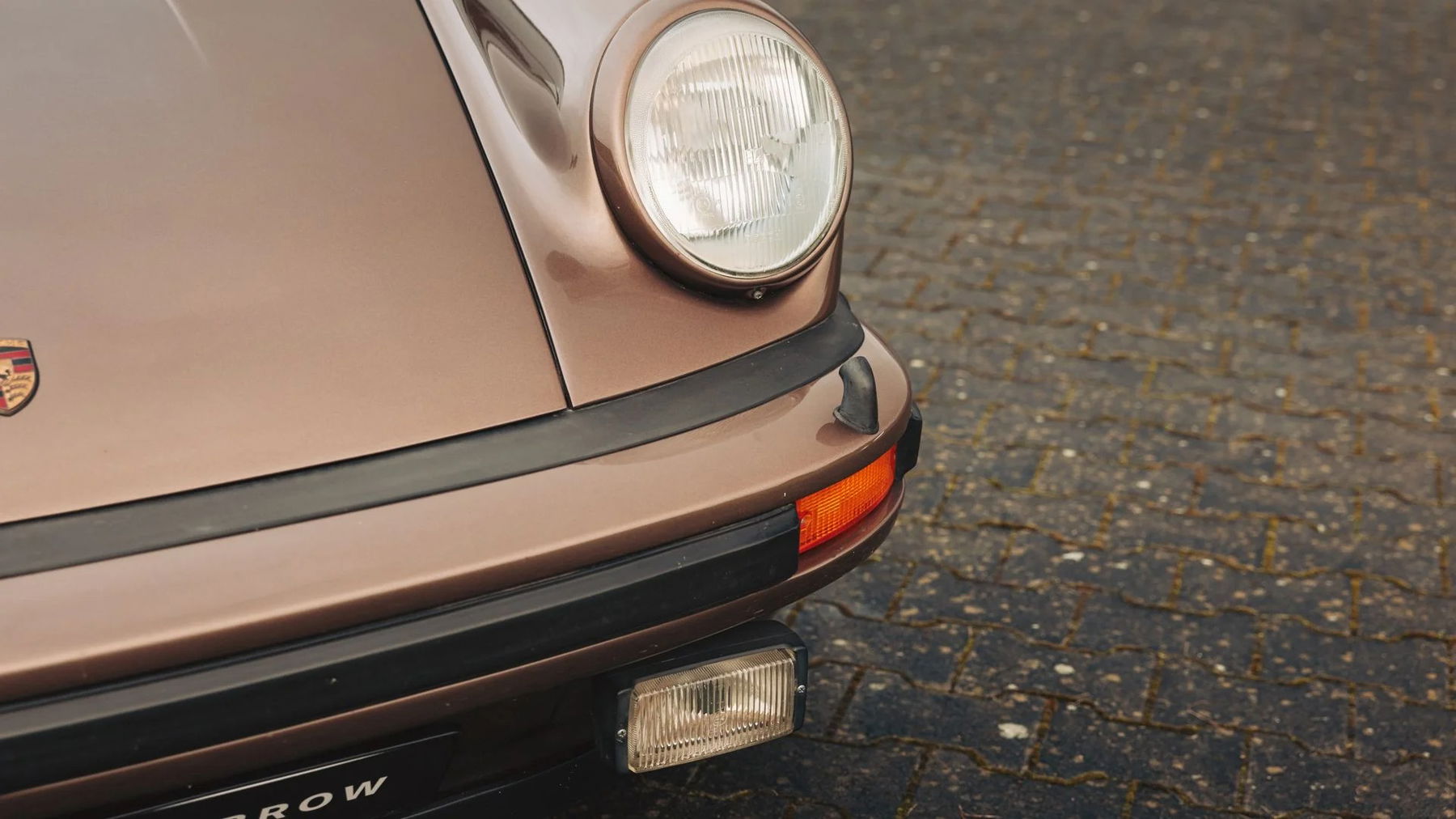
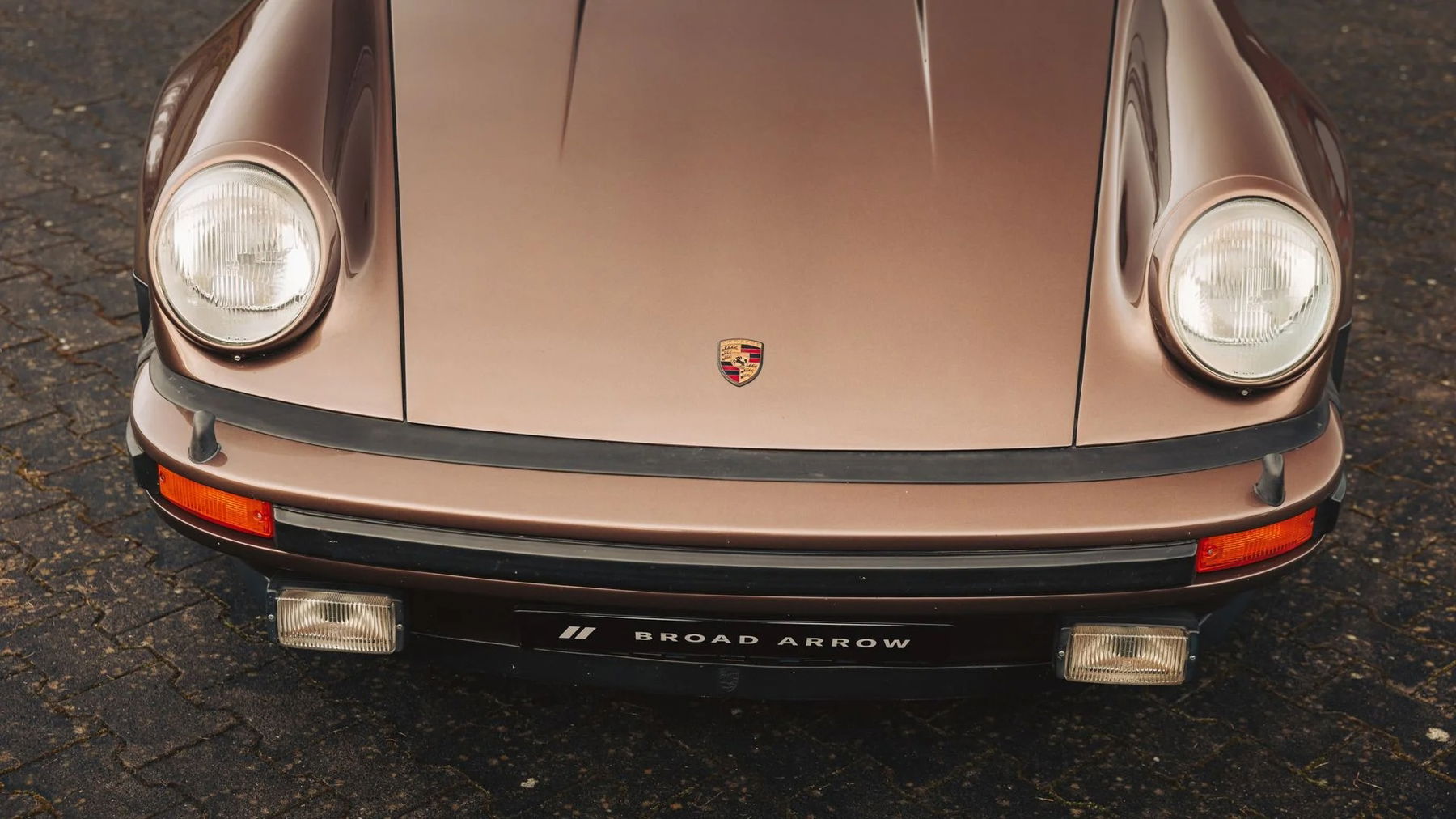
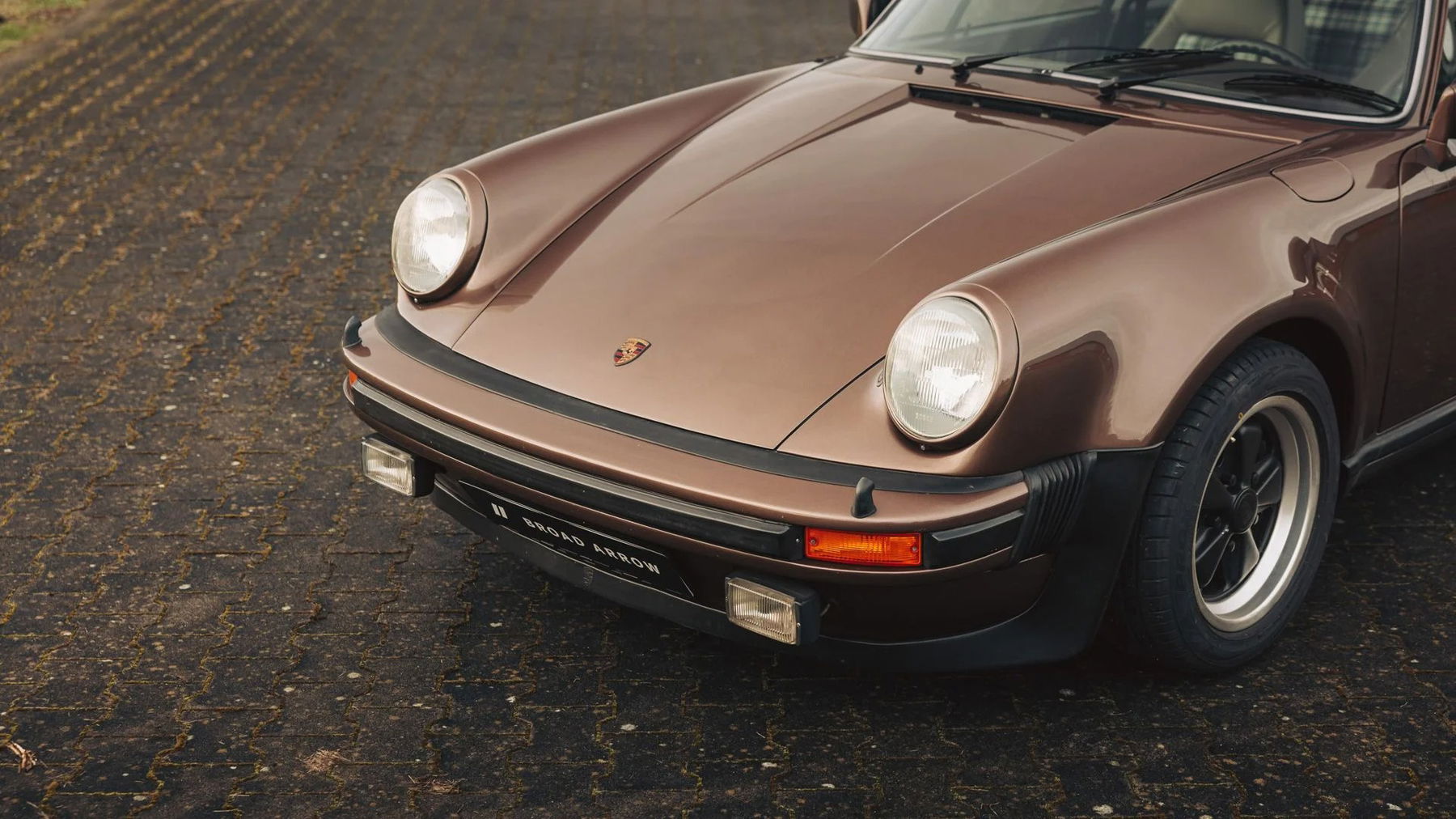
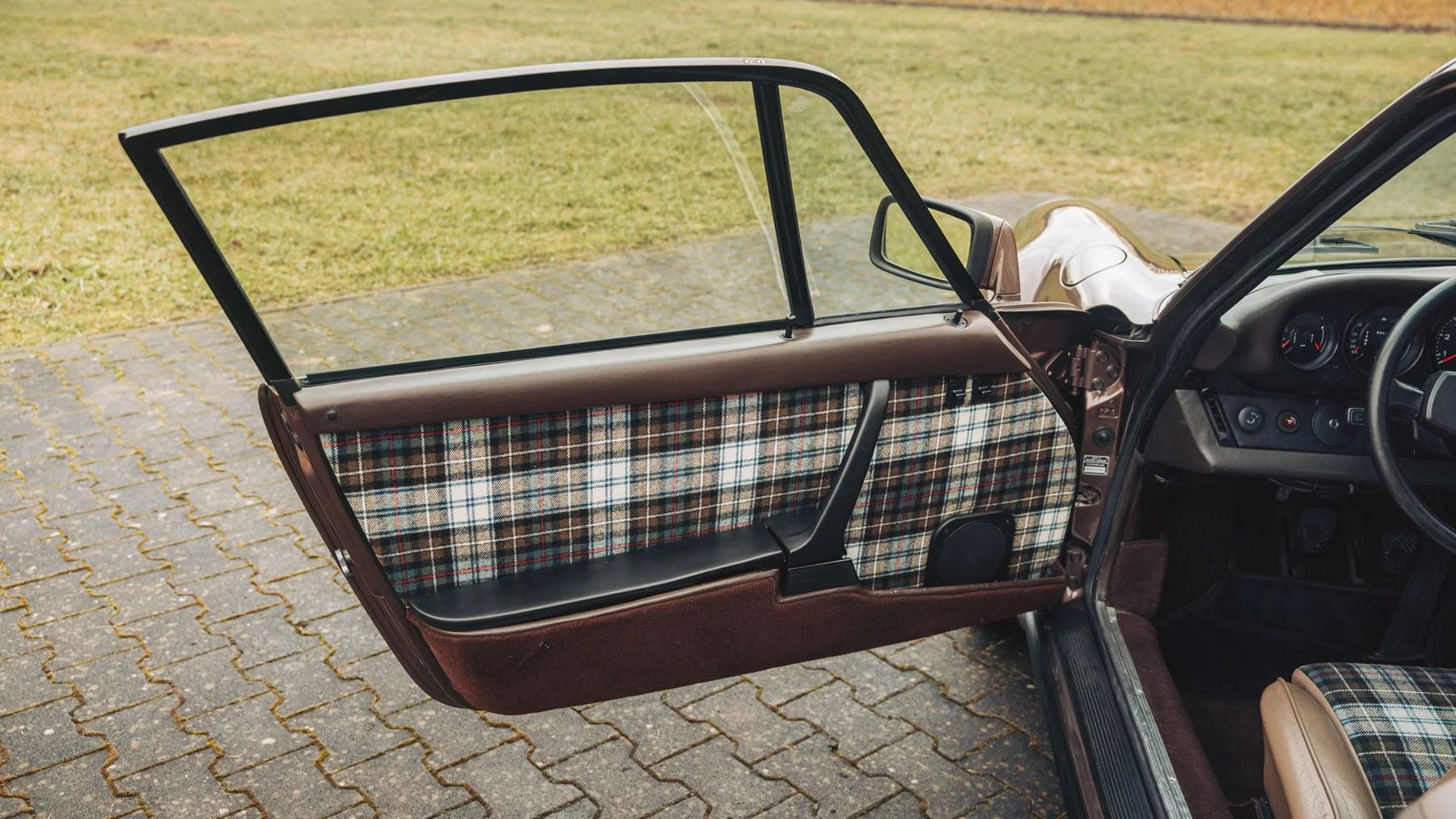
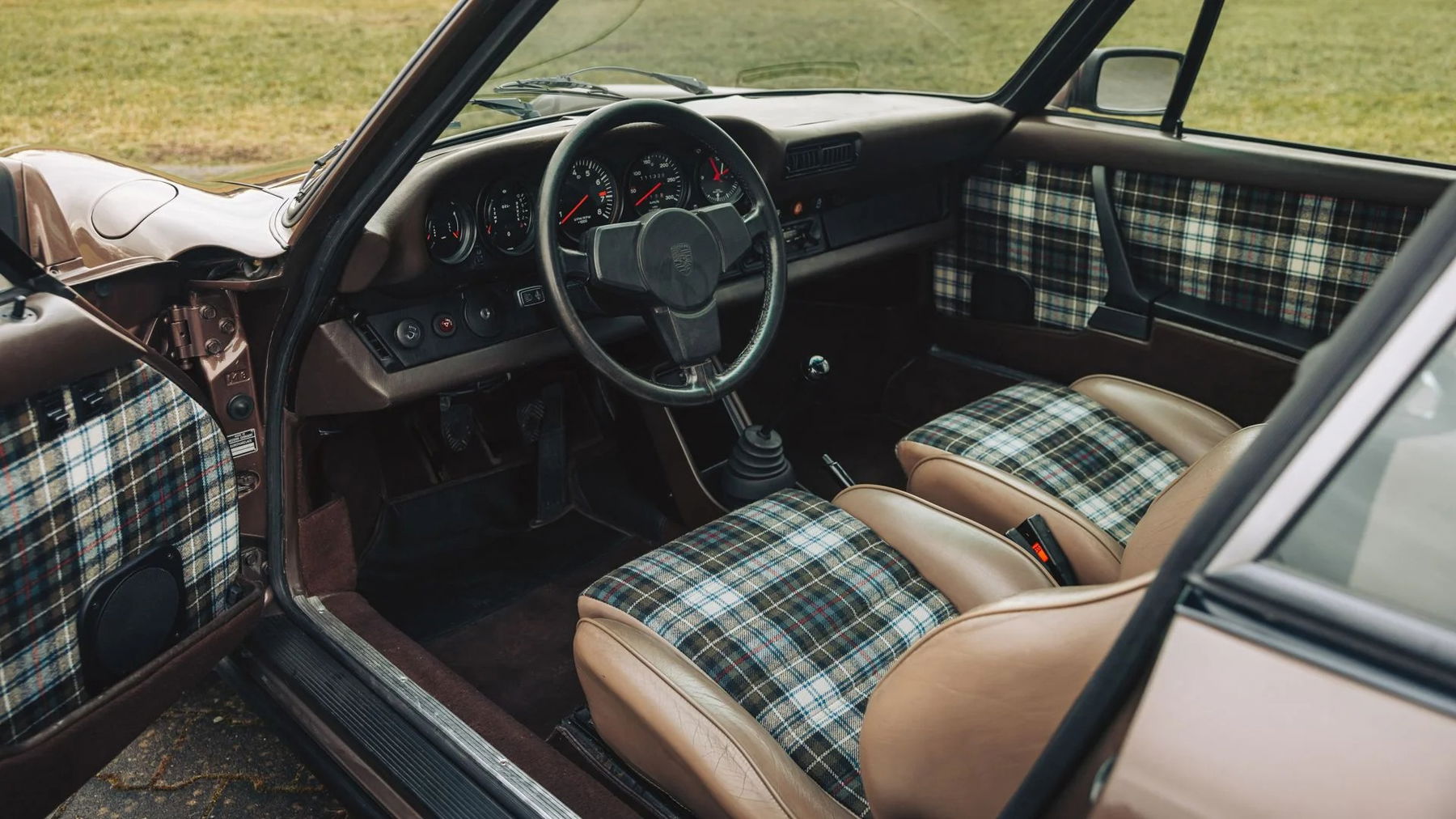
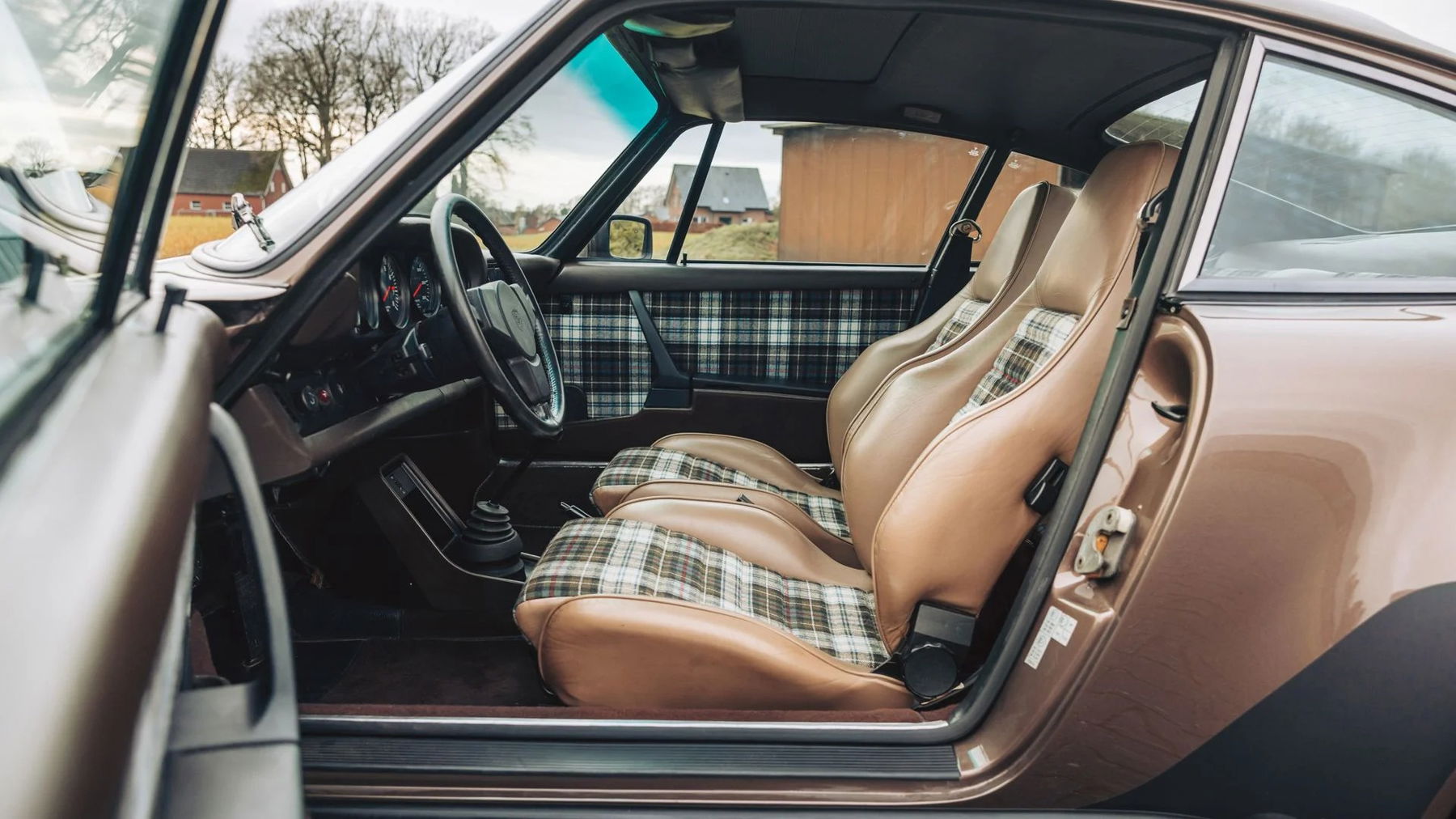
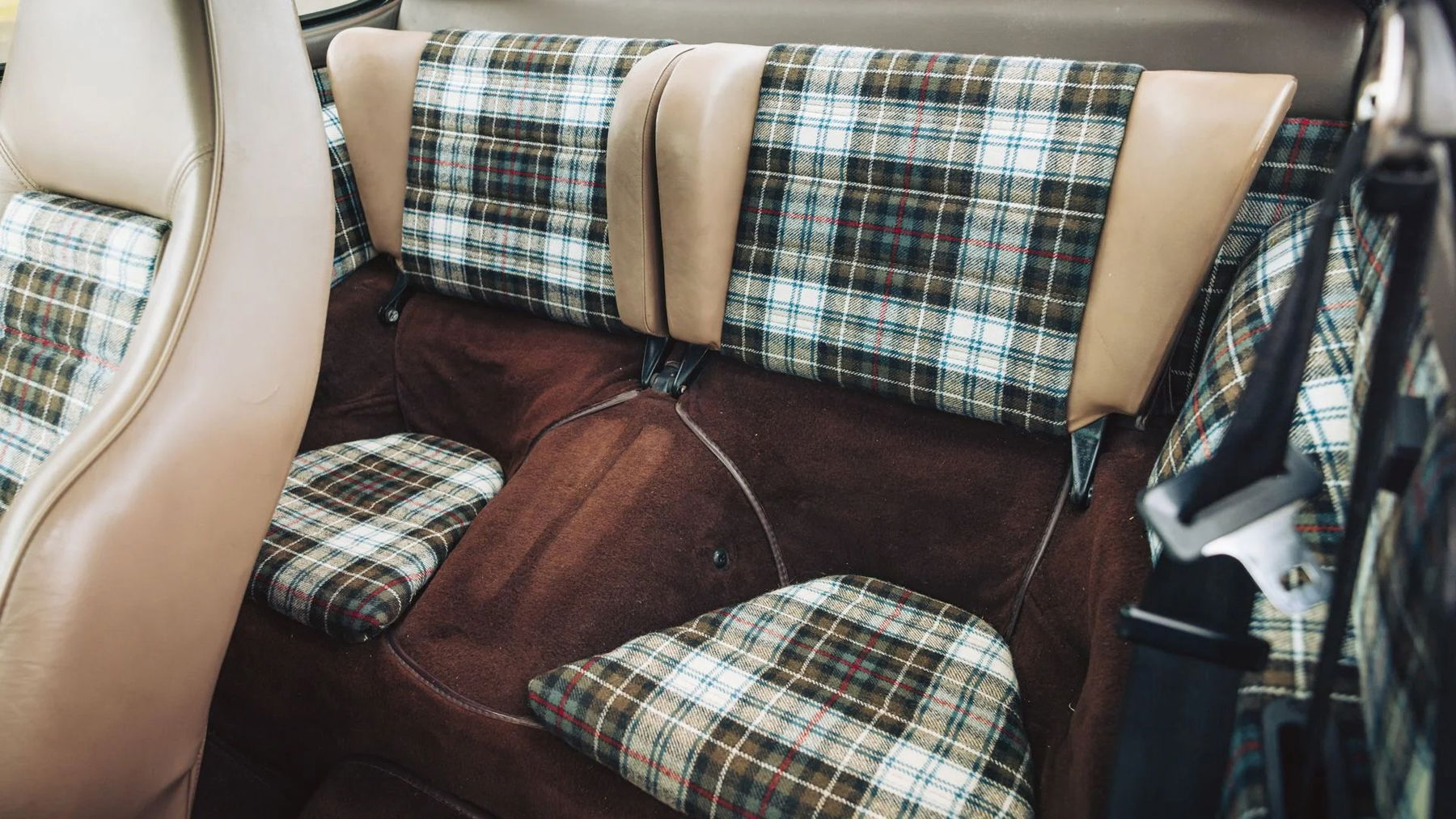
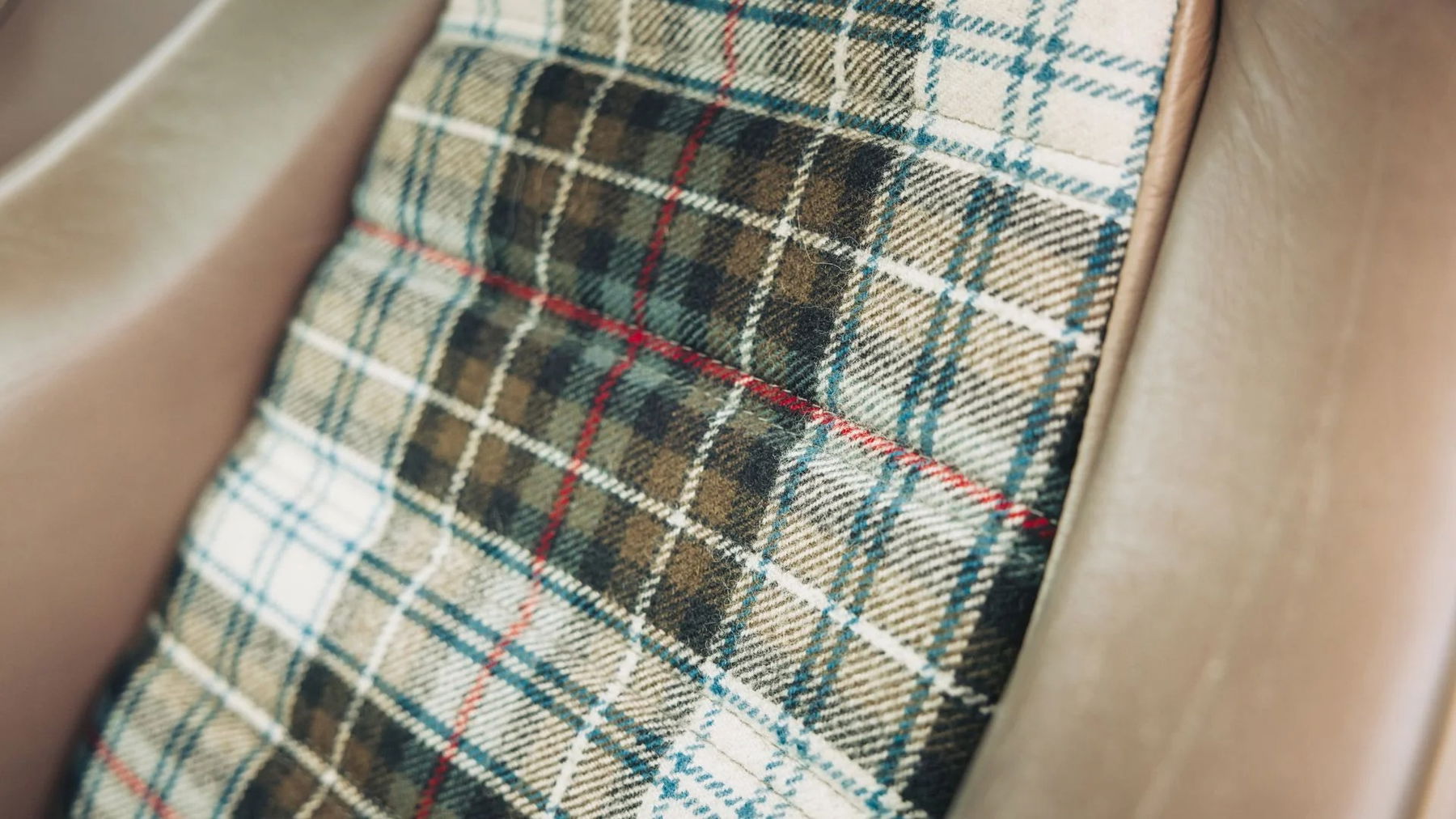
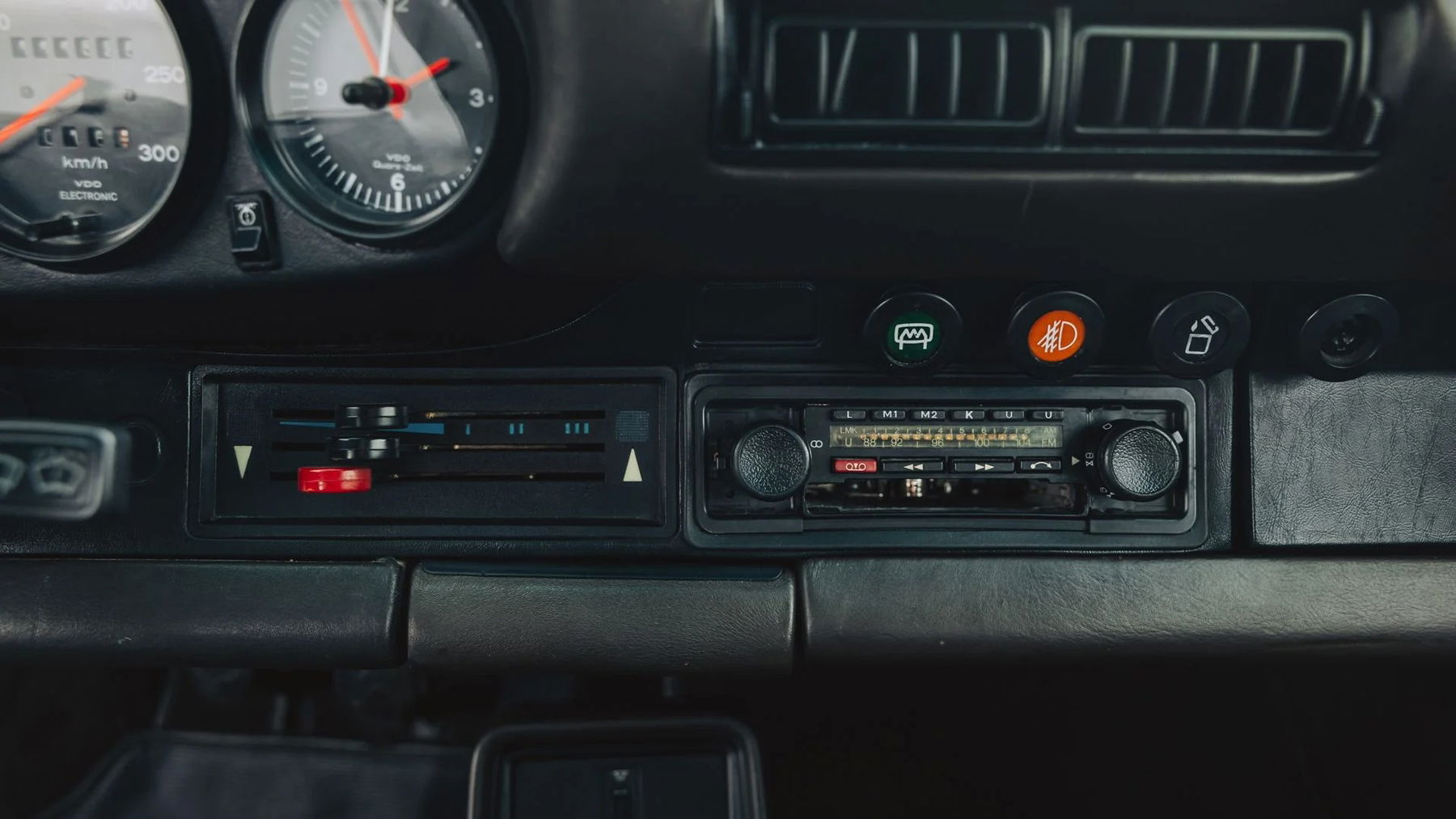
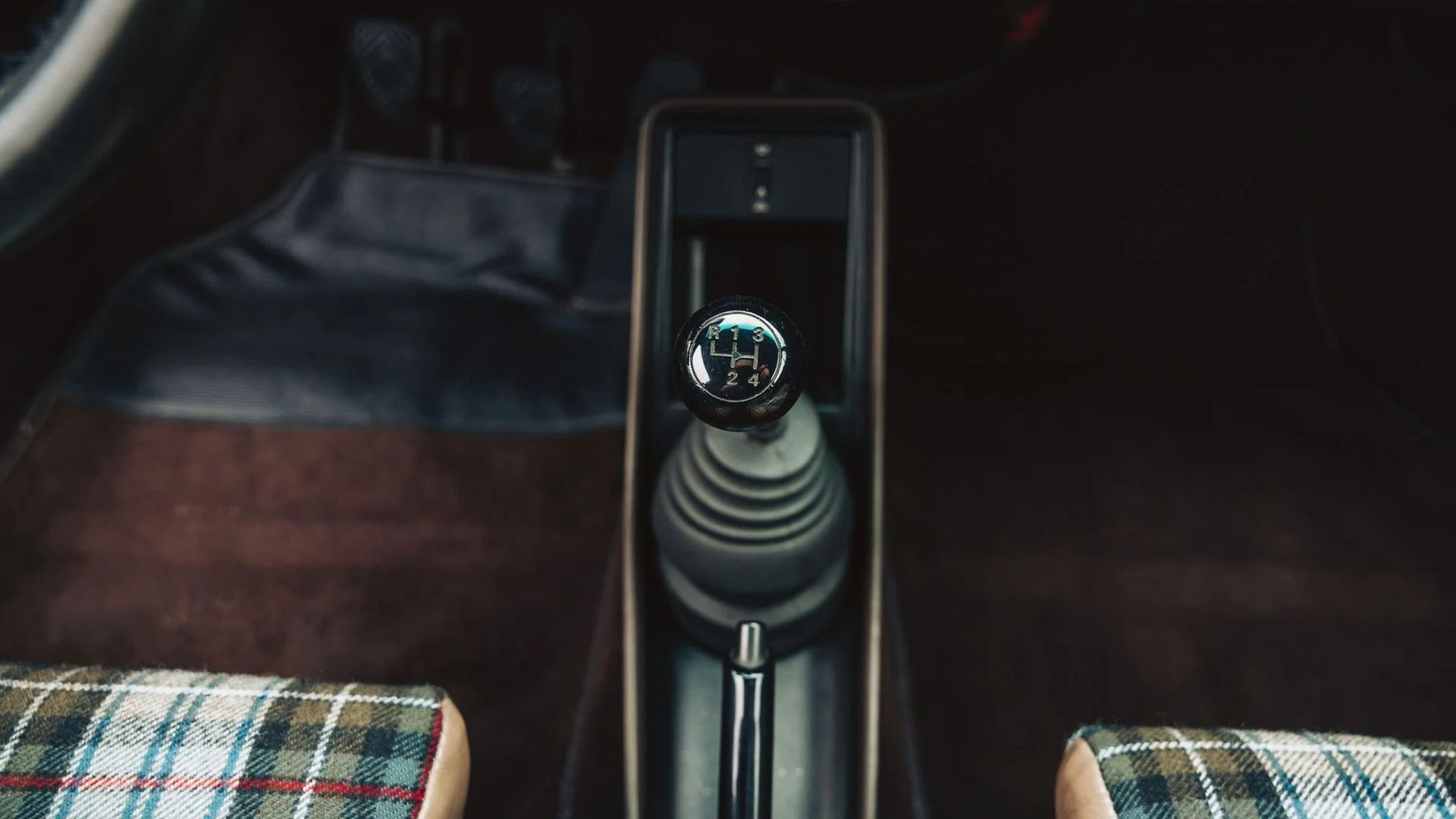
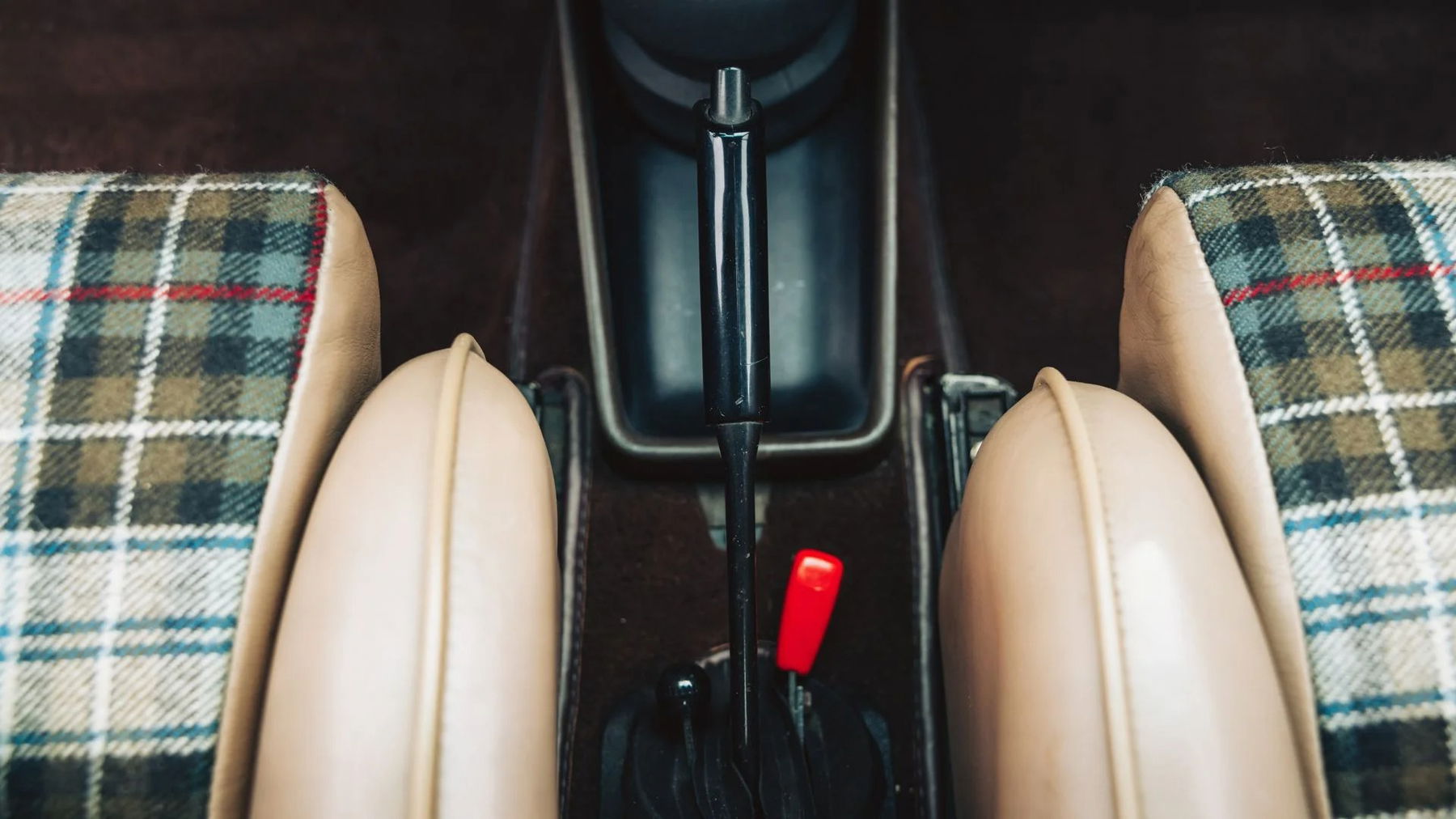
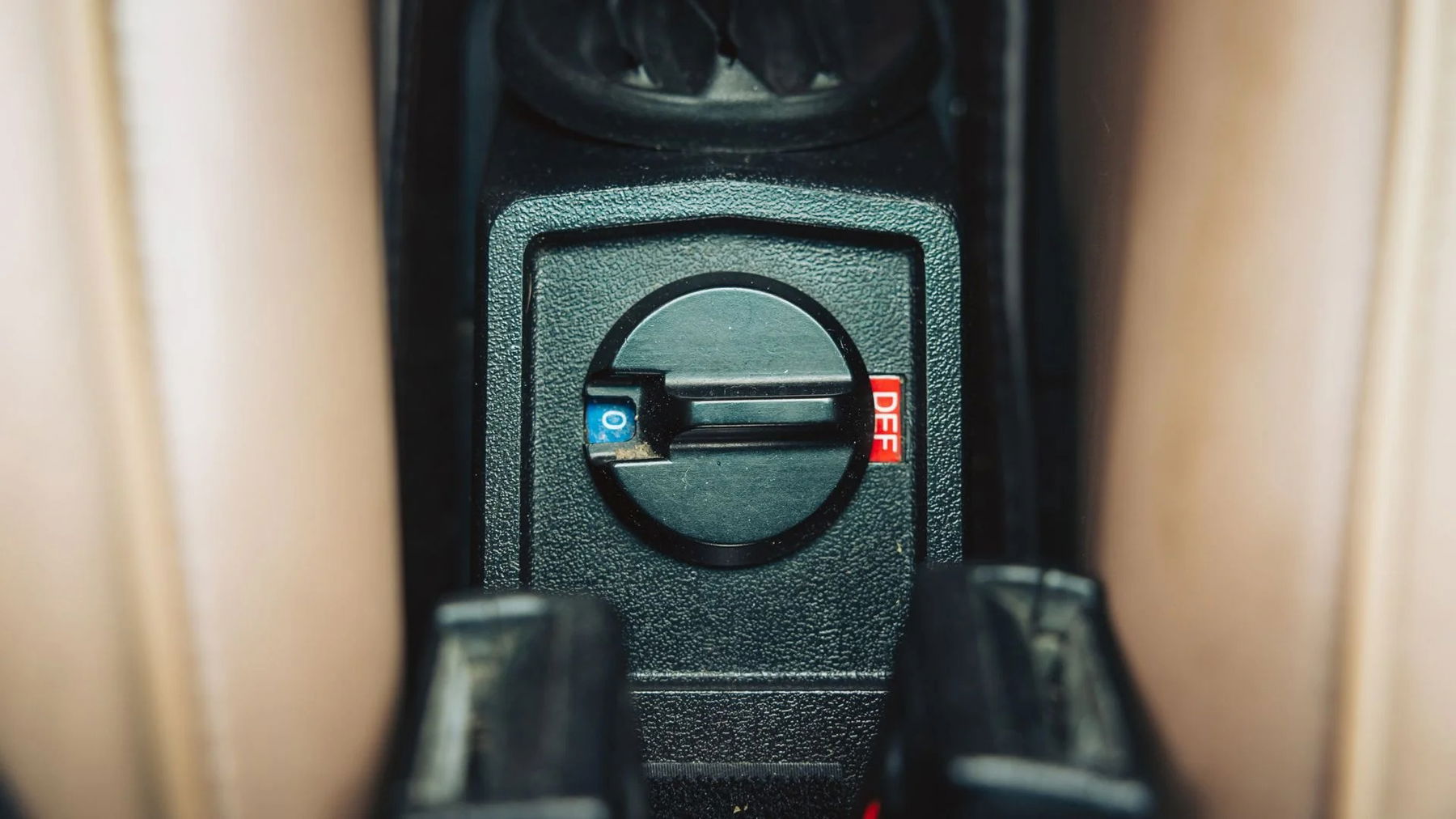
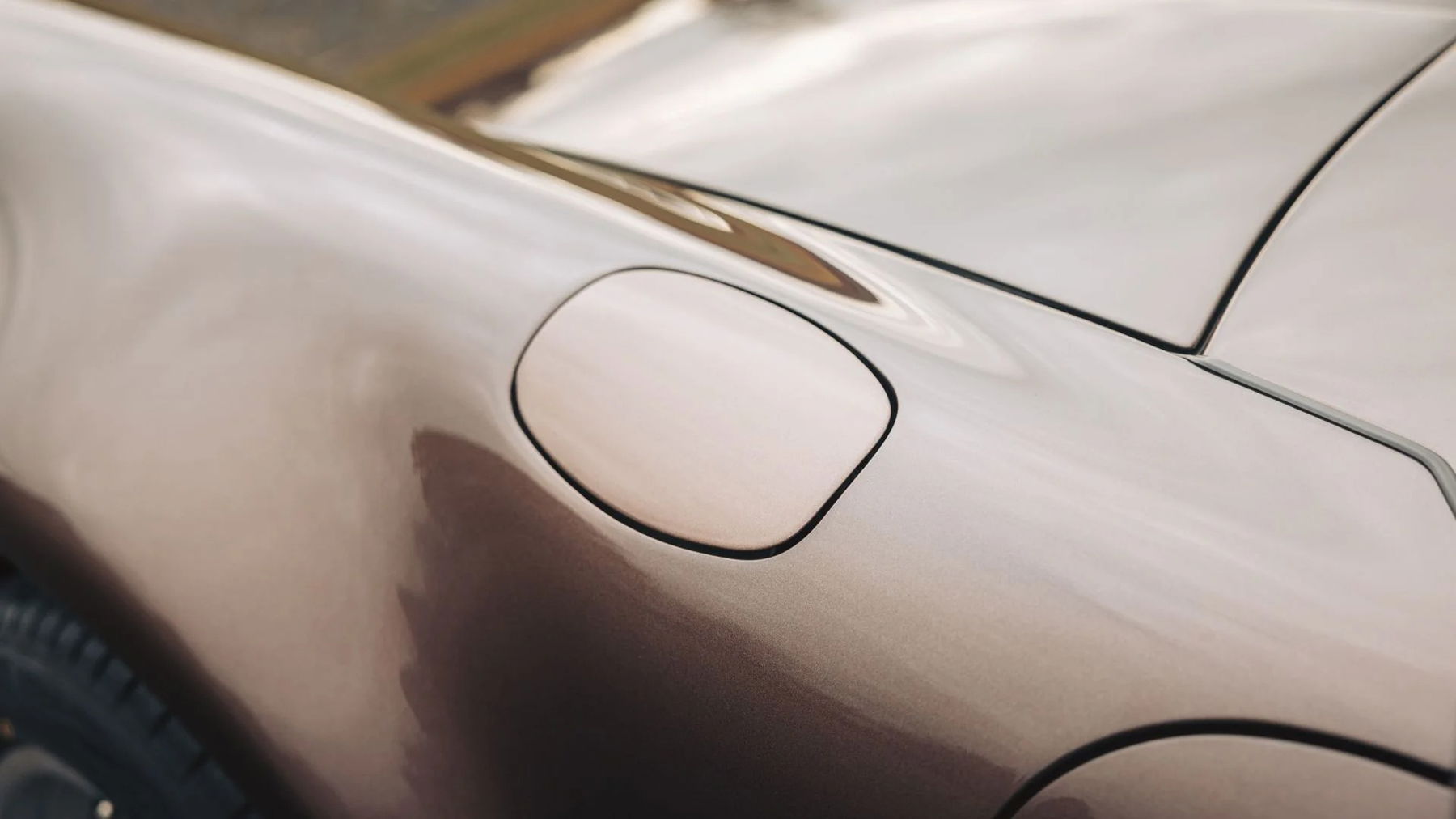
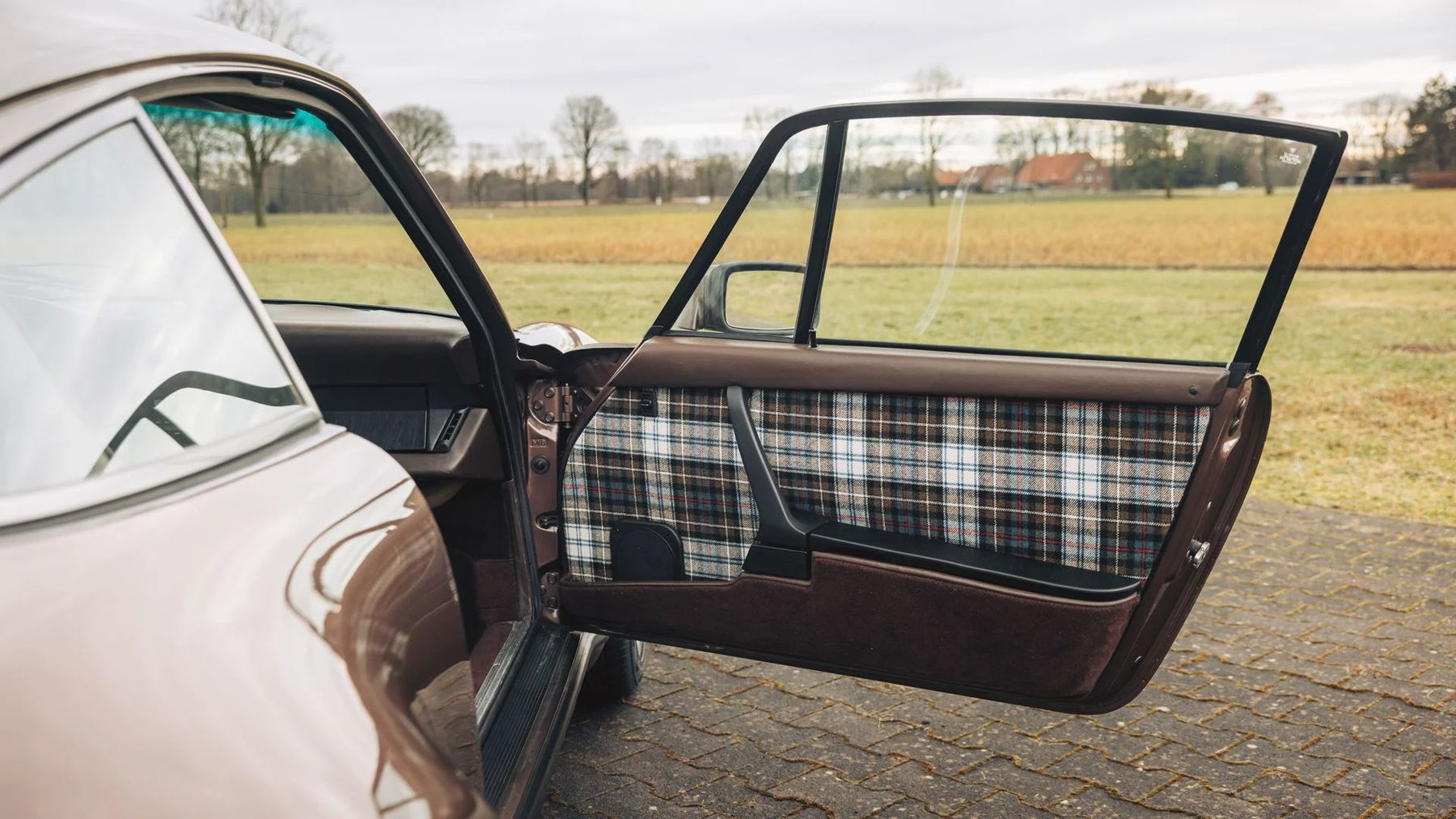
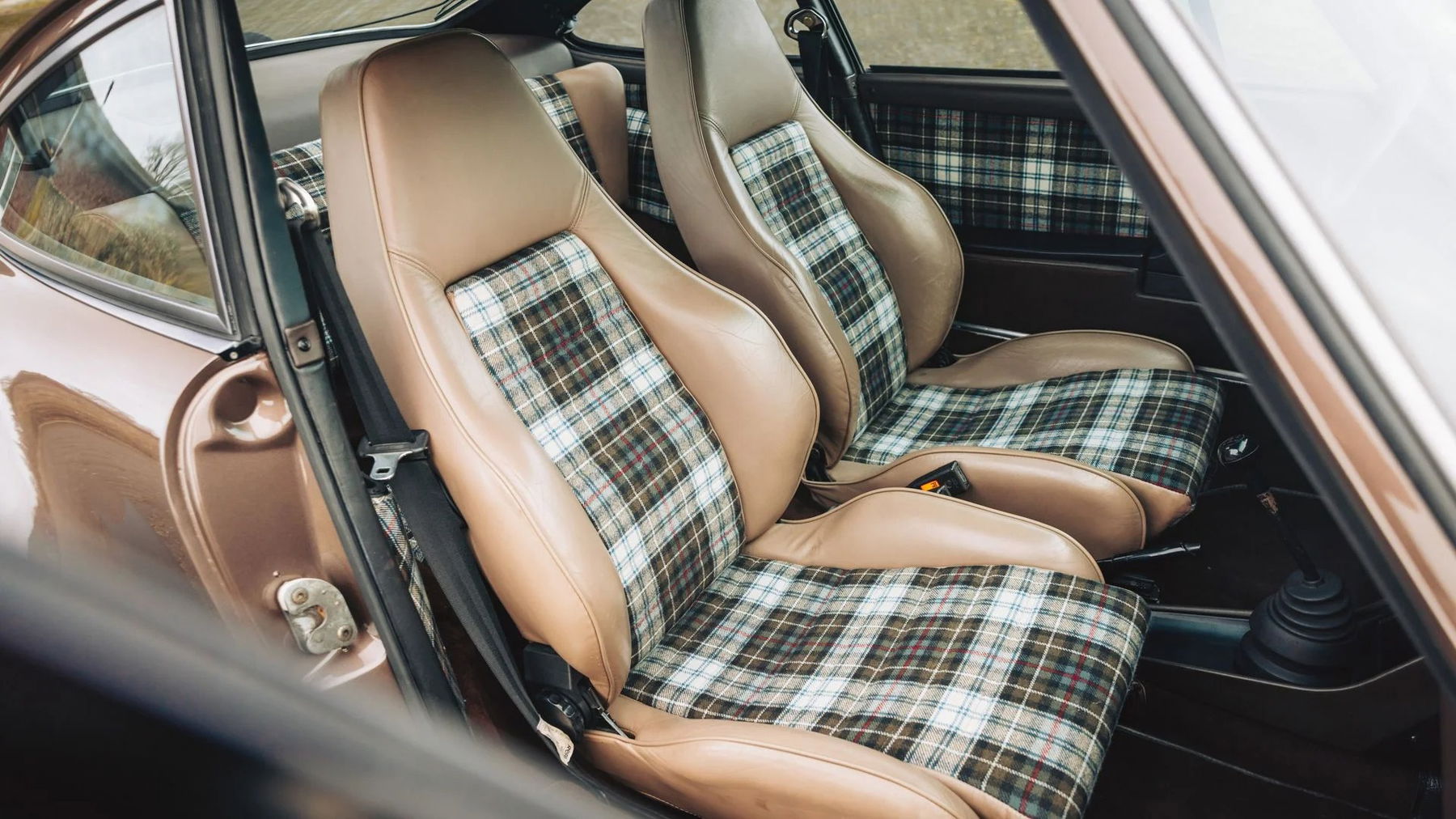
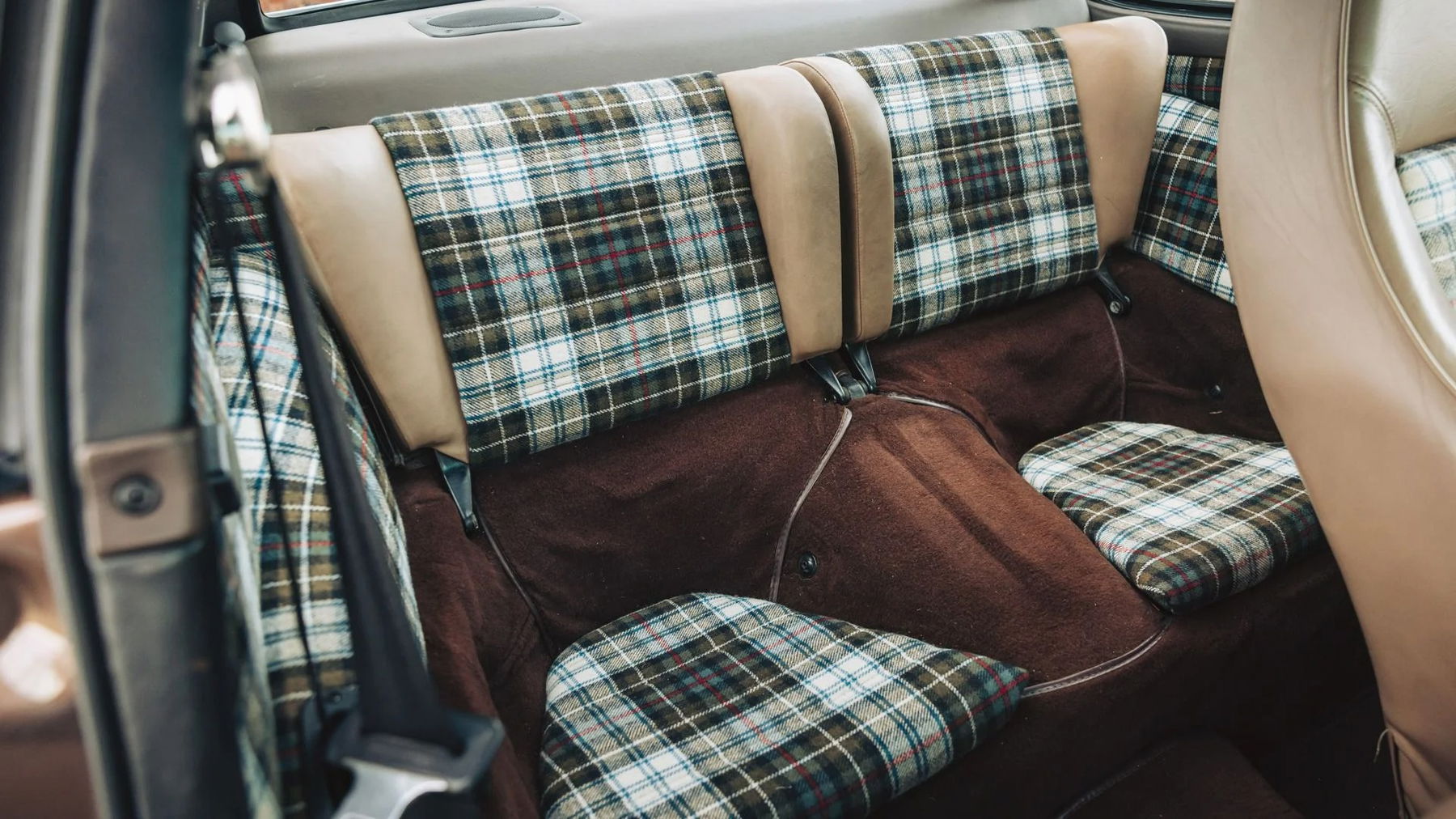
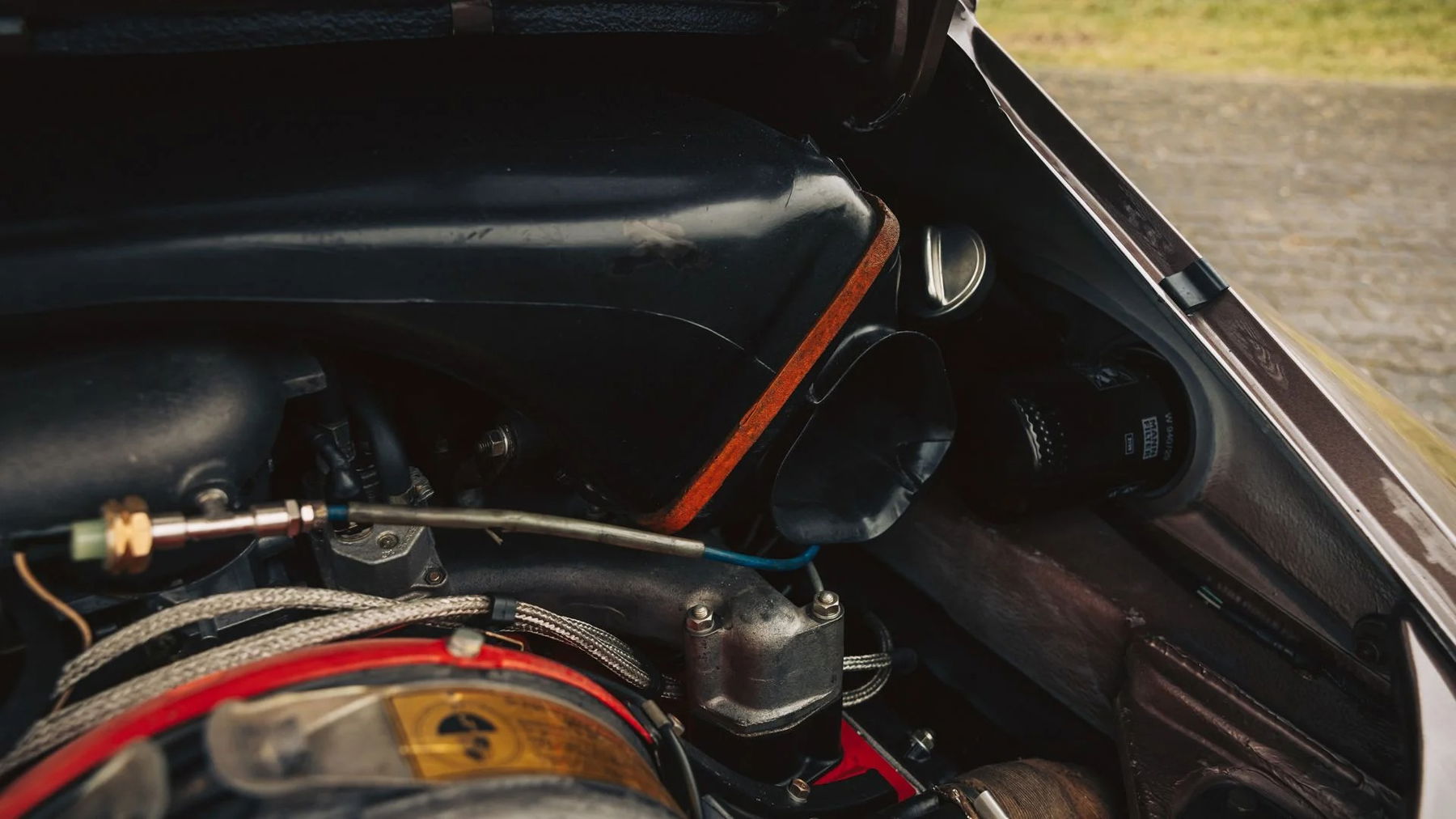
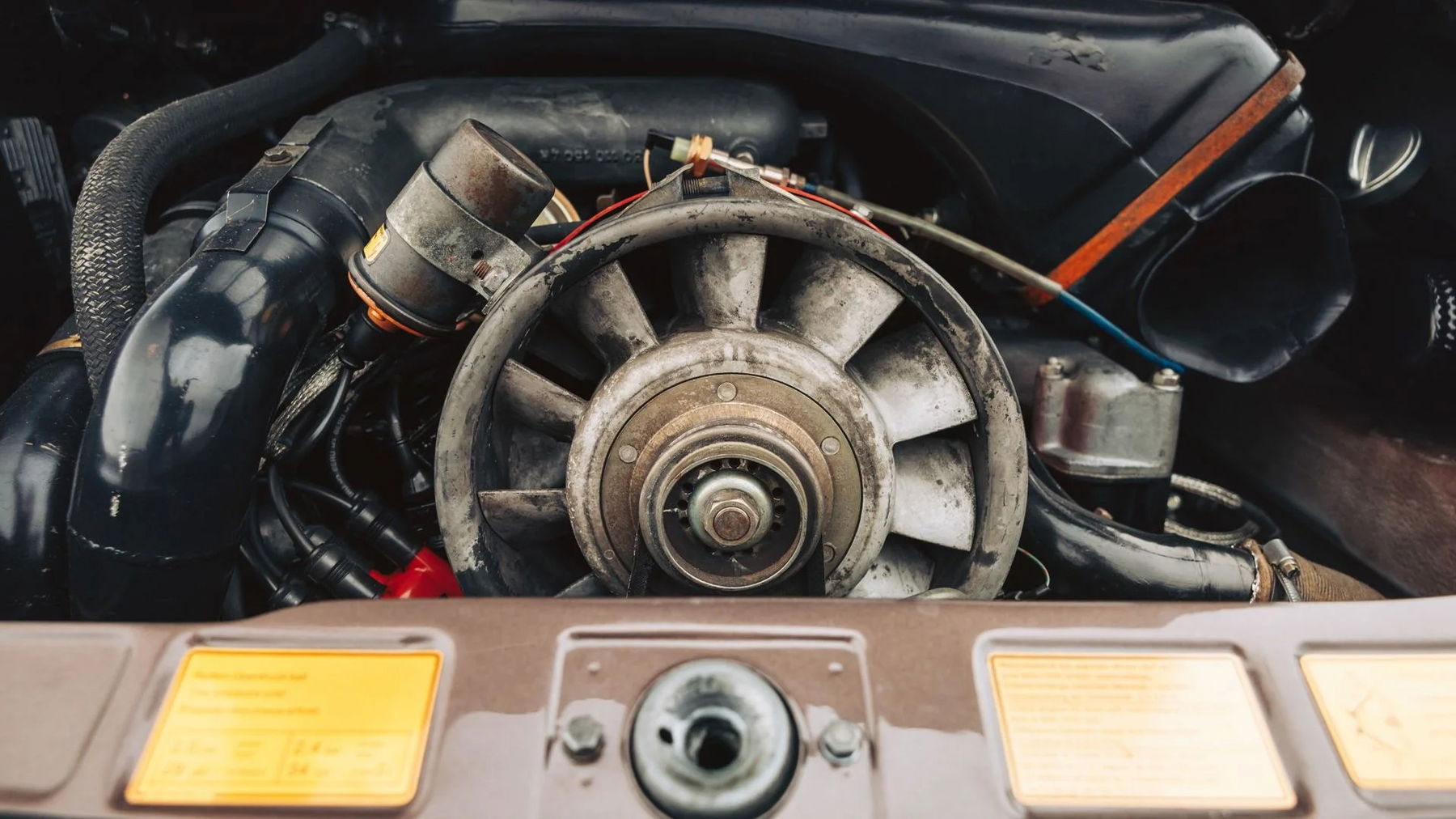
Built in September of 1975, this German-market “Ur-Turbo” is perhaps the archetypical example. Furnished with a rare digital copy of its Fahrzeug-Auftrag factory build document, this 911 Turbo was finished in popular Copper Brown Metallic (one of Porsche’s official Communication Colors for the Turbo) over a special-order (99) interior originally specified in Black leather, Dark Brown thick plush velour pile carpeting, and seat inserts in Schottenkaro Beige (4AD), better known as Dress MacKenzie Tartan. Additional no-cost options included Recaro sport seats and an electric sliding sunroof. In conversations with the longtime head of Porsche Customer Sport Jürgen Barth, a previous owner discovered that this order may have changed at the last minute and it was possibly delivered with a dark brown leather interior, a selection more befitting the other interior material selections. Furthermore, the build sheet reveals that it is fitted with the earliest Type 930/50 Turbo engine, a design used only in 911 Turbos built in the 1975 calendar year, making chassis number 0050 an “interim” model of sorts.
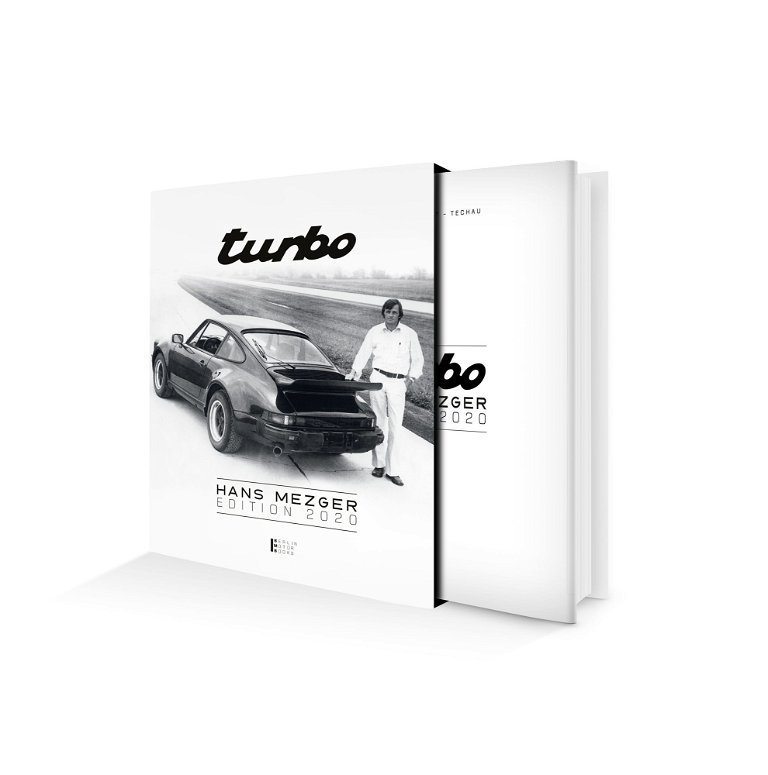
According to Ryan Snodgrass’ seminal Turbo 3.0, the car was sold through Porsche Hahn in Fellbach, Germany, just north of Stuttgart. Its period Swiss registration record indicates the early 911 Turbo was first registered in Germany in late 1975 before a transfer of ownership brought it to Switzerland in November 1981. Under Swiss ownership, service work for a rebuild of its original Type 930/50 engine and four-speed transmission was invoiced to a Mr. Stadler at approximately 83,000 kilometers. Stadler is said to have removed the car from road use in January 1984 and placed it into storage. In 2006 the Turbo was acquired by the consignor with approximately 105,000 km, which is believed to be original.
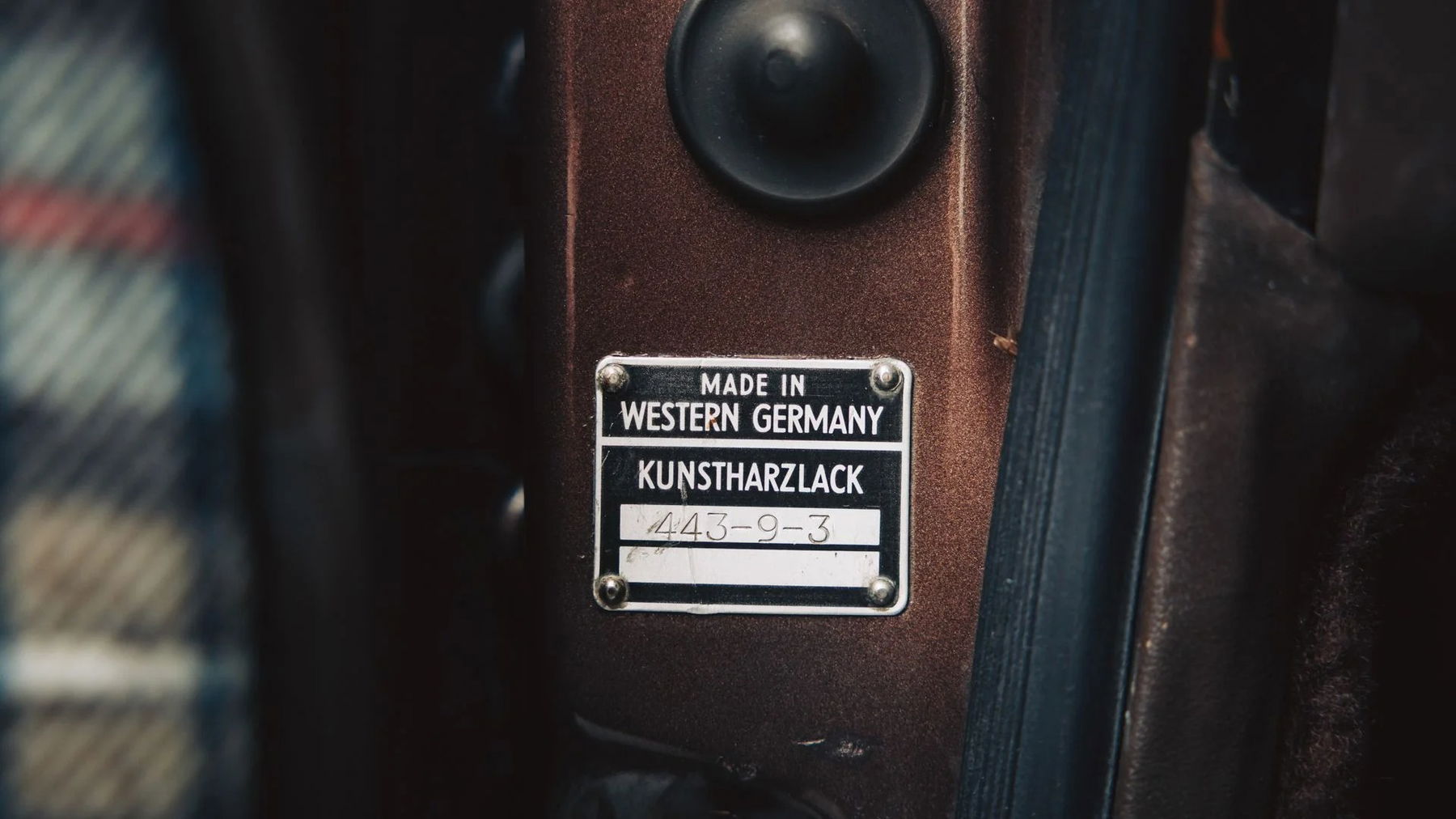
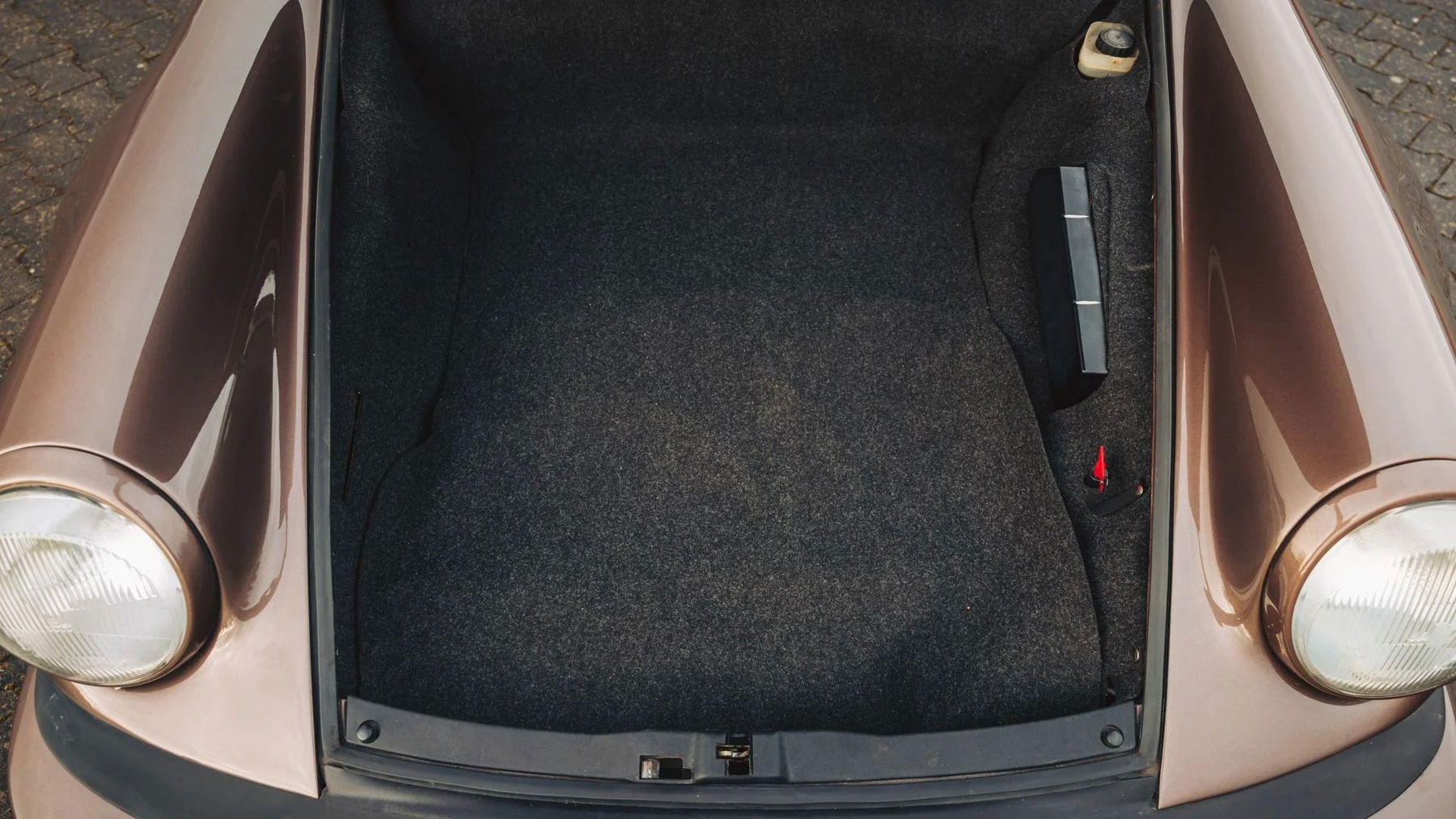
Under current ownership, the Ur-Turbo has continued to lead a charmed life. As the collectability of the non-intercooled 3.0-liter Turbos has risen—especially that of the 1975-production 930/50-engined examples such as this one—the car was treated to a repaint in its original shade of Braun-Kupferdiamant. This distinctive hue is readily recognizable from Porsche’s period brochures and posters. So taken with the idea of the era-evoking color, Porsche Fahrer magazine recreated the famous Weissach skidpad image of a Copper Brown Metallic Ur-Turbo and 911 Turbo RSR 2.1 now repeated in front of the legendary Versuchsabteilung Research Department at the Porsche factory.
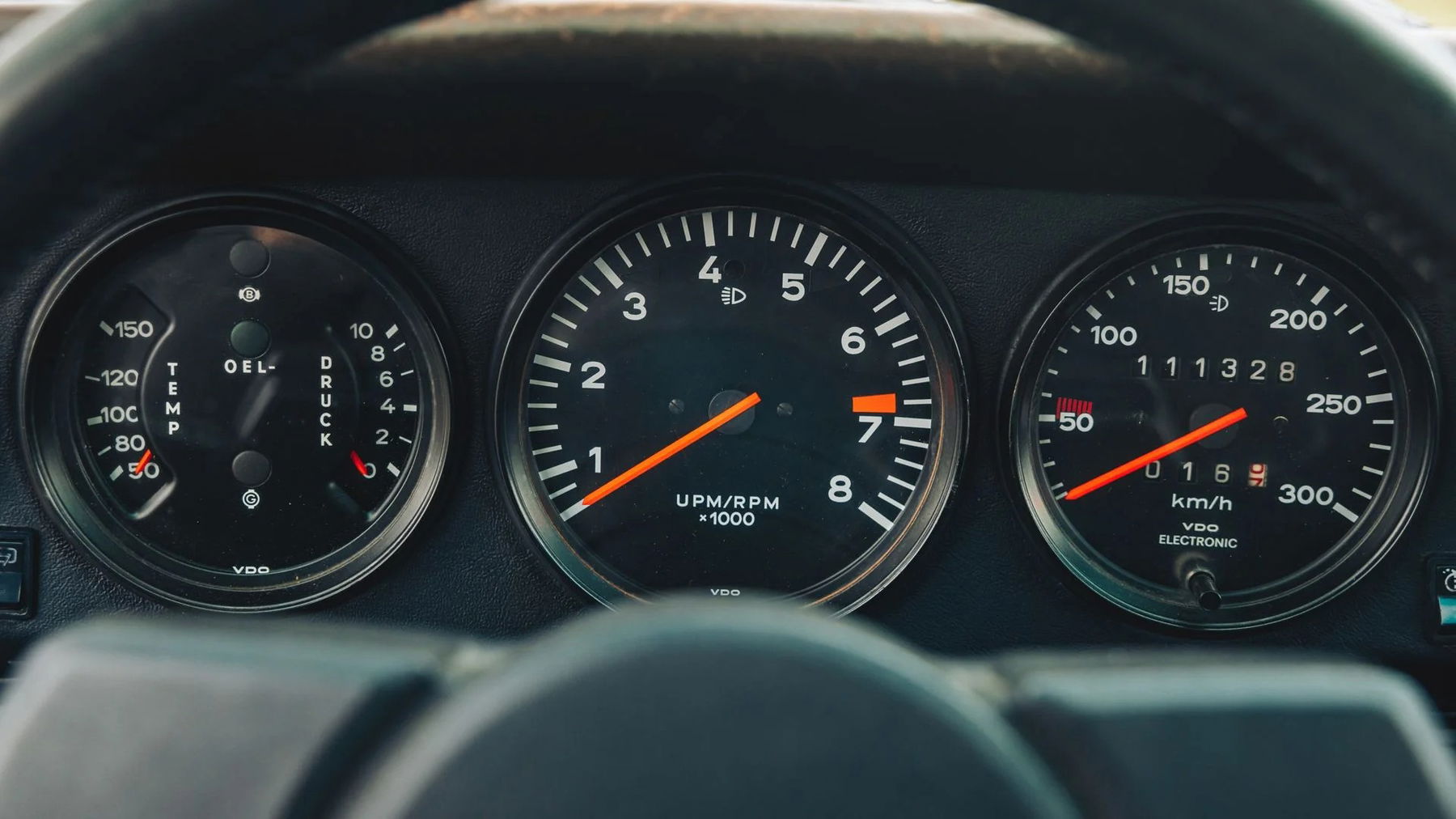
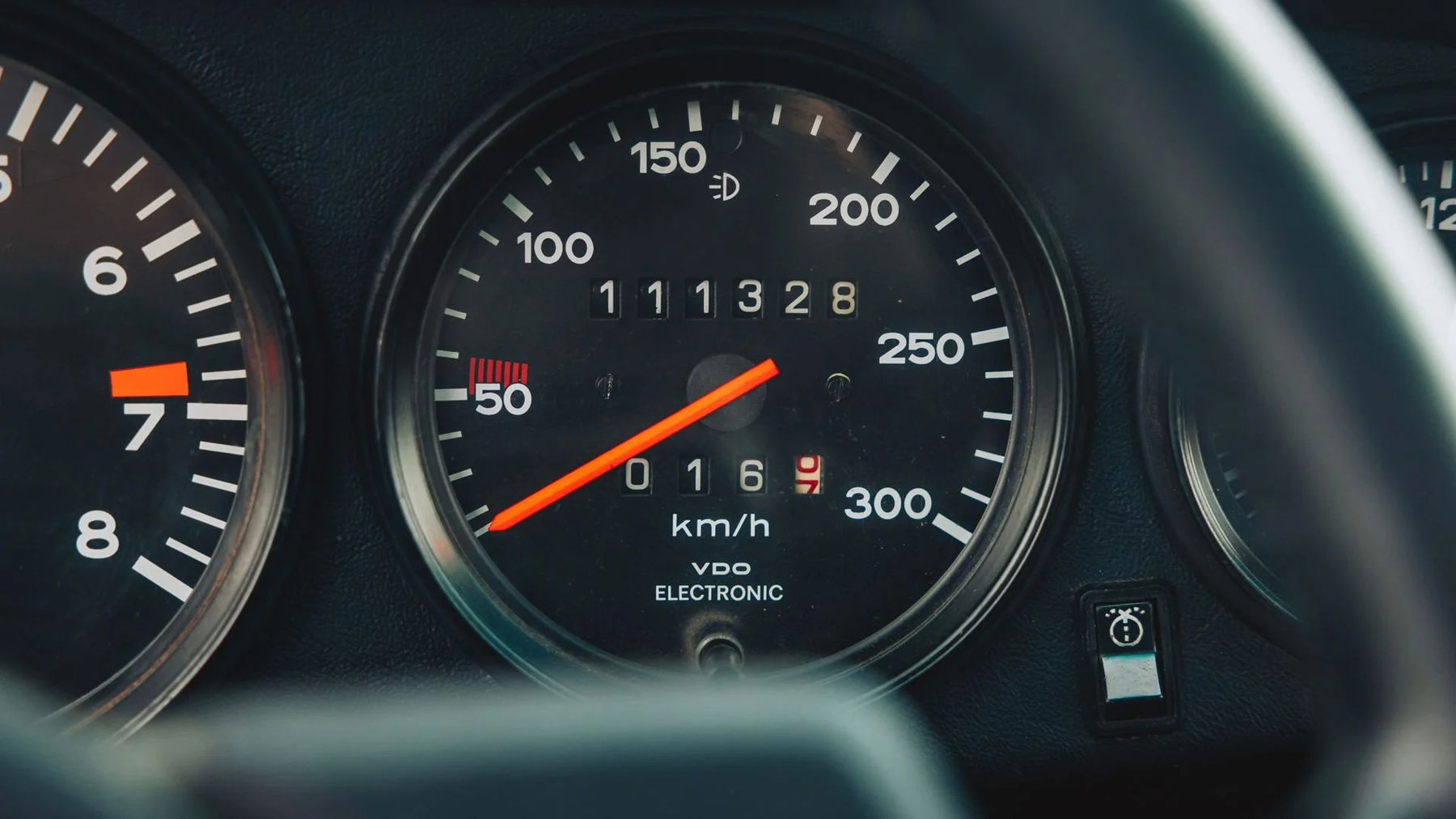
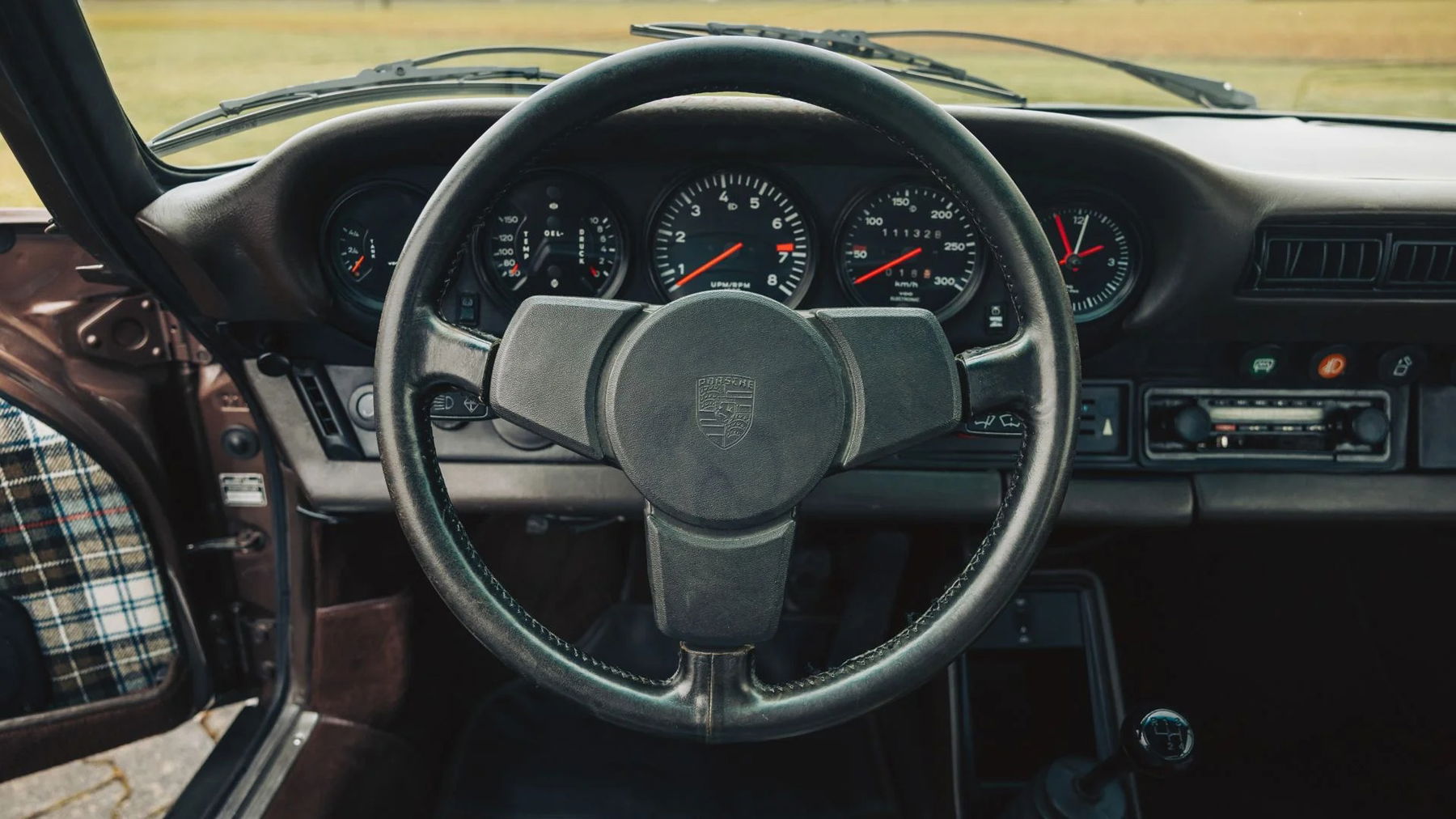
Now well into the Turbo’s 50th anniversary, the earliest 911 Turbos are better understood than at any time since leaving Stuttgart-Zuffenhausen. Offered with 111,328 kilometers from long-term 20-year ownership, this 1975-production Ur-Turbo is a thoroughly researched example that clearly reflects the original intent of the Type 930, defined by its early specification, individual factory configuration, and carefully preserved character.

























 1977
1977 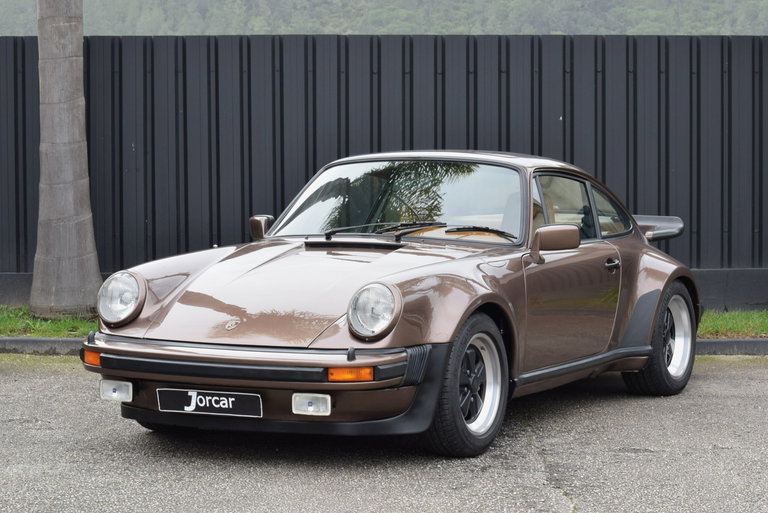
 1977
1977 
 1977
1977