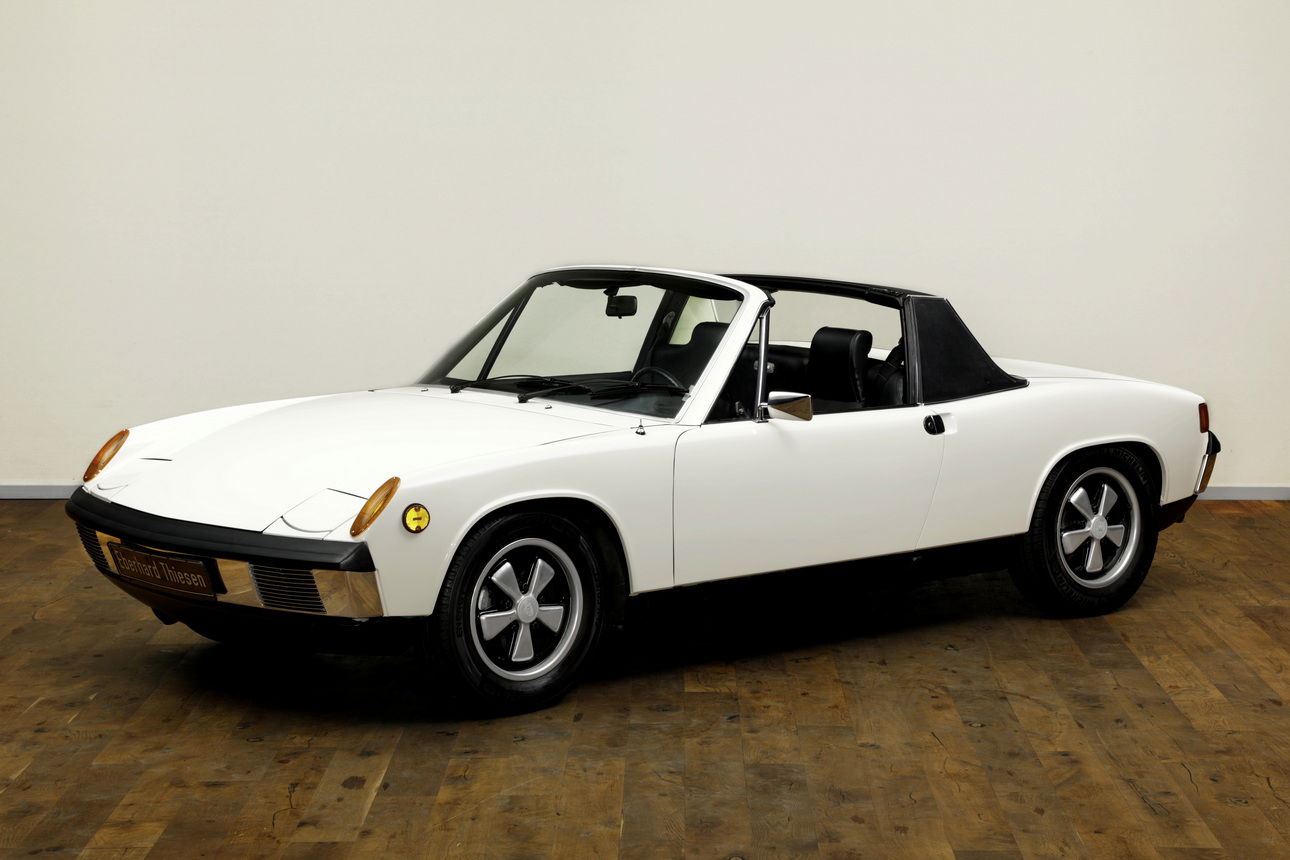
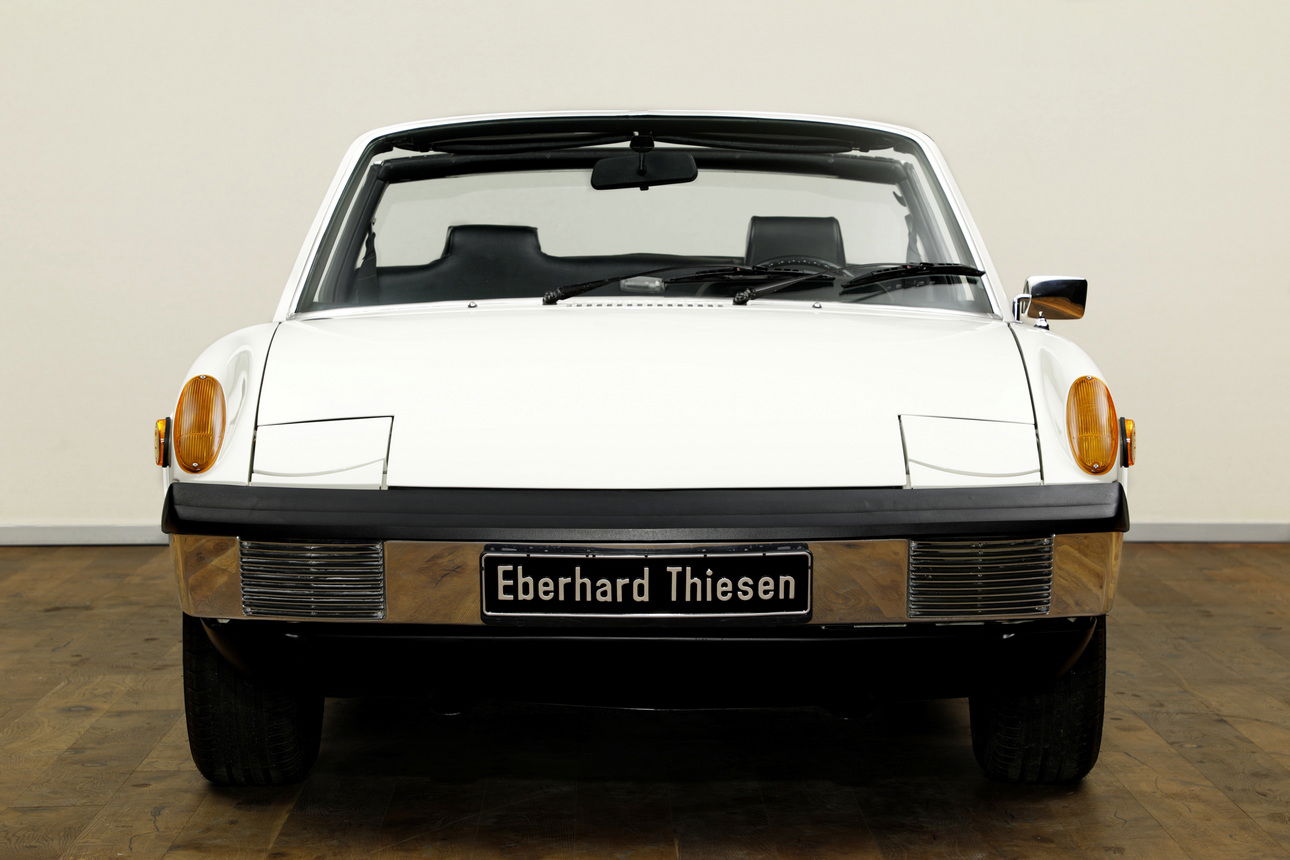
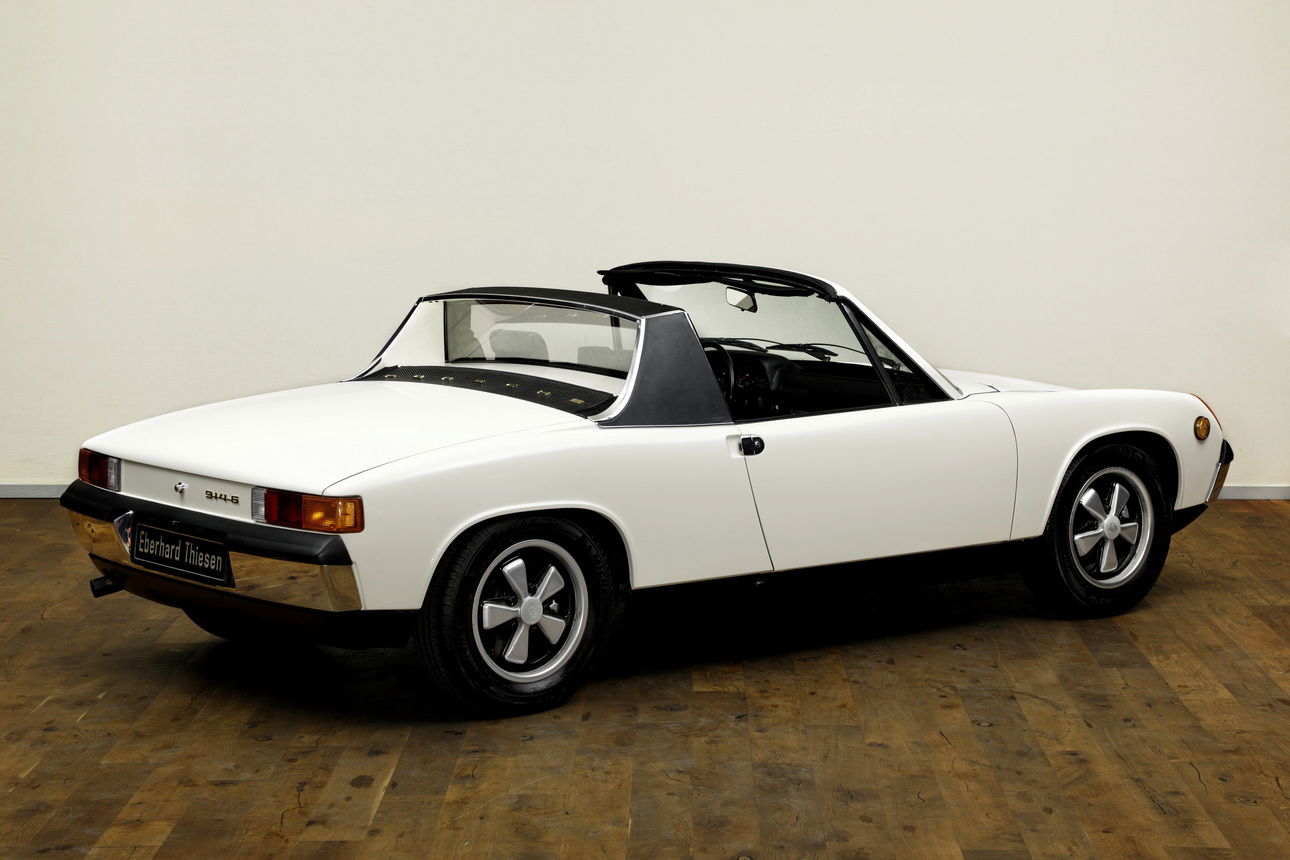
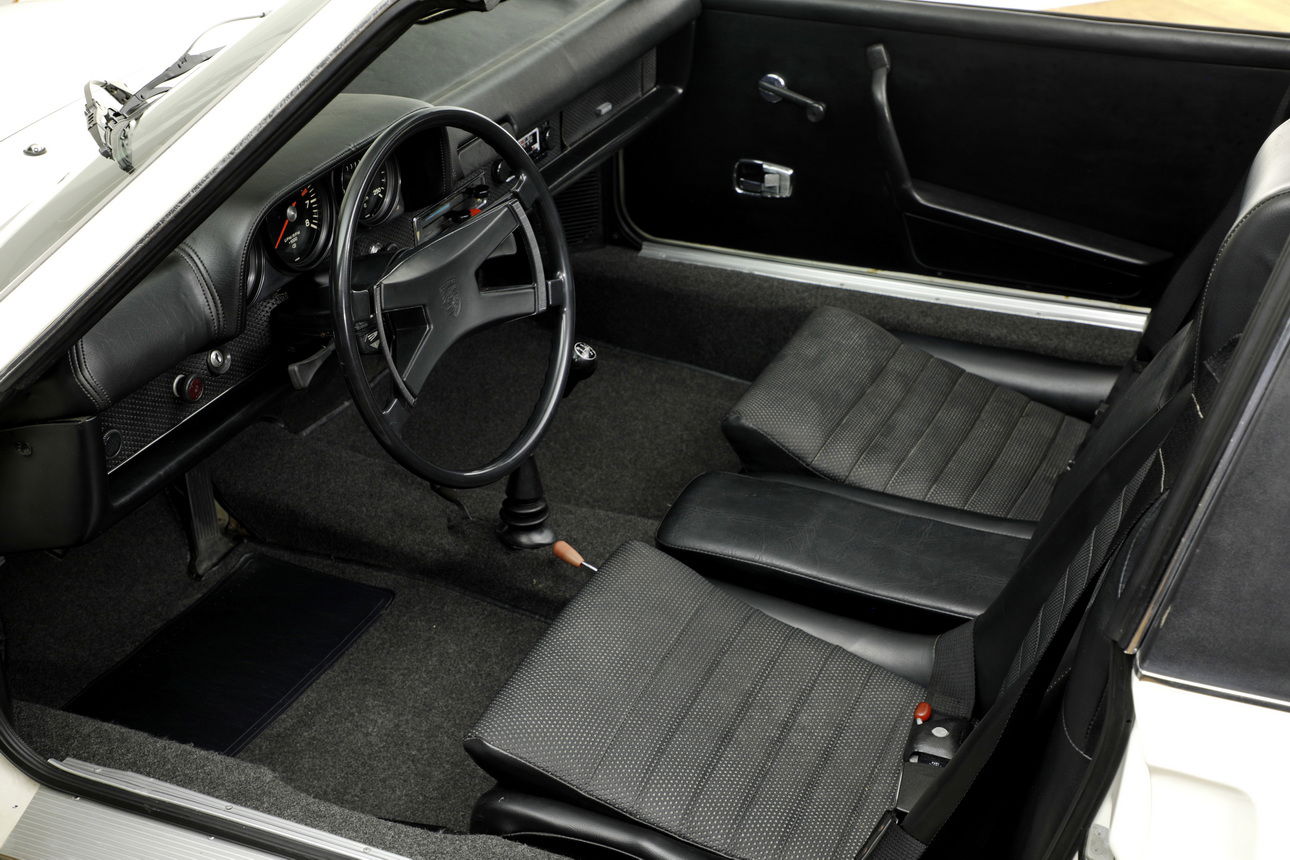
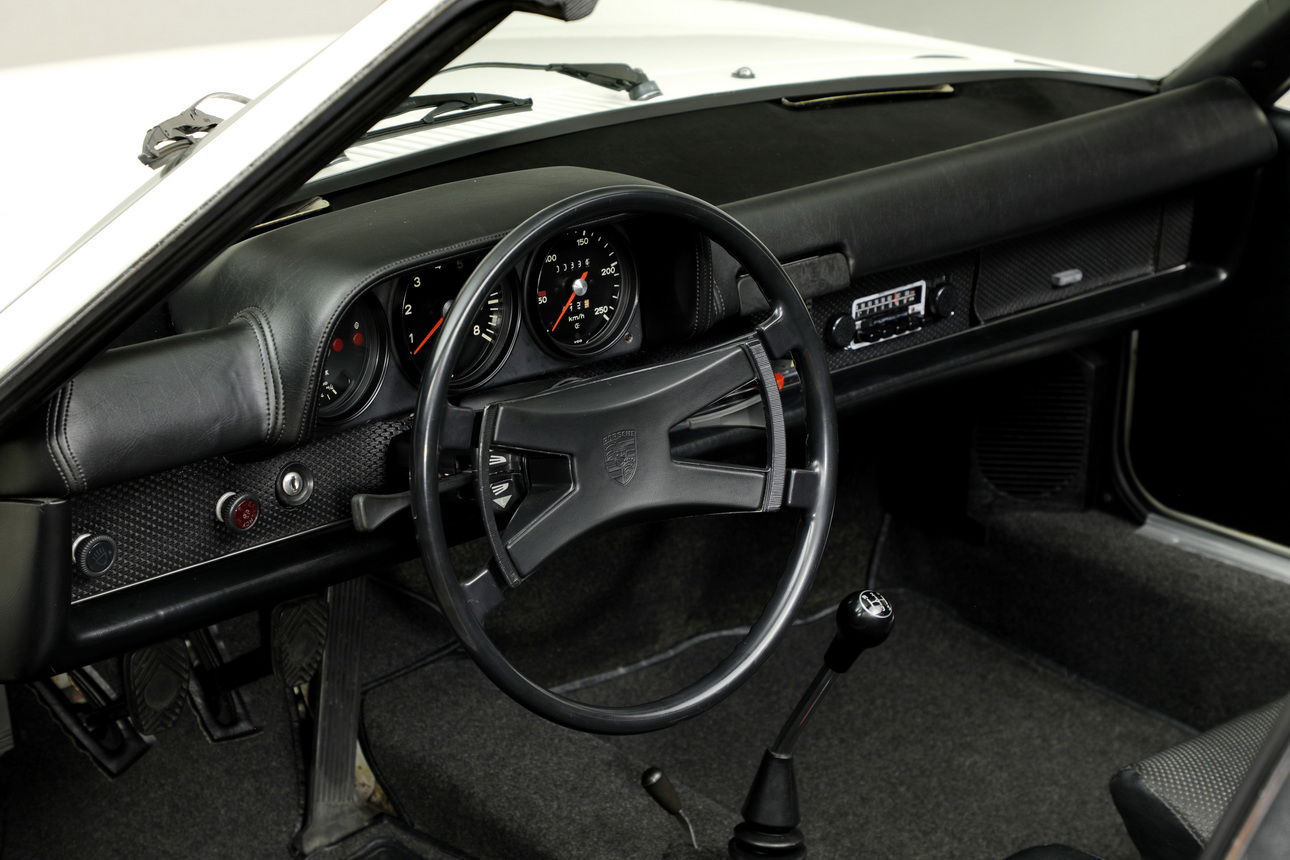
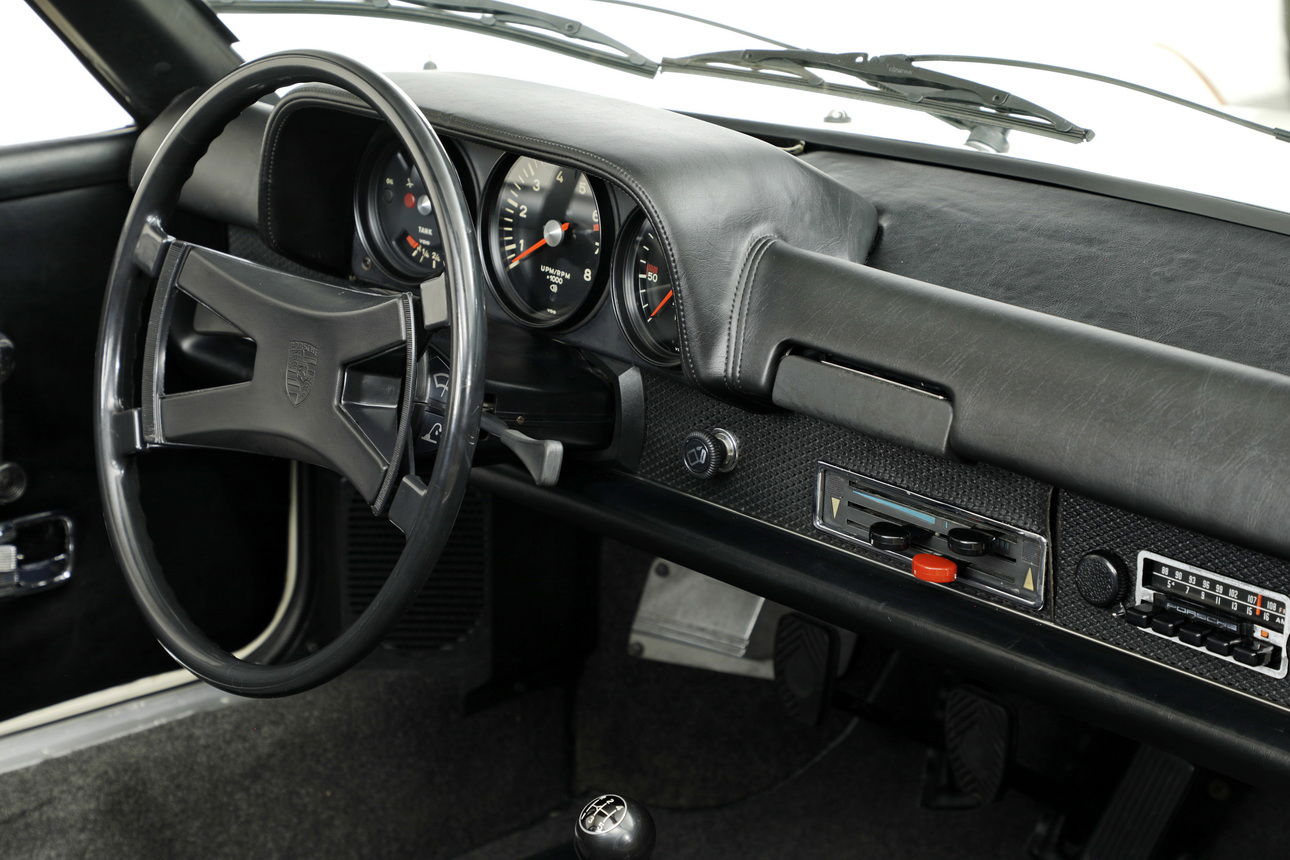
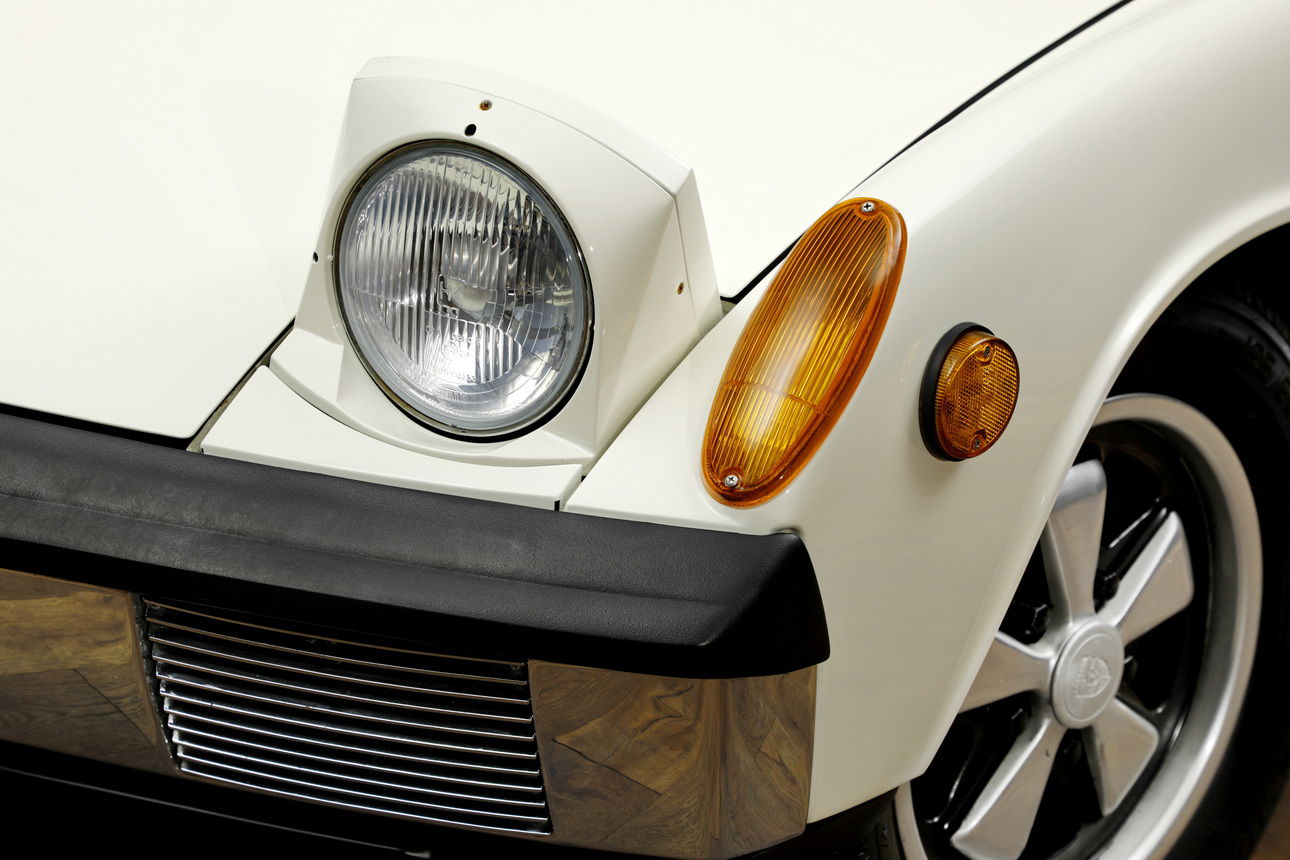
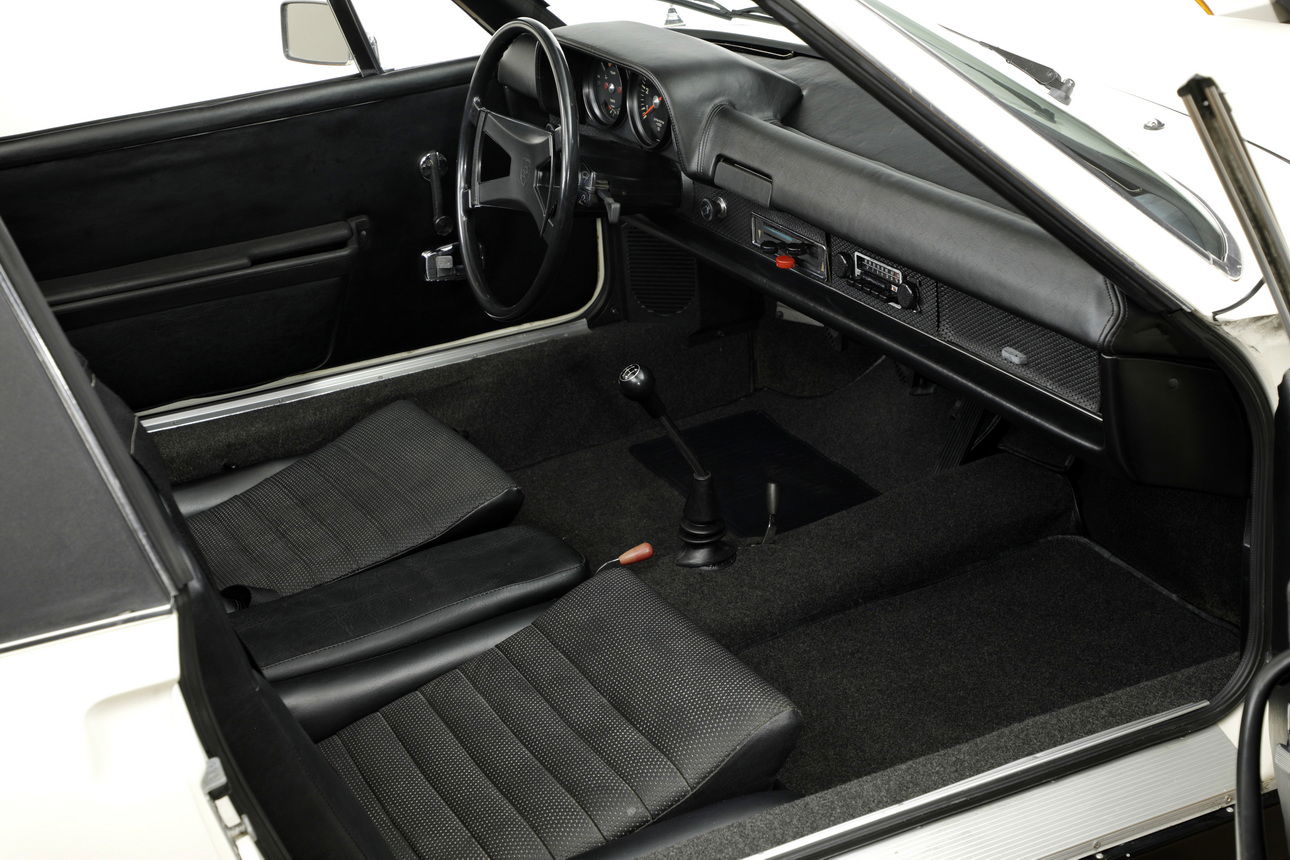
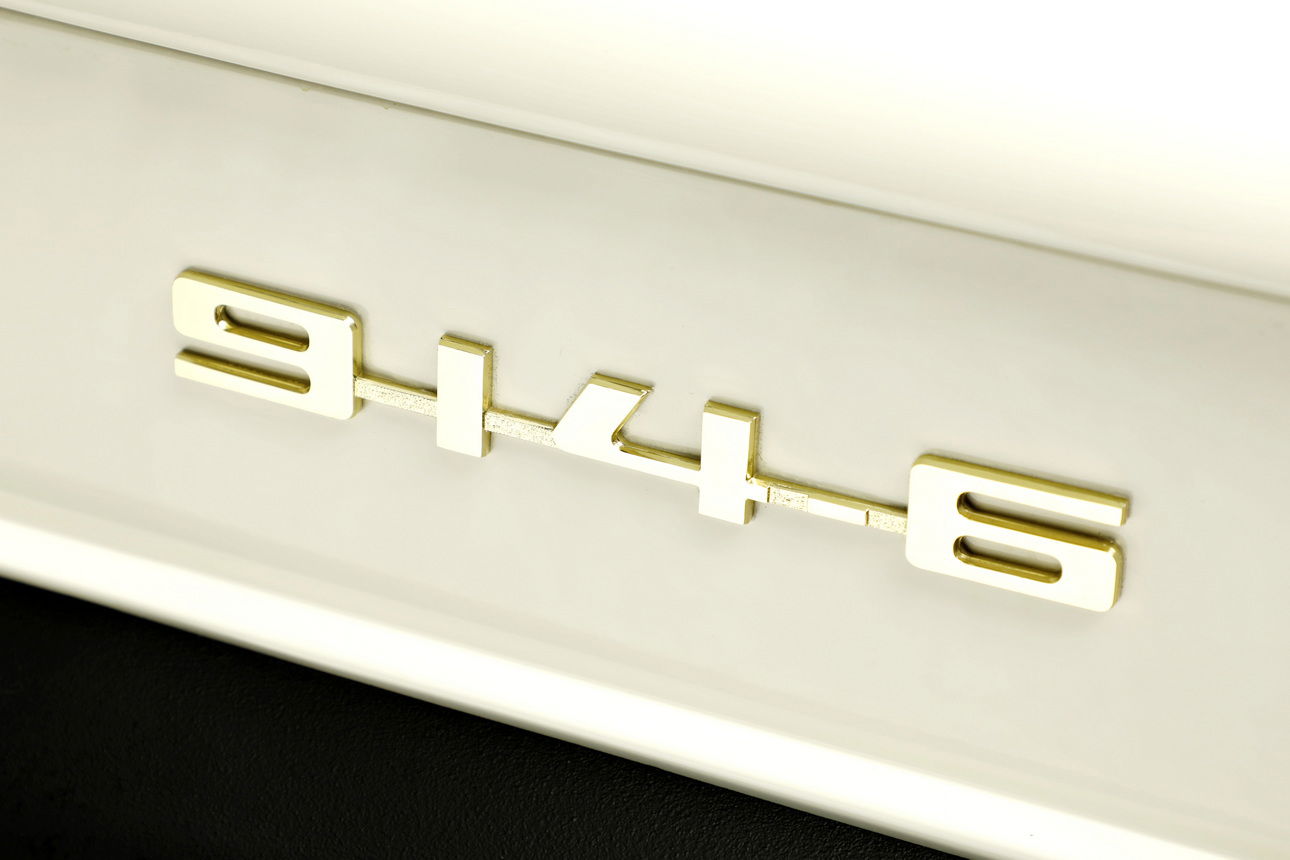
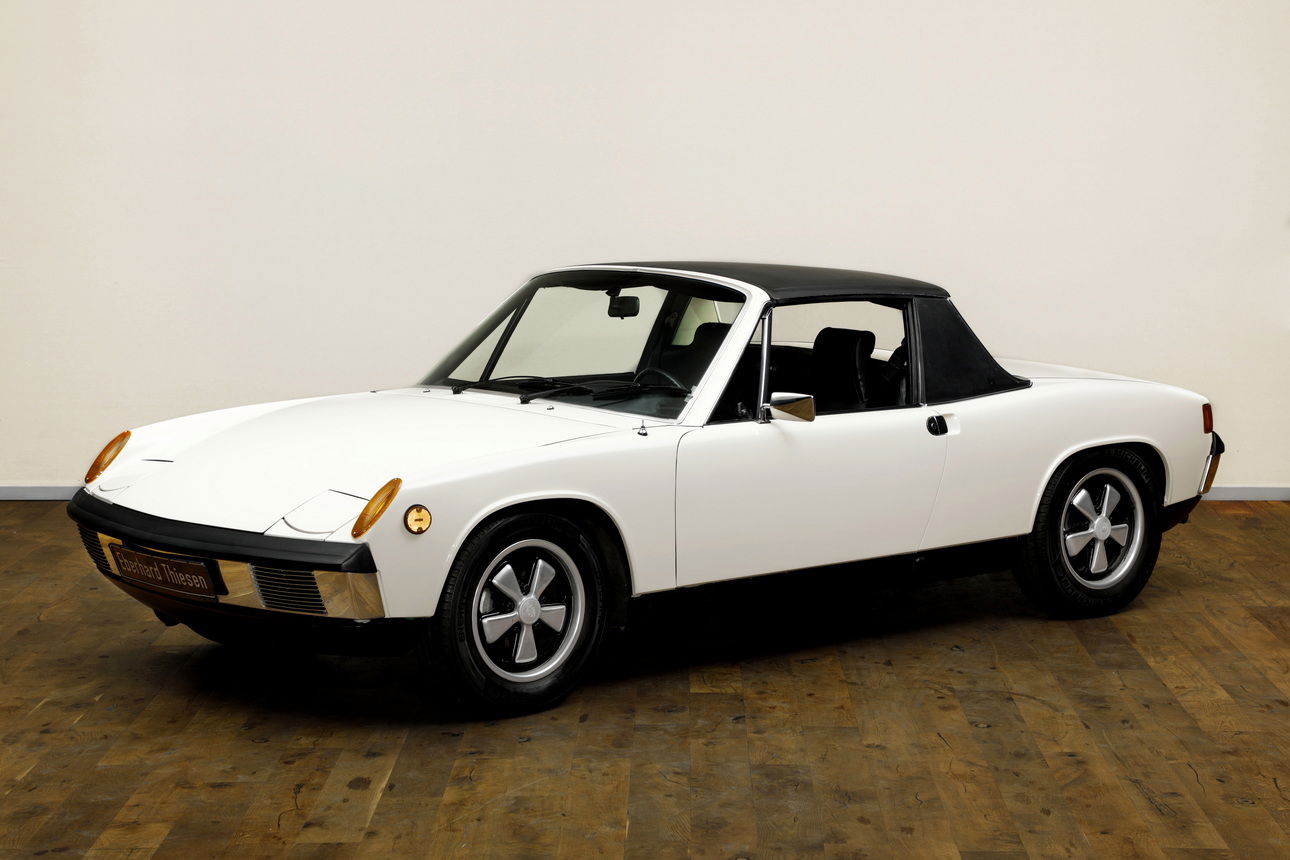
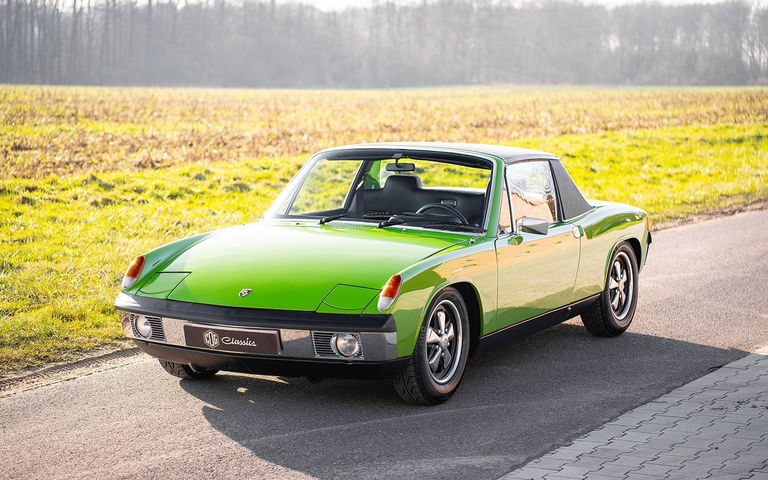
The VW-Porsche 914/6 represents a remarkable chapter in the history of automotive development, resulting from the cooperation between Volkswagen and Porsche in the late 1960s. In response to the need for a sporty successor to the VW Karmann Ghia and Porsche's search for an accessible entry-level model, the VW-Porsche 914/6 was developed, distinguished by its technical sophistication and unique design. Designed as a mid-engine sports car, the 914/6 is characterized by its balanced weight distribution and driving performance. At its launch, the 914 was available with two engine options. The 914 featured a 1.7-liter four-cylinder boxer engine with 80 hp from Volkswagen, while the 914/6 featured a 2.0-liter six-cylinder boxer engine with 110 hp from the Porsche 911 T. The design features of the 914/6, including the relatively long wheelbase in contrast to the short overhangs, the removable roof center section made of glass fiber reinforced plastic, the pop-up headlights, and the wide safety bar, contribute to its appearance. The 914/6 was produced at Porsche's main plant in Stuttgart-Zuffenhausen, establishing the 914/6 as an integral part of the Porsche vehicle range. Introduced as a 1970 model year, the 914/6 served as Porsche's entry-level model and set new standards in its vehicle class. Overall, the VW-Porsche 914/6 represents a special combination of German engineering and automotive design, embodied by the collaboration between two leading car manufacturers. The 914/6 is thus a testament to automotive history.









 1971
1971