Chassis No. 9248100015
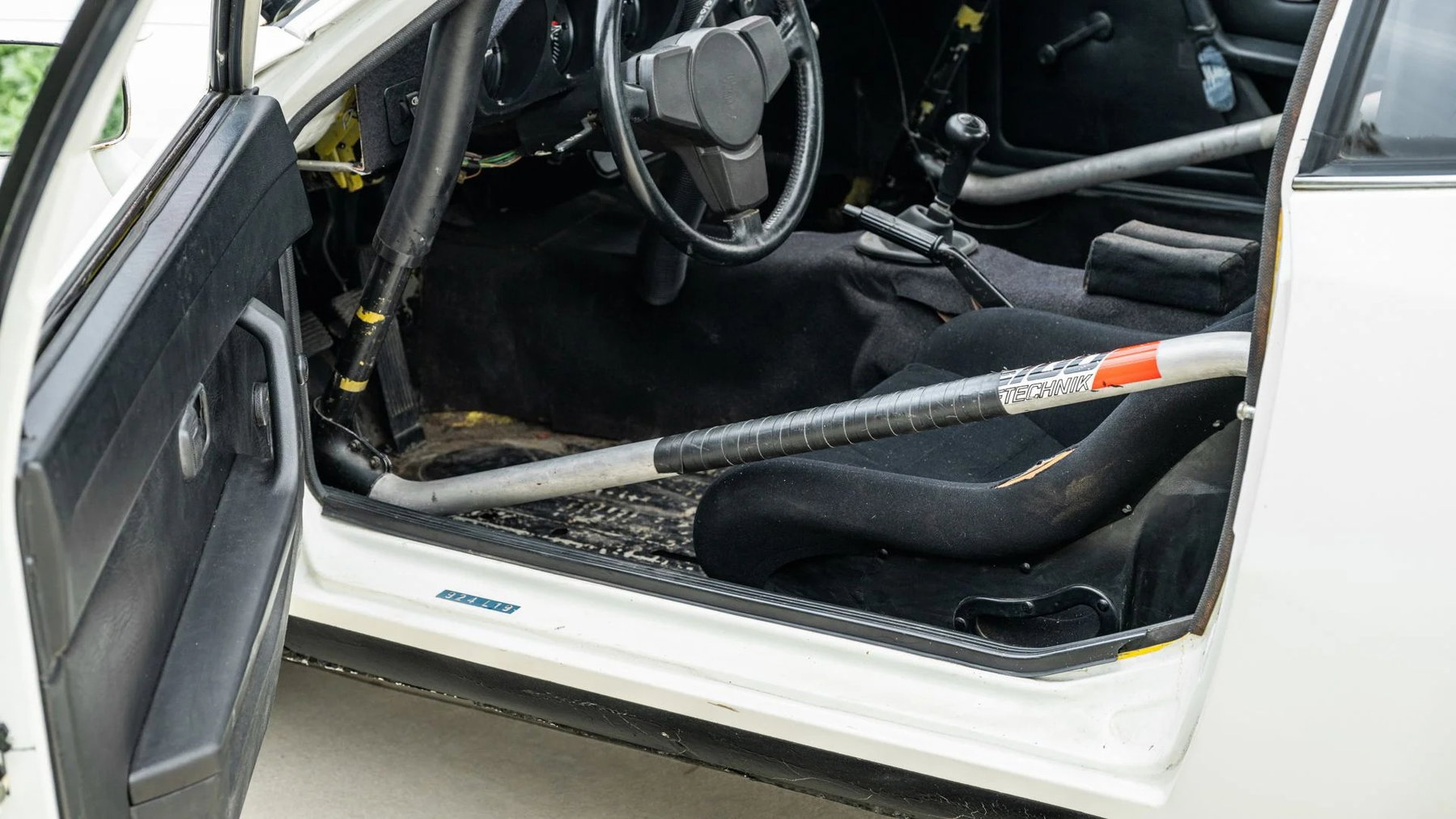
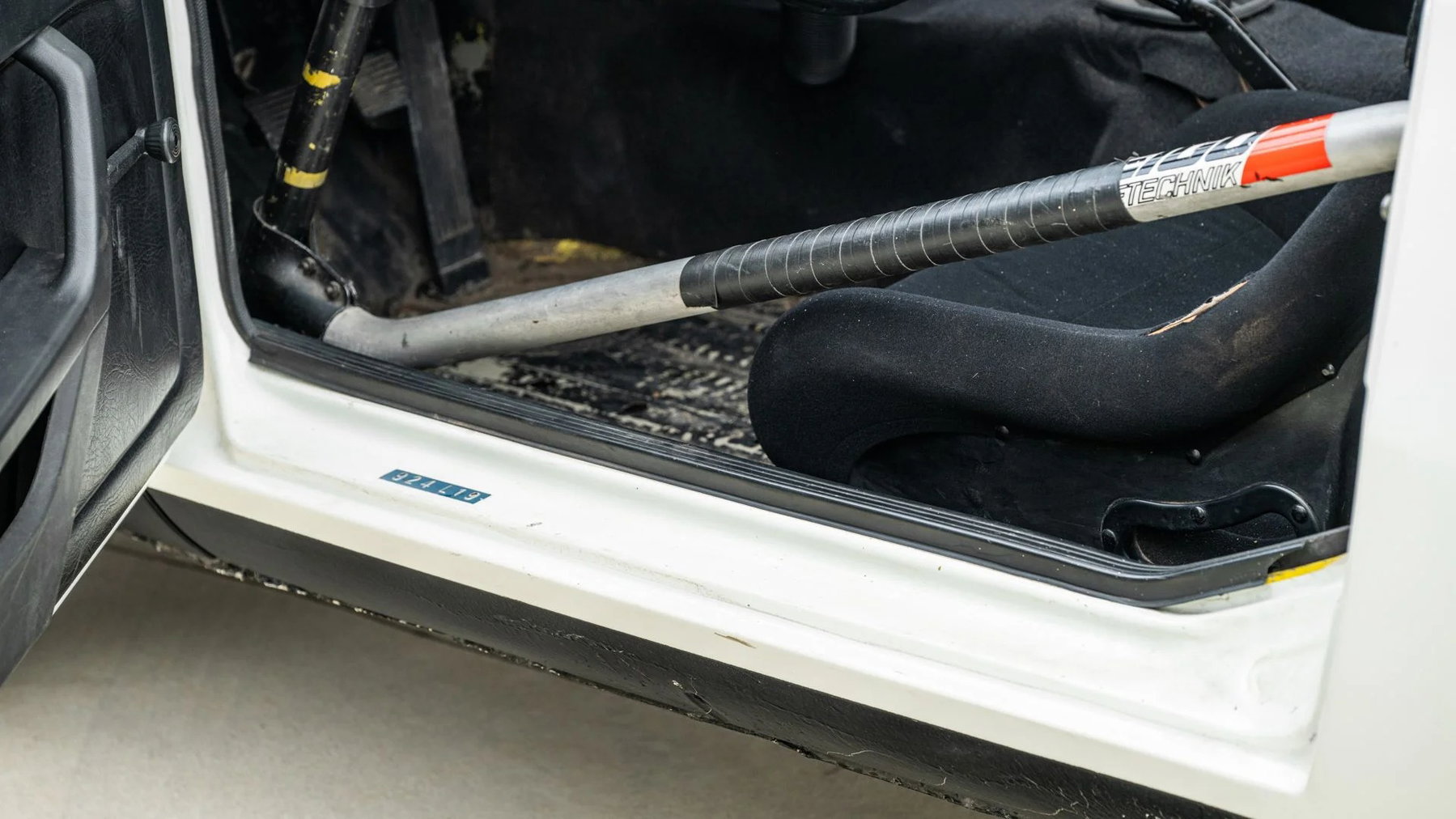
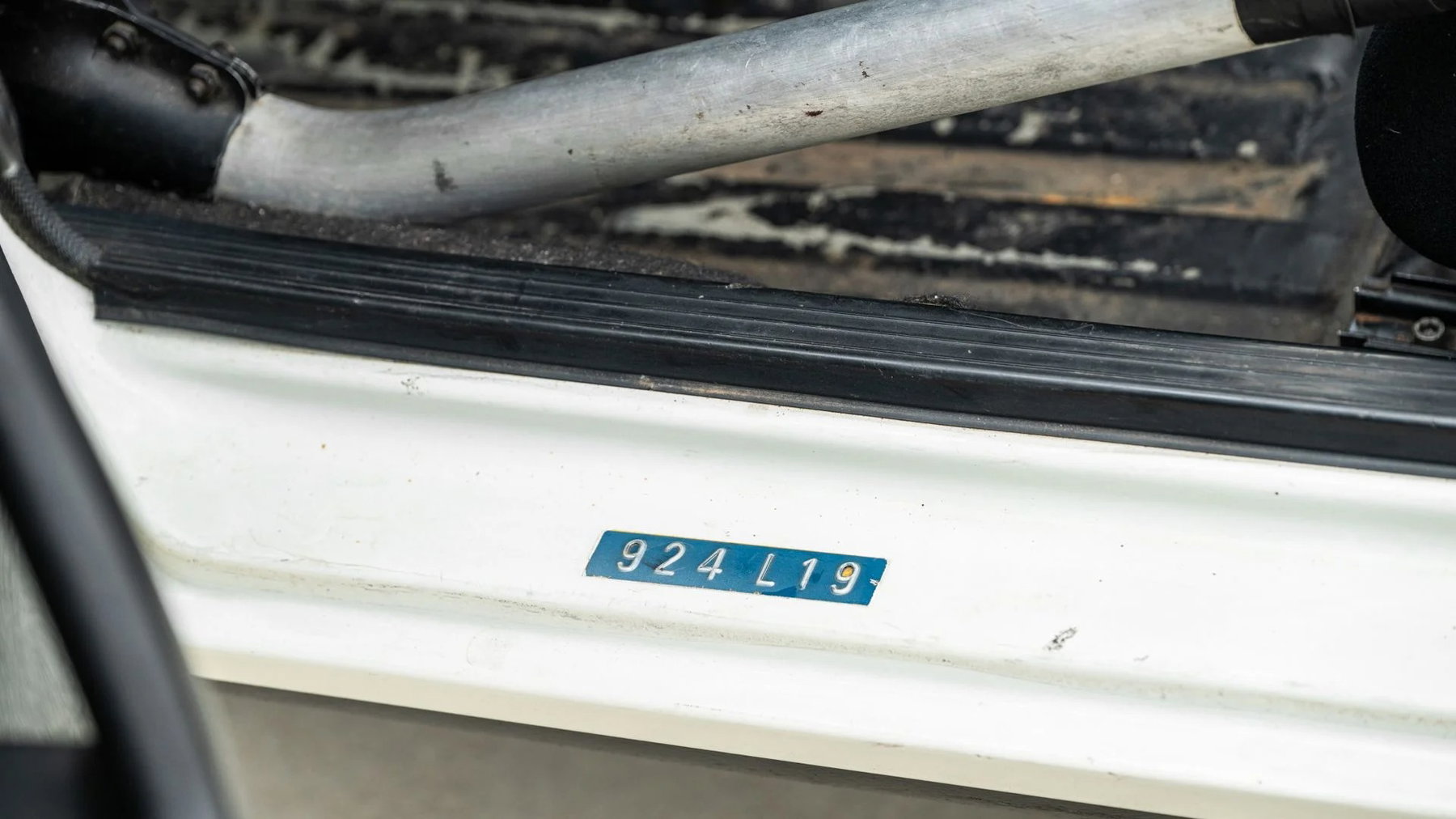
Porsche Internal No. 924 L19
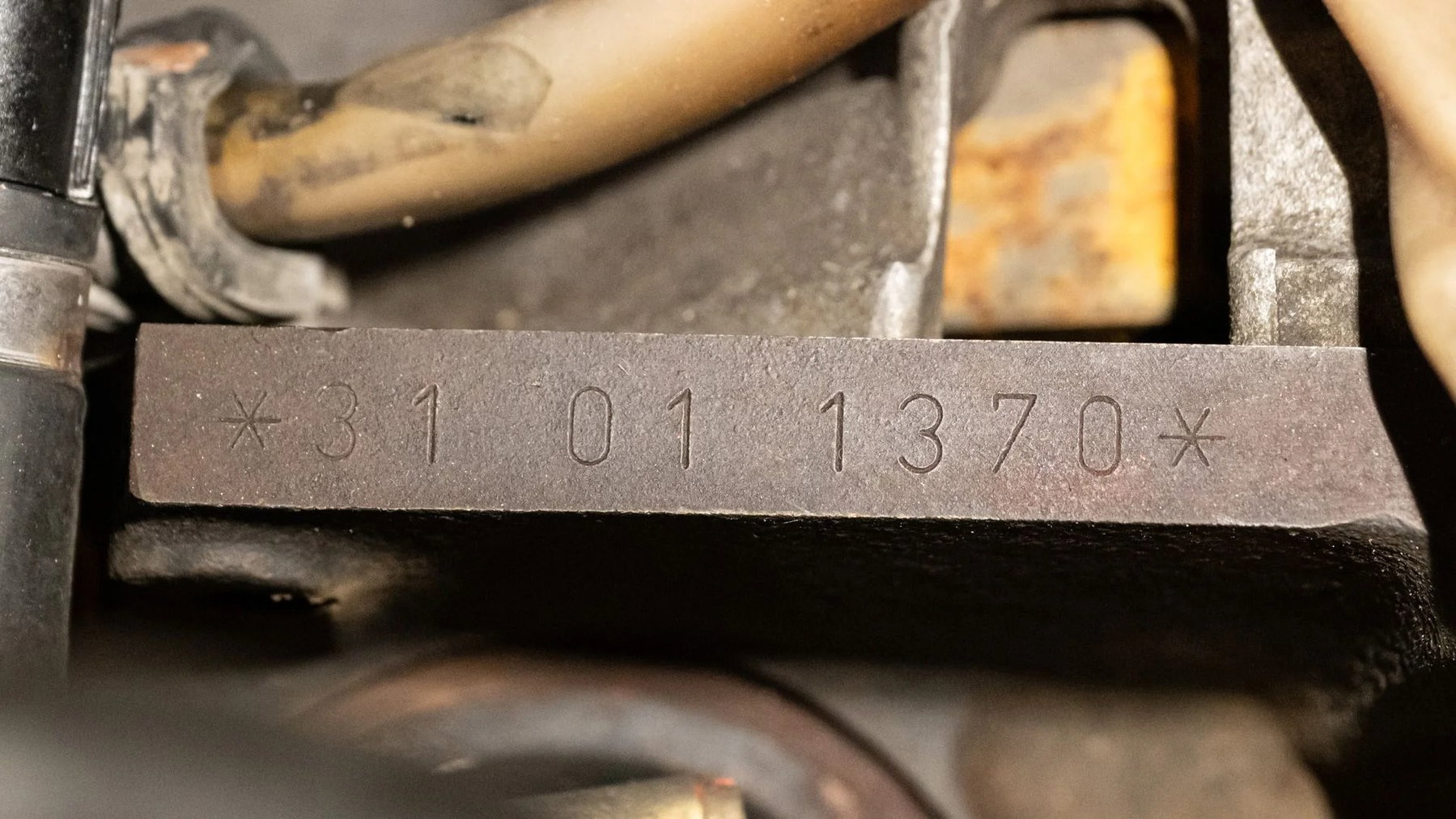
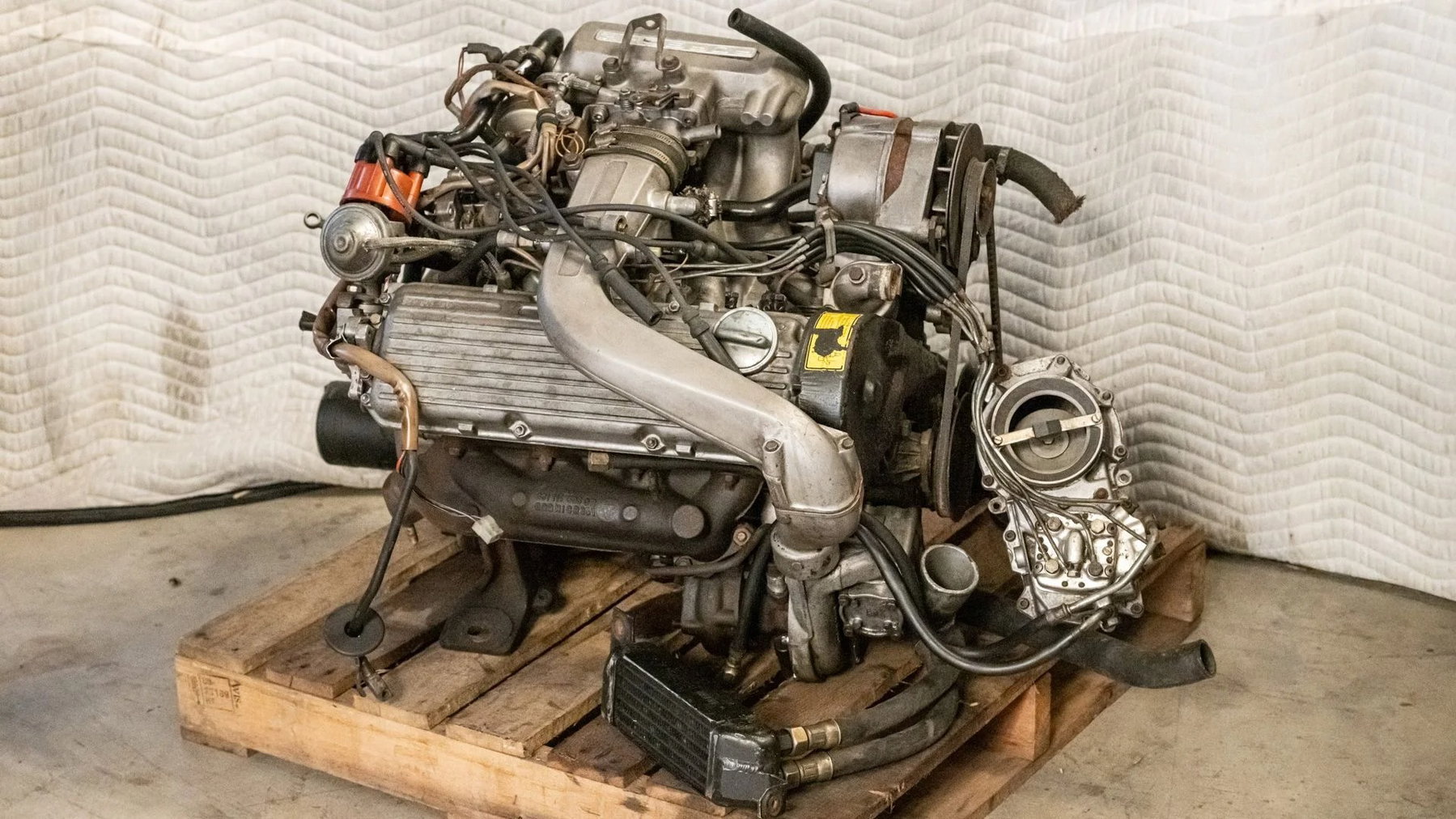
Spare Engine No. 31011370
The thought that “Racing Improves the Breed” isn’t necessarily a Porsche-only ethos—but it often feels that way. While Porsche is best known for endurance and sports car racing, the Stuttgart firm has repeatedly demonstrated that when it turns its attention to a particular discipline, success follows, whether in Formula One, land-speed records, or rallying. Indeed, factory driver and rally specialist Vic Elford once remarked that Porsche would have won every major rally of the 1970s had it chosen to fully pursue the sport after its Monte Carlo hat trick in 1968, 1969, and 1970—a telling measure of the company’s rallying capability, even during periods when its focus lay elsewhere.
Even though Porsche’s focus in the mid-1970 returned to the circuit, rally racing had many proponents within Porsche, namely the future head of the Customer Sport Department, Porsche factory pilot, and 1977 Le Mans 24 Hours-winner Jürgen Barth. Barth is a legendary individual with deep ties to Porsche history whose father Edgar Barth was a Porsche factory driver, European Hillclimb Champion, and endurance racer. In 1977, the same year he triumphed in a factory Martini Racing Porsche System 936/77 with Jacky Ickx and Hurley Haywood, he began competing in rally races, first in an Opel and then Toyota for 1978. In 1979 he would rally a Porsche.
0015 – Turbocharged Development
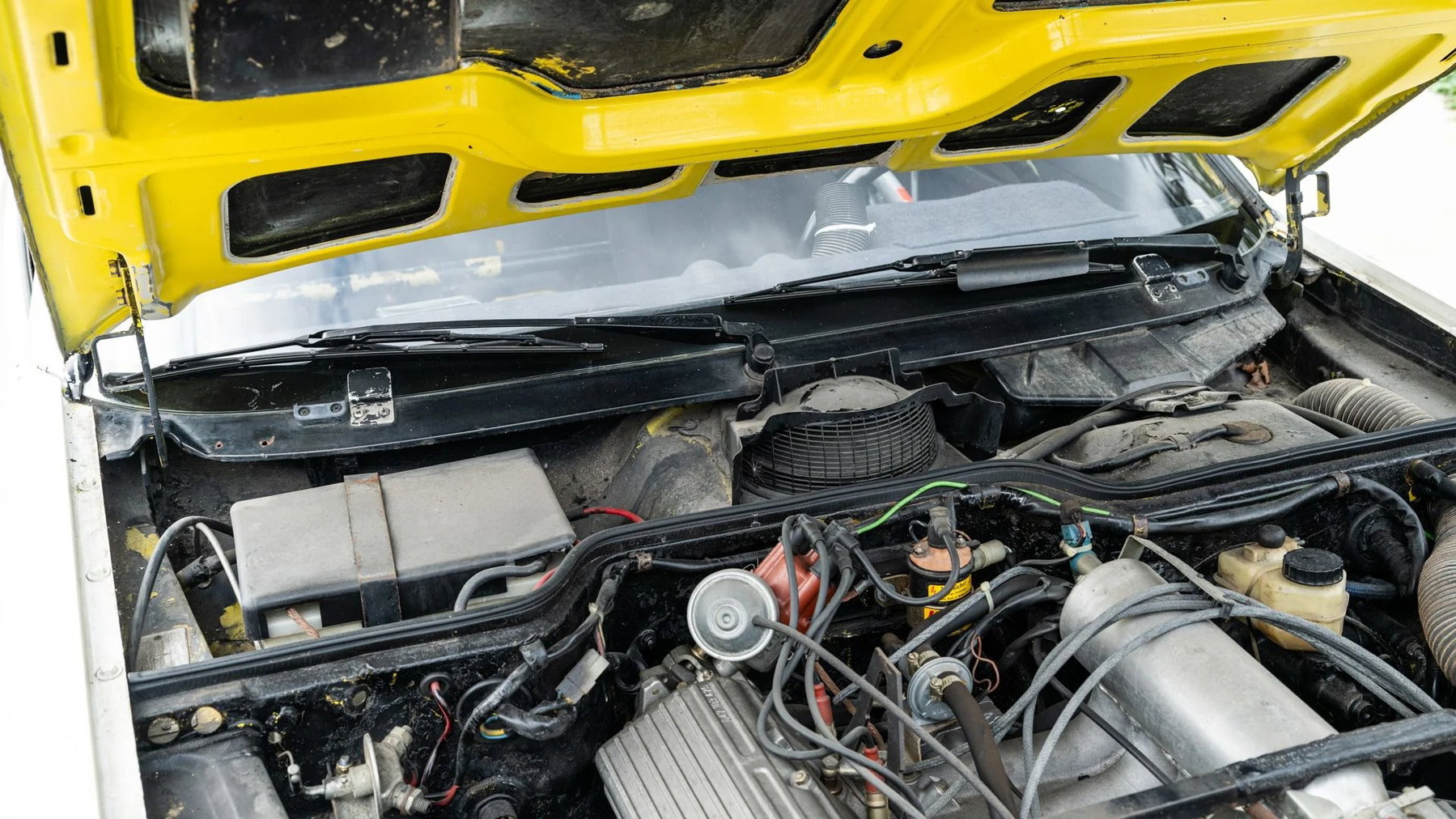
In the mid-1970s Porsche introduced the 924, first in a series of transaxle cars intended to be their future. First introduced with naturally aspirated powerplants, those at Weissach believed the 924 would benefit from turbocharging just like its big brother the Type 930. As a result, in late 1977, Porsche created four 1978 model year Porsche 924 Turbo prototypes (Type 931) to test the transaxle turbocharging concept, with 9248100015, finished in yellow and given the internal designation “924 L19” along factory plate (BB-JD 799) among them! The four cars spent 1978 successfully testing the release of the production version 1979 924 Turbo. Unlike many Porsches that may be scrapped at the end of their time in the experimental department, Jürgen Barth had a plan for all four.
0015 – Rallye Monte-Carlo
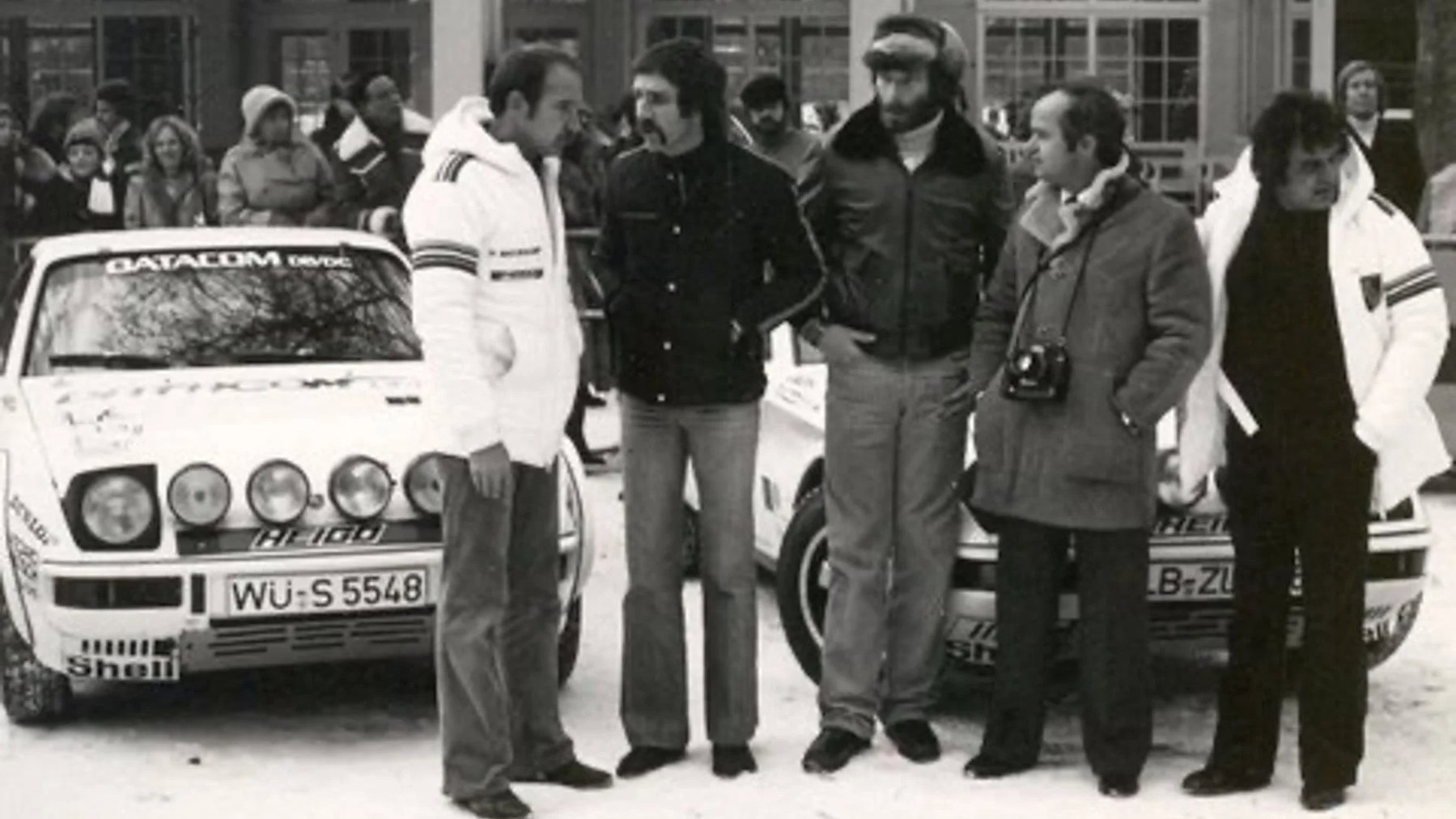
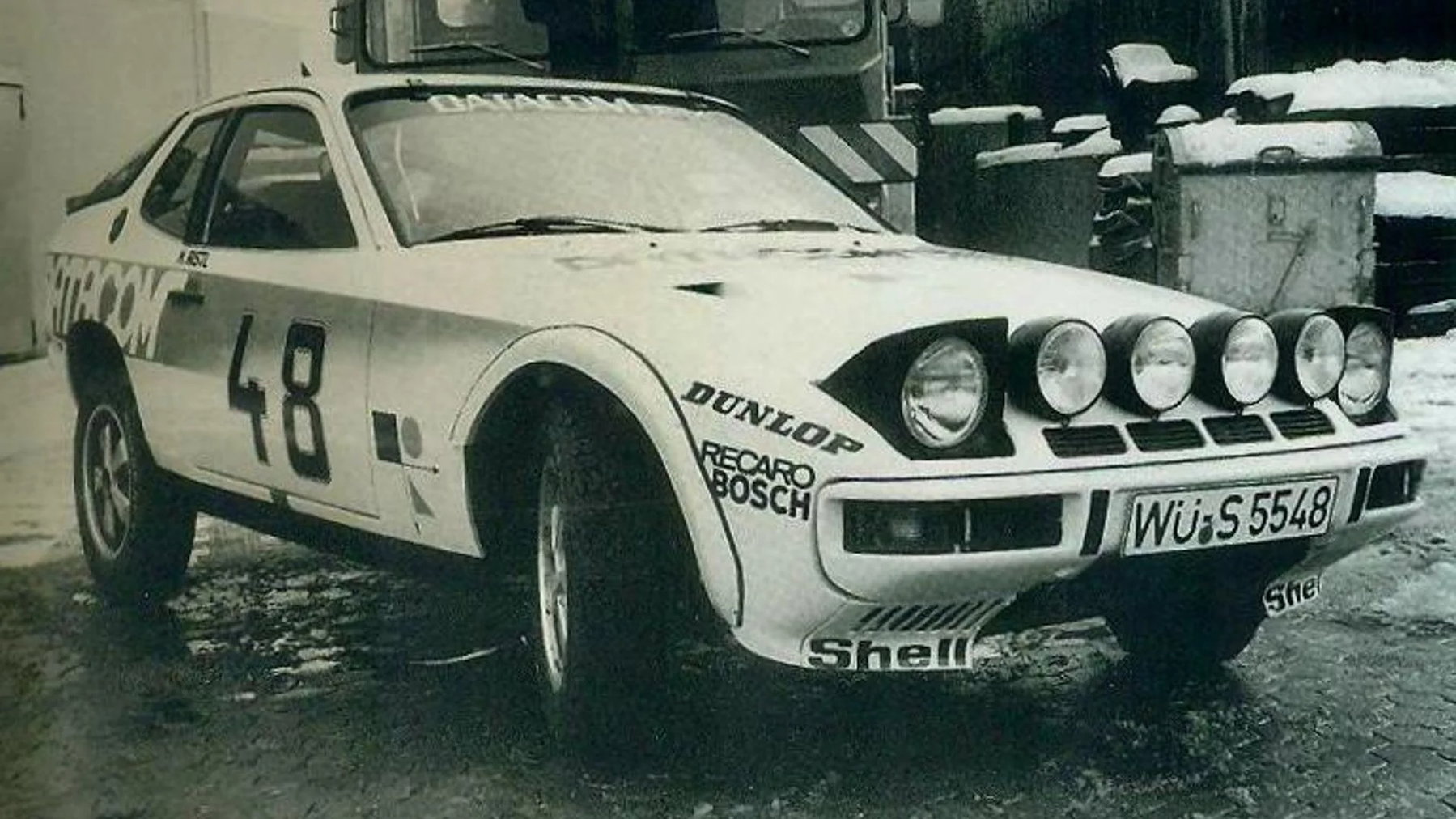
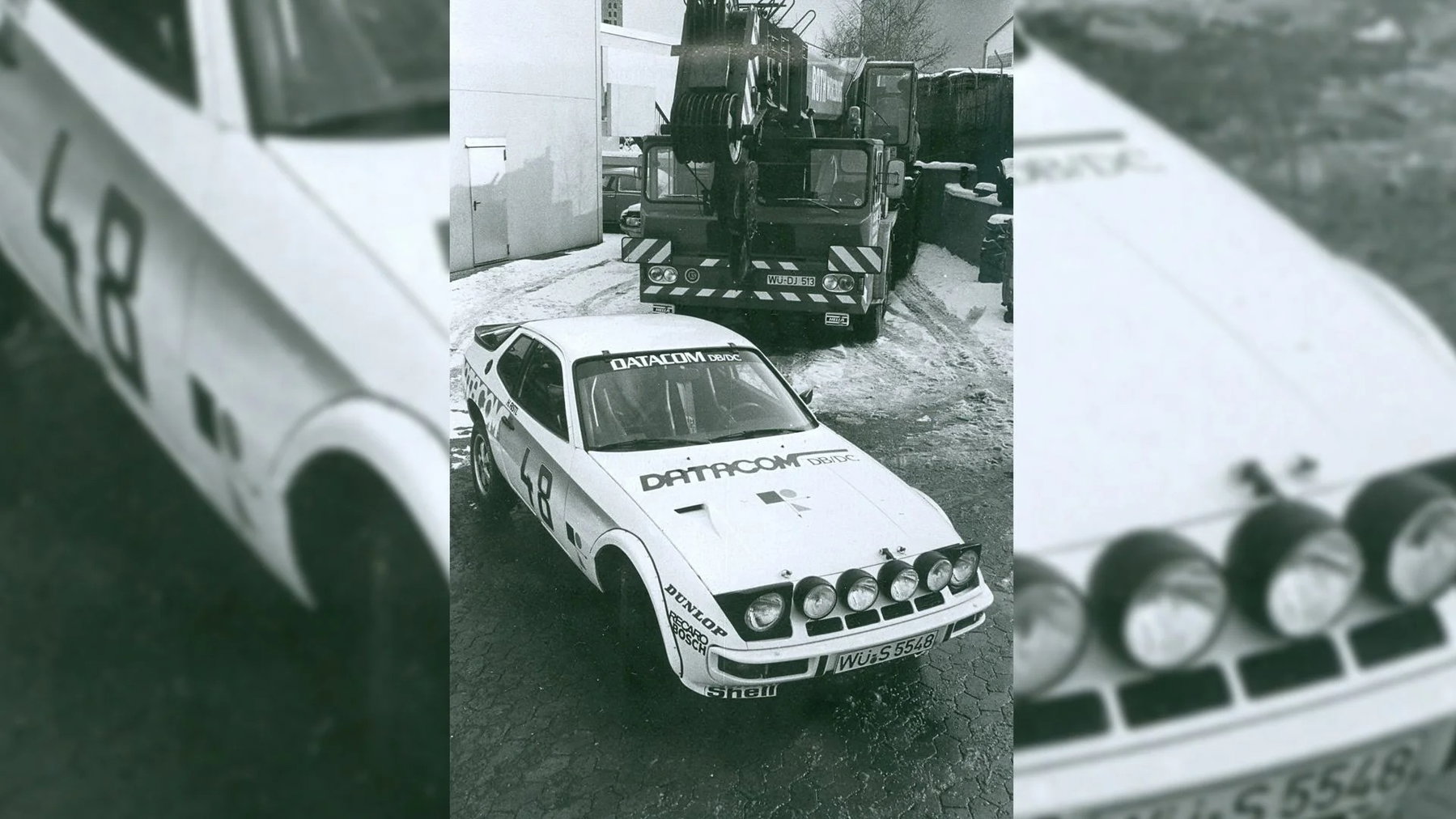
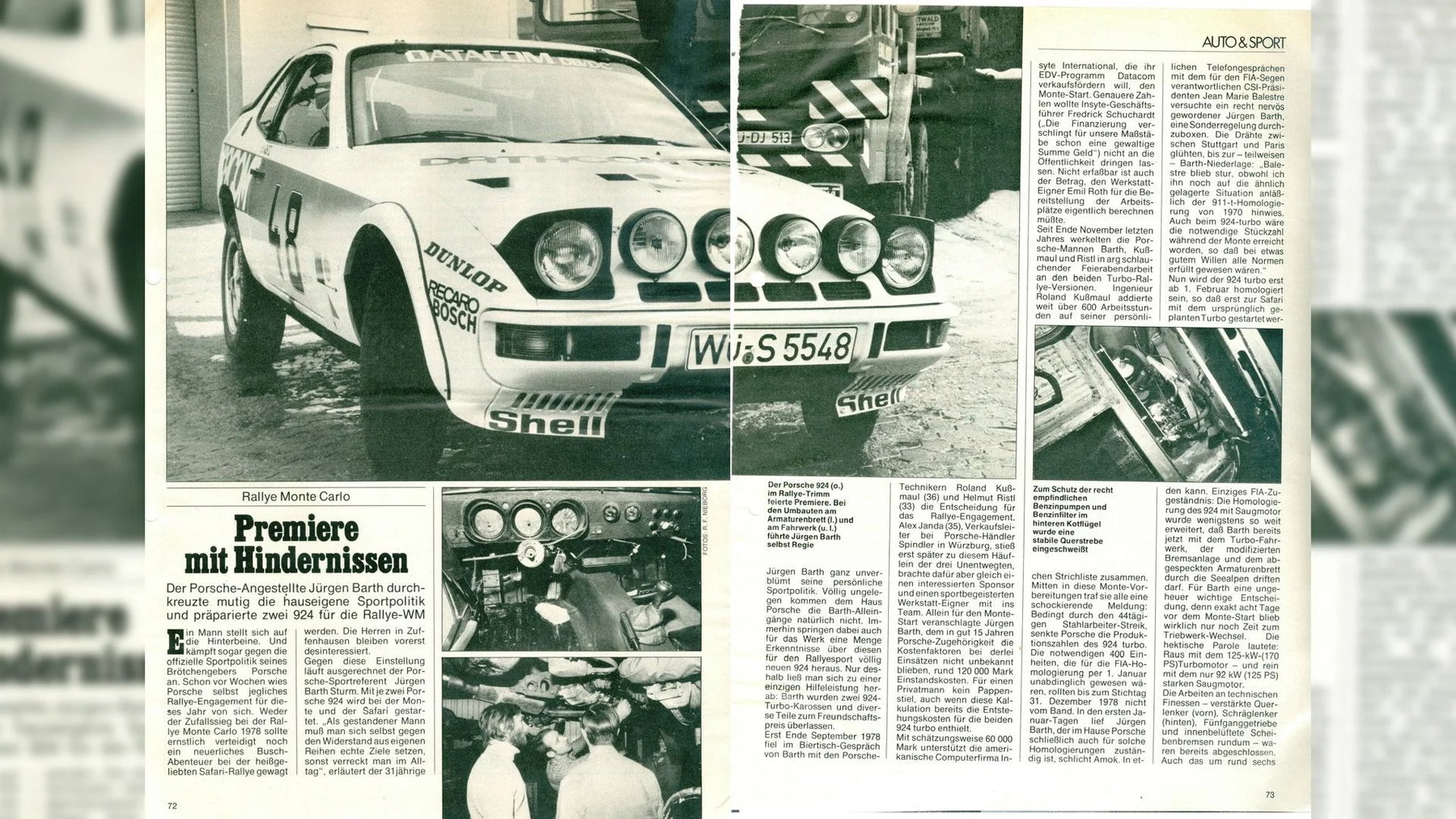
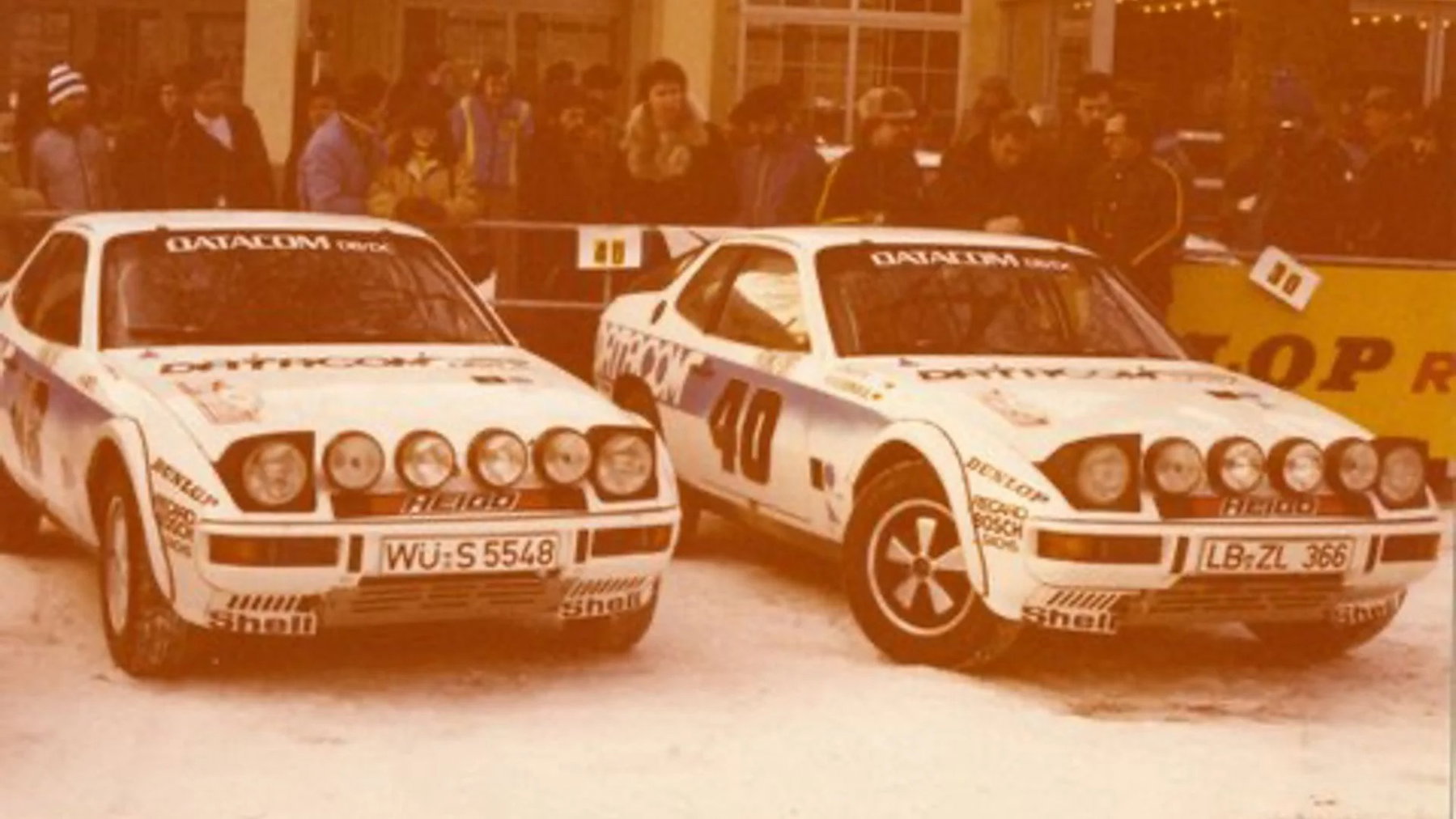
In the fall of 1978 over a round of beers, an idea was hatched between Barth, Porsche engineer Roland Kussmaul, and Helmut Ristl. They would convert, with Porsche approval, two of the 924 Turbos to rally specification and the other two to as reconnaissance or “recce” cars. The goal for the fledgling team would be the 47th running of world-famous Rallye Monte-Carlo that would begin on 20 January 1979. In short order it was determined that Barth and Kussmaul would team in one car (LB-ZL 366) and that 9248100015, proudly offered by Broad Arrow, would be purchased by Alexander Janda (Wü-S 5548) with Ristl as his co-driver.
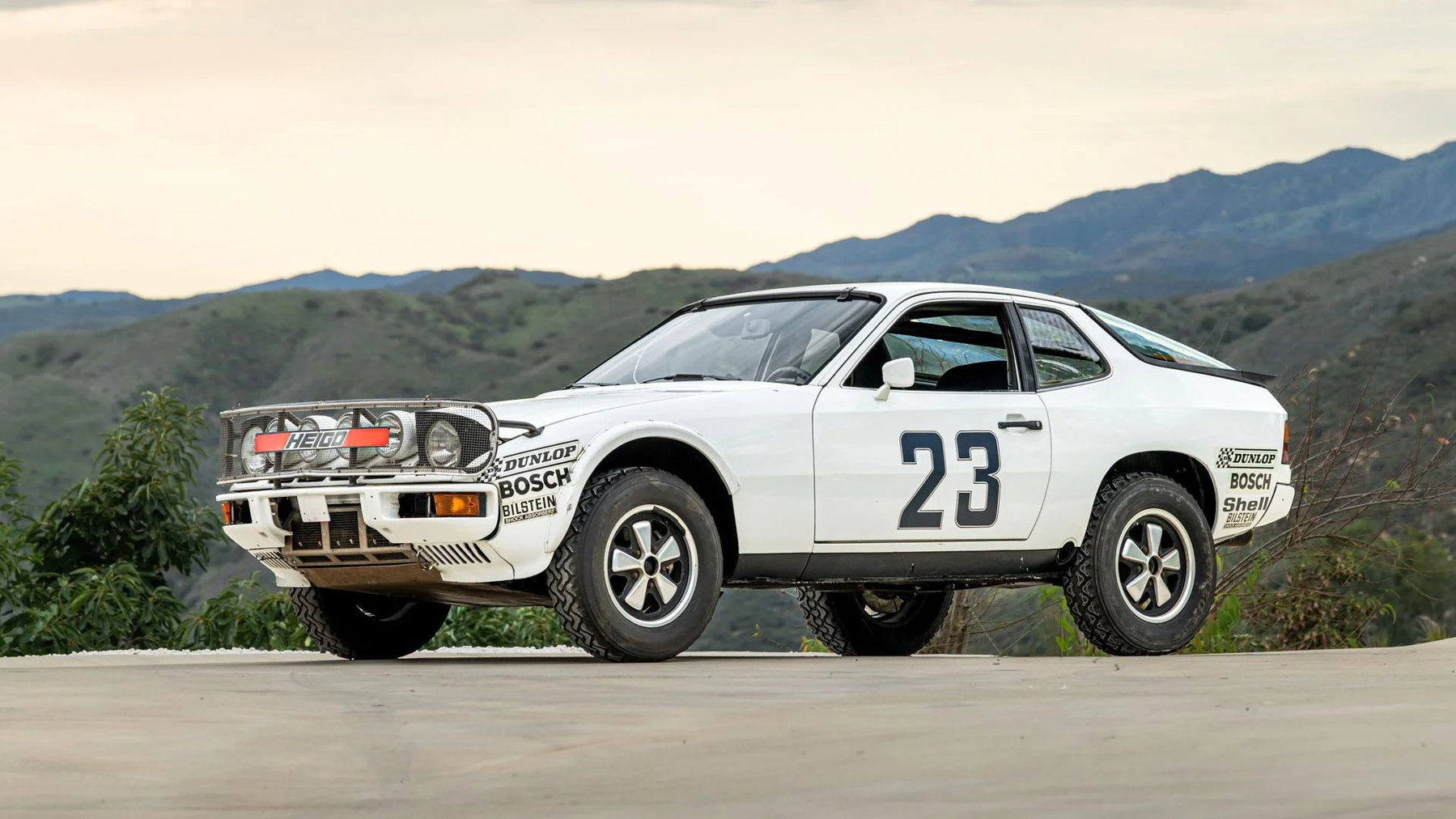
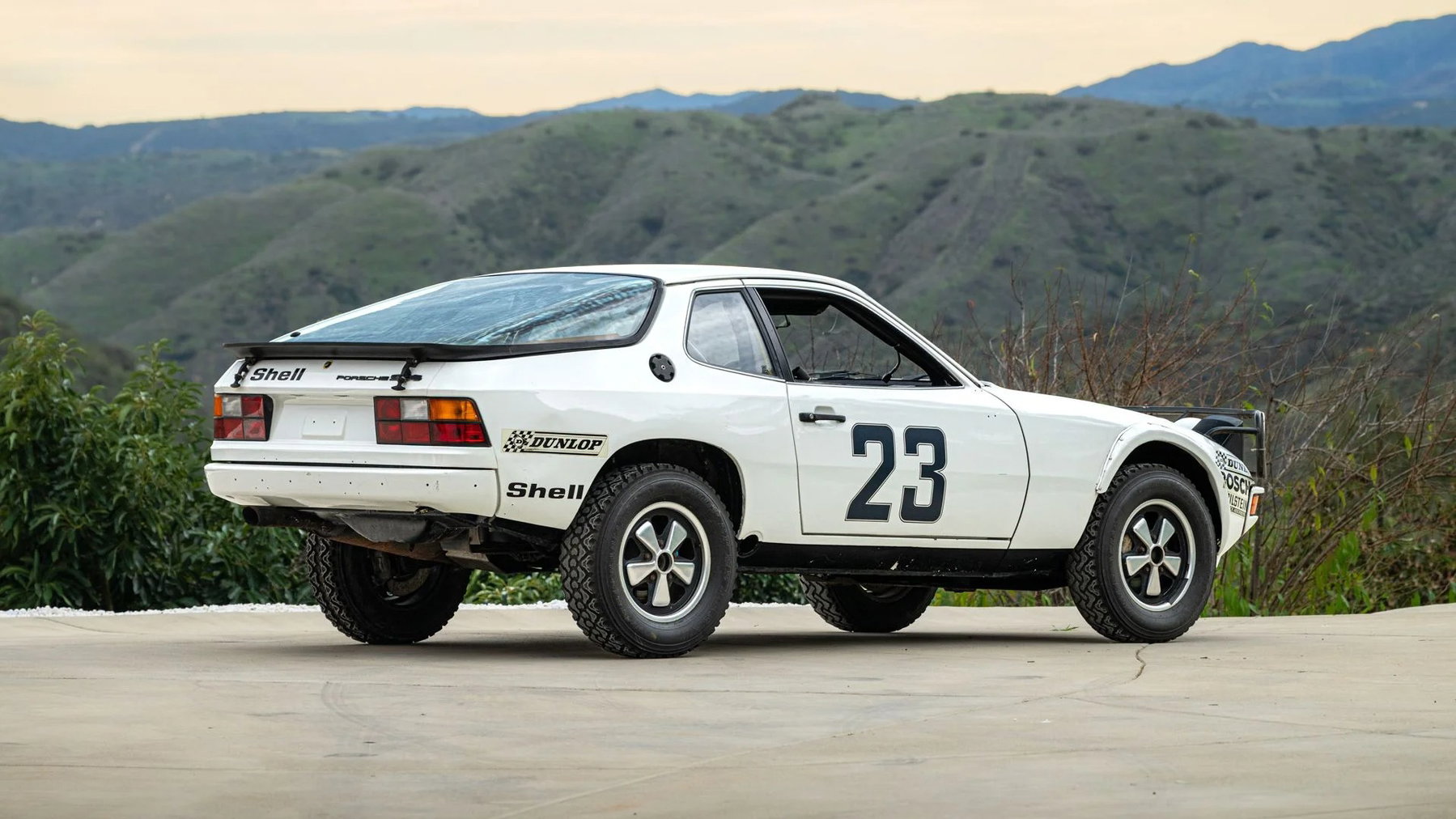
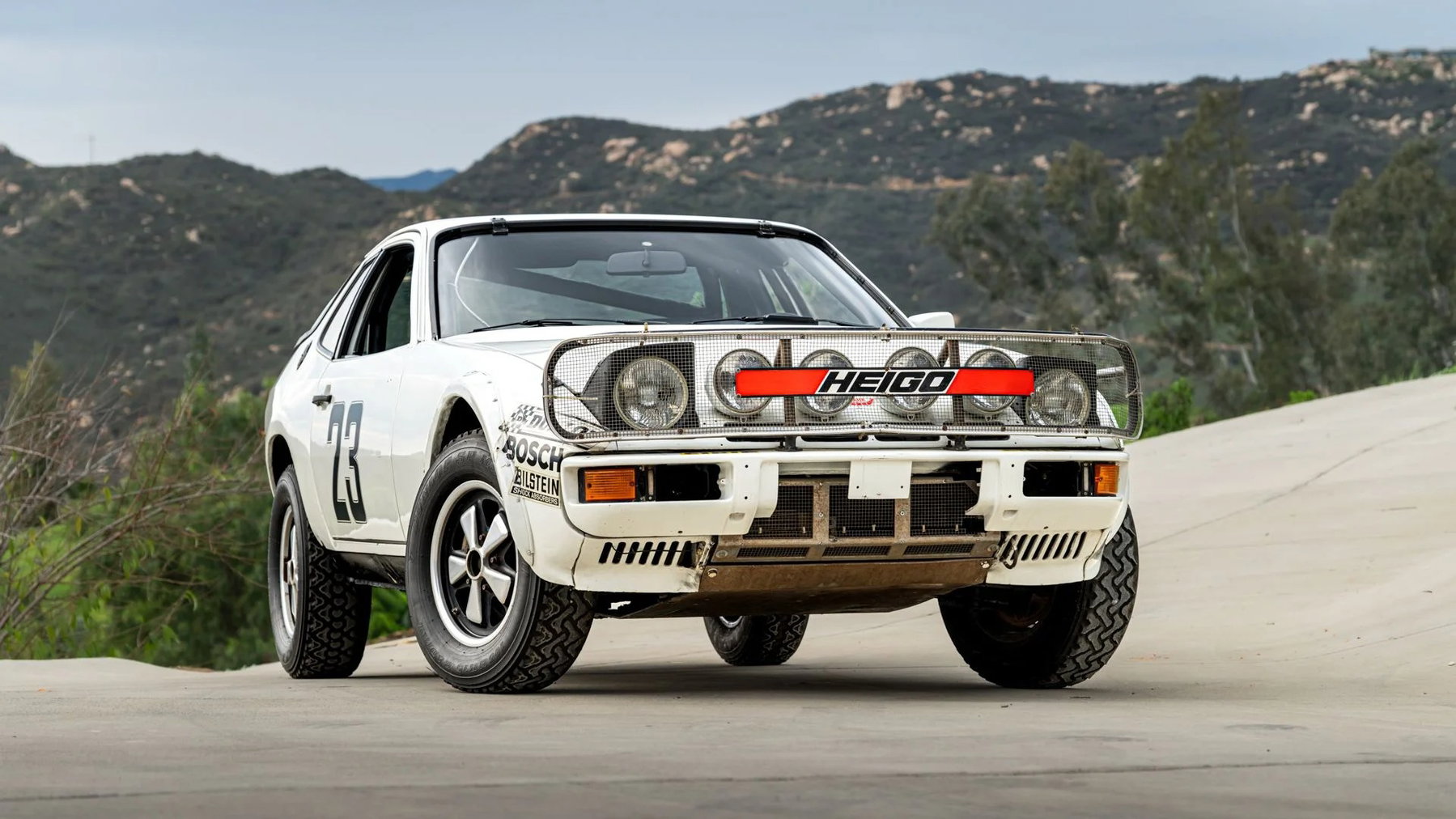
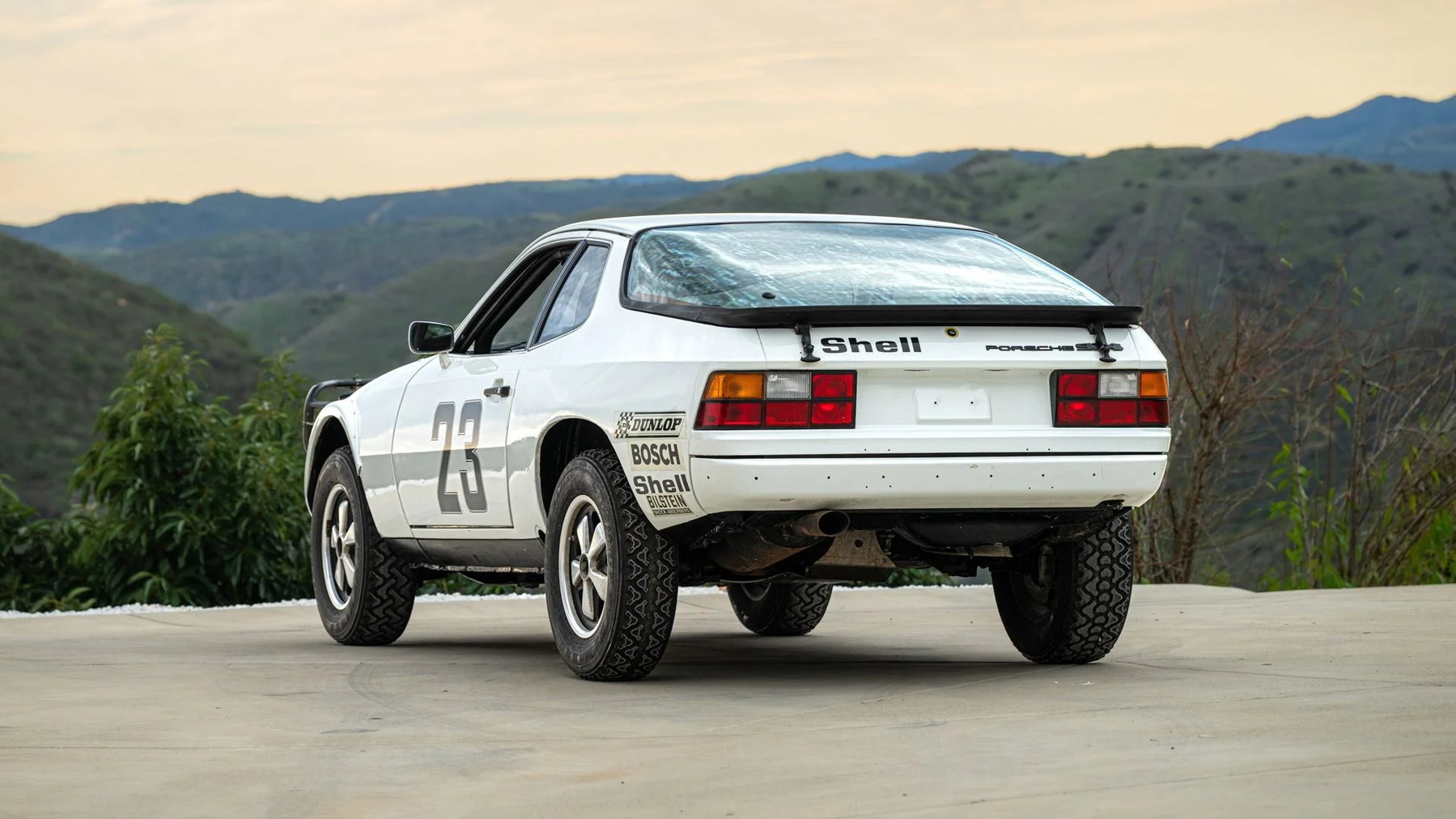
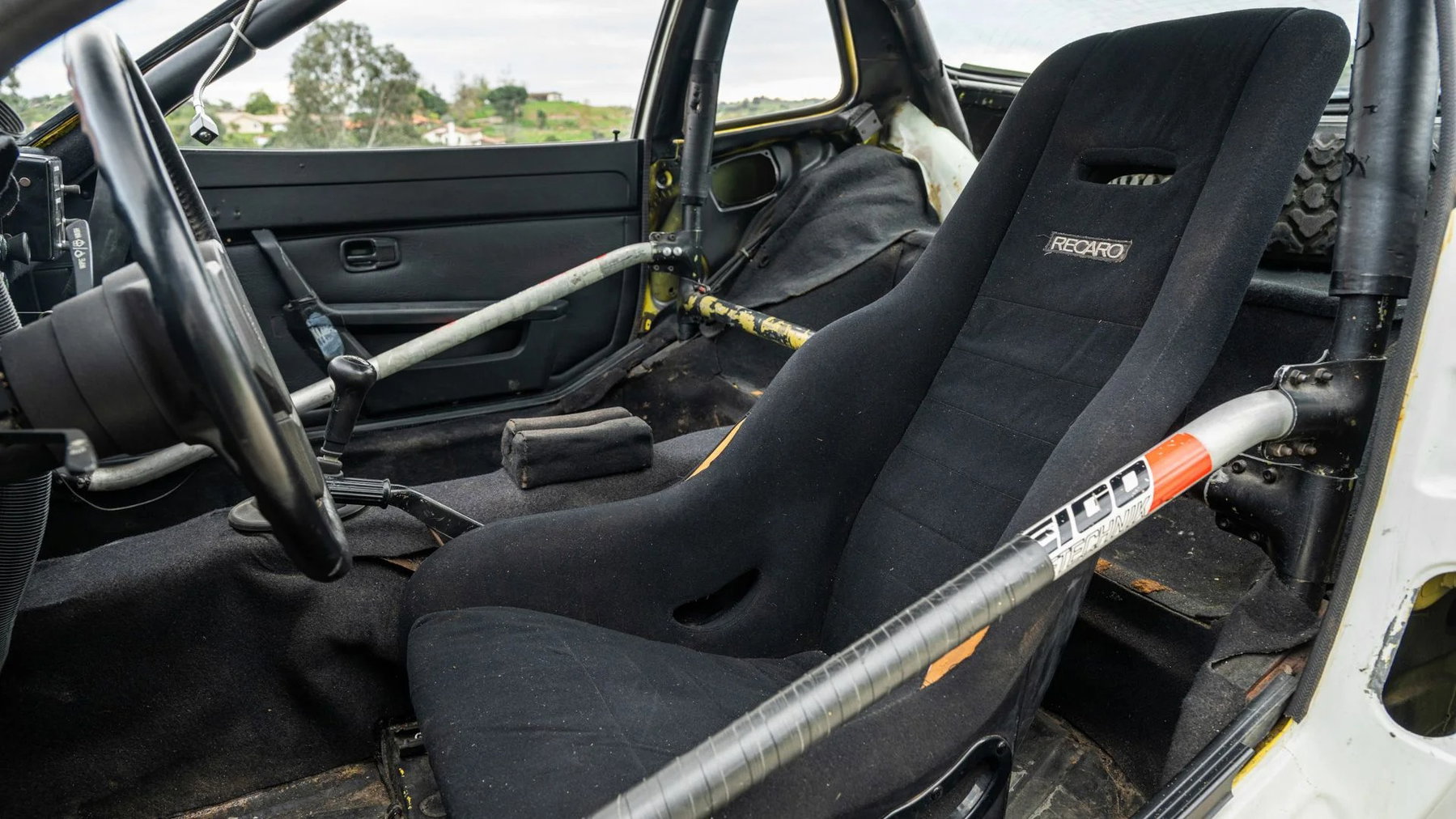
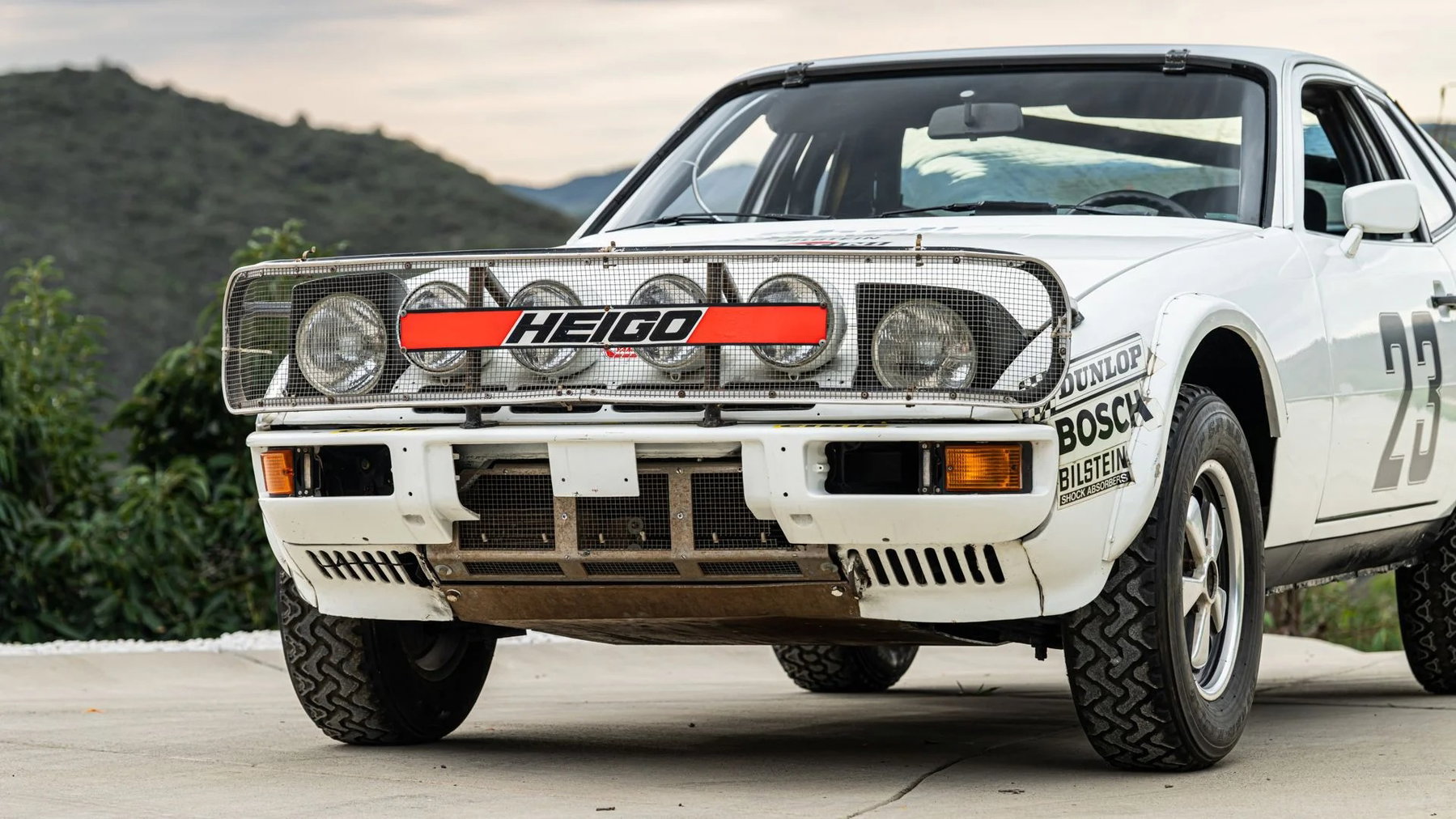
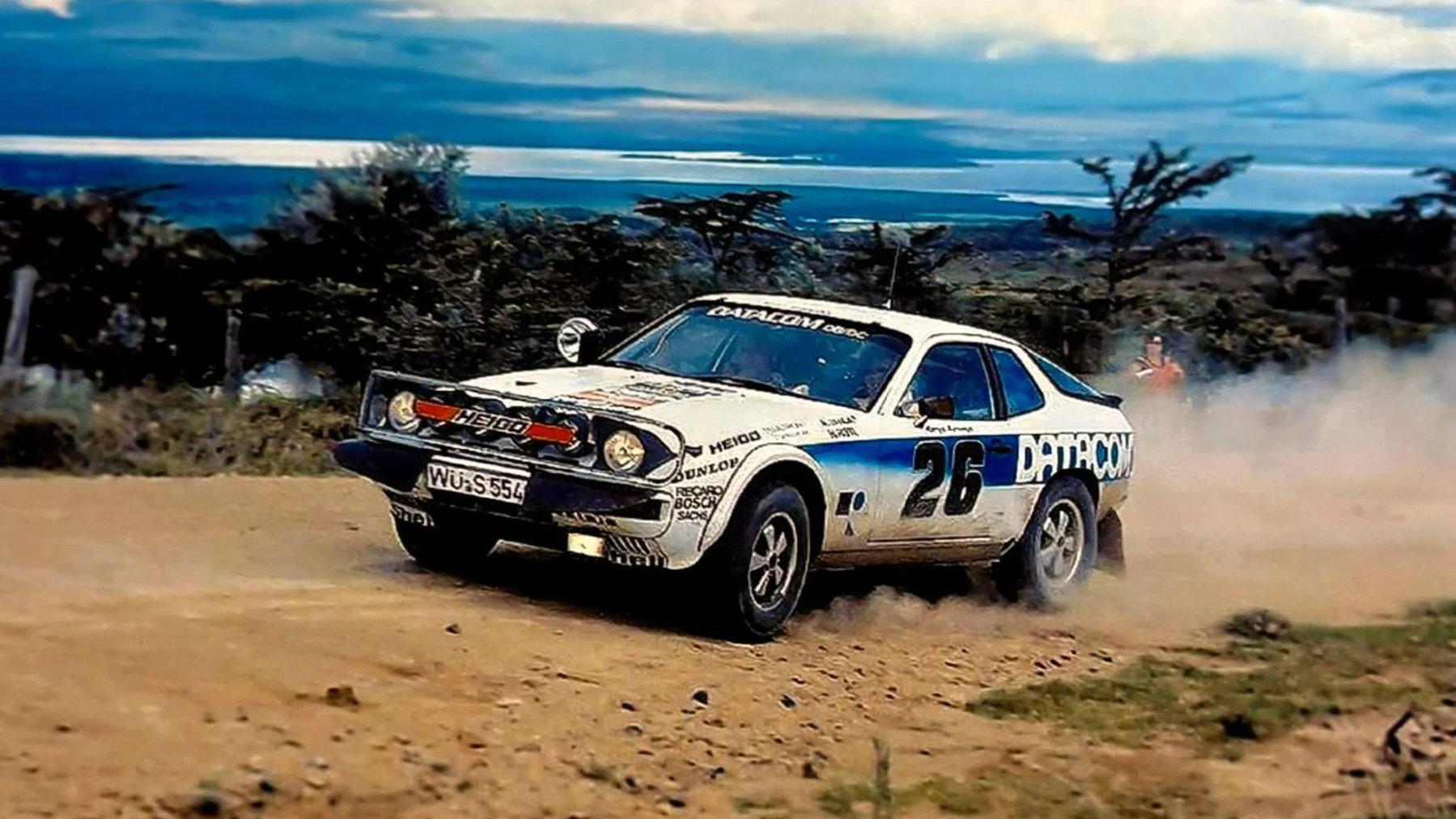
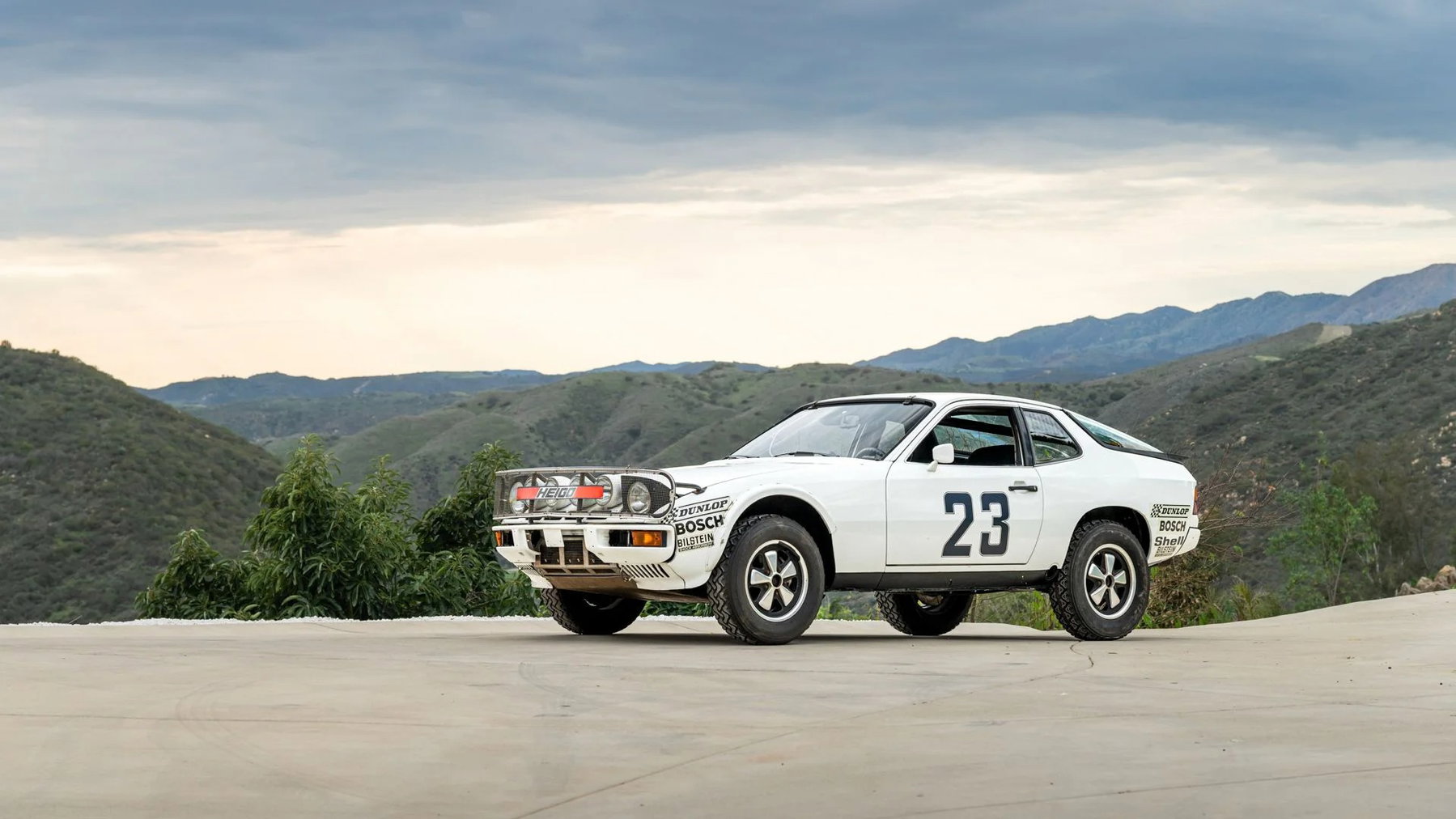
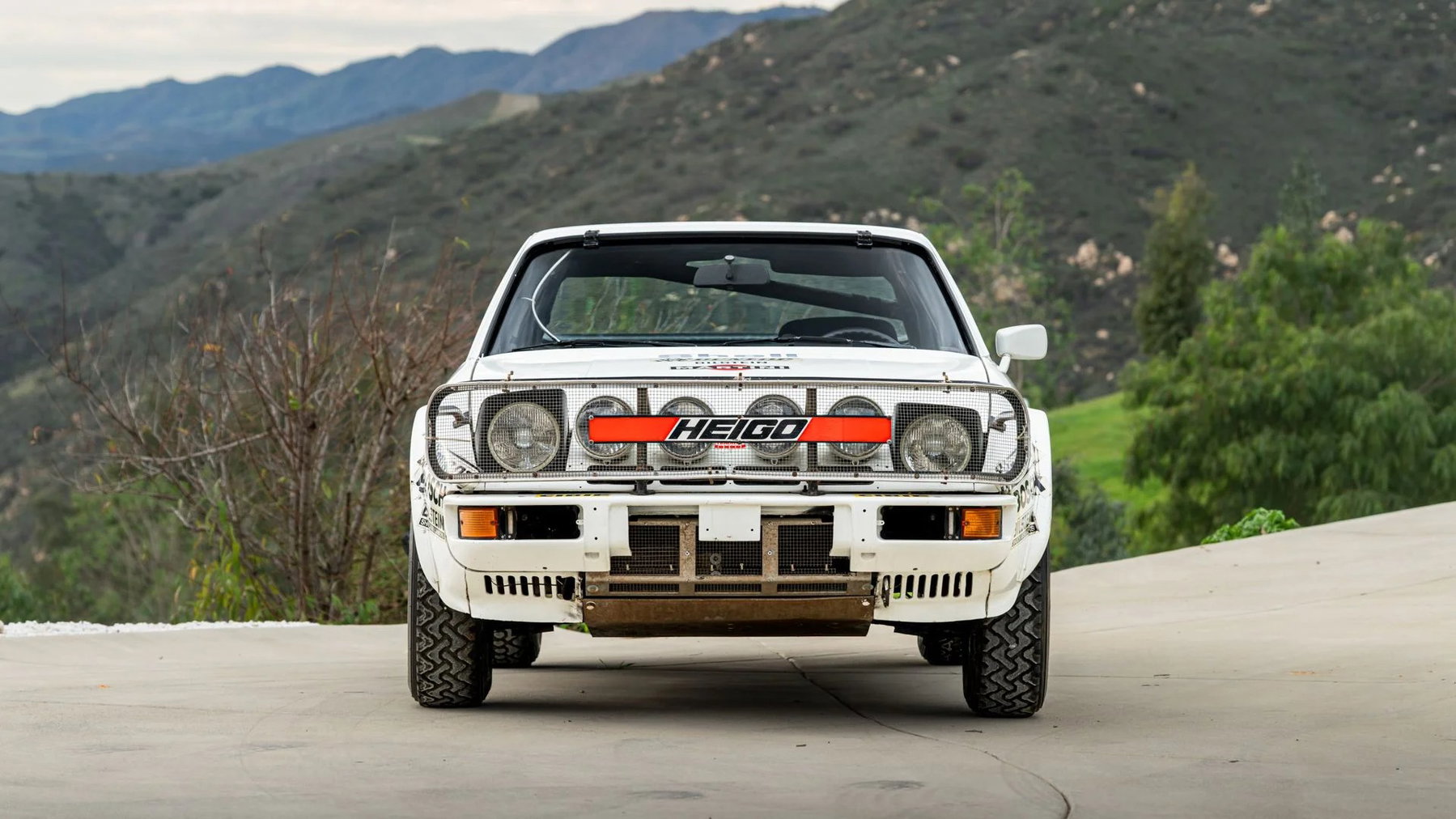
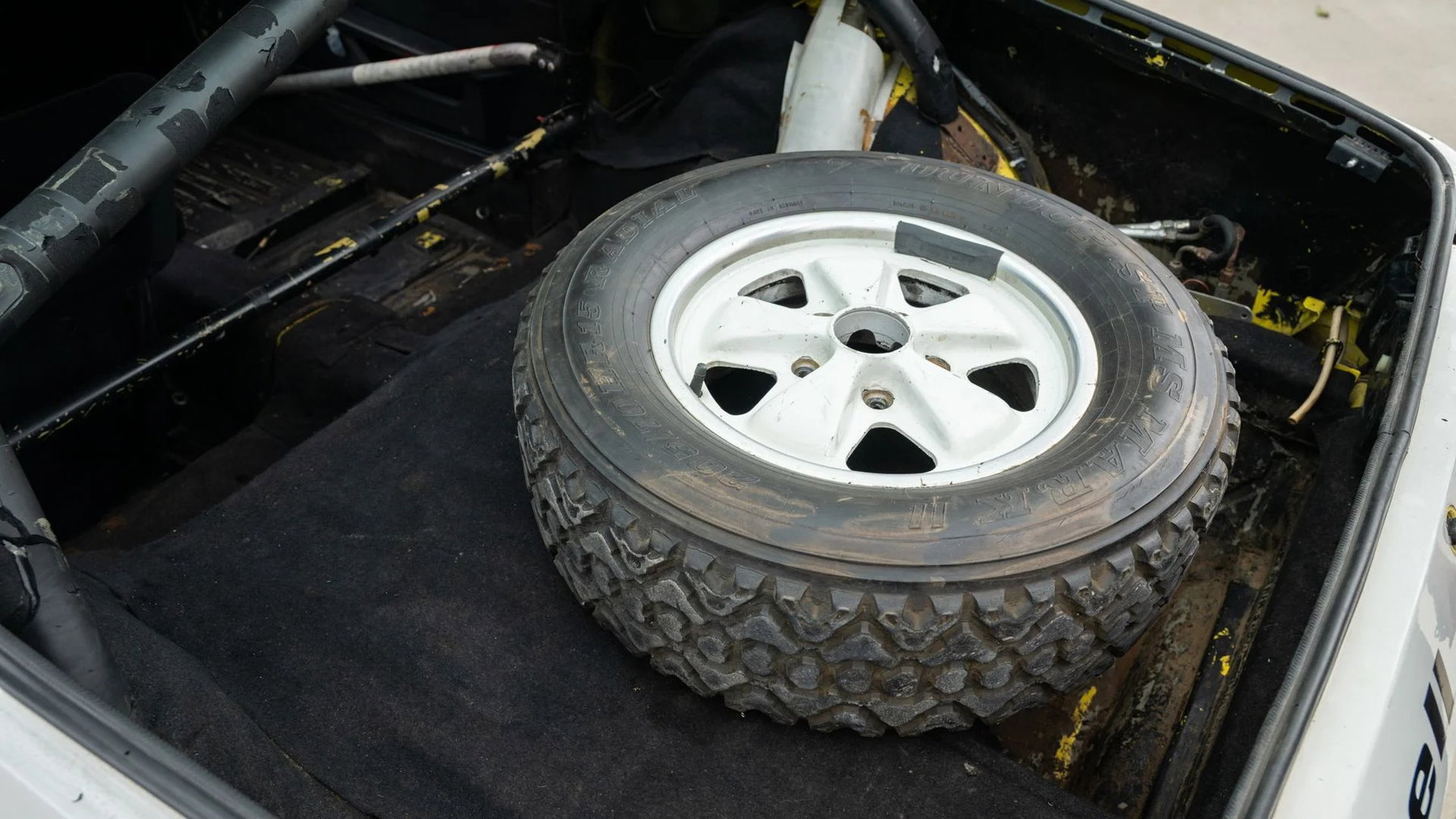
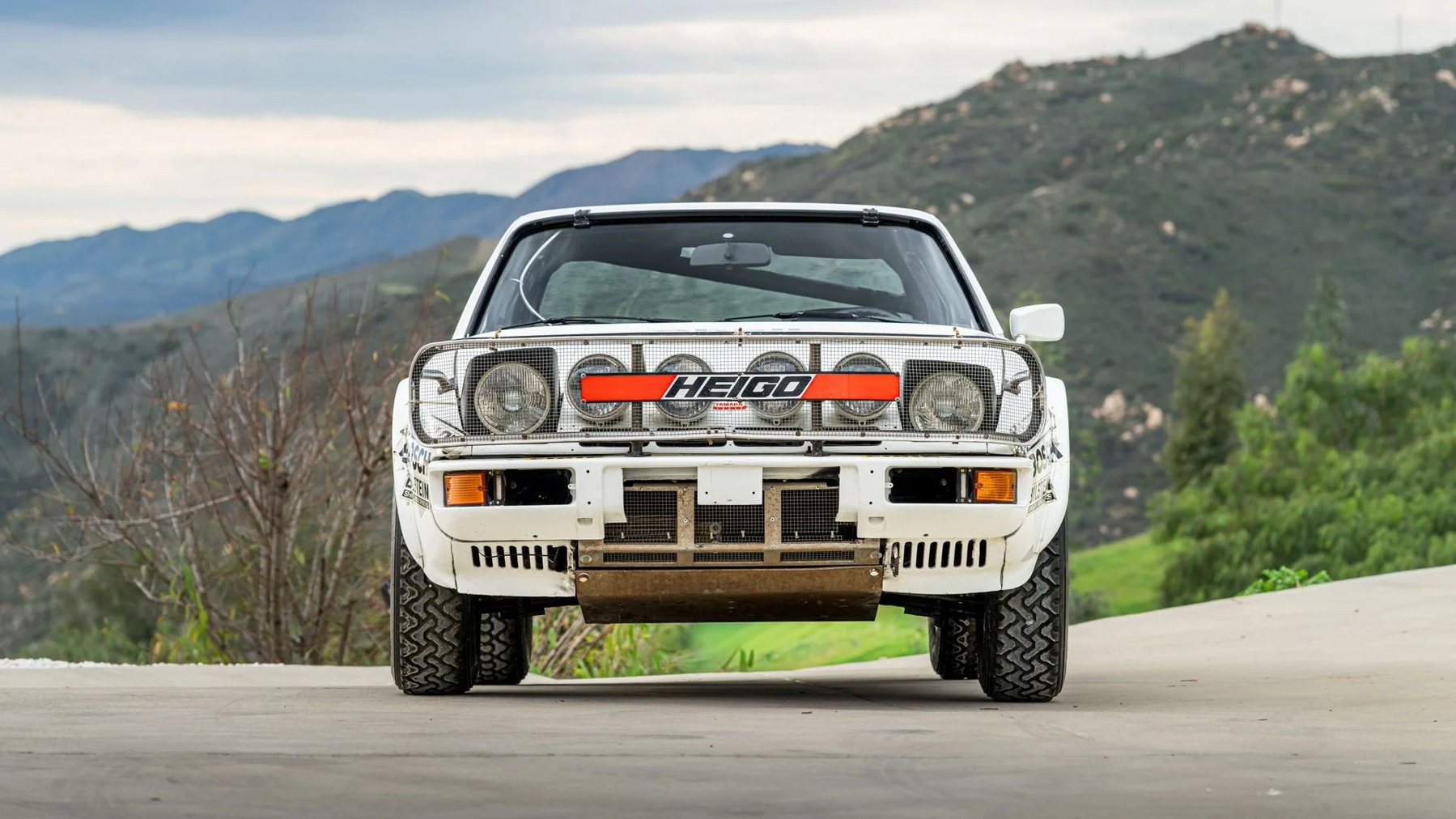
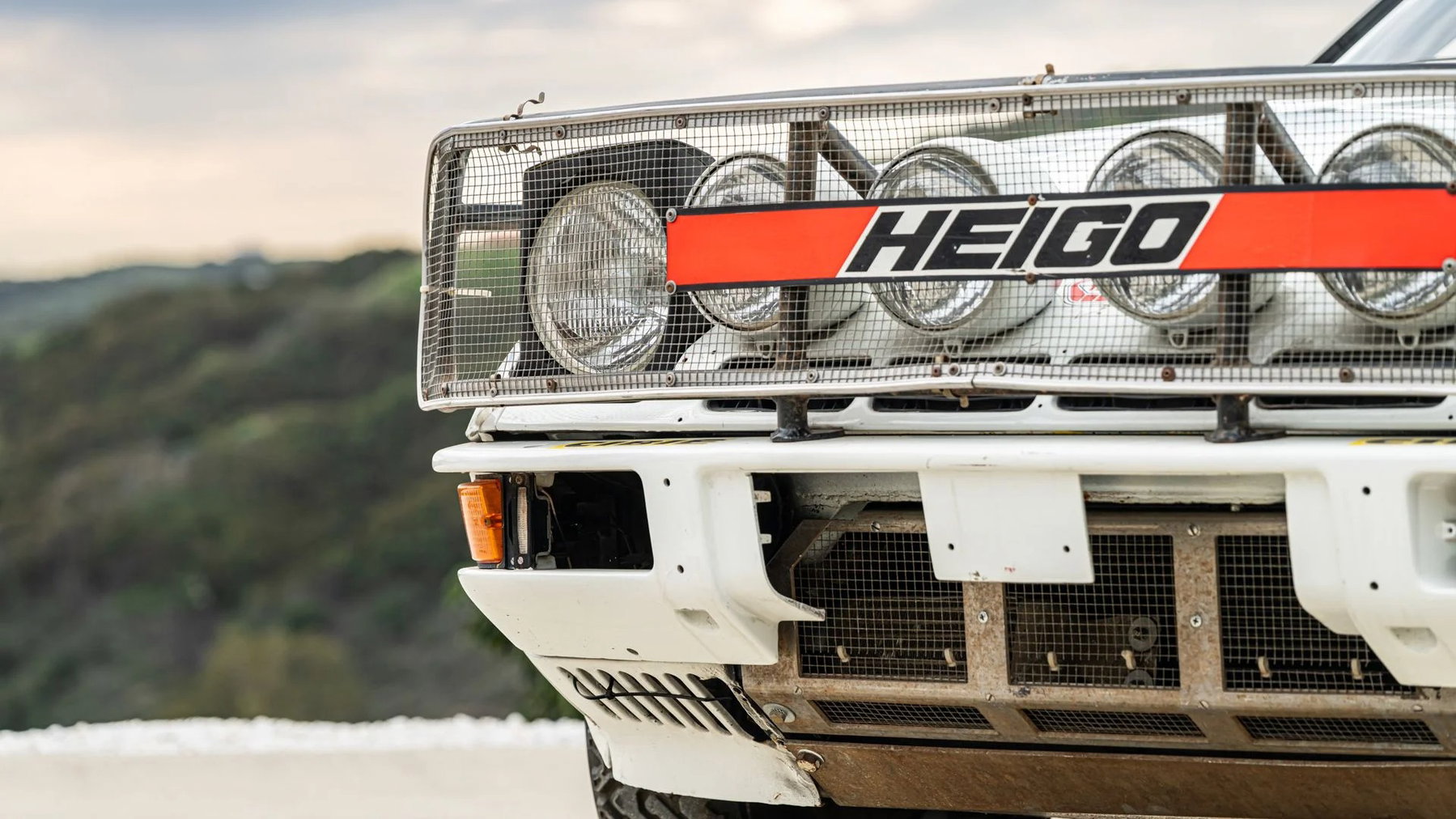
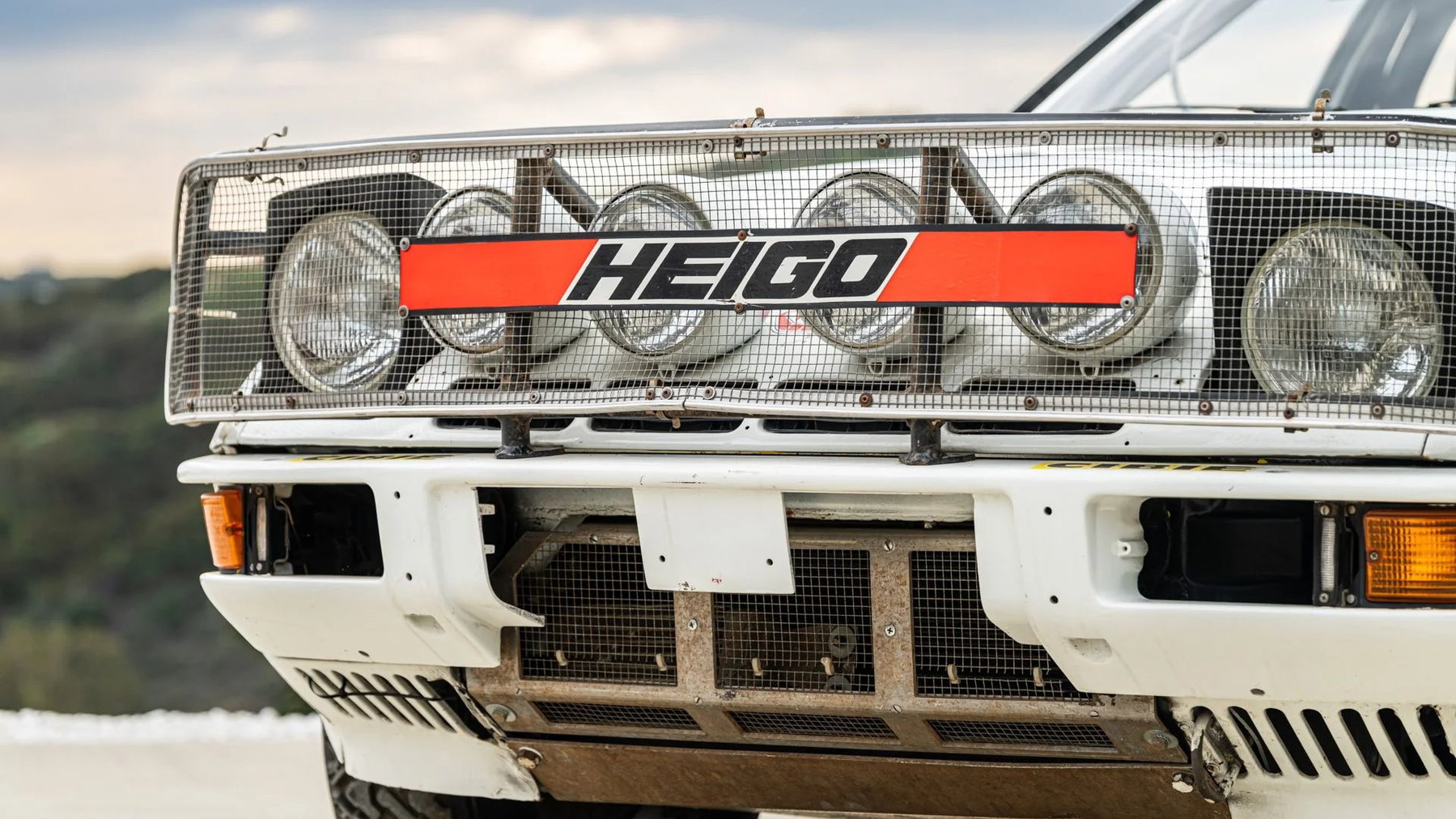
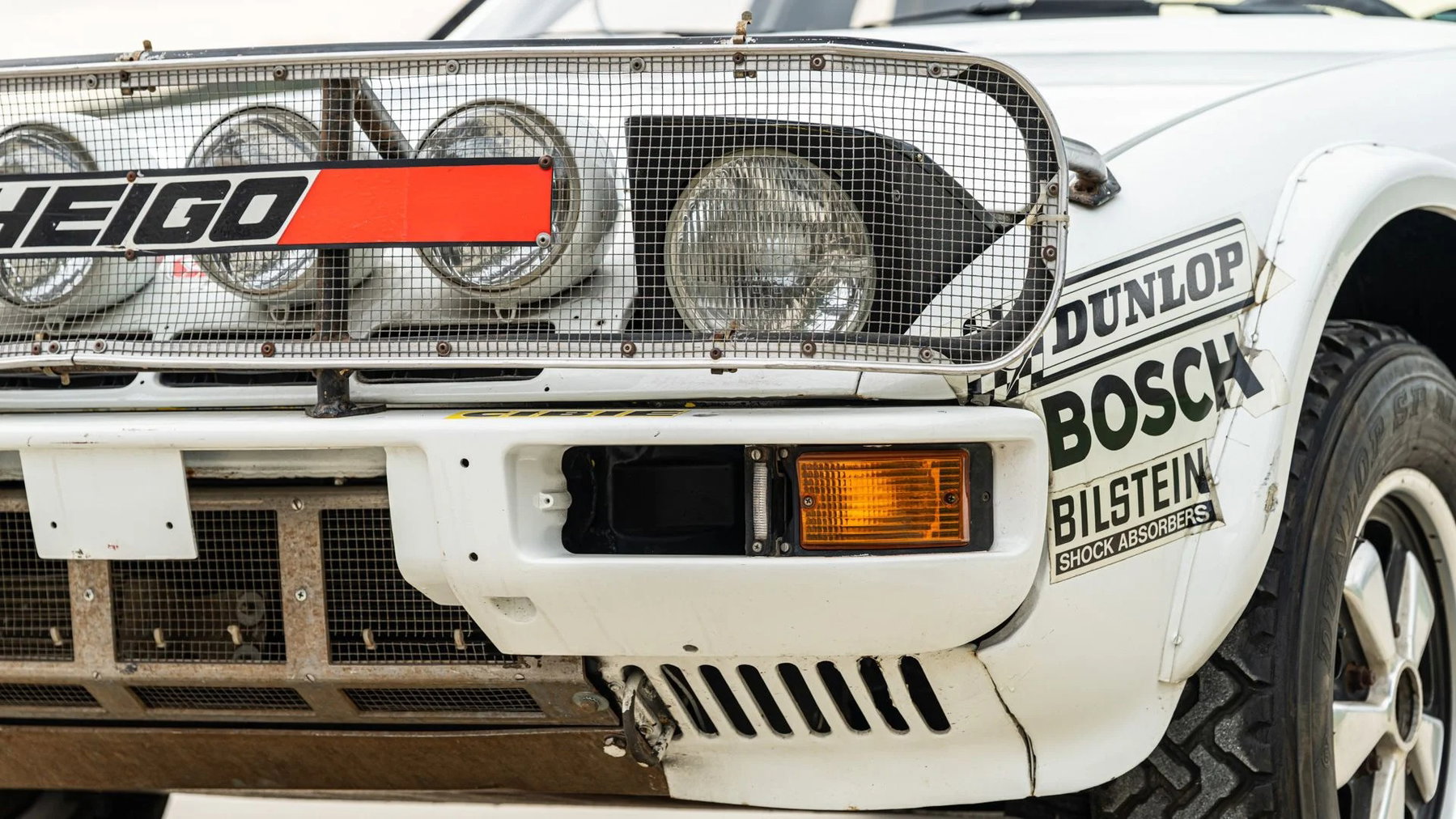
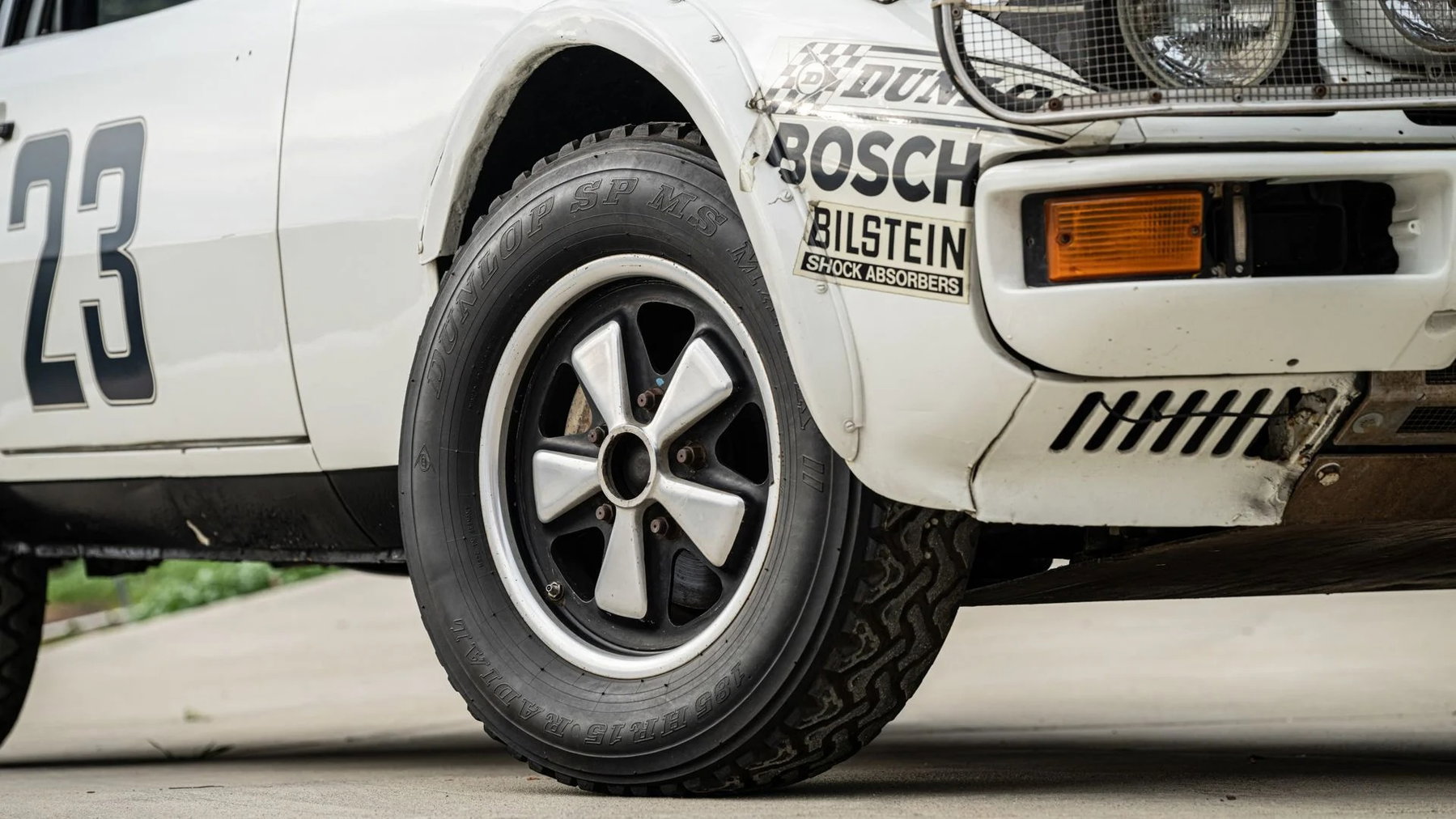
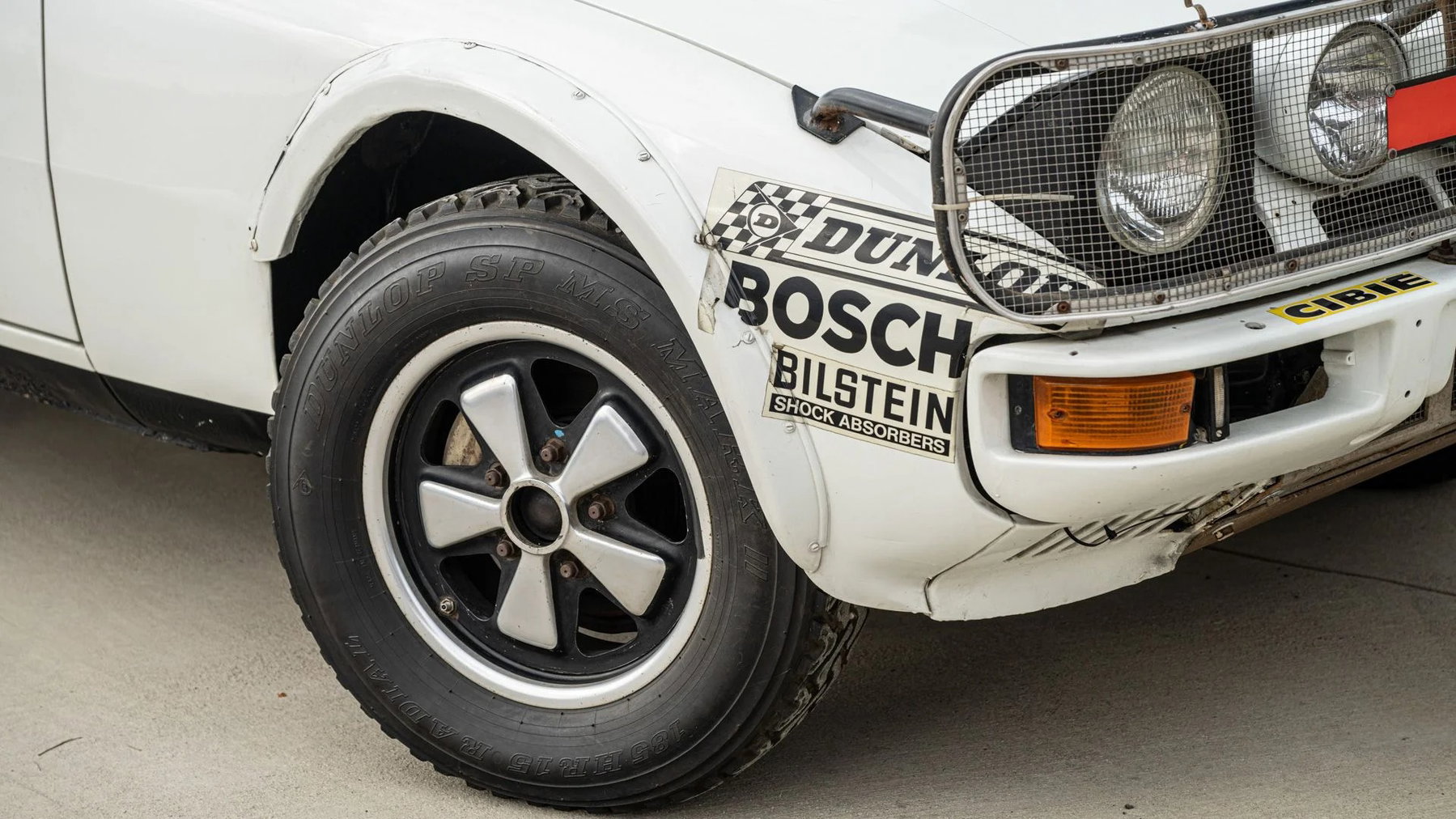
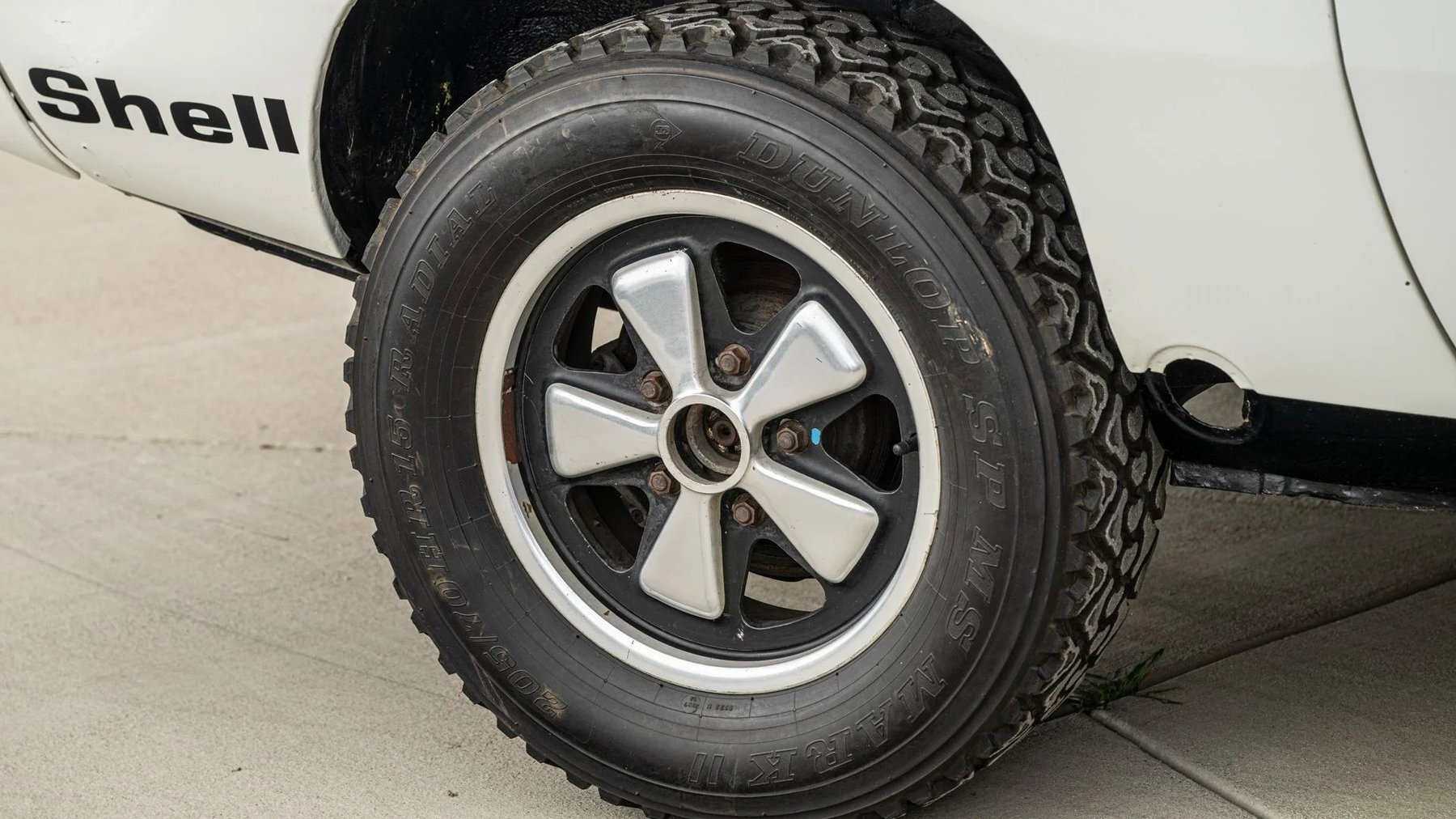
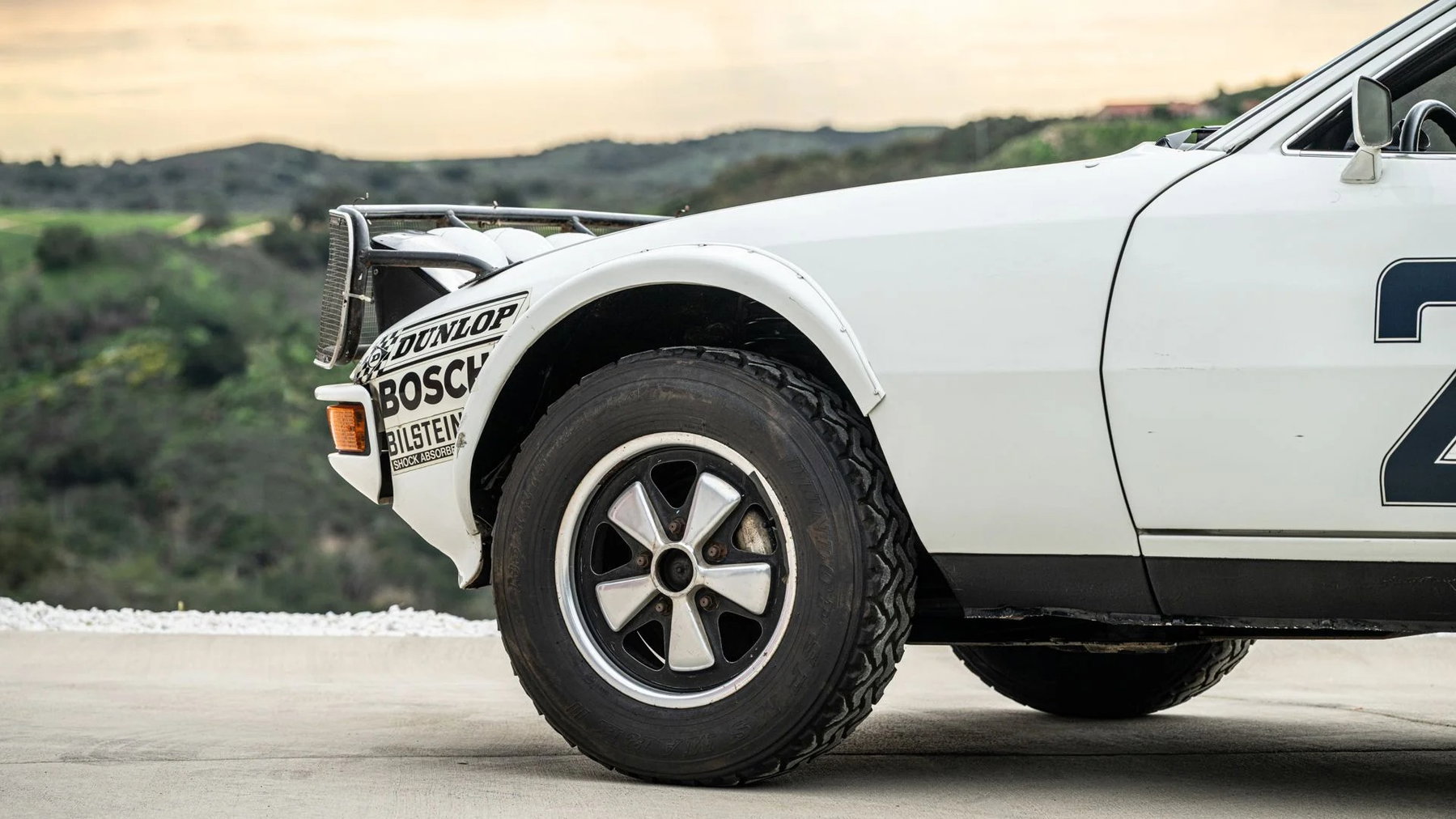
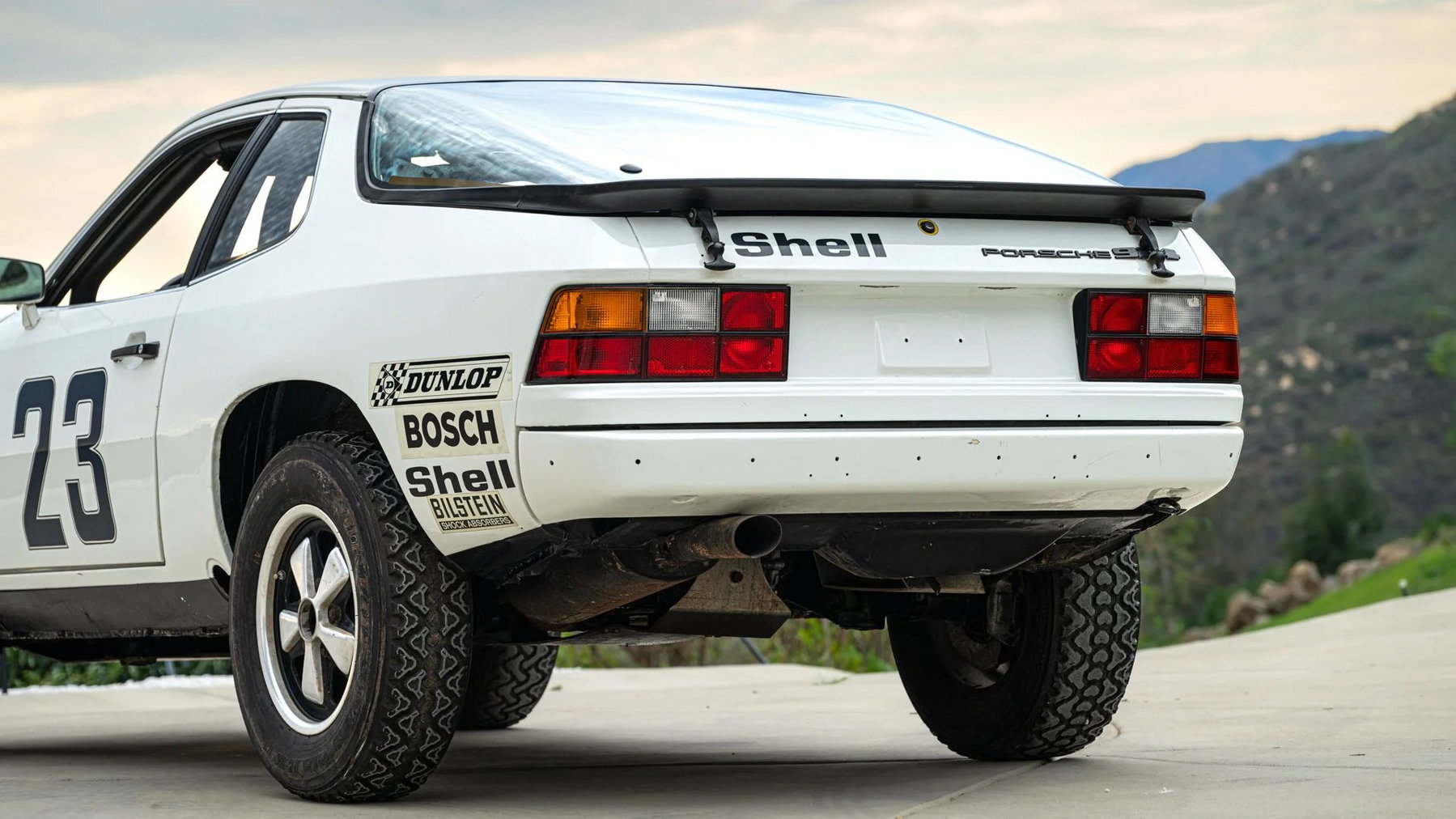
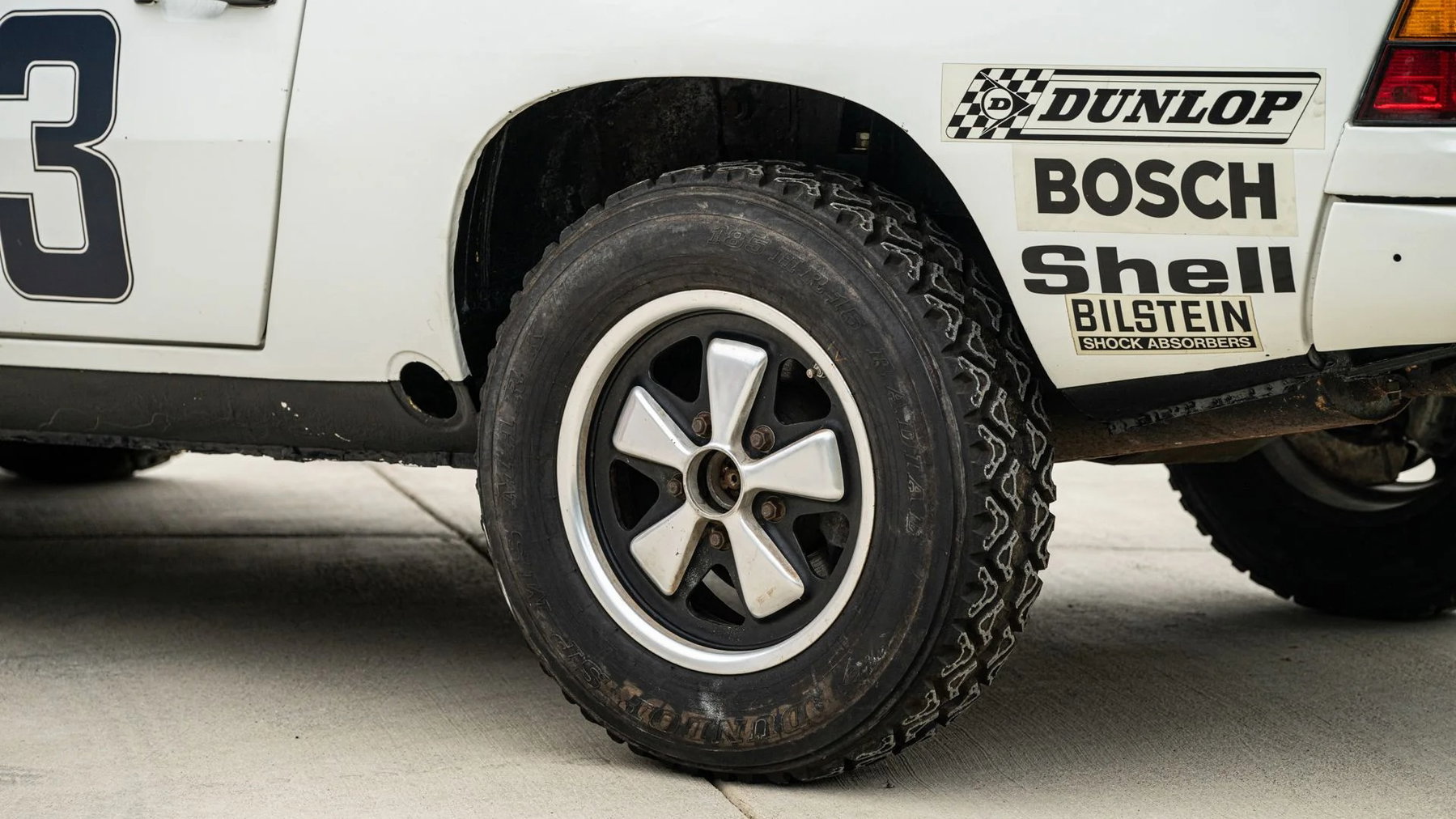
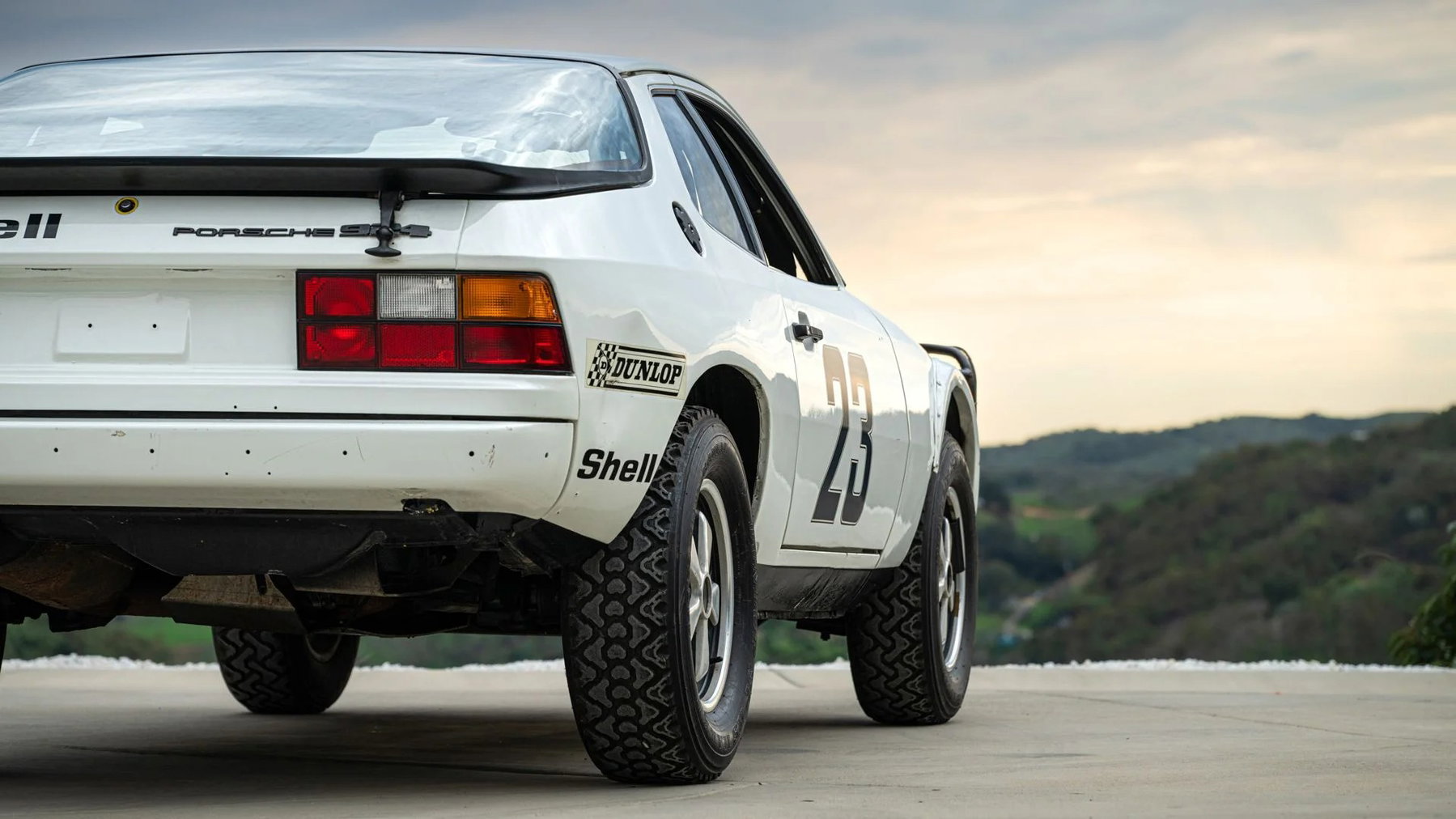
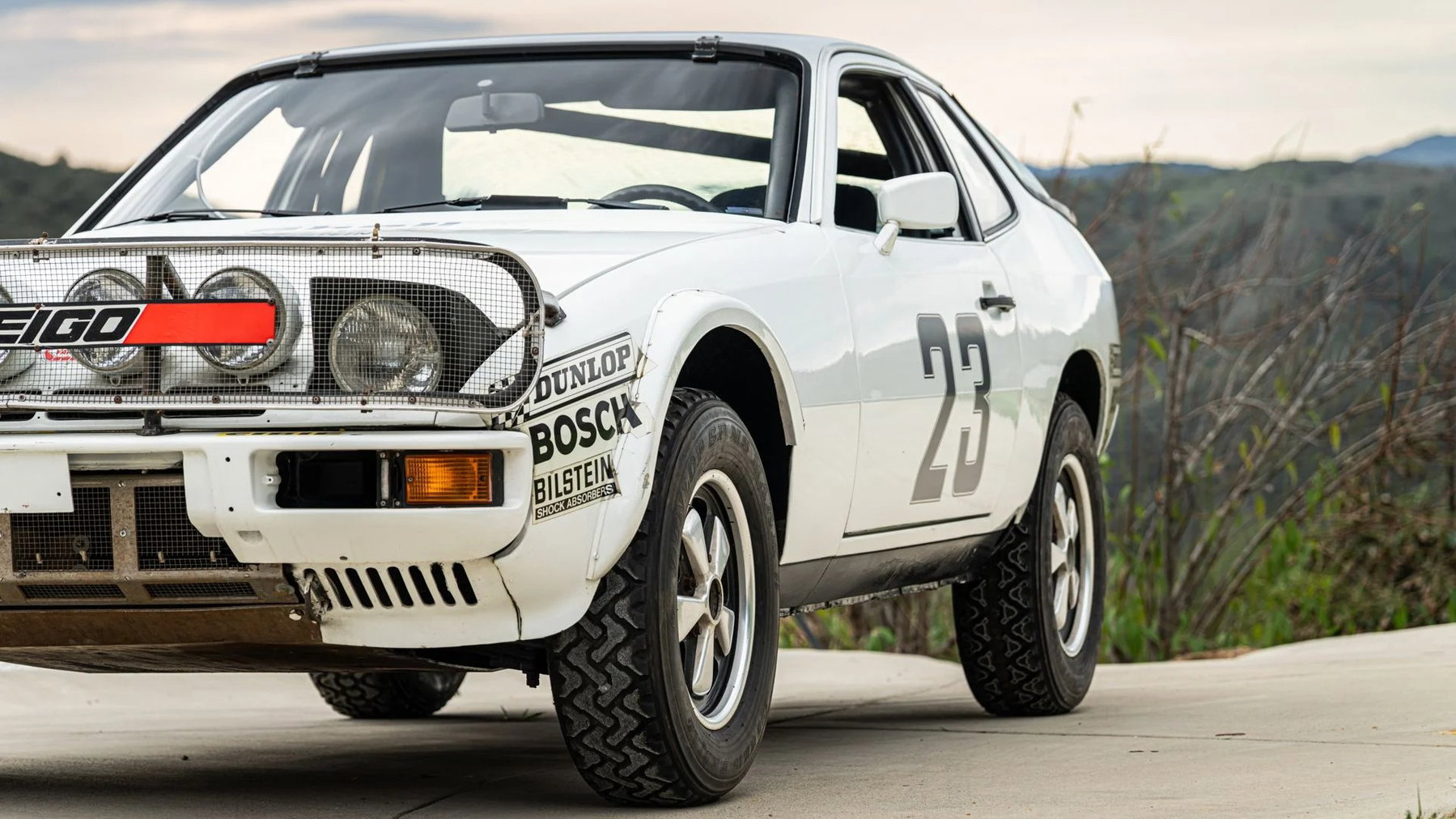
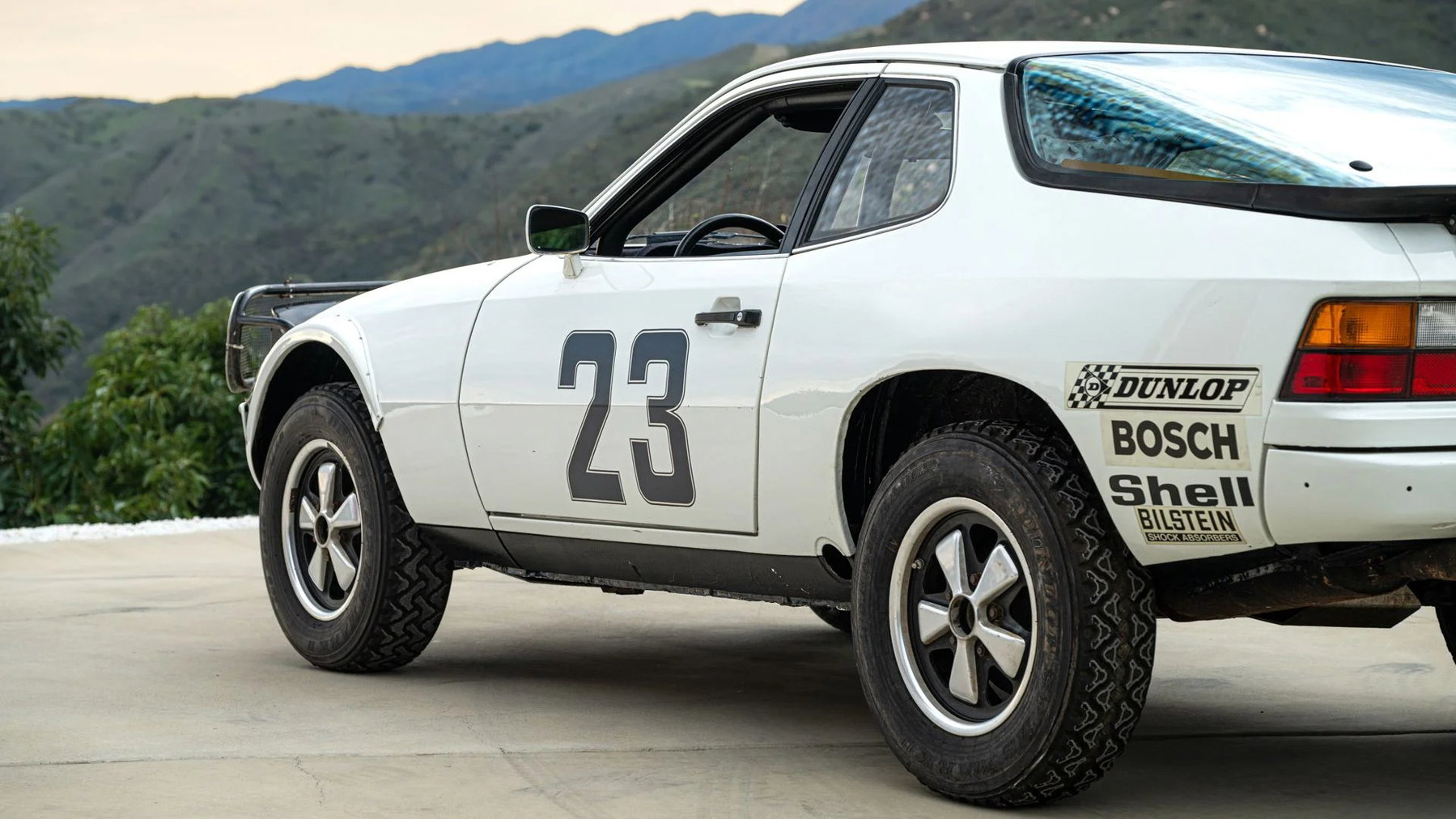
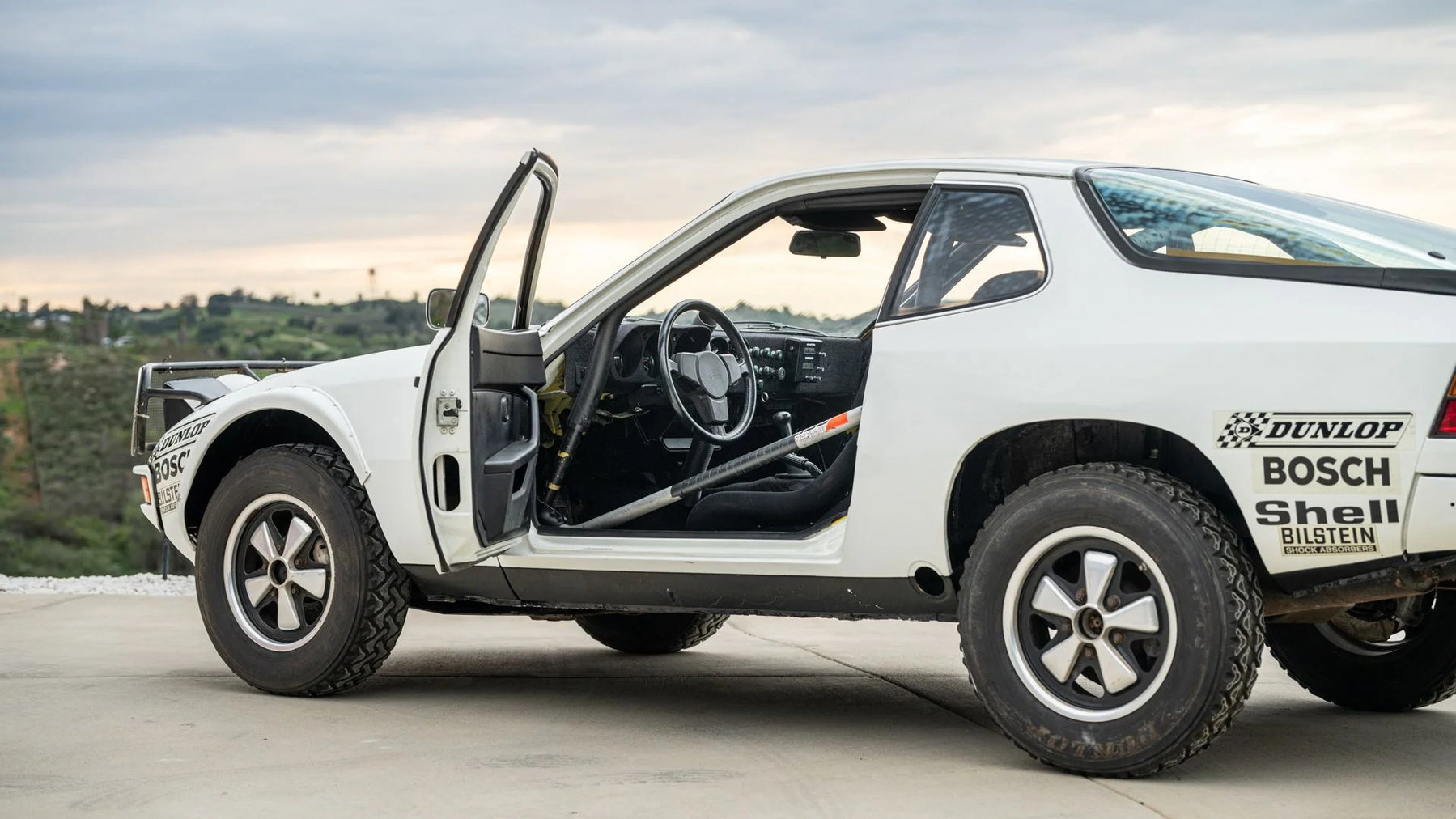
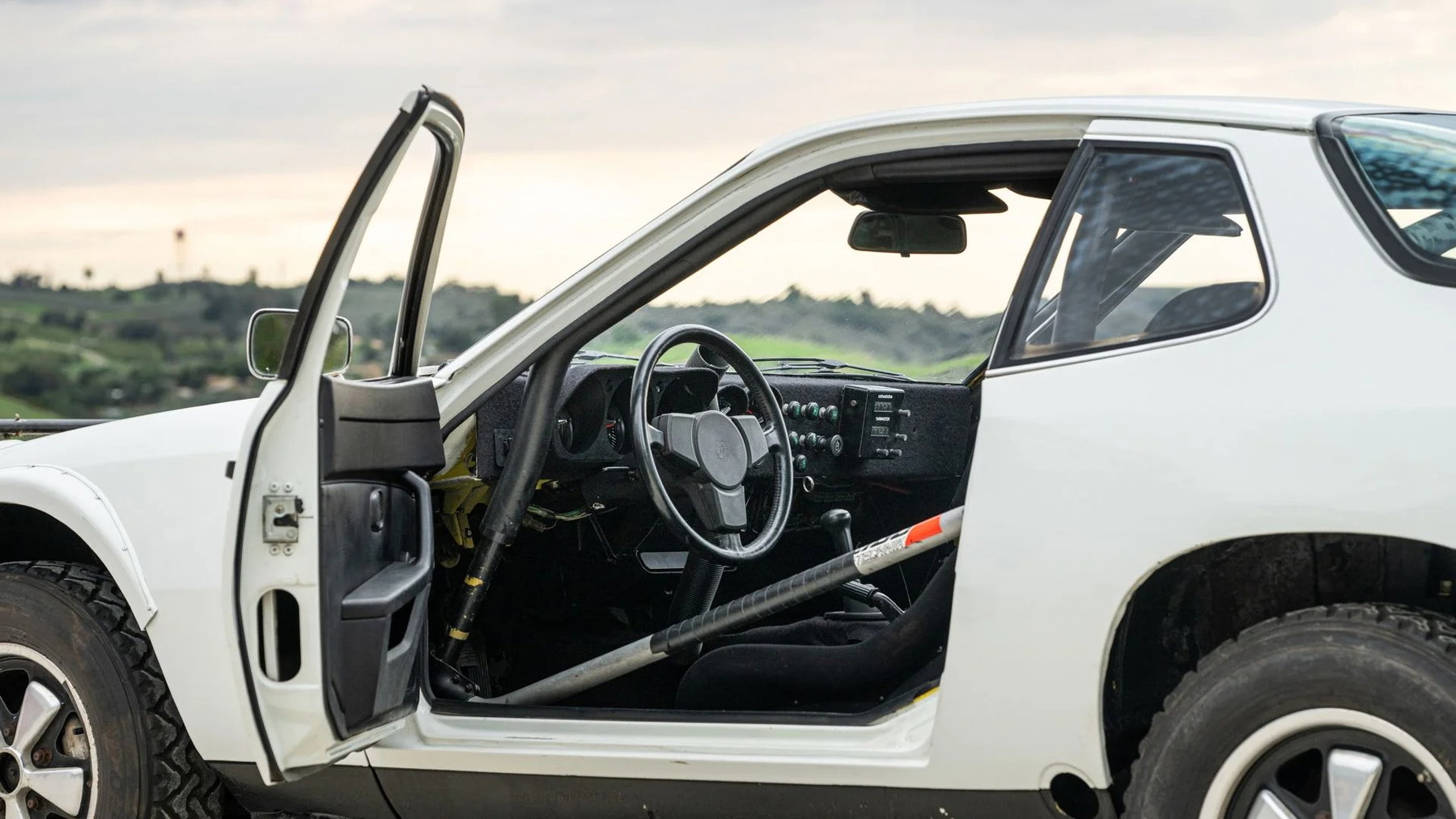
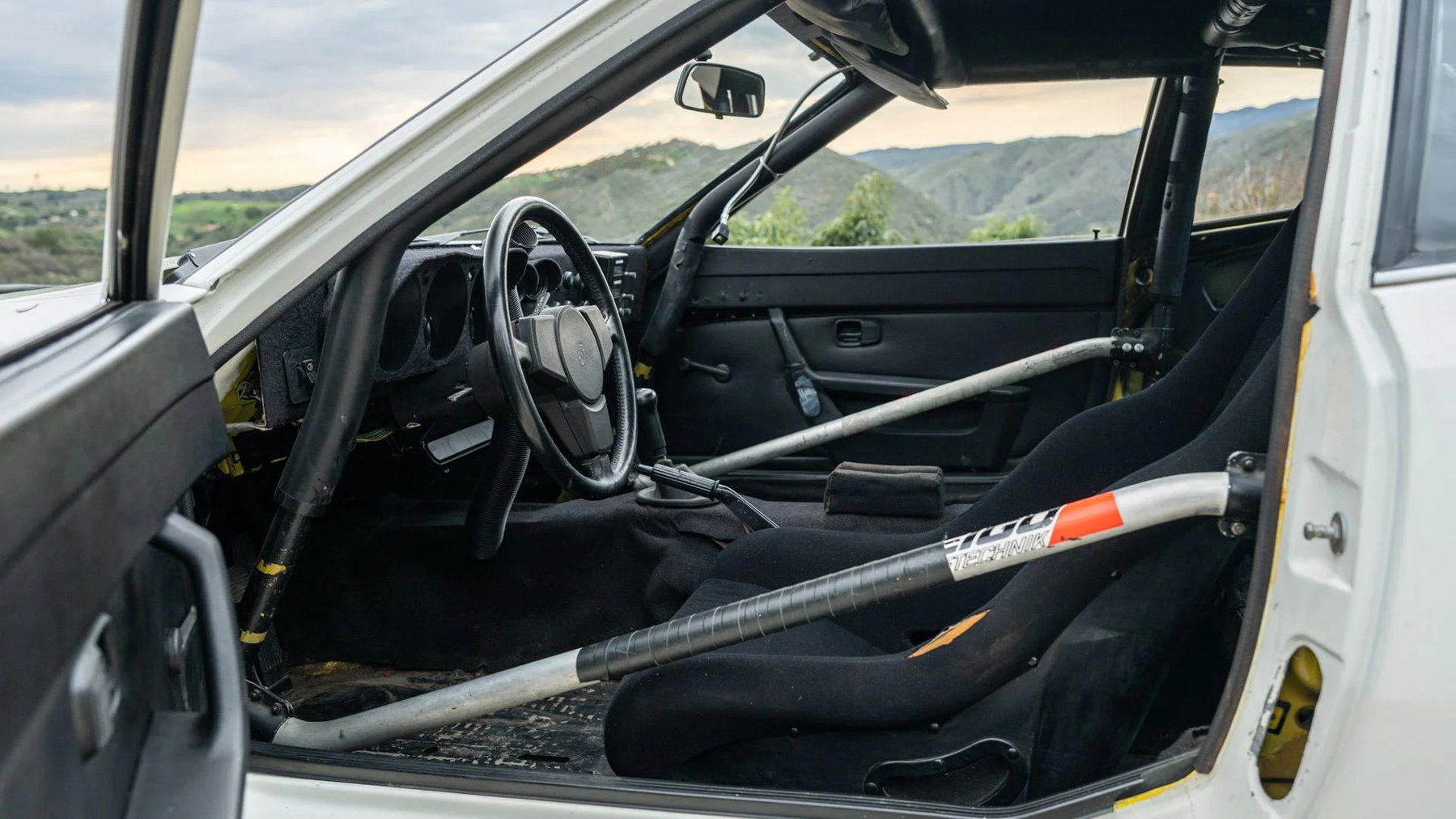
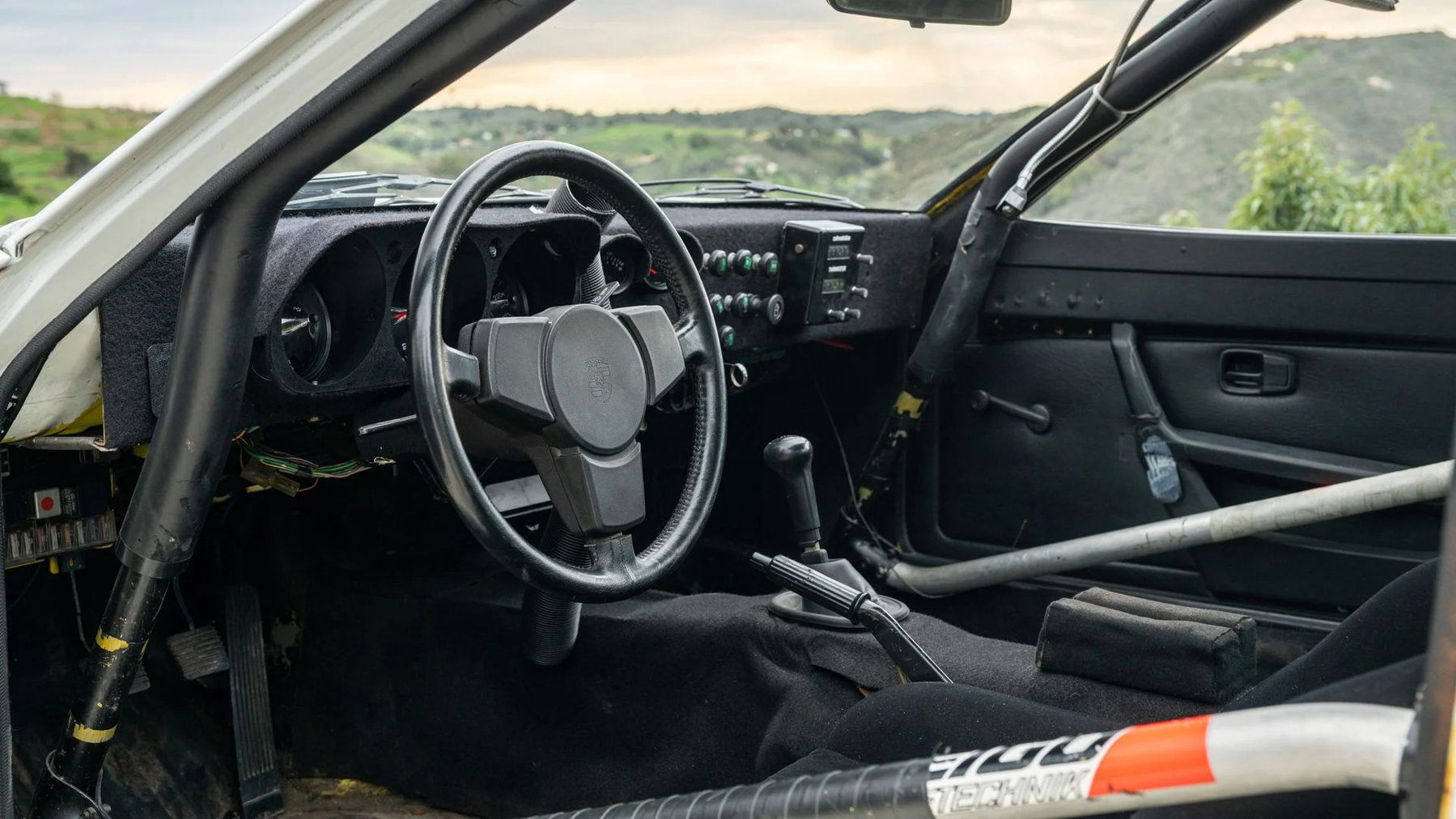
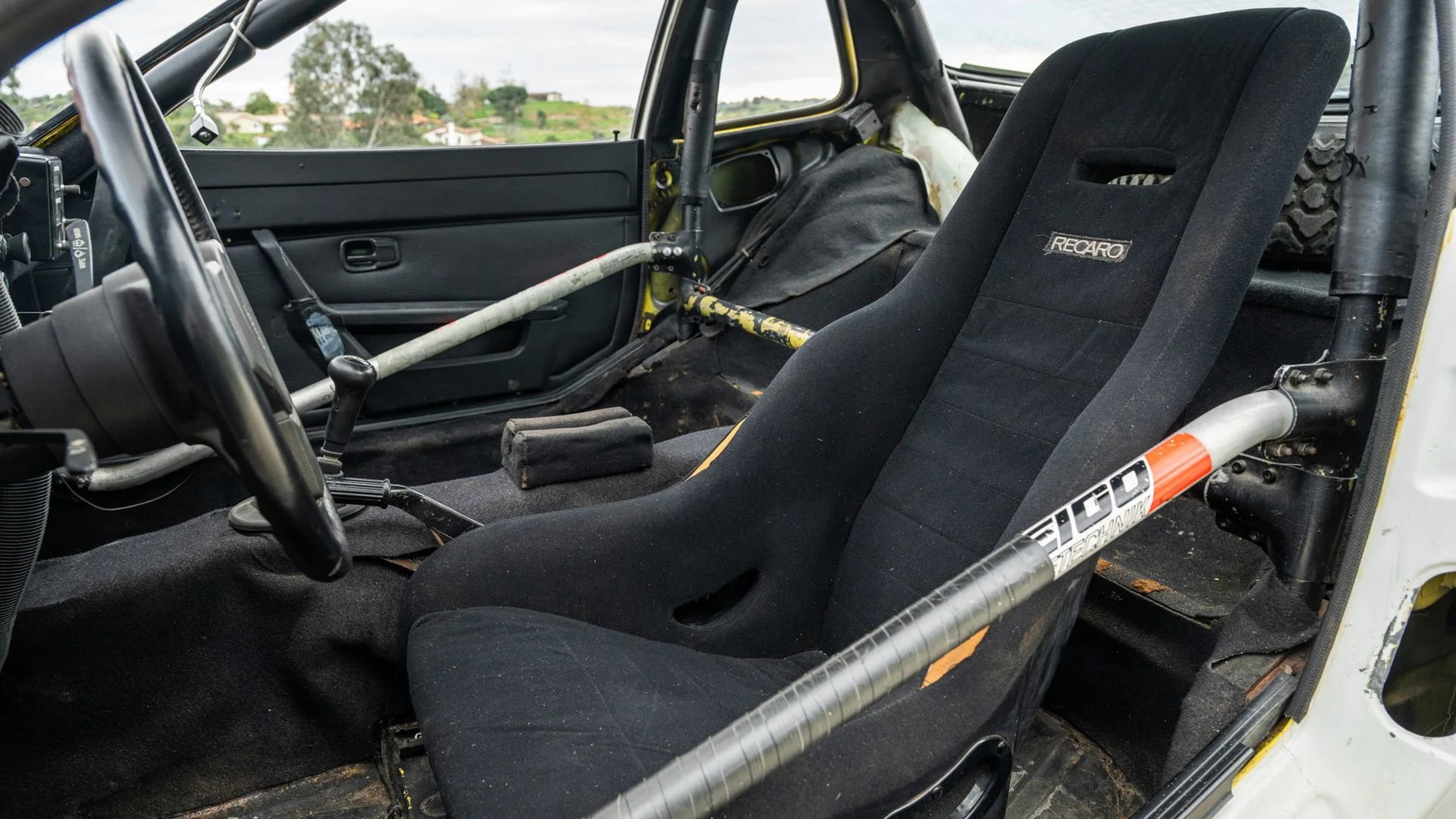
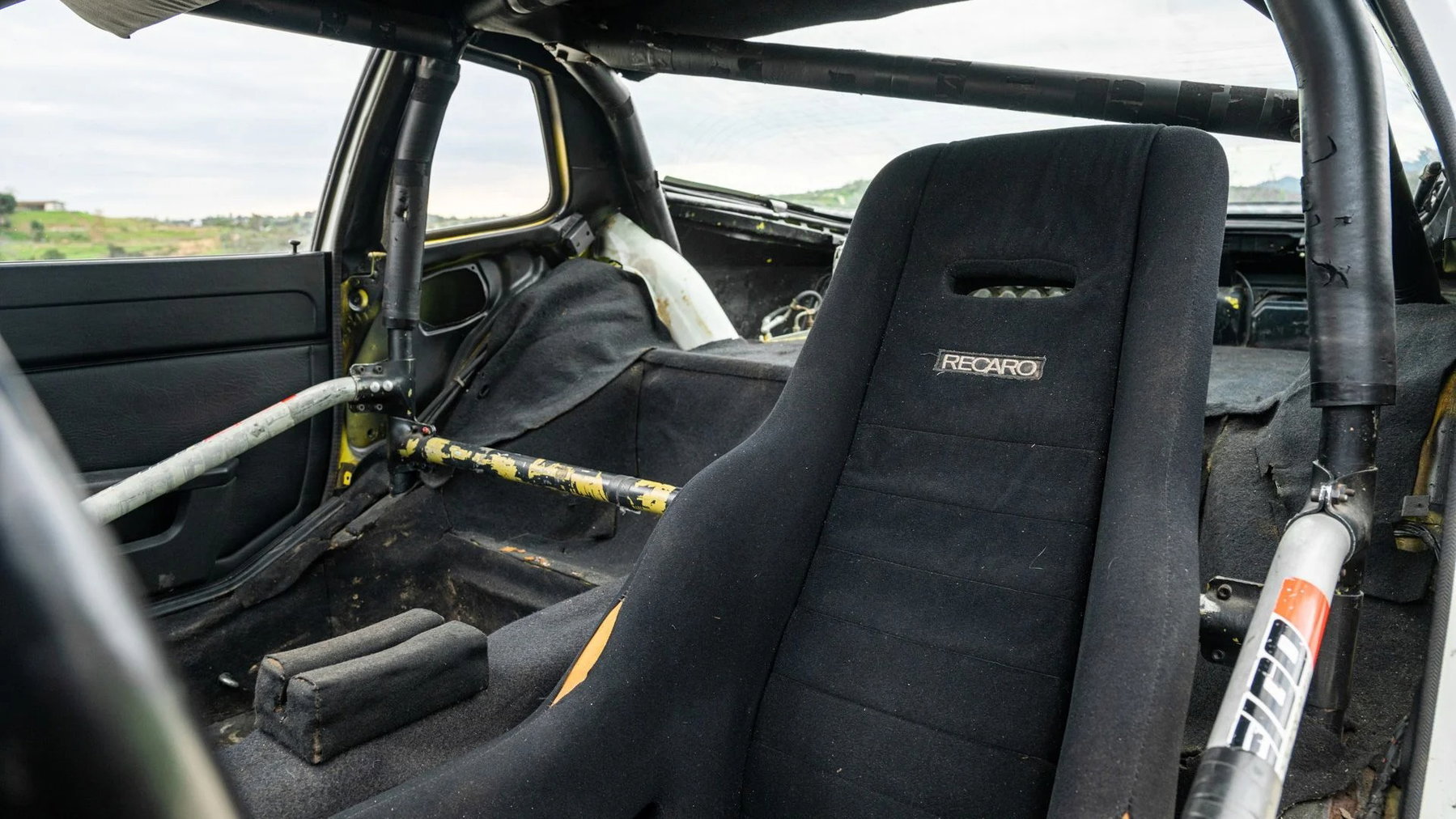
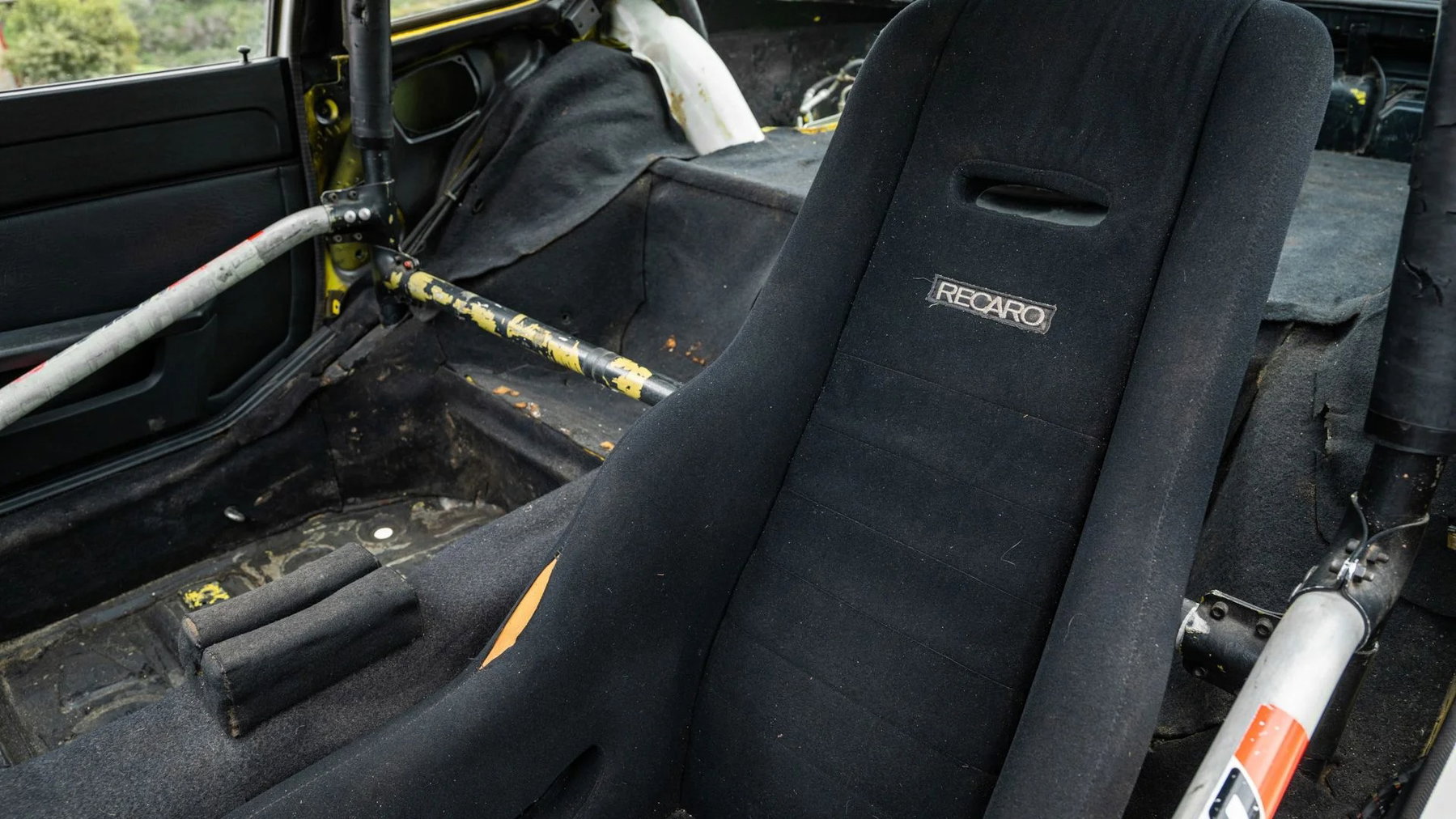
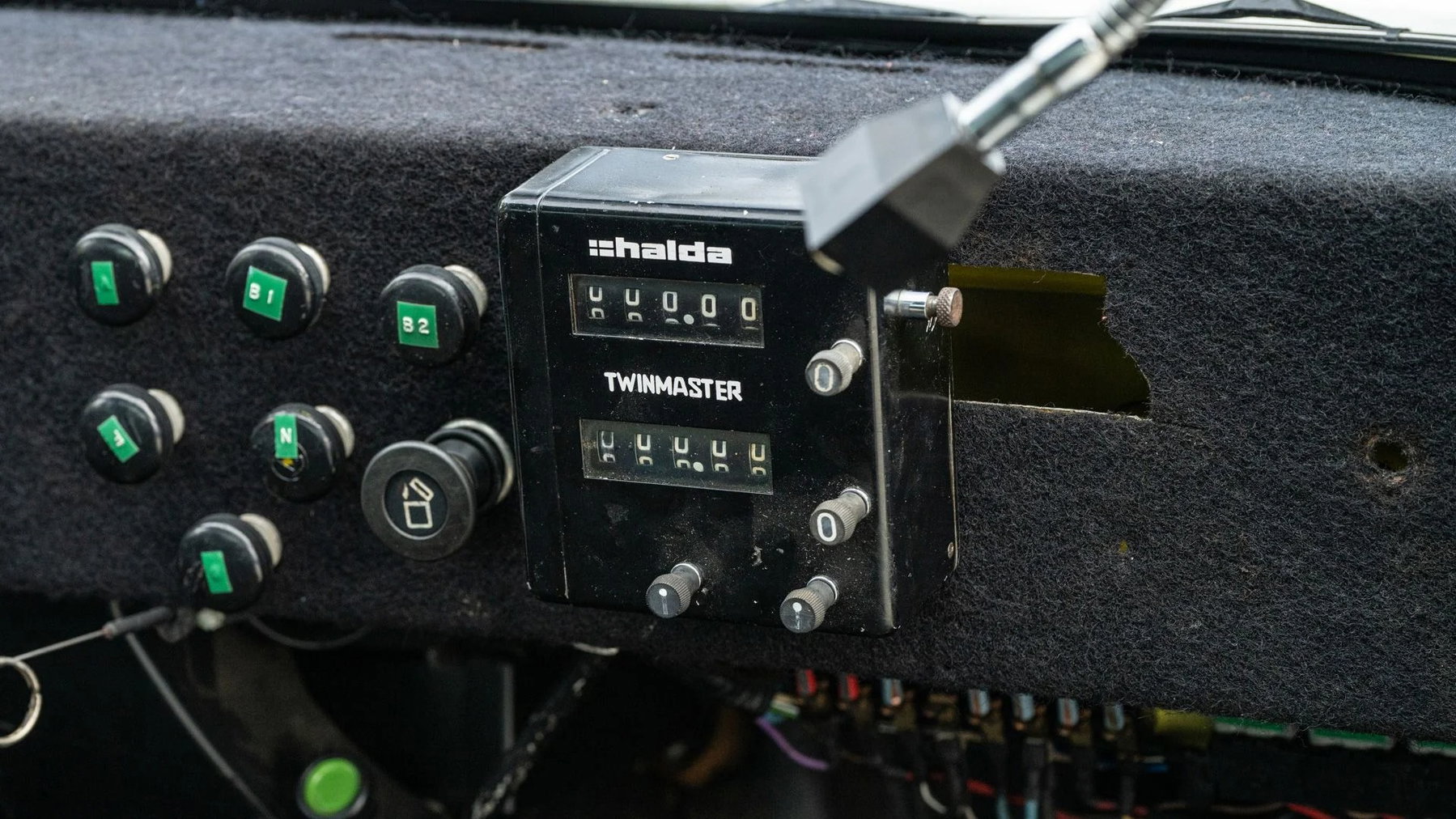
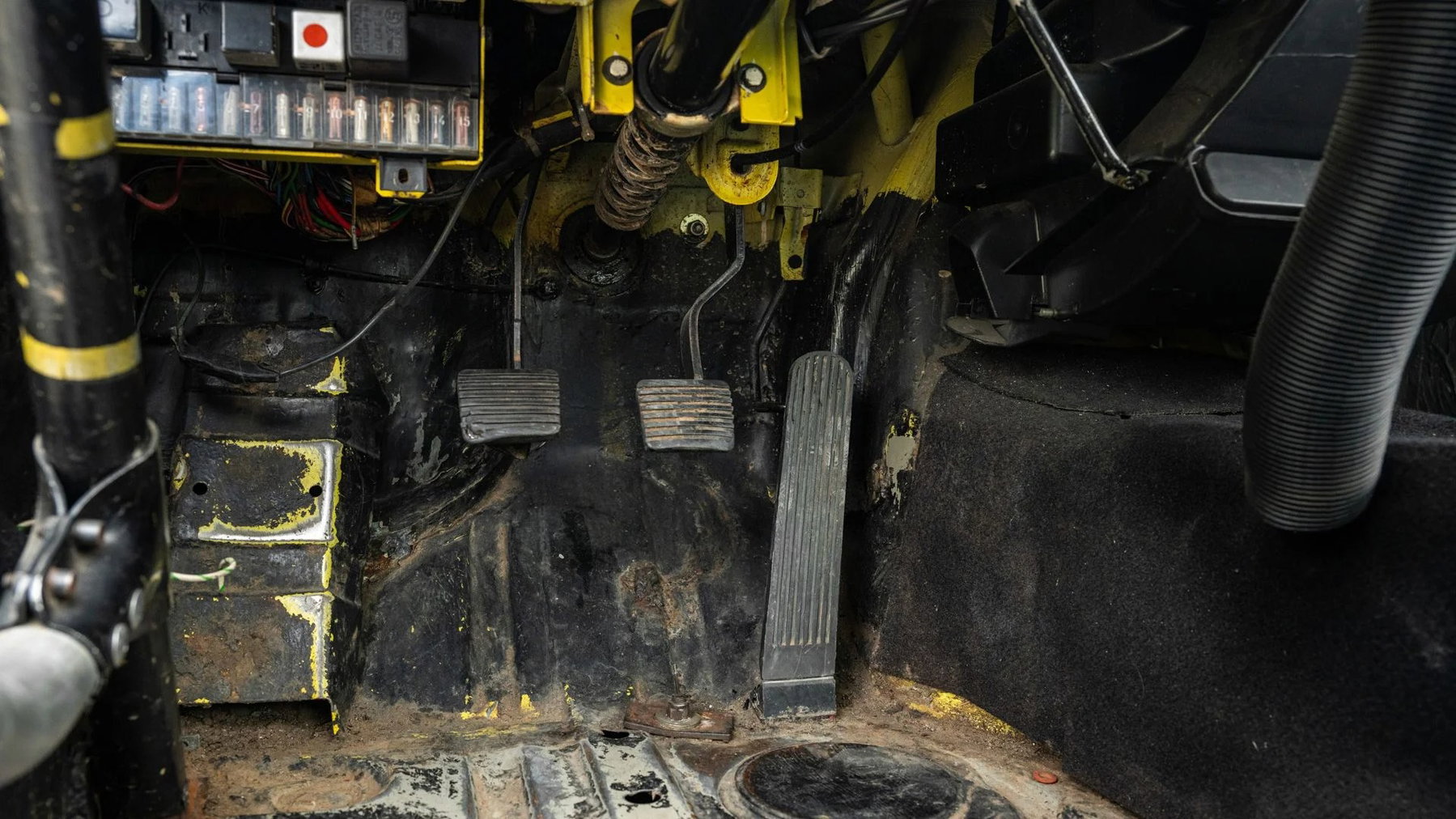
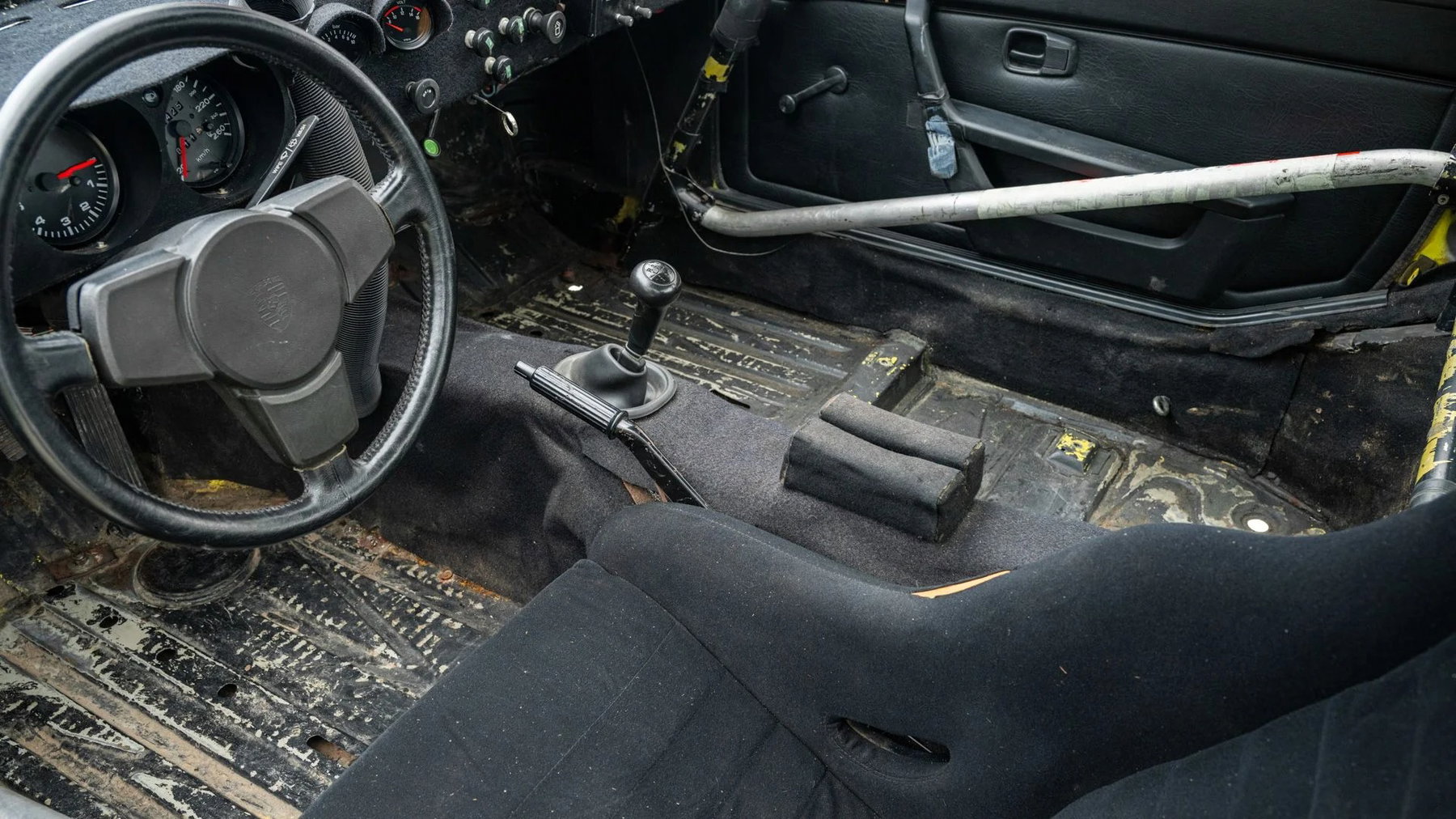
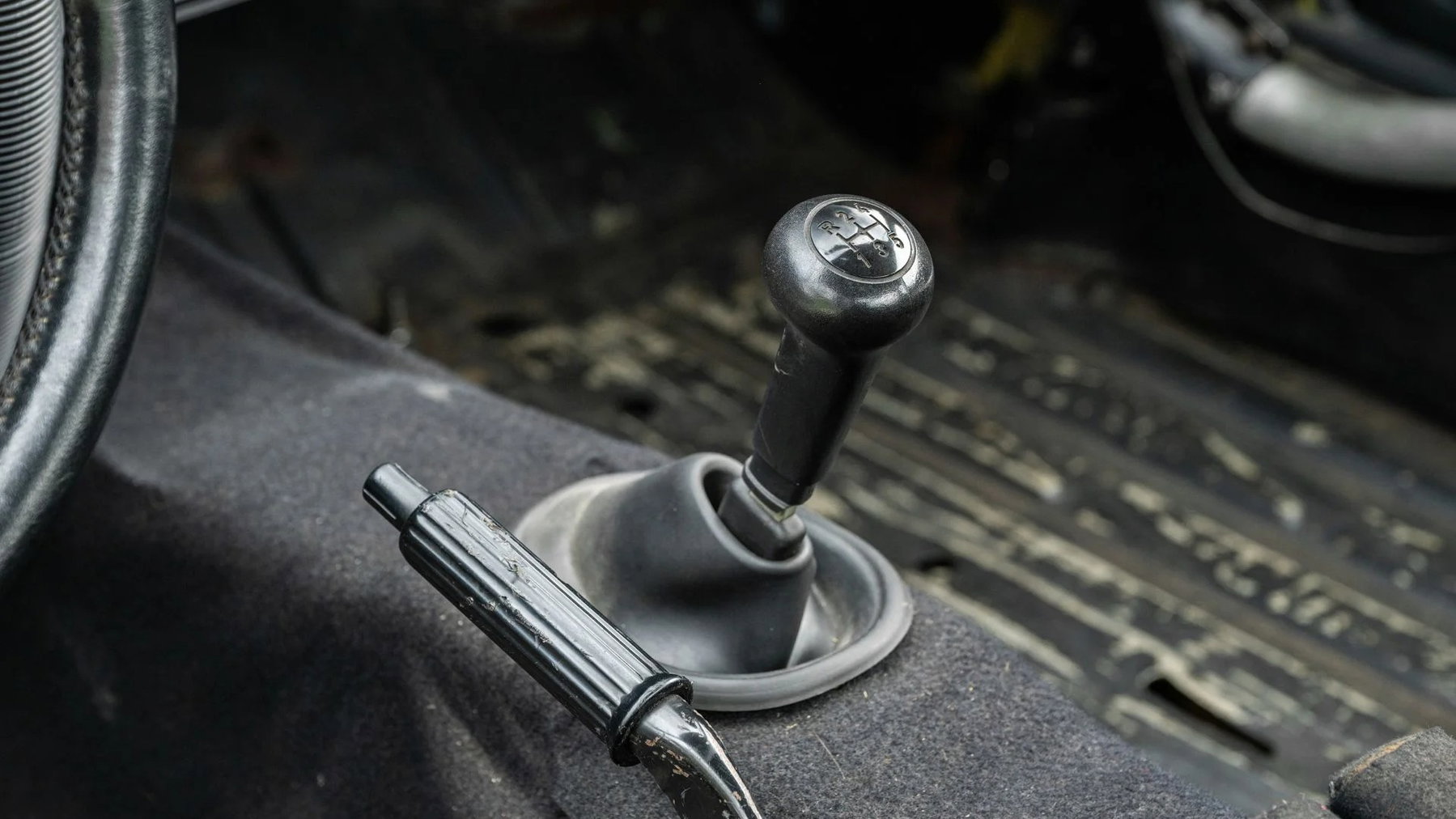
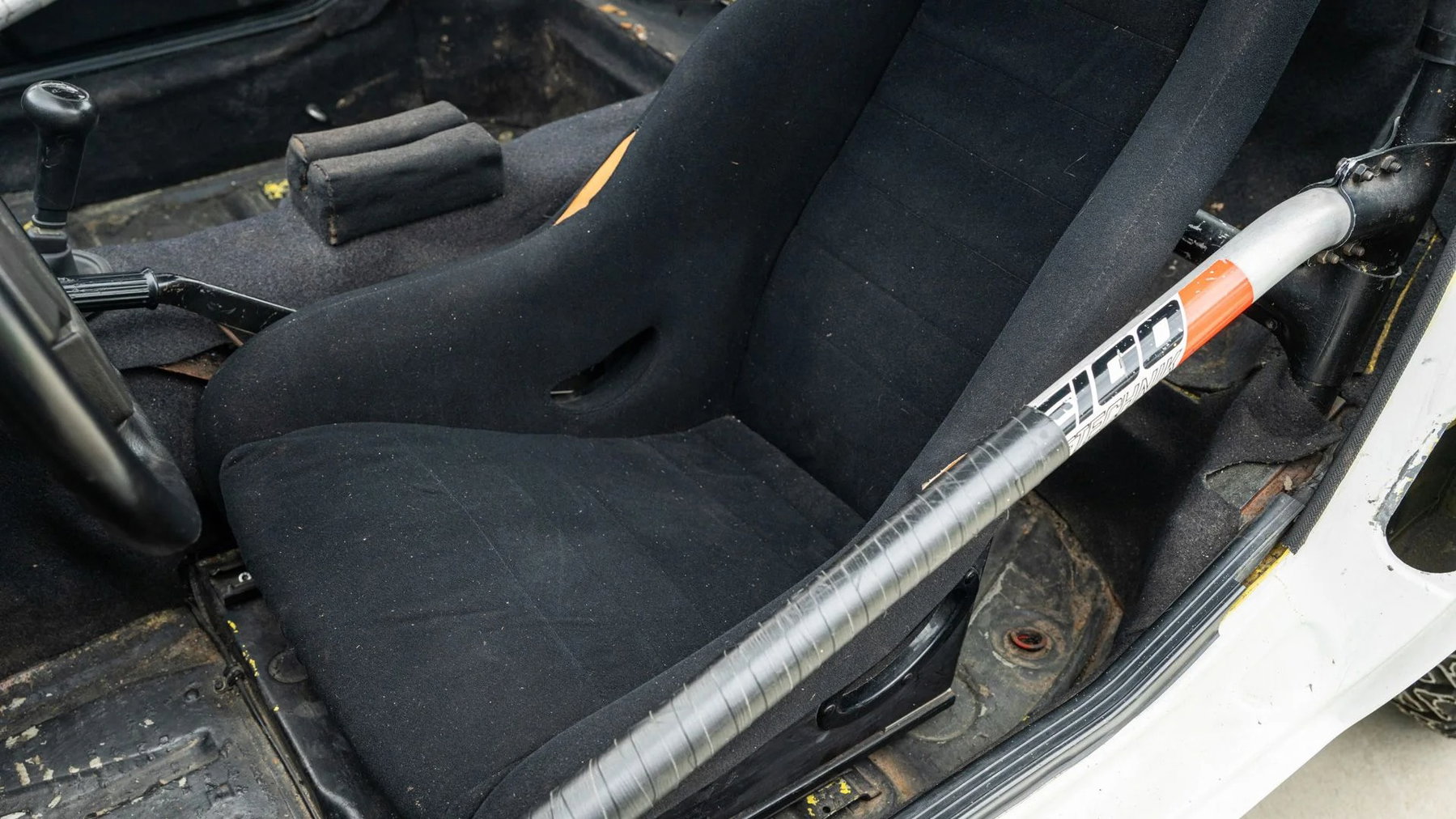
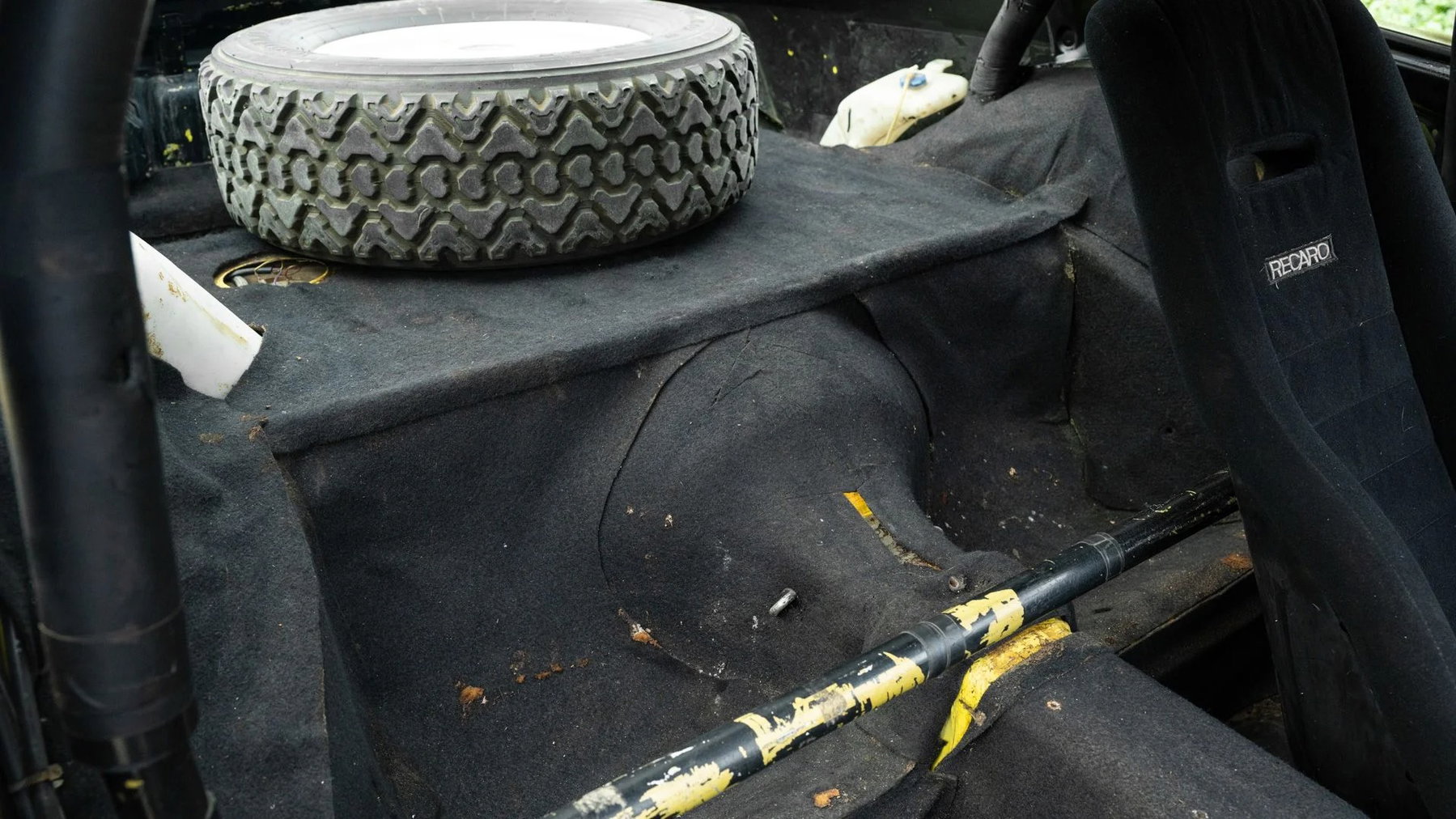
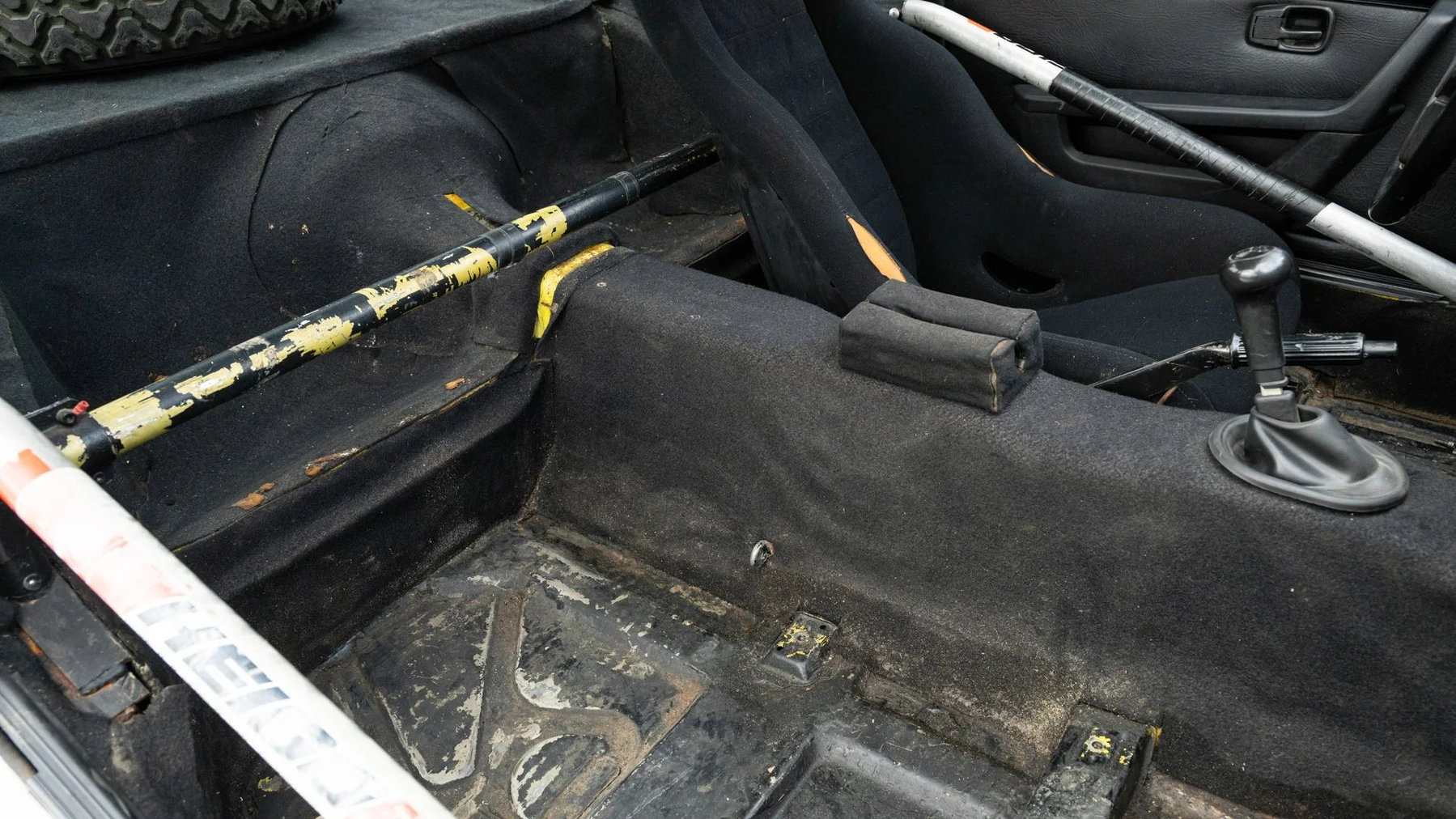
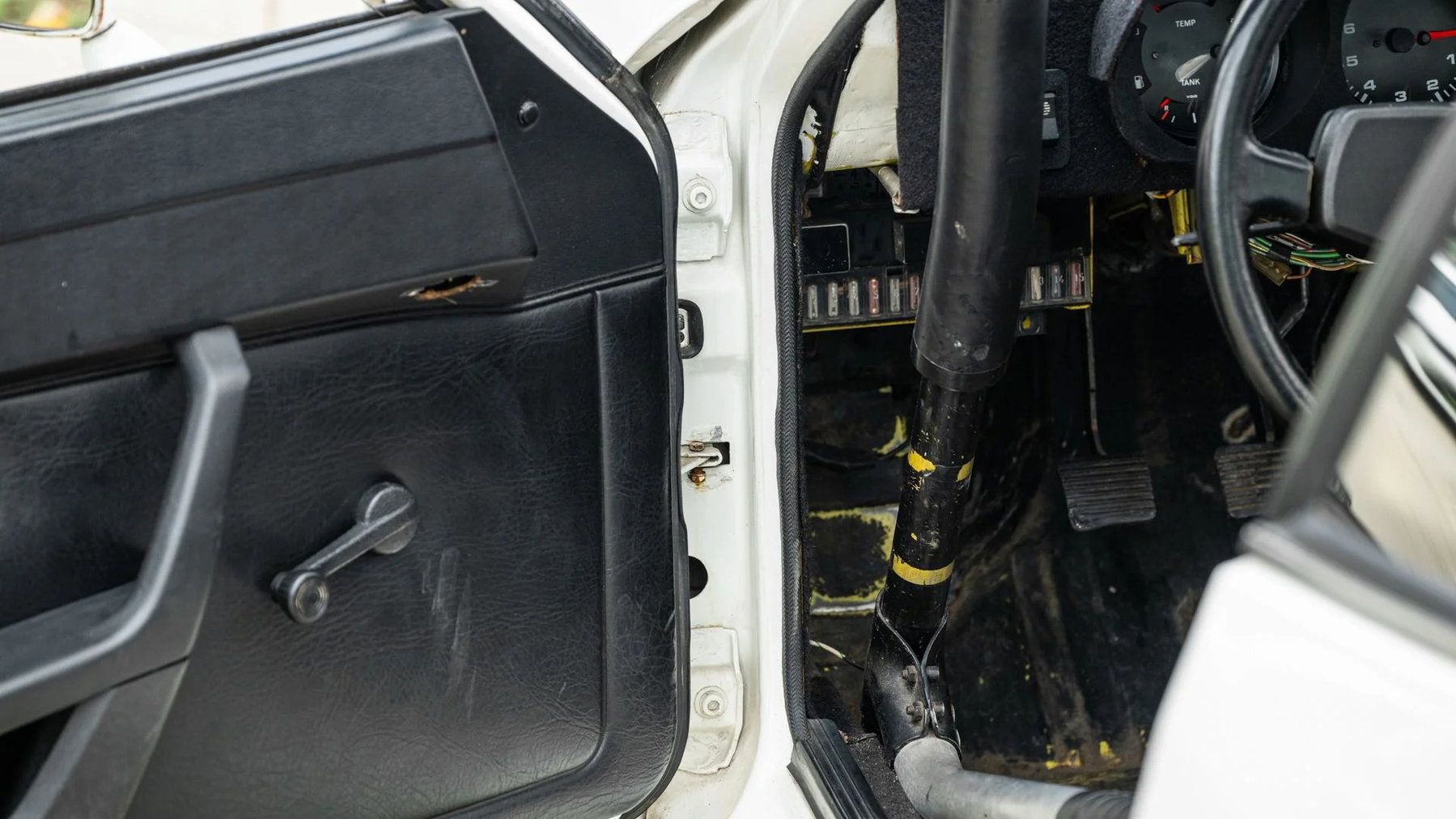
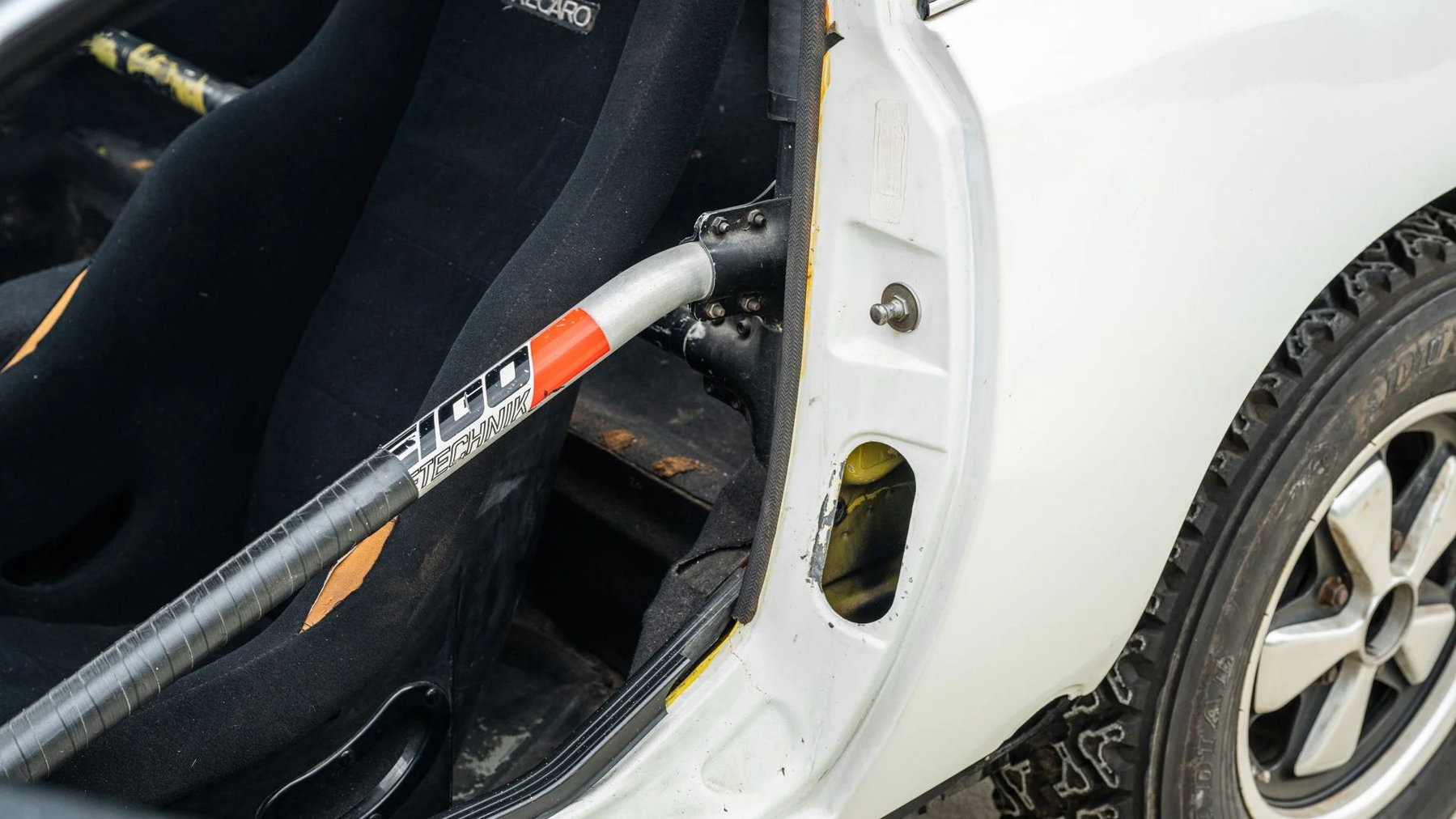
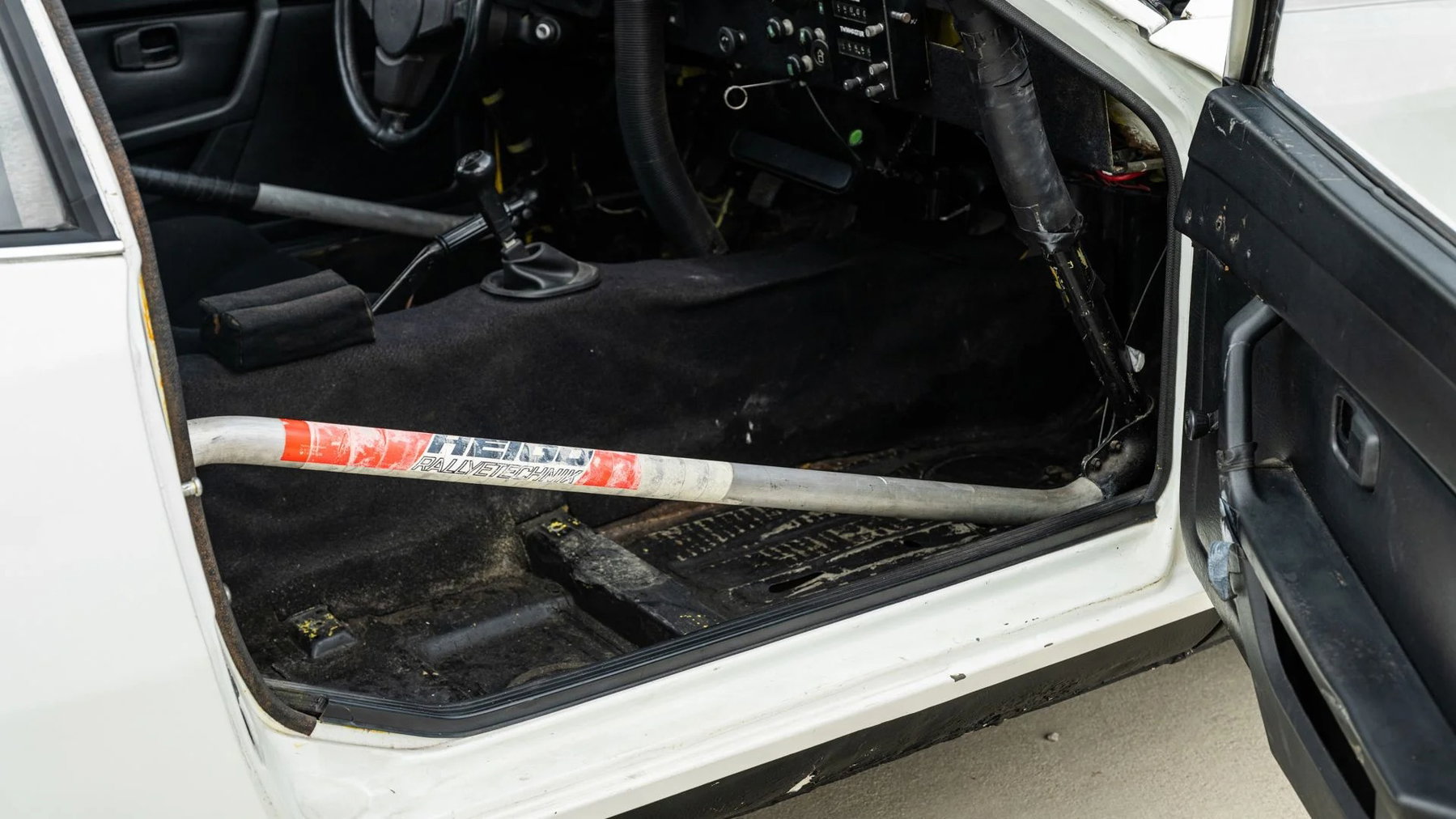
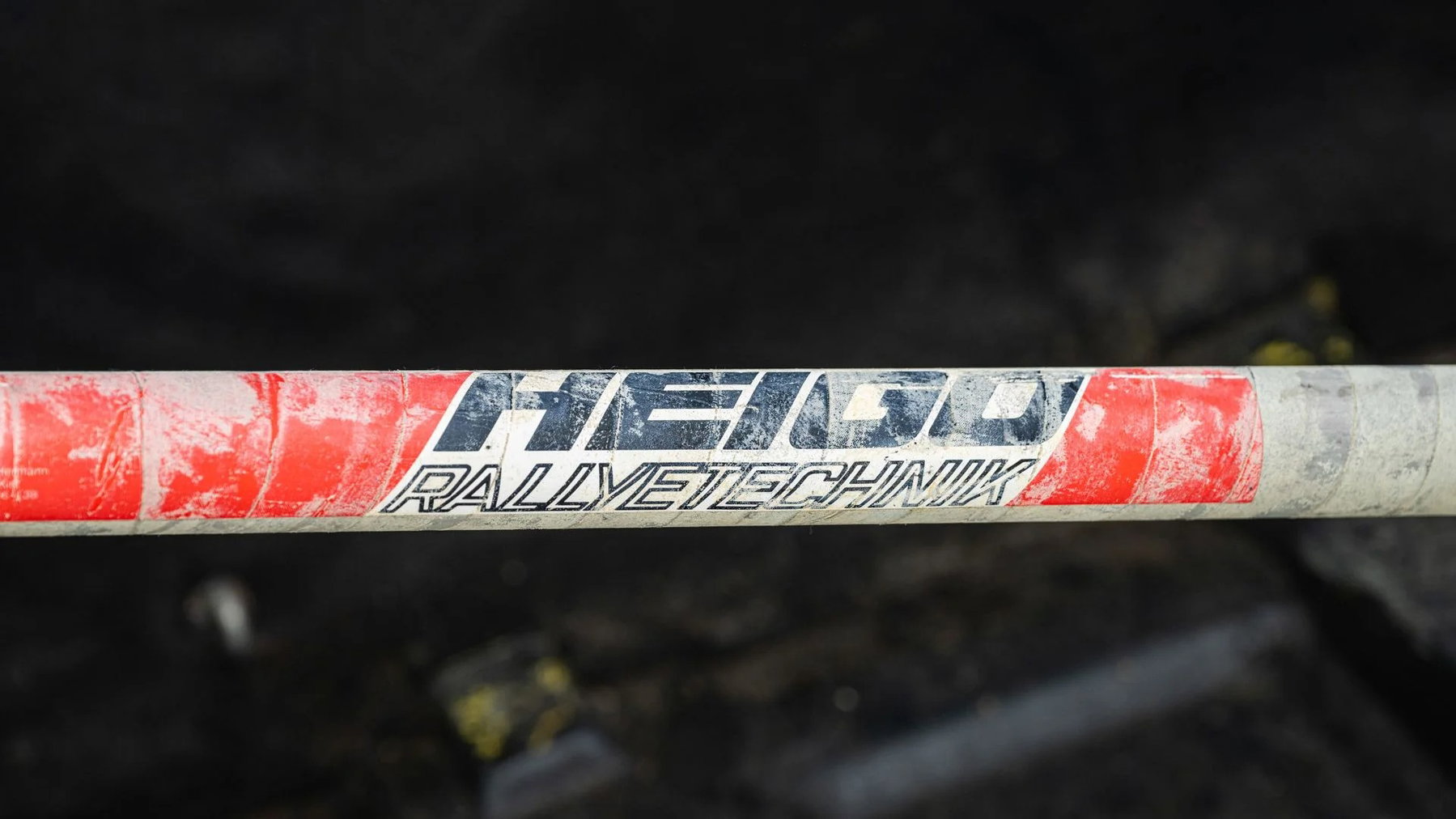
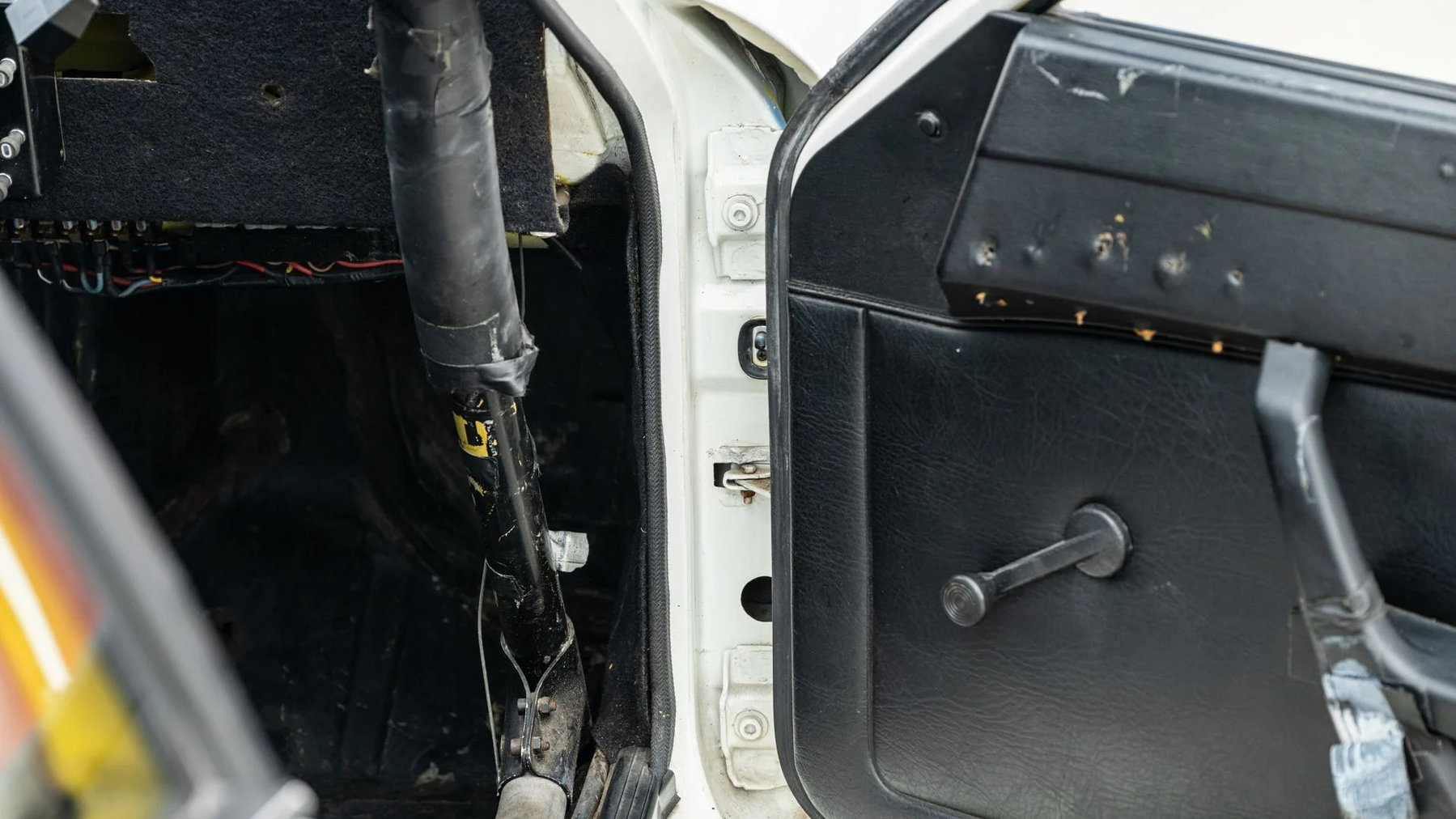
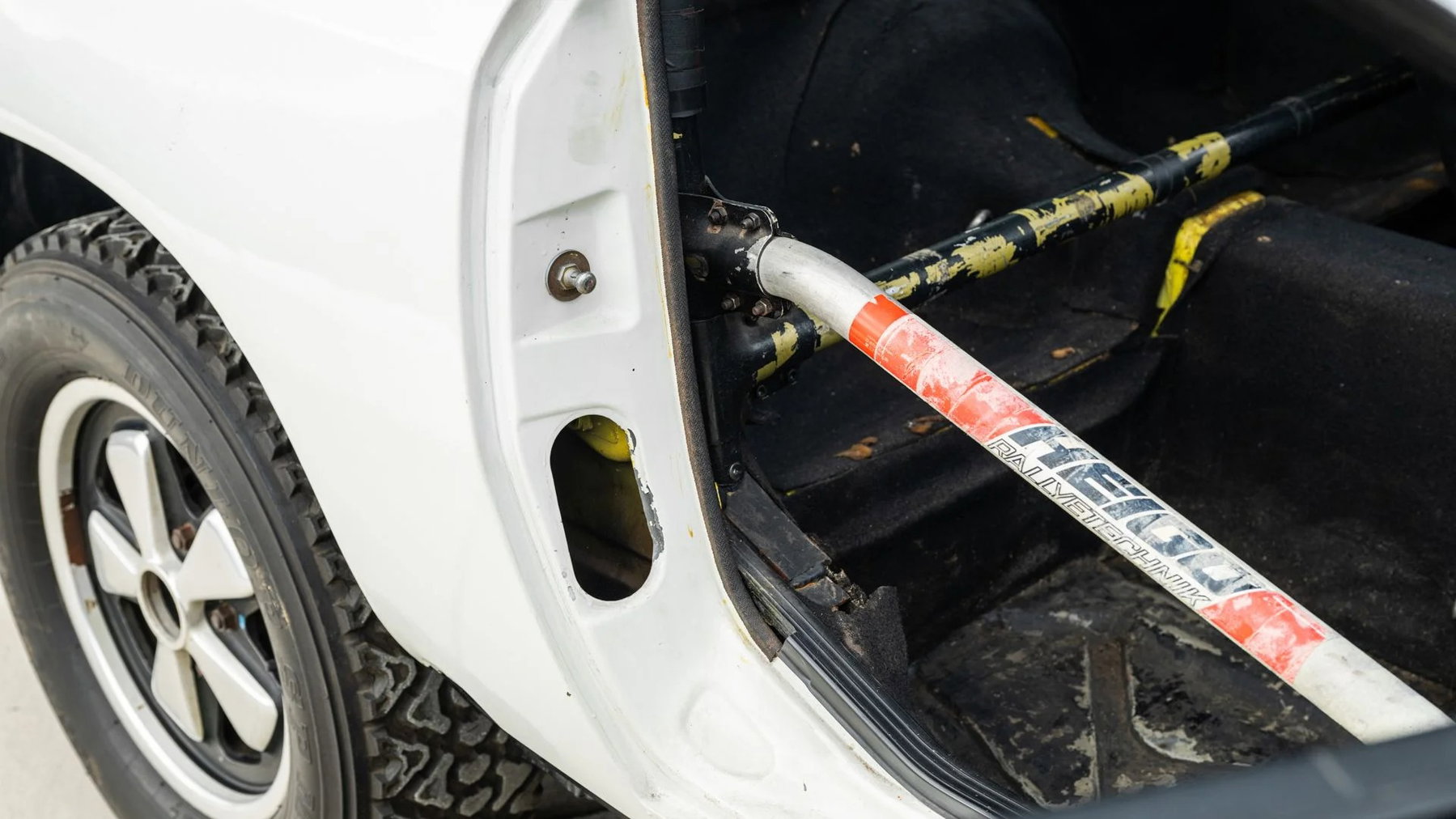
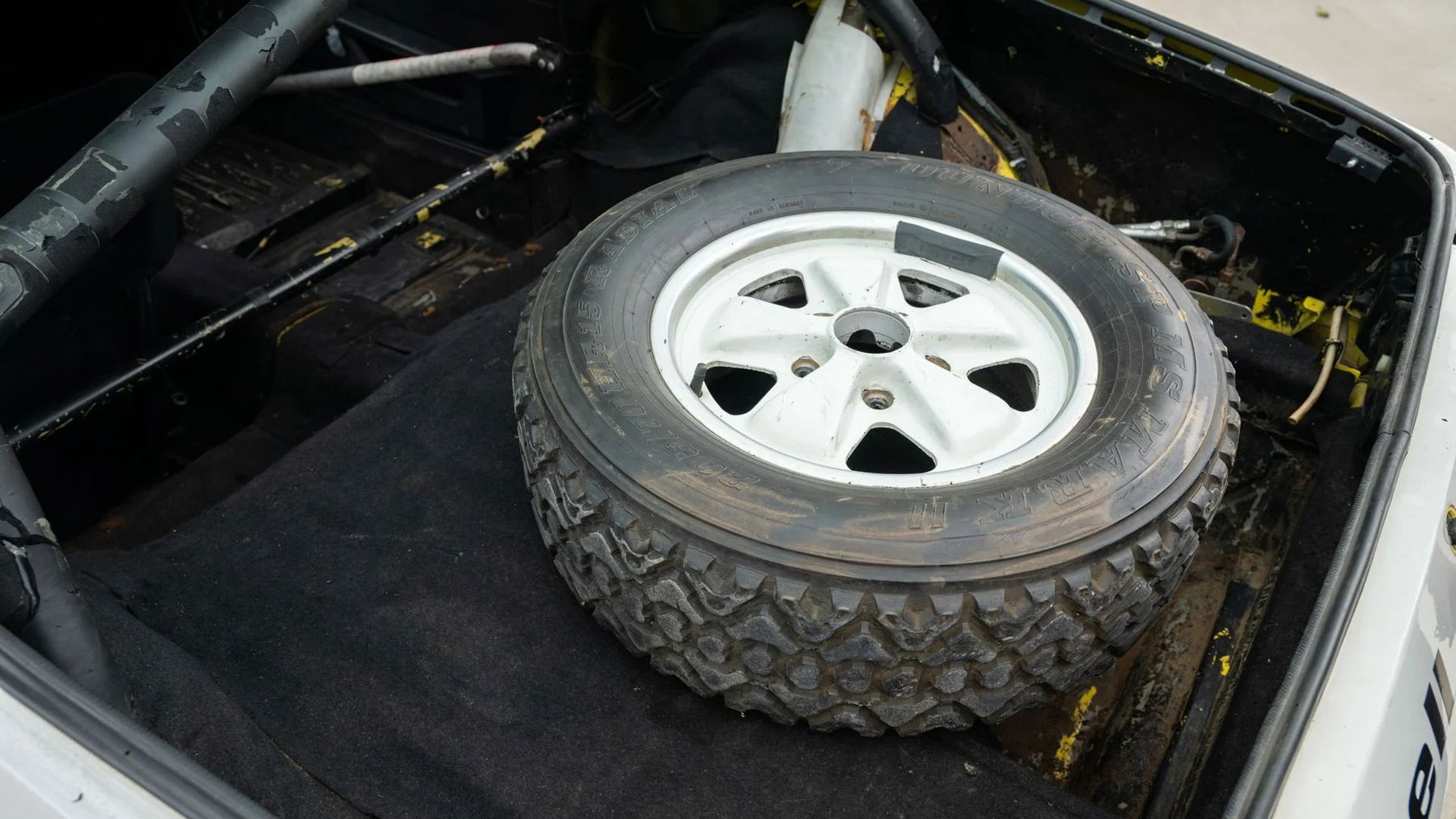
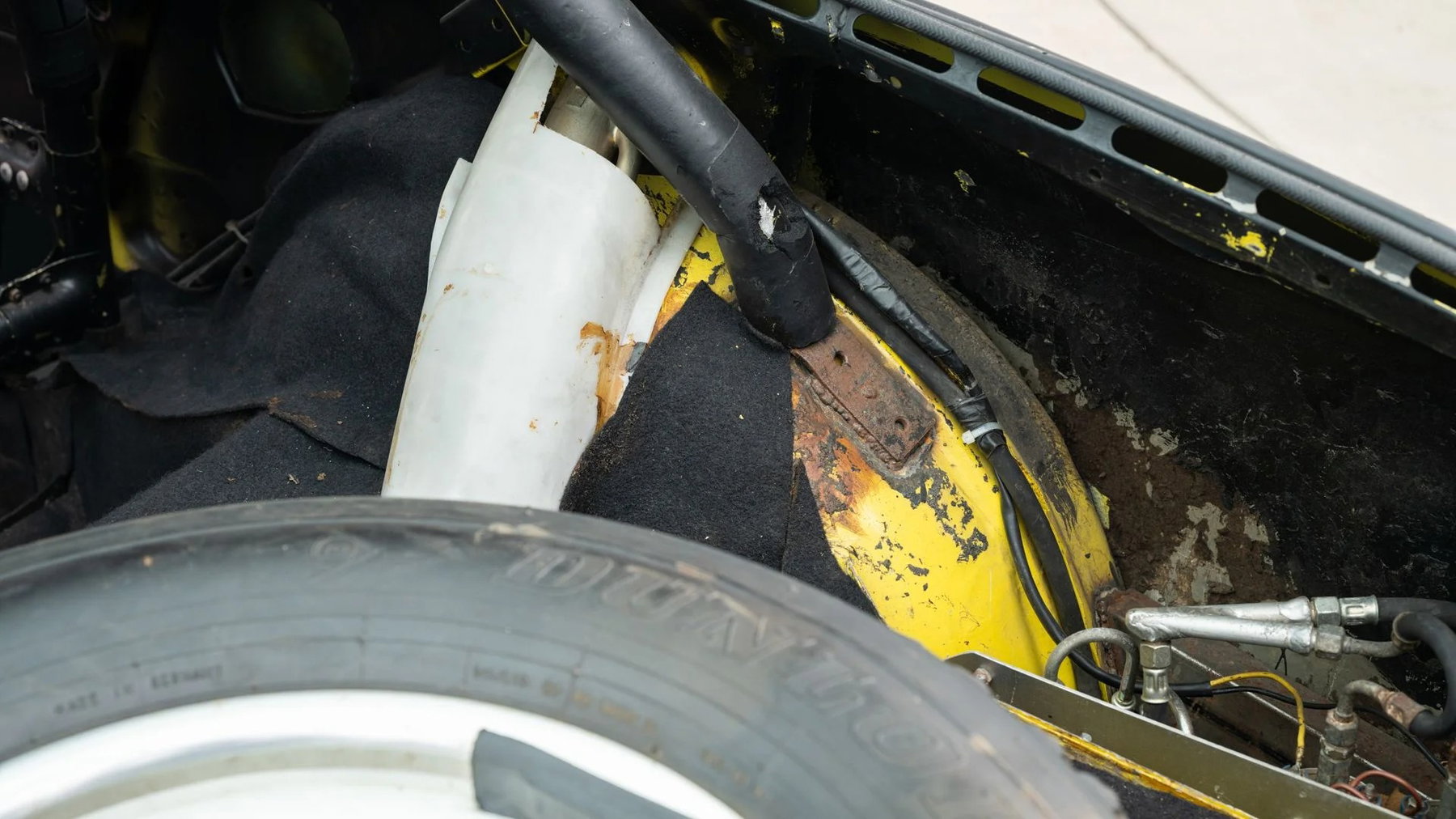
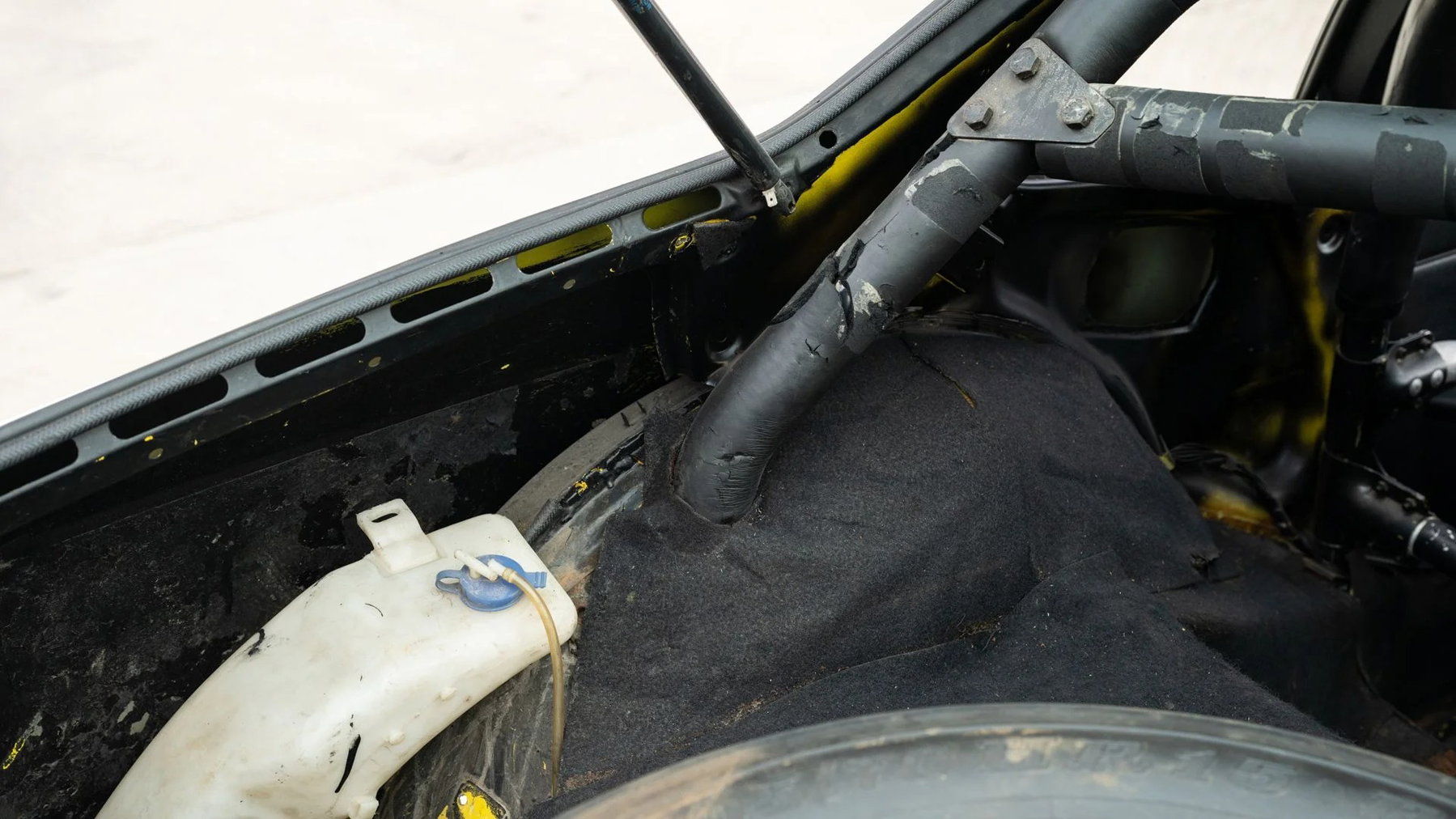
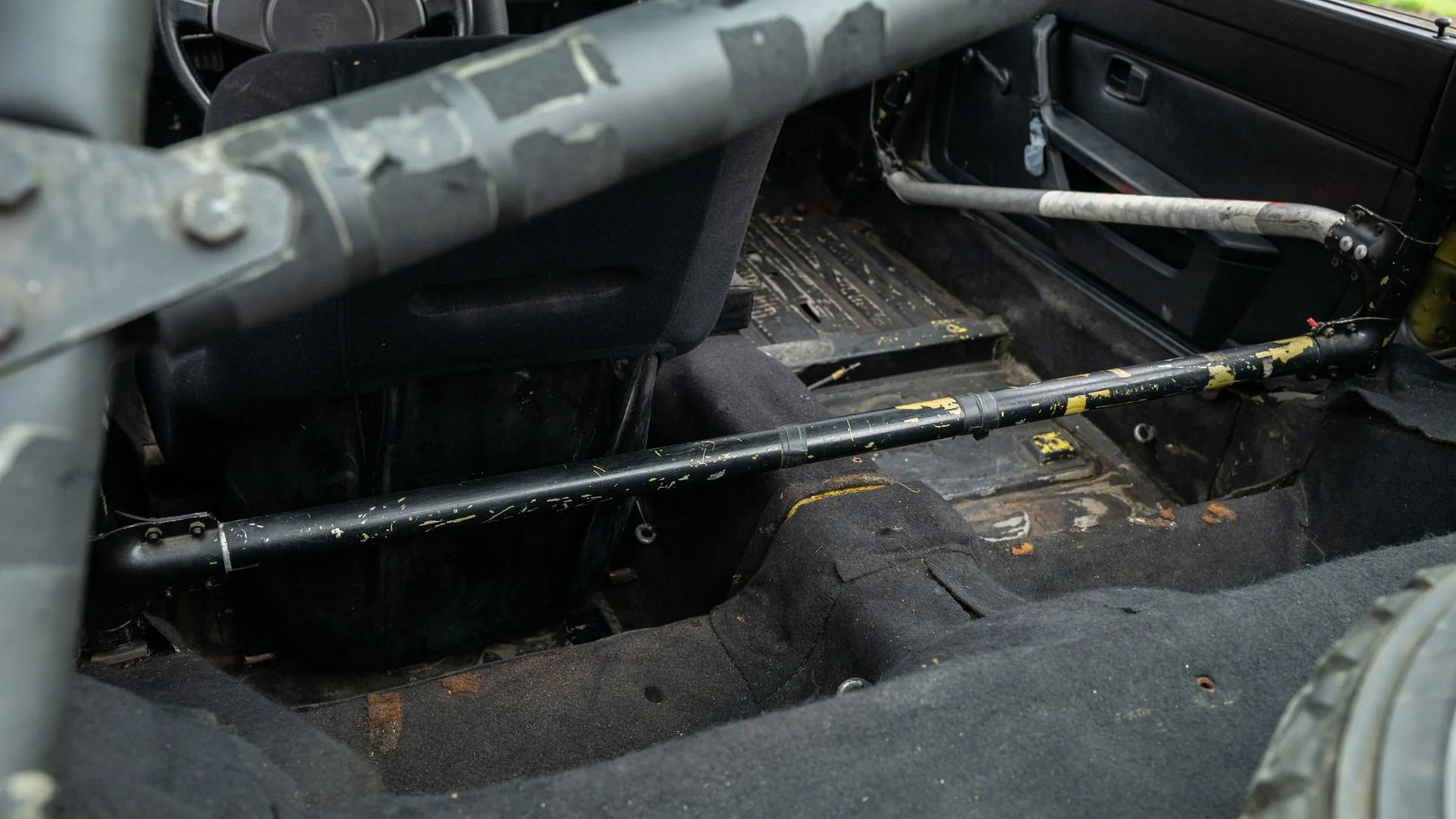
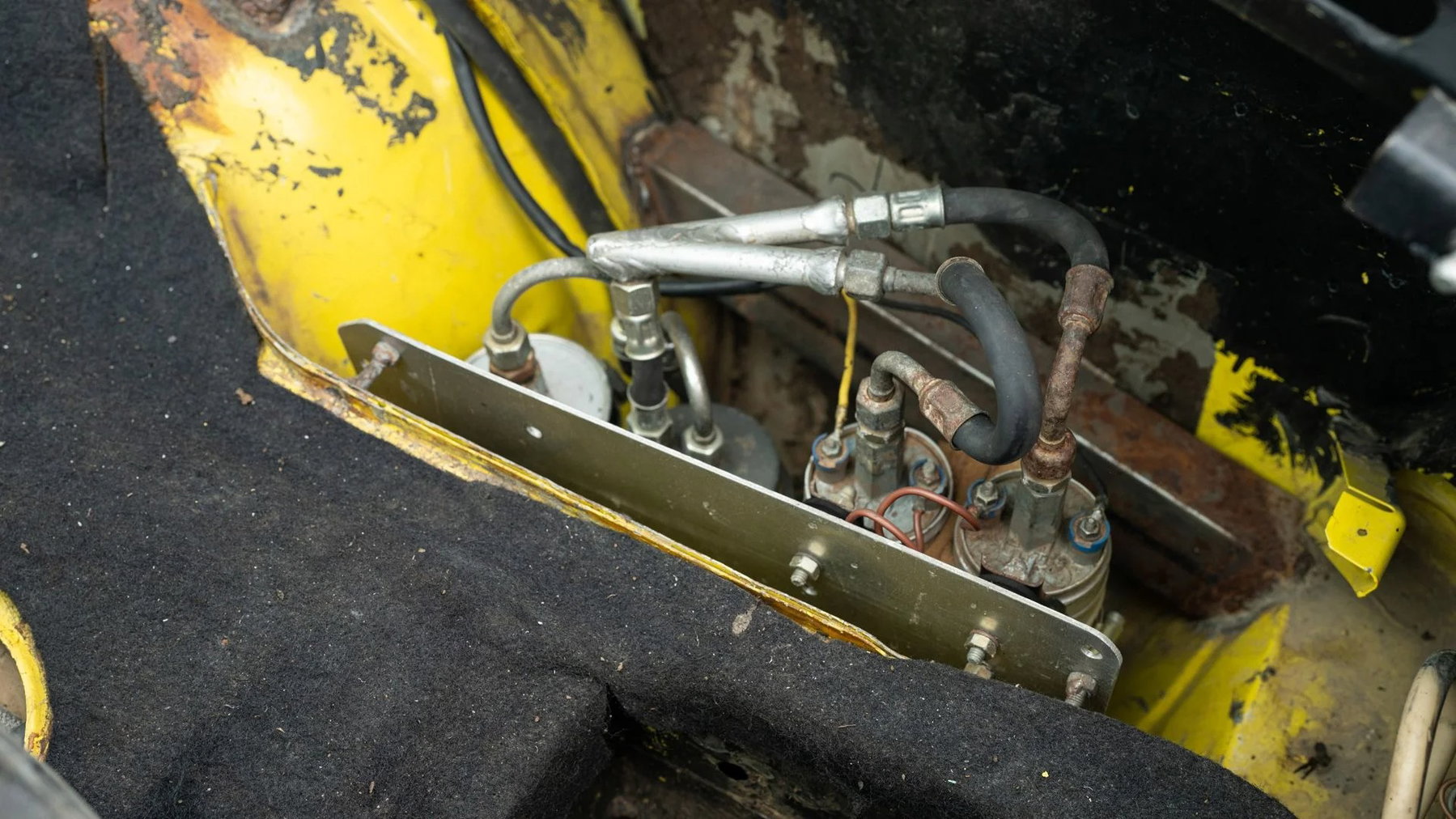
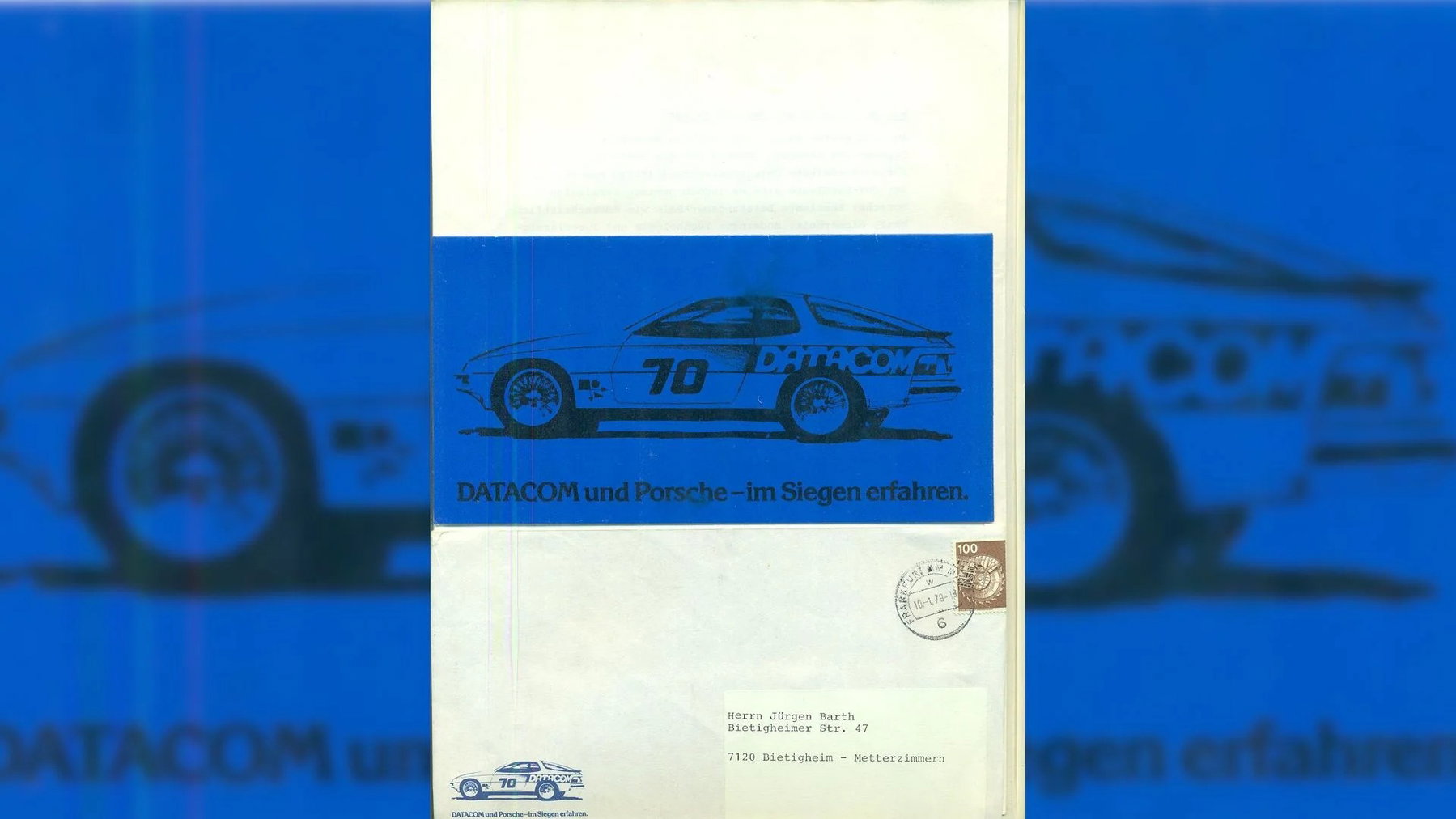
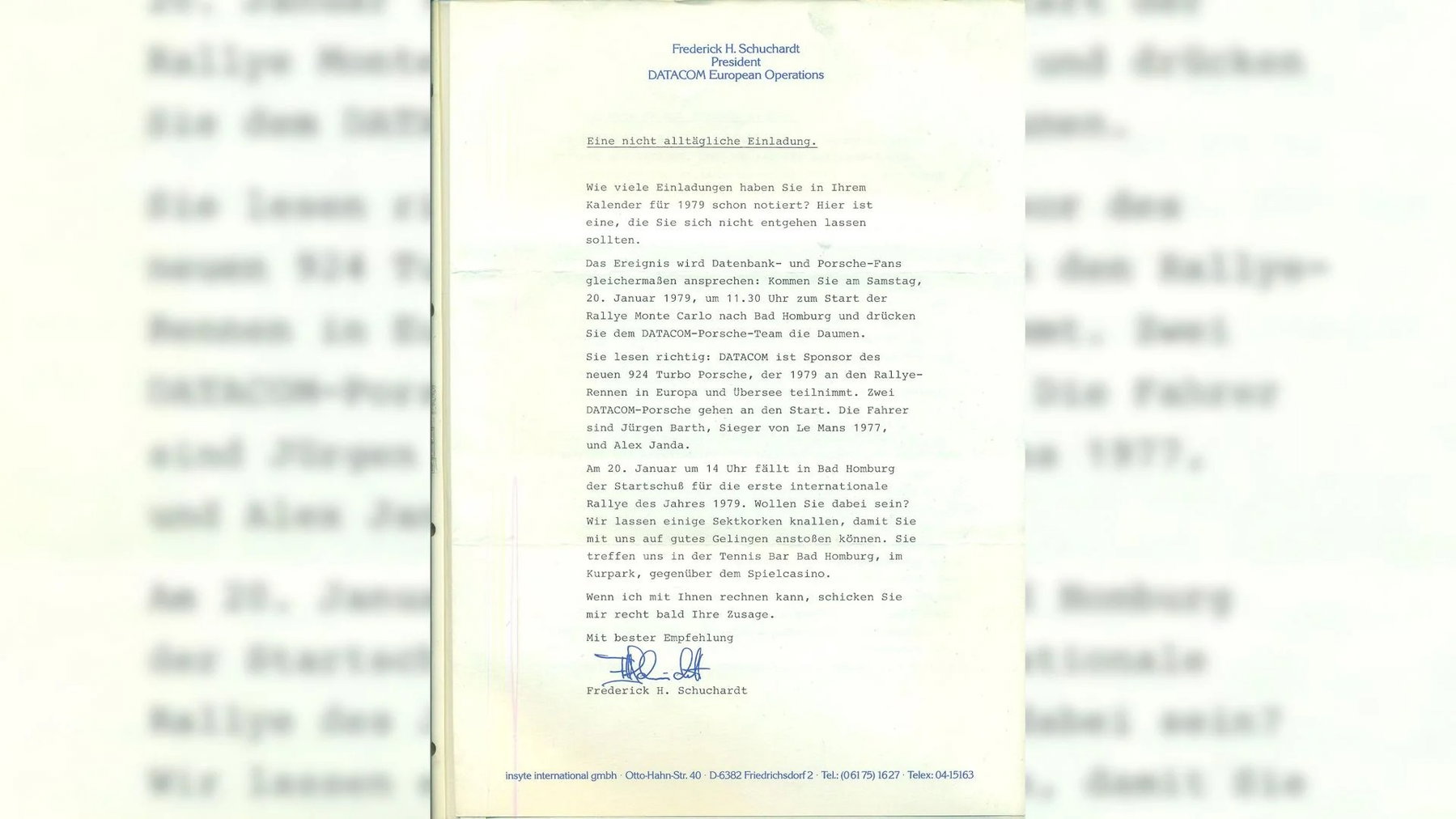
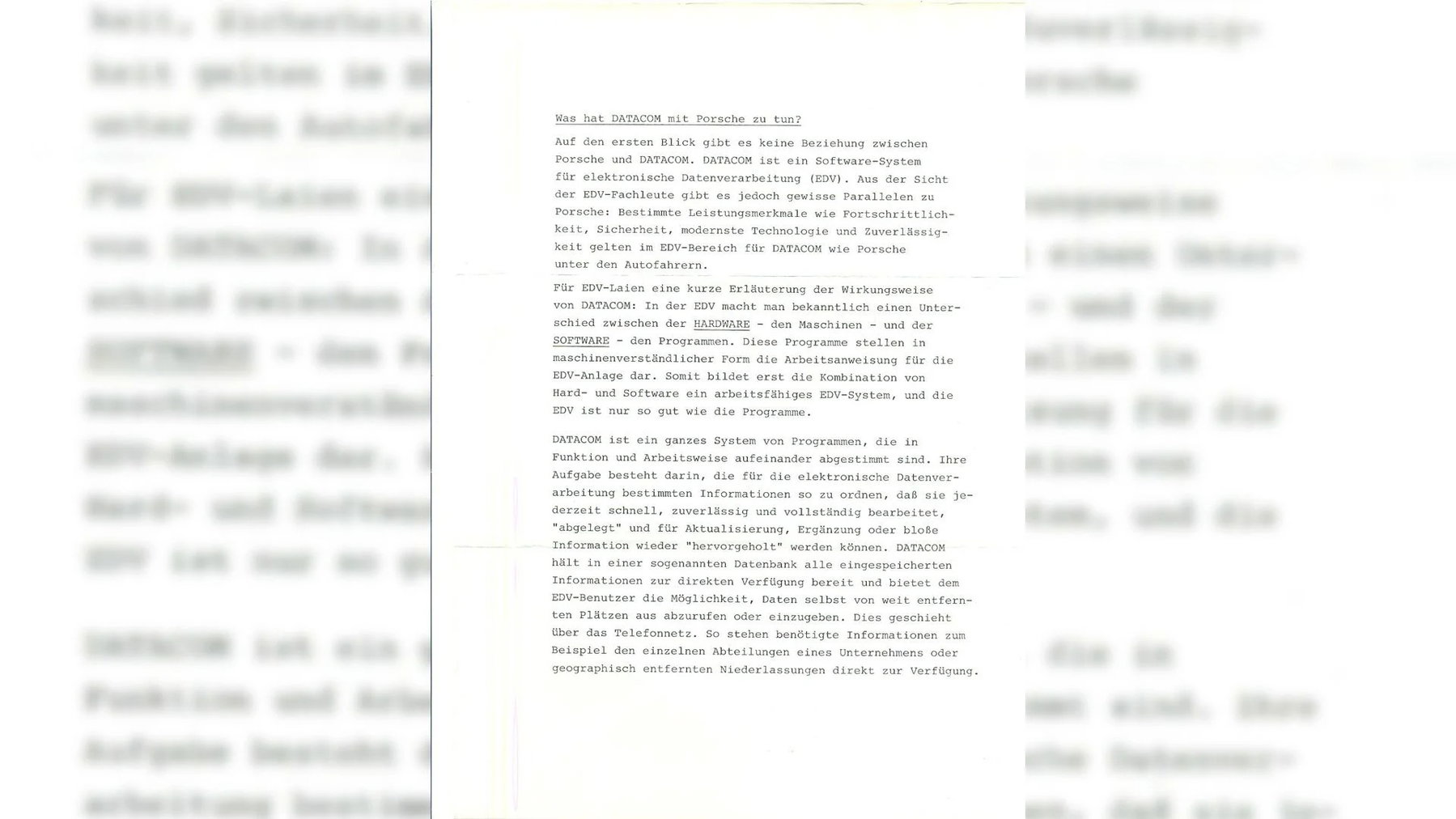
Nearly every spare moment for the quartet was spent preparing the cars with Heigo roll cages, reinforced front wishbones and rear suspension, ventilated disc brakes, a five-speed transmission, a spare ignition system, dual fuel pumps, and front fender flares to cover the rally car’s wider 15-inch five-lug forged Fuchs wheels. Sufficient sponsorship from Datacom, an electronic data processing company, was landed by Janda who was the Sales Manager of Porsche Spindler in Würzburg. In fact, so dedicated was the team that Kussmaul spent 600 hours of unpaid time on the cars alone!
As the 924 Turbo only just hit the assembly line, their turbocharged Monte-Carlo hopes would hinge on a production number of 400 Type 931s produced by the new year, yet a metalworkers strike would ensure that this would not be. Ever the politician, Barth lobbied the FIA to waive the homologation requirement but, in the end, the Datacom 924s would race with naturally aspirated engines.
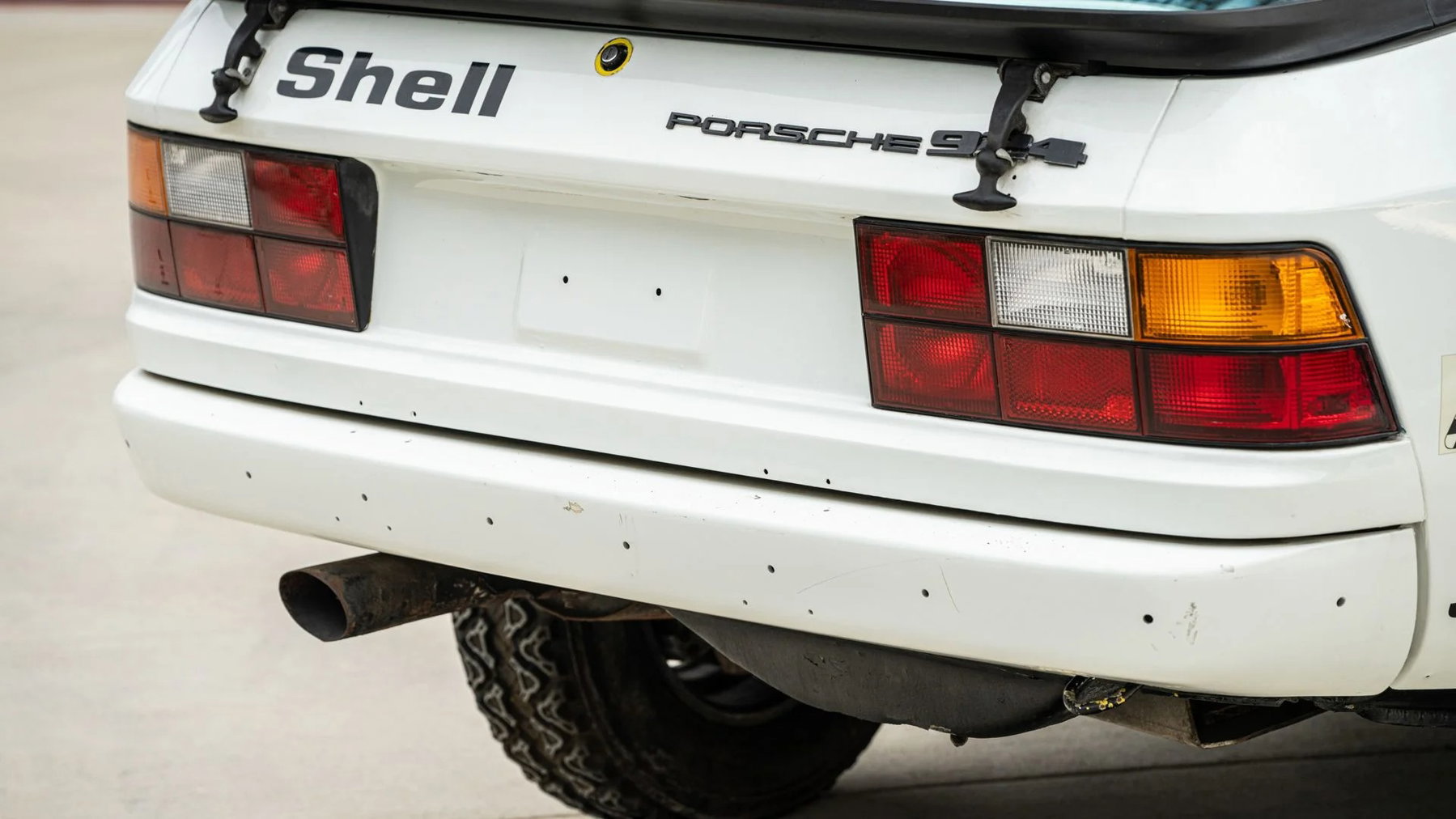
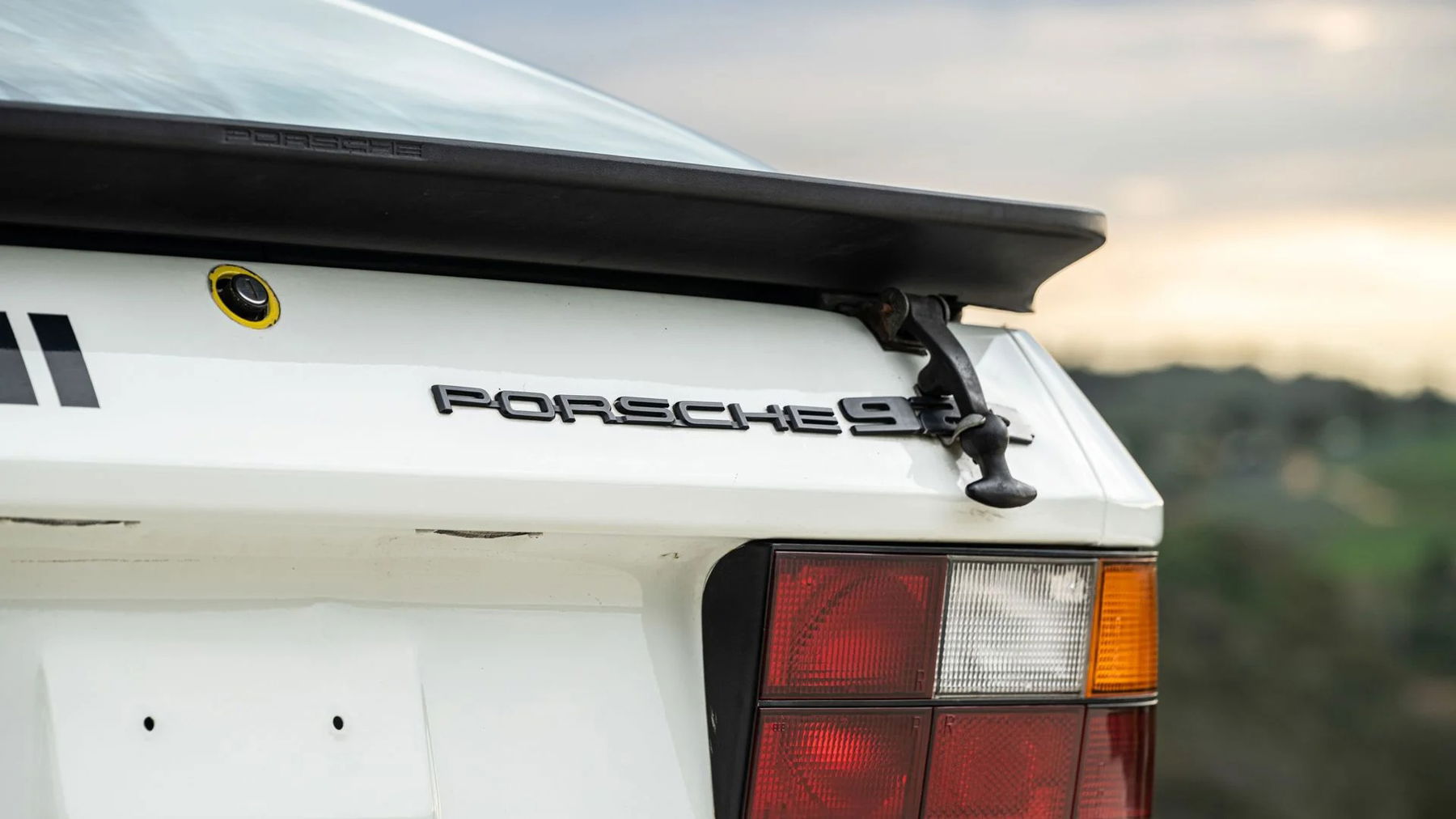
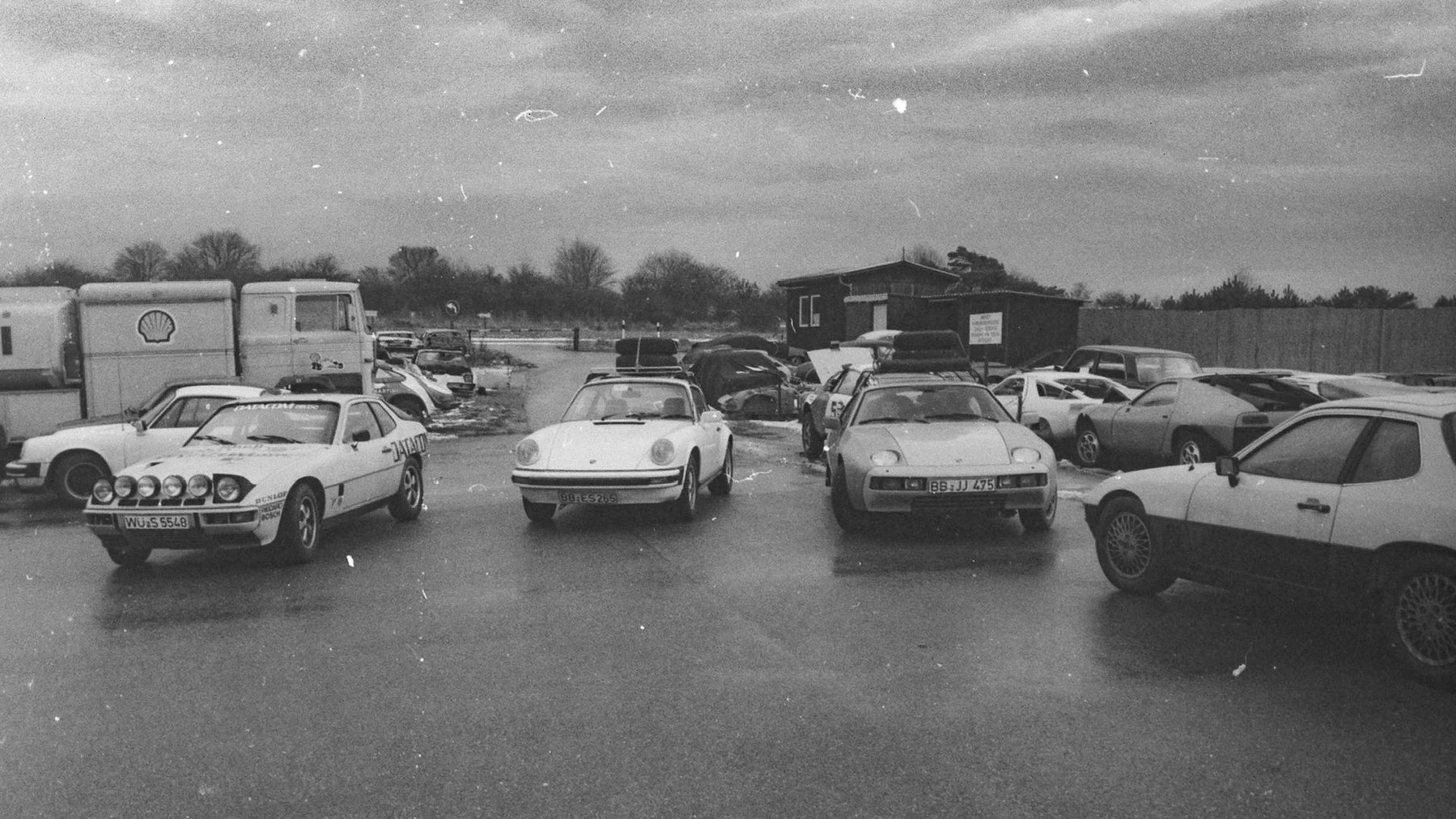
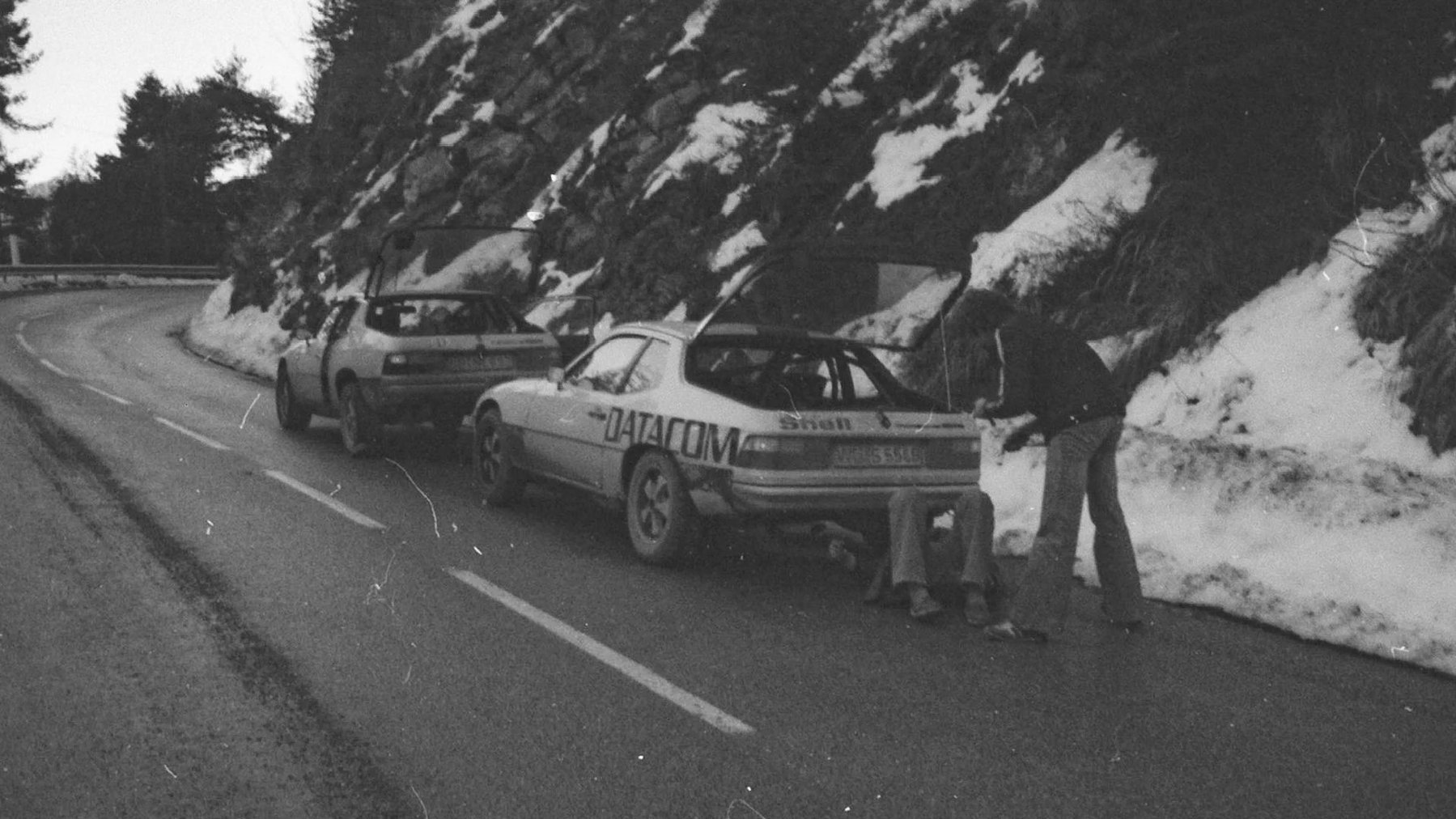
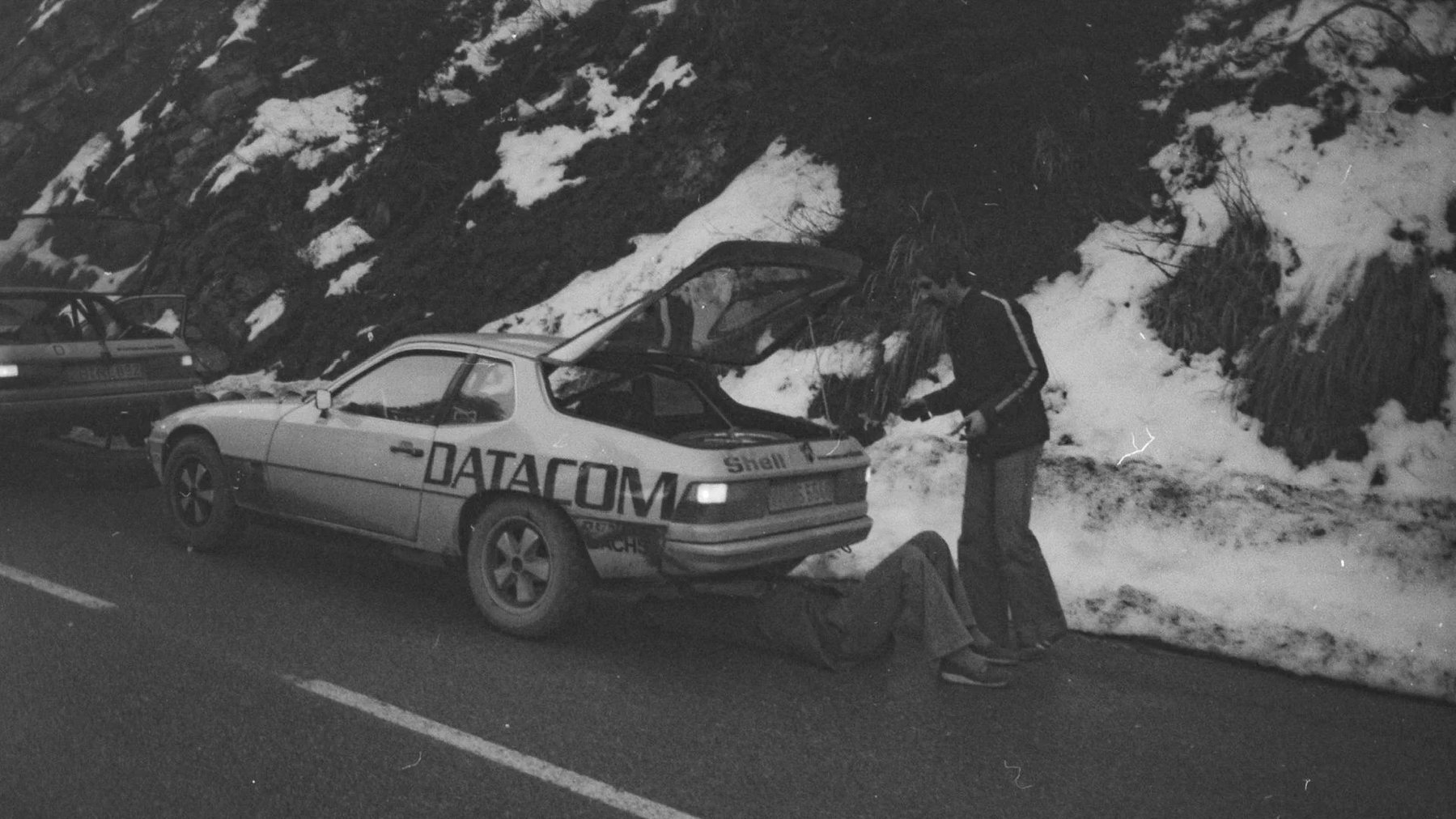
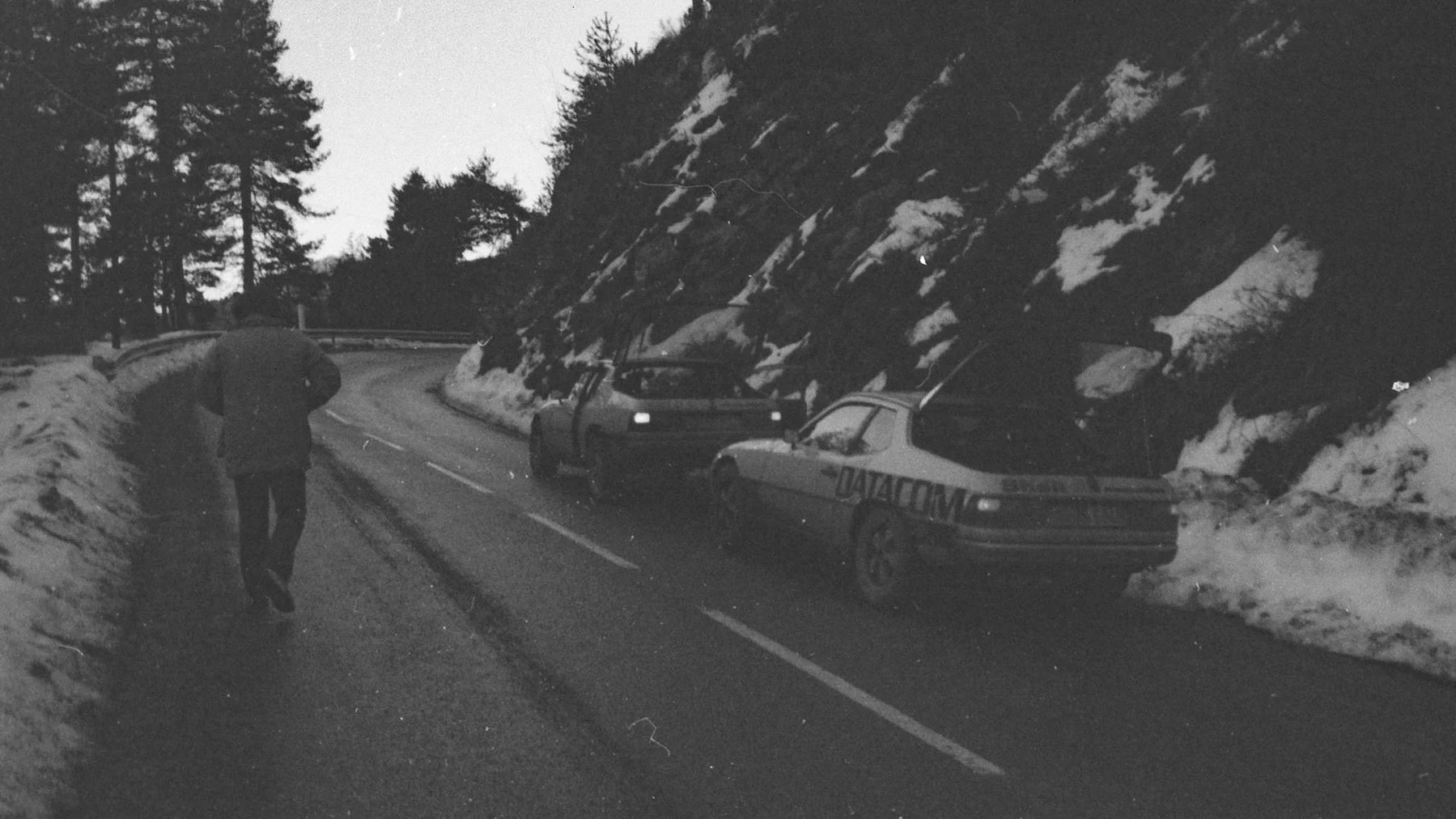
Historic images on file show the two 924s resplendent in their Datacom livery with chassis number 0015 crewed by Janda/Ristl in start number 48 before the start of the first special stage. To further show the team’s commitment to the regulations and creative thinking, the Rallye Monte-Carlo plate was riveted over the NACA hood duct and other model specific-features undone. As history would show, that year’s star rally would feature a snowy start with rain and warmer weather throughout. While Barth and Kussmaul would go on to finish 20th overall and 4th in class, number 0015 would record a retirement due to shock absorber issues with Janda choosing to stop the car. As a proof-of-concept, especially without the use of turbocharged engines (the homologation was complete just one week after the event), the Datacom team left the rally elated with two undamaged cars and an incredible feat accomplished in just four months.
0015 – Safari Rally
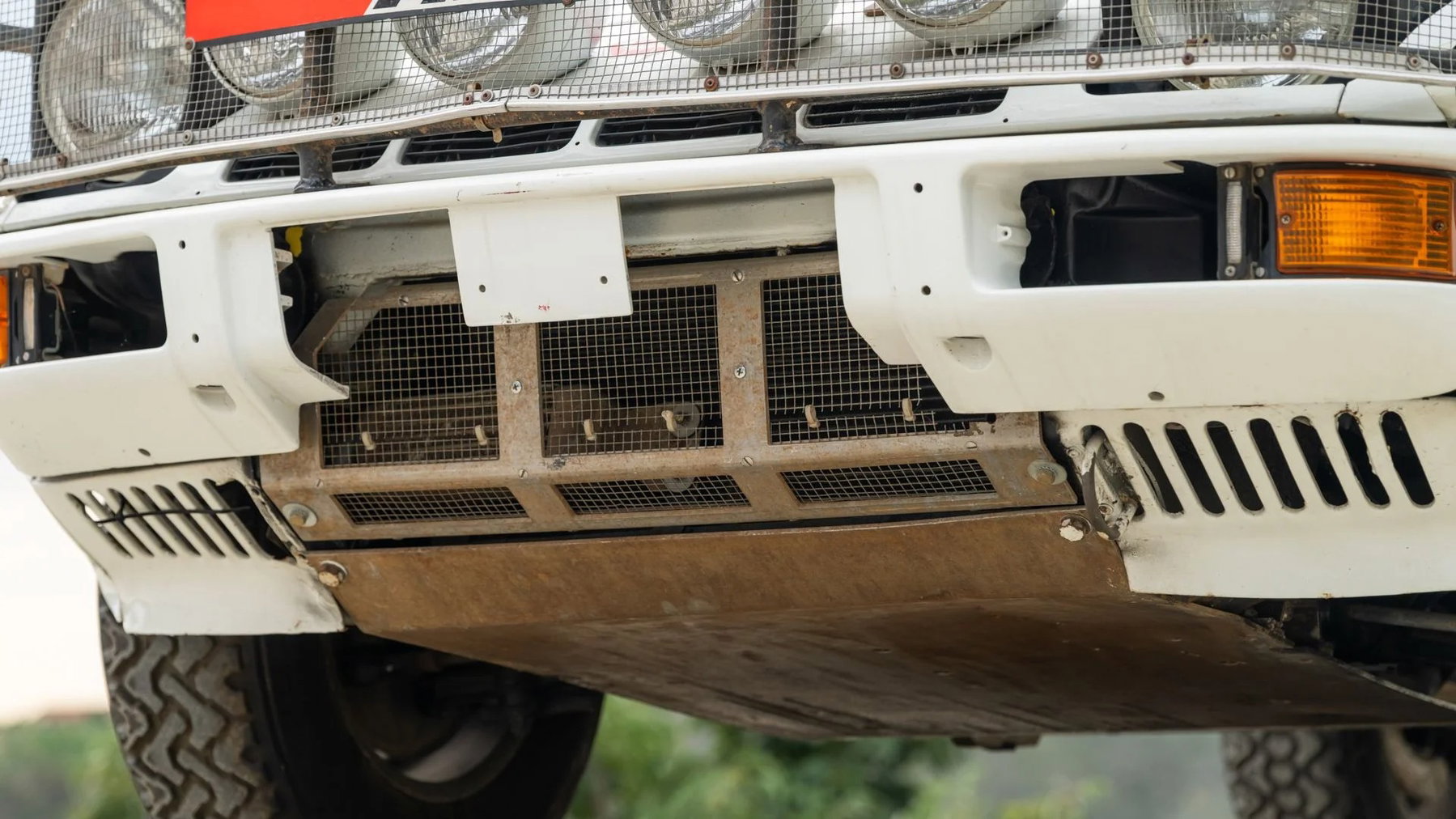
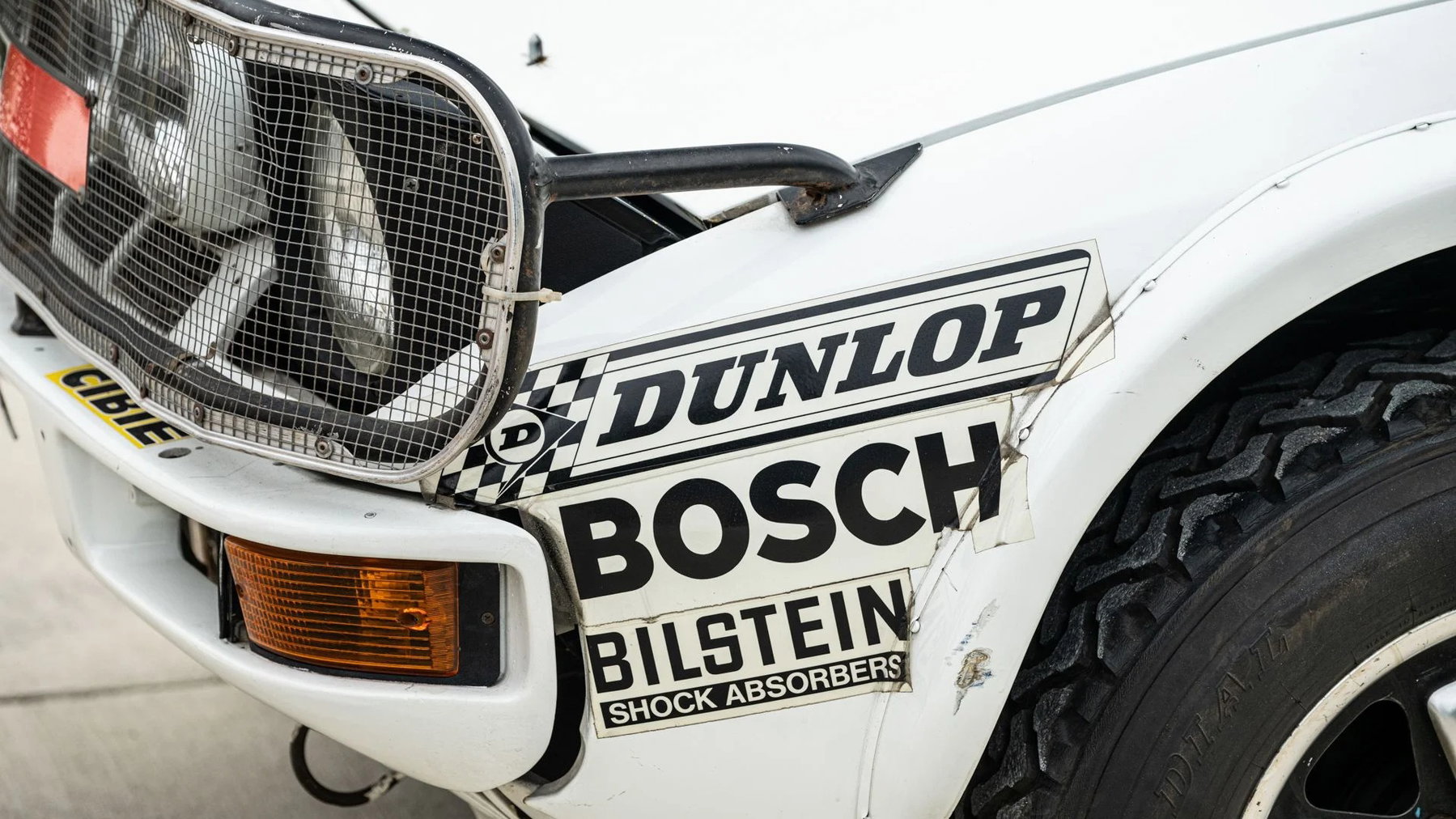
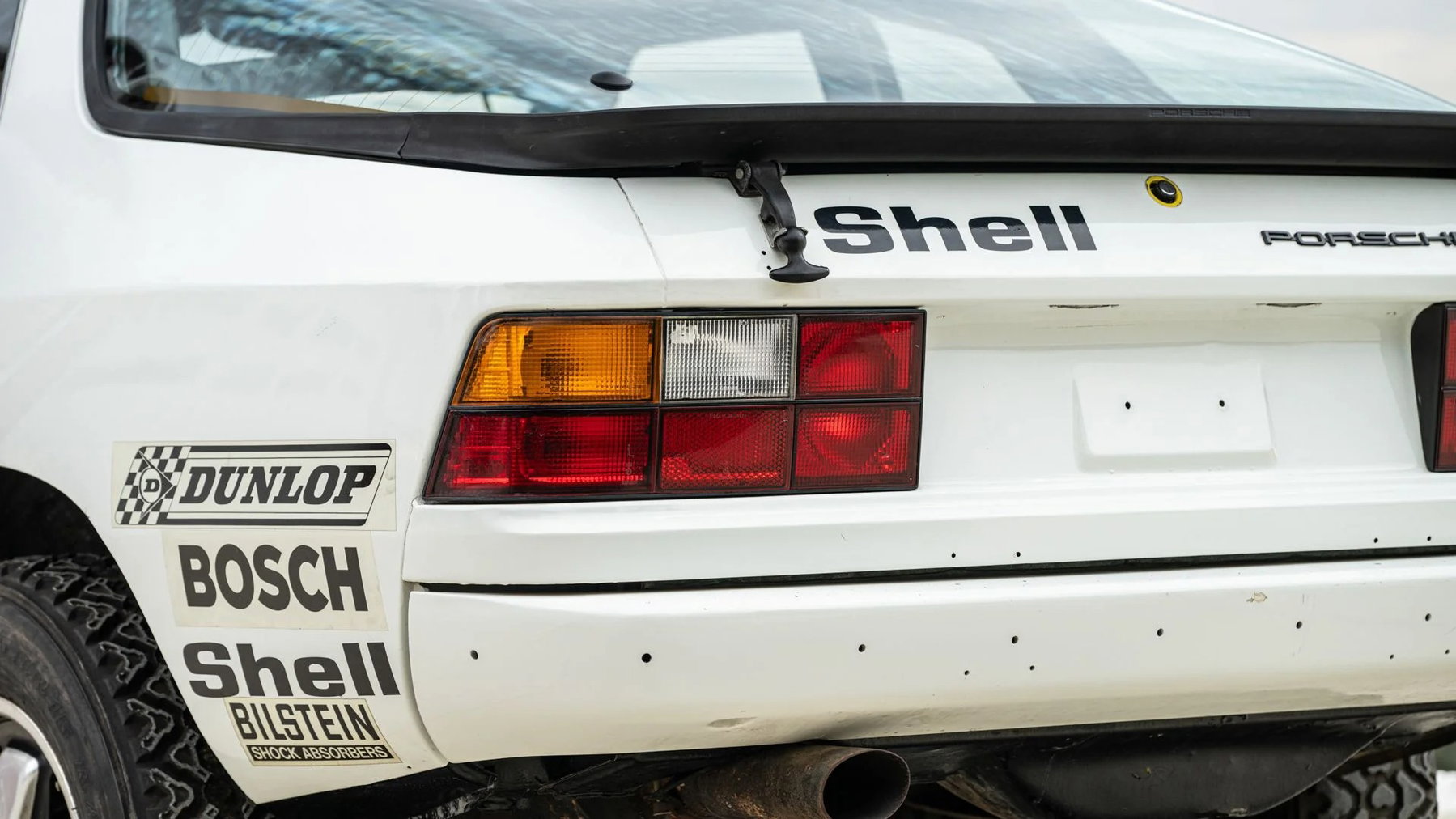
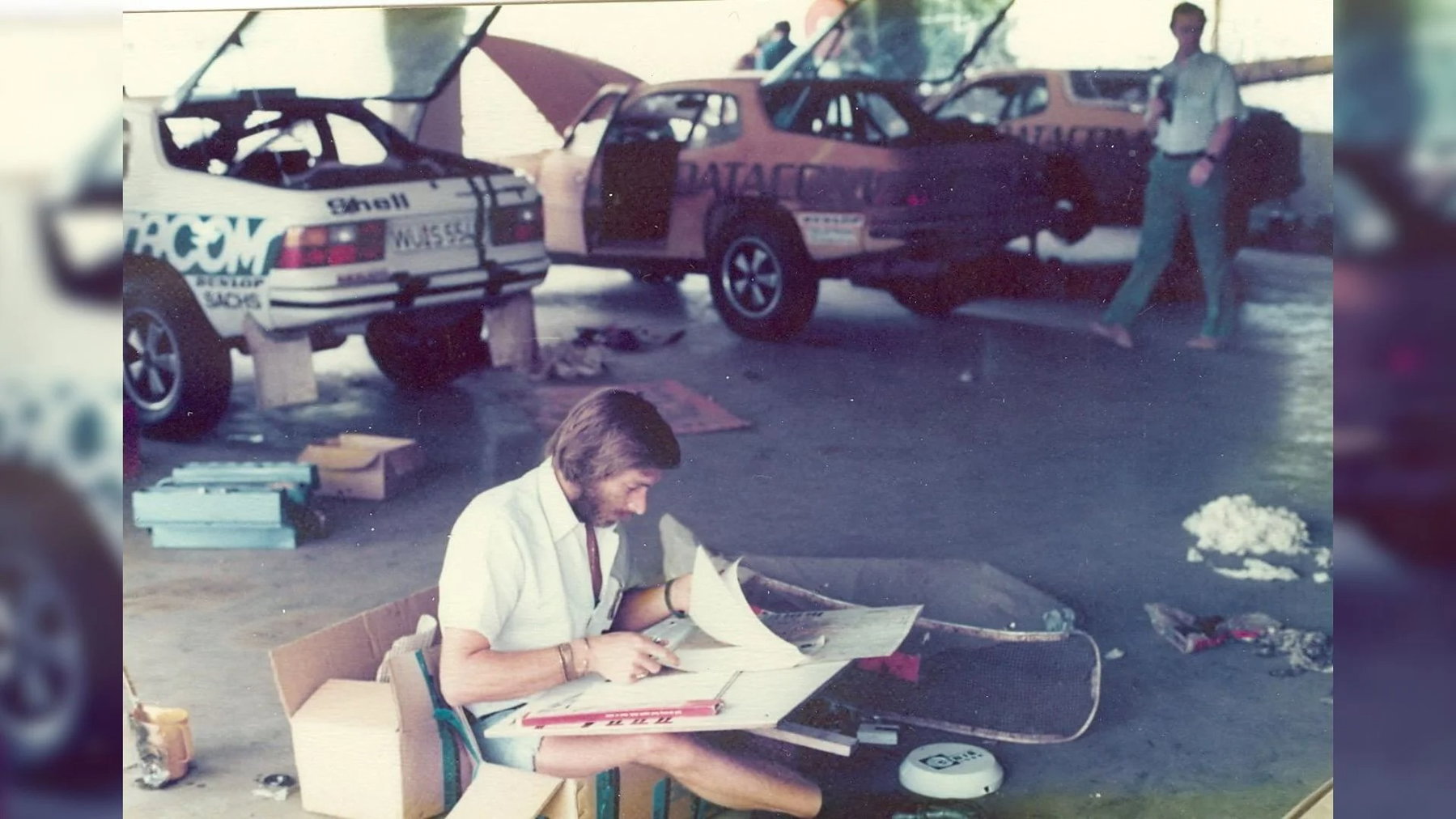
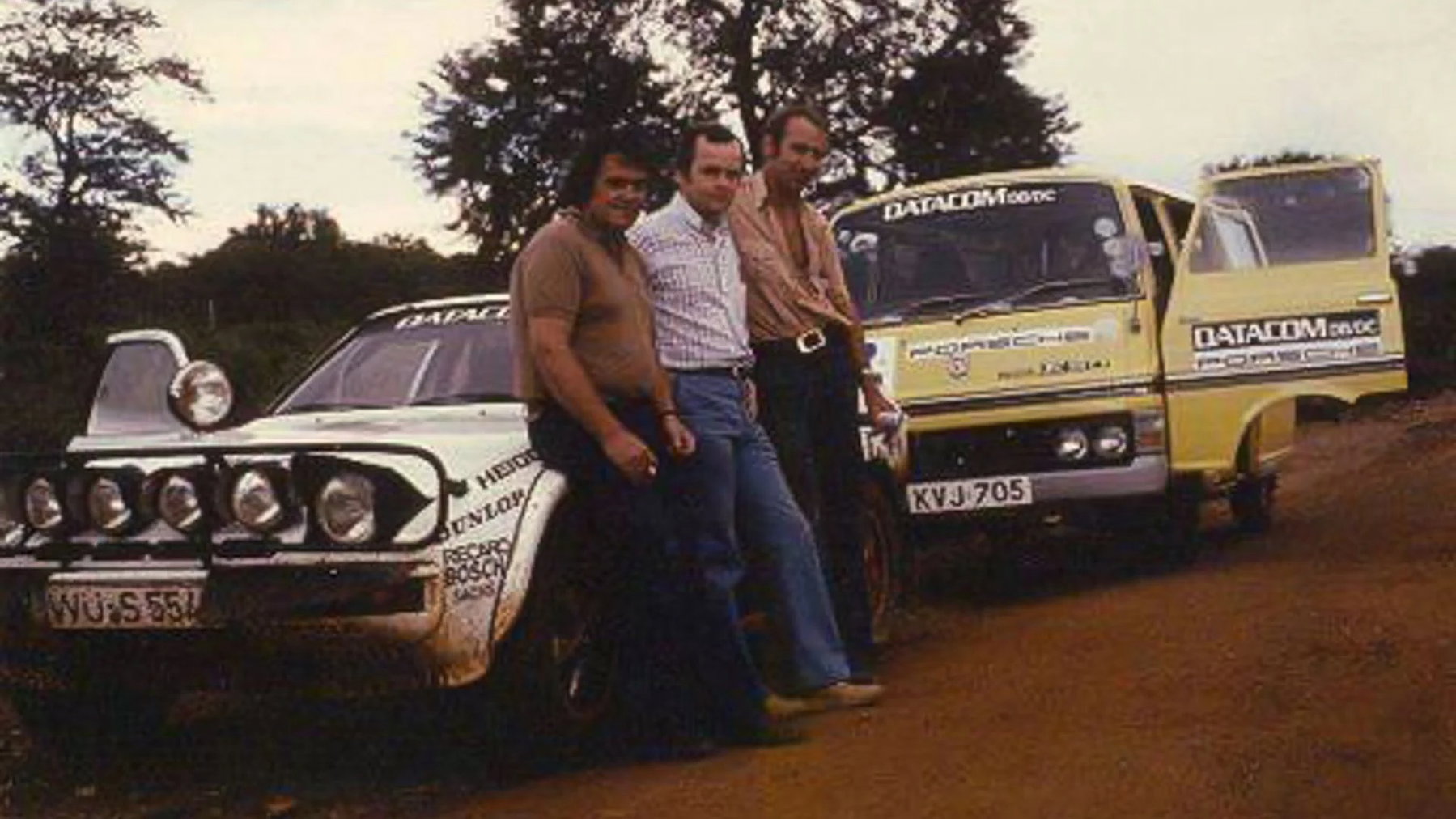
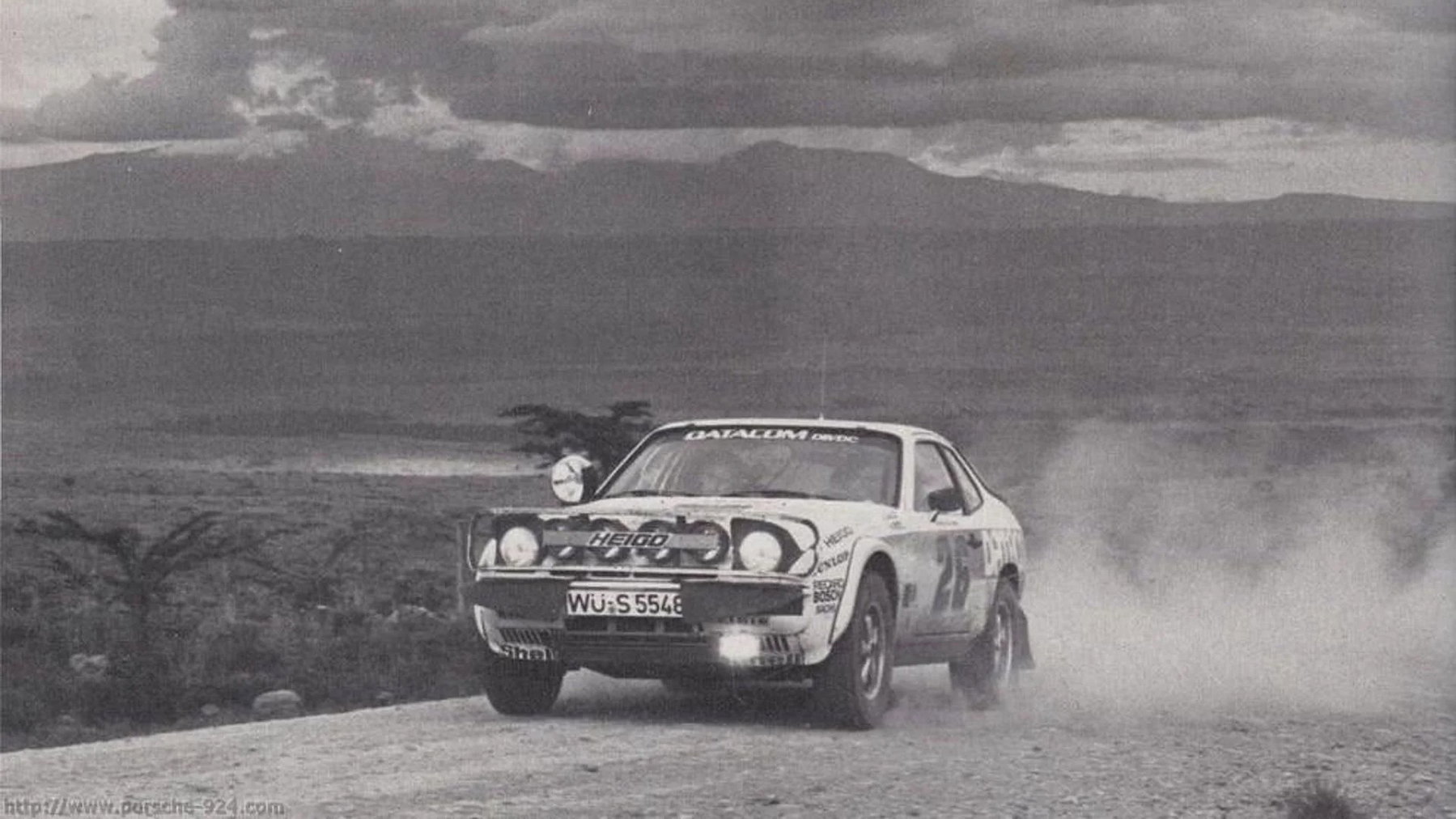
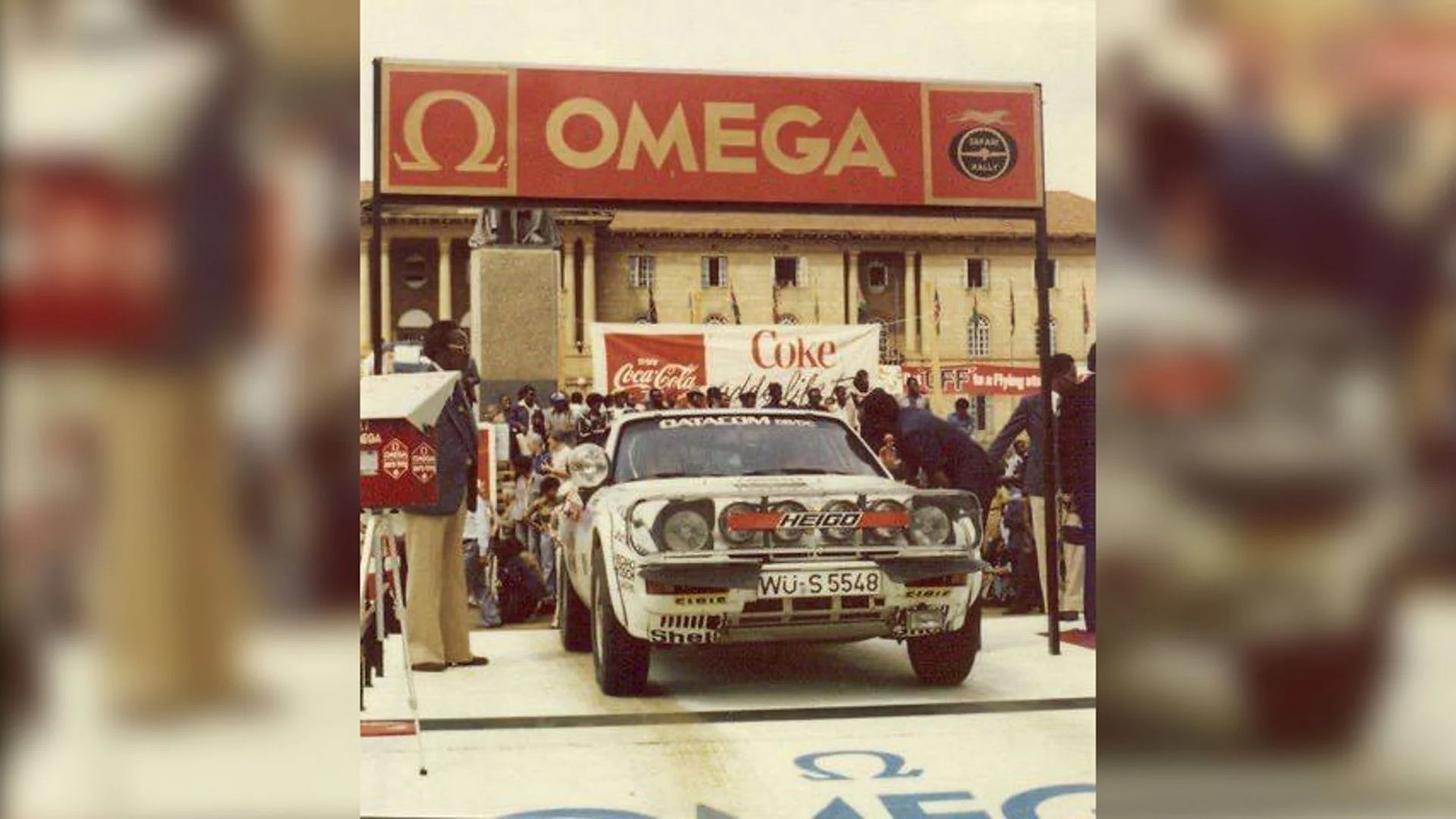
With the Monte-Carlo experiment successfully completed, the team turned its attention to the brutally demanding 1979 Safari Rally, by which time the 924’s 170-horsepower turbocharged engine was fully homologated. Once again entered with factory approval (even Race Director Peter Falk flew down to assist); the Safari would prove a trial by fire. Even though 0015, as start number 26, was upgraded with more power, front headlight guards, front water-crossing flaps, and a passenger-side Bosch spotlight, shock absorber failures from stress due to punishing terrain leading to broken transaxle joints ultimately forced retirement for both Datacom 924 Turbos.
The rally provided invaluable lessons—hard-won knowledge that underscored both the ambition and resilience behind Porsche’s first turbocharged transaxle rally cars. It further underscored the rally car’s forward thinking motorsport foundation, one that no doubt influenced Porsche to undergo the engineering of the 924 Carrera GT/GTS, racing GTR, and later the 944 Turbo Cup that was so influential in returning Porsche to a customer sport company, later paving the way for the numerous highly-successful 911 GT3 Cup championships.
0015 – Post-Competition
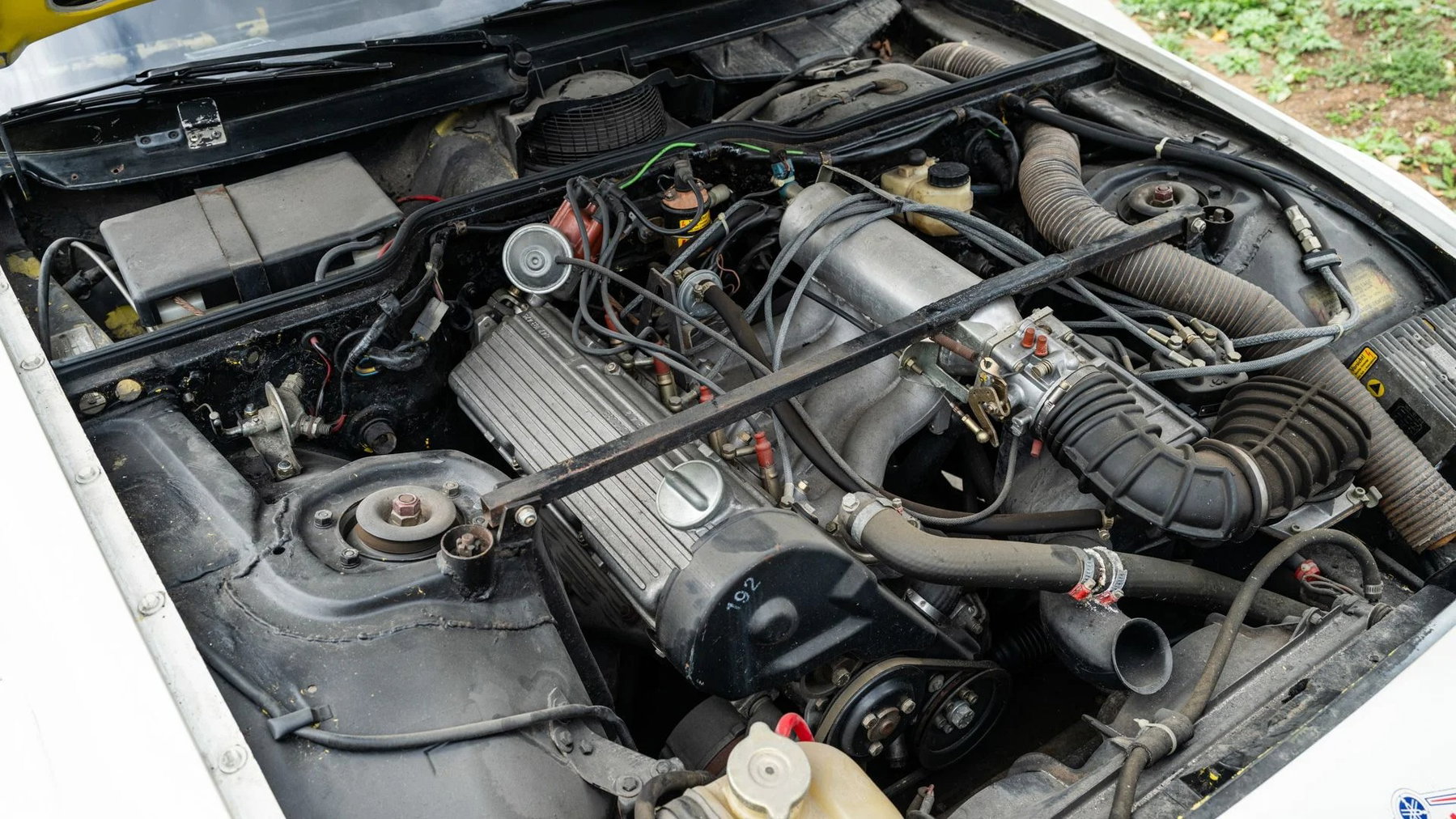
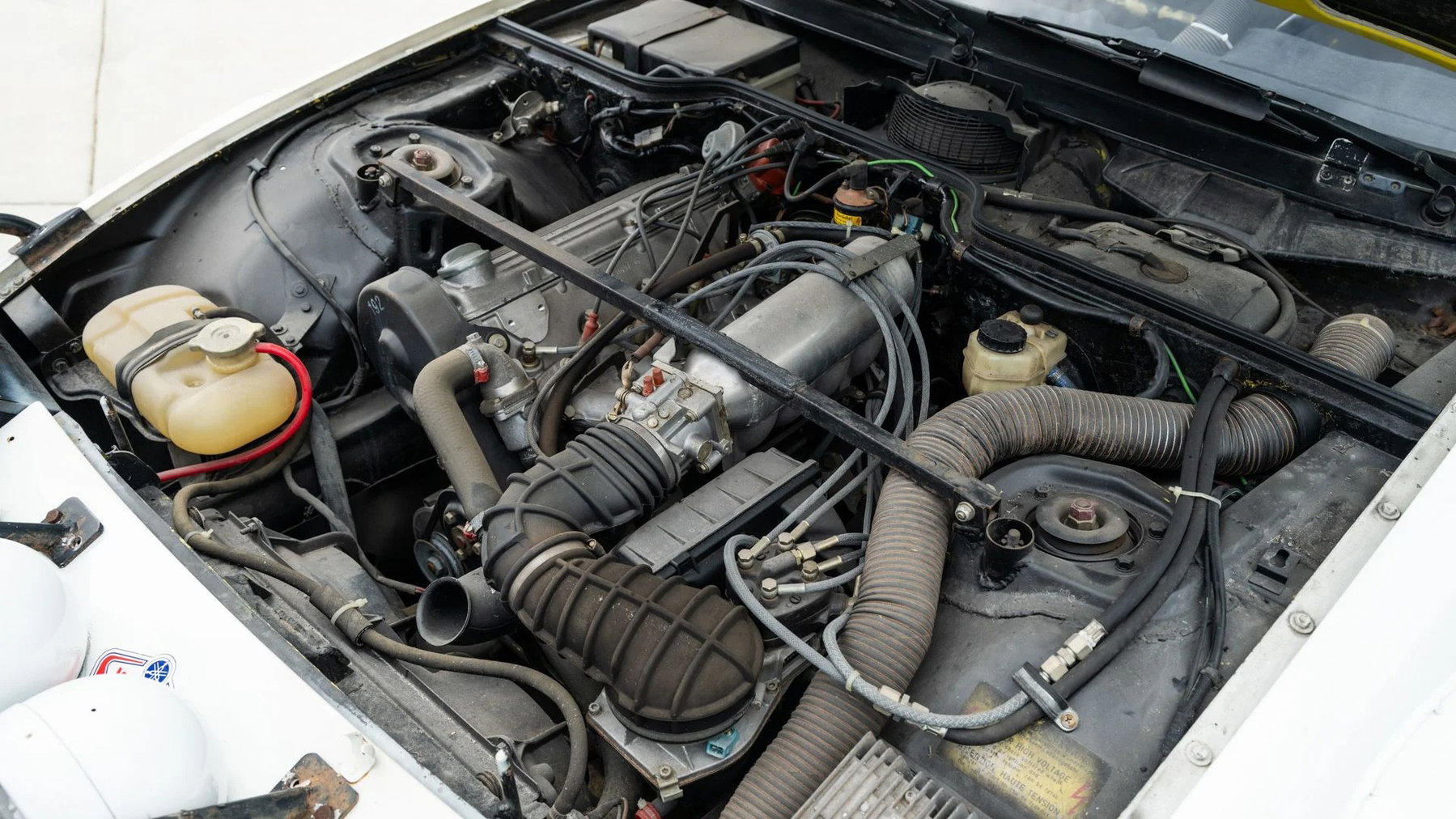
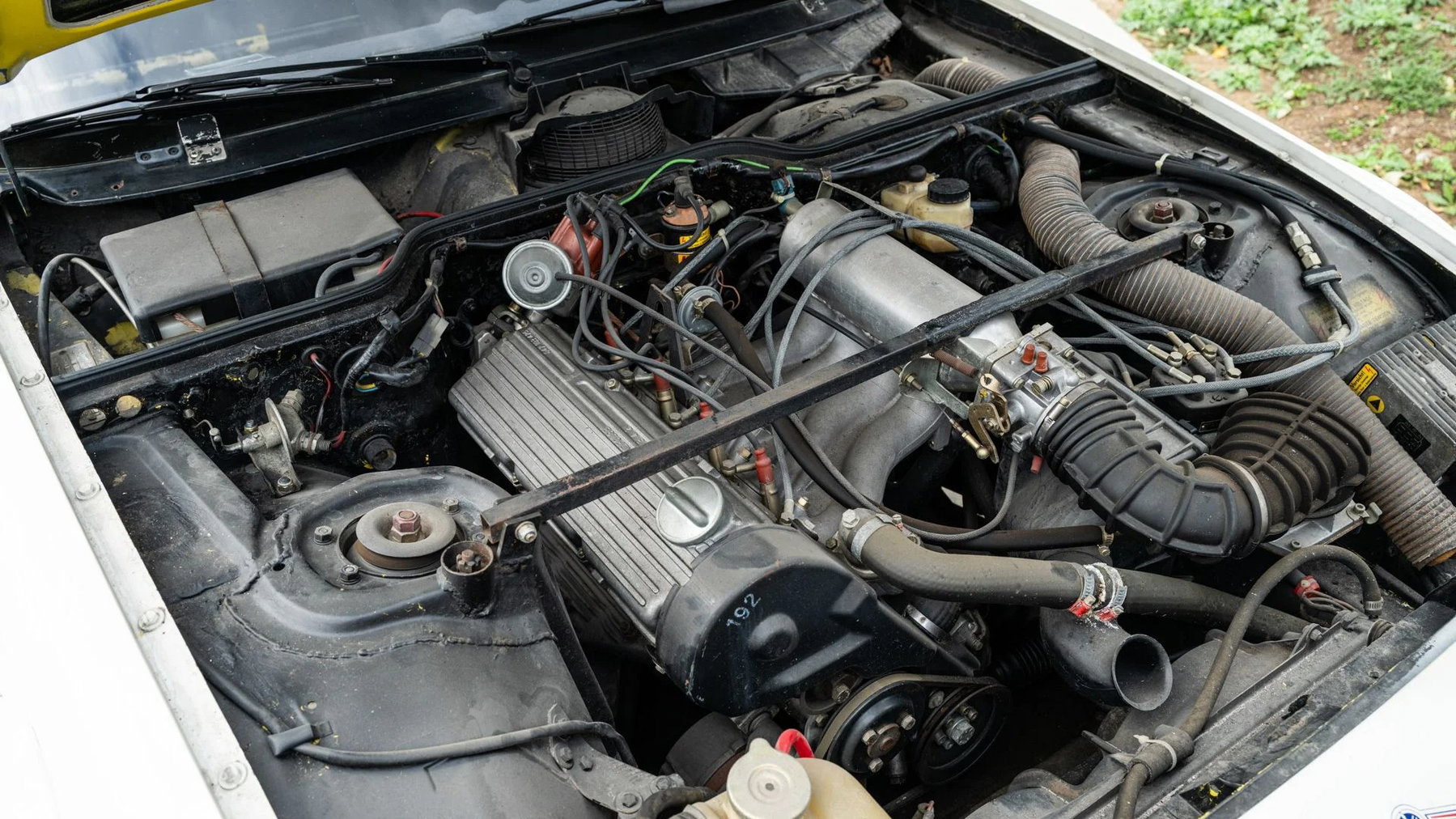
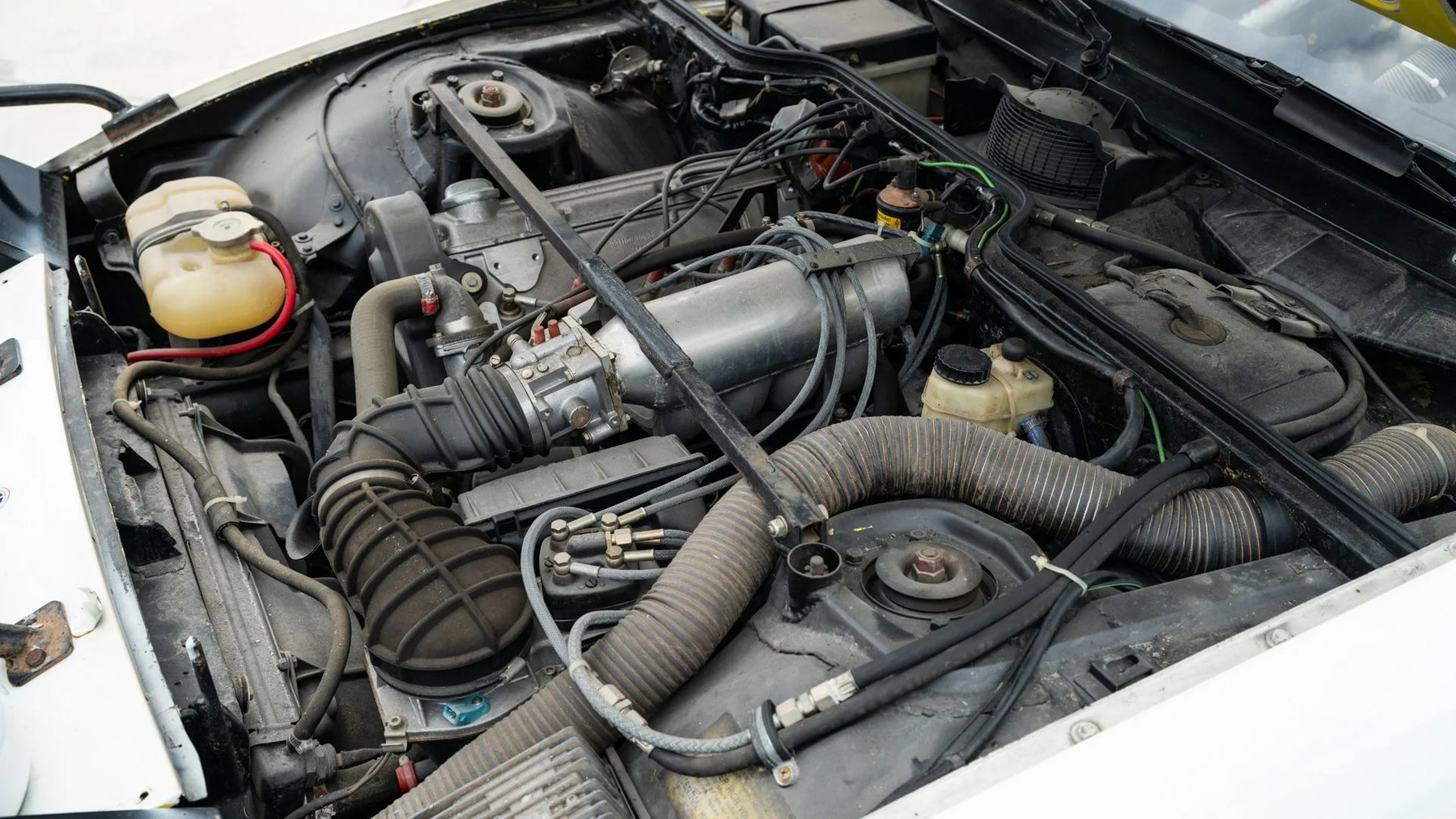
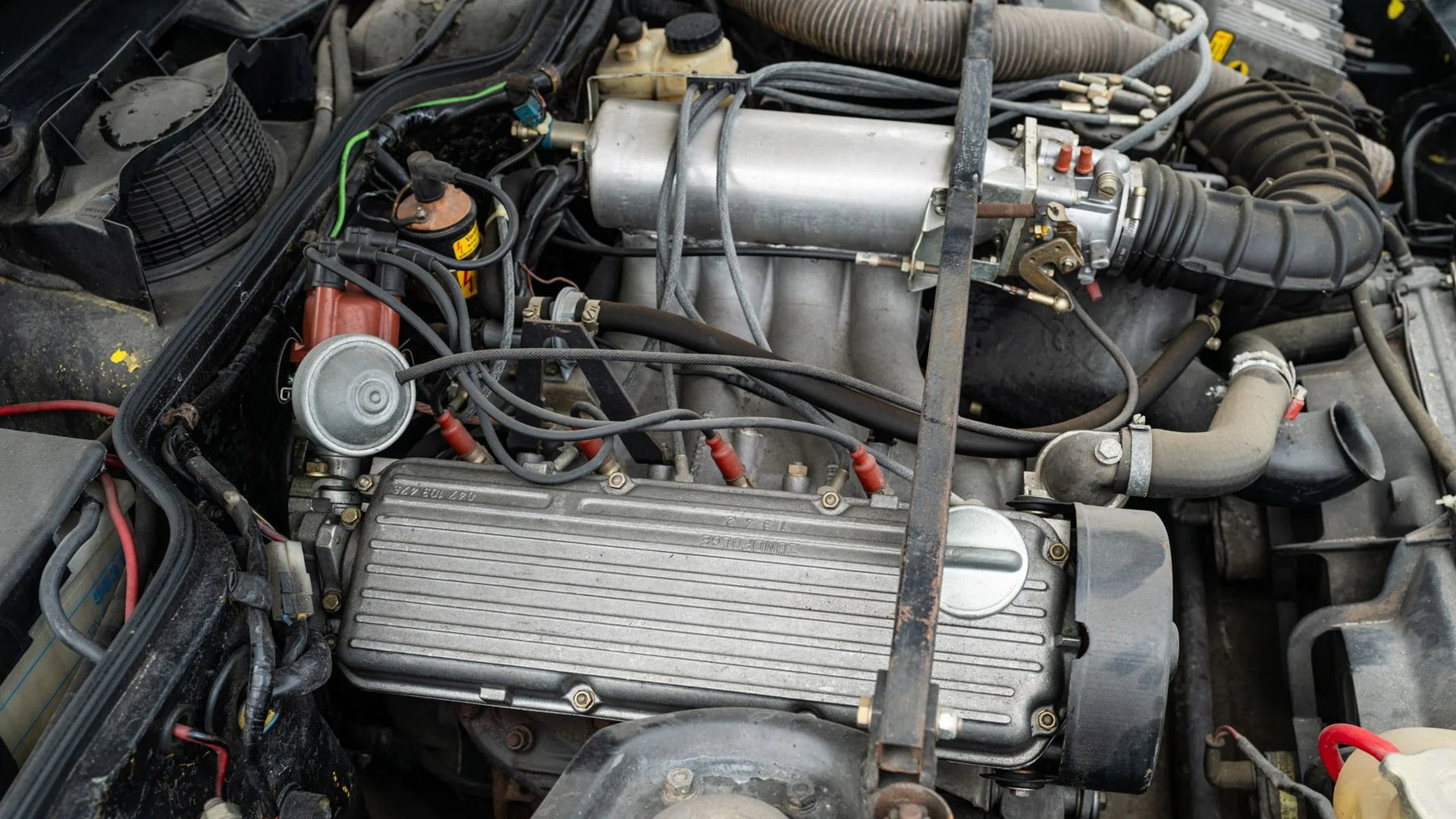
With both cars returned to Germany, paperwork offered with the sale of the car reveals that Barth handled the sale of chassis number 9248100015 to the world-famous French Porsche distributor Sonauto in December 1980. According to Jürgen Barth, L19 was acquired as part of a Paris-Dakar attempt and is likely why the turbocharged engine was removed and replaced with the naturally aspirated variant it retains to this day. Yet the trek through France and multiple African countries was not to be, and the car returned to Barth who placed it in the internationally recognized Technik Museum Sinsheim where it remained until 2022.
That year, Jürgen Barth, once again, guided the fate of this historic Porsche 924 Turbo, selling chassis 9248100015 to the consignor, a highly regarded collector of “one-off” special Porsche cars of significant importance. Naturally the Datacom 924 slotted in among Porsche’s finest racing and Sonderwunsch examples reflecting both sides of that same collection for Barth’s strong-willed desire to take Porsche back to international rallying in the late 1970s.
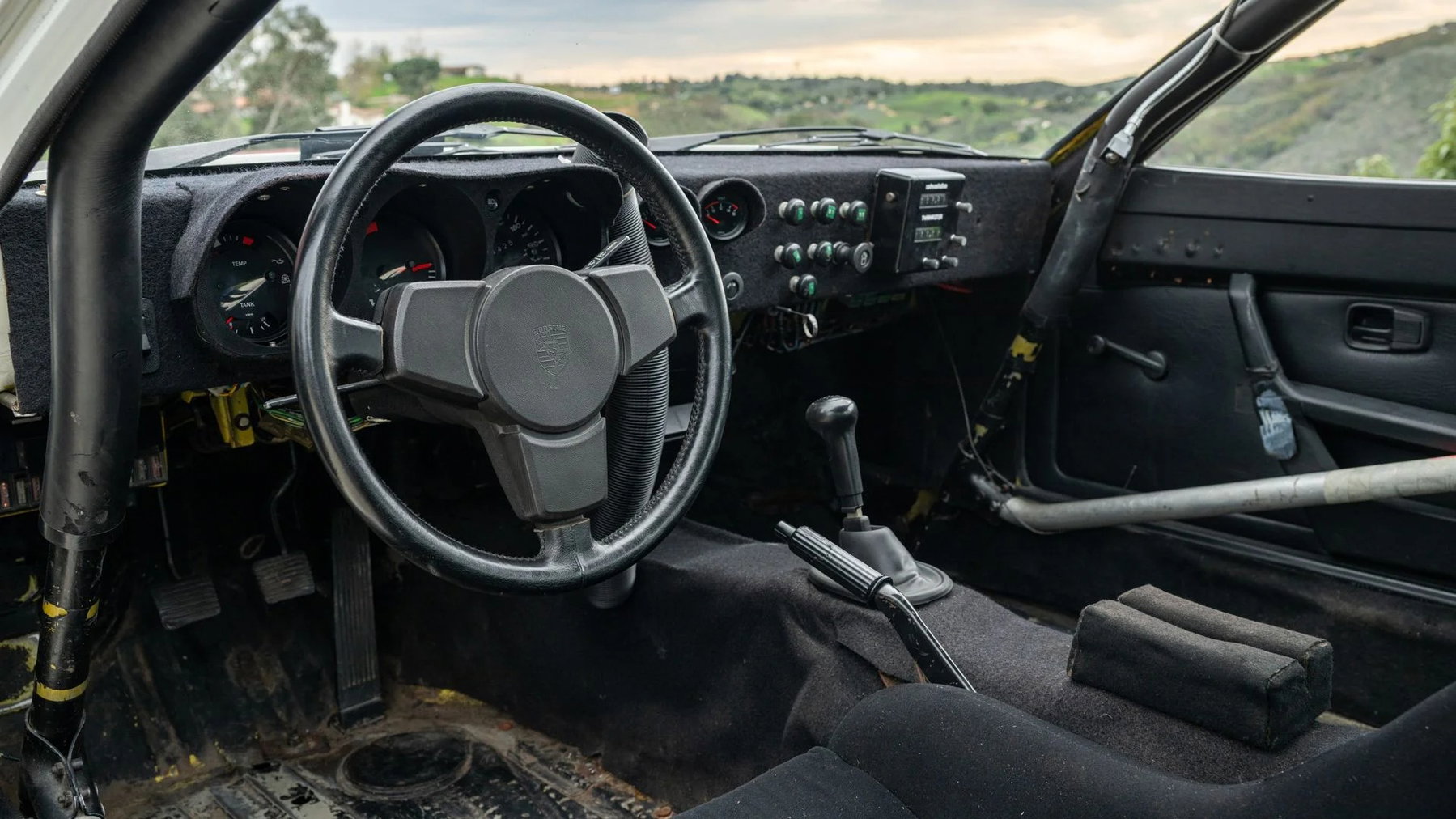
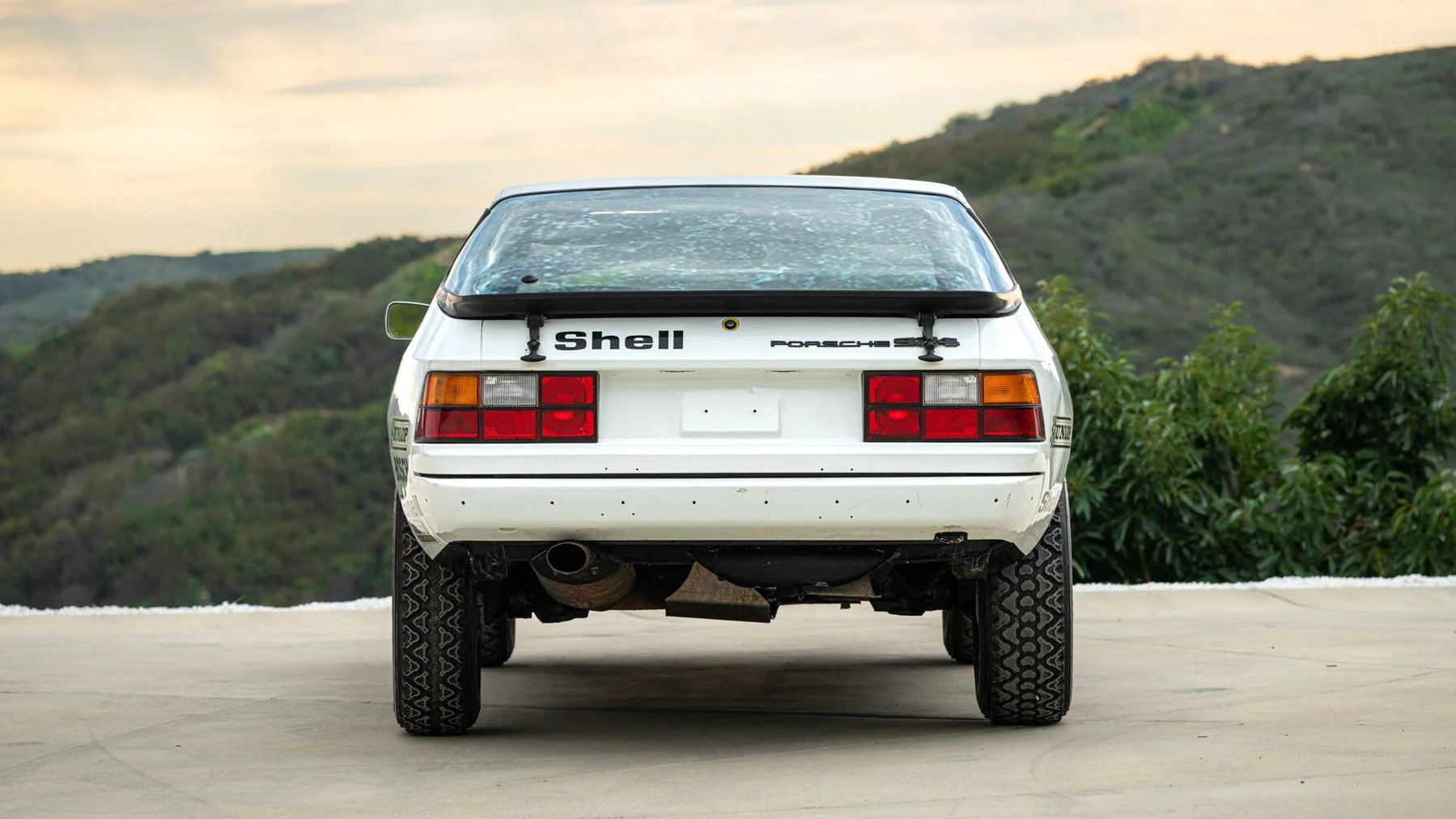
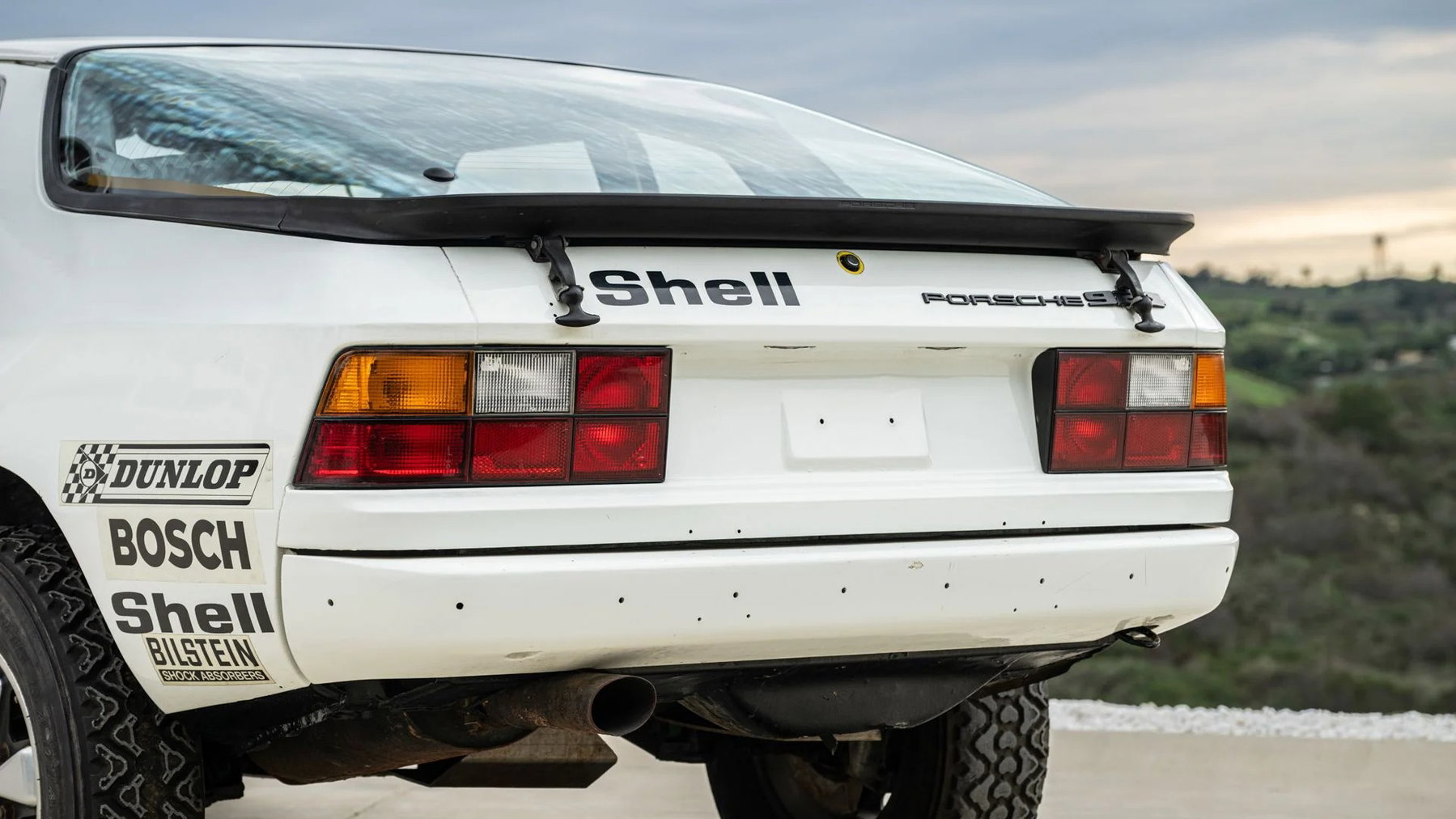
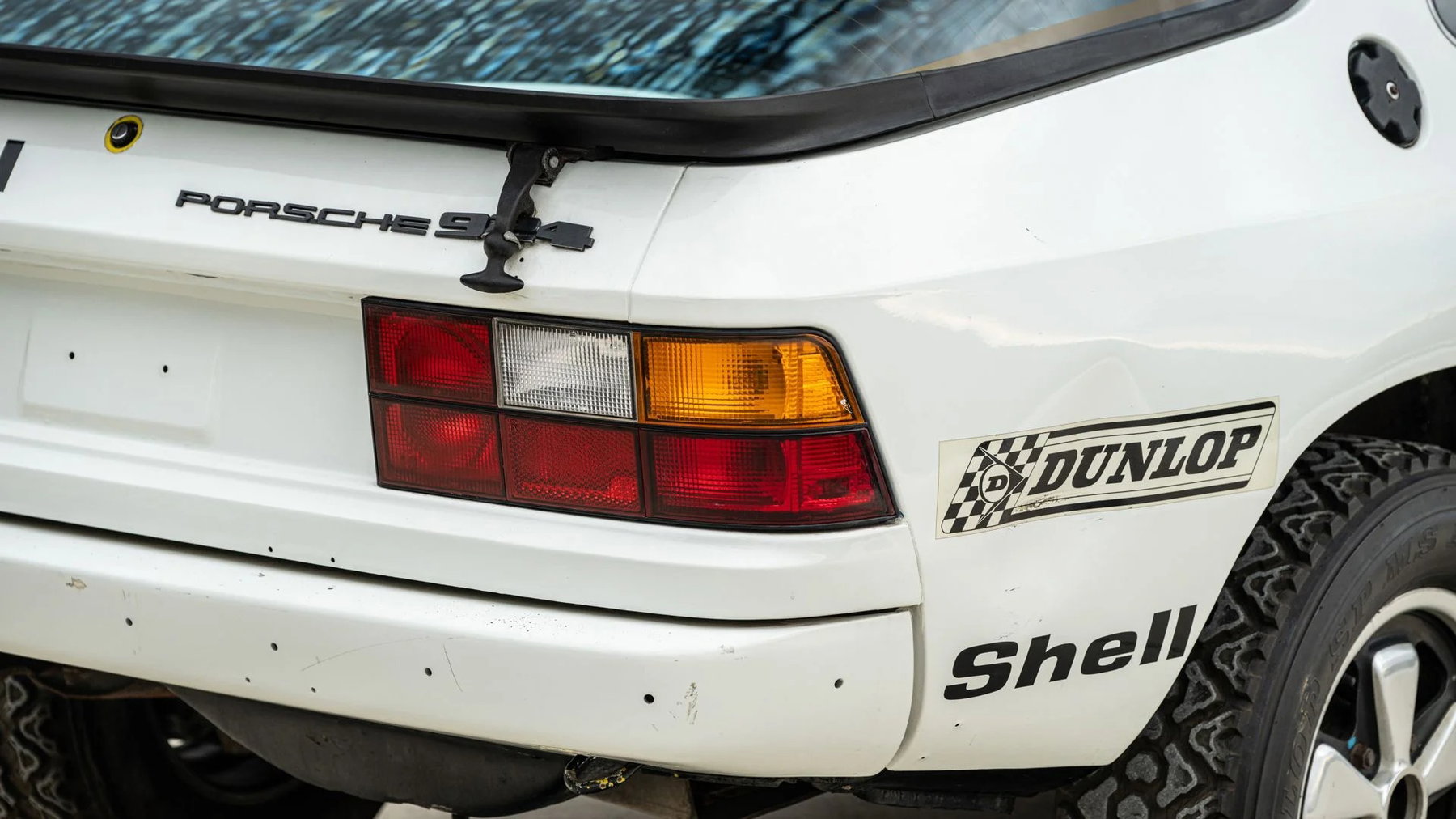
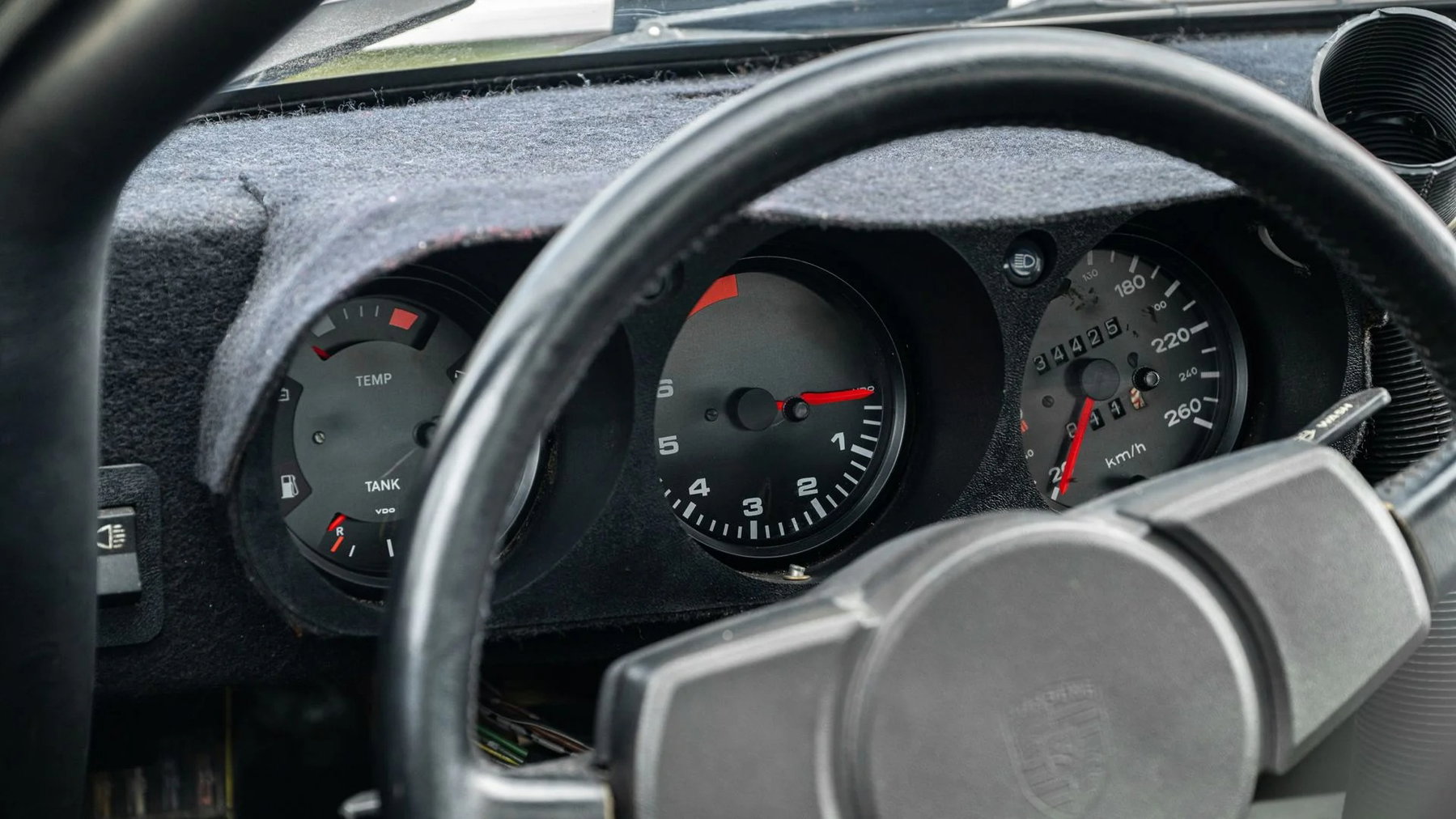
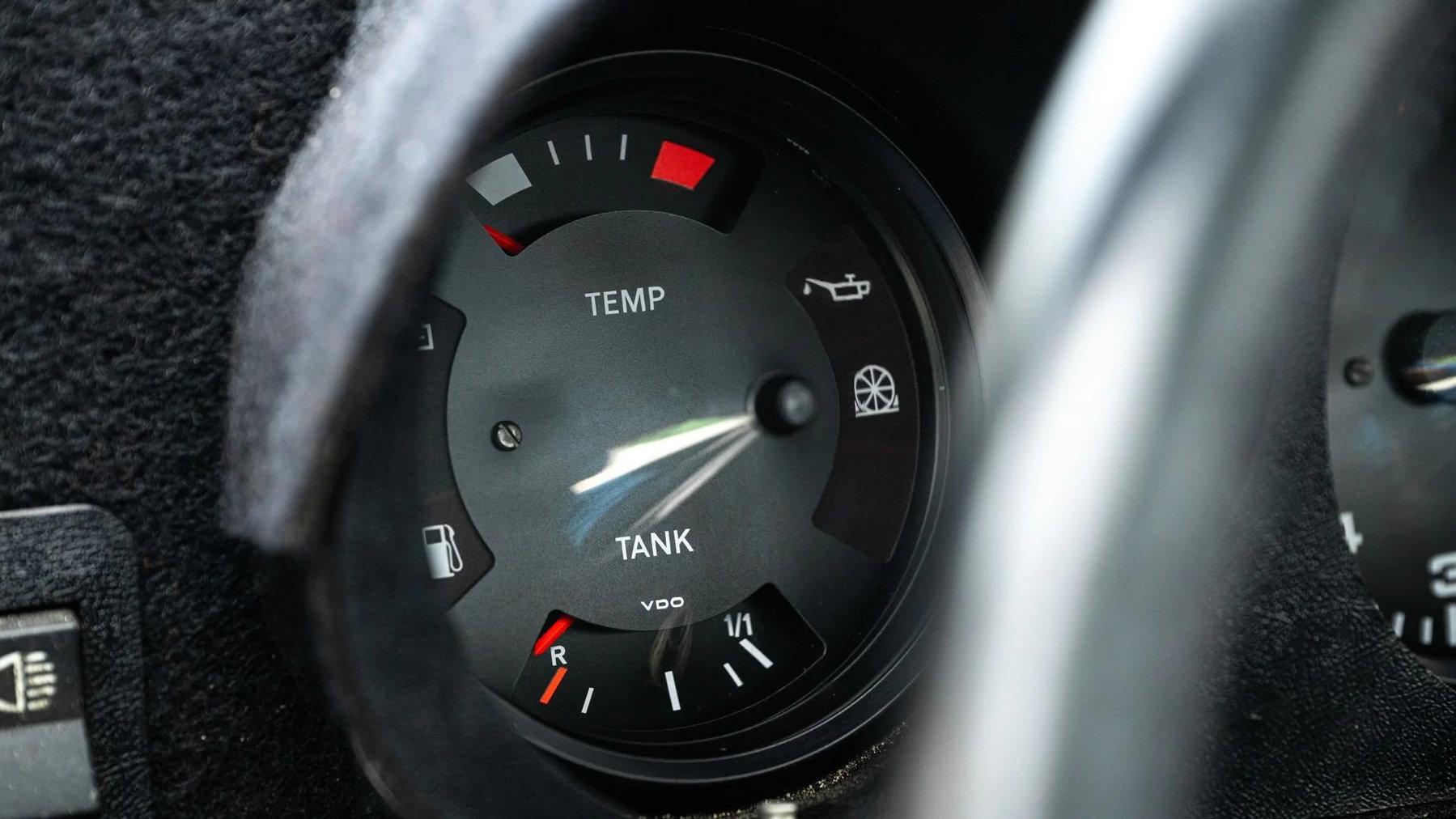
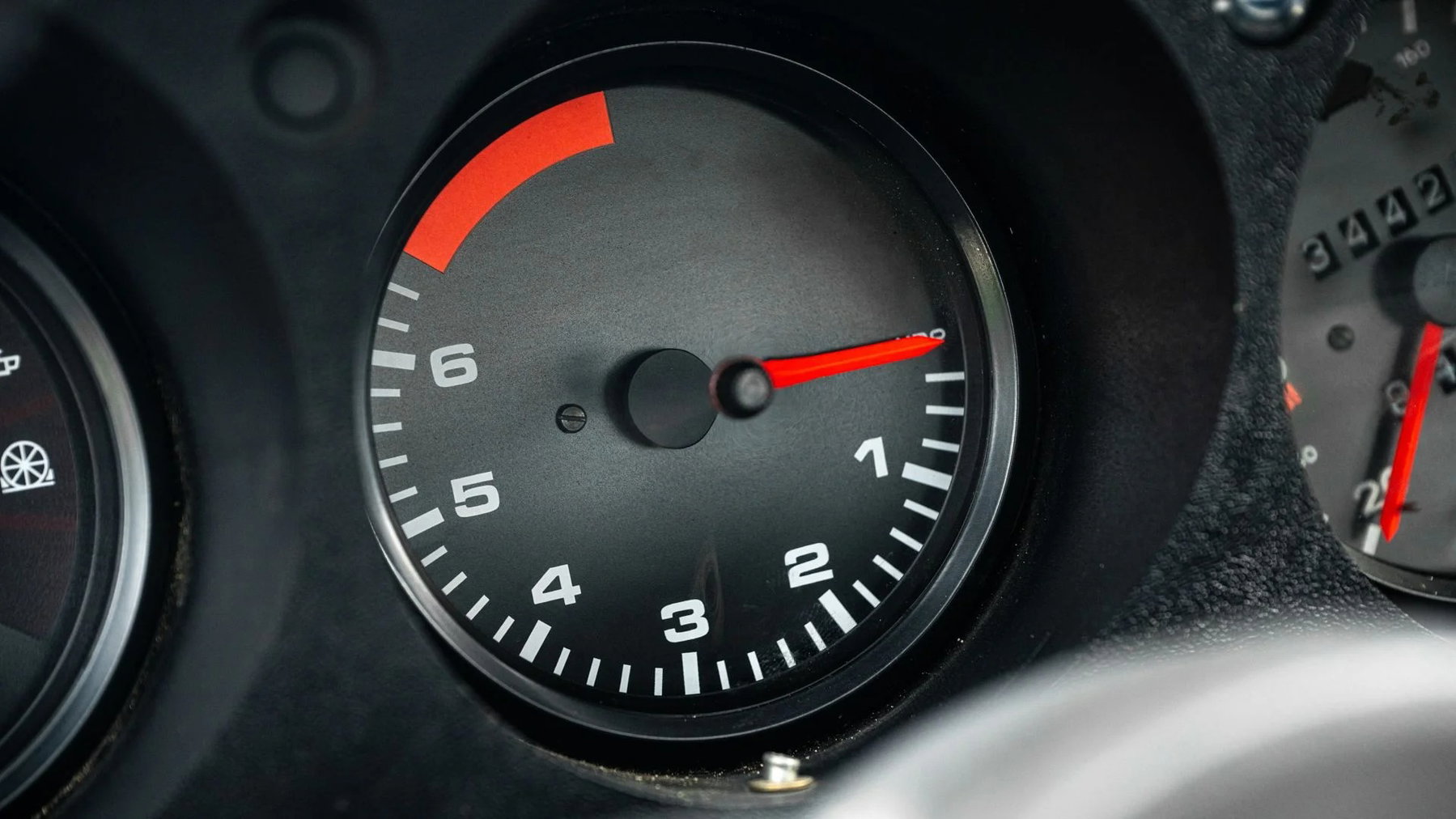
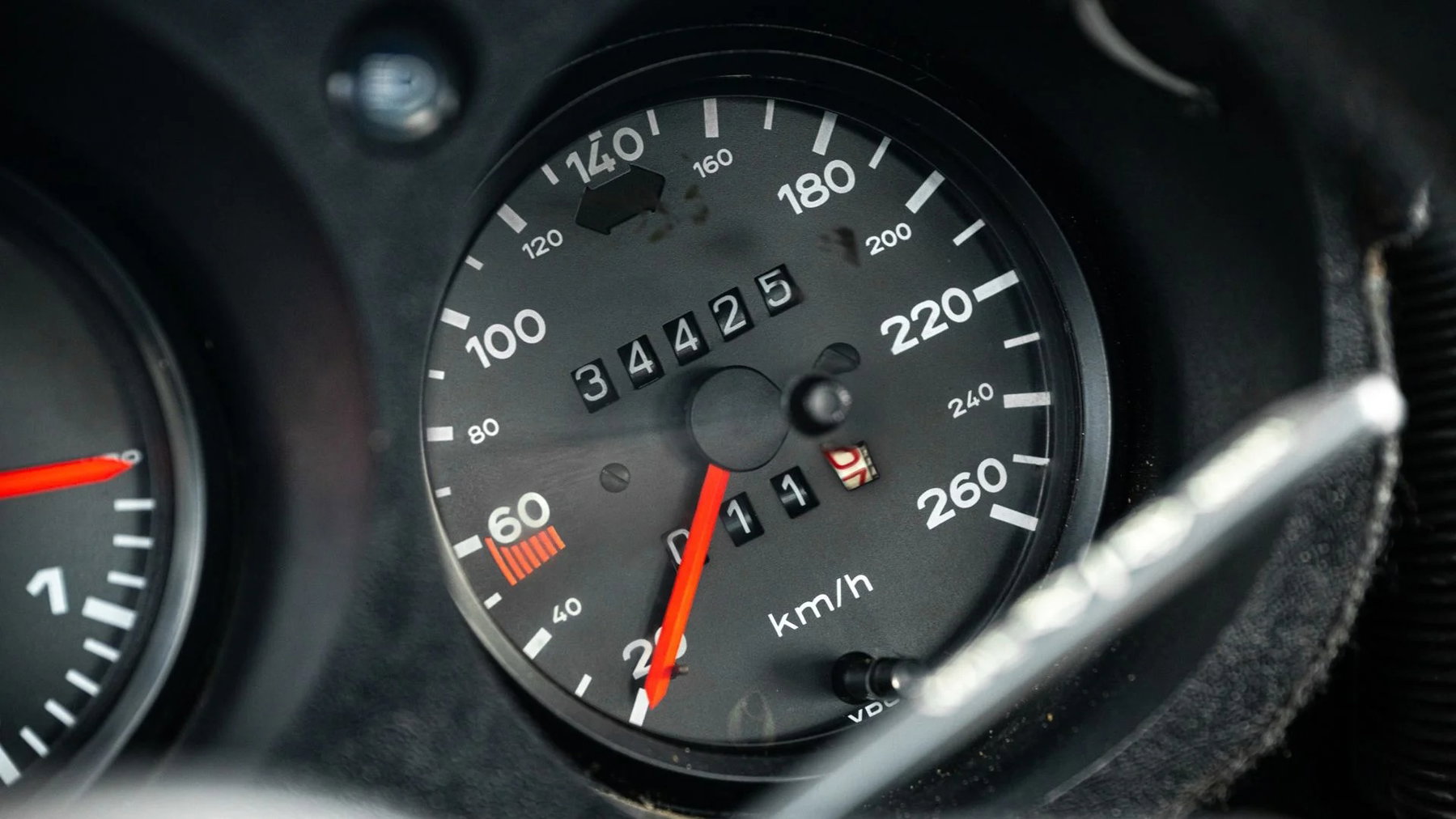
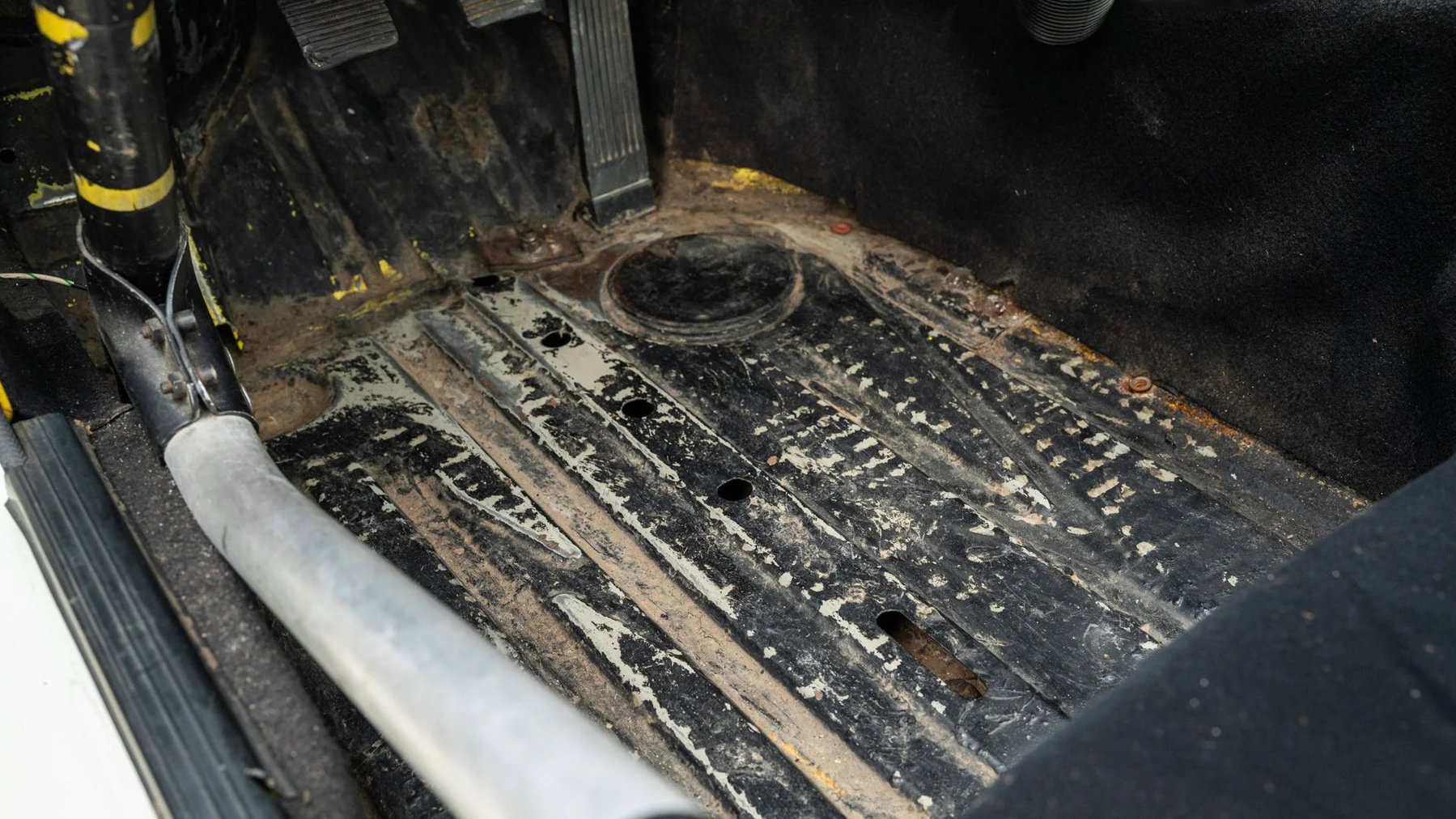
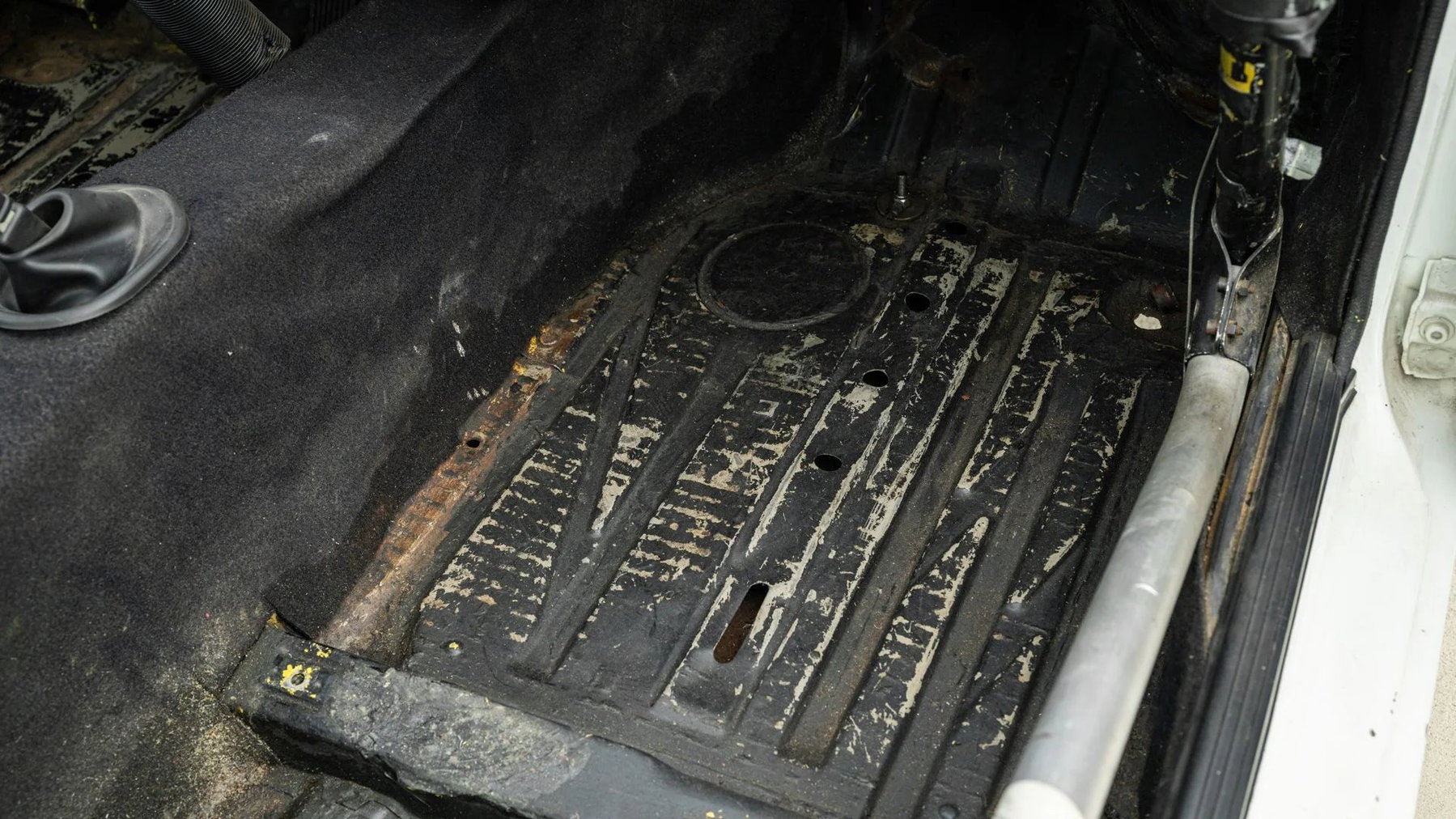
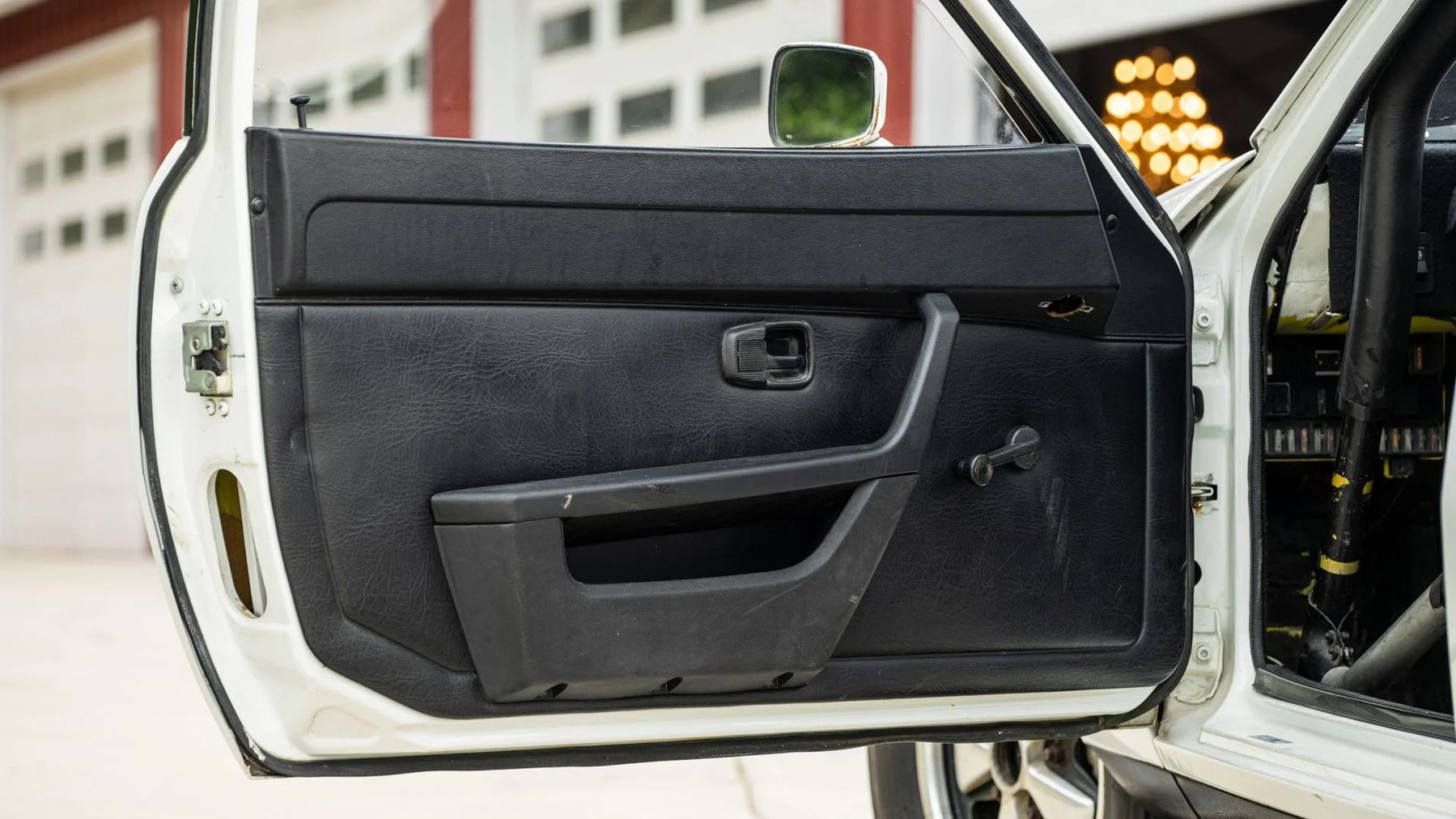
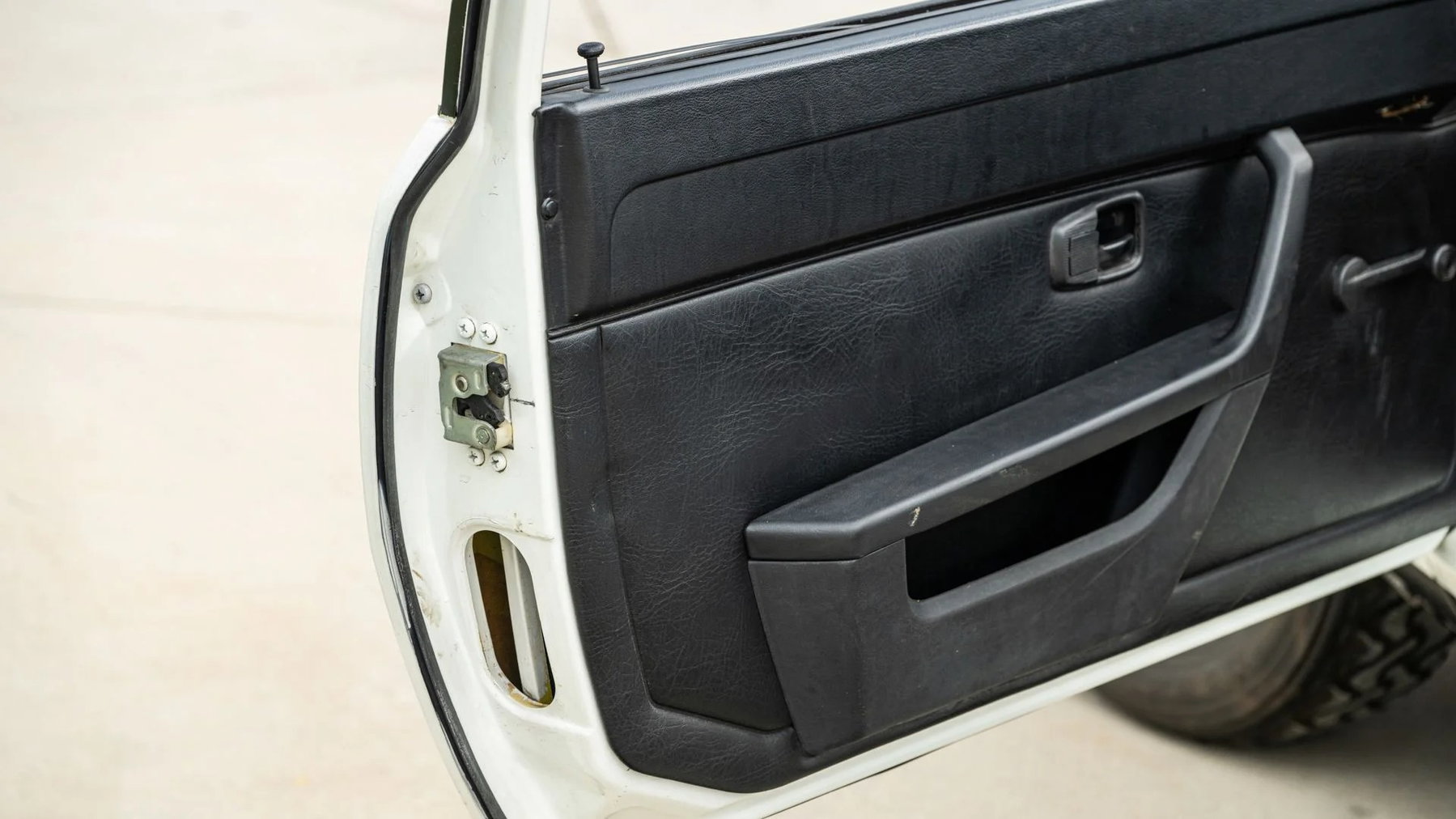
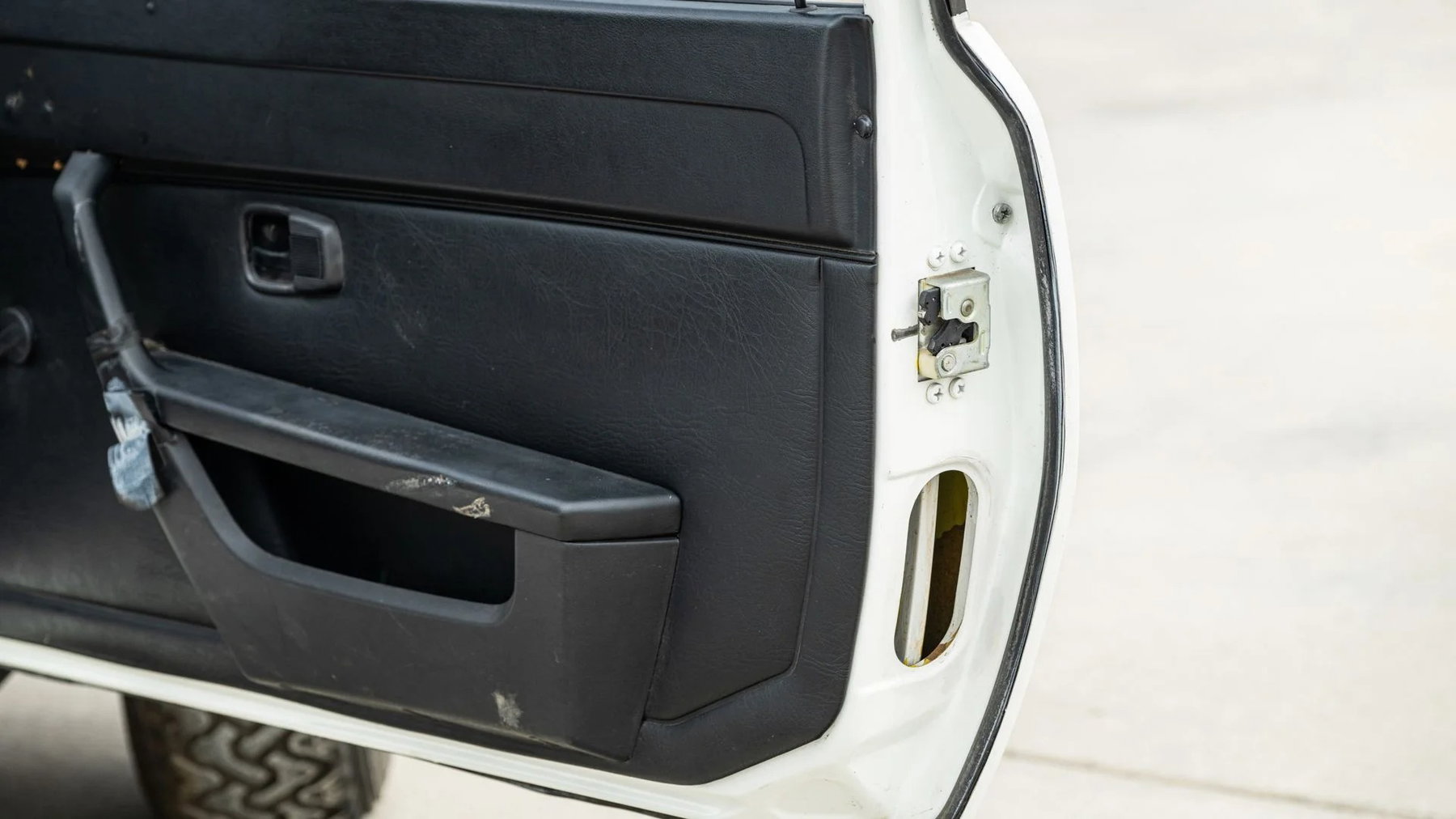
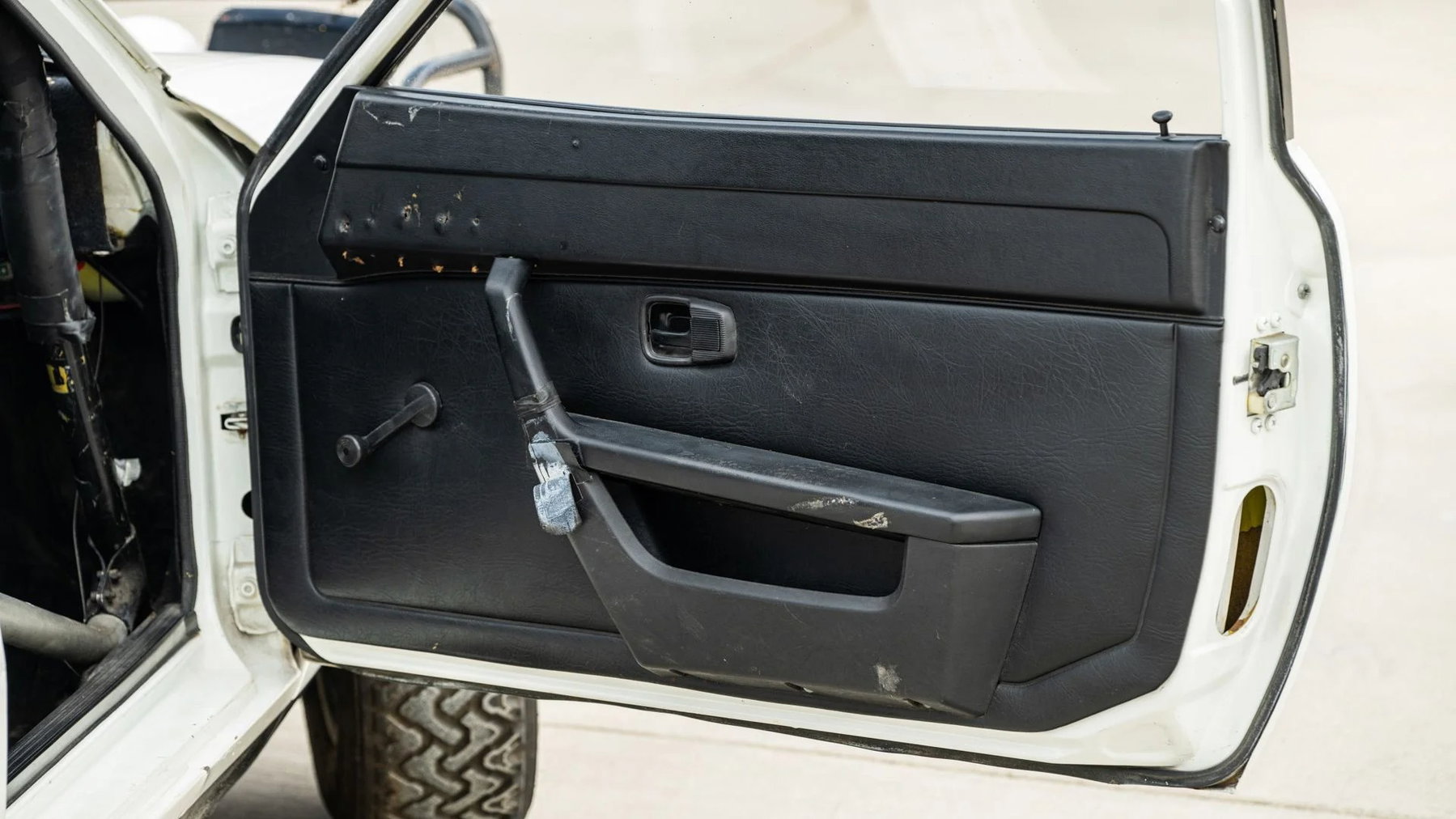
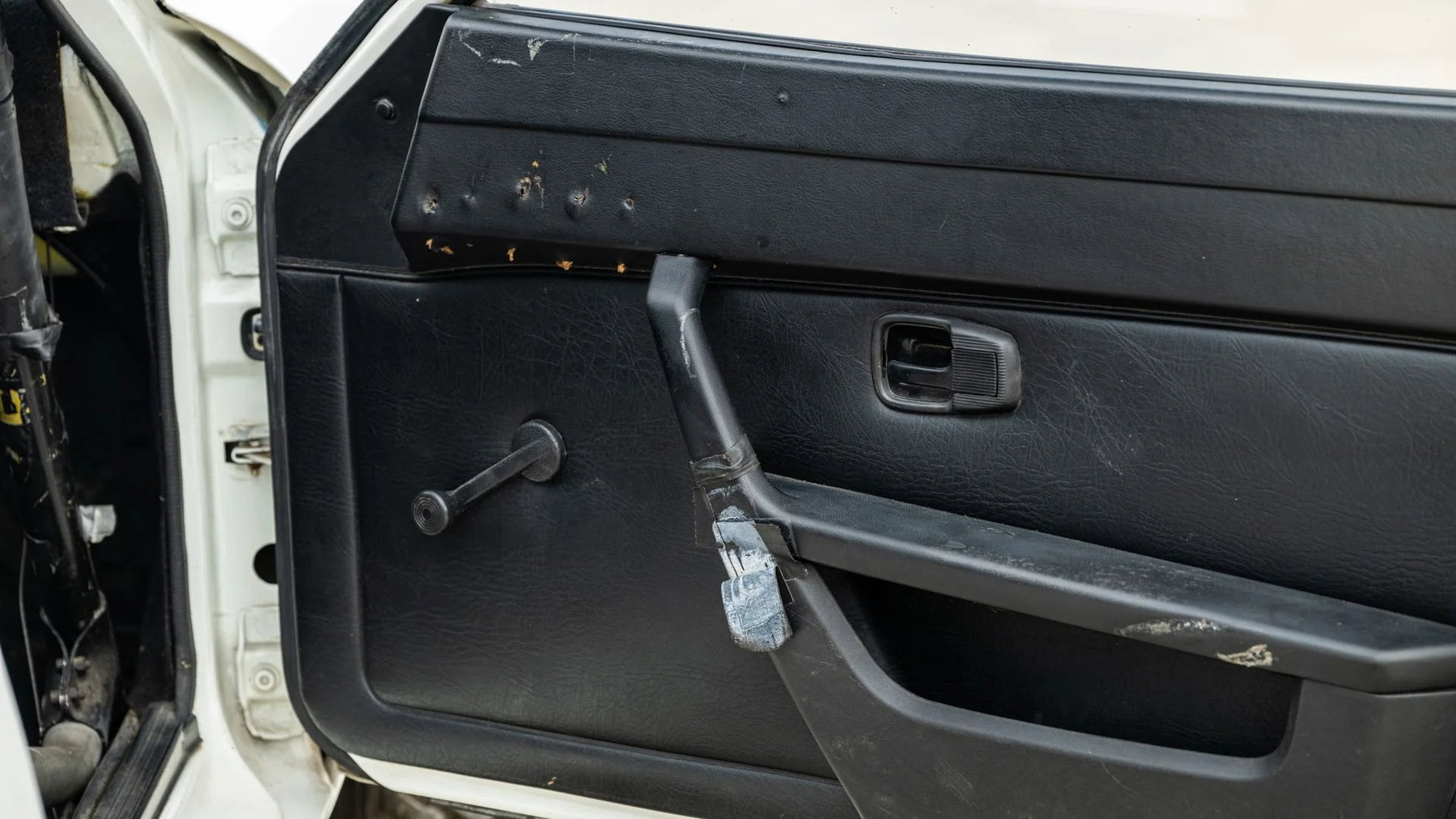
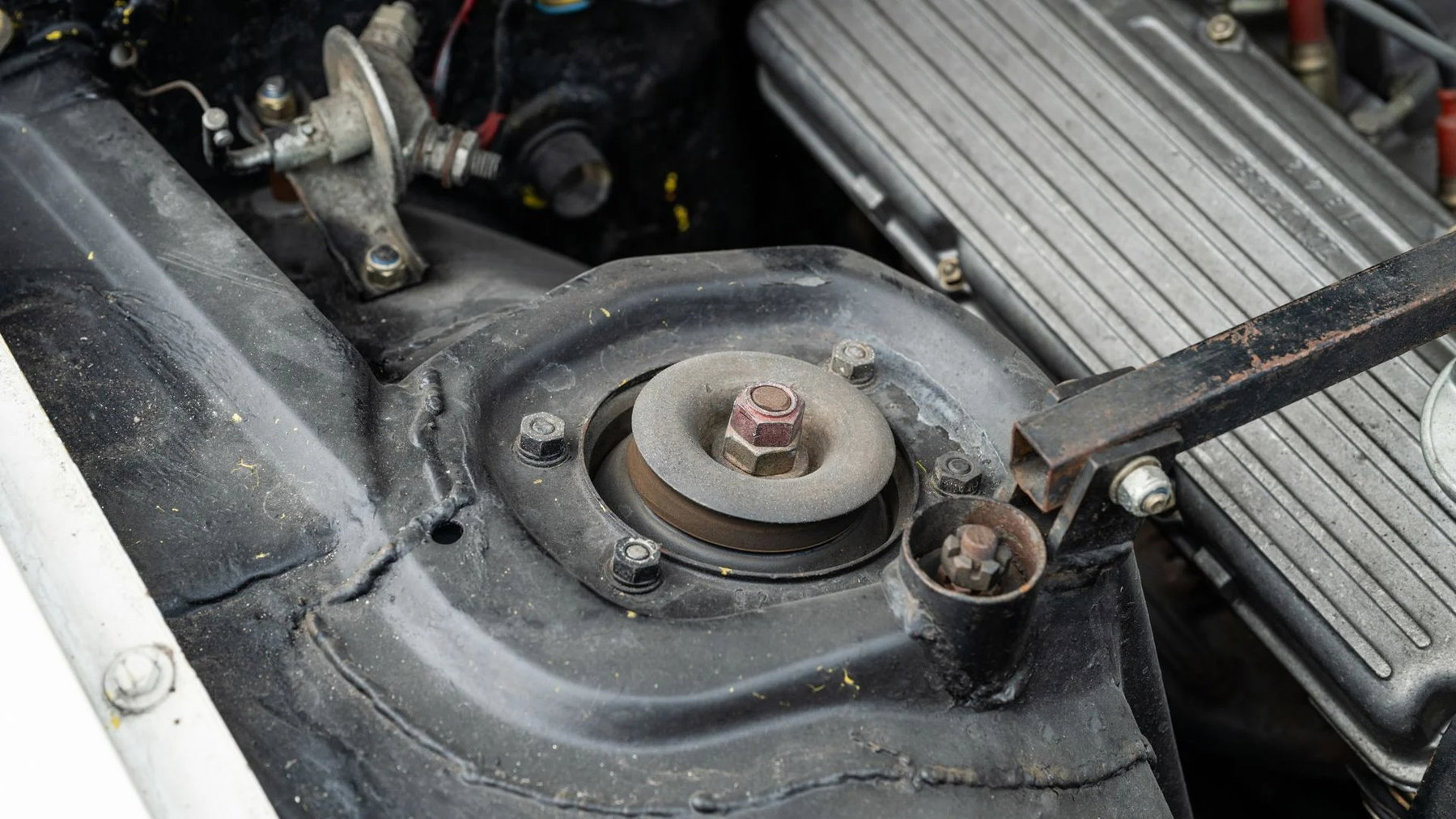
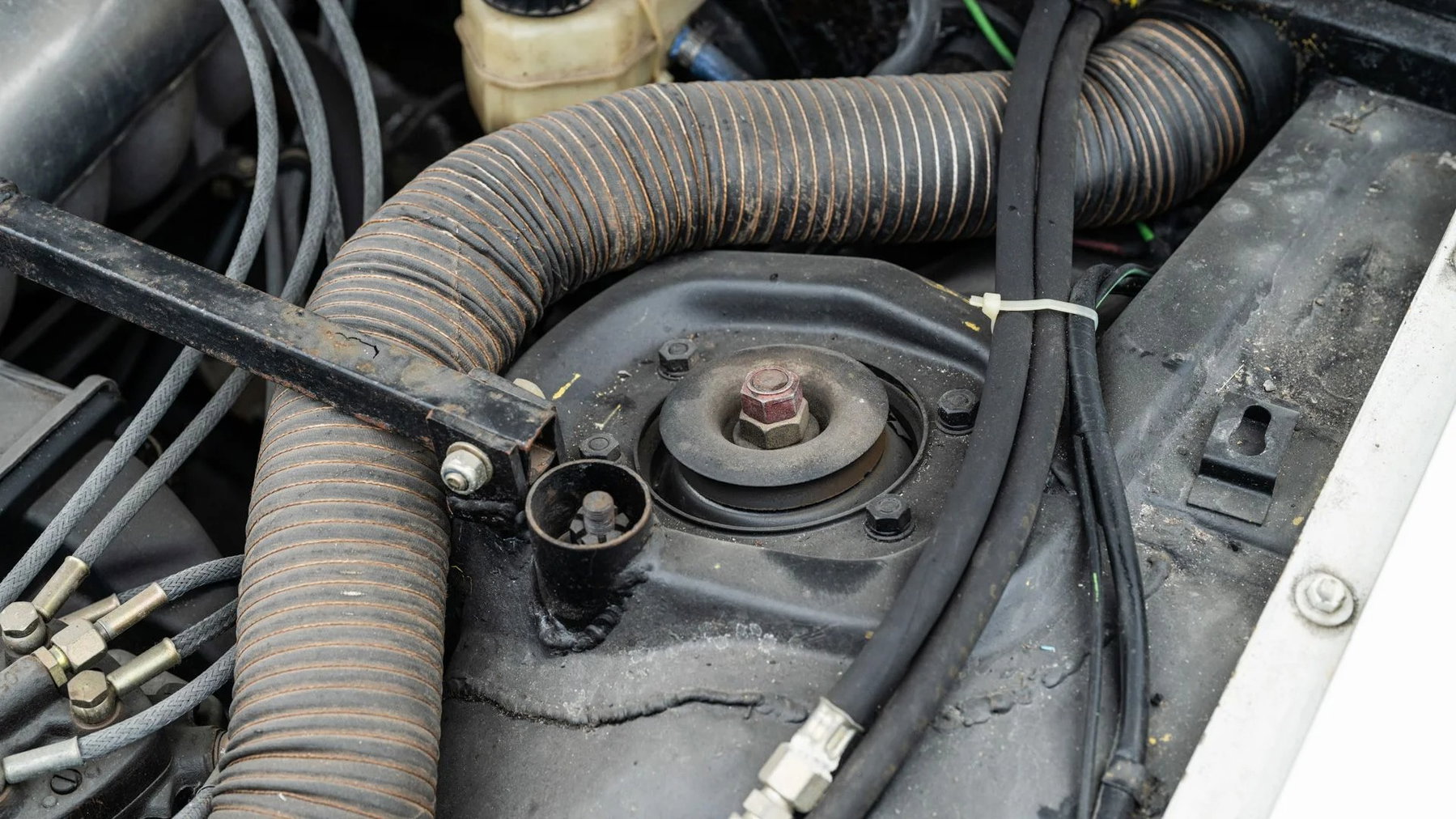
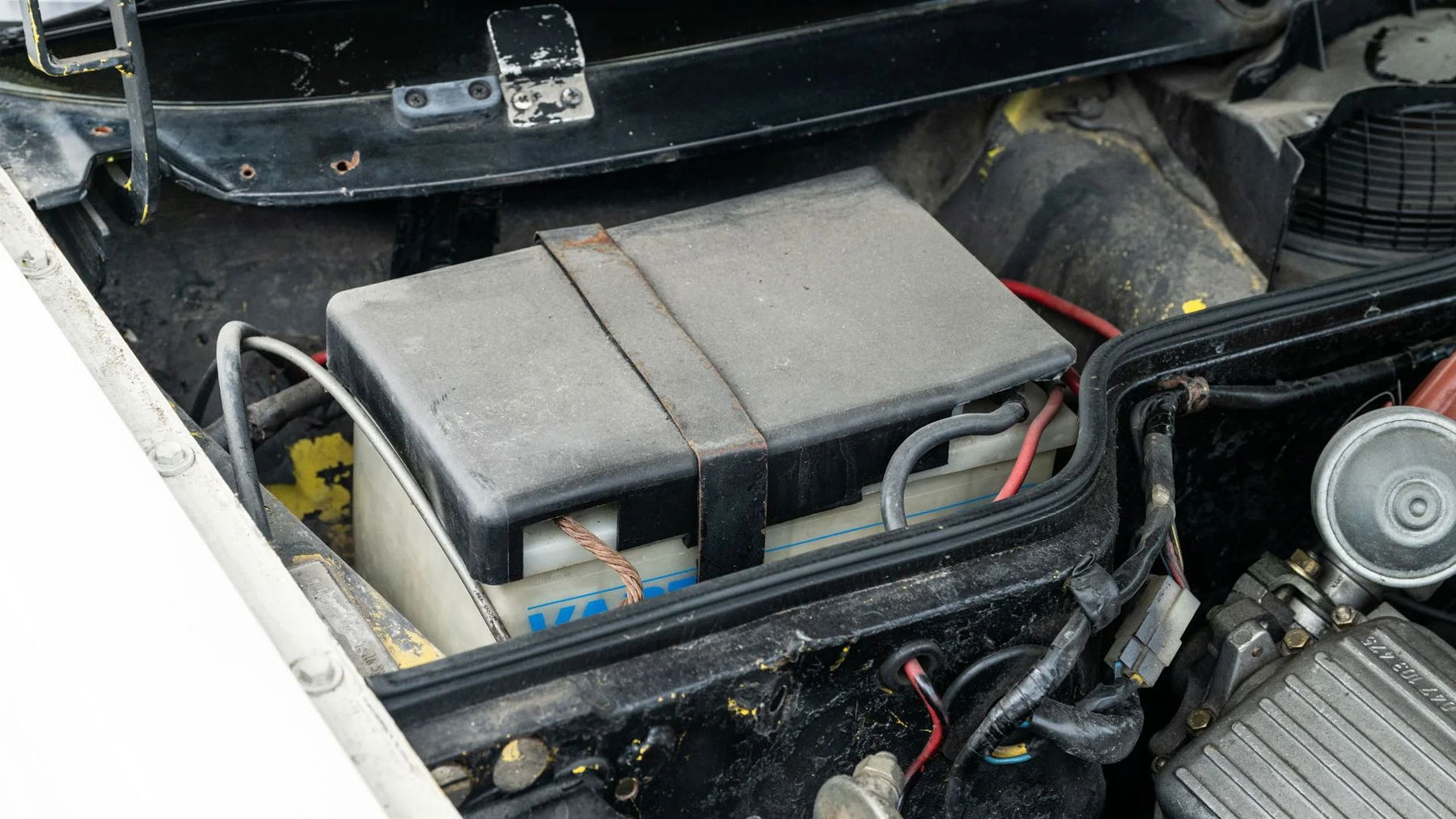
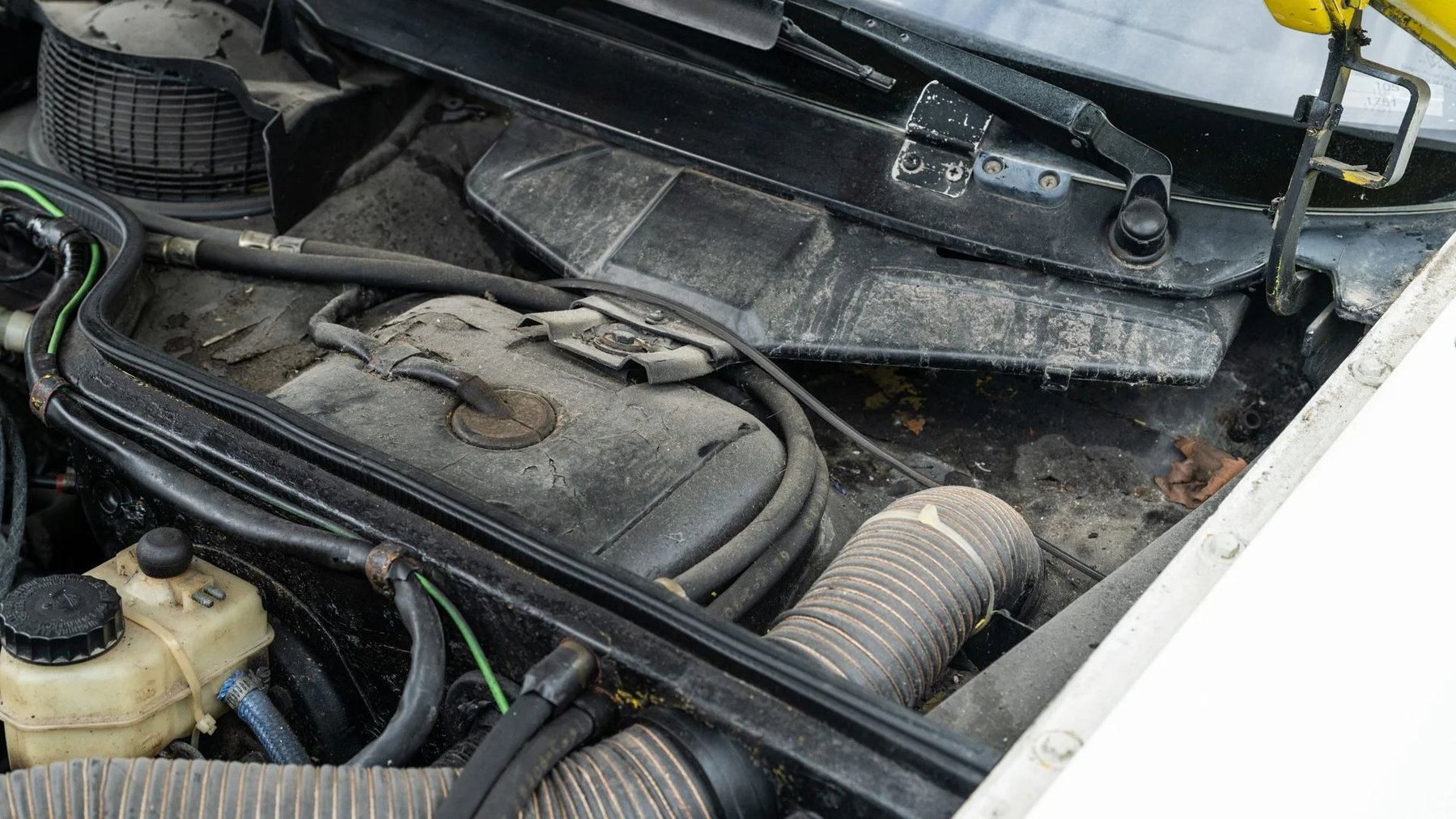
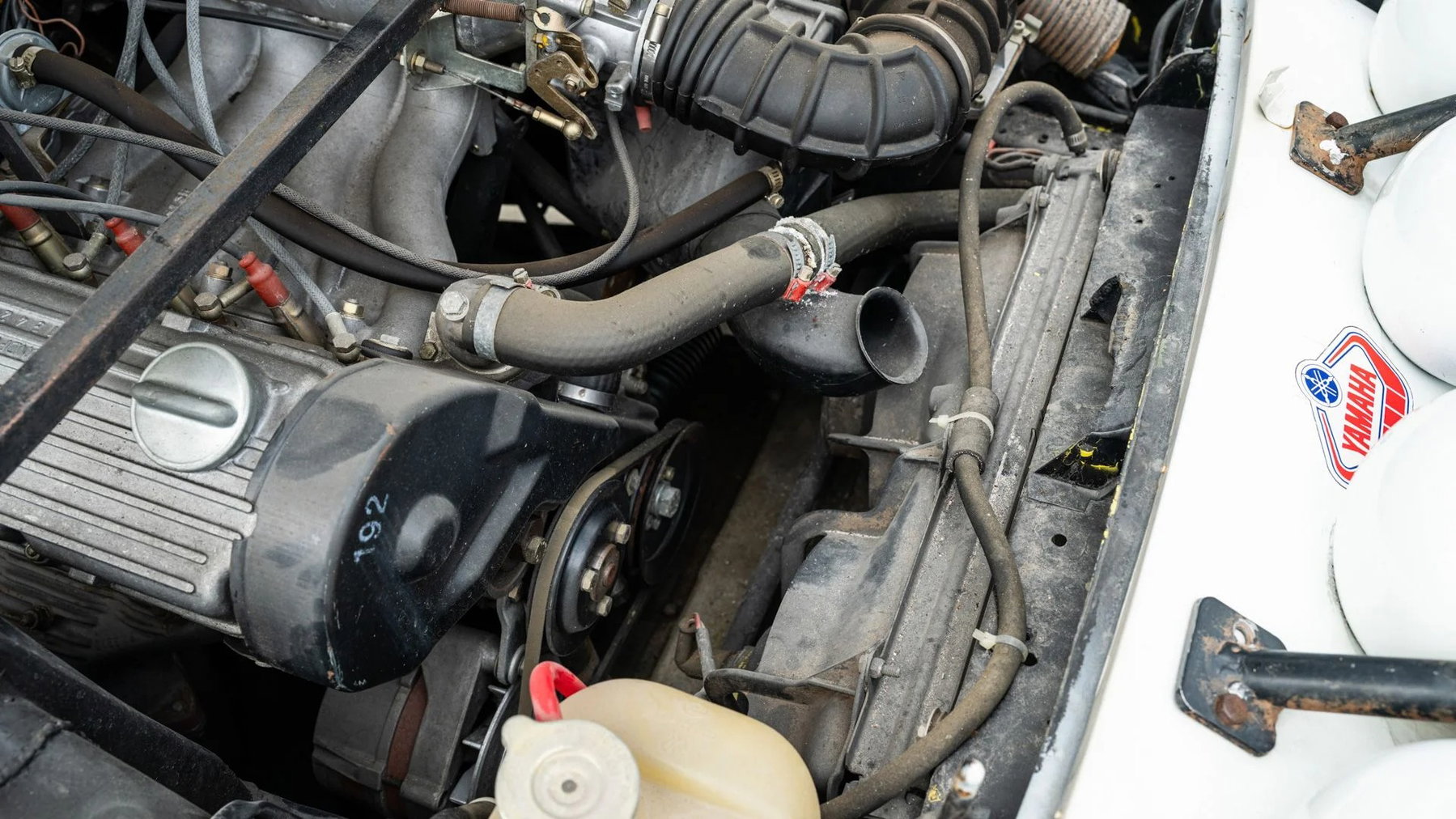
Today, this rare 924 Turbo development car turned Rallye Monte-Carlo and Kenya Safari Rally racer is offered as a nearly untouched artifact from its days rallying in the late 1970s. It is incredibly original with its battle-tested components and original “924 L19” internal number sticker and as a result of its incredible “as-raced” presentation it will require thorough sorting depending on its newest owner’s wishes should they include a return to the road or historic rally stage. In fact, given its well-known Monte-Carlo history, the Turbo Porsche would no doubt be welcomed with open arms by Ferdi Porsche and his FAT International Ice Race team in Zell am See, Austria or their Big Sky, Montana event that looks to be an annual fixture.
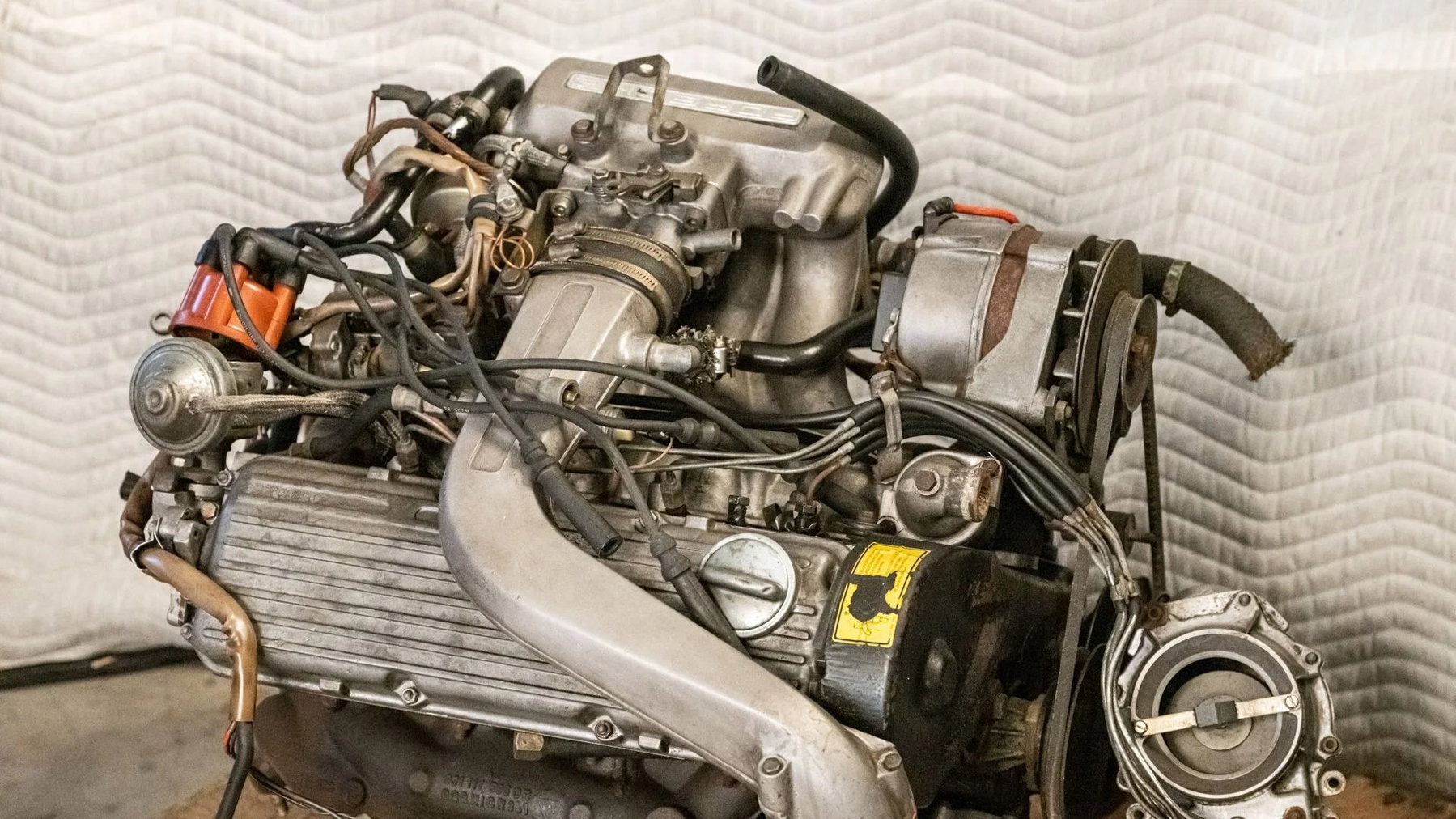
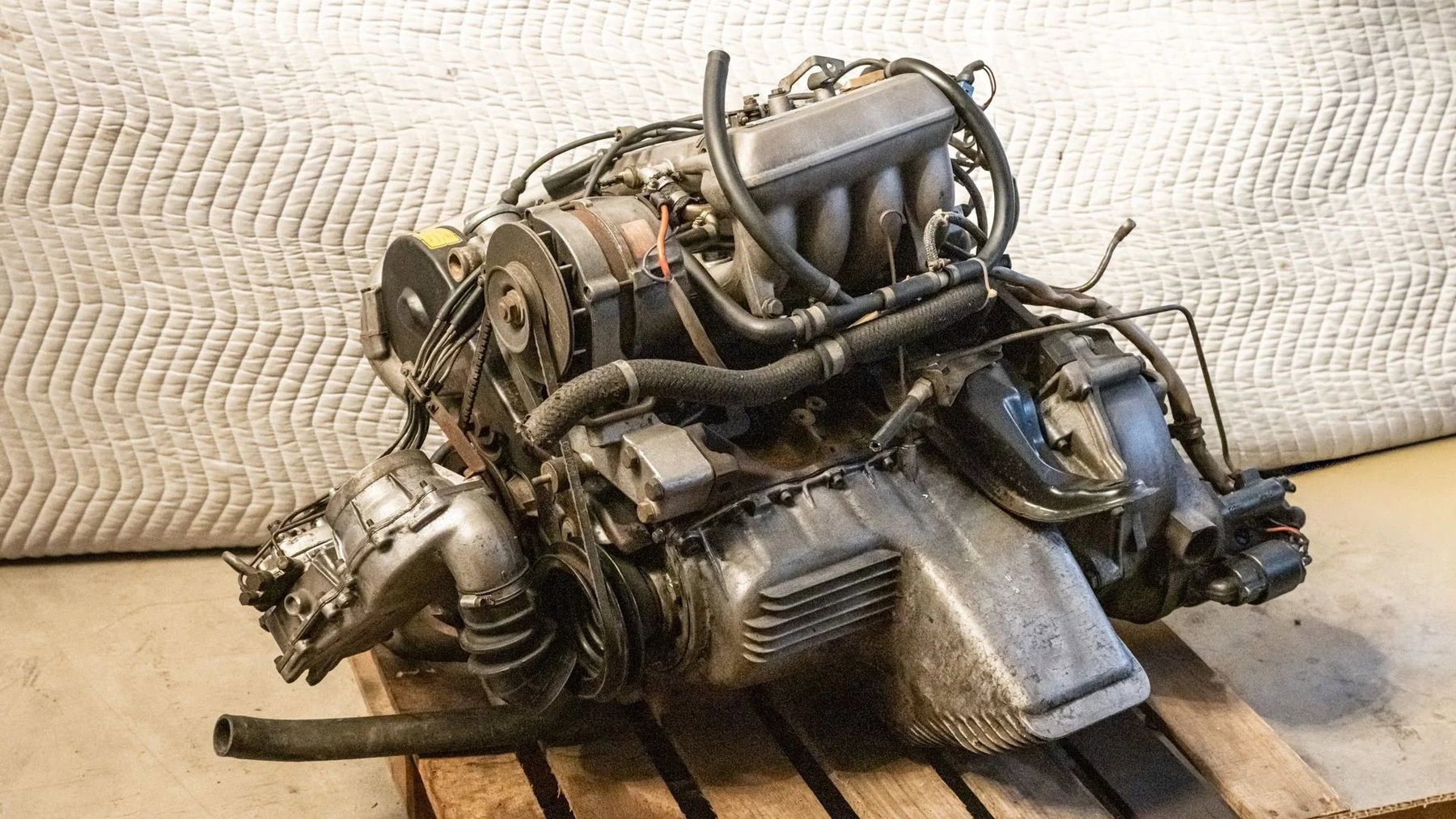
In furtherance of its original Turbo development and Safari Rally specification, L19 is offered with a spare turbocharged M31/01 924 engine should the new owner opt for a boost in power. In addition, this 924 Turbo Datacom rally car is offered with an impressive history file with its original German Fahrzeugbrief, historic paperwork, digital and physical race imagery and more.
Continue reading







 1981
1981 
 1979
1979