The Porsche 911 930 Turbo was the brand’s first production car equipped with a turbocharged engine. It began in 1975 with the 3.0-liter engine, which was enlarged to 3.3 from 1978 onwards.
With the introduction of the 964 generation in 1989, the 911 received a new 3.6-liter engine. Unfortunately, this engine wasn’t yet ready for the addition of a turbocharger, so all 964s were delivered with a 3.6-liter engine, except for the Turbo model, which still had the old 3.3-liter engine (with turbocharger).
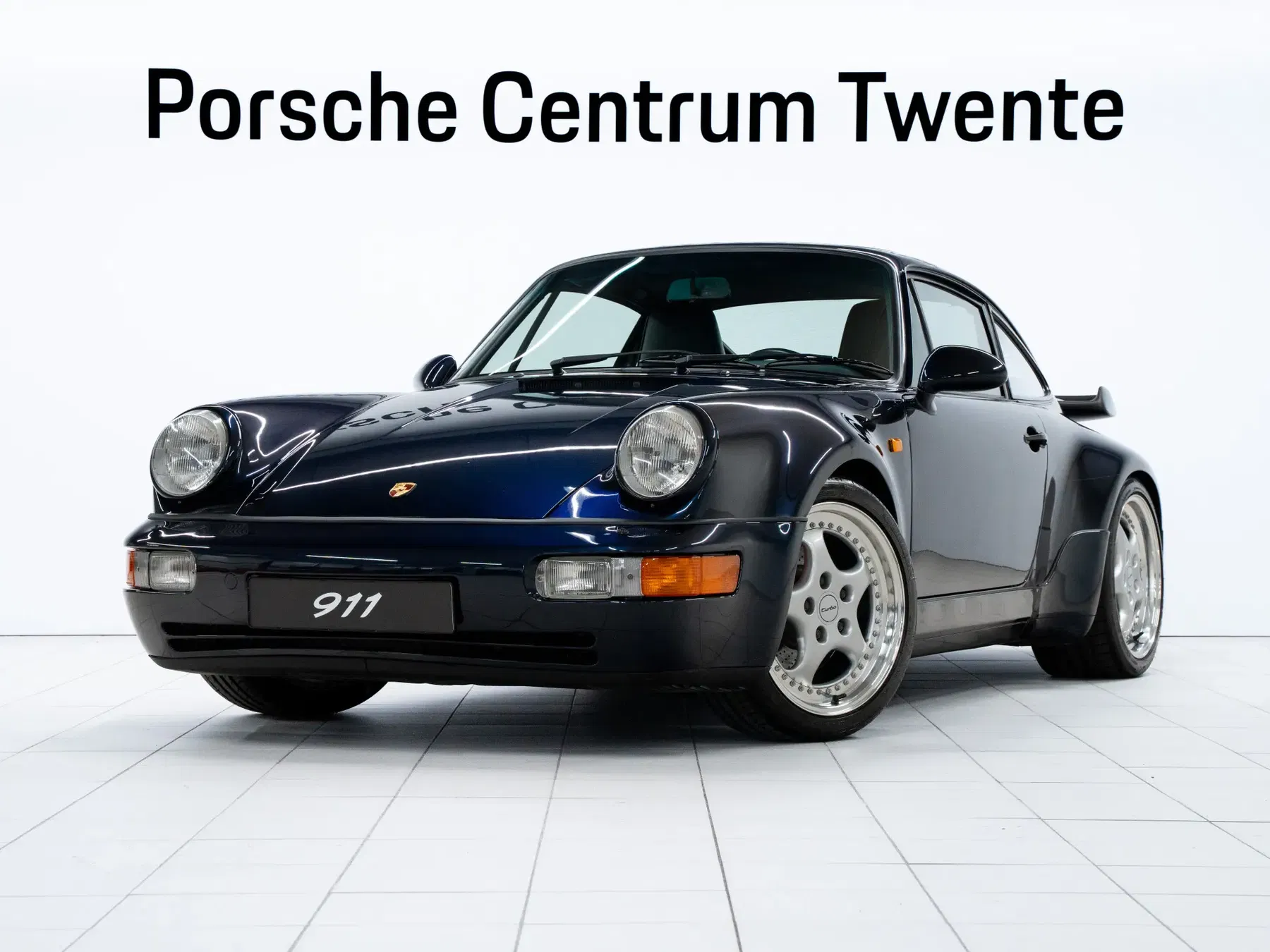
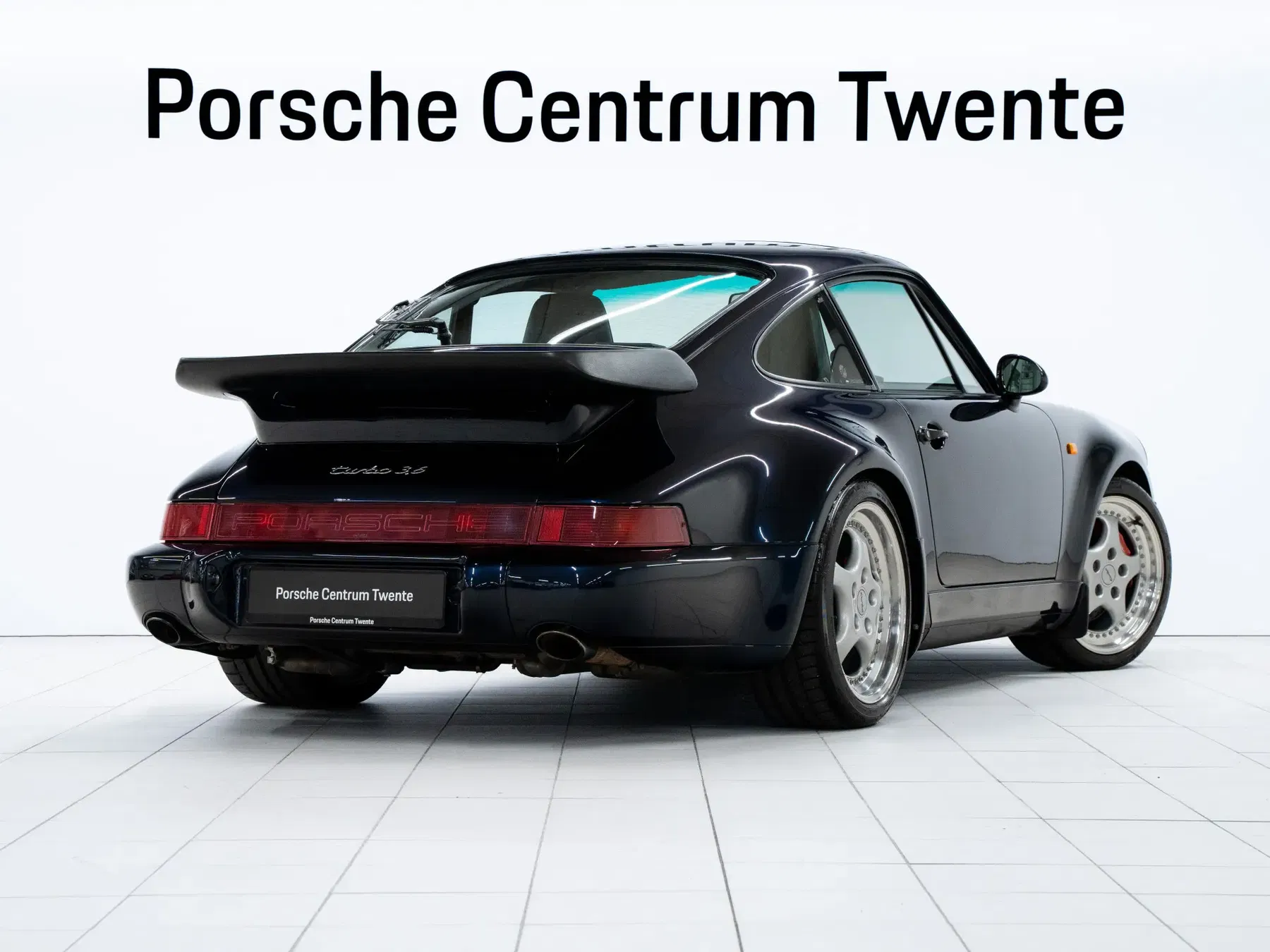
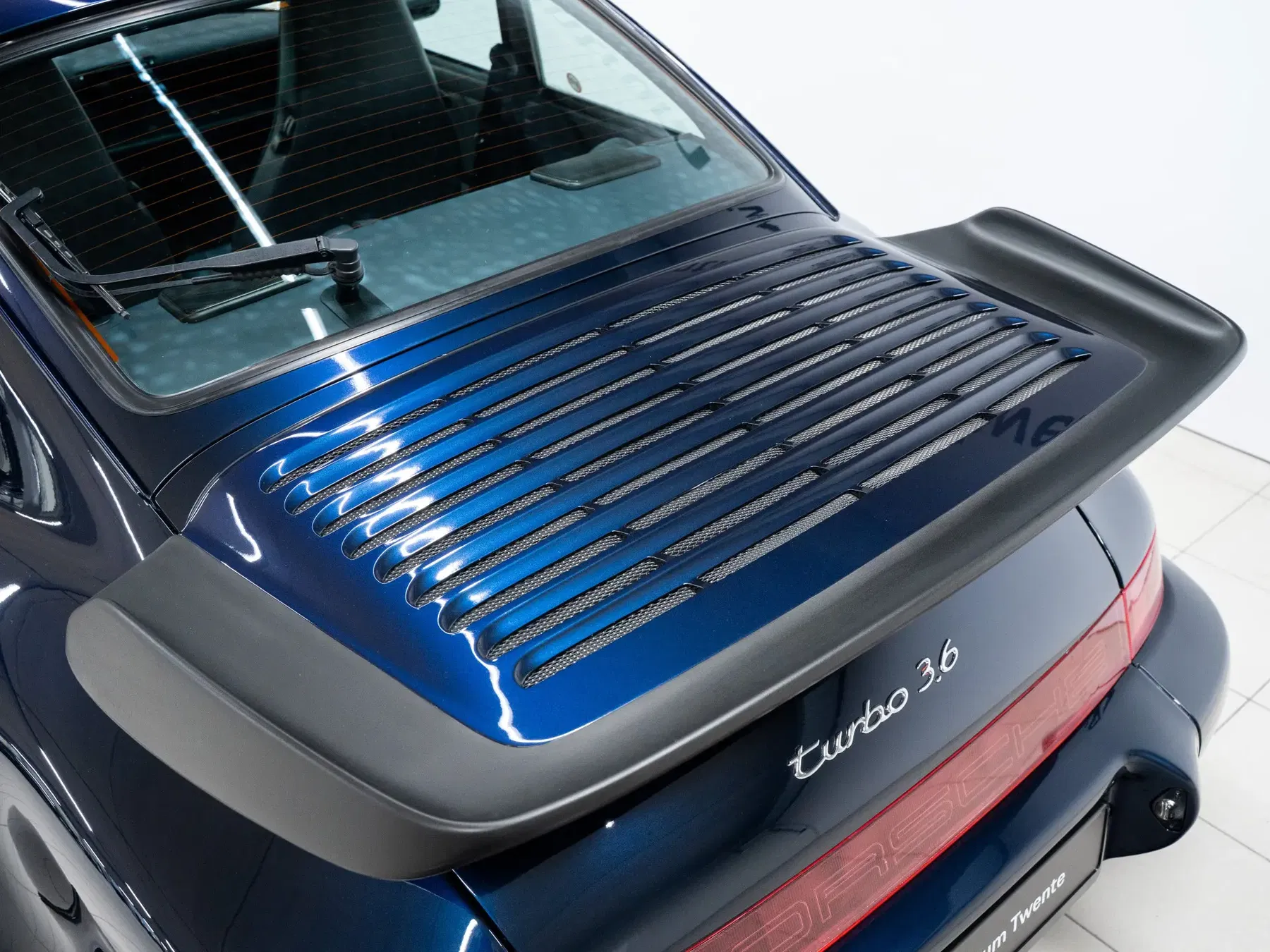
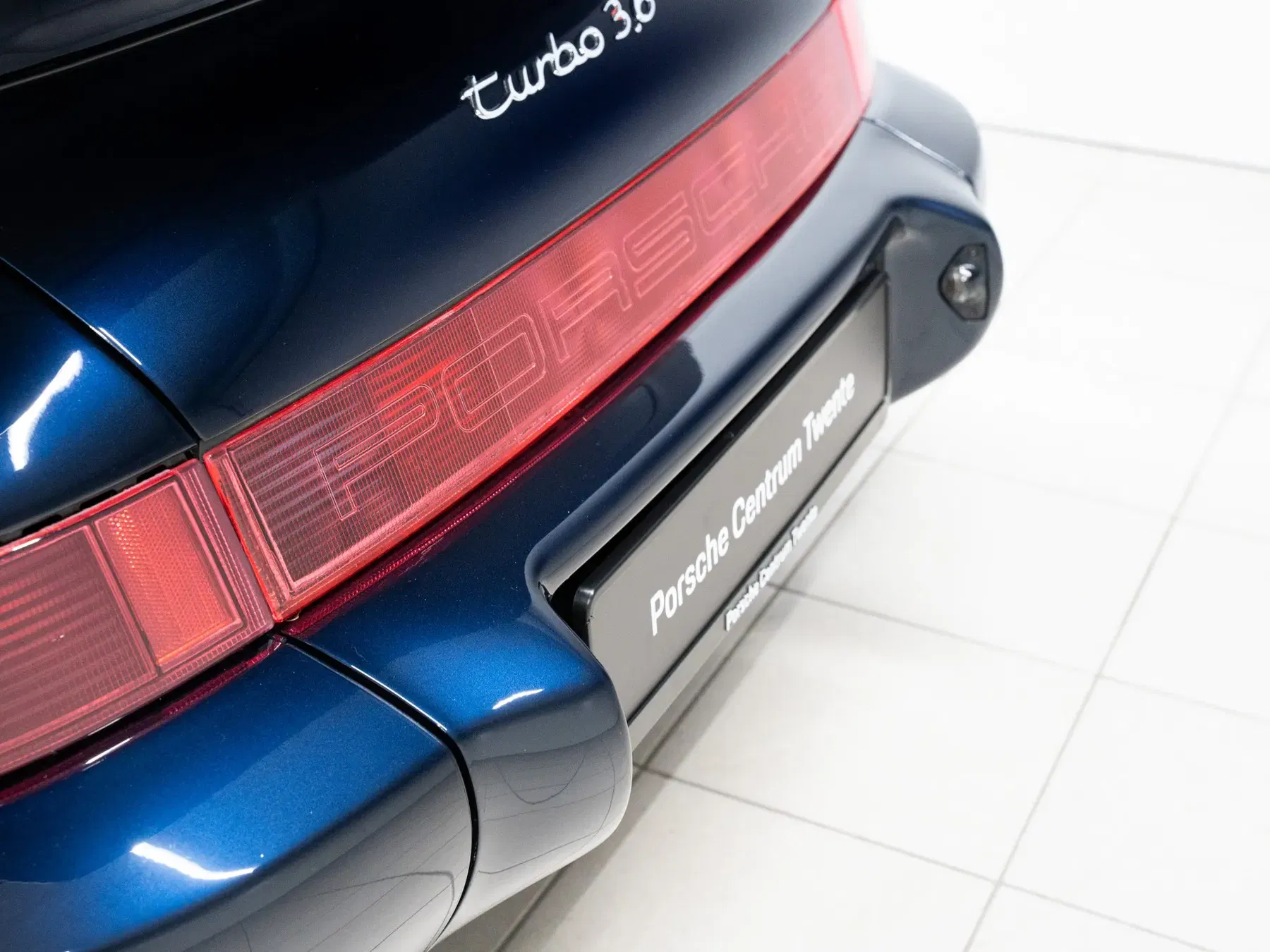
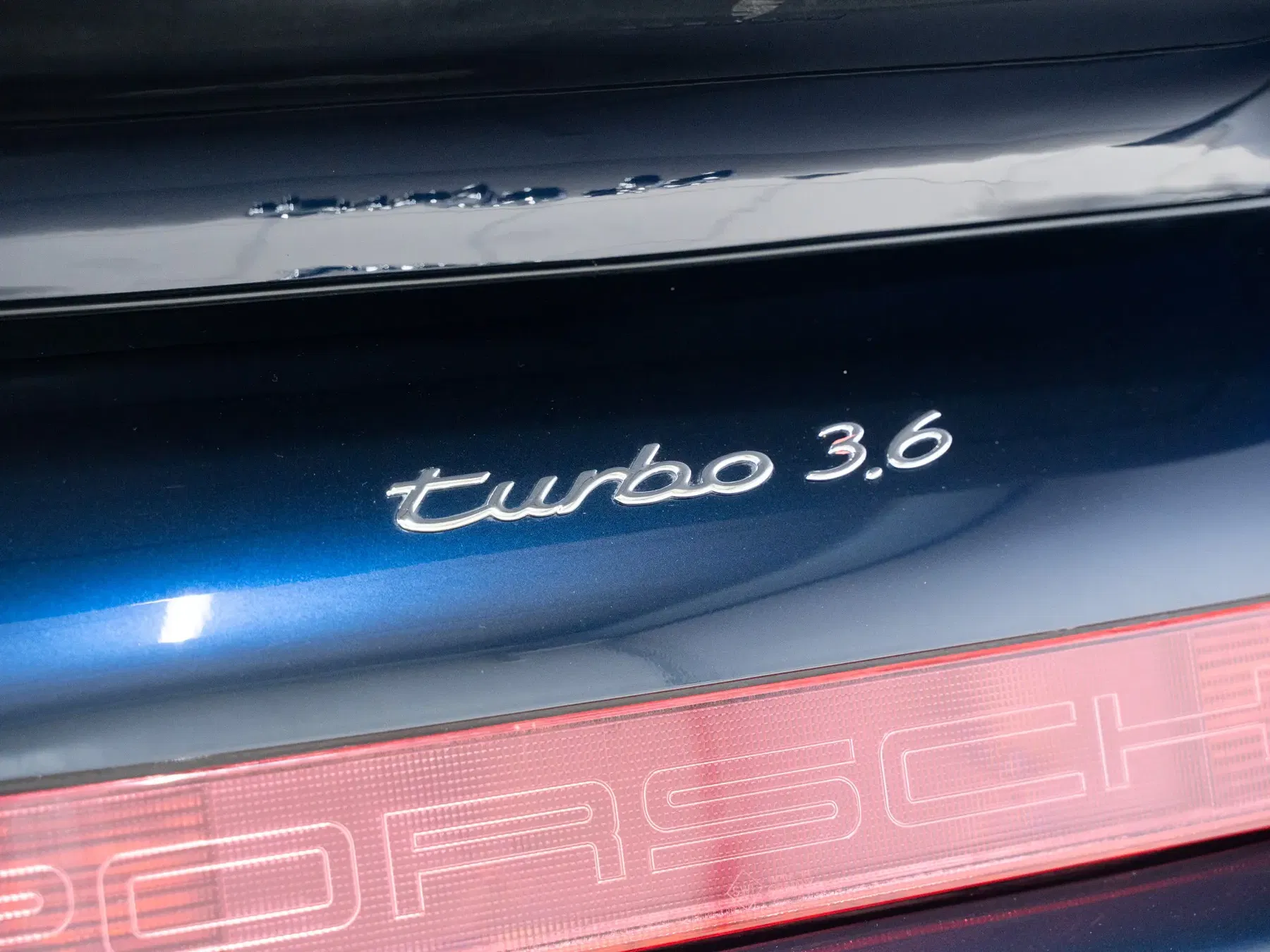
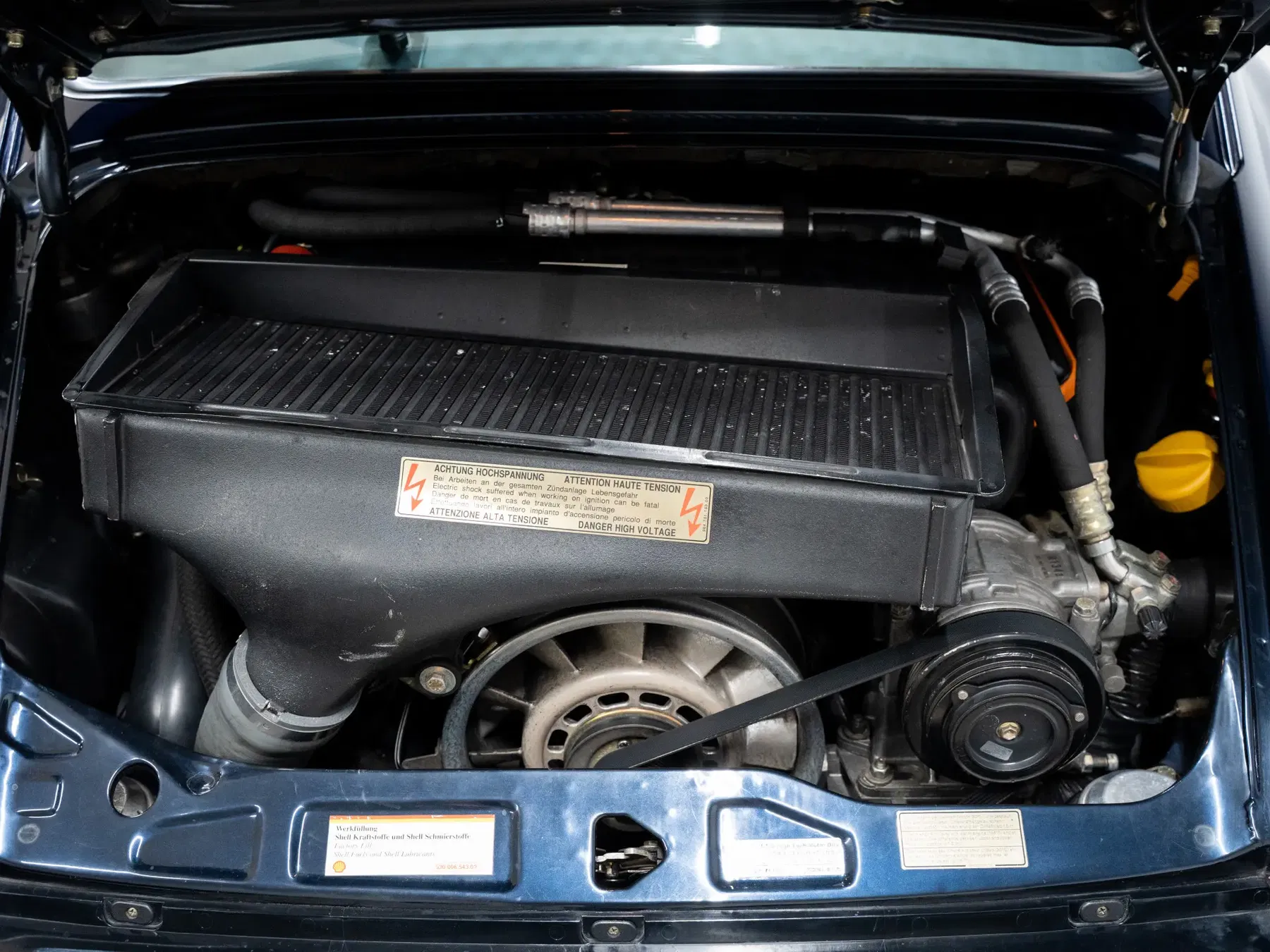
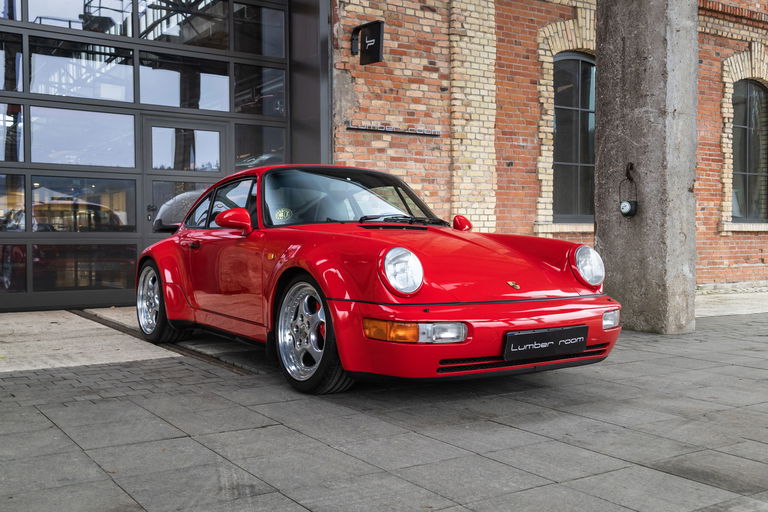
In 1992, at the Paris Motor Show, Porsche finally unveiled the 964 Turbo with a 3.6-liter engine, this time, of course, equipped with a turbocharger. Combined with turbocharger-optimized cylinders, pistons, and crankshaft, and an increase in the compression ratio from 7.0 to 7.5:1, this helped boost power to 360 hp.
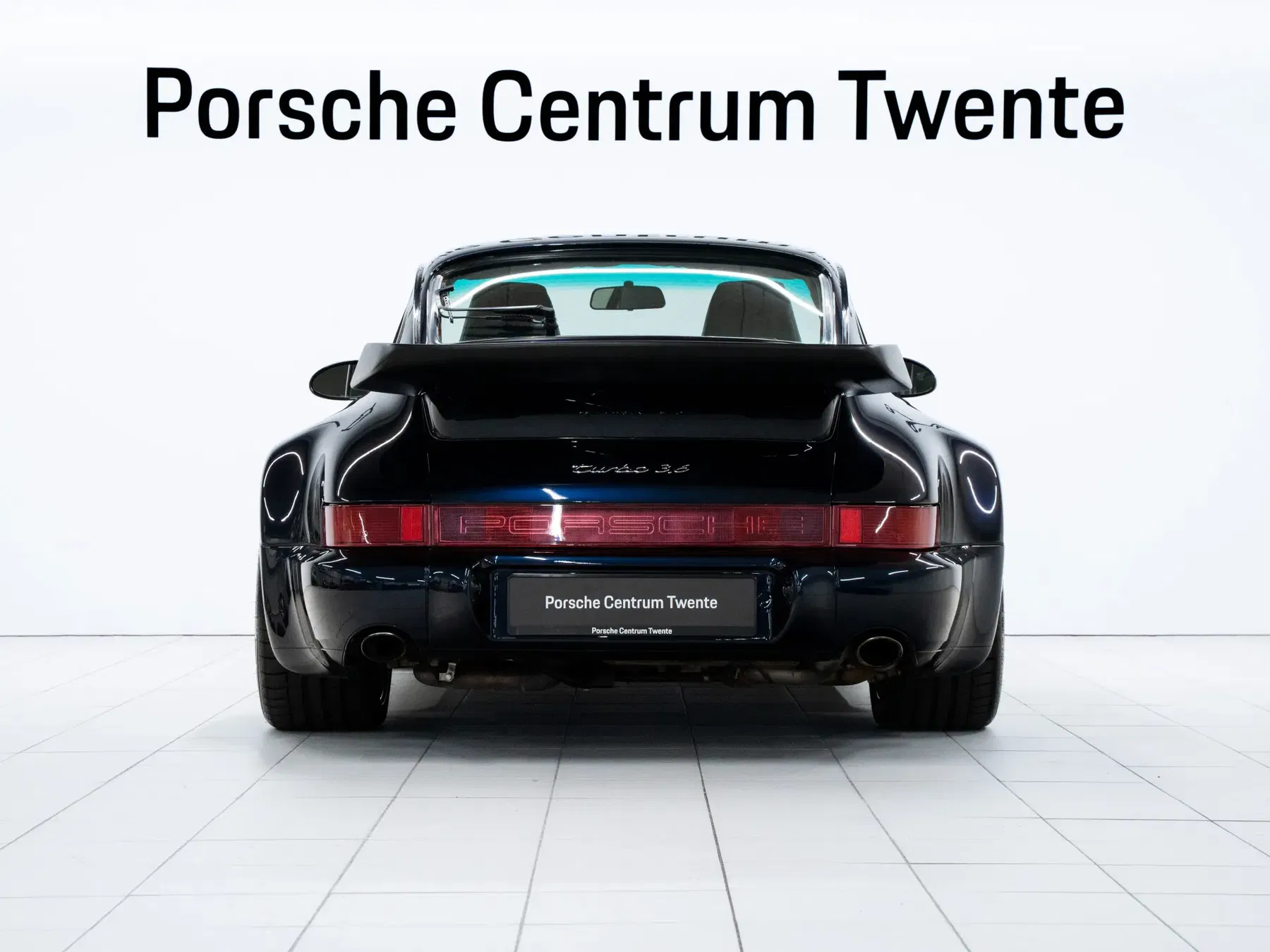
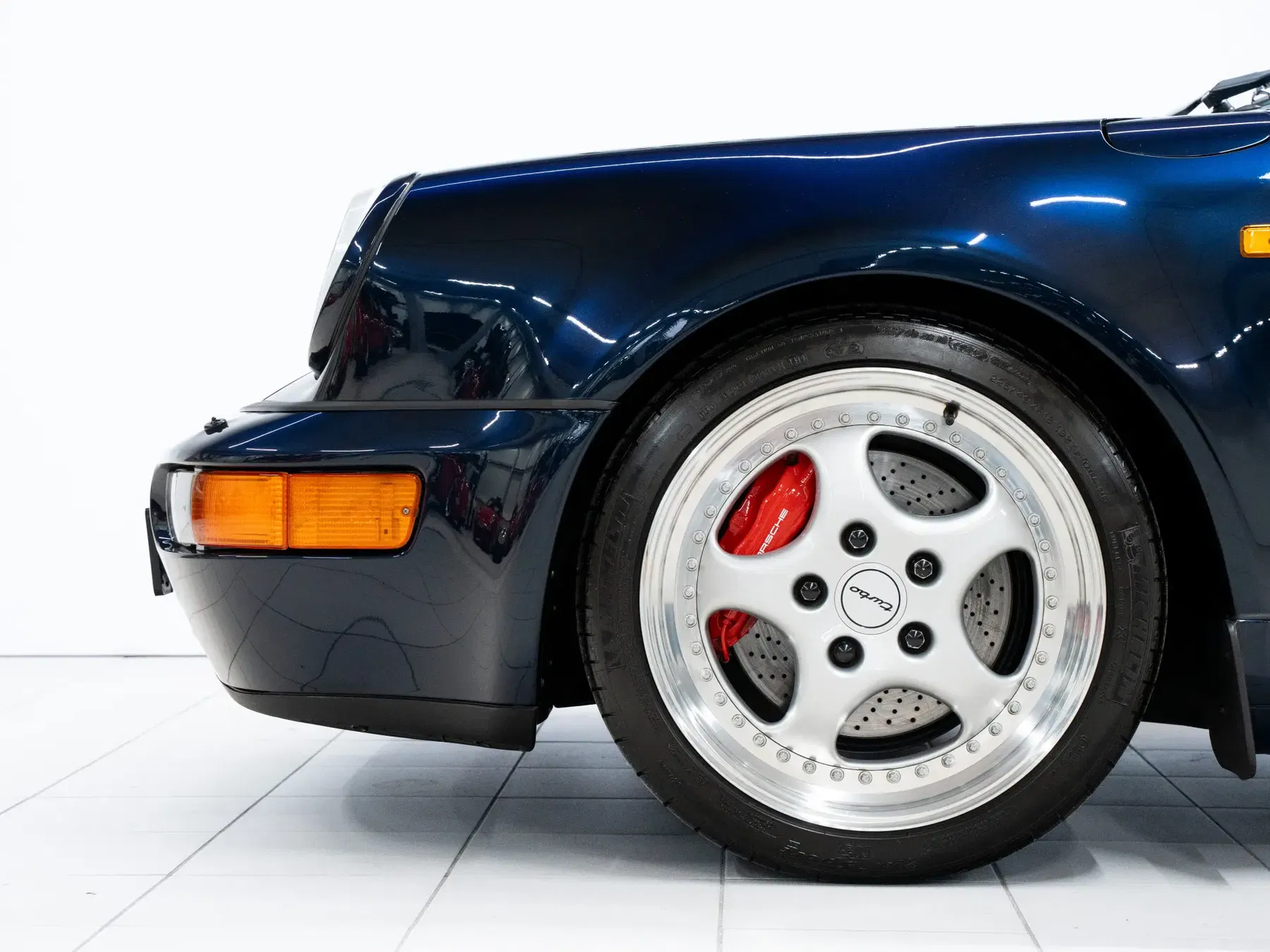
The Turbo 3.6’s chassis sits 20 mm lower than that of the previous 3.3 model, and combined with wider tires, this certainly contributed to the car’s handling. The Turbo 3.6 also received stiffer suspension than its older 3.3-liter sibling. The spring rate was increased by twelve percent, along with a highly digressive shock absorber (resistance increases as axle rotation speed increases). These changes reduced the tendency to lift under acceleration, dive under braking, or lean during hard cornering.
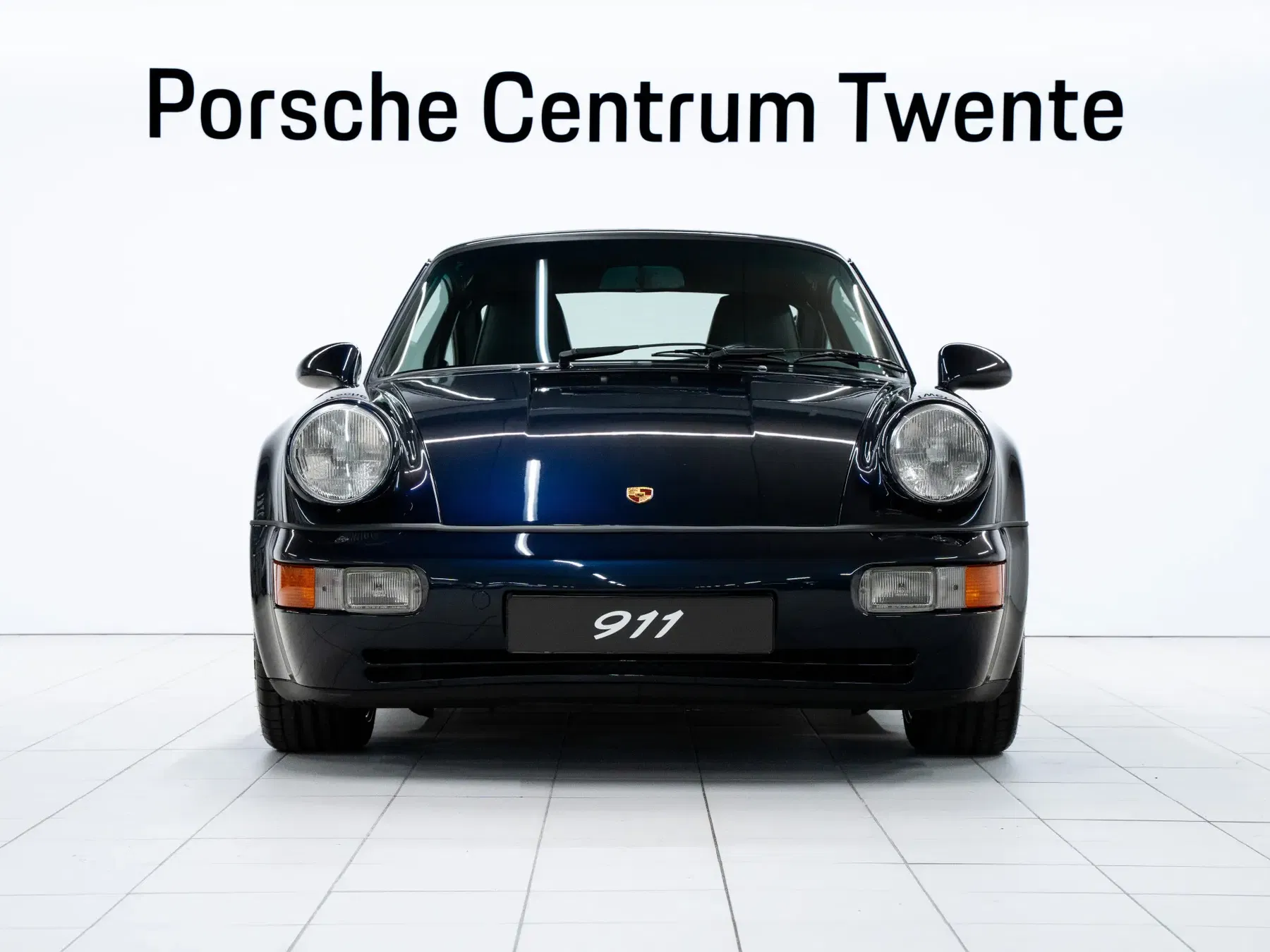
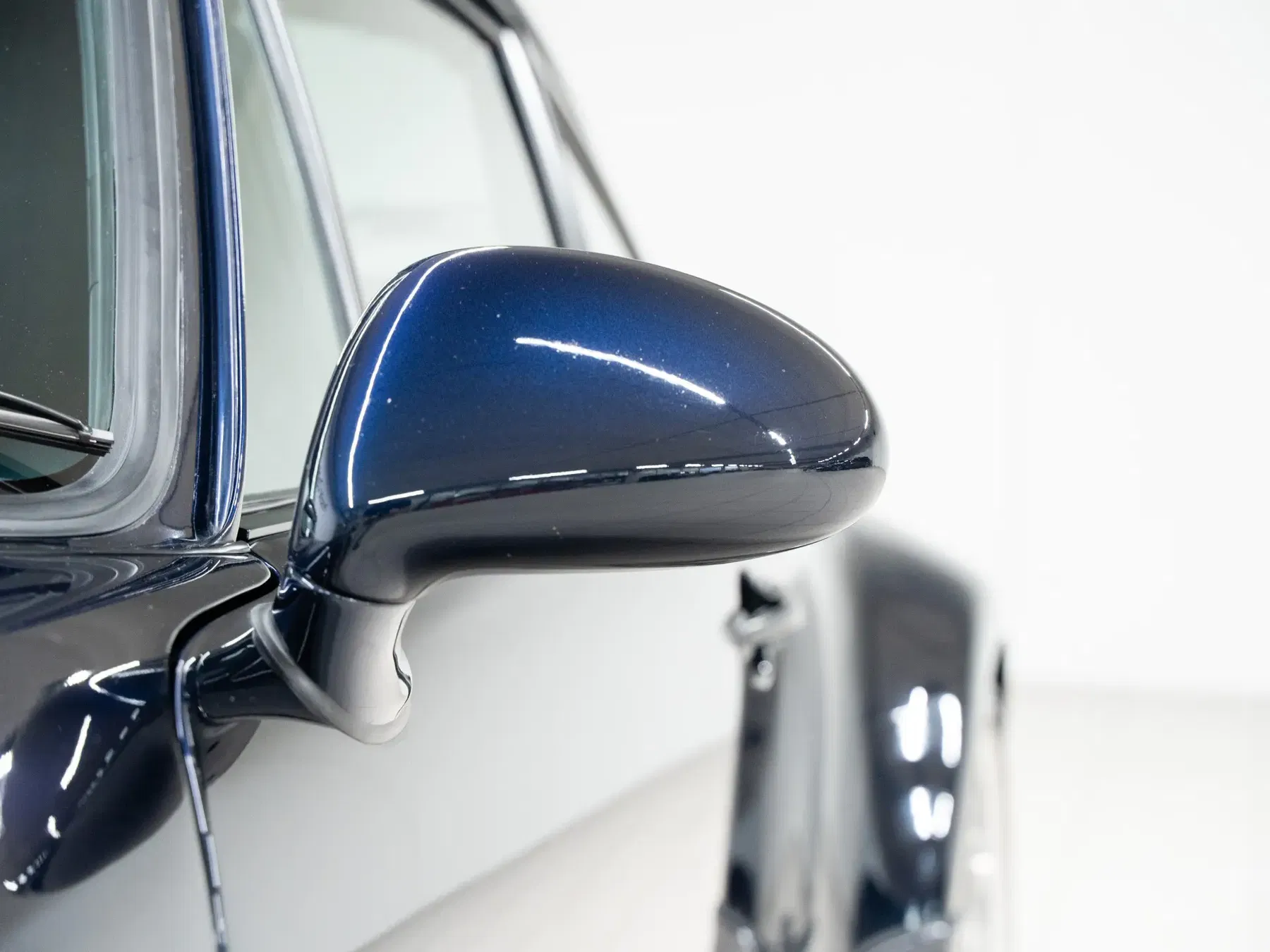
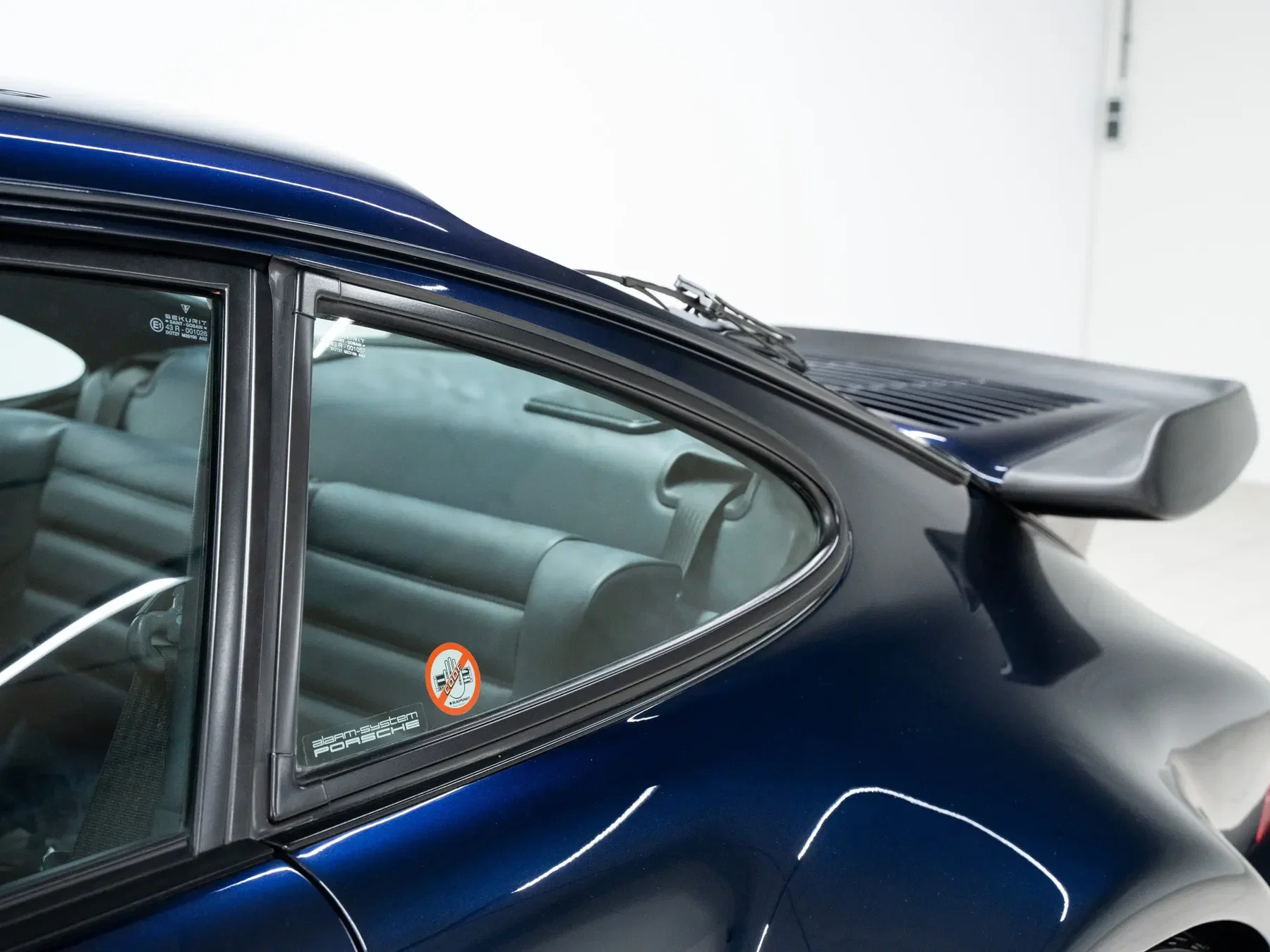
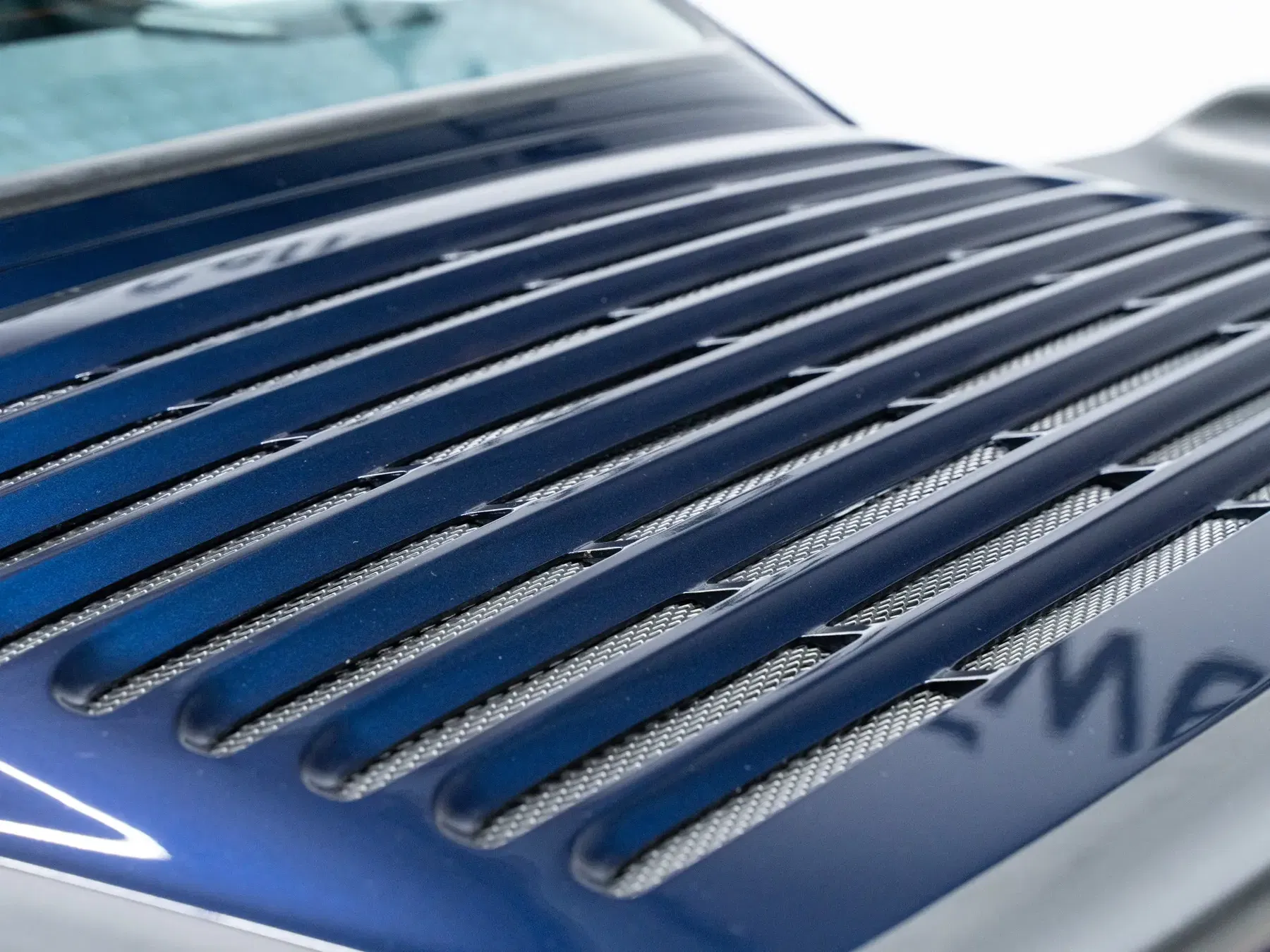
The body of the Turbo 3.6, available only as a coupe, was noticeably 25 mm wider than that of the standard 964 to accommodate the larger tires and wider track. The wider fenders and large rear spoiler gave the car a powerful and imposing presence, while a smooth underbody ensured more efficient aerodynamics. As a result, the drag coefficient of 0.35 was slightly lower than that of its predecessor.
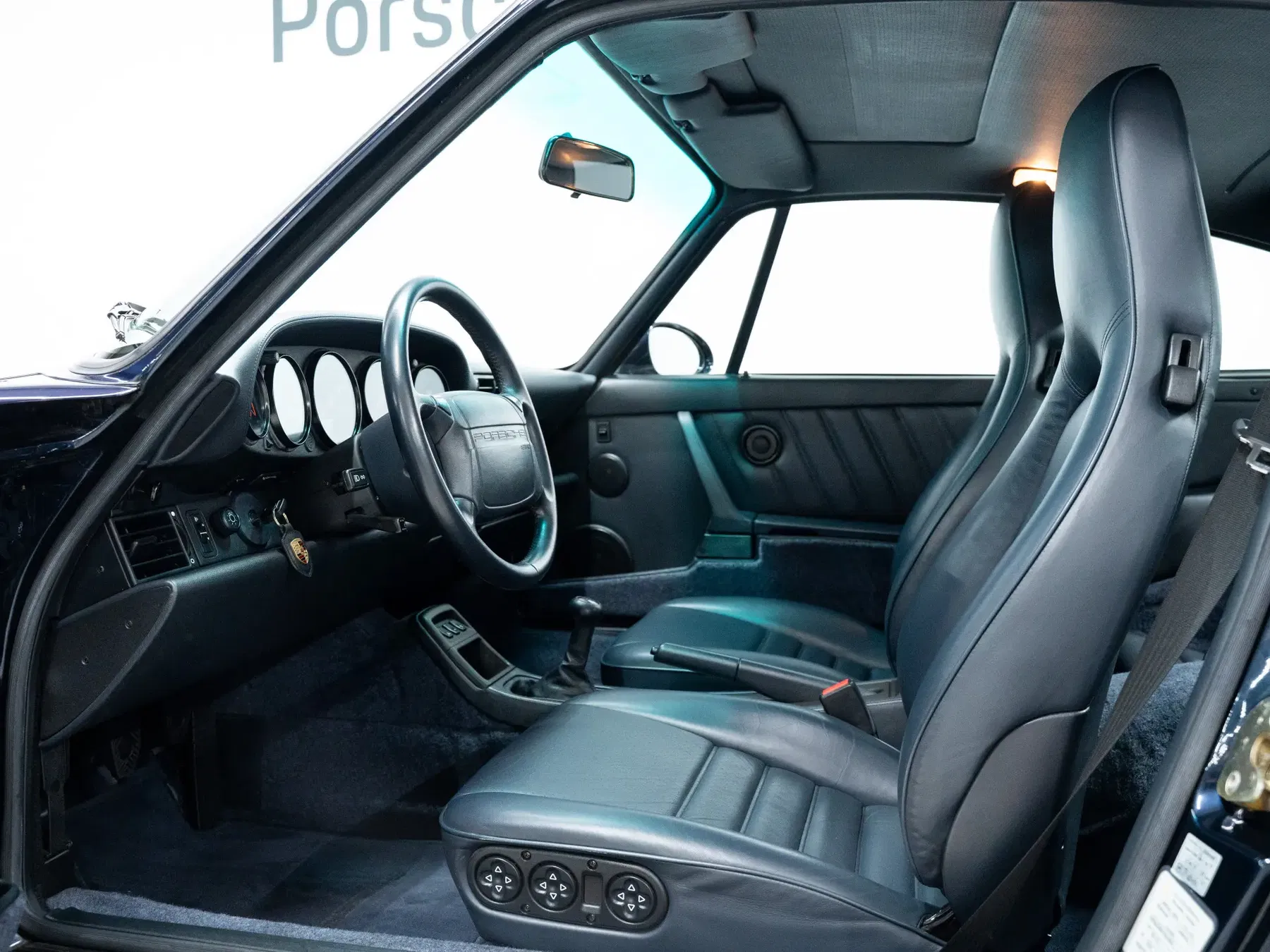
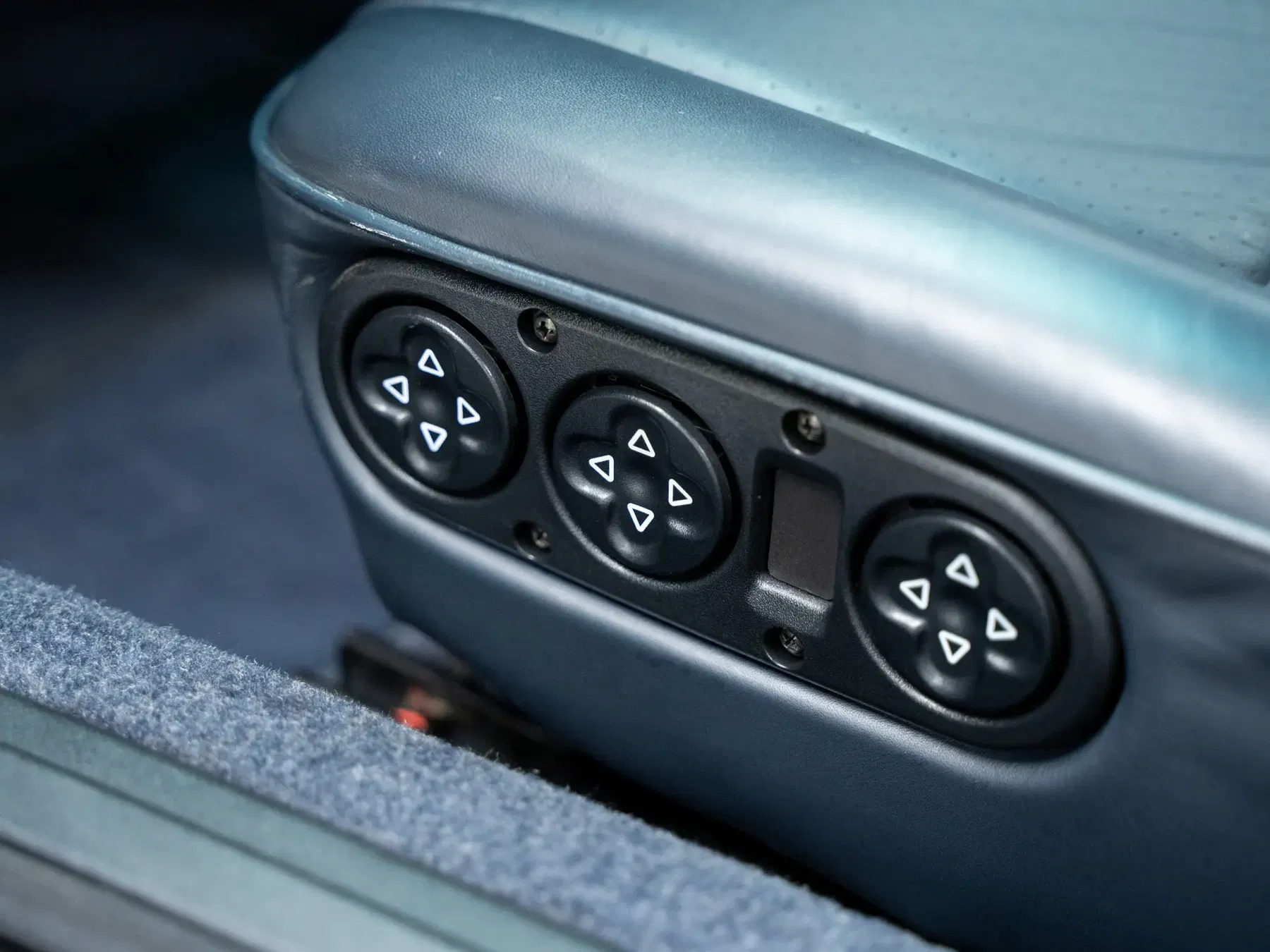
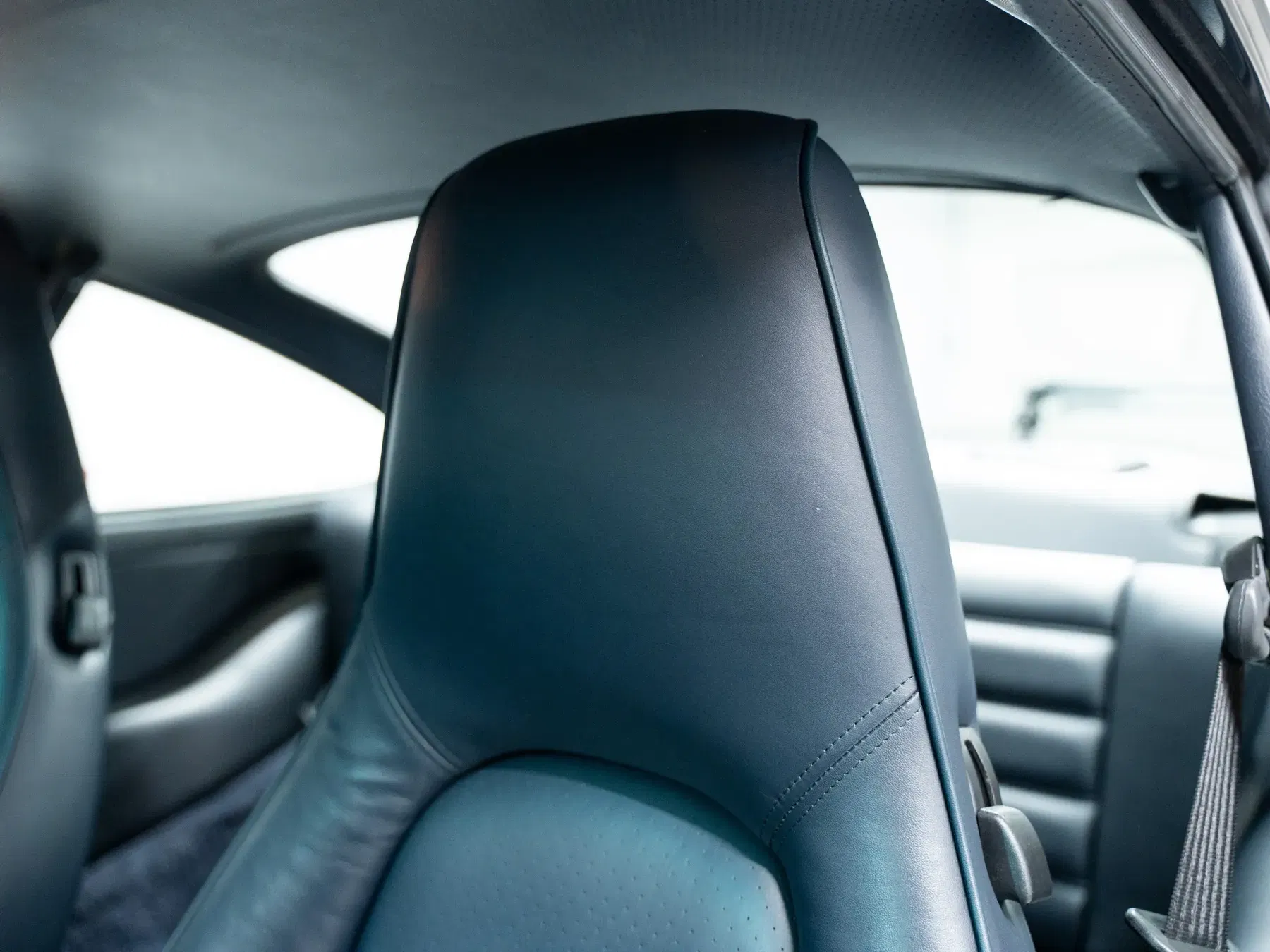
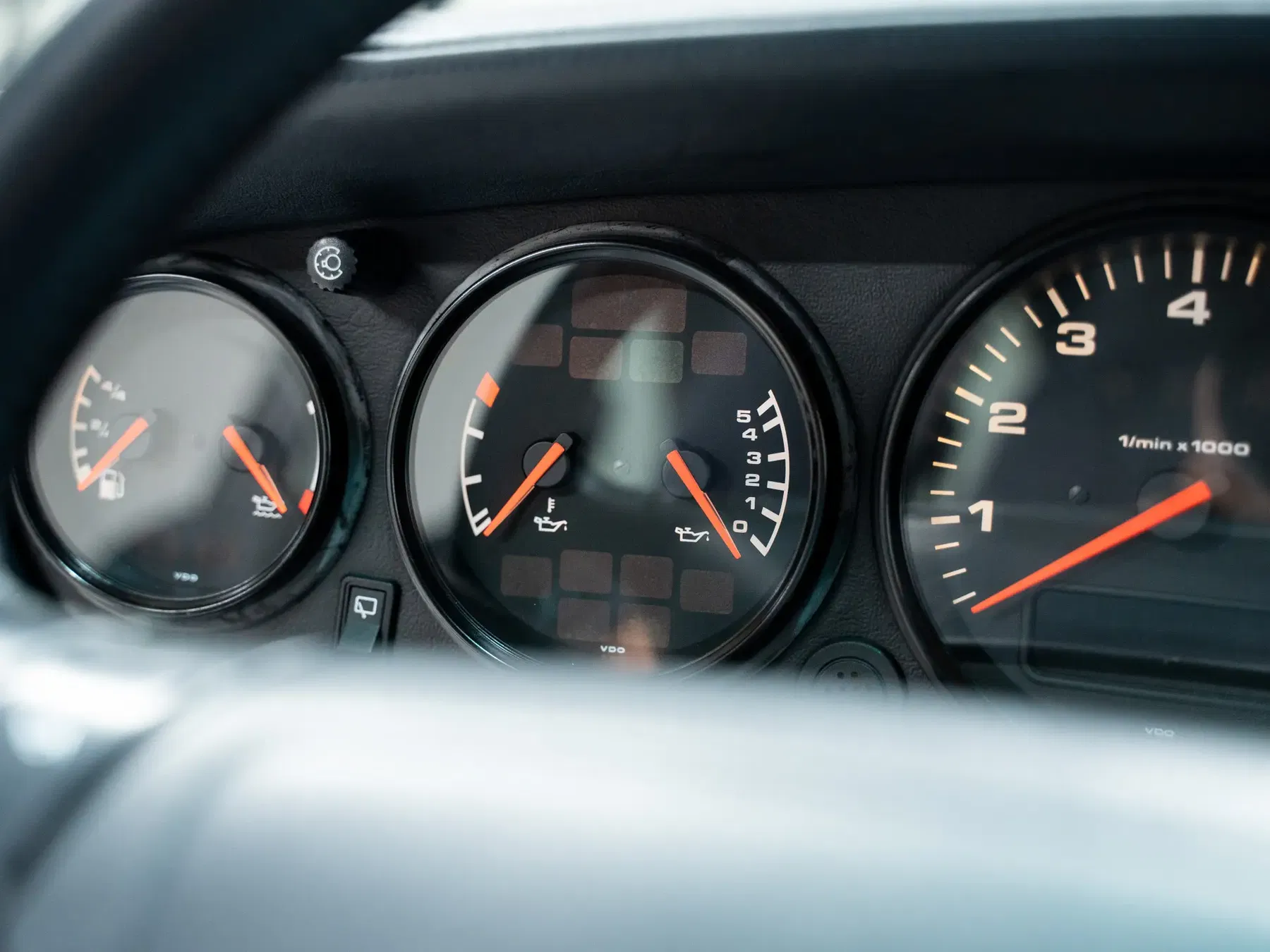
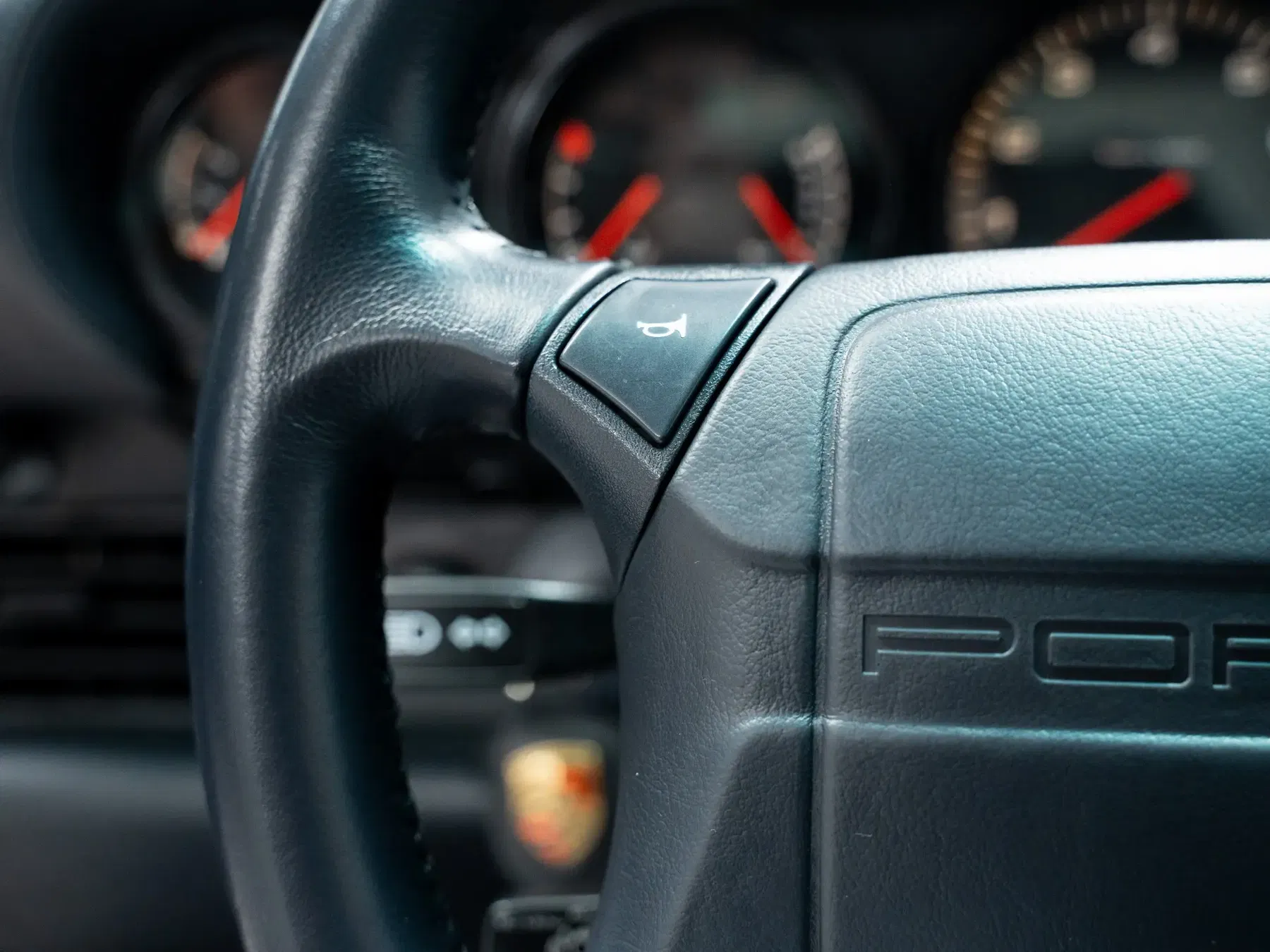
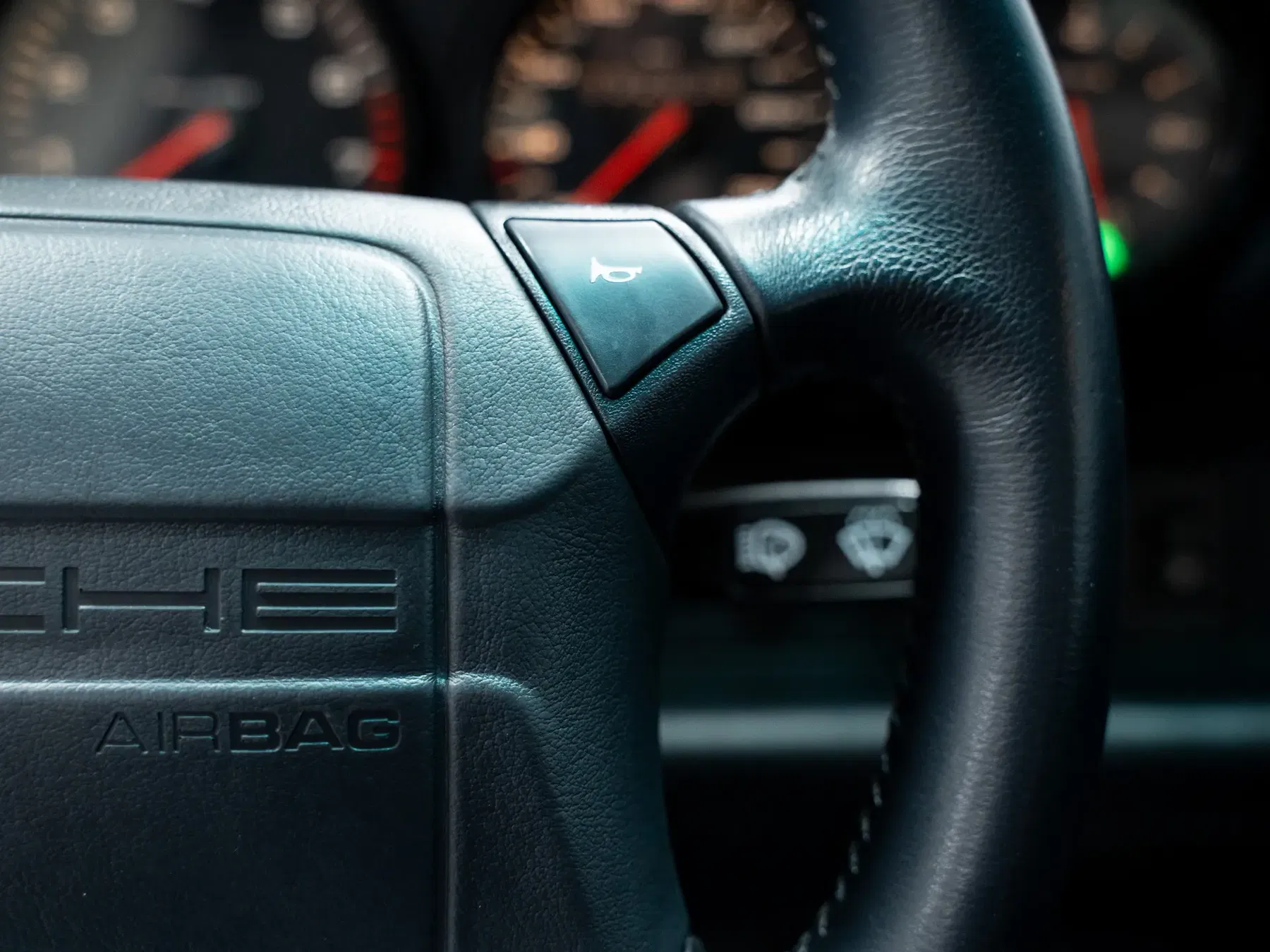
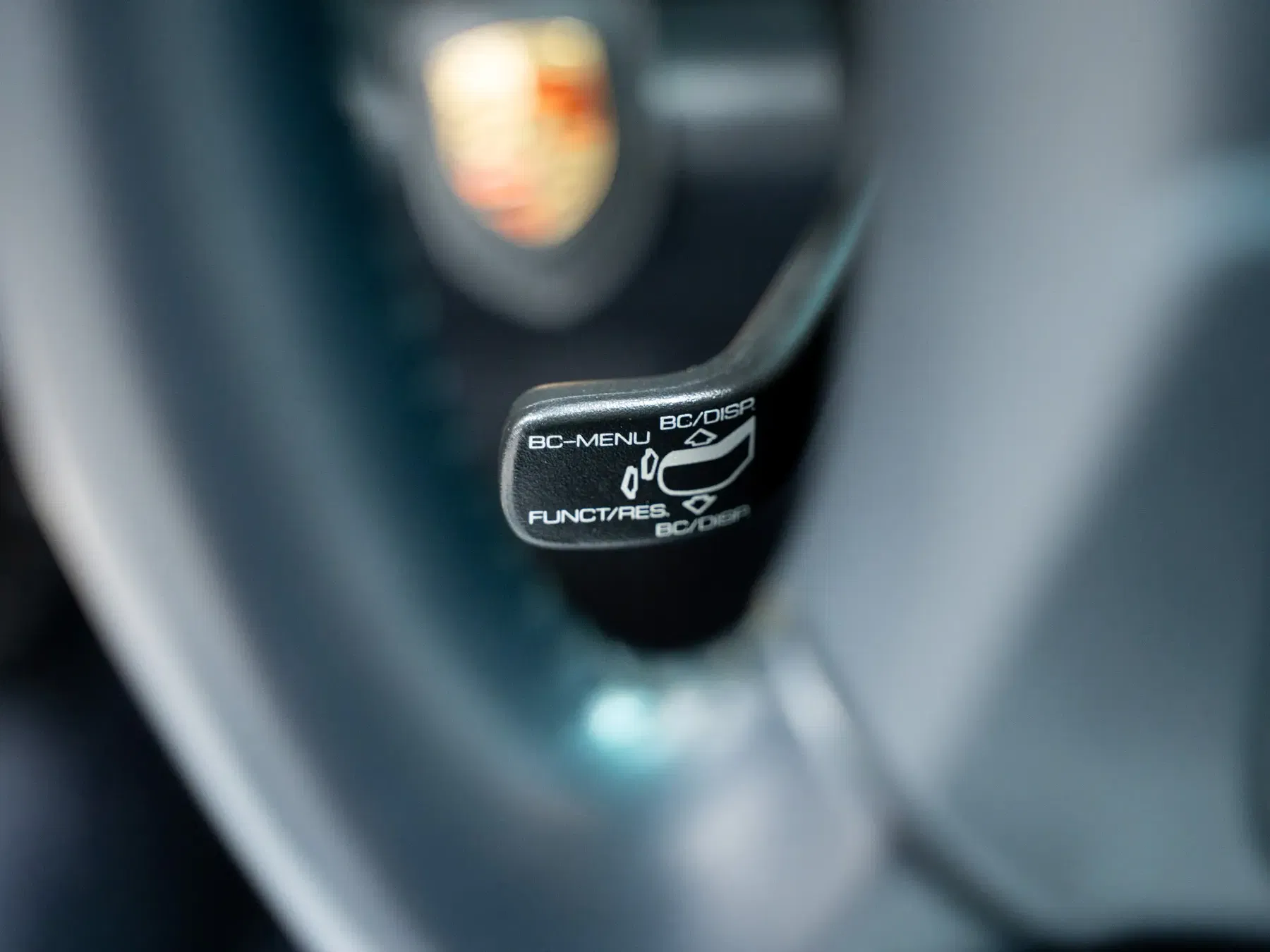
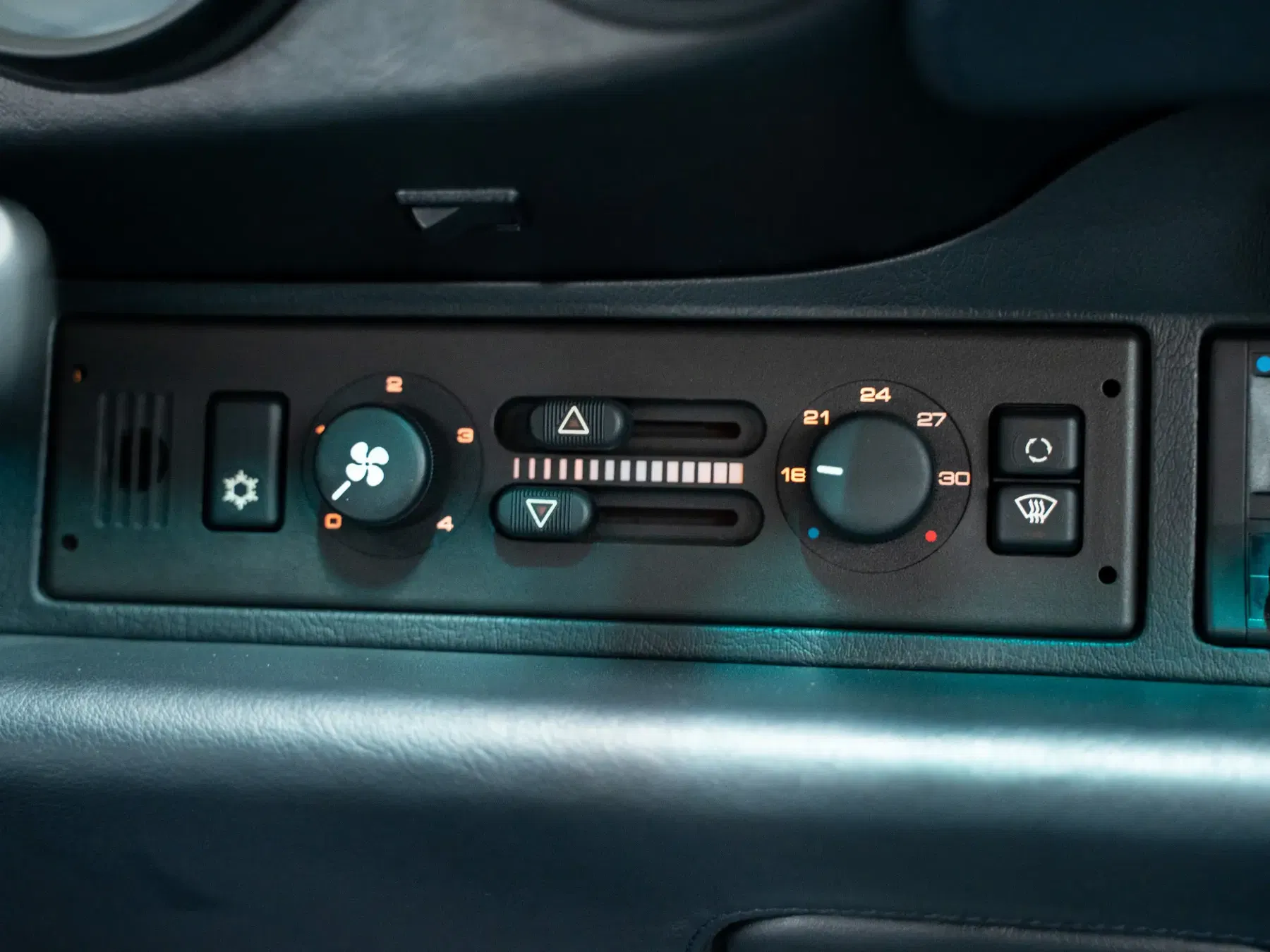
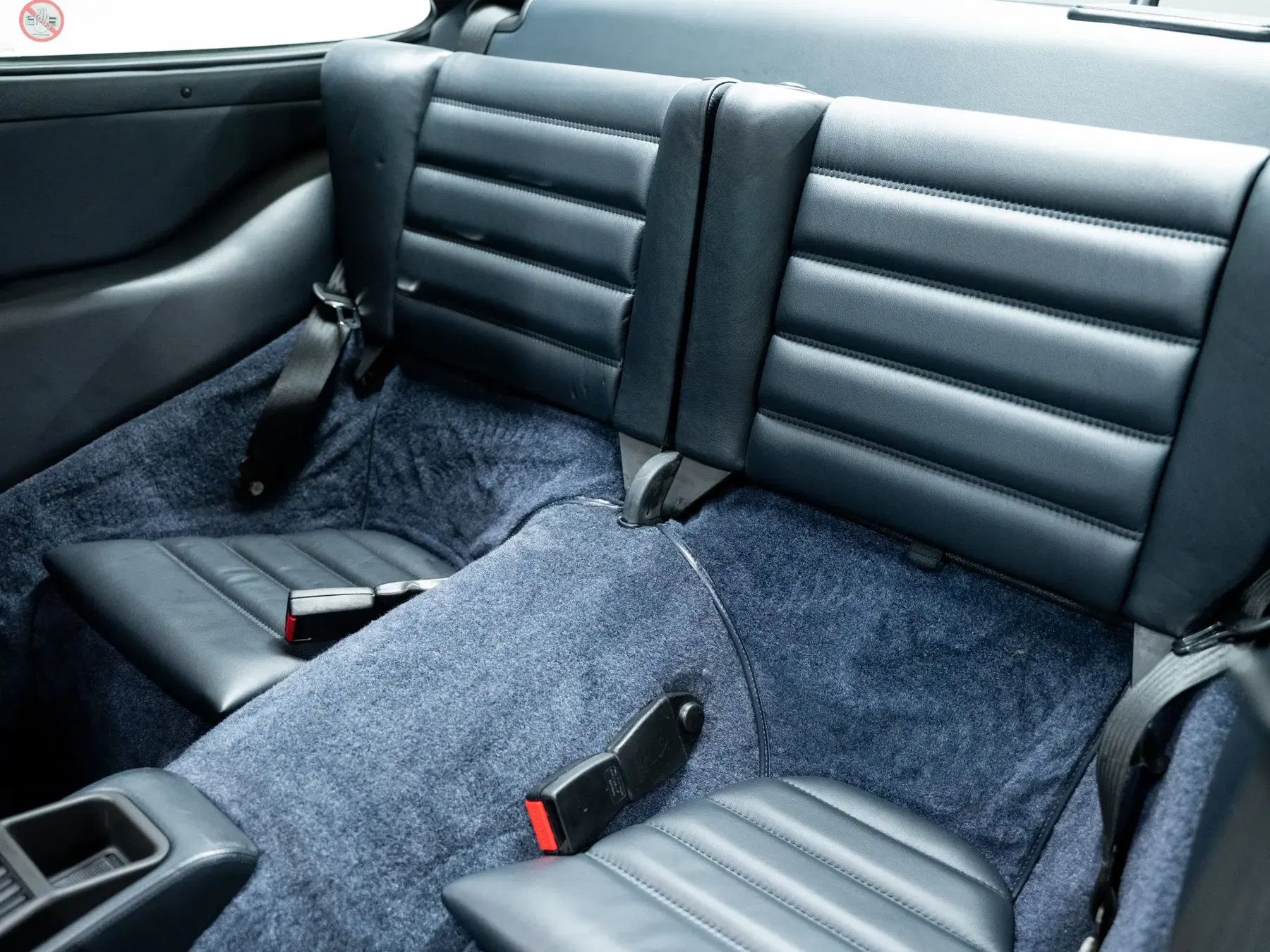
On-board comfort included: air conditioning, an on-board computer with boost pressure indicator, electric seat adjustment, leather upholstery, headlight cleaner, metallic paint, alarm, airbags for the driver and passenger, and a choice of a radio/cassette player or radio/CD player. Porsche’s press release described it as “how a sports car should be,” indicating how the market was changing, as the 964 Turbo 3.6 was praised not only for its high level of comfort but also for its impressive performance.
Because production of this new 964 Turbo 3.6 did not begin until October 1992, the model was produced for only one year before being succeeded by the all-new 993 generation. This resulted in a low production run of just 1,437 units for the 964 Turbo 3.6. This makes the model highly sought after among Porsche enthusiasts and collectors today.
Continue reading

















 1993
1993 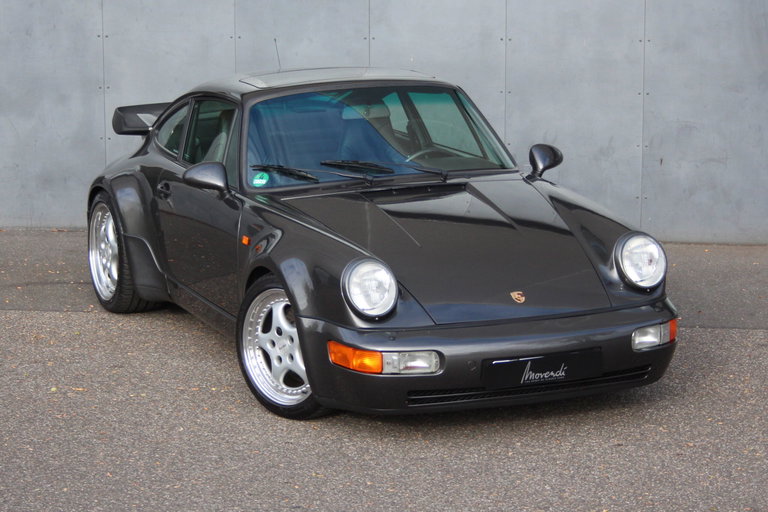
 1994
1994 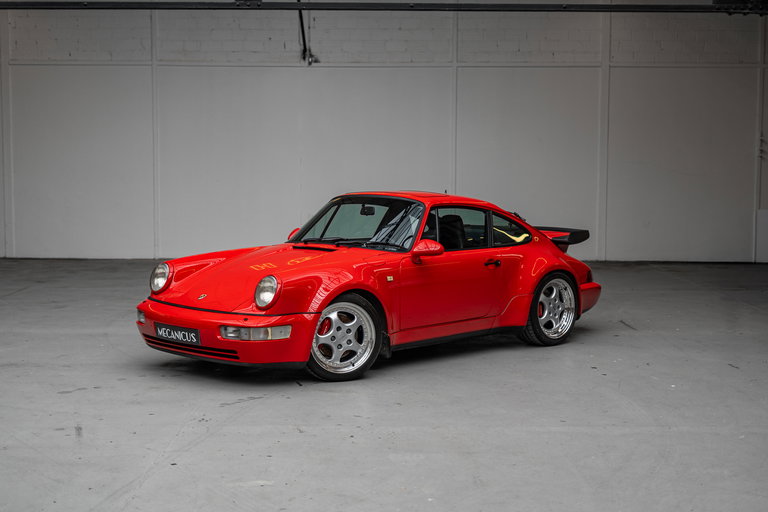
 1993
1993 
 1993
1993