Much of the Porsche 911’s development had resulted from the factory’s racing programme, and it was the then Group 4 homologation rules, which required 400 road cars to be built, which spurred the development of ‘Project 930’ – the legendary 911 Turbo. In production from April 1975, the Turbo married a KKK turbocharger to the 3.0-litre Carrera RSR engine: in road trim a combination that delivered 260bhp for a top speed of 250km/h (155mph). However, the Turbo wasn’t just about top speed, it was also the best-equipped 911 and amazingly flexible – hence only four speeds in the gearbox – being capable of racing from a standstill to 100mph (161km/h) in 14 seconds. But what set the 911 Turbo apart from its peers was the relaxed way this stupefying performance was delivered.
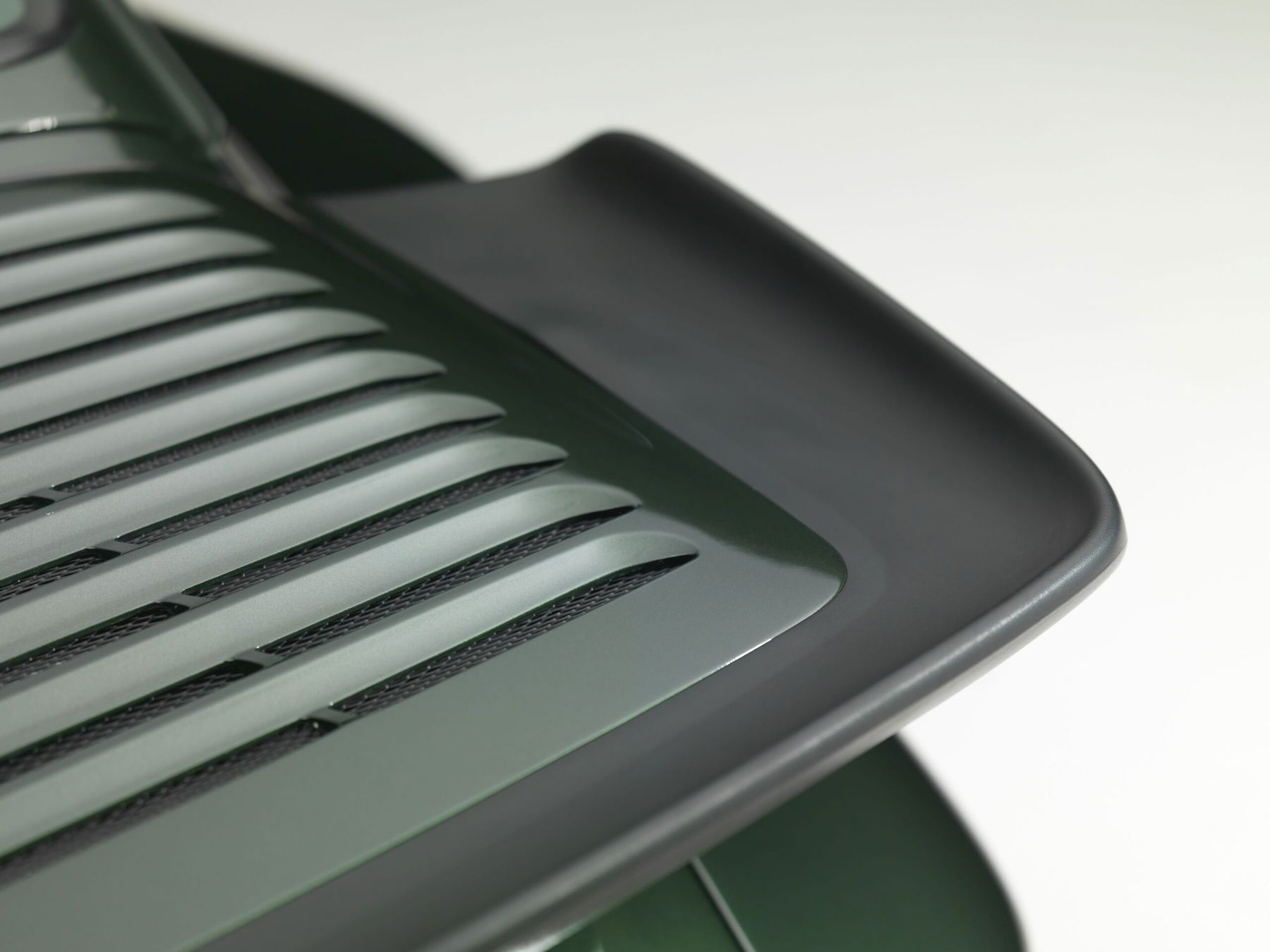
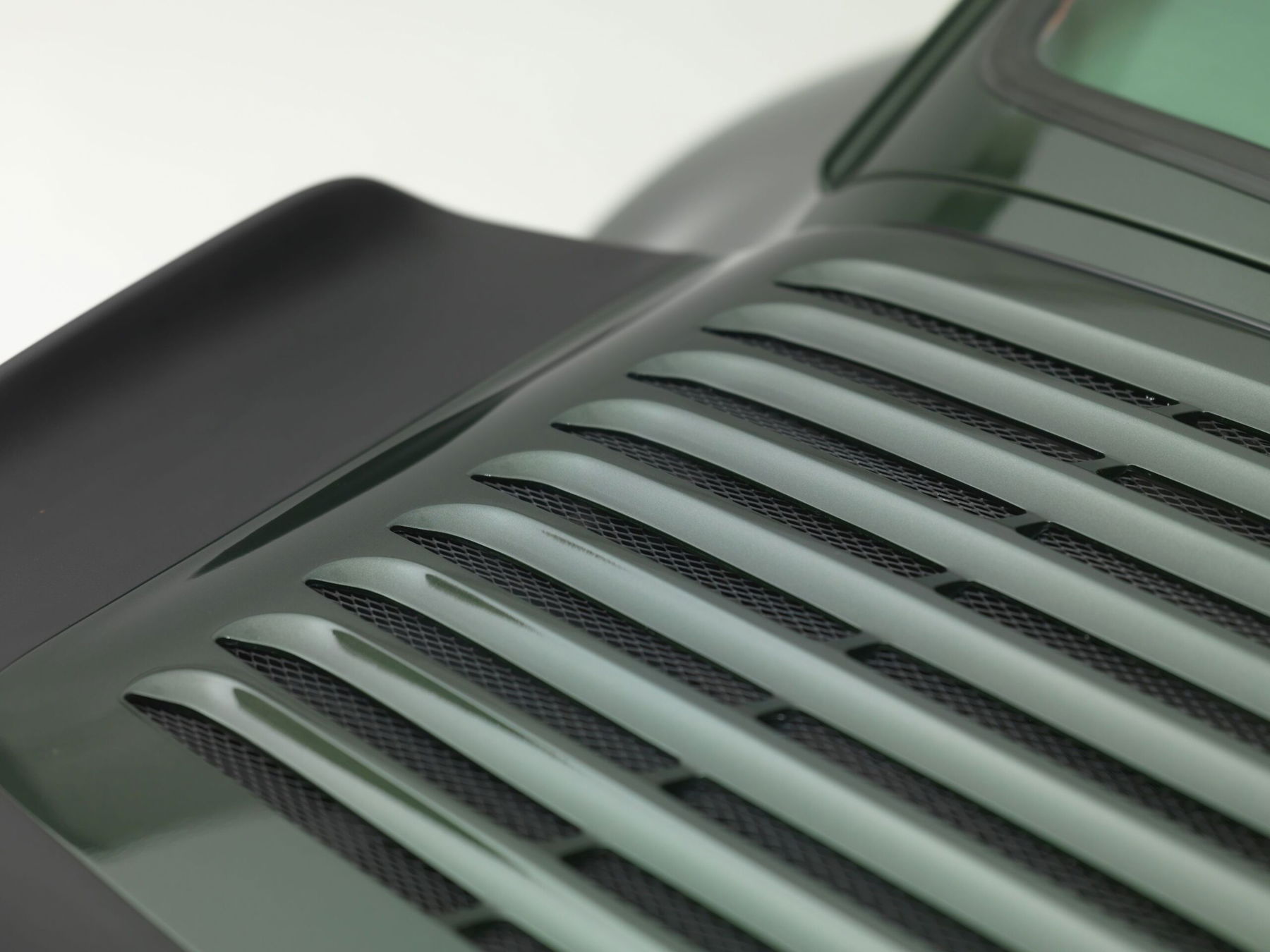
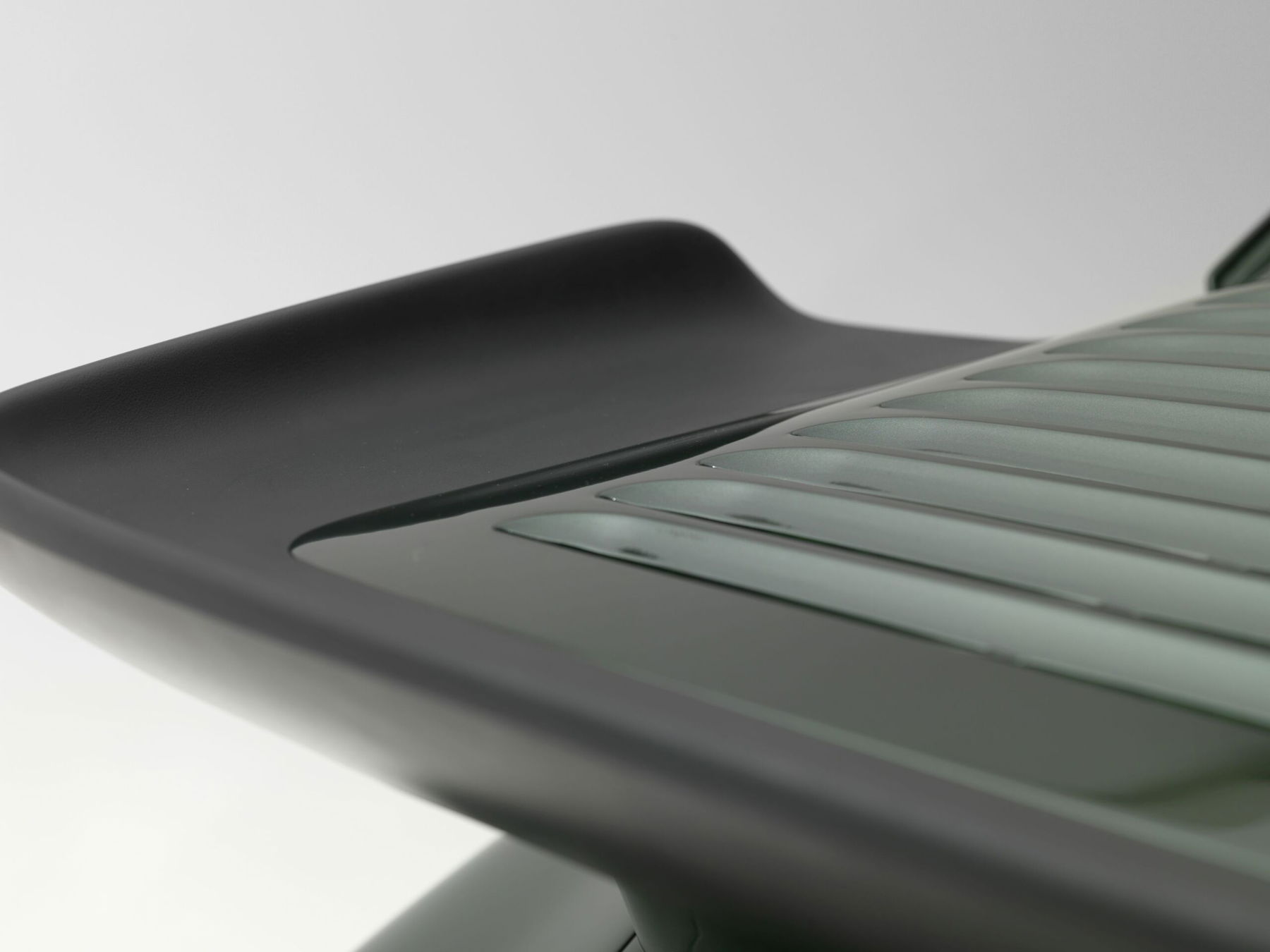
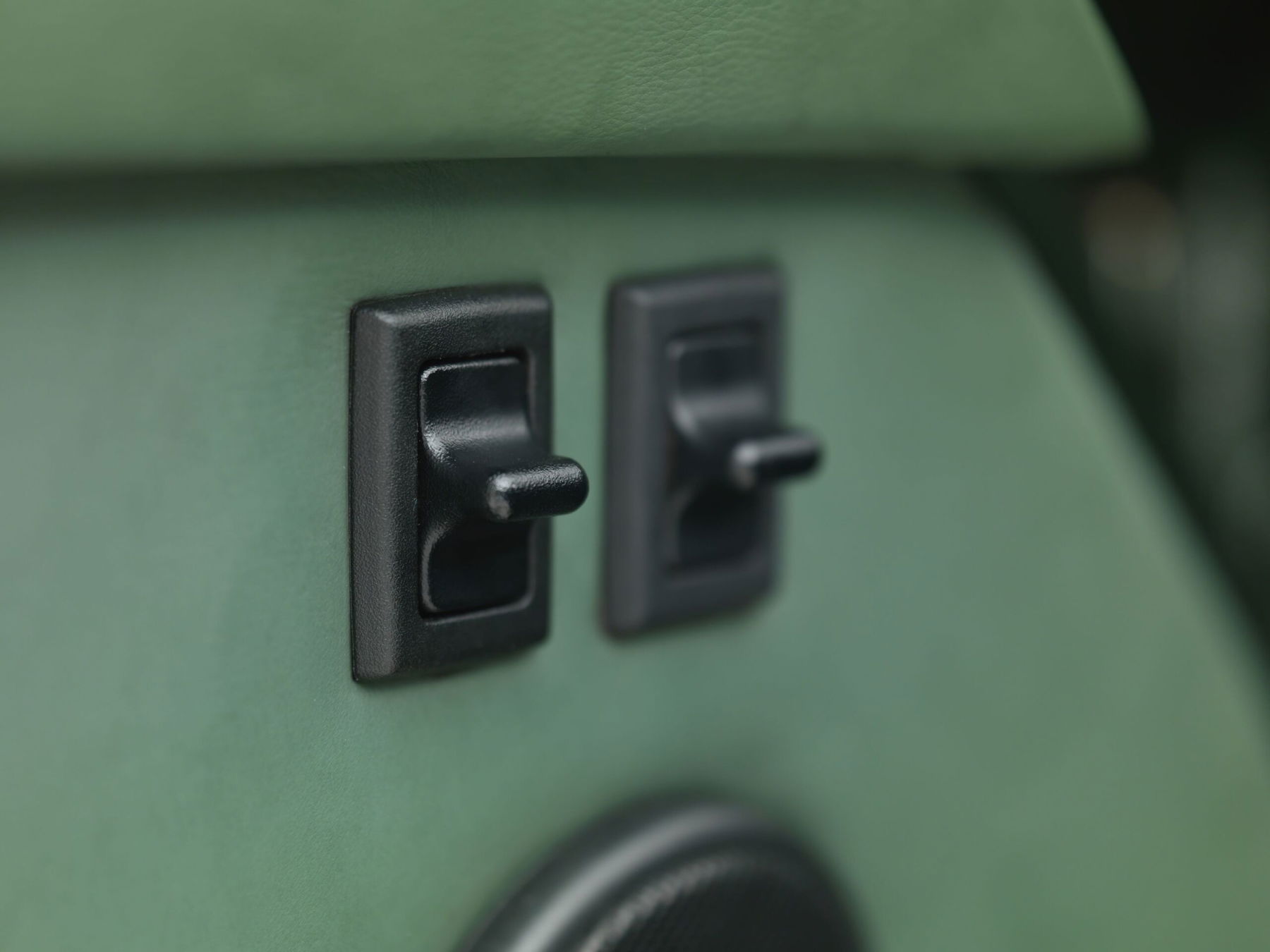
The Turbo’s characteristic flared wheelarches and ‘tea tray’ rear spoiler had already been seen on the Carrera model, while the interior was the most luxurious yet seen in a 911, featuring leather upholstery, air conditioning and electric windows. For 1978 the Turbo’s engine was enlarged to 3.3 litres, gaining an inter-cooler in the process; power increased to 300bhp and the top speed of what was the fastest-accelerating road car of its day went up to 170mph (257km/h). More refined than hitherto yet retaining its high-performance edge, the Porsche 911 Turbo sold in the thousands, becoming the definitive sports car of its age.
Representing a major step forward for the 911, the new Carrera 4 and Carrera 2 – coded ‘964’ – were launched in 1989, the former marking the first time that four-wheel drive had been seen on a series-production 911. Face-lifted but retaining that familiar shape, the new models had been given a more extensive work-over mechanically, 87% of parts being claimed as entirely new. Although the naturally aspirated duo shared the same 3.6-litre, 247bhp, air-cooled flat-six engine, the Turbo initially kept its existing 3.3-litre unit, which now developed 320bhp. Power-assisted steering (another 911 ‘first’), anti-lock brakes and a five-speed manual transmission were standard, with the Tiptronic auto ‘box a Carrera 2-only option.
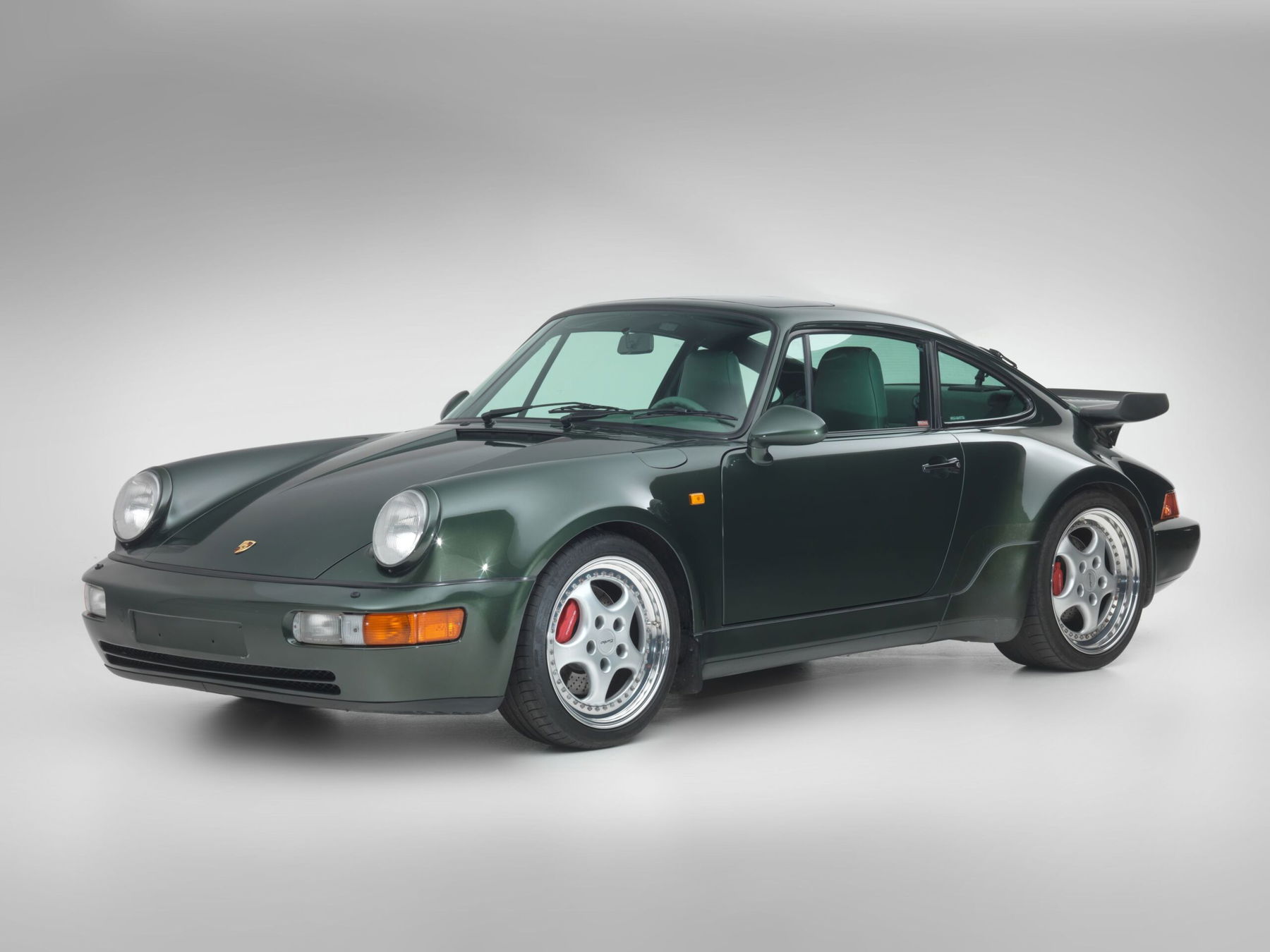
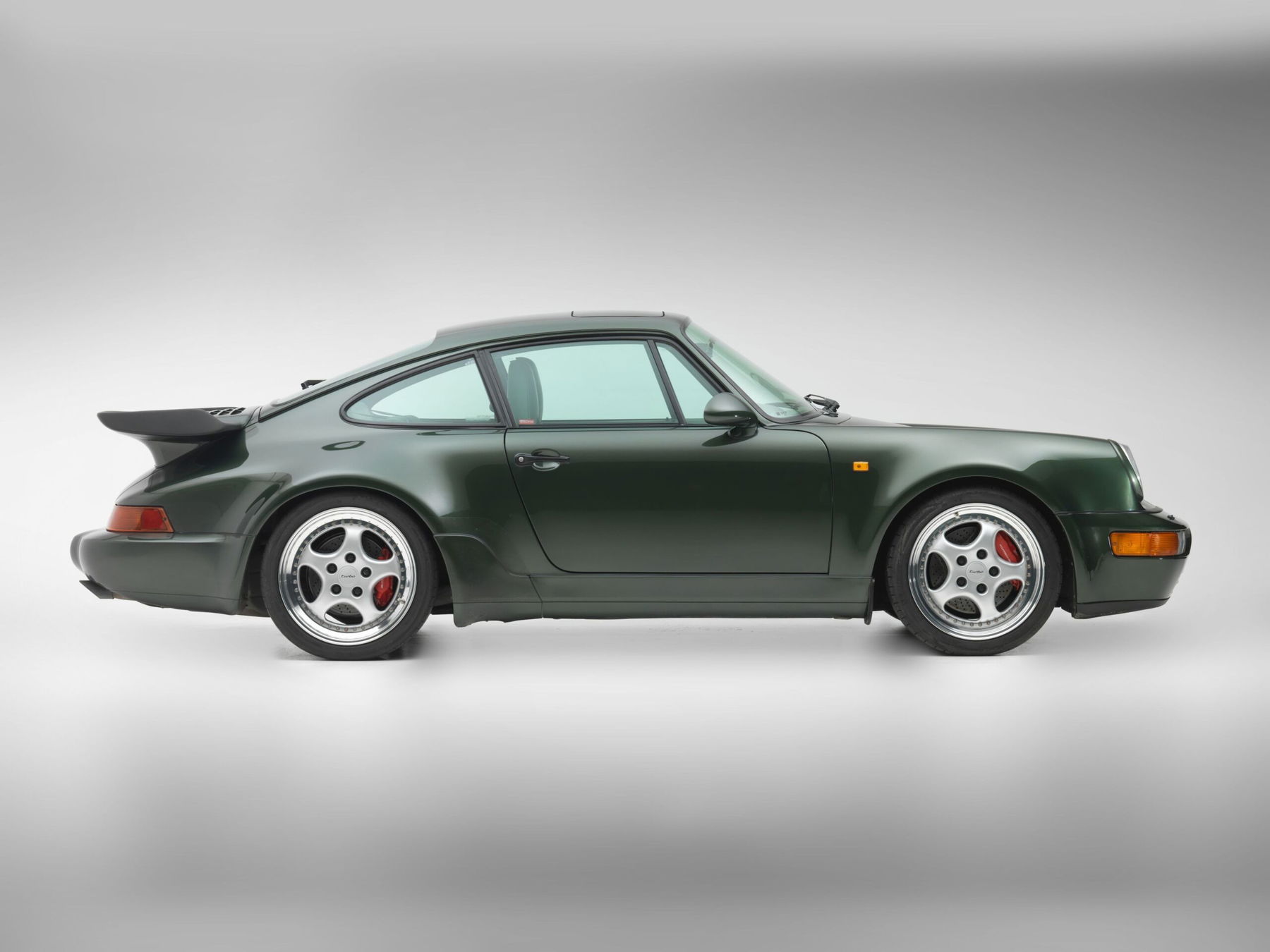
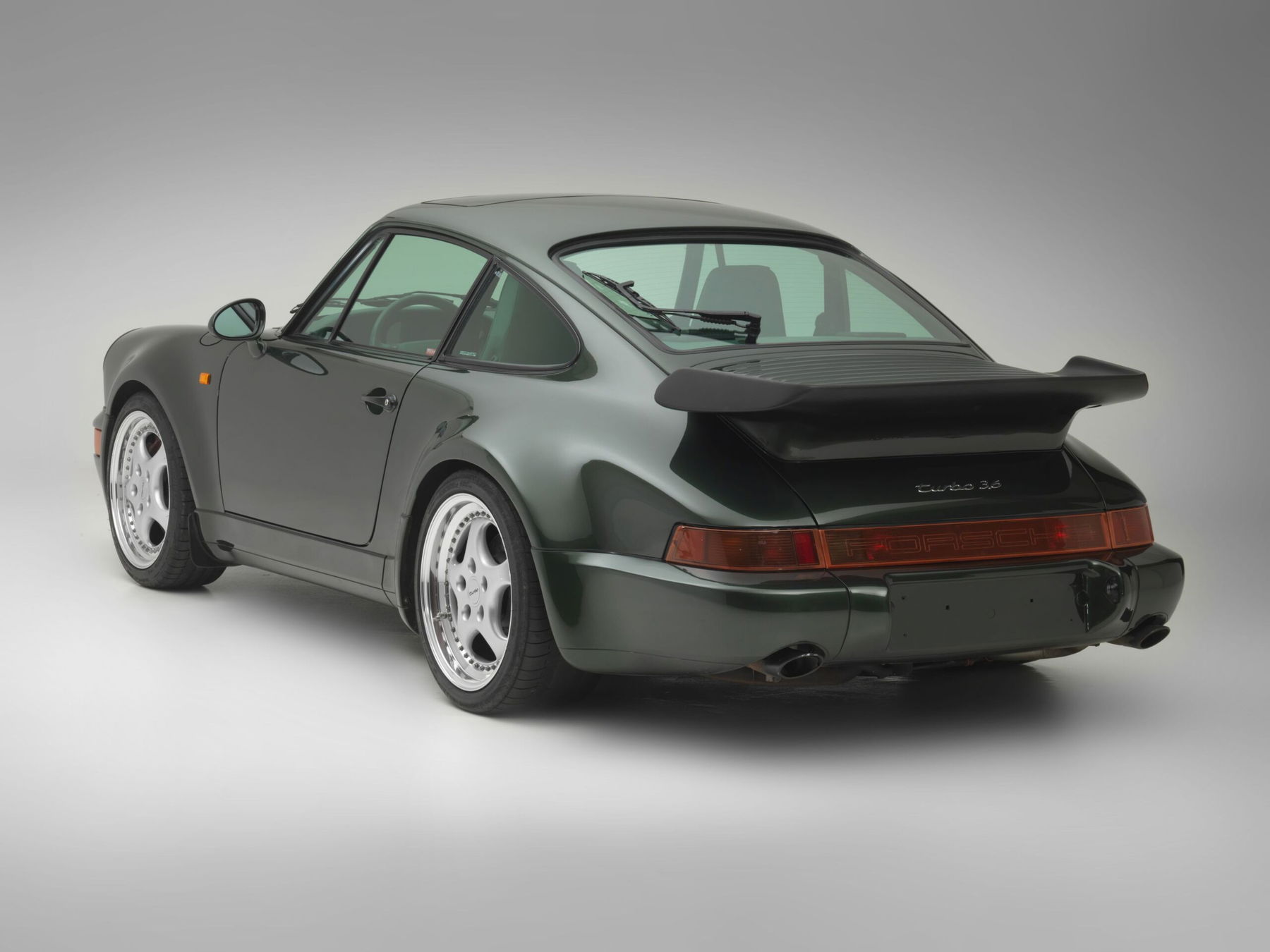
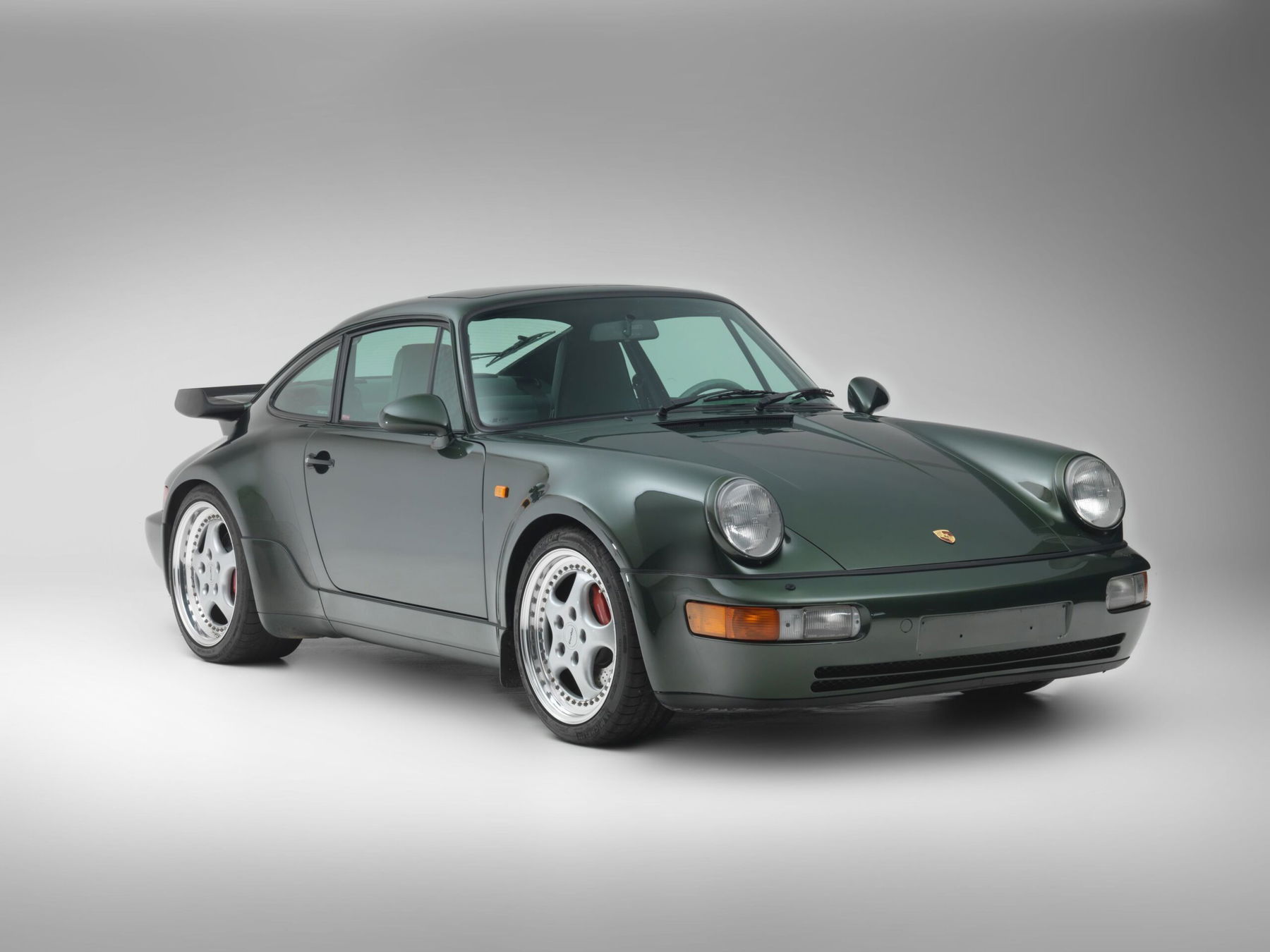
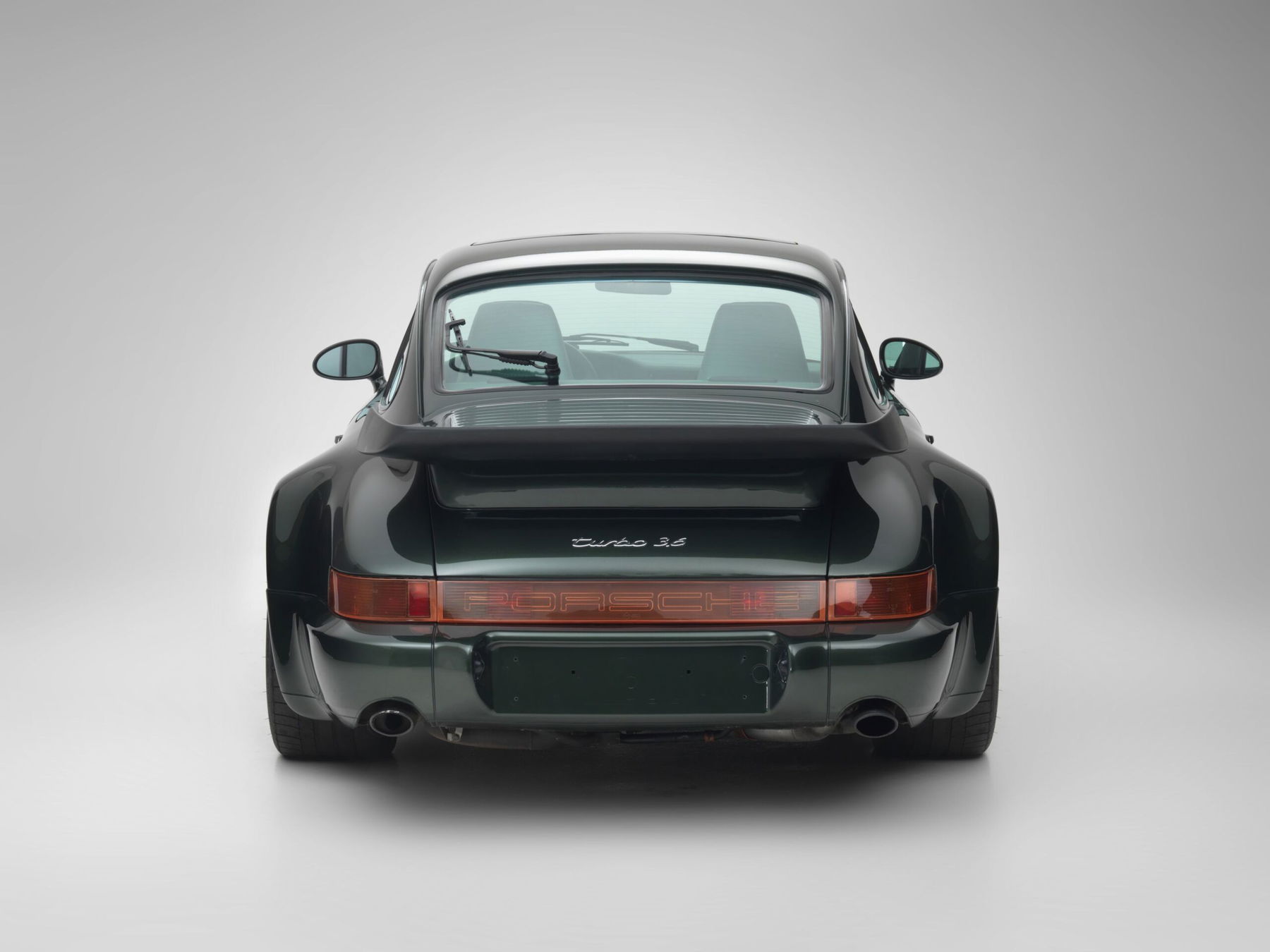
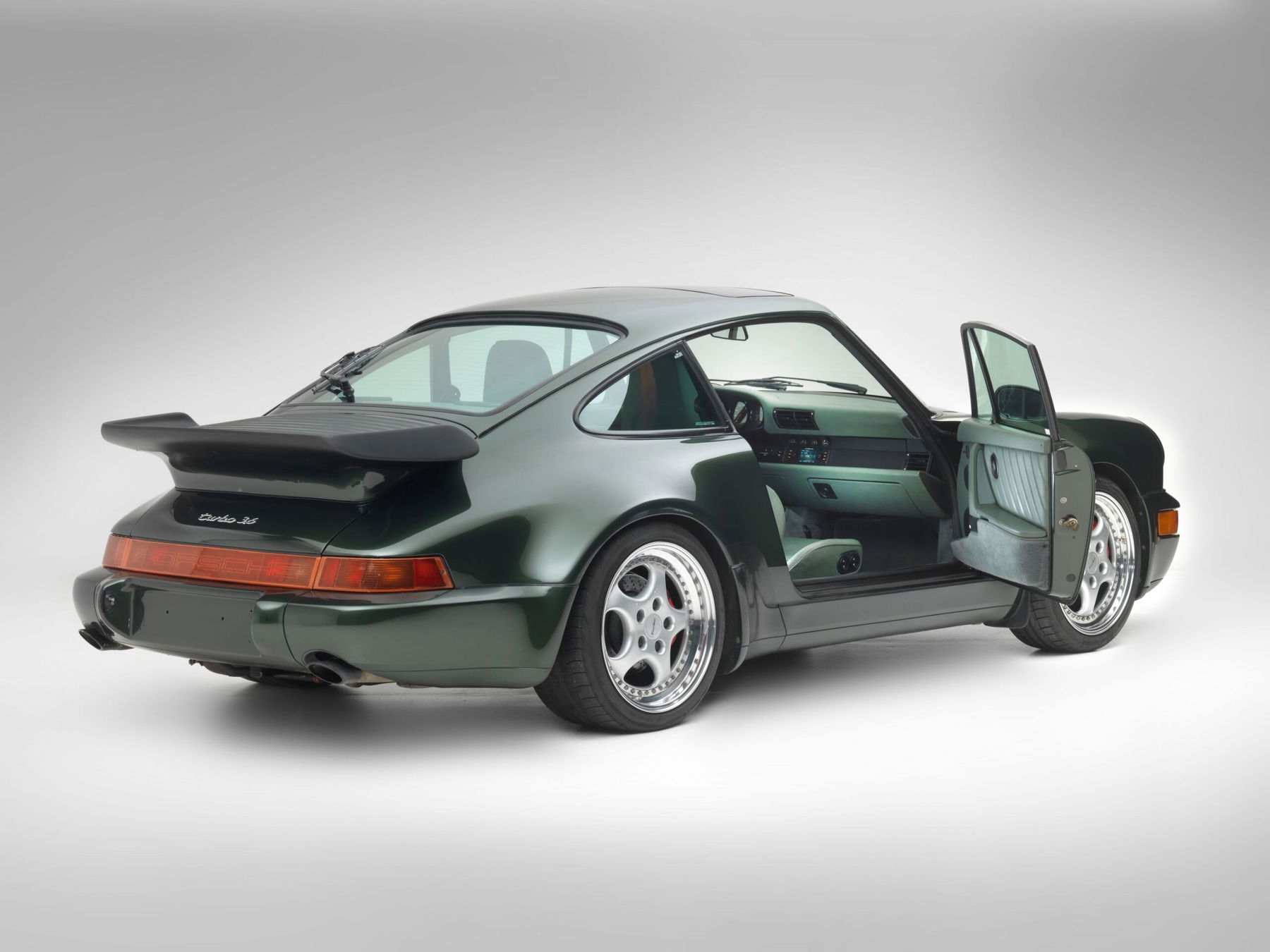
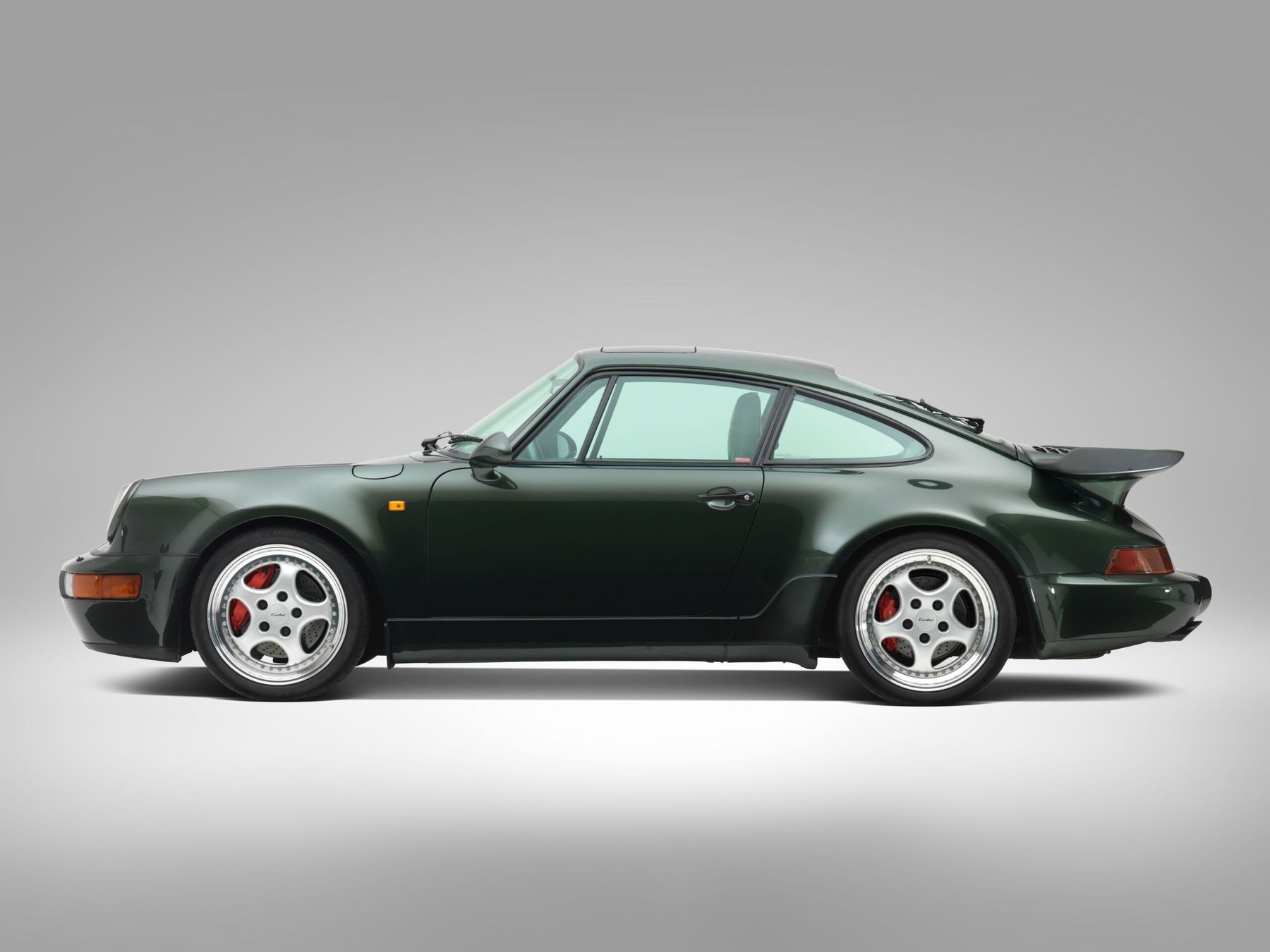
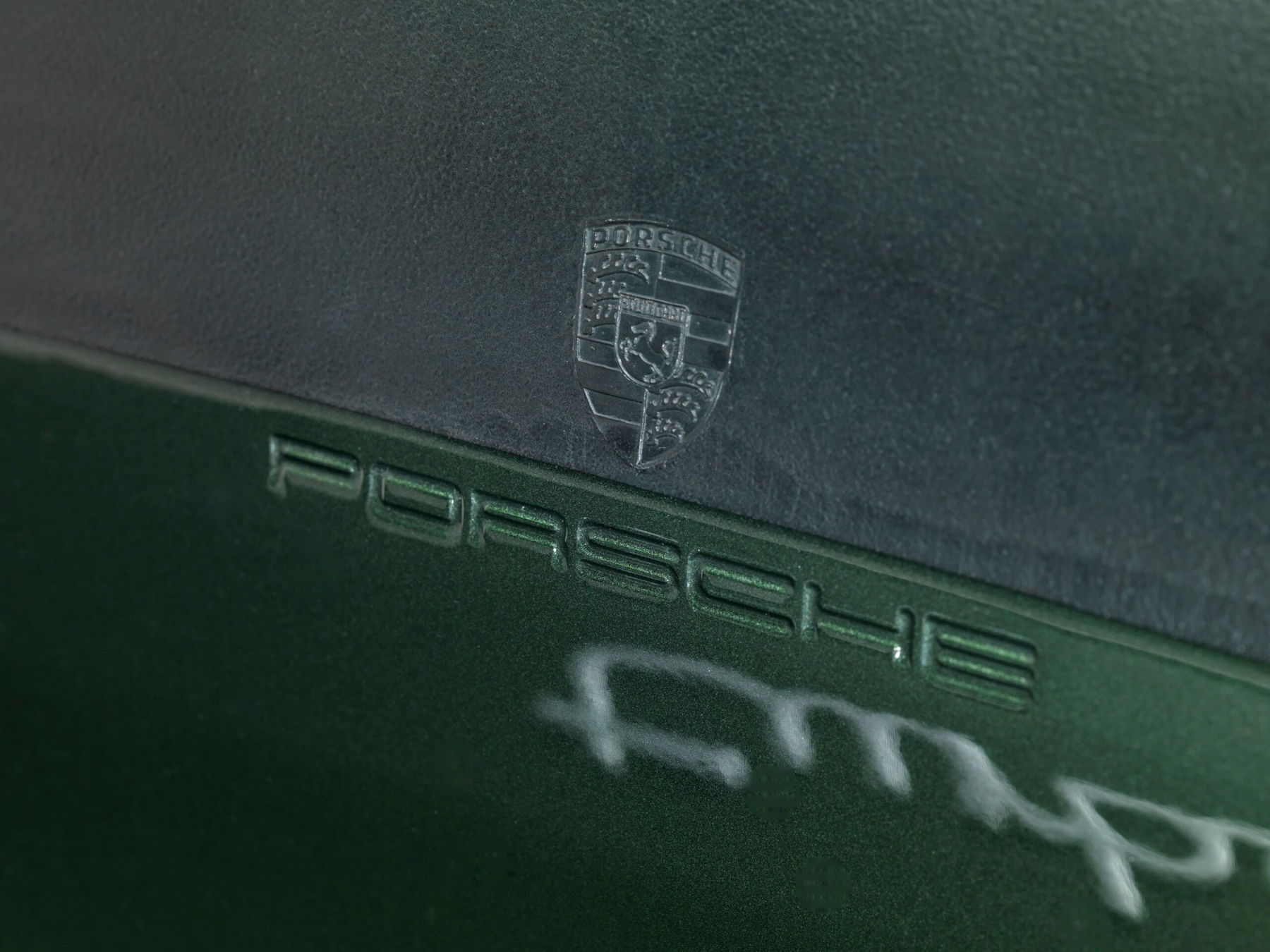
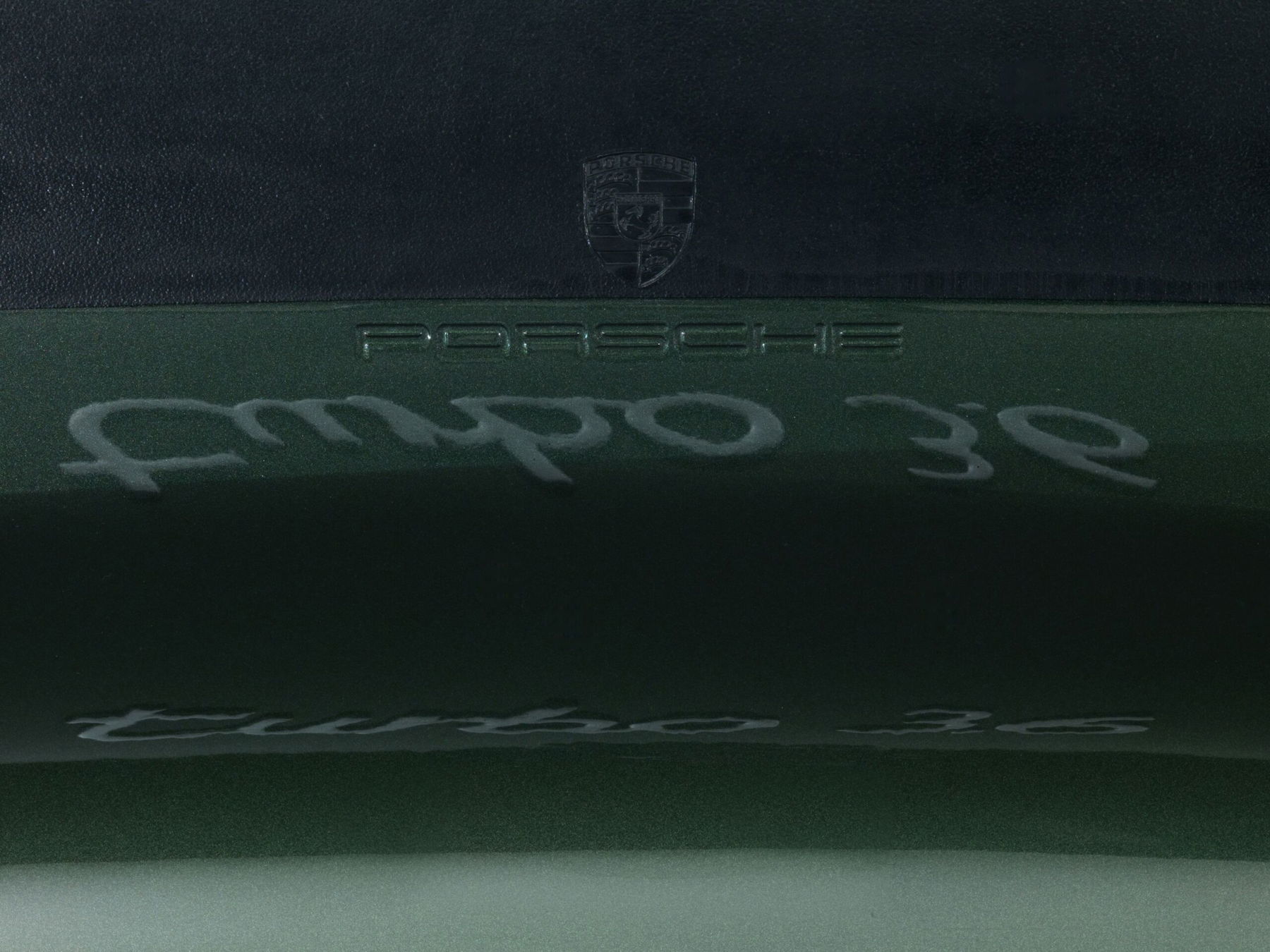
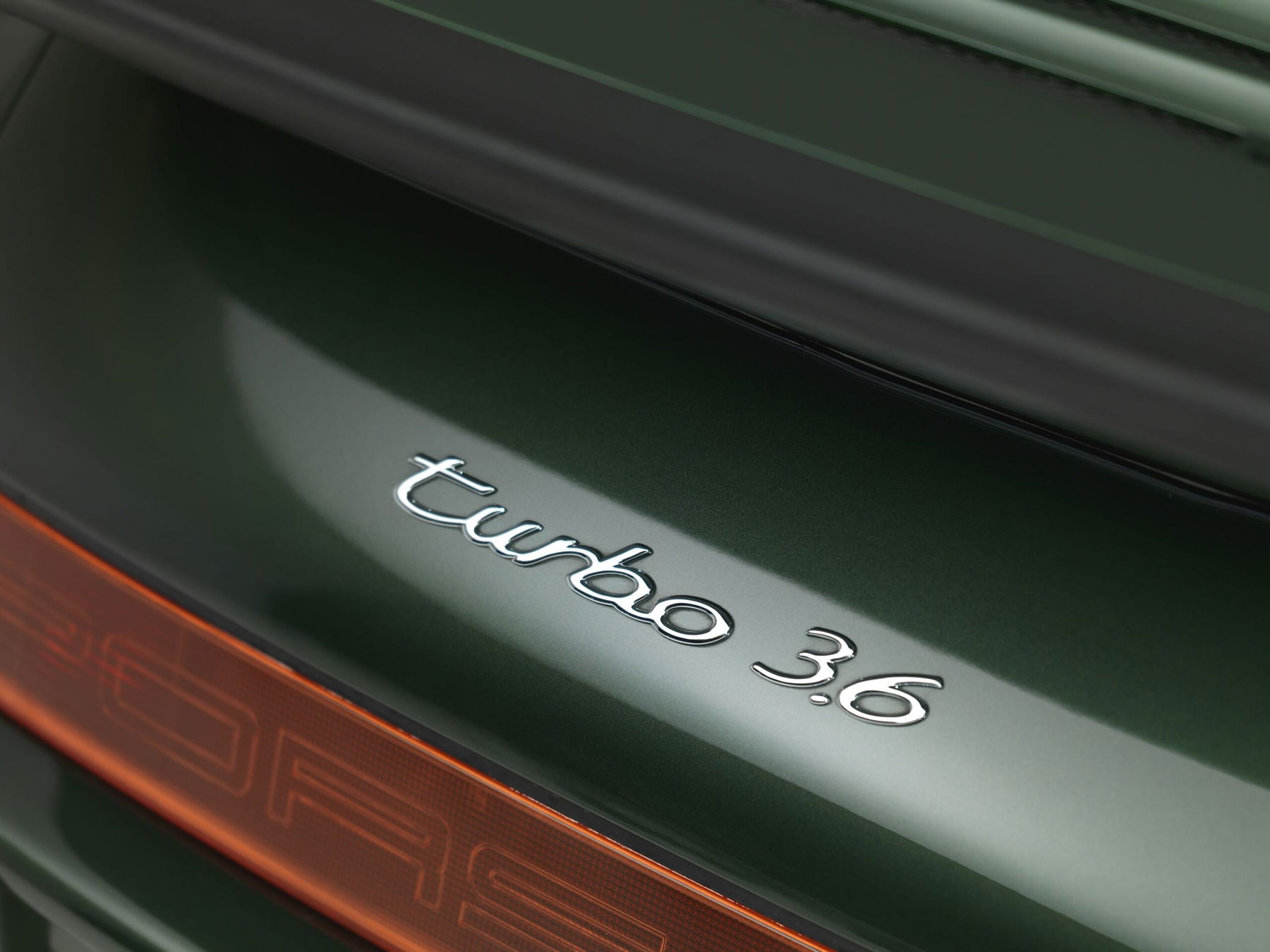
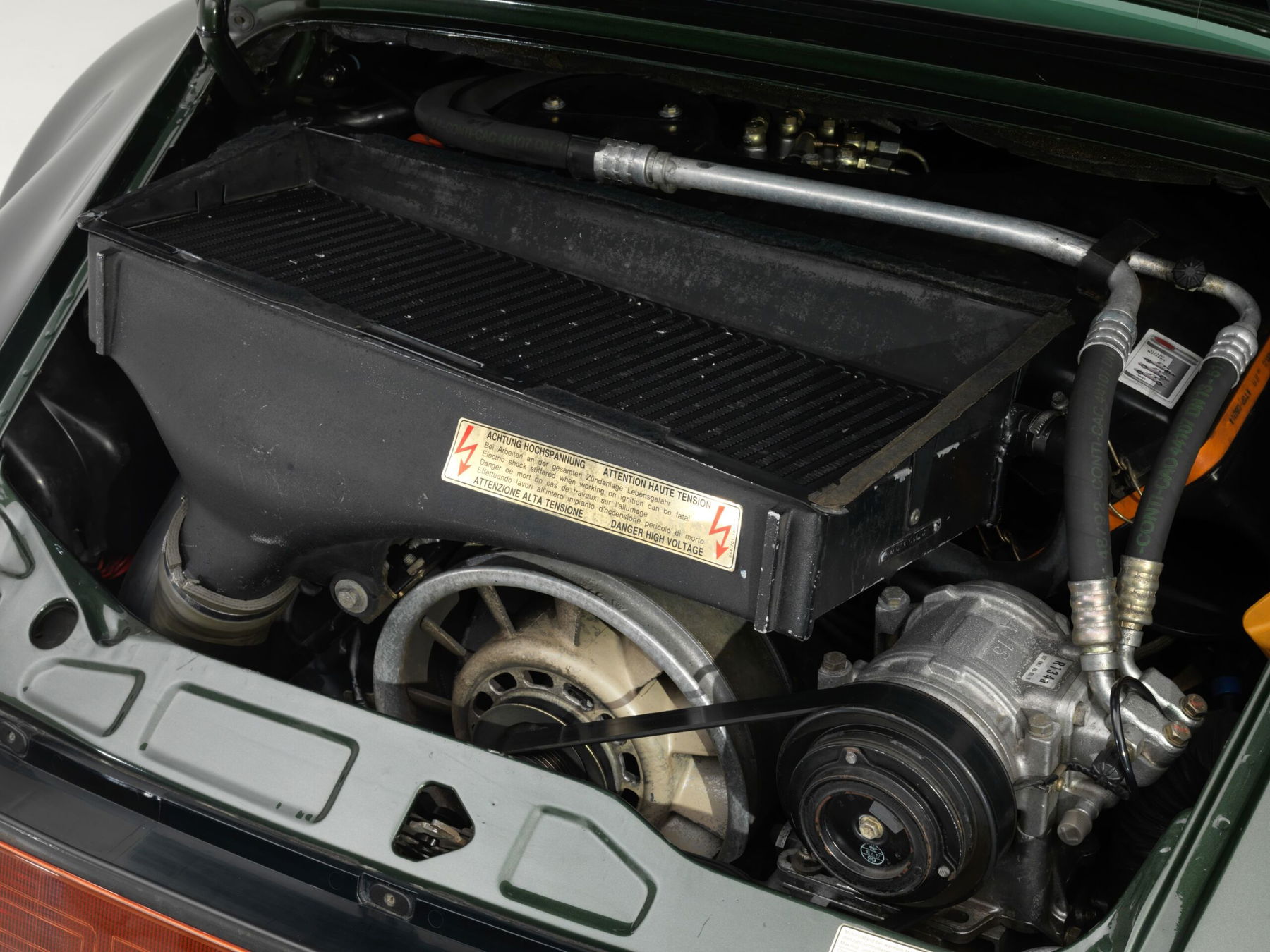
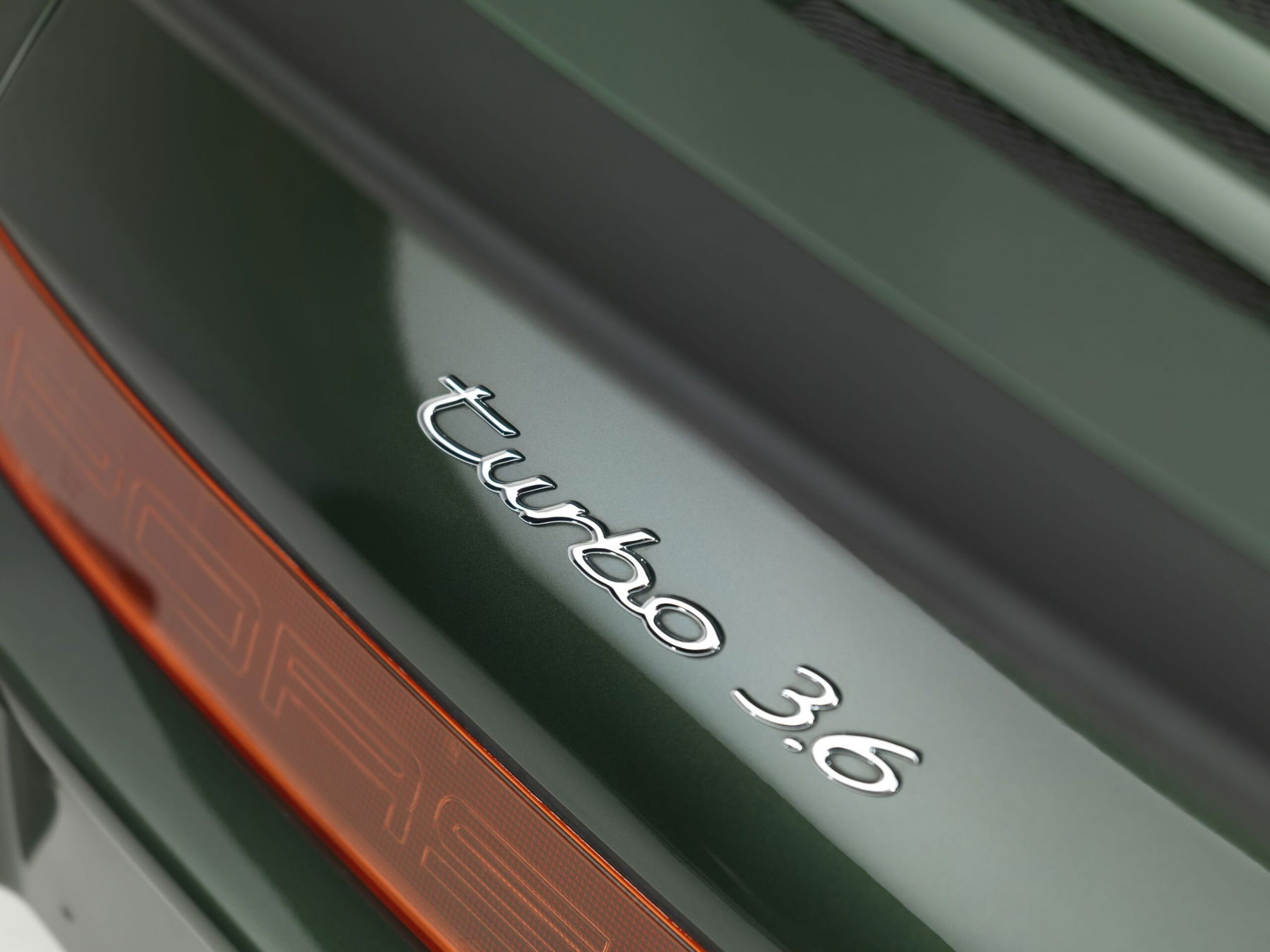
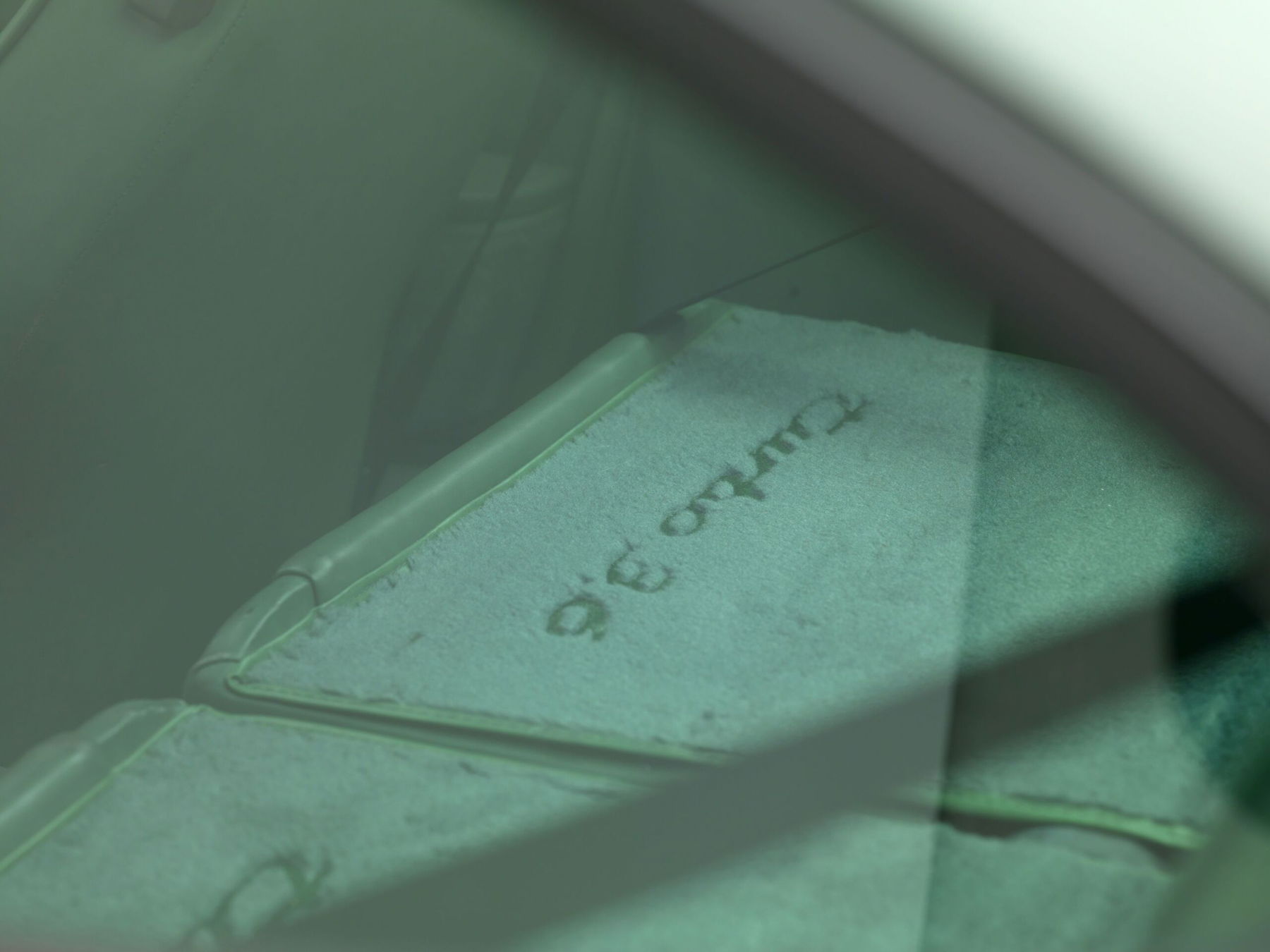
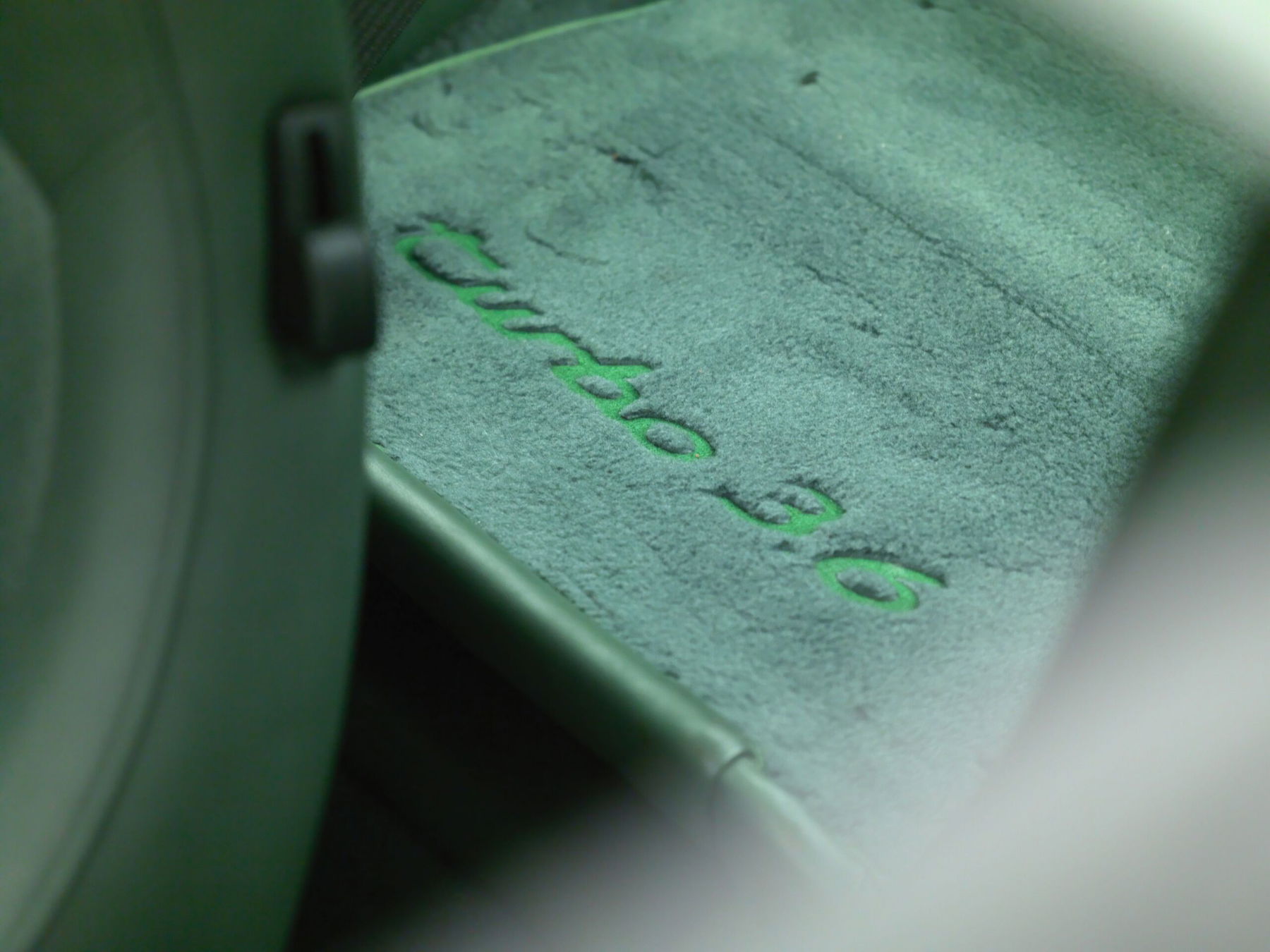
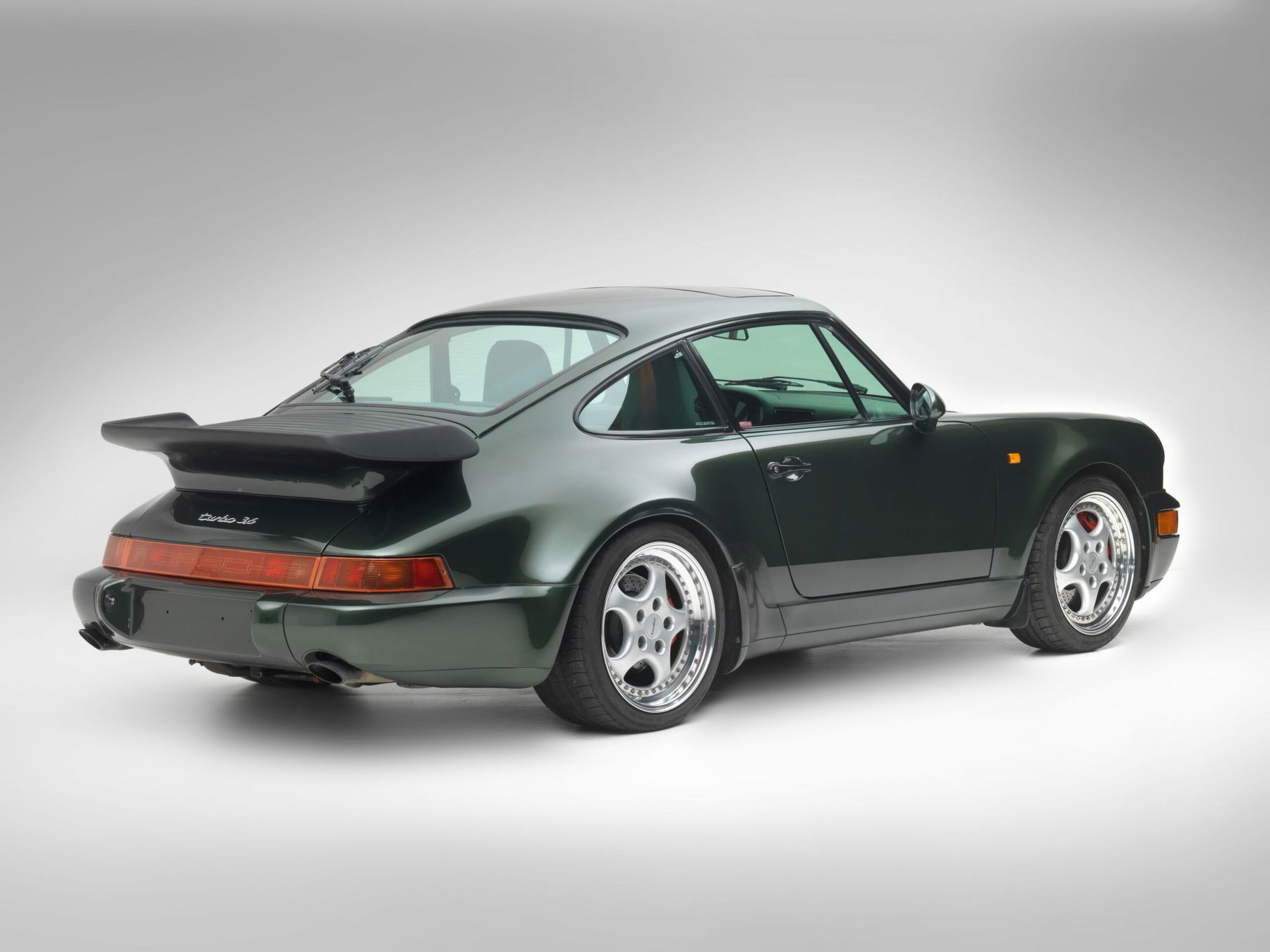
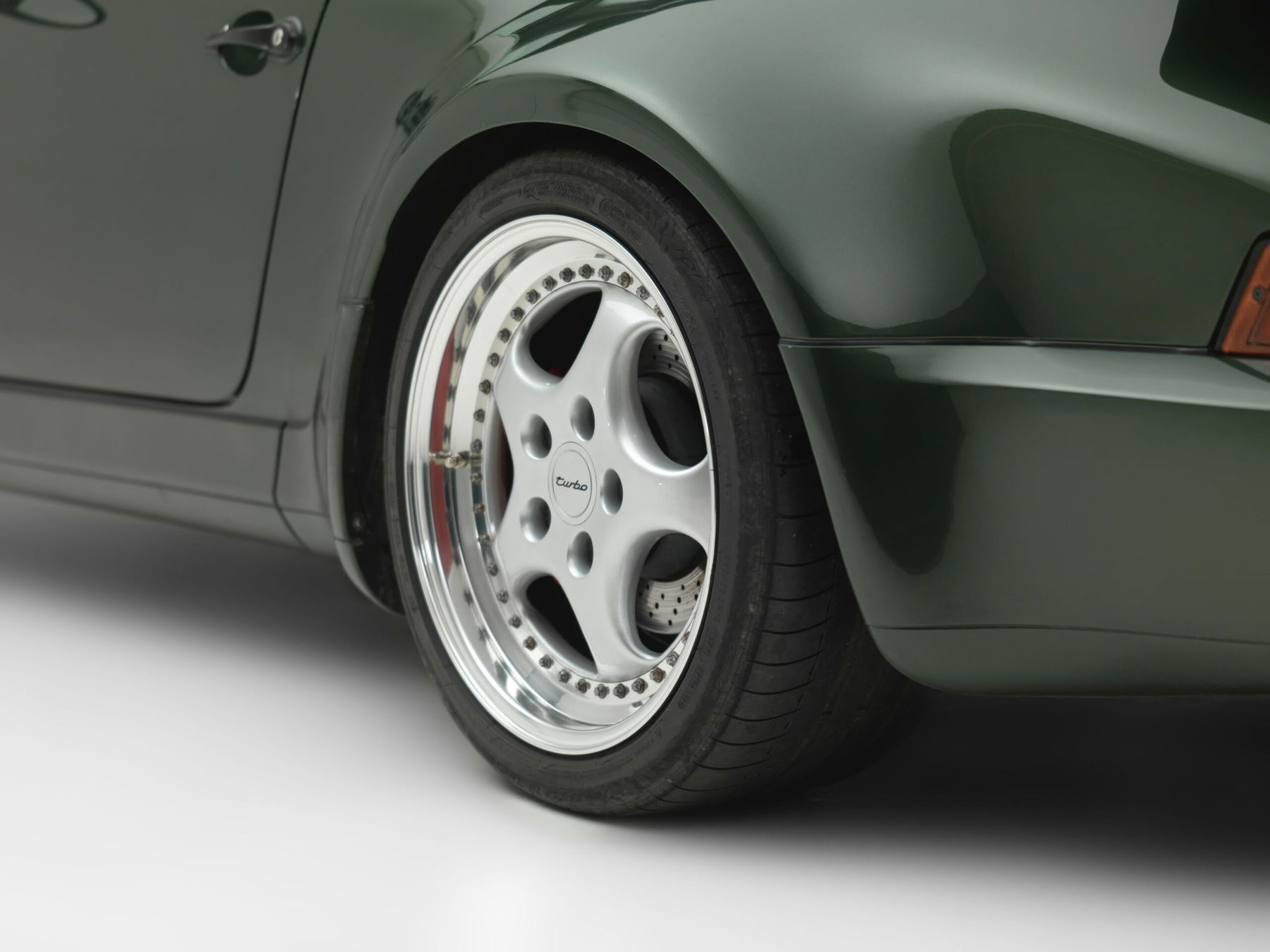
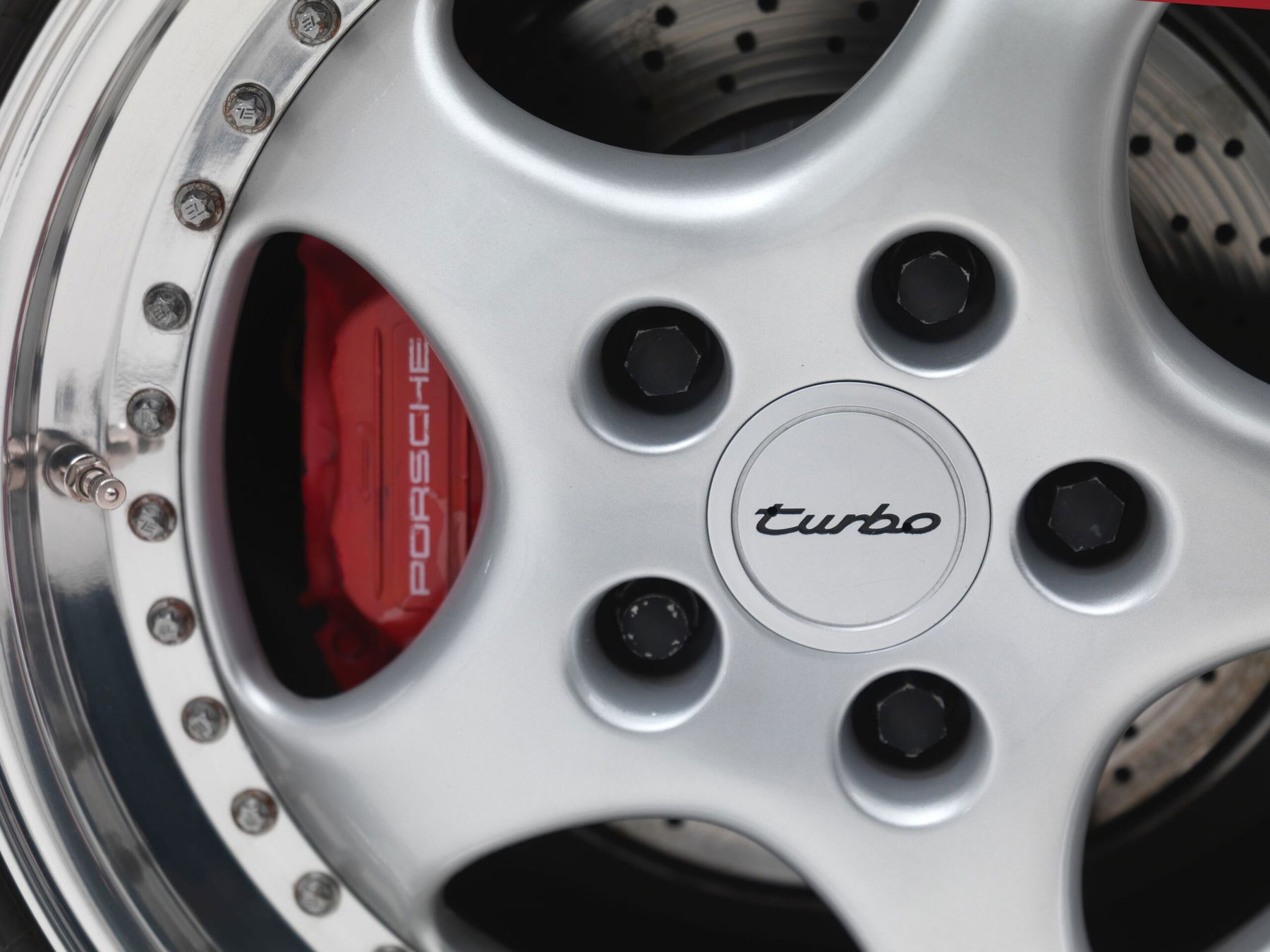
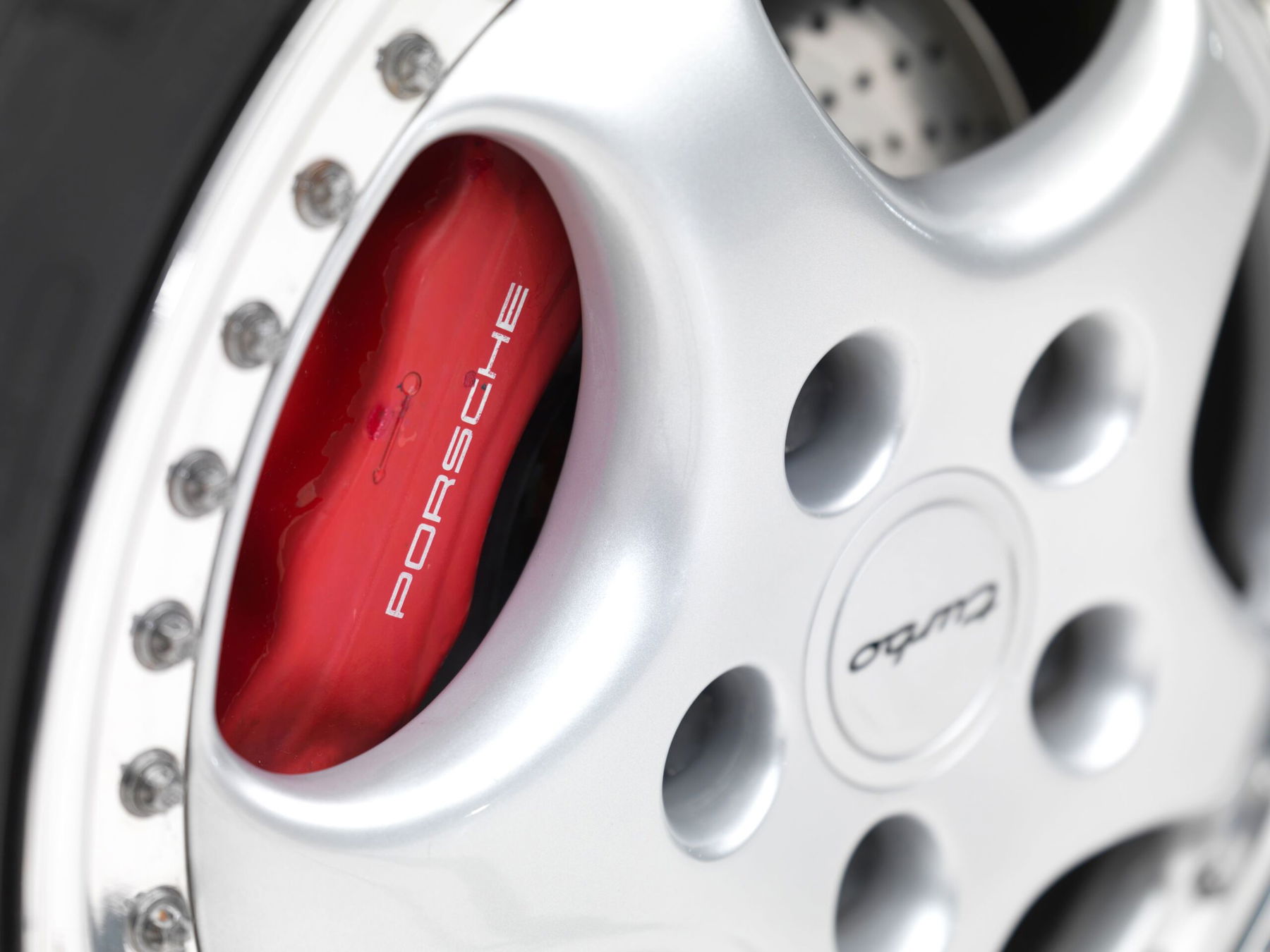
For 1993 the Turbo was upgraded, receiving the 3.6-litre engine, based on that of the Carrera 4, which in blown form delivered 360bhp. In addition, the Turbo 3.6 boasted larger 18″ wheels, lowered suspension, a front anti-roll bar, and more aggressive styling. With the introduction of the successor Type 993 models scheduled for 1995, the 3.6-litre Turbo was destined to be available for one year only (1993-1994), during which period fewer than 1,500 were built.
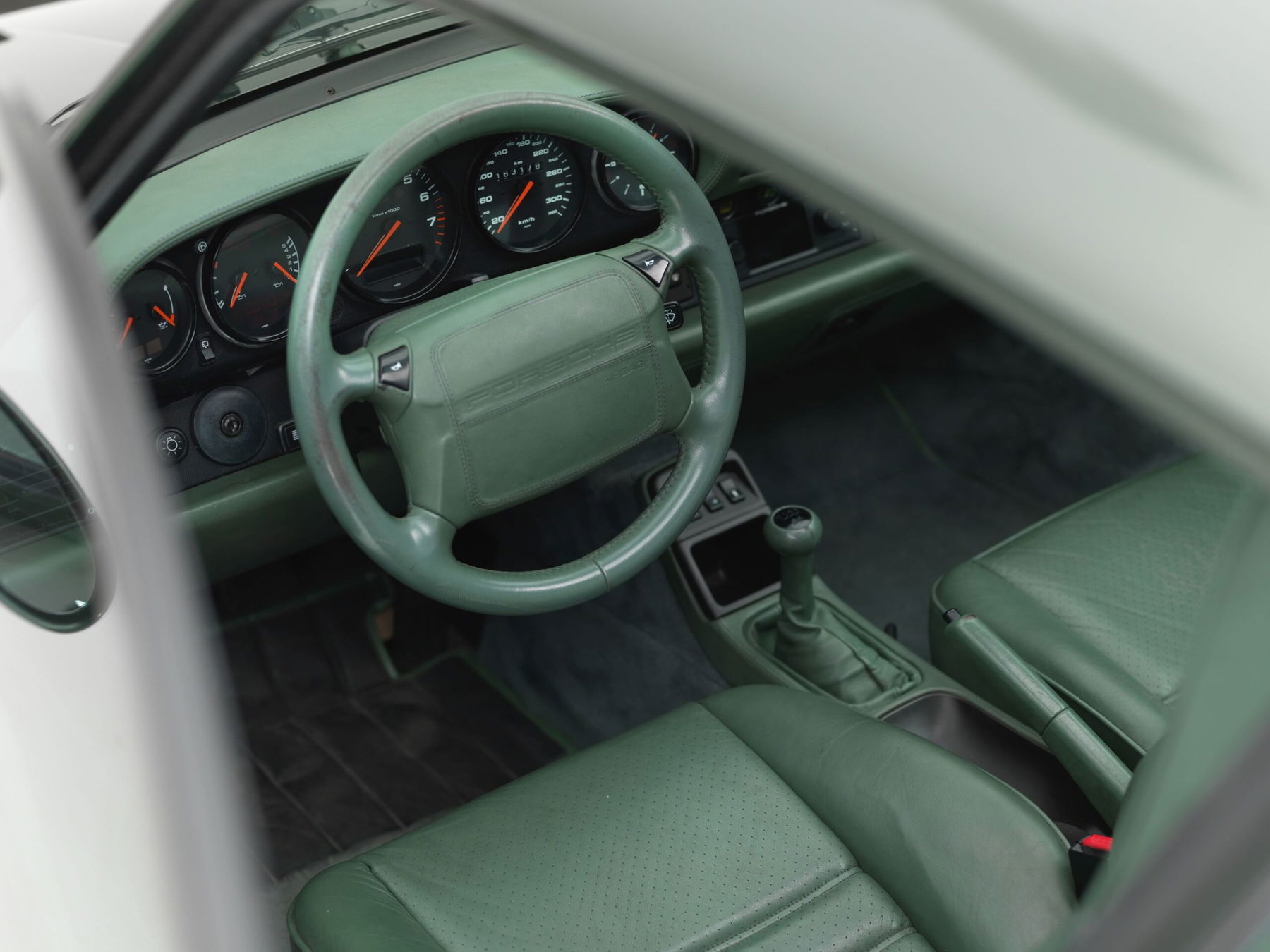
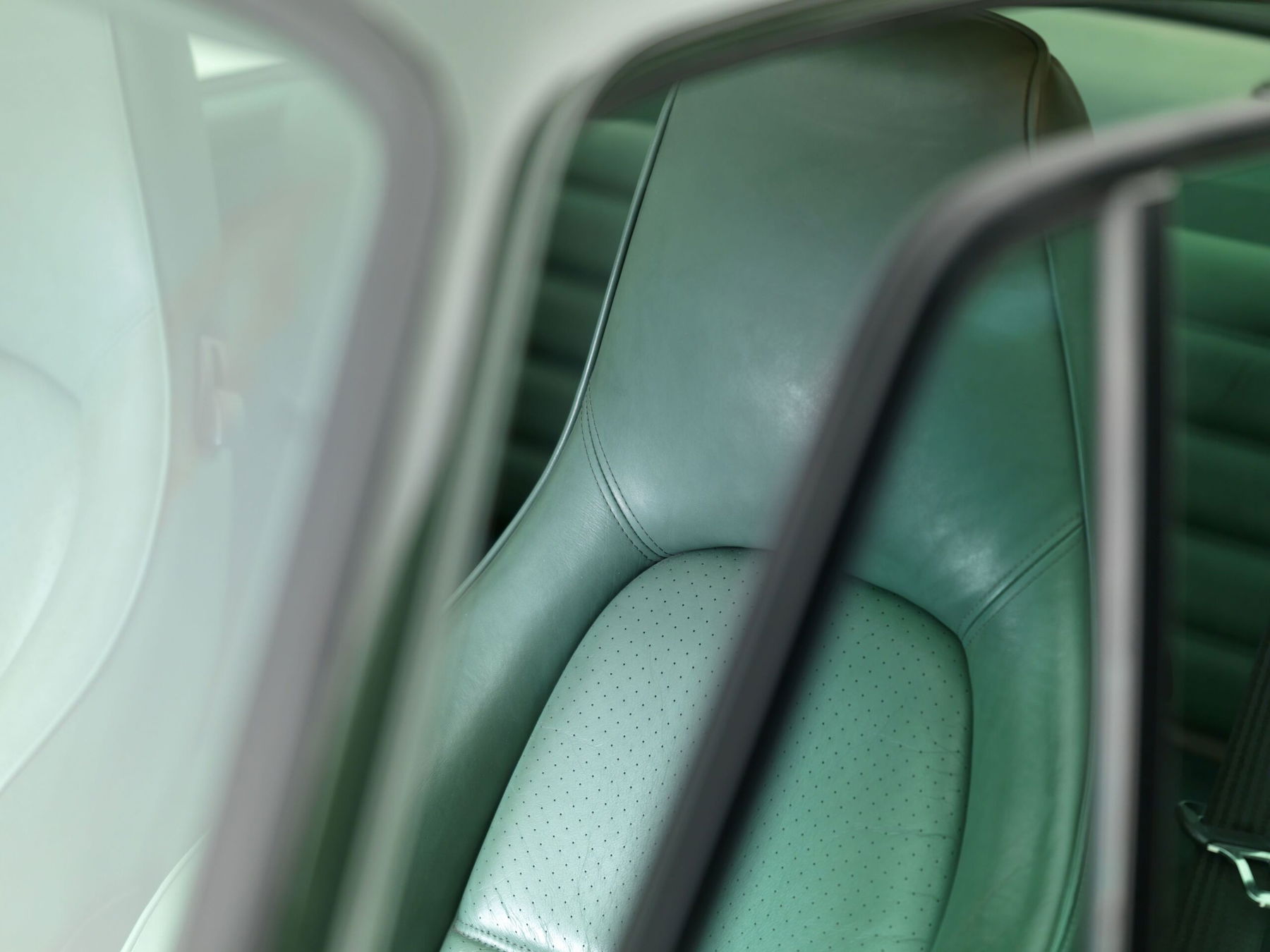
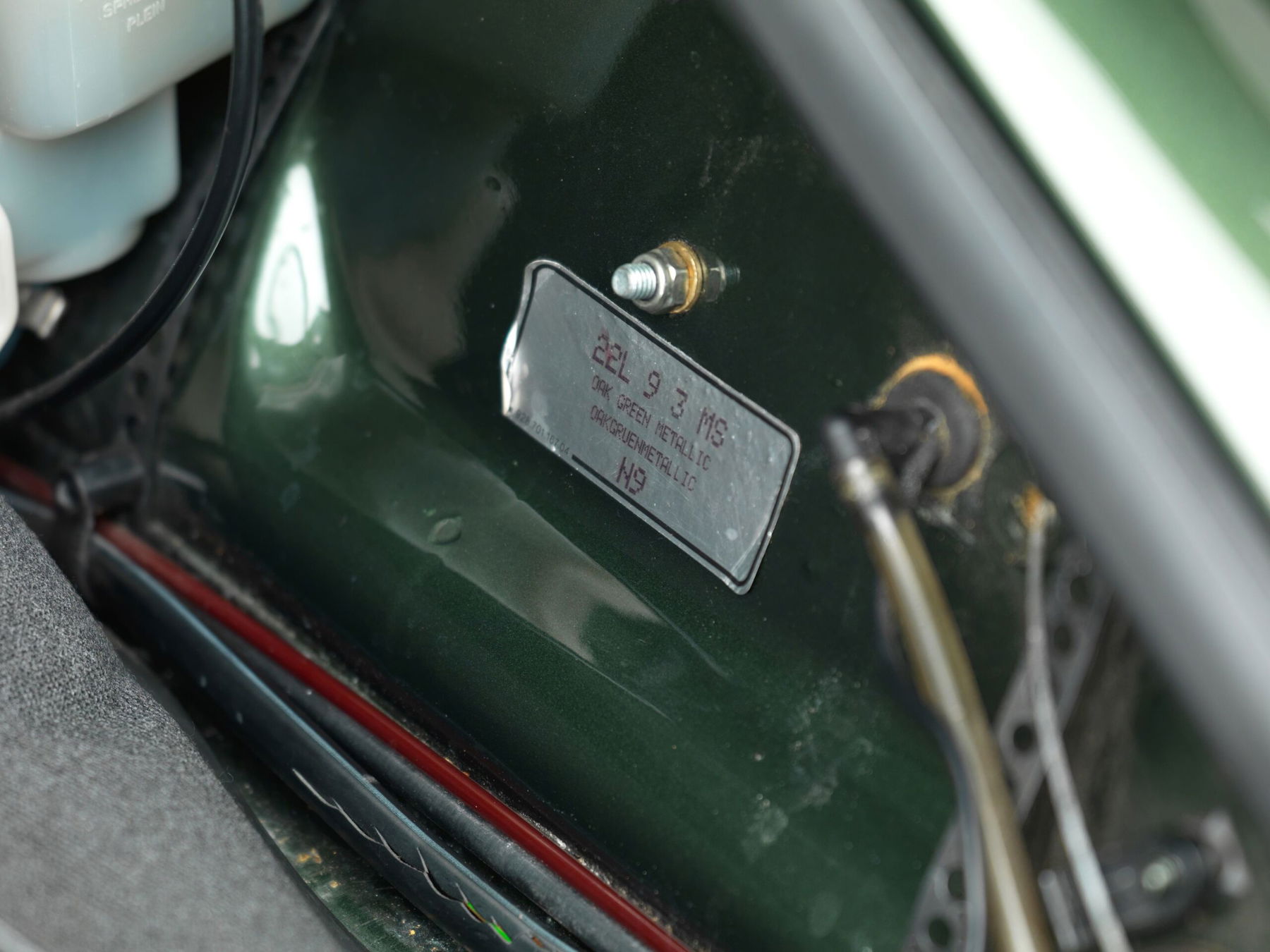
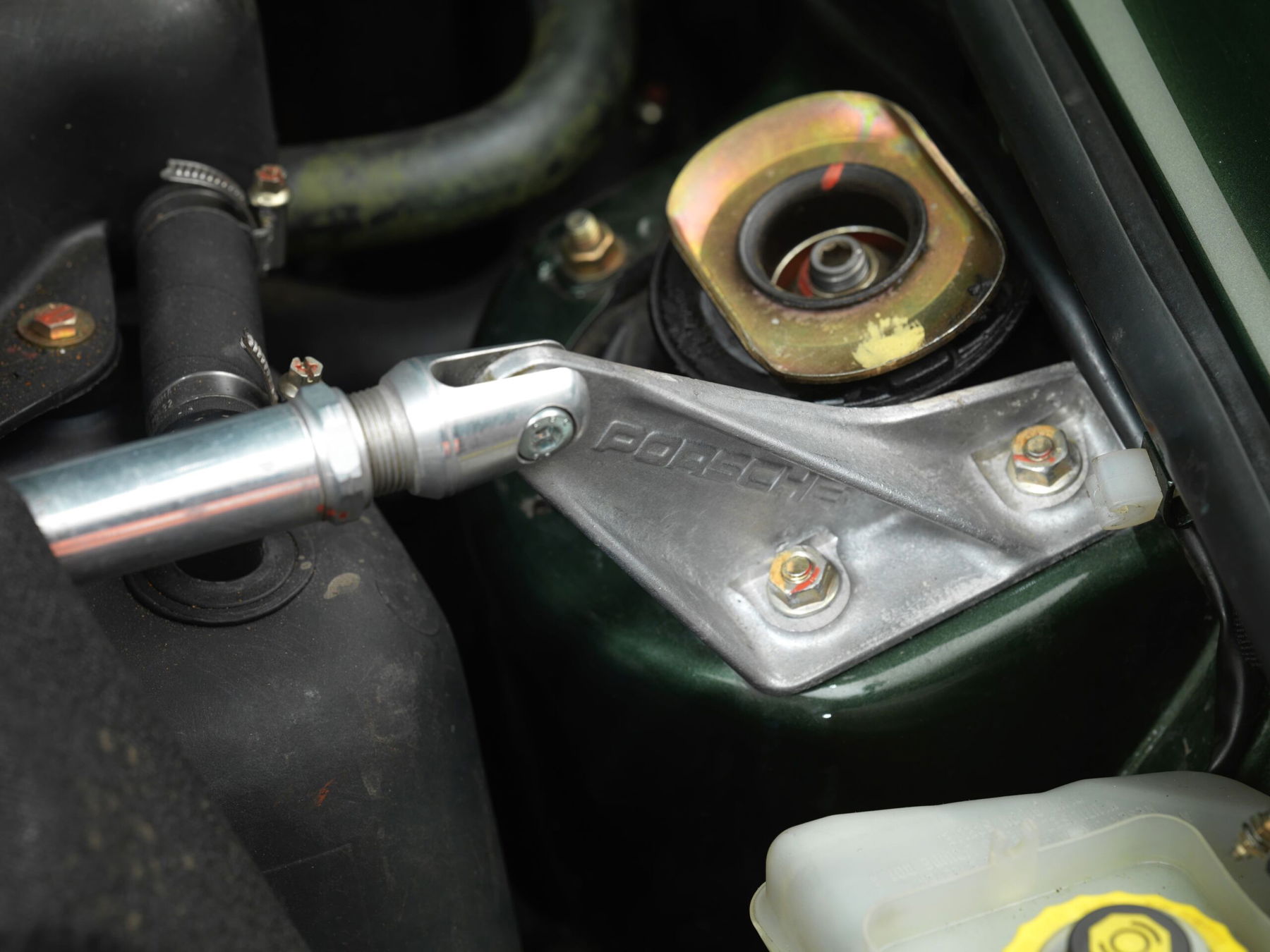
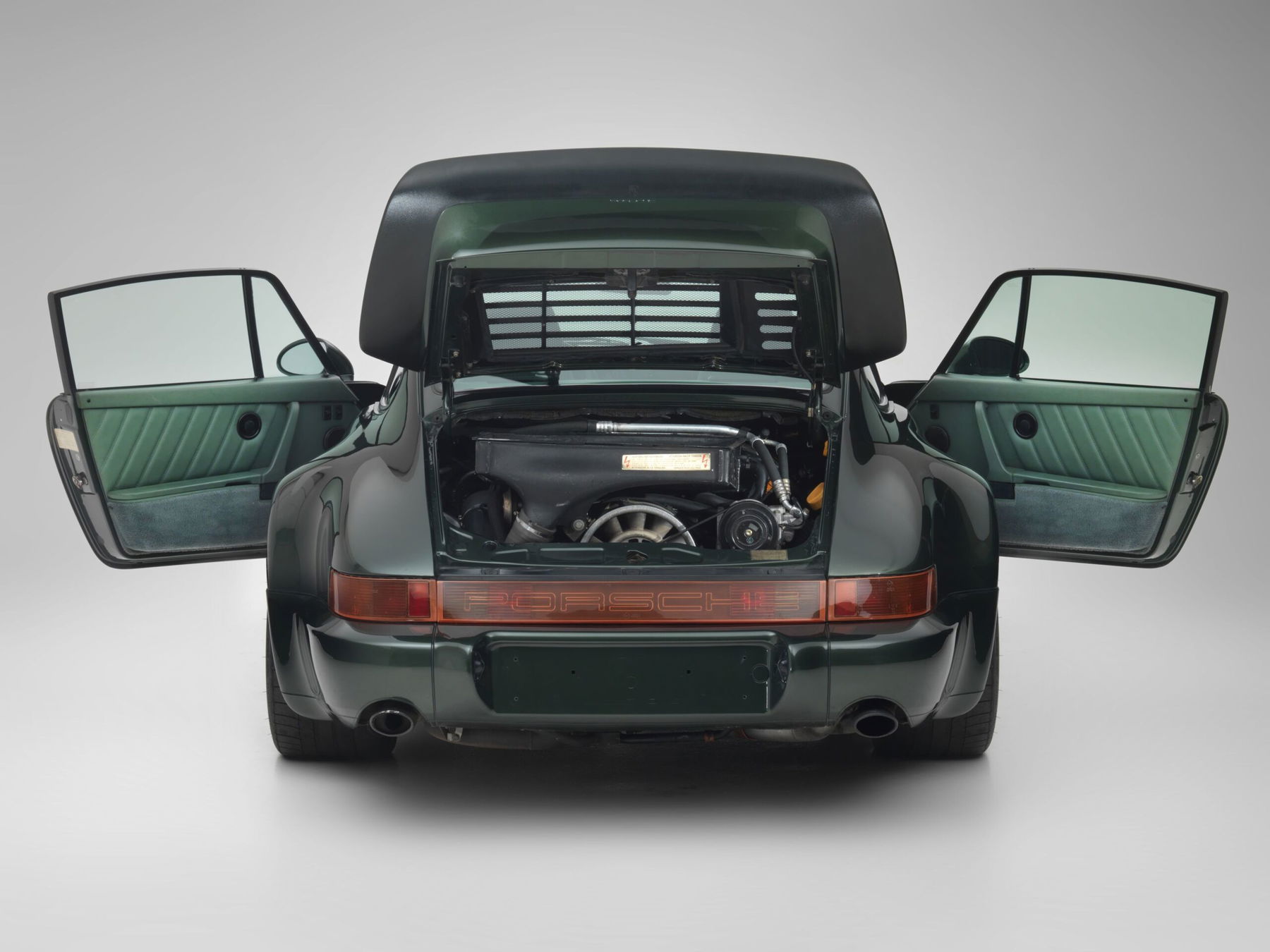
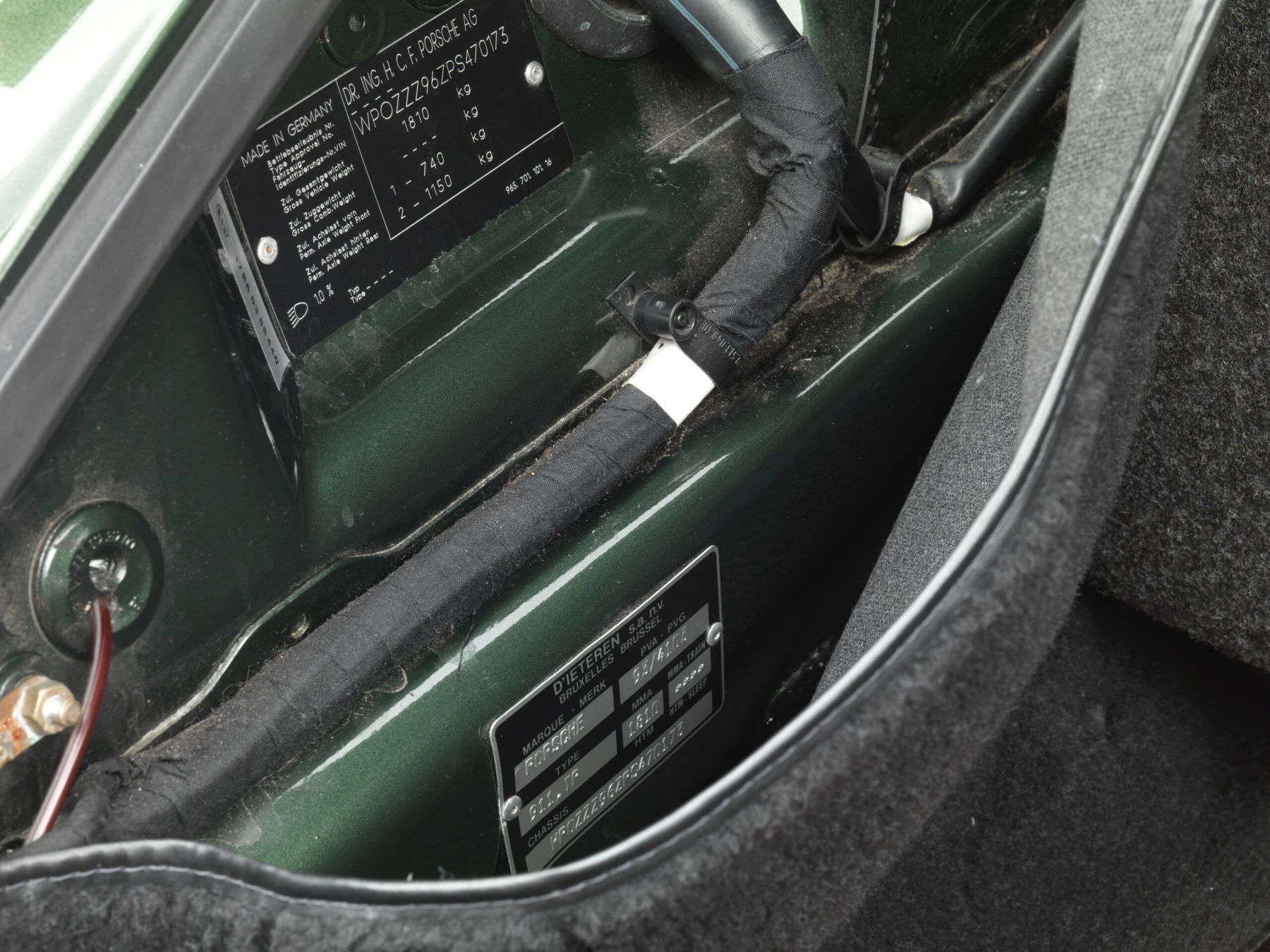
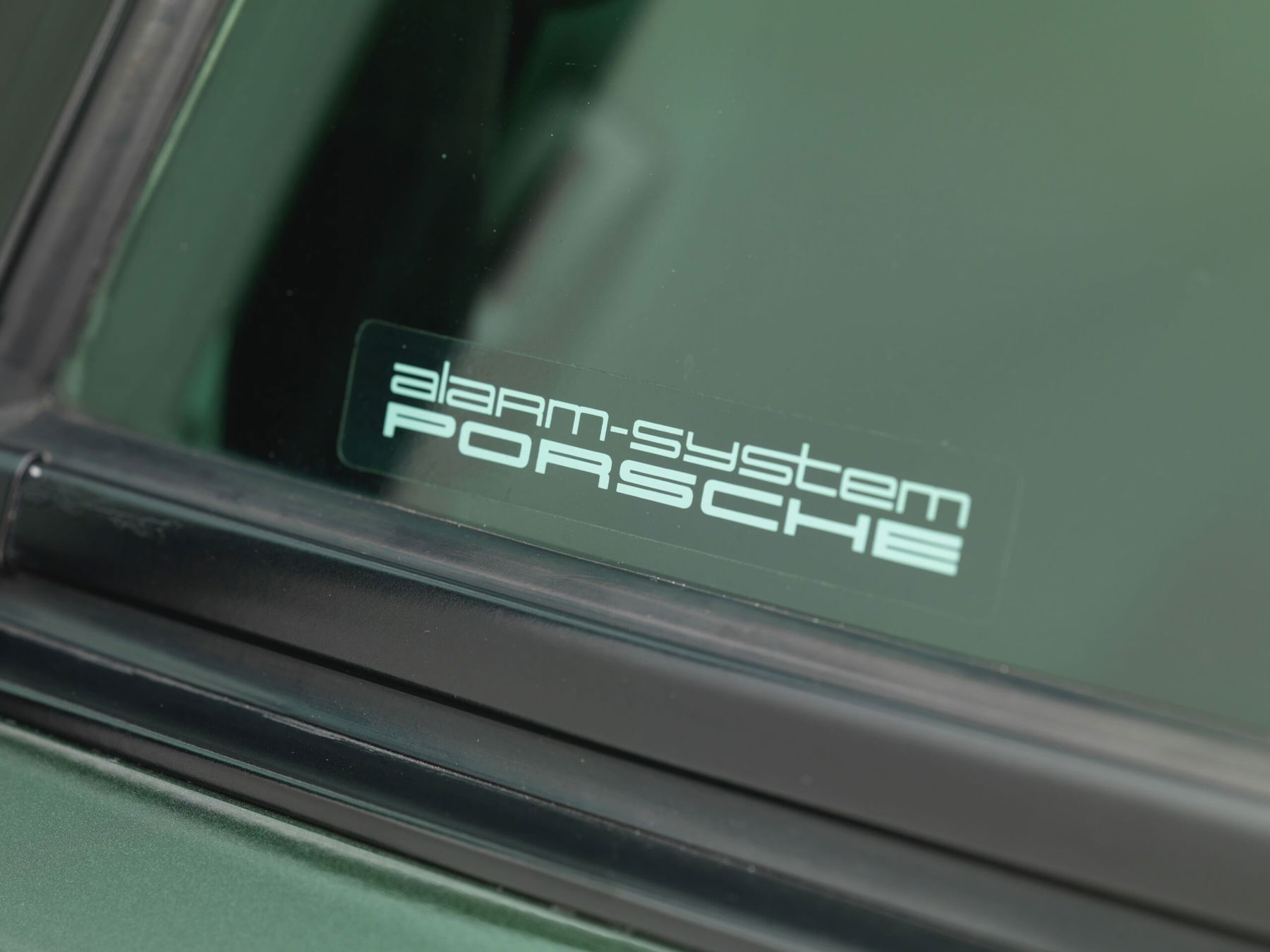
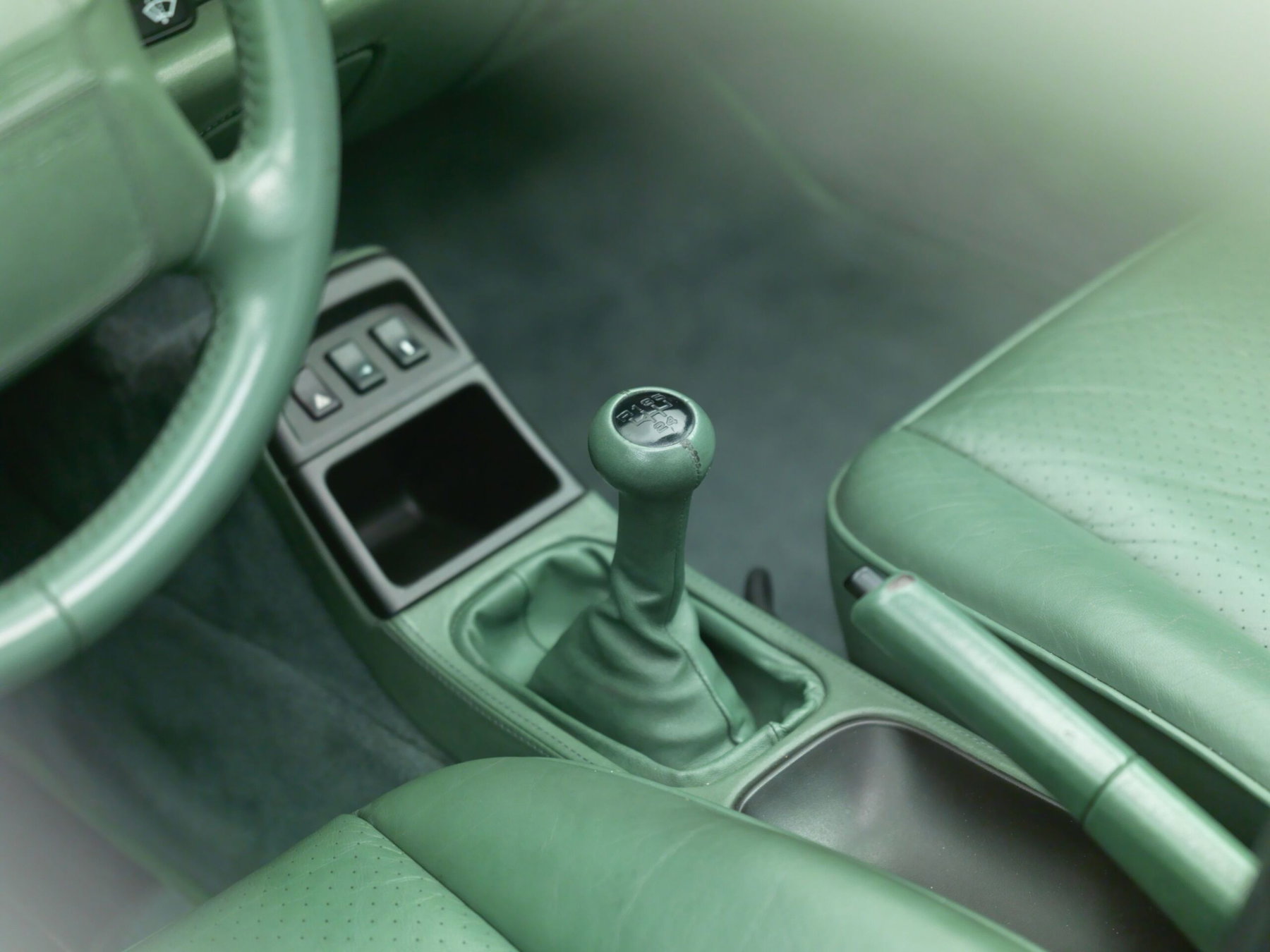
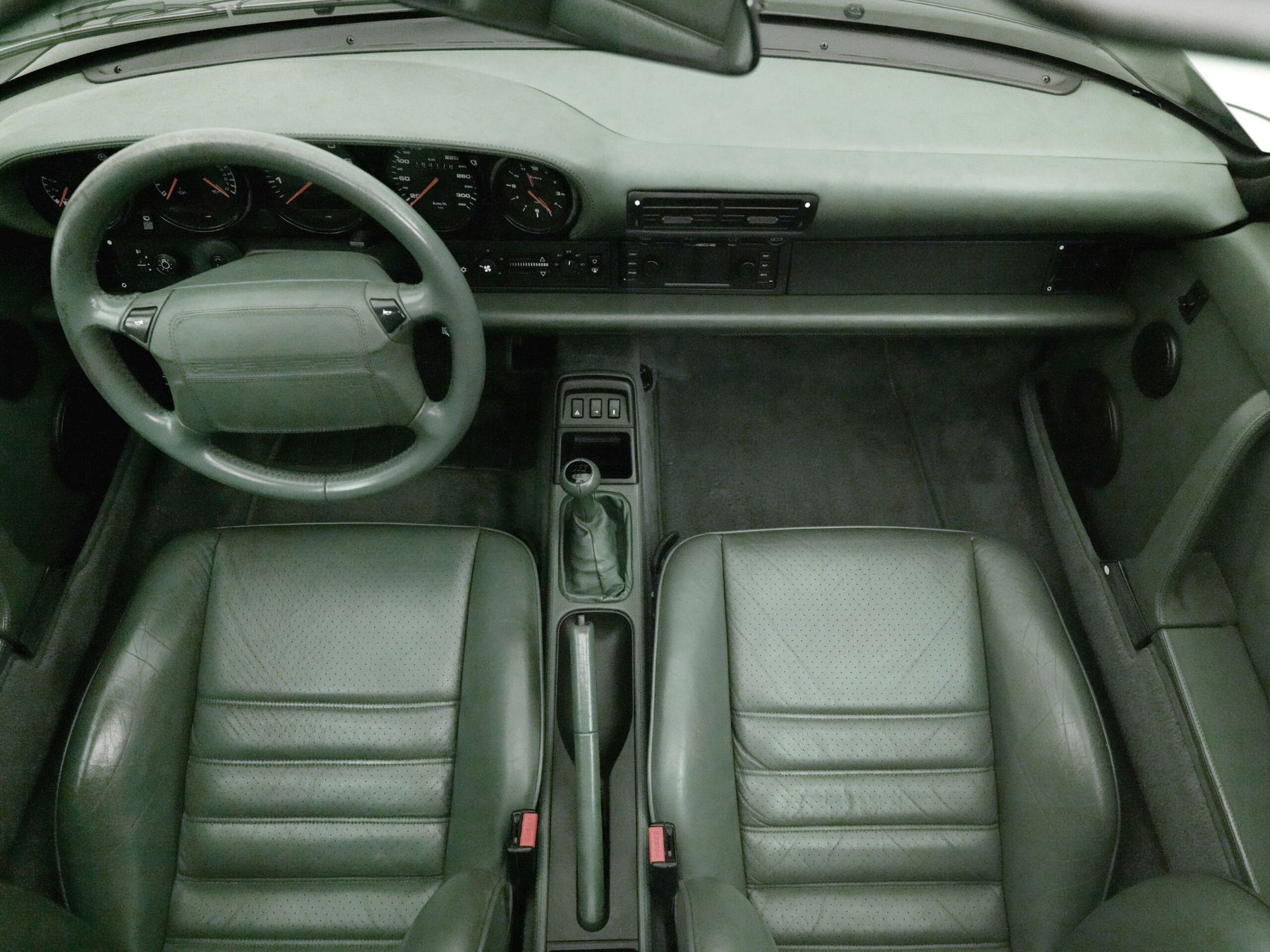
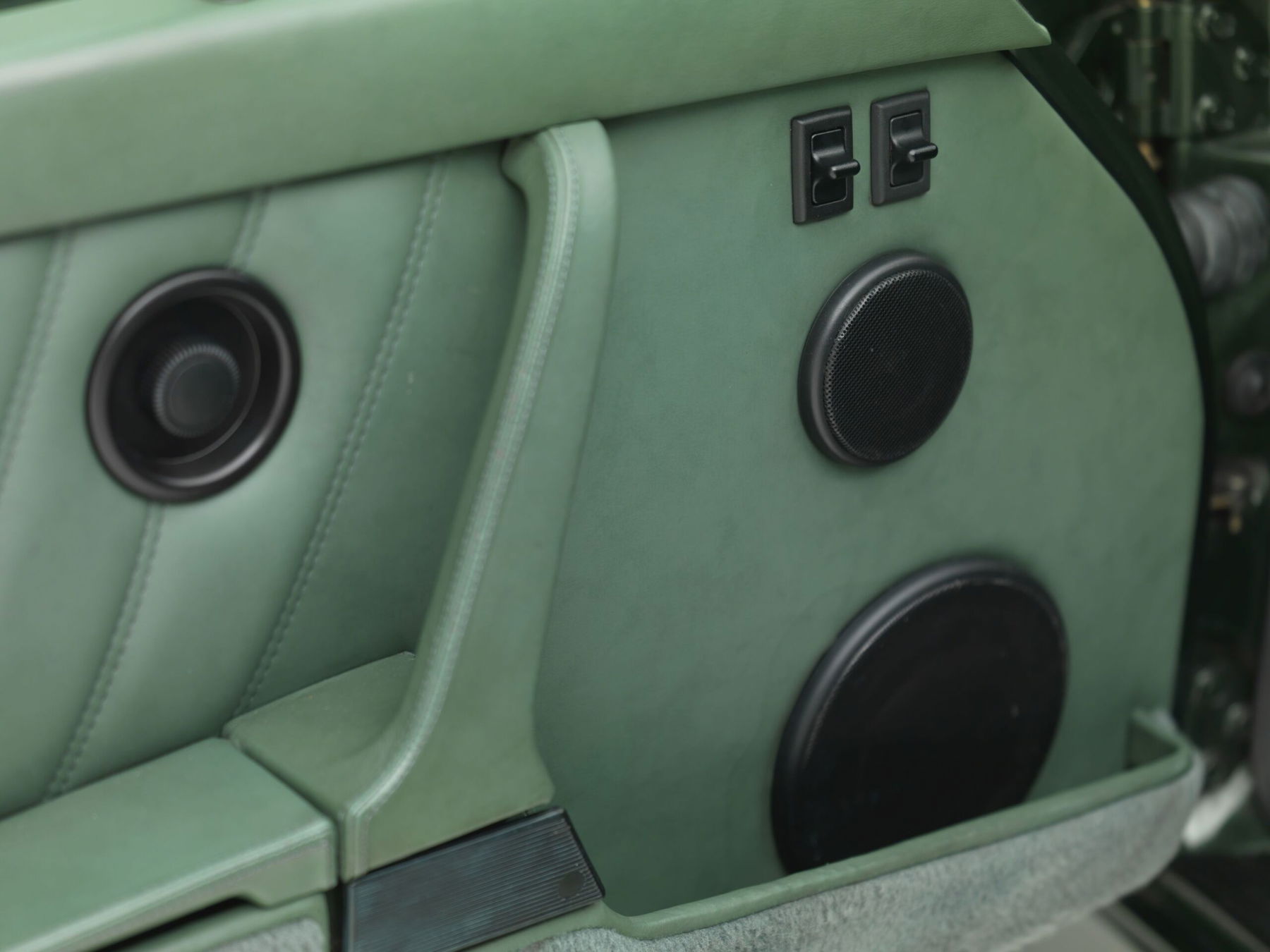
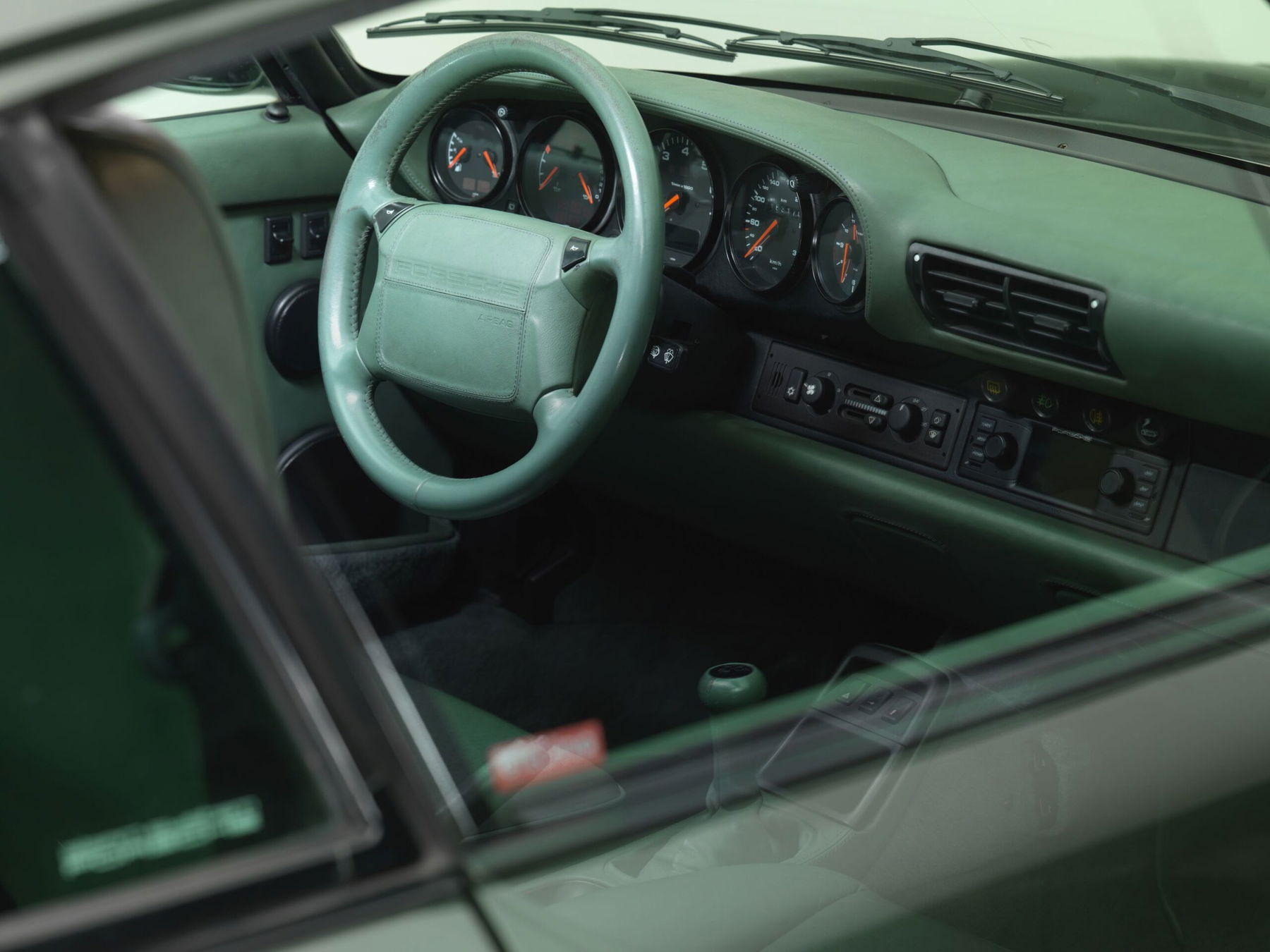
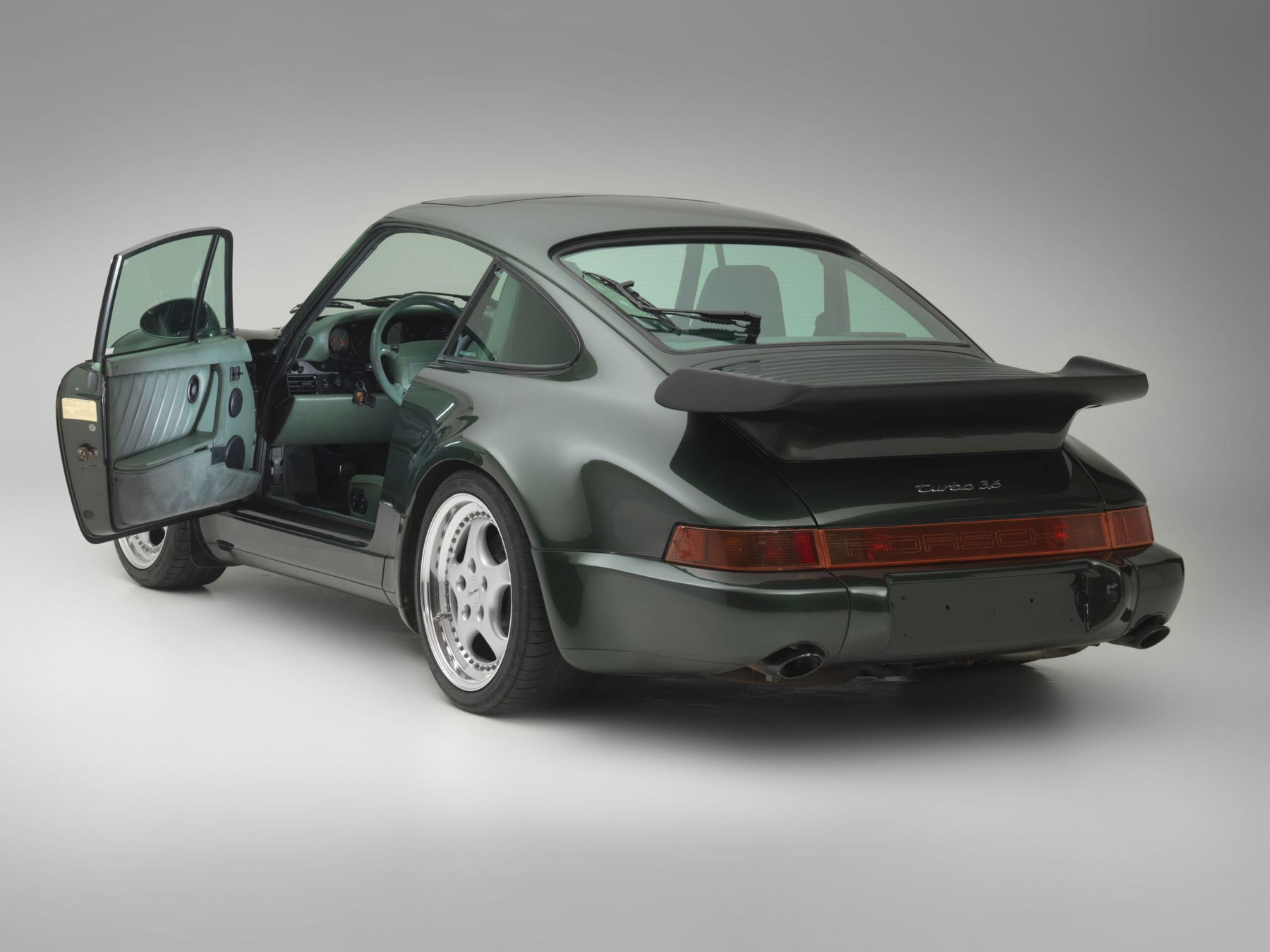
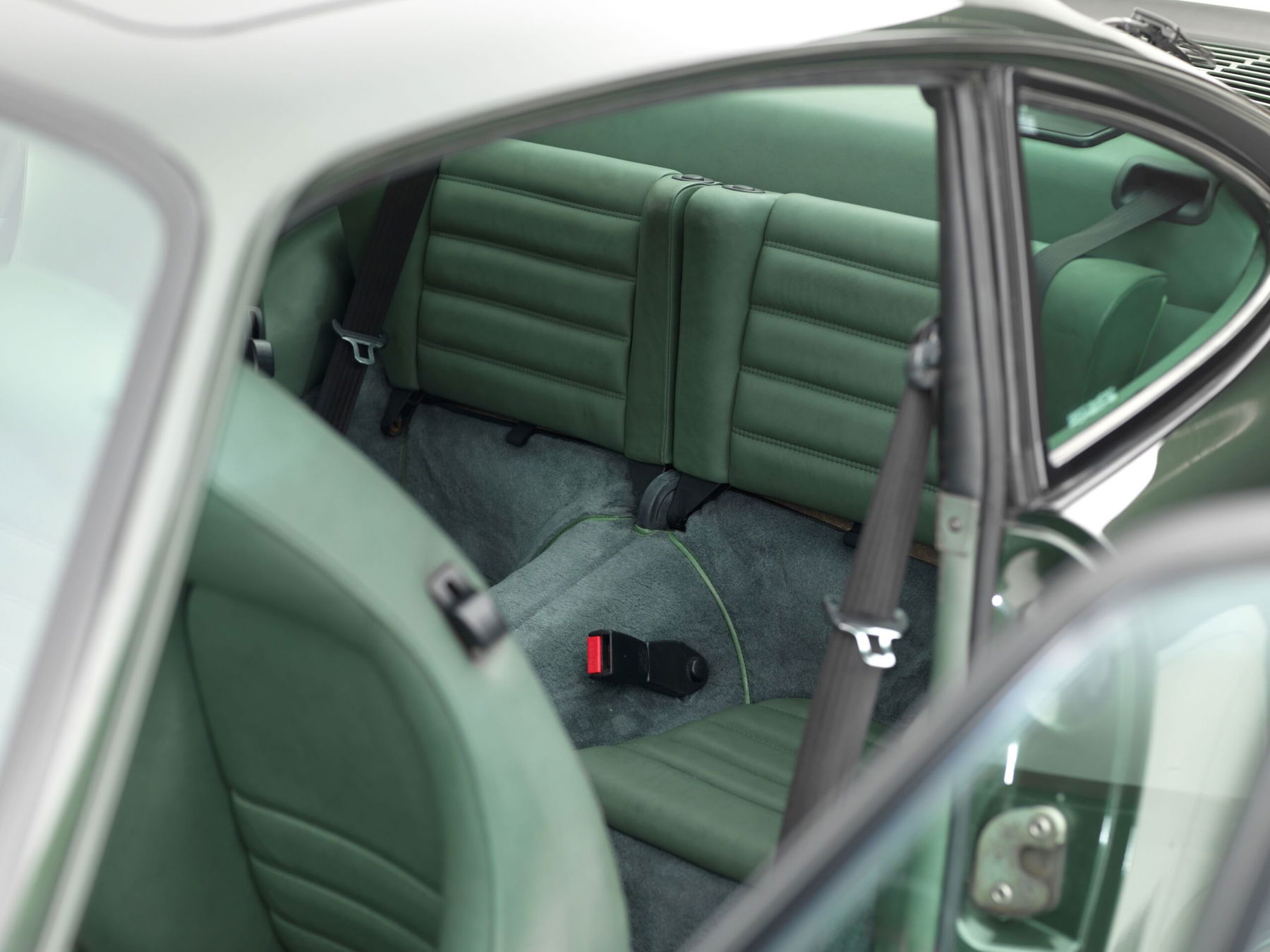
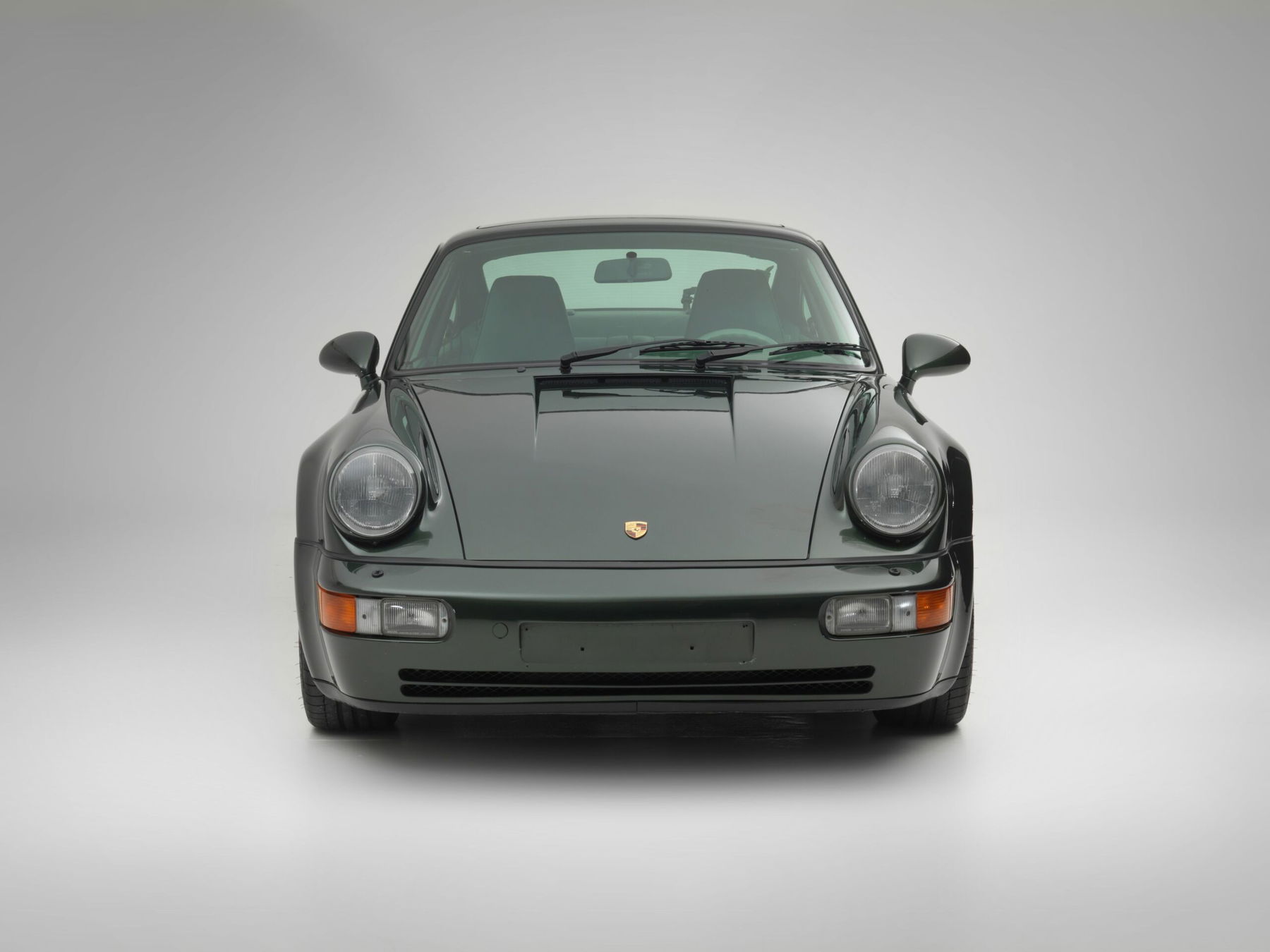
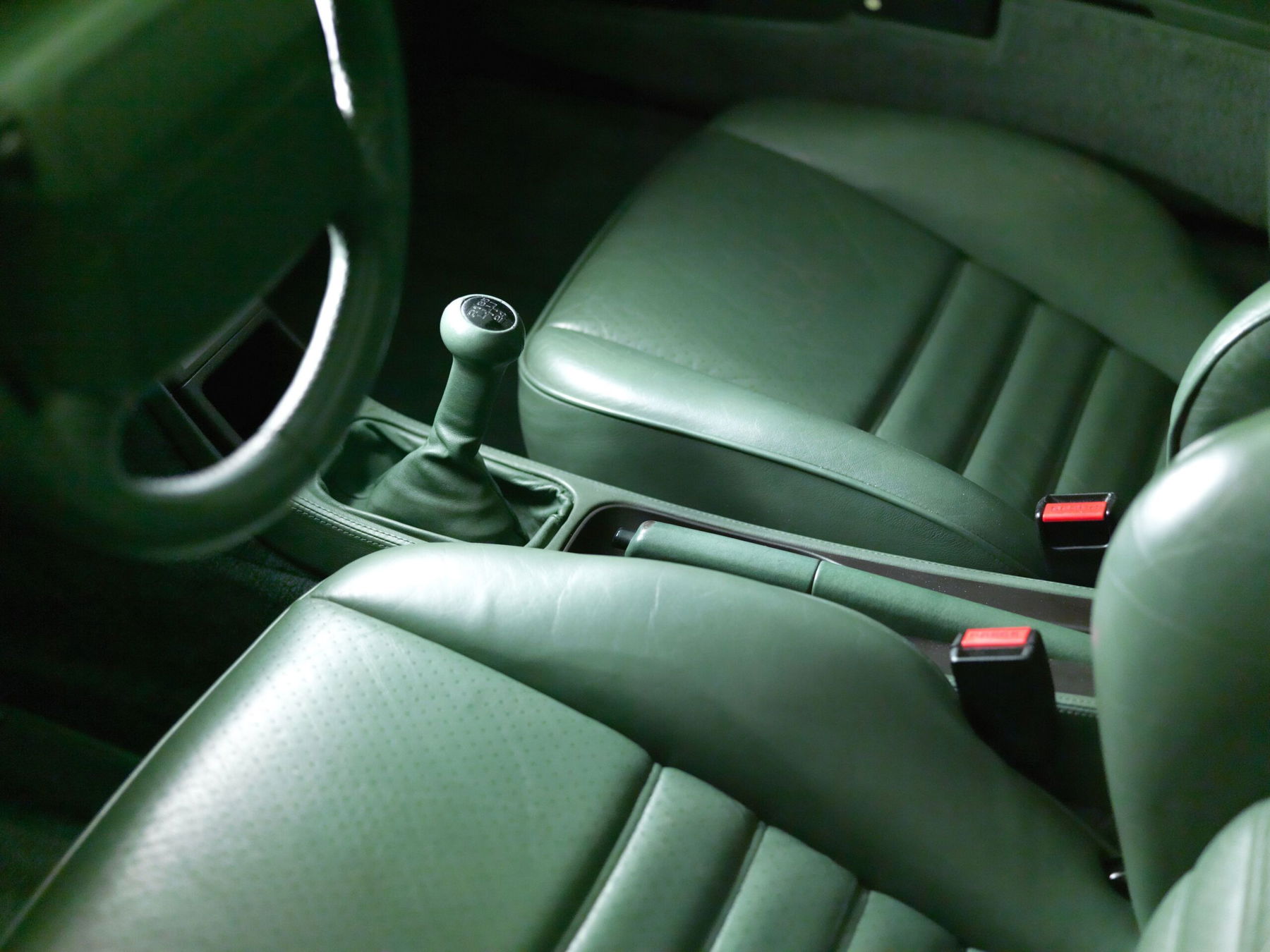
One of the rarer Porsche 911 variants, the example we offer was delivered new in Belgium to its first owner, a local doctor. First registered on 16th March 1993, the car was ordered in the highly desirable Oak Green Metallic with Sherwood Green leather interior, and is one of a believed three completed with this specification. This car was ordered with a generous complement of optional equipment, highlights of which include a limited-slip differential, headlamp washer, electrically adjustable sports seats, rear window wiper, five-speed manual gearbox, sun-moon-roof, and power steering (see Porsche Certificate of Authenticity on file).
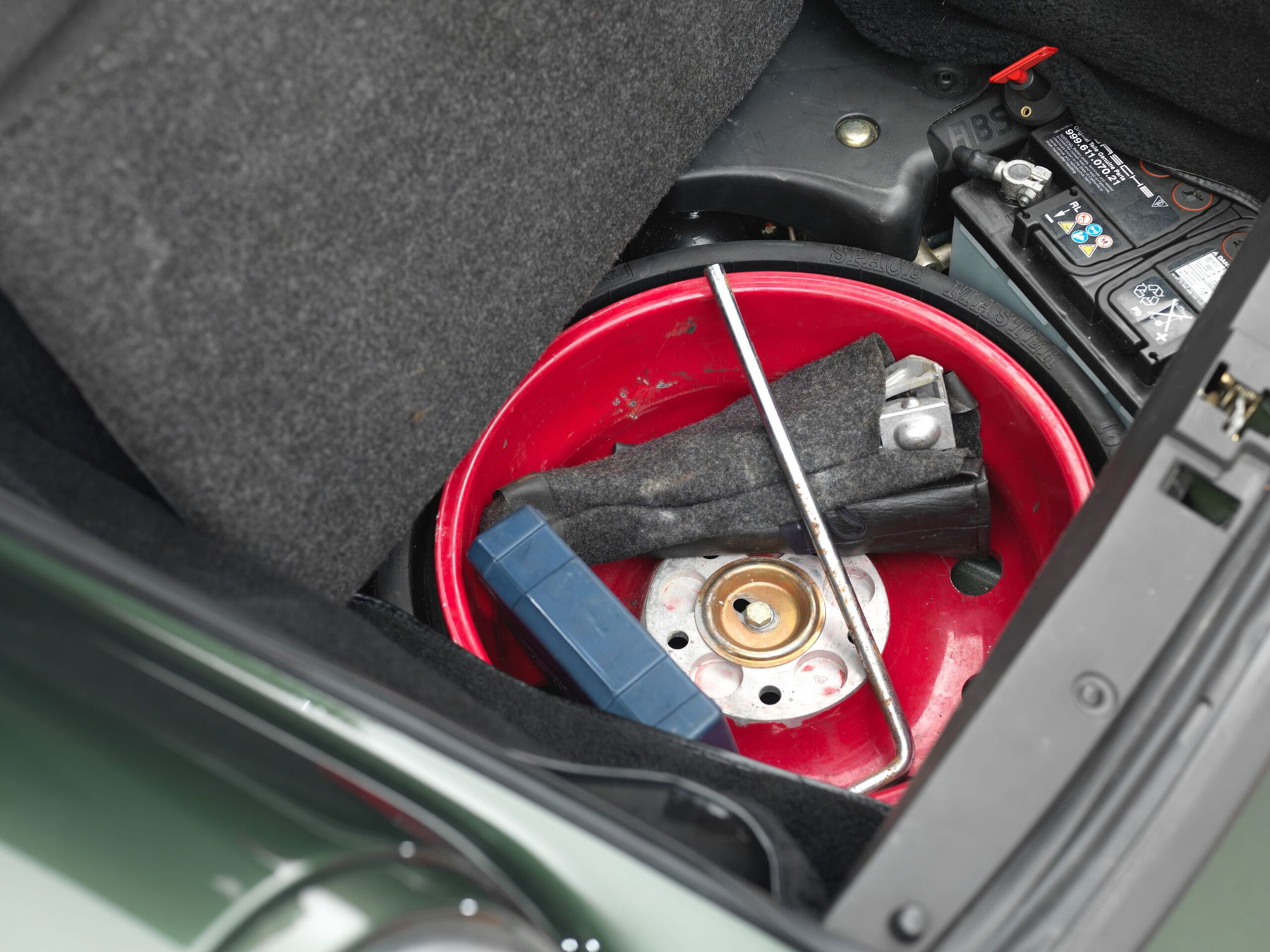
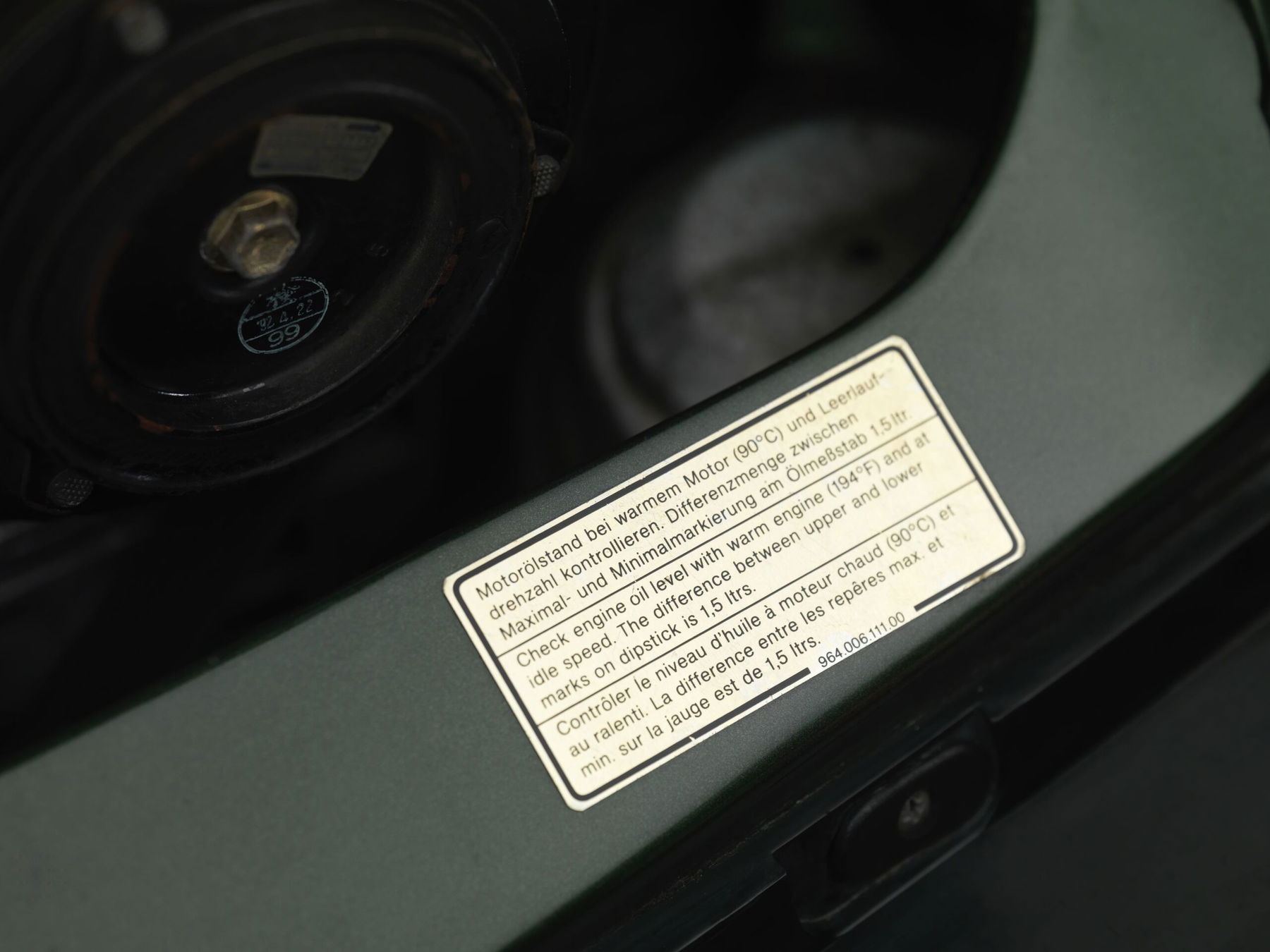
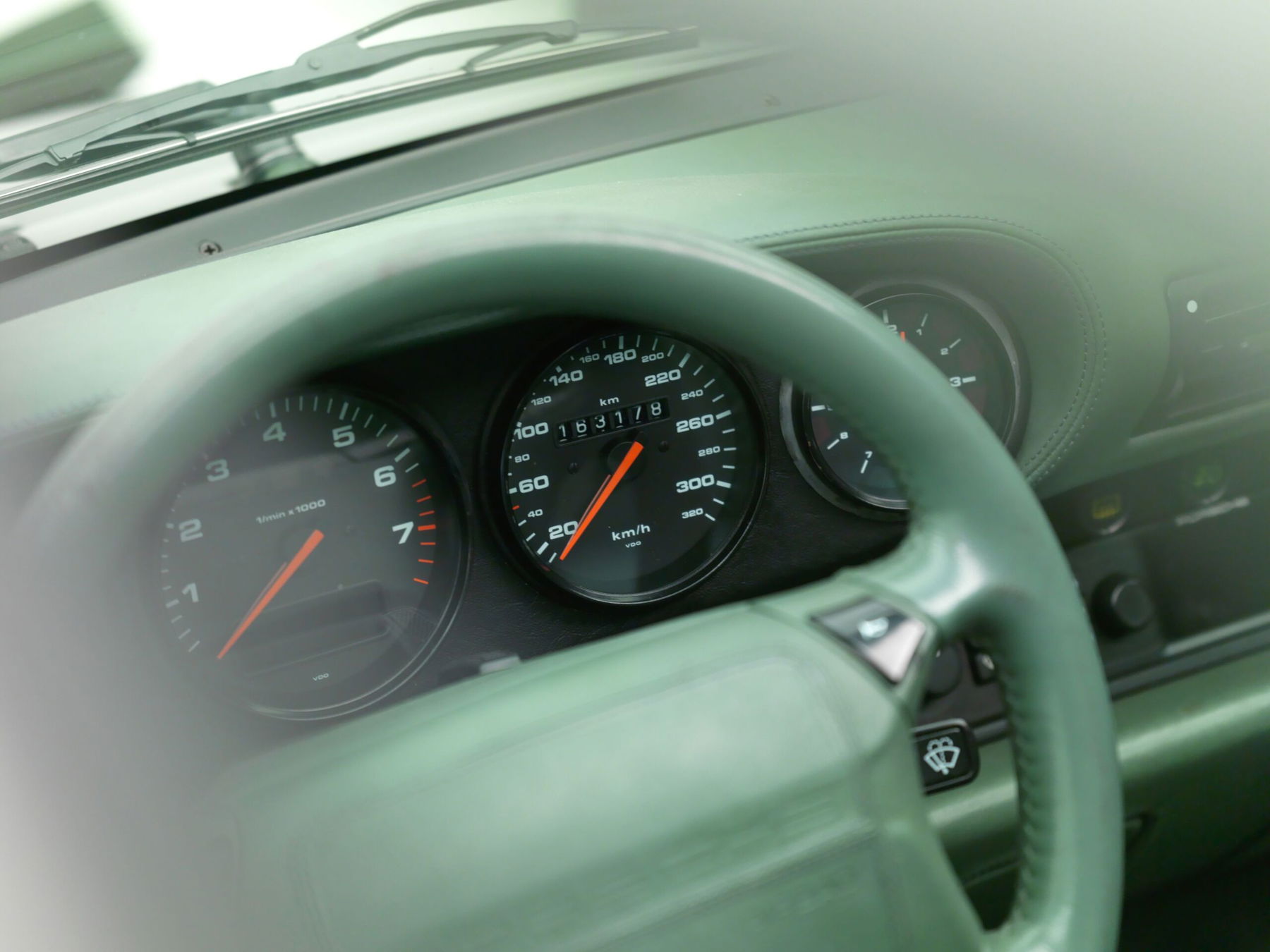
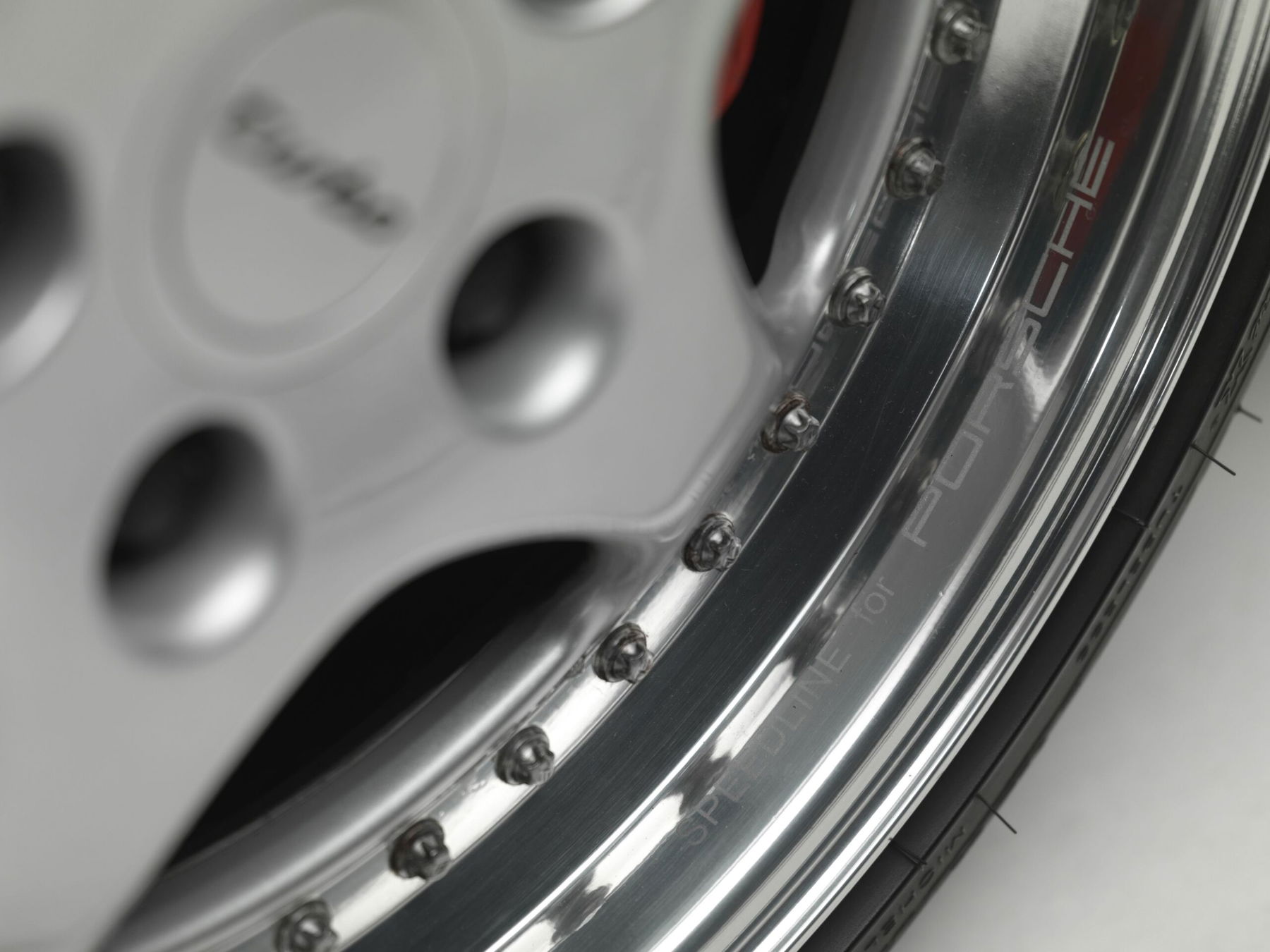
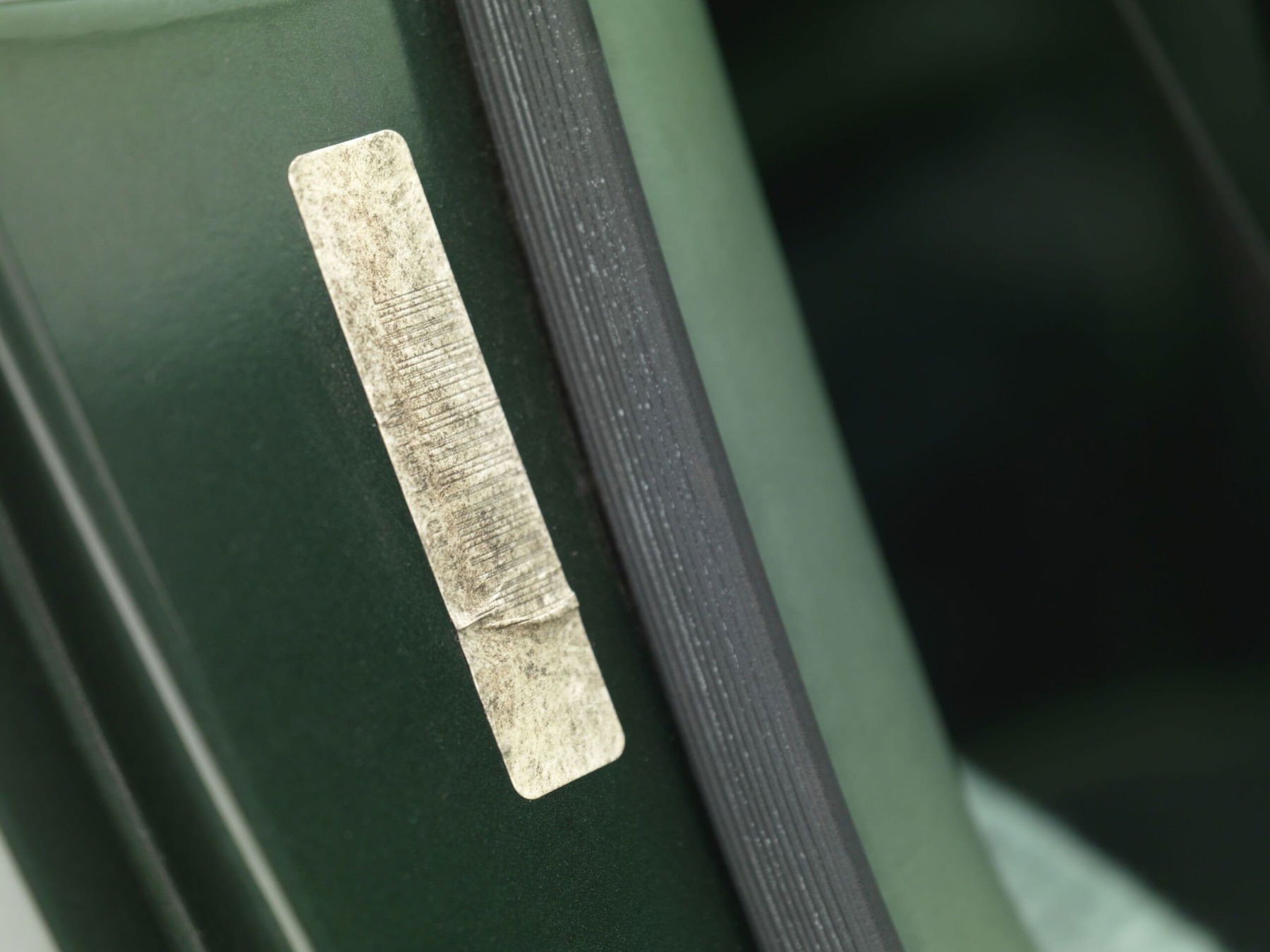
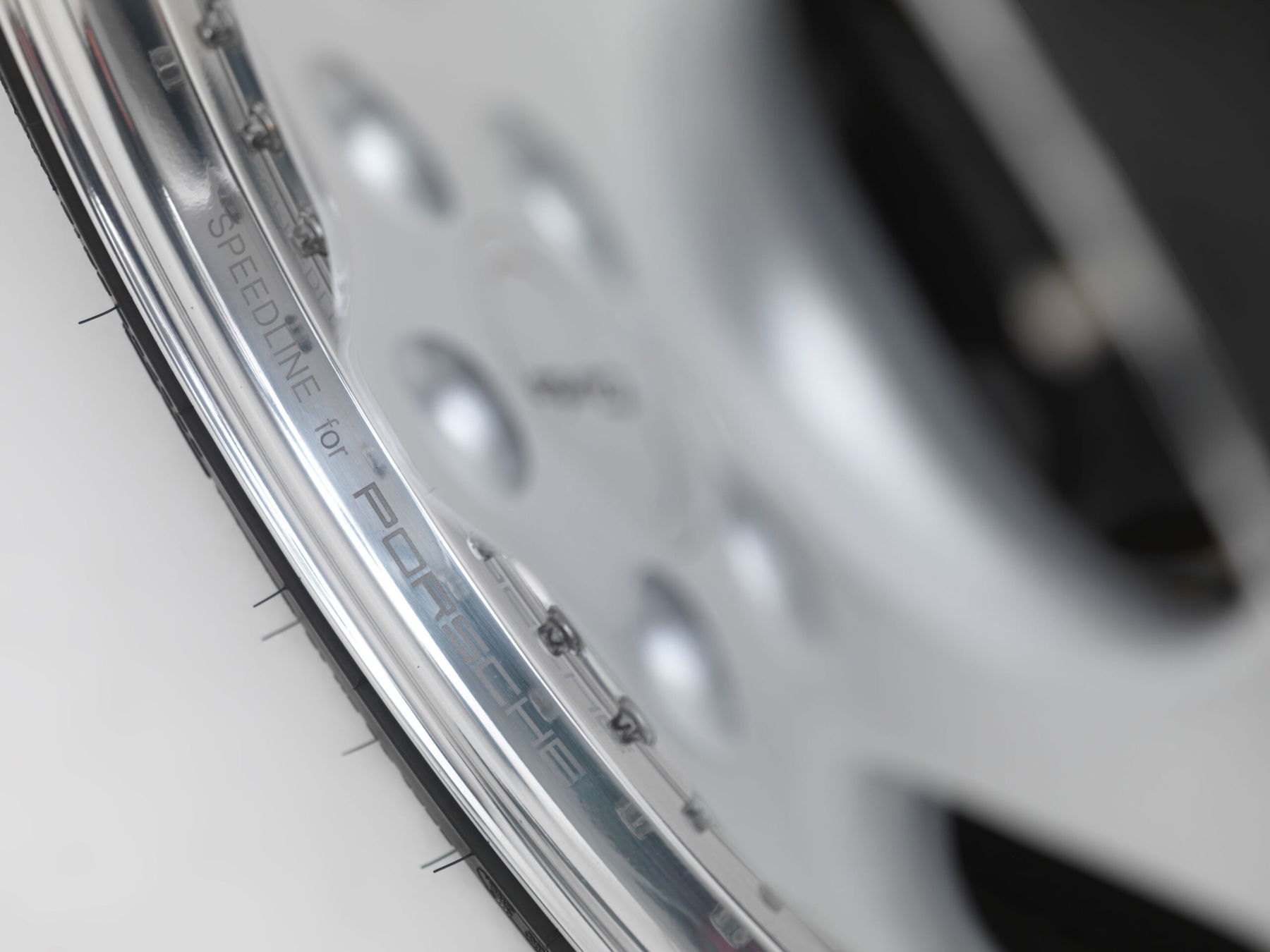
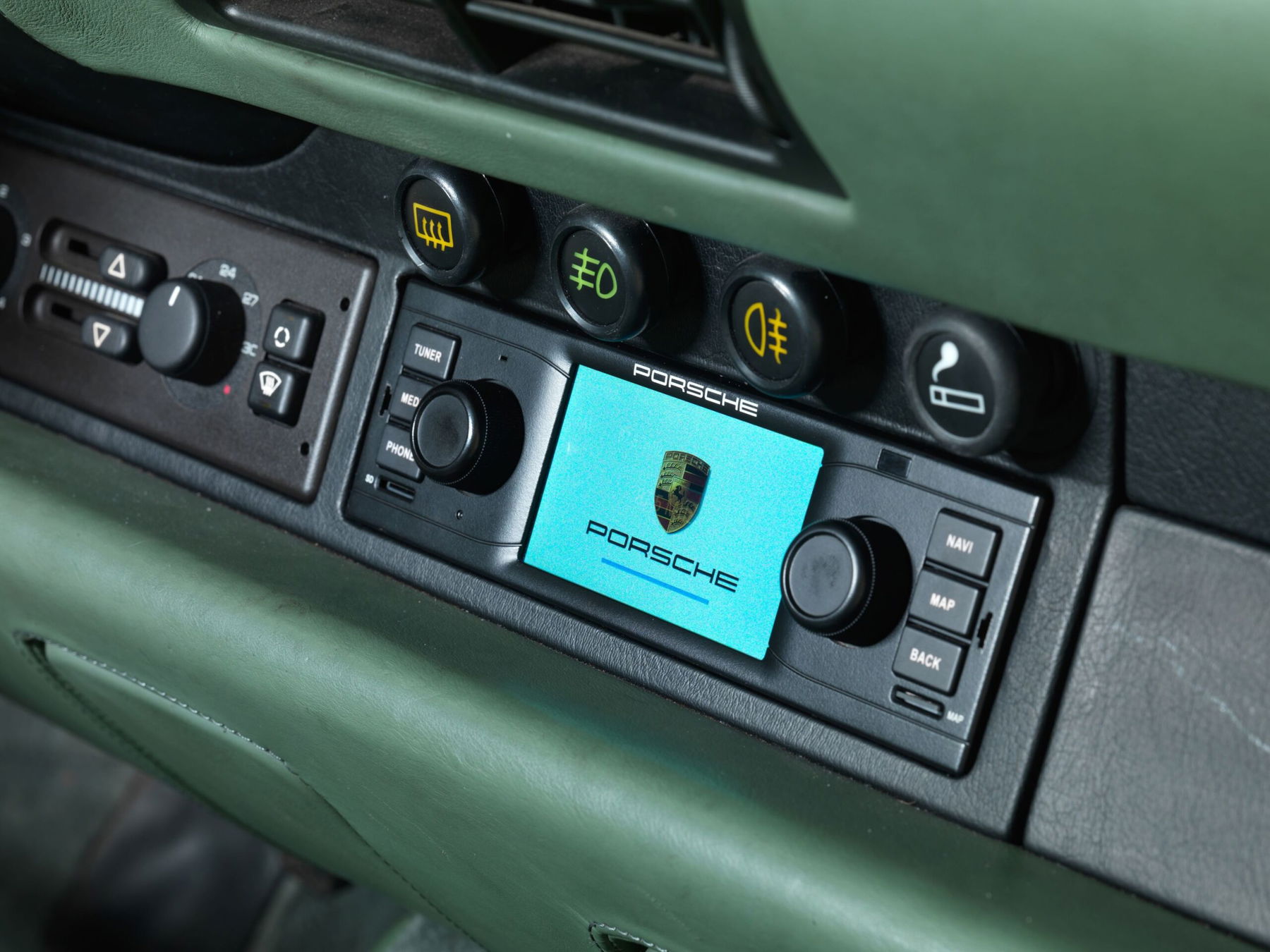
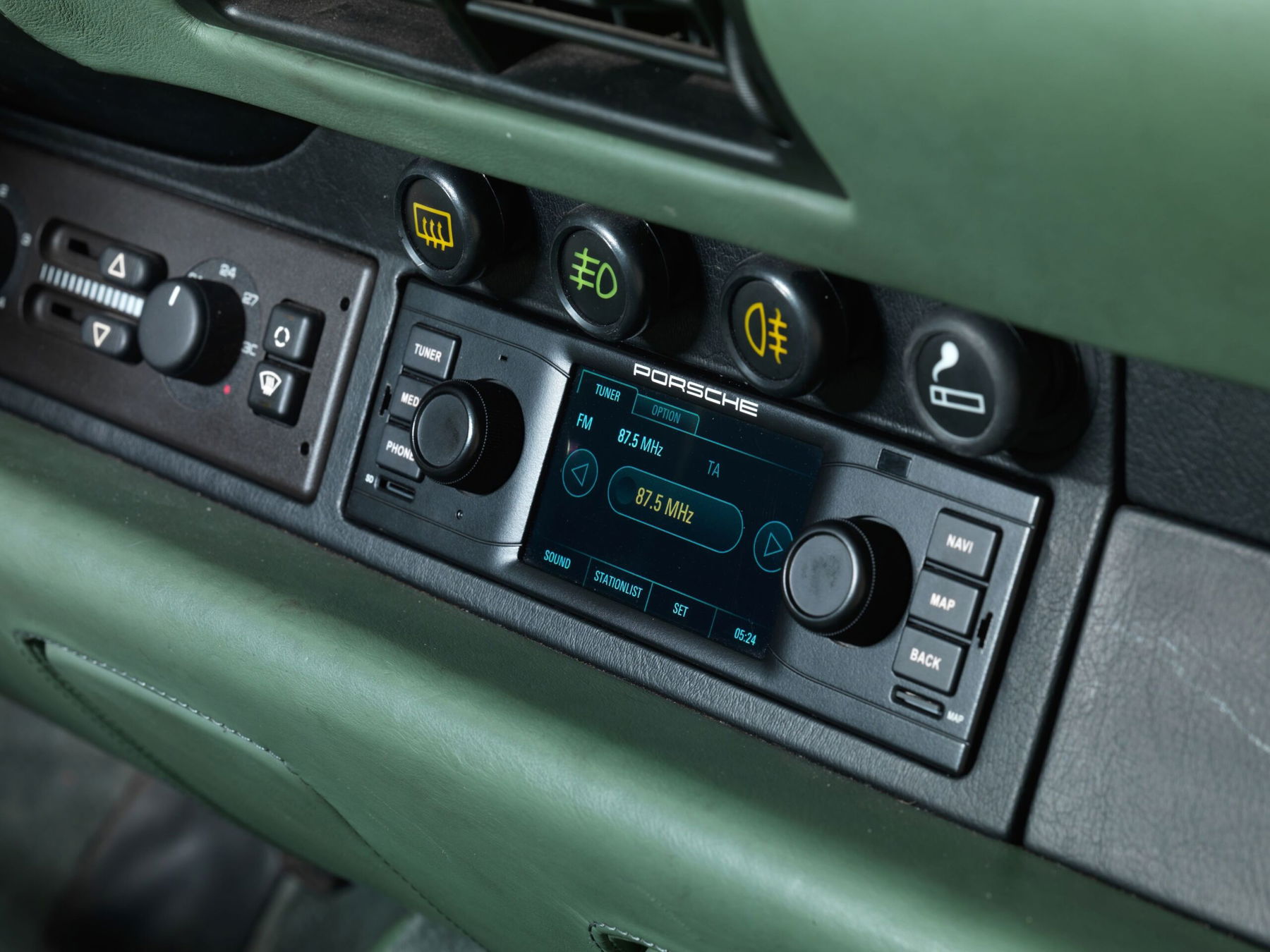
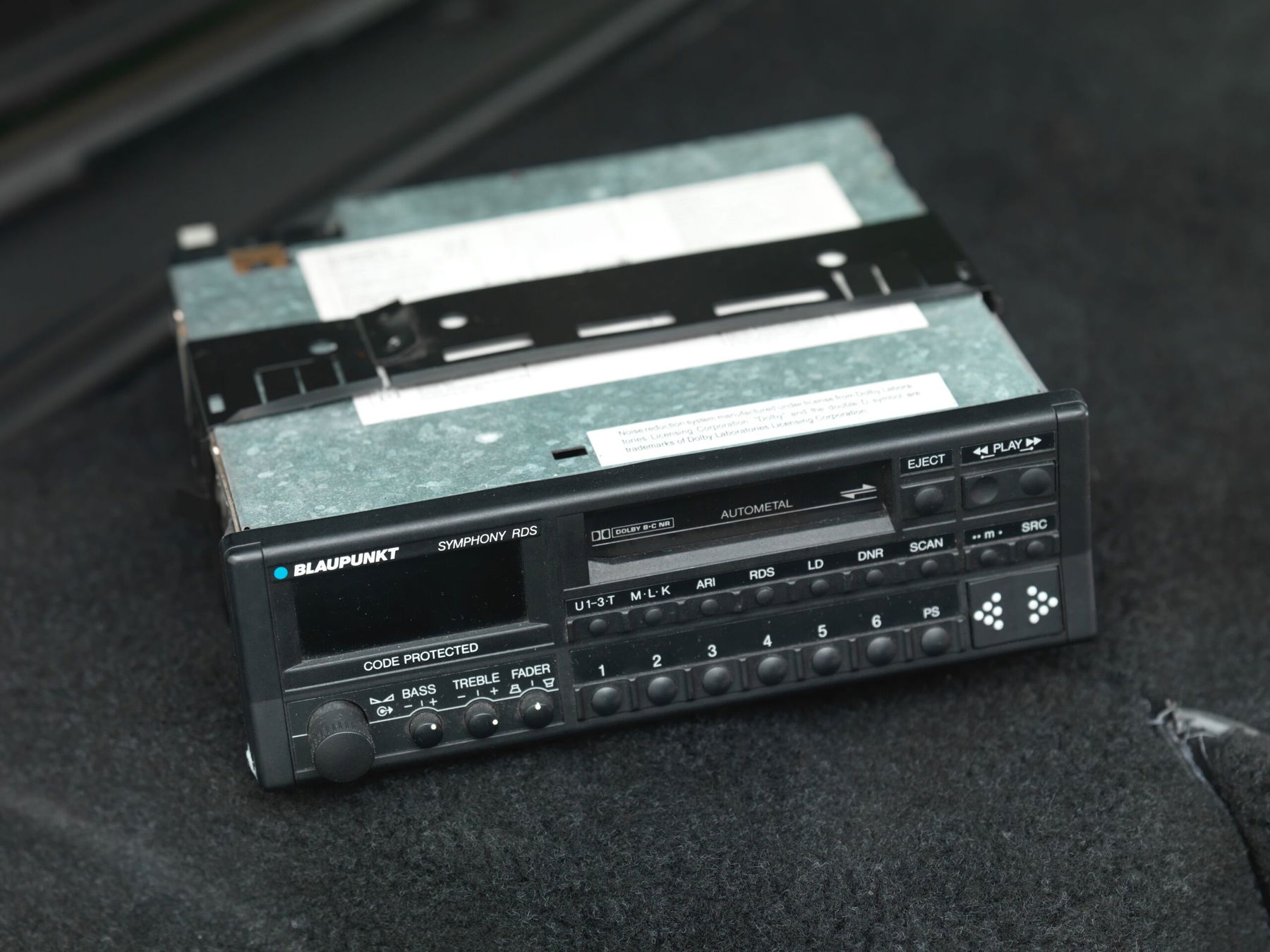
The car remained with its first owner for 27 years, and was only sold in 2020 to one of his best friends, the current owner. With only two owners from new and circa 163,200 kilometres recorded, this Turbo 3.6 is as original as can be; indeed, the original 18″ wheels still display the factory-applied ‘SPEEDLINE for PORSCHE’ decals. The radio has been upgraded with an original Porsche Classic Navigation unit, while the original Blaupunkt Symphony radio/cassette is included in the sale.
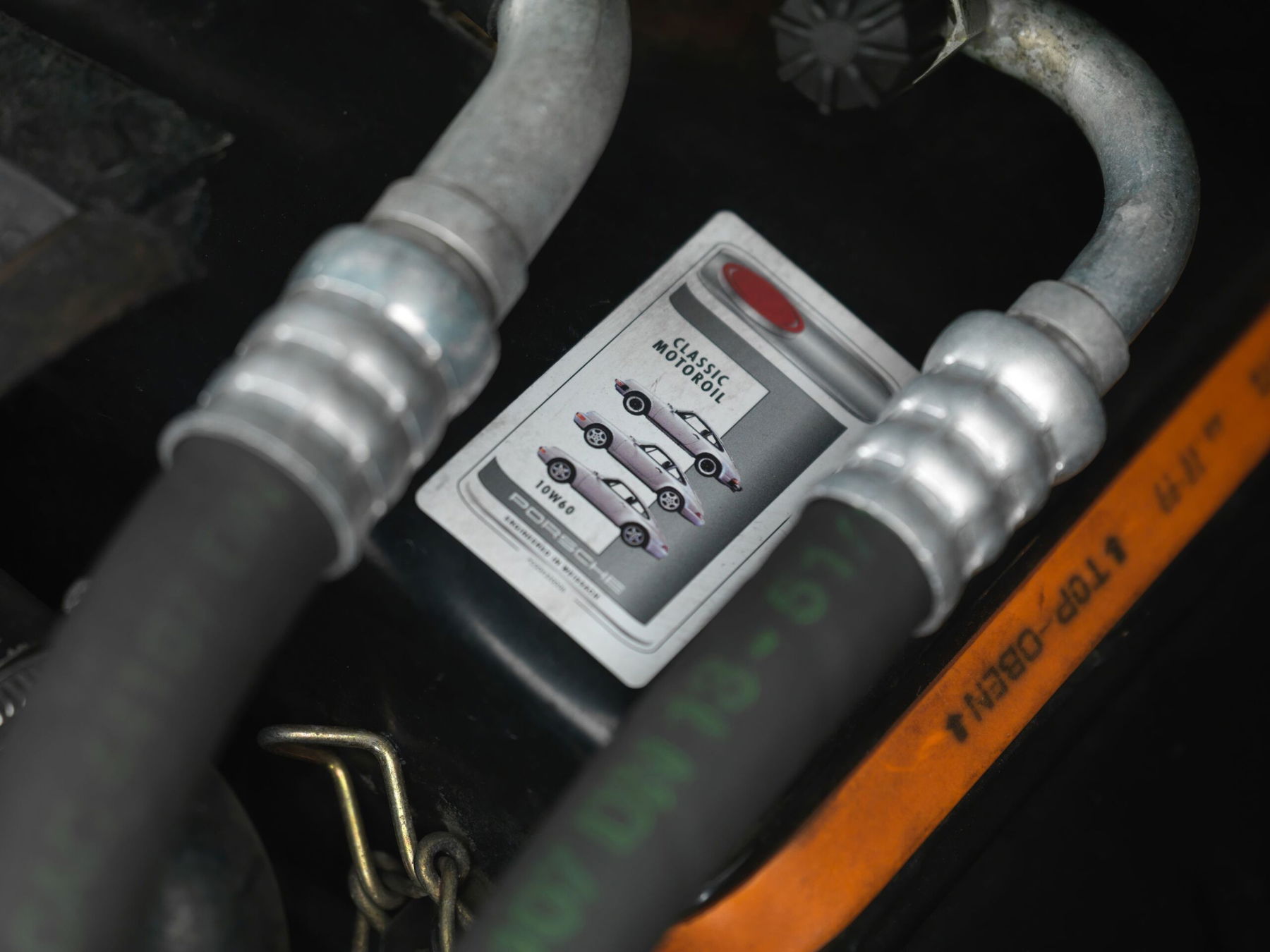
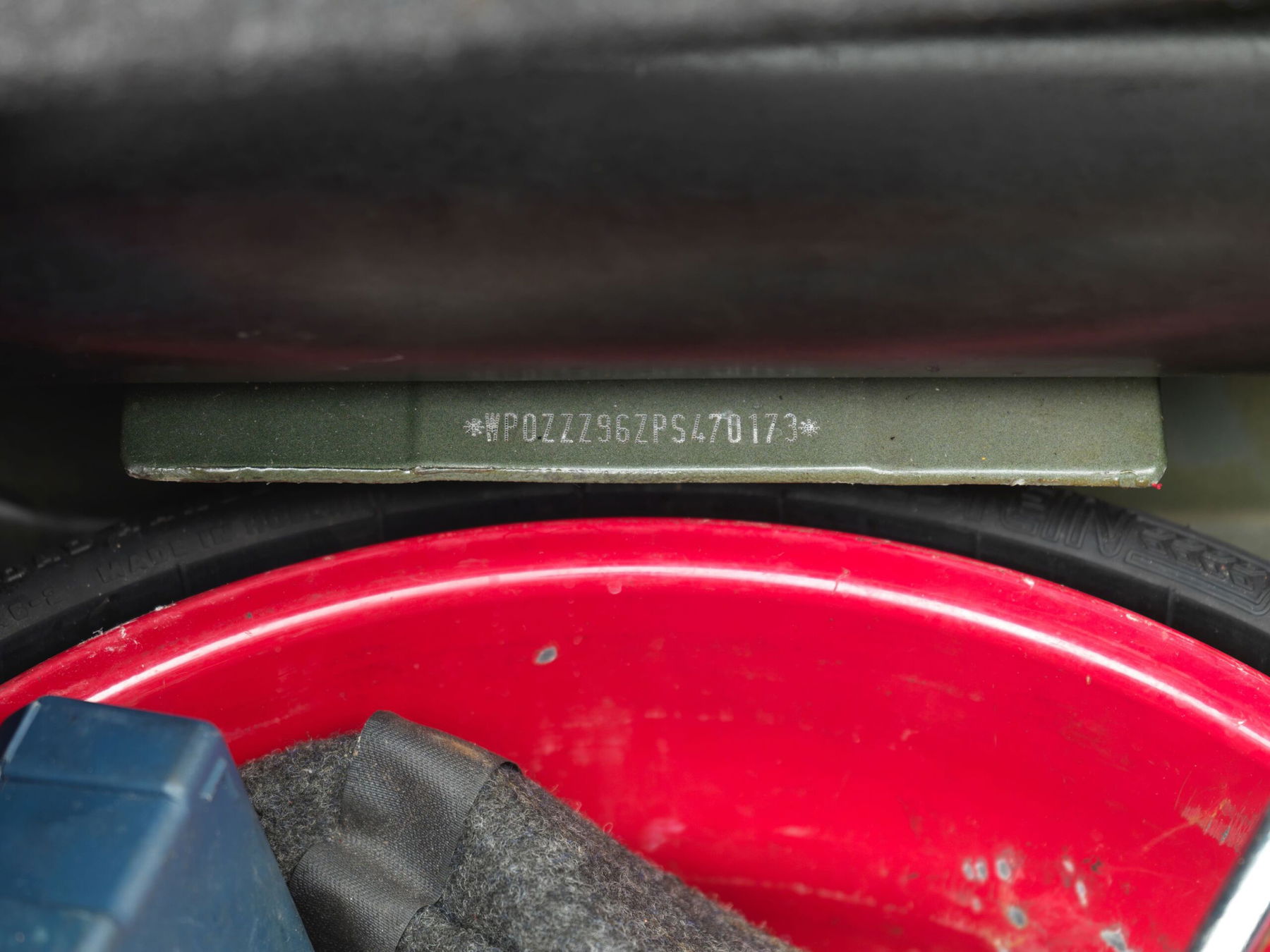
The car comes with a fully documented service history; there are no fewer than 21 official dealer stamps in the service book, and a historical overview of all invoices since delivery in a 31-page file. The original Porsche books and manuals are included, and the car is offered with current Belgian registration; technical control valid until 9th September 2027; a detailed technical report dated 21/4/2024; and the aforementioned Porsche CoA confirming matching numbers.










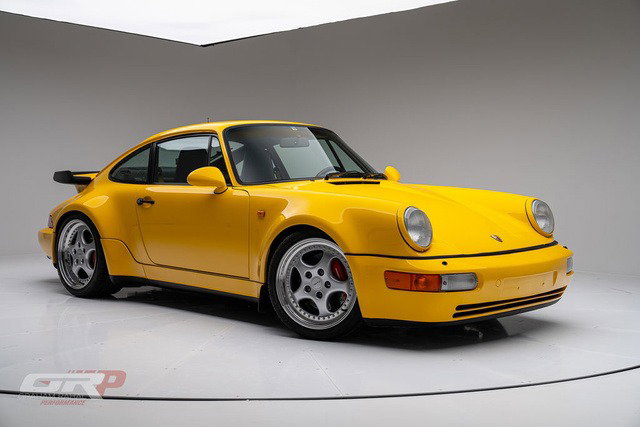
 1993
1993 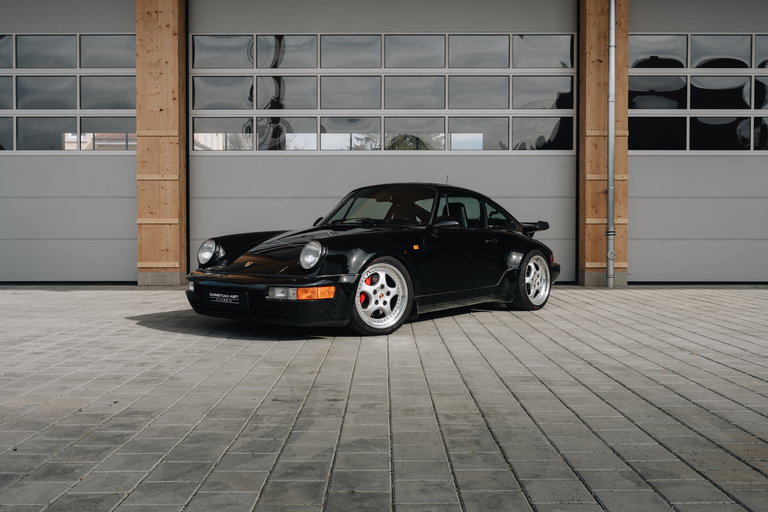
 1993
1993 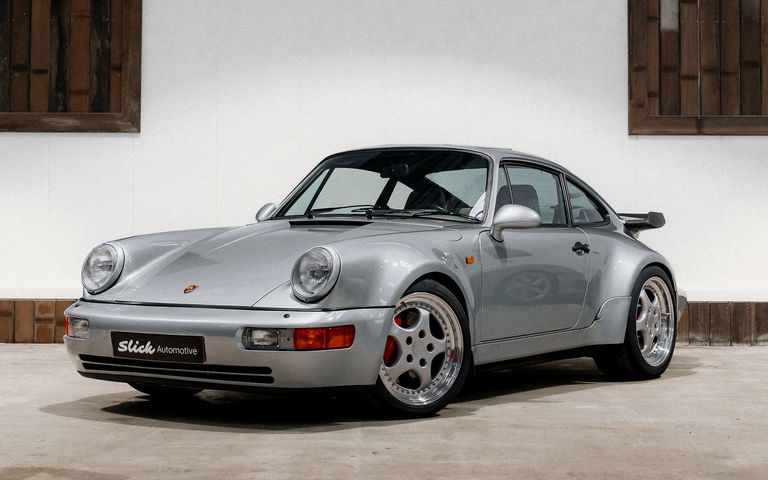
 1994
1994 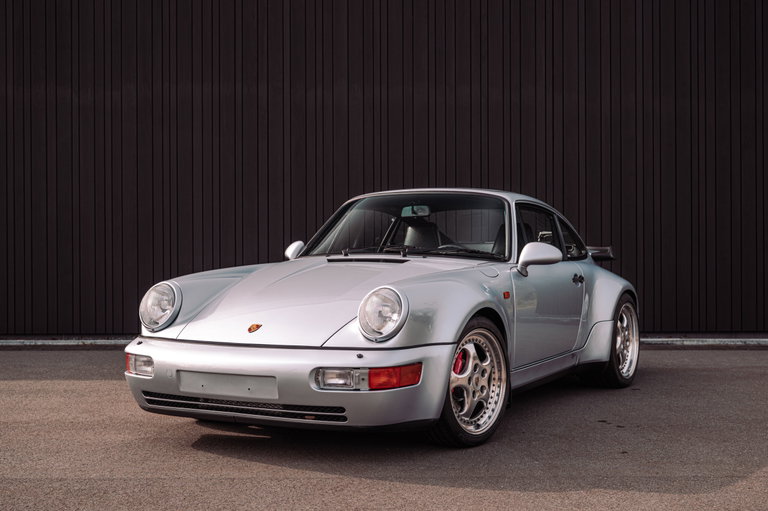
 1993
1993