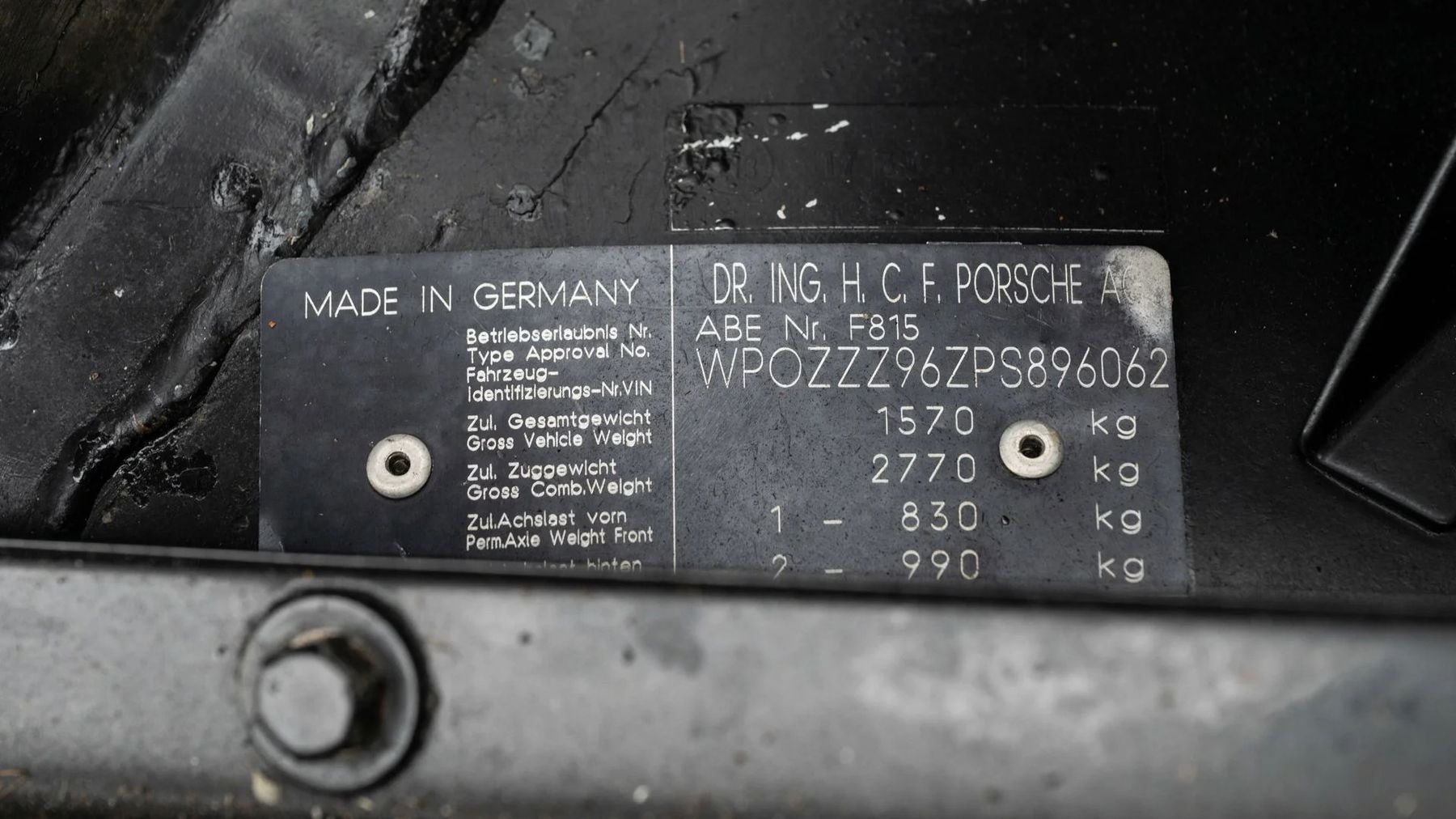
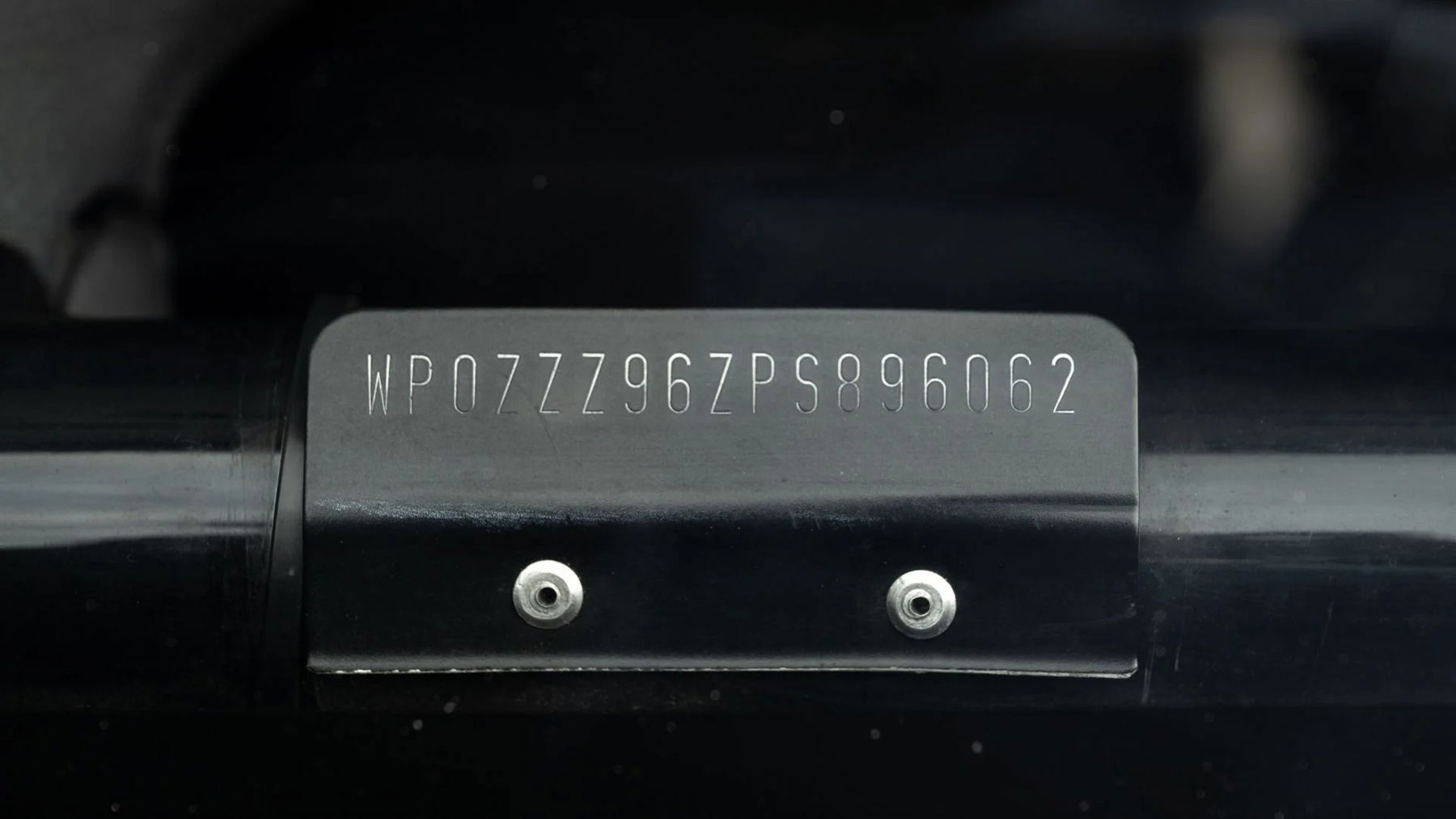
Chassis No. WP0ZZZ96ZPS896062
Some of the most compelling cars are not born in moments of abundance, but in periods of uncertainty—when manufacturers are forced to rely on clarity of purpose rather than scale or excess. The early 1990s were such a moment for Porsche. With the company navigating financial pressure and shifting market demands, the focus narrowed to what mattered most: engineering discipline, performance purity, and uncompromising intent.
Rather than retreat, Porsche doubled down. During this compressed period, the brand developed some of its most forward-thinking and era-defining machines: the Turbo S Lightweight, the RS 3.8, the 993-generation 911 redesign, and the Boxster Study—each a bold statement of capability made under constraint. So too was the 968 Turbo S street car and 968 Turbo RS racing car—Porsche’s most focused expression of the Transaxle Ära’s engineering philosophy formed under immense pressure. Not a product of excess, but a product of necessity; it represents what Porsche achieved when the chips were down and perfection in all areas was the only acceptable outcome.
With the 968 Clubsport selling well, but the model line nearing its end, Porsche’s Motorsport Department was asked to generate ideas and produce cars that could sell in difficult times. As recounted in issue 019 of Porsche quarterly 000, engineer Gerd Schmid explained, “1991, 1992, and 1993 were extremely hard times for Porsche, and the management asked everyone, including the motorsports department, to create ideas and models.” Rarely is Porsche’s Motorsport Department asked to consult on new road-going models, yet this is exactly how the 968 Turbo S and the 968 Turbo RS came about and why these final motorsport transaxle cars are so special. Schmid, first employed by Porsche beginning in 1962, is steadfast that there were only three option code “M005” 968 Turbo RS ever built—not four as is often quoted. The difference is the original prototype that is based on a Guards Red 1992 968 Clubsport. “Above all,” said Schmid, “we wanted to build cars for customers…” The customers that Schmid referred to were notoriously fickle race team owners that only wanted one thing—the fastest new Porsche available.
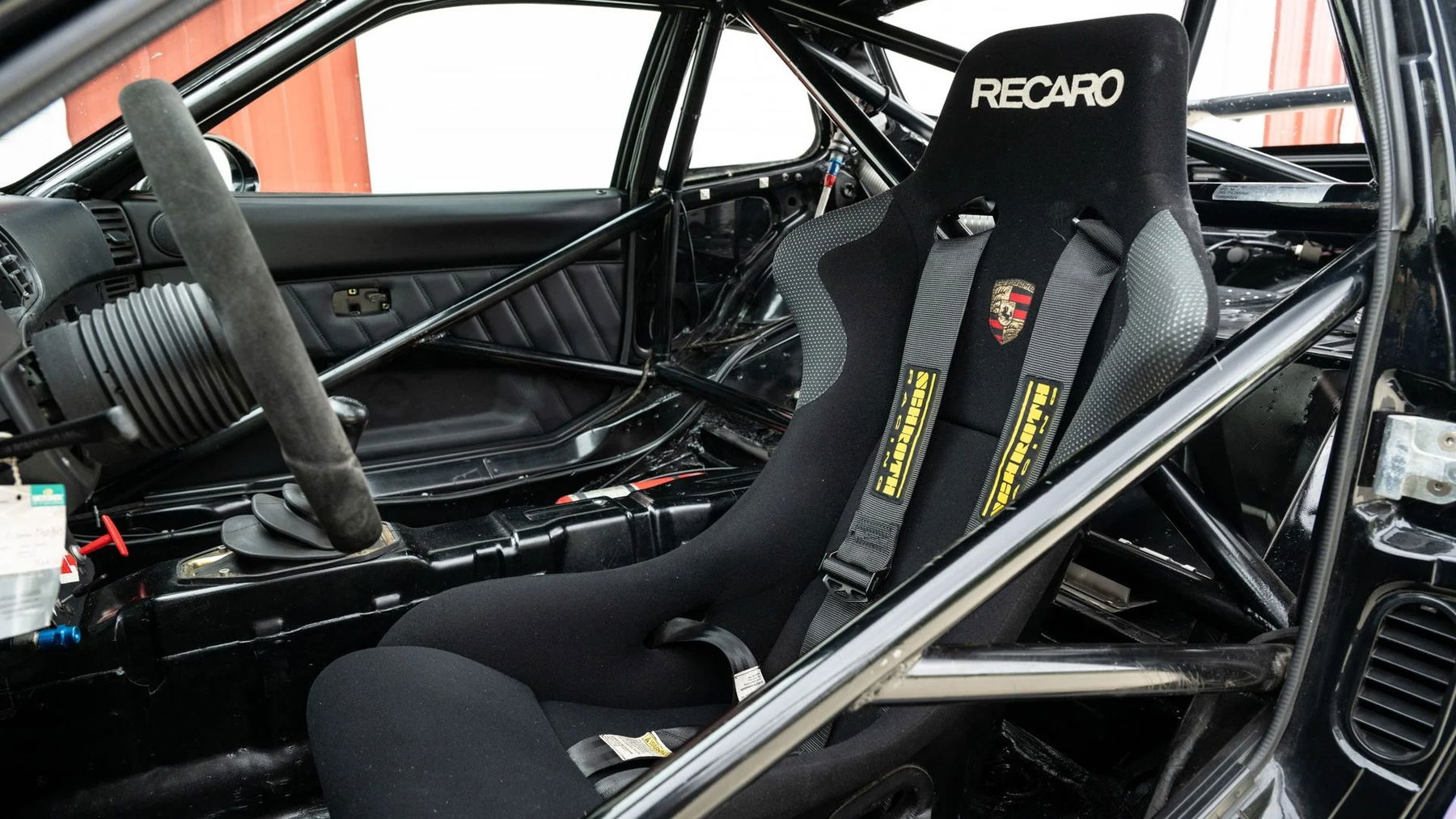
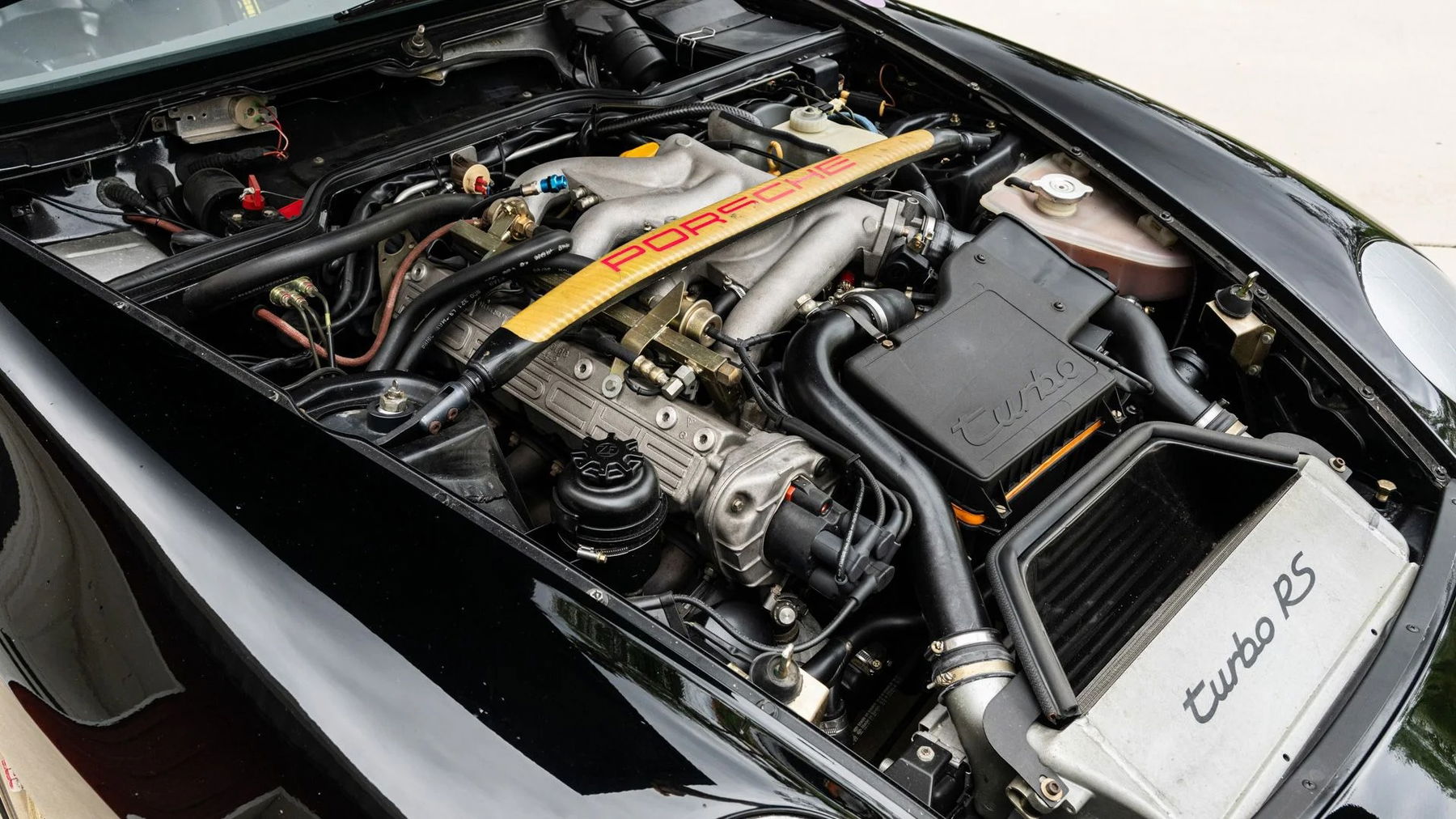
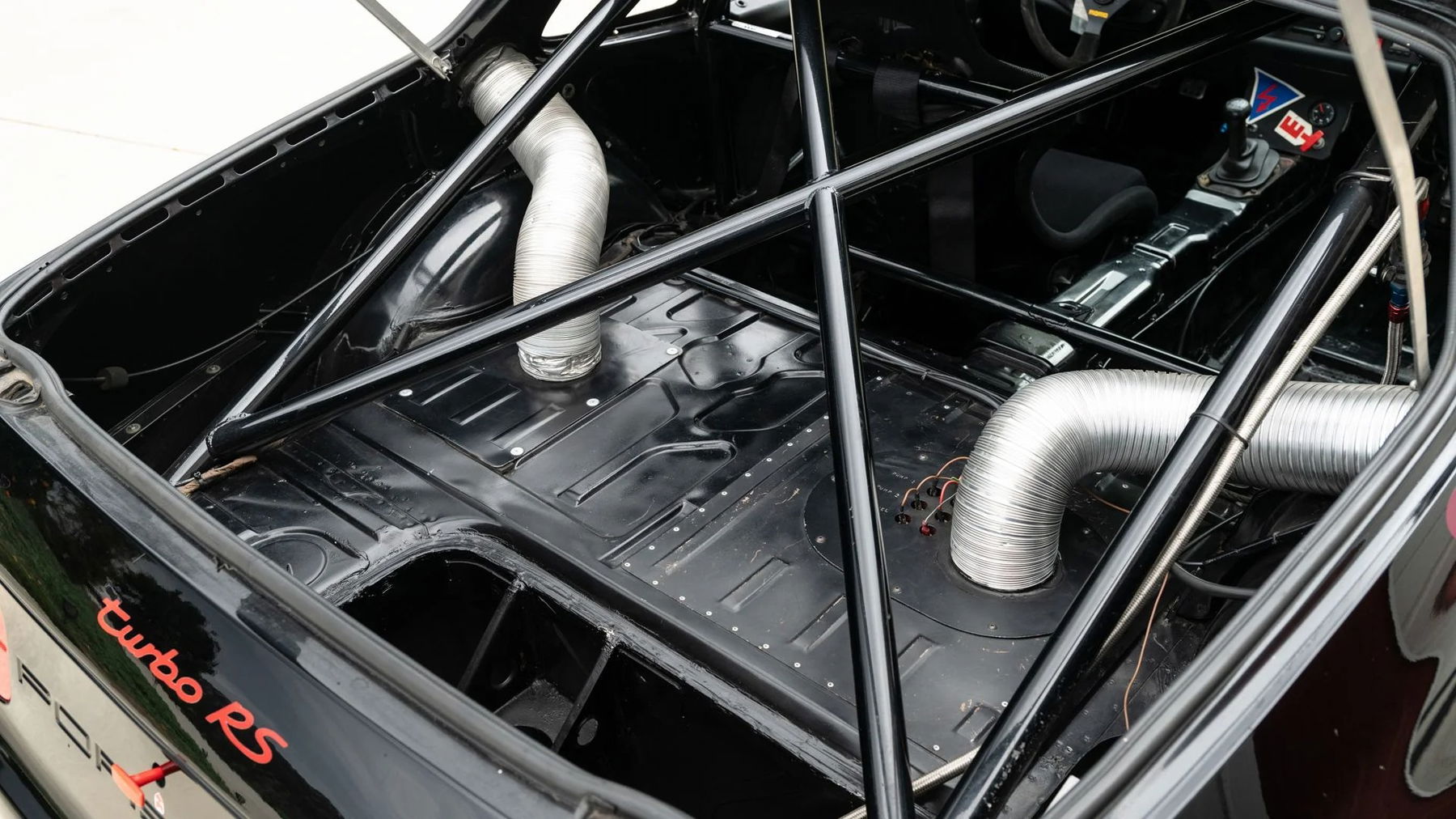
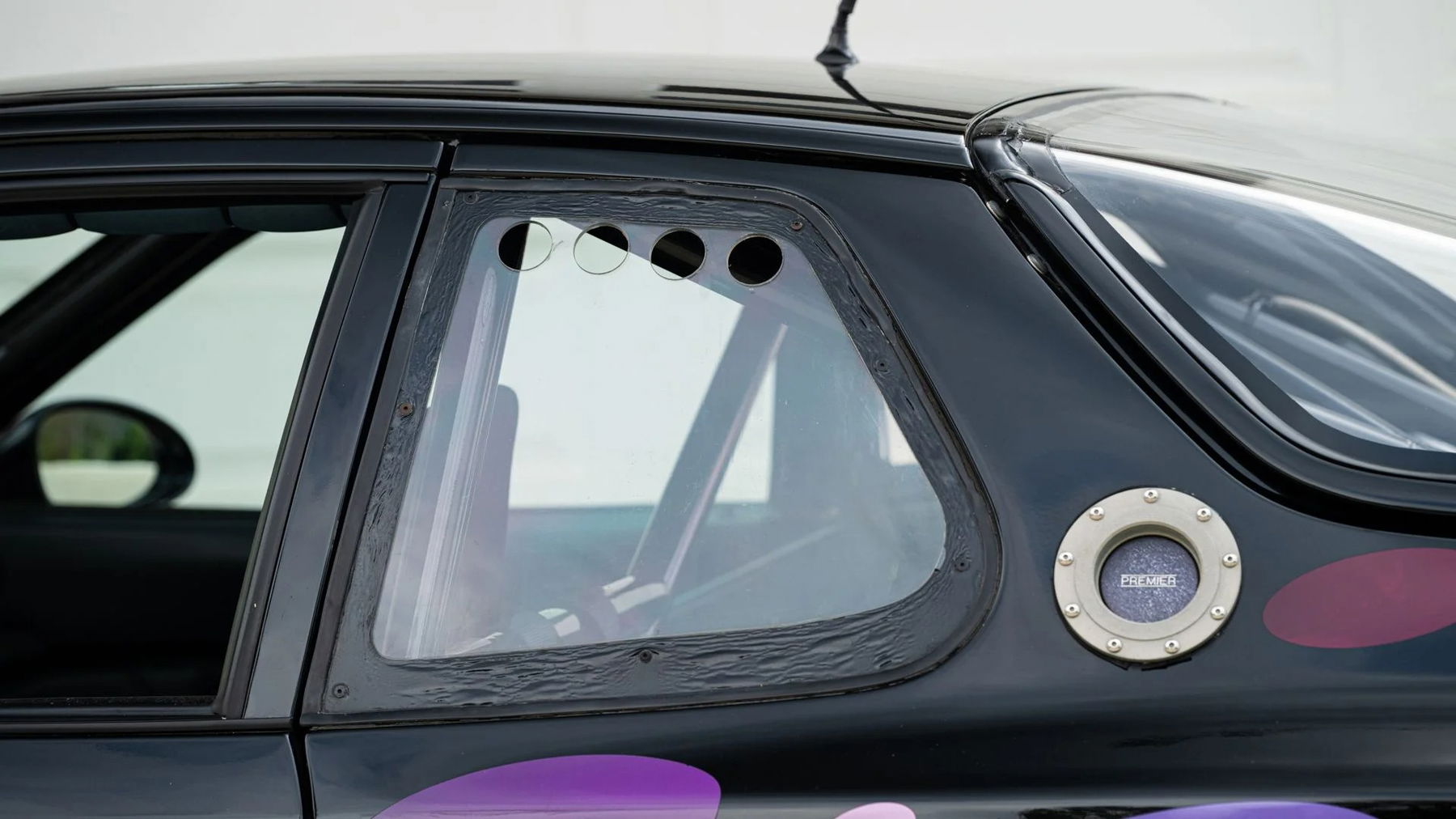
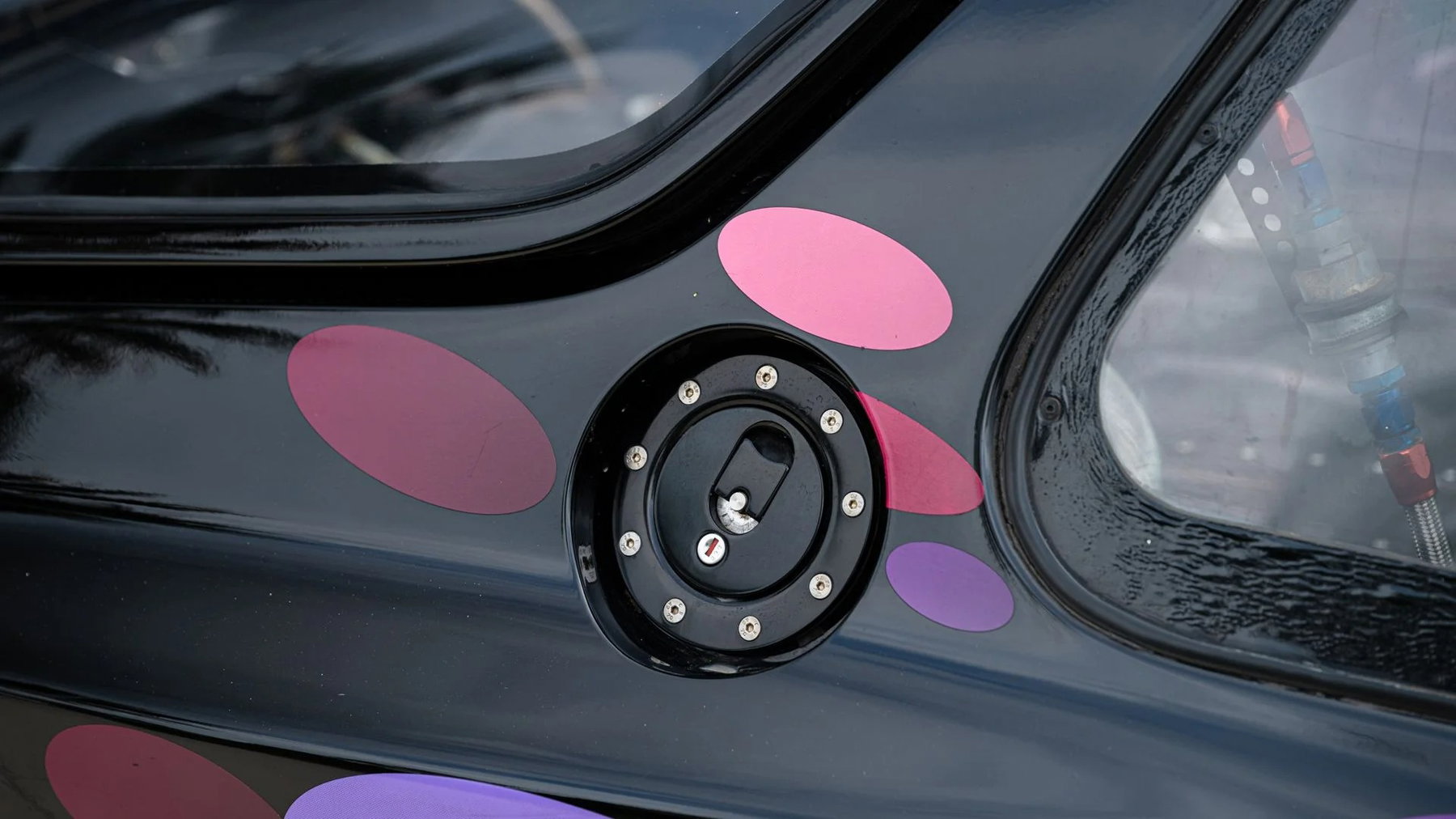
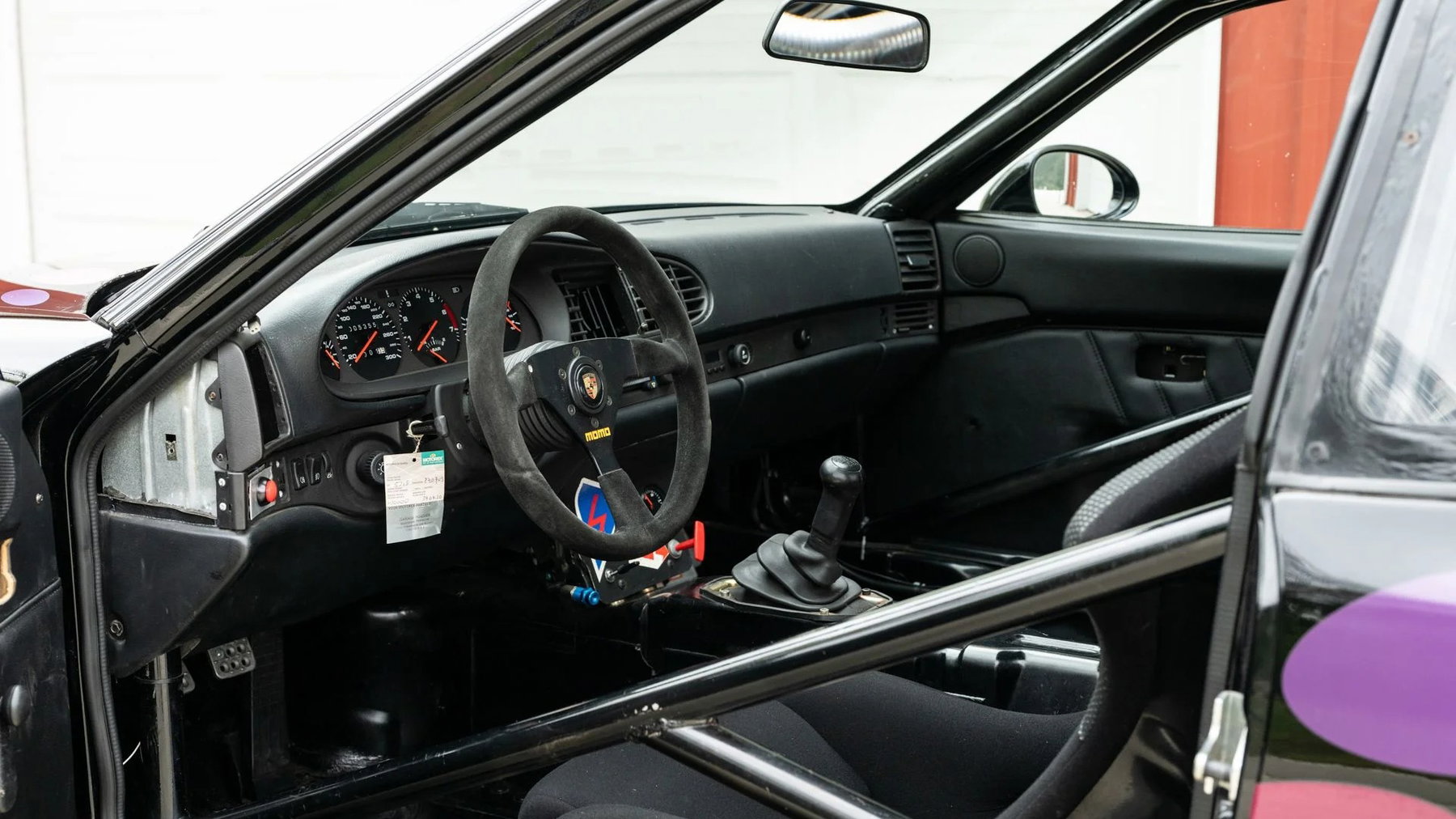
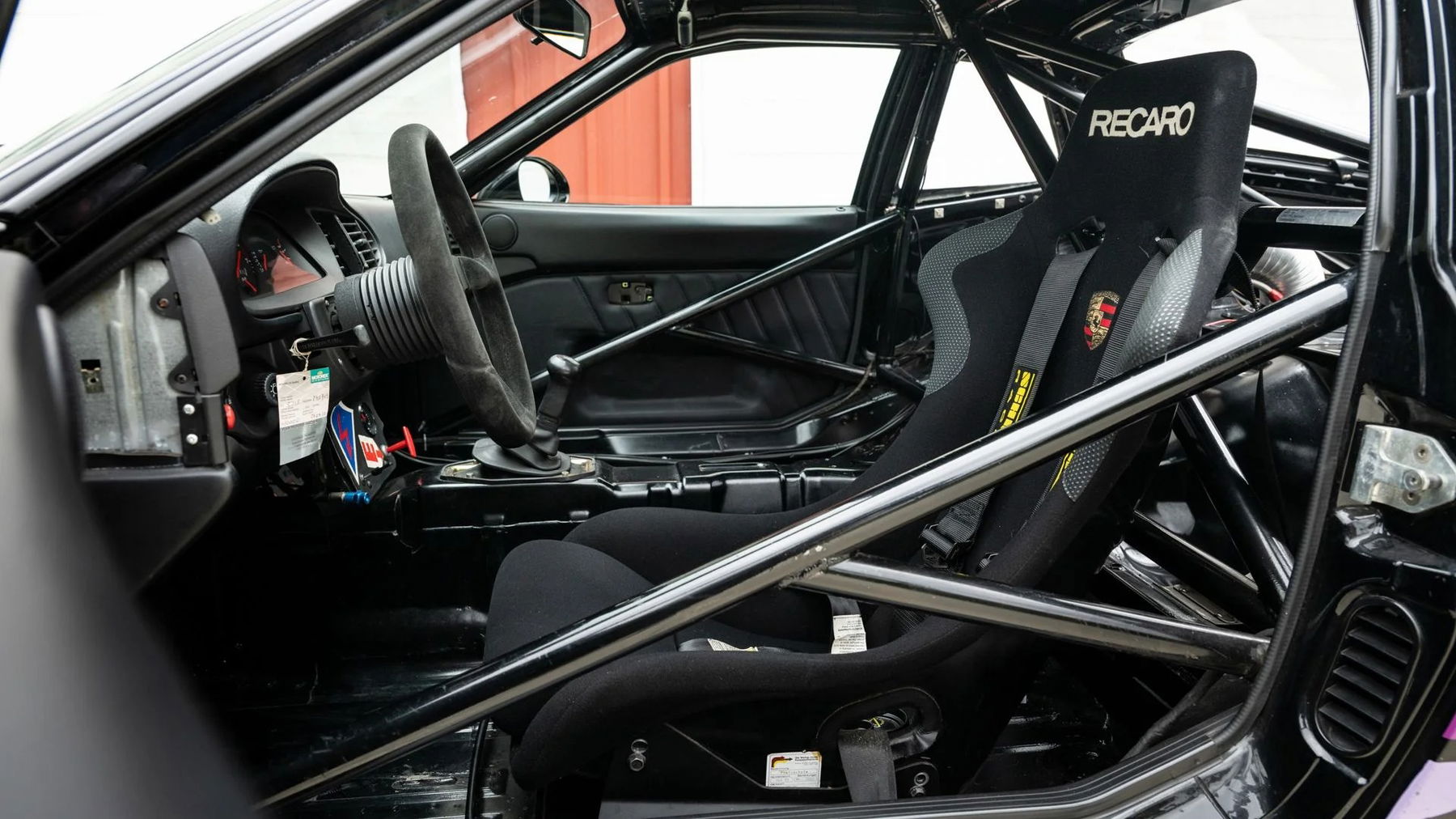
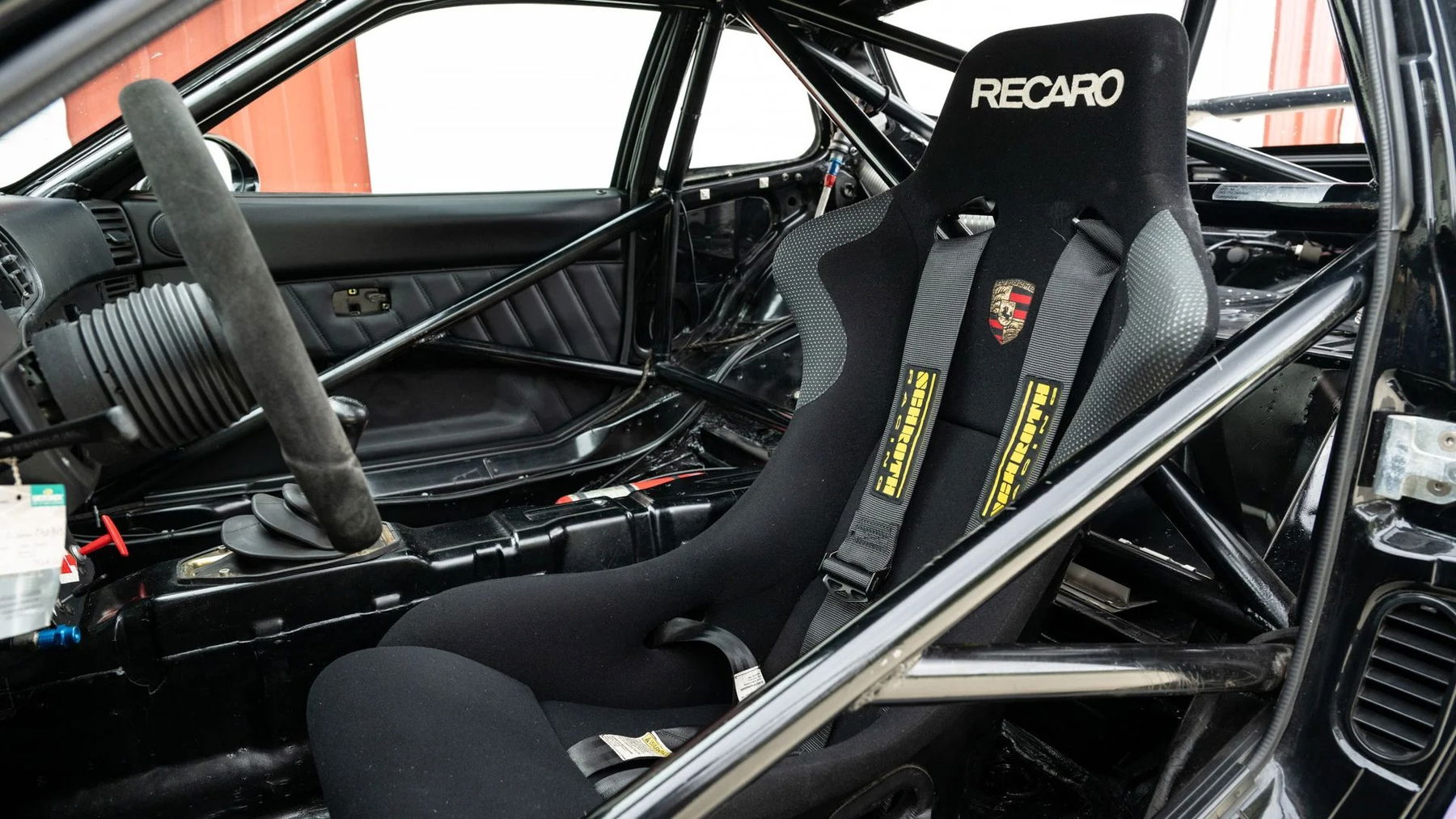
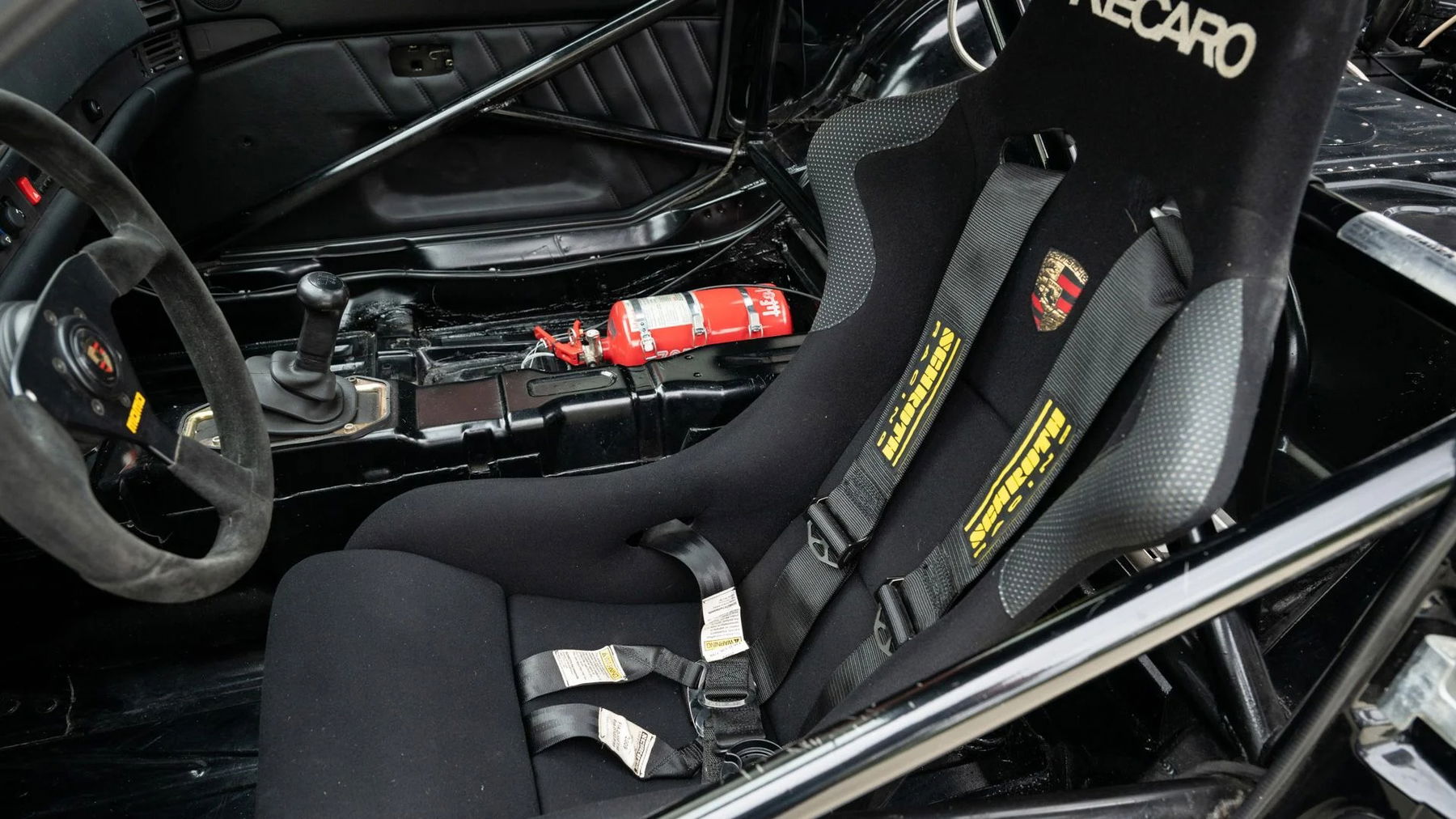
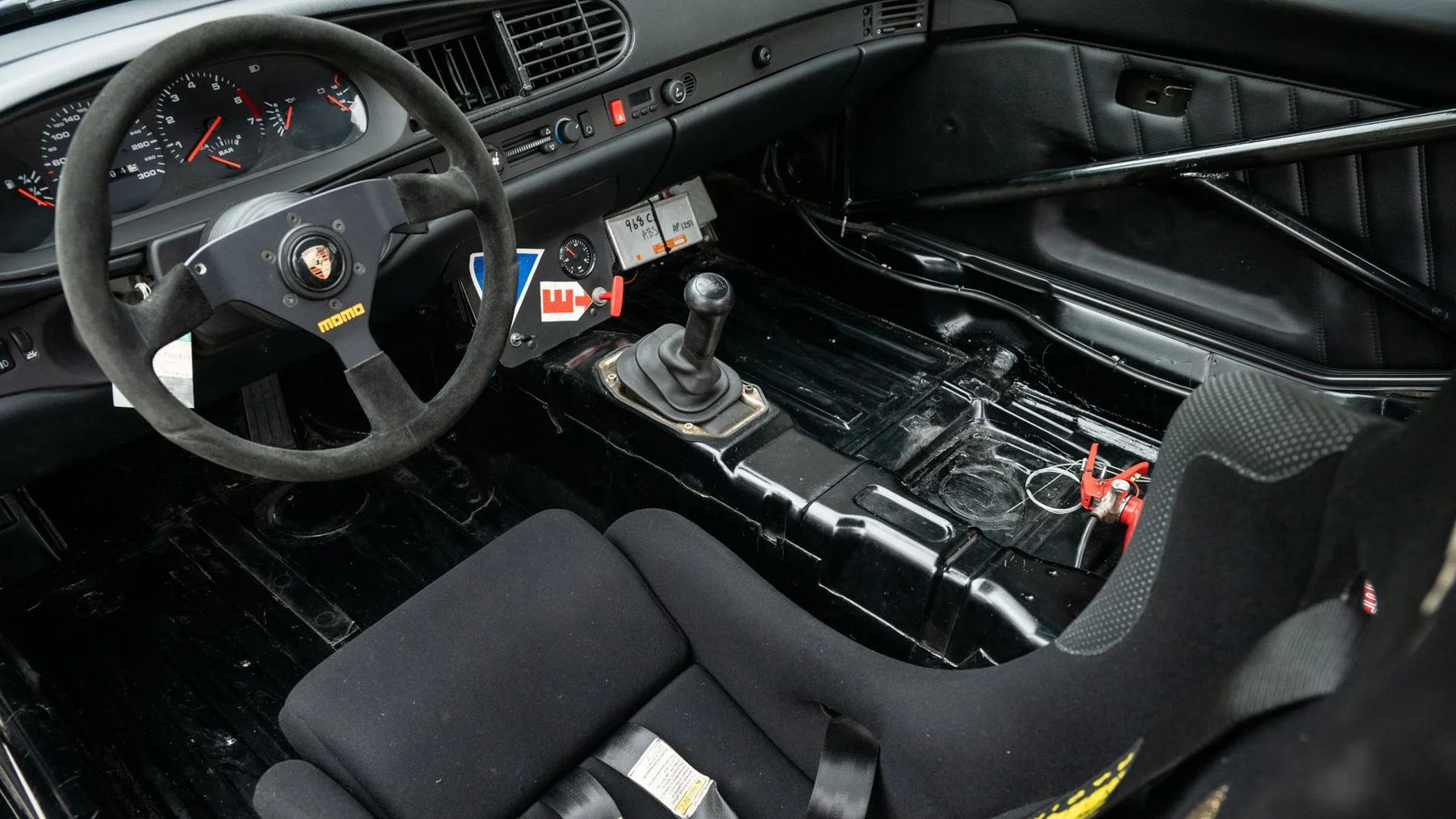
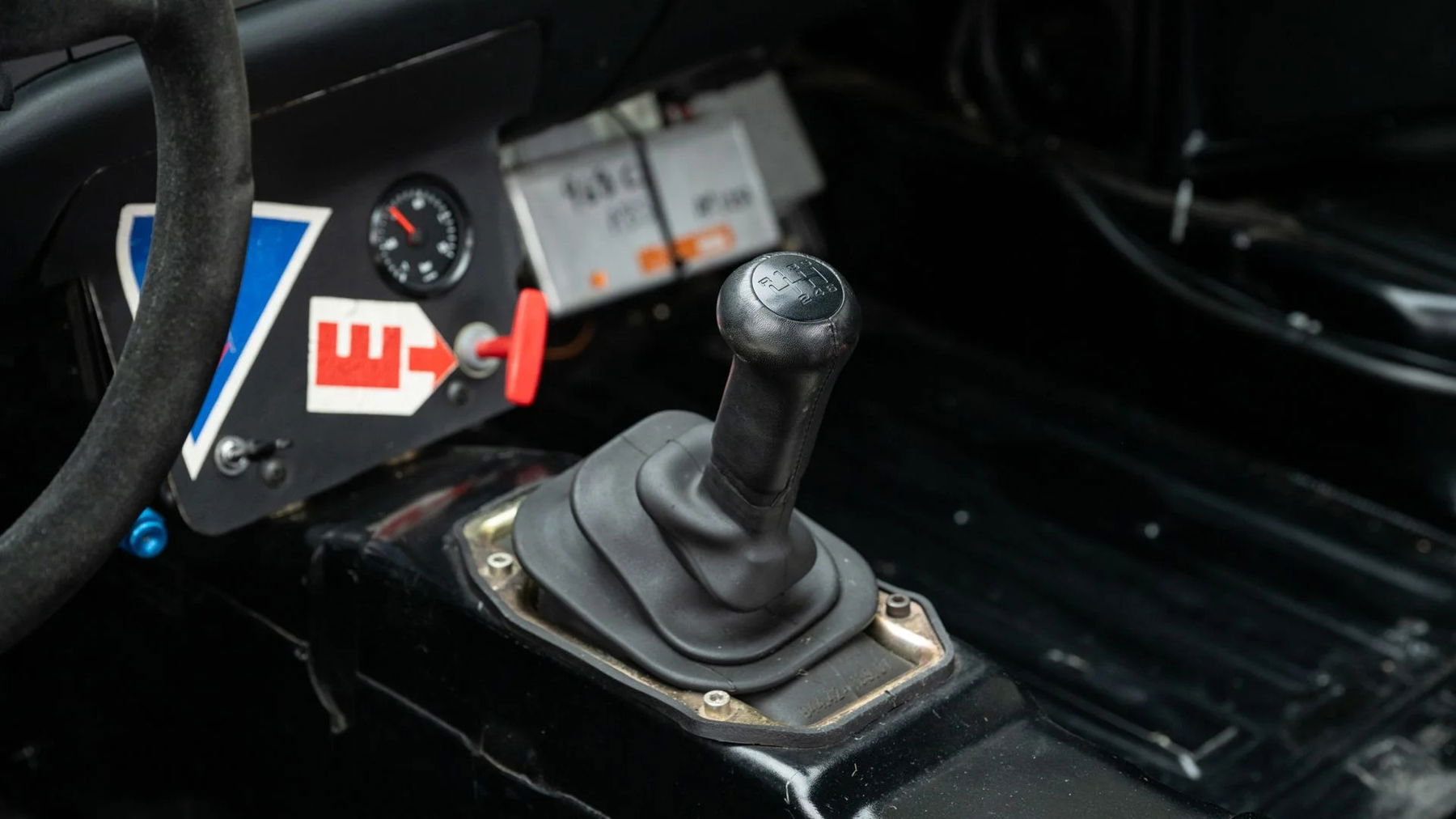
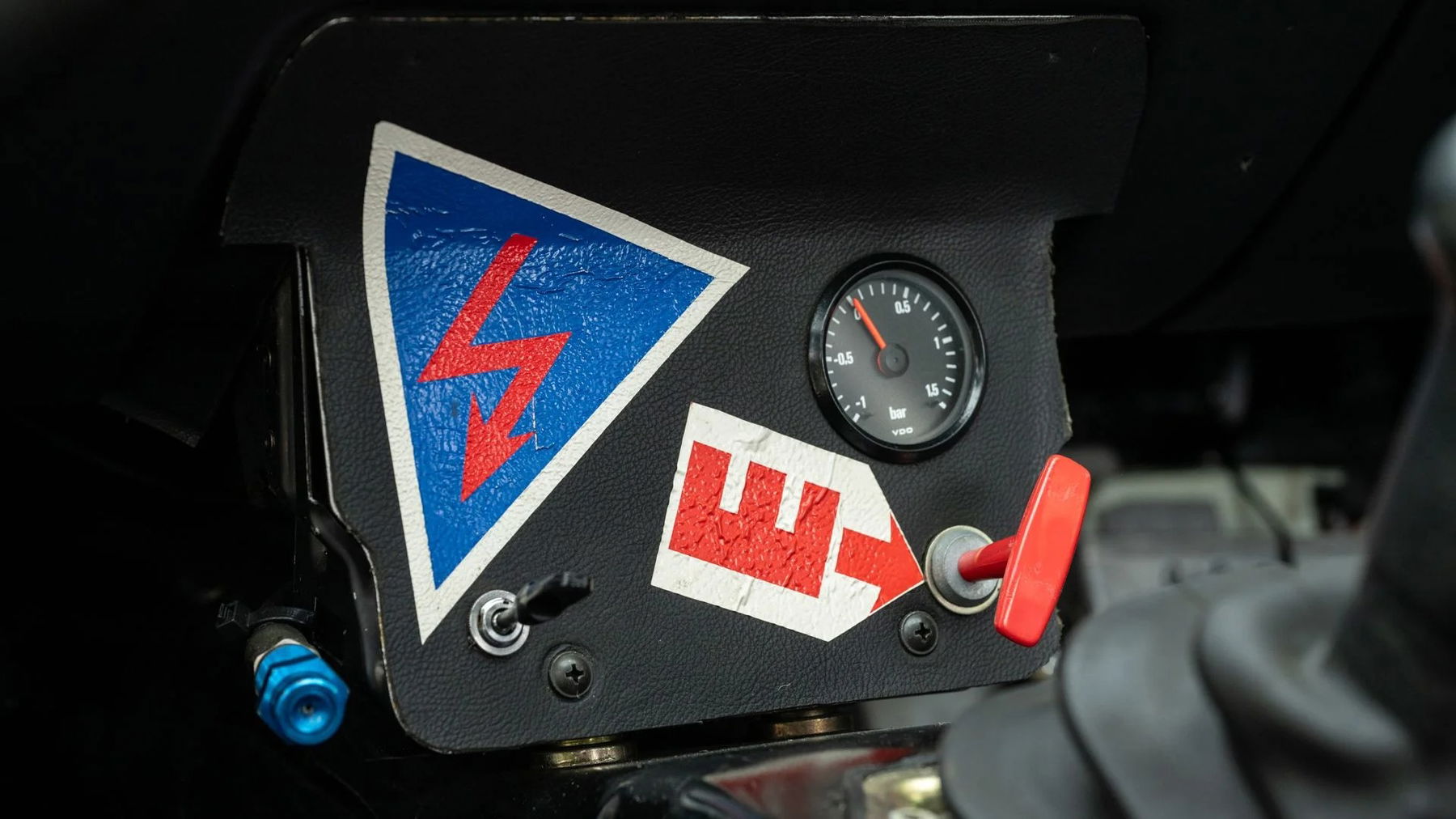
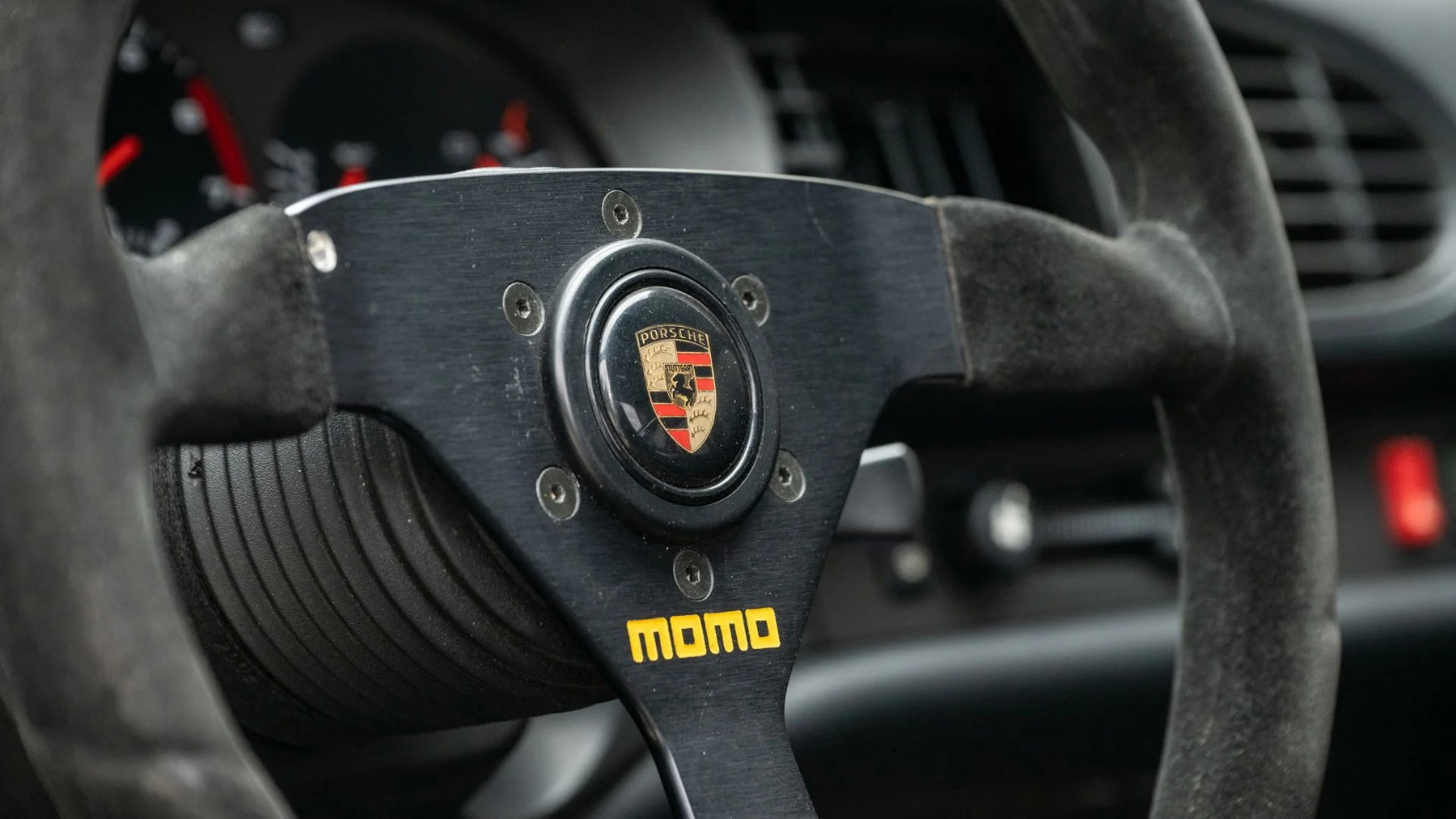
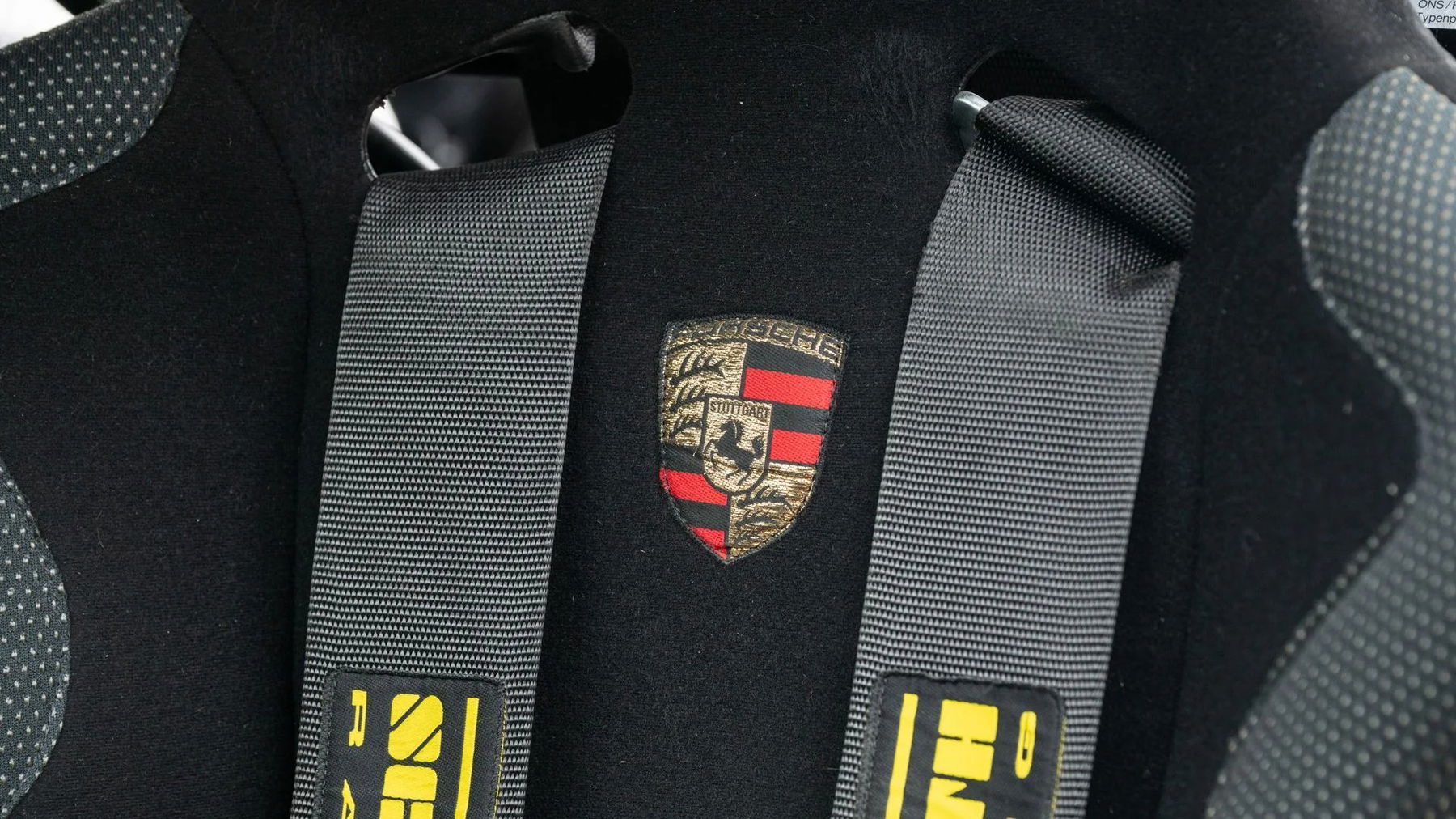
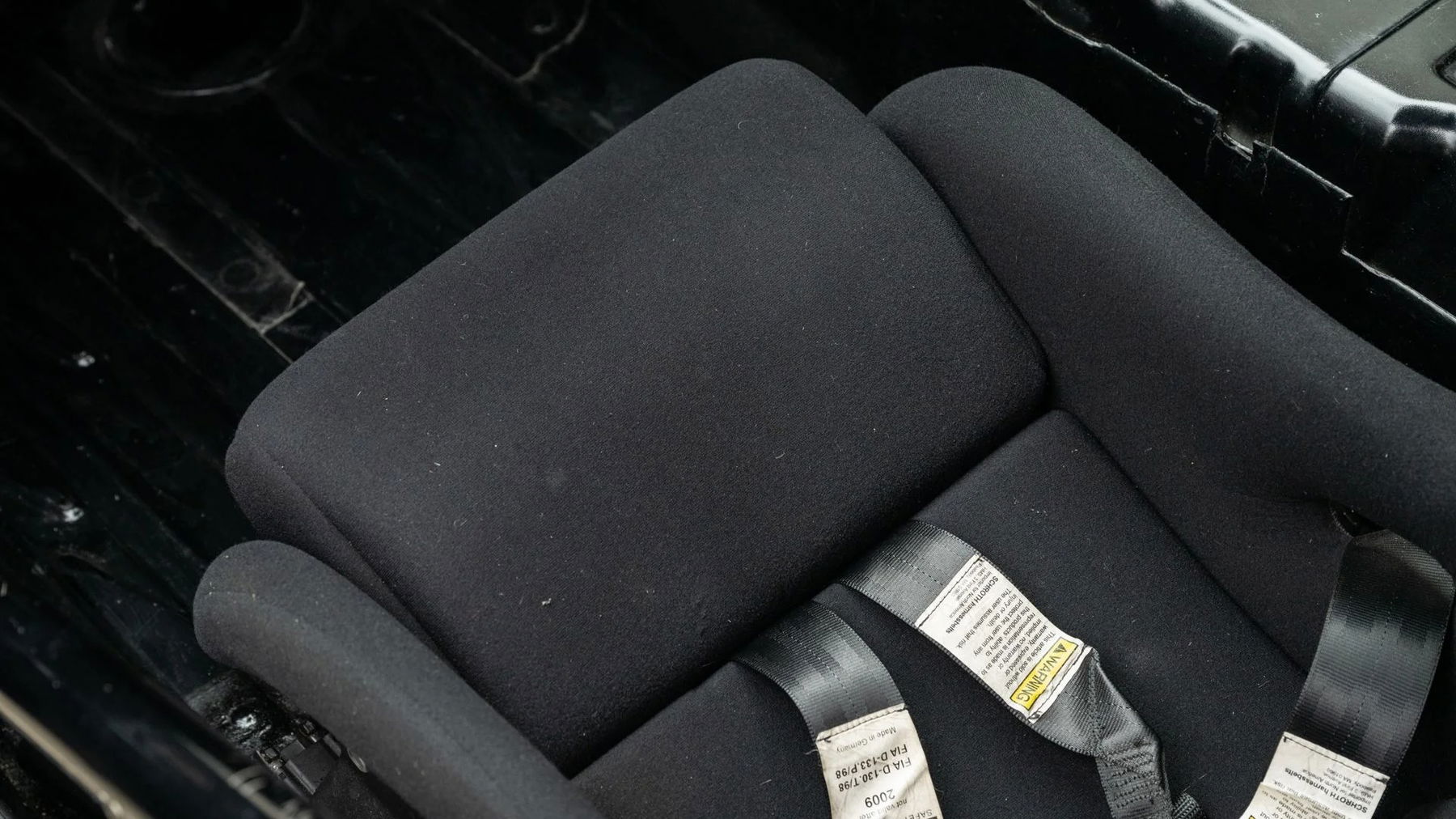
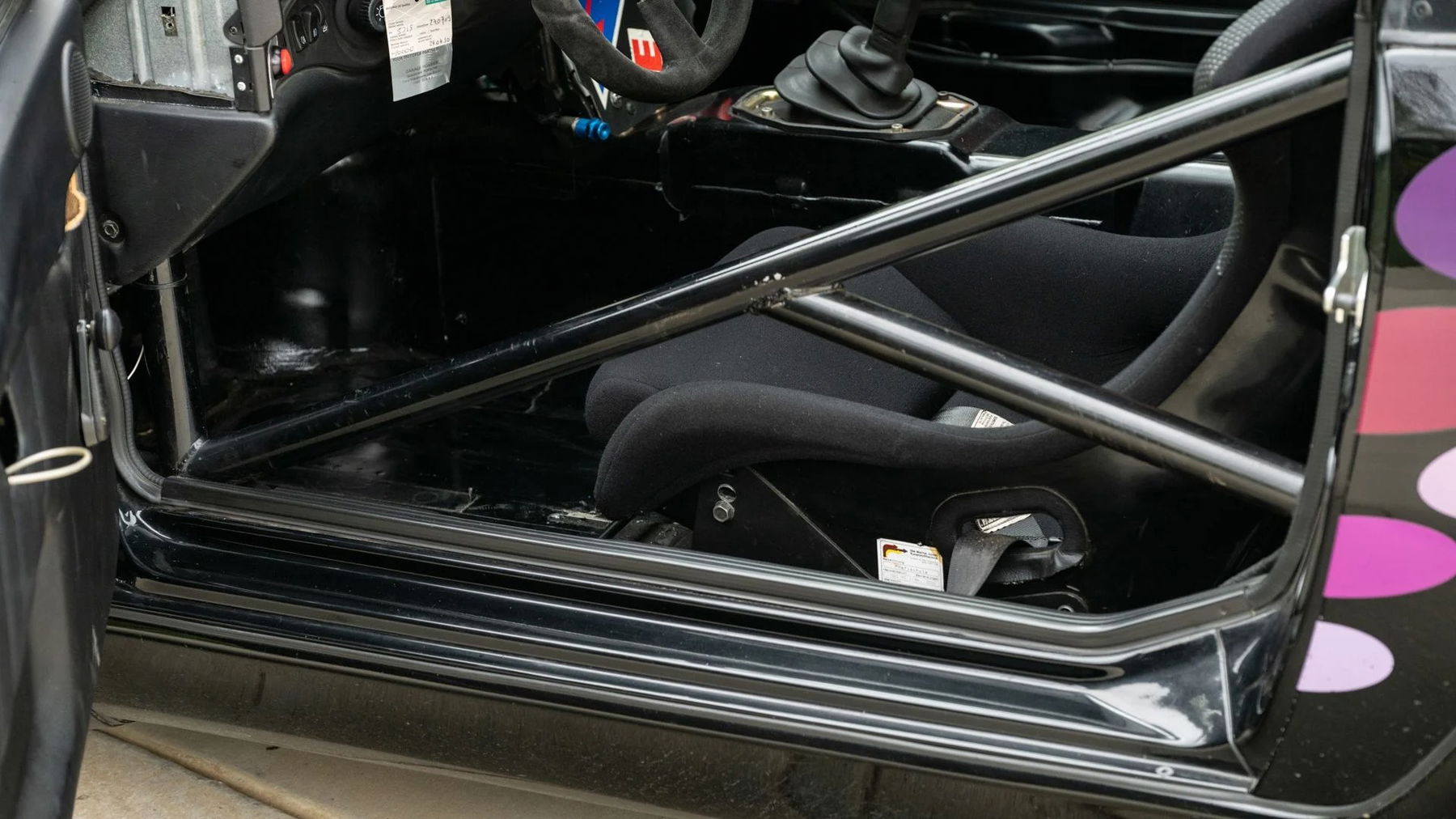
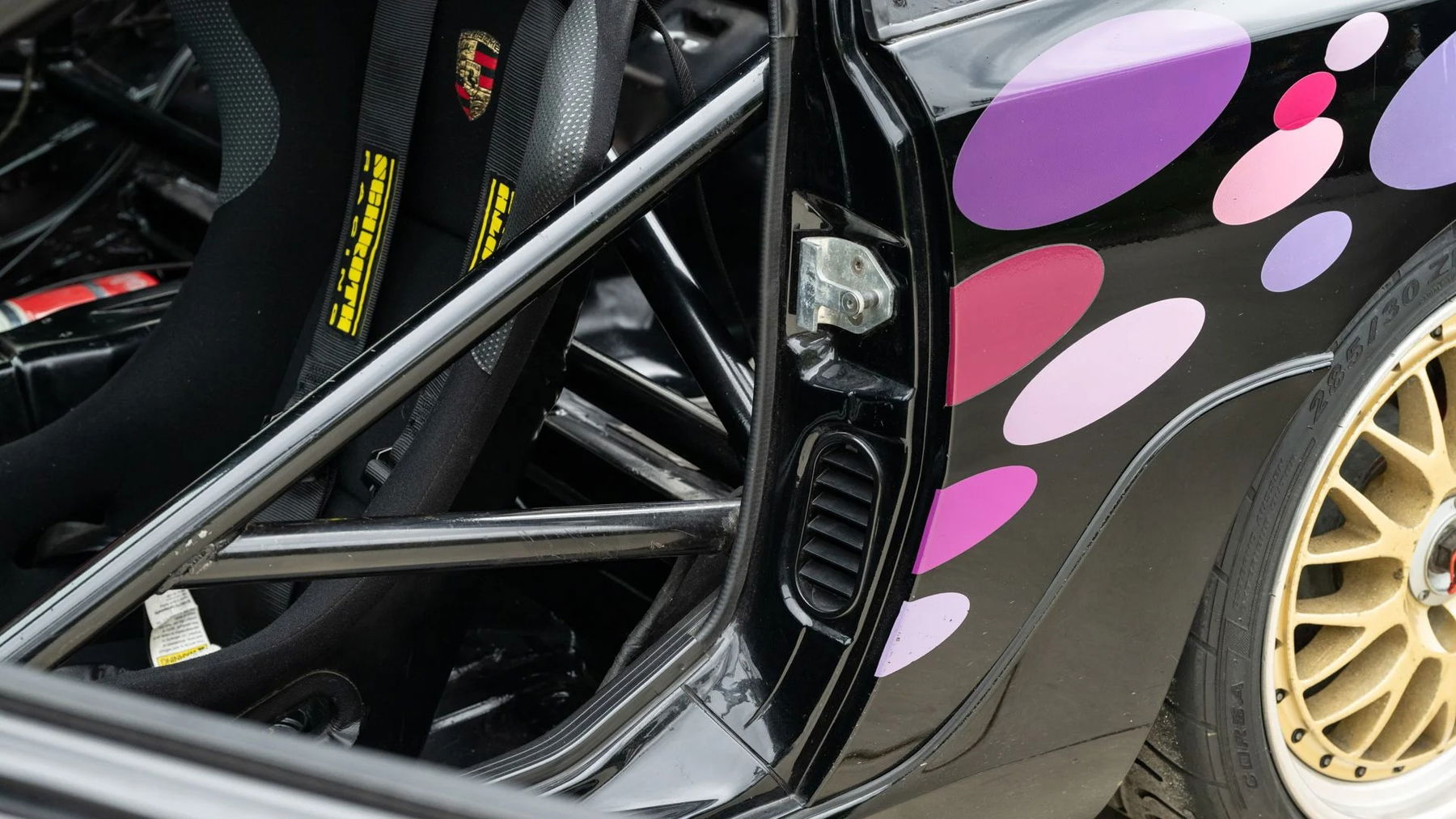
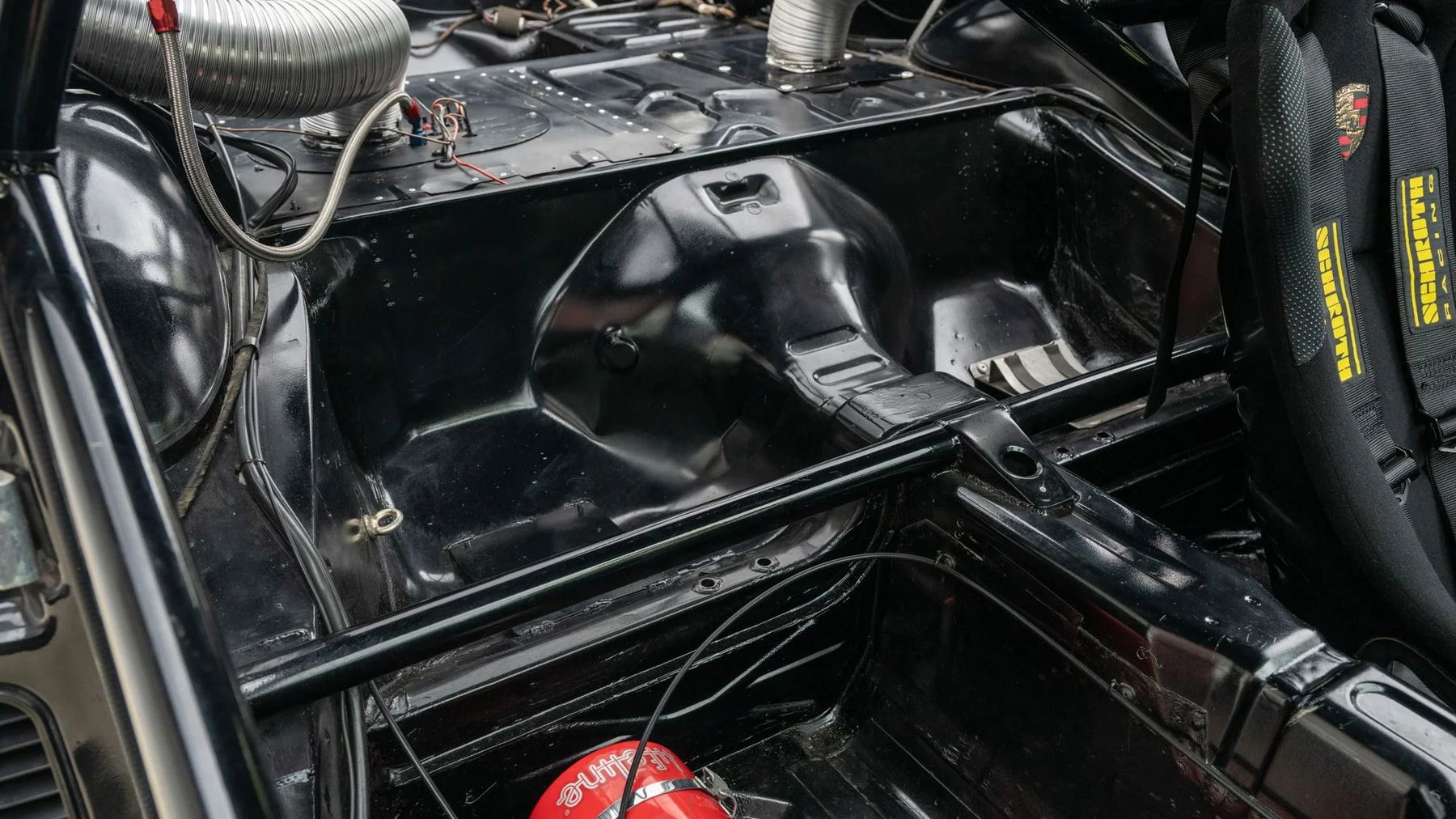
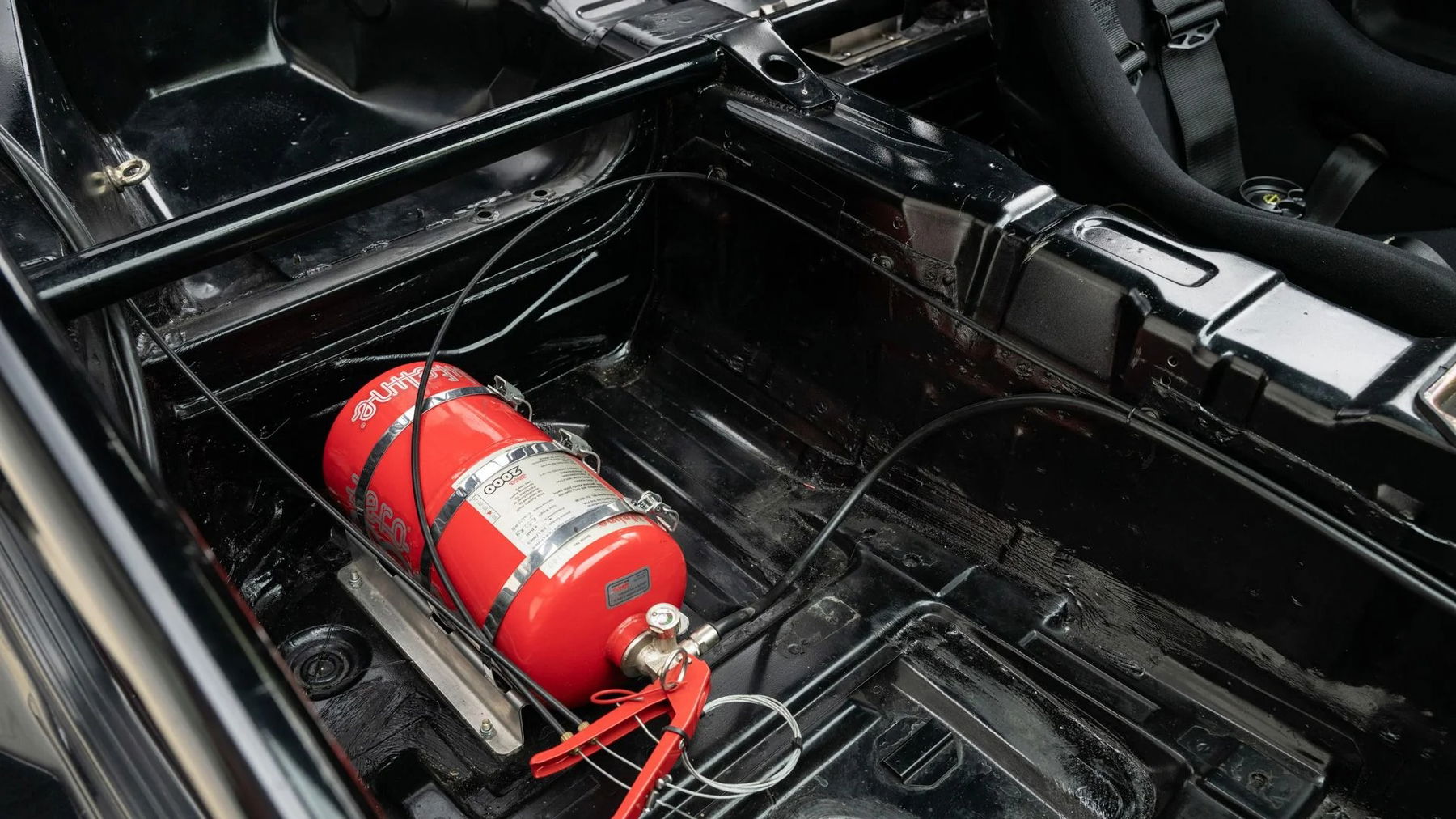
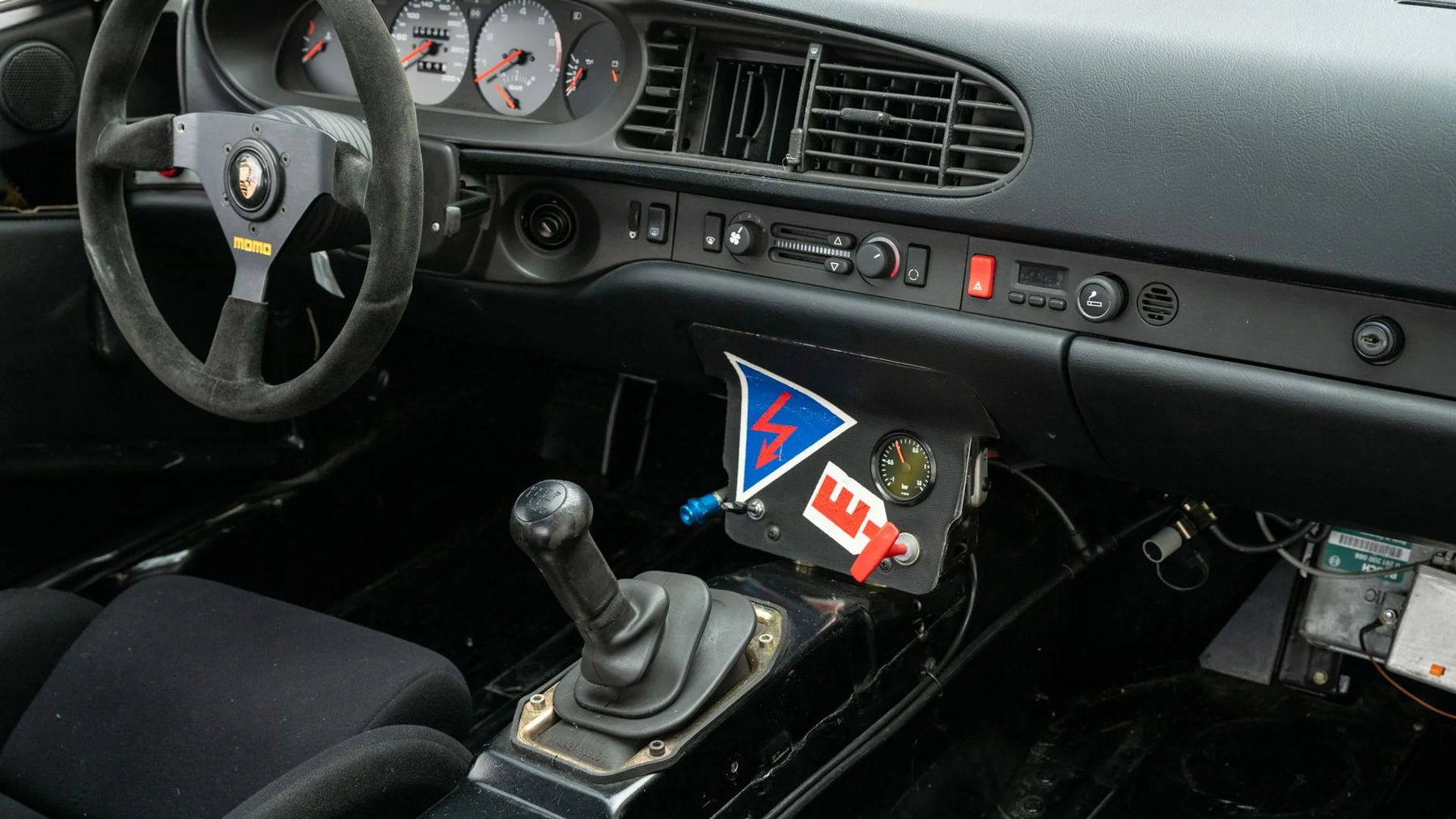
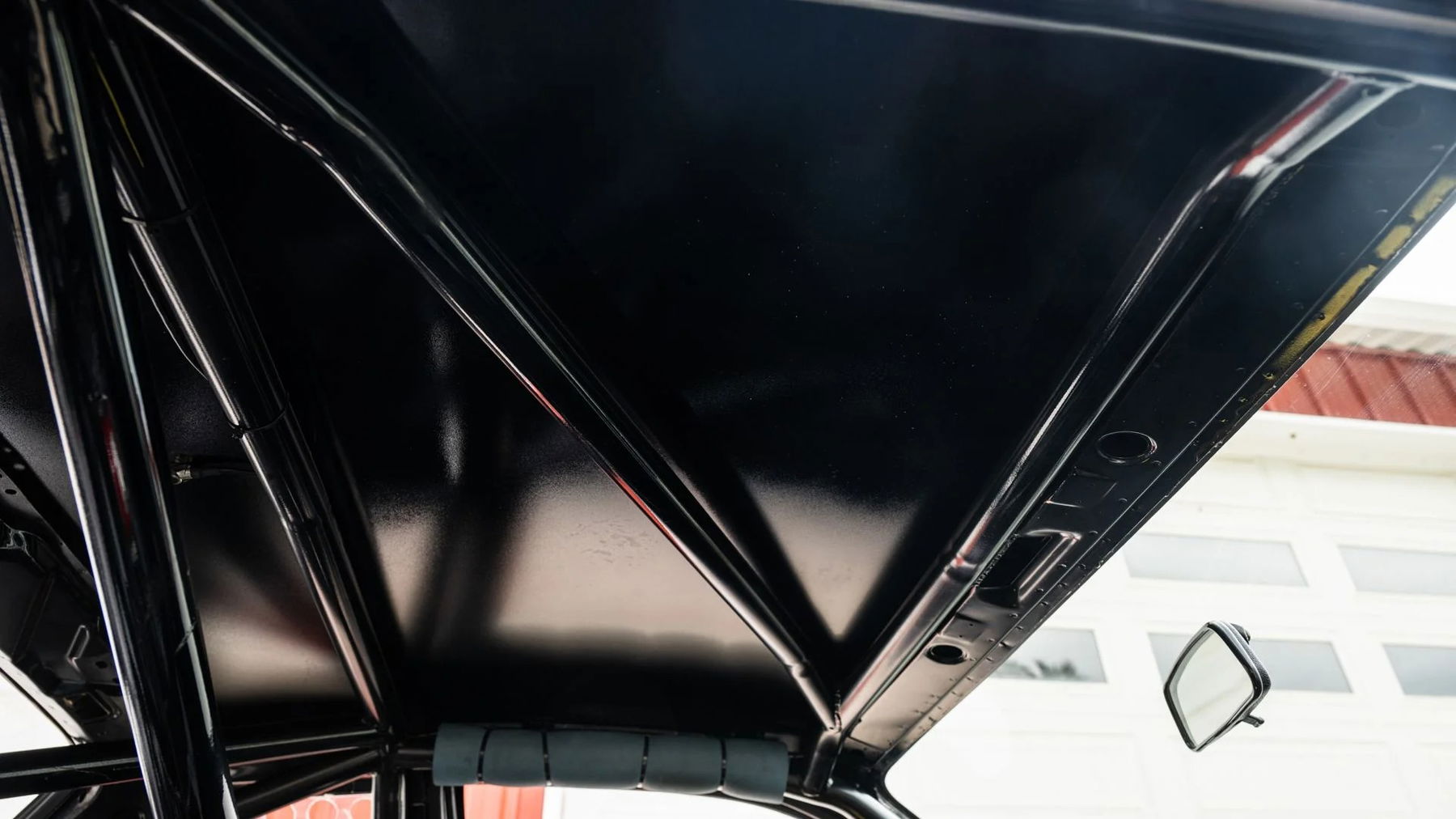
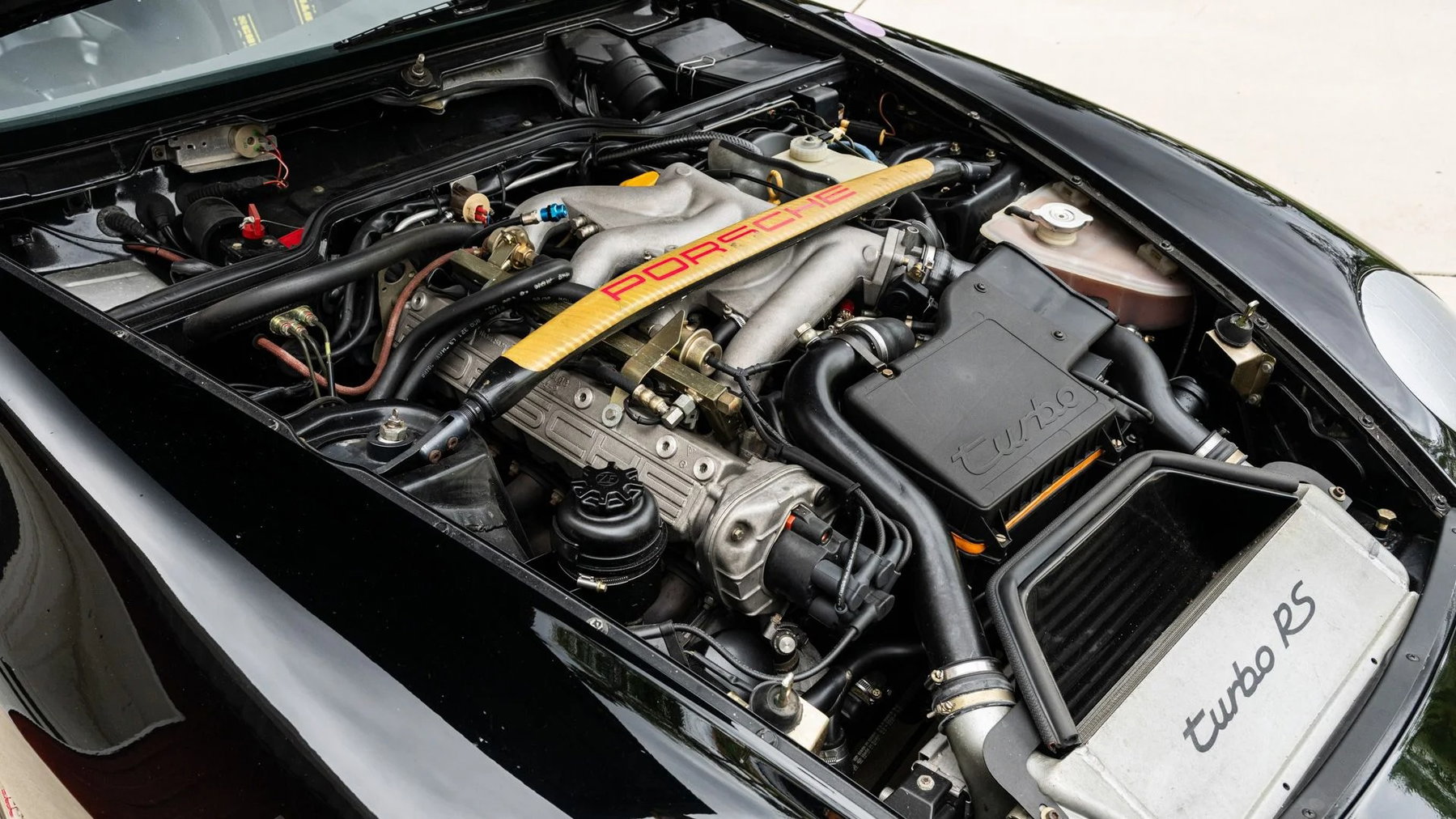
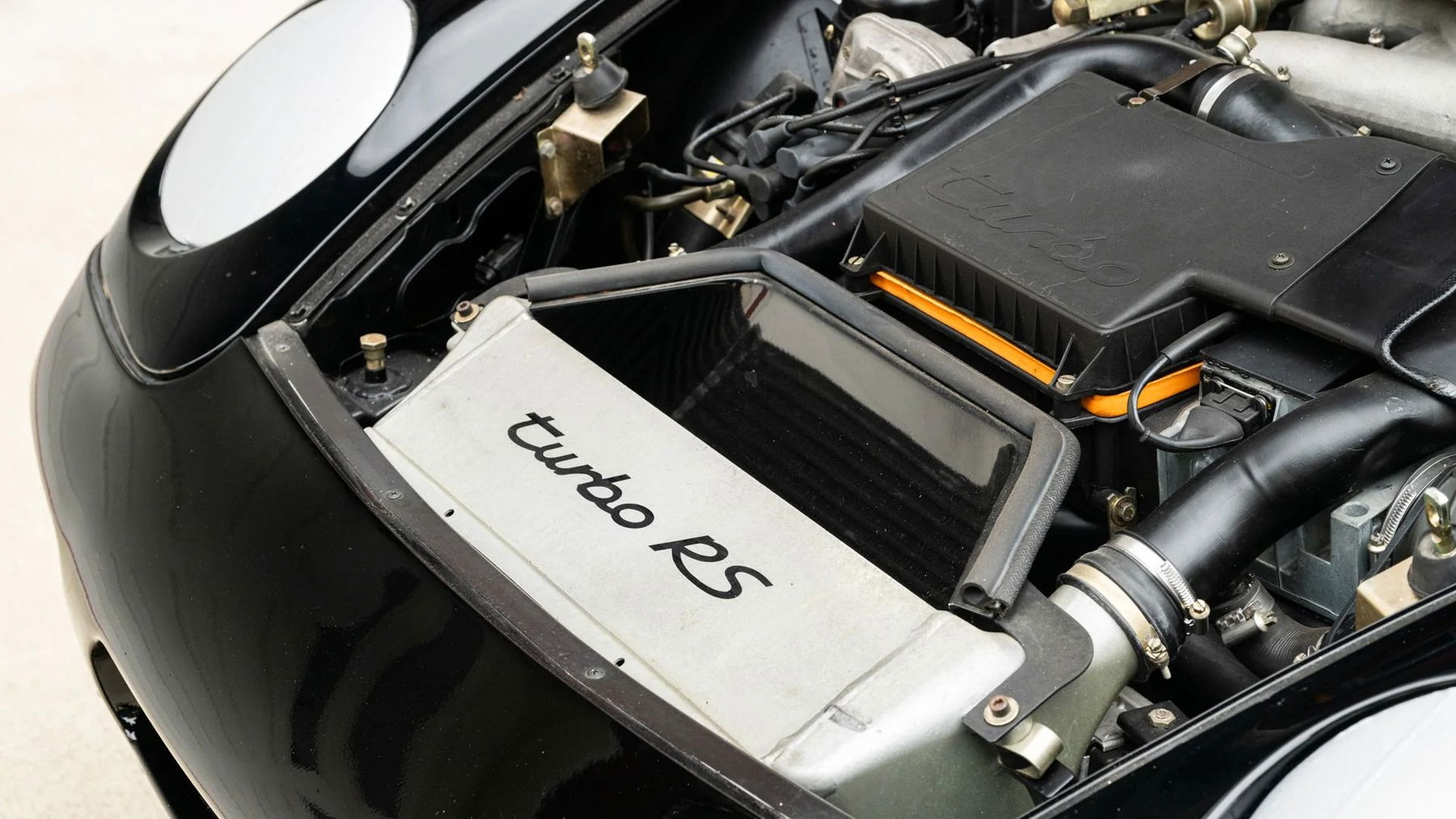
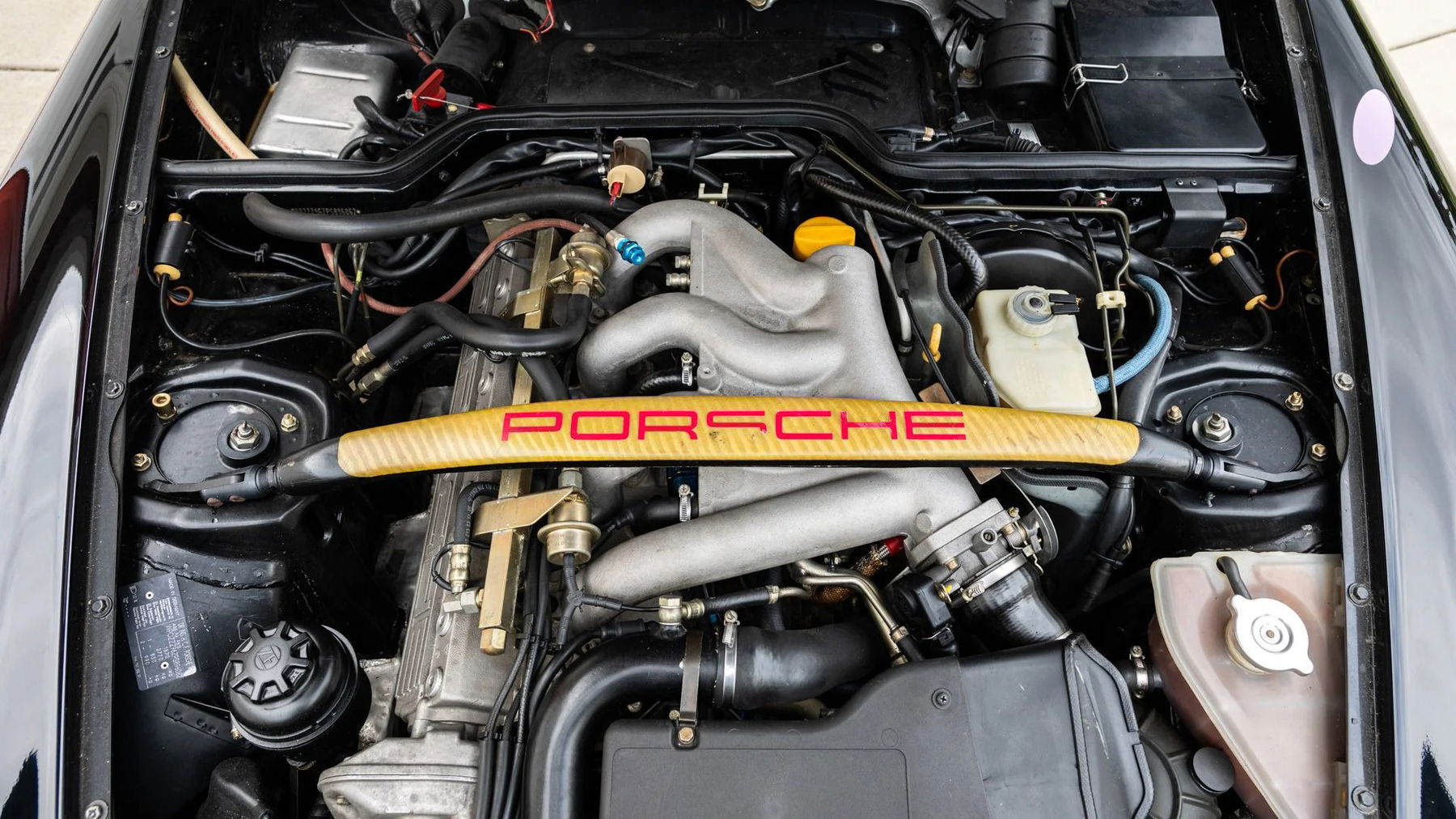
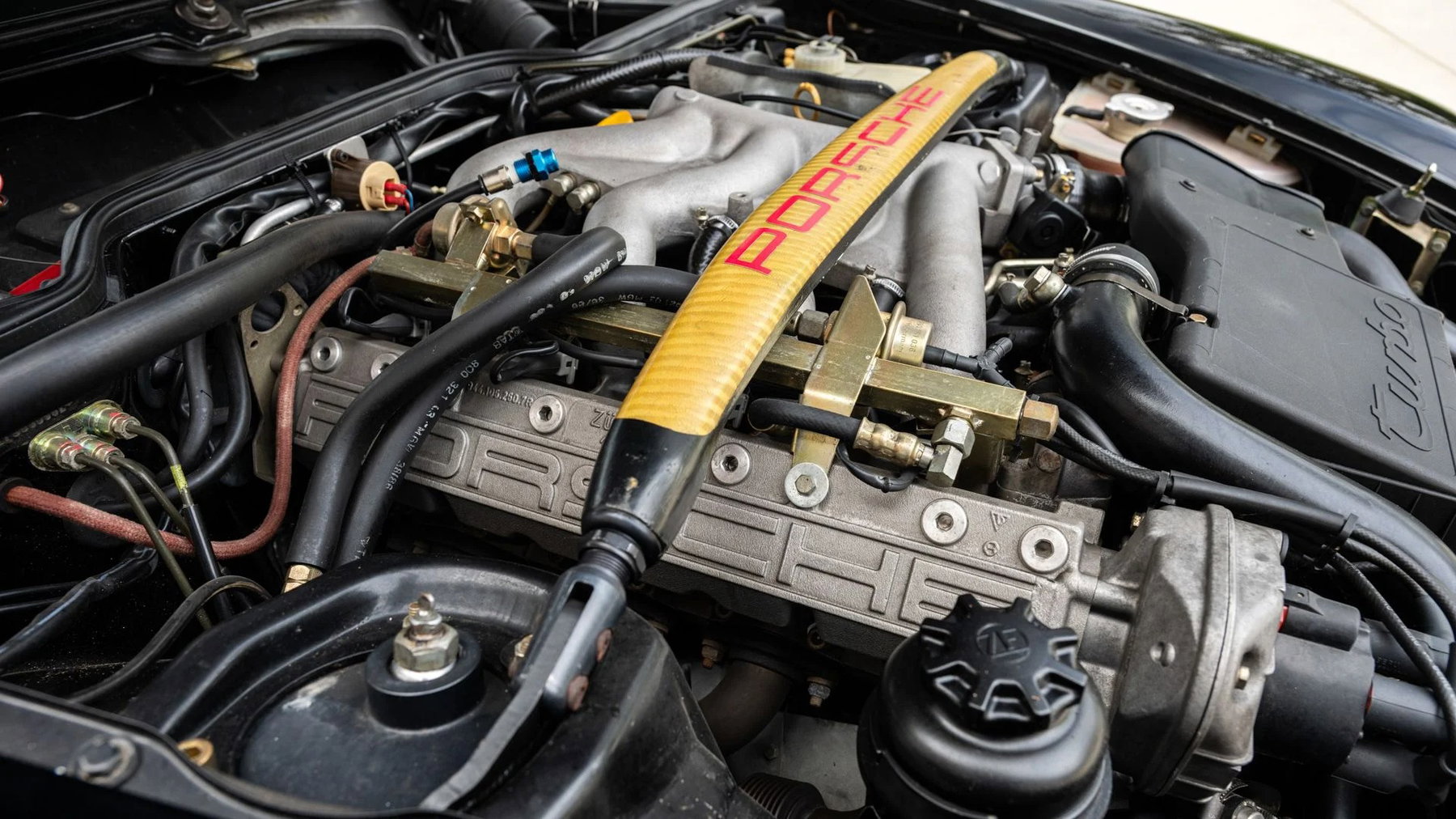
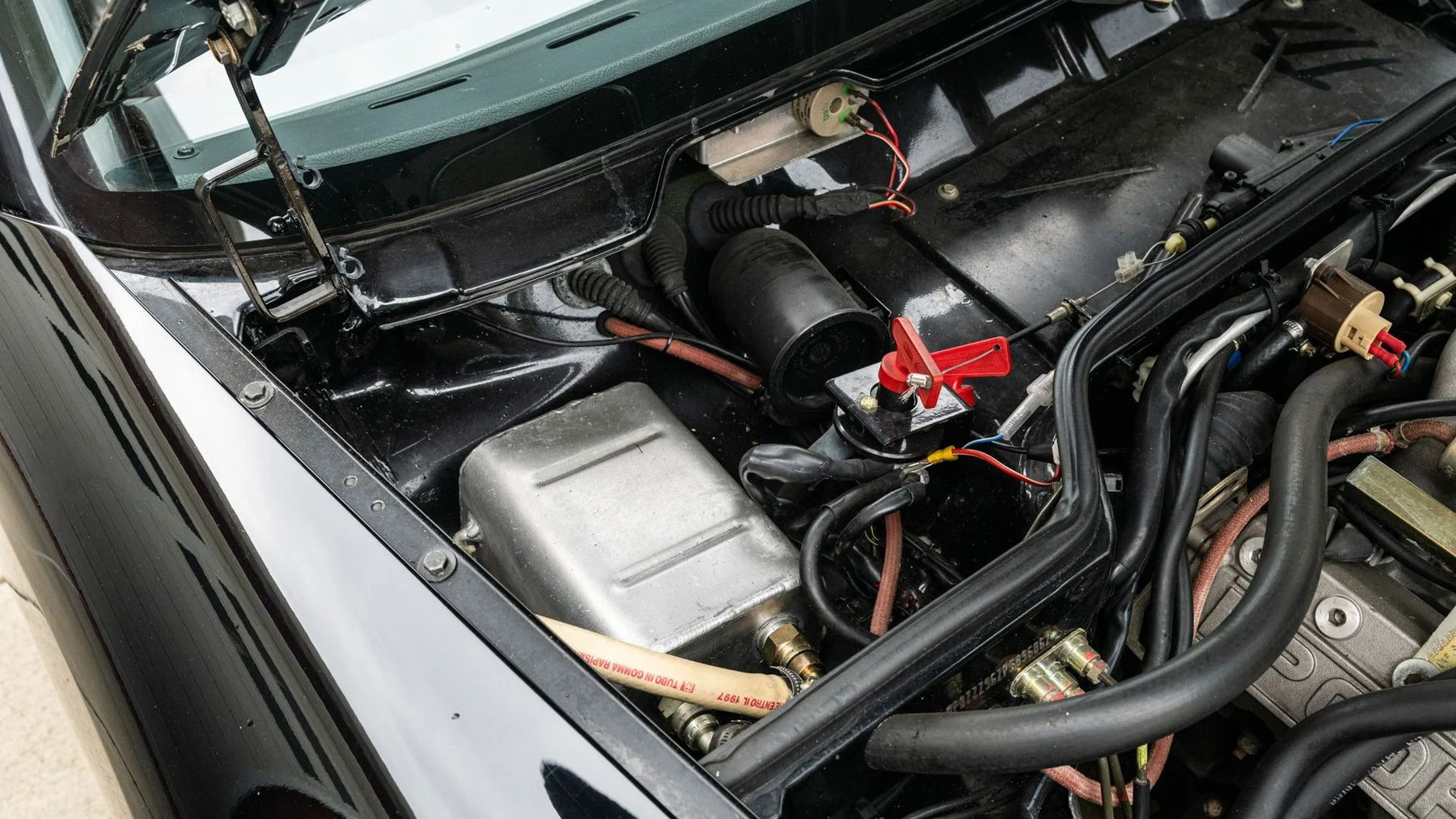
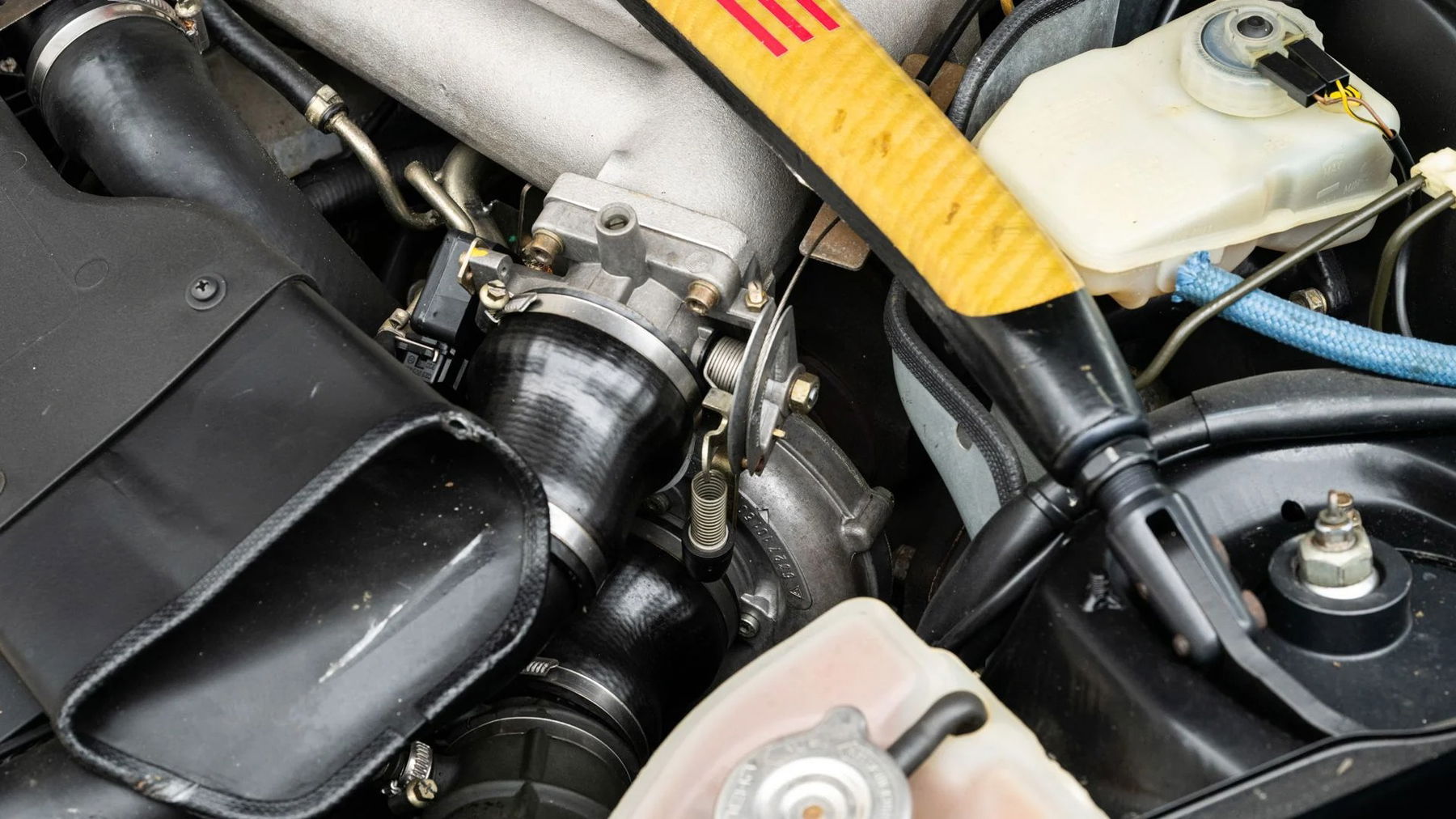
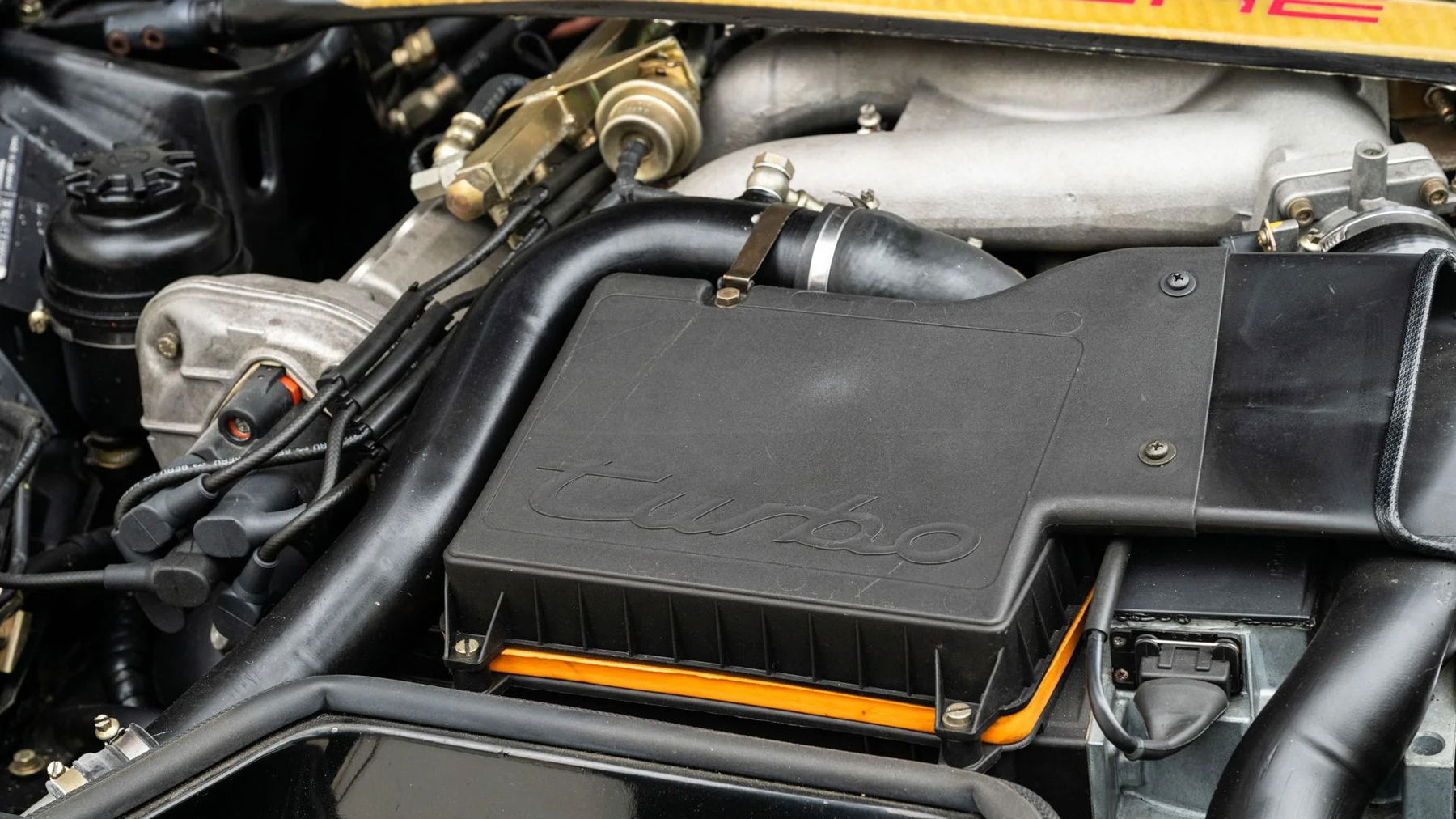
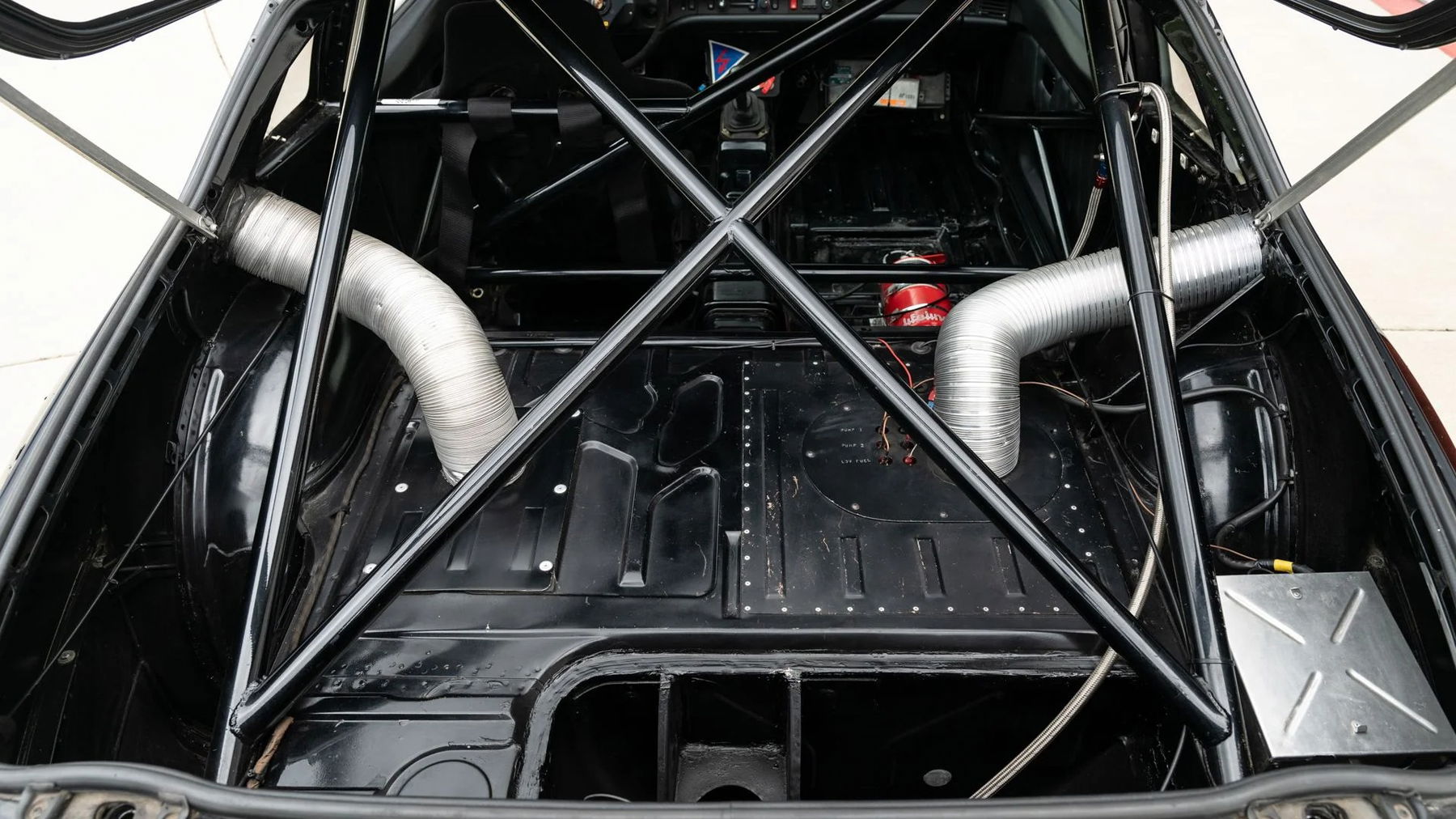
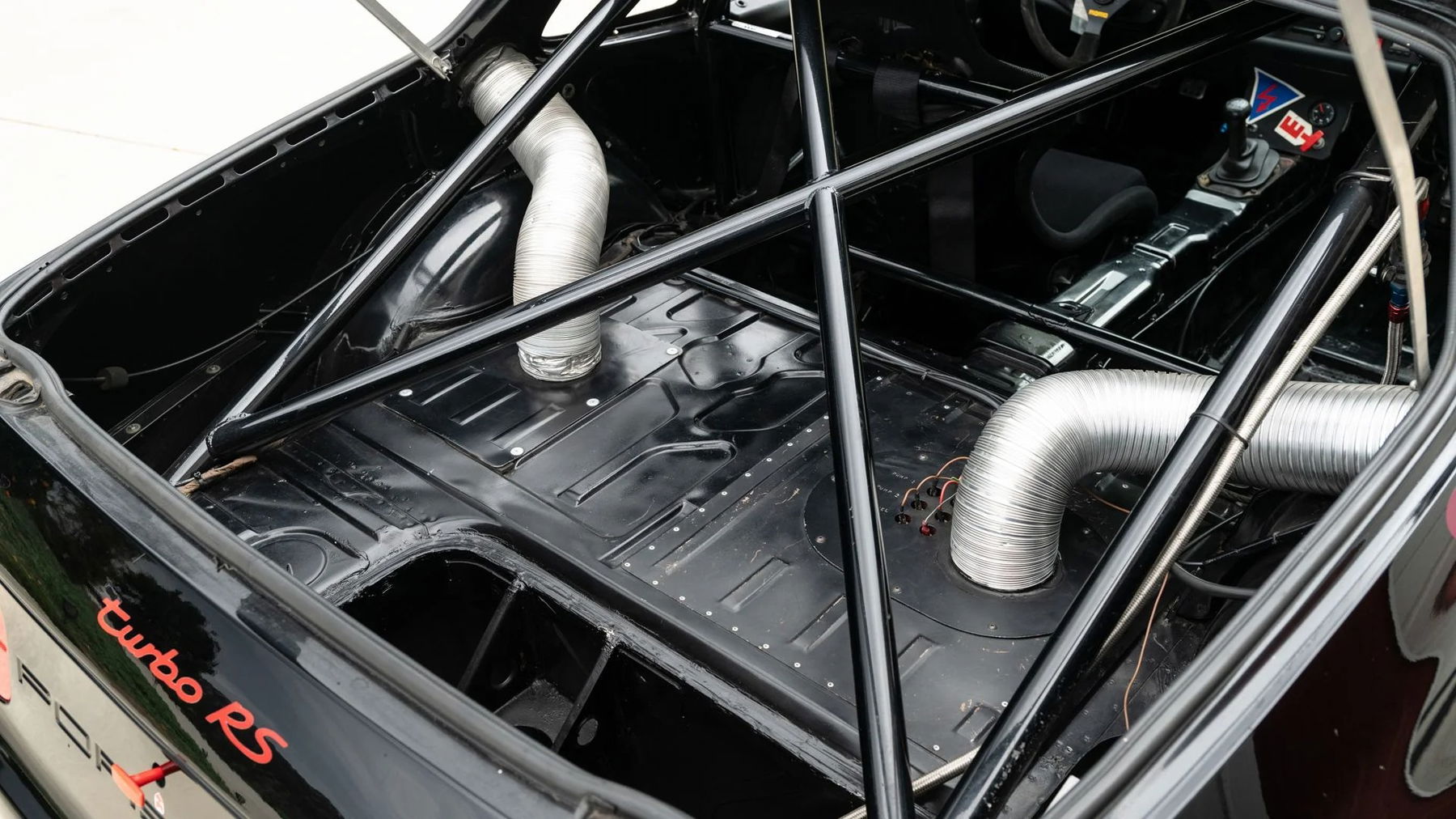
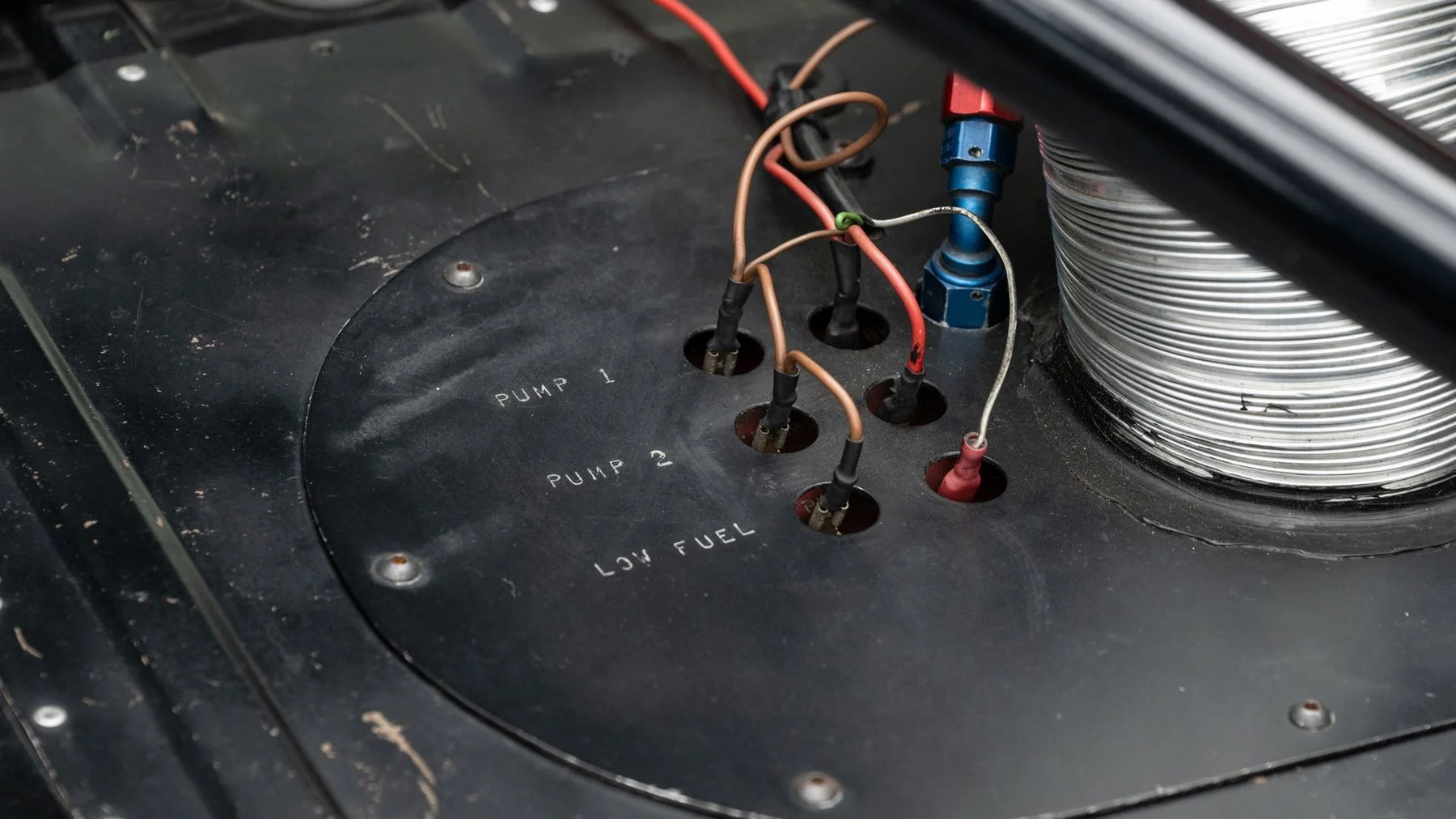
Mechanically, the road-going 968 Turbo S featured a strengthened Nikasil block, oil jets, and a 3.0-liter eight-valve engine producing 305 horsepower and 369 lb-ft of torque. The further-lightened Turbo RS pushed the boost higher, producing up to 360 horsepower without the ADAC Cup restrictor in place. Factory sources list the modifications, which included a “uncompromising chassis setup,” an additional roll cage, fire extinguisher system, 43-liter safety fuel tank, and six-point safety harness tipping the scales at 1,350 kg or just under 3,000 pounds for 228,000 DM. Porsche engineers were astonished at what they had created. The resulting car was considered quicker by many than the Carrera RSR 3.8, creating a fierce internal rivalry between the two cars that emerged from the same competition department!
The production sequence and history of the three are well known. In short, the Guards Red Clubsport-based prototype was raced by Joest in the ADAC GT Cup, operated by Seikel Motorsport at Le Mans in Ferrari Fly Yellow before landing in the United States in IMSA competition with Lloyd Hawkins and Rennsport Racing. 000 notes the Grand Prix White example was “severely damaged” during an ADAC GT Cup race at the Nürburgring. The Speed Yellow Turbo RS was sold to a customer in South Africa who, along with TechArt, “made so many modifications to the car” according to Schmid.
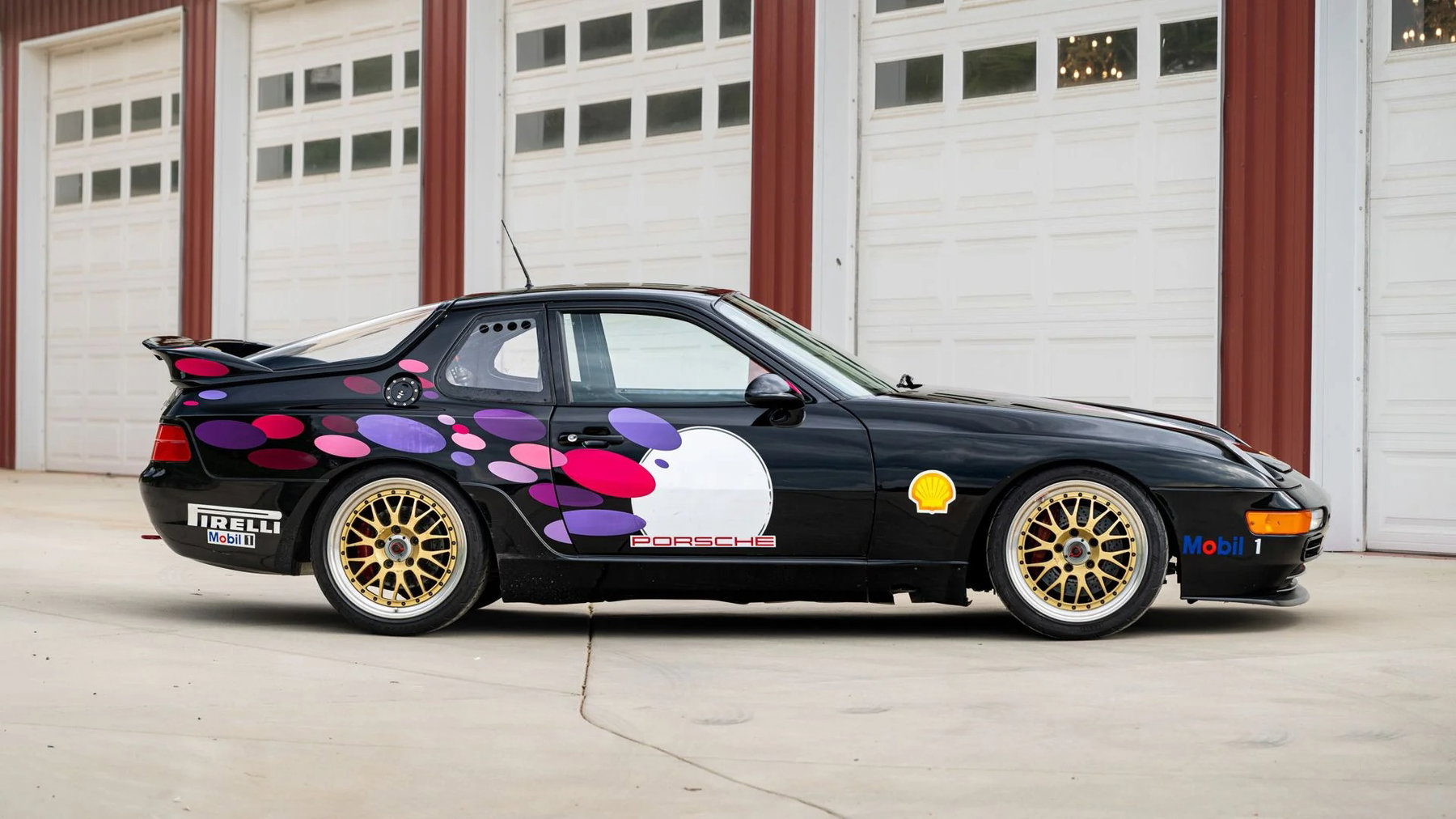
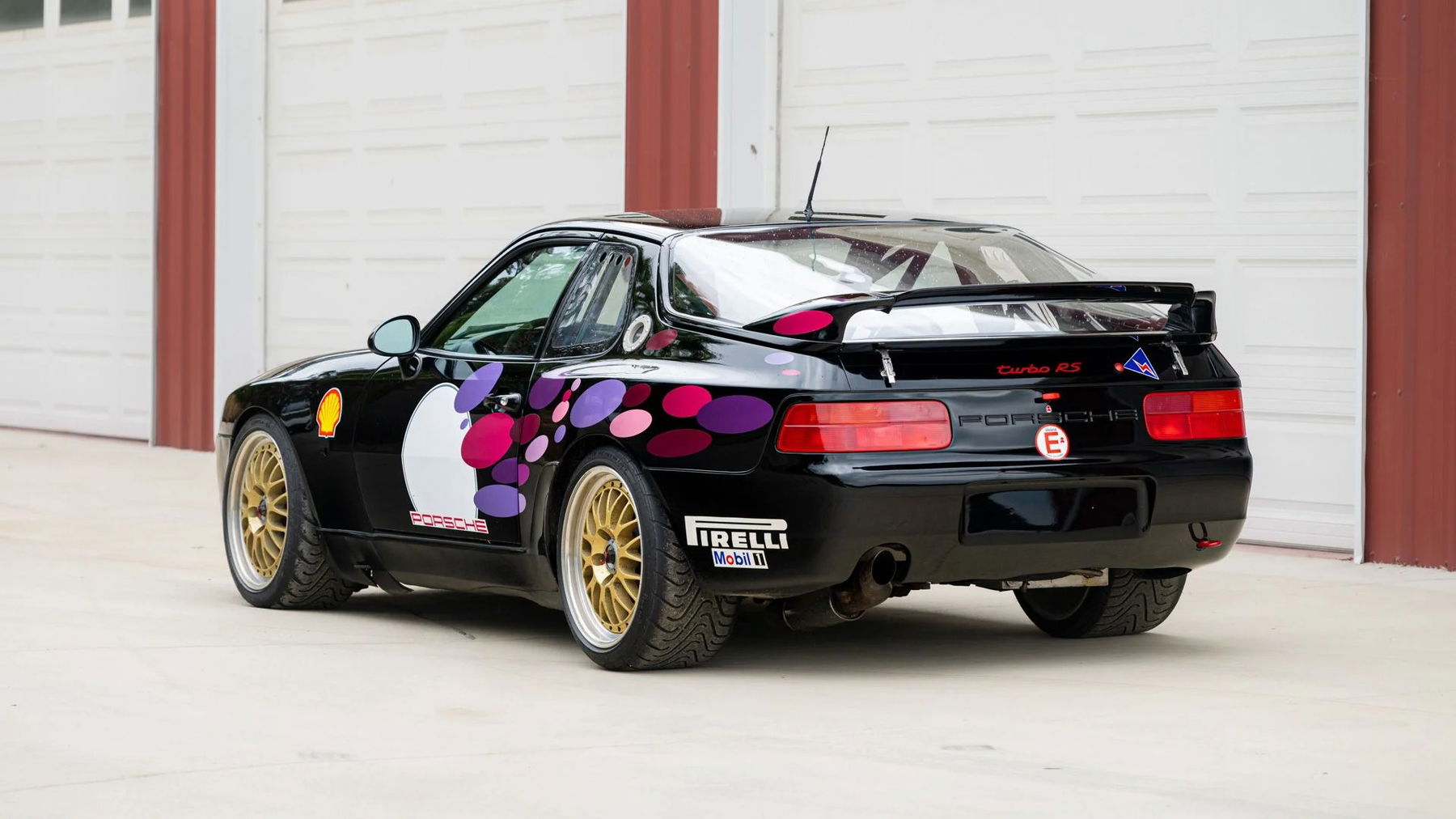
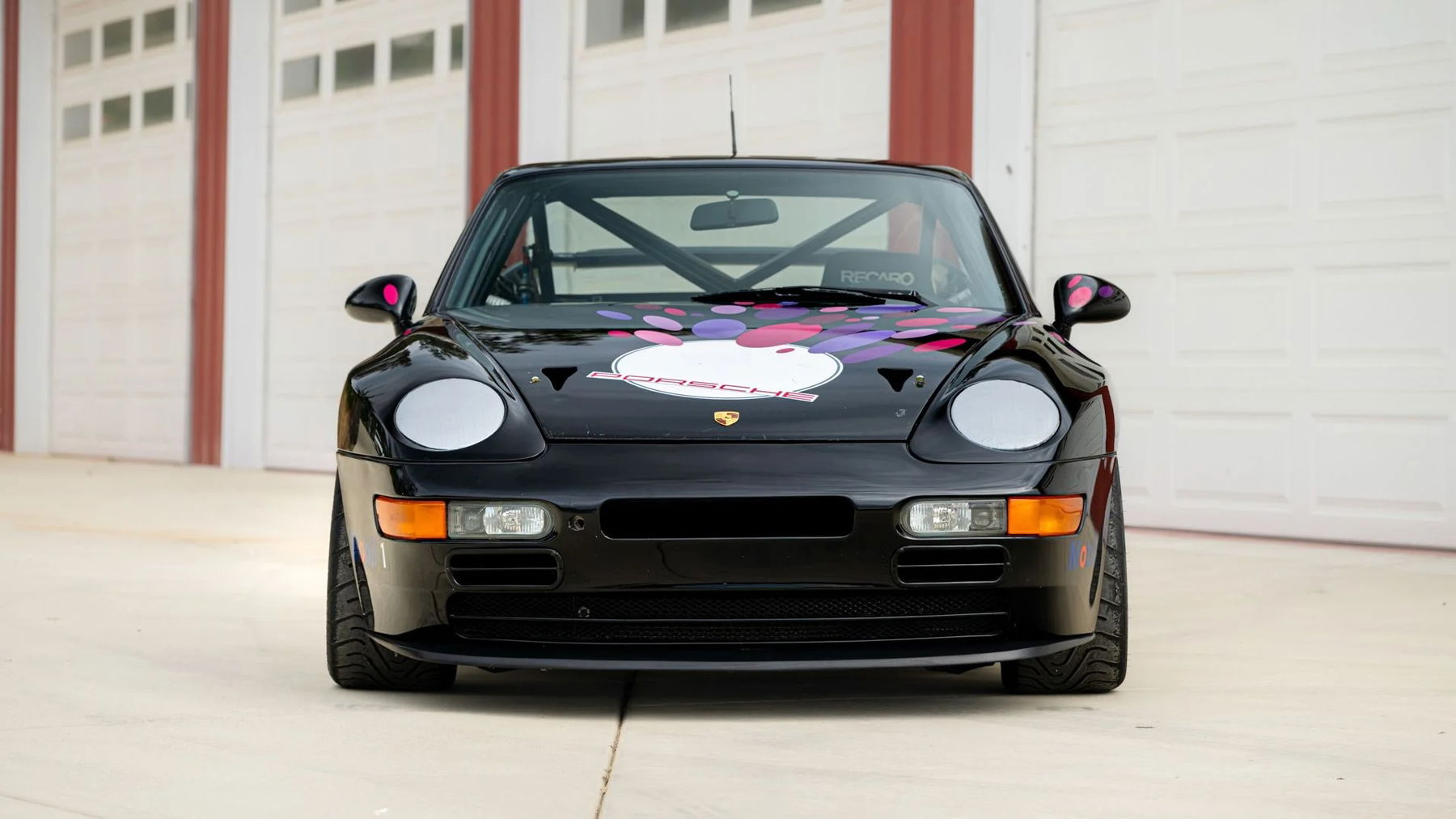
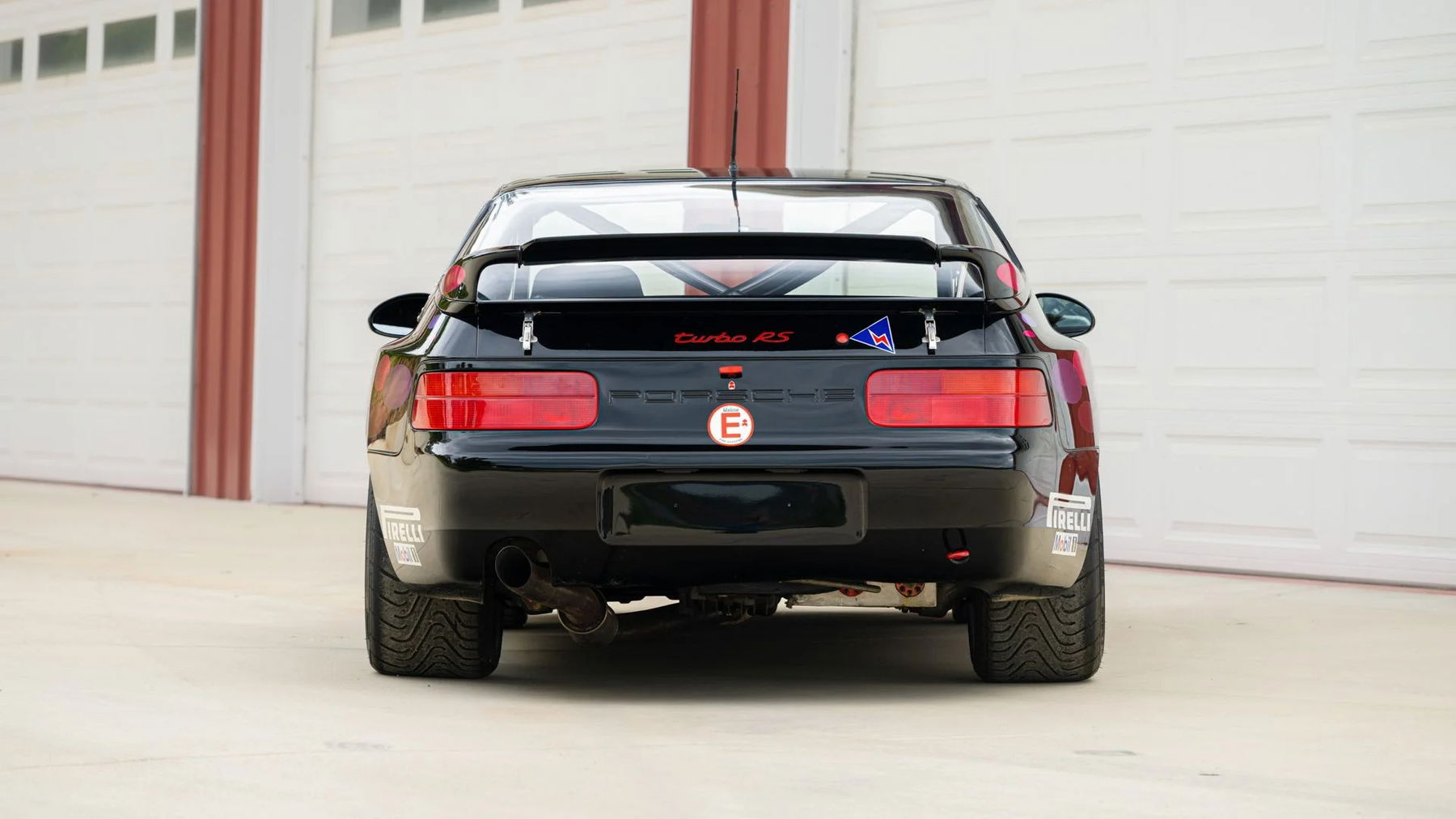
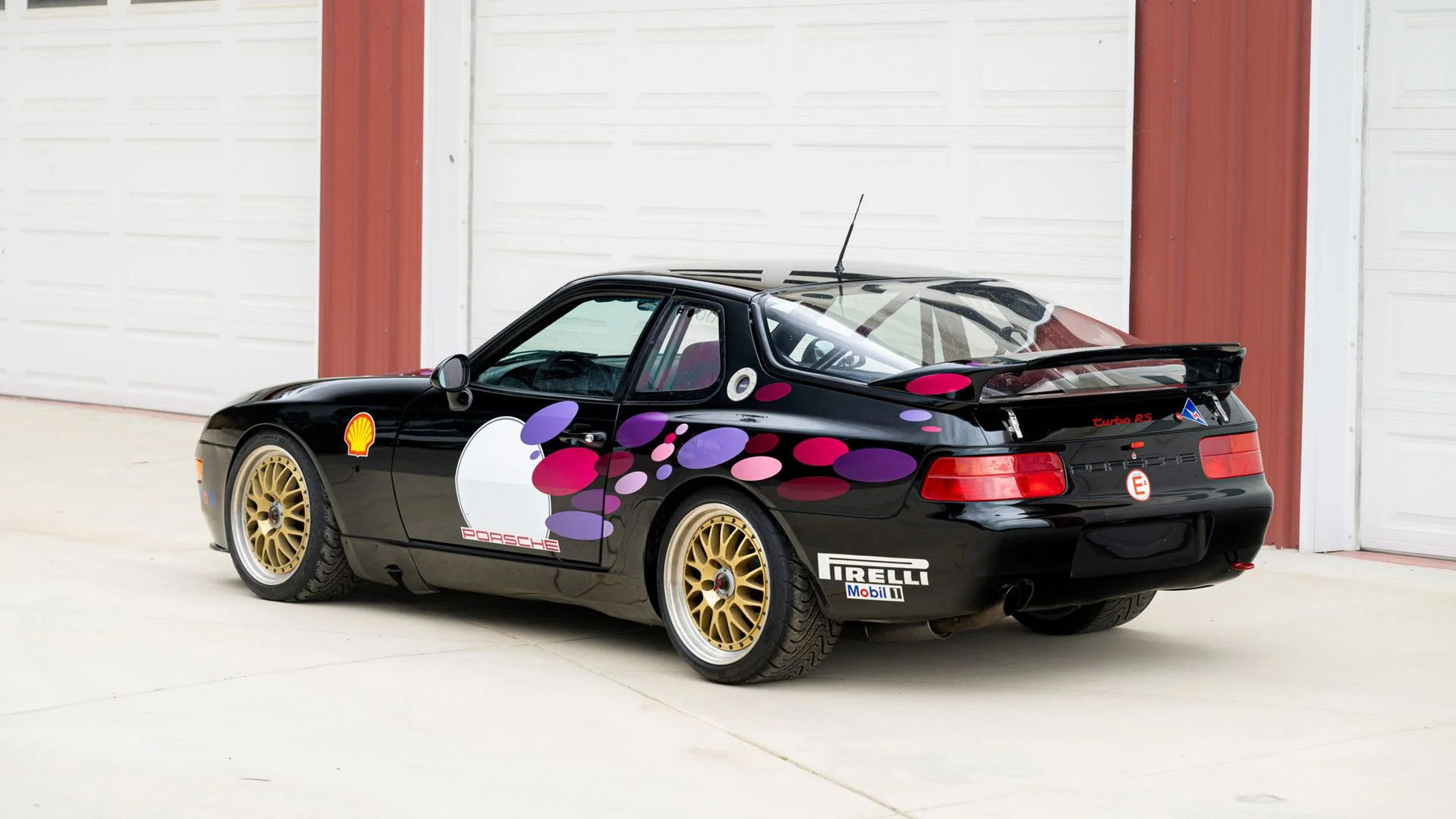
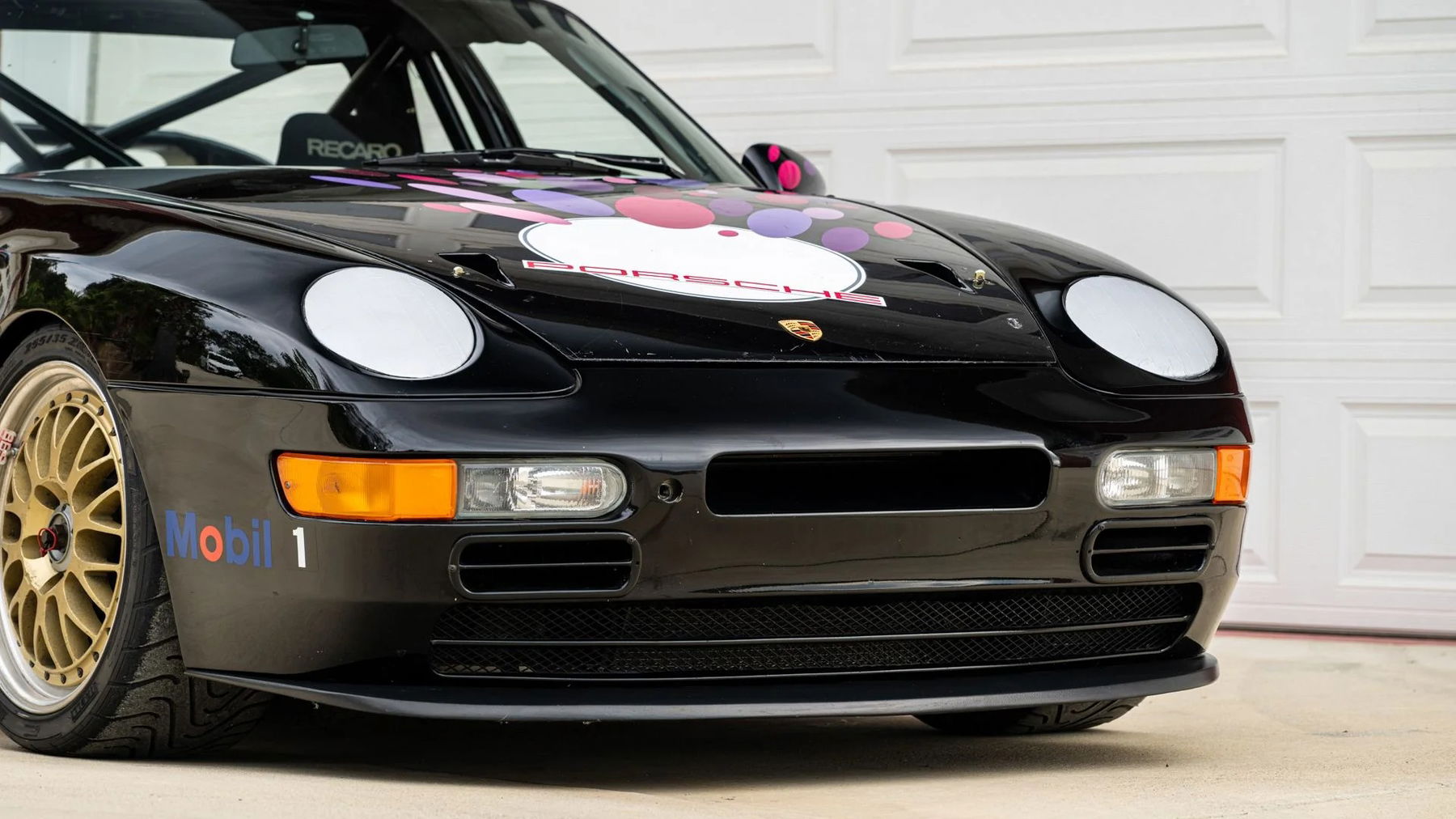
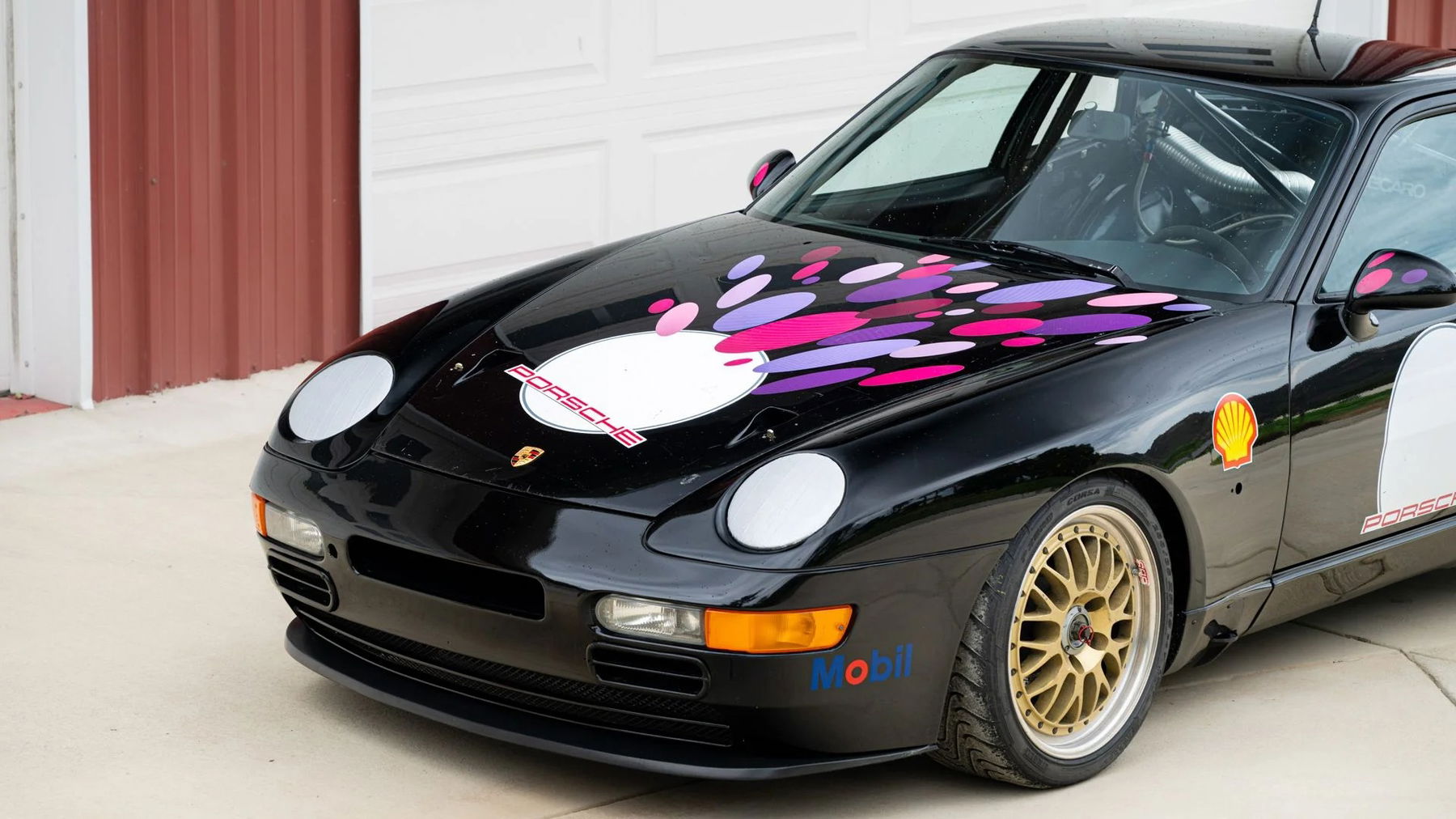
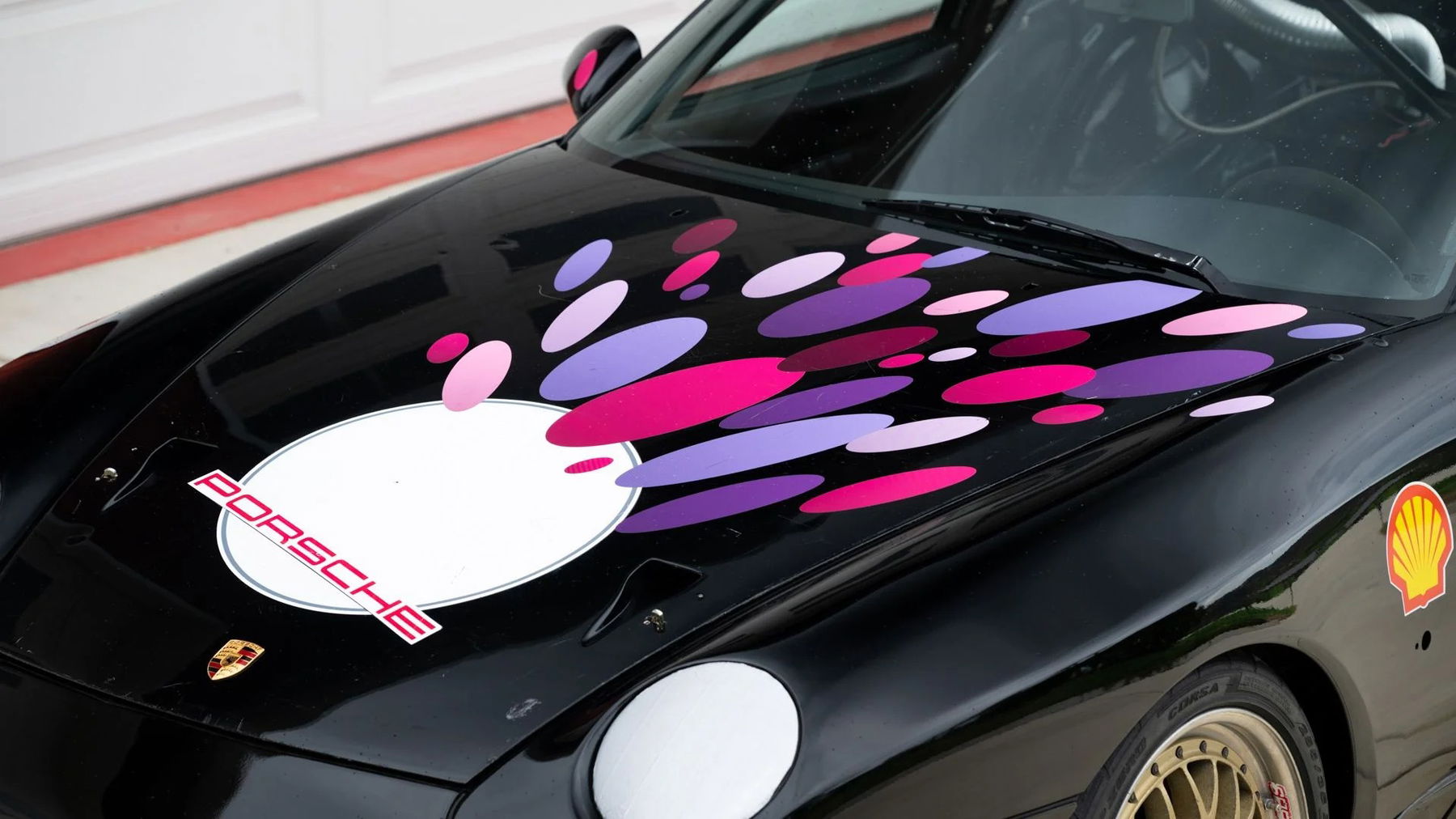
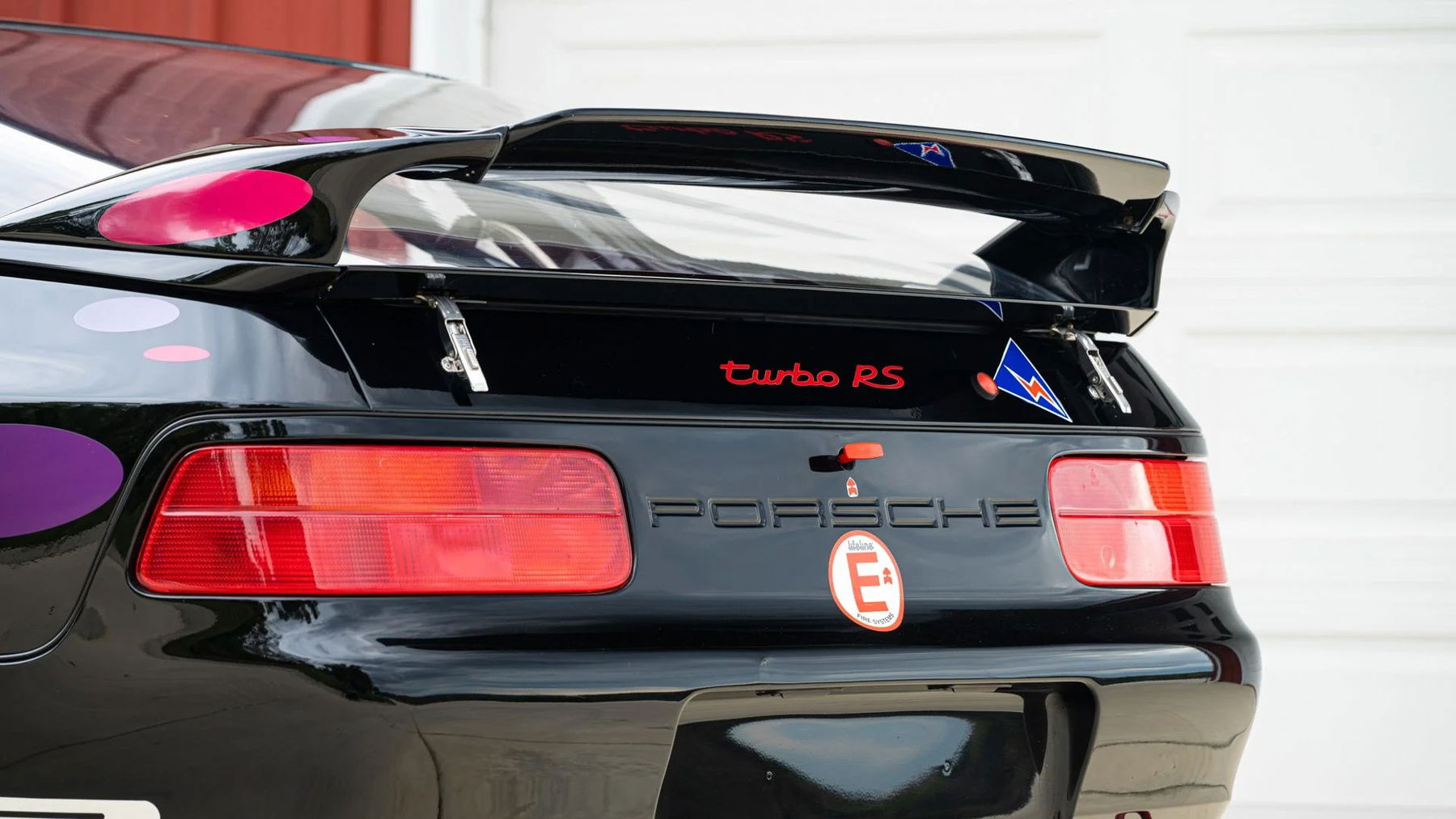
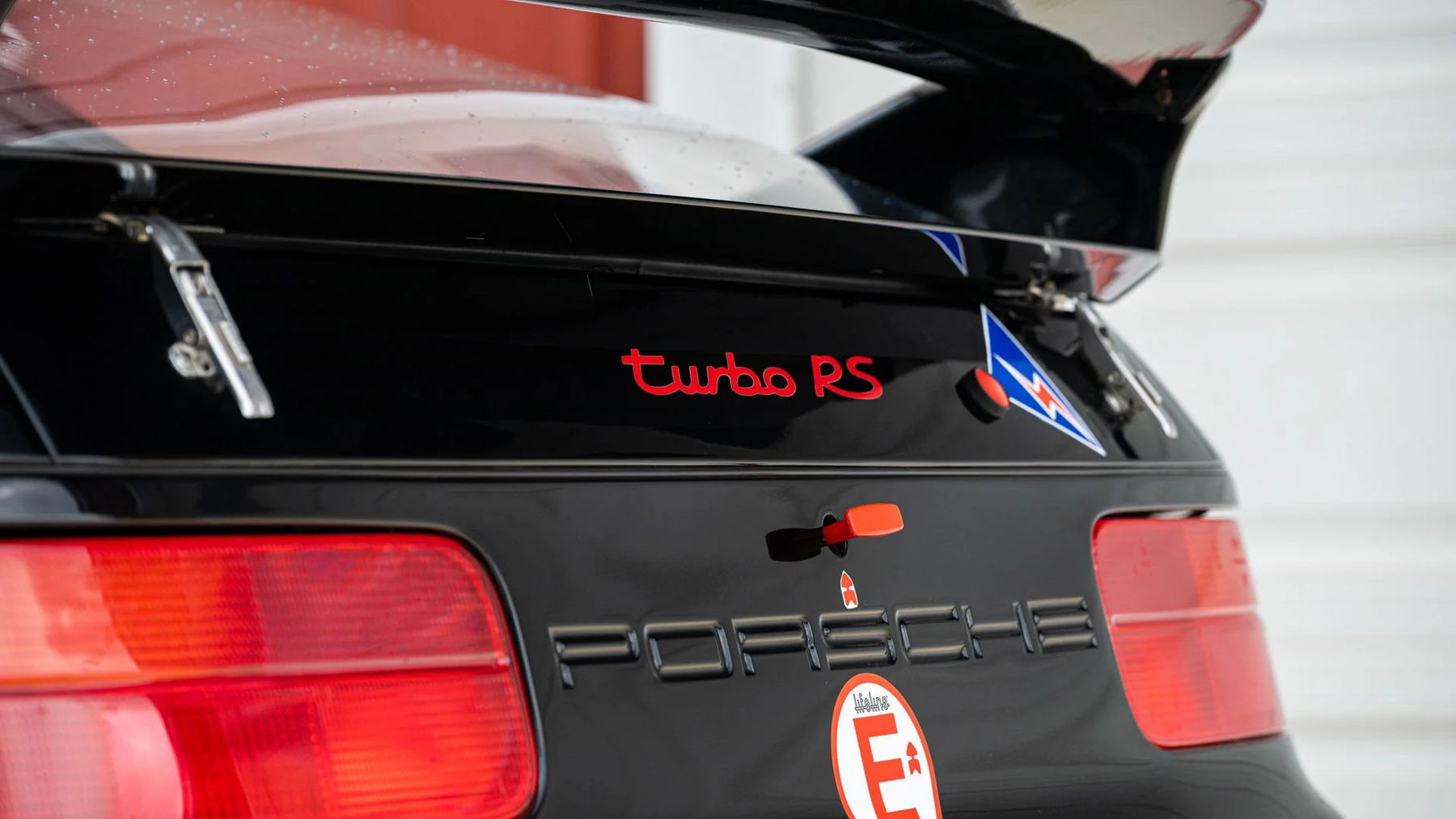
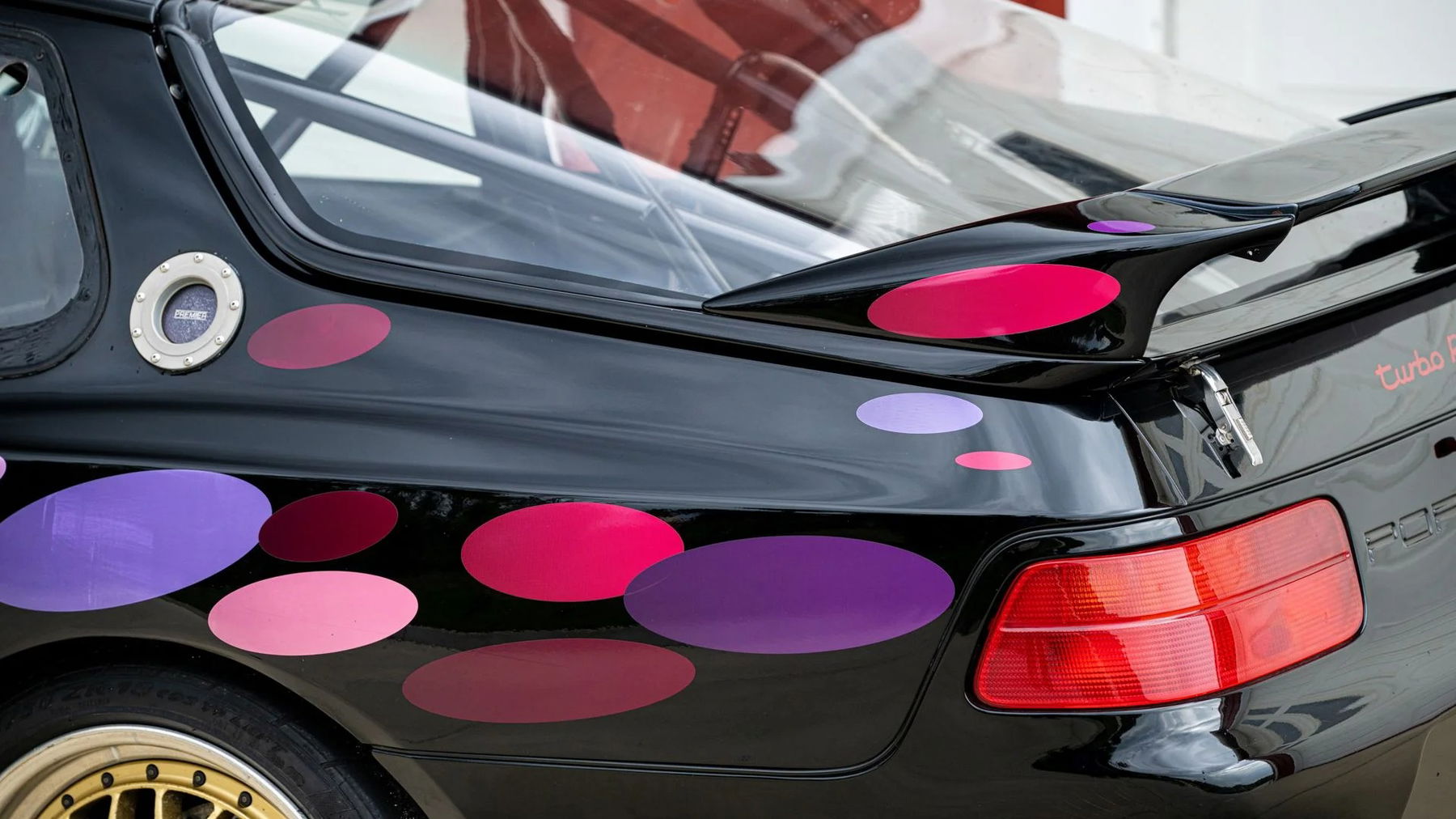
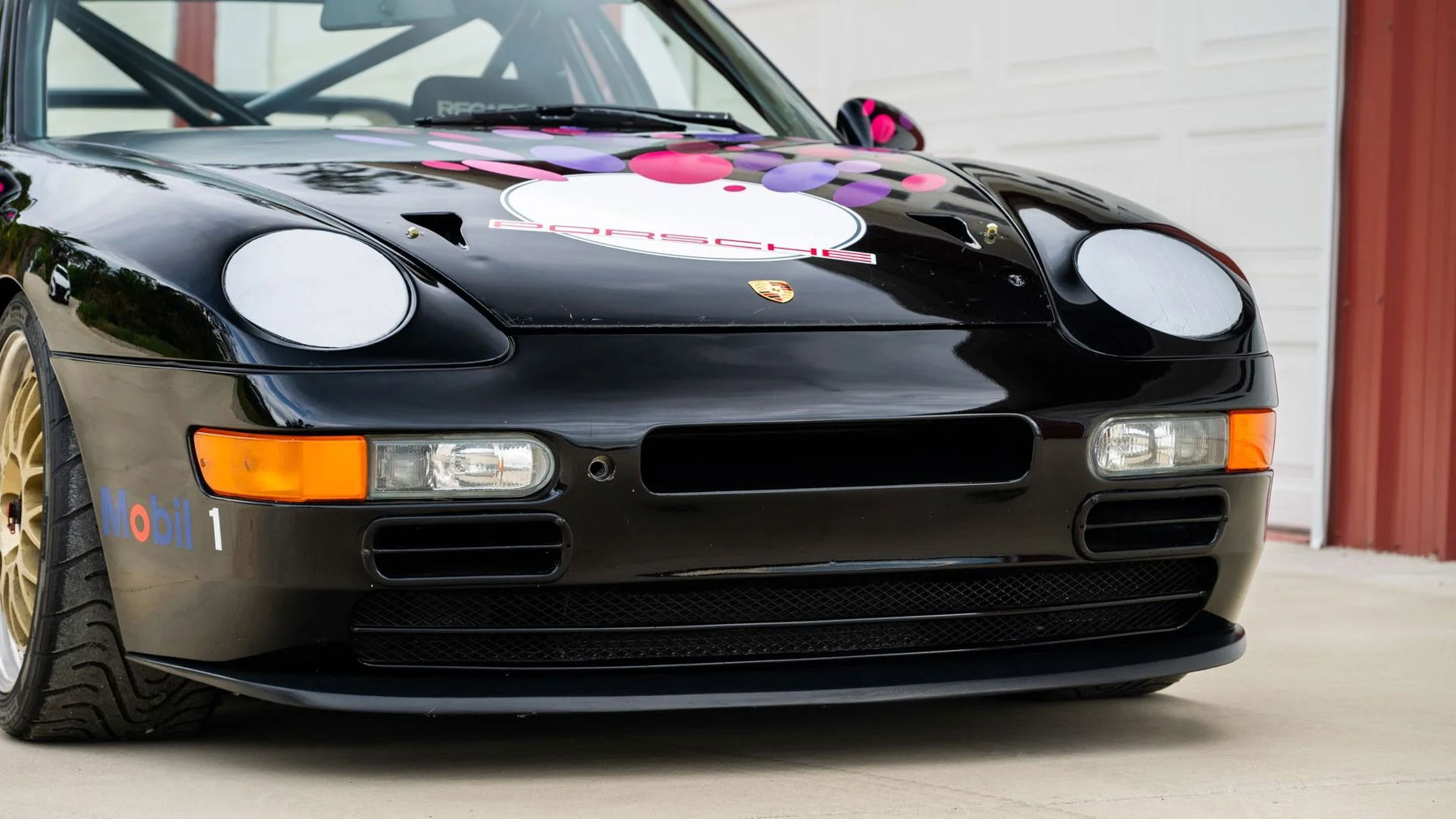
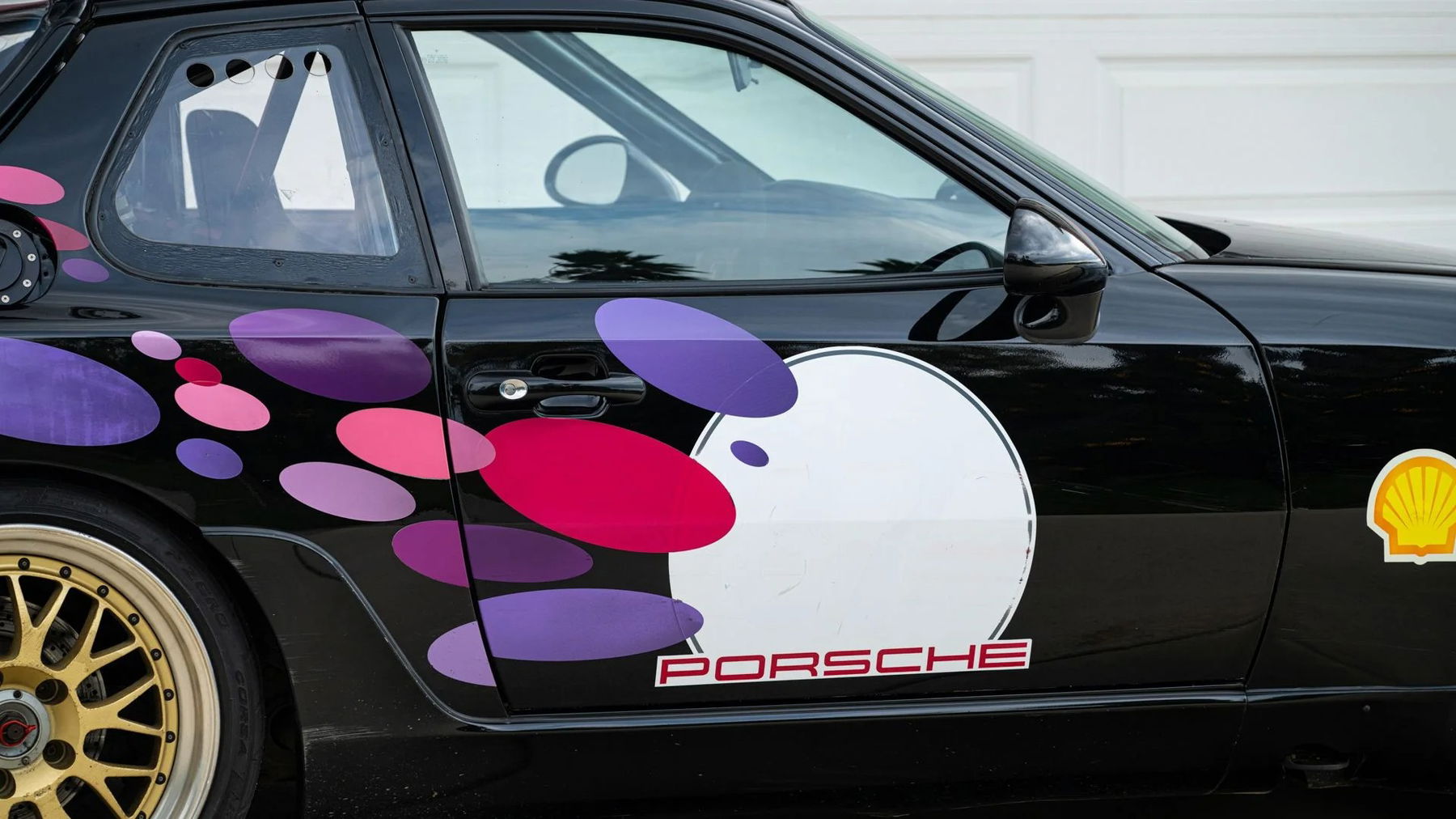
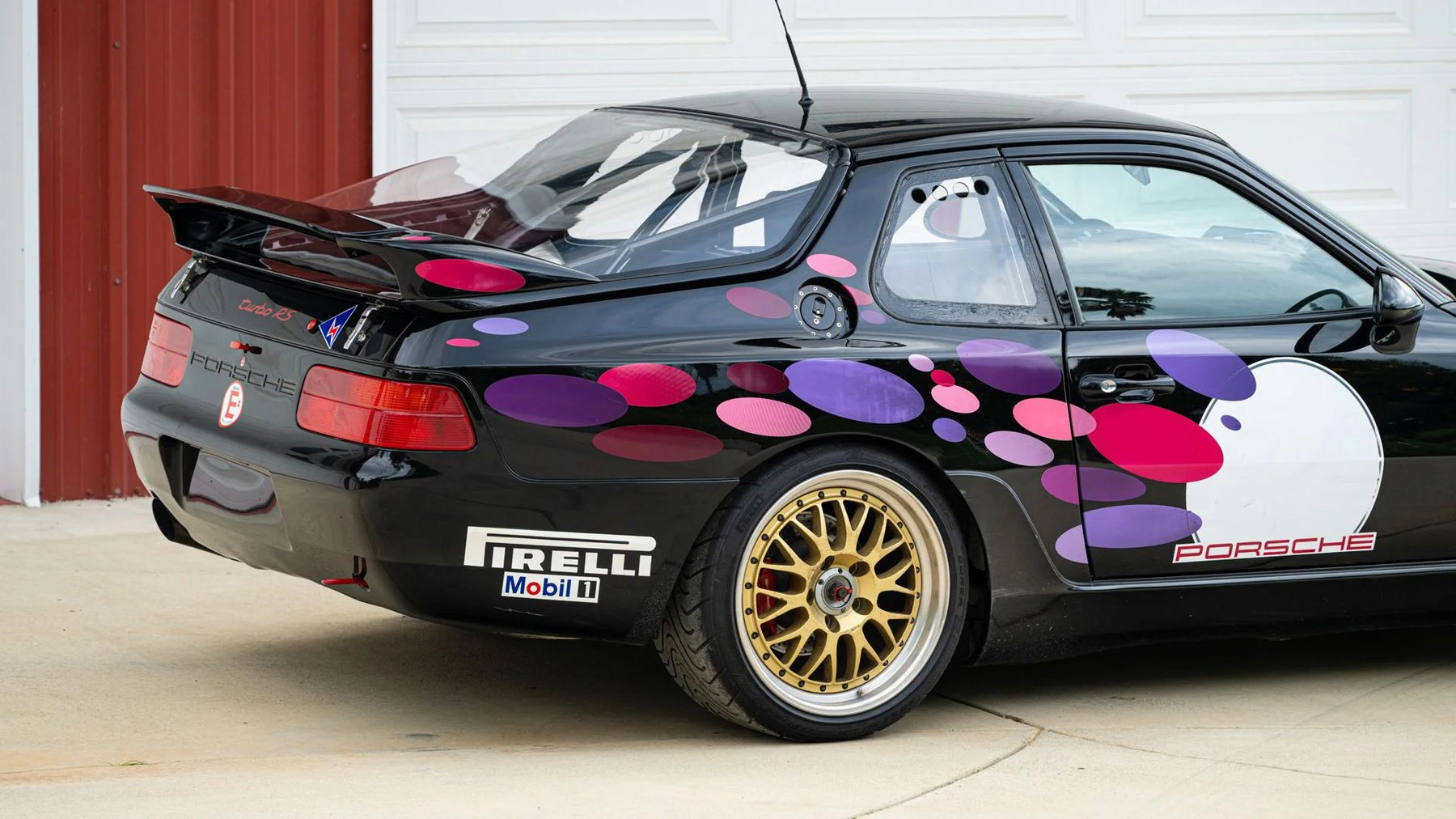
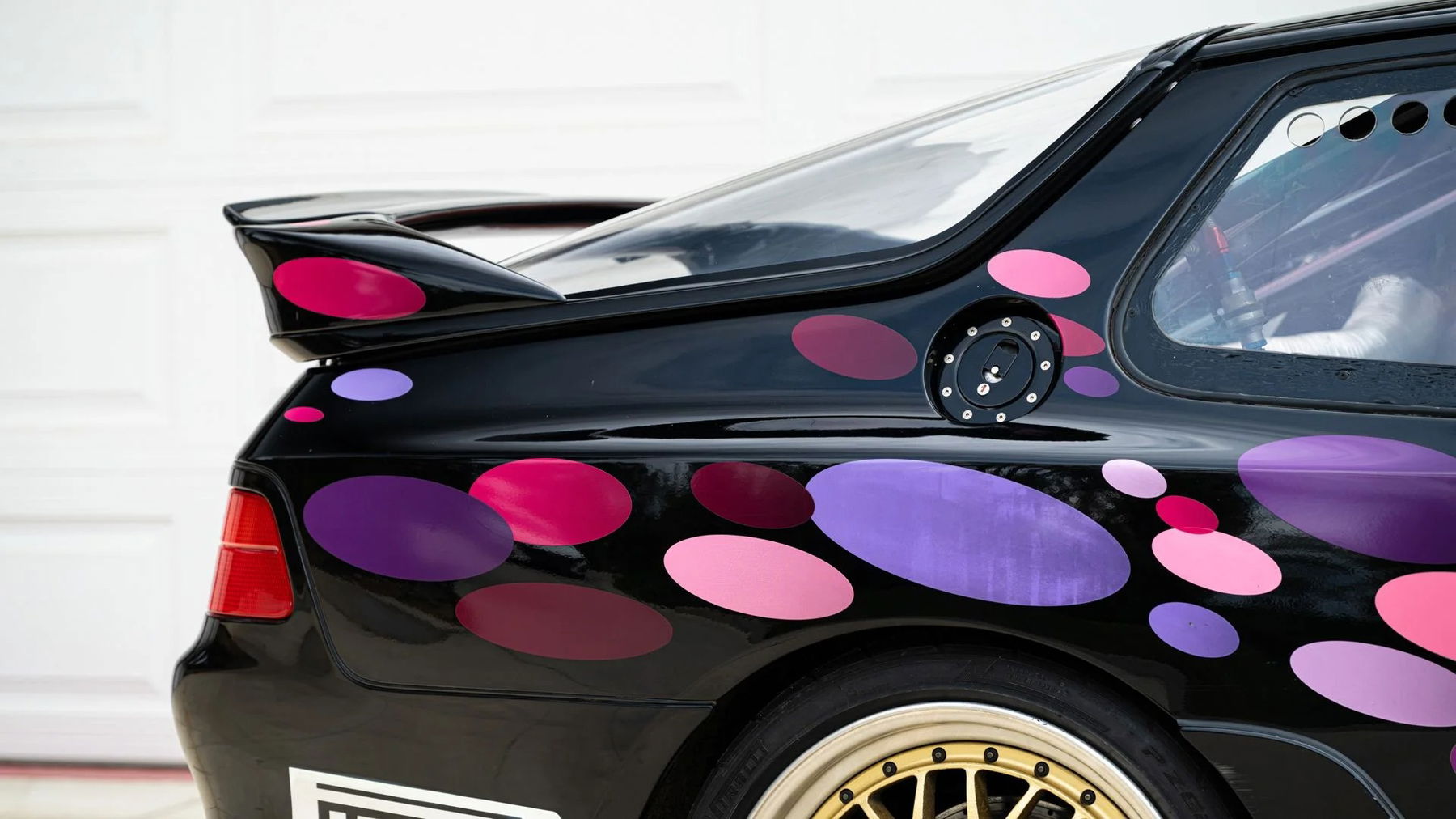
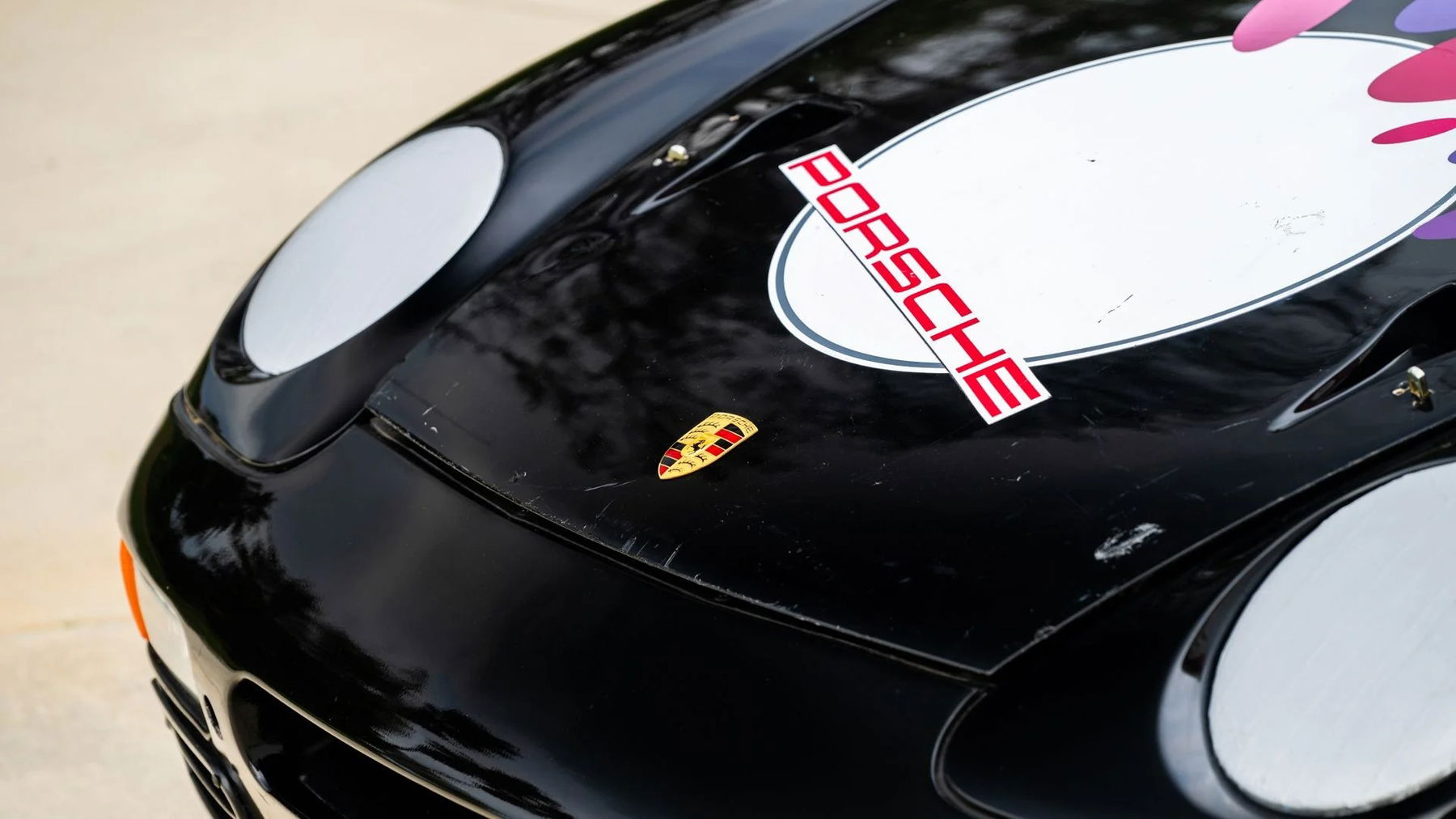
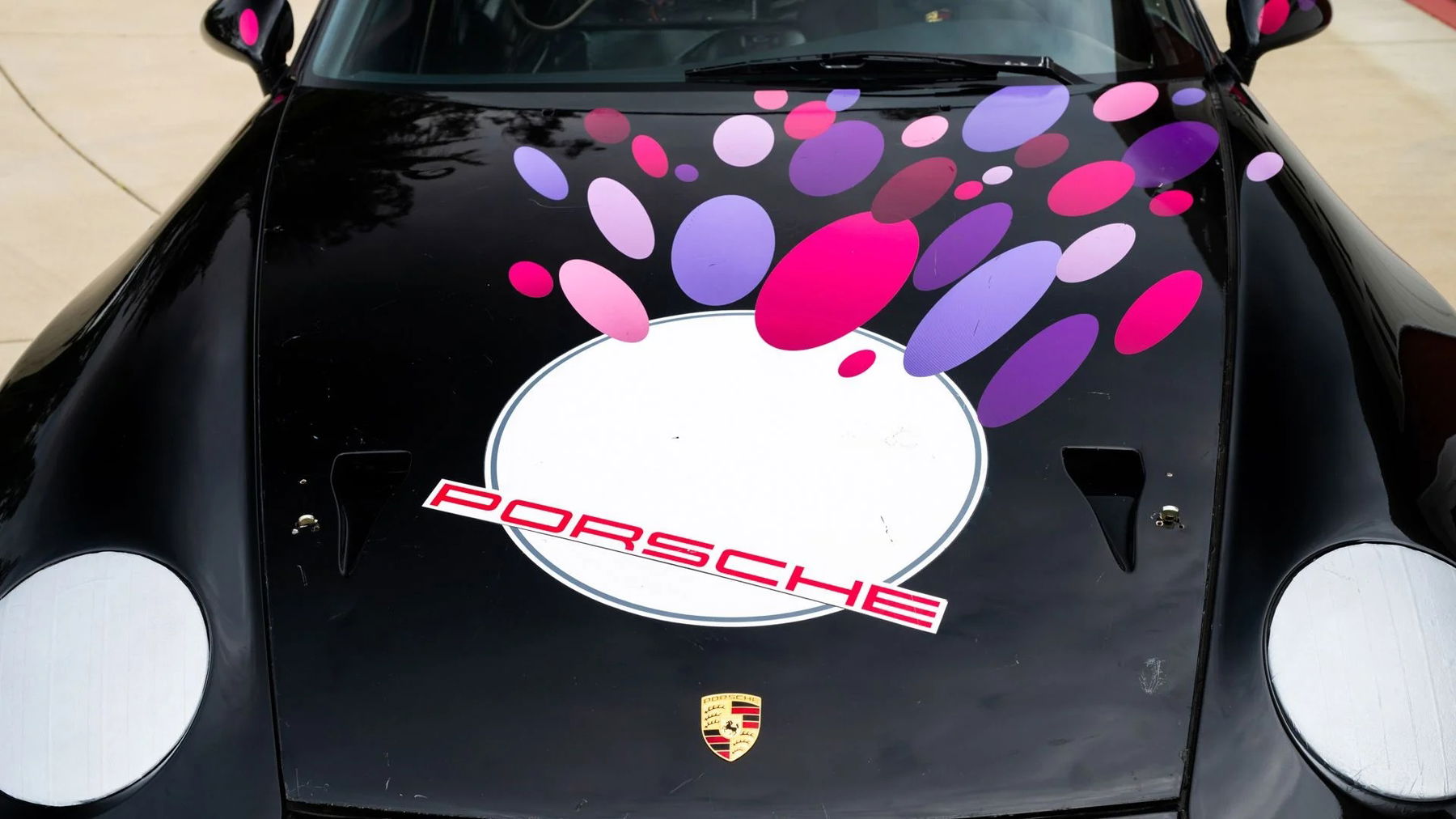
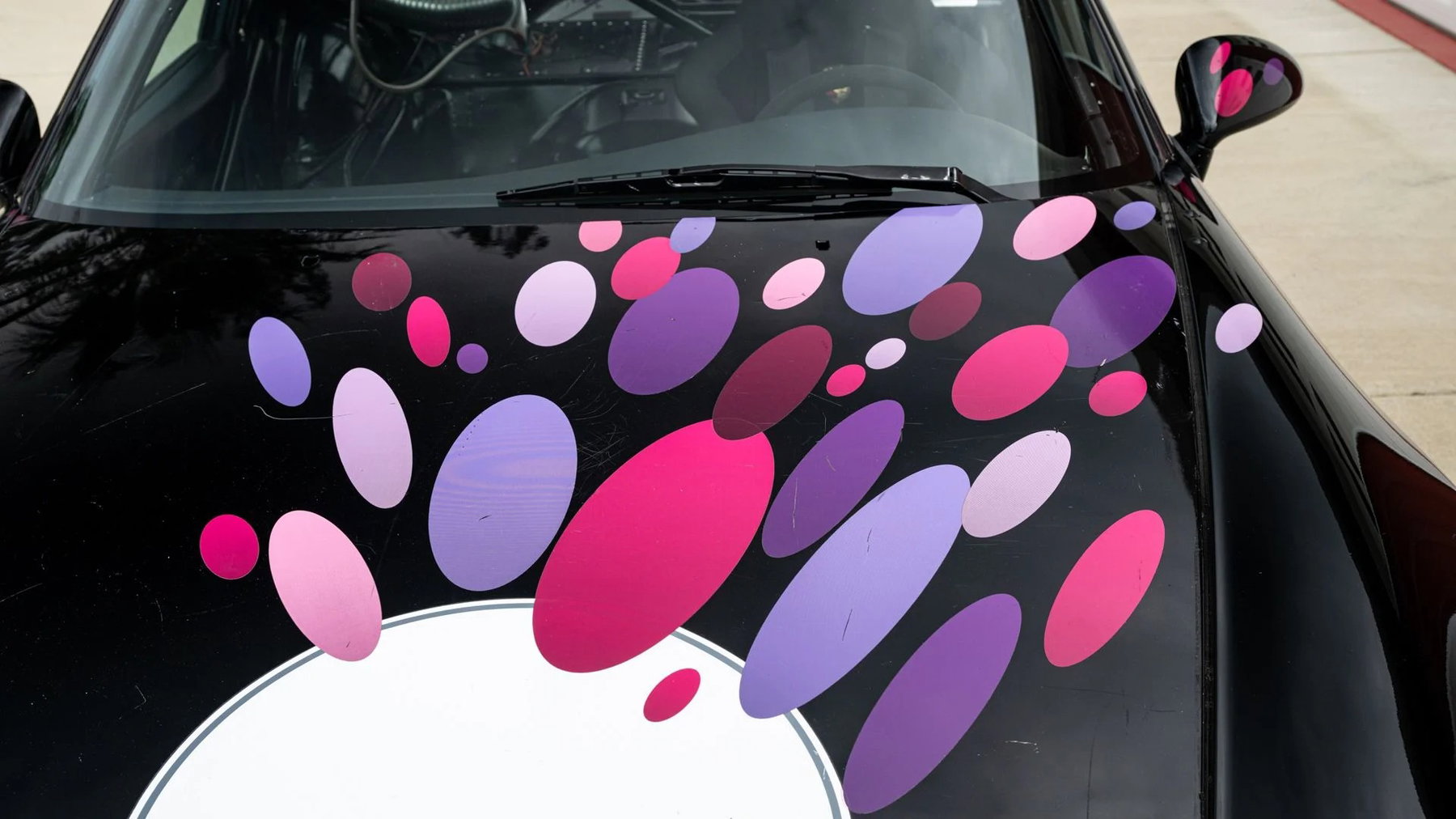
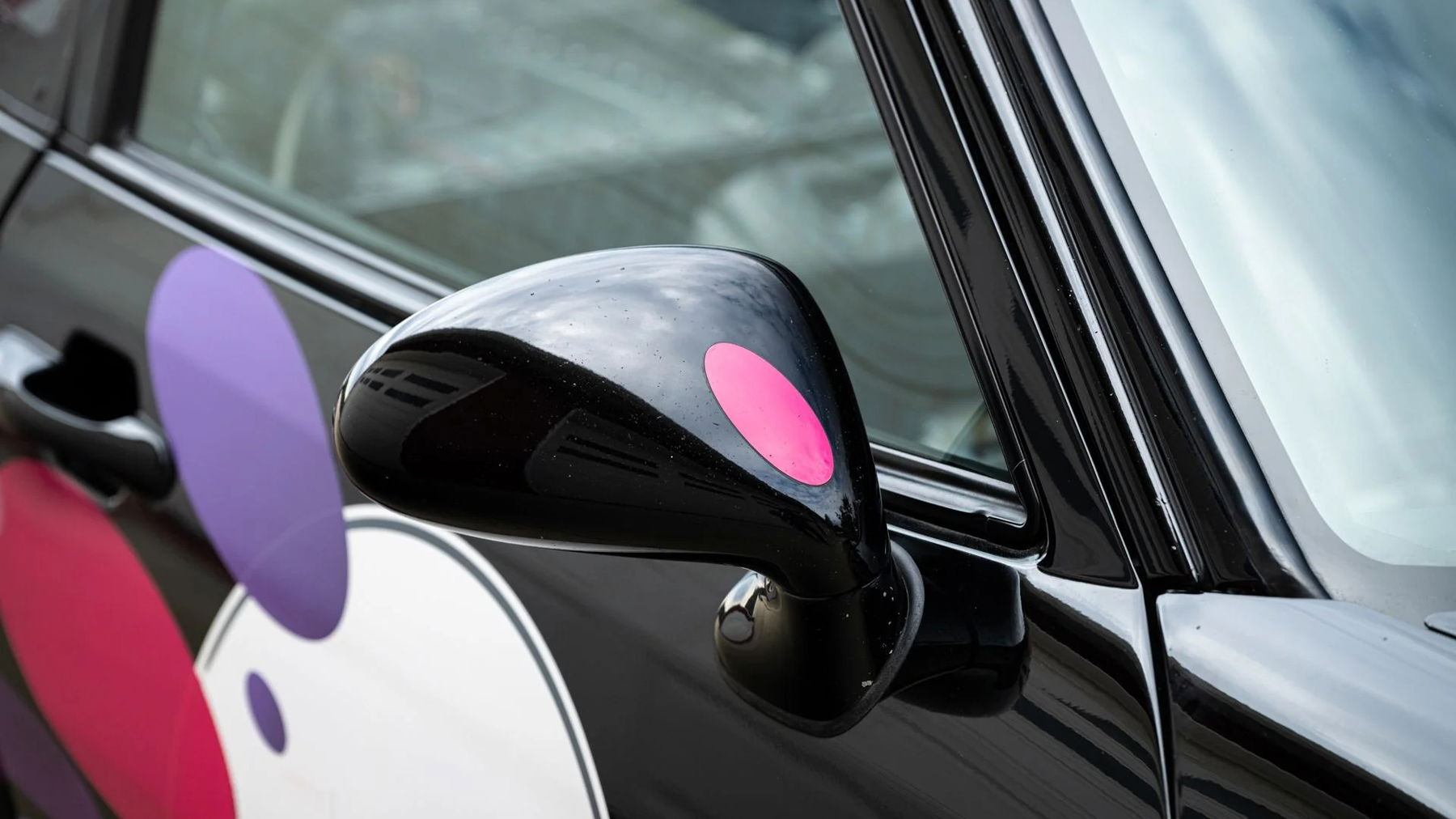
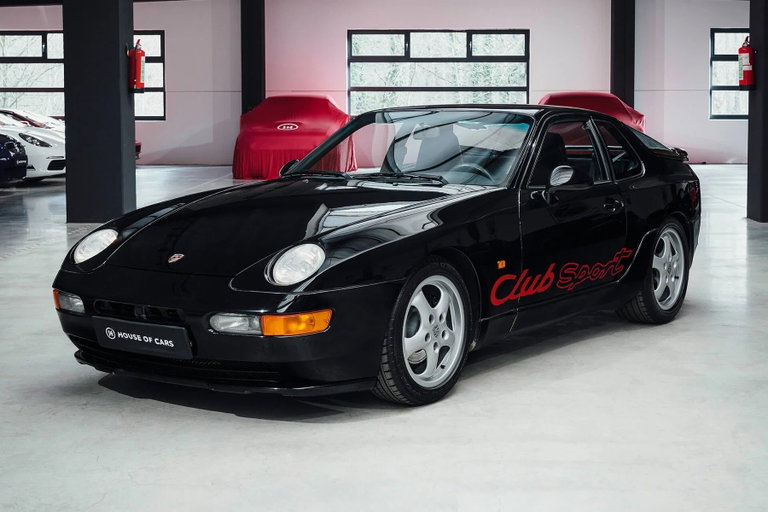
Offered here, 1993 Porsche 968 Turbo RS chassis number 96062, finished in Black, is the final of the three produced with Schmid again noting “Those (three) were the only original cars.” Not only is it the final example produced and the only example in Black, but it is the best equipped with its all-important 005 “Turbo RS model” code as well as additional street-car options different from the rest. These included Wheel Locks, Alarm System, Headlight Leveling Control, and Velour Carpet in the Luggage Compartment, suggesting that the car may have been a test case to appeal to a road-going first owner. After completion, Porsche retained the car and displayed it at that year’s Essen Motor Show in December, in front of 400,000 attendees, wearing its now-famous livery. It’s easy to see why it earned the nickname “Bubbles,” a playful, effervescent design it still wears today.
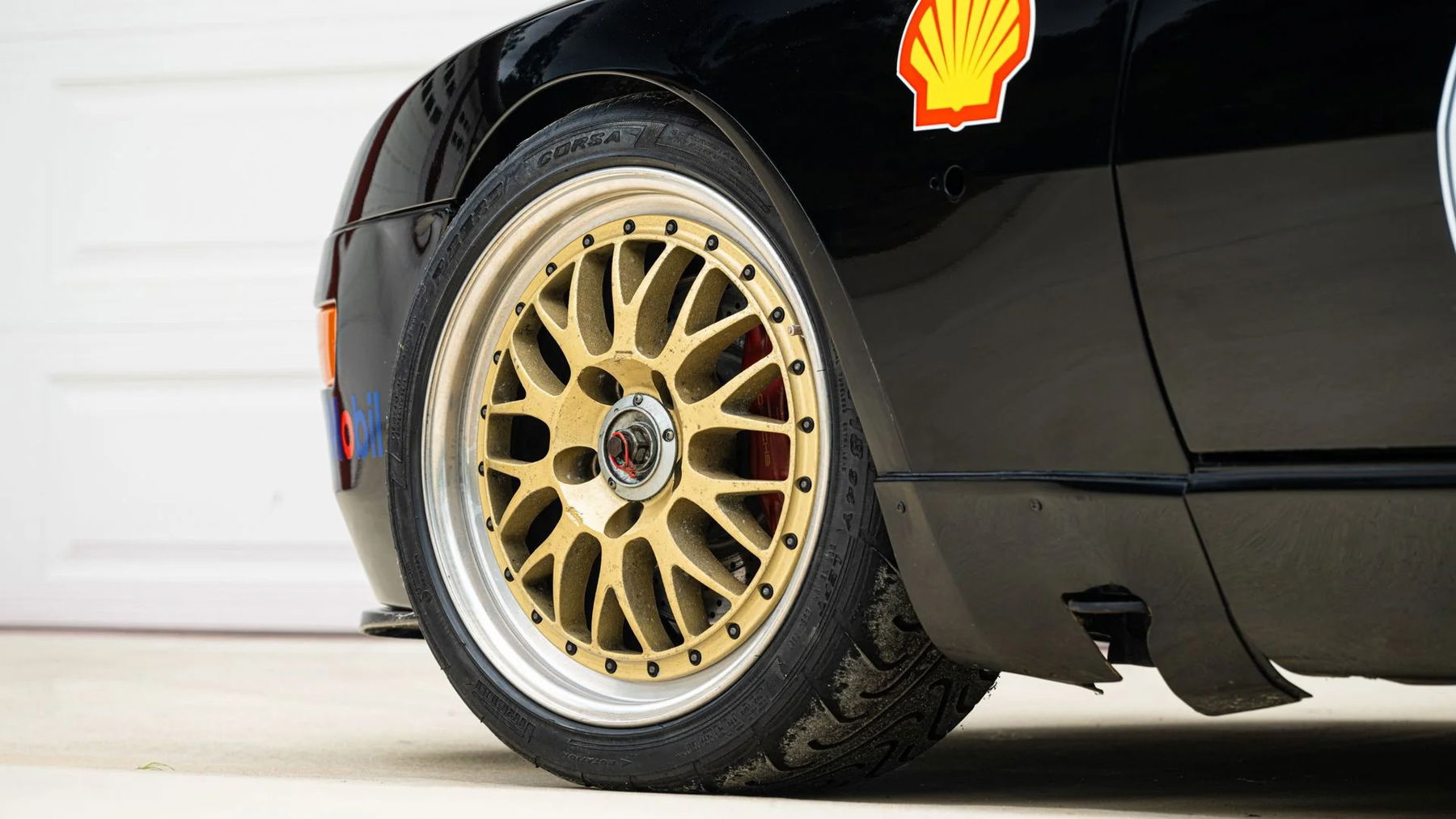
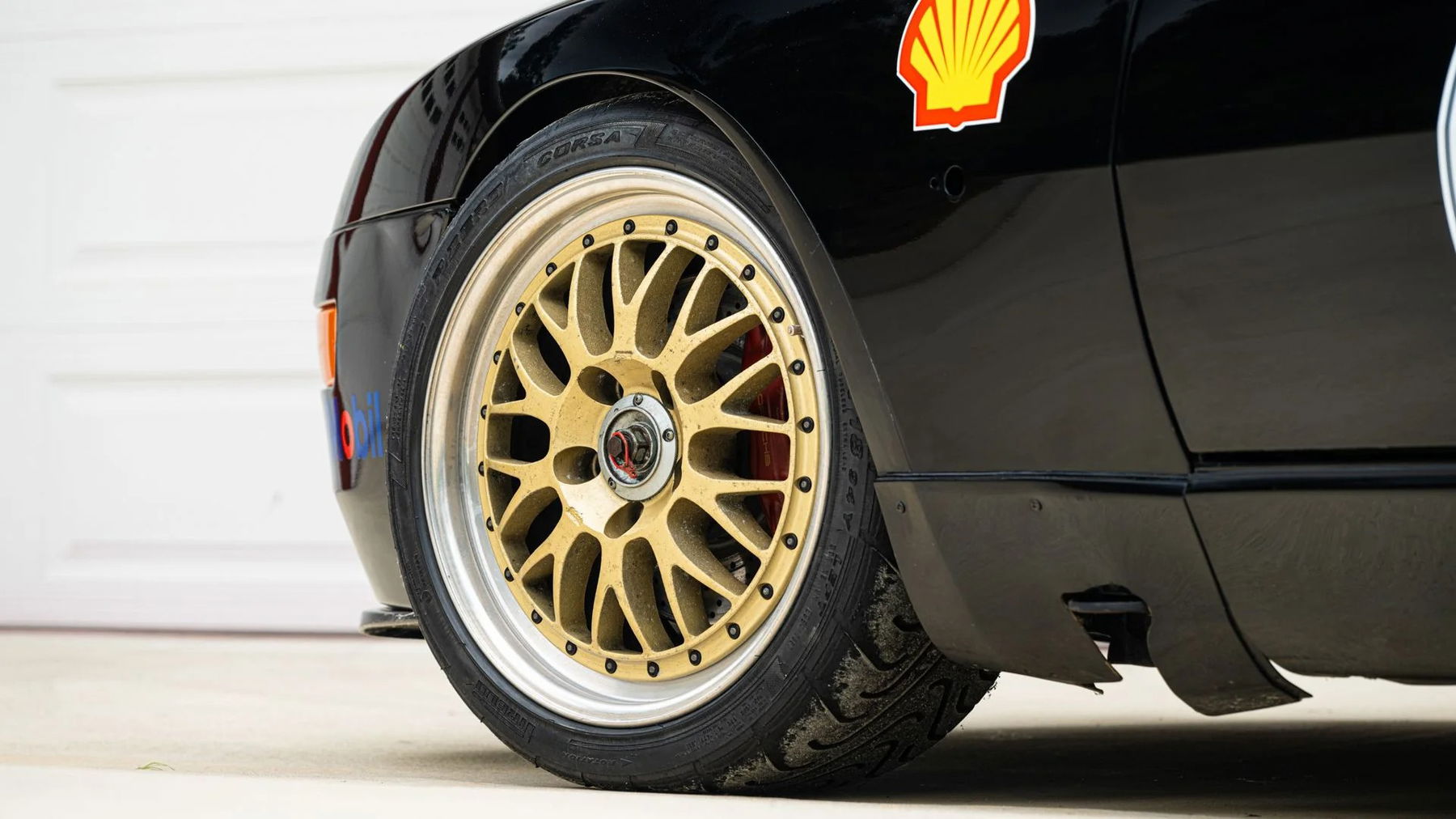
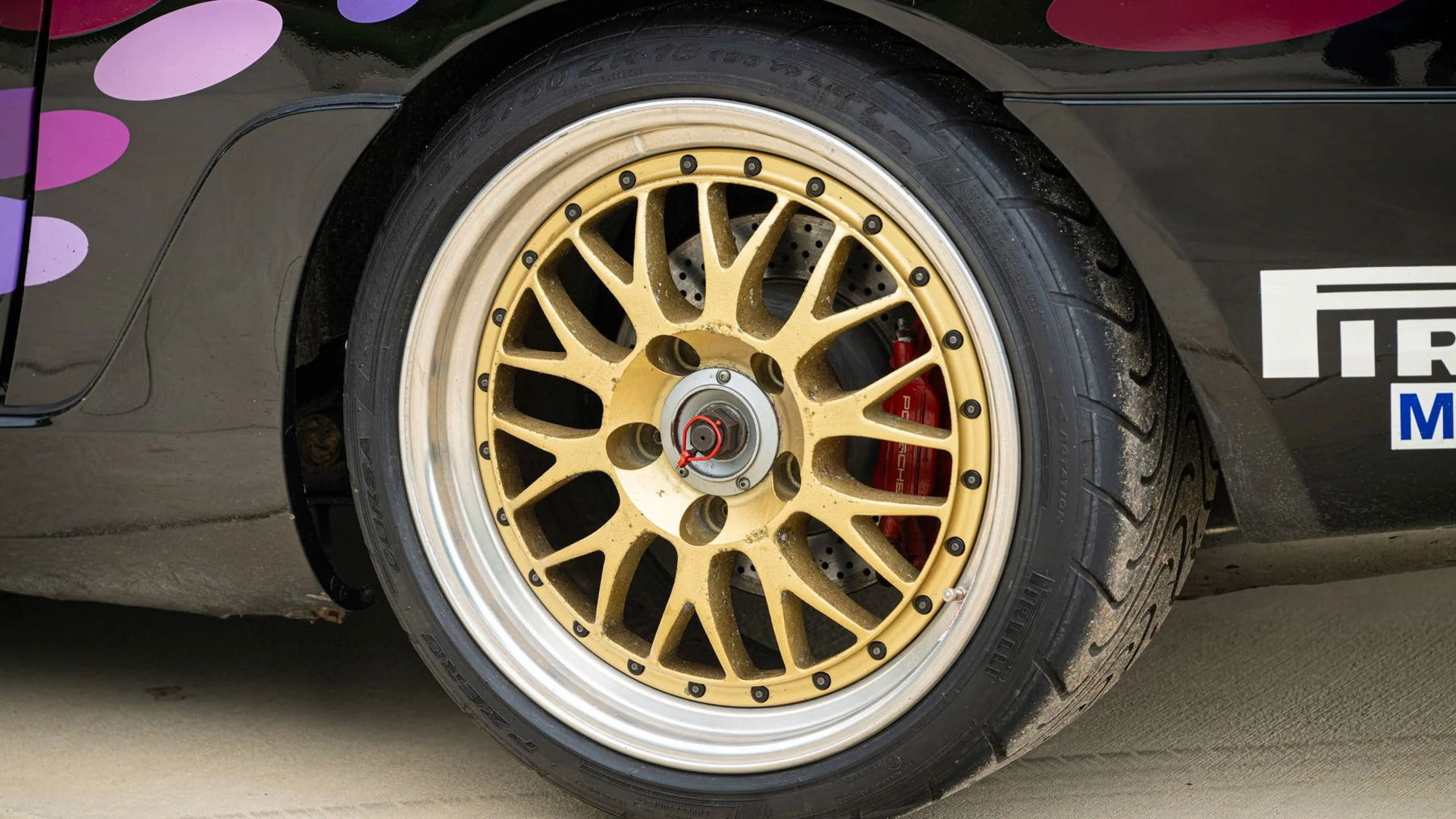
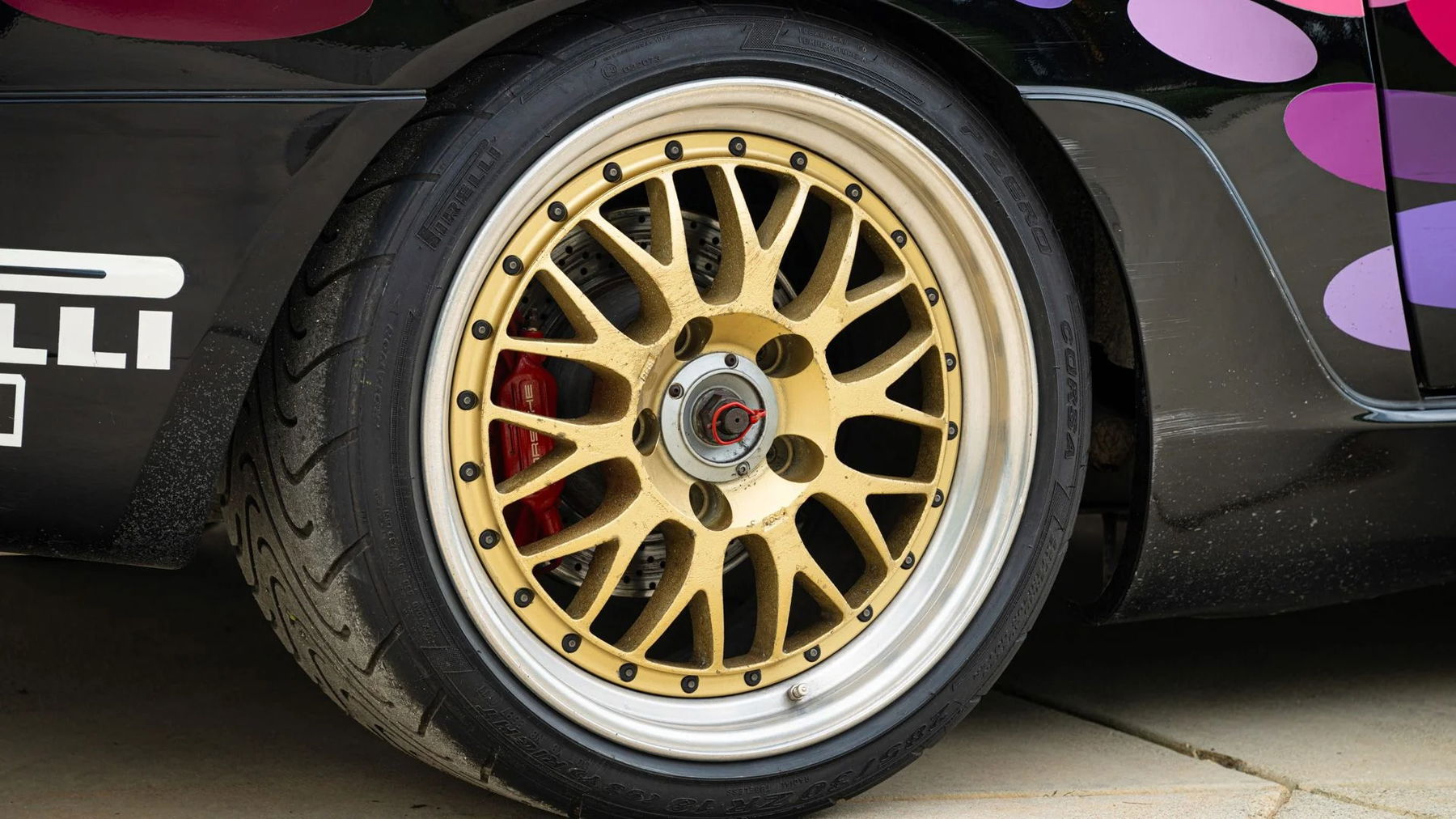
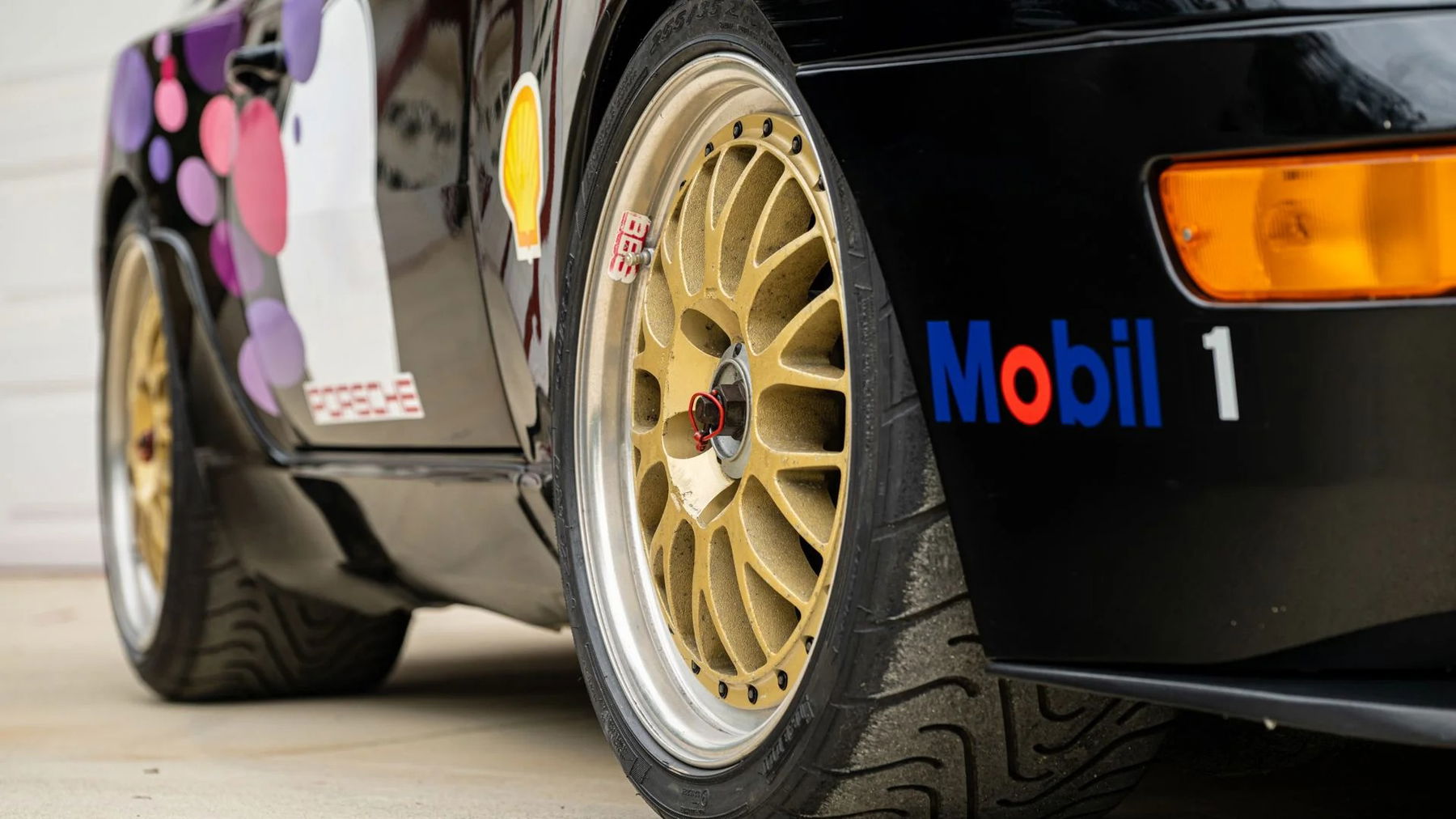
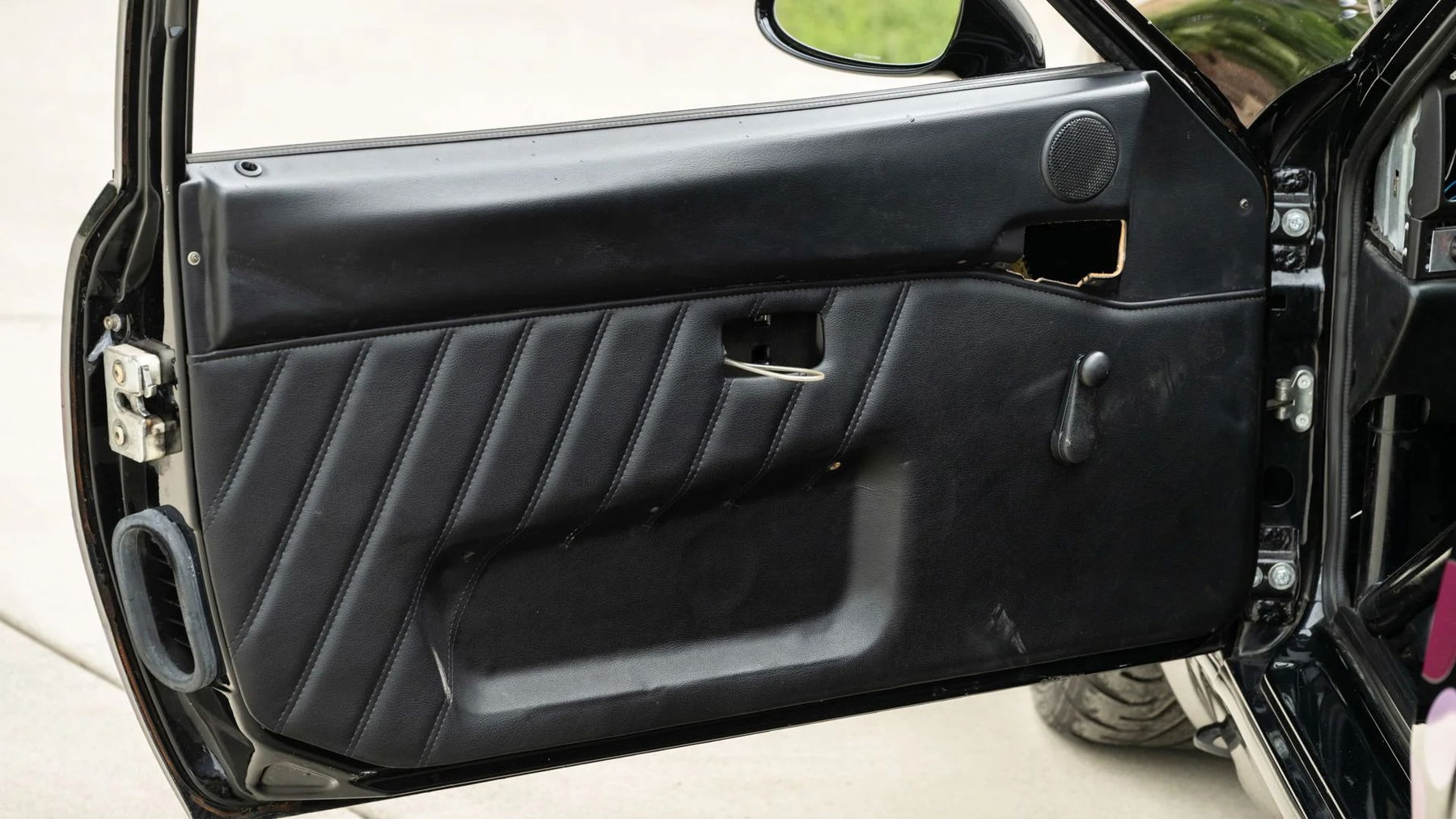
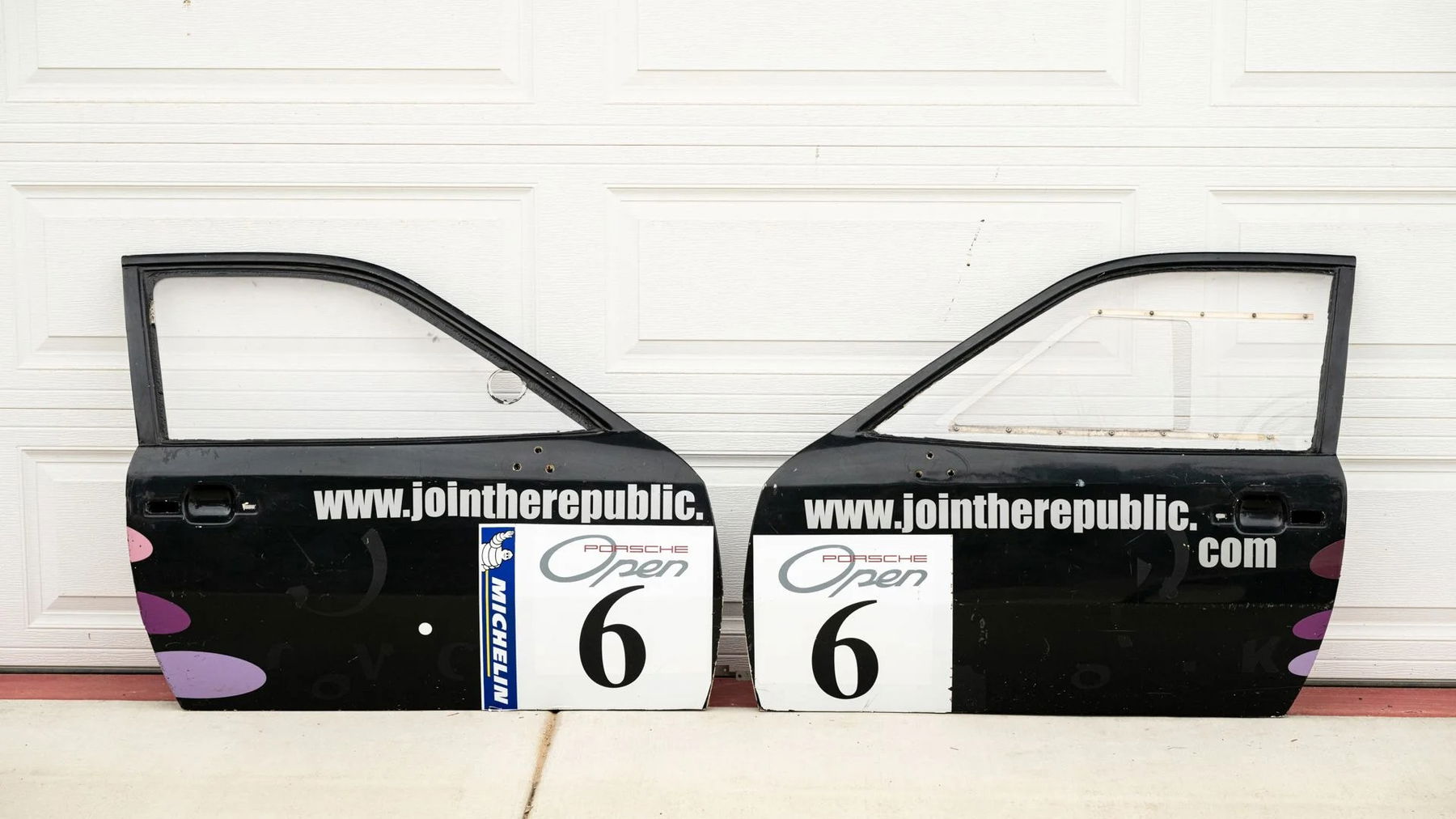
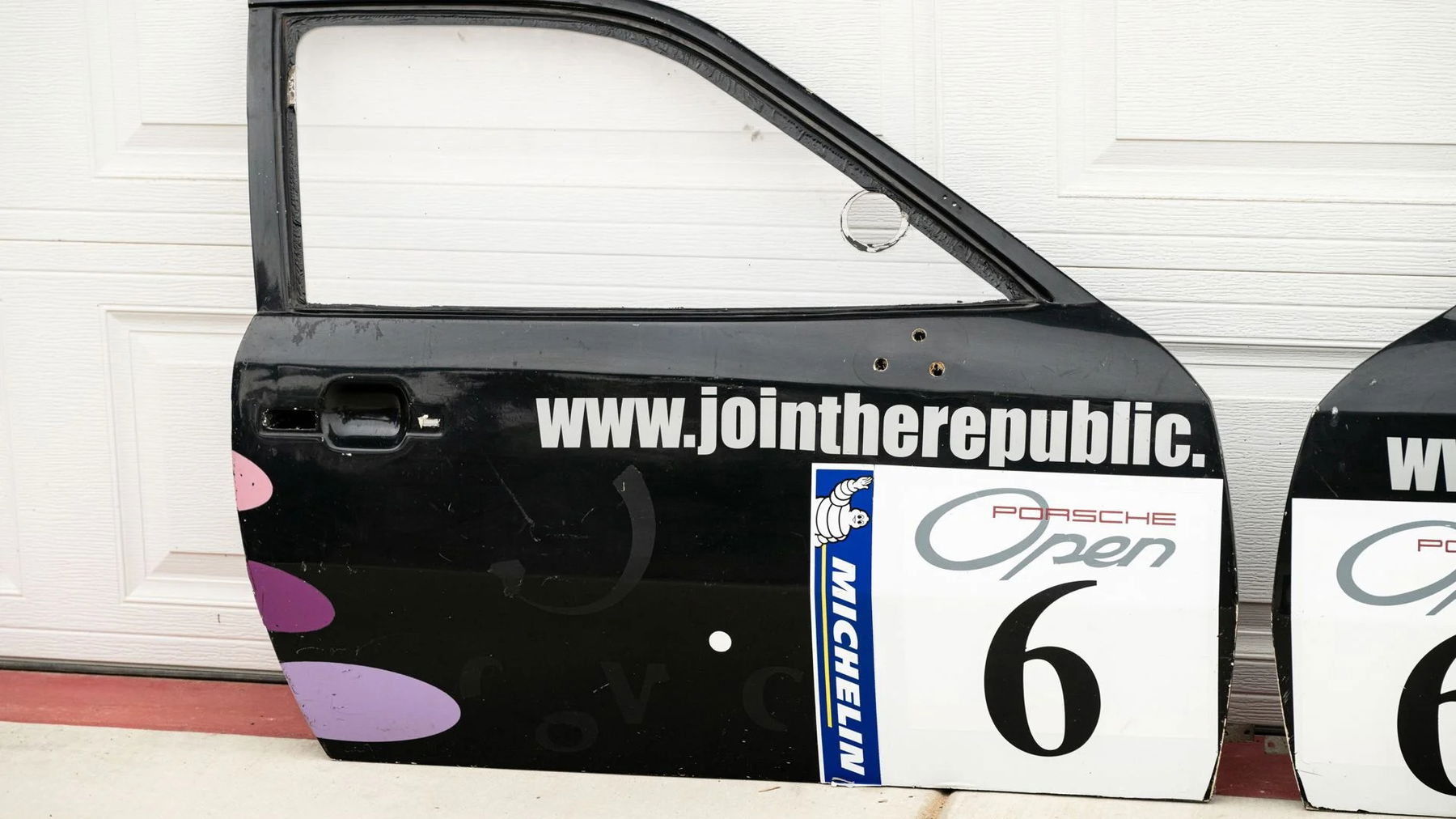
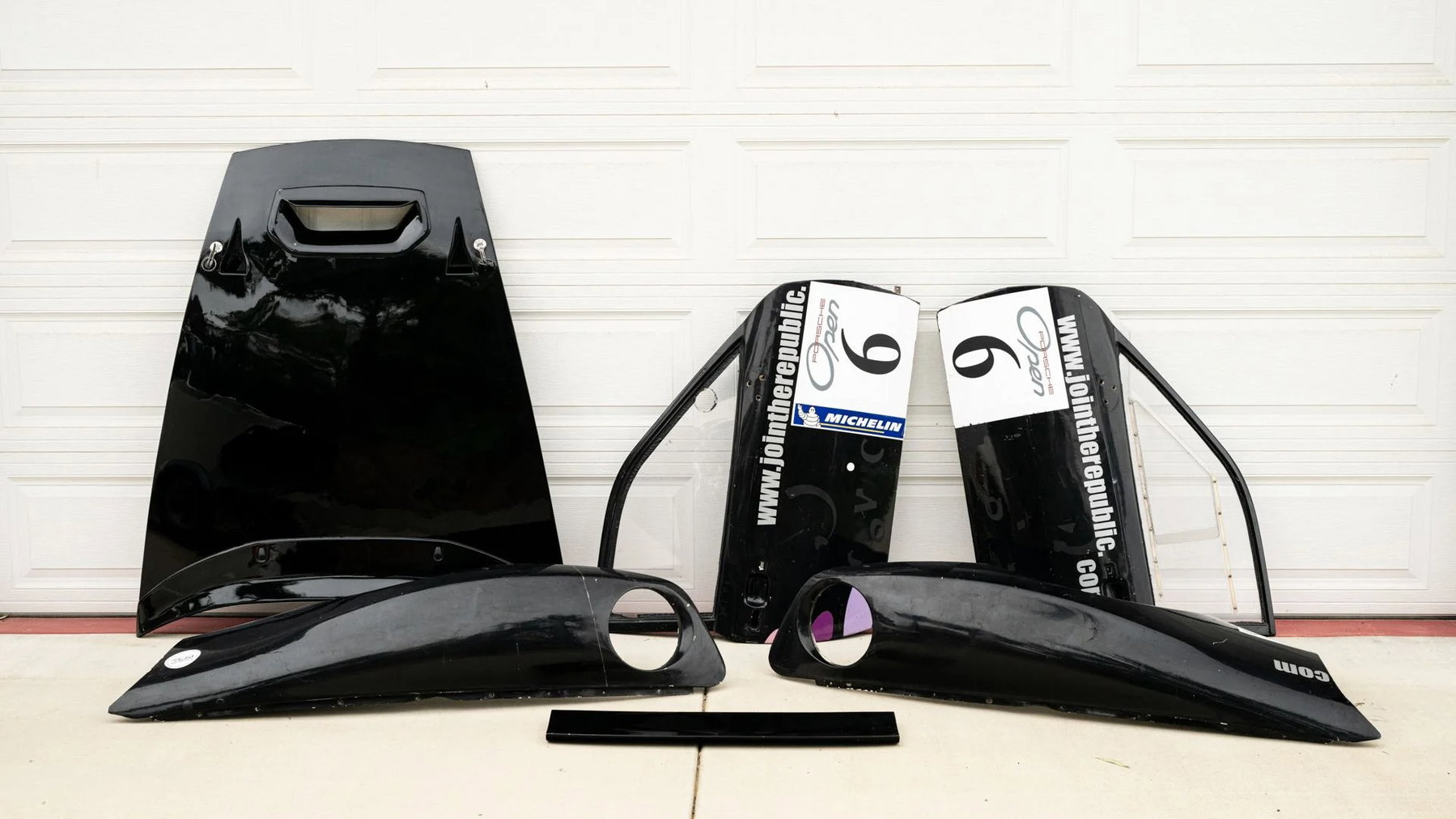
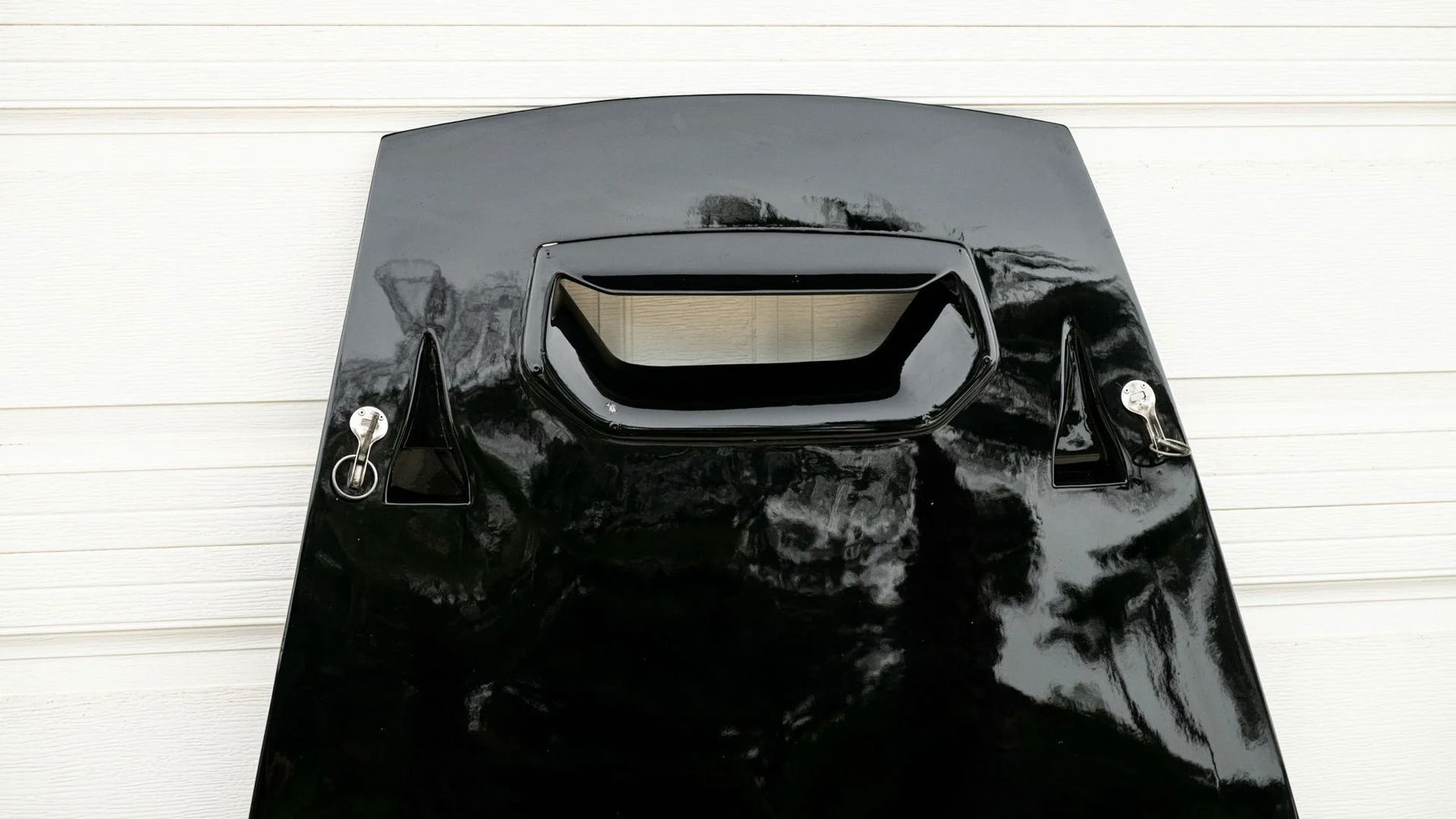
As chronicled by Porsche’s motorsport yearbook Porsche Sport ’94 and a report on the car compiled by Jürgen Barth, chassis number 96062 was acquired by Norwegian Erik Henriksen on 1 February 1994 to contest the inaugural 1994 season of the BPR International GT Endurance Series. Henriksen had already established himself as a formidable competitor in British Porsche championships with multiple wins, podiums, poles, fastest laps, and lap records and had good connections within Porsche Customer Sport Department. Henriksen would team with Justin Bell, son five time Le Mans 24 winner (four of these as a Porsche factory driver) and racing legend Derek Bell, after striking up a friendship at a track event in the U.K. To prepare the car for the eight-round BPR season, the car was adapted from its ADAC GT Cup sprint-spec configuration into a racer capable of contesting four-hour BPR races. RSR Engineering handled modifications, adding a long-range fuel tank, air jacks, and a host of lightweight body and aerodynamic upgrades that included Kevlar front fenders, doors, and hood. Centerlock hubs were acquired from Porsche so they could run lightweight BBS wheels with dry-weather slicks. In an interview with 911 & Porsche World in their July/August 1995 issue, Henriksen noted that the car was tested extensively.
The first race, at Paul Ricard the 968 Turbo RS entered under the team Mulsanne Racing RSR Motorsport banner with start number 38 nearly lasted the distance with its engine expiring just three minutes from the race end. Porsche, who Henriksen notes as “very helpful,” traced the issue to a faulty part, graciously replaced the engine. In Jarama the team came good finishing 4th in class and 8th overall with 130 laps completed—a magnificent result for the new team! This was followed by a class podium at the 3rd round in Dijon and 6th overall. At the Paris 1000 Kilometers event held at Montlhéry, the team suffered engine issues but not so consequential that it kept the team from finishing. Henriksen’s 968 Turbo RS placed once again in the fifth round— the team’s final event of their campaign, a four-hour race at Vallelunga to close out their five-race European season.
Interestingly, Henriksen notes that due to their success with chassis 96062 it qualified for Le Mans but the team elected not to take it to the Circuit de la Sarthe as there were some doubts to its longevity in the race. Period entry lists confirm this car was first given start number 66 that would eventually be transferred to Henriksen’s 3.8 Carrera RSR. In his time with the car Henriksen remembers the 968 Turbo RS as “…magic with balanced handling and really good power.” It was clear that the season with the rare 968 Turbo RS ended with a bit of melancholy with the Mulsanne/RSR team and Henriksen quoted in 911 & Porsche World planning to “retire the car as it has become something of a collector’s item.”
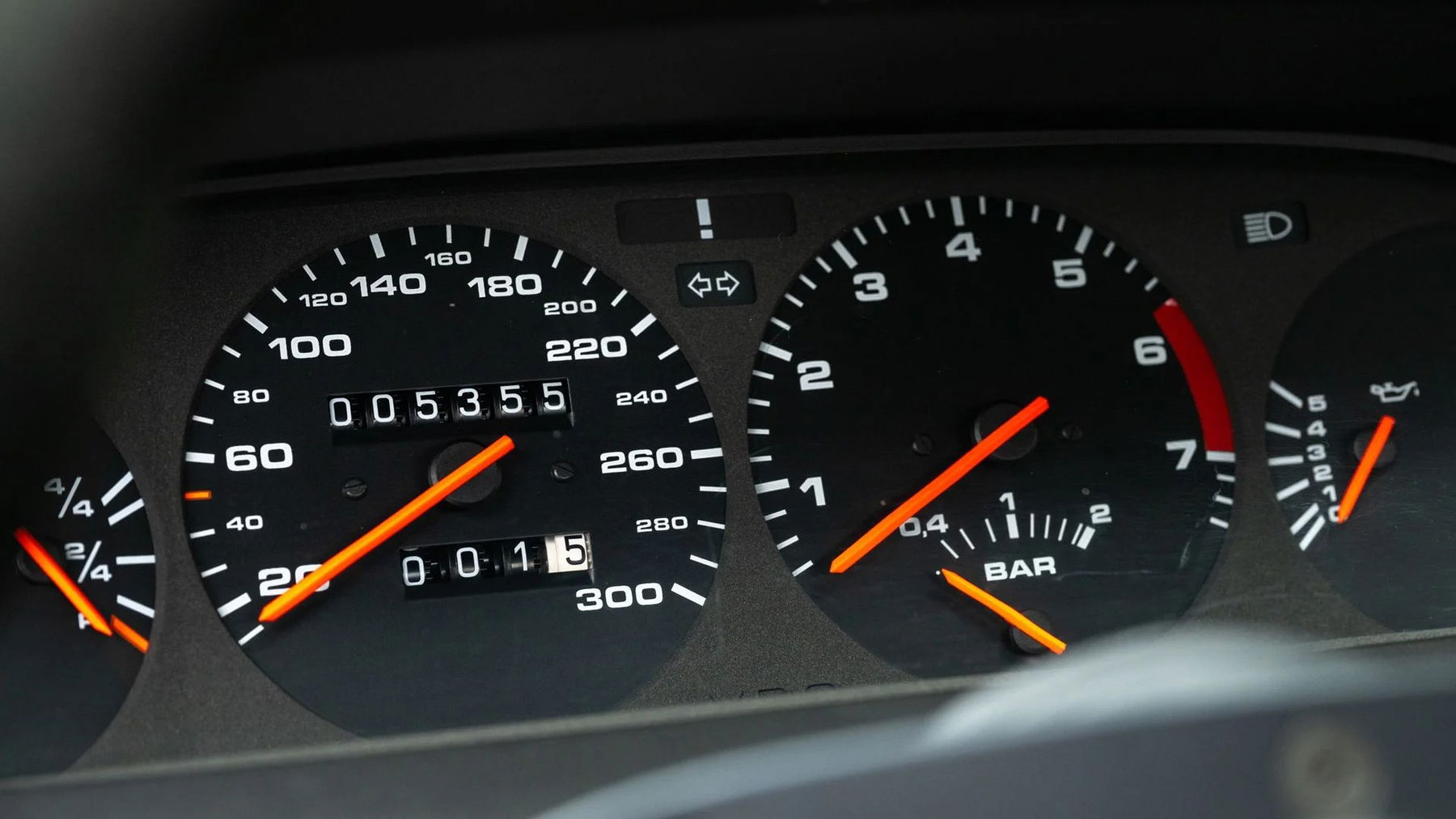
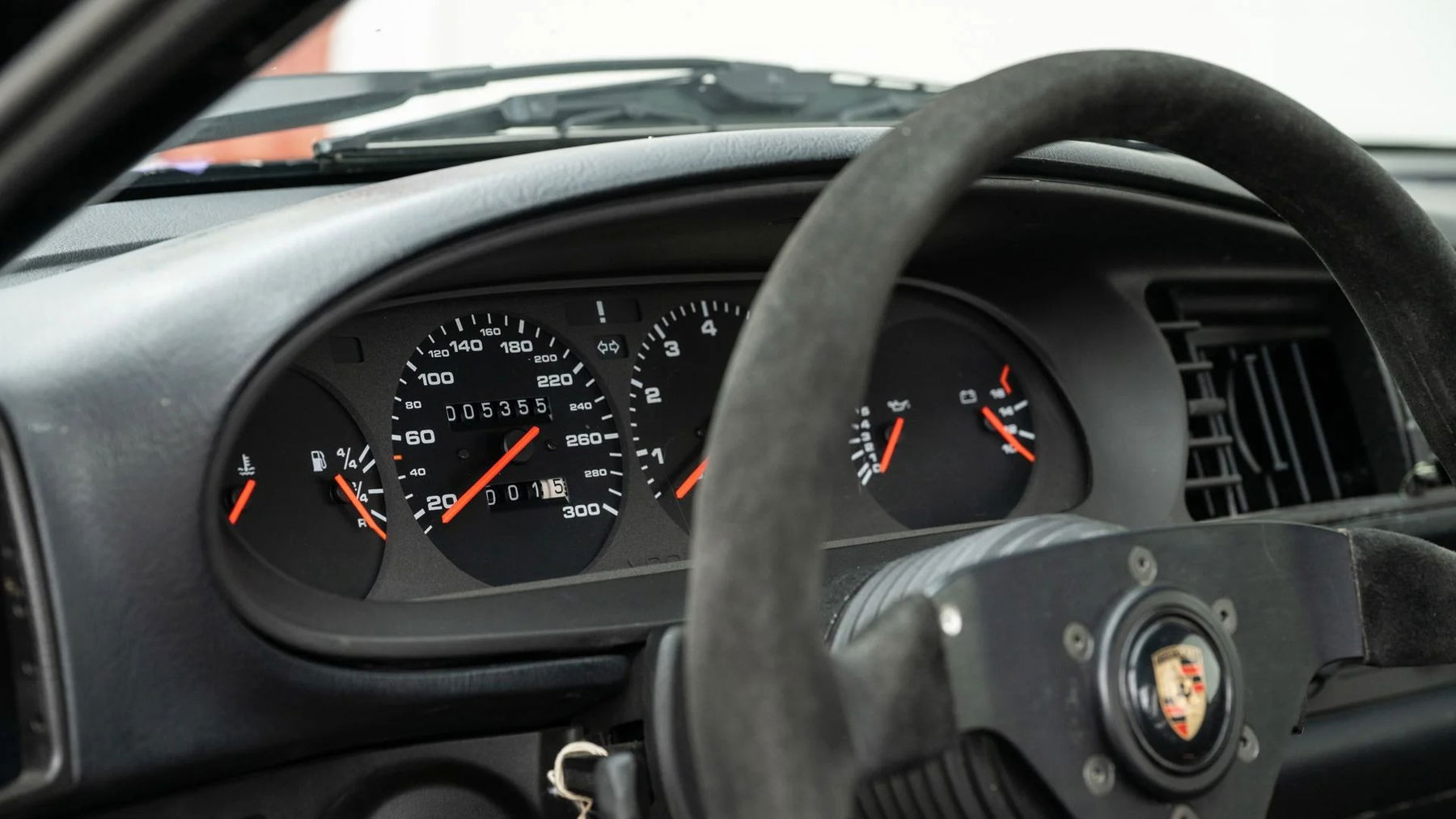
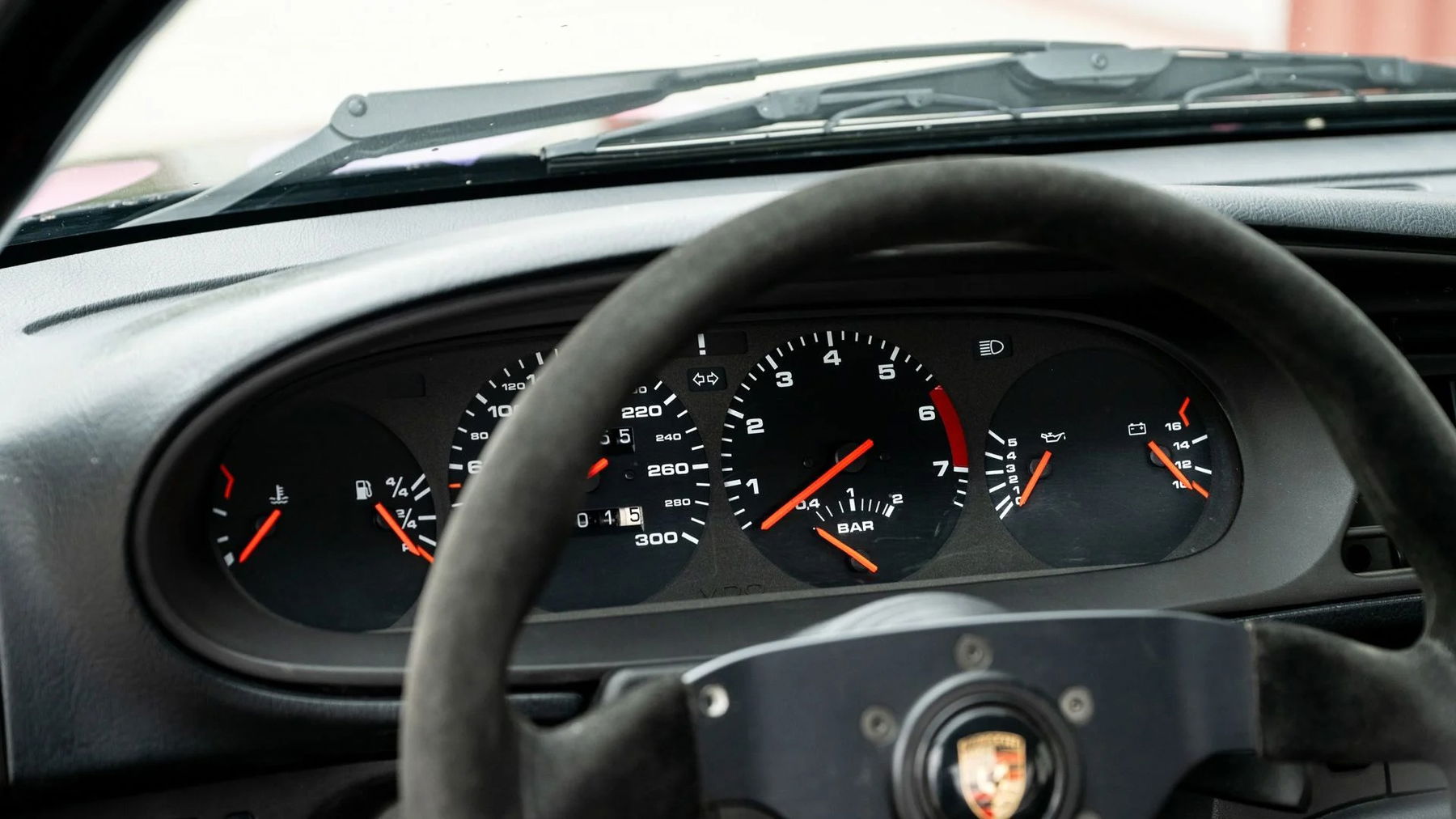
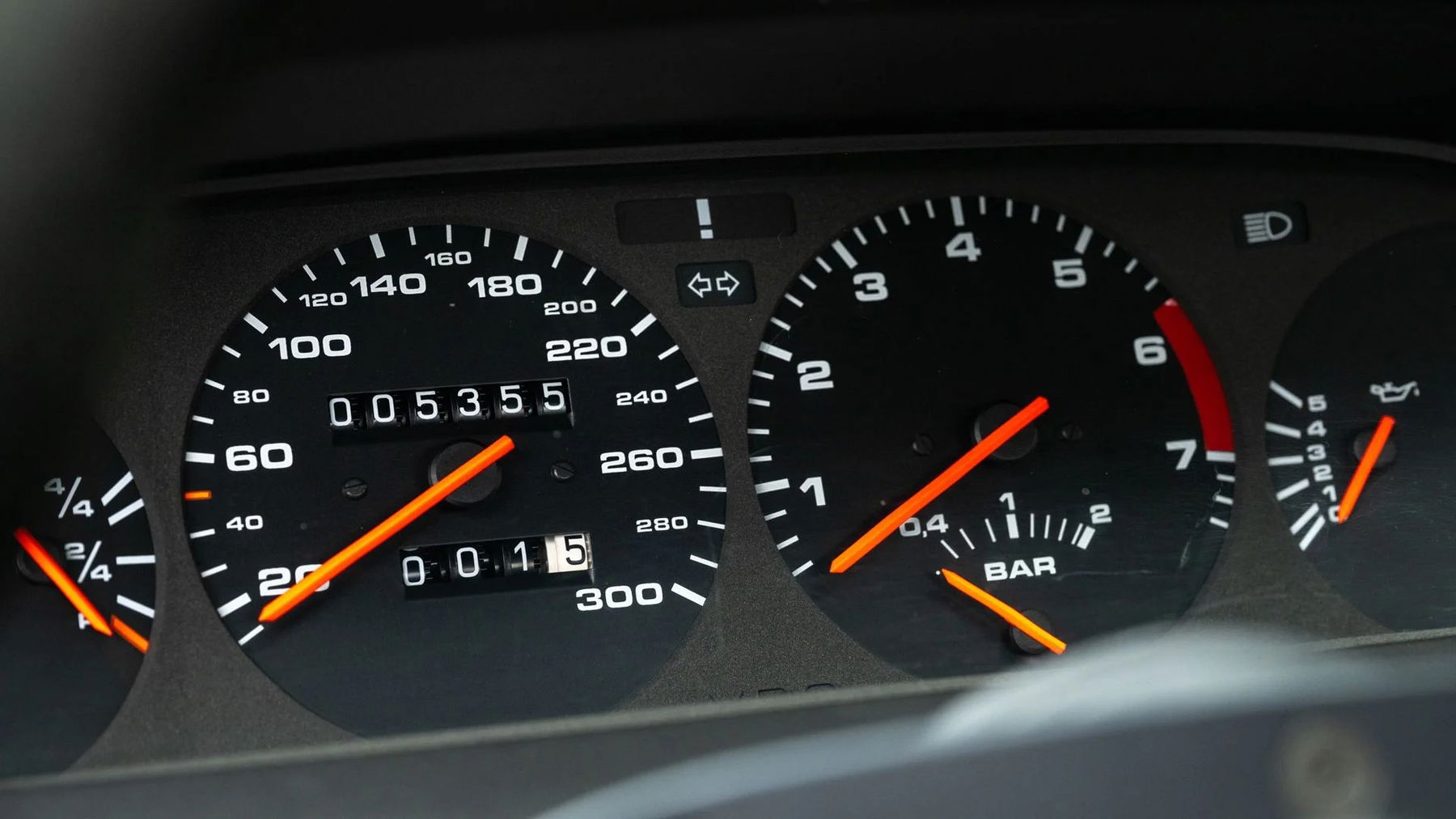
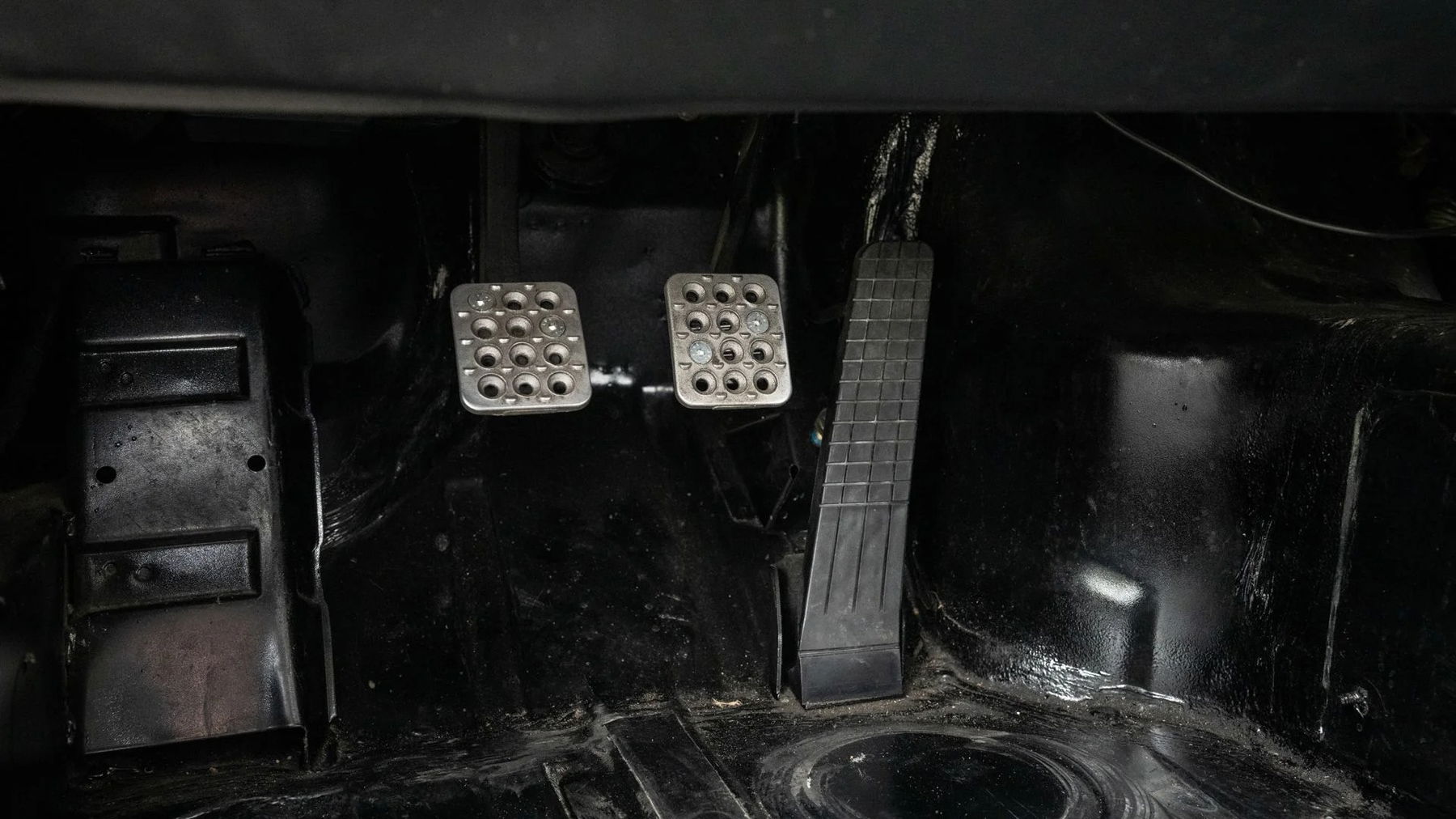
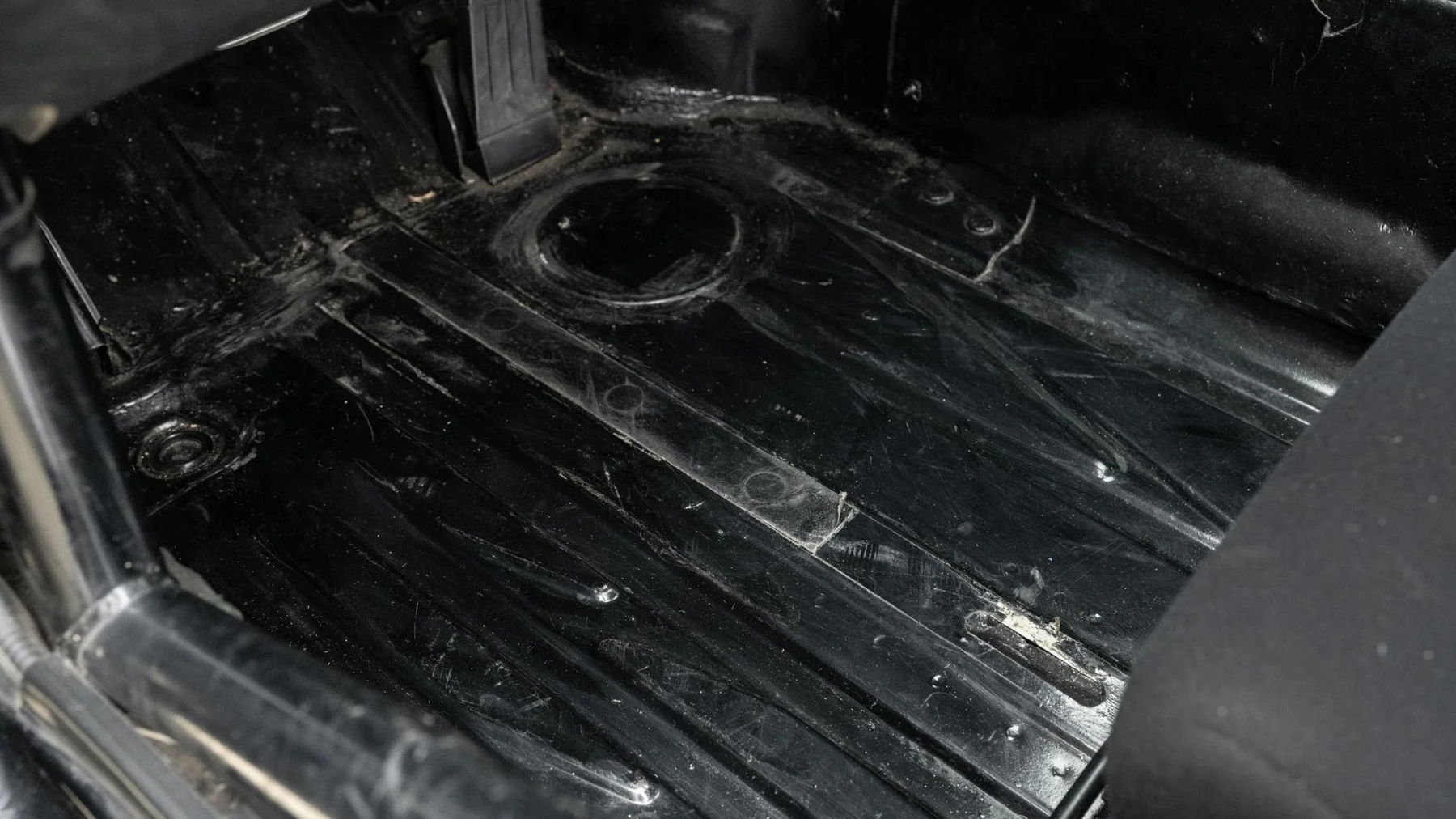
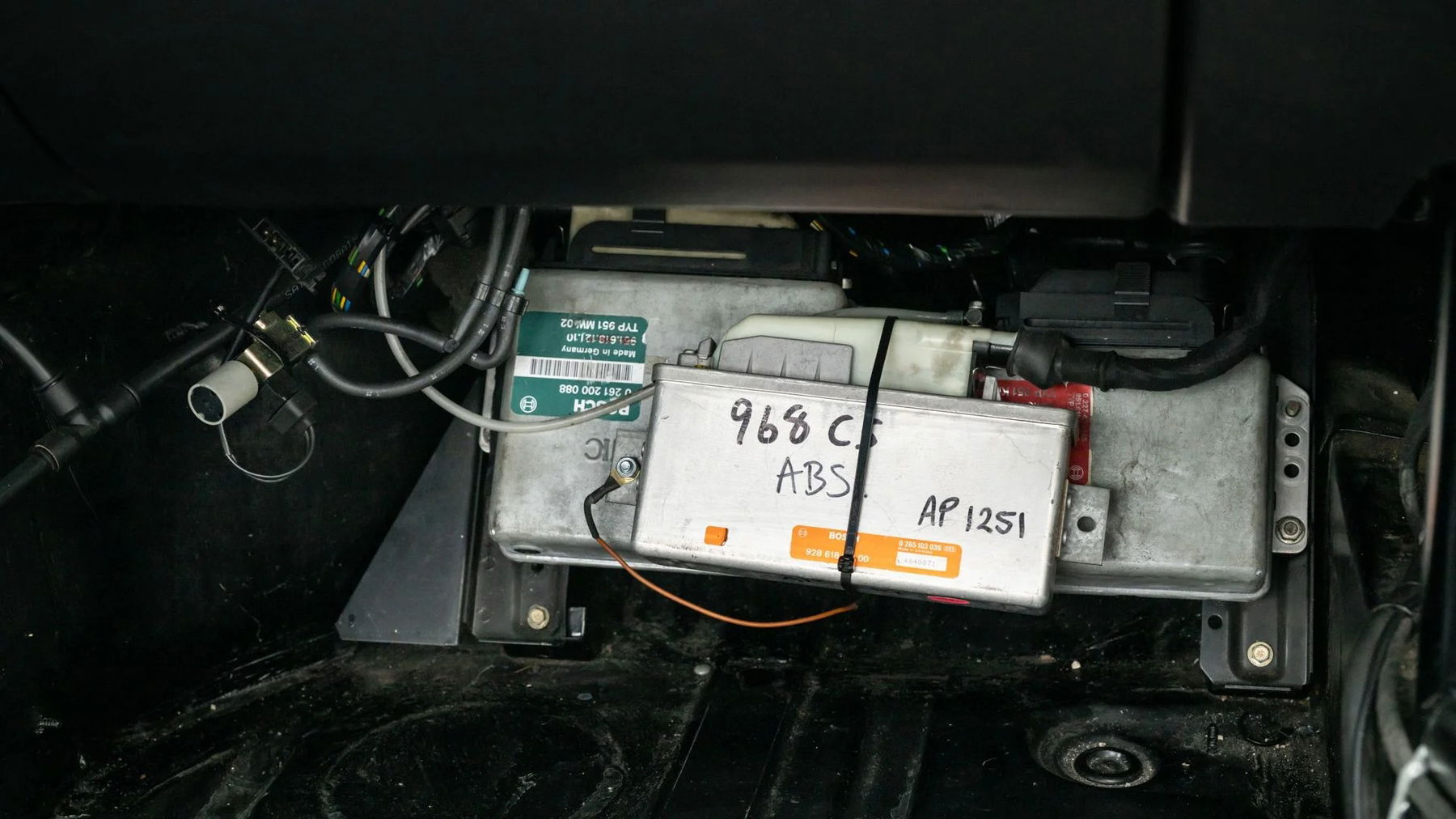
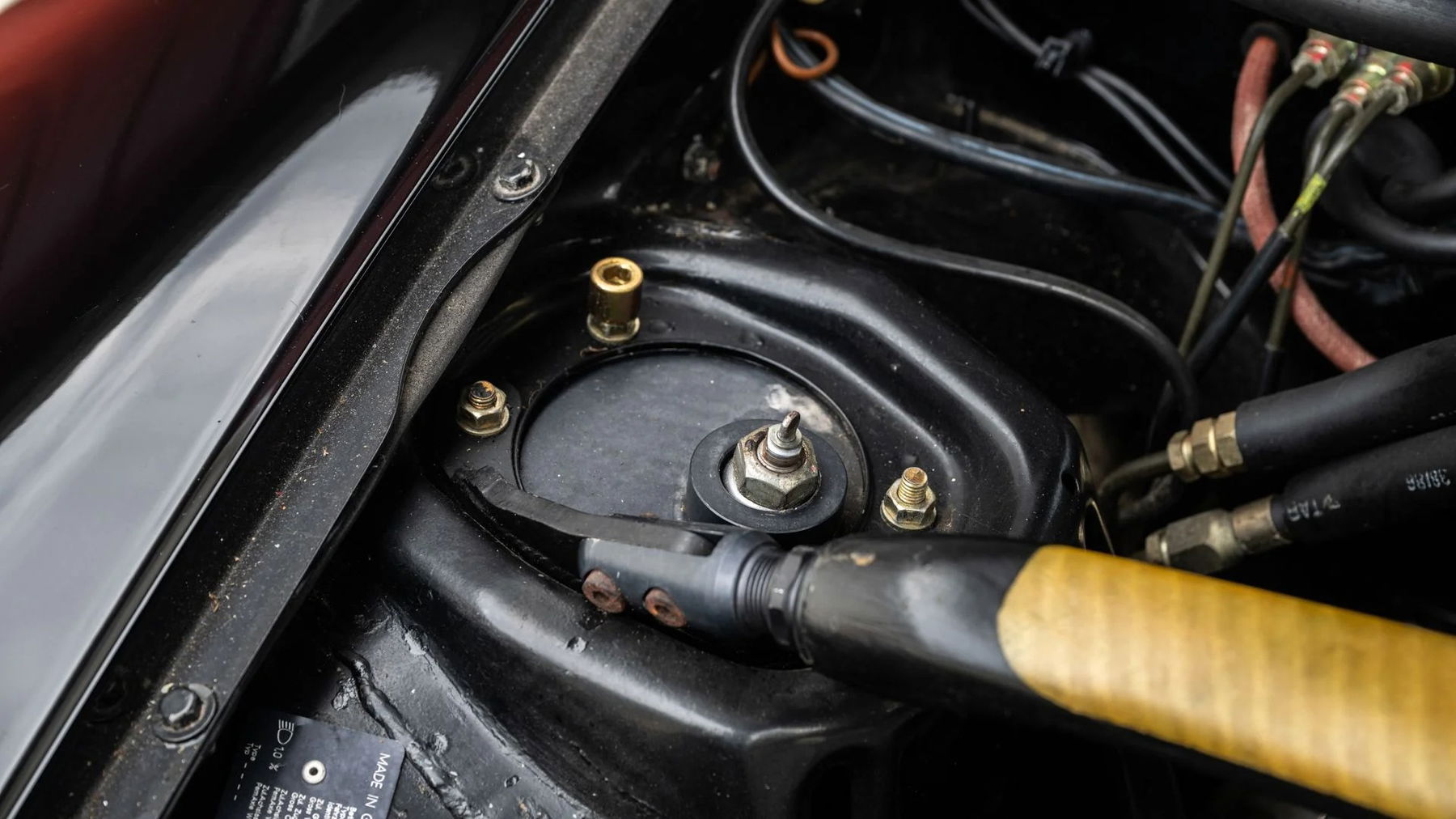
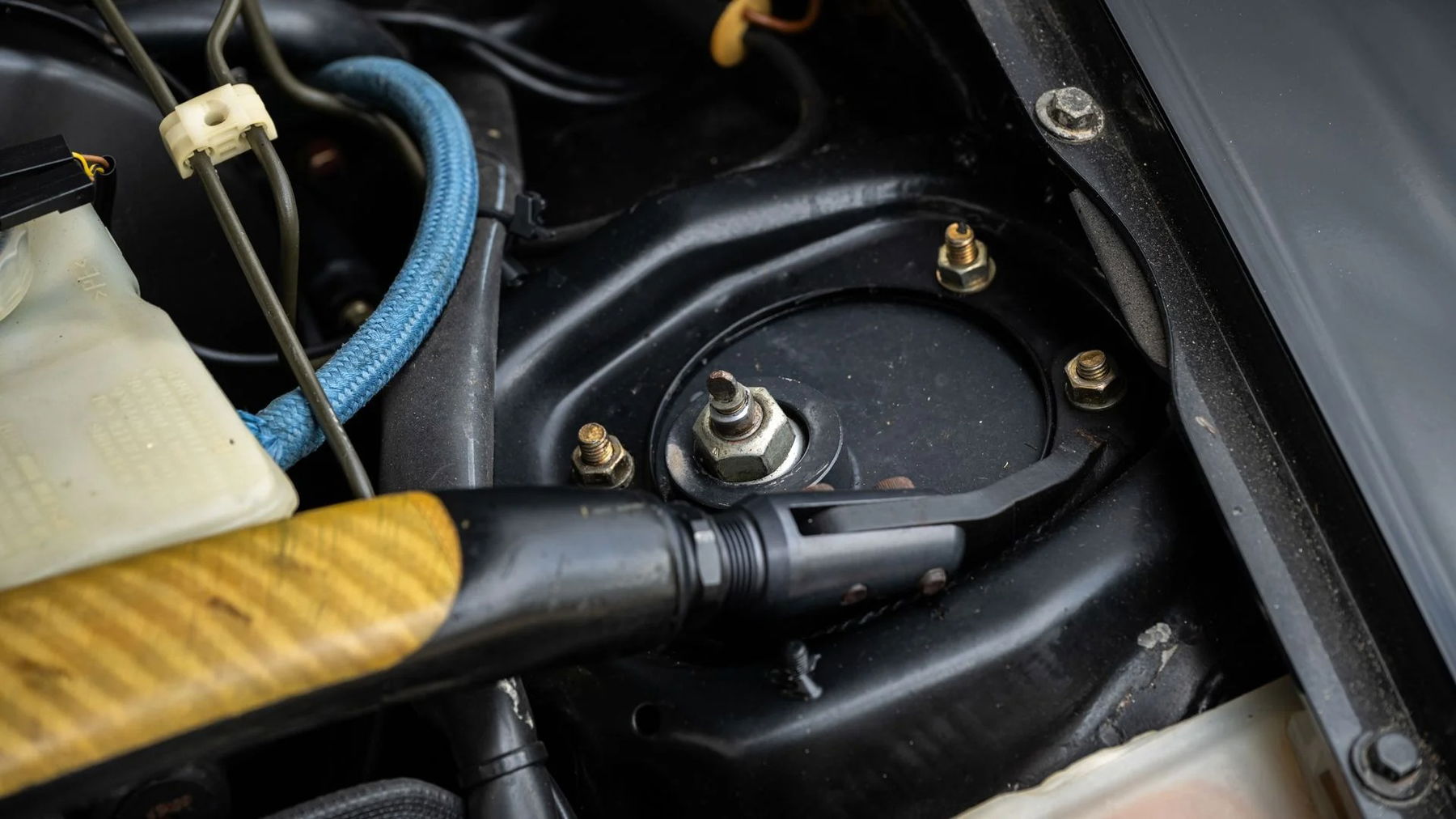
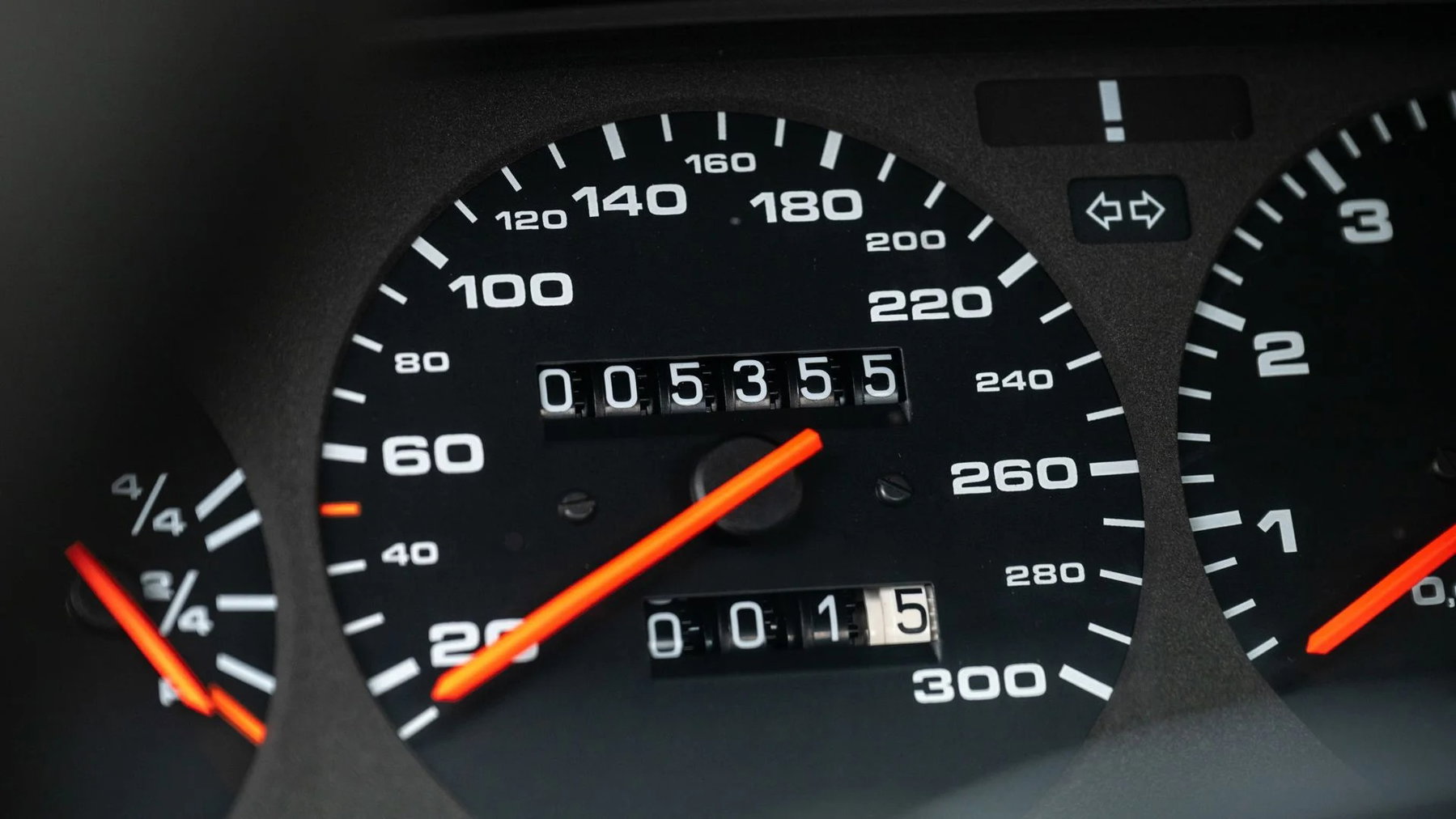
In 2008 the car was purchased by the consignor as an early acquisition into a collection of rare and exclusive Porsche vehicles known for their interest and “one-off” nature. As the only Black Porsche 968 Turbo RS and only one of three of the model in existence, “Bubbles” was perhaps the ideal early acquisition! Yet this begs the question. Where had this Turbo RS been for the past 14 years? Rumors of the racing car’s status had swirled within the Porsche community, yet an inspection report from Jürgen Barth is quite straightforward in its explanation. On file and available for review, it states, “the car is still in its livery from his last race in Vallelunga 1994 and absolute Original Condition.” Additionally, “The car makes a super impression because it is not used anymore after the last race in 1994. Because only 3 cars of the 968 Turbo RS been built this is the most original of them today.”
Built by Porsche’s Motorsport Department during a period when necessity sharpened intent at Weissach, it is the final example of just three 968 Turbo RS cars created, the only one finished in Black, and the only front-engine Porsche RS model of any kind. Retaining its charming original period livery, competition specification, and a well-documented history, it is widely regarded as the most original surviving Turbo RS, preserved closely to how last raced in 1994. Offered from just its third owner and accompanied by a Jürgen Barth inspection report and its lightweight BPR bodywork (shipping at buyer’s expense) the car will receive a comprehensive service from the experts at Porsche Motorsport North America (PMNA) prior to sale. Fittingly, it serves as a bookend to the 924 Turbo rally cars of the late 1970s—early transaxle projects guided by Barth—each shaped by inventiveness, clarity of purpose, and Porsche’s belief in competition as the clearest path forward.

































 1993
1993 
 1994
1994