Porsche 996.1 and 996.2 Carrera in comparison – What are the differences?
11.02.2026By Richard Lindhorst
With the 996 generation in 1997, Porsche took an unusually big step for the company. The Porsche 911 was put on a completely new technical and visual footing. Water cooling instead of air cooling, a longer wheelbase, numerous identical parts with the Boxster – and a design that is still polarizing today. The early Carrera models in particular, with their “fried egg” headlights, provided plenty to talk about. For a long time, they were overshadowed by their predecessors and successors, especially in the public eye.
But the wind has changed: the Porsche 996 is no longer an insider tip on the used market, but for many the last affordable entry into the world of the 911. At the same time, prospective buyers are faced with the question: should they buy a Porsche 996.1 or 996.2 Carrera (4)? What has Porsche really changed with the facelift – and which model ultimately offers the better overall package?
Porsche 996.1 and 996.2 Carrera – What are the differences?
All Carrera and Carrera 4 models from model years 1998 to 2001 are designated as Porsche 996.1 Carrera, while the Carrera and Carrera 4 models produced from model year 2002 to 2004/2005 are classified as Porsche 996.2 Carrera. Turbo and GT models are excluded at this point, as are any special models. This is about the classic Carrera as an entry-level model.
To put the changes between the Porsche 996.1 and its facelift 996.2 into perspective, it helps to take a look at Porsche’s economic situation at the time. The Zuffenhausen-based car manufacturer was doing so badly that the Porsche 996 was doomed to success. The identical parts policy with its little brother, the first Boxster, was simply necessary to save production costs. Porsche’s need to save money became apparent in the absence of a glove box and cup holders, among other things. Only the commercial success of the Boxster and 996.1 made extensive improvements possible.
The 996.2 has been given a completely new look – Porsche’s most striking model upgrade of all time?
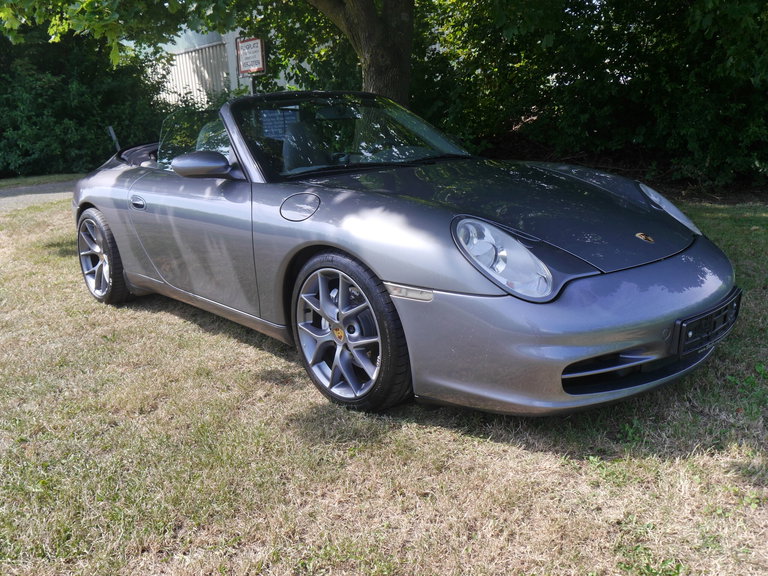
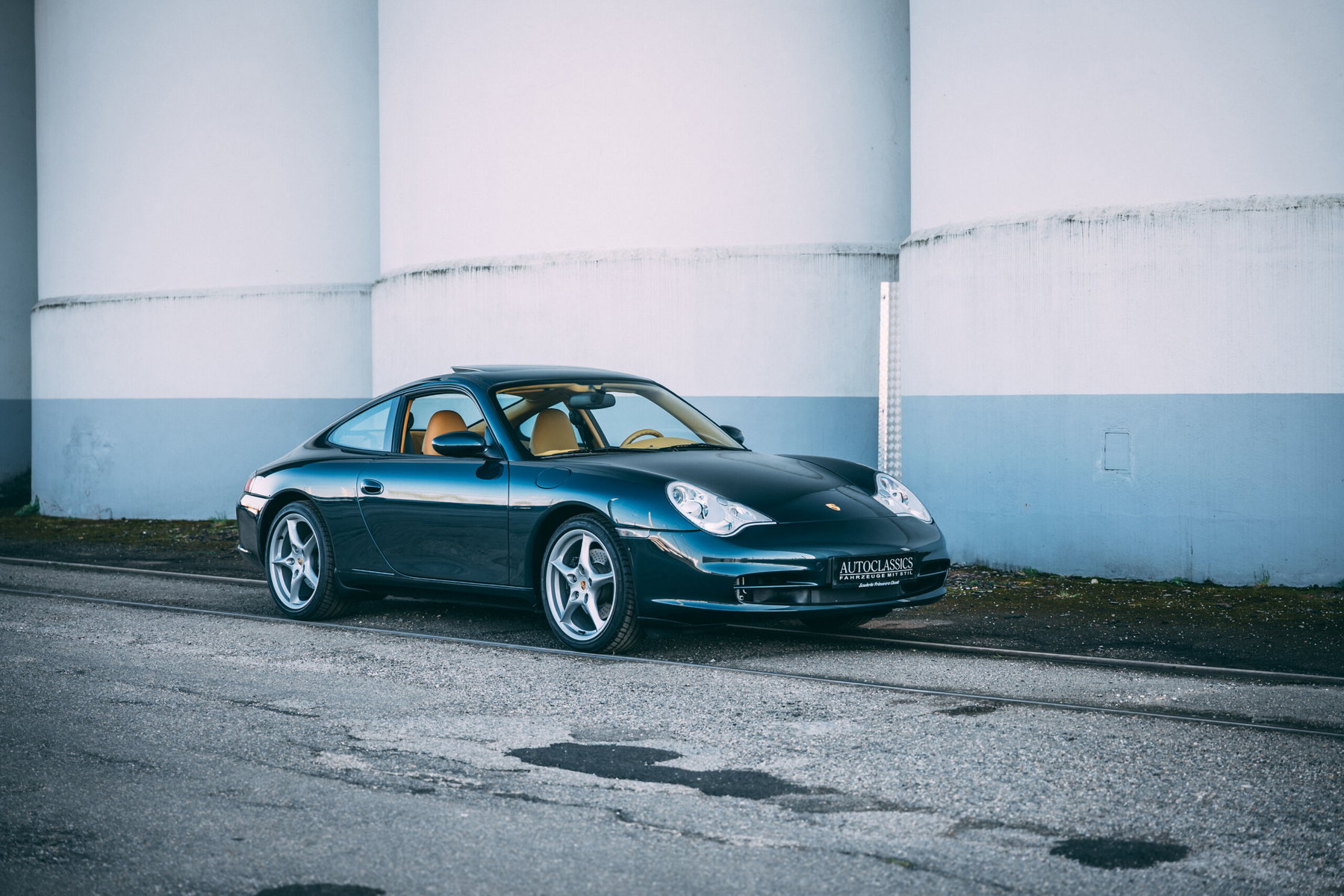
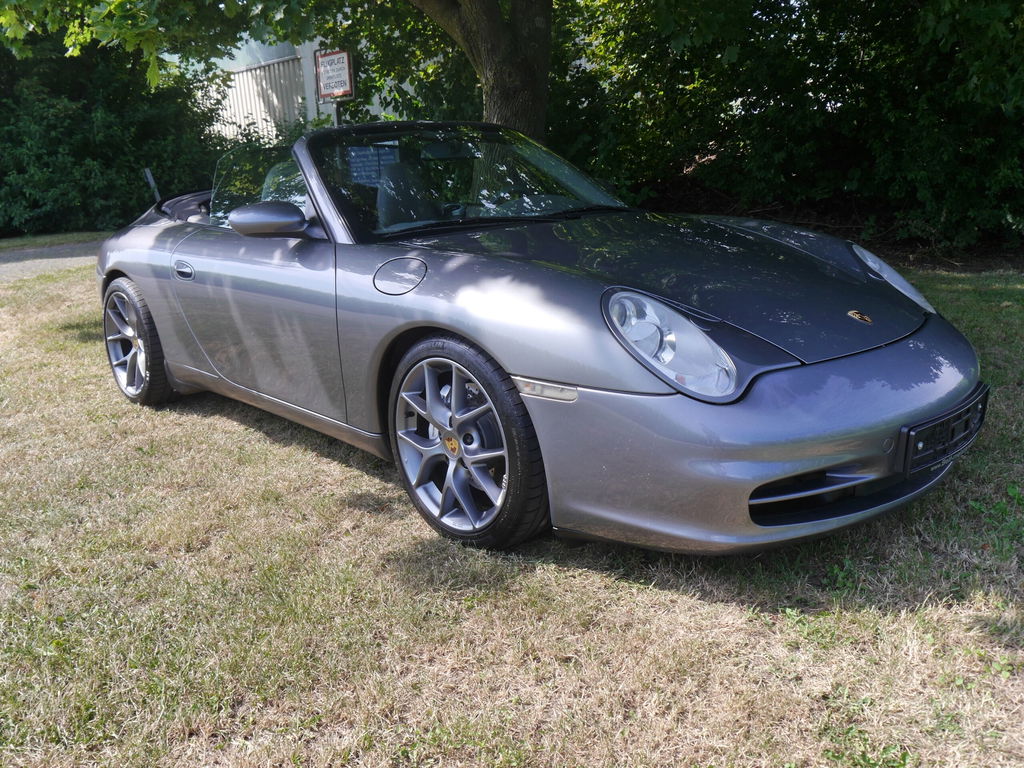
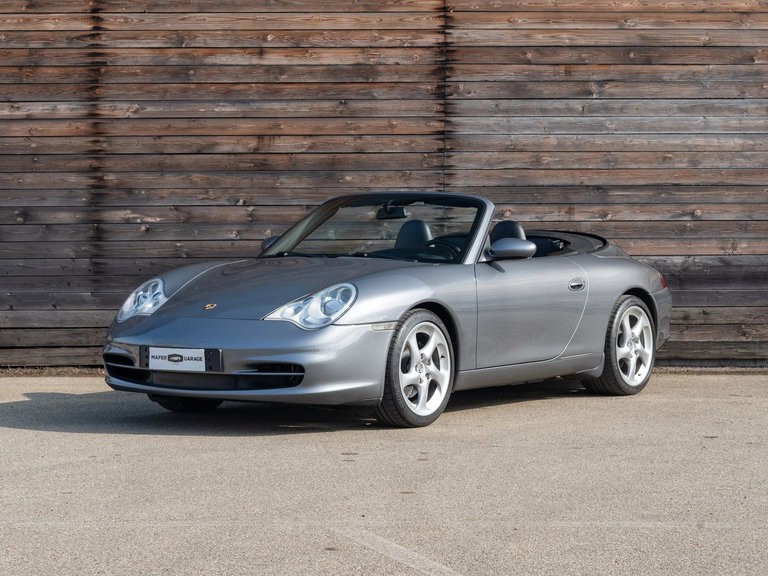
It is probably the only 911 facelift that is immediately noticeable even to absolute car laymen. If you place a Porsche 996.1 Carrera next to a 996.2 Carrera and look at both from the front, the changed headlight shape immediately catches the eye. This new front end picks up on the headlights of the 996 Turbo first introduced in the 2000 model year. These also have an S-shape at the bottom, as Harm Lagaay officially calls them, and give the 996.2 Carrera a more dynamic appearance than its predecessor.
To further distance the 911 visually from the Boxster, the 911 Carrera is given the rounded front headlights of the 911 Turbo.
Marc Bongers
Its rear section was also changed in the facelift, albeit much more discreetly. The rear bumper of the Porsche 996.1 Carrera was basically a continuous, round surface, only visually divided by a fine notch at the height of the license plate recess. Porsche dispensed with this on the 996.2 Carrera and divided the rear apron in a different way. Below the recess for the license plate, Lagaay’s design team created a raised section that runs from wheel arch to wheel arch like a brace.
These detailed changes resulted in a total of 25 percent less lift on the front axle and even 40 percent less on the rear axle. Thanks to these aerodynamic improvements, the 996.2 Carrera remains much more stable at high speeds. Where the 996.1 still felt a little nervous above 200 km/h, the handling in the 996.2 in direct comparison gives the feeling of sitting in a much larger and longer vehicle.
Detailed improvements to the interior and finally a glove compartment in the Porsche 996
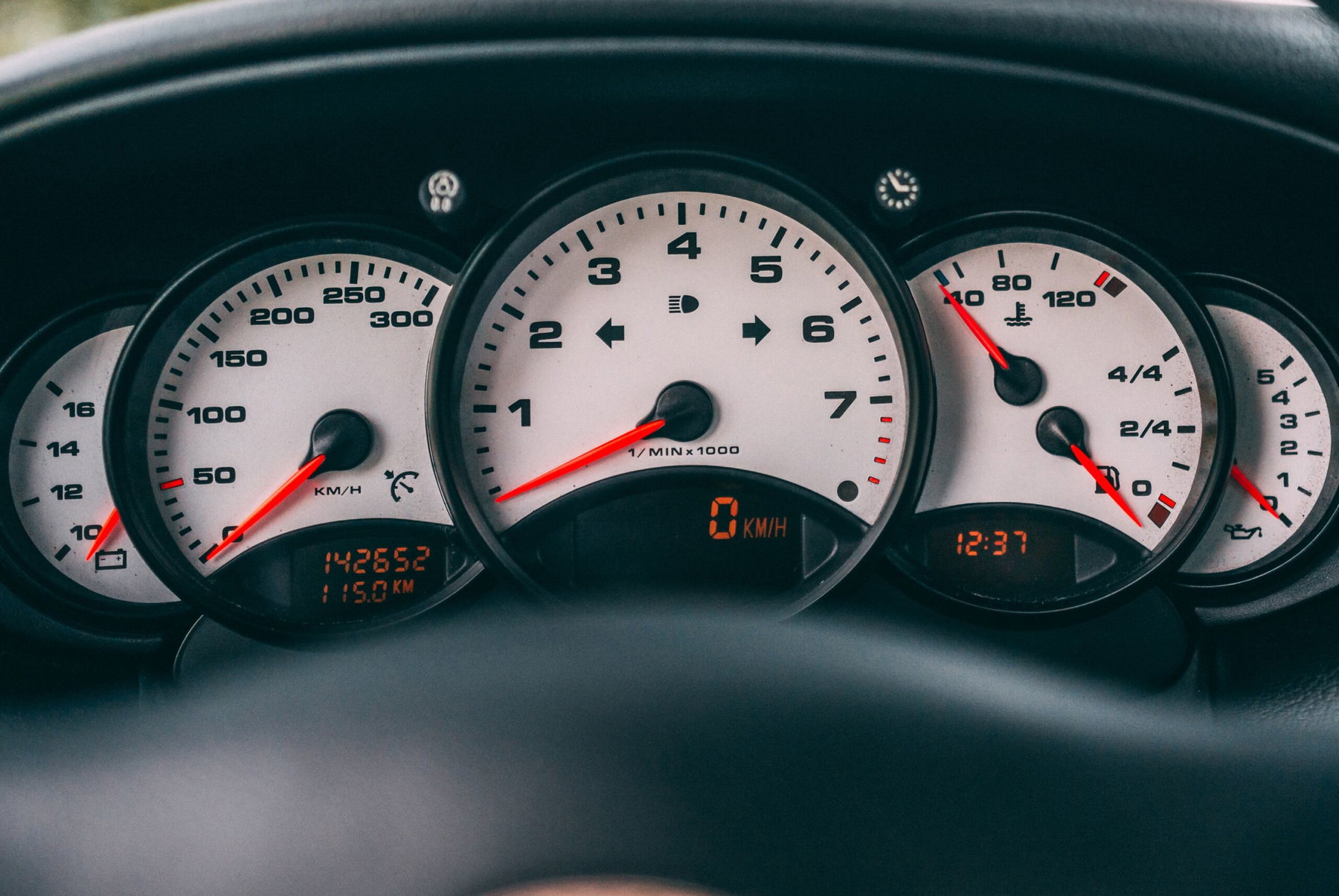
The changes to the interior were relatively subtle. Its basic layout remained unchanged. From the facelift onwards, the Carrera shared its instrument cluster with the Turbo. This means a rev counter with a scale up to 8,000 rpm instead of the previous 7,800 rpm and a larger digital display below it. In return, the displays for the clock and digital speedometer became smaller, as did the considerably modernized typeface within the displays.
The differences between the 996.1 and 996.2 gauges mainly concern the rev counter and the electrical displays. They have a higher resolution and are also significantly brighter. David Fierlinger, Elferspot
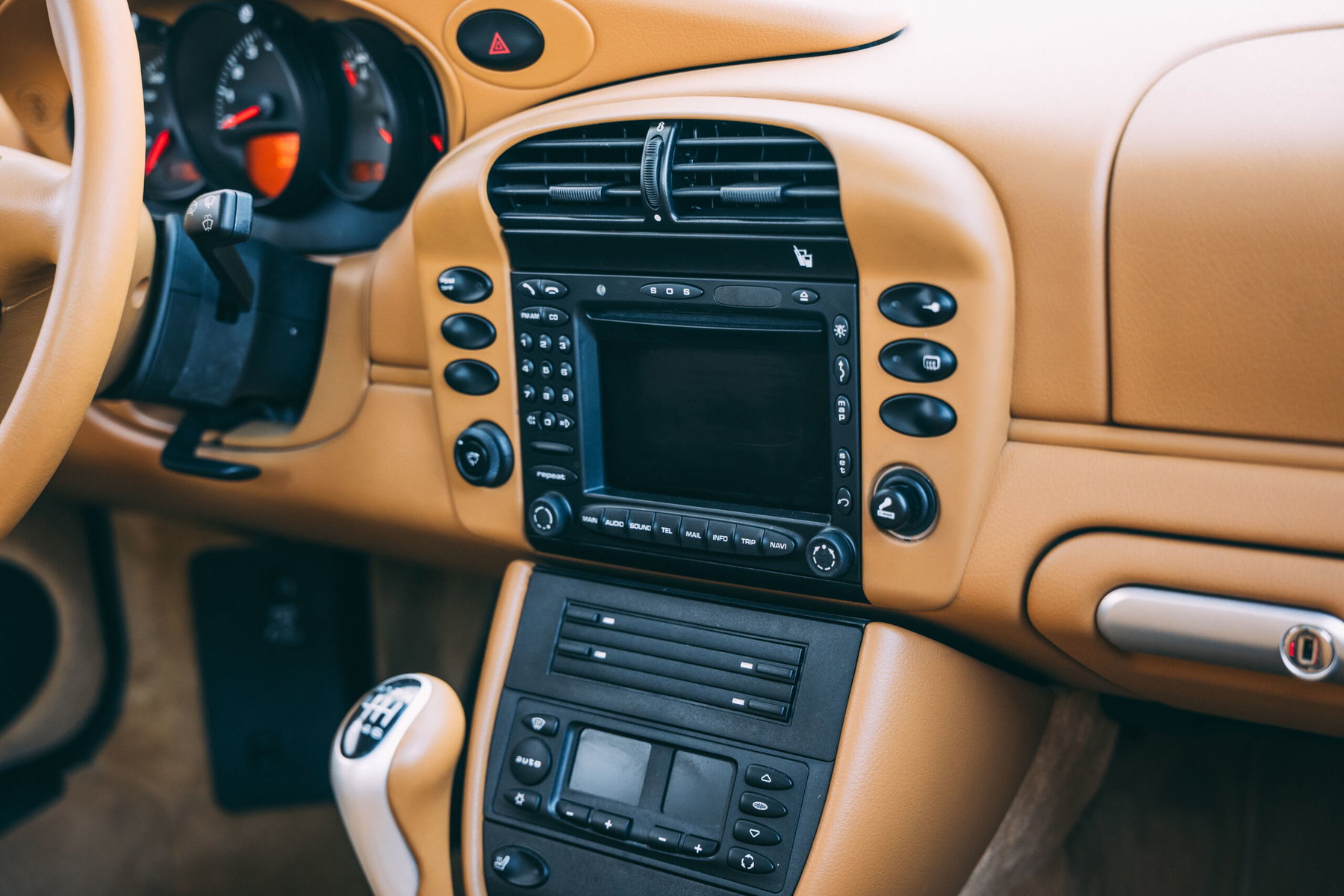
Porsche also used matt switches in the 996.2 instead of the previous glossy ones. In combination with the standard Alcantara headlining, the Carreras from model year 2002 – i.e. vehicles produced after the 2001 summer holidays – have a higher-quality finish. Raff leather was no longer included in the regular equipment list for the 996.2. Also new in the center console were the cup holders between the air vents and the climate control panel.
But the most striking change was undoubtedly the newly added glove compartment. Porsche decided not to develop one for the 996.1. Due to the standard passenger airbag and the ventilation systems running behind it, it was simply too expensive to give the first water-cooled 911 a suitable storage compartment in the passenger footwell. And although the 996 had a large number of well thought-out storage compartments elsewhere, customers sorely missed the glovebox in the 996. Its introduction in the 996.2 cost Porsche “several million marks” at the time, and customers were delighted.
The 3.4-liter engine in the Porsche 996.1 Carrera is followed by a 3.6-liter engine in the 996.2 Carrera with a significantly different character
In addition to the cosmetic changes, Porsche also revised the engine range of the Carrera when changing from 996.1 to 996.2. The M96 engine was given a larger cylinder stroke with the same bore. Instead of 78.0 mm, the 996.2 Carrera had a stroke of 82.8 mm, which increased the displacement from 3.4 to 3.6 liters. Porsche also revised the camshaft adjustment – the VarioCam system gave way to the new VarioCam Plus. While the old system “only” changed the camshaft profile, VarioCam Plus can adjust the valve lift and the timing, i.e. the duration of valve opening. These measures resulted in a total of 20 hp more power and 20 Nm more maximum torque.
However, the engine’s character changed more than the sheer performance data. While the Porsche 996.1 Carrera only really came to life above 4,500 rpm, the 996.2 Carrera offered significantly more power in the mid-range. This made it much more usable in regular driving – another reason why a Porsche 996.2 Carrera is a great sports car for every day, even 25 years after its launch.
In contrast, the smaller engine in the 996.1 feels more like a sports engine that wants to be revved. Both variants have their very own charm. However, the 996.2 is the much livelier choice, especially for Carrera 4 Cabriolets, i.e. open-top 911s with all-wheel drive. After all, it carries the burden of around 150 kilograms more weight compared to the lightest variant, the Carrera 2 Coupé.
The 996 Carrera engines are better than people give them credit for – provided they are well looked after
Contrary to prophecies of doom, both engine variants are quite robust in terms of design. Of course, there are potential problems, like bore score or defective intermediate shaft bearings. However, the risk can be minimized with care before purchase. Preventive measures, such as upgrades to the cooling systems, can reduce the risk to a very manageable level. Many M96 engines run for several hundred thousand kilometers without any problems.
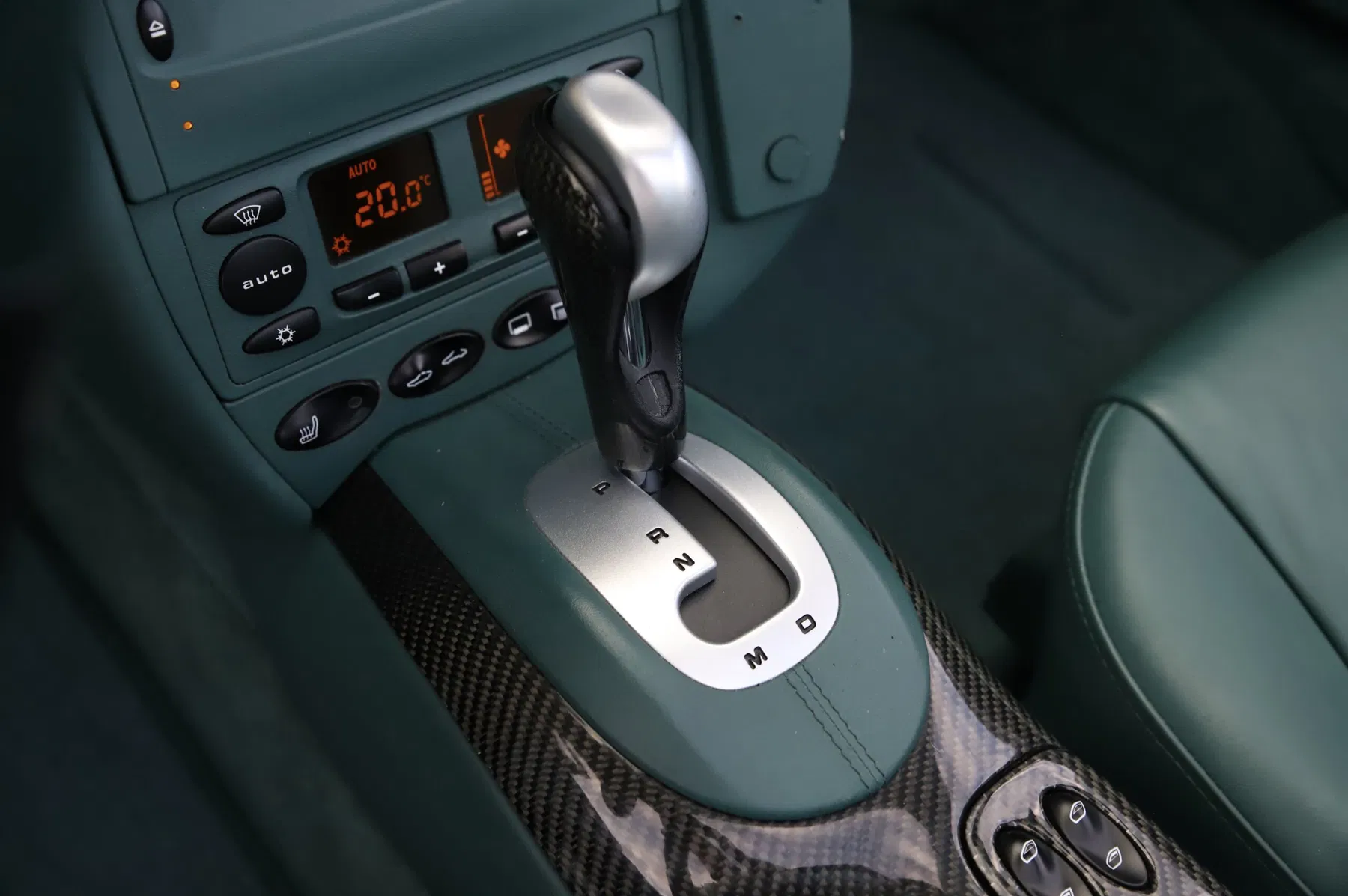
For the Tiptronic transmission, Porsche used a longer final drive ratio in the 996.2 Carrera and a modified gear gradation than in the 996.1. The first, third and fourth gears were significantly longer, the second remained the same and the last gear was shorter. As a result, the 996.2 Carrera with Tiptronic accelerates to 160 km/h a good second faster than its predecessors with automatic transmission. It is considered to be extremely reliable and unproblematic in both model variants.
The situation is different with the manual gearbox, especially the 996.1, whose synchronizer rings react quite sensitively to rushed gear changes. If they are worn, it becomes problematic. Repairs are time-consuming and expensive. Often, a replacement gearbox is even the cheaper option, although high four-figure sums are also due here. For this reason, different material alloys were used in the transmission after the facelift, which promise a longer service life. The transmission ratio, however, remained unchanged.
Porsche 996.1 and 996.2 Carrera have become significantly more expensive
After the first water-cooled 911 Carrera models were available for many years at the price of an averagely equipped new VW Polo, the wind has changed noticeably since 2019. Offers around the 40-grand mark or more are no longer a rarity for good 996 Carreras. The price difference between 996.1 and 996.2 Carreras is reliably in the region of around 20 percent. In terms of price, both are therefore directly in the slipstream of the successor model 997.
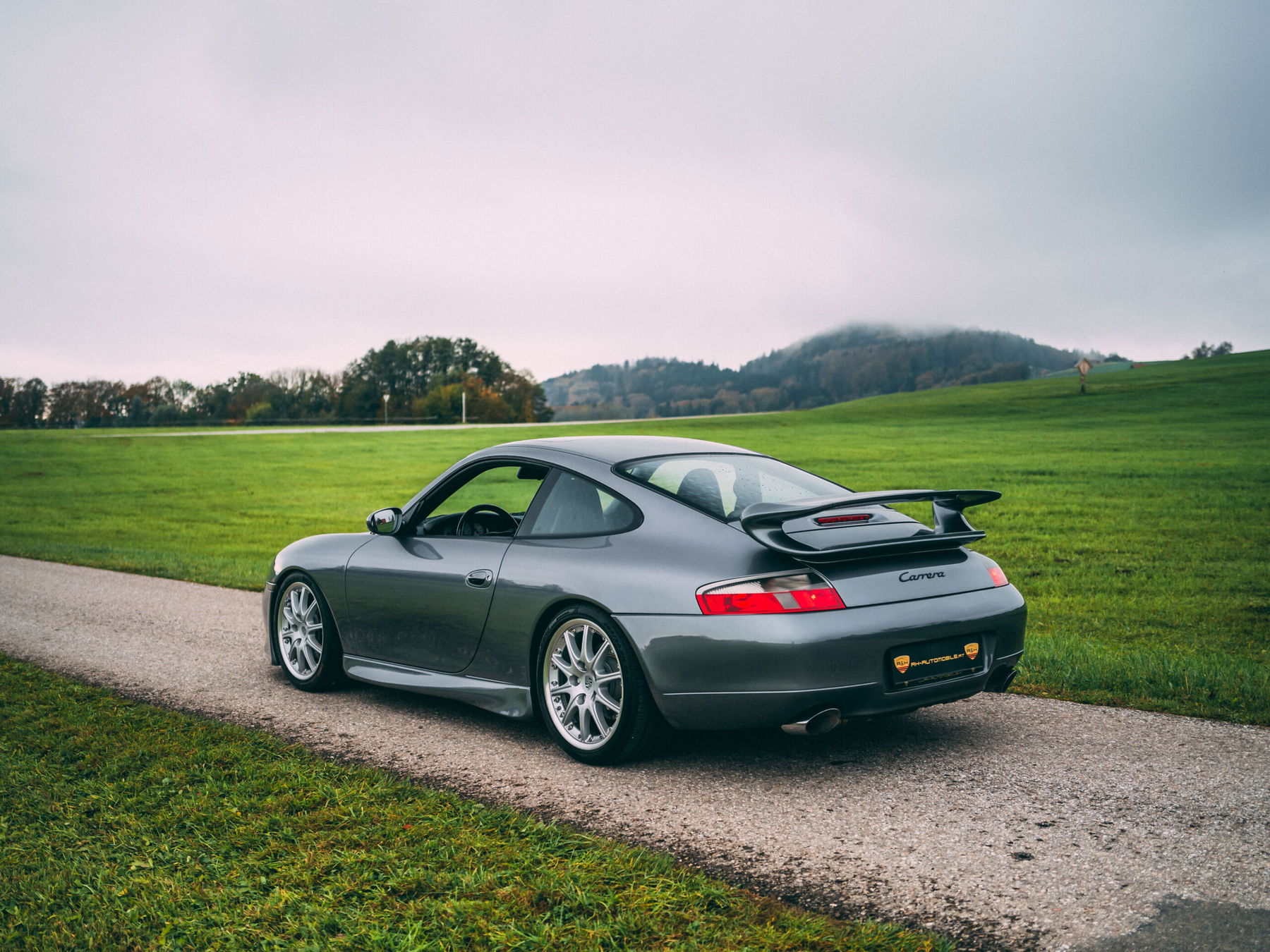
For fans of the factory Aerokit, i.e. the combination of rear wing, painted sill panels and aerodynamically optimized front apron, it is now relatively difficult to find good deals. A veritable cult has developed around these models. 996.1 Carrera with Aerokit sometimes cost over 10,000 euros more than regular models. The price differences are even higher for the 996.2. This is because the 996.2 Carrera was only ordered extremely rarely with the Aerokit.
For whom is which generation Porsche 996 Carrera worthwhile?
Now the question arises as to whether it is worth saving up for a 996.2 Carrera or going for the 996.1. The only sensible answer is: “It depends”. The 996.2 is undoubtedly the more mature and objectively better car. It offers more comfort, a more powerful engine and a better feel in the interior. It is therefore a real recommendation for anyone looking for a really well-rounded overall package. If I can do without the advantages and opt for the first 996, it offers even more historical relevance and a slightly more purist overall feel.
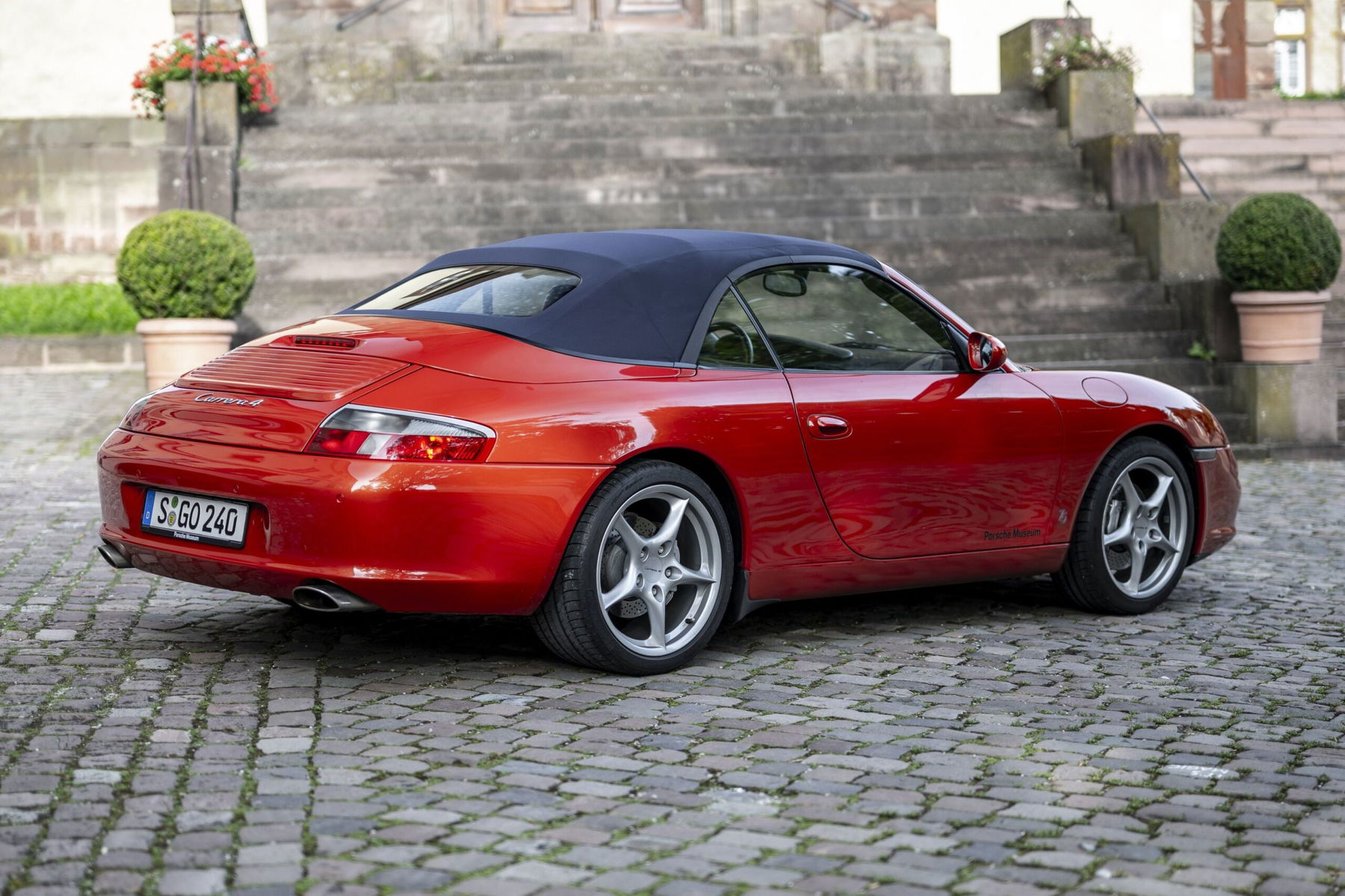
Convertible and all-wheel drive fans will probably enjoy the Porsche 996.2 a little more. This is because the additional, earlier available torque is better suited to the character of the convertible and in both cases helps to conceal the higher weight. In addition, the soft top in the 996.2 offers a heated glass rear window instead of the previous plastic one. The recommendation for the later 996 is even clearer if it is to be a Tiptronic model. The combination of a more powerful engine and modified gear ratios provides noticeably more sportiness.
In the end, however, the choice between 996.1 or 996.2 is less important than the specific car. If the budget is just enough for a 996.2, a very good 996.1 might be the better choice in the long run. Because the money saved should be kept ready for the unexpected. So you don’t have to save on the most important point: the condition. If this is right, both generations are a good choice.
In the end, perhaps the most beautiful realization is that the 996 is by no means the problem 911 that some would like to make it out to be. It is a genuine 911 that has – quite rightly – very confidently reclaimed its place in the Porsche cosmos in recent years.
Richard Lindhorst, Elferspot
Message
Do you have a tip for a story or just want to get in touch with Richard?













 2004
2004 
 2004
2004 
 2001
2001