Porsche Silver – Between understatement and motorsport
23.03.2026By Richard Lindhorst
The color of a car always determines its impact, and in some cases also its value. Although silver tones are among the most frequently chosen colors at Porsche, they tend to remain under the radar in general perception. Silver is not as striking as red, not as extroverted as yellow and not as classically Porsche as green. But this is precisely what makes silver, which is sometimes underestimated as technocratic, particularly exciting for Porsche fans who want understatement and timeless elegance. A silver-painted Porsche can look businesslike, elegant, technical or almost glamorous. Depending on the body shape, it can appear cool and precise or even warm and surprisingly multi-layered.
Not just a safe choice for the undecided – Porsche Silver as a statement
Porsche’s silver range is much more complex than you might think at first glance. There are sometimes big differences between classic metallic shades and rather rare, almost exotic-looking nuances. Some silver shades make a 911 look almost like a tool, others emphasize the soft lines of a 993 and give it just the right mixture of noblesse and restraint. Certain silver paints are even inextricably linked with the sportiest and most iconic Porsche models of all.
So anyone who thinks that silver is the safe choice for the undecided is making it too easy for themselves. In addition to classic attributes such as timelessness and elegance, Porsche’s racing heritage must also be taken into account. After all, the majority of Porsche’s early racing cars were silver. What’s more, there are some astonishing differences between the silver shades of the various Porsche generations.
Porsche Silver Metallic – The timeless classic
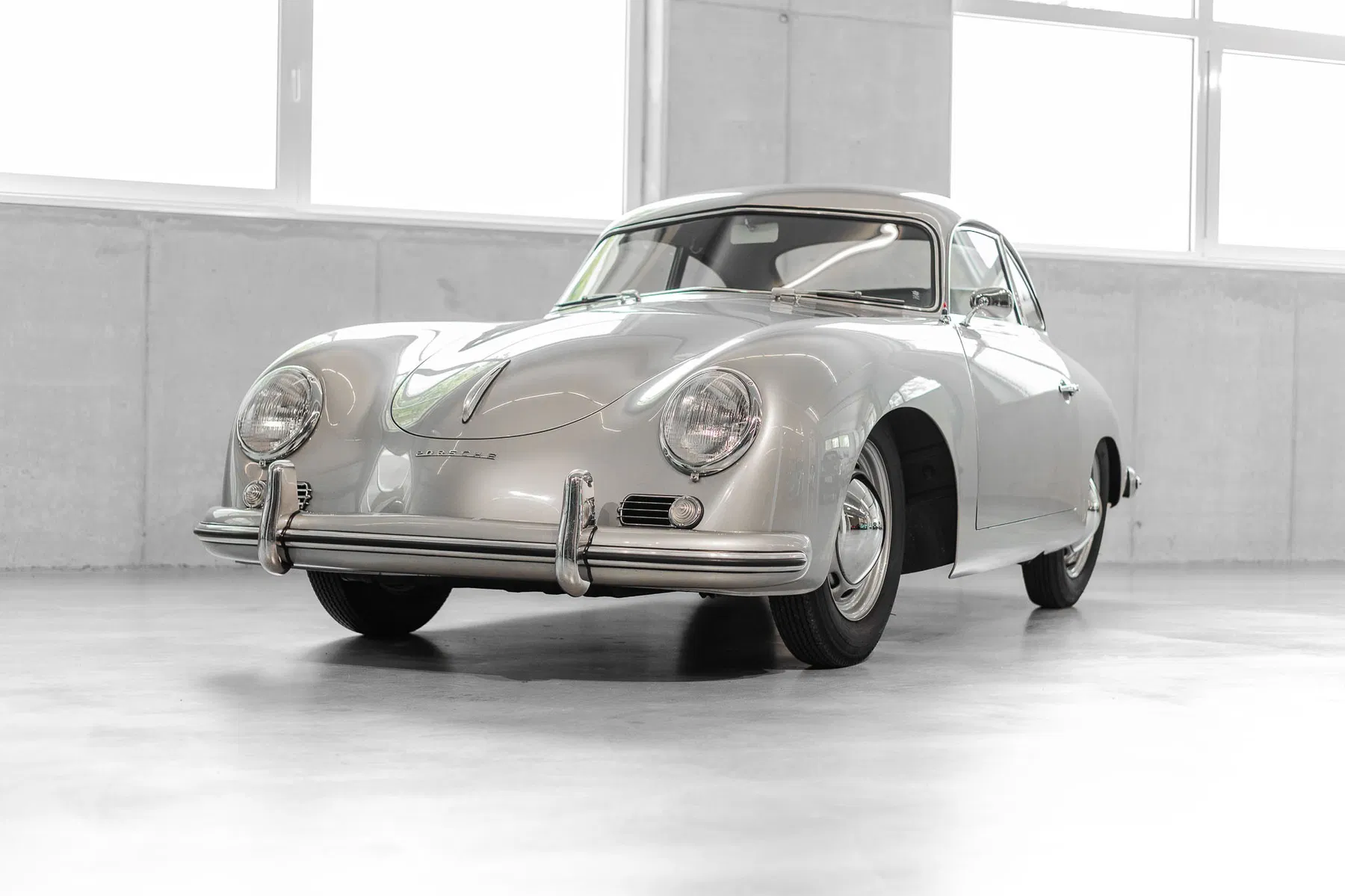
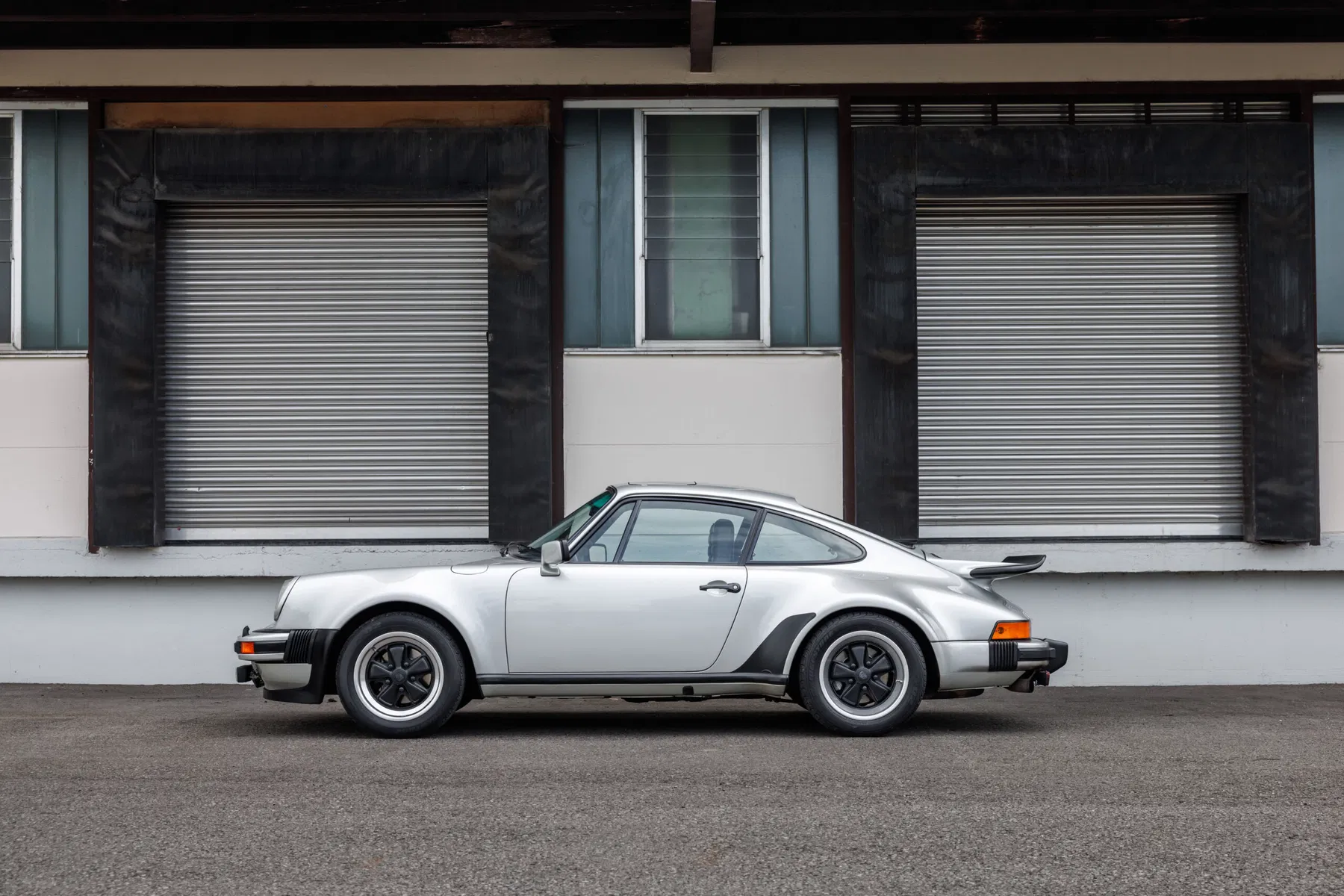
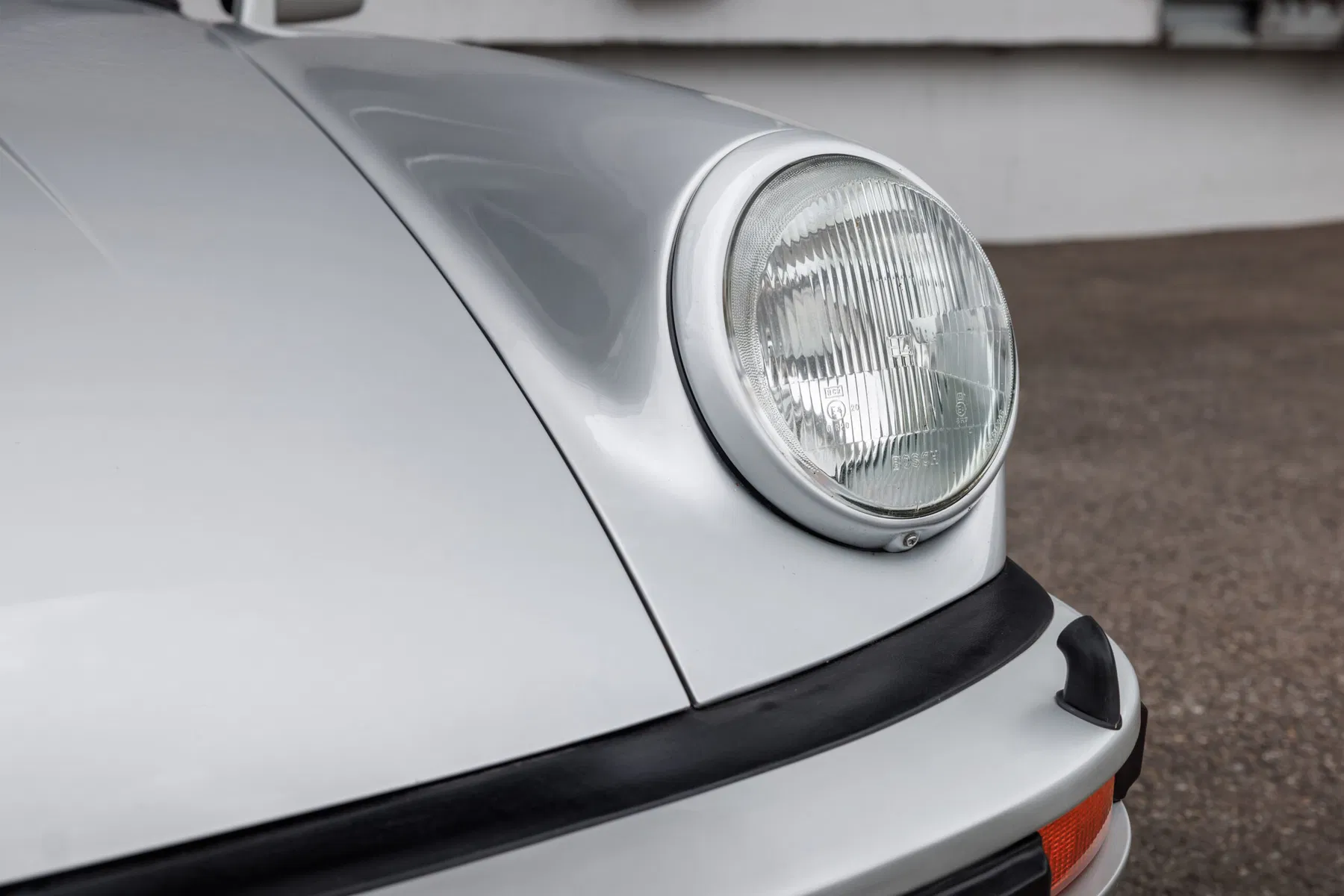
When talking about Porsche Silver, you have to start with what can almost be described as the archetypal starting point of this color family: Silver Metallic. No other shade stands for the classic idea of the sports car to such an extent. Since the racing successes of the Mercedes Silver Arrows at the latest, it has been regarded as a typical German motorsport color. However, it is in no way about showmanship, fashionable extravagance or the need to show off. Silver Metallic is a sober base that is particularly flattering to cars with rounded shapes.
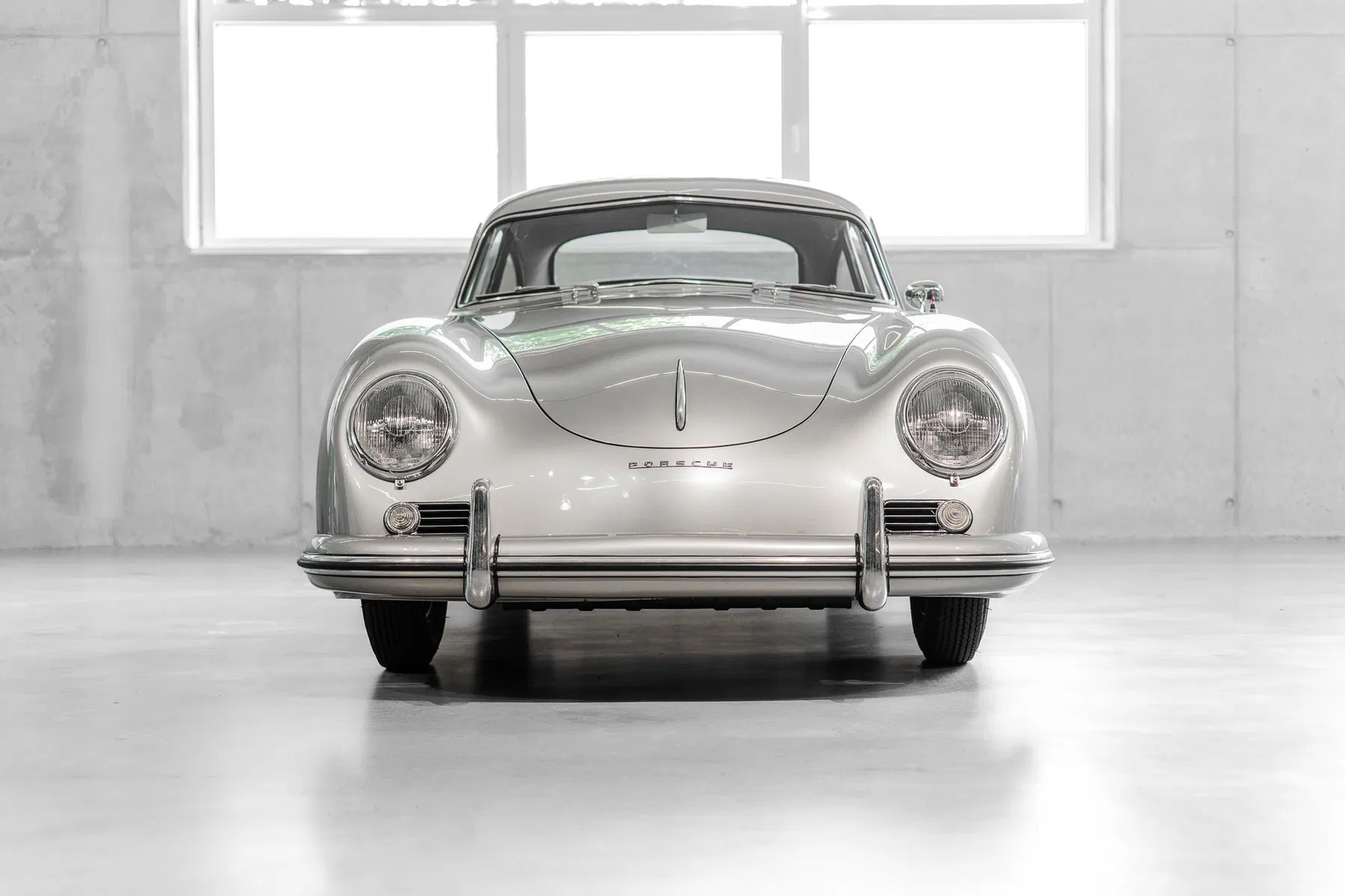
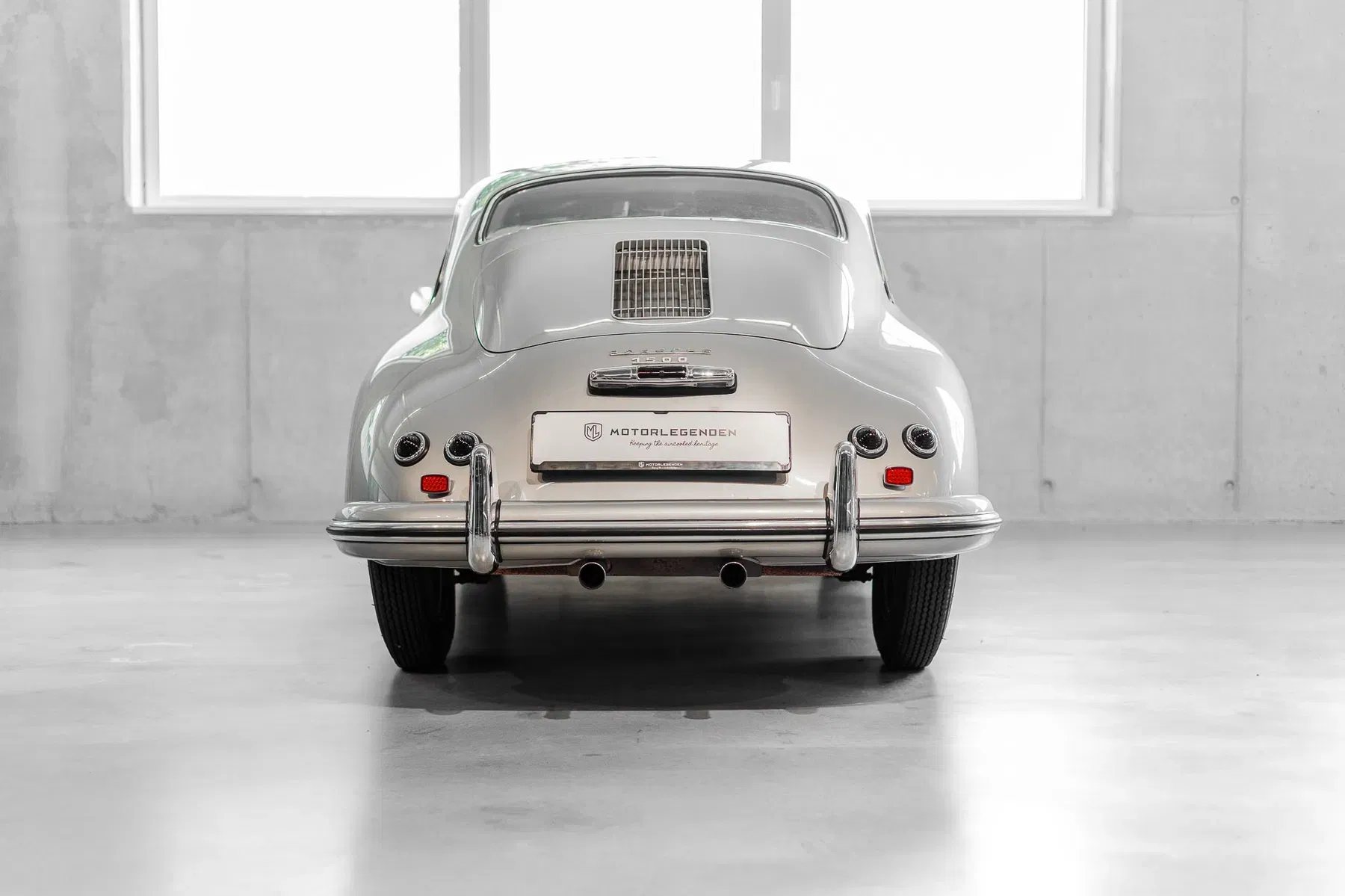
That’s why a Porsche 356 or 928 in silver metallic always looks harmonious. Its shine does not swallow up any proportions, but rather emphasizes them. In combination with red or brown interiors, a classic Porsche in Silver Metallic is a stylish choice that never looks out of place. This is a strength that is all too often underestimated at Porsche.
While strong colors often convey emotions immediately, silver metallic lets the design speak for itself. Porsche’s Silver Metallic is quiet at first glance, but radiates a casual self-confidence. This is precisely its appeal. From 1954 to 1990, Silver Metallic was available in numerous paint codes – with the exception of the 924 and 944 – on all Porsche models. Consequently, it is of course not rare, but nevertheless always a beautiful, classic choice.
Porsche Tin Metallic – More rock than classic
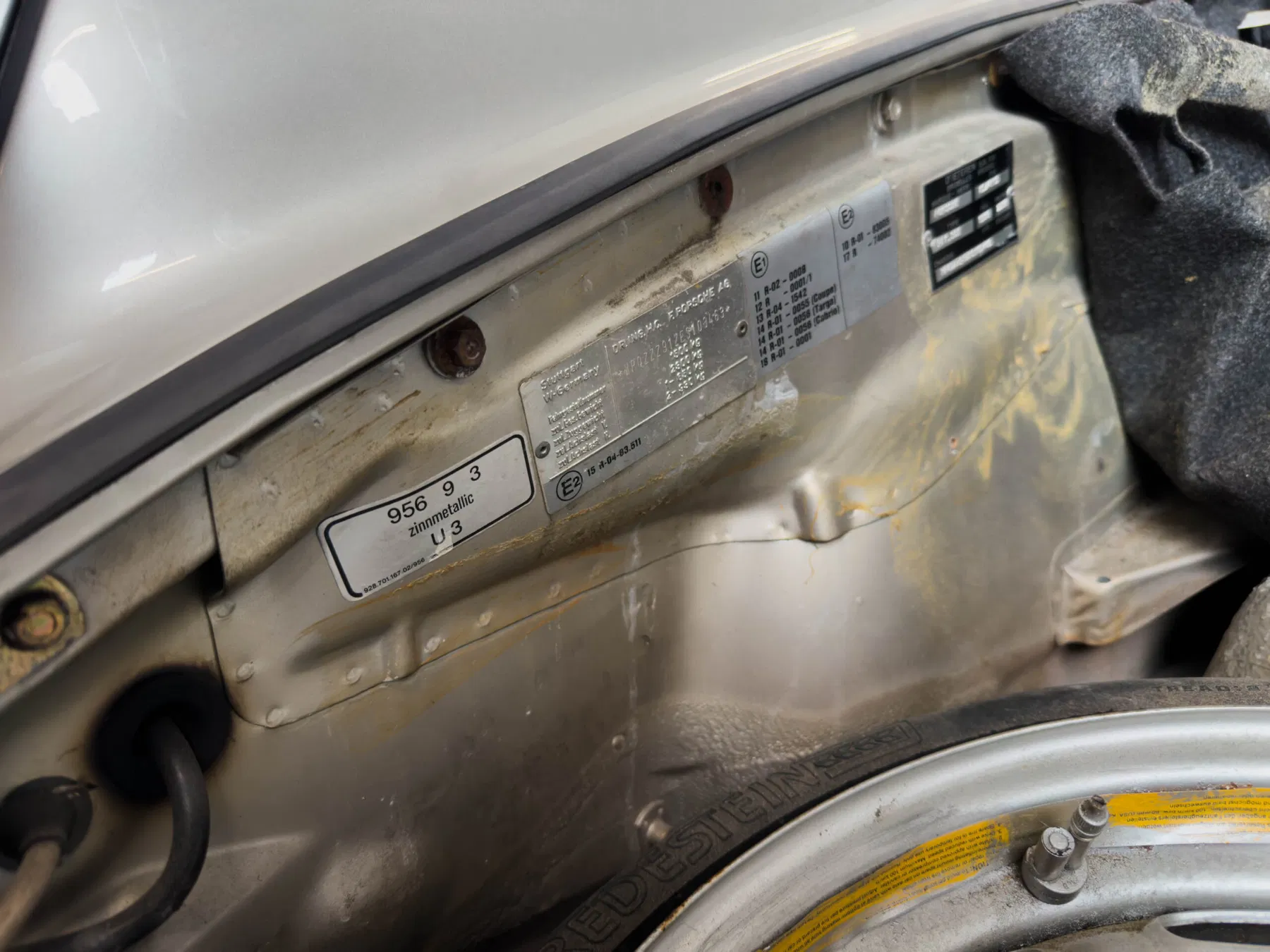
If Silver Metallic is the classic basis, then Tin (or Zinc) Metallic could almost be described as the character head among the early Porsche silver shades. This is because Tin Metallic appears darker, somewhat more unpolished and clearly more independent. The shade, which was only offered on the 911 and 928 between 1981 and 1984, has a smoky, coarse quality to it. Especially in combination with black accents on a 911 SC or Carrera, Tin Metallic looks incredibly cool.
Tin Metallic, recognizable by the color code 956, also has an extraordinarily exciting effect in changing light conditions. In bright light, it appears in a pretty cool, metallic way, in the golden hour rather slightly bronzed and smoky. A G-Model in Tom Metallic with a a whale tail and Fuchs wheels in front of a neon sign in the dark inevitably triggers synthesizer sounds in the mind’s ear. You don’t find this color on the market all too often, though.
It sounds paradoxical to say such a thing about a silver shade, but Porsche’s Tin Metallic is something like the James Dean of silver paints – multi-layered, a little unadapted and it’s hard to grasp at first glance. This color stands more for tools with patina than for silver cutlery. Tin Metallic appears to be definitely more rock star than concert pianist.
Porsche Polar Silver – 90s cool elegance
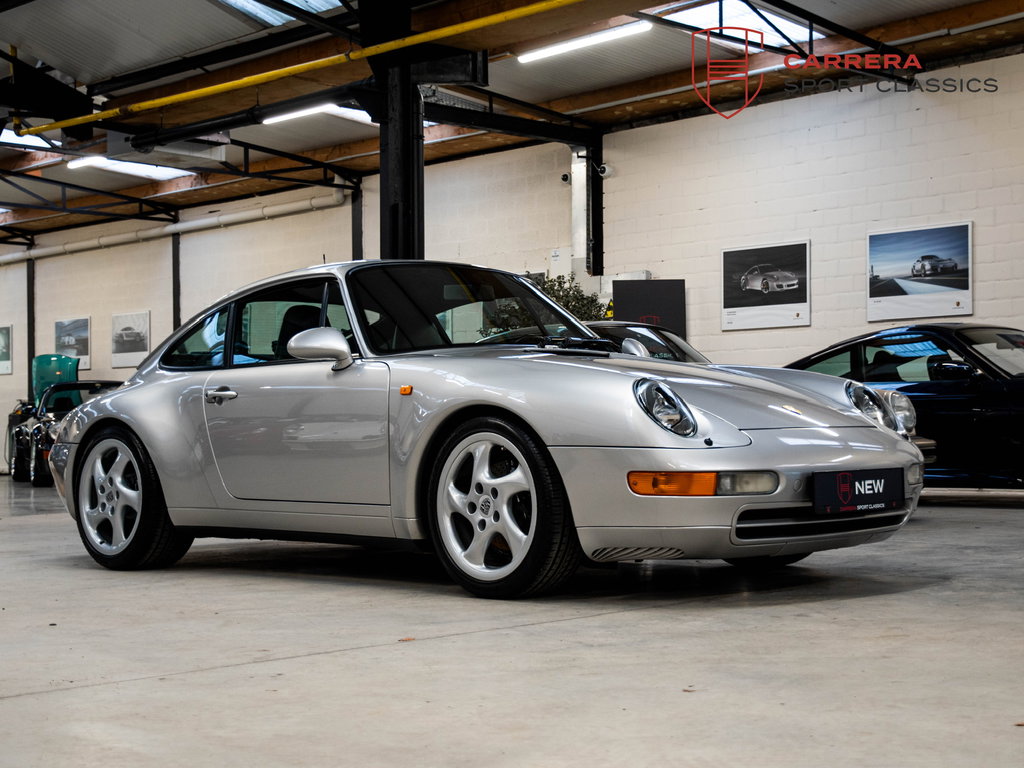
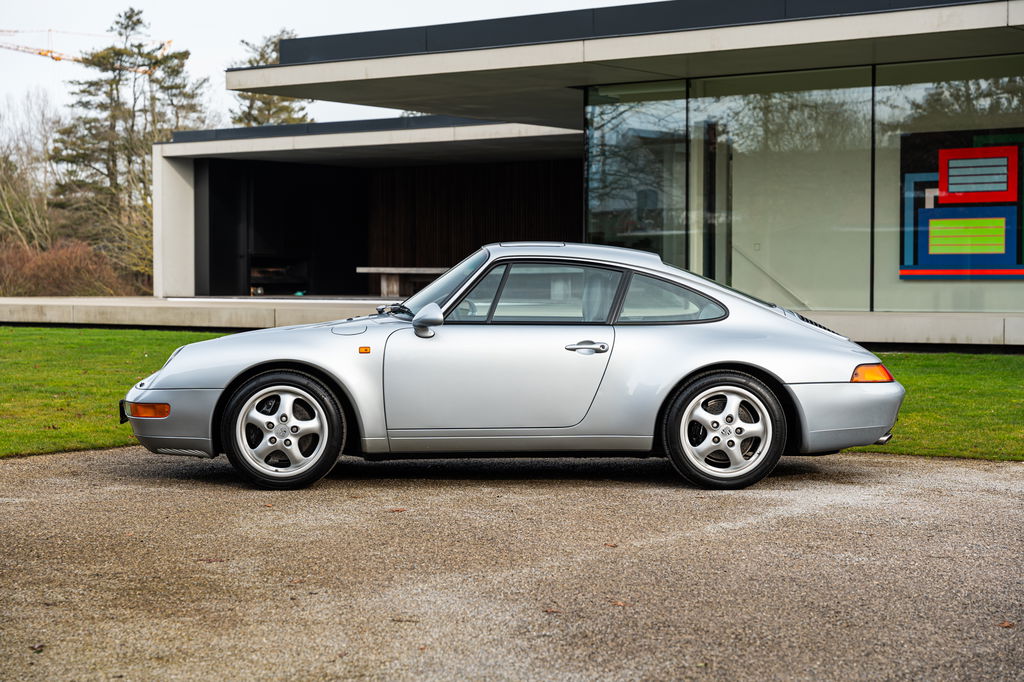
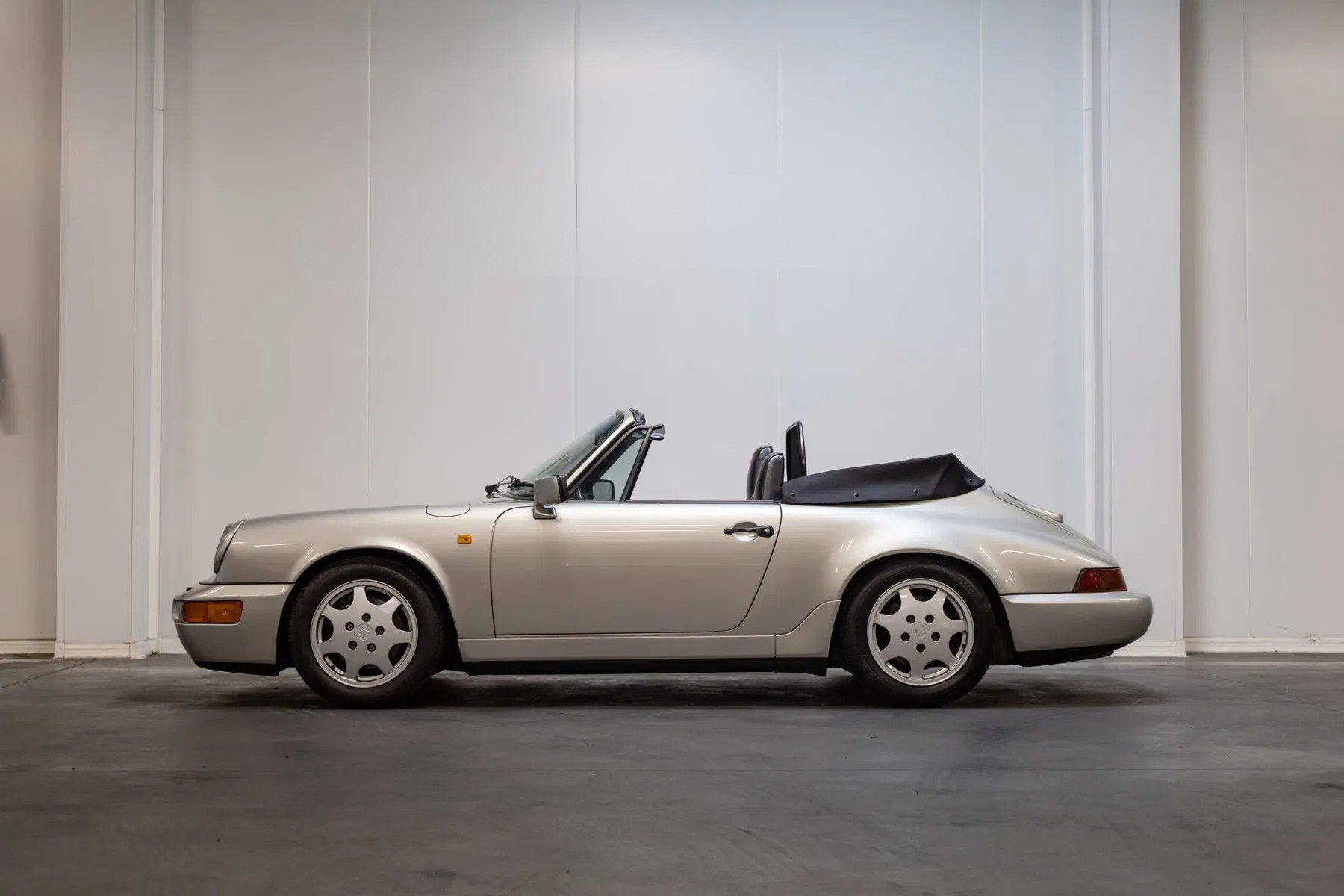
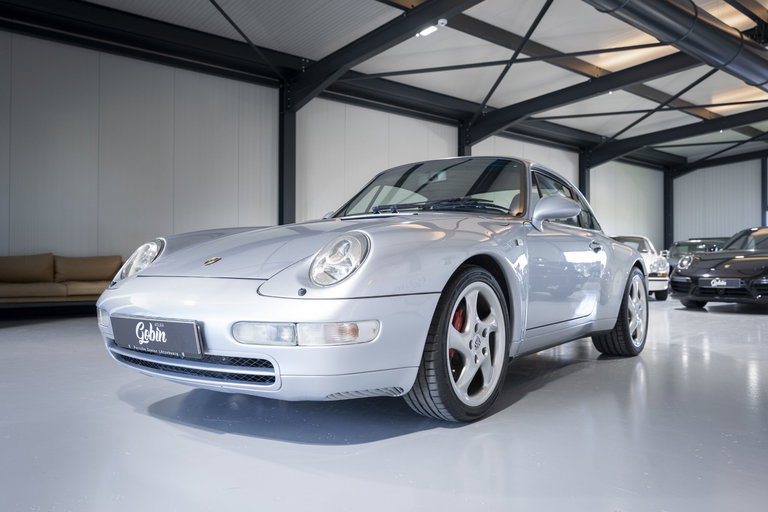
Polar Silver is one of those Porsche colors that is immediately associated with a very specific era. Of course, we are mainly referring to the 1990s, the 964 and 993 era. Then, Porsche’s design had a very classic DNA, but at the same time took a step away from the classic torpedo fender styling for the first time. In this era of increasingly technical car development, the extremely tidy, serious Polar Silver was a perfect match for the spirit of the times.
Polar Silver is not a soft, warm or even playful silver. This shade appears cool, tidy and almost precise due to the slight blue tint. It has something very clear about it, almost sterile. This works particularly well on the 993. Polar silver gives its flowing shapes, wide hips and harmoniously modeled surfaces exactly the kind of matter-of-fact noblesse that is so flattering to the last air-cooled 911.
Polar Silver is not one of the most spectacular colors in the Porsche range, but it is one that looks harmonious on almost any car, from almost any angle.
Perhaps this is why Porsches with the color code 92E are still so popular today. Polar Silver is not one of the most spectacular colors in the Porsche range, but it is one that looks harmonious on almost any car, from almost any angle. Especially with dark interiors or classic wheel designs, the result is a combination that is almost exemplary of the Porsche aesthetic of the 1990s.
Porsche Arctic Silver – The new standard for water-cooled cars
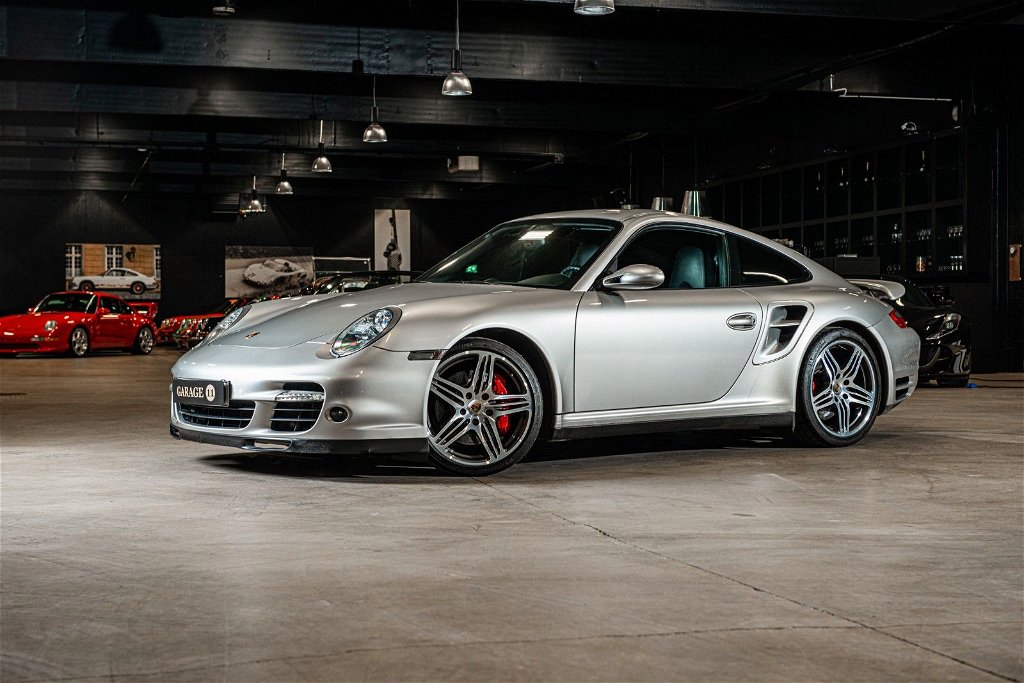
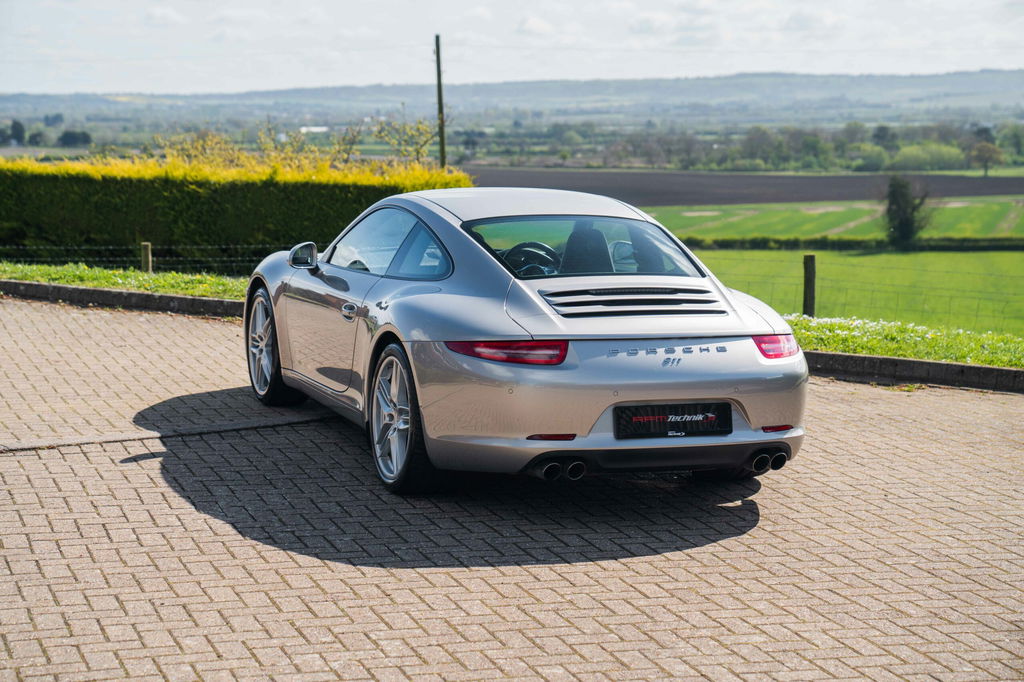
What Polar Silver is to air-cooled models, Arctic Silver is to water-cooled models. Introduced in the 993, it replaced Polar Silver from model year 1997. It accompanied Porsche through the early water-cooled years and quickly became a kind of standard color for the 996, 986 Boxster and later the 997 and 991.
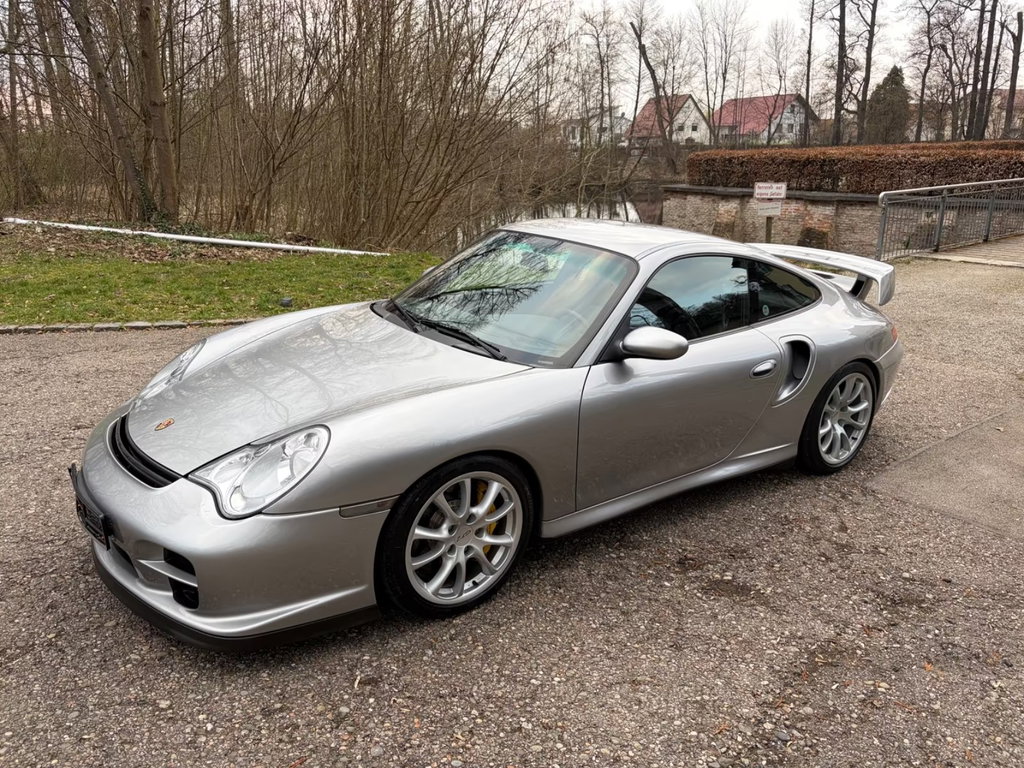
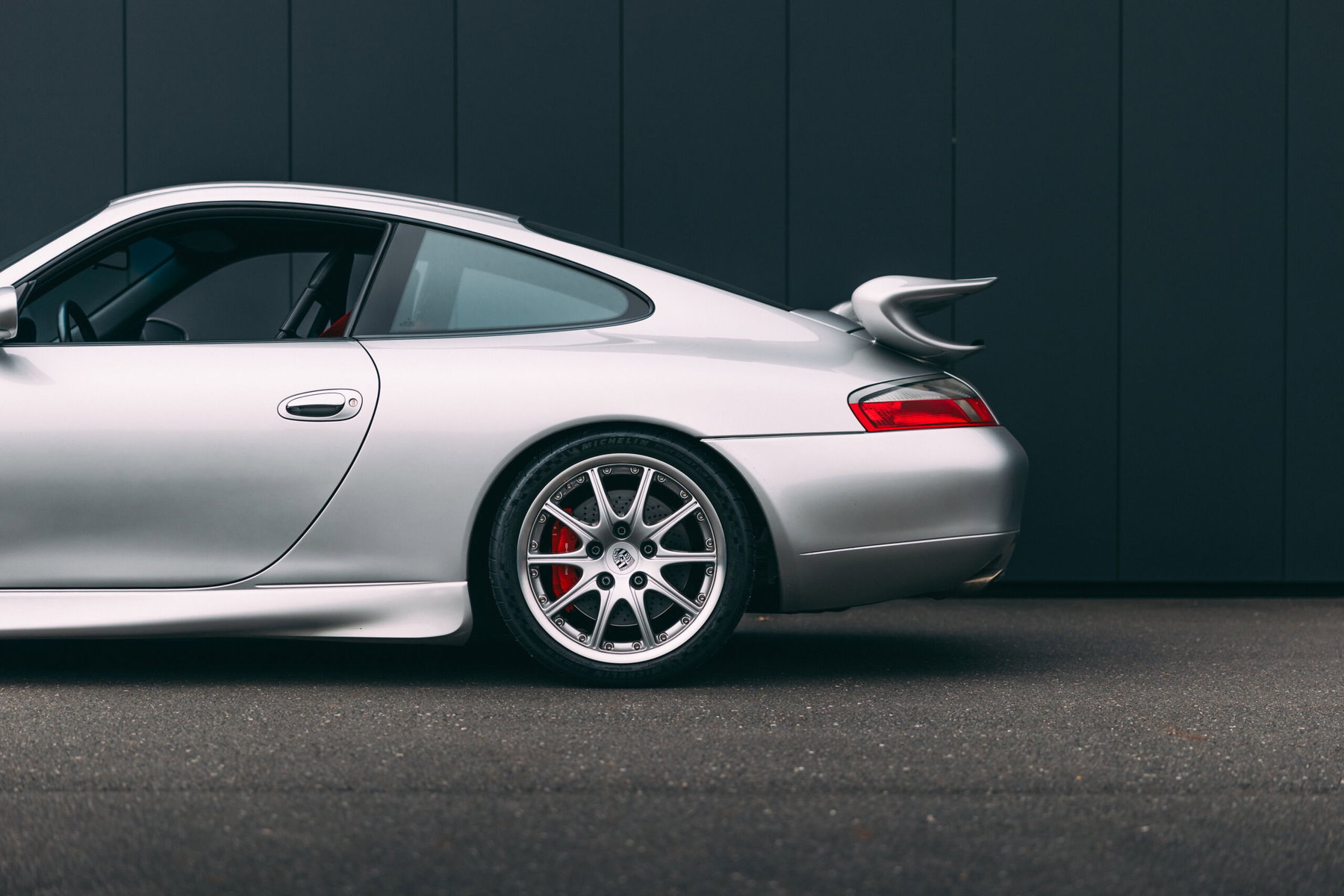
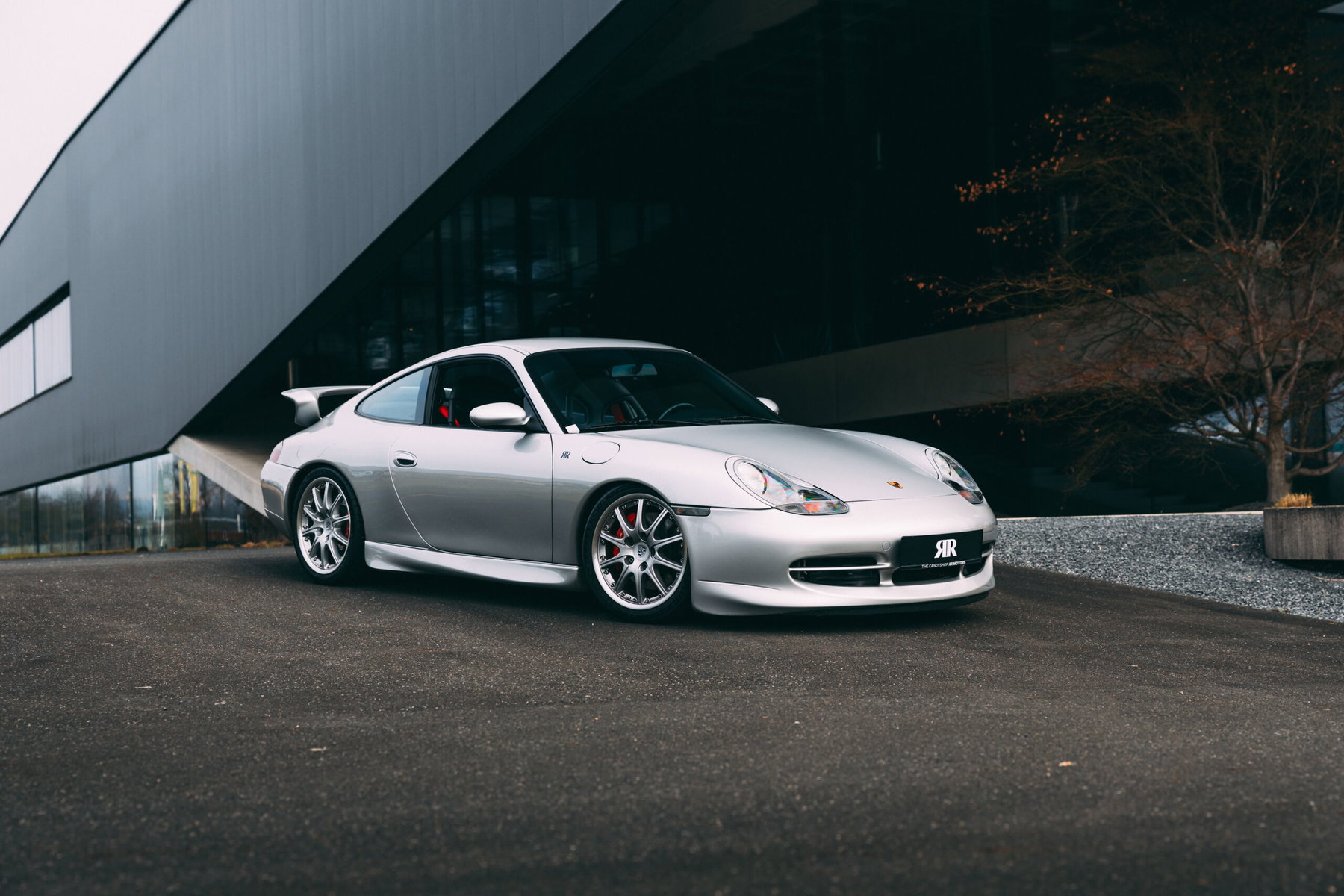
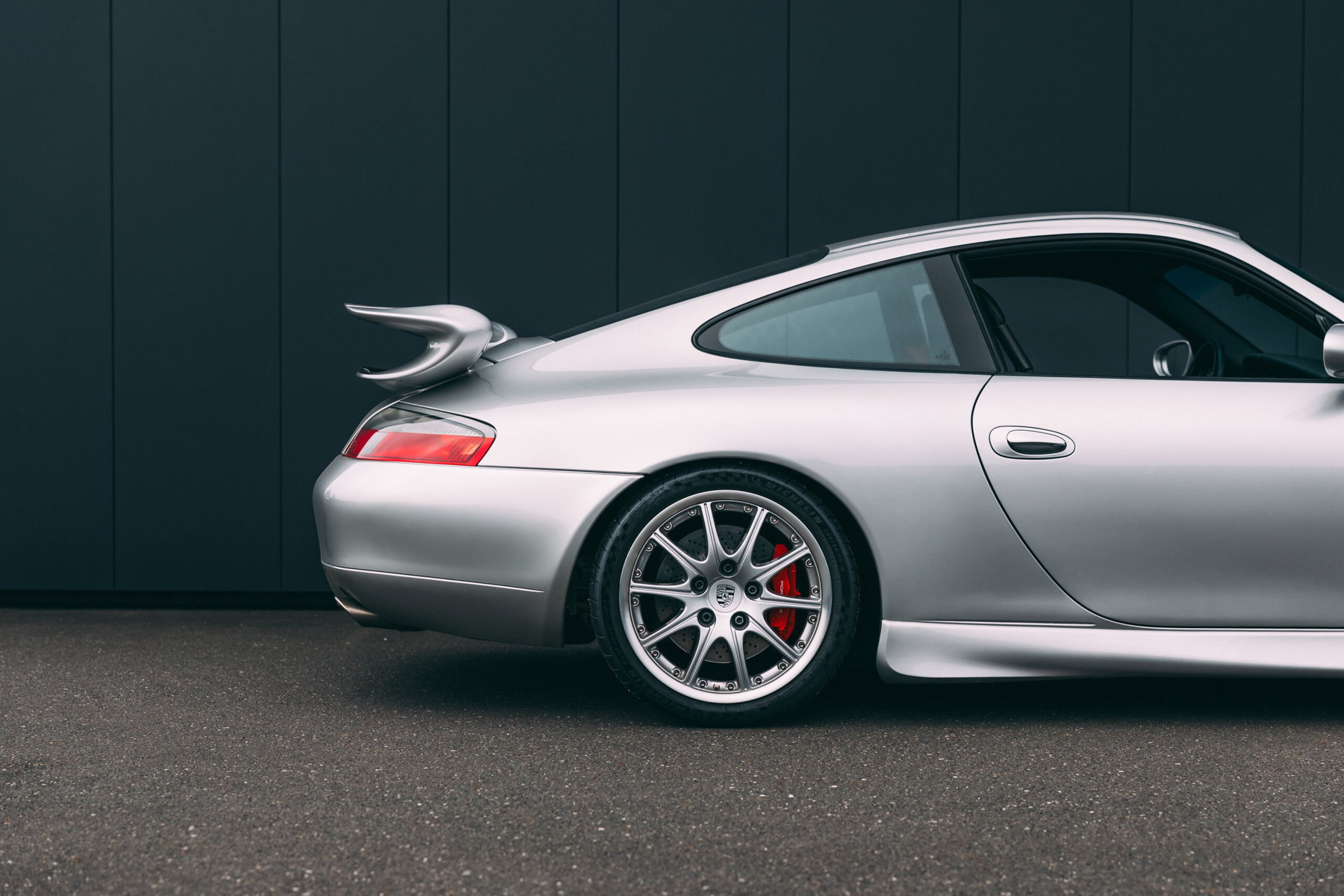
Arctic silver is one of the most common colors on the Porsche 986 and 996, right up to the GT3. David Fierlinger, Elferspot
Arctic Silver is brighter, more technical and a touch more sober than many older shades of silver. It therefore fits in with the era in which Porsche finally made the leap into the modern age. The 996 was a new beginning in many respects, as was the Boxster. Their rounded design language really benefited from the cool silver shade. Arctic Silver is particularly flattering to the hip swing of the 911 models.
The fact that models with the color code 92T and 92U are very common does not devalue Arctic Silver at all. It is simply a good choice, never out of place and harmonizes with almost all interior colors. A Porsche painted in Arctic Silver almost always looks tidy, fast and somehow right. That sounds banal, but is anything but a matter of course when it comes to colors.
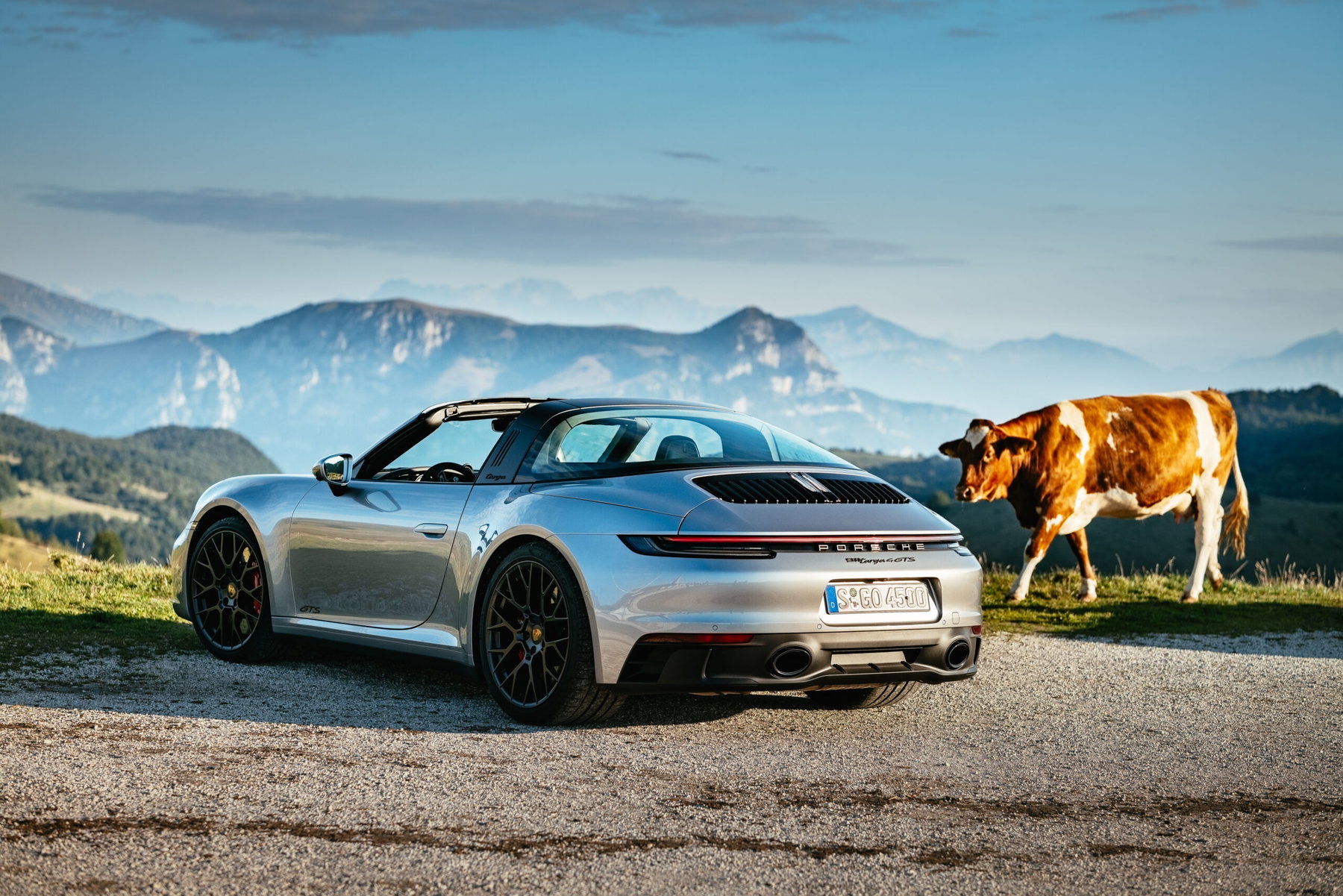
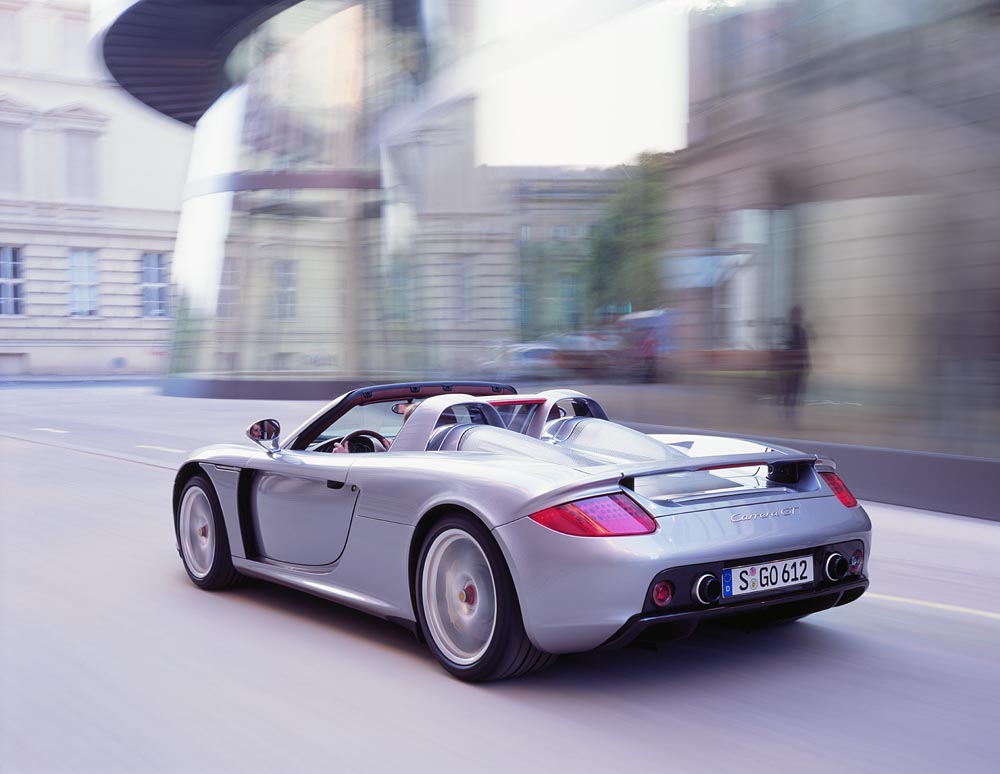
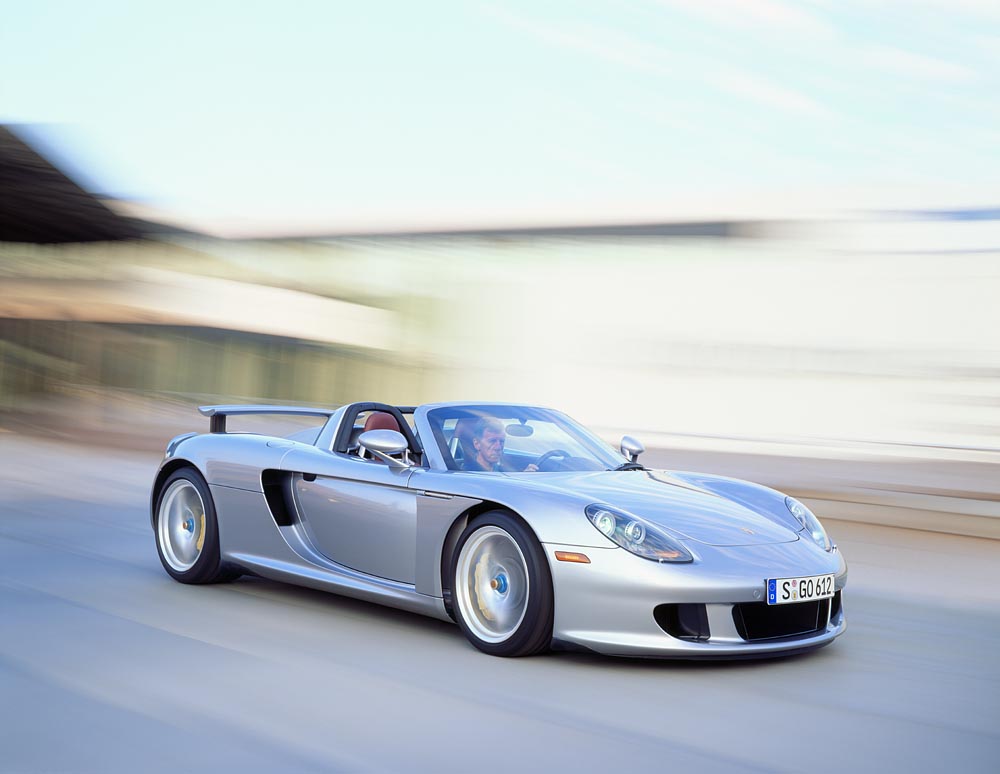
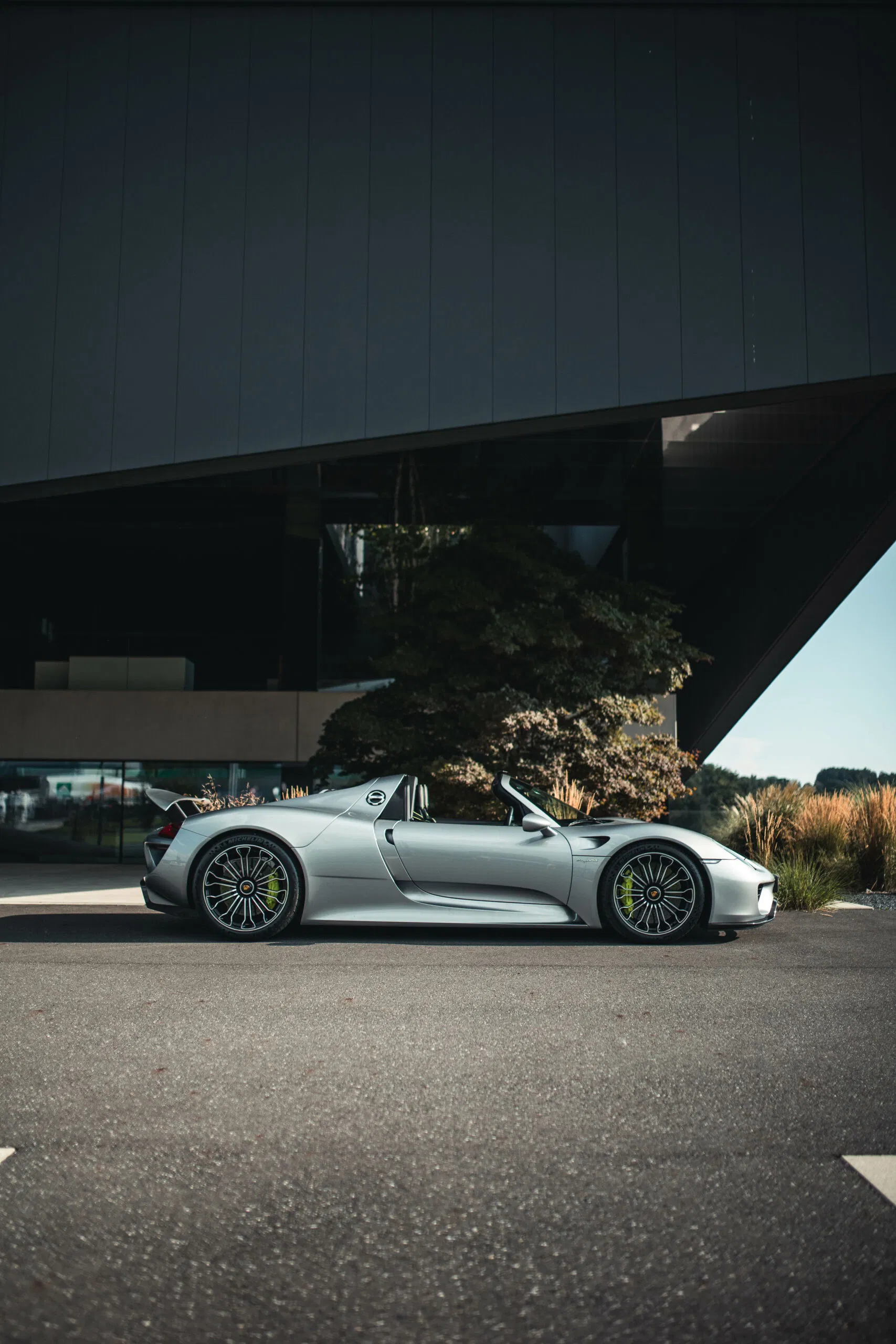
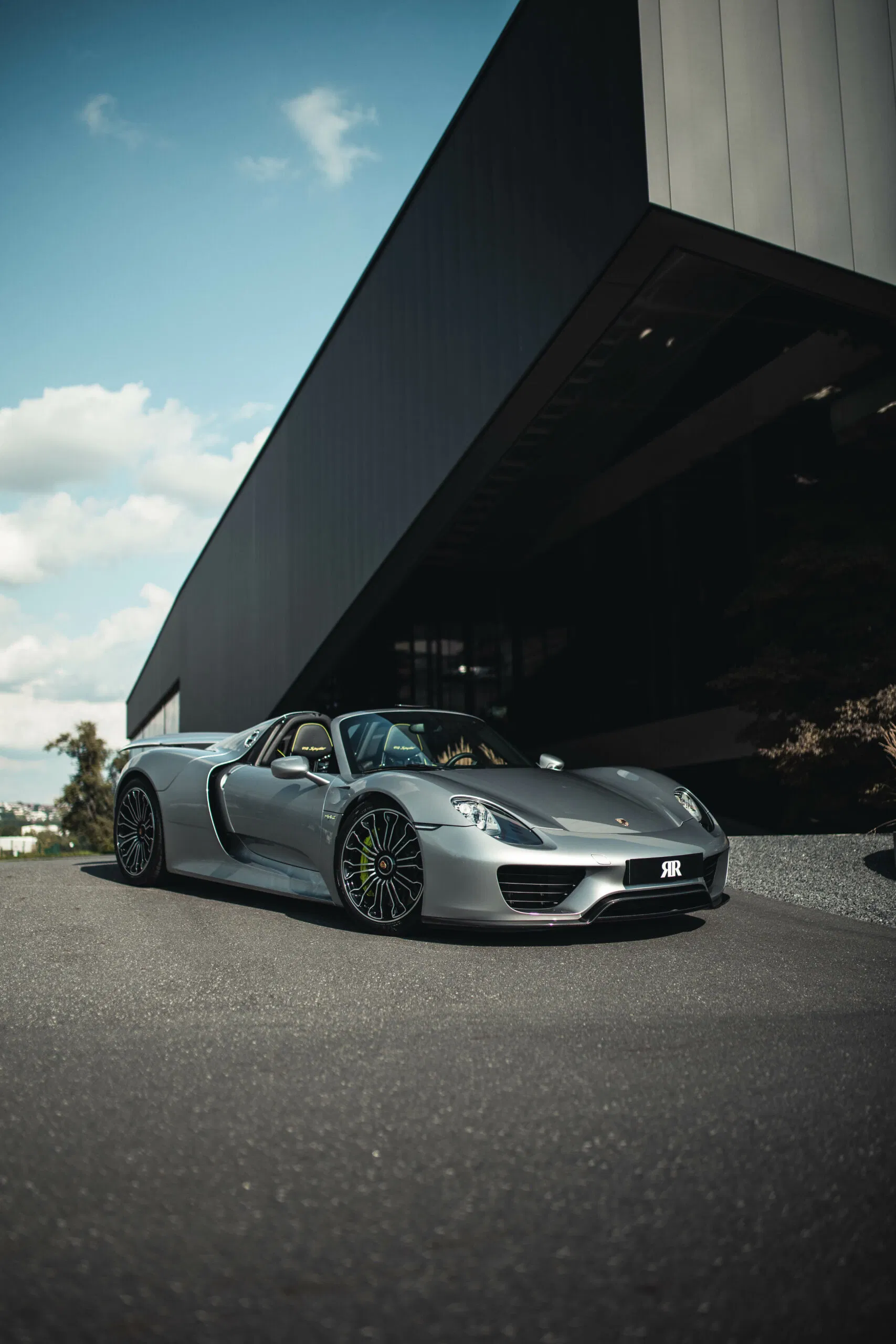
If there is one shade among the newer Porsche silver paints that has achieved iconic status within a very short space of time, then it is GT Silver. Hardly any other color today is so directly associated with particularly sporty Porsche models as GT Silver (LM7Z or M7Z). No wonder, as it was introduced with the legendary Carrera GT. The name is also likely to play an important role. When you hear GT Silver, you think of Carrera GT, 911 GT3 or 918 Spyder.
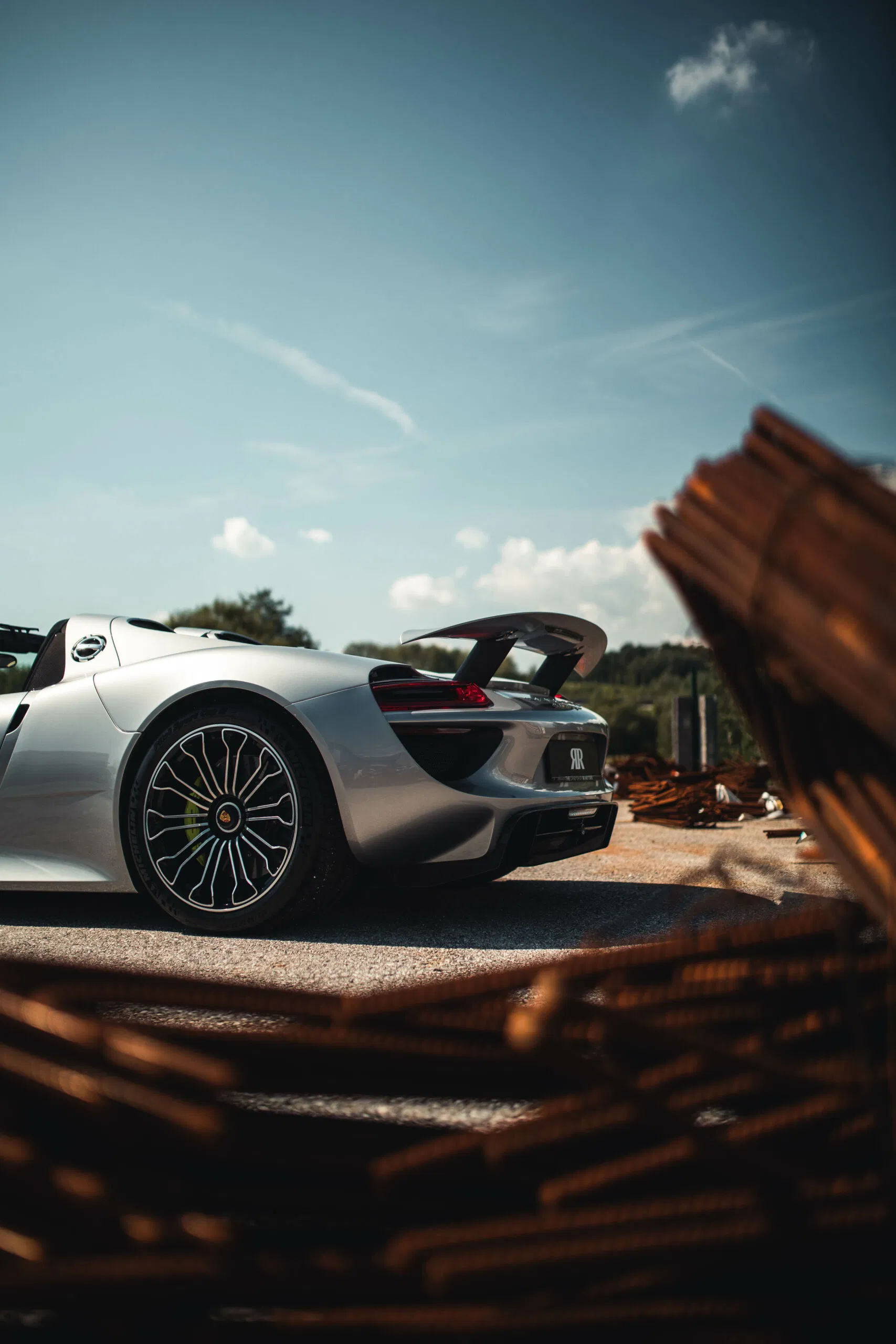
GT Silver actually achieves a remarkable balancing act. On the one hand, it appears functional, high-quality and timeless. On the other hand, GT Silver has a different radiance than many of its predecessors. It is more present, richer and not as bright as Arctic Silver, for example. This is why it goes particularly well with the sharper, motorsport-oriented Porsche models of the modern era. Their muscular appearance with large air intakes and rear wings harmonizes perfectly with GT Silver.
It is therefore no wonder that GT Silver enjoys great popularity across all modern Porsche models, from the Boxster and 911 to the Carrera GT and 918 Spyder. It carries Porsche’s former silver racing past into the modern era. GT Silver can be seen as a reinterpretation of the paintwork of Porsche’s wild creations in the style of the 718 RSK or 904 and, with just over 20 years under its belt, is quite rightly regarded as one of the iconic Porsche colors of modern times.
Porsche Platinum Silver Metallic – The elegant alternative
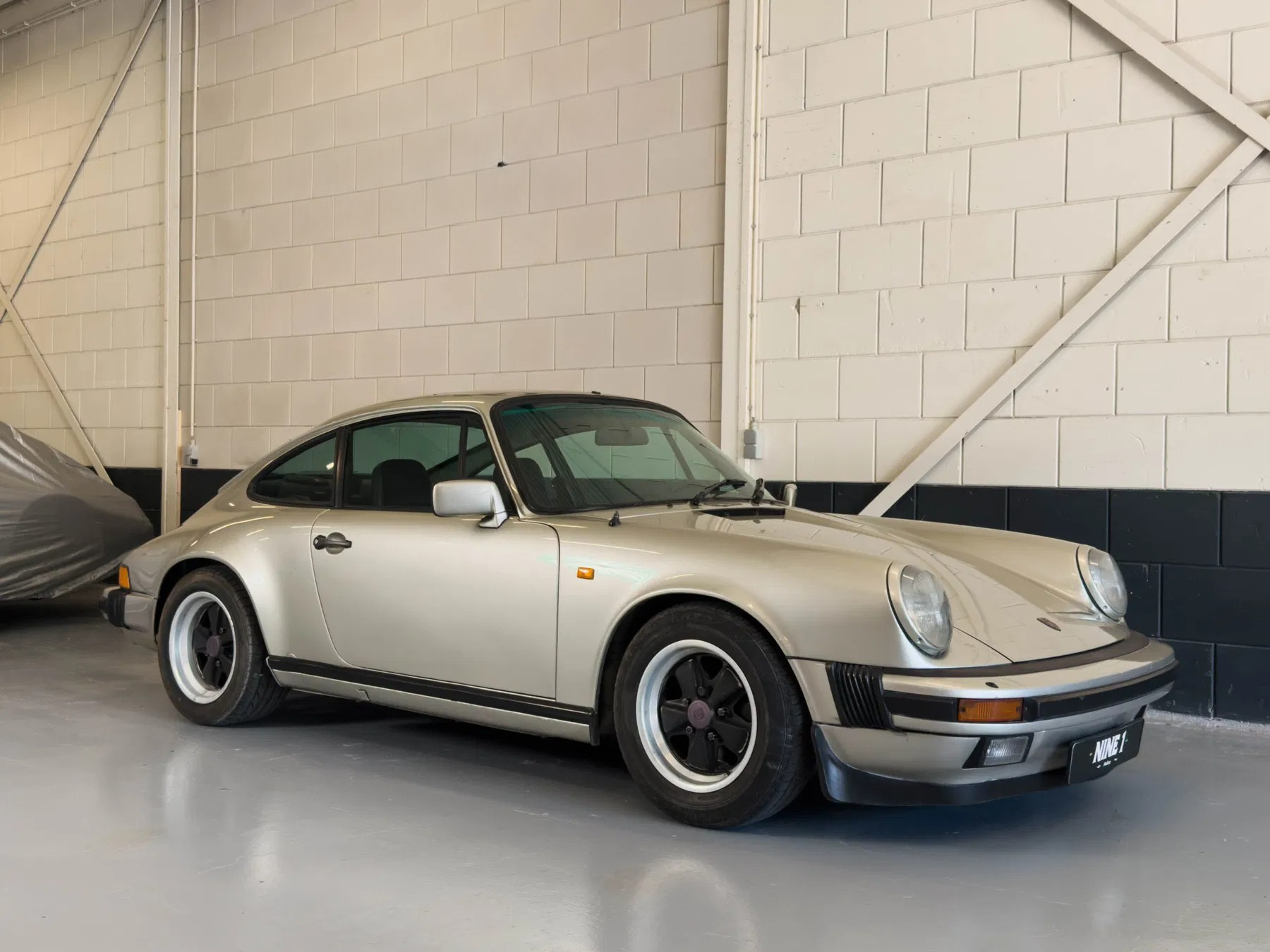
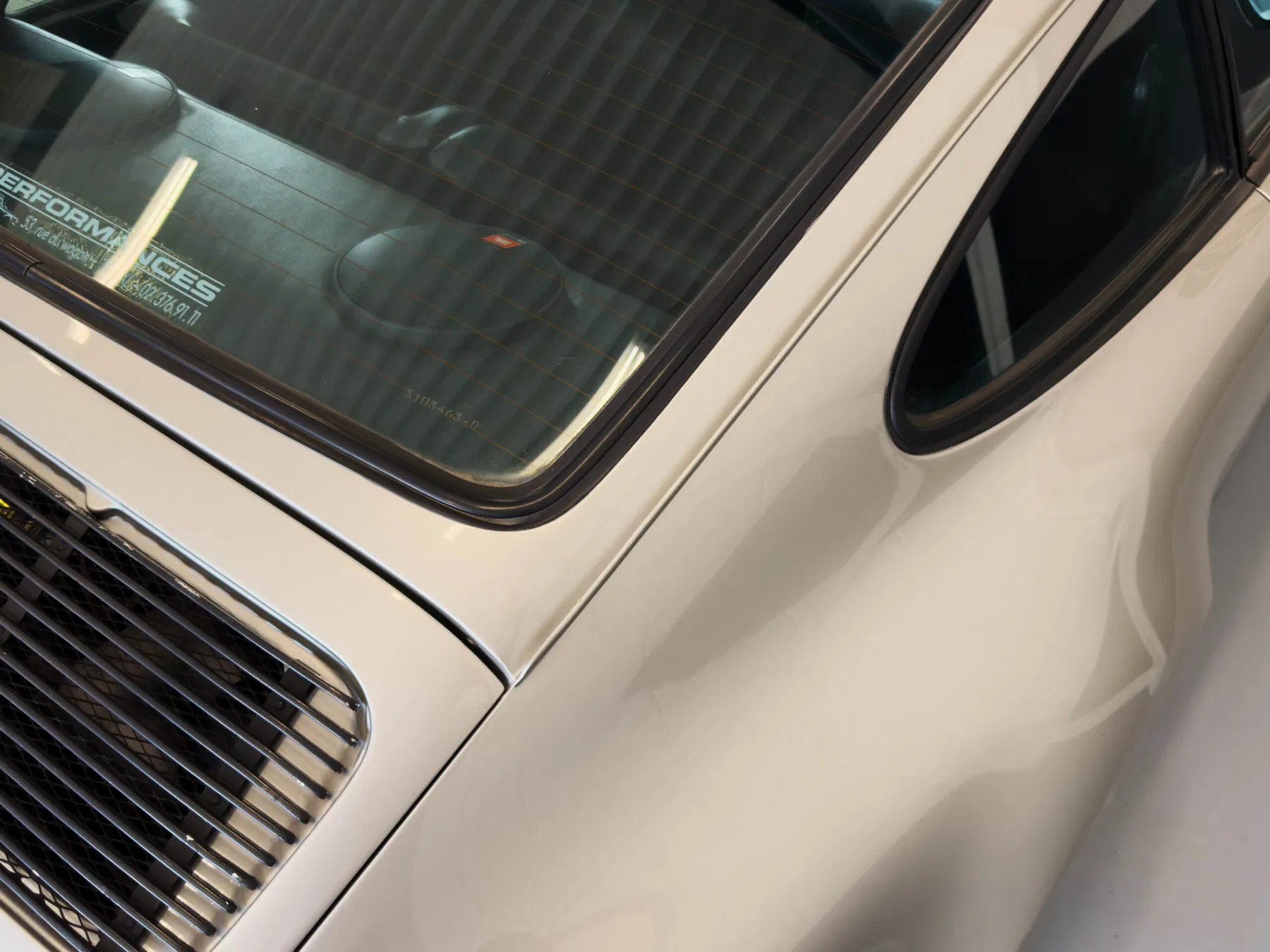
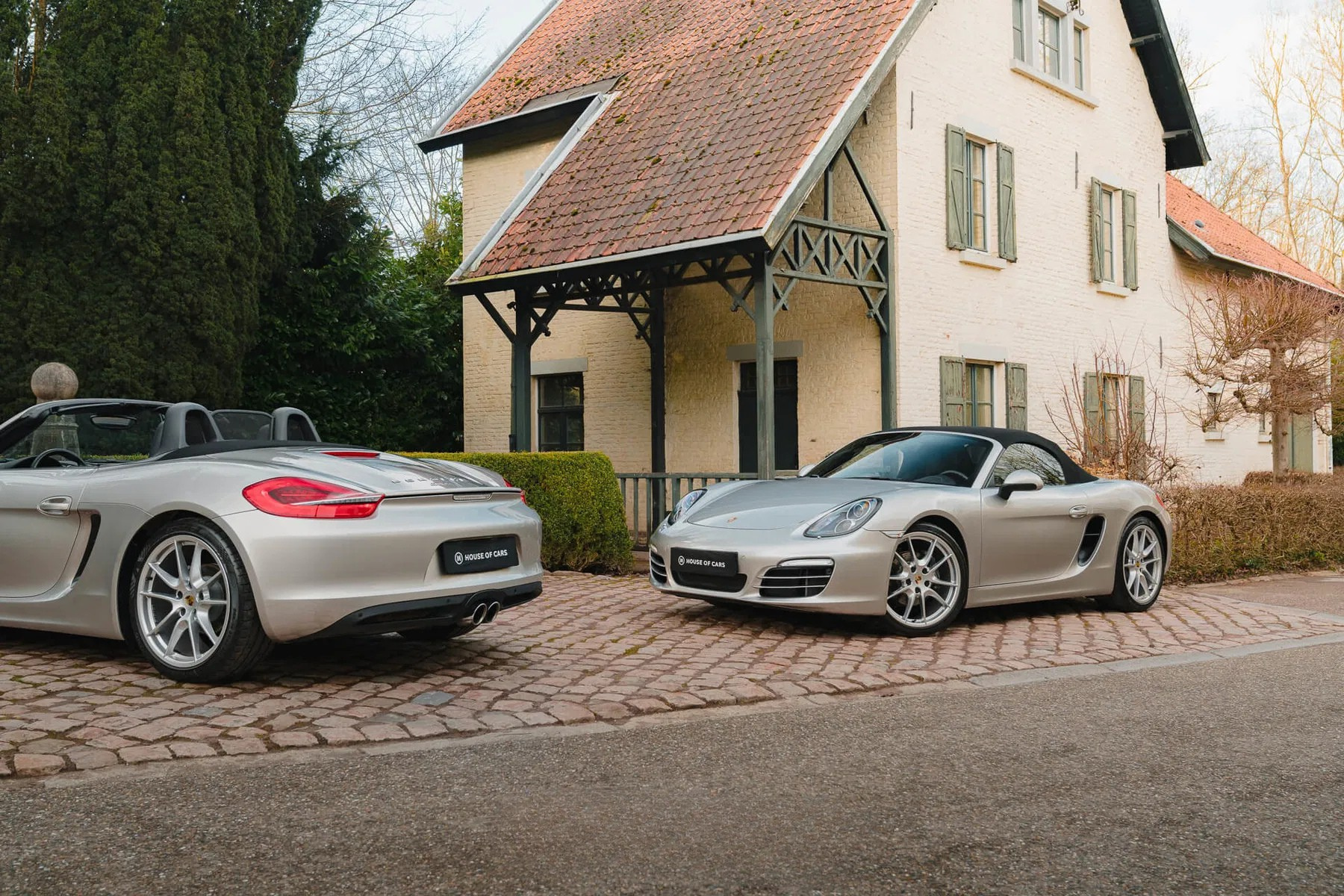
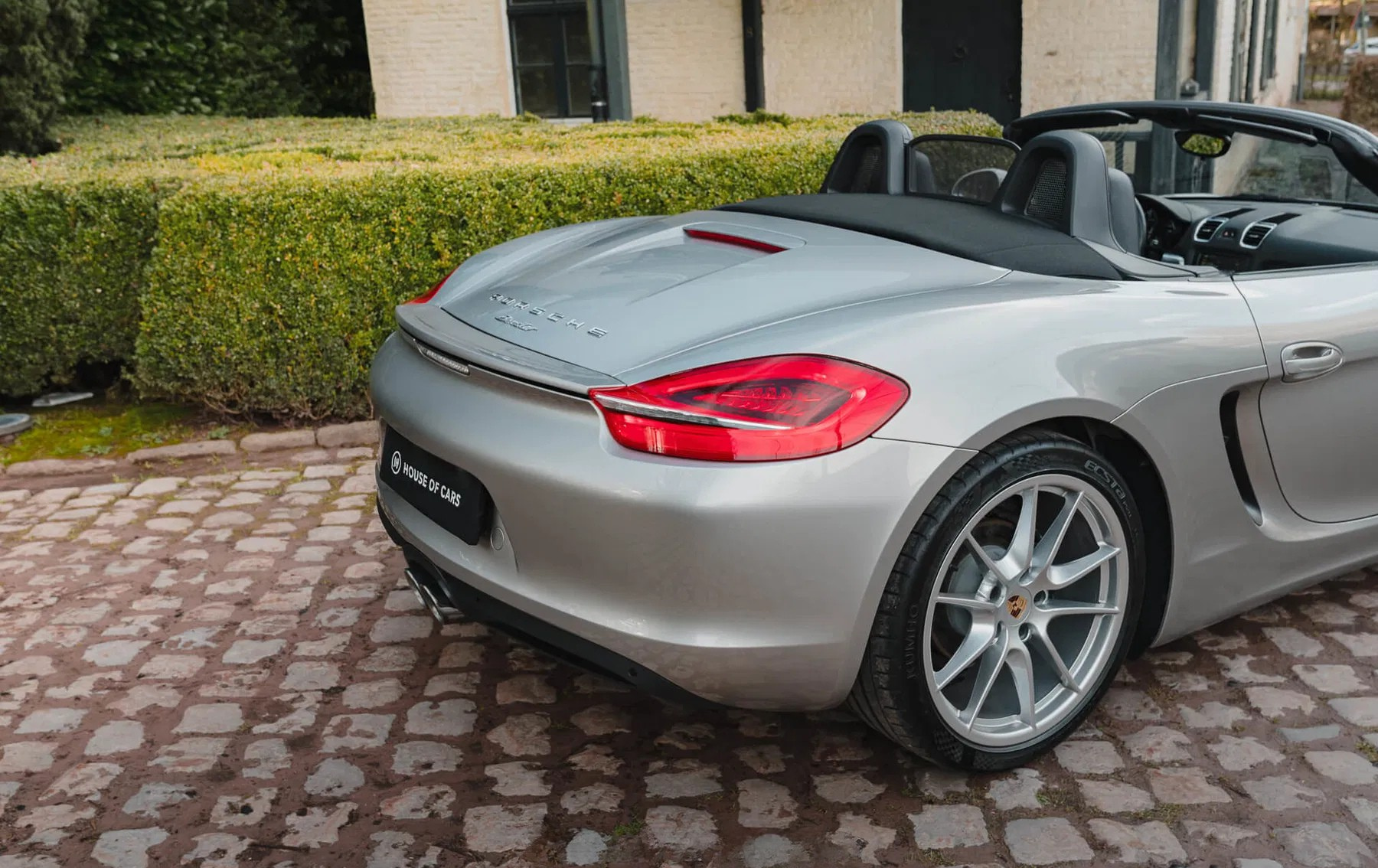
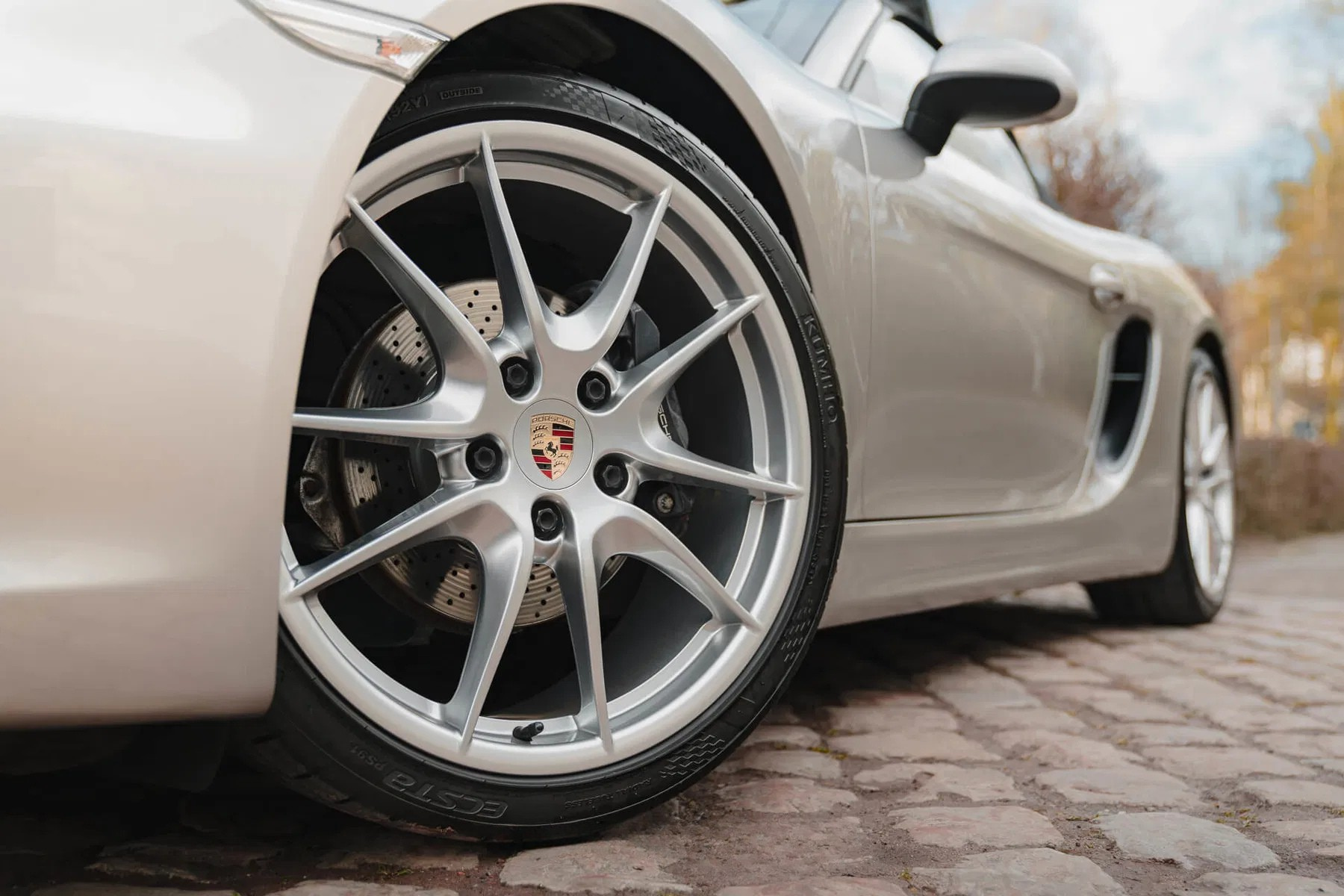
Having previously focused on rather cool-looking silver tones, platinum silver metallic shows that there is another way. While polar silver and arctic silver tend to focus on precision and seem cold, platinum silver brings noticeably more warmth into play. The tone appears richer, softer and in some lighting conditions almost a little champagne-colored.
This gives the Cayman, Boxster and 911 with color code PM7T an extra dose of elegance, which is particularly effective on the 981 models. Platinum silver takes nothing away from the car’s sportiness, but gives it a much more cultivated appearance. It appears high-quality, mature and almost aristocratic. Platinum Silver therefore stands more for Gran Turismo than for the pursuit of lap times.
This makes Platinum Silver an exciting alternative within the silver family. It offers a little more individuality than some other, almost ubiquitous silver shades. As a stylish choice for individualists, Platinum Silver is ideal for all those who find classic silver too cool and gray lacquers too heavy. Thanks to its light champagne hue, it also exudes a noble charm that suits the models of the early 2010s very well.
Silver has always played a major role for Porsche
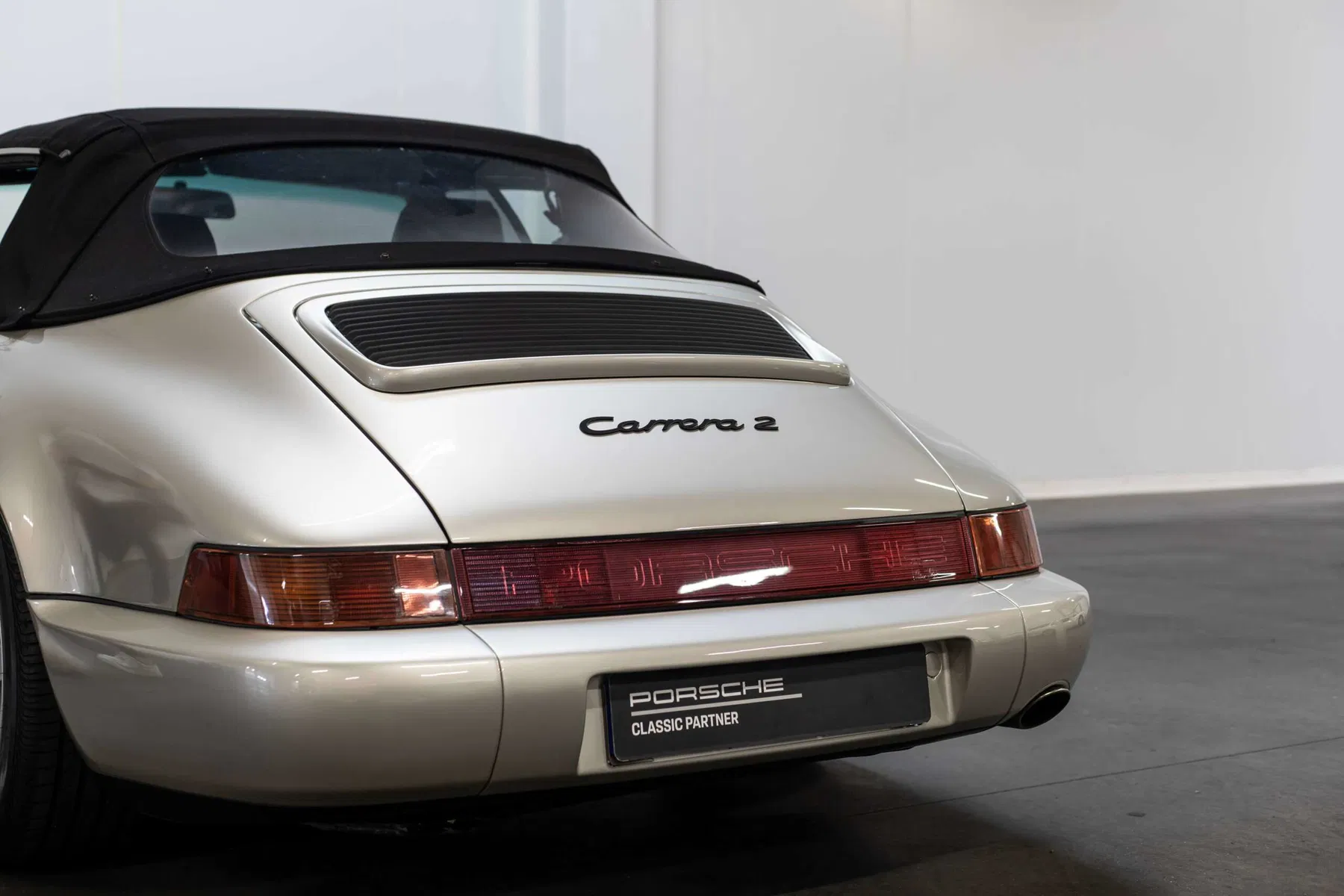
Of course, Porsche’s world of silver could not be reduced to just six shades. There are numerous other shades of silver that do not necessarily need their own chapter, but are nevertheless worth mentioning. Zermatt Silver is a warm, slightly muted insider tip for connoisseurs of classic Porsche aesthetics. It is particularly effective on transaxle models or the Porsche 964.
Rhodium Silver Metallic, on the other hand, brings a brighter, more modern presence into play and is an excellent match for the 981, 991 or 718. Finally, Dolomite Silver Metallic shows how much Porsche’s understanding of silver has changed in the present day: grayer, richer and altogether more muscular.
Porsche Silver – Between understatement and motorsport
In the end, silver shows perhaps better than any other Porsche color family how much the effect of a sports car depends on nuances. Because at Porsche, silver is not just silver. On closer inspection, there are sometimes major differences between classic Silver Metallic, smoky Tin Metallic, the cool elegance of Polar Silver, sober Arctic Silver, iconic GT Silver and warm Platinum Silver.
Anyone who only sees silver as a safe choice for the indecisive is overlooking the decisive factor: versatility. A silver Porsche can look like a tool, an elegant luxury car or a real racing car – just by changing one shade of color.
Richard Lindhorst
Message
Do you have a tip for a story or just want to get in touch with Richard?

















 1965
1965 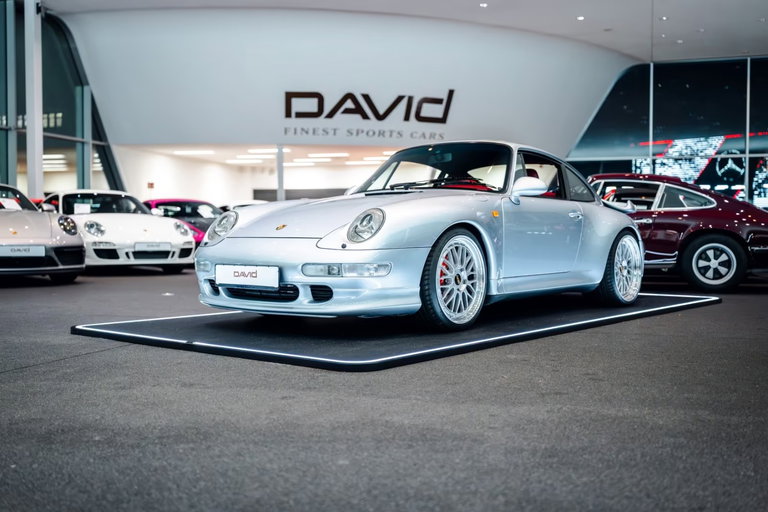
 1996
1996 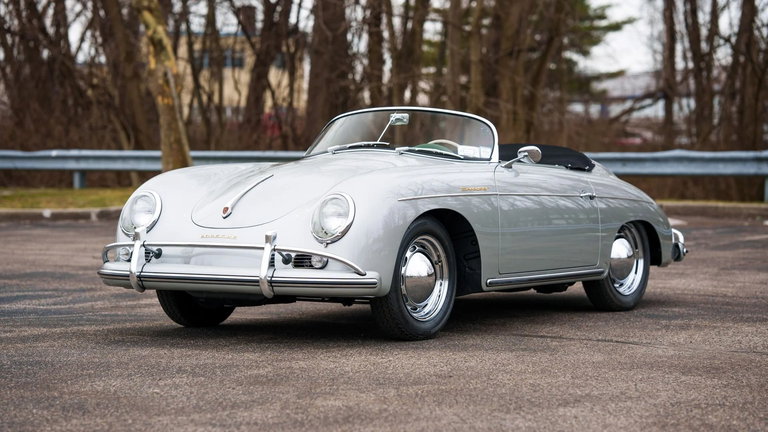
 1995
1995