Porsche with pop-up headlights – From 914 to 964 Turbo Flachbau
11.03.2026By Richard Lindhorst
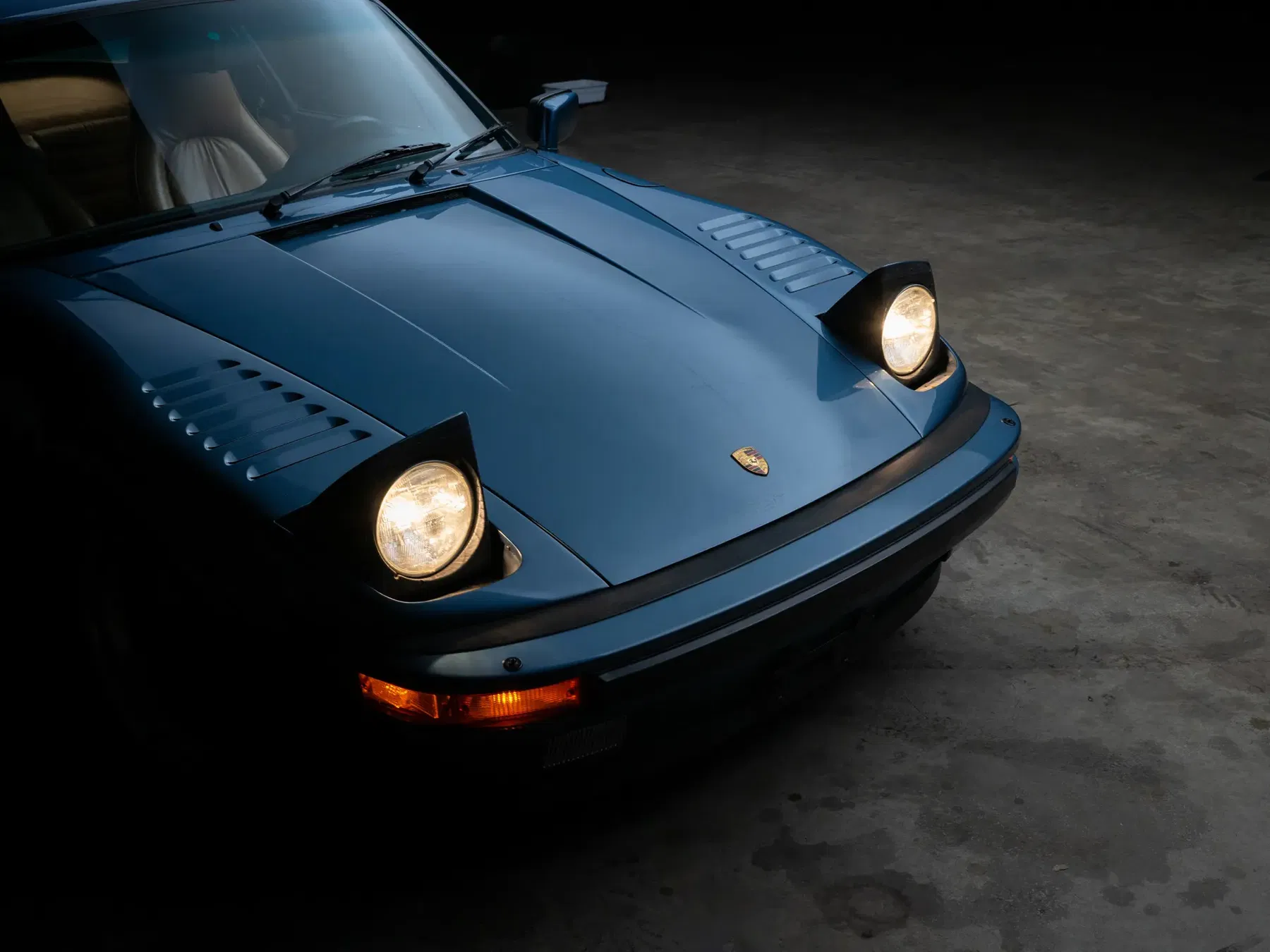
Headlights give a car a face. They play a decisive role in determining whether a car is perceived as friendly, masculine, aggressive or sad. There are virtually no limits to their design. Even Porsche’s designers, who have always been known as conservative, have repeatedly experimented with different lighting designs. Alongside the classic round headlamp, the most iconic design is one that is primarily associated with transaxle models. This is because Porsche used folding headlights on them. But which other Porsches came with the iconic sleeping eyes?
Porsche first used pop-up headlights in the 914
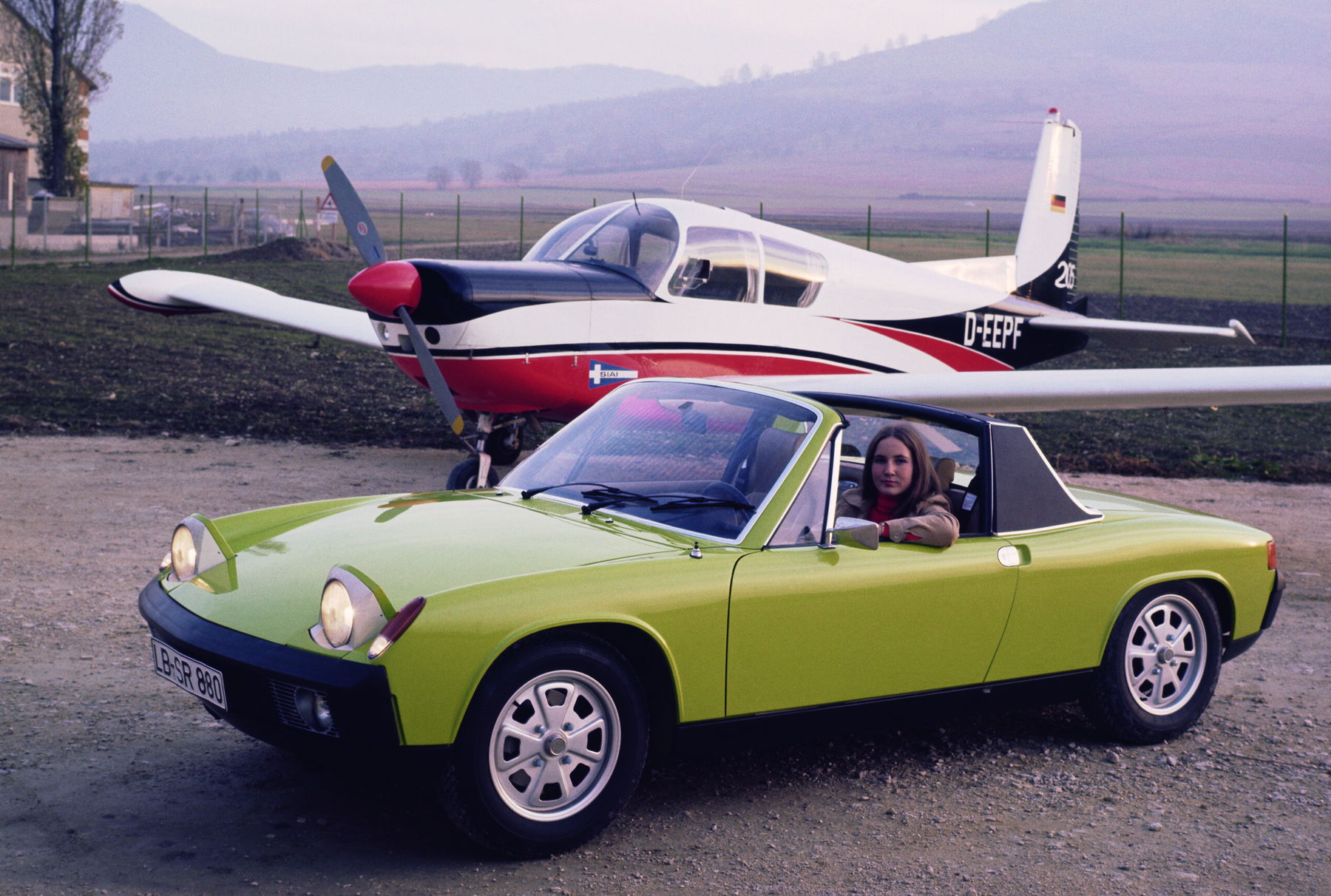
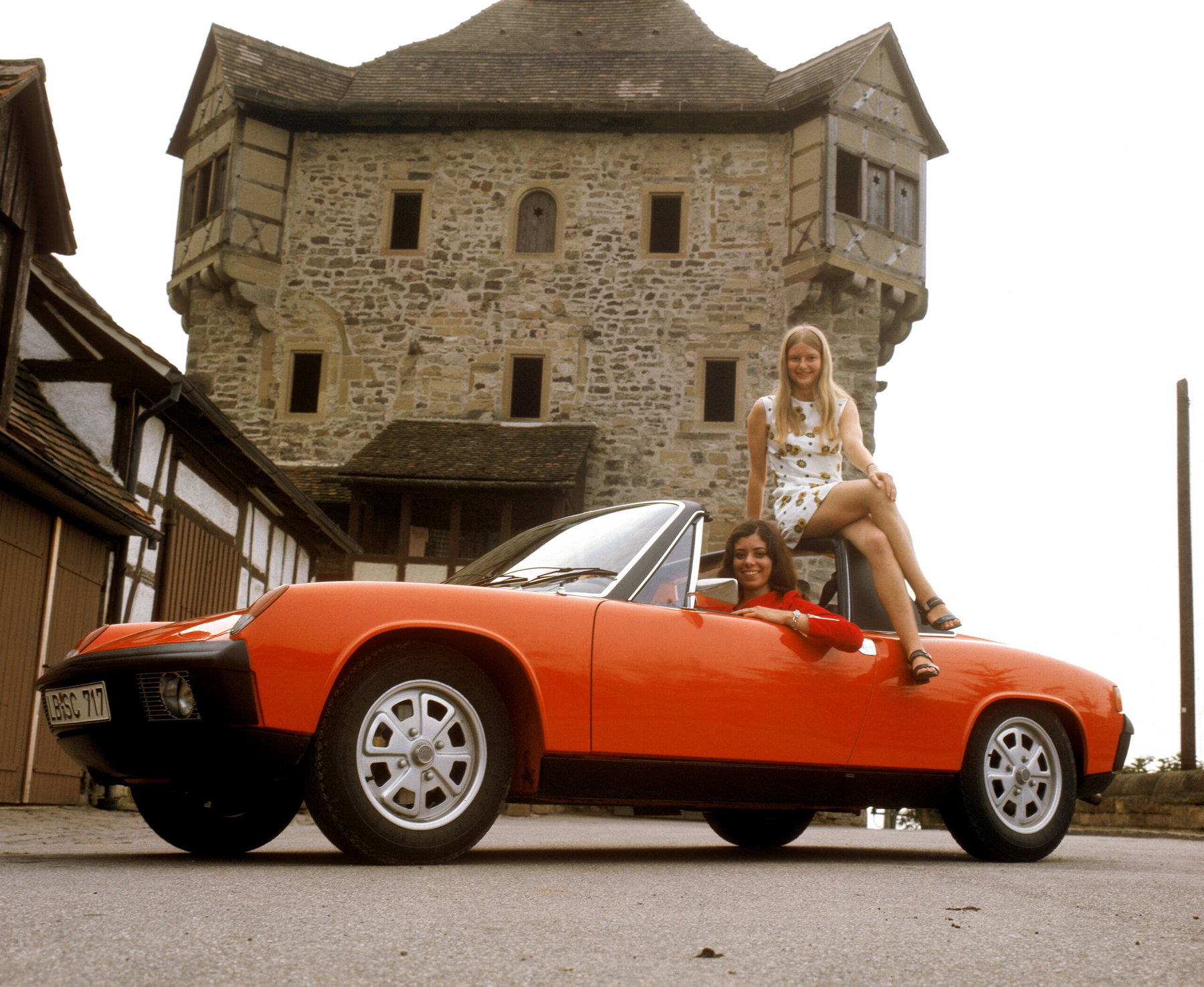
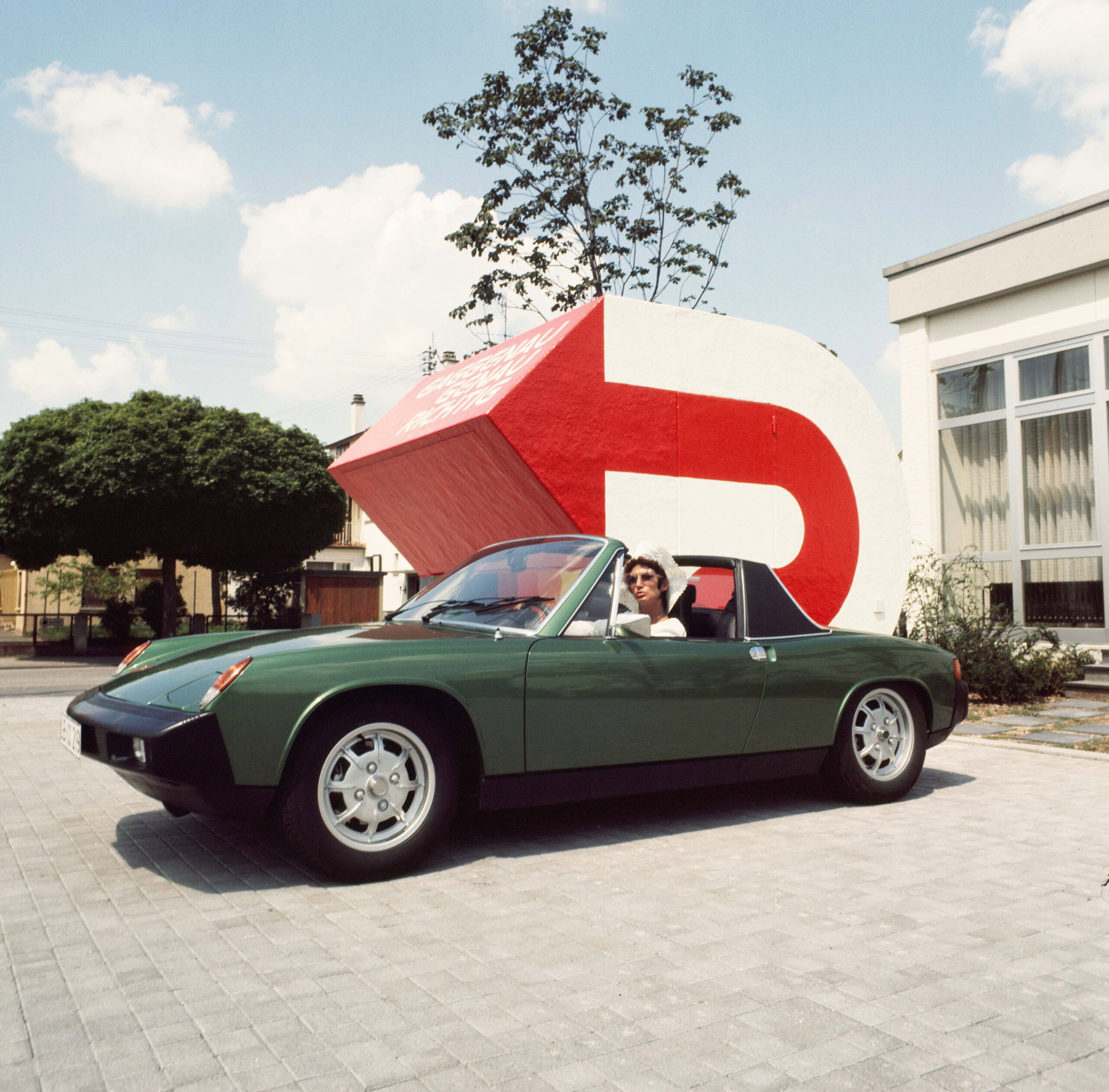
At the end of the 1960s, Porsche and Volkswagen jointly developed a mid-engined sports car. This project was presented to the world at the Frankfurt Motor Show in 1969 and was intended to appeal to a new group of buyers as an entry-level model. Porsche also broke new ground in terms of design. Although the “torpedo fenders” familiar from the 911 were retained to some extent, they were much narrower. As a result, they only provided space for side indicators and parking lights.
As a result, the headlights had to be moved further inwards. To achieve the low silhouette, the designers used a special trick. The 914 was the first Porsche model with folding headlights. Under painted covers next to the front hood, Porsche recessed one round headlight per side. These opened backwards and revealed the lights. With this model, Porsche established a whole series of models with pop-up headlights.
The next co-production with Volkswagen also resulted in a Porsche with pop-up headlights
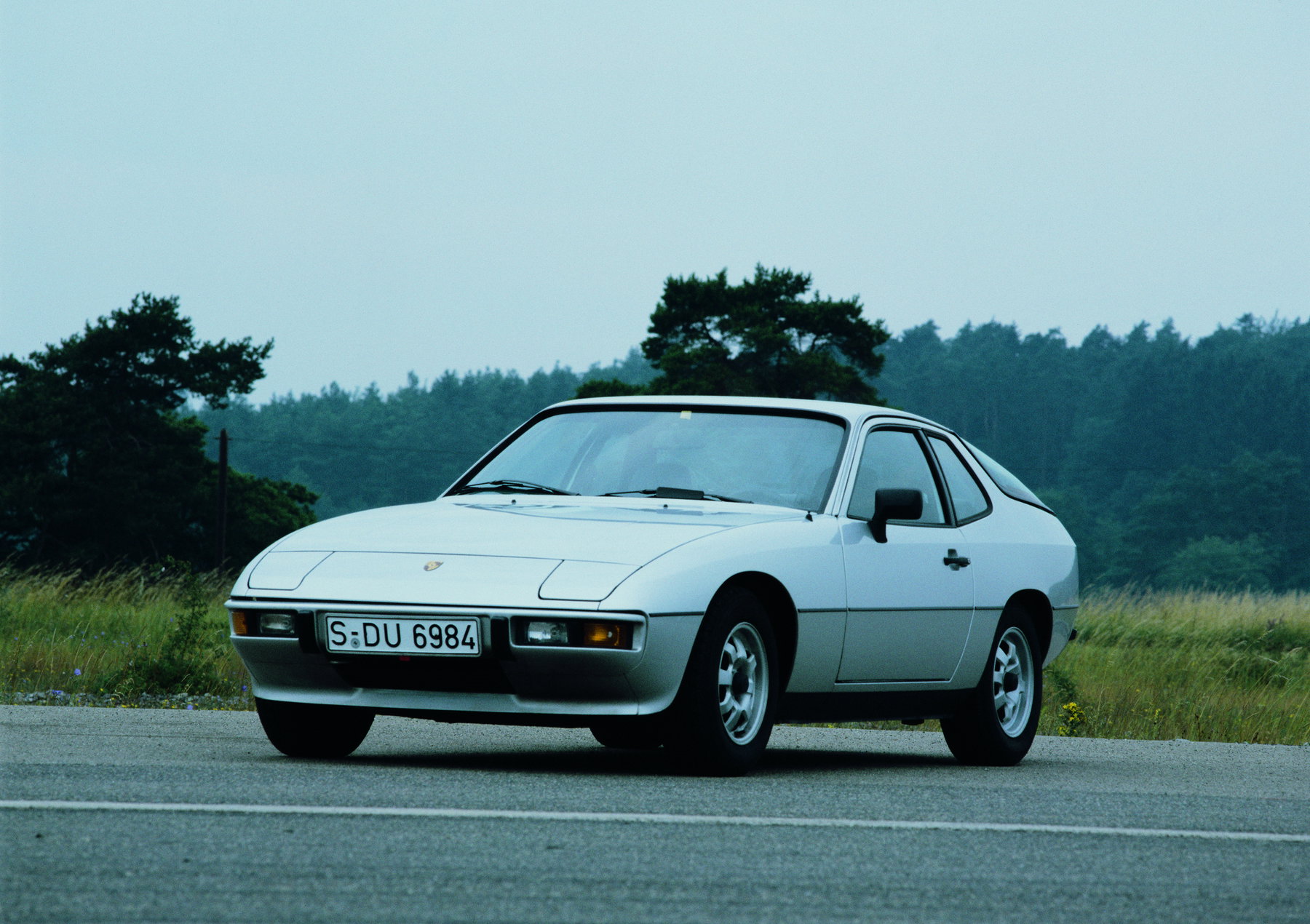
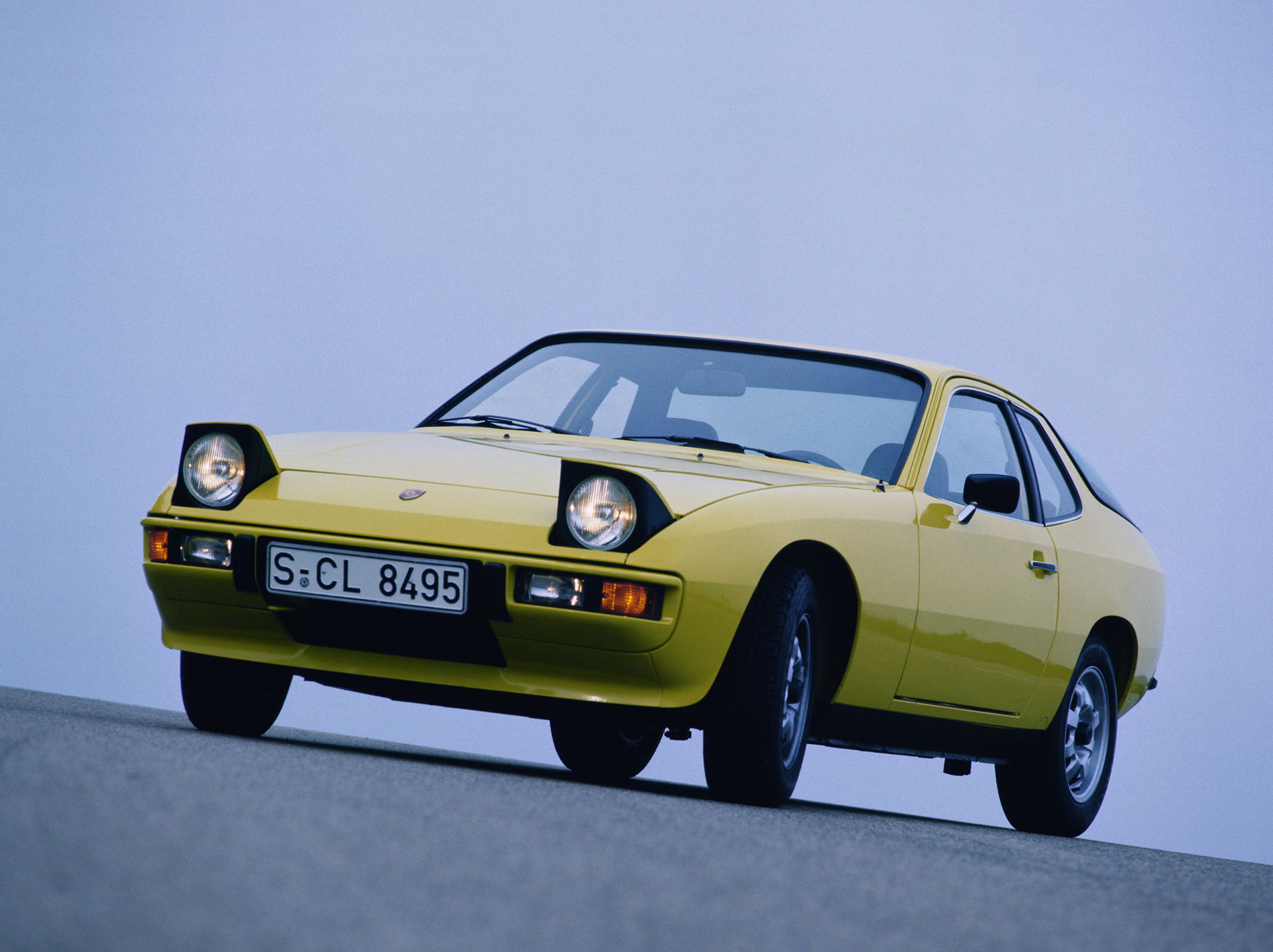
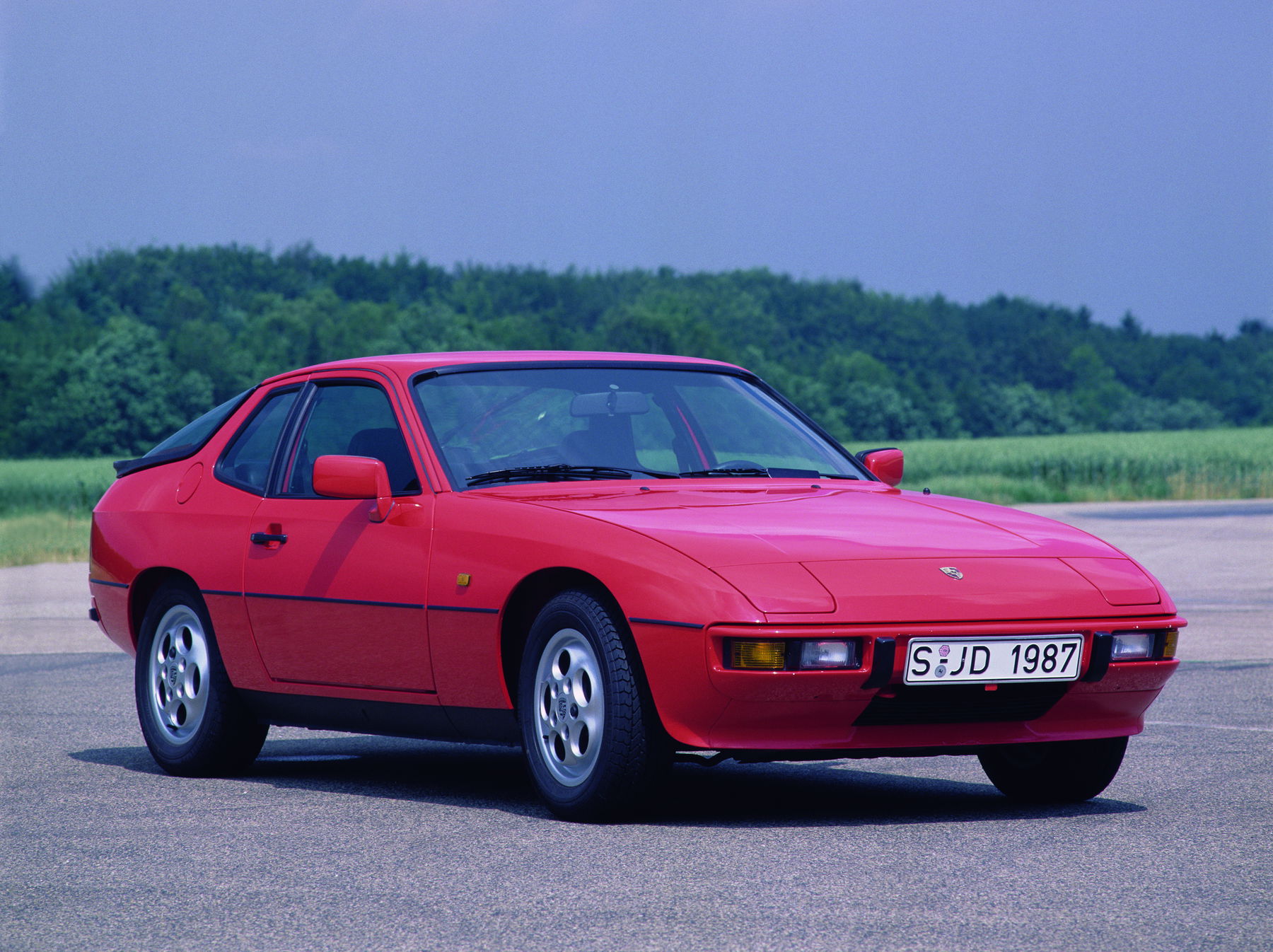
Pop-up headlights were also used in another joint venture with Volkswagen: the Porsche 924. The four-cylinder transaxle was actually planned as a sports car for Volkswagen. However, the decision was made in Wolfsburg not to offer the car as a VW and it was removed from the range. But what Porsche made of the development contract (EA) 425 was so good that they decided to built it in series from model year 1976 onwards.
In order to achieve good driving performance despite the relatively low engine output of 125 hp from a four-cylinder engine with a displacement of 2 liters, aerodynamics were particularly important. By using folding headlights and dispensing with the high fenders, Porsche was able to reduce the drag coefficient to an impressive 0.36. The 911 only achieved such values in the 964 generation.
Porsche used pop-up headlights on the 924 to achieve particularly good aerodynamics. The 125 hp of the Volkswagen four-cylinder engine was sufficient for a top speed of 200 km/h and offered great fuel mileage.
With its retractable headlights, the Porsche 924 heralded a new era in Zuffenhausen. The pop-up headlights characterized all subsequent transaxle models. This is particularly interesting from today’s perspective. After all, Porsche was supposed to move into a future without the 911 after the introduction of the 924. Who knows, perhaps without the intervention against the discontinuation of the 911 by then-CEO Peter Schutz, Porsche would not be famous for round headlights today, but still for fancy pop-up headlights?
Different headlight concepts for the other transaxle Porsches
In the top-of-the-range 928 model produced from 1977 onwards, Porsche once again implemented pop-up headlights. However, the design and functionality had little in common with those in the 924. As on the 911, the headlights were integrated into the fender. But in contrast to the 911 these ran in line with the hood without any curvature. In addition, the lights themselves were not covered. They were therefore permanently visible and made it possible to immediately distinguish the 928 from the smaller 924.
The folding mechanism of the 928 headlights also broke new ground. Instead of folding backwards, as on the 924, the round headlights rotated forwards. This meant that the headlights stood freely in the wind, without a frame. This design undoubtedly polarized opinion. Some loved the flat lines and the opening lights. Others saw it as sacrilege and sometimes mocked it as a frog’s eye. Today, the Porsche 928, which was built until 1995, is considered a true style icon, not just by fans of folding headlights. And rightly so, in our opinion!
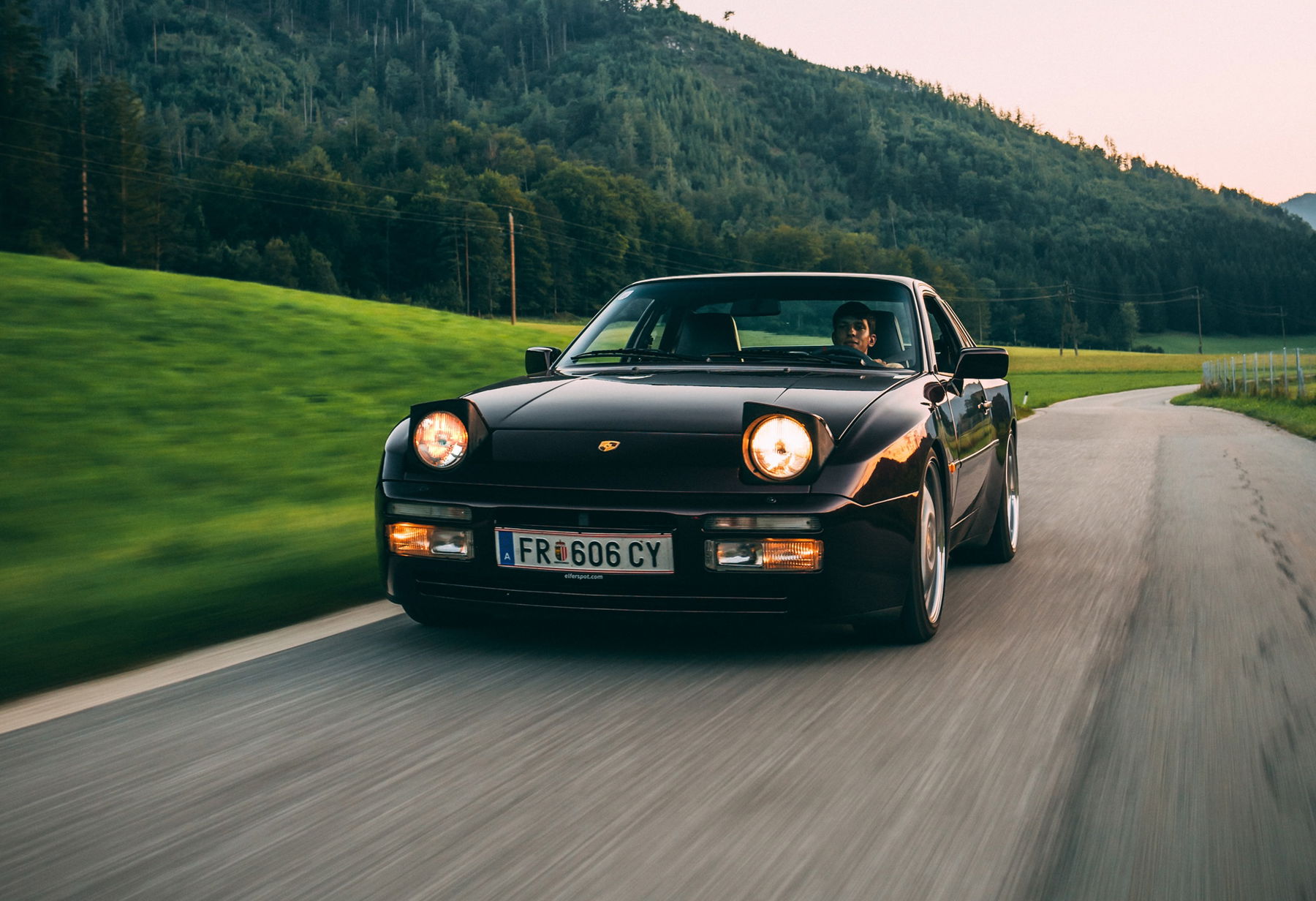
Especially for younger Porsche fans like Lukas Berger, transaxle Porsches with their iconic pop-up headlights are affordable dream cars. David Fierlinger, Elferspot
In the Porsche 944, which closed the gap between the 924 and 928, Porsche relied on the same pop-up headlights used in the 924. In combination with the wider fenders, it has a lot more presence, though. And it is probably the first Porsche that comes to most people’s minds when it comes to the pop-up headlights, especially as a later Turbo or S2.
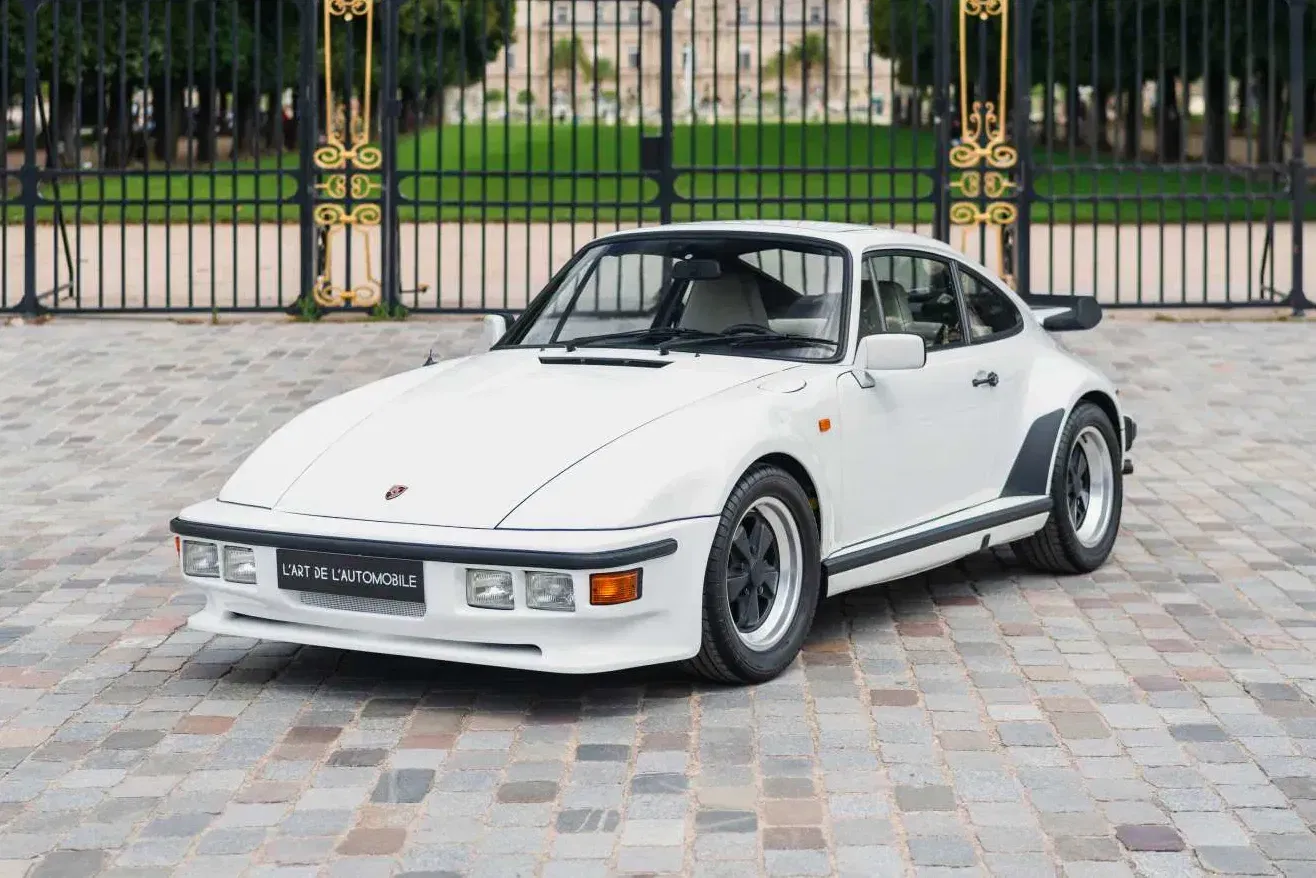
Special offer for individualists: Porsche 911 Slantnose with pop-up headlights
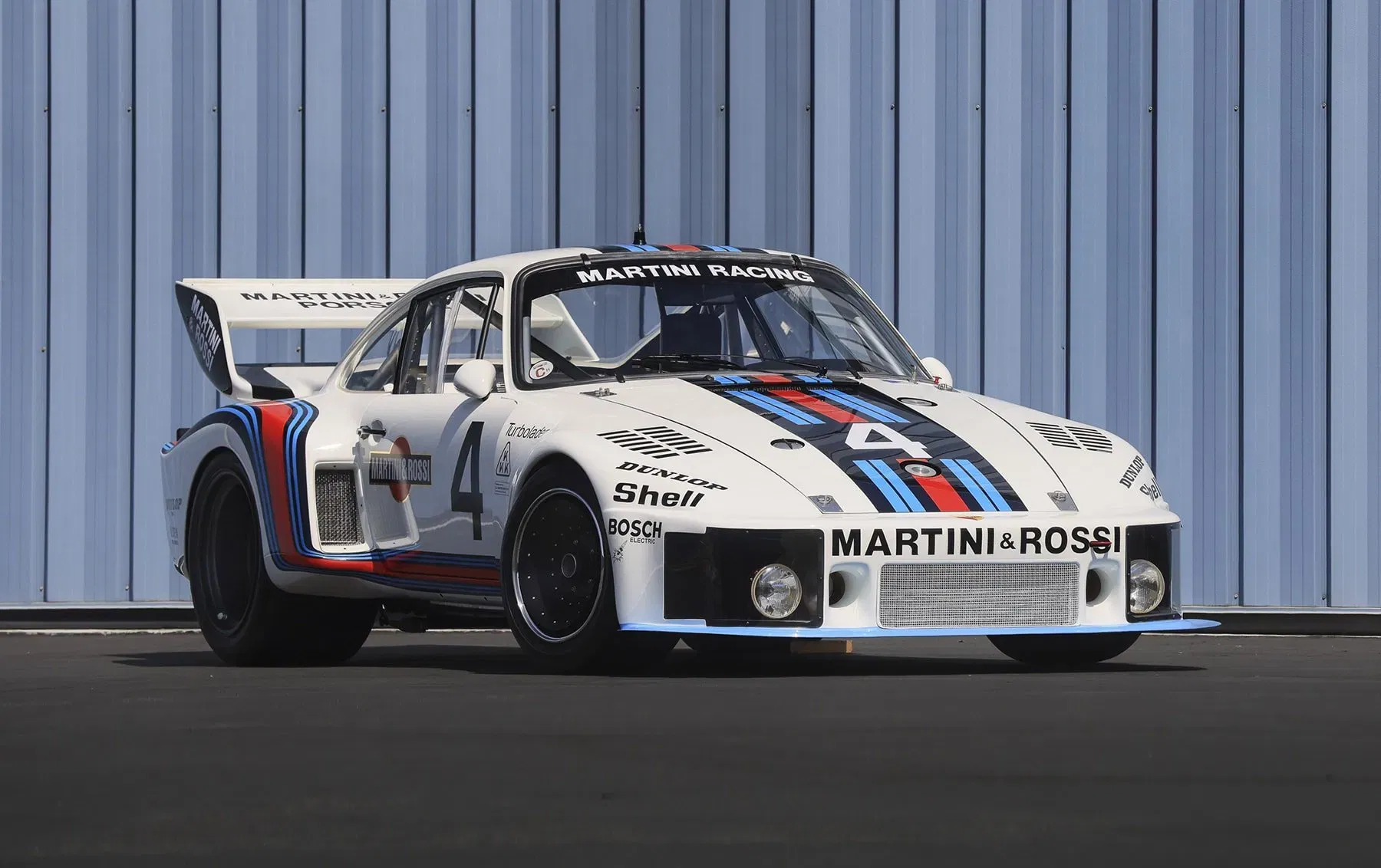
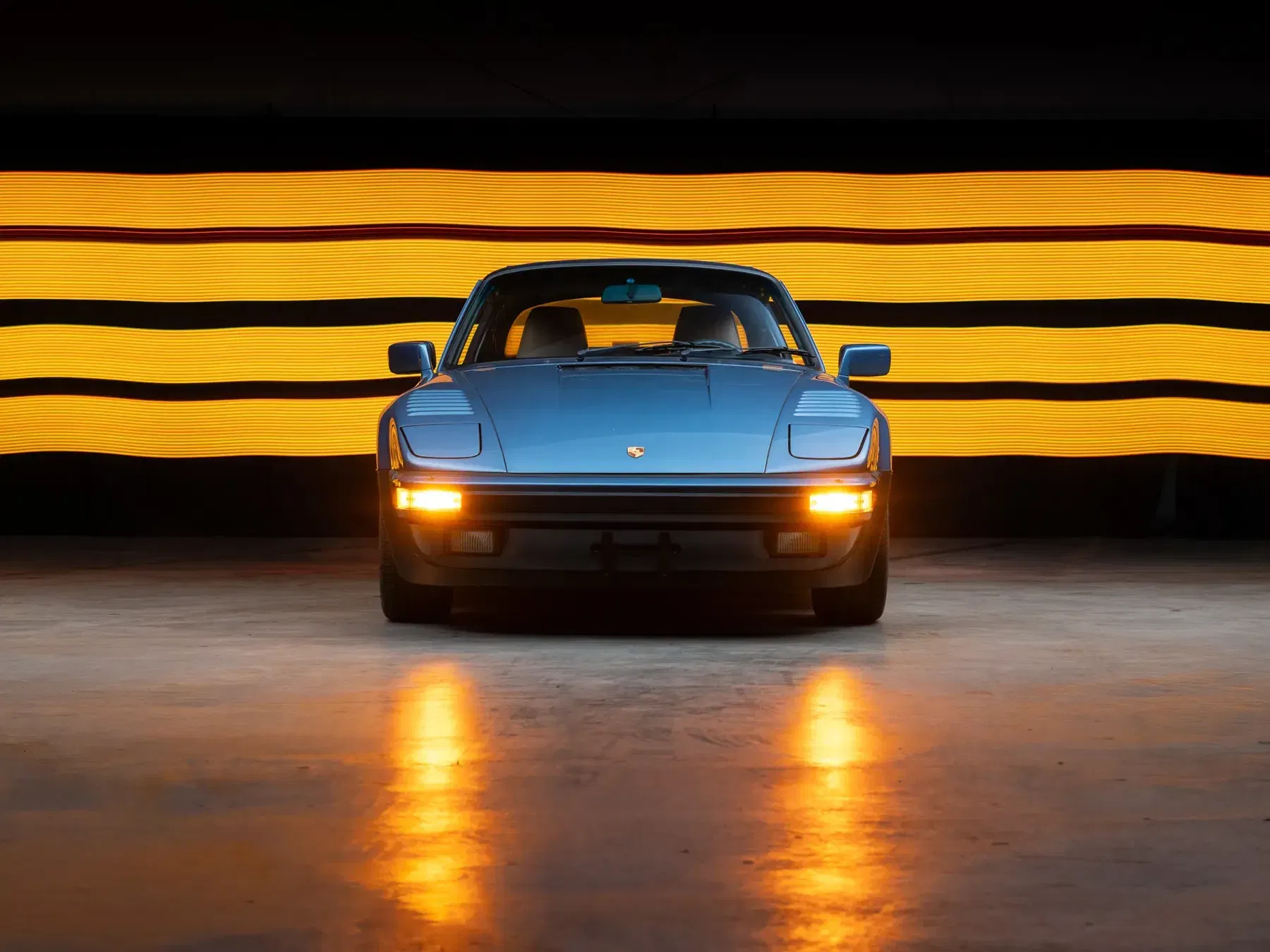
During the 1970s, motorsport experienced one of its wildest eras. The Sports Car World Championship with its Group 4, 5 and 6 regulations allowed for wild creations based on production cars. An engineer named Norbert Singer discovered a loophole that enabled the Porsche racing department to give the 911 a completely new look for racing. By using flat fenders and moving the headlights to the front bumper, he created a particularly streamlined body for the Porsche 935.
The first flat-body 911s were inspired by the 935 and did not yet have folding headlights.
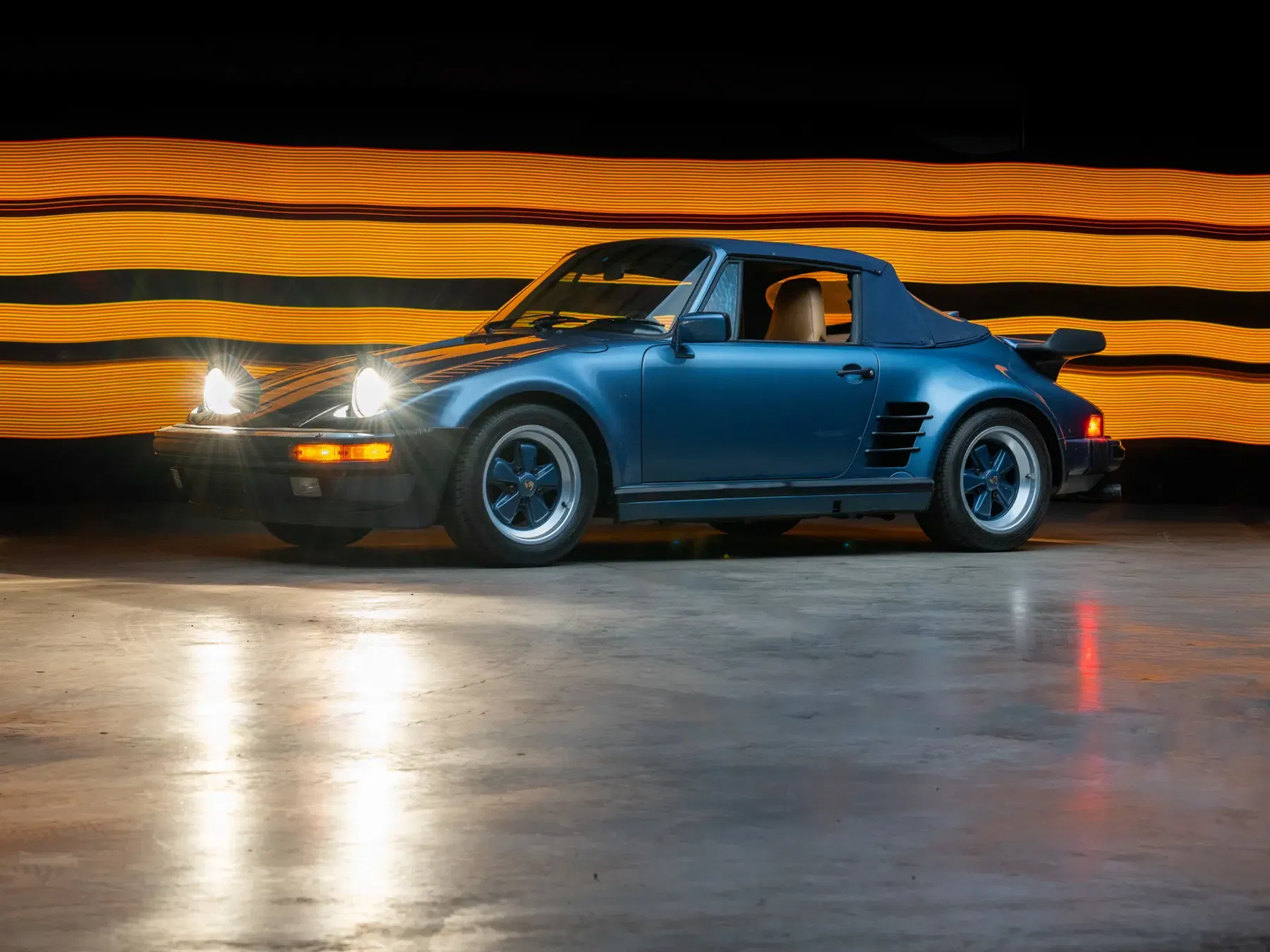
The countless racing successes certainly contributed to the fact that numerous tuners took this design as a model and offered it as a retrofit solution for the road-going 911. Porsche followed suit from 1980 and offered its most loyal and financially strongest customers the “911 Turbo/ 911 SC Turbolook slantnose body conversion” option.
This package was offered with headlights in the bumper before Porsche integrated the 944’s headlights into the 911 Slantnose’s flat fenders in 1983. Between 1983 and 1987, a total of 204 Porsche 911s were built with pop-up headlights. From 1988, the Slantnose design was even officially available in the Porsche catalog under the equipment codes M505 (USA) and M506 (RdW). A total of 686 of these 911s with pop-up headlights were built up to 1989.
968 and 964 Turbo Flachbau as the last Porsche with folding headlights
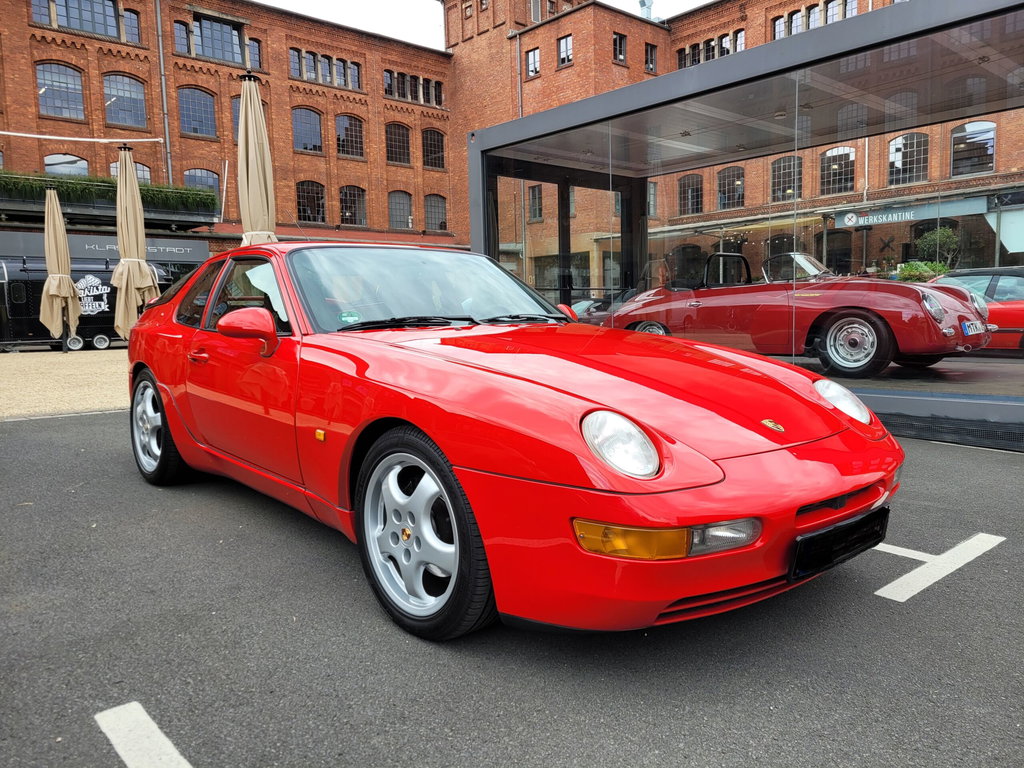
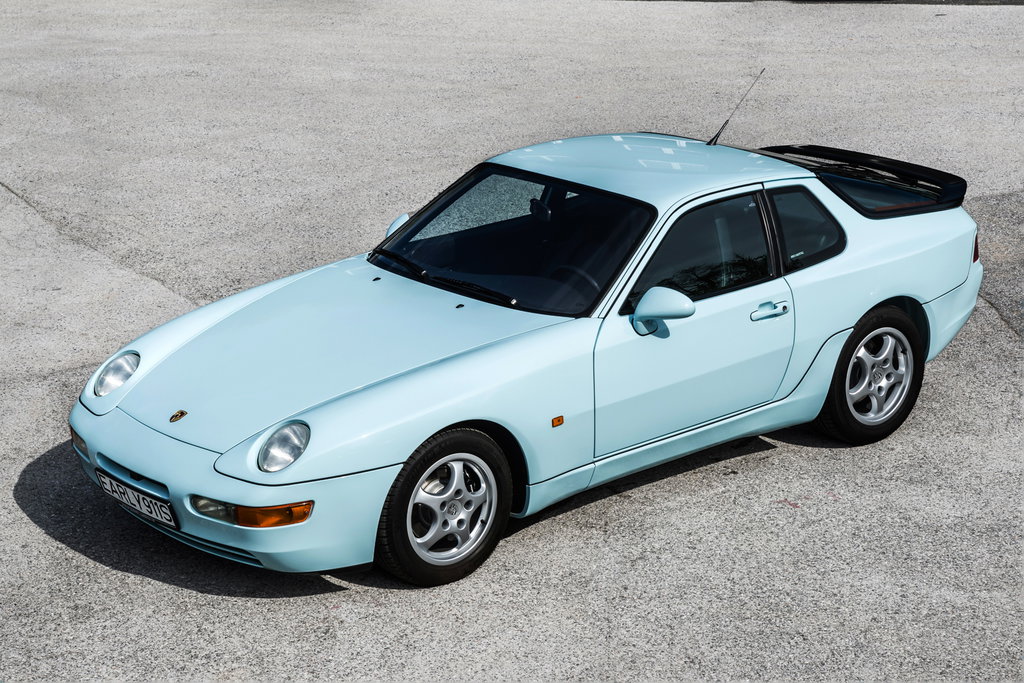
Porsche once again came up with something special for the final gallop of the transaxle models. In the 968, the successor to the 944, Porsche used a similar folding headlight mechanism as in the 928 in 1991. The headlights, which were now integrated into the fenders, opened forwards. However, the fenders themselves were raised. As a result, the design of the front resembles the last air-cooled 911, the 993, to a certain extent.
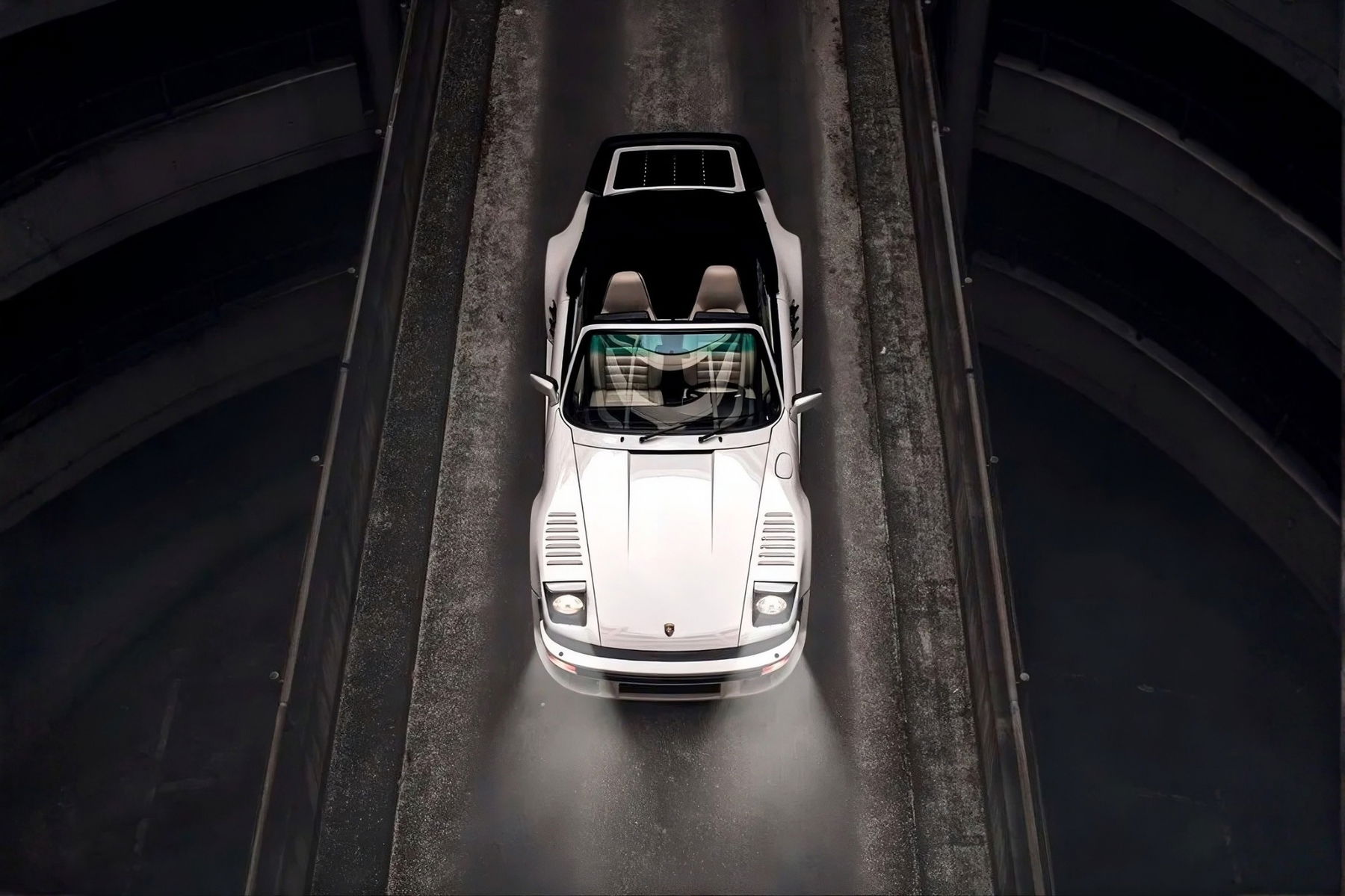
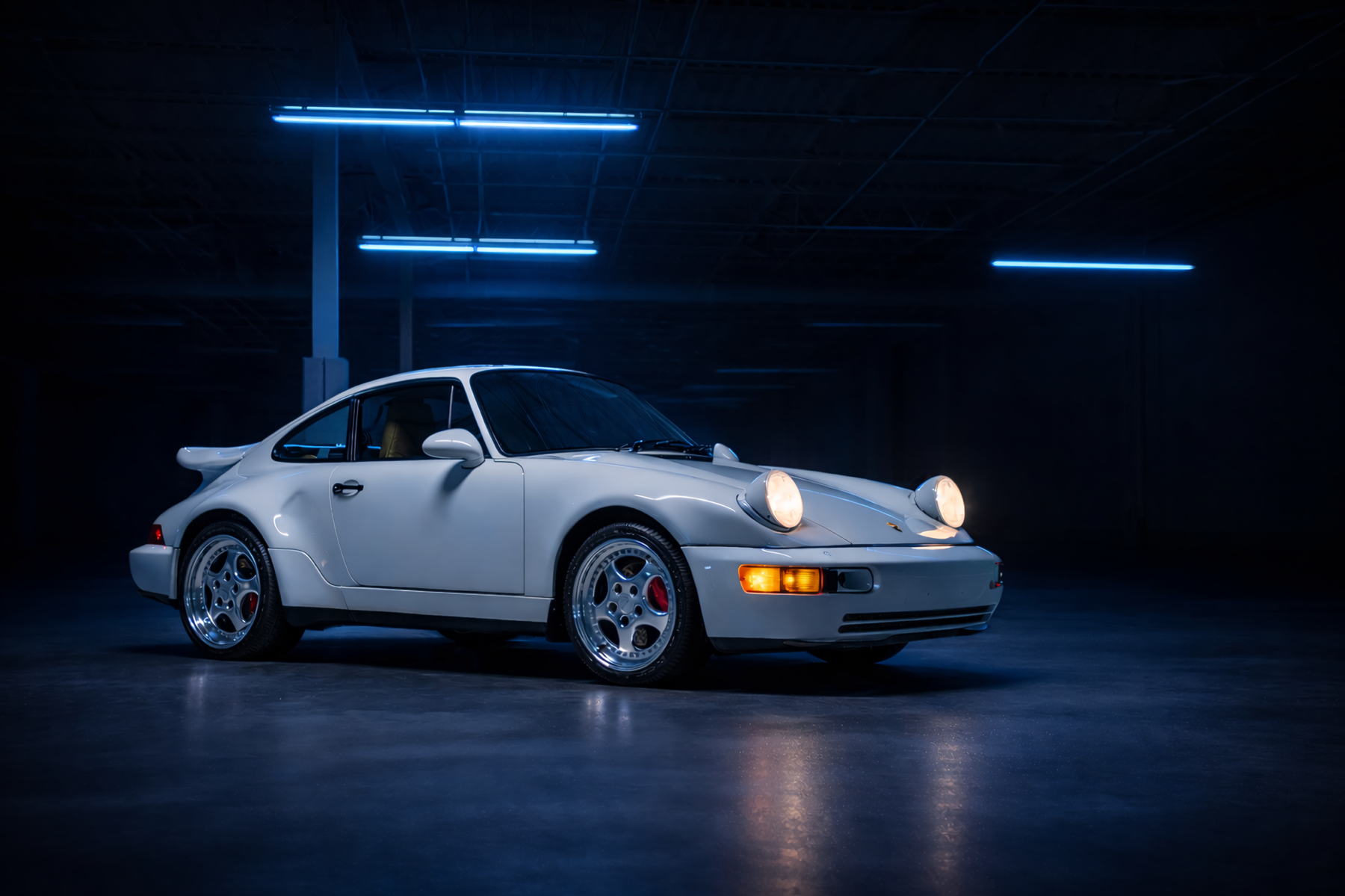
However, the last new model in which Porsche used folding headlights was not a transaxle, but a 911. For the 1994 model year, Horst Sprenger, as head of the Exclusive department, was to launch a final special model based on the 964. Porsche was short of cash and needed money. And so it was that the Stuttgart-based company presented a 964 Turbo Flachbau.
The Porsche 964 Turbo Flachbau is without doubt the most exclusive Porsche with folding headlights.
For DM 290,000, around DM 80,000 more than the regular Turbo, customers received a Porsche 911 with flat fenders and the pop-up headlights from the 968, a modified spoiler, rear wing, side air intakes and a power increase to 385 hp. These 76 Porsche 964 Turbo Flachbau models built – ten of them for the Japanese market with 944 folding headlights – are to a certain extent the crowning glory of the pop-up headlight era at Porsche. After that, there was never again a Porsche model with the cool, retractable headlights.
For many, they are considered a kind of automotive epitome of the 80s – the pop-up headlights. They also occupy a special place in the Porsche cosmos. They went from being a distinguishing feature between the 914 and 911 to a cool motorsport part and form a bracket from the entry-level model to the ultra-rare 964 Turbo Flachbau.
Message
Do you have a tip for a story or just want to get in touch with Richard?