The effect of auction results on the Porsche market
04.02.2026By Richard Lindhorst
For particularly rare cars, auction results are often the only way to get a rough value assessment. There are several reasons for this: Firstly, there is often a lack of public listings with actual asking prices and secondly, the prices called can deviate significantly from the price achieved without the public ever finding out. At auctions, that’s a whole different story. That’s why the auctions of larger providers such as RM Sotheby’s are often used as a market barometer. But does this also make sense for less exclusive models? And what predictions can be made? We take a look at this using RM Sotheby’s recent Arizona auction results as an example.
Originality is key – especially for classics like the Porsche 356
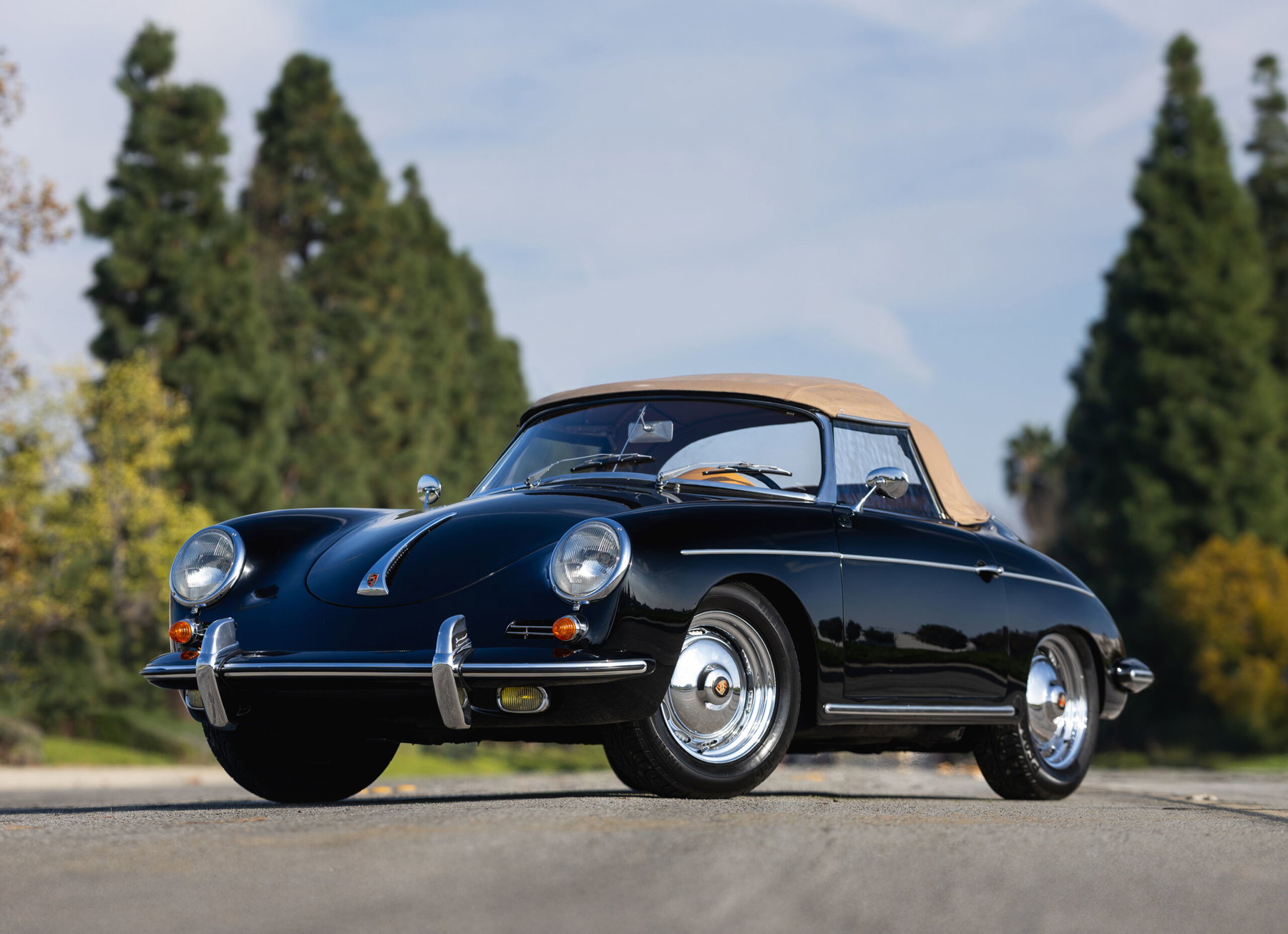
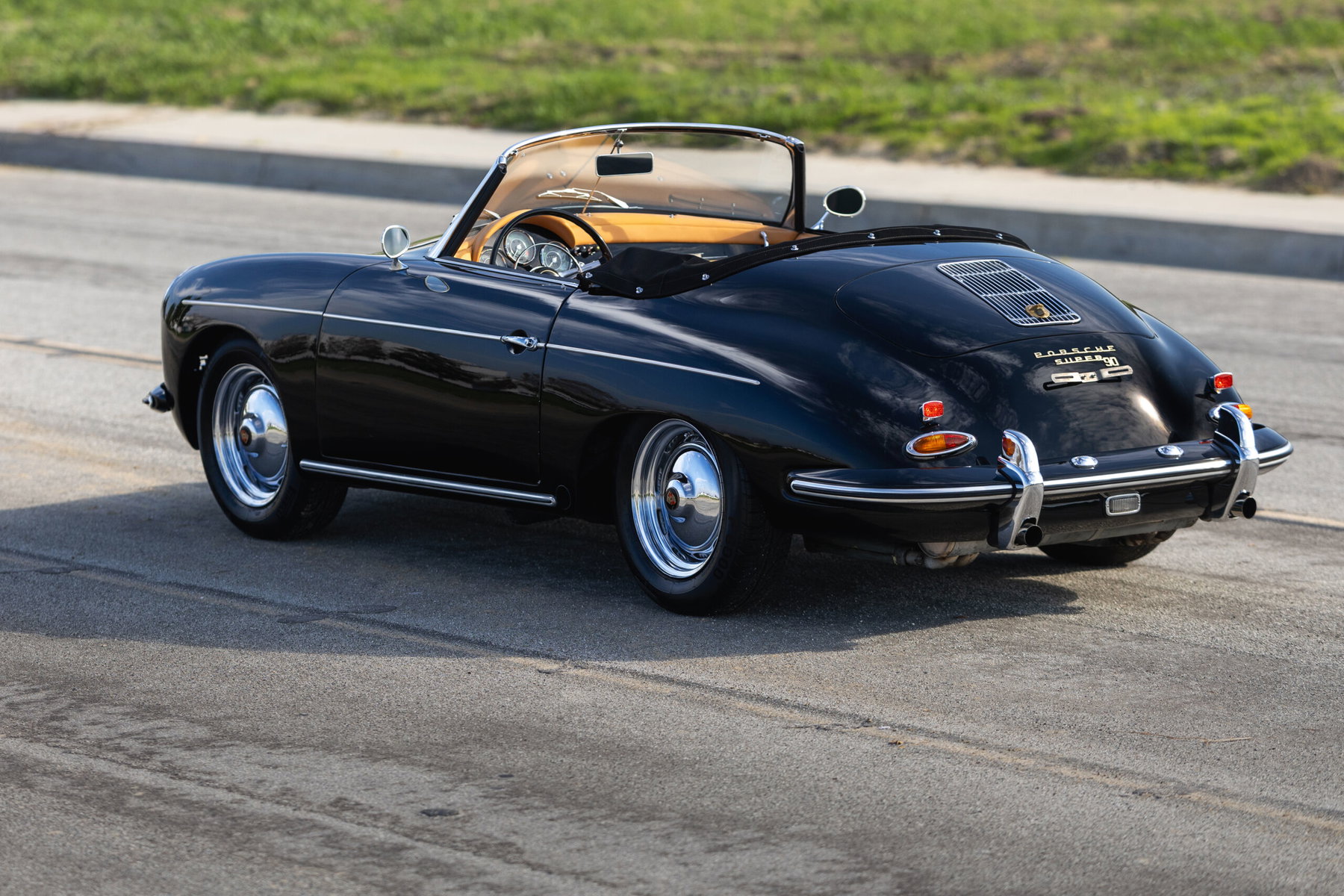
RM Sotheby’s Arizona auction in January 2026 was a great cross-section for Porsche enthusiasts. From 356 to air-cooled 911s, Restomods, GT-models and racing cars, everything was there. The oldest of the bunch, a Porsche 356 B Super 90 Roadster, inevitably caught the eye. After all, it symbolizes the huge price differences between original and restored classics. Incidentally, this can also be clearly observed outside the auction market.
Prior to the auction, the specialists at the global auction house estimated a price range between 125,000 to 175,000 US dollars. With an auction result of 148,400 US dollars, the price ended up almost exactly in the middle of this range. In principle, this is a fair market price for a 356. But a closer analysis reveals that numerous Super 90 Roadsters have been offered and sold for significantly higher prices in the recent past.
A Porsche 356 in good original condition can command a premium of up to 100,000 dollars or more to a restored model. Originality trumps condition – within certain limits.
Richard Lindhorst, Elferspot
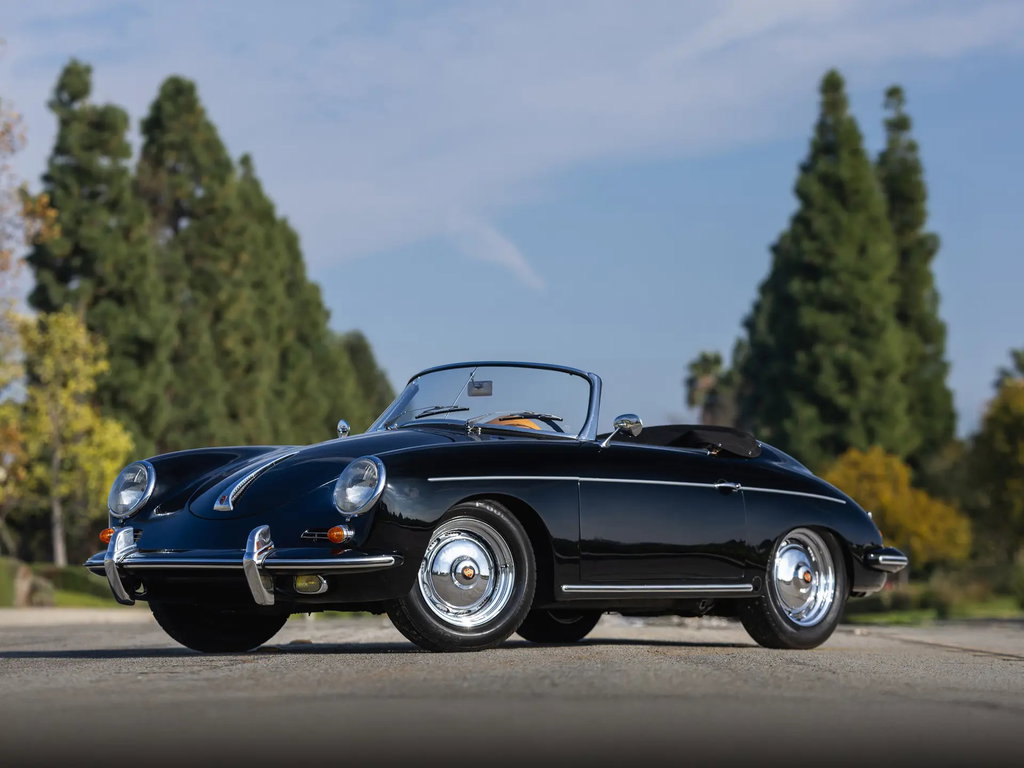
The reason for these deviations of up to 100,000 dollars is that the 356 auctioned in Phoenix is a restored model without matching numbers. It doesn’t have its original engine. In addition, the color was changed from silver with a red interior to black paint and a cognac interior during the restoration. Although this looks very harmonious and is obviously of high quality, it has a negative impact on the car’s value.
Low mileage and special stories can be a real price driver
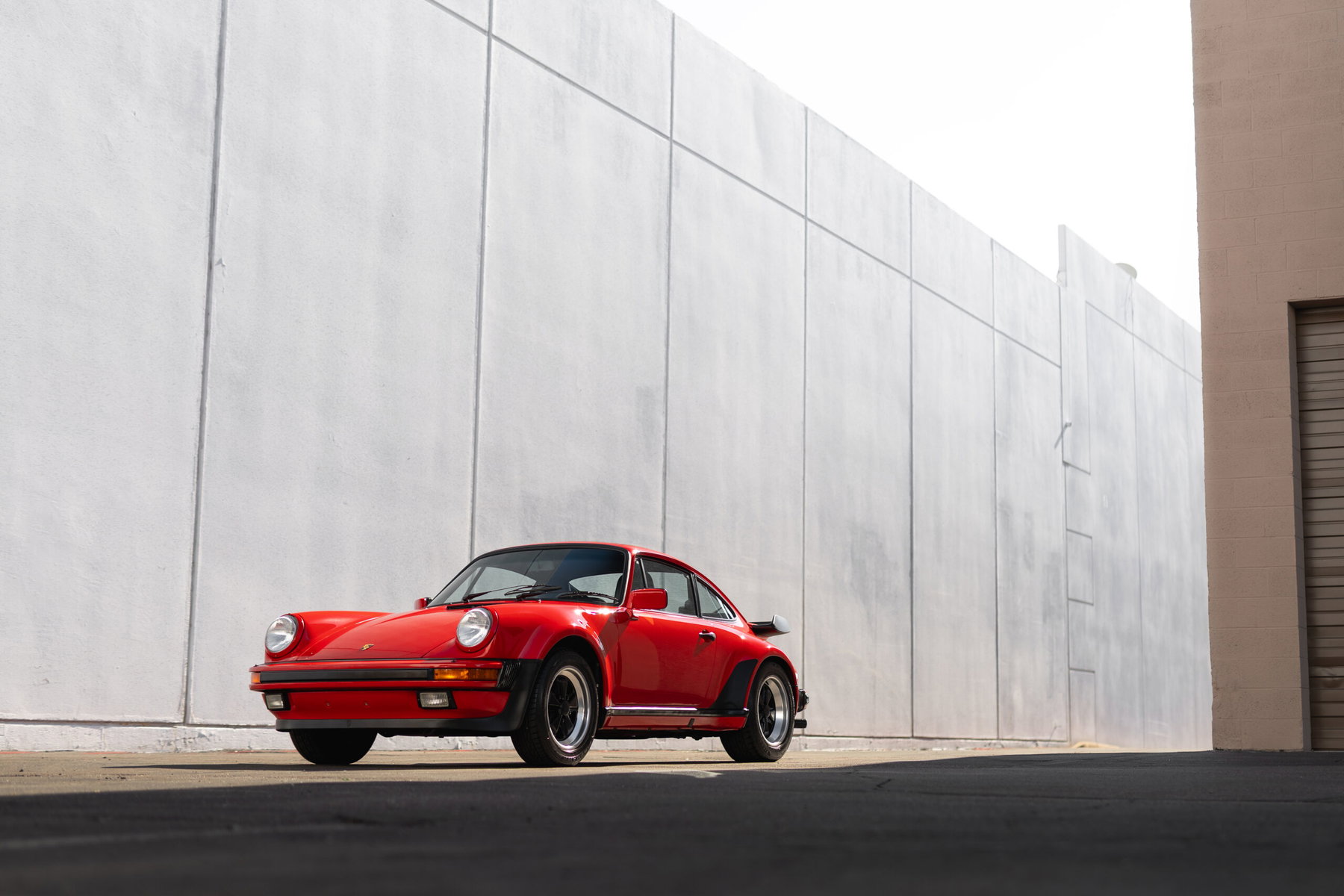
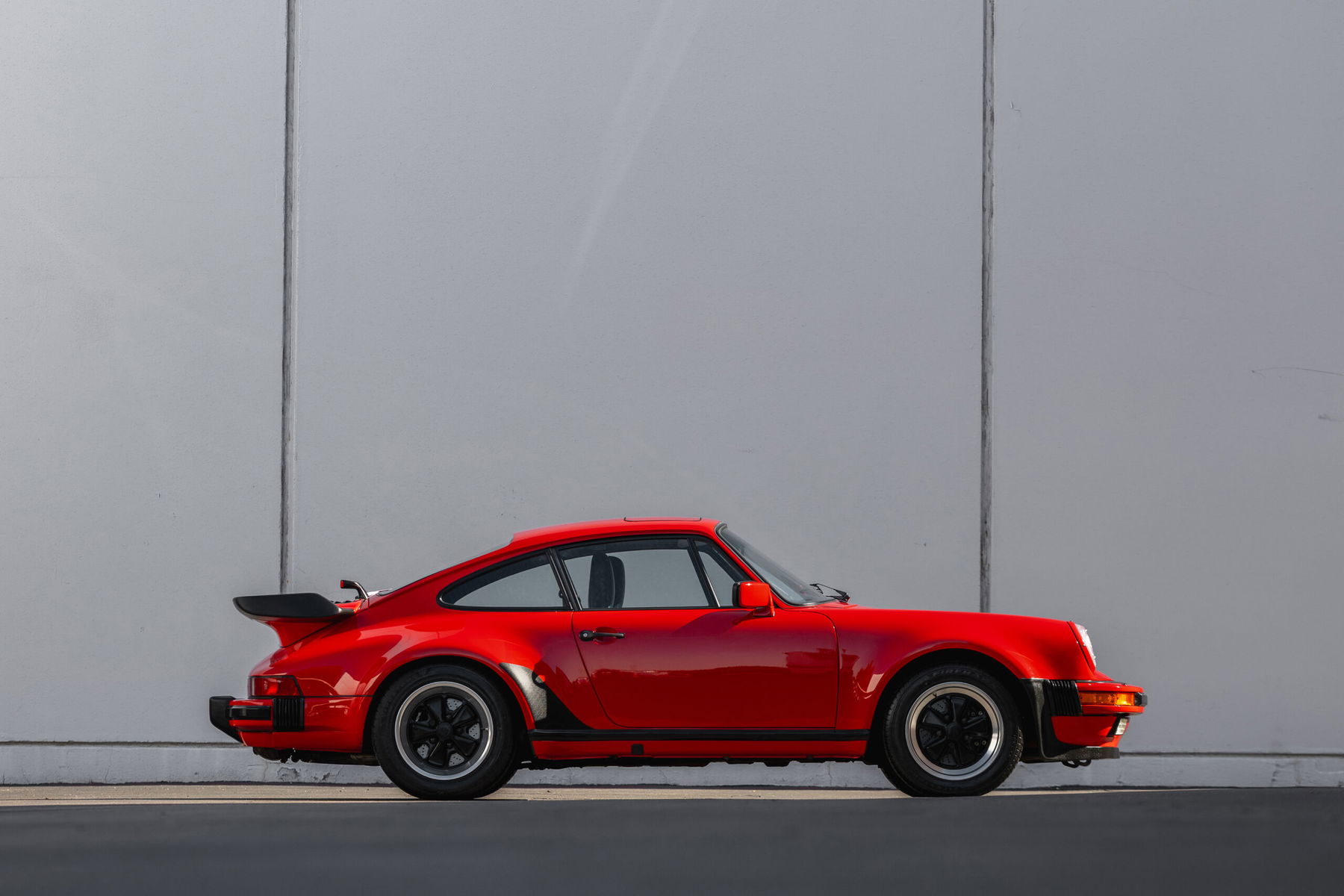
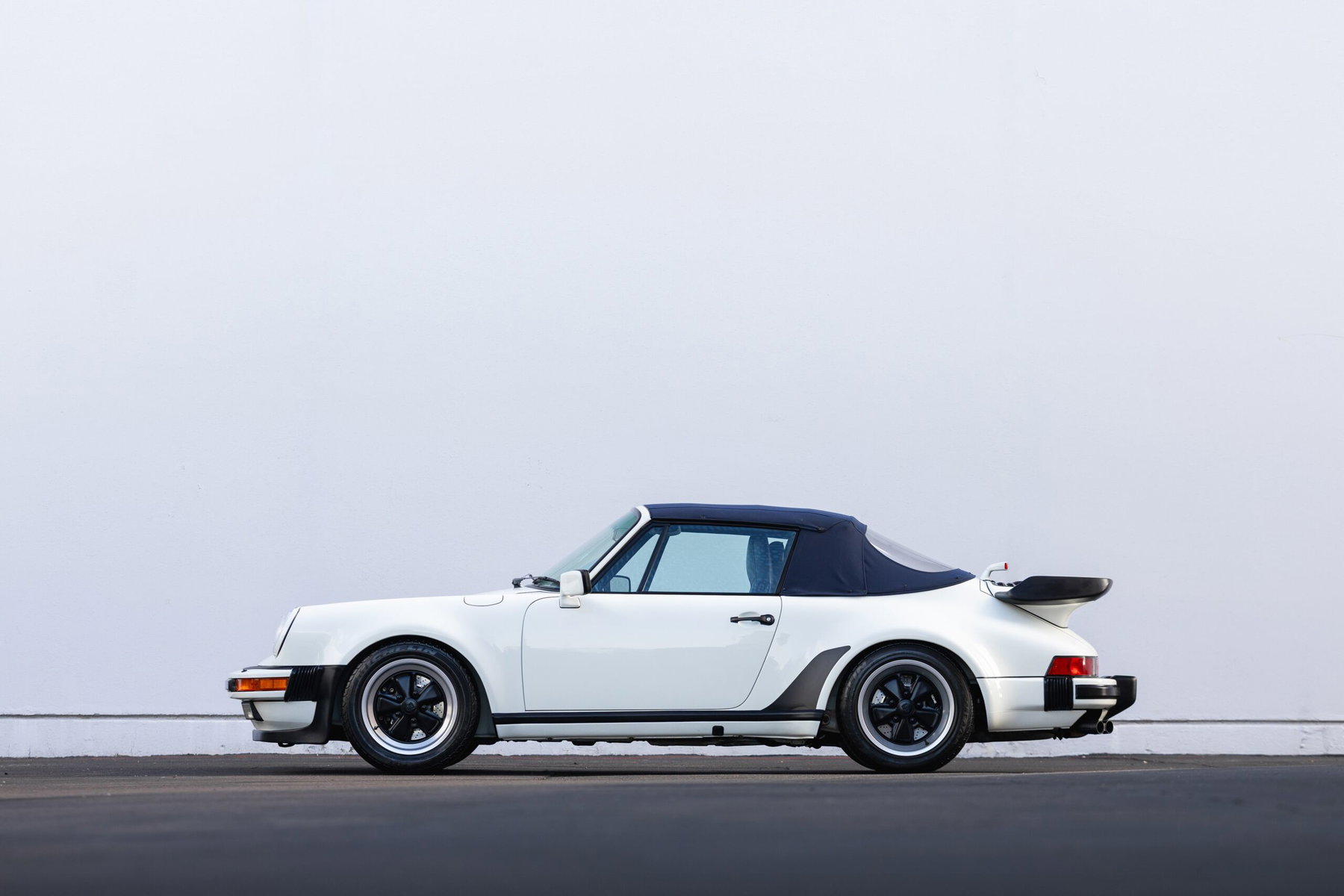
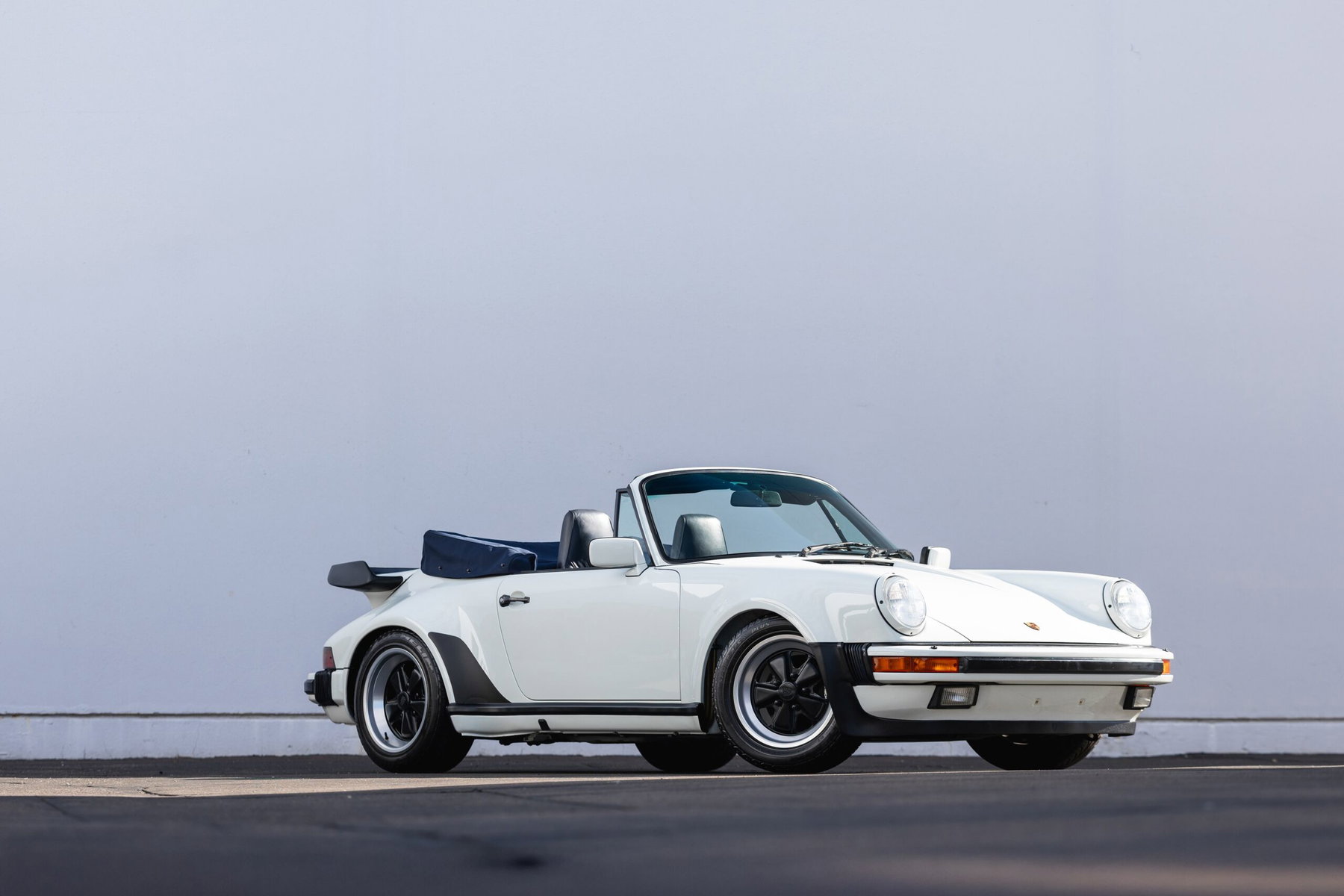
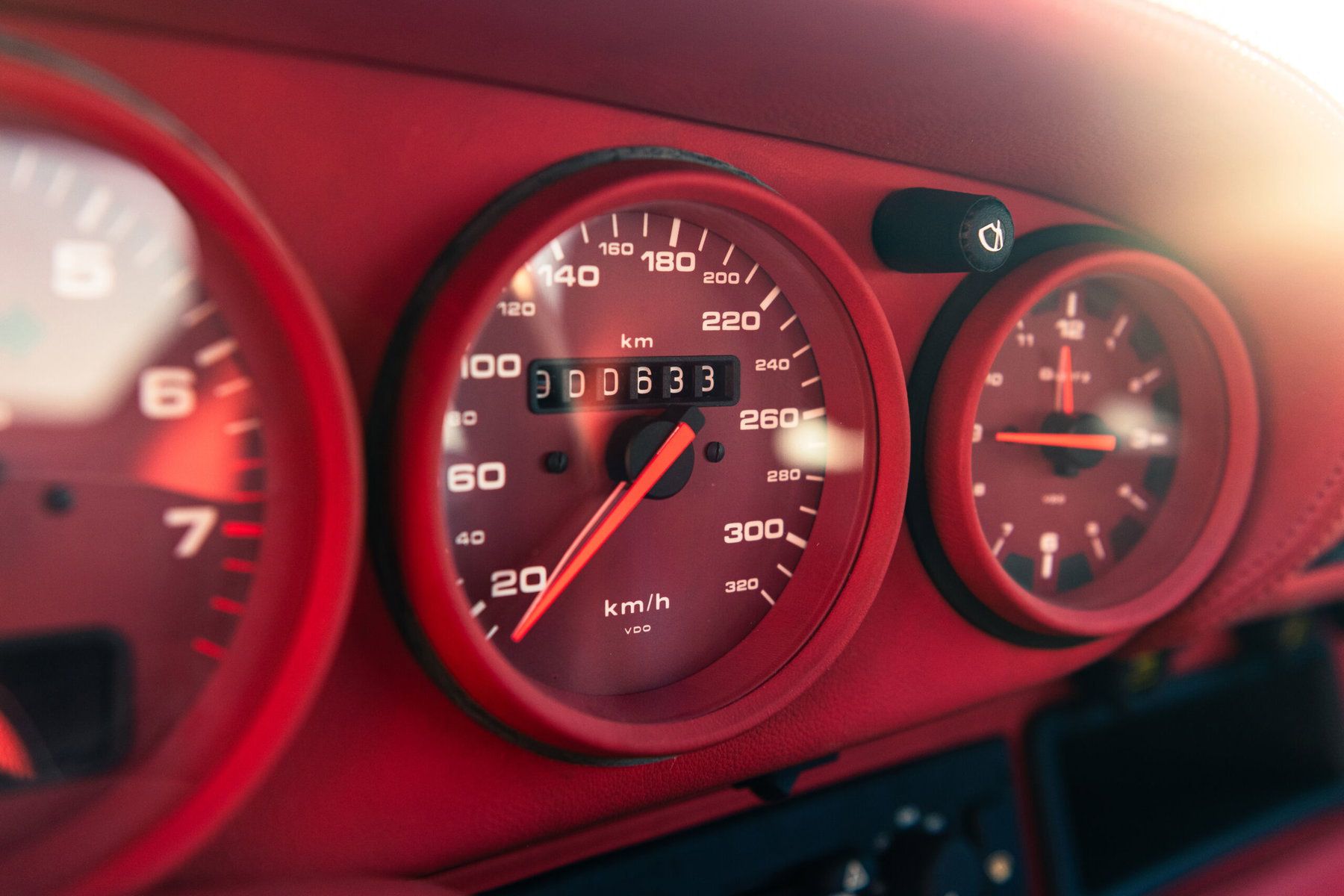
But other characteristics can also have an extreme influence on prices – such as extremely low mileage and special stories. Two Porsche 911 Turbo models from the 930 series that went under the hammer in Arizona clearly demonstrate this. The Guards Red coupé from 1987 with just over 8,000 miles on the clock represents exactly the kind of car that usually becomes part of a larger collection. A 1989 911 Turbo 3.3 5-speed Cabriolet in Grand Prix White with just under 18,000 miles also fits into the same category.
Both Turbos significantly exceeded their estimates, though! Sotheby’s was aiming for 150,000 to 200,000 dollars for the coupé. The experts valued the convertible at 175,000 to 225,000 dollars. In the end, the highest bid for the coupé was 240,800 dollars. For the convertible the hammer fell at 268,800 dollars! This means that the prices are also significantly higher than what is usually asked on the market for comparable vehicles. 930 Turbo 3.3 Coupés usually average around 160,000, convertibles with the coveted G50 transmission around 180,000 dollars.
Such special specimens with extremely low mileages and special histories rarely have a major impact on the market as a whole. They must always be compared with their peers in order to derive trends.
Richard Lindhorst, Elferspot
There is no question that cars with such low mileage are special specimens. Not even 10,000 miles, i.e. less than 16,000 kilometers, are anything but commonplace. The white convertible also scores points for its history. It was part of the impressive White Collection, which was also auctioned at RM Sotheby’s in 2024. However, such special examples rarely have a major impact on the overall market. They must always be compared with their peers in order to derive trends.
Auctions as an indication of value – often the only option for extremely rare models
One segment in which auctions do have a major influence on pricing is exotic vehicles. This includes cars with particularly low production numbers like homologation specials or racing cars. Those are rarely traded on the market with specific prices and are regularly sold “off-market”, i.e. within networks without a public offer. Auction results are therefore sometimes the only source for determining market prices in such cases.
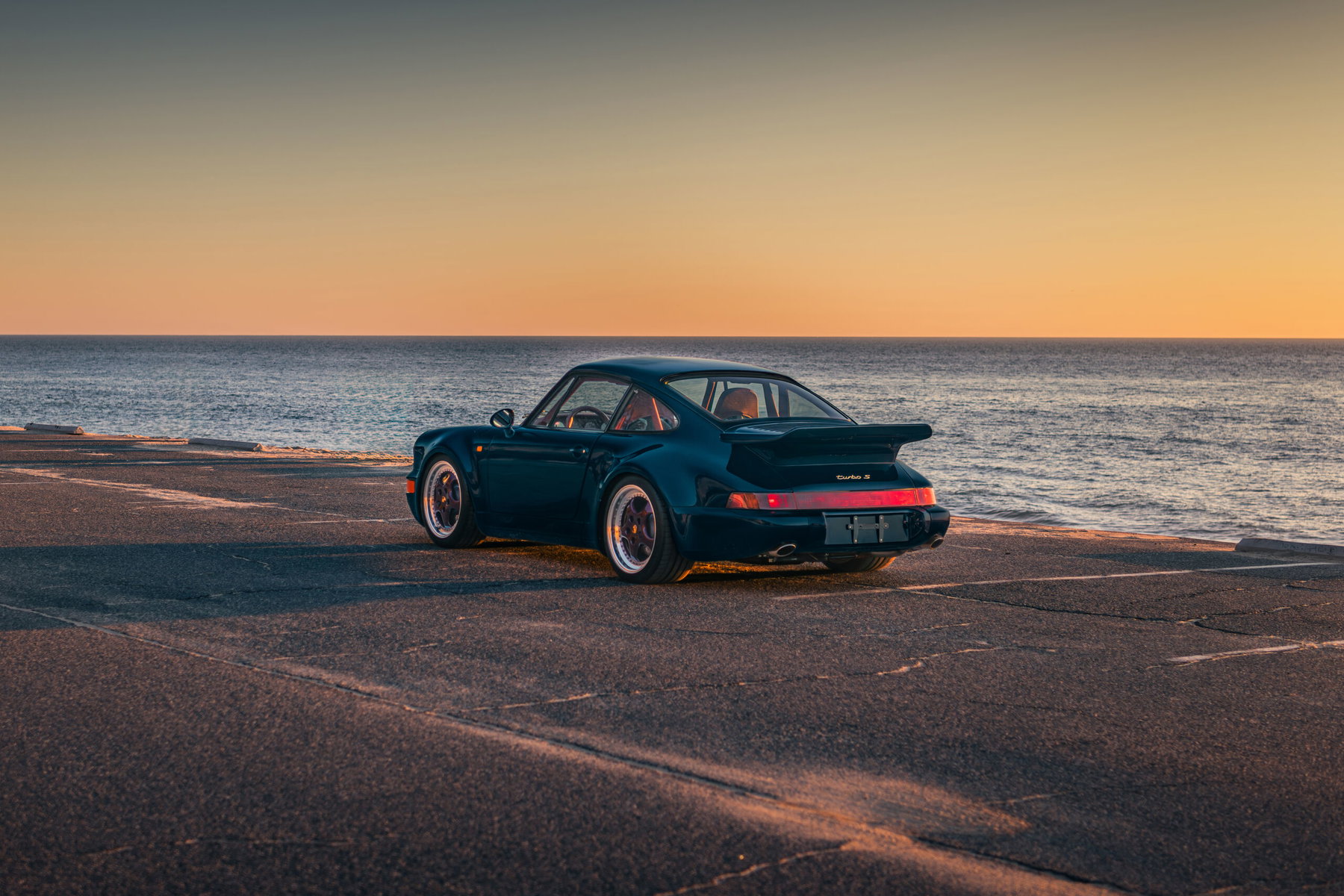
This category includes, for example, the Porsche 964 Turbo S Leichtbau. As only 86 of these vehicles were produced in total, there are rarely several cars on the market at the same time. The price range between an already reconditioned vehicle with over 100,000 kilometers and a virtually new lightweight Turbo with less than 1,000 kilometers can easily be over a million euros! A good overview of past auction results is essential when dealing with such rare vehicles.
A Porsche Carrera GT for over 3,000,000 US dollars – an outlier or the future norm?
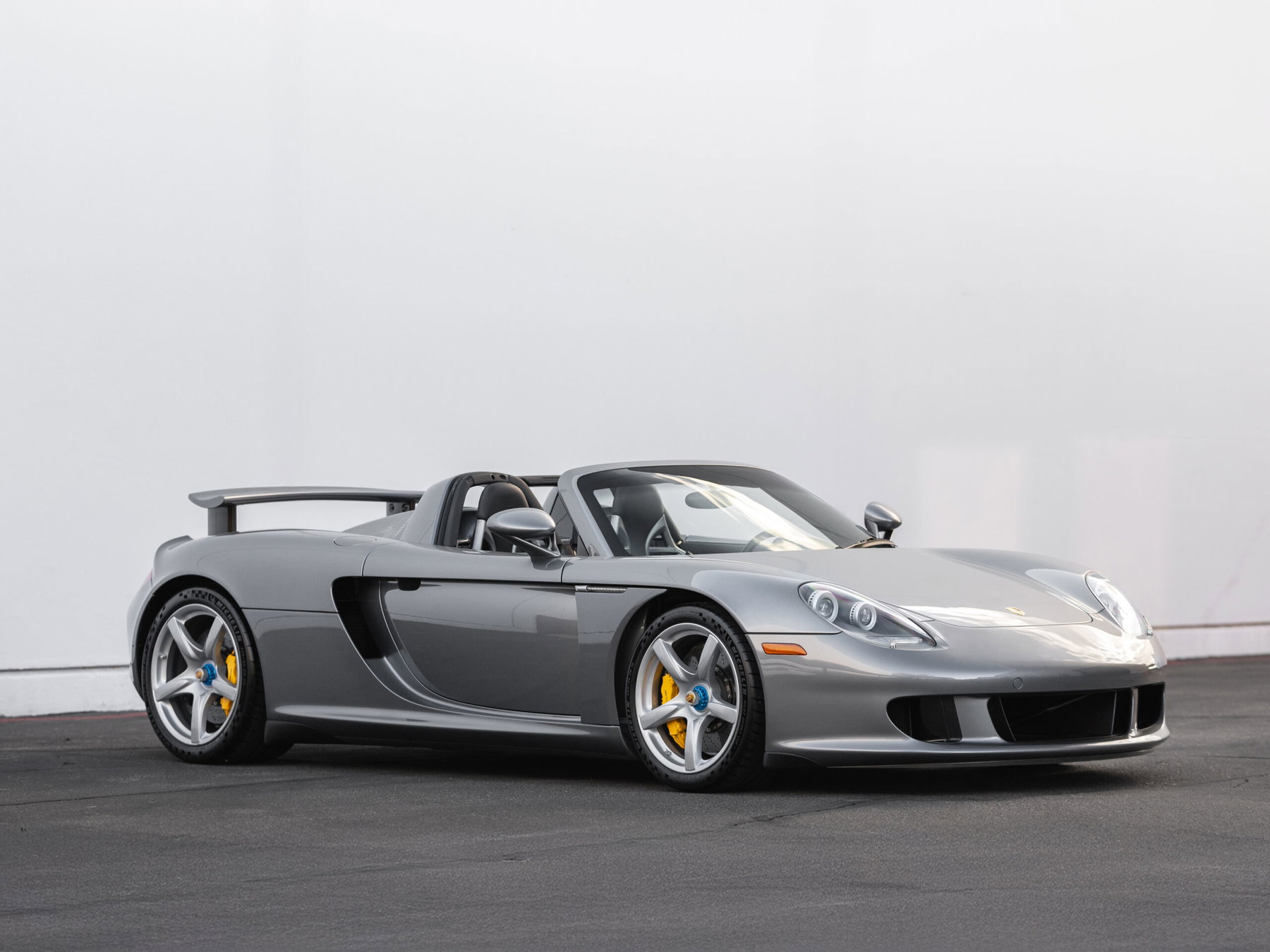
One of the most exciting results of the last RM Sotheby’s auction was undoubtedly the sale of a Porsche Carrera GT in seal gray. The hammer price of the V10 super sports car with just 2,147 miles on the clock was eagerly awaited. In 2025, it already appeared that Porsche’s second super sports car after the 959 could be poised to cement its price structure around the 2 million US dollar mark.
But in the end, the result surprised even many connoisseurs. The Porsche Carrera GT, which was in absolutely original condition, was ultimately auctioned off for 3,085,000 US dollars. On top of that, there are also fees, so you can add another ten percent. Of course, this does not mean that the prices of all 1,270 Carrera GTs will reach these regions, but it would be surprising if the market won’t react to this.
It is noticeable that there are currently fewer Porsche Carrera GTs on the market. We can speculate whether the recent record sale in Arizona played a part in this, because more owners want to wait and see how the market reacts.
The Porsche market seems to be picking up speed again in the USA – with two exceptions
The latest results from North America suggest that the market remains dynamic and is even gaining momentum. This is also supported by the prices achieved for other models, such as the sale of a 997 Sport Classic for 775,000 US dollars or a lapis blue 996 Turbo for 134,400 US dollars. They all achieved at least the predicted price corridors, and in some cases even shot well above them. Presumably, the price peak has not yet been reached for these “modern classics”.
The situation is somewhat different for the Porsche 356 and 911 F-Model. The market has changed in favor of potential buyers. Vehicles from these model series have a hard time at auction. One of the few exceptions is the 911 Carrera RS 2.7. Conversely, of course, this means that the time seems relatively favorable to secure a beautifully restored 356 or F-Model. This is because the price difference between a good restoration base and completely overhauled cars narrowed considerably in recent years.
Do the auction results of particularly exciting models outshine the overall market?
It cannot be denied that there is always a special aura surrounding car auctions. The allure of winning the bidding competition without knowing where the end of the line will be reached even captivates outsiders. If the results are conspicuously high or low, one is quickly inclined to take these results as a pointer for the entire market.
Do auction results have a general influence on the market?
Vehicle auctions have a certain influence, but it depends heavily on the segment.
In which cases is the influence of auction prices low?
If a frequently built model fetches a very high price because it has an exceptionally low mileage or a well-known previous owner, this tends to have little impact on the market.
When do auctions have a major influence on market prices?
For particularly rare models, such as small series, homologation specials and racing cars, auctions are often the only way to determine price trends. The smaller the market, the greater the influence of auctions.
However, auction results often cannot be transferred to other cars directly. This is because the selection of vehicles that are offered in the various auction houses is sometimes strict. It is usually more a case of the fillet pieces with exciting stories and previous owners, exciting specifications or exceptionally low mileages.
One swallow does not make a summer. Just because a car from a prominent previous owner was auctioned for an unusually high price, that does not mean that the entire market will follow suit. If, on the other hand, a regular 997 Turbo fetches a conspicuously high or even low price, this has far more implications for the market. Auction results should therefore never be viewed in isolation, but always with a view to the respective circumstances.
Richard Lindhorst
Message
Do you have a tip for a story or just want to get in touch with Richard?