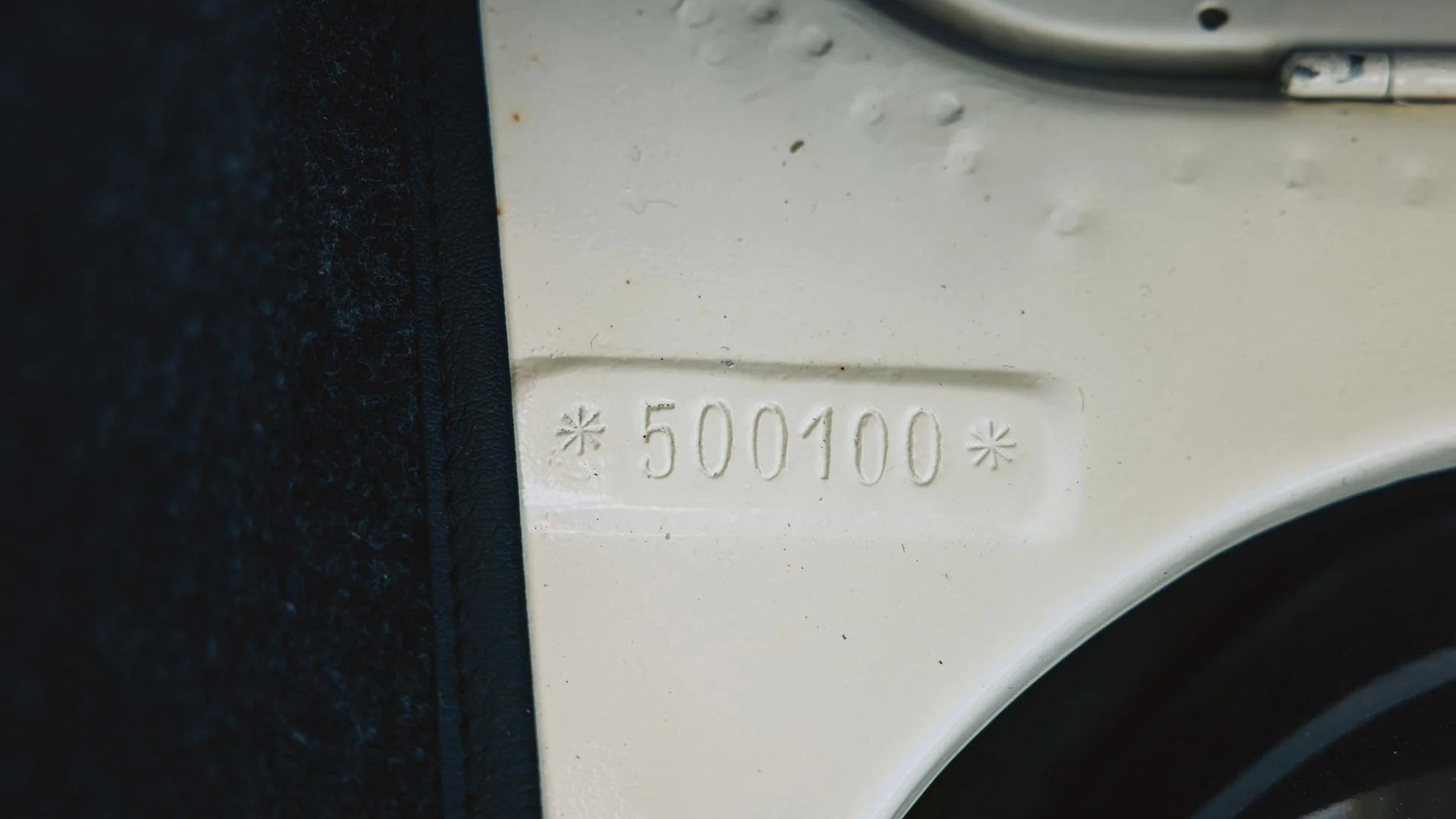
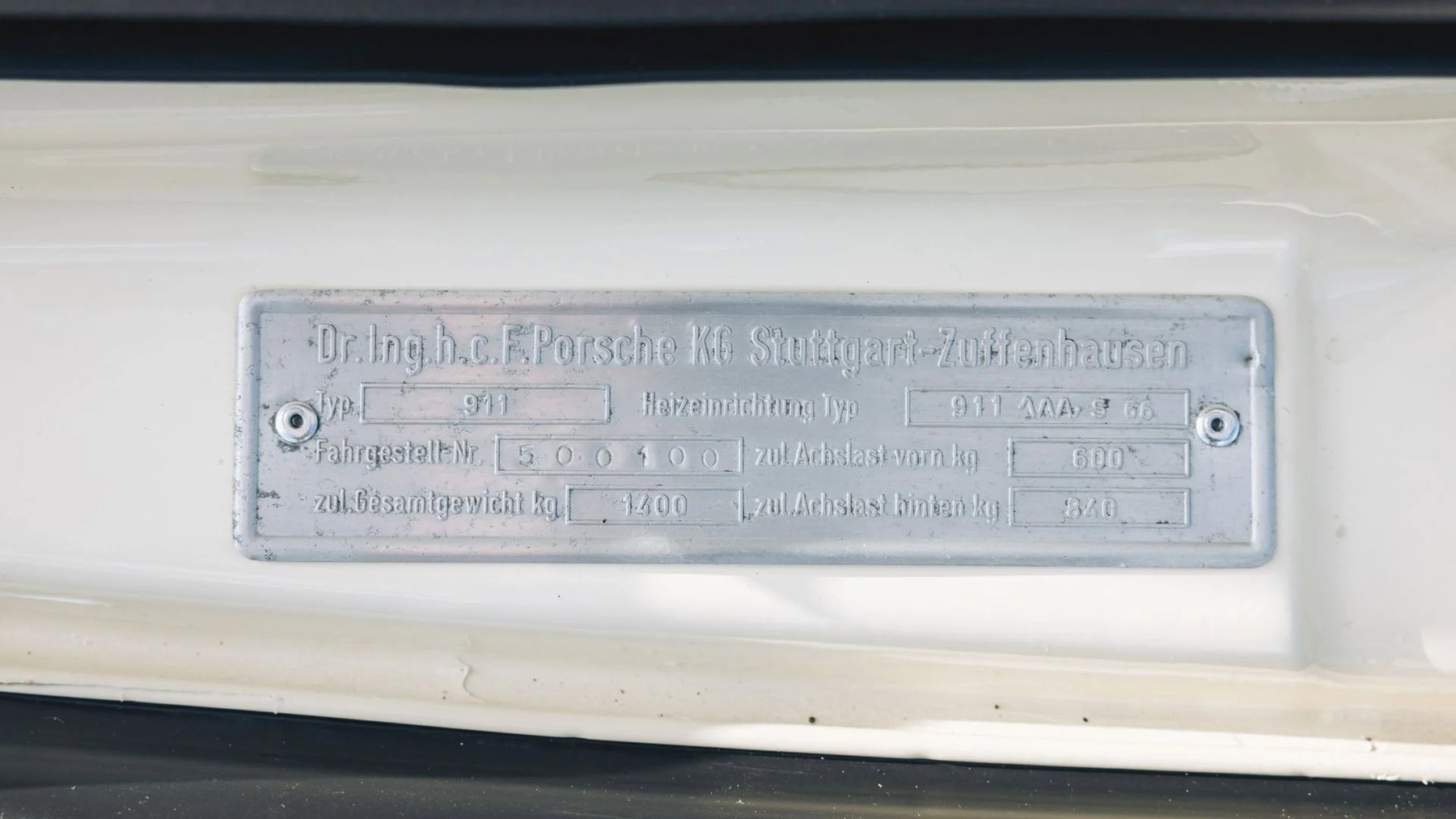
Chassis No. 500100
Engine No. 900054
Transmission No. 11
“I used it as my training car in the run-up to the race. We would train on the course for a full week, trying to memorize the 45-mile lap.”
Jochen Neerpasch
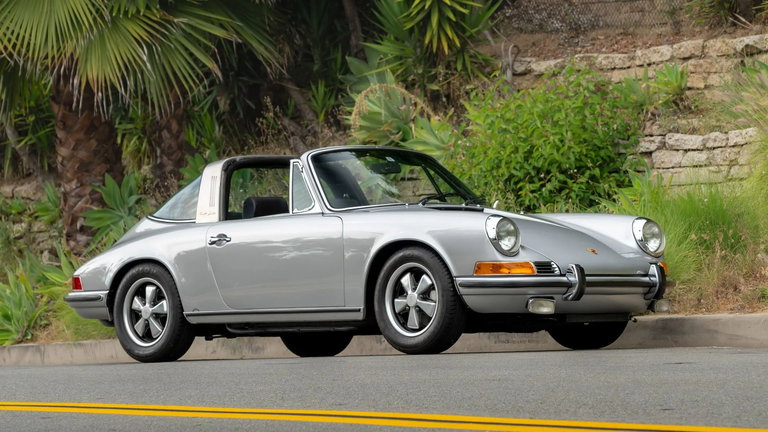
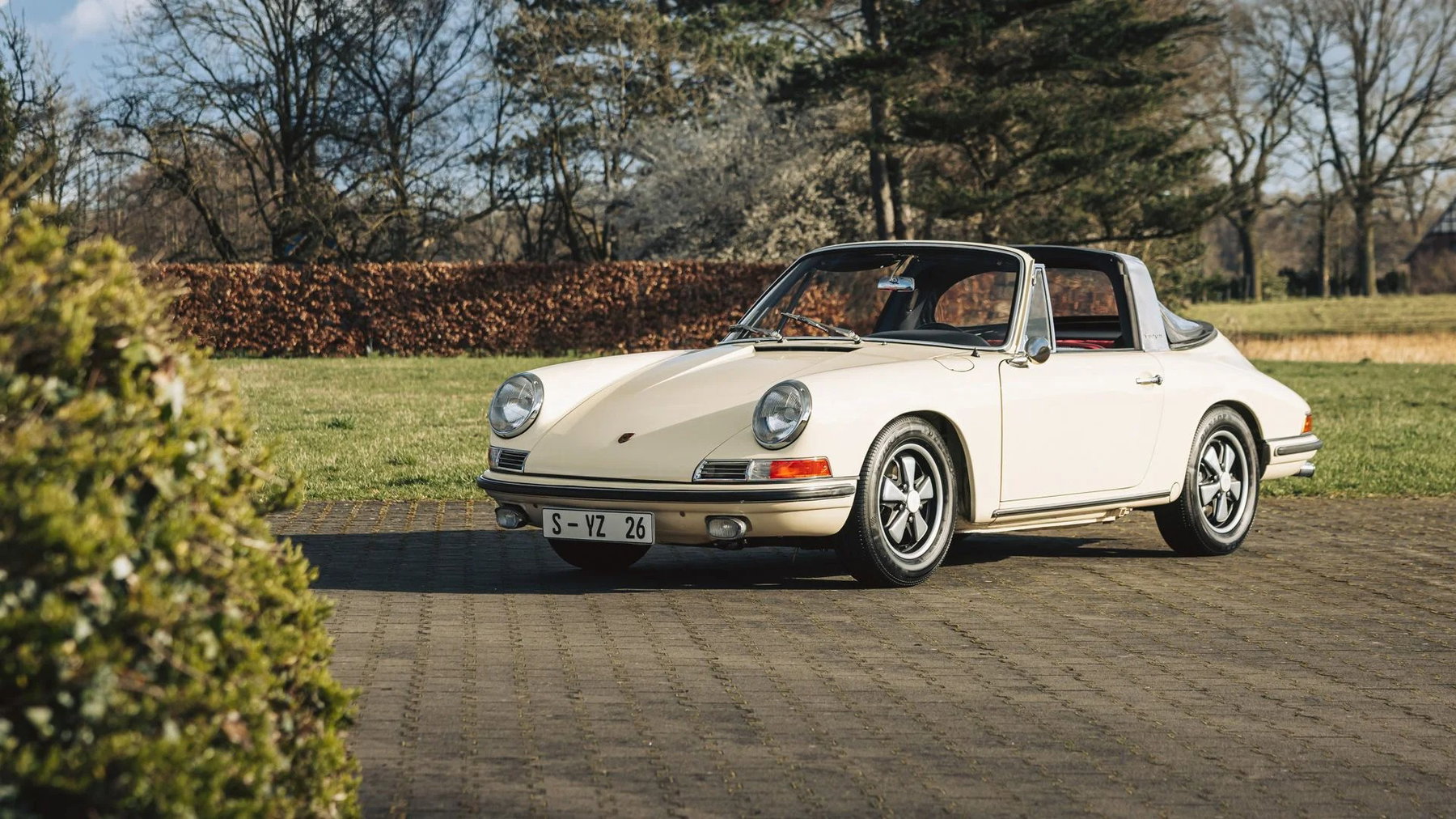
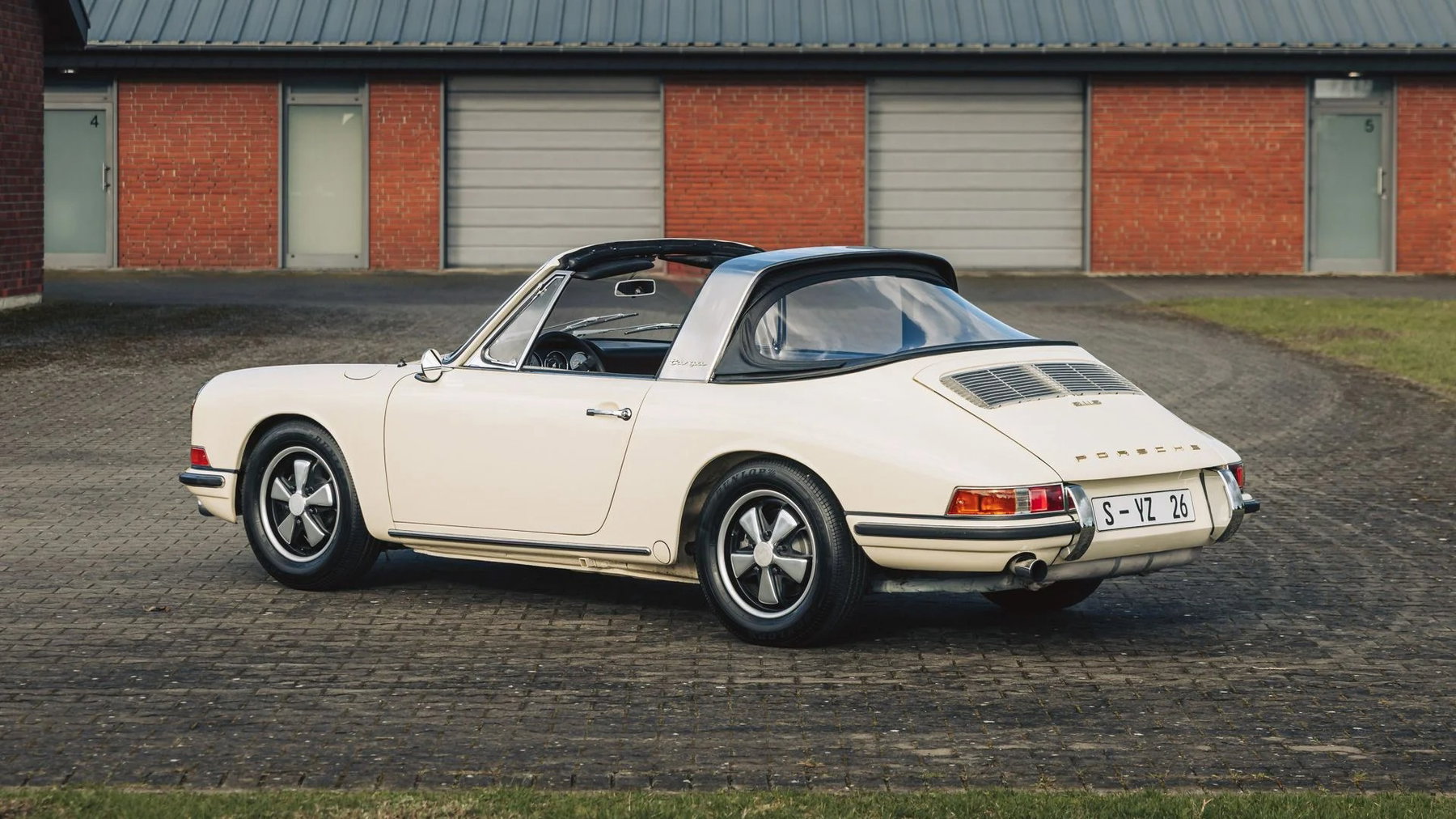
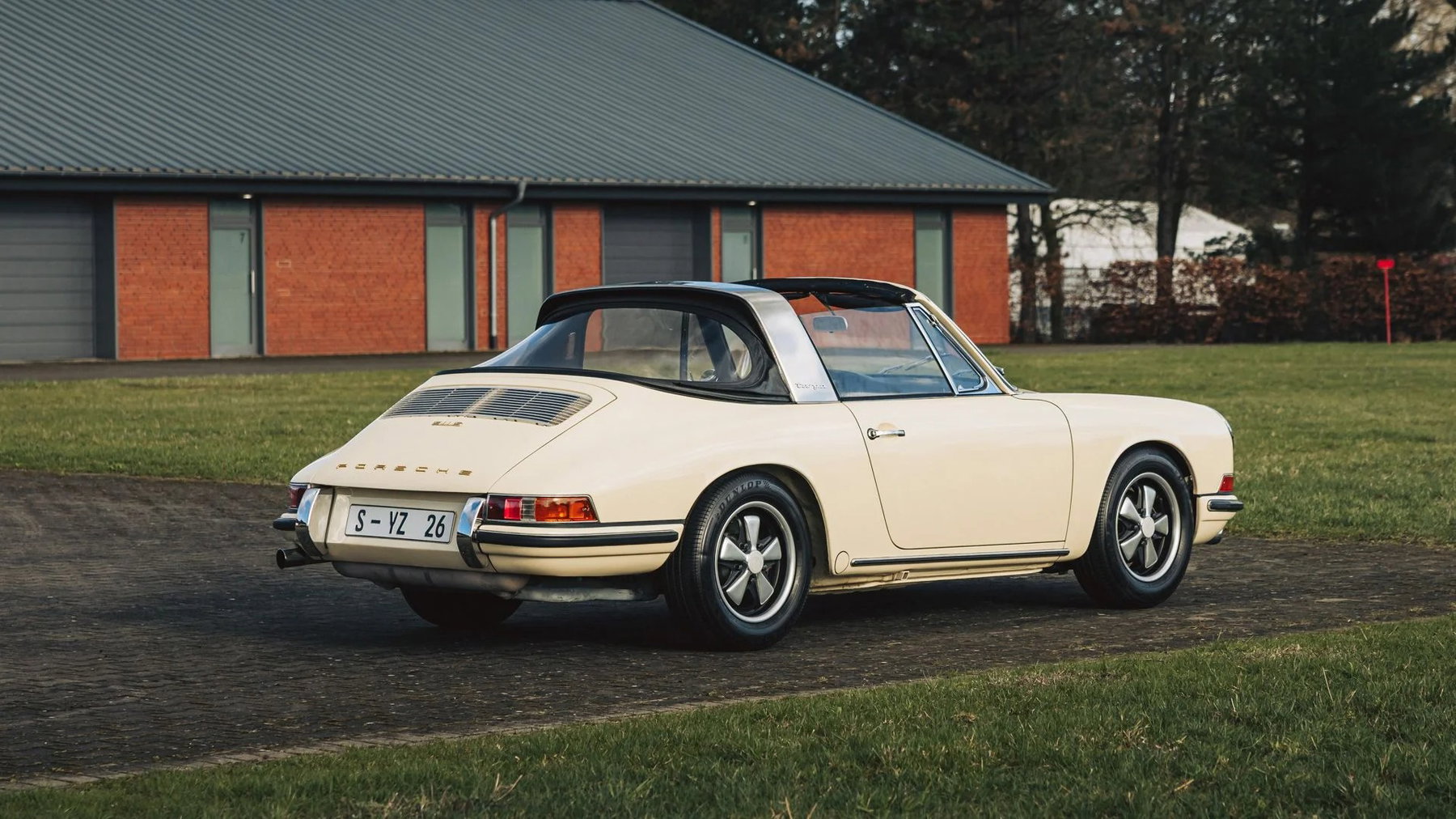
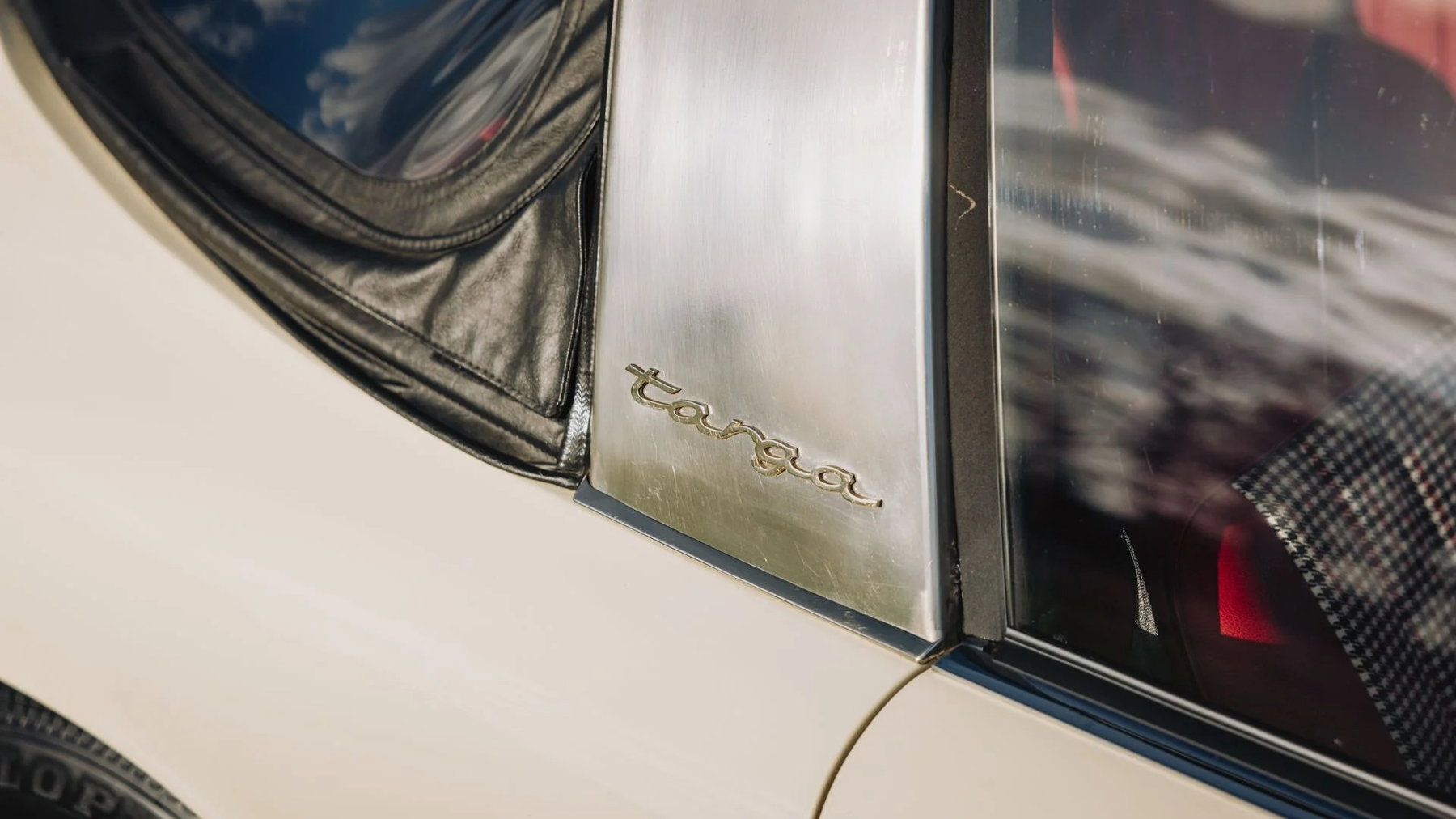
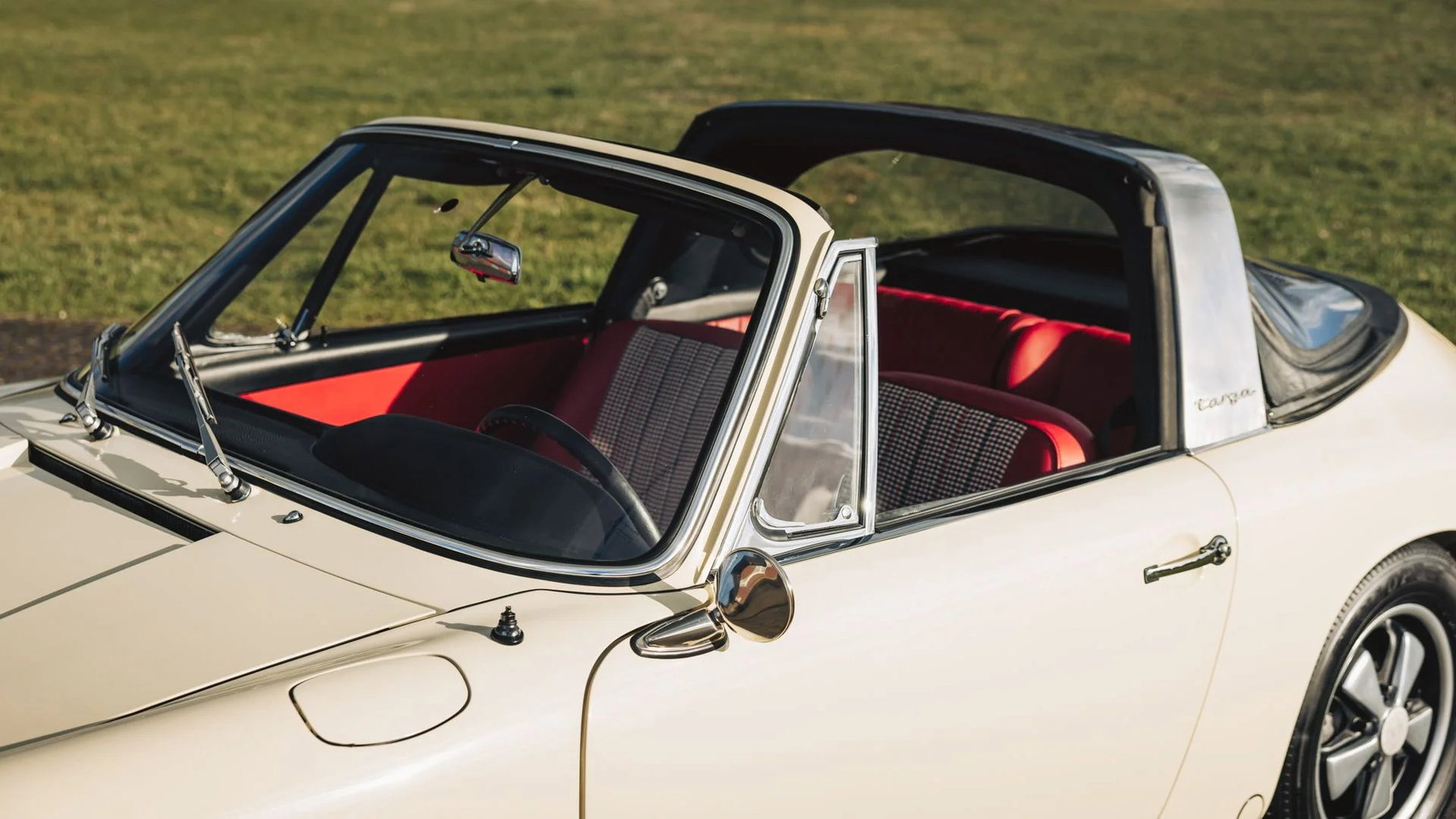
For fans of the Porsche marque, driving a 911 Targa along the Sicilian roads that made up the Targa Florio circuit—the very race from which the Targa takes its name—during the golden years of the event would be a story passed down to future generations, but for factory driver Jochen Neerpasch, it was all part of the job. Neerpasch, perhaps best known as the founder of BMW’s M Division, was a highly successful racer in his own right. Winner of the 1968 24 Hours of Daytona in a Porsche 907 and a third-place finisher at Le Mans in a Porsche 908 the very same year with Rolf Stommelen, Neerpasch paired with many of the all-time-greats including Amon, Siffert, Ickx, Elford, and Hermann. For the 1967 edition of the Targa Florio, Porsche entered a 910 for him and Vic Elford, and to best prepare for the event, provided a 911 “soft window” Targa company car to him as a reconnaissance vehicle to practice on the vast 44.74 mi Piccolo Circuito delle Madonie in the week leading up to the event.
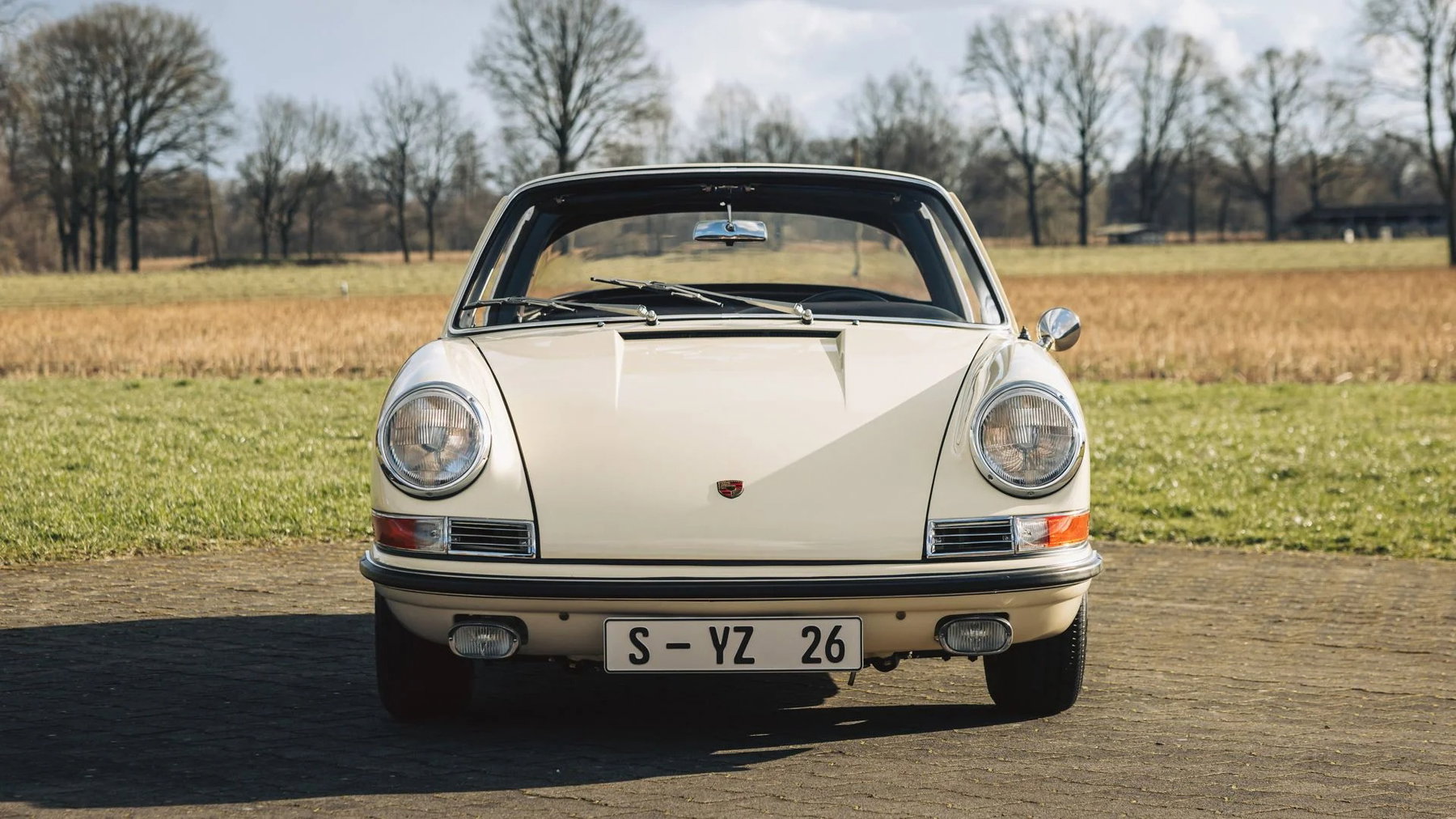
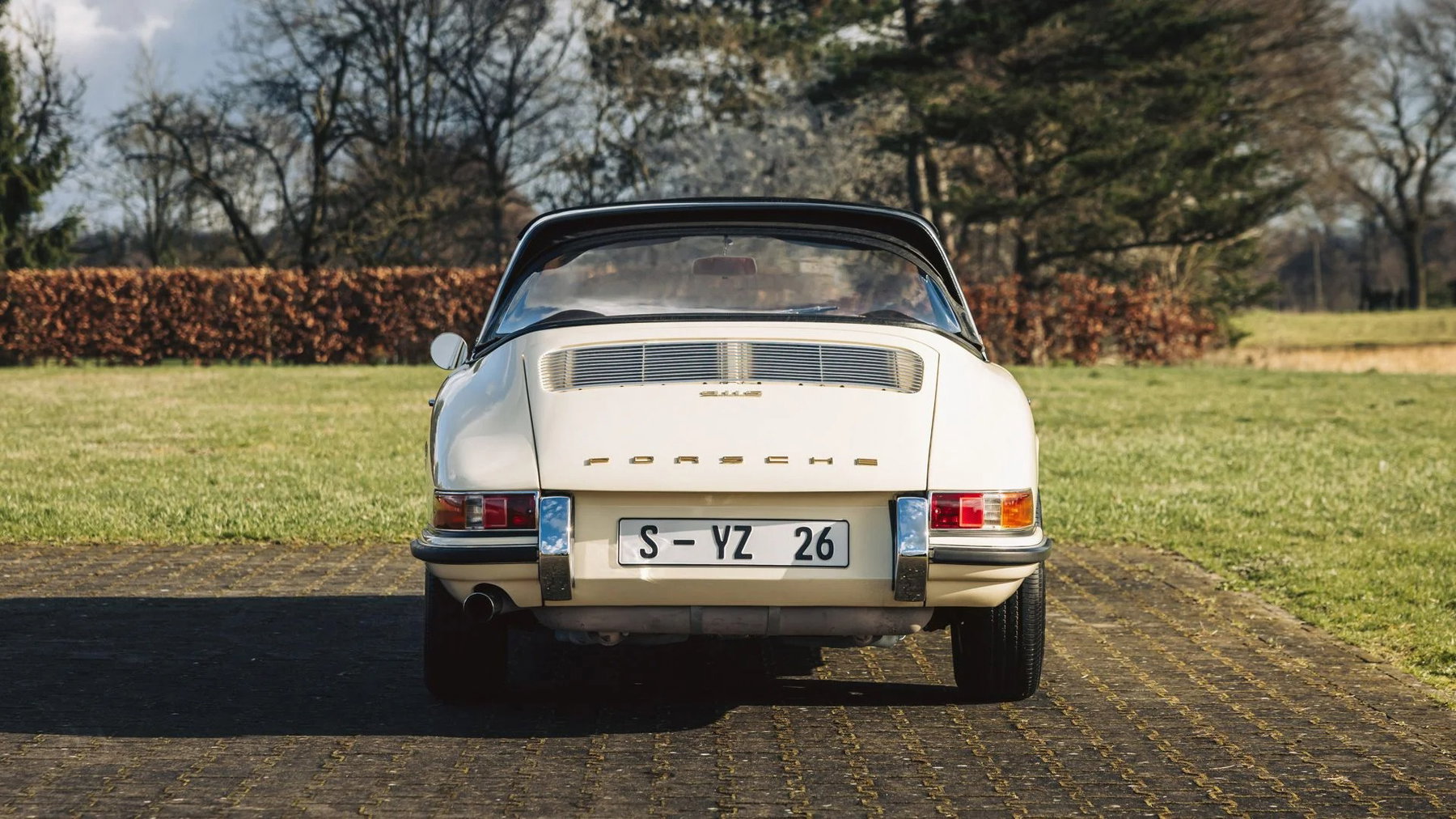
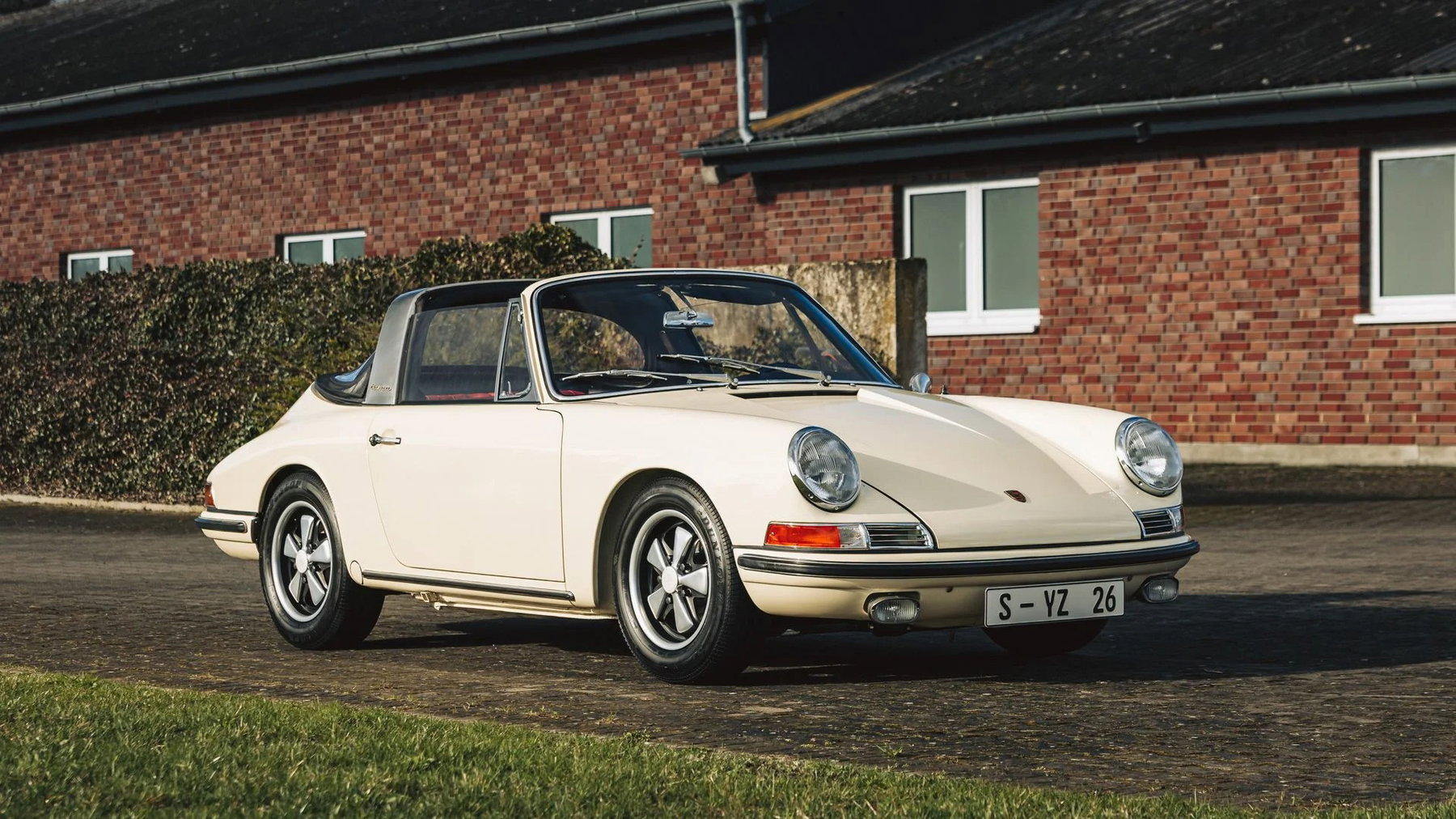
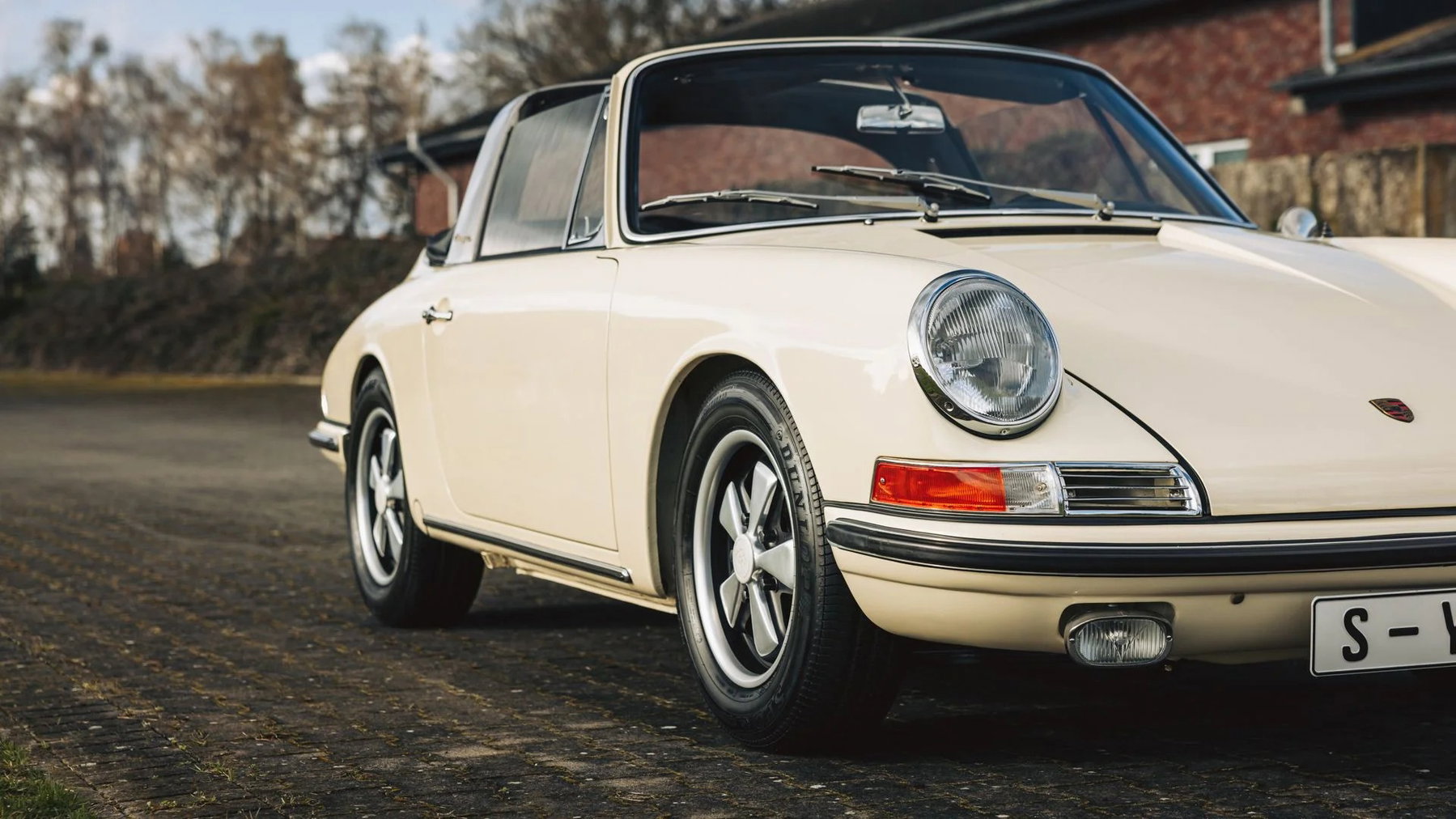
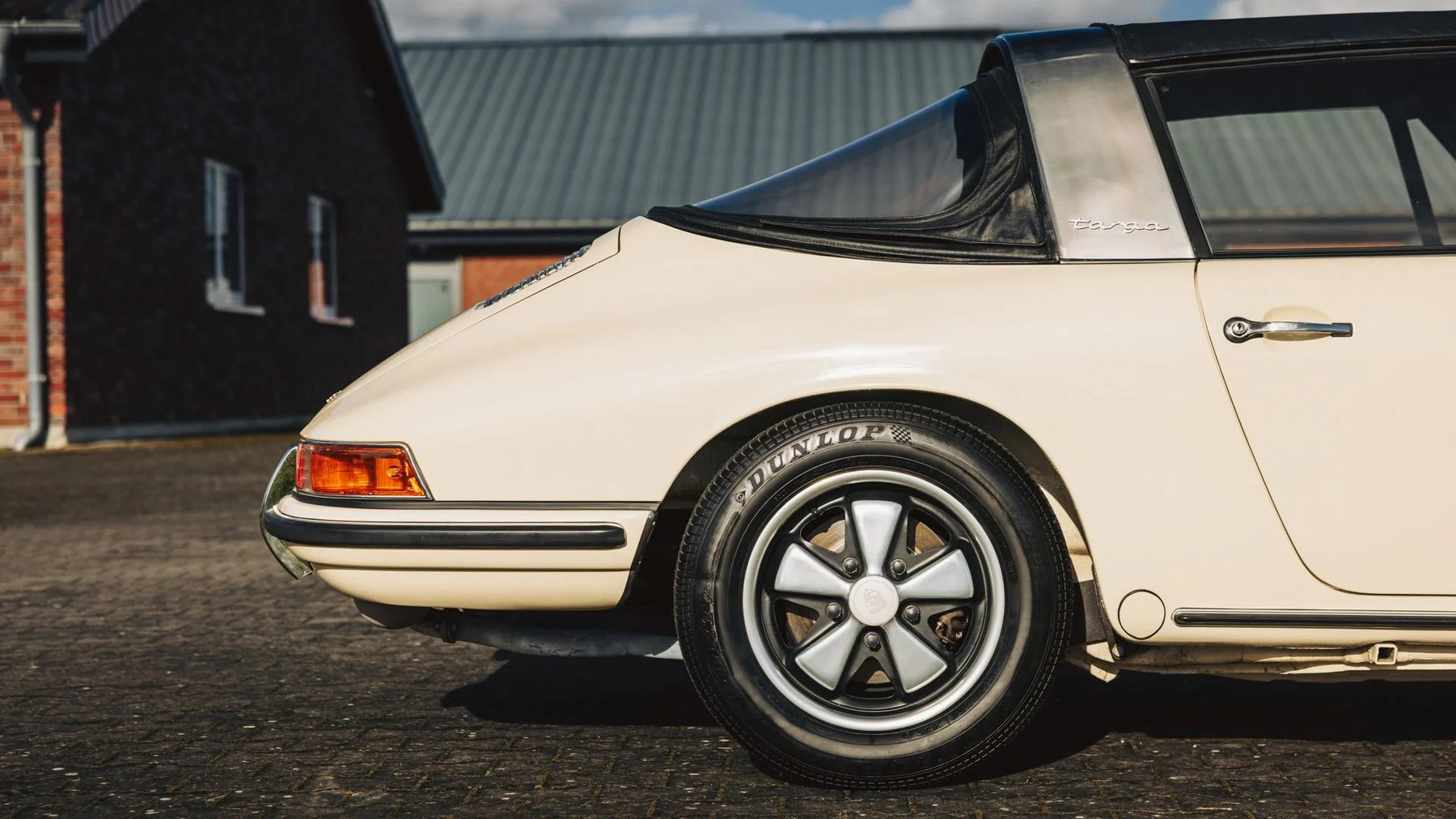
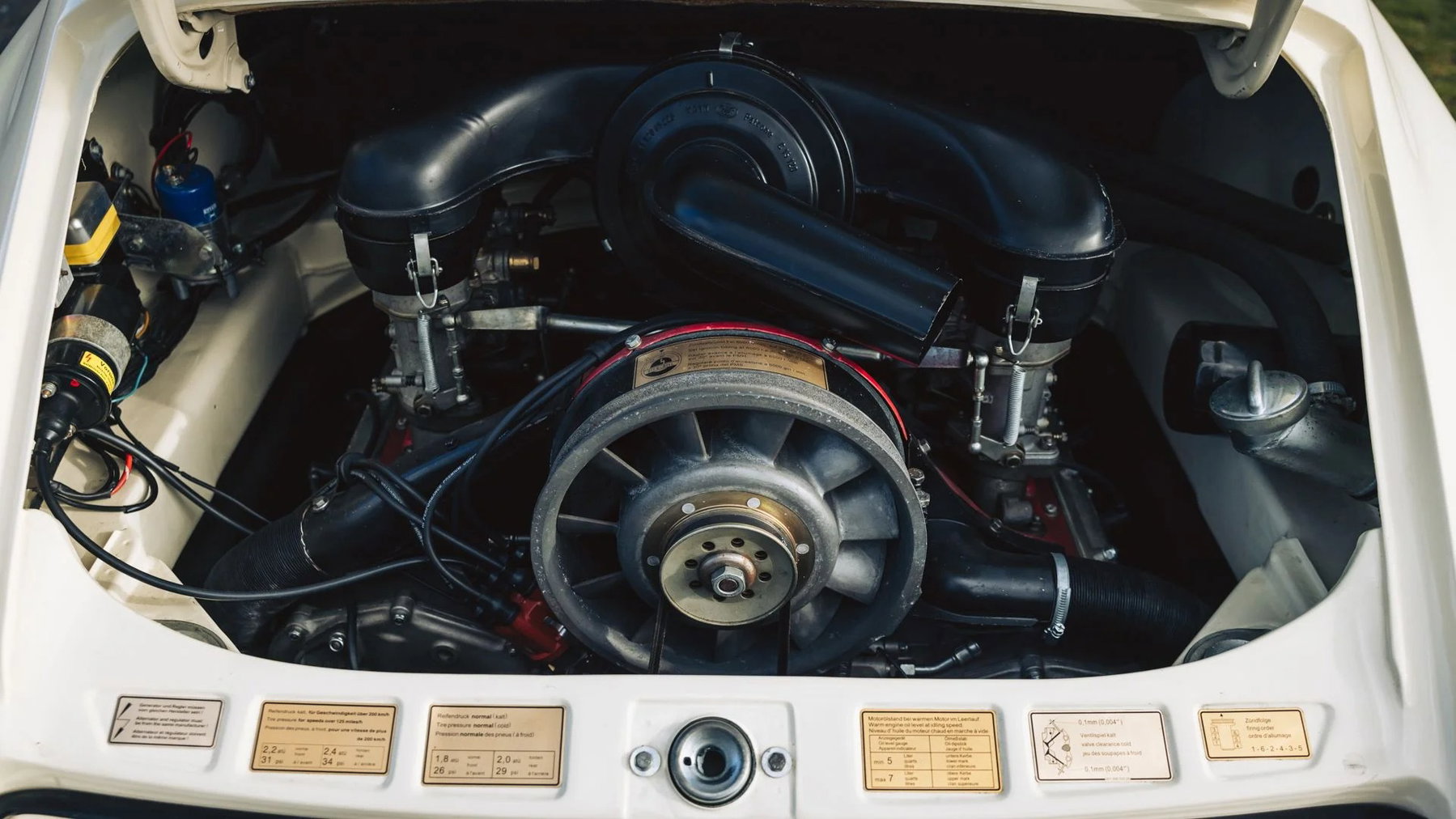
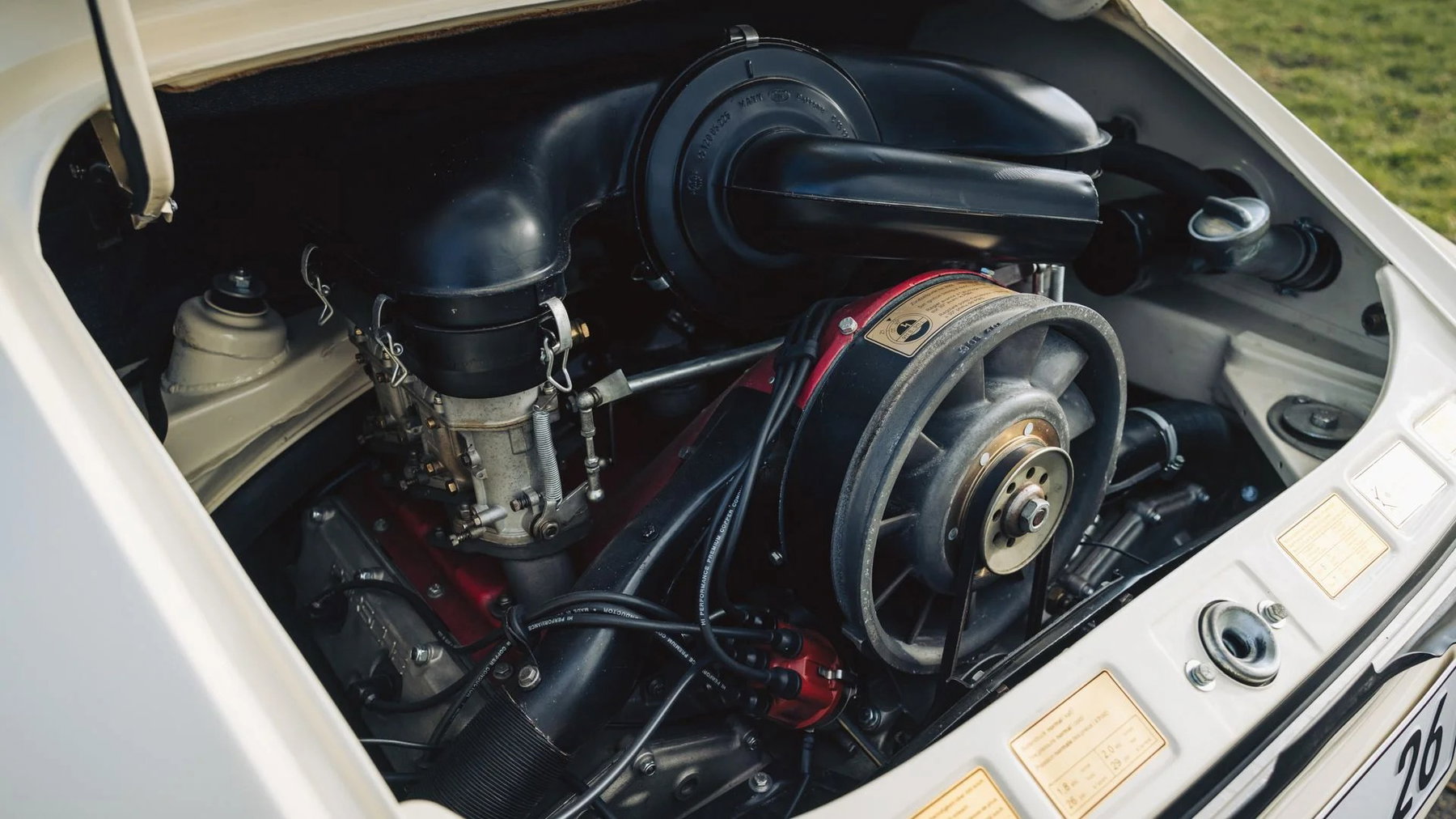
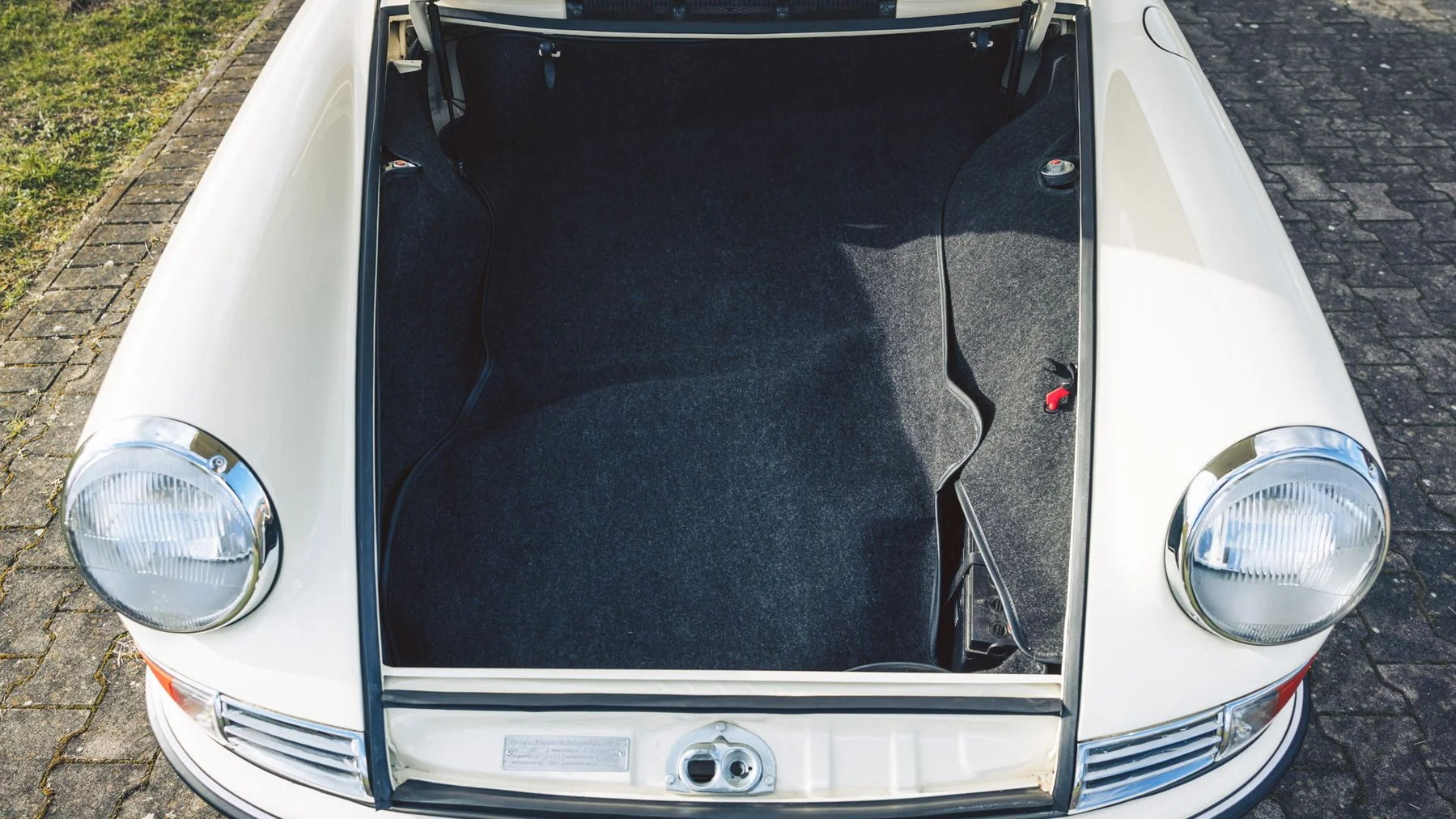
As a factory Versuch test prototype, Neerpasch’s 911, chassis number 500100 was no ordinary soft window Targa. According to a digital copy of its Kardex available for review, the Händler or dealer is indicated as “WE” likely short form for “WERK” or factory. Its first owner on the document is noted as “Versuch.” As a test vehicle, it was one of the first of its type to feature the Type 901/02 160 PS, 2.0-liter 911 S engine. Notably, its engine number, 900 054, it falls squarely within the range of numbers reserved exclusively for prototype use, as every engine numbered between 900 001 and 900 100 was set aside for the test department—the first production 901 to leave the factory after 14 September 1964 carried a number above 900 100, placing this unit firmly in pre-series territory. To the consignor’s knowledge, no other surviving 911 targa features a lower engine number original to its chassis. Even the very first 911 targa with chassis number 500 001 received a higher engine number (900 059). Engine 900 054 is one of the oldest surviving Type 901/02 911 S engines in existence. Furthermore, the car carries transmission number 11, which former Porsche development engineer Peter Falk identified as almost certainly an internal designation used by the test department. In addition, the engine carries the letters “LL” which, according to the owner’s research, are the initials of the engineer that worked on the engine.
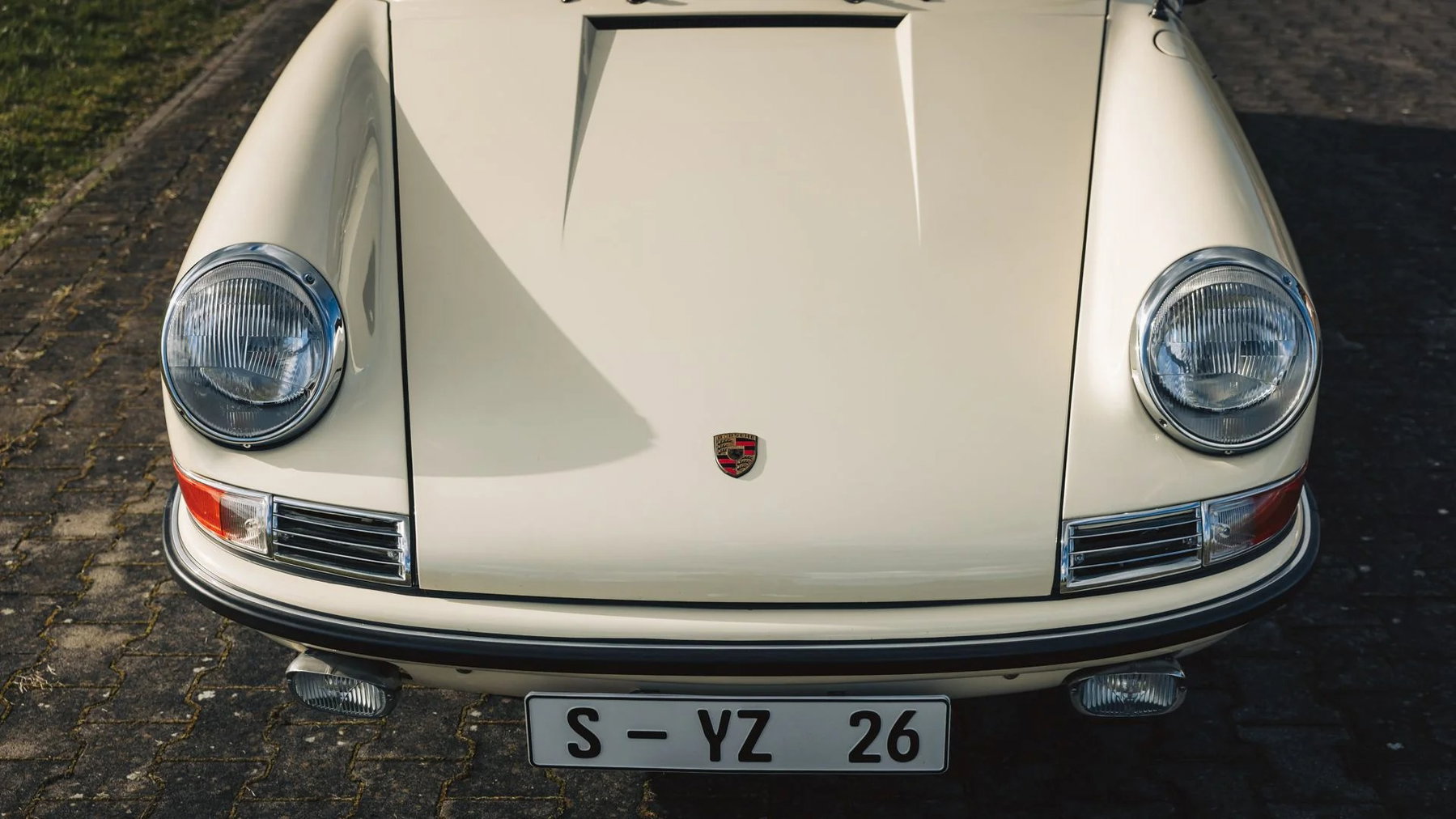
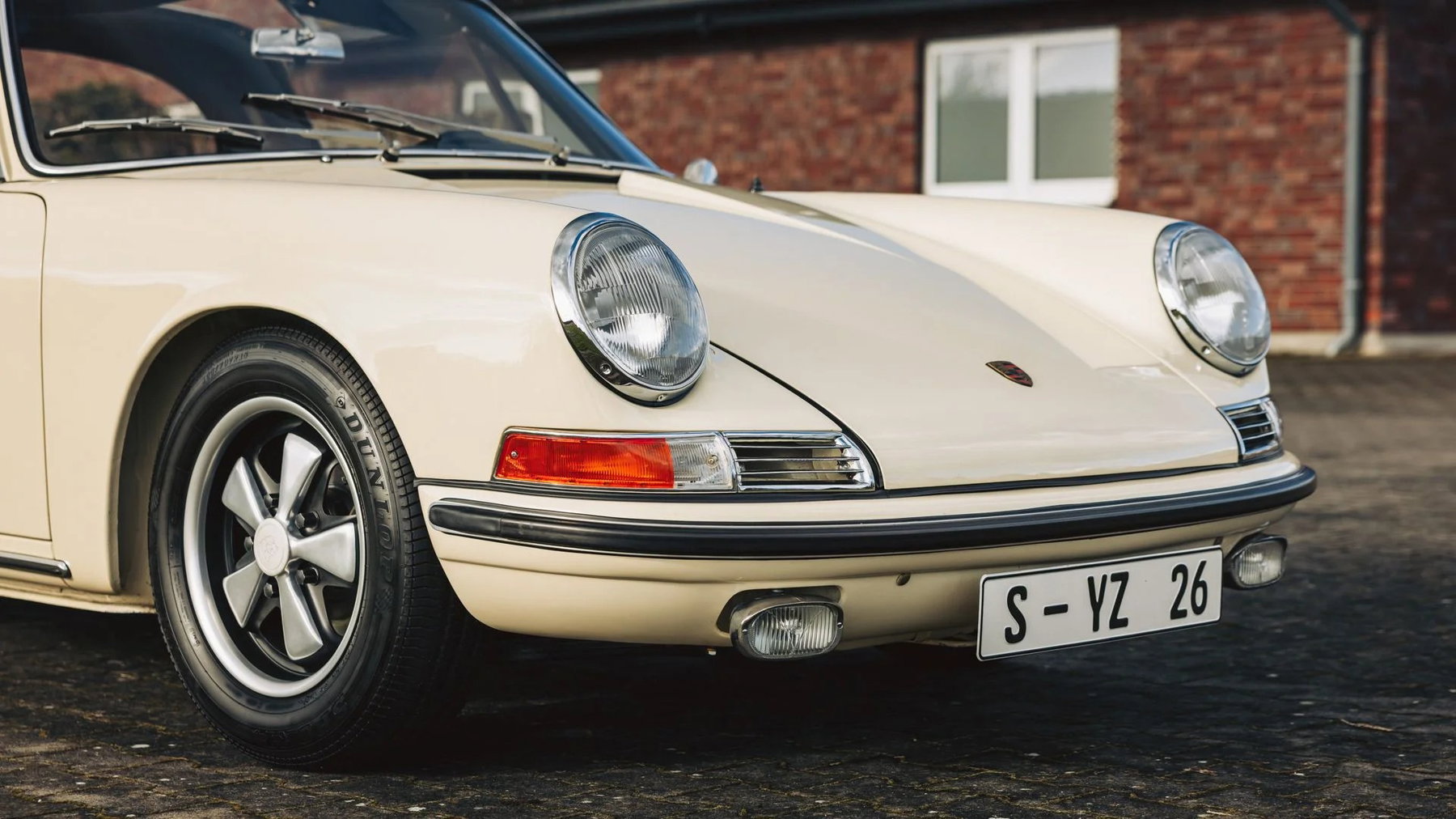
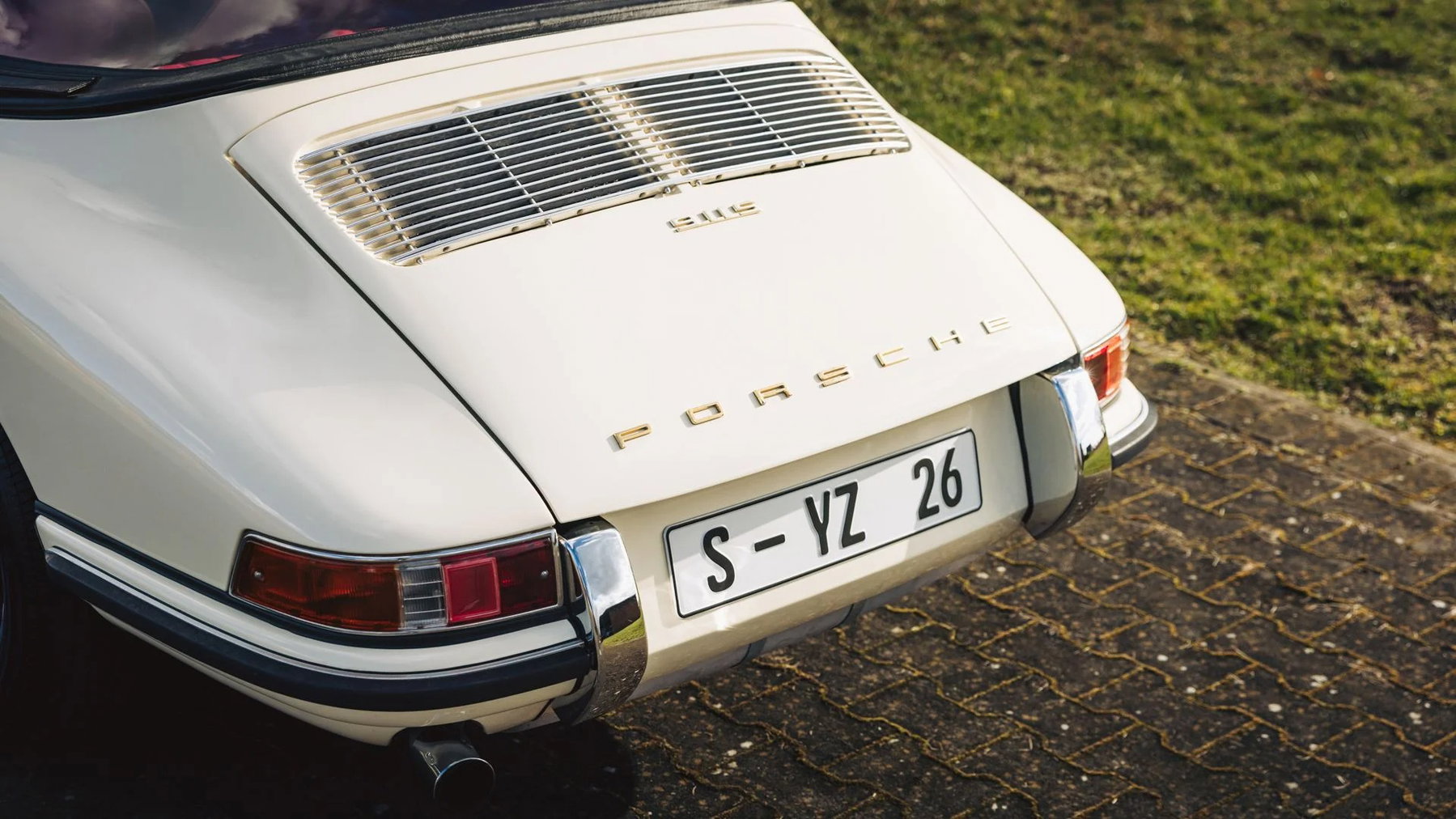
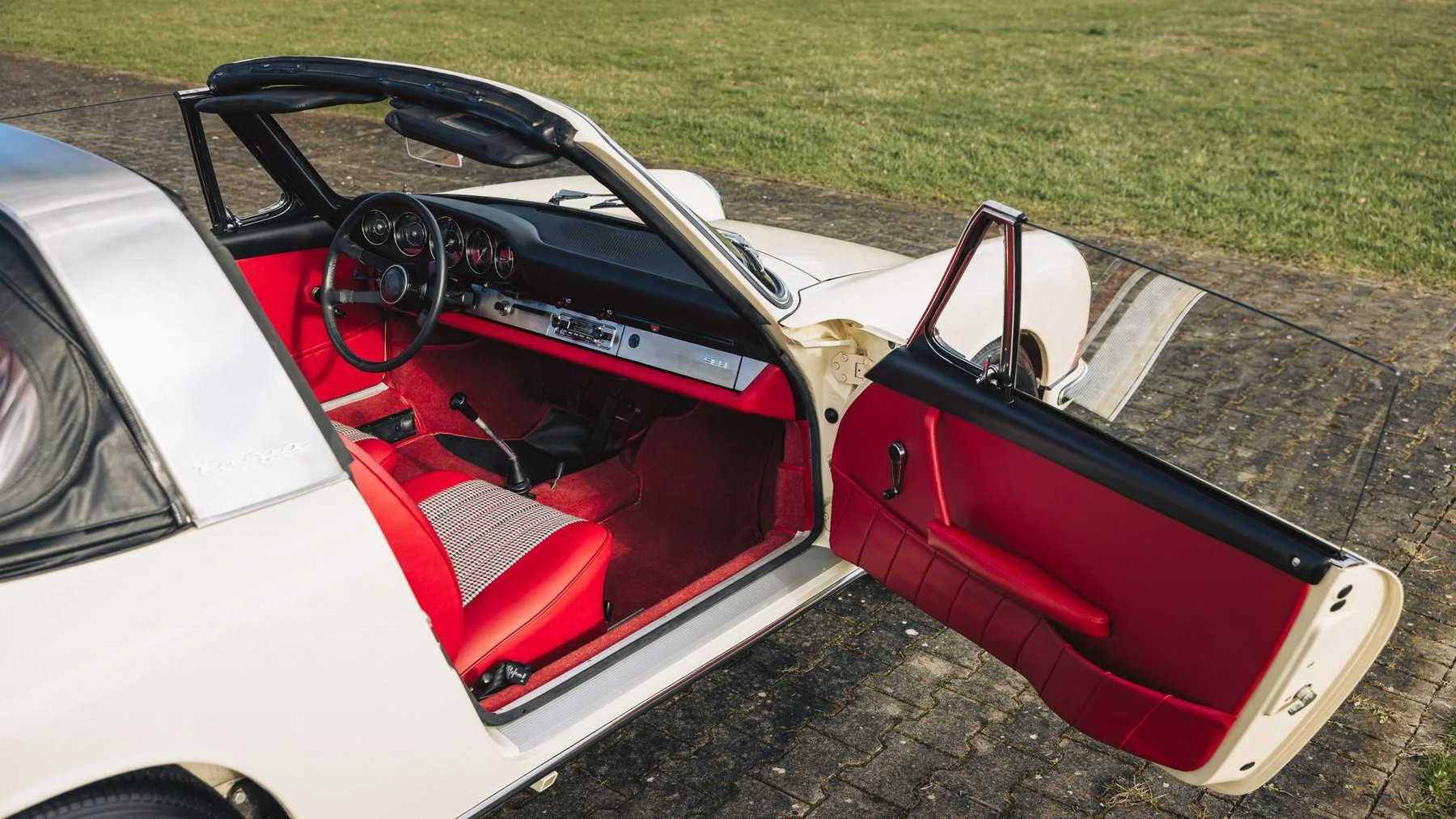
Additionally, the consignor notes that during restoration it was found that Porsche had made an effort to increase the unibody’s rigidity with extra beams in the sills and additional reinforcement in the roof to work in concert with the more powerful S engine. Likely due to its early career with the test department, the Kardex omits any optional extras, key codes, and even a transmission number! A famously thrifty company, once the Porsche test department had completed its evaluations, the team did not destroy this prototype but instead refreshed and then loaned it to the press department and to Neerpasch as a company car licensed as “S-YZ 26” to use at the Targa Florio and various other races. Finishing second in class and third overall in his 910, Neerpasch clearly made good use of his time in the 911, and just a few months after the Targa Florio and finishing second in the 2.0-liter class at Le Mans, he decided to purchase 500100 himself! The Kardex notes at the top, “v. Versuch geliefert” translated as “delivered from testing” with Jochen Neerpasch noted as the second owner after the testing department with a sales date of 15 September 1967. Factory records further document that the car was serviced at Brussels Porsche dealer D’Ieteren in March 1967, a visit that, according to Jürgen Barth, coincided with the car likely being temporarily entrusted to Belgian racing driver and journalist Paul Frère. A further notation in the factory documents records a directive from the head of Porsche’s development division that the car’s papers were to be returned to the Hausfahrdienst—the factory’s own vehicle management service—following each journey.
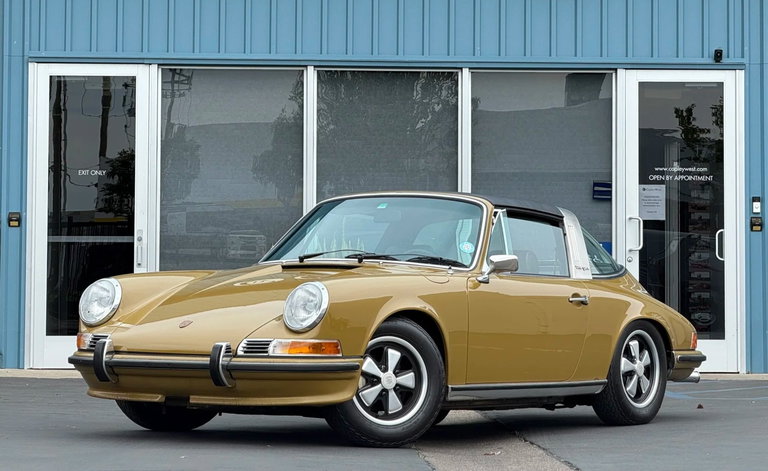
Neerpasch’s time with the soft window Targa must have made quite the sentimental impression for him to bring it into his own personal stable. Retiring from racing at the age of 29, Neerpasch became the chief of Ford’s European competition department in Cologne, Germany. With the new job came a new company car—an AC Cobra—and with that, he sold his special Targa, after which it arrived in the United States by at least 1983. According to a 2019 feature in the German magazine Porsche Fahrer, in 1983 the car had come into the possession of Wayne Merritt, owner of one of California’s largest scrapyards. Painter Barney Alarcon had completed work for Merritt and, as payment, was permitted to choose any car from the yard; he selected this 911 Targa and had it refinished in blue metallic, painting over the original red seats in black. Alarcon drove the car for several years before selling it in 1989 to Robert Bivens, with whom it sat undriven for the next 25 years until it was discovered in 2014 by the consignor, who saw something special in the neglected Targa and sent it to Patrick Motorsports of Phoenix, Arizona for evaluation.
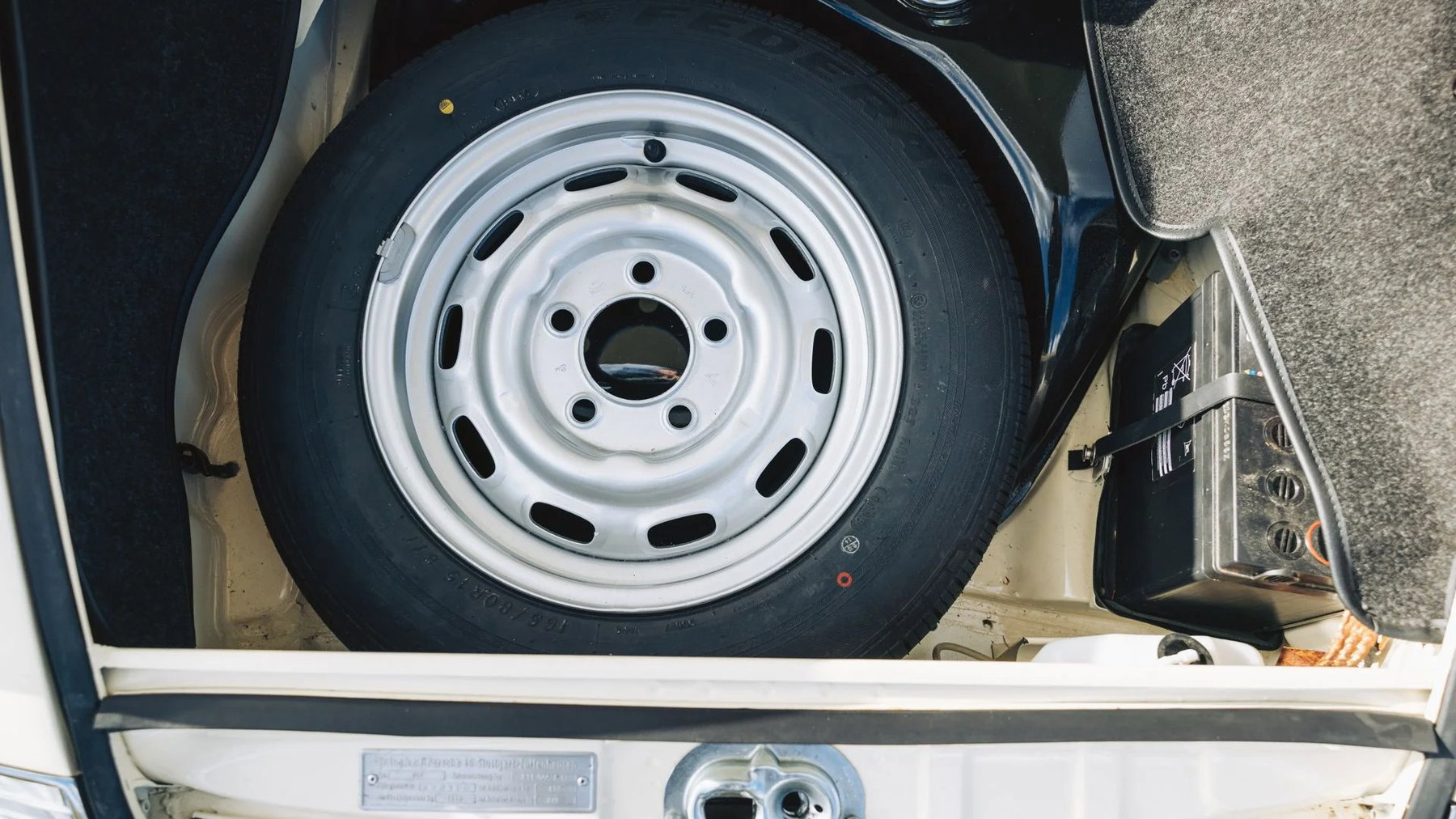
Arriving at Patrick Motorsports, 500100 was stripped with the years of neglect now evident, yet it still remained an interesting, numbers matching early 911 project. At the same time the restoration began, the consignor began a dogged search to discover the reasoning behind its low serial number 2.0-liter engine, a transmission serial number of “11,” and a host of other unusual features. Through careful and diligent work, it was revealed that the engine—tantalizingly stamped with motorsport department-style typeface—and likely the transmission are the original numbers-matching units. In pursuit of answers, the consignor consulted many of those who had worked in the Experimental Department during 1965 and 1966, among them Jochen Neerpasch, Peter Falk, Jürgen Barth, Hans Metzger, Herbert Linge, Norbert Singer, and Tobias Aichele. “Not one conversation led to a breakthrough, but each time I got snippets of new information, until finally it all came together.” With the complete restoration of the soft window Targa well underway, starting with chassis number 500100 proved to be an astute decision!
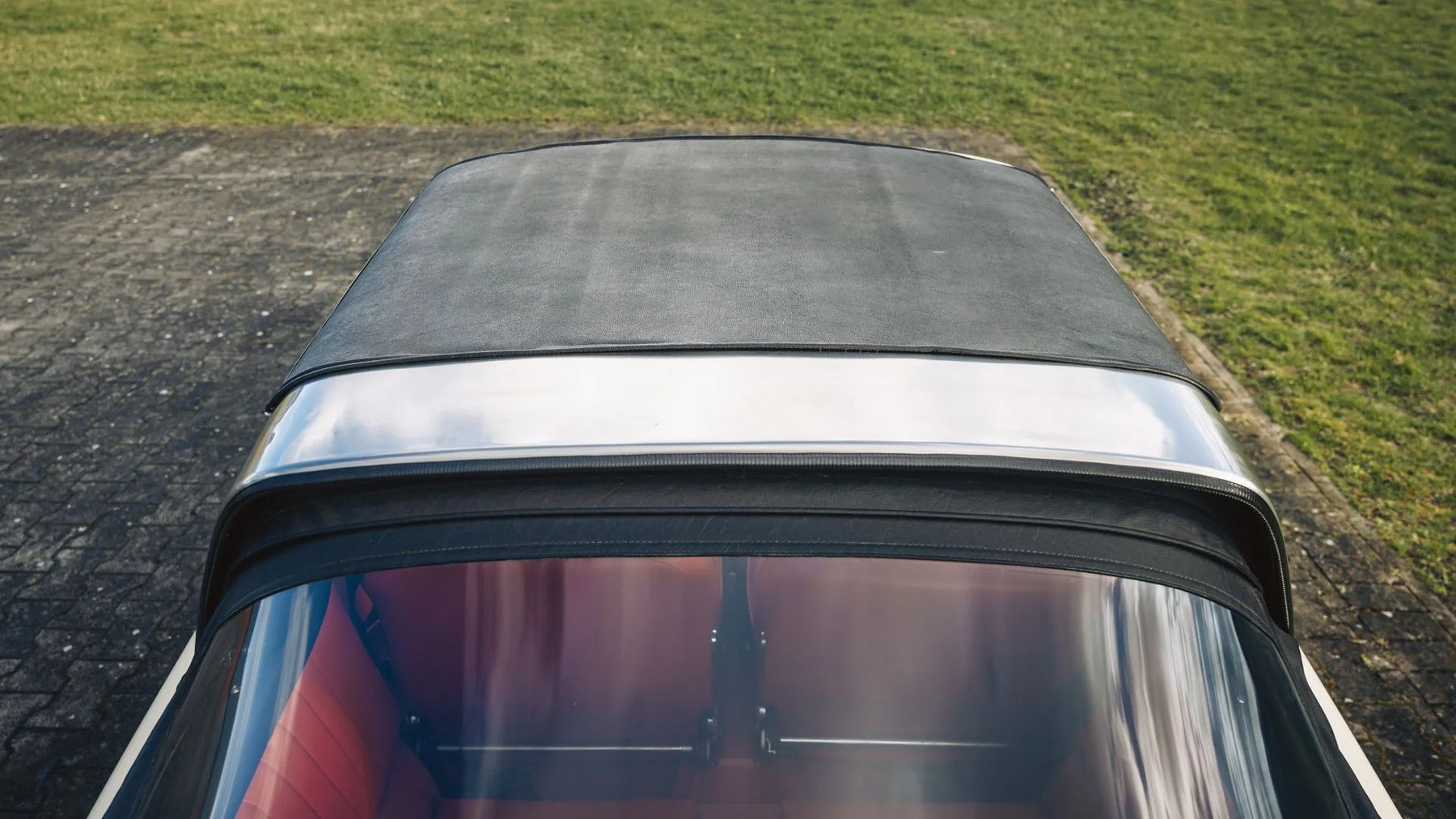
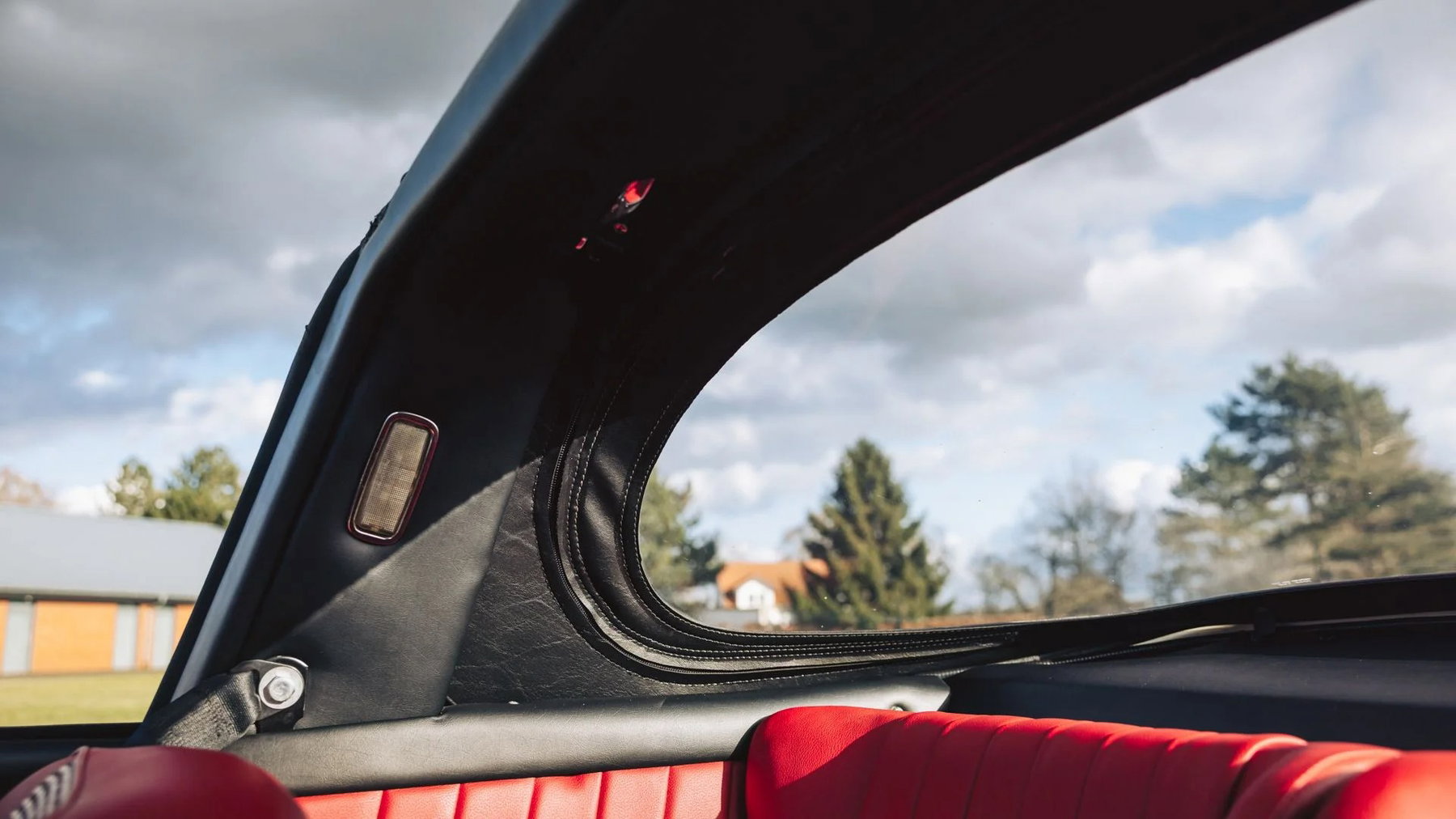
Upon completion of the years long restoration, Neerpasch was reunited with his former Targa, fittingly at the Nürburgring, an occasion that drew substantial attention in the specialist press, with features appearing in the German magazine Porsche Fahrer, a multi-page piece in Panorama, the Porsche Club of America’s journal, a major article in Octane, and an article on the drivestoday.com. While famously reserved, Neerpasch savored every moment behind the wheel for his former car, remarking that even though he is a BMW man through and through, the 911, “is all so light and reactive to drive.” The reason he purchased his former recce car from Porsche? Motioning to the open air motoring, sans-Targa top with the rear soft window folded down, “This Targa feeling, that made it special for me.” Those owners of early 911 soft window Targas, as few as they may be, would likely agree—even without the pedigree of this unique factory-owned “Versuch” example.
Continue reading






























 1970
1970 
 1971
1971