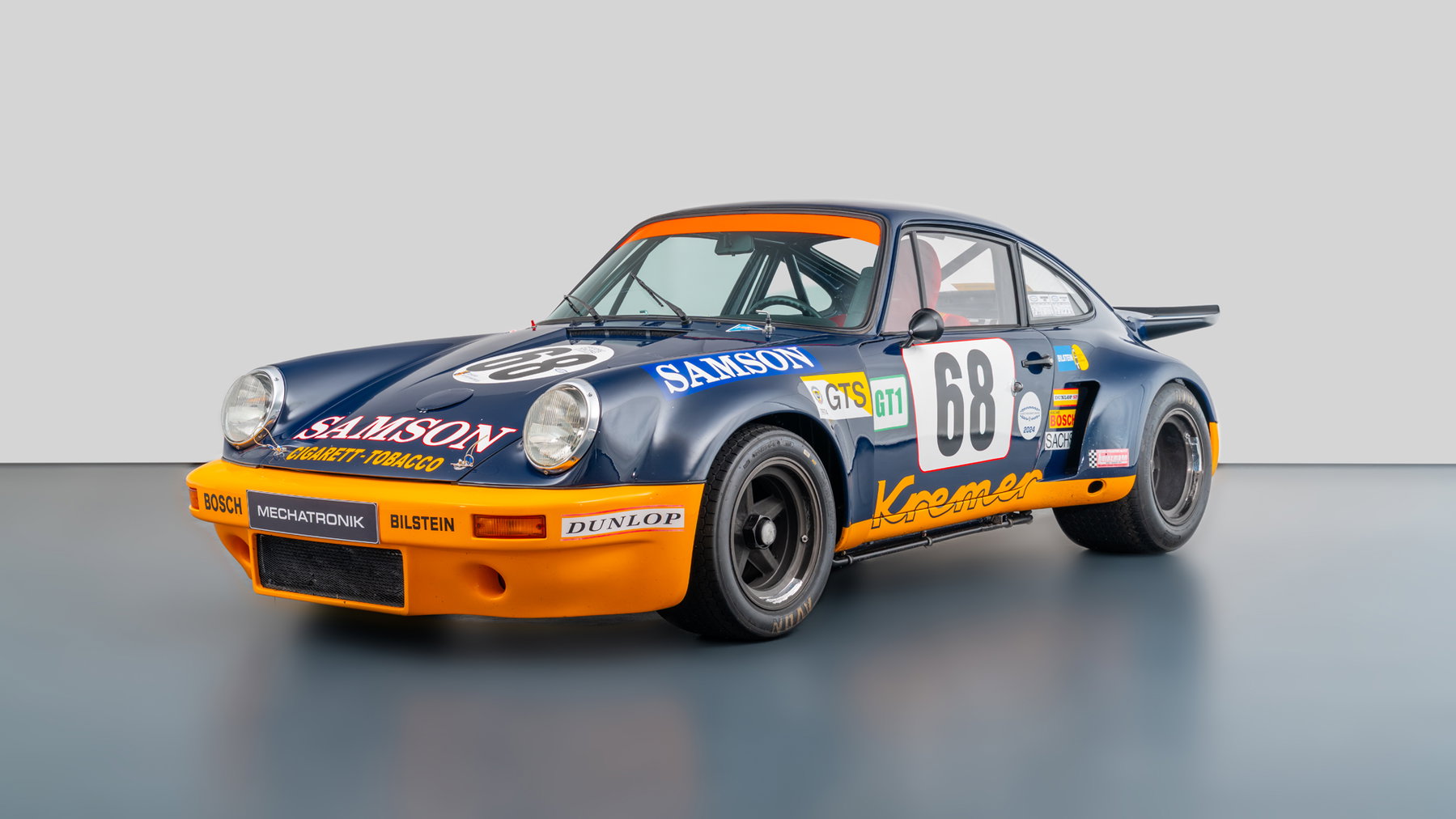
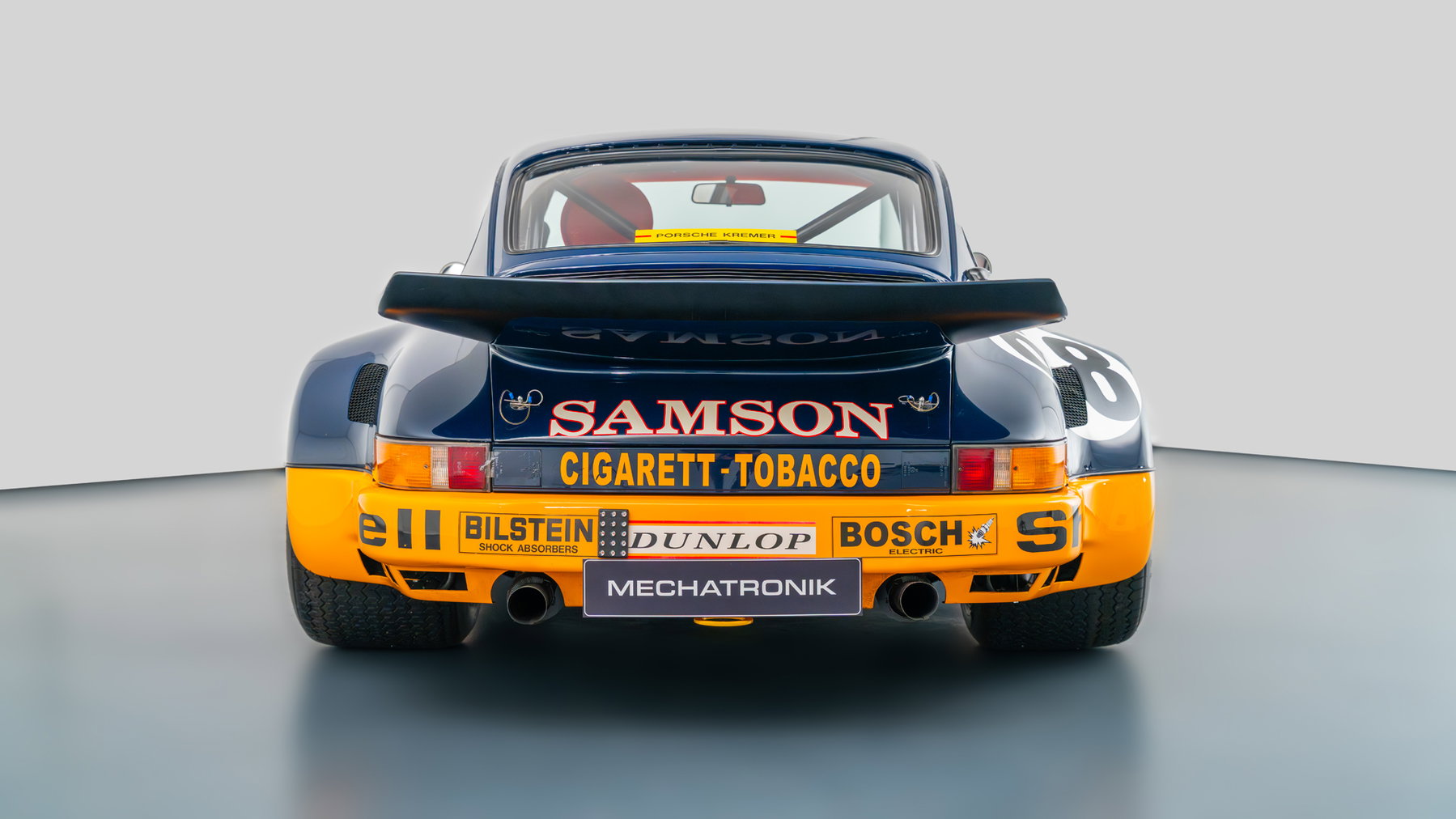
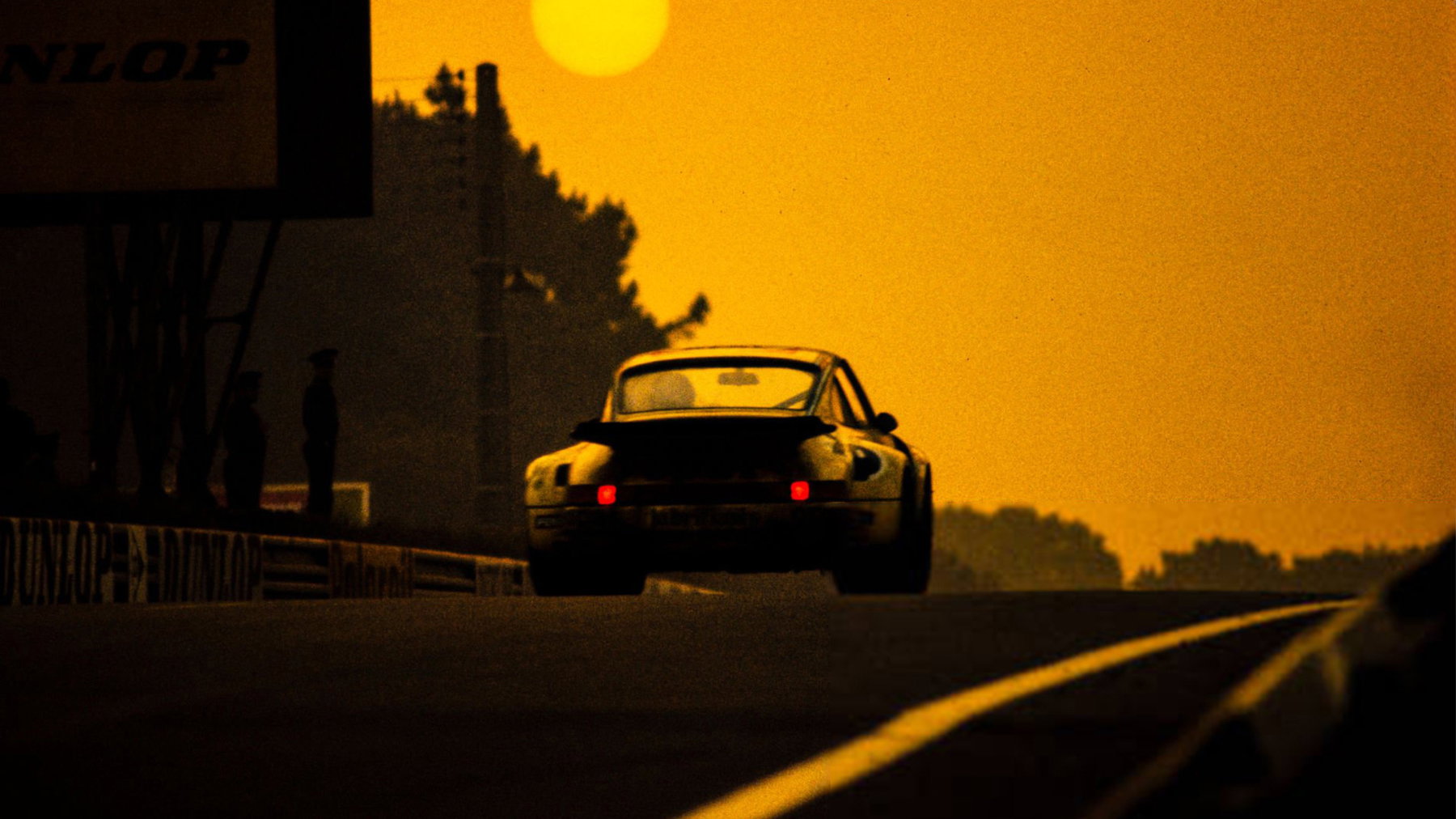
After the 1974 season and the championship, Kremer Racing sold Chassis 0006 to Paris-based Louis Meznarie, who served as Porsche’s official engine tuning expert from 1971 to 1983. By 1977, in preparation for the 24 Hours of Le Mans, the RSK 3.0 was converted into the aerodynamic 934/5, though this involved only aesthetic components and not the engine. In a letter dated April 5, 1977, to Meznarie, the A.C.O. informed him that his application to participate in the 1977 24 Hours of Le Mans had been accepted and that he was invited to the preliminary test. The subsequent letter dated May 20 assigned the car start number 43. A photo from that time shows the car with the 934/5 body during scrutineering at Le Mans in 1977. In qualifying, driver Thierry Sabine set a lap time of 4:31.6, which was not fast enough to qualify for the main race.
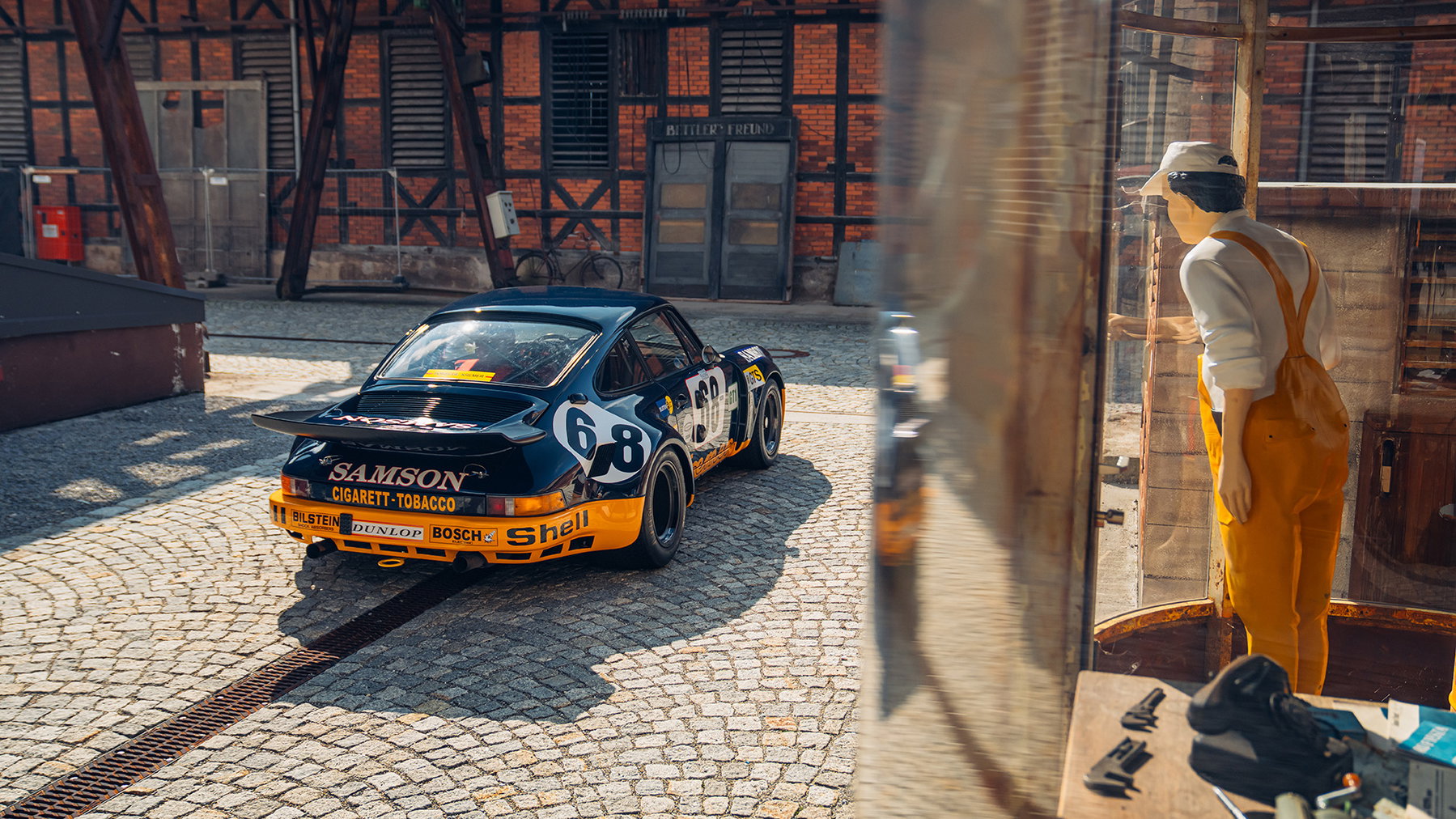
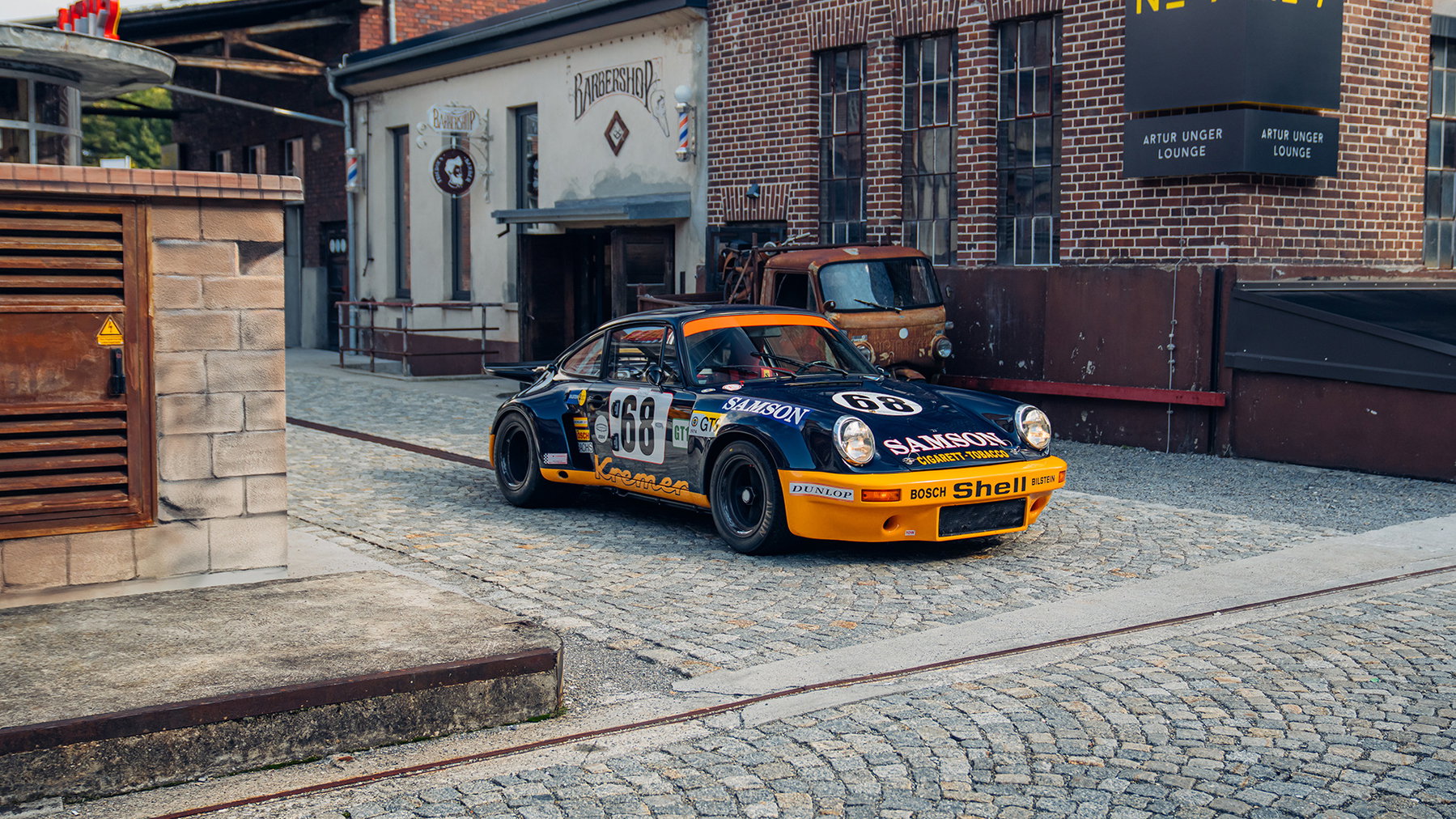
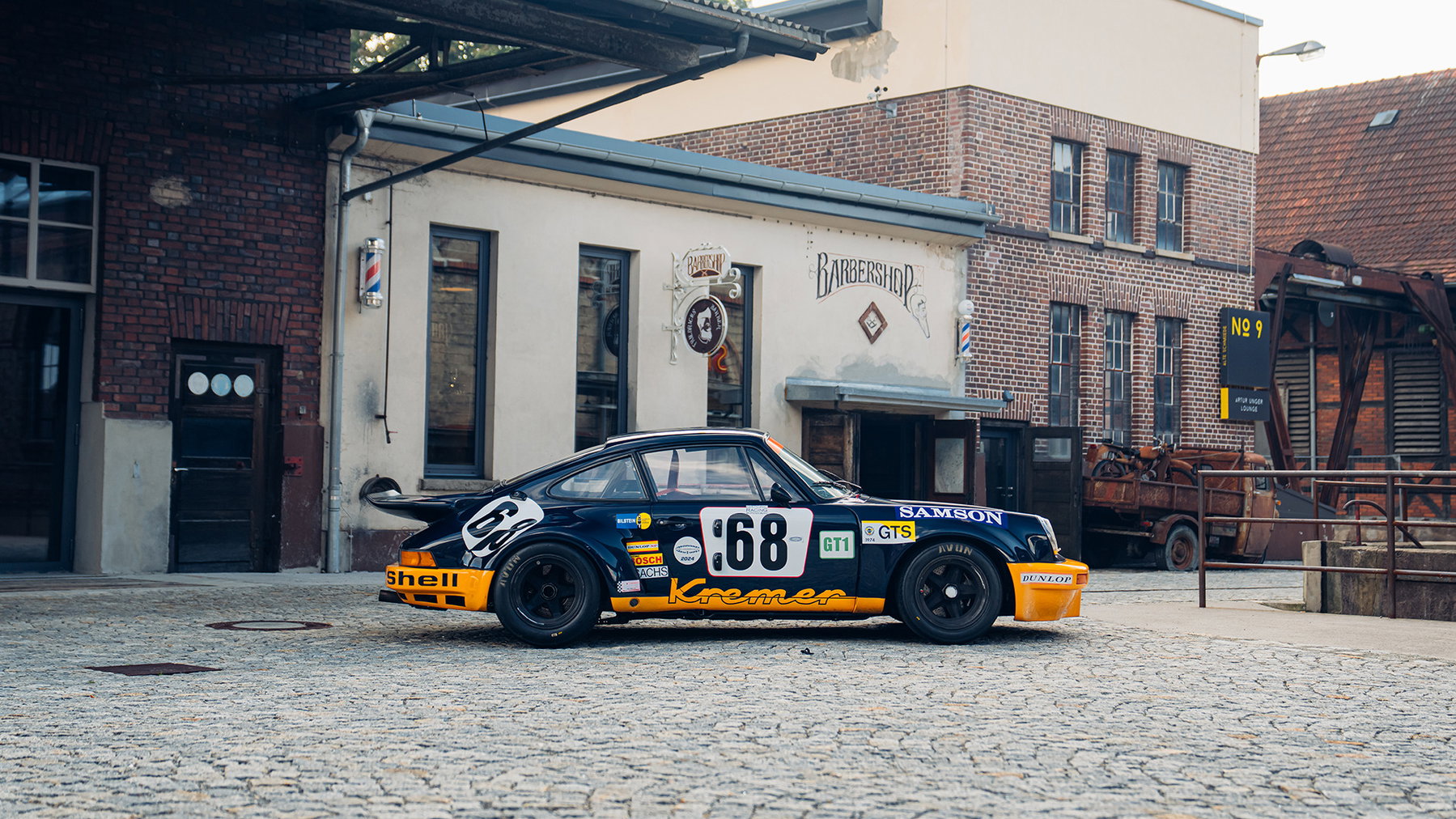
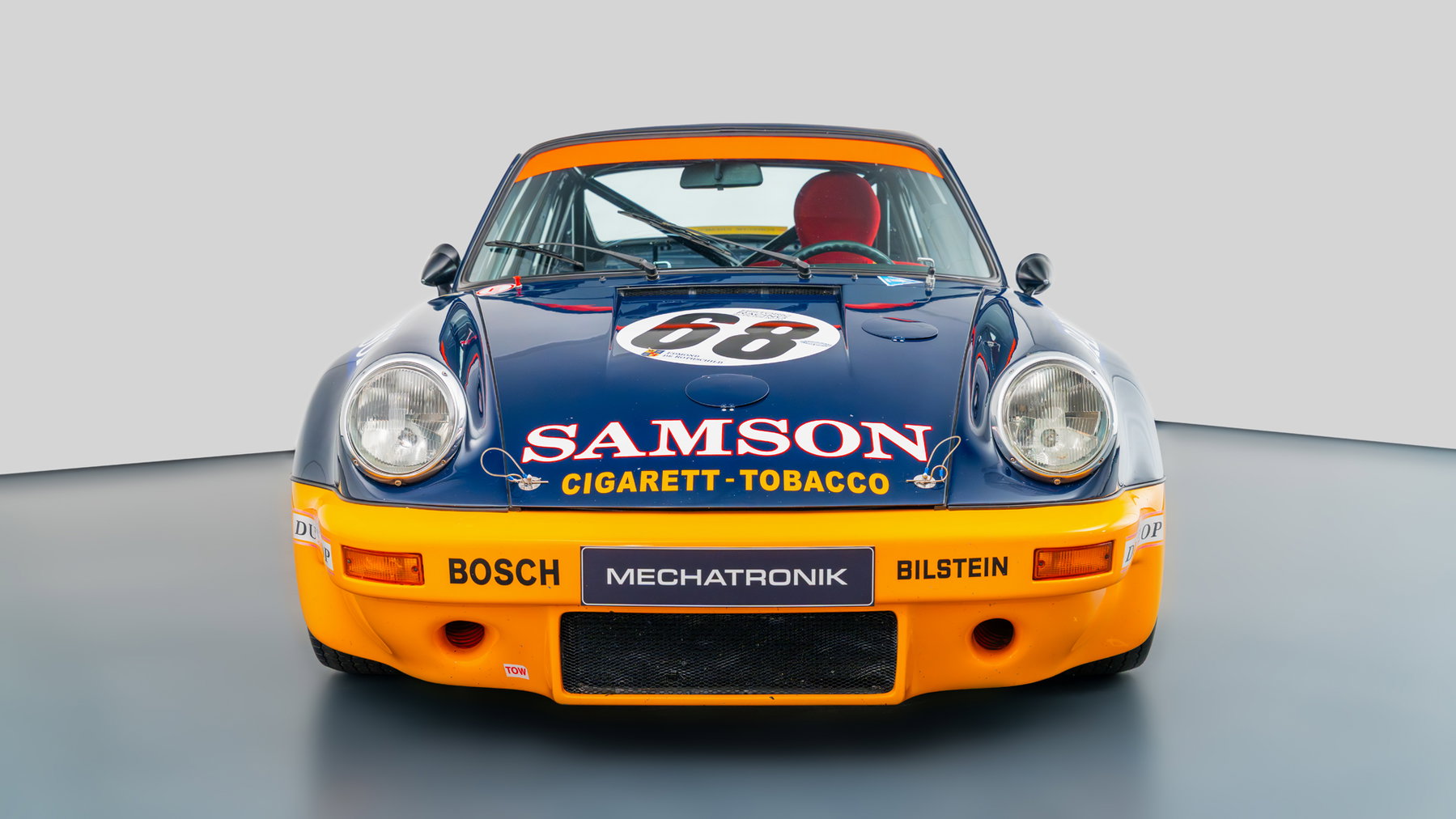
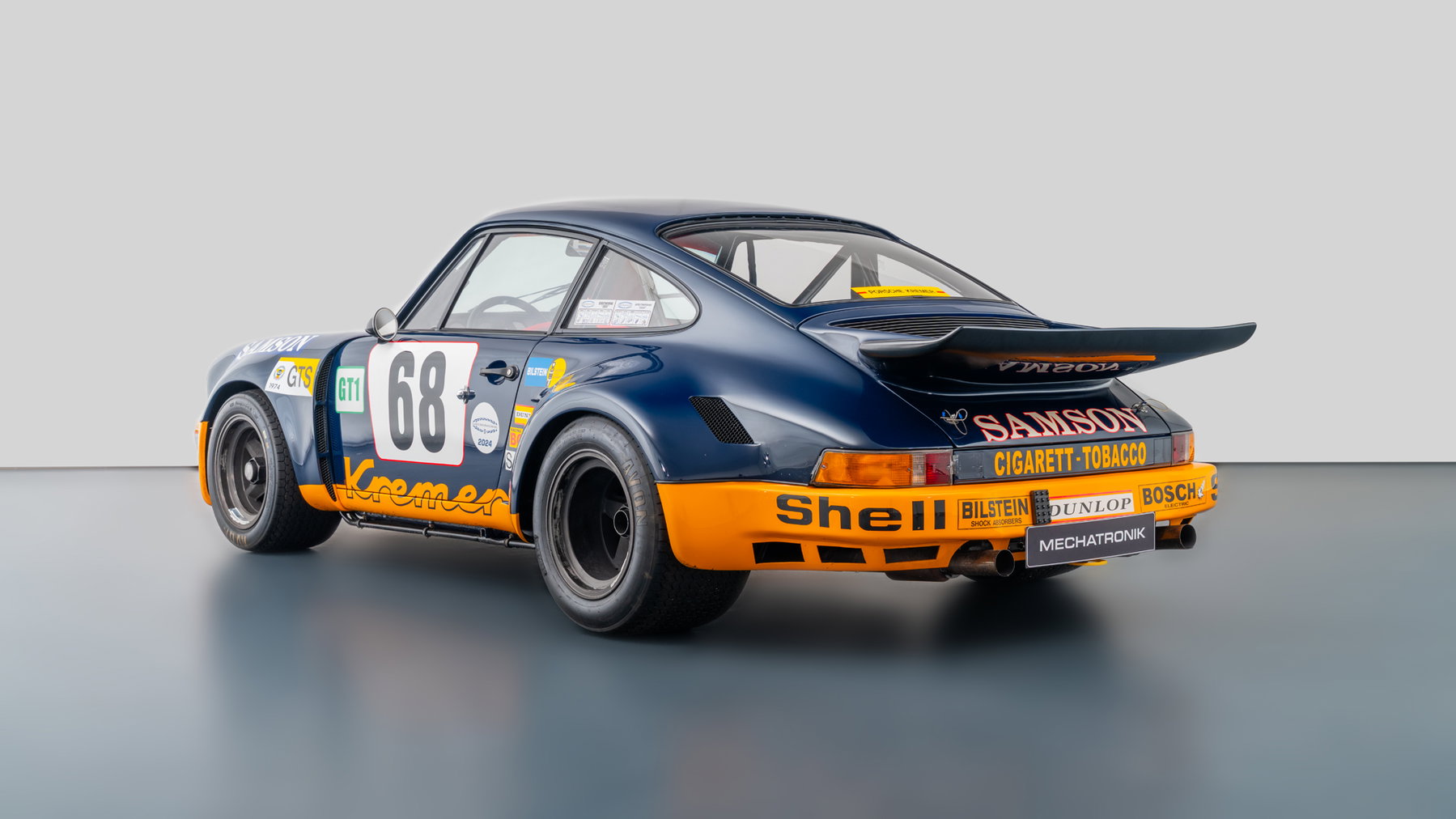
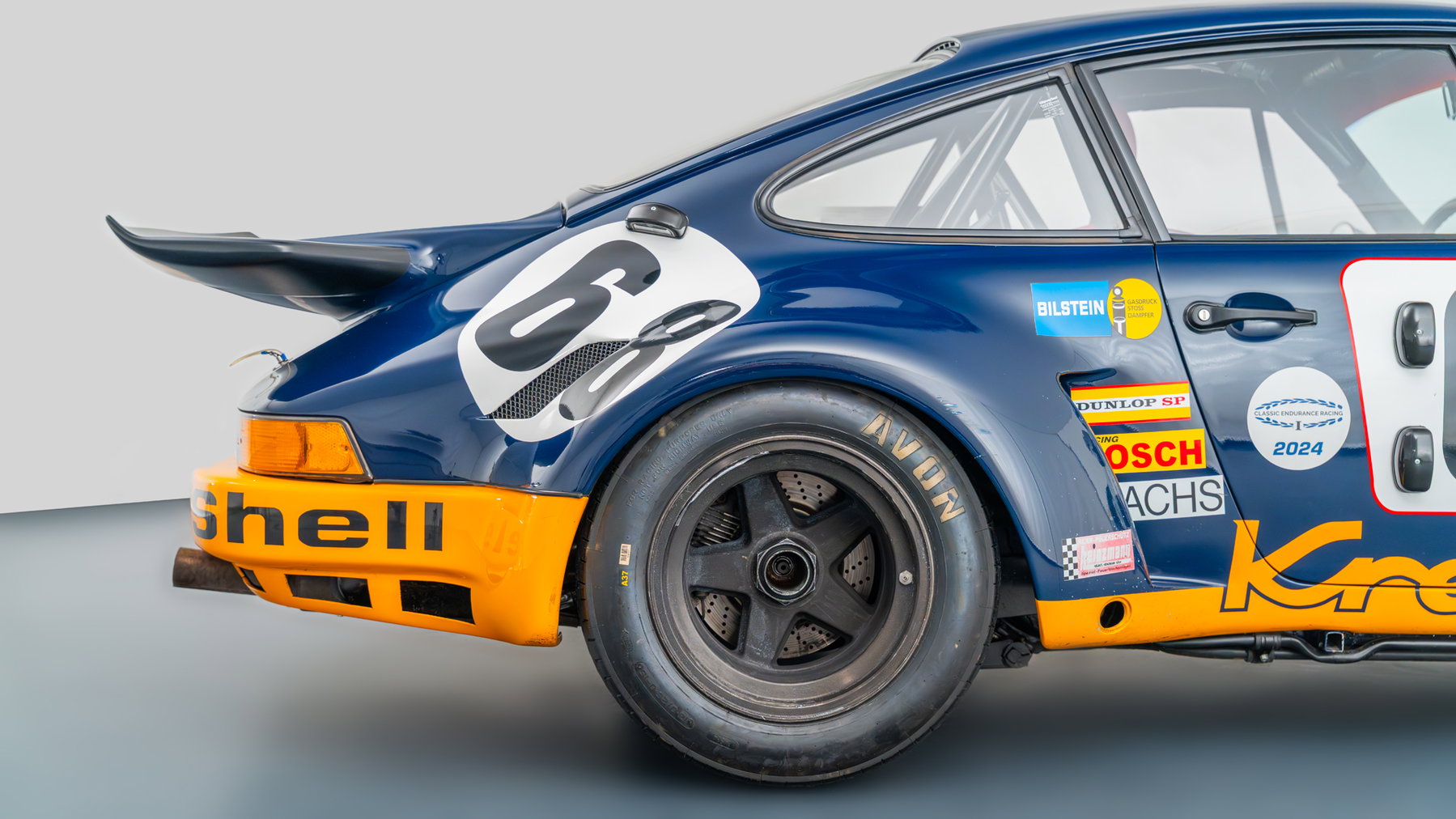
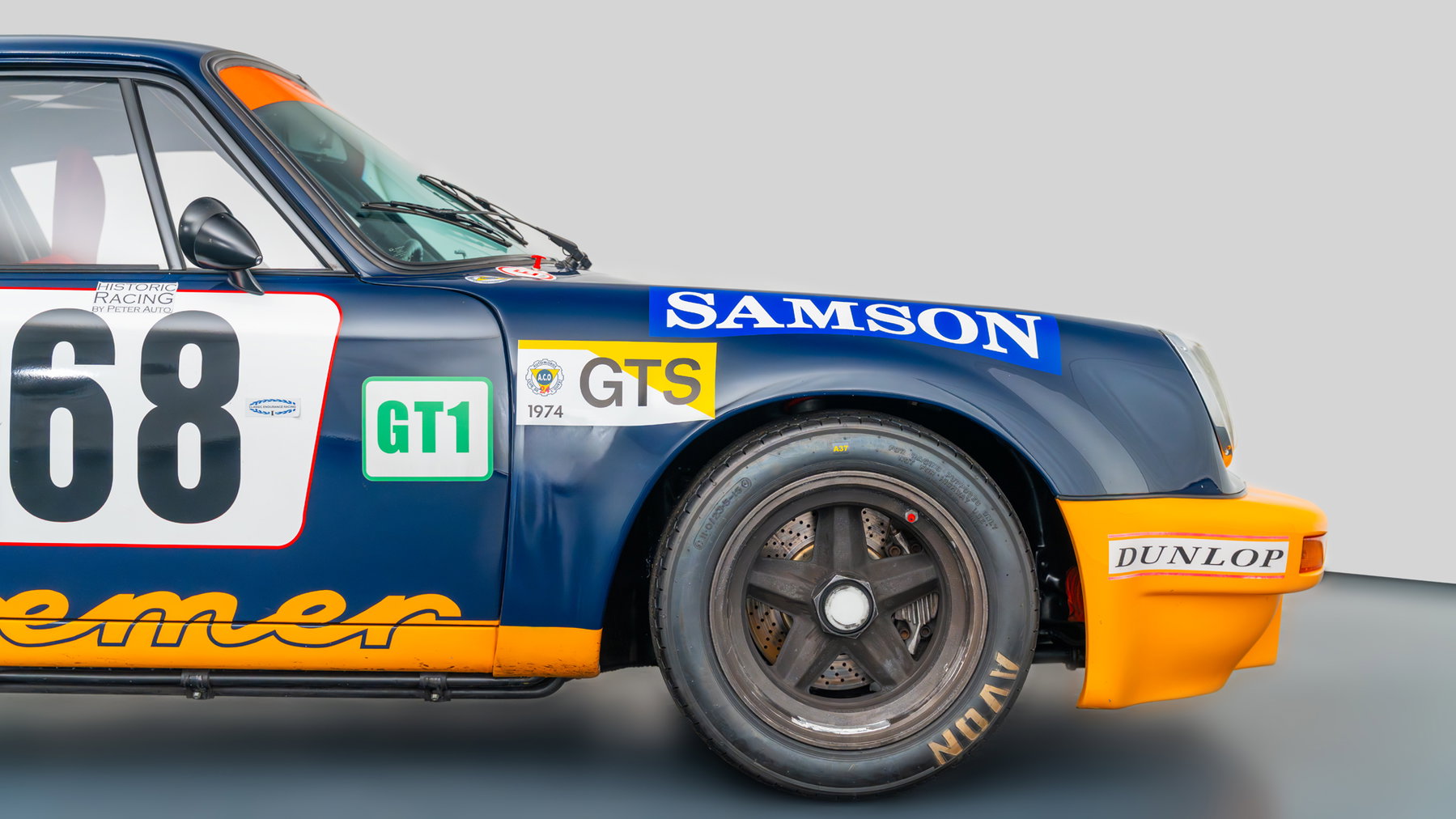
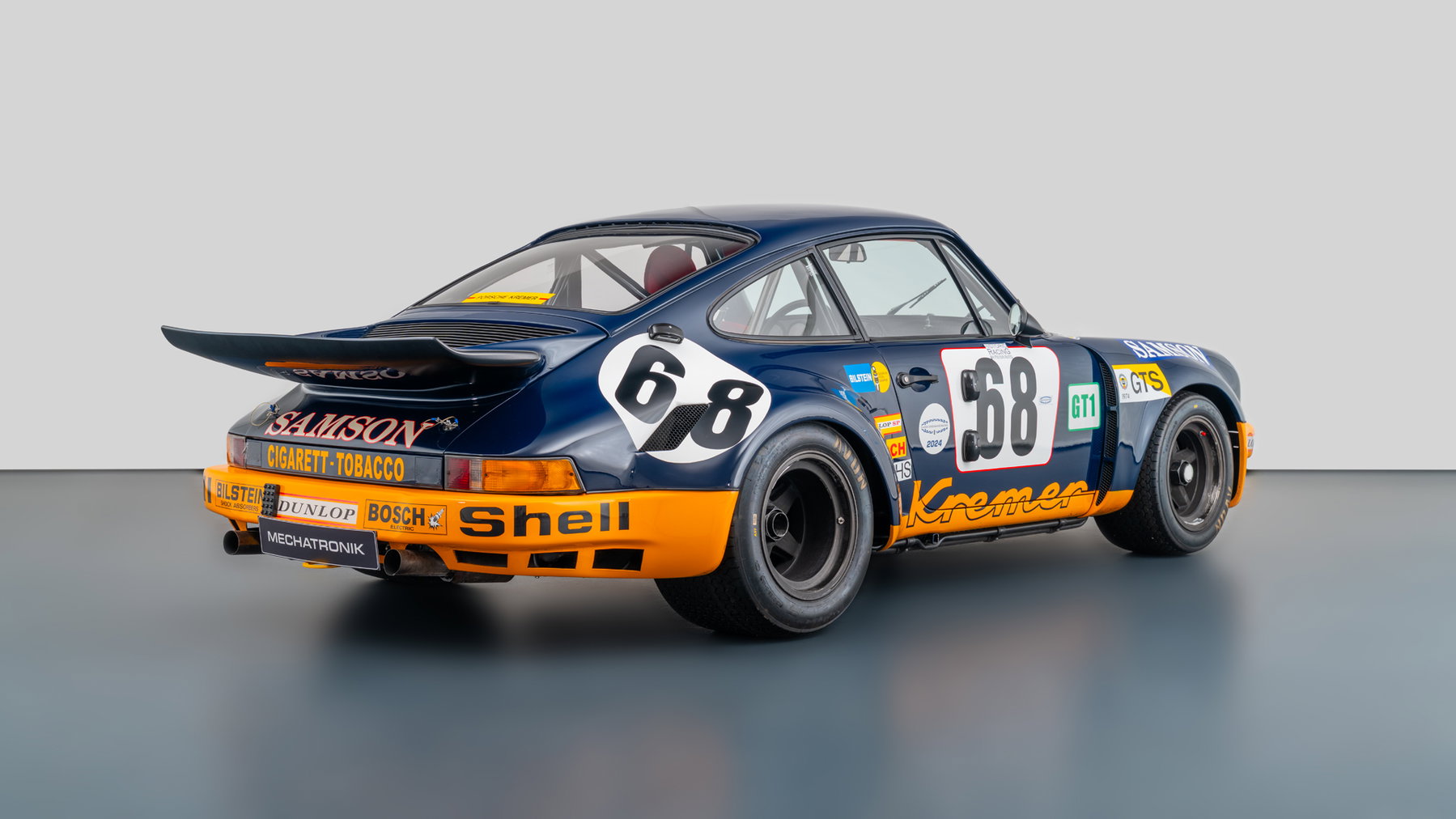
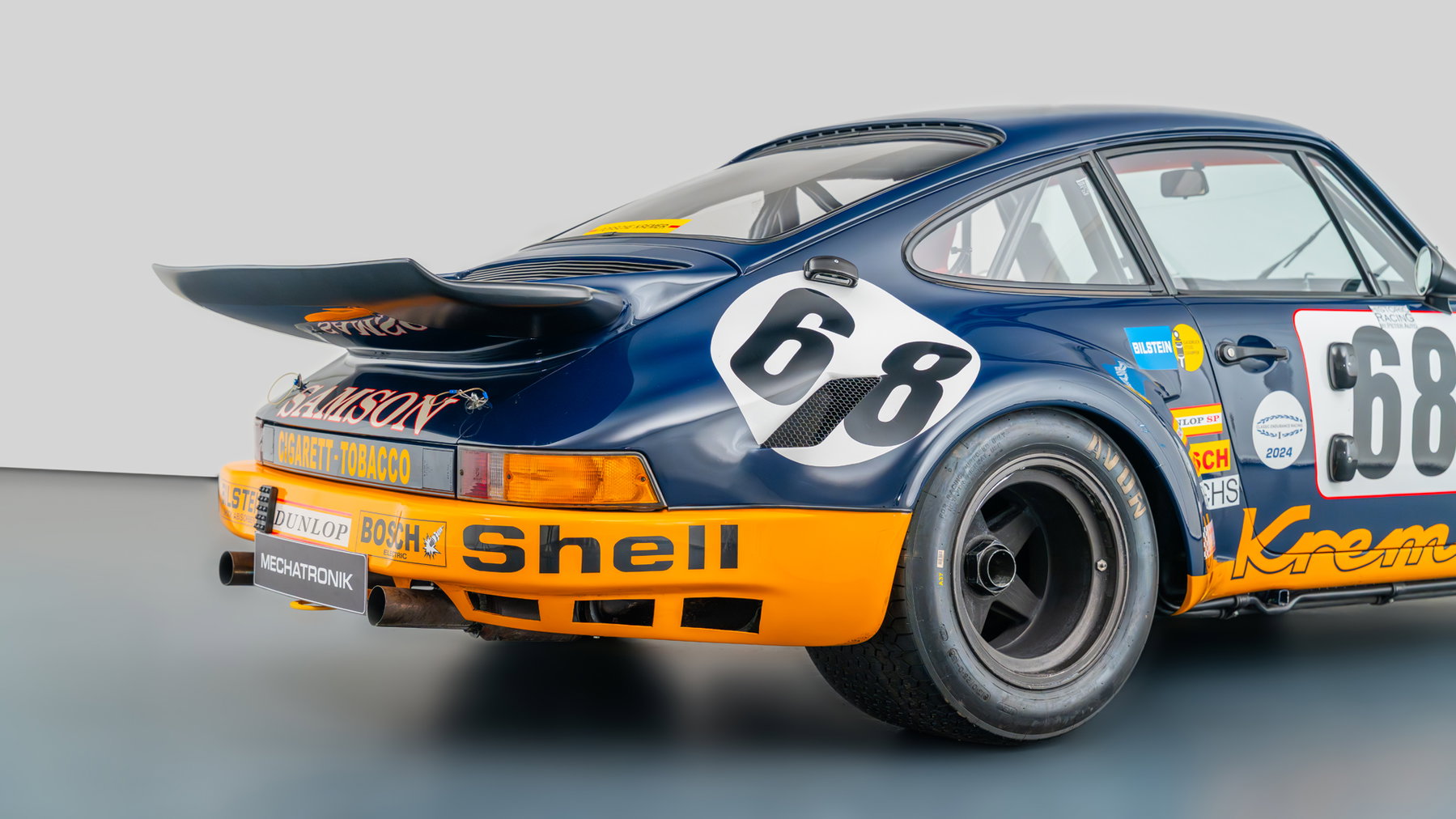
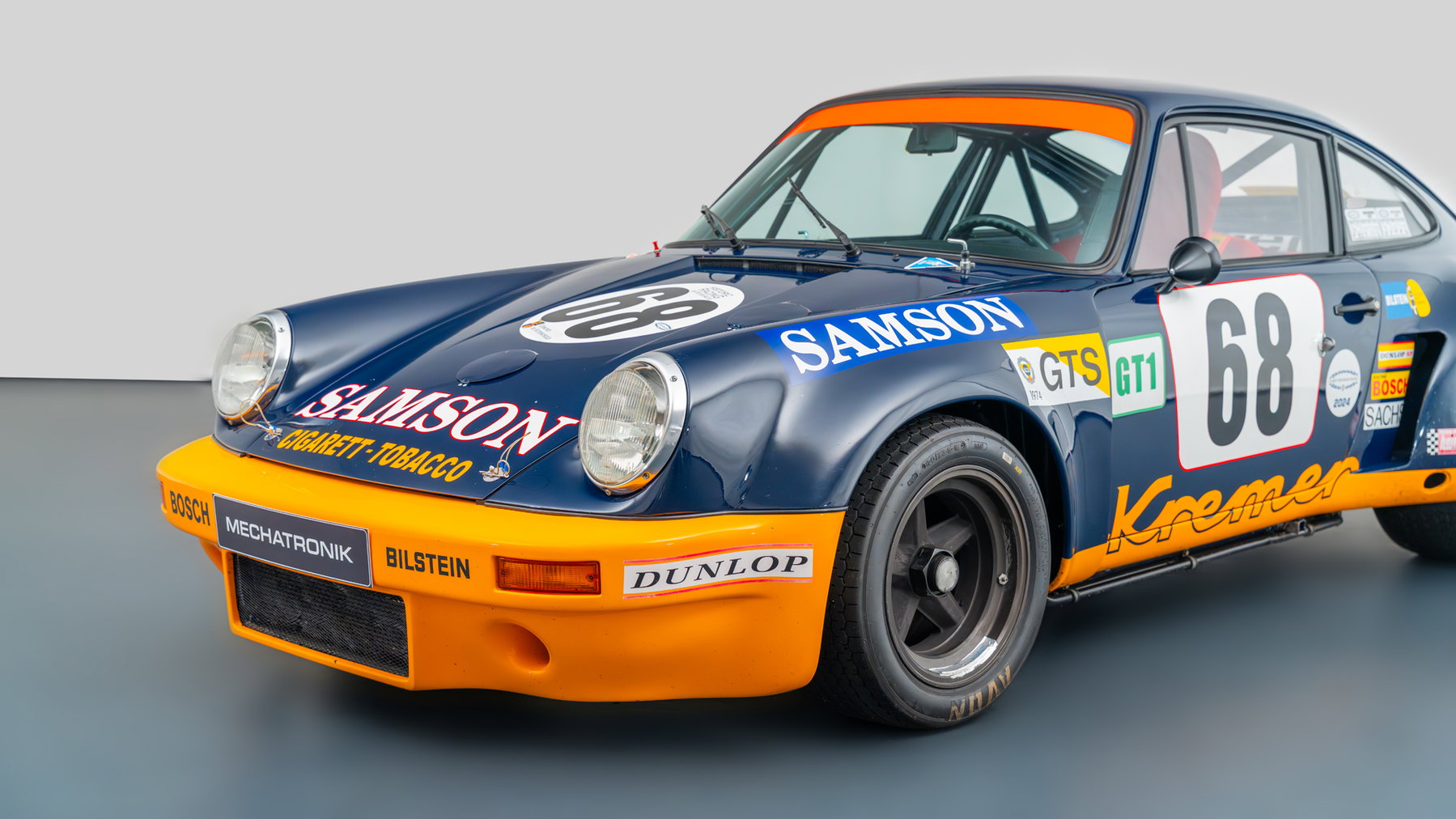
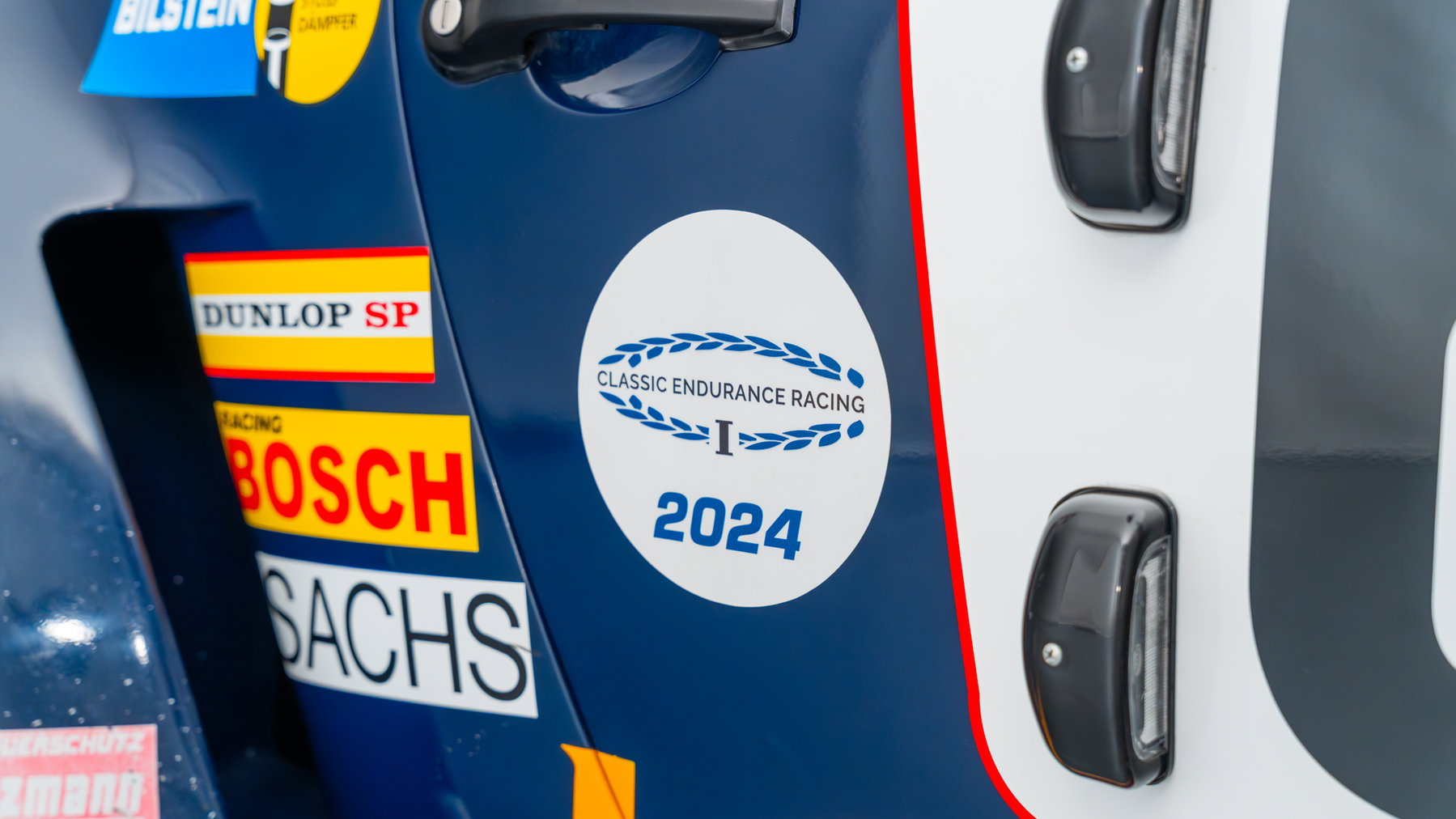
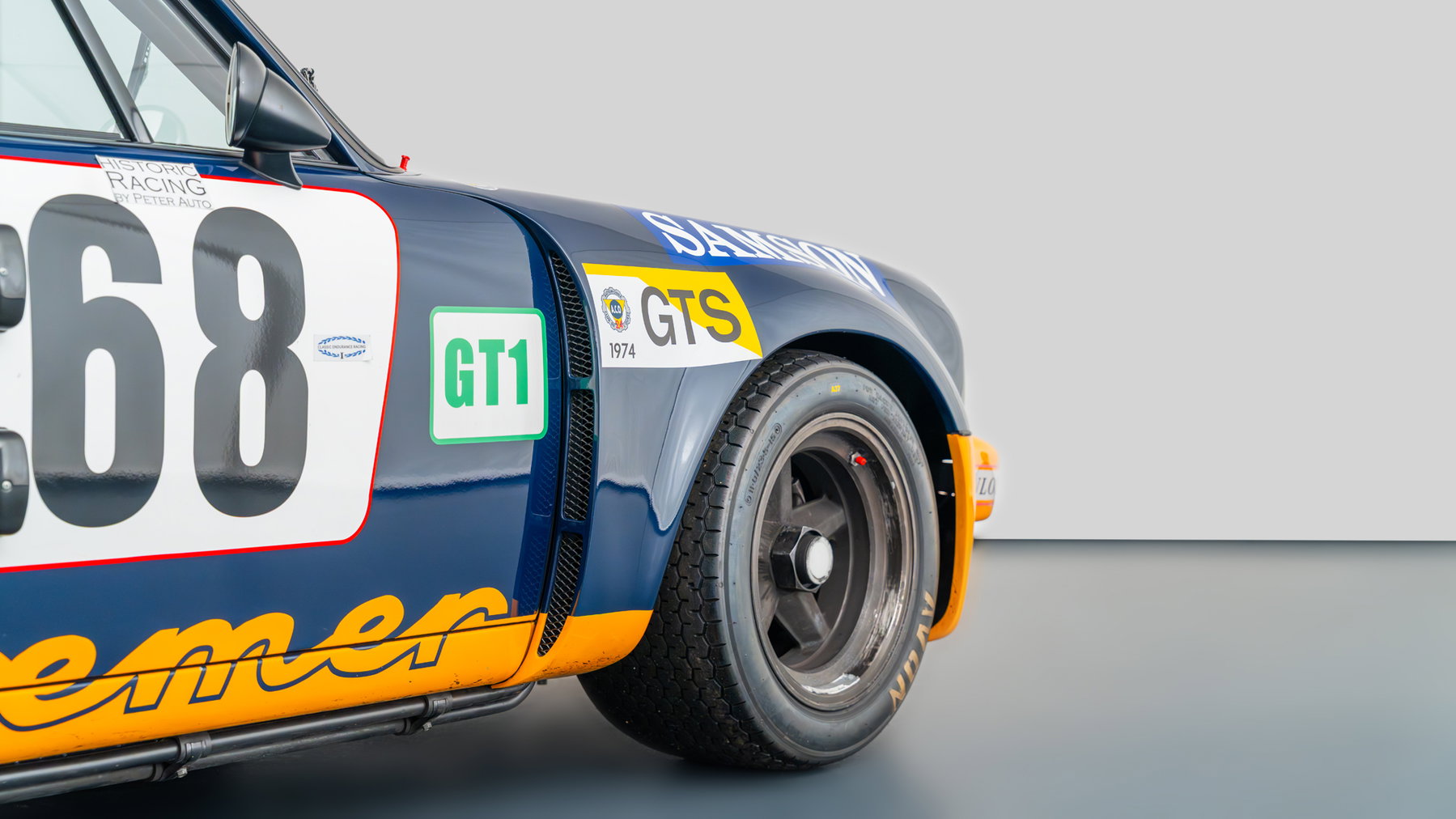
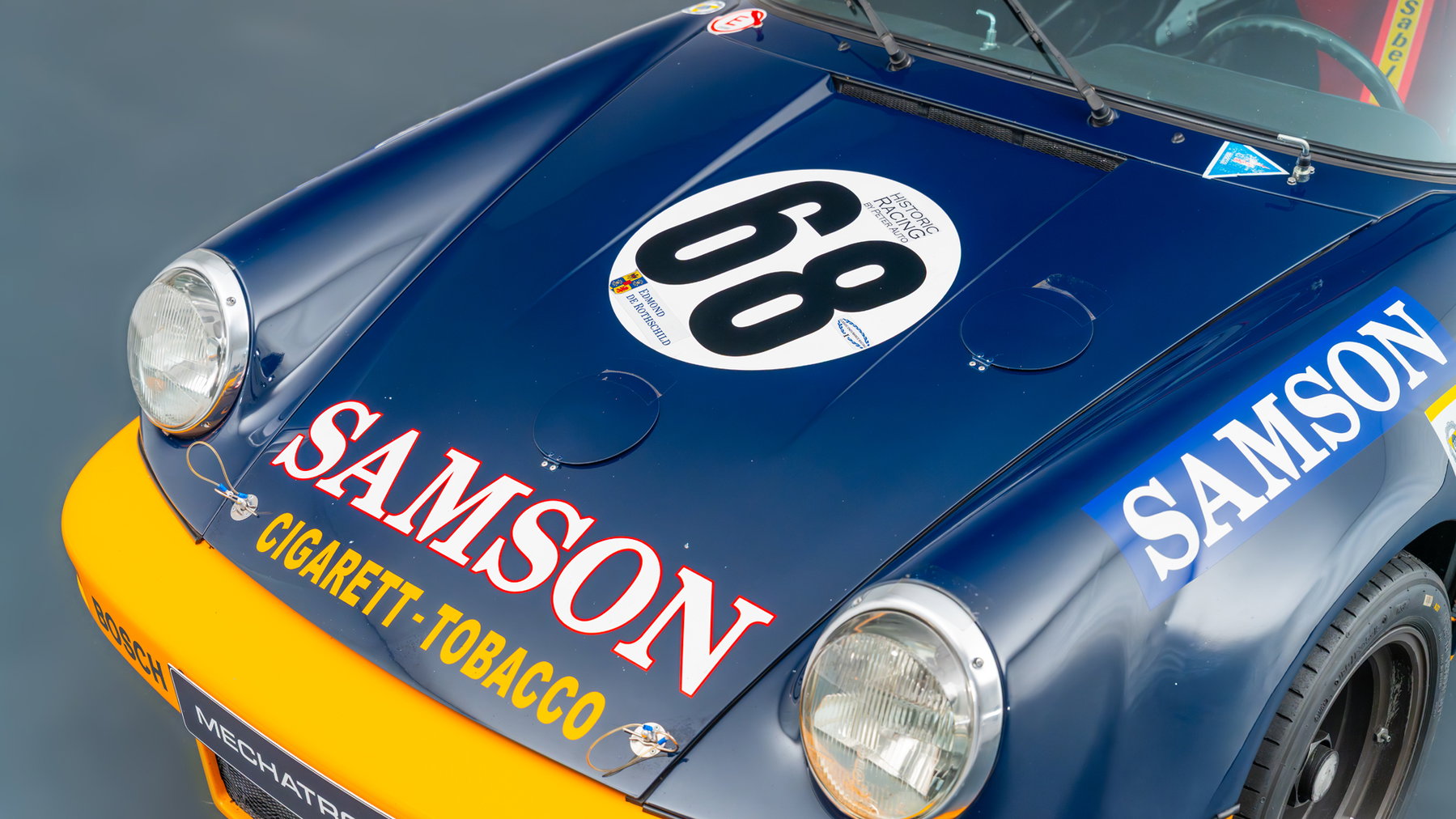
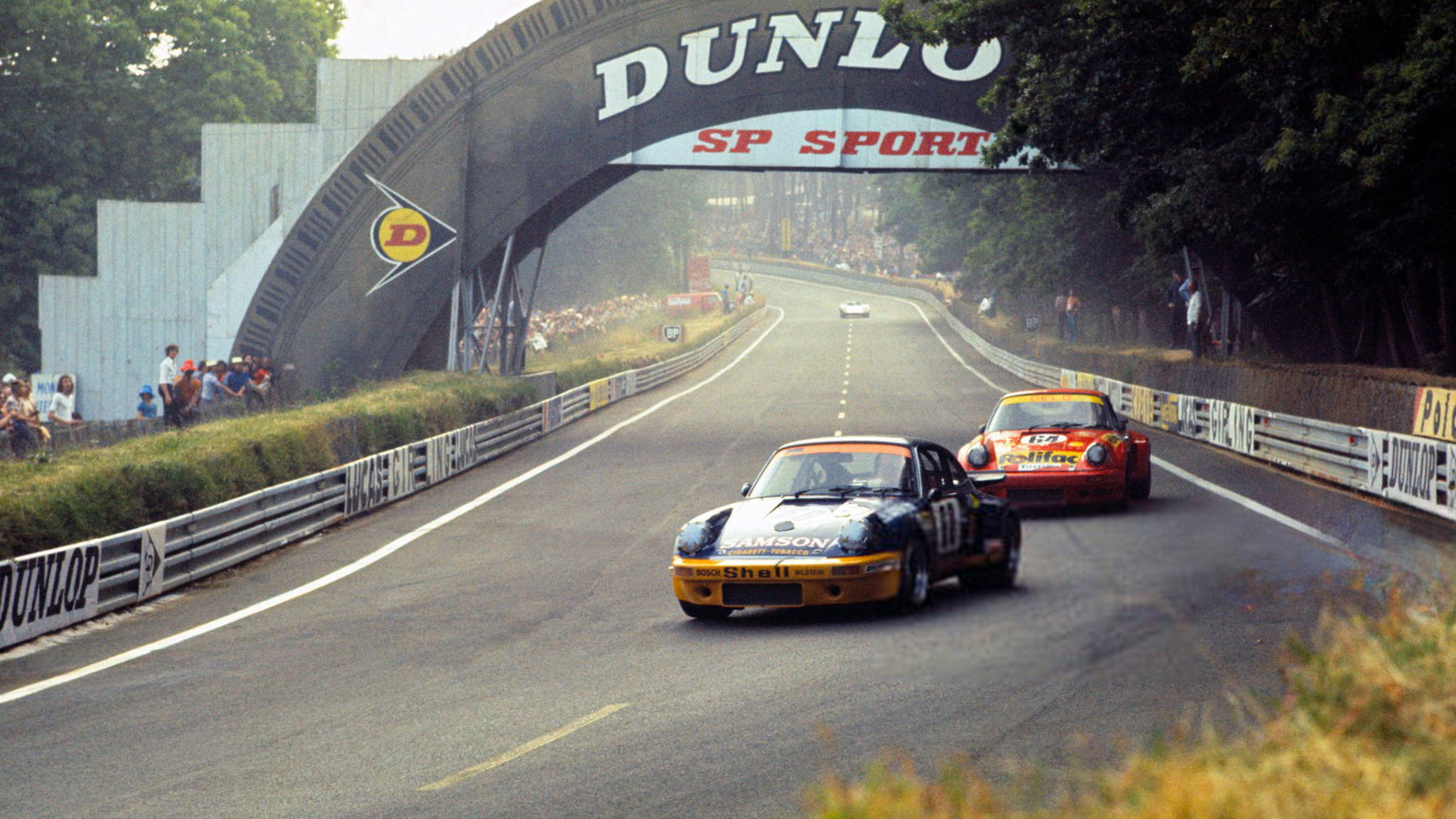
After Le Mans, the RSR was reportedly sold to Carlo Noce of the Italian sports car team, who kept the Kremer Porsche until 2001. At that time, it was acquired by a Monaco-based Porsche collector, who undertook a complete restoration with the goal of restoring the 0006 to the glory of the 1974 season, with the number 68 it wore at Le Mans. During the 2023 and 2024 seasons, the RSR was entered in Classic Endurance races throughout Europe.
In 2025, after 24 years of ownership, the collector decided to sell the Kremer Porsche, bringing the vehicle into the possession of Mechatronik, where it was stored for a year as part of the in-house collection. An FIA Historic Technical Passport was issued for participation in historic motorsport events, valid until the end of 2033. Two expert reports are available that summarize the history of 0006. In addition, numerous documents and photos from the 1970s are available.
Our sales staff is always happy to answer any detailed questions you may have. Please note that vehicle viewings are generally only possible by prior appointment.
- Le Mans participant 1974 & 1977
- 1974 European GT Championship-winning car
- One of only six Kremer RSK 3.0s built
- Driven by Wollek, van Lennep, Fitzpatrick
- FIA Historic Technical Passport
- From a previous owner who owned it for 24 years
- Multiple race wins
- Fully restored
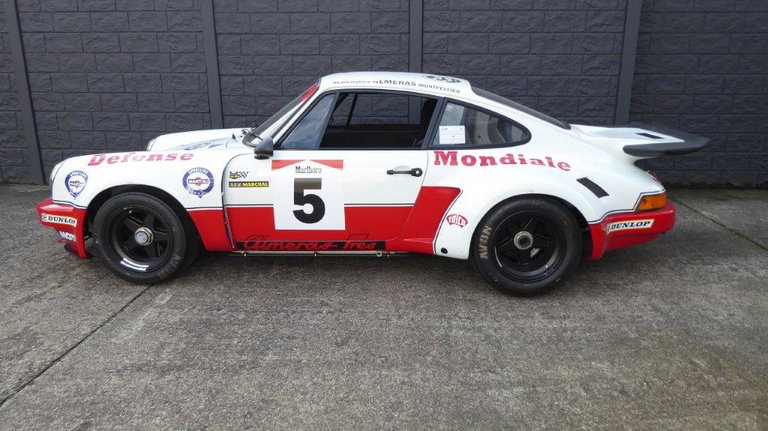
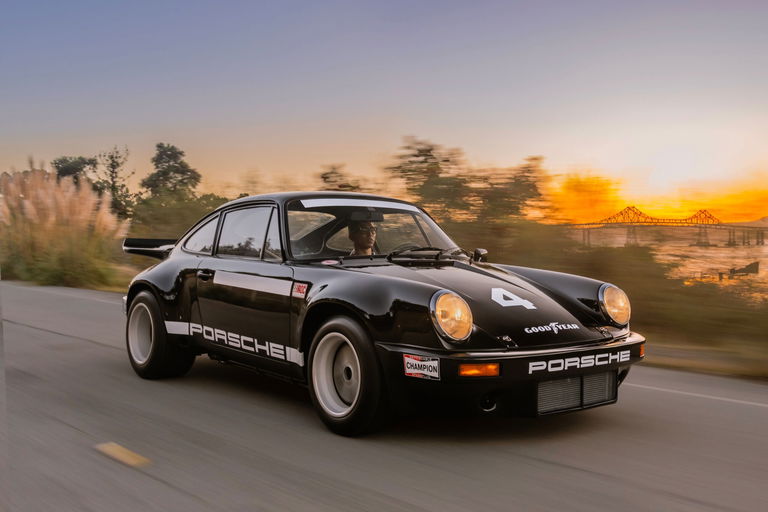
The Porsche 911 Carrera RSR 3.0
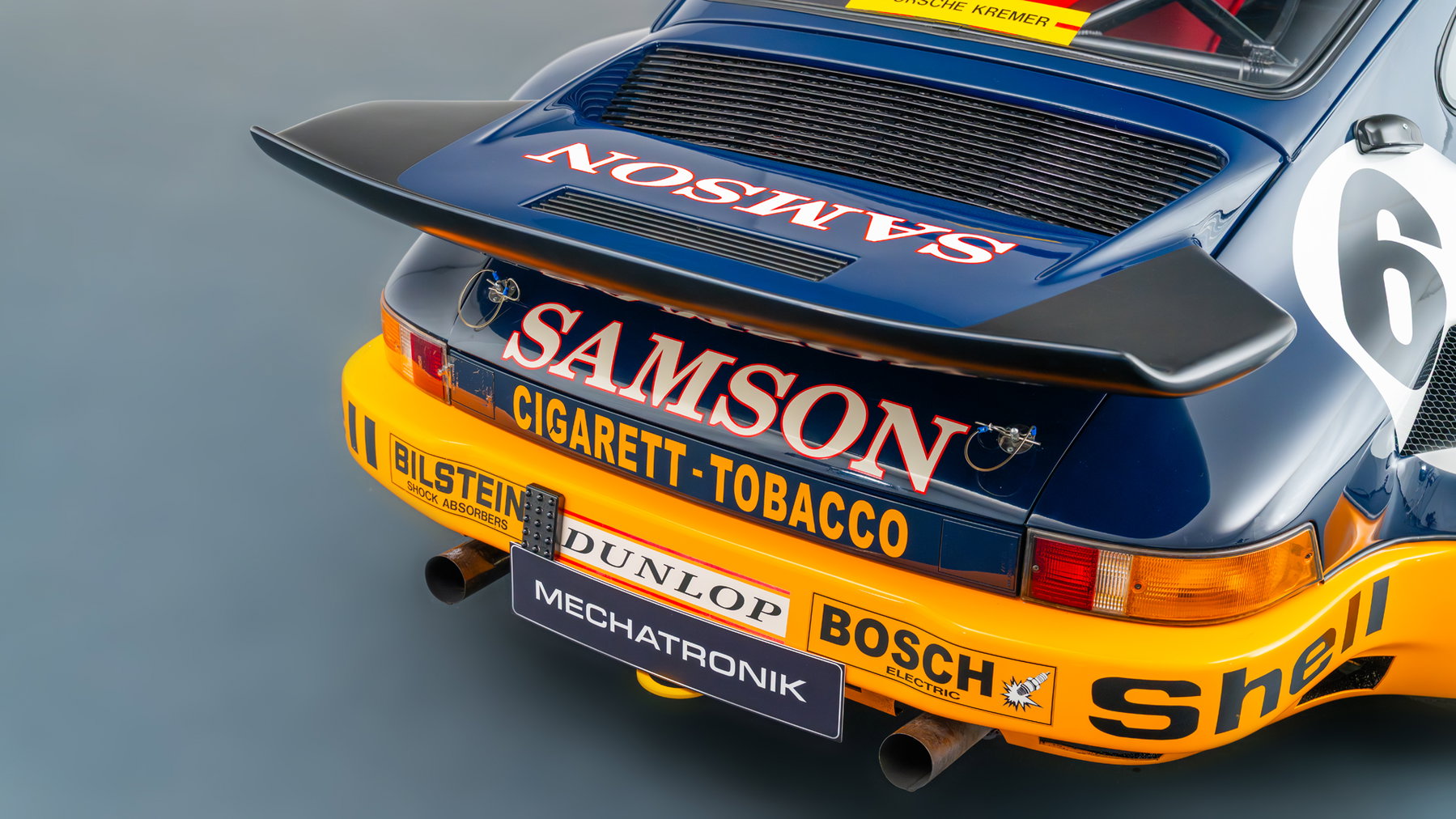
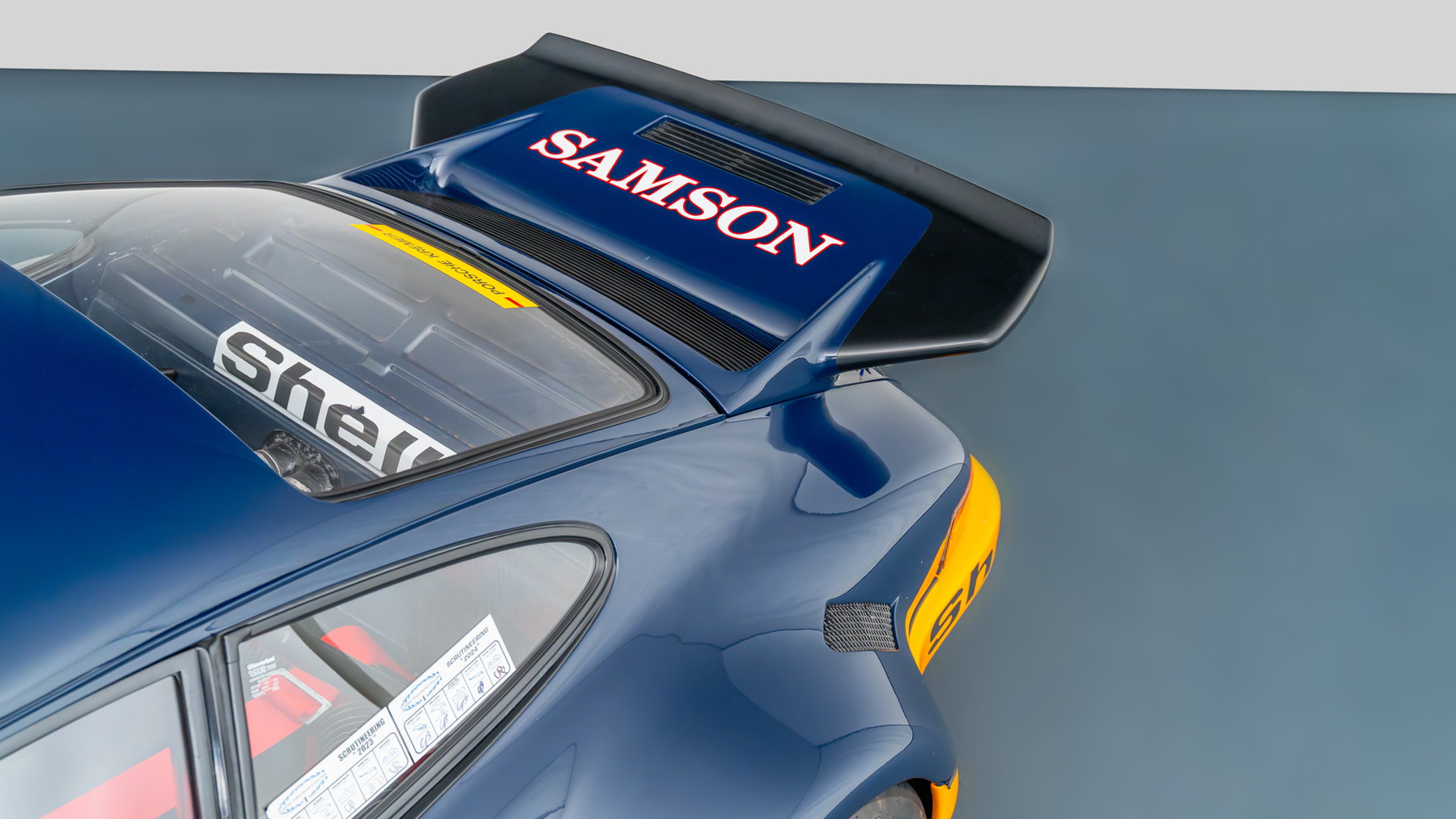
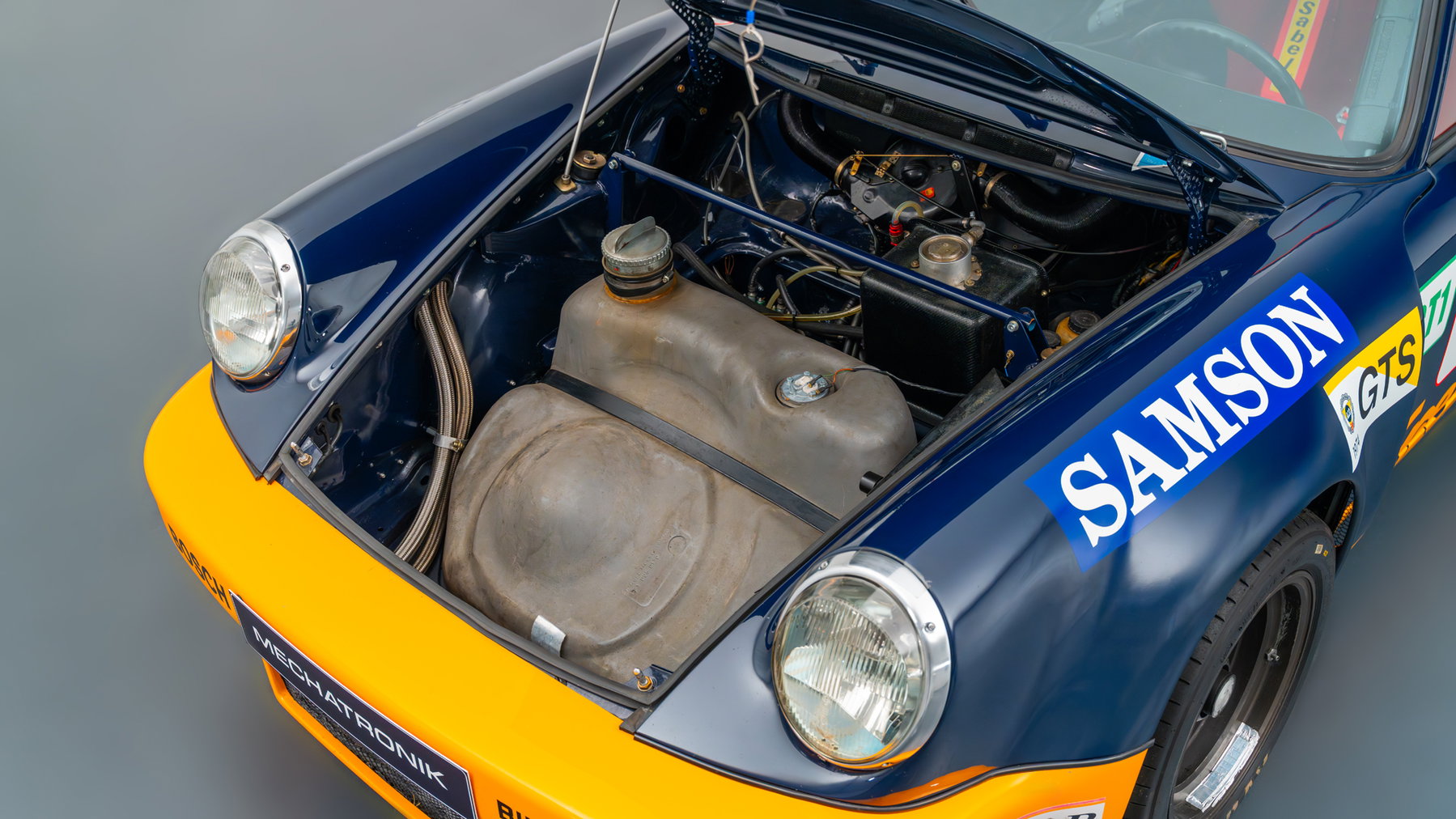
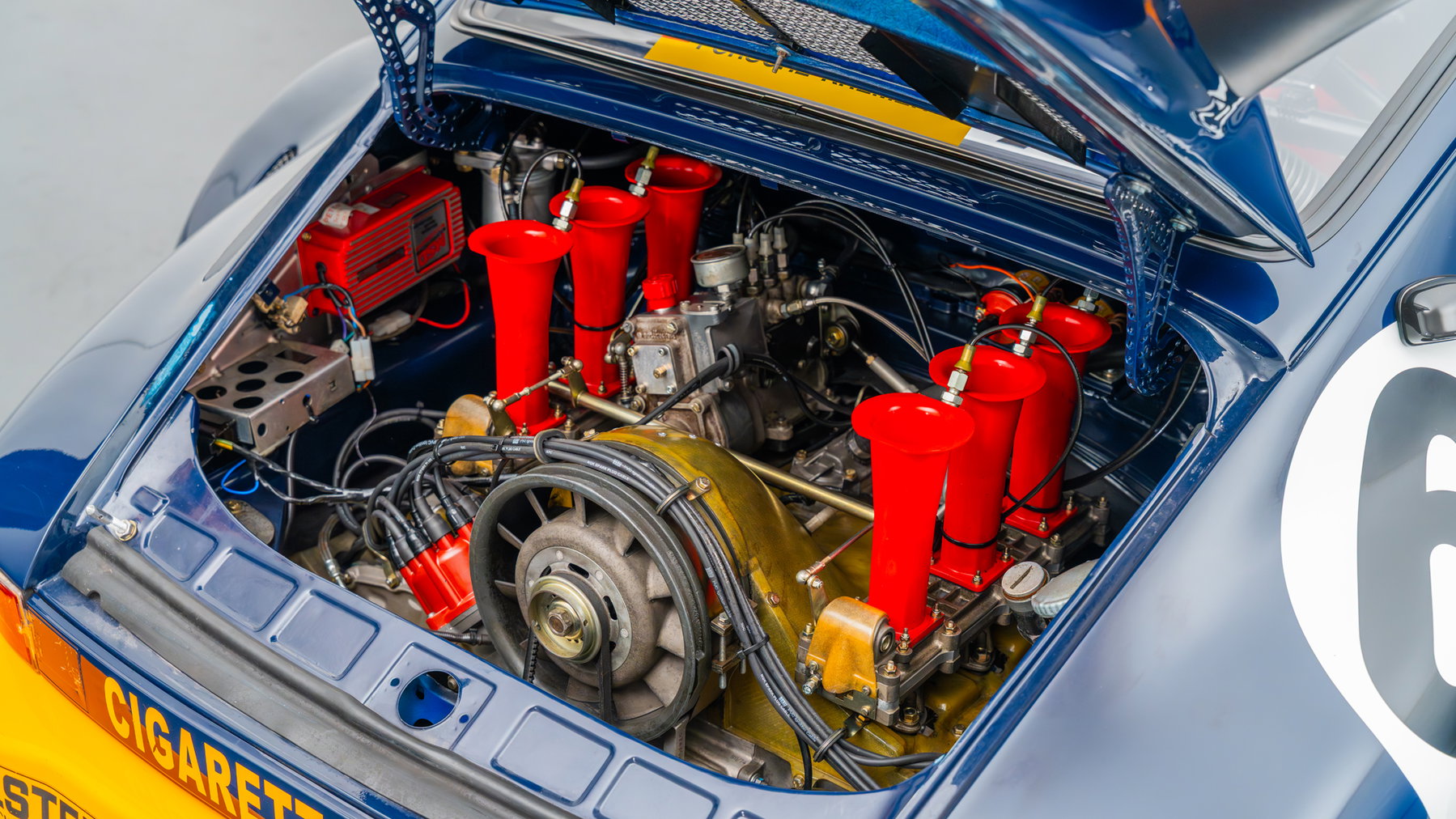
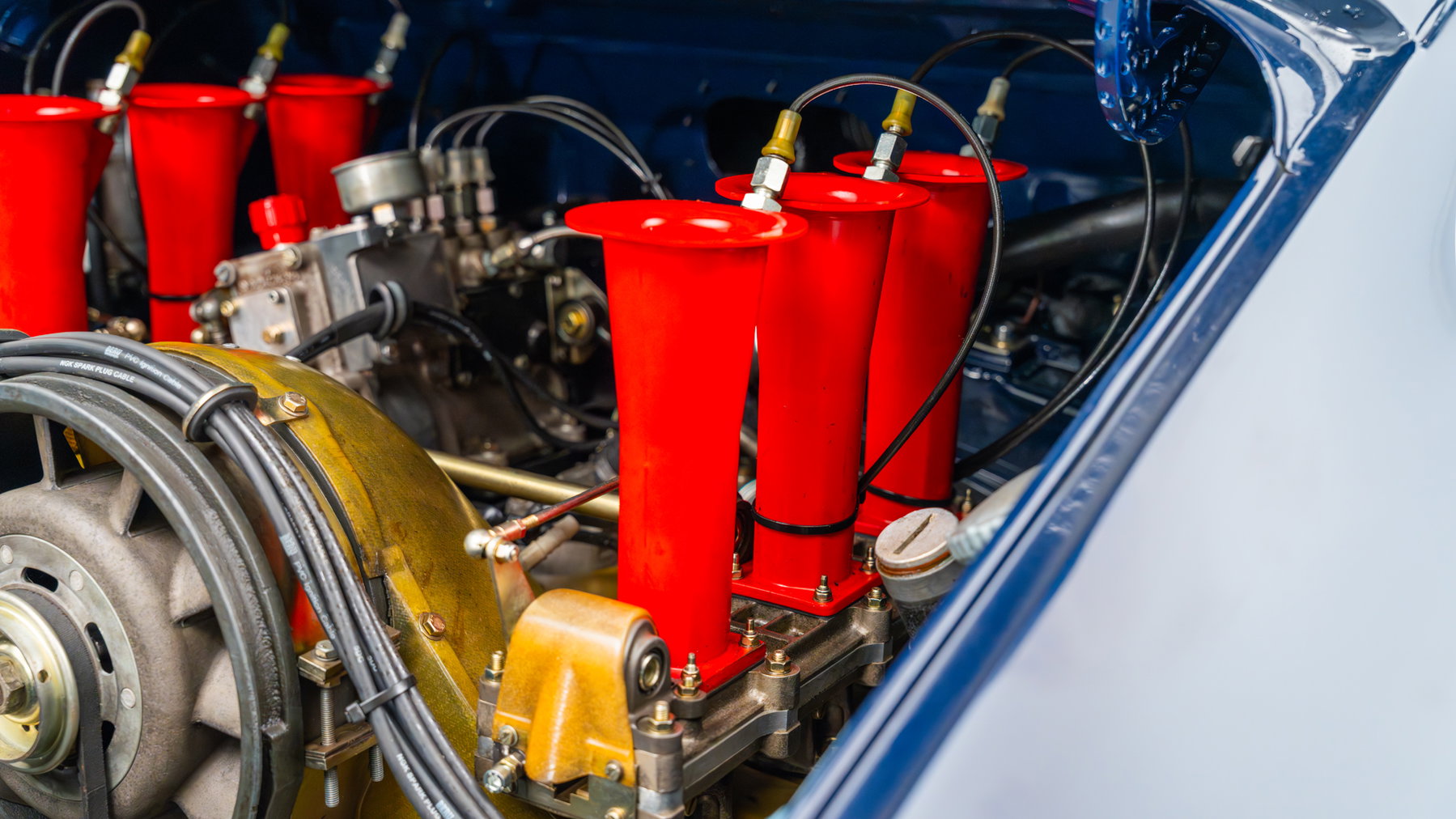
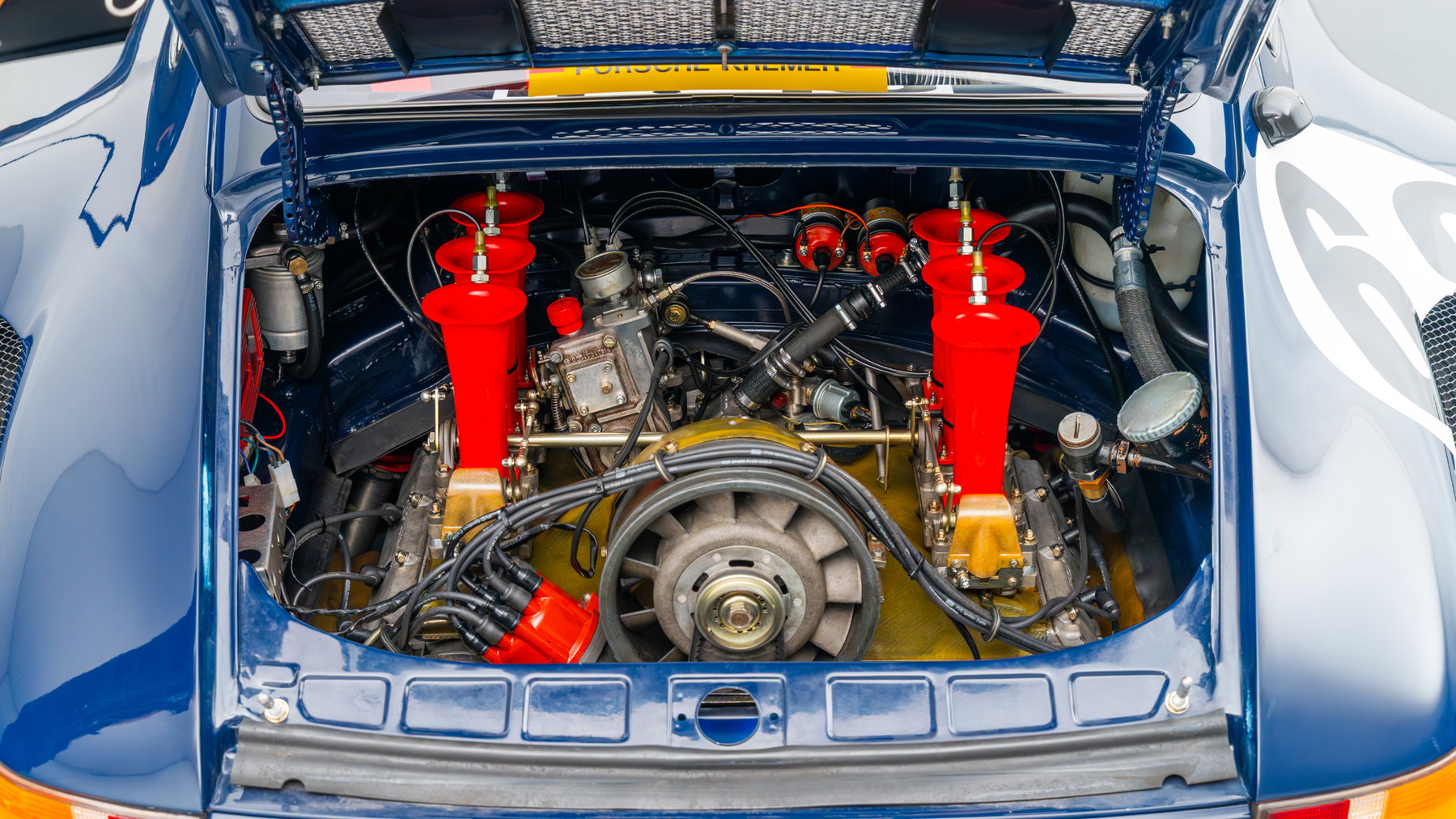
Introduced in 1974, it marked a decisive step in the development of the 911 as a thoroughbred race car. It was the direct successor to the 2.8 RSR and was developed in Weissach specifically for use in Group 4 of international motorsports. The goal was to create a vehicle that was at the top of its class both technically and in terms of driving dynamics, and that consistently further developed the exceptional foundation of the 911. The heart of the 911 Carrera RSR 3.0 was an air-cooled six-cylinder boxer engine with a displacement of 2,992 cc. Porsche used a reinforced aluminum crankcase for this, replacing the earlier magnesium crankcase of the 2.8 RSR. The engine featured dual ignition, a mechanical Bosch fuel injection system, and a compression ratio of 10.3:1. With this combination, the naturally aspirated engine of the Kremer-built RSK 3.0 produced 330 hp at 8,000 rpm—15 hp more than the factory RSR—and 303 Newton-meters of torque. This was achieved through modified engine components, such as the camshafts. Power was transmitted via a five-speed manual transmission, which delivered the power to the rear wheels precisely and robustly. Despite the lack of turbocharging, the RSR 3.0 offered impressive acceleration and agility thanks to its low weight of around 900 kilograms. Porsche placed great emphasis on lightweight construction and aerodynamics in the RSR 3.0. The body was partially made of fiberglass-reinforced plastic, which further reduced the weight. The hood, doors, bumpers, and the characteristic ducktail rear spoiler were also made of lightweight materials. The fenders were significantly widened to accommodate the larger wheels—10.5 inches in the front and 14 inches in the rear. Plexiglass side windows and thinner sheet metal parts underscored the uncompromising lightweight construction approach. The RSK 3.0 also received revised aerodynamics from Kremer, which provided more downforce and stability at high speeds.
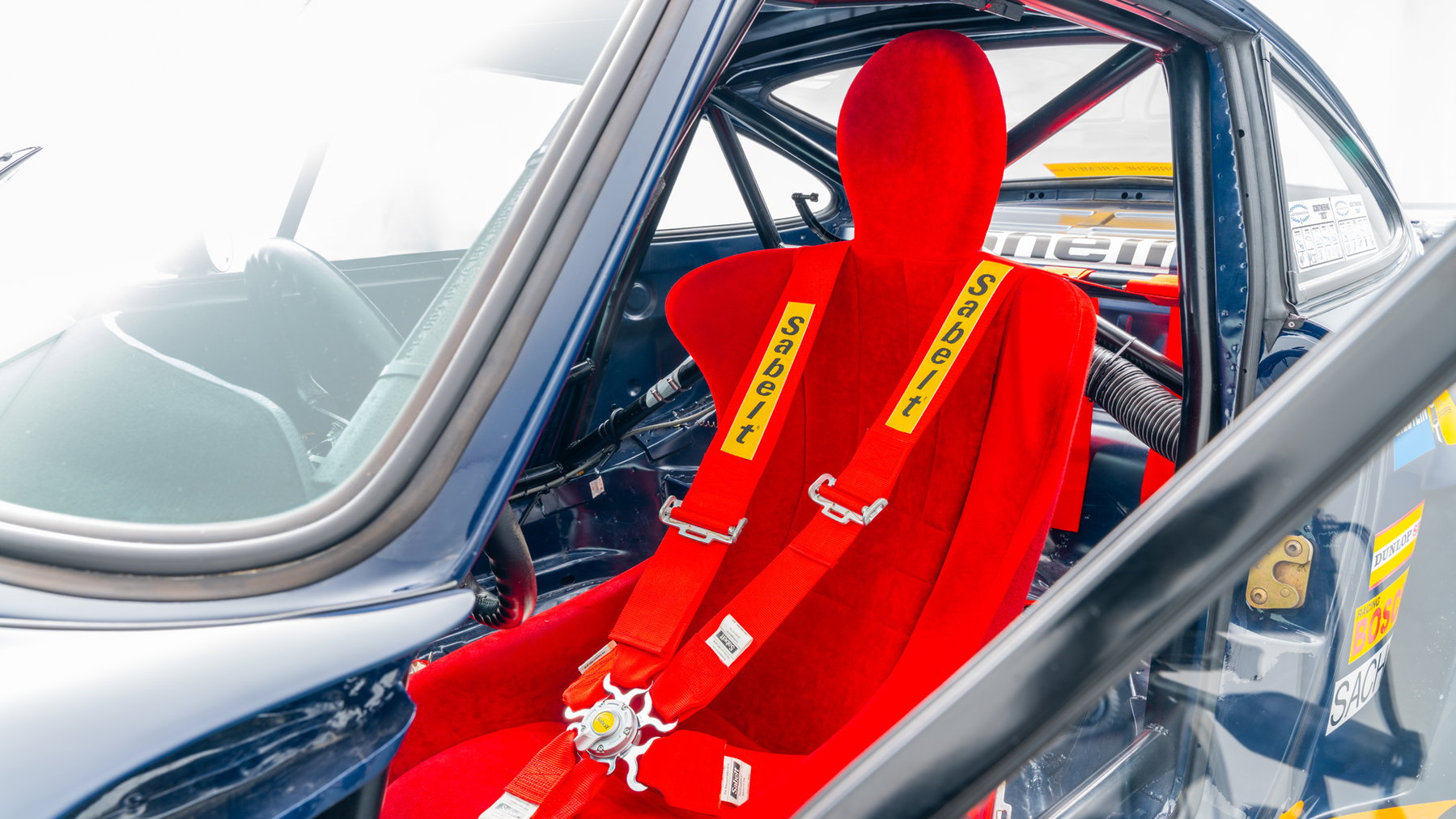
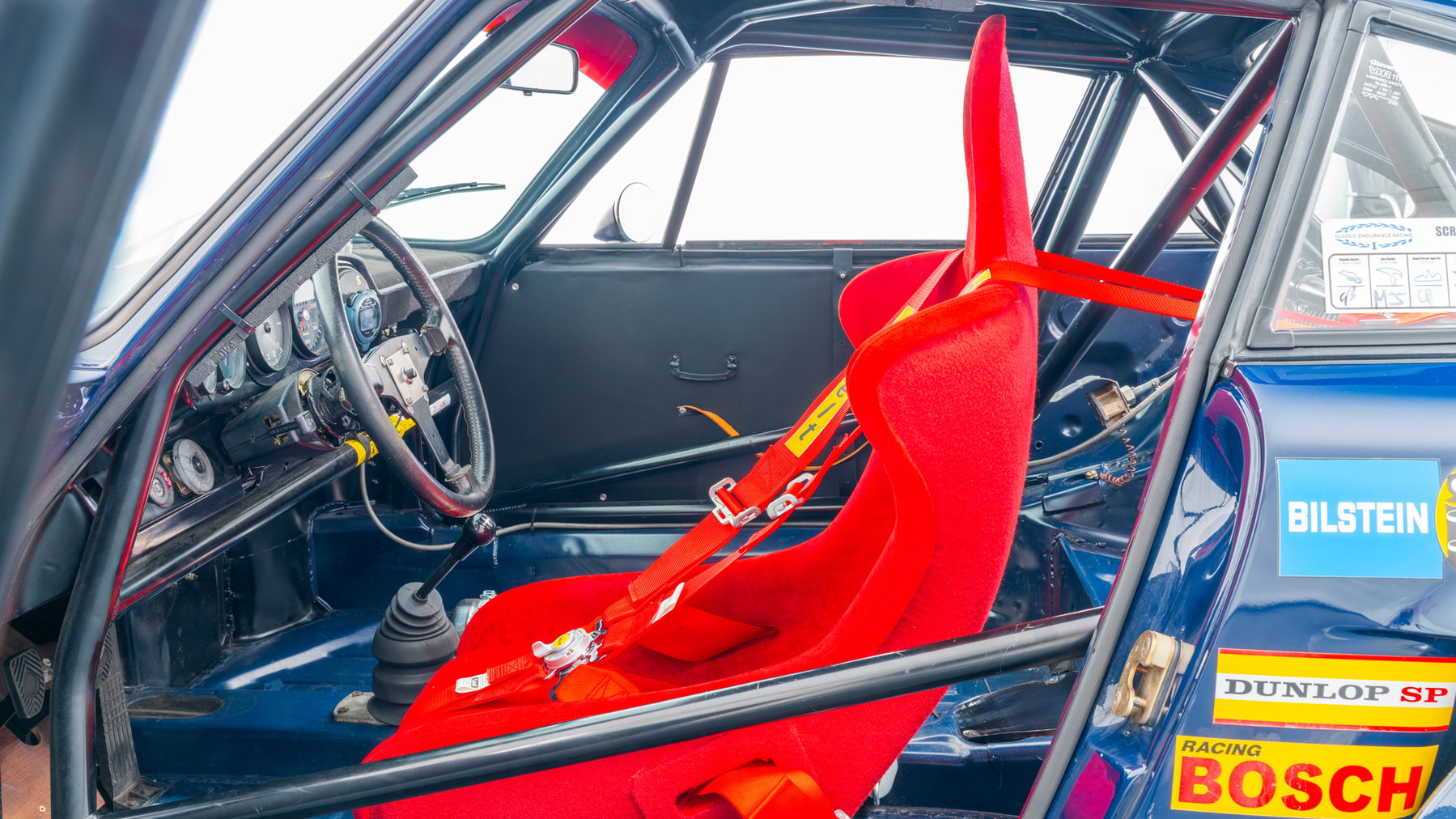
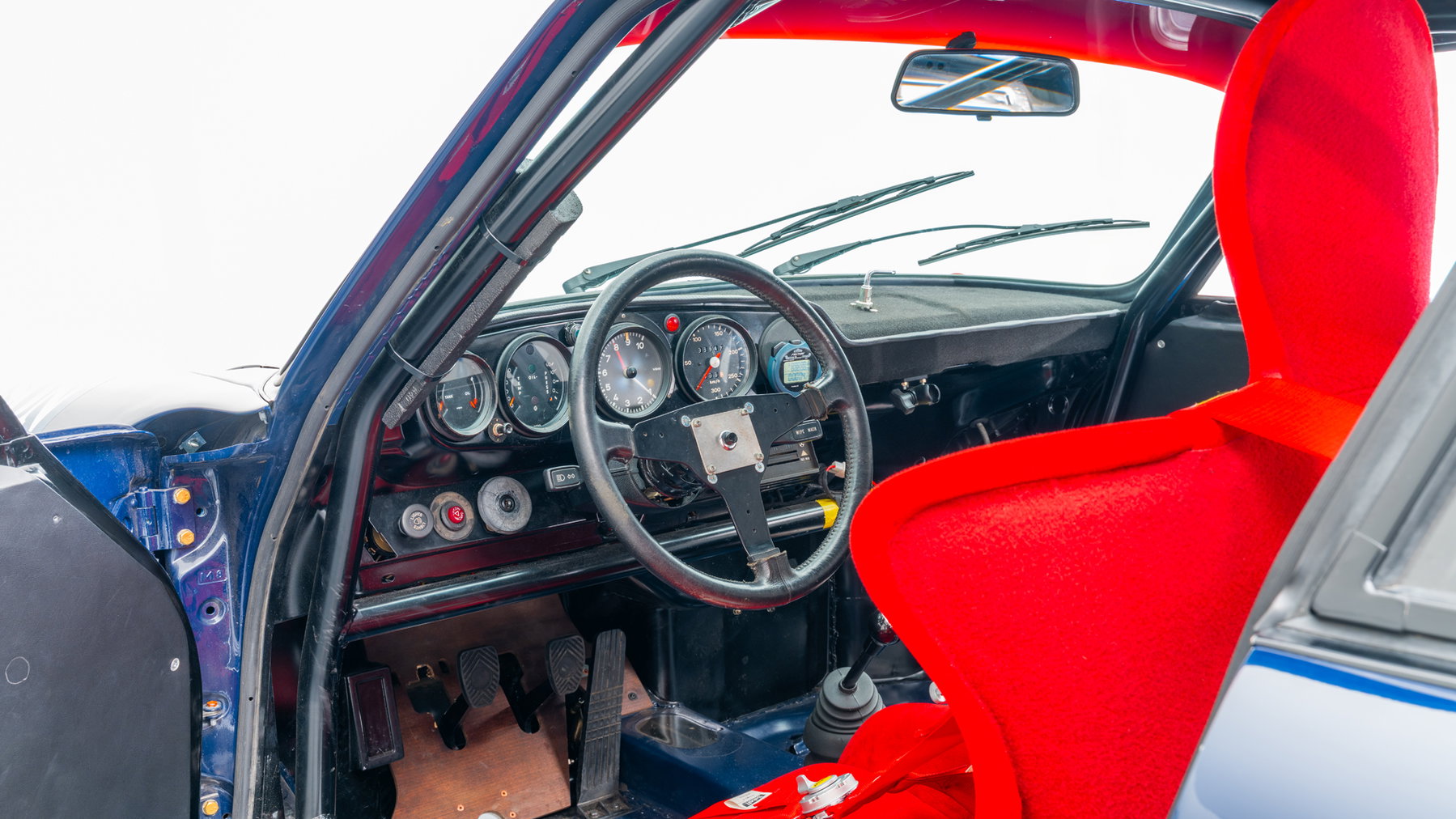
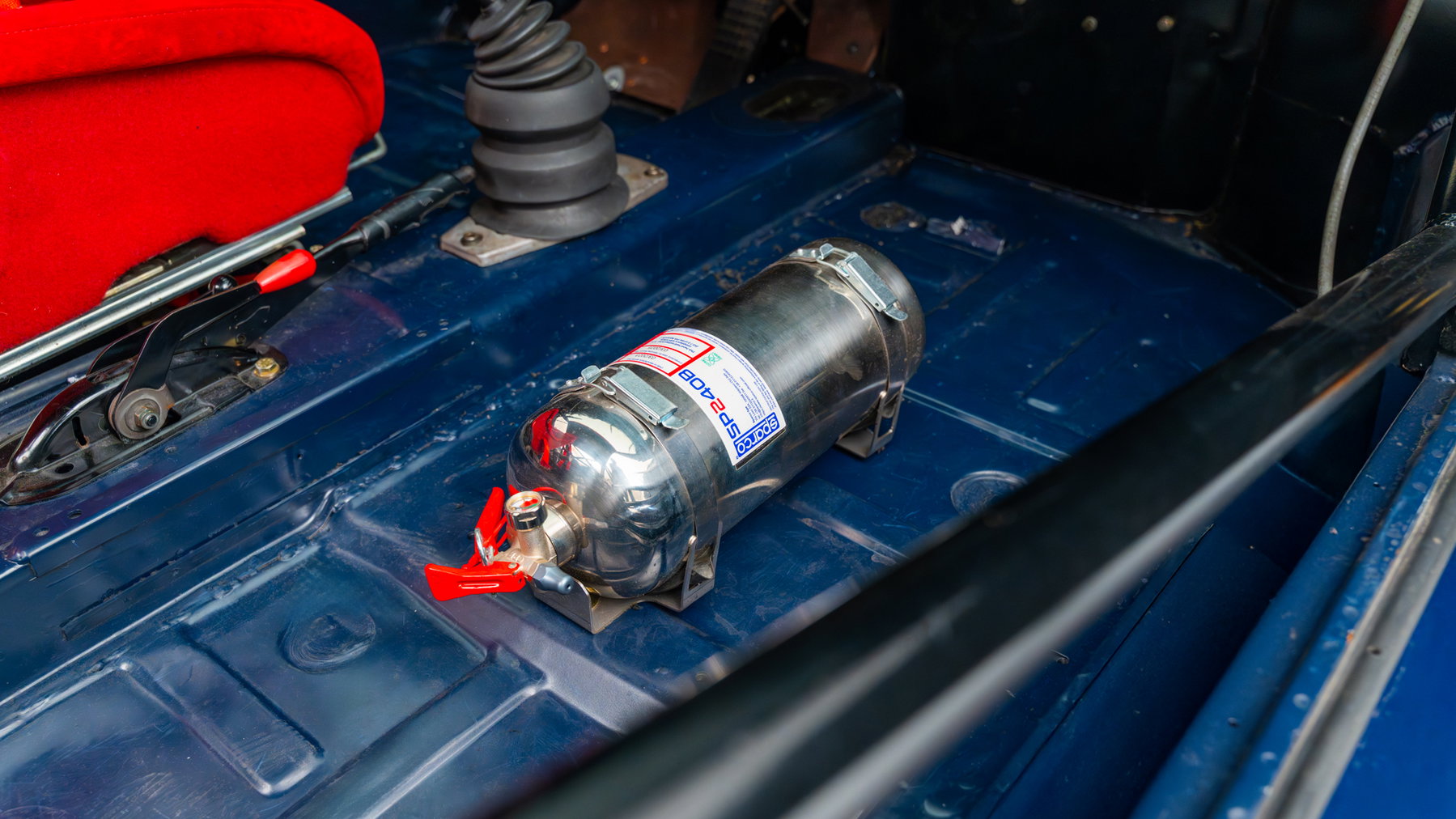
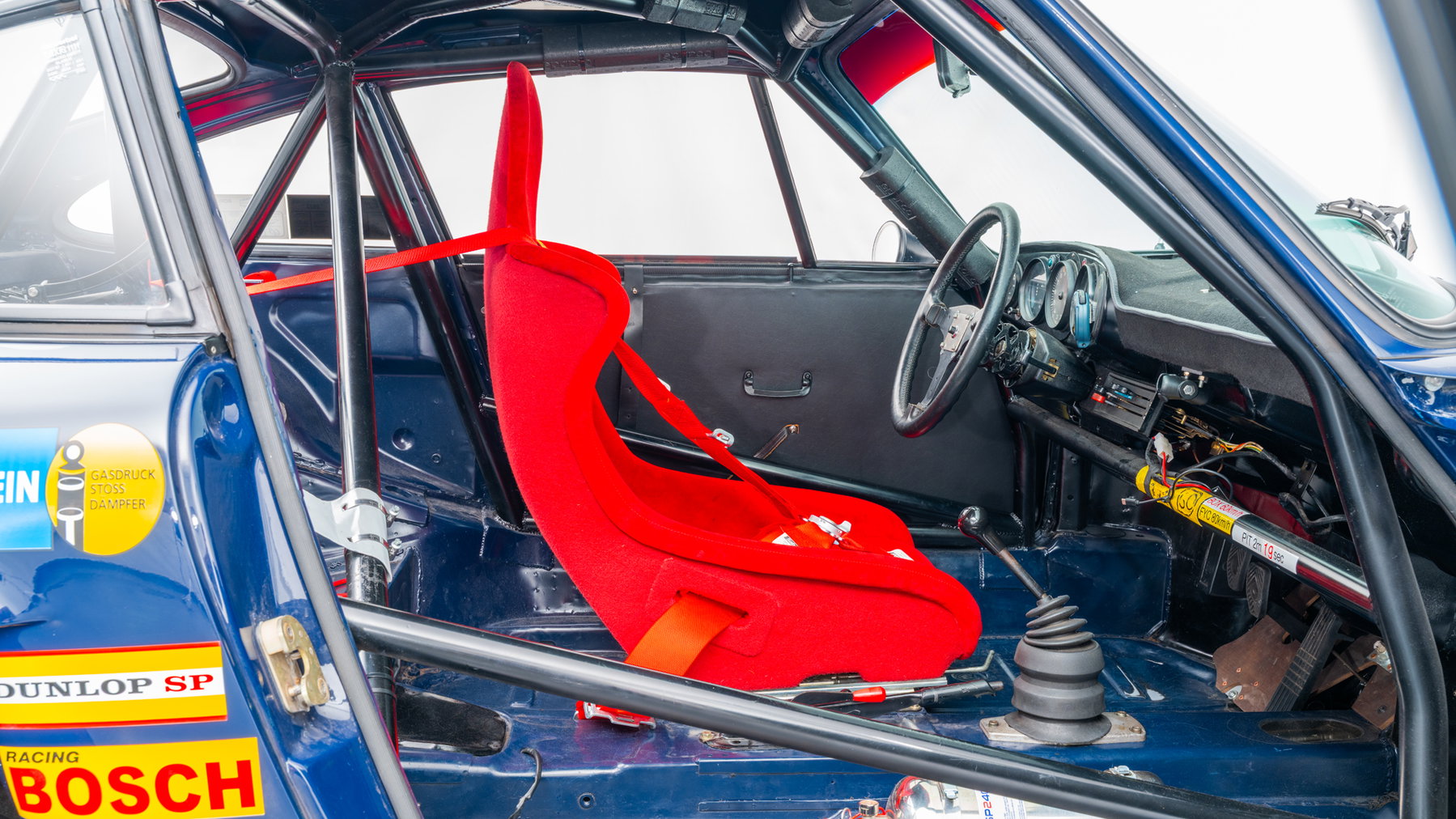
The braking system was partially derived from the legendary Porsche 917 and delivered outstanding deceleration. Porsche installed centrally bolted wheels, as is still common in professional racing today, to enable quick wheel changes. The suspension was optimized for racing, featuring modified control arms, Bilstein dampers, and adjustable stabilizers. This combination gave the car neutral, precise handling and excellent traction. The interior was all about functionality. The cockpit consisted of a bucket seat, roll cage, small steering wheel, and the bare minimum of instruments. Everything served the purpose of saving weight and focusing entirely on performance. The 911 Carrera RSR 3.0 dominated the GT class in 1974 and 1975. Numerous private and factory teams successfully raced the car. What was particularly impressive was that the Porsche often competed against significantly more powerful rivals and still secured victories. Its low weight, excellent balance, and reliability made it one of the most successful GT cars of its time. A total of approximately 50 units were built, with only six of the modified Kremer RSK 3.0 models produced. Many older 911 models were later converted to the RSR specification to match the performance of this car. Even after the introduction of the turbocharged 911 models, the RSR 3.0 remained a favorite among many racers due to its purist mechanics and direct driving feel. To this day, the model stands as a symbol of the technical expertise and perfectionism with which Porsche and Kremer shaped the world of motorsports. It embodies the companies’ philosophy of extracting the maximum from every detail through precision, lightweight construction, and engineering mastery. This vehicle is considered not only one of the most beautiful but also one of the most successful 911s in history.




 1974
1974 
 1982
1982