Collectors want Coupes. Should enthusiasts buy Convertibles instead?
21.07.2026By Richard Lindhorst
With the new 911 GT3 S/C, Porsche has launched a car that has been met with some criticism. Why even make an open-top GT Porsche? After all, true driver’s cars are coupes! Or are they? The notion that collectors tend to prefer a 911 coupe over a convertible persists. But could it be that 911 convertibles are not only the more affordable option for the average enthusiast, but perhaps even the better one? Or is the often-touted price difference ultimately a myth?
Are Porsche 911 coupes really more popular than convertibles?
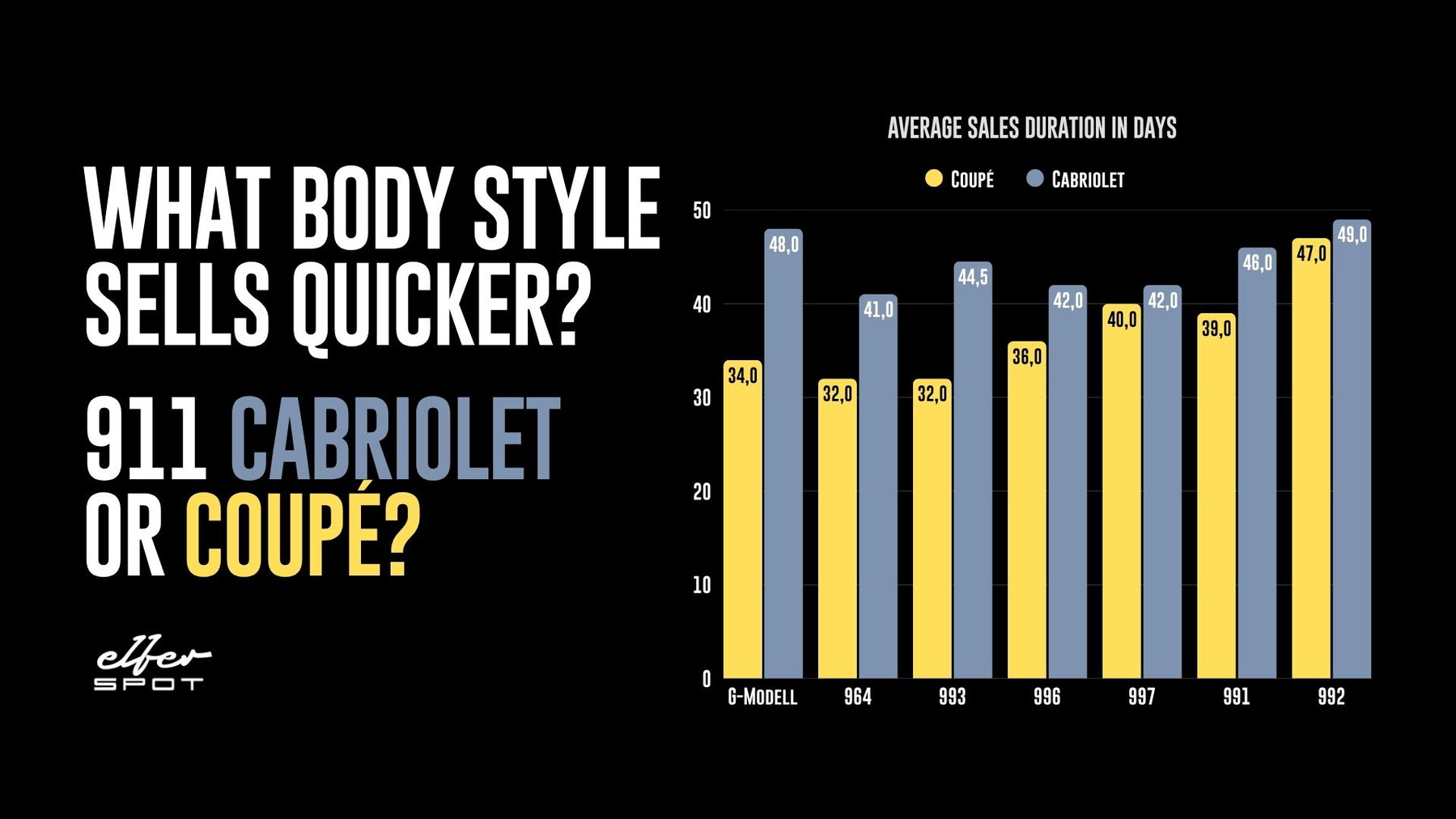
It is often suggested that coupes are in higher demand and generally more popular on the market. To examine this claim, we analyzed more than 32,000 listings for Carrera coupes and convertibles, ranging from the G-model to the 992. We included all listings ever posted on Elferspot. The median prices were calculated starting in 2017 and are therefore lower than current market prices. To identify differences in demand, we compared the time listings remained on the market. That is the period between when the listing was created and when it was marked as sold.
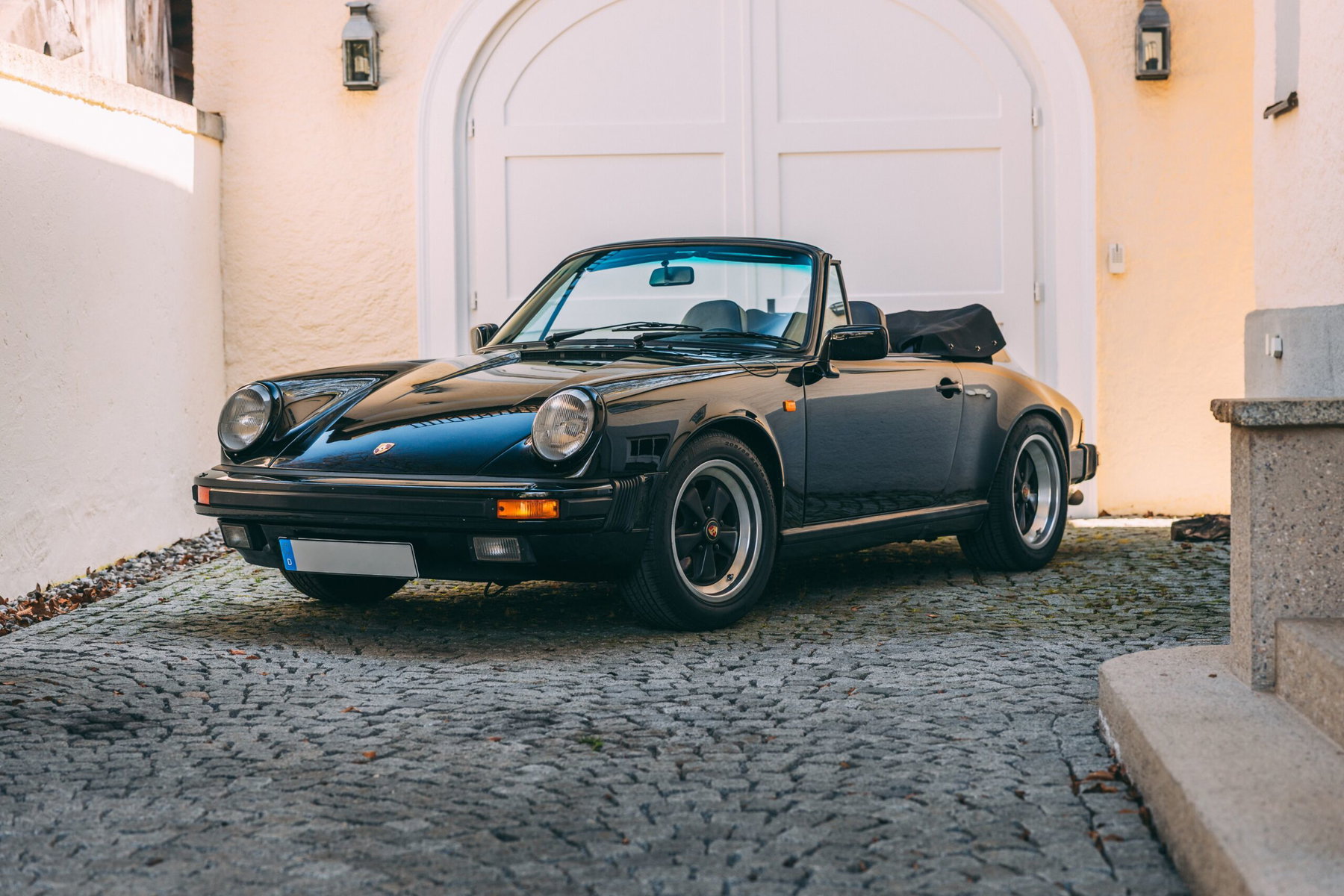
For the air-cooled models, the picture is clear: coupes sell faster on average. For the G-model, the median is 37 days for the coupe and 62 days for the convertible. The picture is a bit more nuanced with the 964. There it takes 32 days to sell an average coupe instead of 48 for the convertible. For the 993, it’s 33 days instead of 51. Especially with the classic 911s, the shorter time to sale hints at stronger demand for the closed-body version.
Differences in Sales Duration Between the 911 Coupé and Cabriolet in North America
Series
Coupe
Convertible
911 G model
30.5 days
34 days
964
31.5 days
33 days
991
32.5 days
33 days
992
29 days
24 days
In North America, there are only minor differences in the time on the market between the Porsche 911 Coupe and Cabrio.
However, this difference varies by region. In Central Europe, air-cooled coupes take a median of 36 days to sell, while convertibles take 48 days. In North America, the figures for both are much closer, at 33 and 37.5 days, respectively. The classic coupe advantage is thus particularly pronounced in European markets.
The newer the model series, the smaller the difference in demand between the coupe and the convertible
In the water-cooled generations starting in 1997, this gap narrows. For the Porsche 996, the Coupé is still slightly ahead at 44 to 51 days. Starting with the second water-cooled 911 of the 997 series, there is virtually no relevant difference anymore: 44 days for the Coupé, 46 for the Cabriolet. The situation is no different for the 991 (45 to 50 days) and the 992 (52 to 53 days). In the newer model series, the coupe thus sells only marginally faster than the convertible.
Our analysis shows, therefore, that air-cooled 911 coupes, in particular, sell slightly faster than comparable convertibles. In Europe, in particular, it tends to take a little longer to sell 911 convertibles. In North America, however, the differences in time to sell are smaller. On average, the difference there is only a few days.
While selling air-cooled convertibles requires a bit more patience than selling coupes, the difference is less pronounced with water-cooled models. In North America, there is generally less of a difference between coupes and convertibles.
Do you get more Porsche for your money when buying a convertible?
Since the time on the market reveals only minor differences between coupes and convertibles, the question of price arises: Are Porsche 911 convertibles cheaper than coupes? Once again, the answer is: It depends. The median price for a 911 Carrera 3.2 Cabrio is just under 70,000 euros, while coupes from 2017 to 2026 are offered at a median price of 75,000 euros. The price difference is even more pronounced for the 964 Carrera: coupes are, on average, 11,000 euros more expensive than convertibles. 993 Carrera convertibles were also, on average, nearly 10,000 euros cheaper than 993 Carrera coupes.
Water-cooled Porsche 911 cabriolets are usually even more expensive than coupes!
The first water-cooled 996 series presents a fairly balanced picture. There isn’t much of a price difference between the coupes and convertibles. The Porsche 997, however, marks a turning point. Starting with the second water-cooled generation of the 911, cabiolets are actually more expensive than their hardtop counterparts. On average, buyers of a 997 Carrera or Carrera S convertible should expect to pay a premium of about 5,000 euros.
Series
Median Price for a Coupe
Median Price for Convertibles
996
40,000 euros
37,900 euros
997
65,000 euros
66,900 euros
991
98,000 euros
105,900 euros
992
139,900 euros
151,000 euros
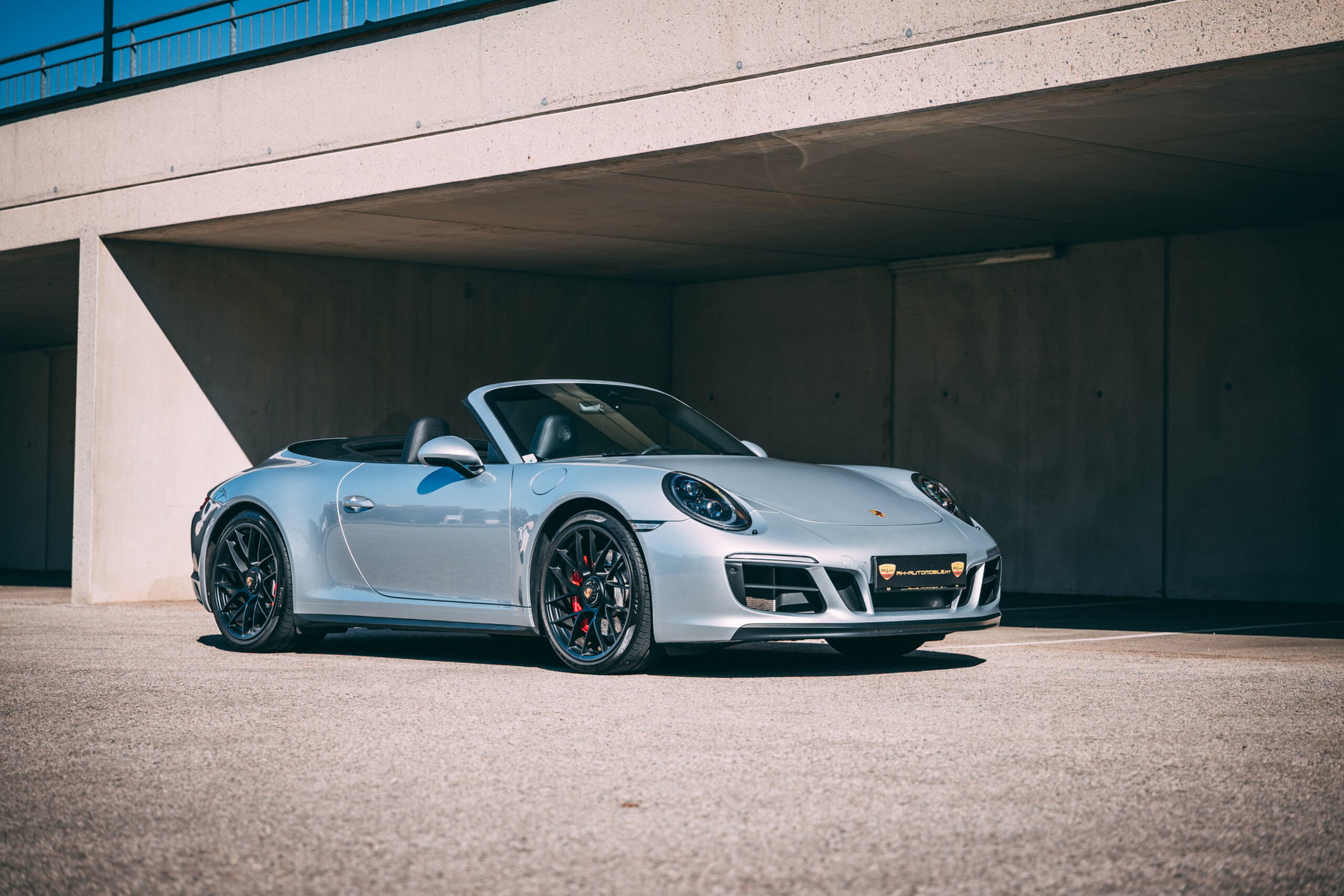
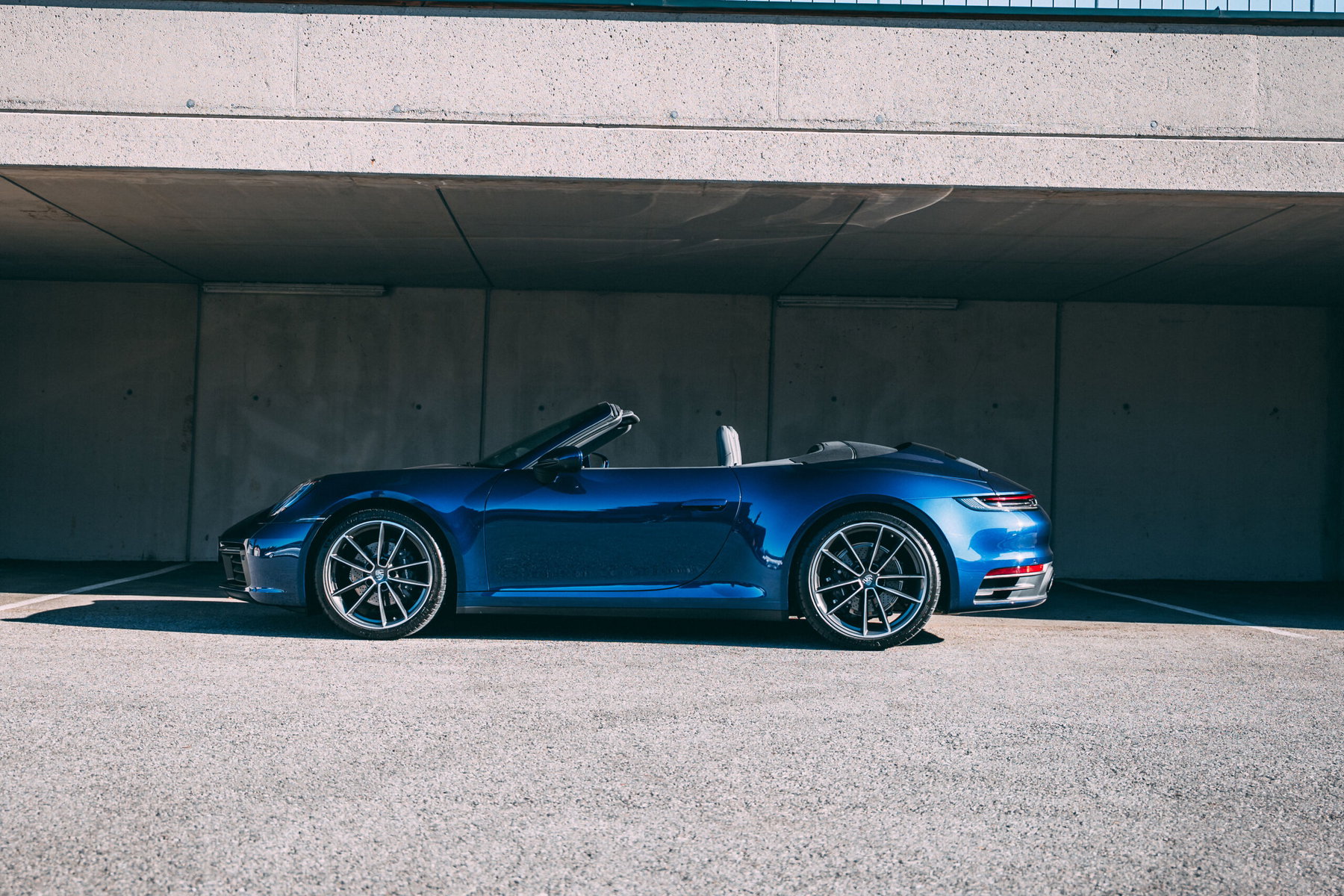
This trend becomes particularly evident starting with the 991. The median price for 991 Carrera coupes is nearly 10,000 euros lower than that of a comparable cabrio. This pattern also holds true for the 992: coupes of the various 992 Carrera variants are priced at just under 140,000 euros, while convertibles are priced about 11,000 euros higher. For the more recent model series, the original price premium for the convertible appears to have a stronger impact than the traditional collector’s preference for the coupe.
There is a clear regional difference with modern 911s: While 997 cabriolets have been more expensive than coupes in Europe, the opposite is true in North America, for example. There, coupes from the 997, 991, and 992 model series are, on average, a few thousand dollars more expensive.
What accounts for the price difference between the 911 G-models and the 964?
Apparently, a significant, systematic price difference between coupes and cabriolets exists only for Porsche 911 G-models and the 964. But why are convertibles from these model series in particular cheaper than coupes? In any case, it can’t be due to production numbers. For every ten Porsche 911 Carrera 3.2 coupes, there are six convertibles. For the 964, the ratio is even lower at ten to four.
Perhaps, in the case of the G-model, it comes down to its place in history. After all, the original design of the 911 was, by definition, the coupe. And the G-model – in a sense, the final evolution before the 964 revolution – is, for many, more desirable as a coupe or Targa. The cabriolet has always given the impression of being less cohesive. No wonder. After all, a convertible wasn’t part of the plan from the start of its production for the 1974 model year.
These arguments apply only to a limited extent to the 964. The third air-cooled 911 was designed from the outset with a cabriolet in mind. In that respect, the cabriolet’s lines are more harmonious. Nevertheless, prices for cabriolets are significantly lower here. The trend toward “backdating” and restoring 964 coupes will certainly have an impact. They are popular base vehicles for conversions and, especially without a sunroof, are in high demand as Carrera 2 models. This reduces supply and drives up prices.
So 911 convertibles aren’t generally cheaper, but for many, they might still be the better choice
Above all, our analysis shows that convertibles aren’t necessarily cheaper than coupes. In fact, this is true for only two model series. for some, it’s even the opposite: The more modern the model, the higher the premium for open-top Porsche 911s. However, particularly in the case of the Porsche 964 Carrera – which has seen an impressive price surge over the past ten years – convertibles are in some cases significantly cheaper than coupes.
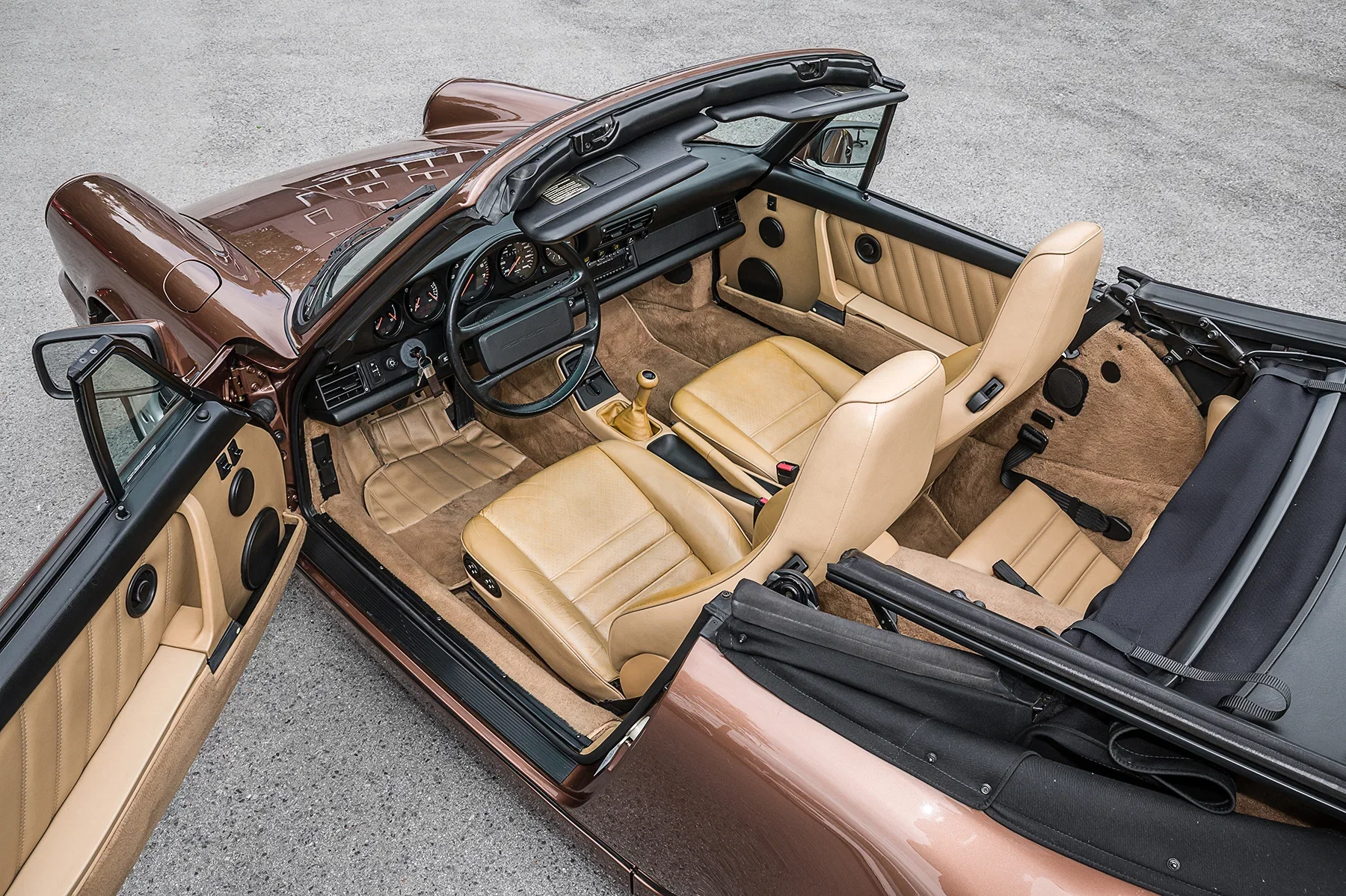
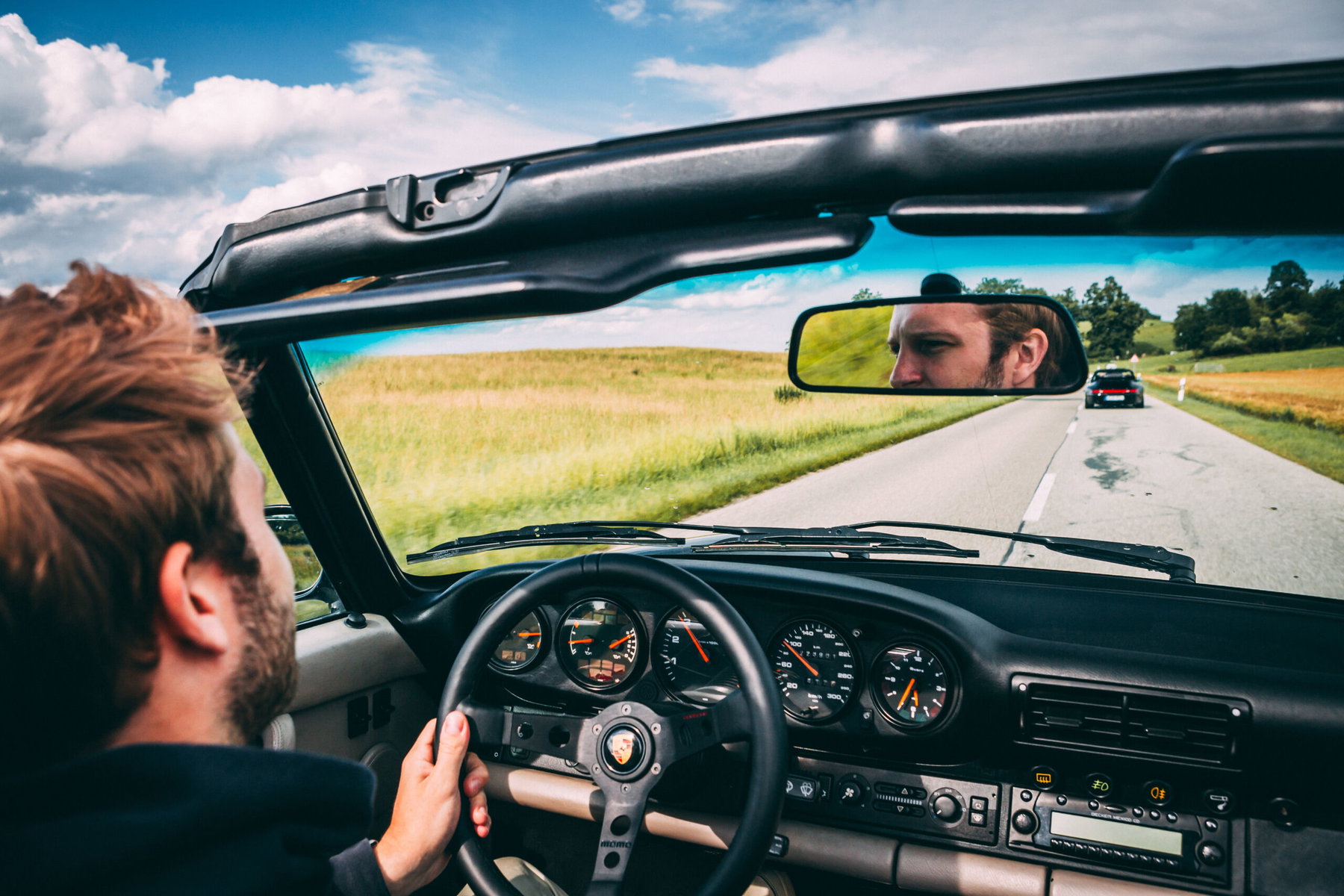
That’s precisely what makes it a very interesting choice for drivers who aren’t interested in collecting cars. Anyone who uses their 911 primarily for occasional pleasure drives needn’t consider the Cabriolet a second-best option. Its slightly lower body rigidity and the additional weight of 45 kilograms hardly matter in this context. The open roof intensifies the driving experience. You perceive the sun, the scents, and the sound of the air-cooled boxer engine more intensely than in the coupe. This lends even a relaxed drive a special charm.
Of course, true driver’s cars don’t have to be coupes, and collectors buy convertibles, too. Our opening statement was deliberately provocative. For anyone who mainly drives on country roads and values the experience more than the last tenth of a second, the convertible actually offers an even greater experience. Especially with the 964, it can be the more attractive alternative within the desired price range if you can’t find a suitable coupe. And after your first drive with the top down, you might find that it isn’t a compromise at all.
Message
Do you have a tip for a story or just want to get in touch with Richard?




 2017
2017