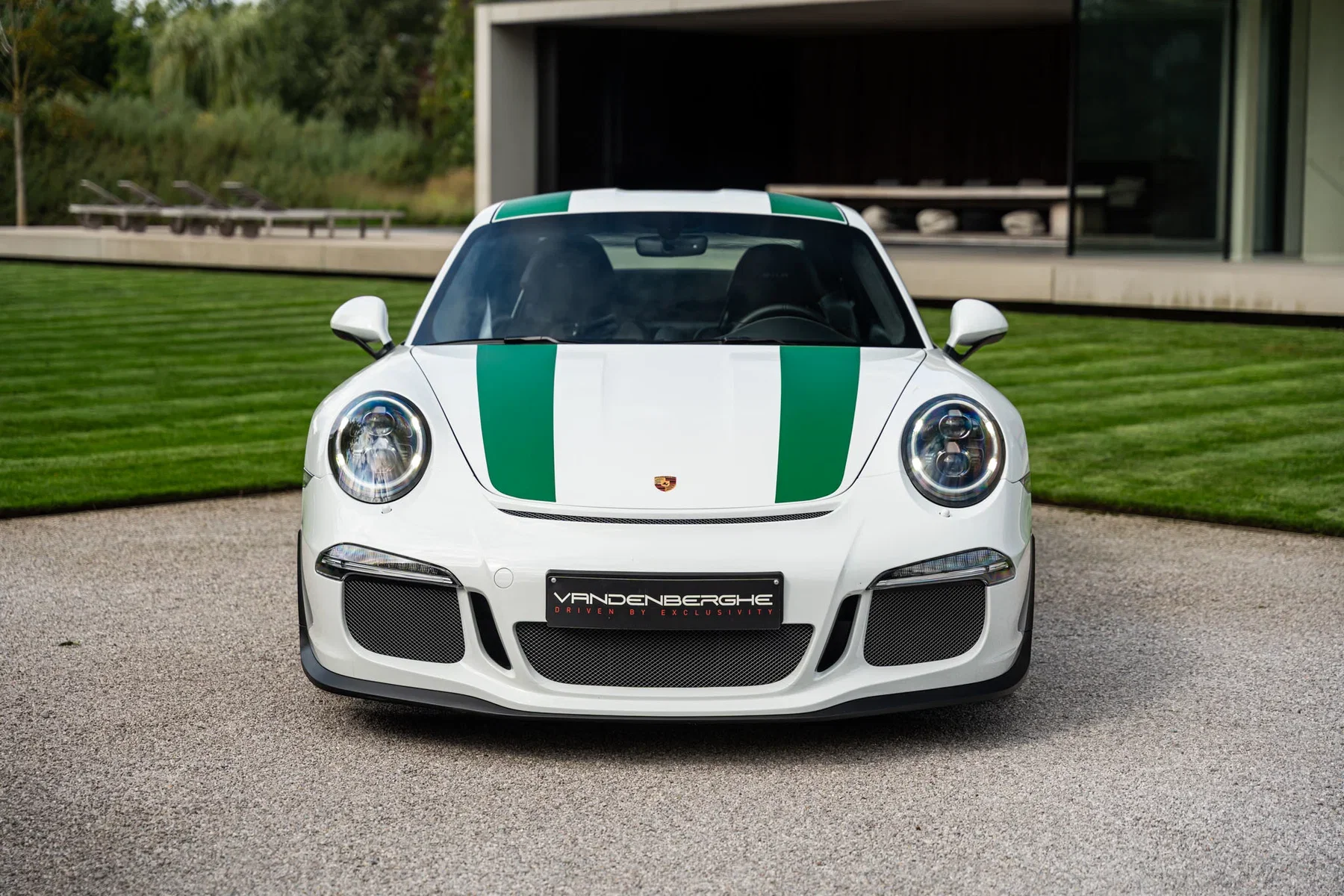
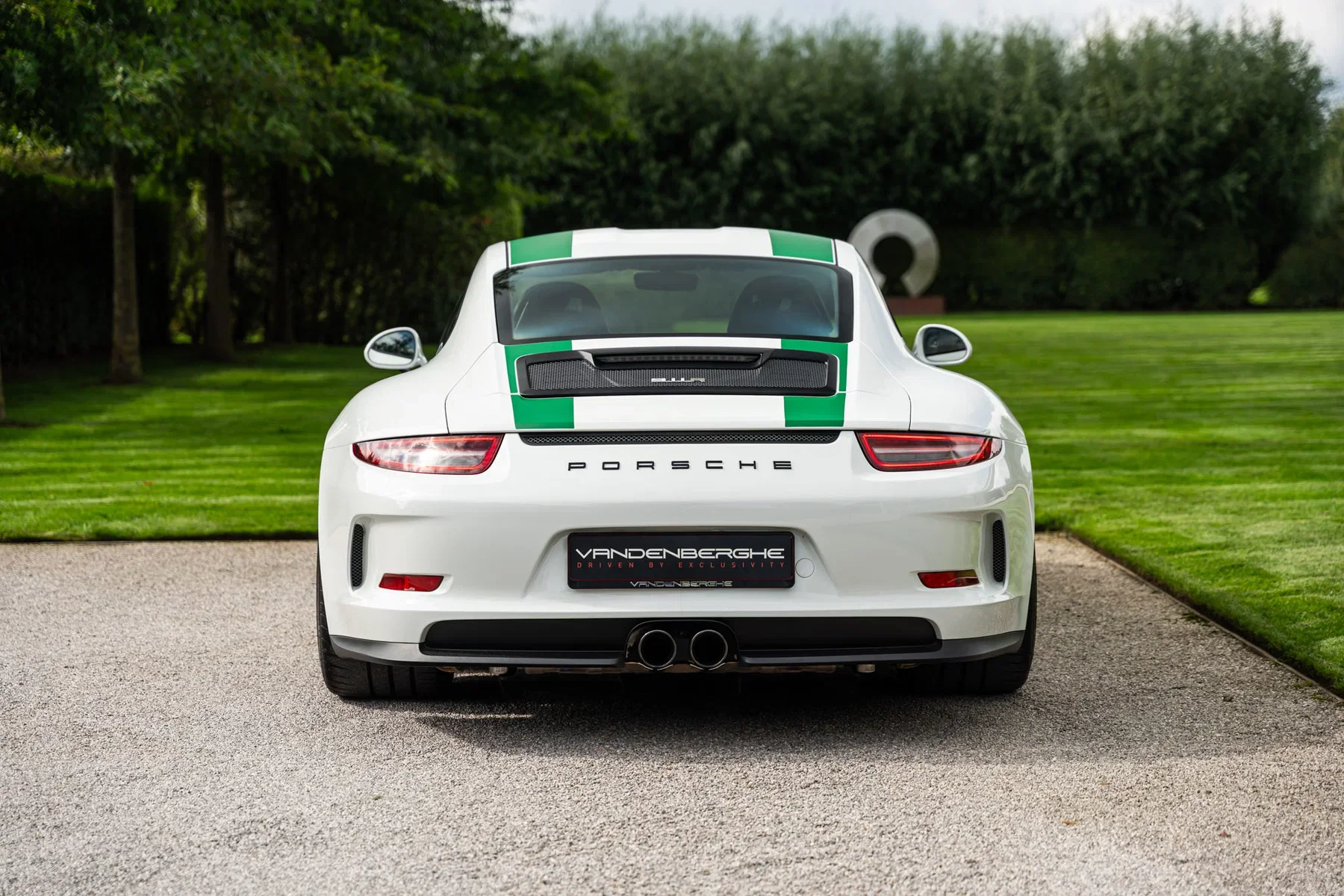
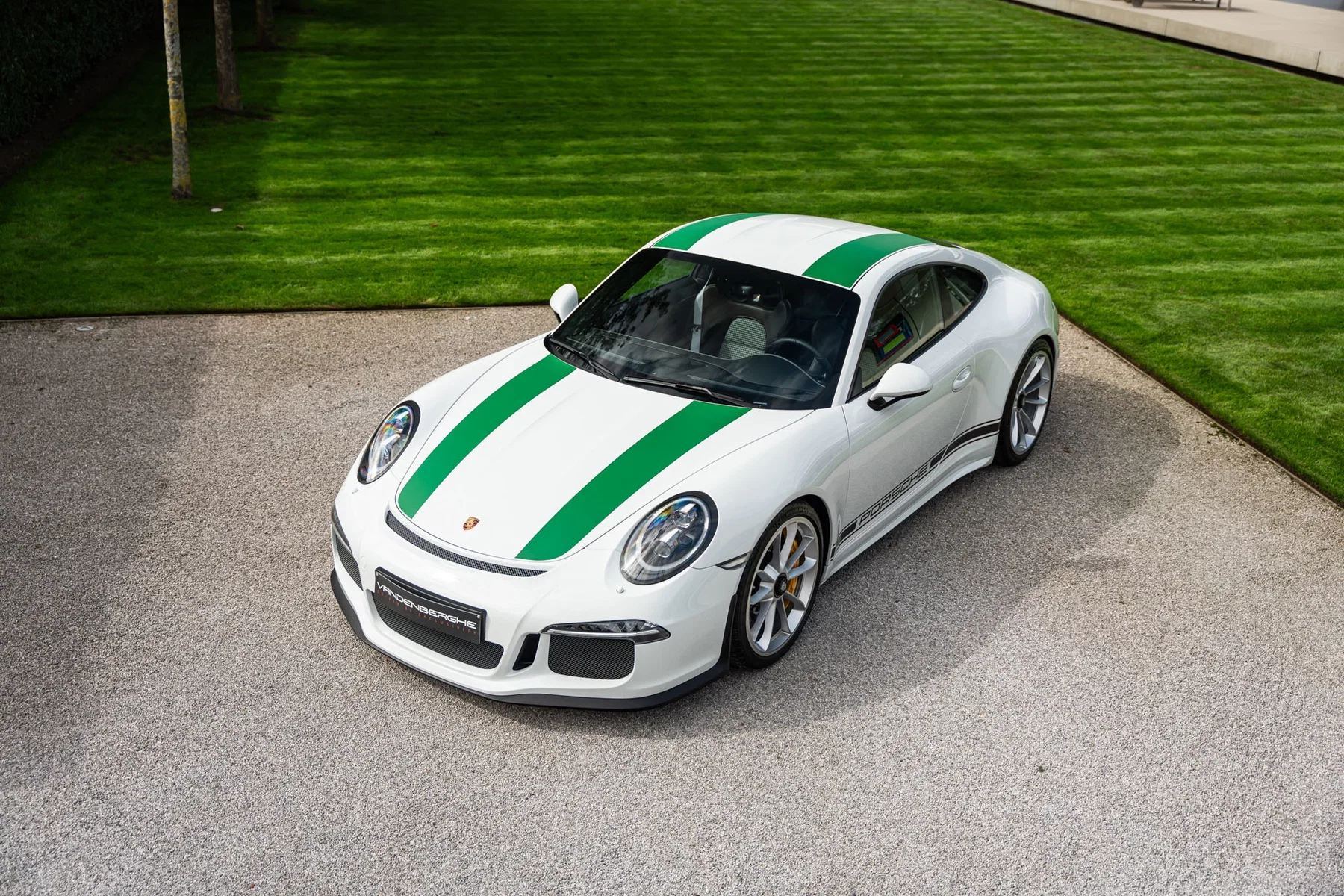
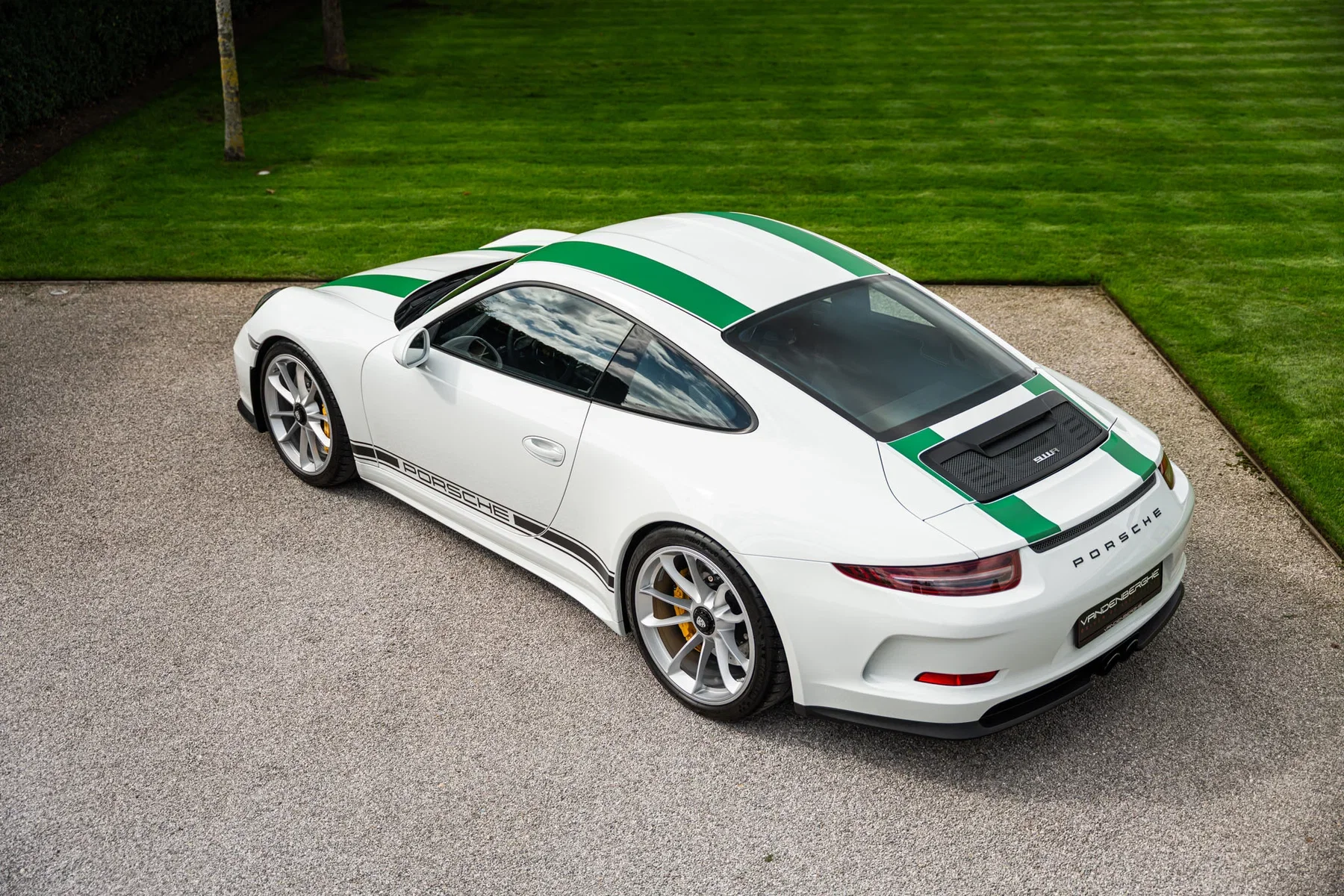
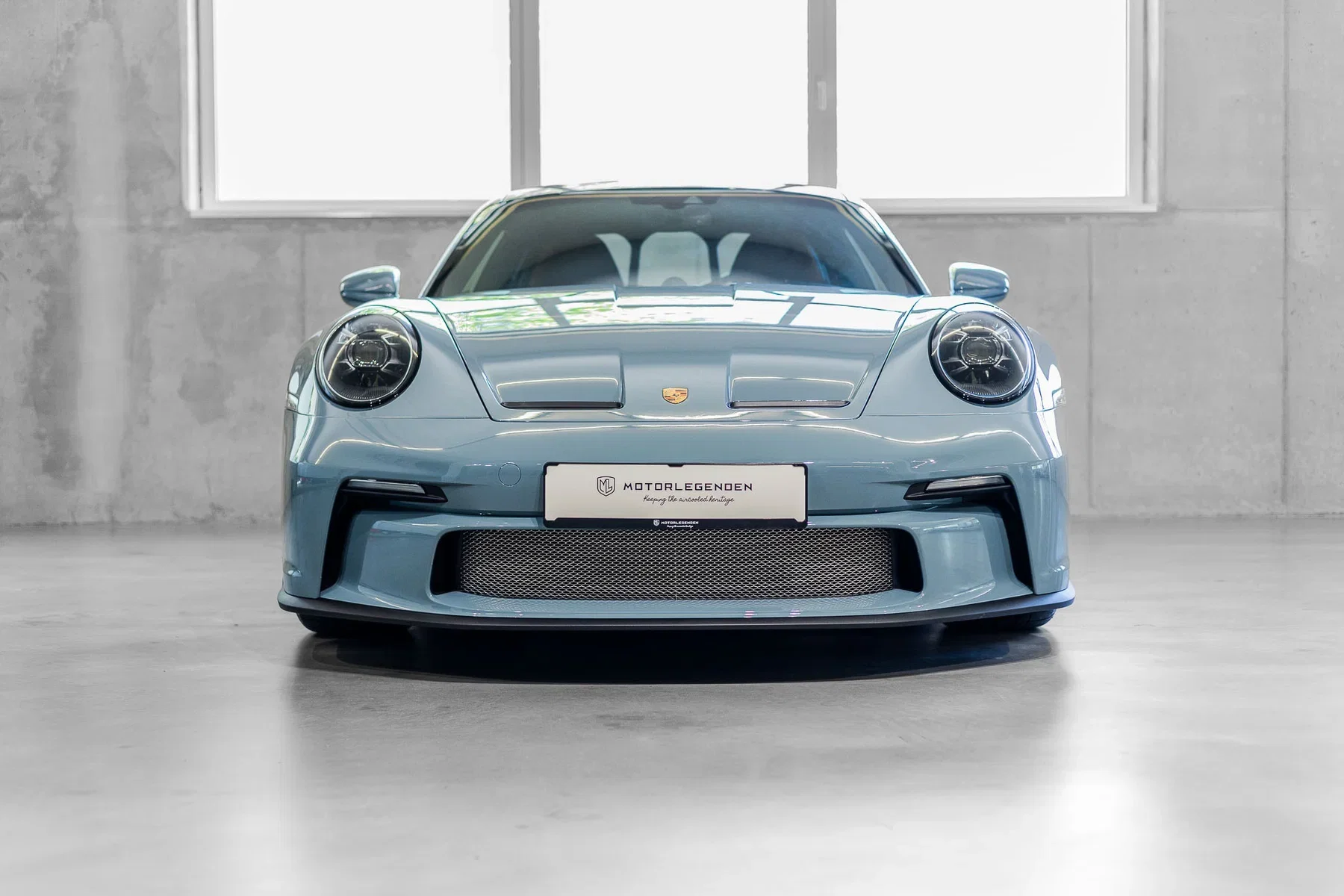
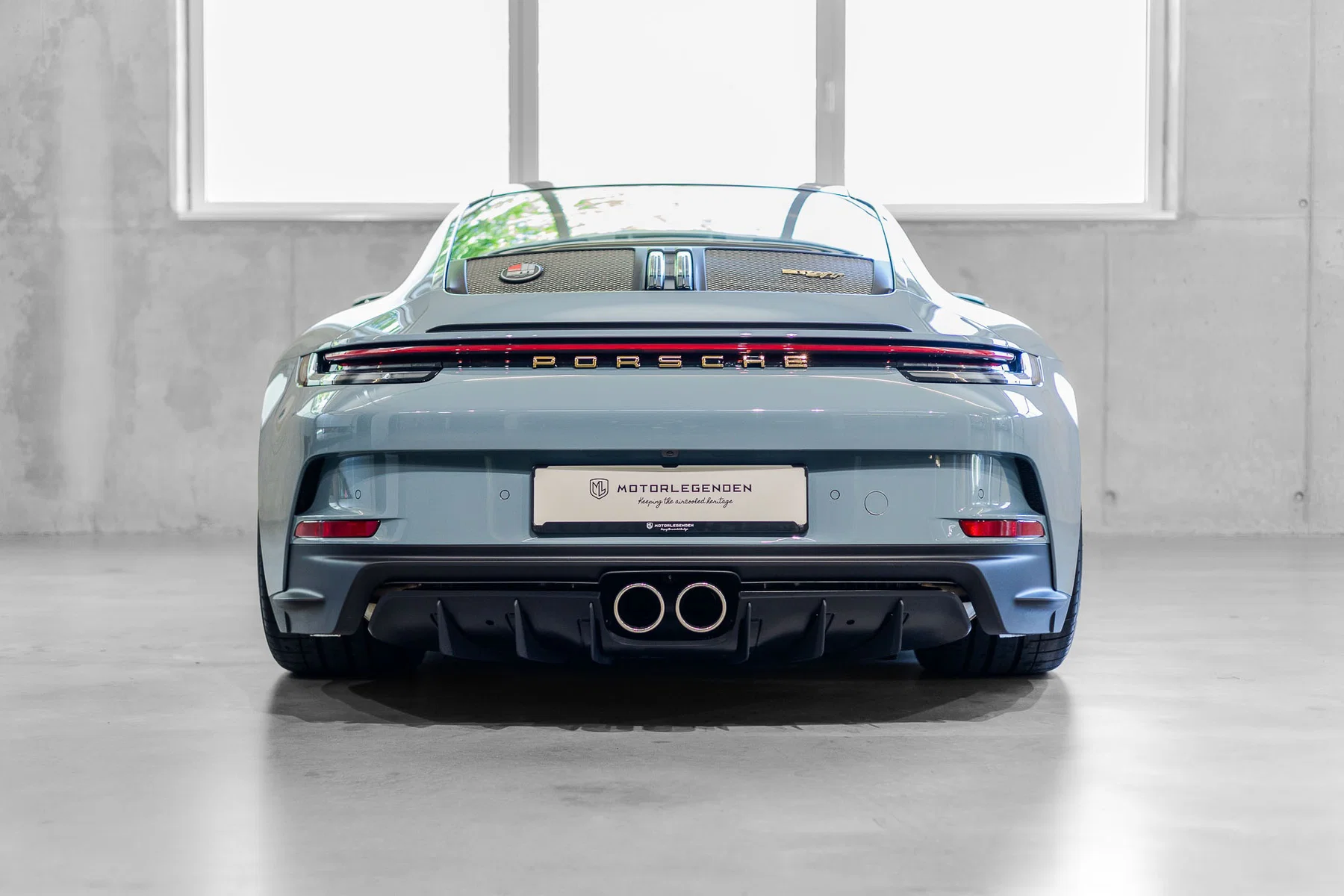
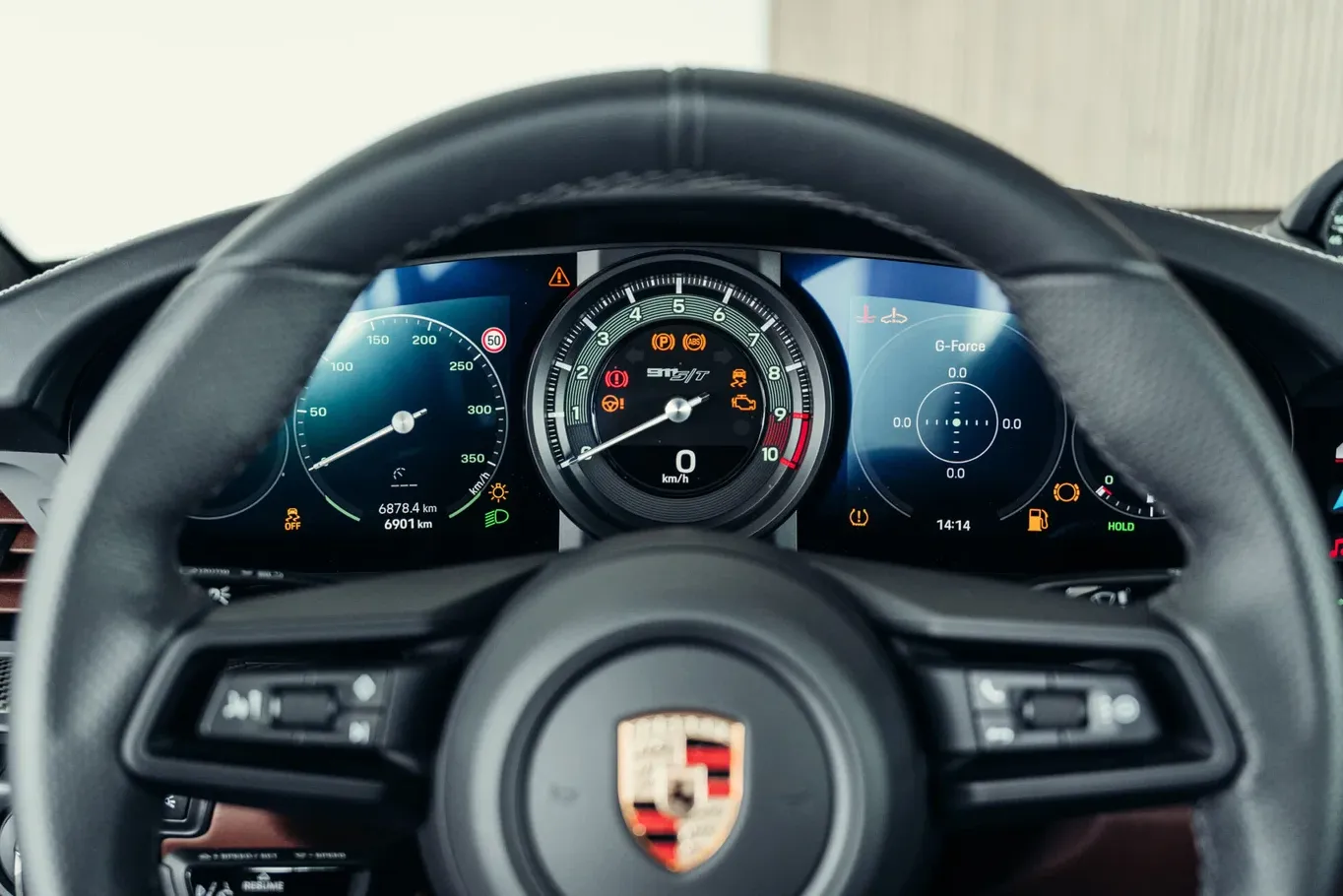
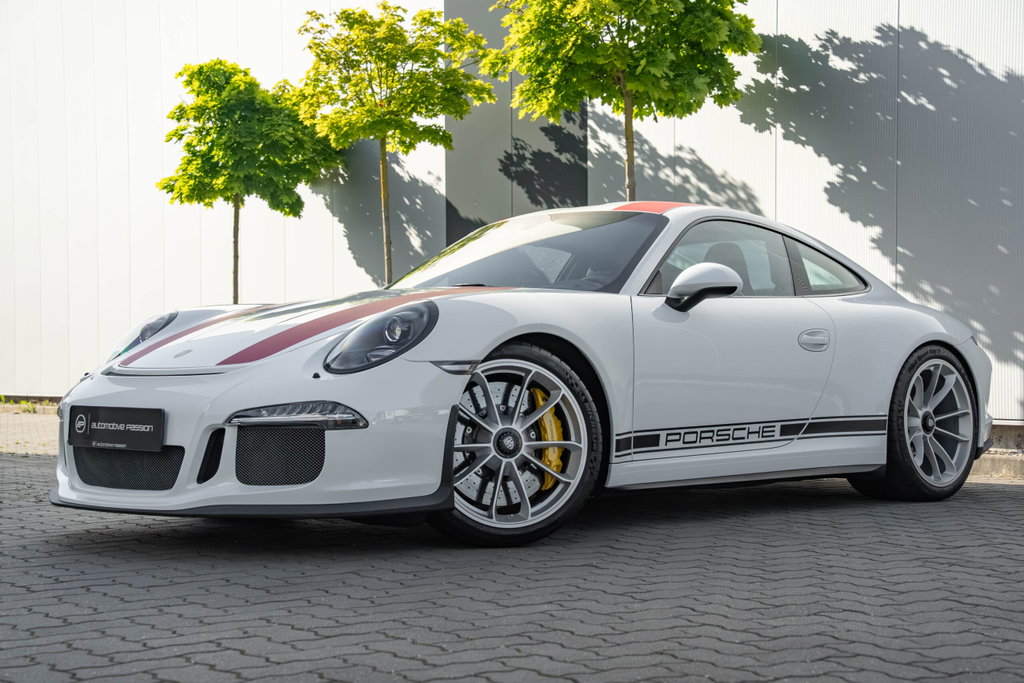
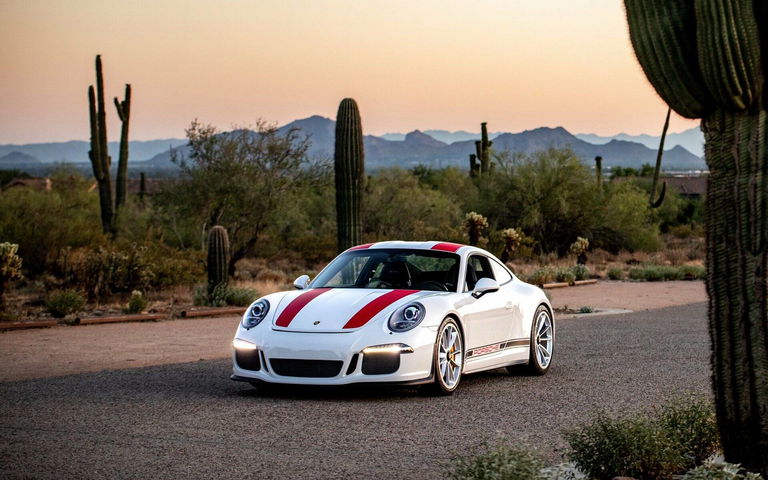
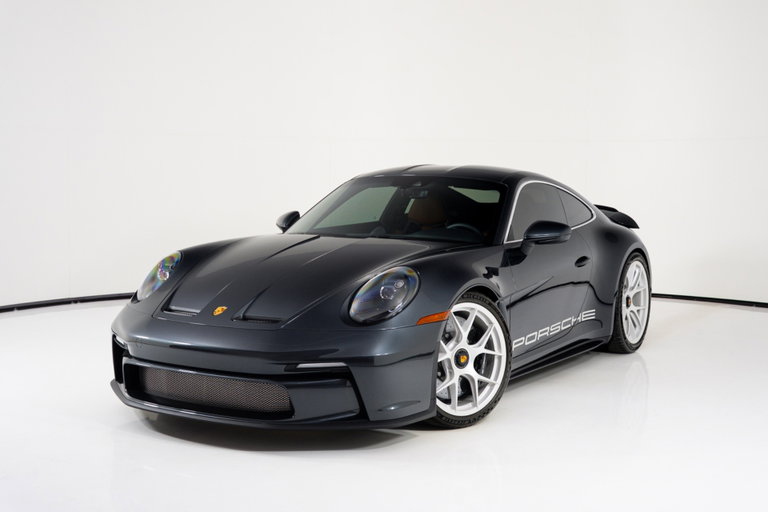
Sebastian Böhnke of Automotive Passion recently had two very special 911s on display in his showroom on the outskirts of Hamburg: a Porsche 911 R from the 991 series and a 911 S/T from the current 992 generation. Two dream cars based on the same concept, with outstanding performance and a mesmerizing sound. Price-wise, too, both start at similarly dizzying heights. We asked ourselves which of the two we would choose and posed the question to our community on Instagram. The result was surprisingly clear-cut.
Nearly three-quarters prefer the 911 R
In total, we analyzed 447 comments from 413 accounts. 335 users expressed a preference for one of the two models. Multiple comments from the same account were counted only once. Responses without a clear choice and statements such as “I’d take both” were excluded from this comparison. The result: 243 votes for the Porsche 911 R, 92 for the S/T. This means that 72.5 percent chose the older 911 and 27.5 percent chose its younger counterpart. Of course, the results reflect only the preferences of the participants and are not representative of the entire Porsche community. Still, it’s certainly an interesting trend.
Both models feature a GT3 RS engine and a manual transmission
Technically, both follow a similar basic concept: a four-liter, naturally aspirated six-cylinder engine from the respective GT3 RS is paired with a six-speed manual transmission, rear-wheel drive, and a body without a fixed rear wing. In the 911 R, introduced in 2016, the engine from the 991 GT3 RS produces 500 PS and reaches a maximum rpm of 8,800. The suspension is derived from the GT3, and rear-axle steering is standard equipment. A single-mass flywheel for more responsive engine performance was available as an option.
The S/T, unveiled in 2023, combines the 992 GT3 RS’s 525 PS engine with the GT3 Touring’s six-speed manual transmission. Porsche reduced the Touring’s final drive ratio by eight percent and developed an exceptionally lightweight clutch with a single-mass flywheel. The lower rotating masses allow the engine to rev even more spontaneously. It also offers an additional 200 revs, maxing out at the mesmerizing heights of 9,000 rpm. Added to this are the 992 GT3’s double-wishbone front suspension and a unique chassis setup. To offer am more natural feel and save more weight, the S/T does not feature rear-axle steering, though.
What sets the Porsche 911 R apart from the 911 S/T?
The Porsche 911 R, introduced in 2016, is based on the 991 series and produces 500 PS. The 911 S/T, introduced in 2023, belongs to the 992 series and produces 525 PS. Both feature a four-liter naturally aspirated engine, a six-speed manual transmission, and rear-wheel drive. The 911 S/T differs, among other things, in its double-wishbone front suspension and the absence of the rear-axle steering that comes standard on the 911 R. The single-mass flywheel was an optional extra on the 911 R, but comes standard on the 911 S/T.
Are the Porsche 911 R and 911 S/T available with PDK?
No. Porsche offered both the 911 R and the 911 S/T exclusively with a six-speed manual transmission.
What are the differences in performance between the 911 R and the 911 S/T?
The Porsche 911 R accelerates from a standstill to 100 km/h in 3.8 seconds, to 200 km/h in 11.6 seconds, and reaches a top speed of 323 km/h. The 911 S/T takes 3.7 seconds to reach 100 km/h, 11.2 seconds to reach 200 km/h, and is electronically limited to 300 km/h.
The 911 R impresses with its driving experience and design
In the reasons cited for the older 911 R, a few arguments come up again and again: its more compact body, the styling of the 991 generation, and the unique driving experience. Some commenters base their decisions solely on appearance. Others describe their own experiences behind the wheel. It gets interesting when users are familiar with both cars and, while acknowledging the S/T’s technical advantages, personally prefer the R.
Two users share their personal experiences with both models. Both prefer the 911 R. One user says he owns both and describes the more emotional driving experience of his R, equipped with the single-mass flywheel, as the deciding factor. On the racetrack, he says, the S/T is the better and faster car. If he had to sell one of them, he’d keep the R, though.
Another user shares his experience with both models. He owned both at the same time for a year. He describes the S/T’s engine as particularly responsive, while the driving experience in the R is more raw and closer to that of a classic 911. Why are we talking of “owned” rathern than “onws”? Well, he has already made his decision: He sold the S/T and kept the R.
Fans of the 911 S/T praise its engine, transmission, and suspension
On the Porsche 911 S/T page, too, users who have experience with both models are sharing their thoughts. One user states that he has owned both and considers the S/T to be clearly superior in terms of engine, suspension, damping, and steering. Another user, who owns an S/T himself and has had the chance to drive the R model several times, considers the newer 911 to be the slightly better car overall. He also prefers the design of the 992 series.
For another user, the 911 R’s looks and interior are appealing, but when it comes to driving, he prefers the S/T. Its engine’s immediate response, the short gear ratios, and the lack of rear-axle steering make all the difference to him. He also counts the front axle with double wishbones among its strengths. For him, the S/T offers the more compelling driving experience on winding country roads.
Key Figure
Porsche 911 R (991)
Porsche 911 S/T (992)
Power
500 PS
525 PS
0–100 km/h
3.8 s
3.7 s
0–200 km/h
11.6 s
11.2 s
Top speed
323 km/h
300 km/h, electronically limited
Curb weight
1,370 kg
1,380 kg
Production numbers
991 units
1,963 units
The comments thus also show how differently even people who know both cars well—or even own them—judge them. What some find particularly appealing about the R doesn’t, for others, outweigh the S/T’s driving dynamics. Added to this are personal preferences regarding design. Some explicitly prefer the shape of the 991, while others find the 992’s appearance particularly appealing.
The 911 R’s historical significance speaks for itself
For some users, the history behind the two models also plays a role. Both the 911 R and the S/T draw their names from the early years of the 911. The R is reminiscent of the lightweight race car of the same name from 1967. The S/T references the historic 911 ST, which Porsche built in various versions between 1969 and 1972 for rallies and circuit racing. Both models, therefore, draw inspiration from cars of the 1960s and 1970s, which focused on lightweight construction and motorsports.
The modern 911 R, however, sparked a development that had a lasting impact on the Porsche model lineup. After the 991 GT3 was initially offered exclusively with PDK, Porsche combined the GT3 RS engine with a six-speed manual transmission and a body without a fixed rear wing in the R. The focus was on the driving experience on the road. As we described back in 2023 in our article on the special significance of the 911 R, this concept was carried forward in the GT3 with the Touring Package starting in 2017.
One user in the comments highlights precisely this significance. For him, the R holds a special place in recent Porsche history because it brought renewed attention to manual transmissions in the GT segment. Today, the S/T builds on the concept of the lightweight, manual-transmission 911 for the road. For some fans, however, the R remains the car that paved the way for this development. This, too, is an understandable reason why they prefer it over the S/T, despite the latter’s technical advantages.
The Porsche 911 R continues to thrill Porsche fans
Our little poll shows just how much enthusiasm the Porsche 911 R still generates, even ten years after its debut. The community particularly appreciates its timeless design, the driving experience, and its significance in Porsche history. Fans of the S/T also have perfectly understandable reasons for their choice.
A comparison between the Porsche 911 R and the 911 S/T naturally cannot have a loser. Both are exceptional, limited-edition special models that prioritize the driving experience over lap times. The 911 R ushered in the era of rear-wing-less GT Porsches and paved the way for the GT3 Touring. The 911 S/T consistently carried forward the 911 R concept.
Particularly insightful are the accounts of those who are familiar with or own both models: Some acknowledge the 911 S/T’s dynamic driving qualities but would still choose the R. Others appreciate the S/T’s engine response and suspension so much that they opt for the newer 911. The experiences of these users show just how different priorities can be, even between two spiritually closely related models.
Message
Do you have a tip for a story or just want to get in touch with Richard?












 2024
2024 
 2016
2016 
 2016
2016 
 2016
2016