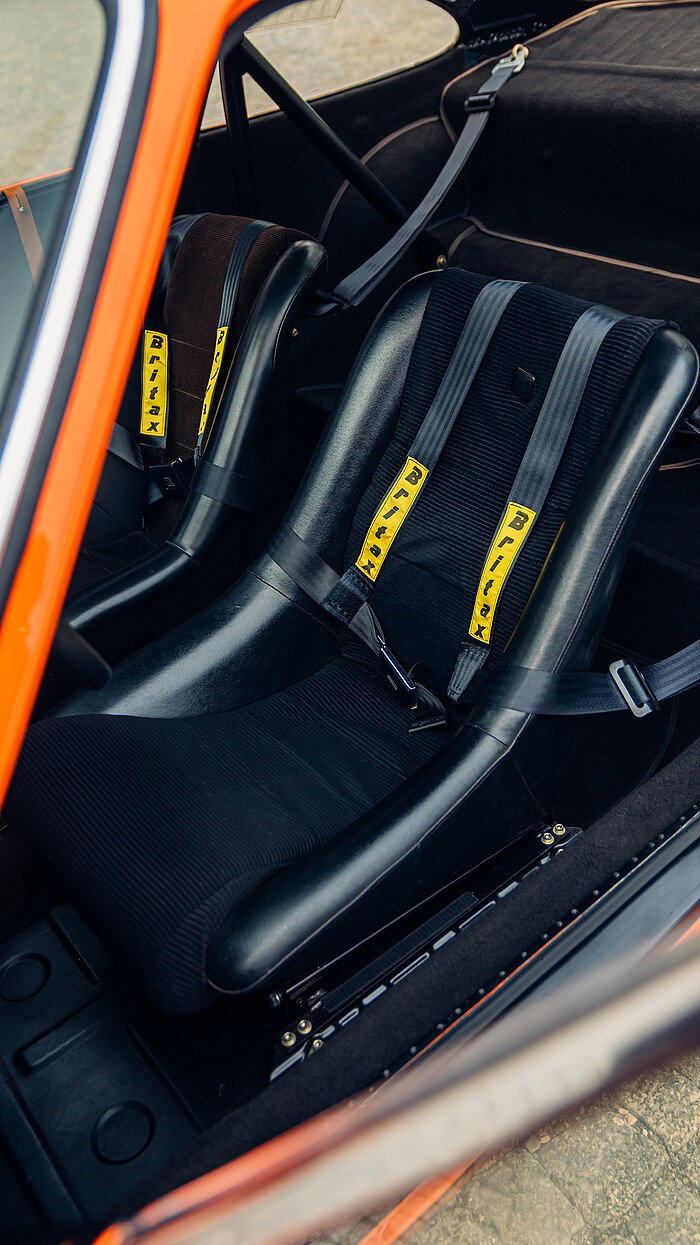
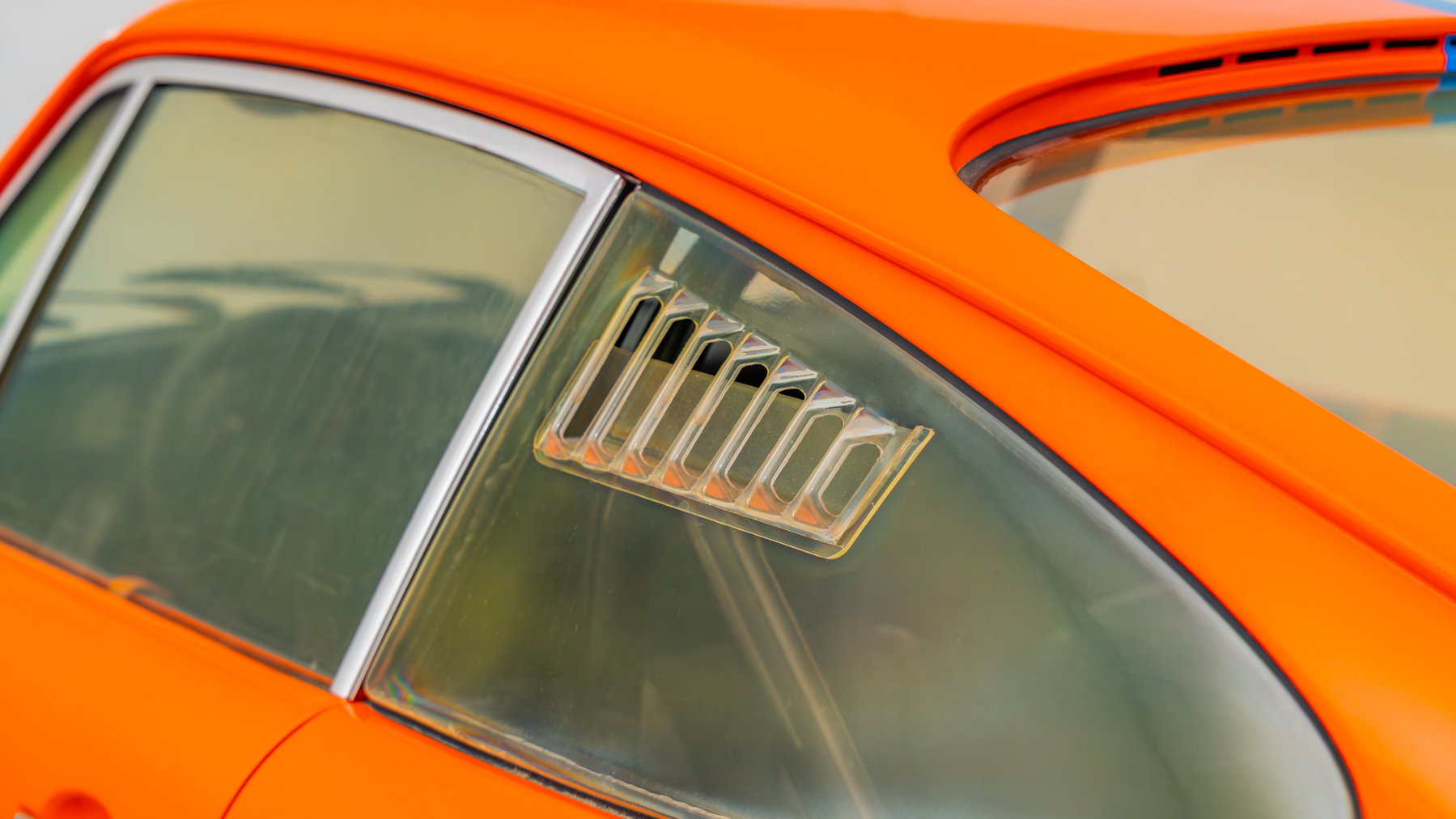
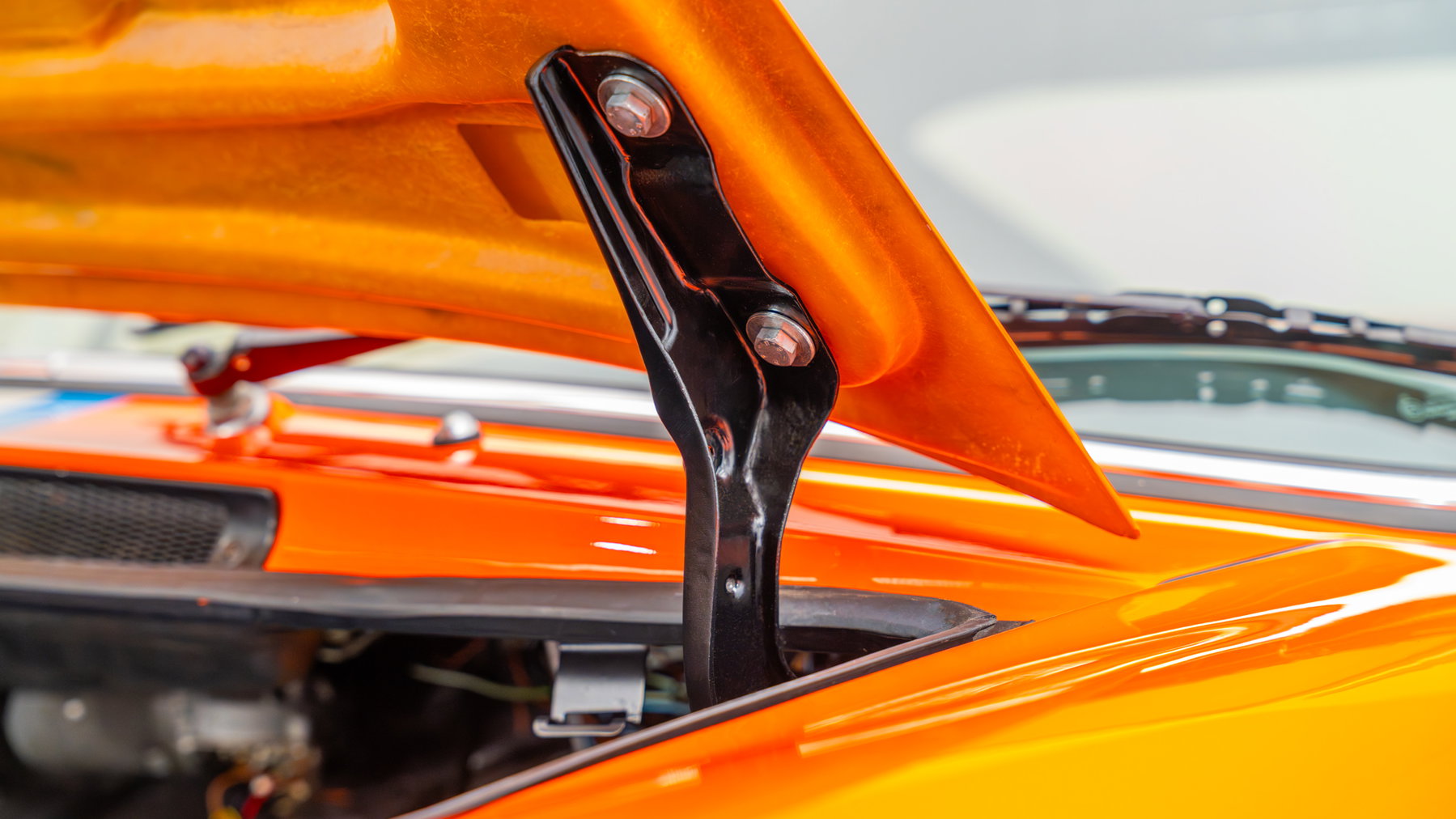
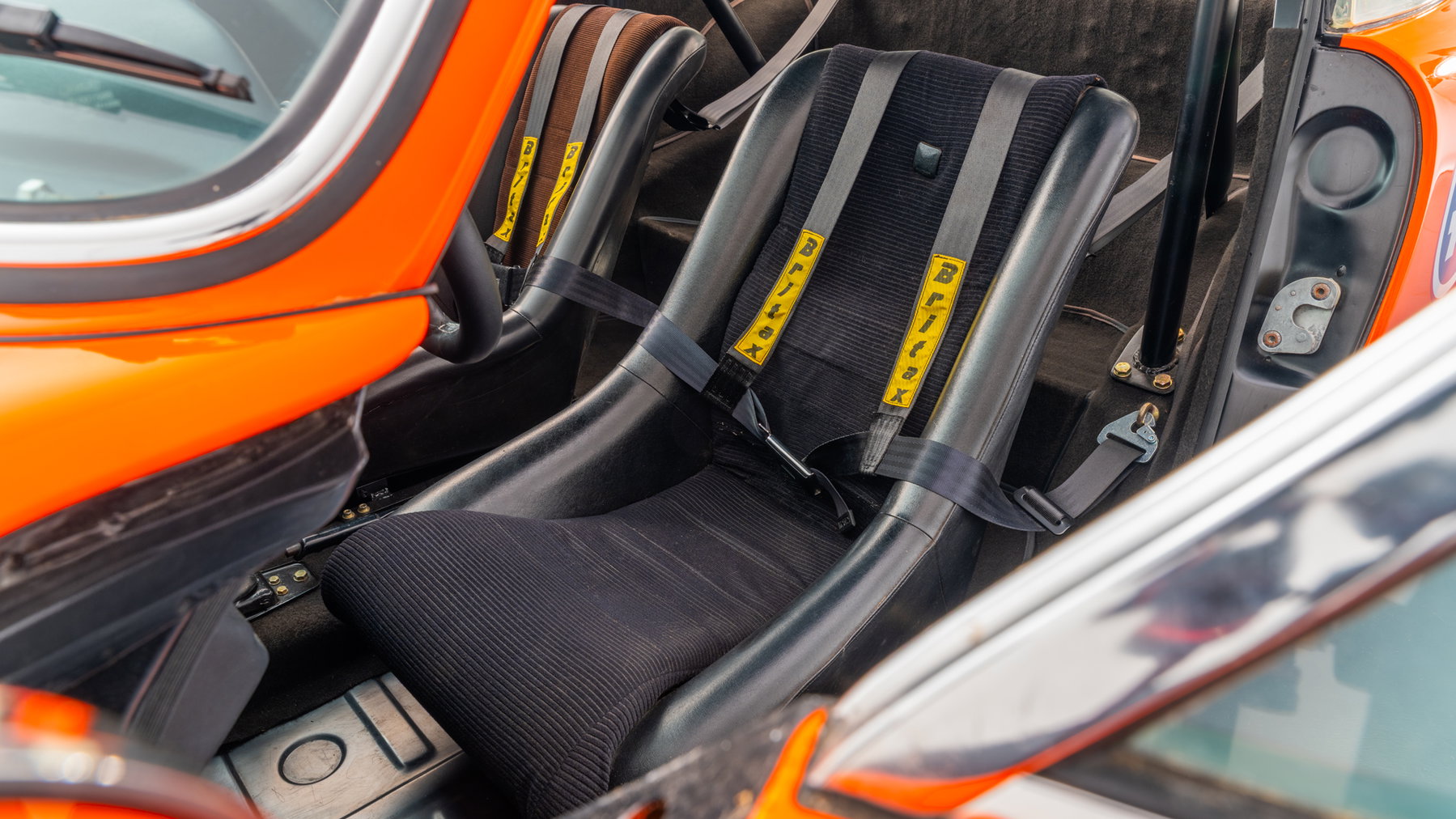
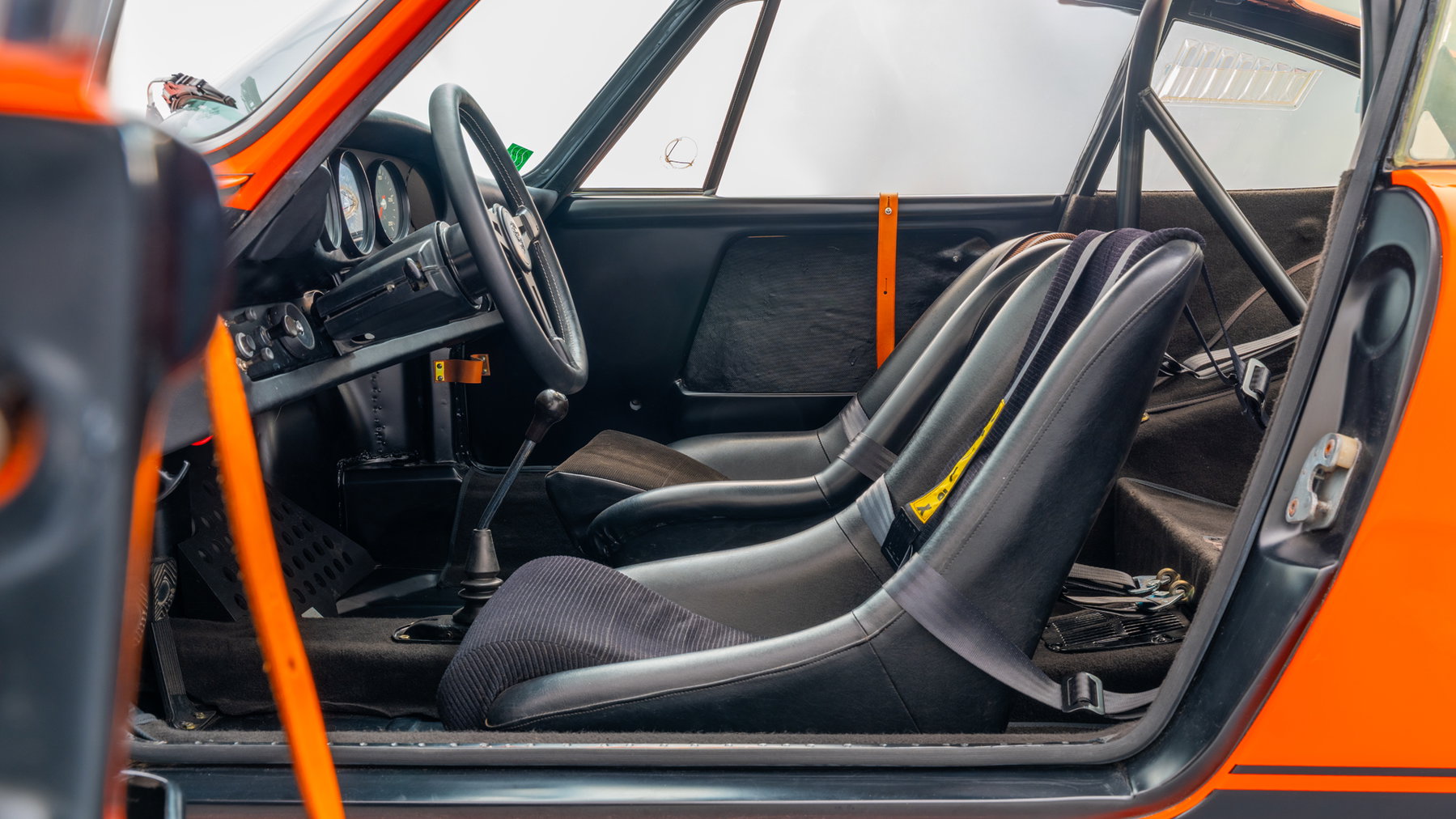
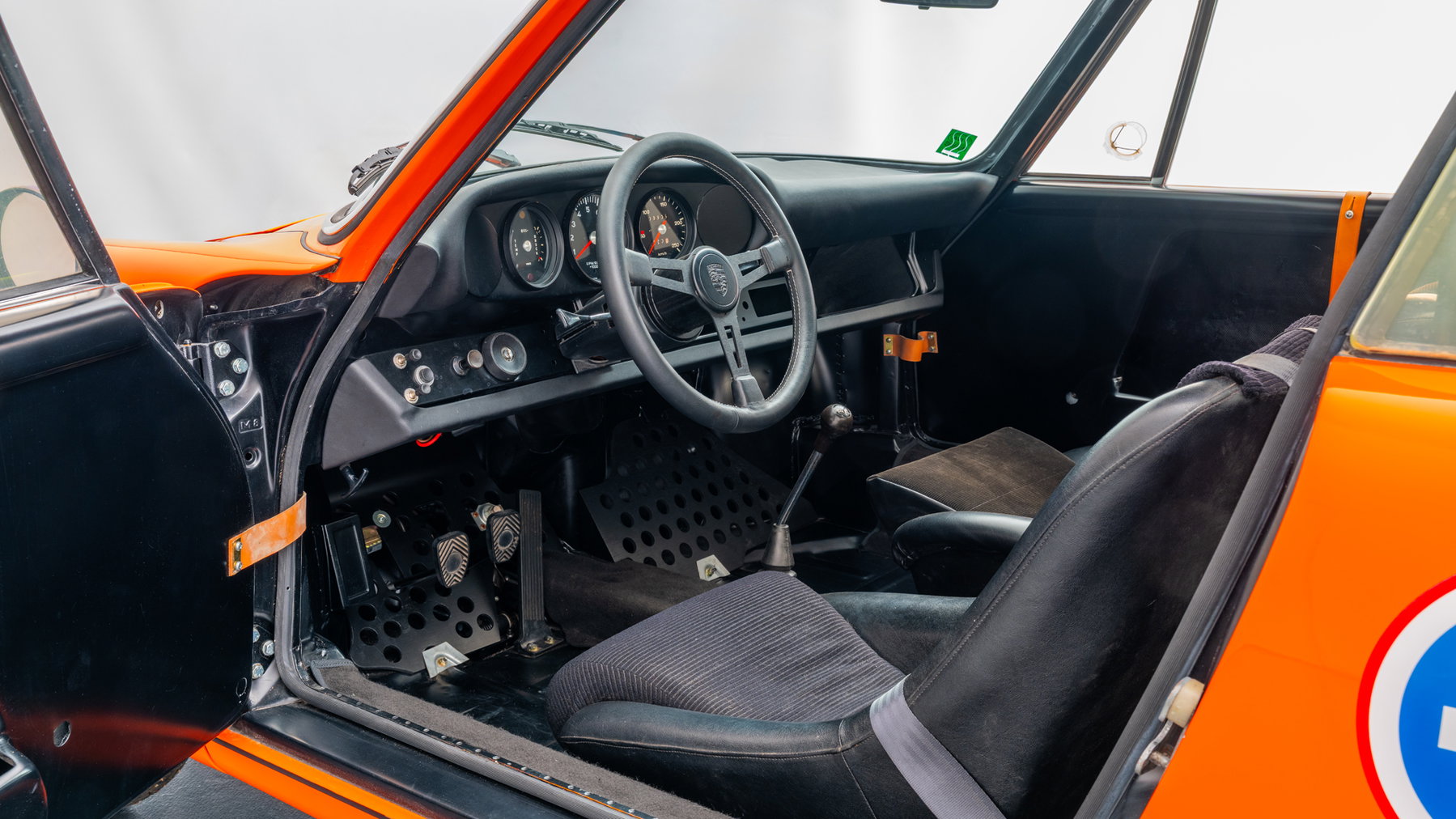
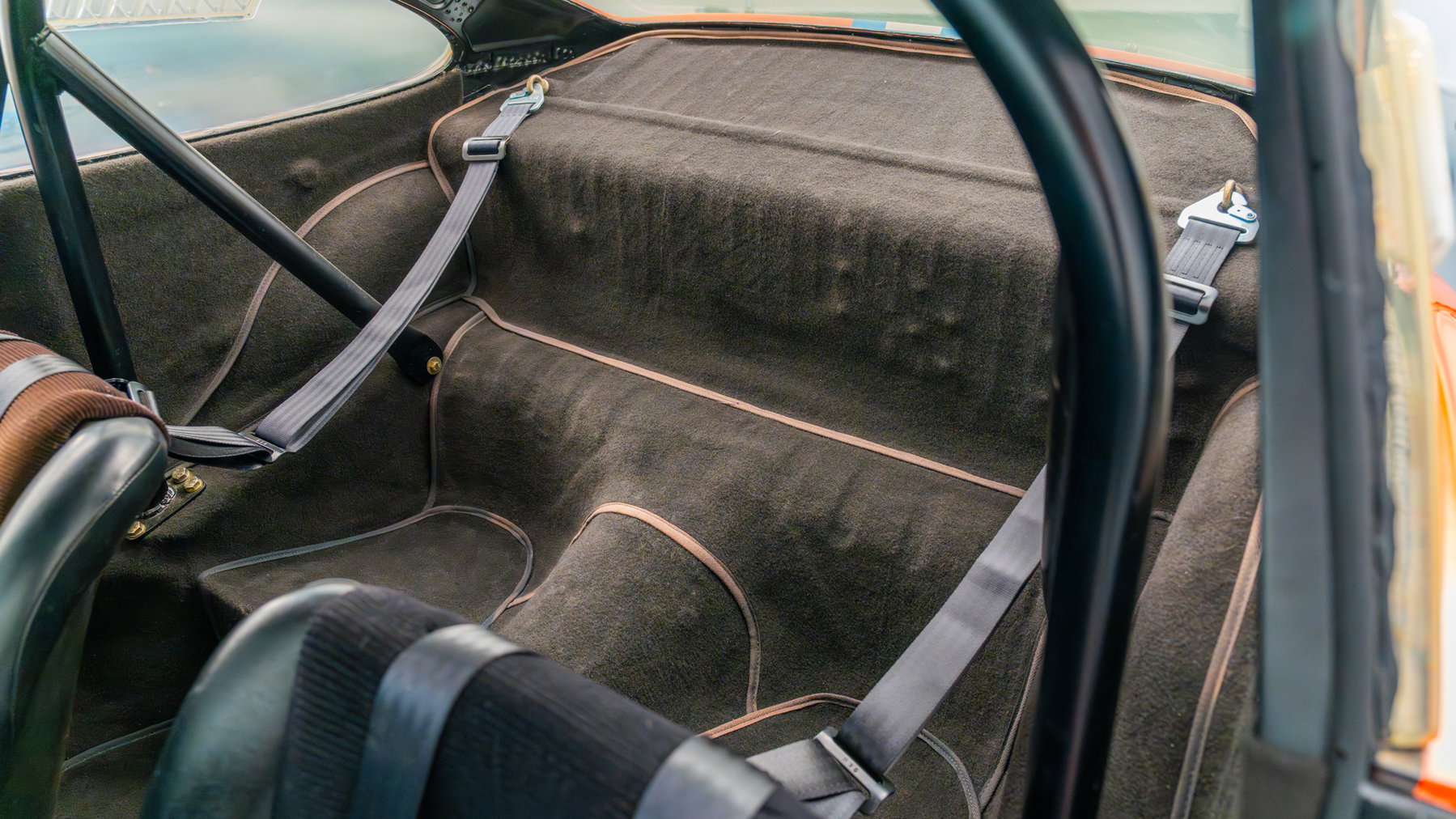
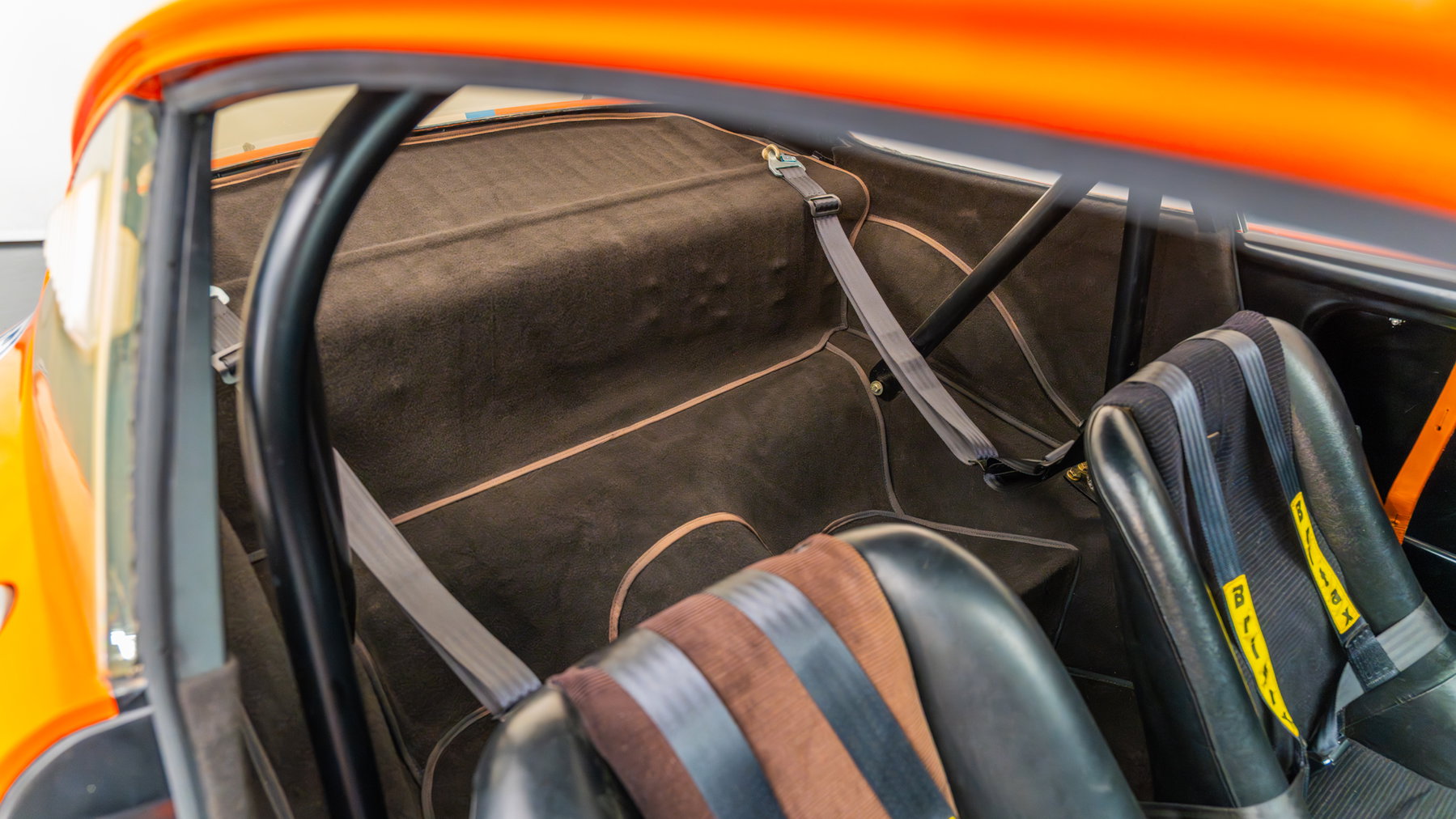
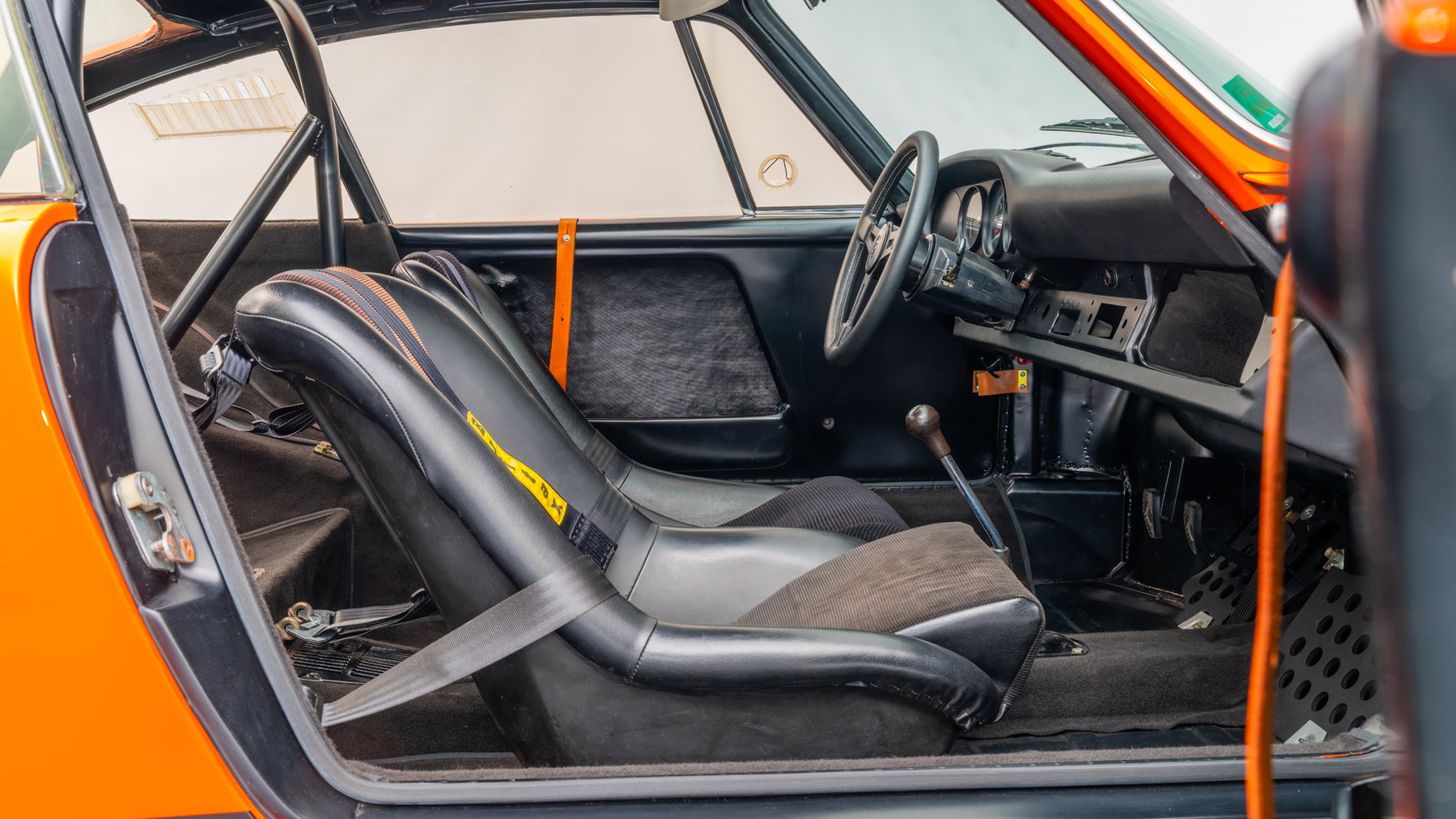
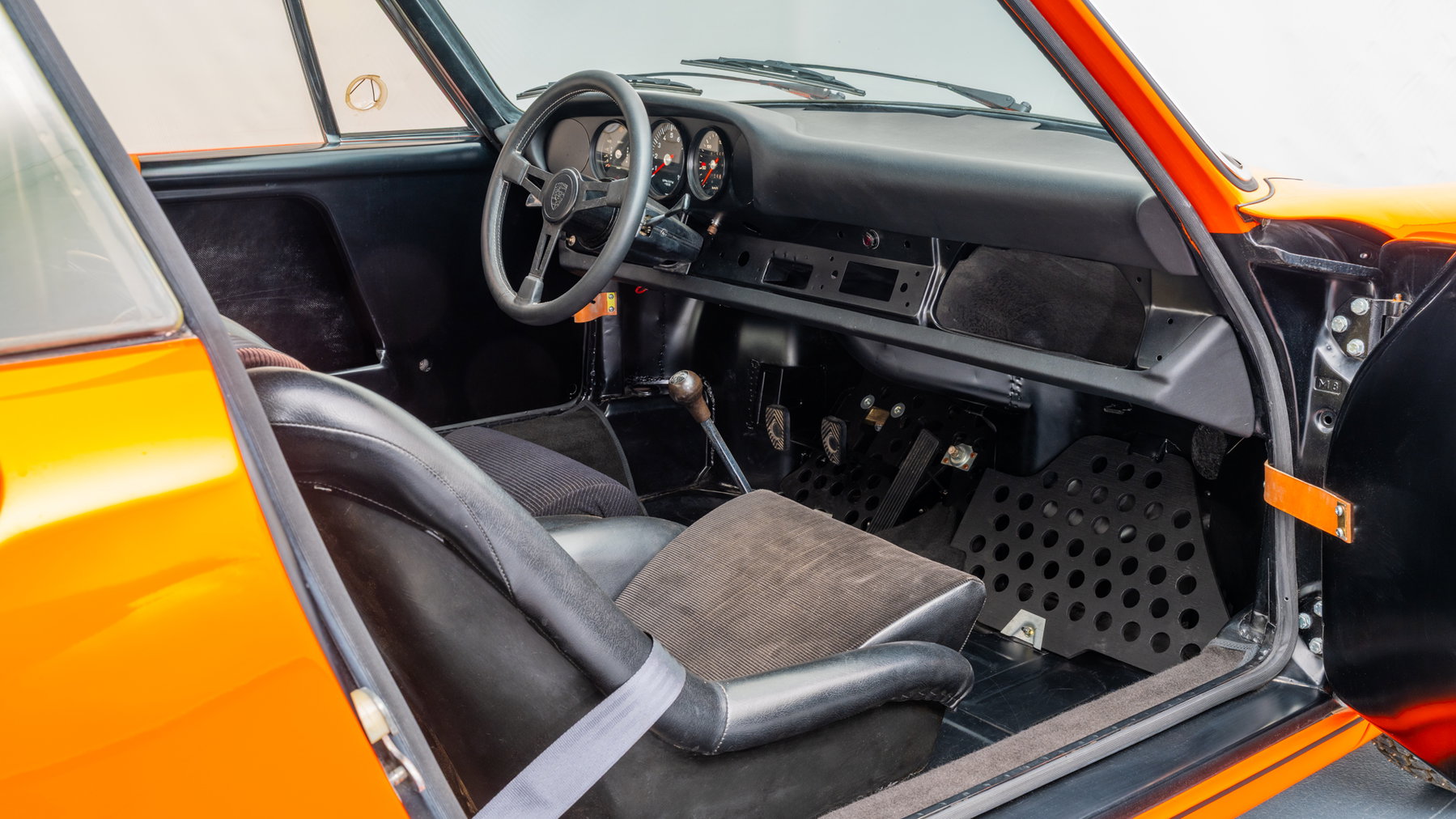
The original Porsche 911 R is one of the rarest and, at the same time, most influential early 911 variants. It emerged from Porsche’s plan to homologate the 911 for Group 2 touring car racing in the 1960s. By that time, Porsche had already demonstrated how competitive the 911 was in GT racing and wanted to use it to replace lighter prototypes, such as the 906, in customer racing. To that end, in 1967 they developed an extremely lightweight and uncompromising version of the 911 that was specifically designed for competition. The core principle was consistent lightweight construction. While standard 911 S models still weighed well over a metric ton, the 911 R tipped the scales at about 800 kilograms. This was made possible by body panels made of glass-fiber-reinforced plastic, thinner windows, a drastically reduced interior, and the elimination of all standard insulation and comfort features. This made the R a true factory experiment that pushed the boundaries and later served as the blueprint for further lightweight 911 racing and road versions.
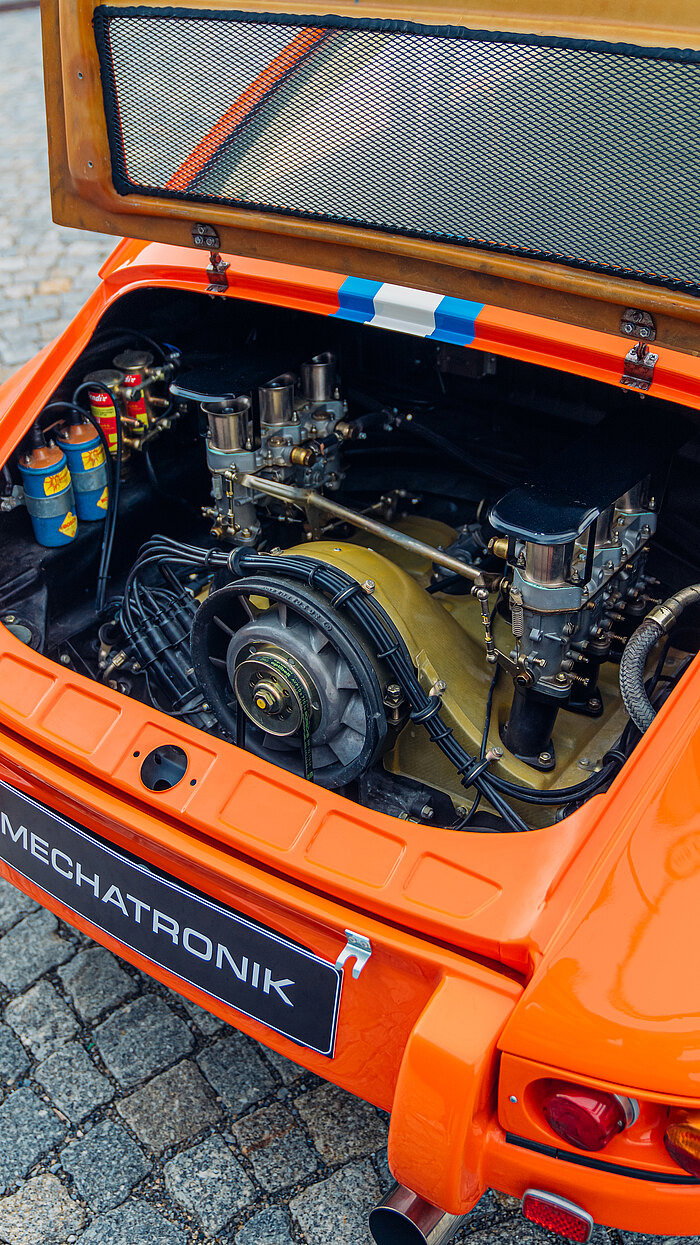
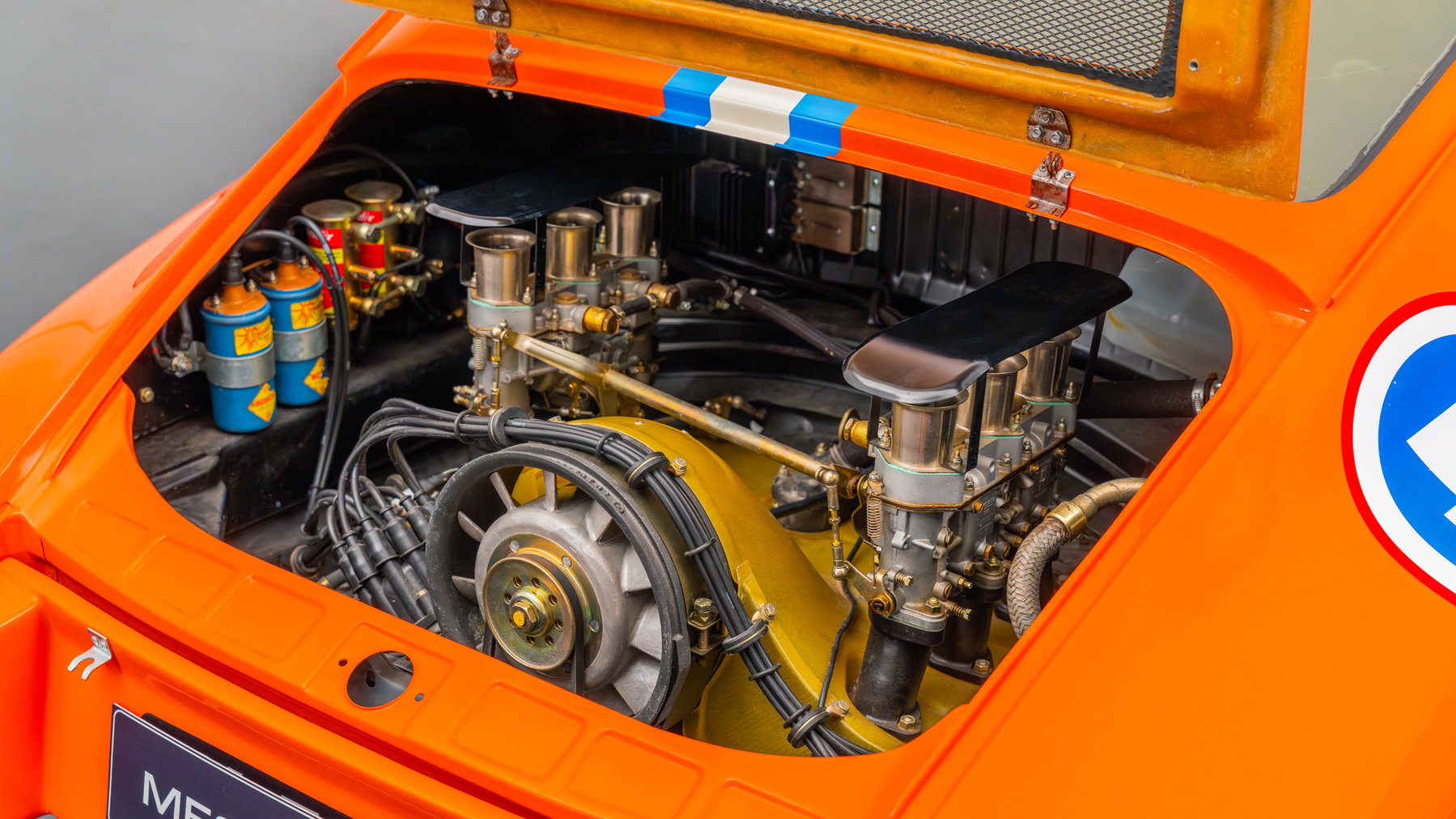
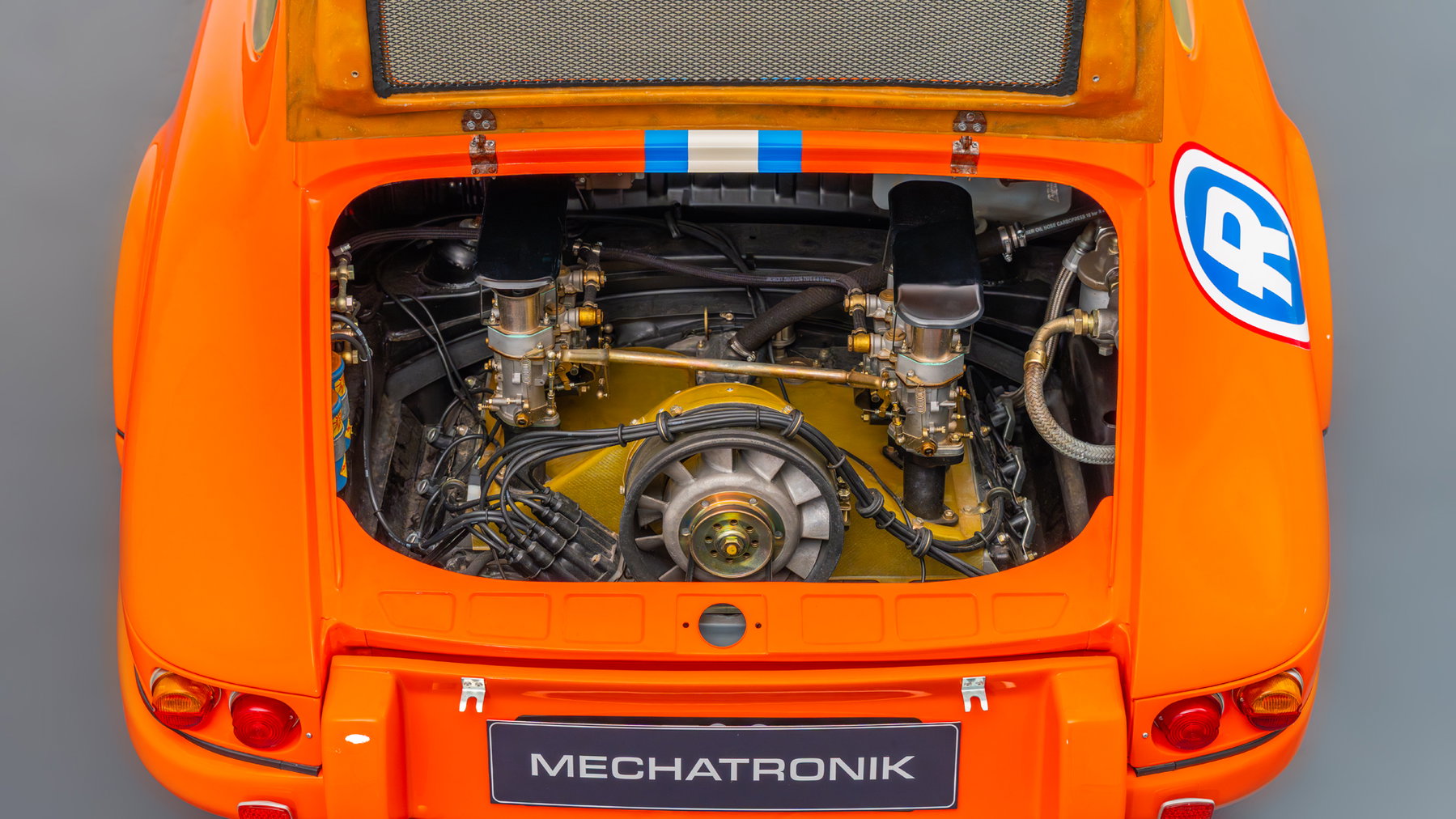
For the powertrain, Porsche did not use standard production technology but rather a genuine racing engine. The 911 R series was equipped with the two-liter six-cylinder boxer engine designated 901 22. This engine utilized the so-called square cylinder head design from the Porsche 906 and produced 210 PS at 8,000 revolutions. This made the 911 R spectacularly powerful for the late 1960s. Paired with a closely spaced five-speed transmission, the car reached a top speed of approximately 260 kph, depending on the gear ratio—a figure that put it on par with significantly more powerful sports cars.
Equally impressive is the very small production run. Four prototypes were supplemented by just 20 production vehicles, resulting in a total of 24 cars. Originally, a larger homologation series had been planned, but a rule change kept the project small. The new regulations excluded the 911 and 912 from Group 2 and reclassified them into Group 3 of the GT production cars. As a result, the 911 R lost its original homologation role, and Porsche focused on other variants from then on. This tiny production run explains why the 911 R is considered a sacred object among collectors today. Despite its short official career, the 911 R competed in major races and demonstrated its qualities—particularly in terms of weight, reliability, and high revving ability. It was precisely this combination that shaped Porsche’s future direction. The experience gained with the R led to the development of the later GT-oriented 911 lines, first through the 911 ST and subsequently through the Carrera RS. The 911 R can therefore be considered the origin of a philosophy that lives on to this day in Porsche’s lightweight and exceptionally dynamic 911 models. Today, due to its low production numbers, pure motorsport technology, and historical significance in the development of the Porsche 911, the original 911 R is one of the most sought-after 911s of all time. It represents an era in which Porsche approached racing with a focus on minimal weight and maximum efficiency, and a moment when the 911 found its definitive identity as a versatile, competitive sports car.
About the vehicle offered here
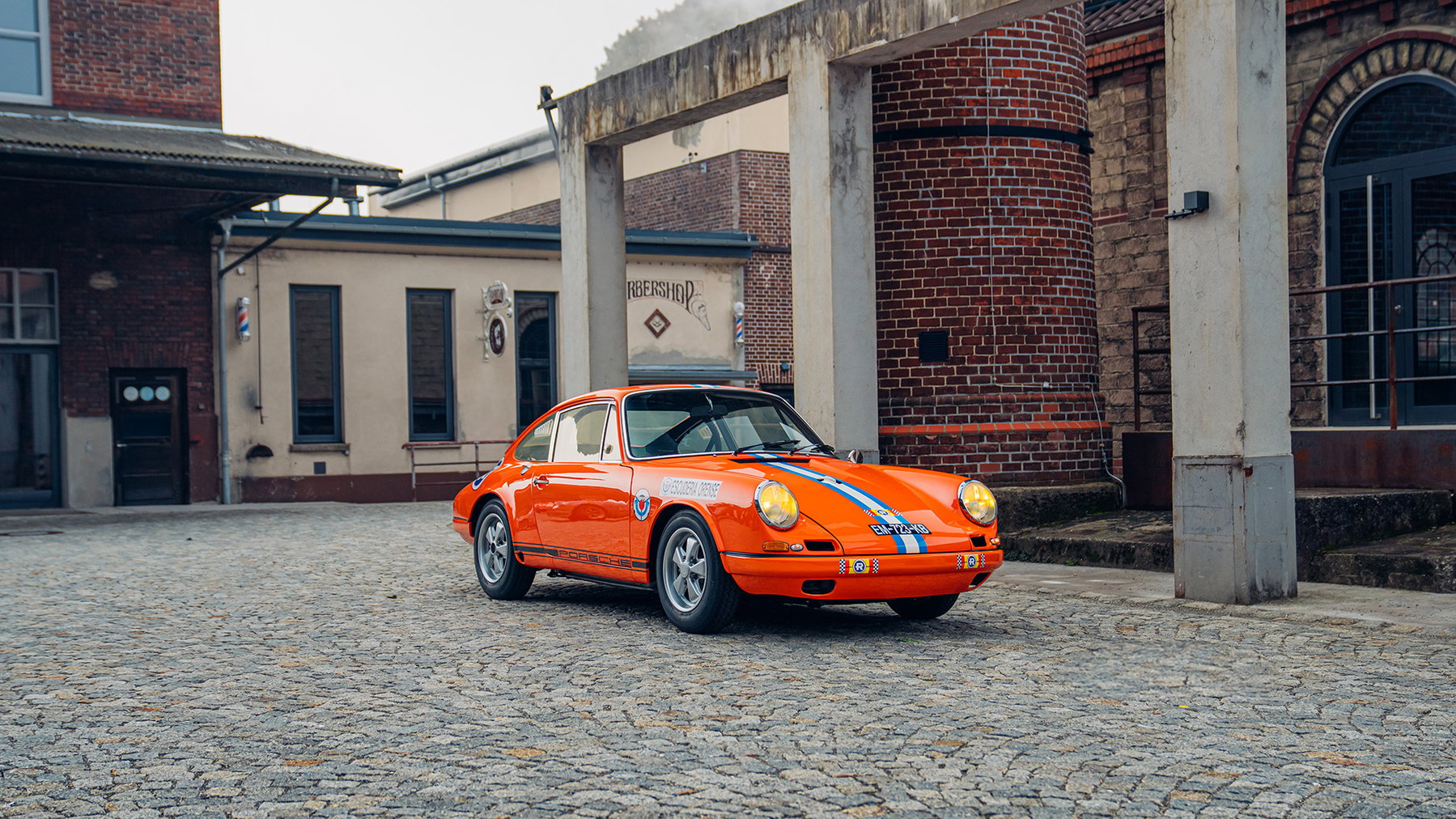
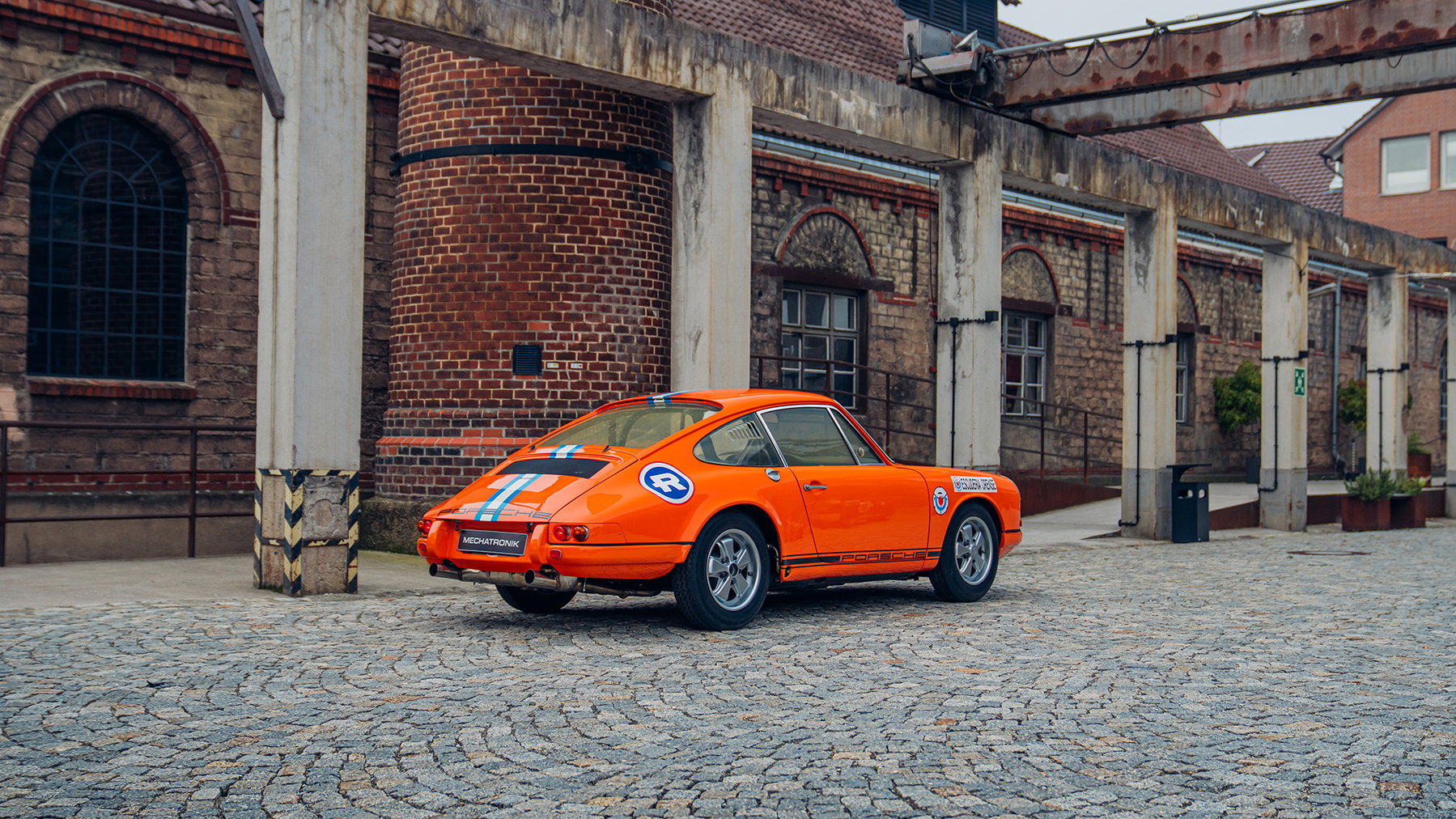
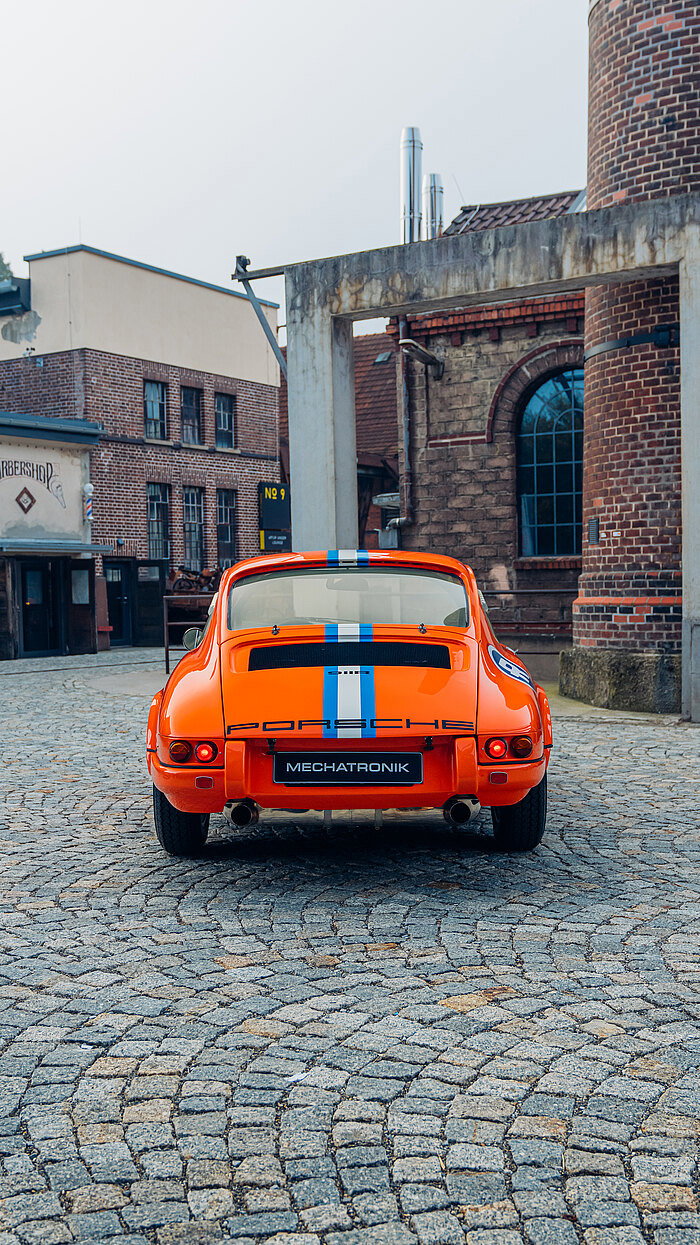
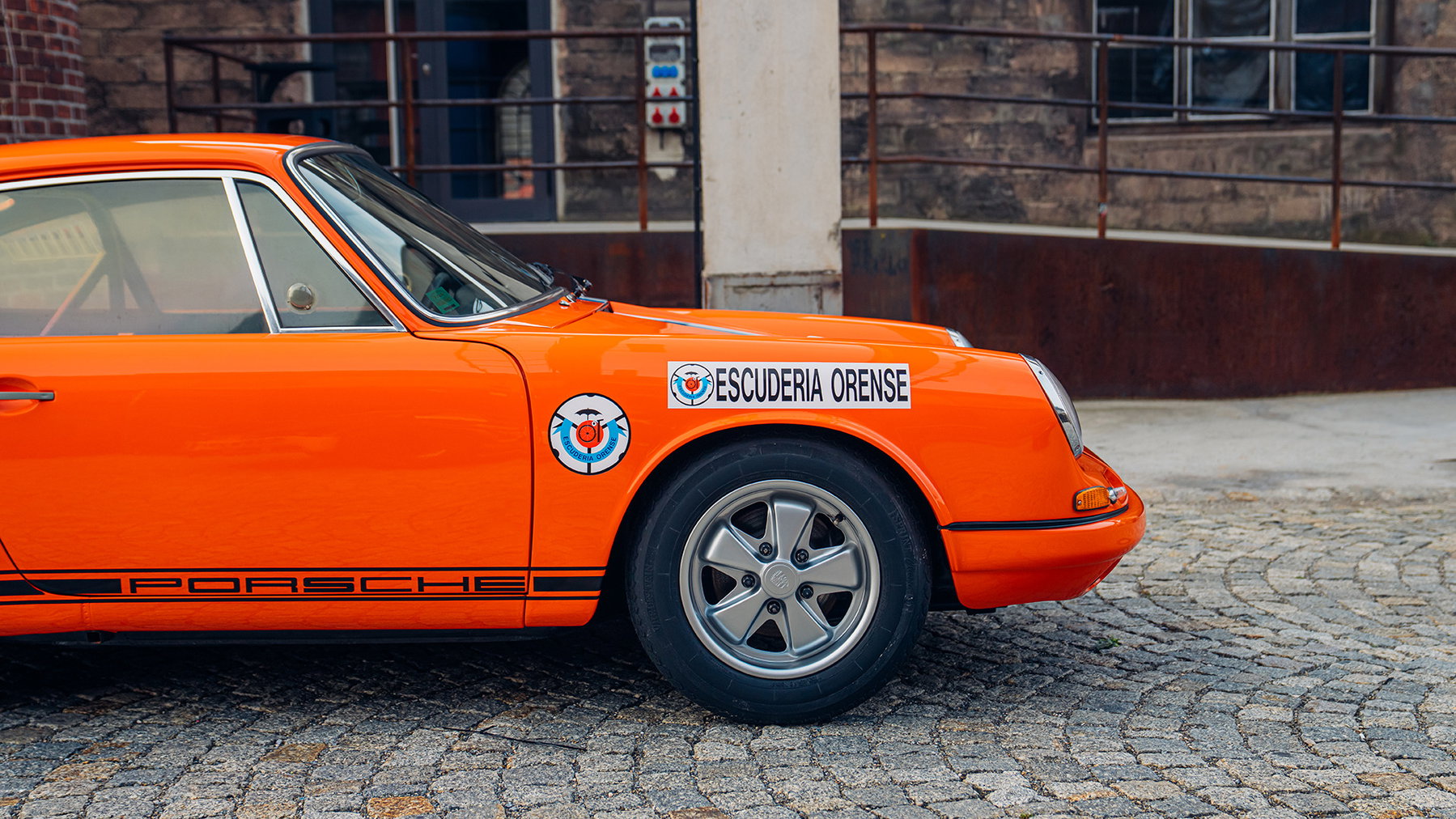
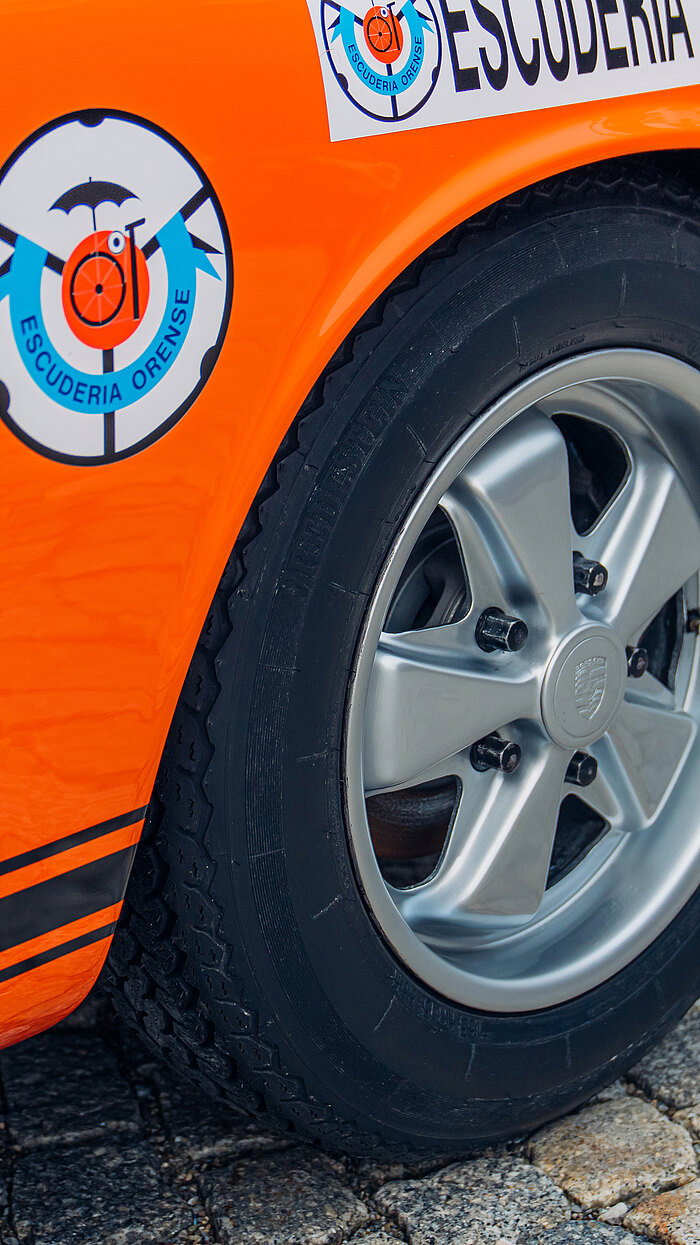
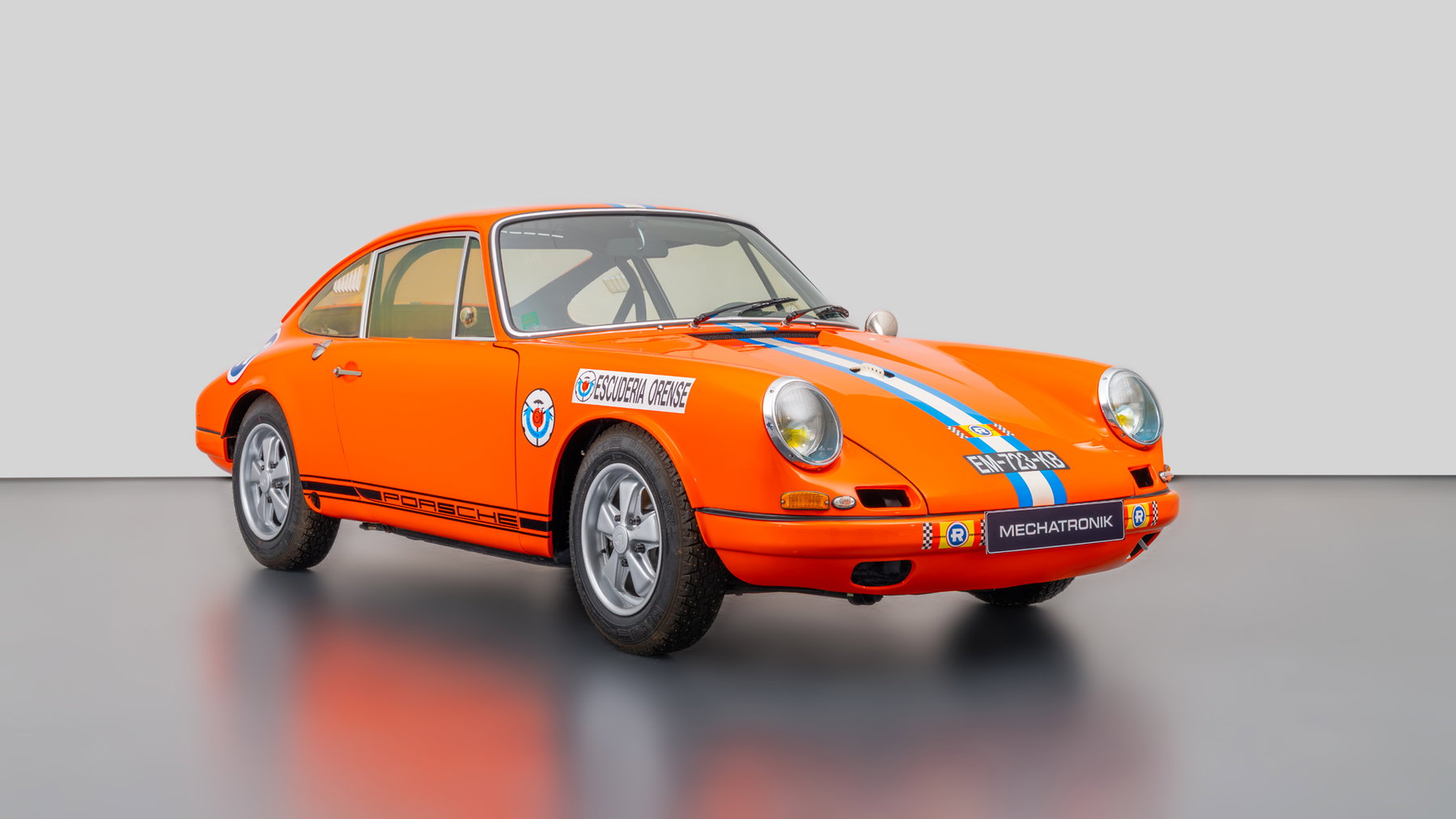
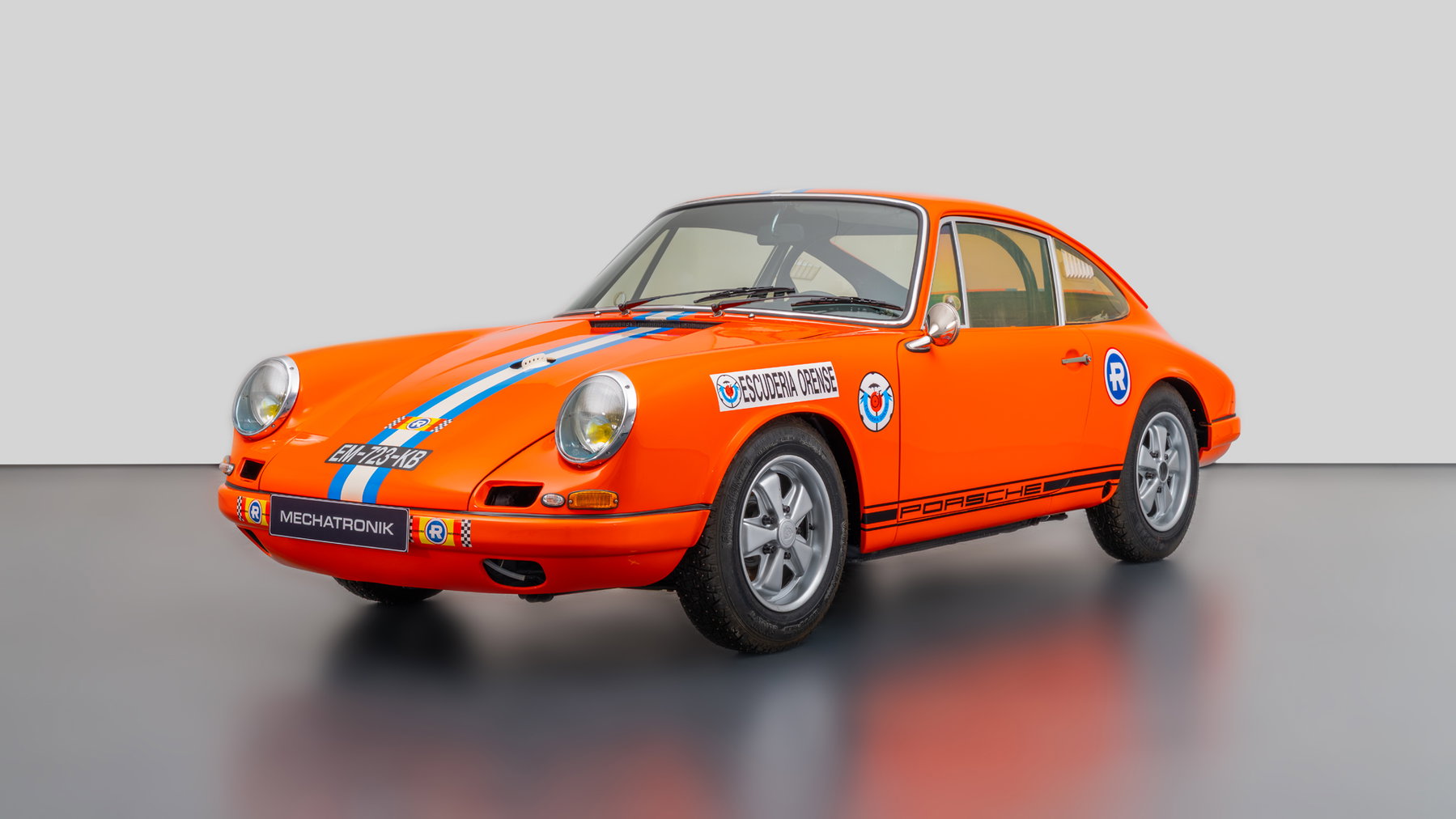
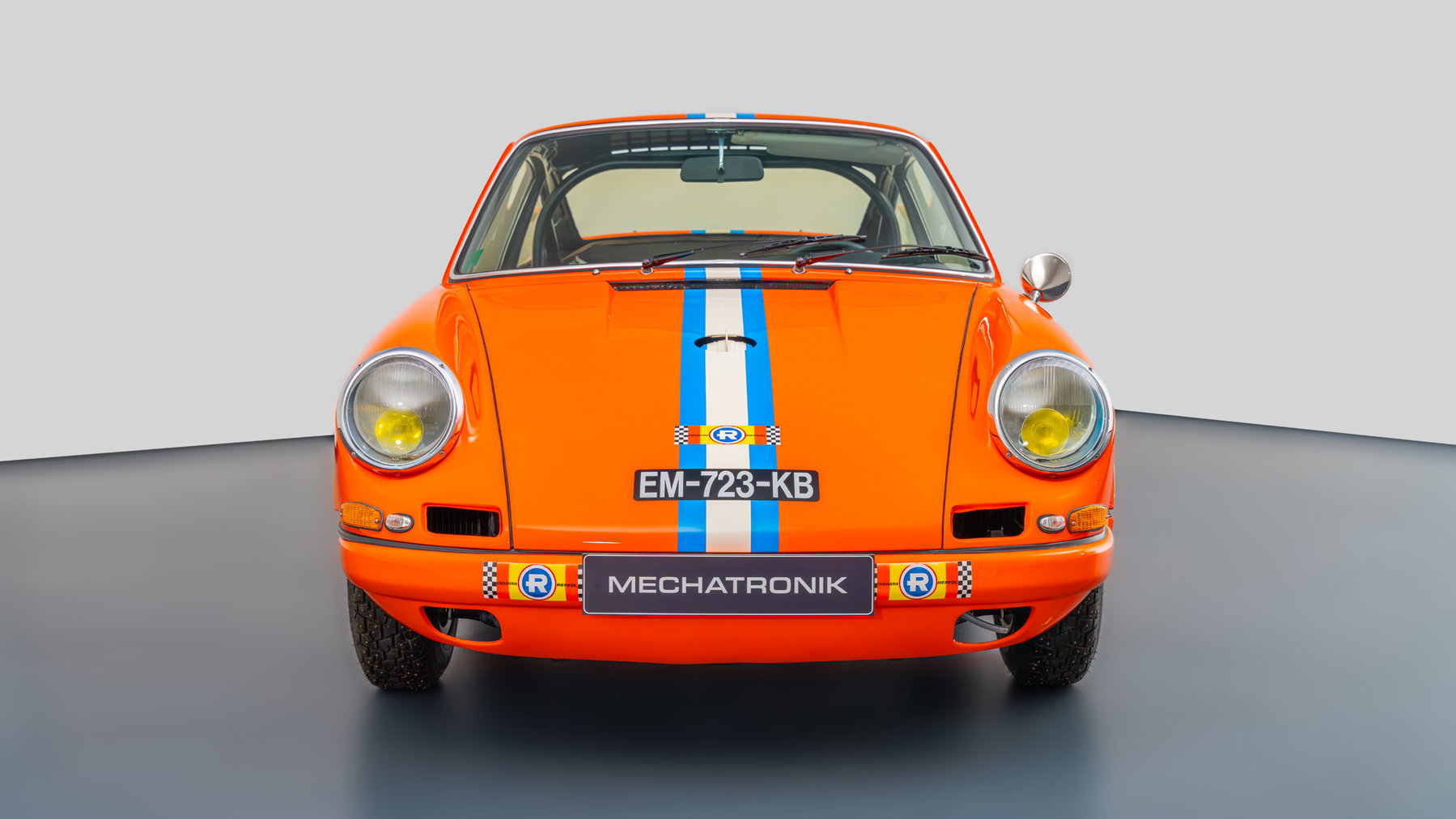
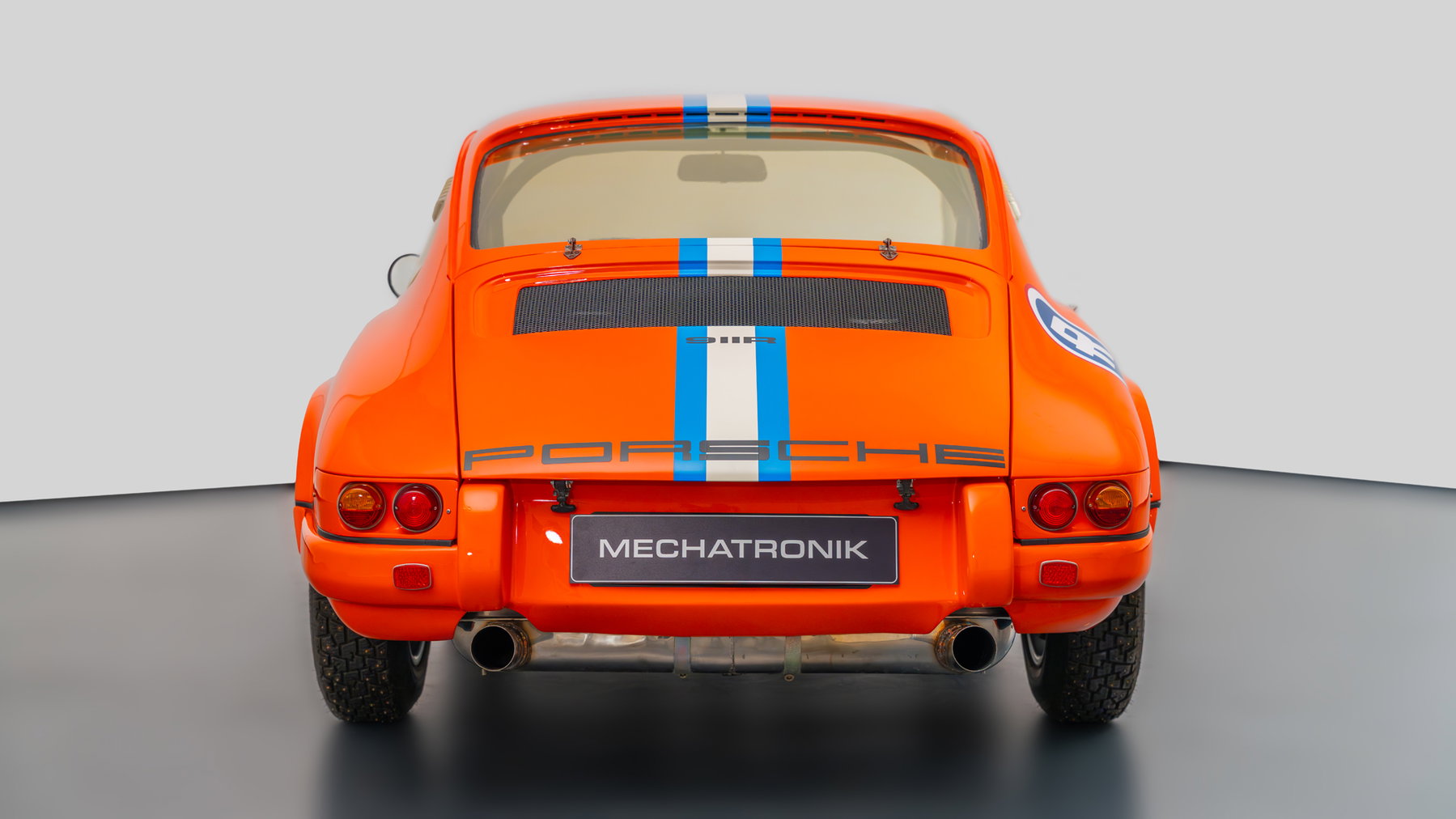
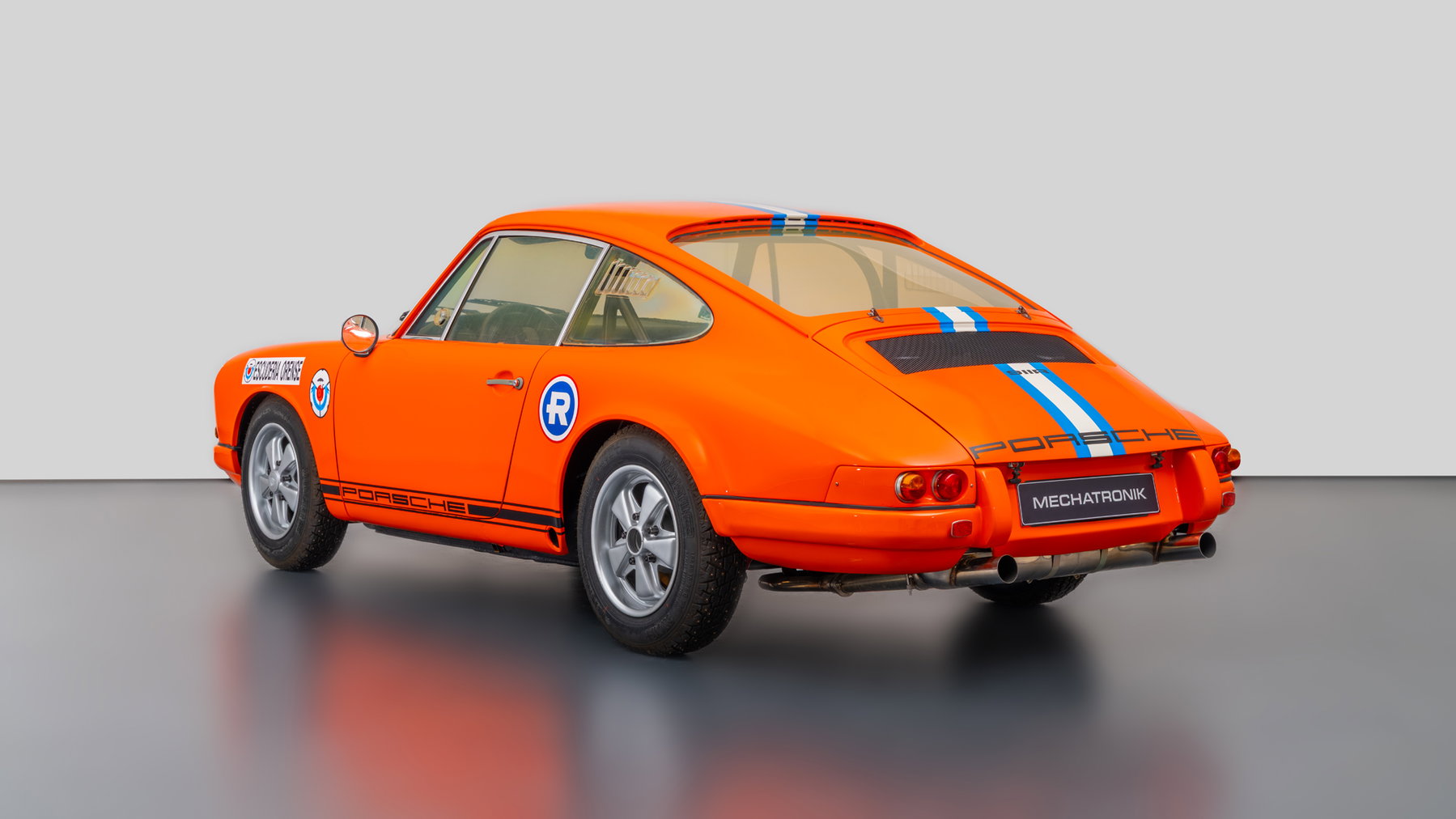
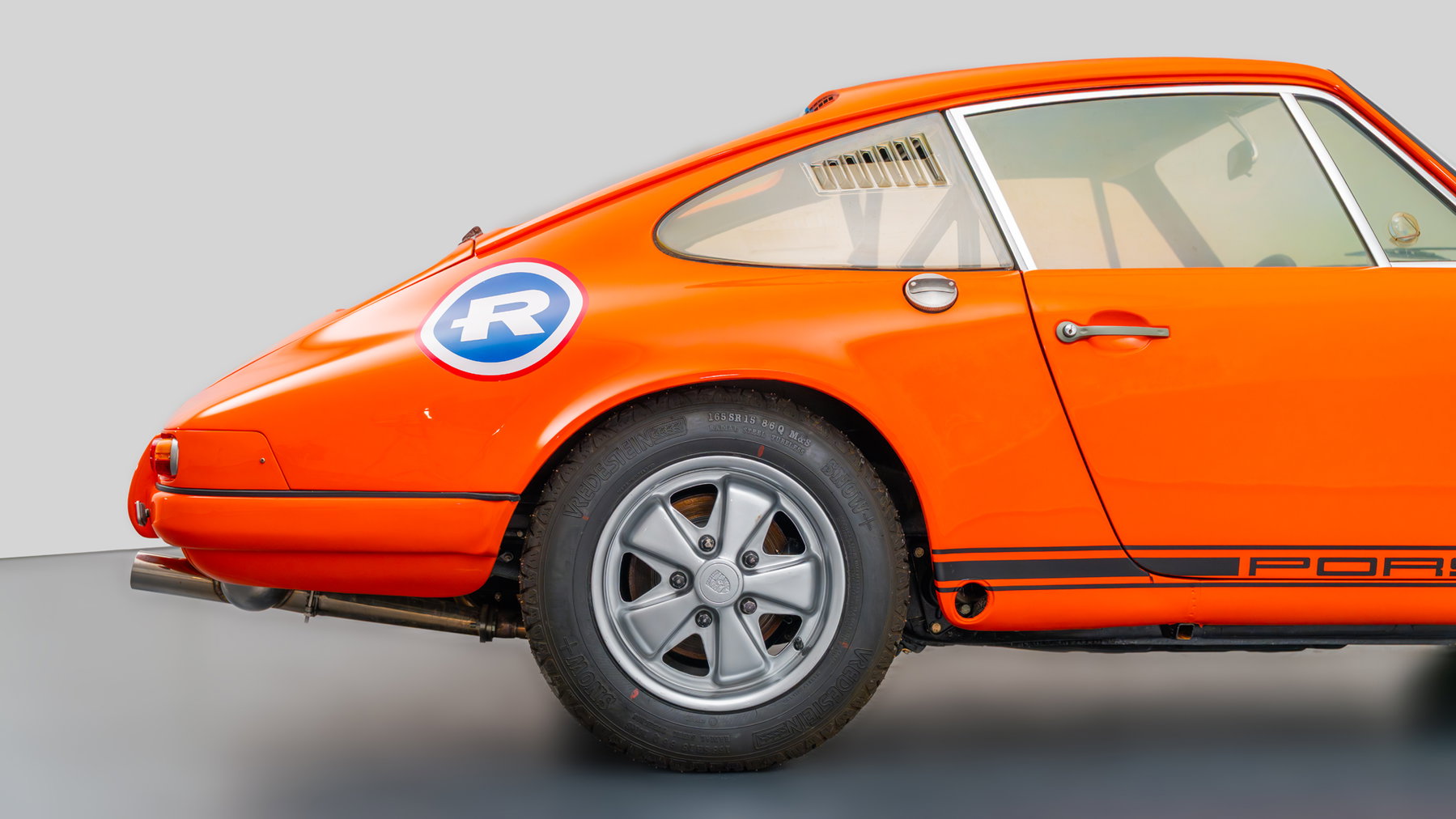
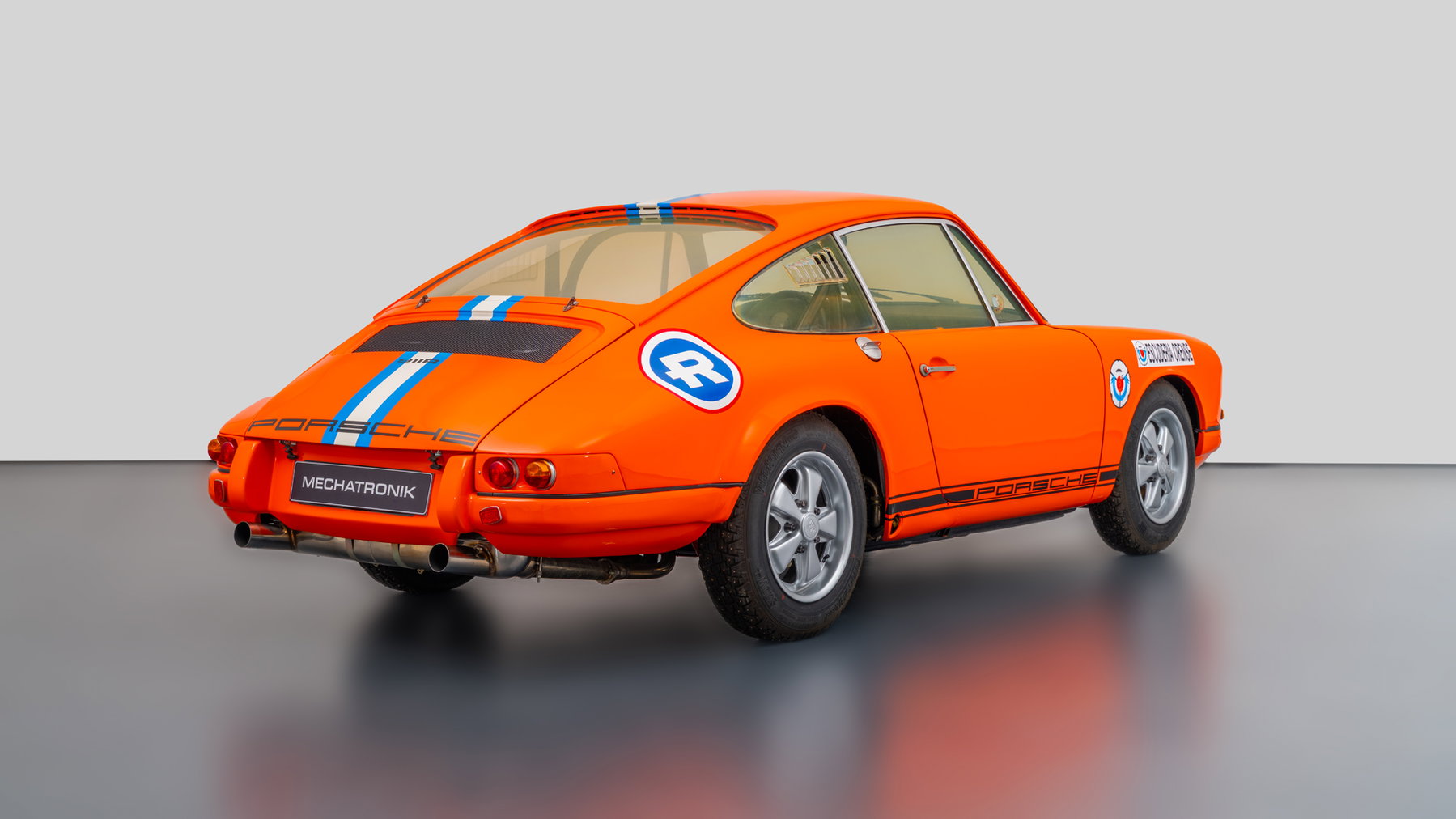
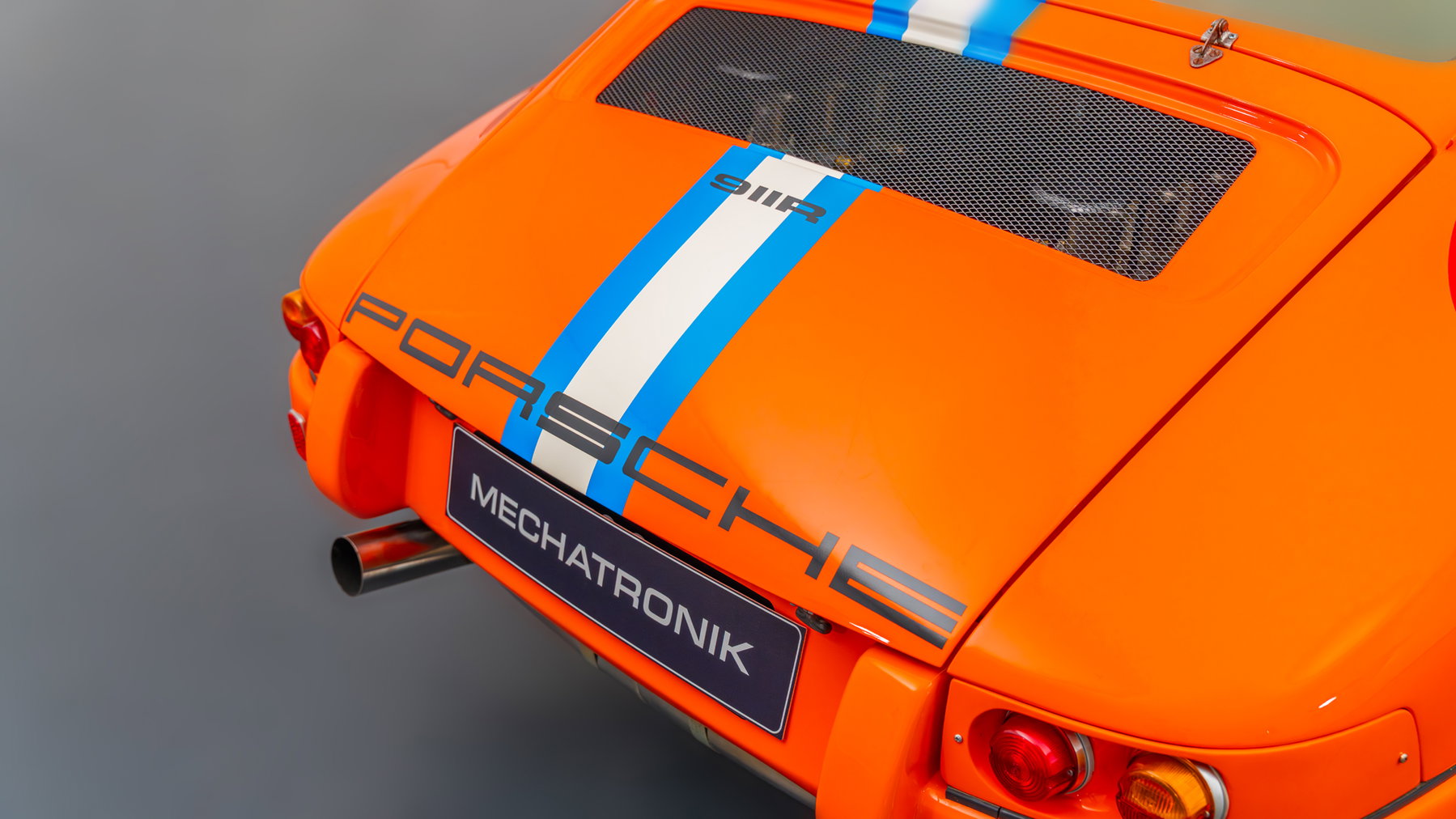
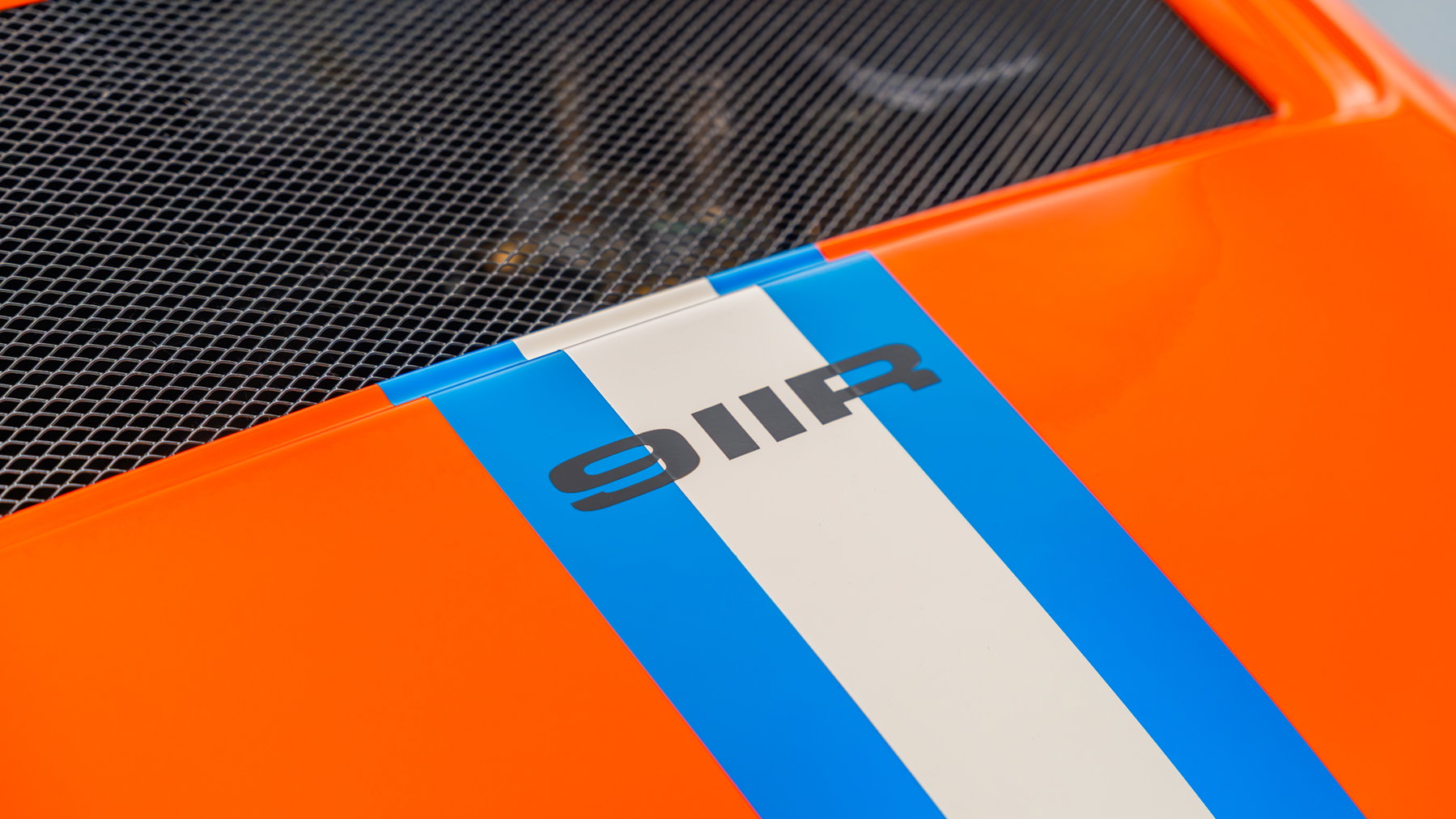
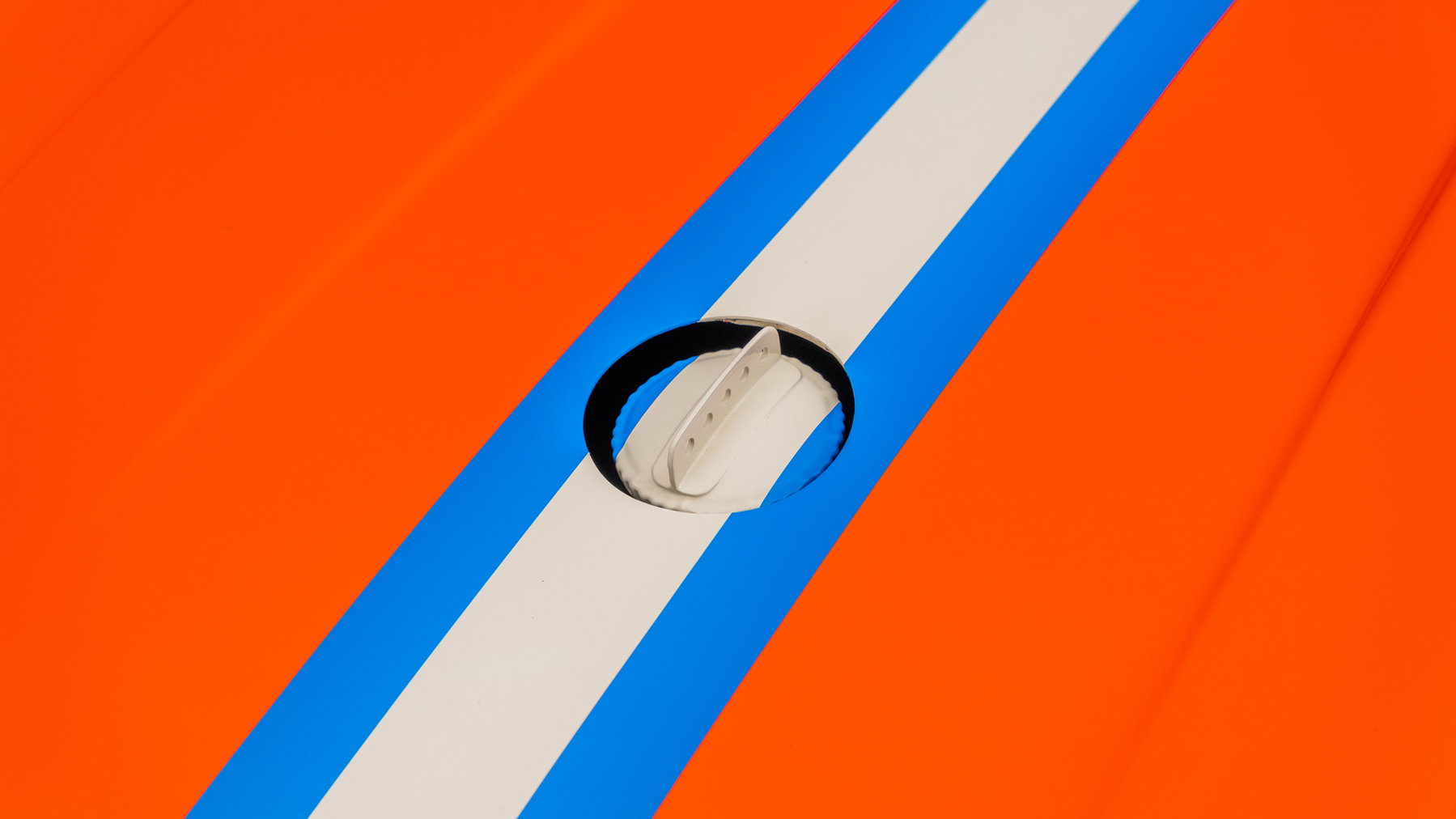
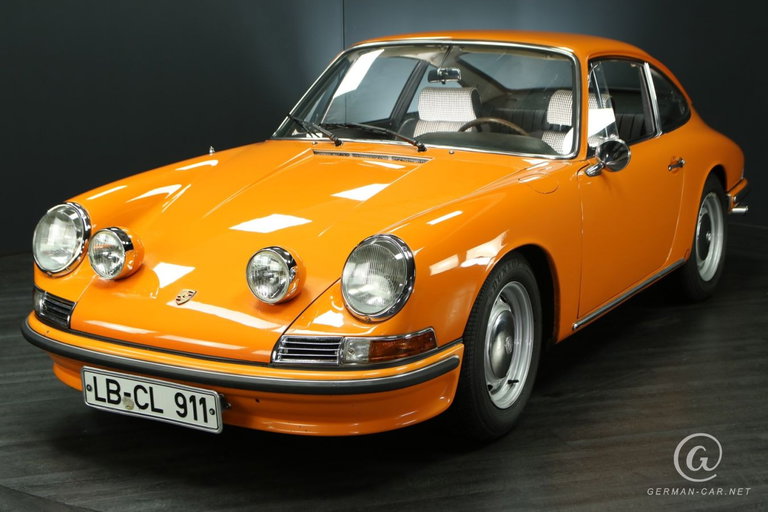
Chassis 014R is number 14 of the 20 production vehicles built and was first delivered on May 9, 1968, to its first French owner, Michel Bayol. According to the Porsche certificate, the vehicle was painted in Light Ivory at the factory. Just one month later, the first owner sold the R to Nicolas Bonfort, who was also from Marseille. He registered the car for the first time on July 1, 1968. Another month later, he sold it to Francesco de Leonibus from Turin, Italy, who in turn sold the vehicle to Spanish race car driver Estanislao Reverter in October 1968. While in his possession, the 911 R was repainted orange to feature the livery of the “Escuderia Orense” racing team, to which it belonged. The car has retained this livery to this day. In 1972, Alex Soler-Roig sold this 911 R to Carlo Noce of Italy. Just under a decade later, it was sold to Jean Claude Kauffman. He, in turn, sold the car on January 14, 1983, to the French race car driver Guy Chasseuil, who owned it for a remarkable four decades. In 1990, the car was restored and has covered only 3,910 kilometers since then. In 2017, the idea of selling the Porsche was first considered, which is why a French registration, a FIVA ID Card, an FIA Historic Technical Passport, and a Porsche certificate were issued. The vehicle’s history was derived from a valuation report dated October 1, 2018, and the accompanying documentation. In the years that followed, the vehicle remained with a Monaco-based collector, from whom we finally acquired 014R in 2025 and have held it in our own collection ever since. Today, it is one of only 24 911 Rs ever built and is now for sale, offering collectors an extremely rare opportunity.
Our sales staff is always happy to answer any detailed questions you may have. Please note that vehicle viewings are generally only possible by prior appointment.