Porsche 911 with Tiptronic: Cheap for a reason or underappreciated bargain?
27.08.2026By Richard Lindhorst
Why do Porsche 911s with Tiptronic often cost significantly less than models with three pedals and a manual transmission? We asked our social media community about their experiences with Tiptronic. The numerous comments quickly turned into a lively debate on the topic. The central question is: Is the automatic transmission in the 911 perhaps better than its reputation suggests? How big is the price difference compared to the manual transmission, and can it be justified in terms of driving dynamics? What stages of development has Porsche’s comfort-oriented transmission option gone through in just under two decades? And for which models might Tiptronic actually be the better choice?
Just how much cheaper are Porsche 911s with Tiptronic, really?
First, we’ll use our market data to analyze the price differences between Porsche 911 models with Tiptronic and the same models with manual transmissions. This means we compare the asking prices of the Carrera models—from the 964 (model year 1990) through the Porsche 997 (model year 2007)—as well as the Turbo models of the 996 and 997.1.
Currently, Porsche 911s with Tiptronic—across all model series and variants—are about 11 to 16.5 percent cheaper than the corresponding manual transmission models. For a standard 996 Carrera, this translates to a price difference of a good 6,000 euros, while for a 997 Turbo, the difference can sometimes reach 20,000 euros. The market thus values the transmission type primarily in relation to the value of the respective model.
Model
2025 to 2026
Price difference
964 Carrera
15.2 percent
15,800 euros
993 Carrera
16.5 percent
17,600 euros
996 Carrera
11.6 percent
6,100 euros
996 Turbo
12.4 percent
11,900 euros
997 Carrera
11.0 percent
7,100 euros
997 Turbo
15.7 percent
16,400 euros
On average, Porsche 911s with Tiptronic are 11 to 16.5 percent less expensive than comparable models with manual transmissions.
So a Tiptronic model isn’t, for example, automatically worth 10,000 euros less. However, the price gap has not evolved uniformly. Interestingly, it has narrowed for the 964 Carrera 2 in recent years, while it has widened significantly for the 997.1 Carrera. For the 997 Turbo, the ratio has remained largely constant.
Regional variations in the manual transmission premium, but hardly any differences in the time it takes to sell
The regional analysis is also interesting. In North America, there tends to be a higher premium paid for manual transmissions than in Europe. The difference appears particularly large for the 993, as well as for the Turbo and 997 models. In some cases, a premium of up to 30 percent is demanded for vehicles with manual transmissions.
In North America, there are significant price differences between 911 models equipped with Tiptronic and those with manual transmissions. In the case of the Porsche 997 Turbo in particular, buyers sometimes pay tens of thousands of dollars more for a model with a manual transmission.
The differences in time to sale are significantly smaller than those in price. For many Carrera models, the median sales times differ by only a few days. However, Tiptronic models reach “sold” status slightly less frequently within 90 days. Exports thus suggest a smaller pool of buyers, while vehicles listed at market-competitive prices typically remain on the market for a similar length of time.
What is Porsche Tiptronic, and how does it work?
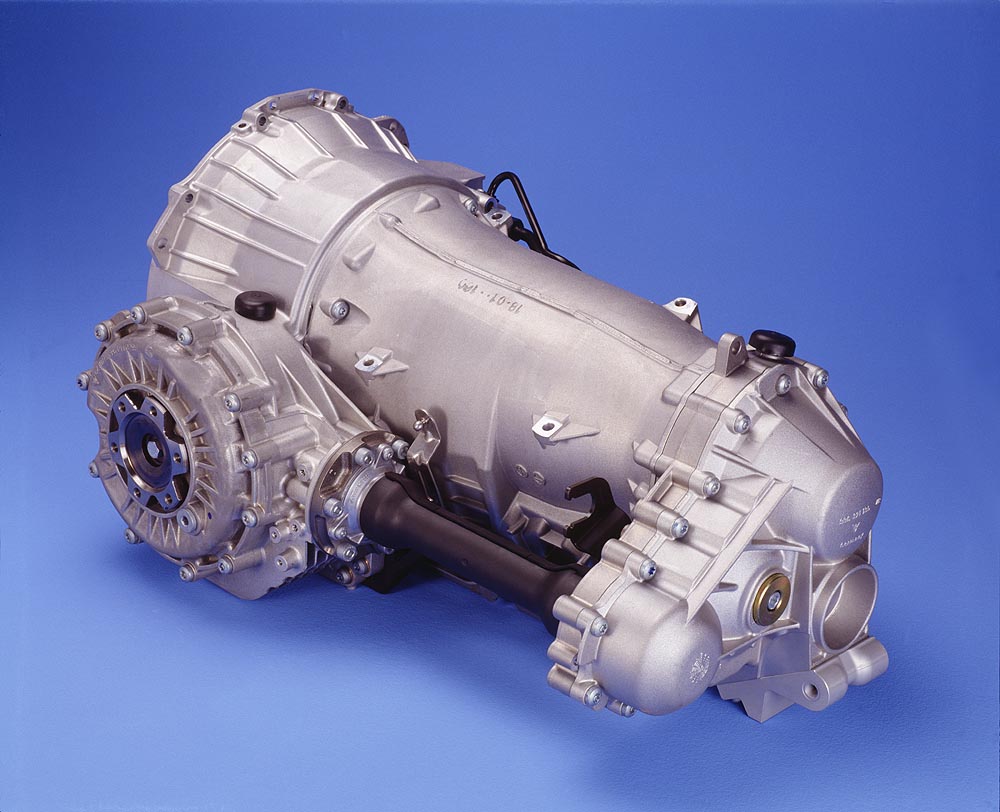
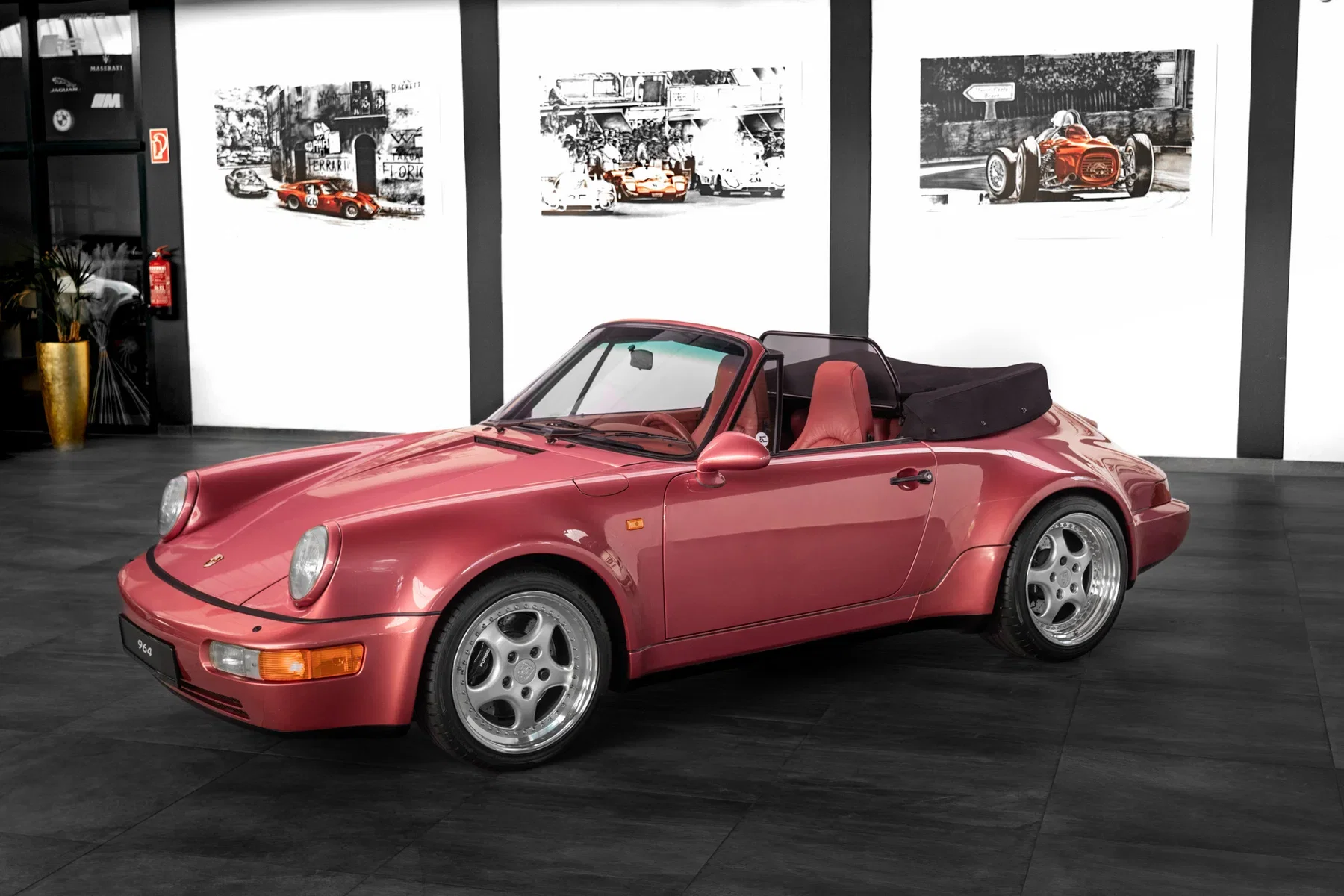
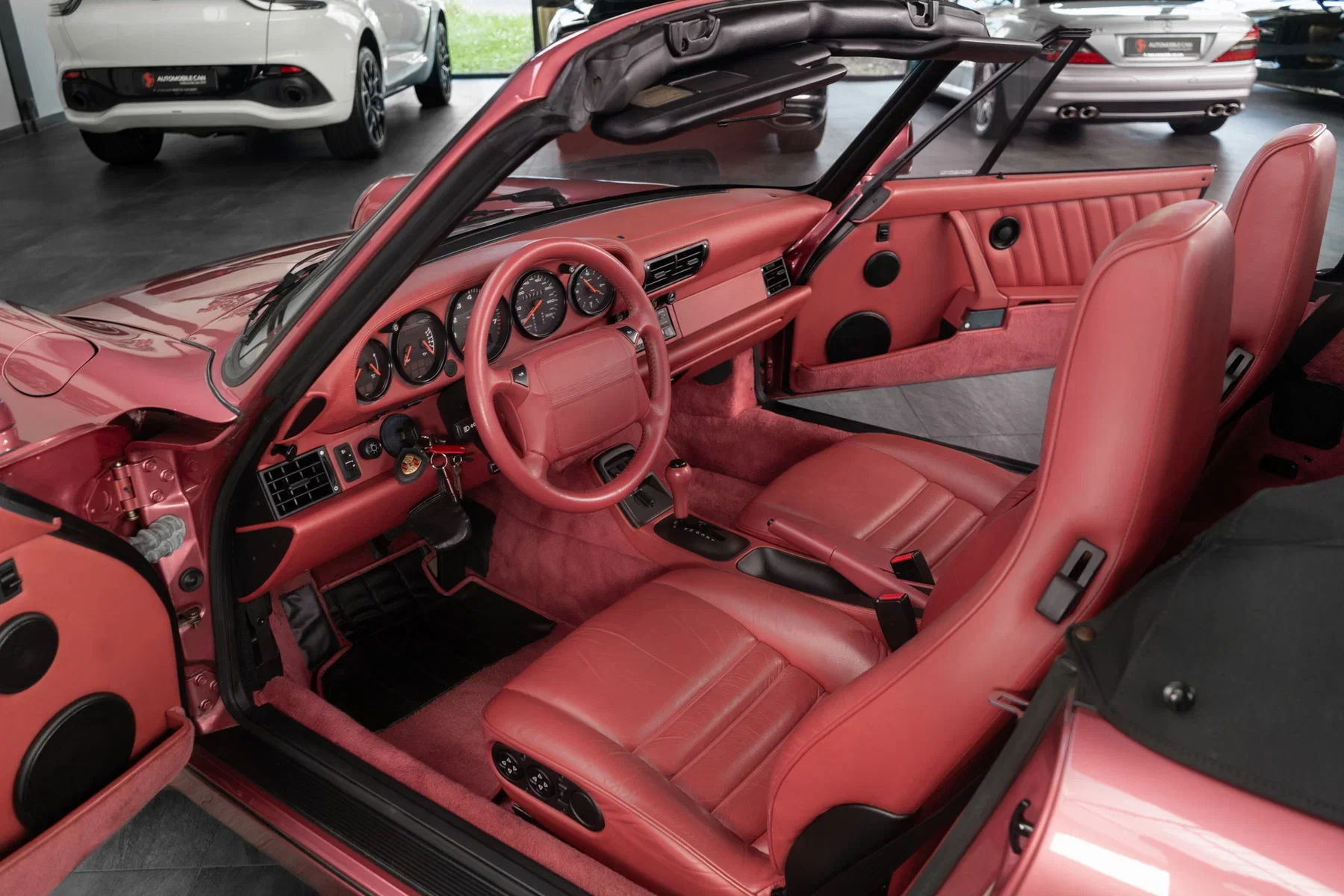
Starting with the 1990 model year, a Tiptronic transmission became available for the first time on the rear-wheel-drive Porsche 964 Carrera 2. The Carrera 4 and Turbo models were only sold with manual transmissions. The four-speed automatic transmission built by ZF (internally designated A50/01) combined a classic torque converter with an electronic control system tuned by Porsche. Even this first version operated adaptively: Five preset shift programs allowed the electronics to adjust their shift points based on driving style and driving conditions.
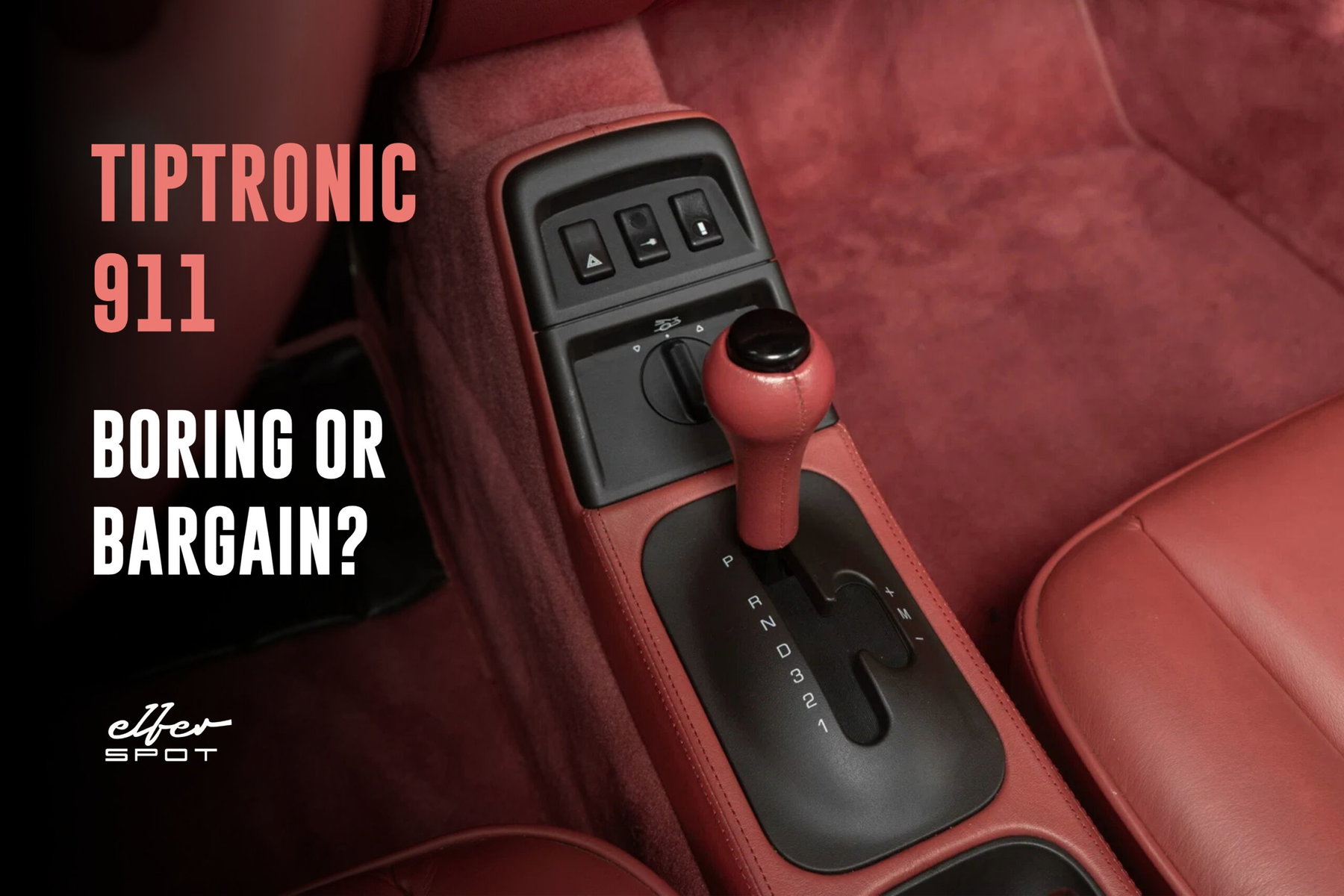
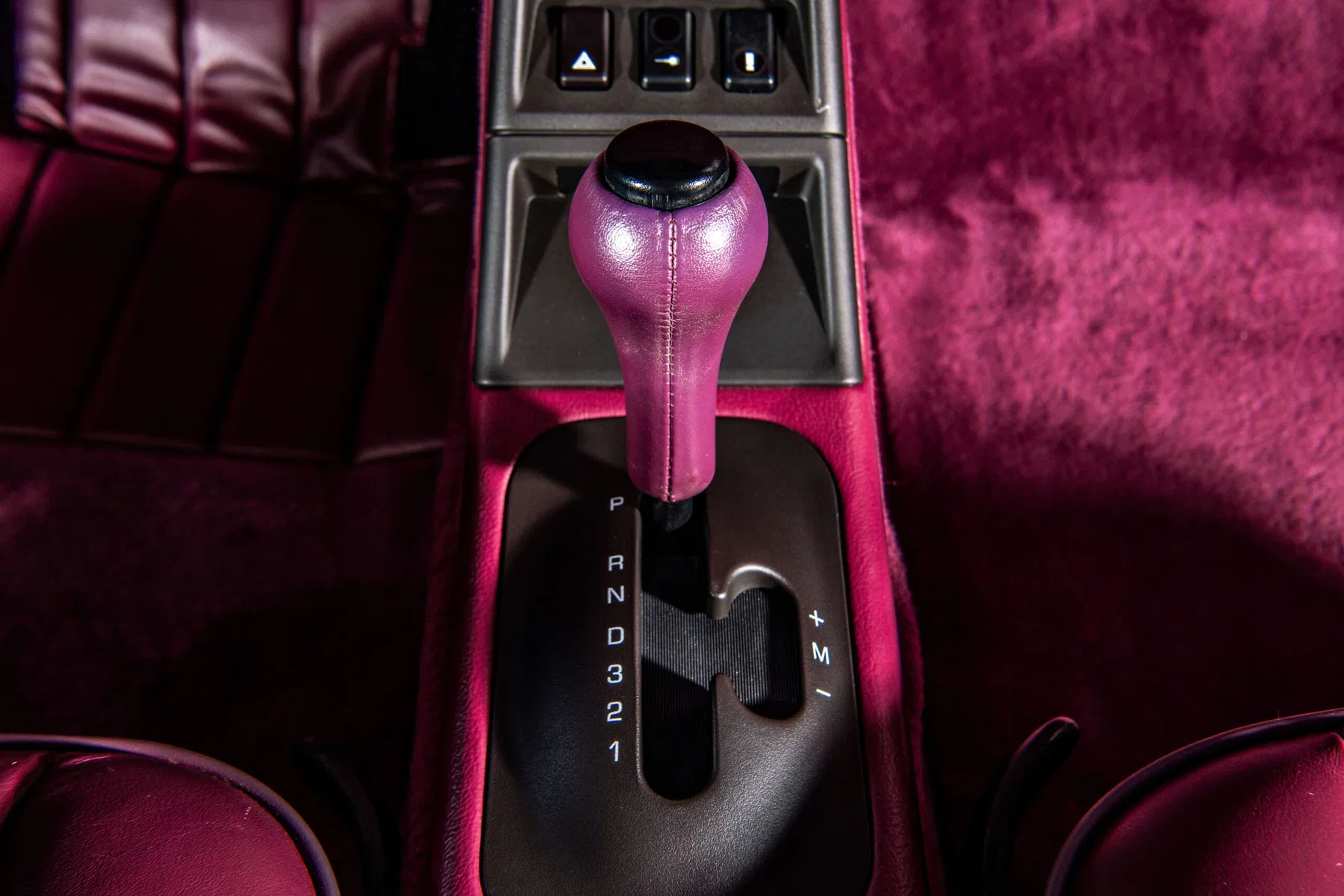
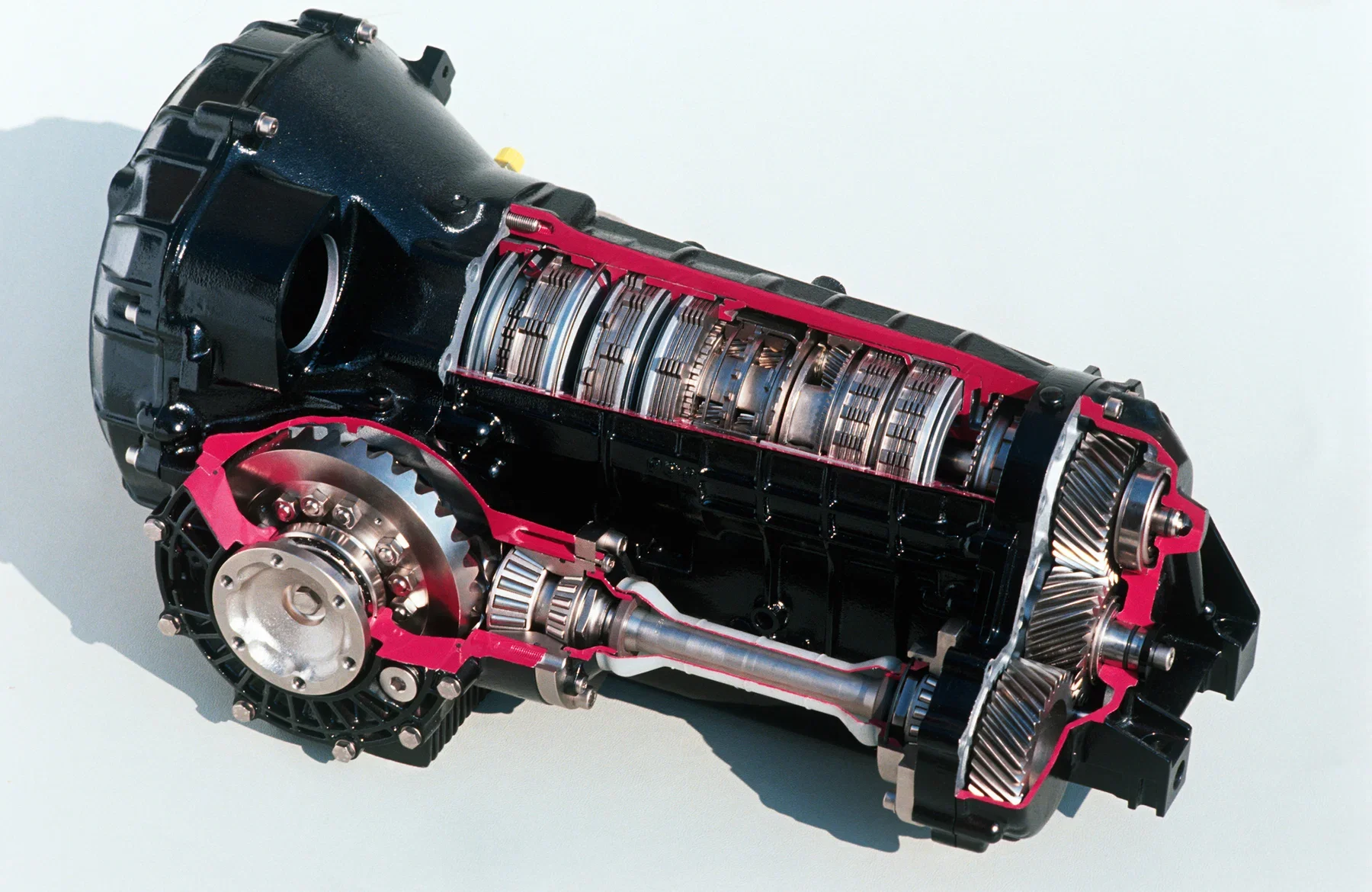
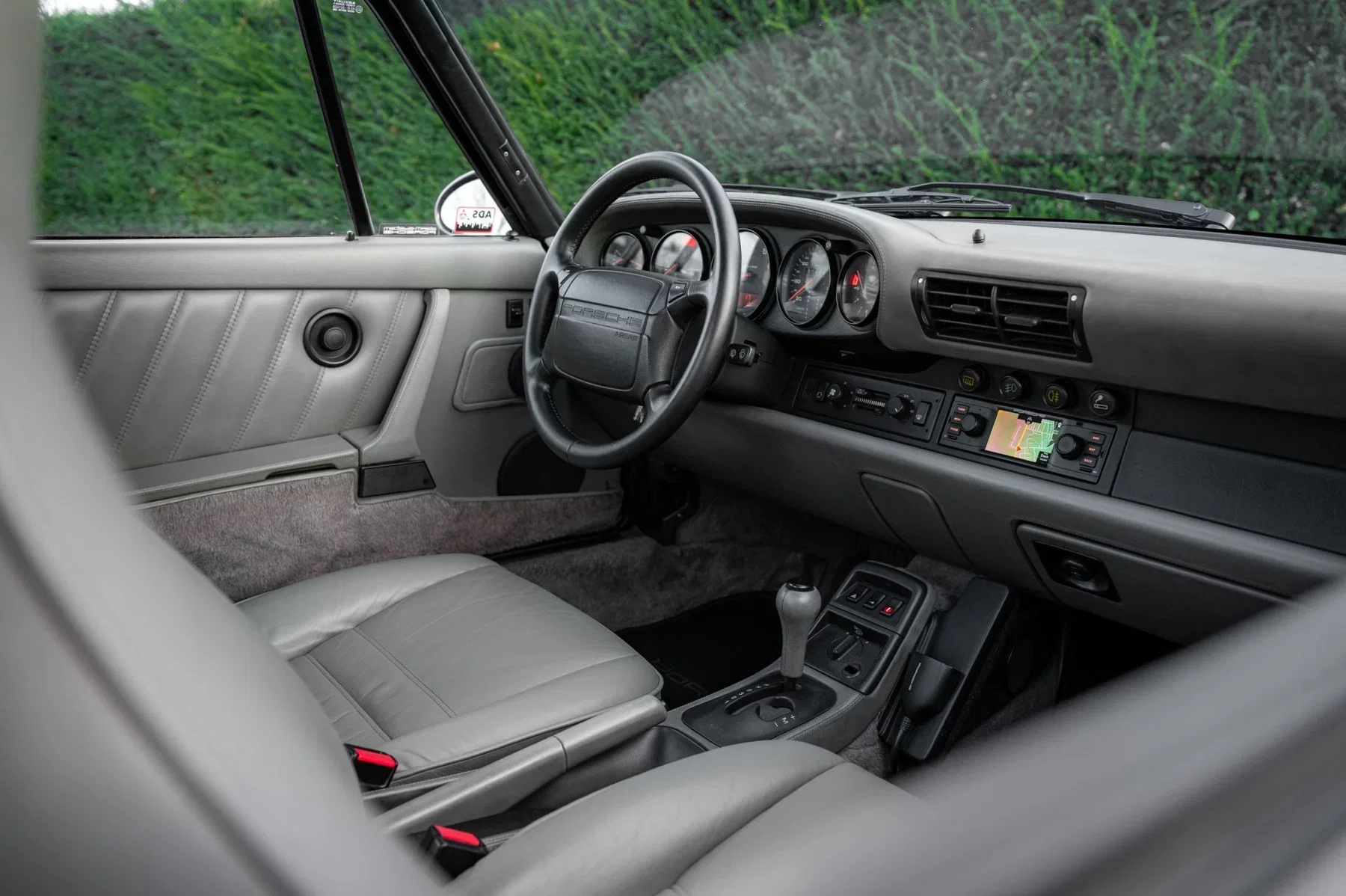
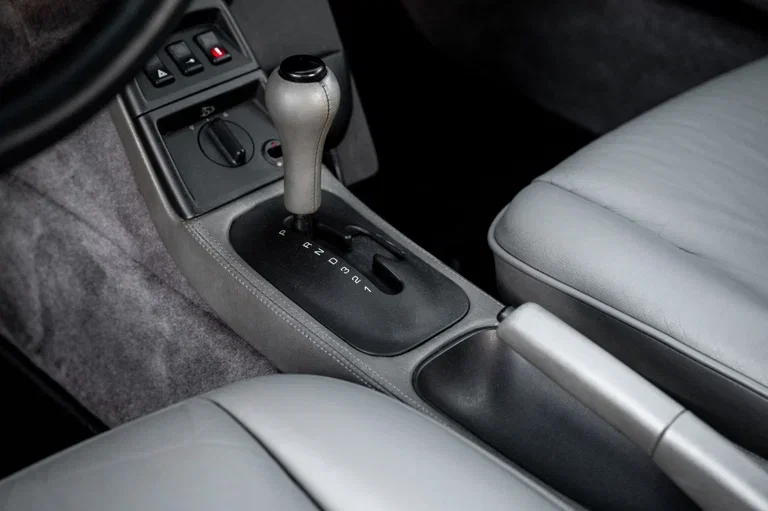
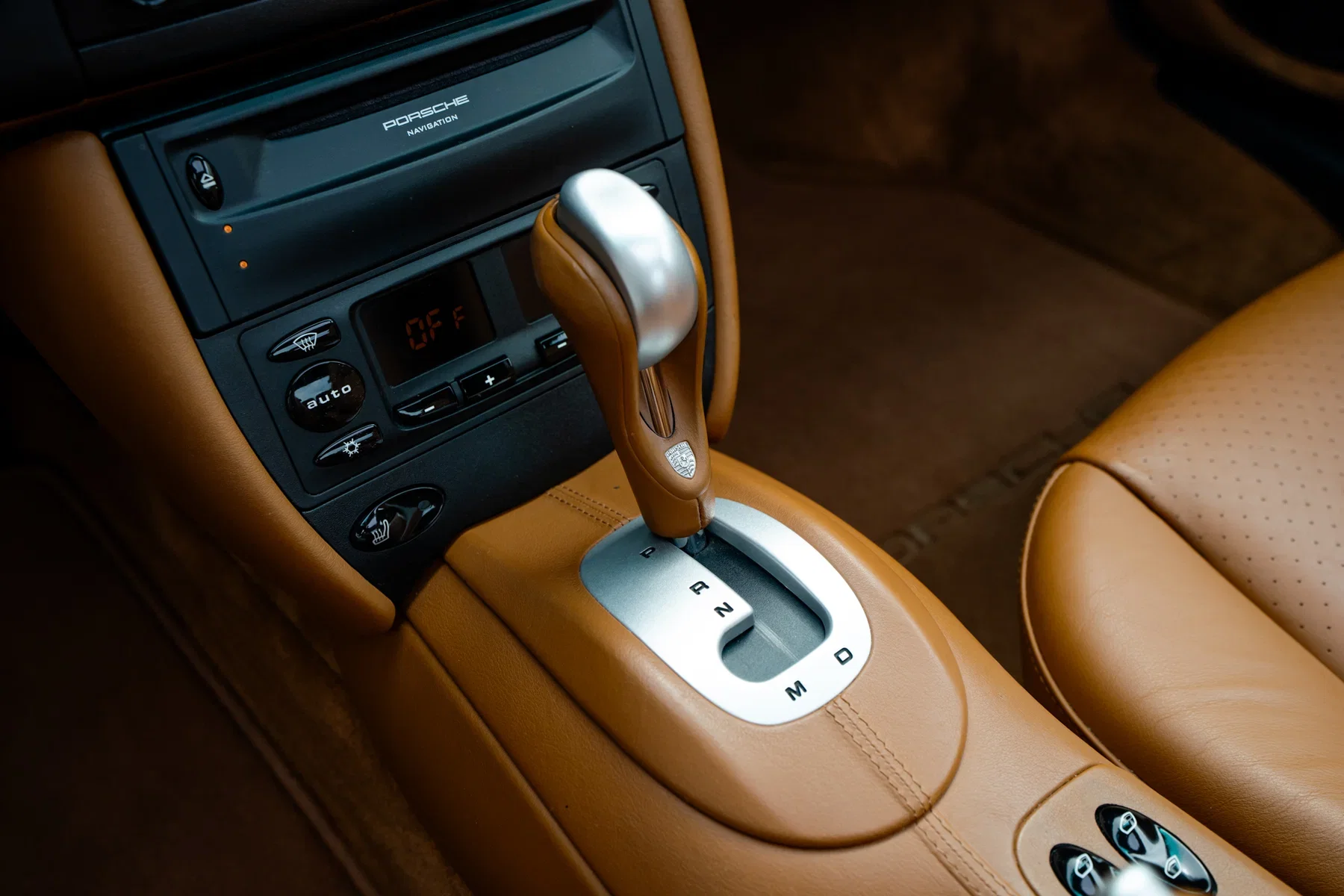
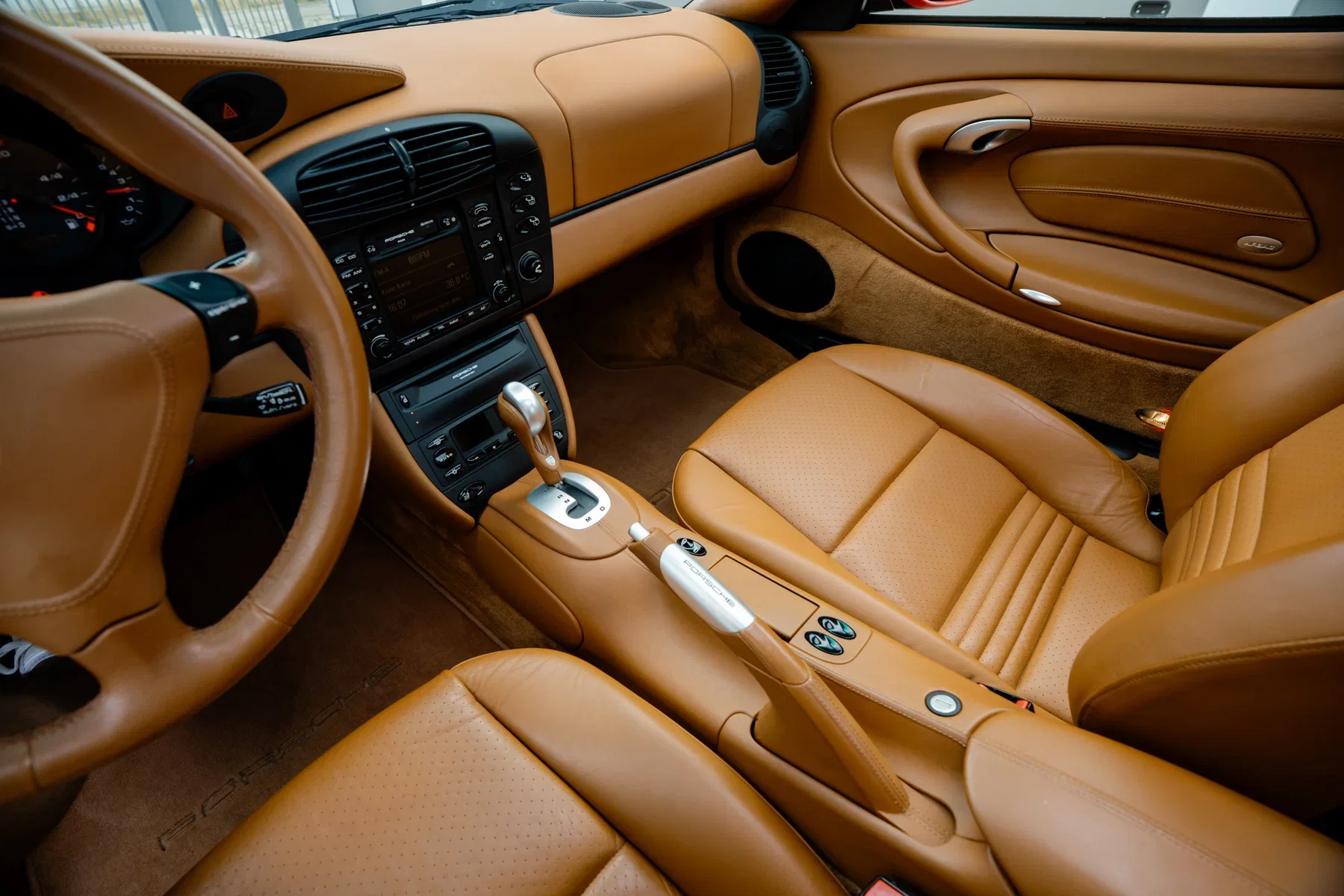
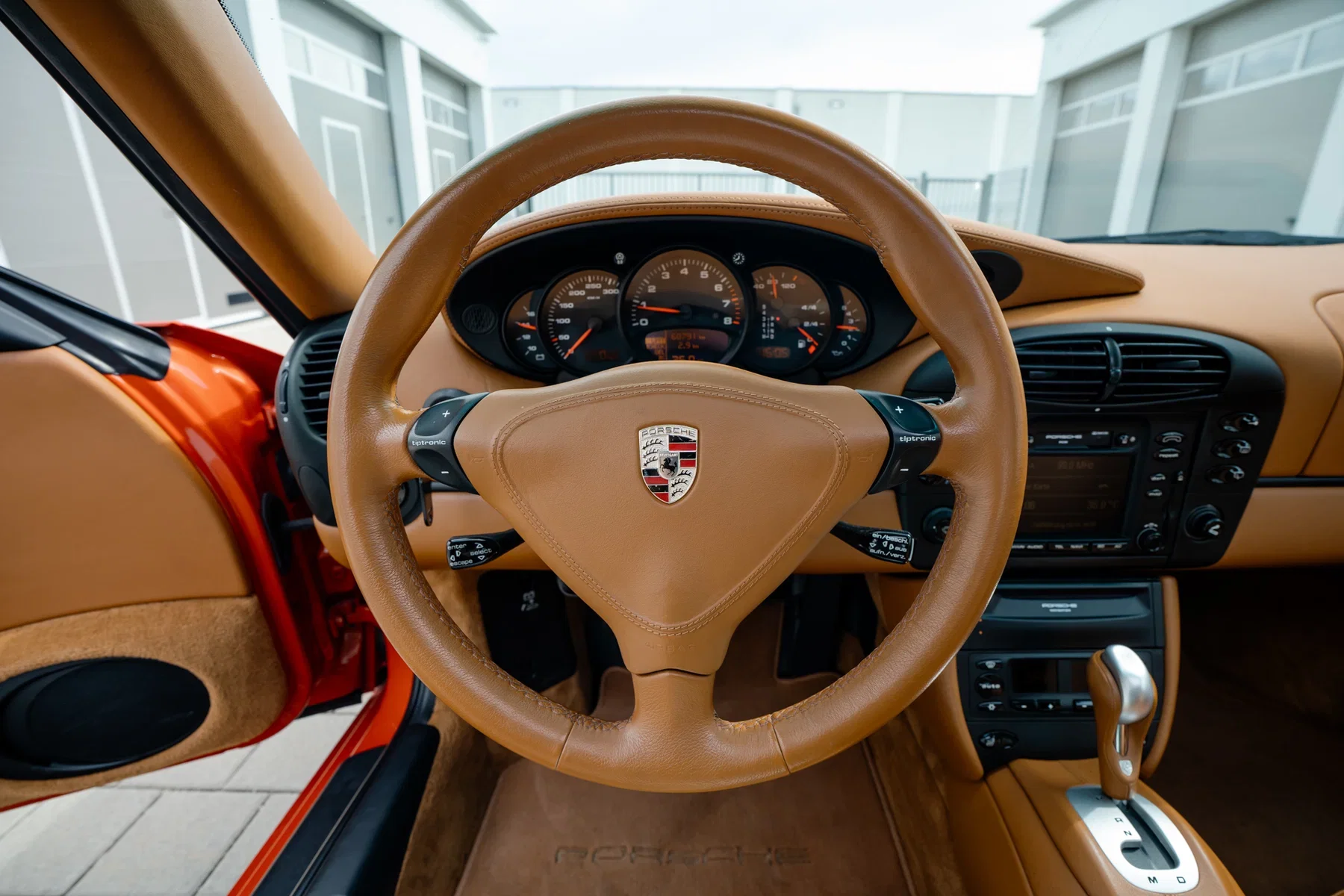
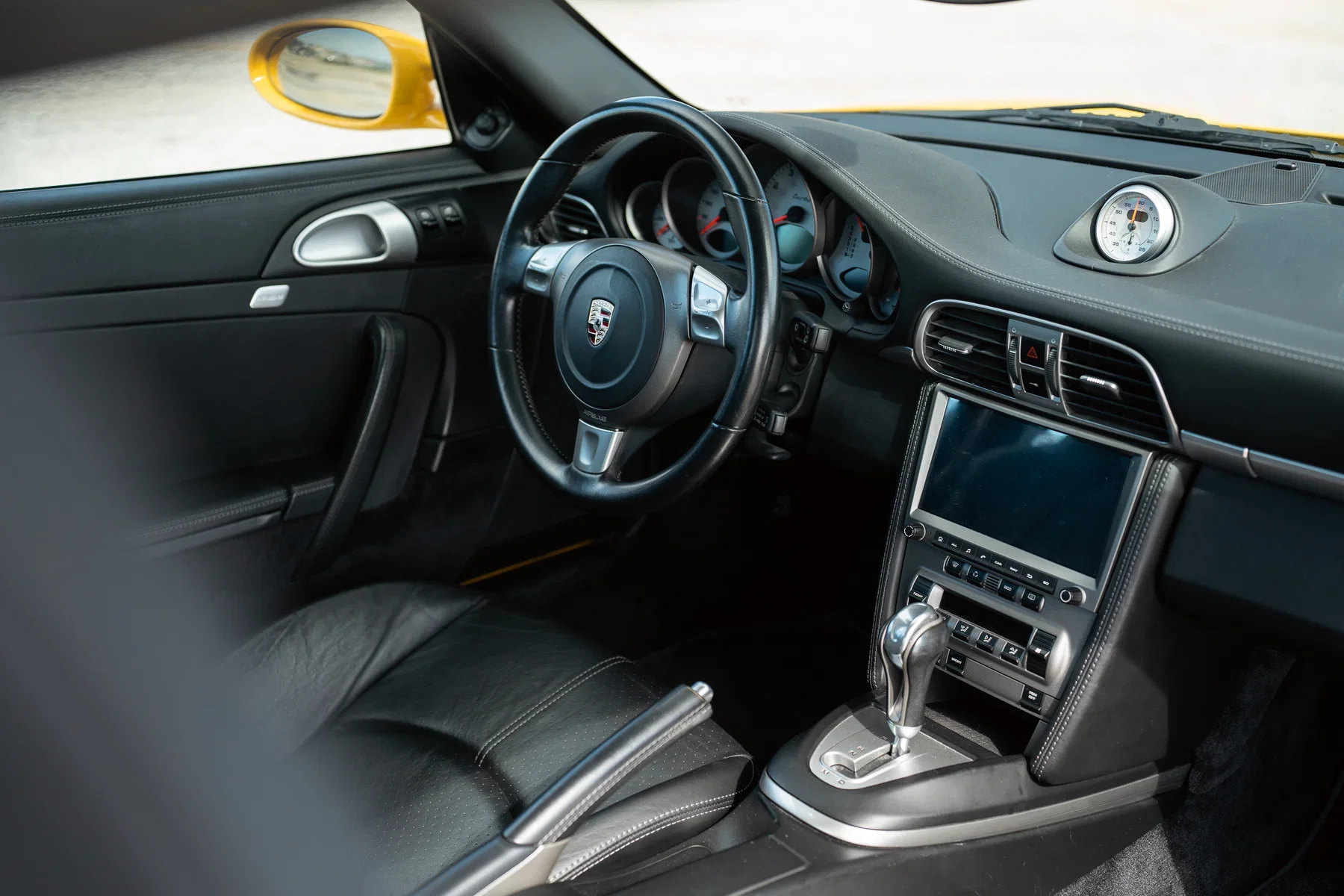
At its core, the Tiptronic is a classic automatic transmission with a torque converter. Instead of a friction clutch, the torque converter hydraulically transmits engine power when pulling away. As with a manual transmission, fixed gear ratios are available, and the Tiptronic handles the shifting automatically. In drive mode (D), it shifts fully automatically. If the driver moves the lever into the right gear position, they can shift up or down themselves by briefly tapping the lever. The name “Tiptronic” refers to this “tapping” action. The driver selects the desired gear, while the automatic transmission continues to handle the actual gear shift.
With the Tiptronic, the driver has a lot of control over the shifting behavior
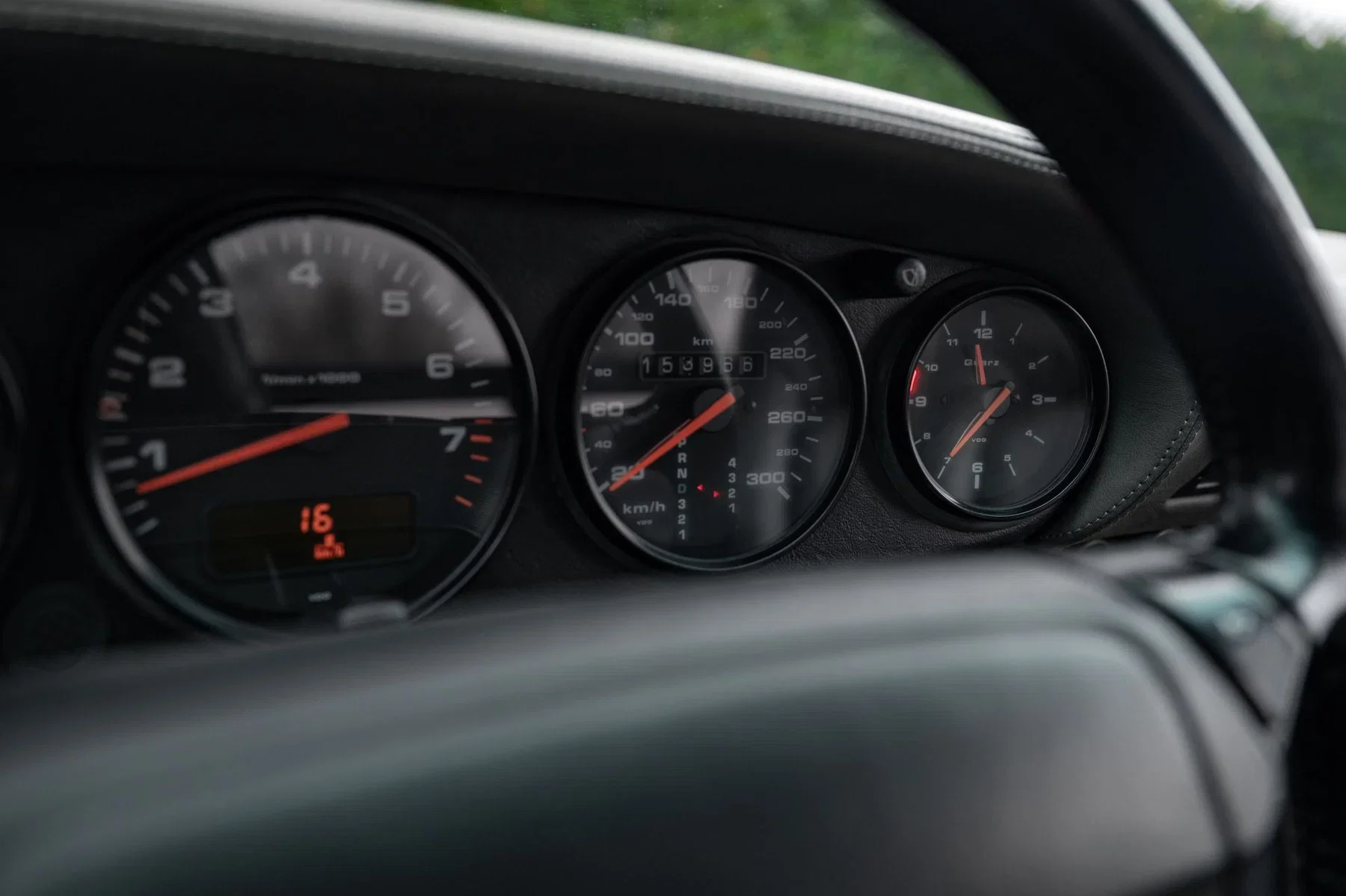
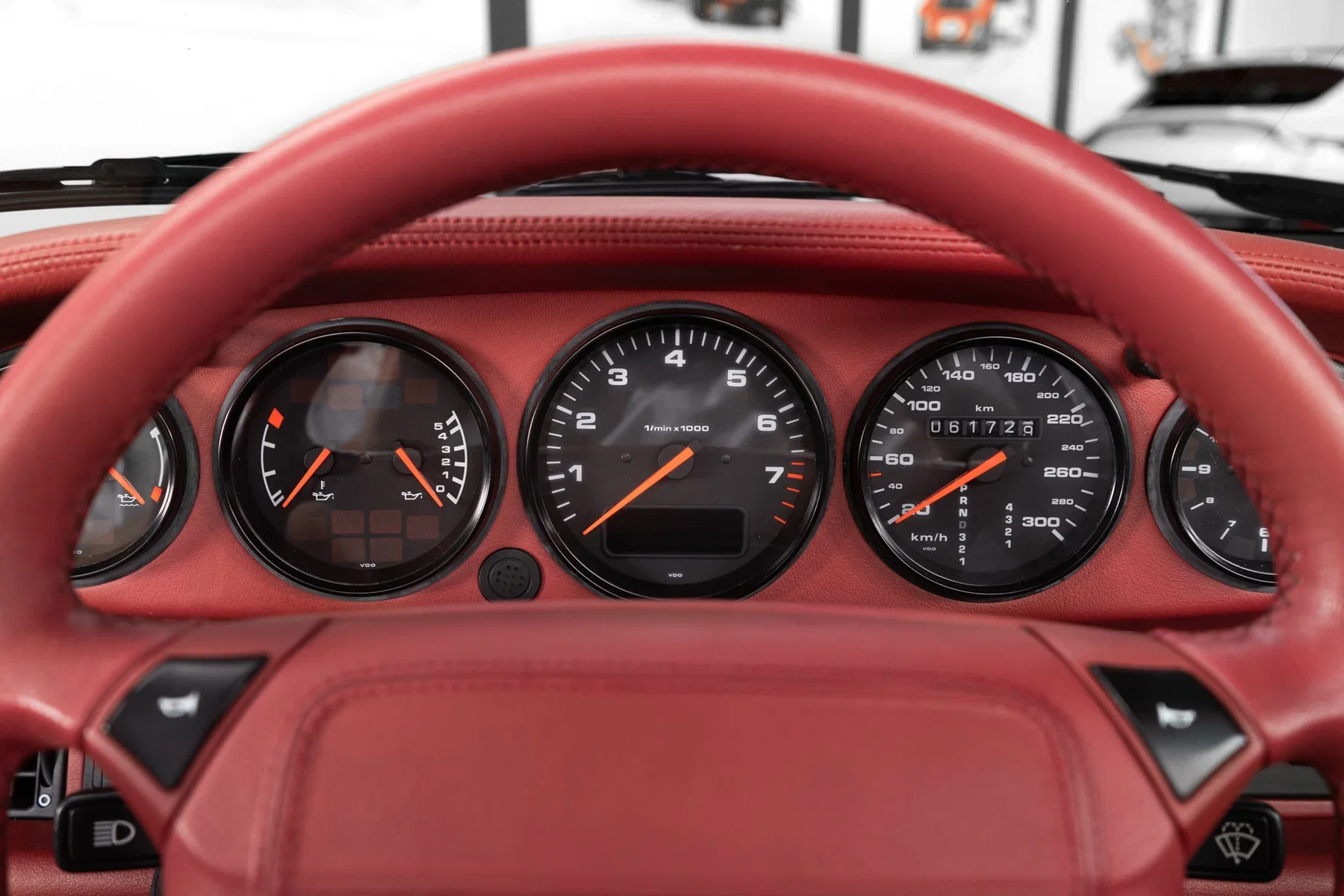
The behavior of the 964 Tiptronic allows more influence by the driver than its reputation suggests. In D mode, the control system selects from five programs: A brisk press of the accelerator activates a sportier characteristic curve, while quickly lifting off the throttle keeps the car in the current gear. Being set to Tiptronic mode, the electronics continue to intervene in gear selection and automatically upshift when the maximum permitted RPM is reached. In contrast, the fixed driving modes 1, 2, and 3 allow you to limit the highest gear and hold it until the rev limiter engages.
The Tiptronic’s strengths lie in its smooth acceleration, seamless gear changes, and relaxed driving in both city and highway conditions. However, the four-speed automatic transmission comes at the cost of some sportiness: With Tiptronic, the Carrera 2 takes 6.6 seconds instead of 5.7 seconds to accelerate to 100 km/h. The top speed, on the other hand, drops only from 260 to 256 km/h.
In 1992, the transmission underwent a minor redesign. The A50/02 was equipped with a special cold-start program and the ability to shift down to first gear even at speeds below 55 km/h. In addition, a key and shift lock was introduced for North America. This system locks the ignition switch and the gear selector. The ignition key could only be removed when the transmission was in Park (P). Conversely, the gear selector could not be moved out of Park (P) without the ignition key inserted.
In the Porsche 993, the Tiptronic controls were moved to the steering wheel
With the transition from the 964 to the 993, Porsche initially continued to develop the Tiptronic cautiously. While the manual transmission was equipped with six forward gears for the first time, the A50/04 automatic remained at four speeds. This meant that its fundamental character hardly changed. Even in the more powerful and, overall, more modern 993, the Tiptronic remained primarily a comfort-oriented alternative to the manual transmission.
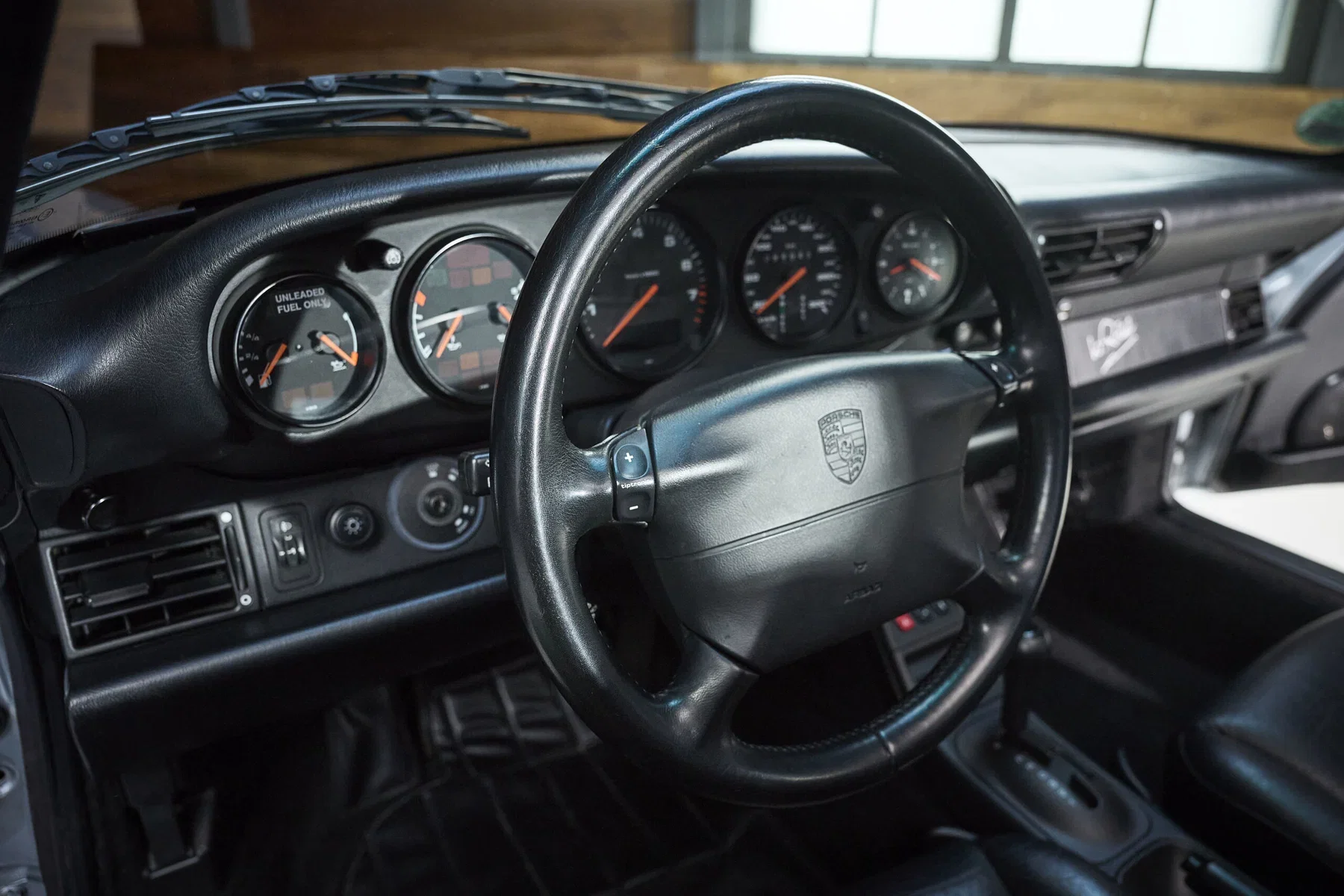
The more noticeable change came with the 1995 model year and the introduction of the Tiptronic S. Now, the driver could also shift gears using switches on the steering wheel, eliminating the need to move their hands to the gear selector. This made manual shifting more accessible on winding roads. Mechanically, the transmission didn’t change much, still offering only four gears with relatively large gaps between them. Precisely because Porsche had already equipped the 993’s manual transmission with six closely spaced gears, the difference in character between the two transmissions became even more apparent.
In the Porsche 996, the Tiptronic S became noticeably more modern
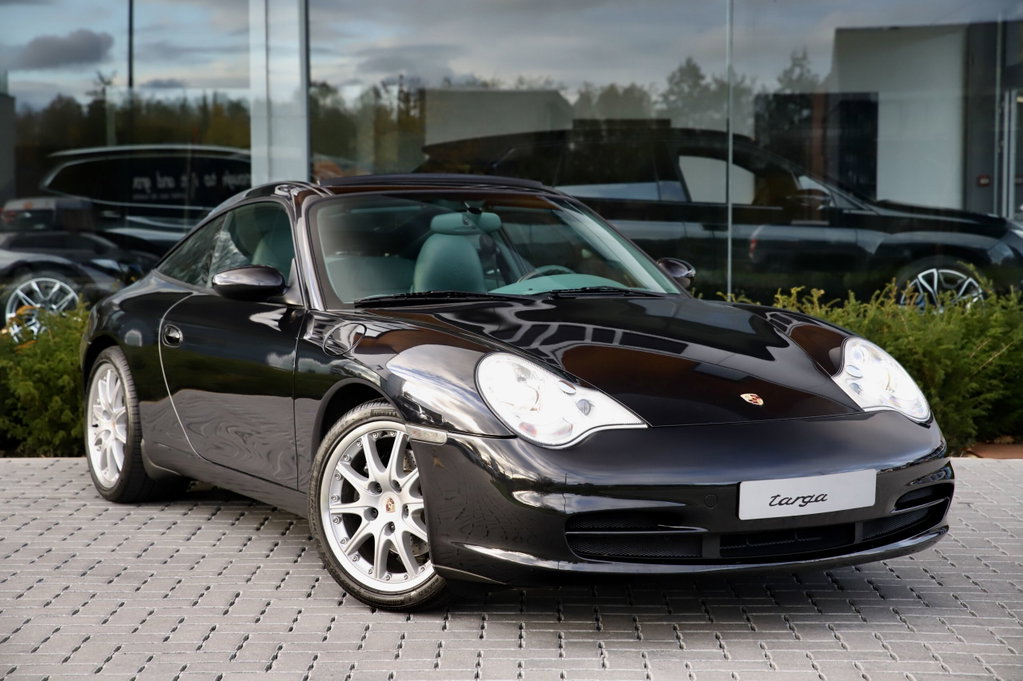
The transition to the 996 generation marked the first time the Tiptronic S featured five forward gears instead of four. As a result, the gear ratios were closer together, the changes in engine speed were smaller, and the transmission worked better with the new water-cooled Carrera generation. Early models continued to use a ZF transmission, now of the 5HP19 type, internally designated as A96/30. The familiar Tiptronic S control concept with manual gear selection on the steering wheel was retained. For the first time, the Tiptronic was also available on the all-wheel-drive 911 Carrera 4.
The 996 Turbo marked a turning point for the 2001 model year. Its 560 Nm of torque exceeded the limits of the ZF automatic transmission. As a result, Porsche opted for a five-speed automatic transmission based on the Mercedes-Benz 722.6 design. At Porsche, this version bears the internal designation A96/50. The operating and control concept remained the Tiptronic S. Only the mechanical basis now came from Mercedes-Benz—but with modified gear ratios and adjustments to the housing. With the facelift for the 2002 model year, Porsche finally adopted the 722.6 platform for the Carrera models as well: as the A96/10 in the rear-wheel-drive model and as the A96/35 in the Carrera 4 and Carrera 4S.
In terms of performance, the Tiptronic S in the 996 noticeably closed the gap on the manual transmission. The early Carrera with 300 PS went from 0 to 100 km/h in 5.2 seconds with a six-speed manual transmission; with Tiptronic S, it took 6.0 seconds. The top speed dropped from 280 to 275 km/h. With the 320 PS facelifted Carrera, the gap narrowed to 5.0 versus 5.5 seconds, with top speeds of 285 and 280 km/h, respectively. The significantly more powerful Turbo also performed well with the torque converter automatic transmission: The 420 PS 996 Turbo with a manual transmission accelerated to 100 km/h in 4.2 seconds and reached 305 km/h; with Tiptronic S, it took 4.9 seconds and reached 298 km/h.
Although the Tiptronic S—even in its 5-speed version—remained the measurably slower alternative to the manual transmission, the performance disadvantage was significantly less pronounced in the 996 than it had been in the 964 and 993.
In the Porsche 997, the Tiptronic S reached its final stage of development—and in the Turbo, it even outperforms the manual!
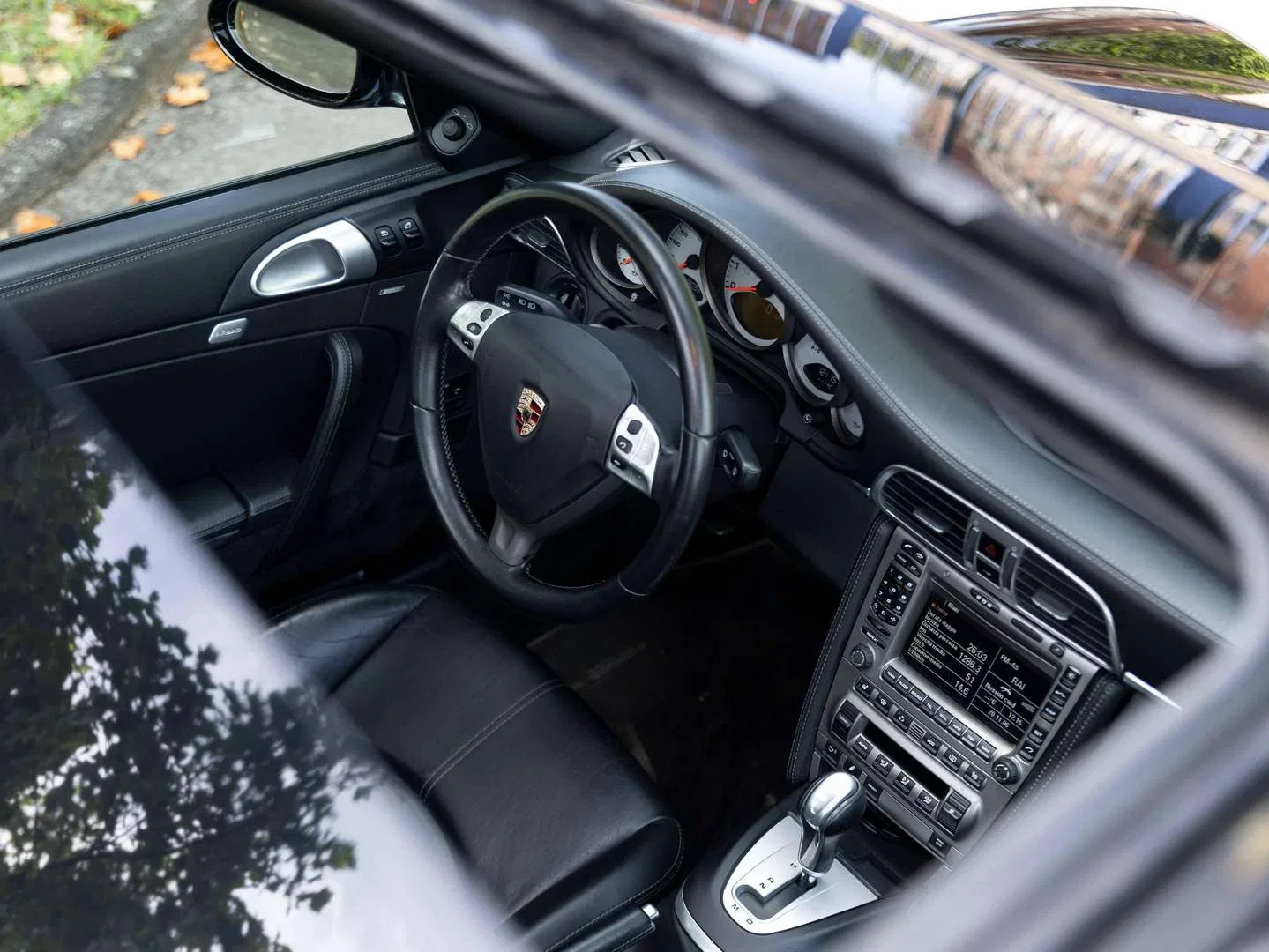
For the 997, Porsche further developed the well-known five-speed Tiptronic S, which was based on the Mercedes-Benz design. The A97/01 was now used in the Carrera and Carrera S. Among other things, Porsche adjusted the gear ratios, the torque converter’s characteristic curve, and the pressure build-up during gear changes. The Sport Chrono Package Plus, offered for the first time, also made a noticeable difference. In Sport mode, the Tiptronic S operated with a sharper shift characteristic and shorter shift times. When downshifting, the electronics also automatically increased the engine speed. With PSM deactivated, it even held the selected gear at the rev limiter in manual mode.
Among the Carrera models, however, the manual transmission remained faster. The 325 PS Carrera with a six-speed manual transmission reached 100 km/h in 5.0 seconds, while the version with Tiptronic S took 5.5 seconds. For the 355 PS Carrera S, the times were 4.8 and 5.3 seconds, respectively. There was also a slight difference in top speed: 285 versus 280 km/h for the Carrera, and 293 versus 285 km/h for the Carrera S.
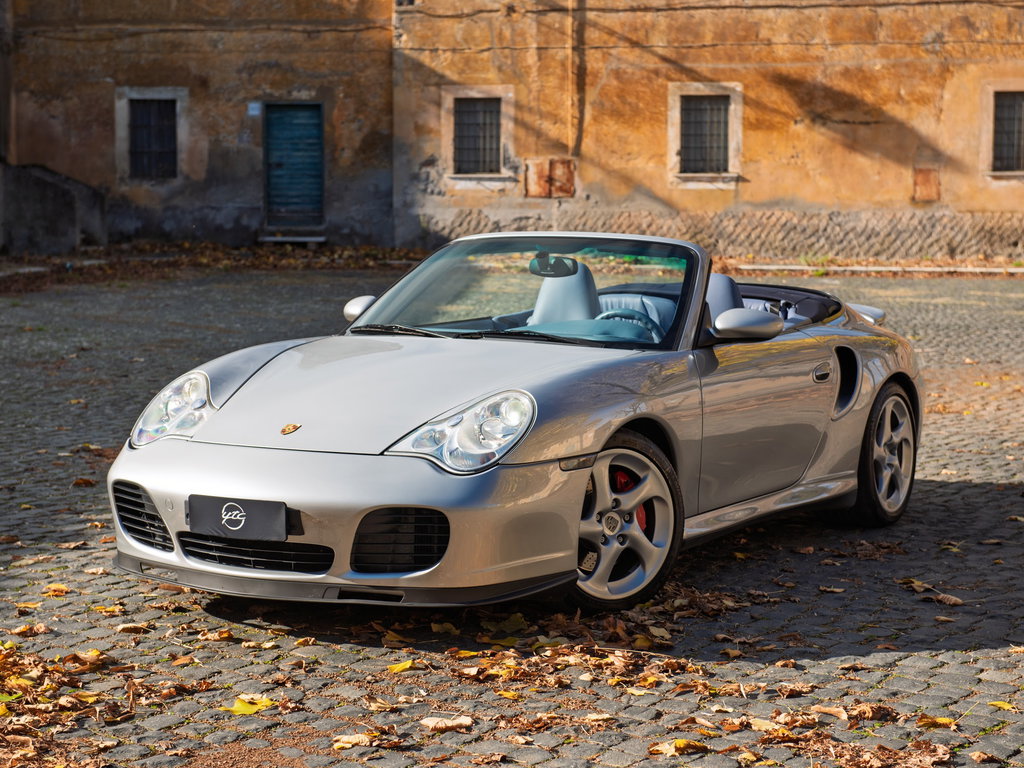
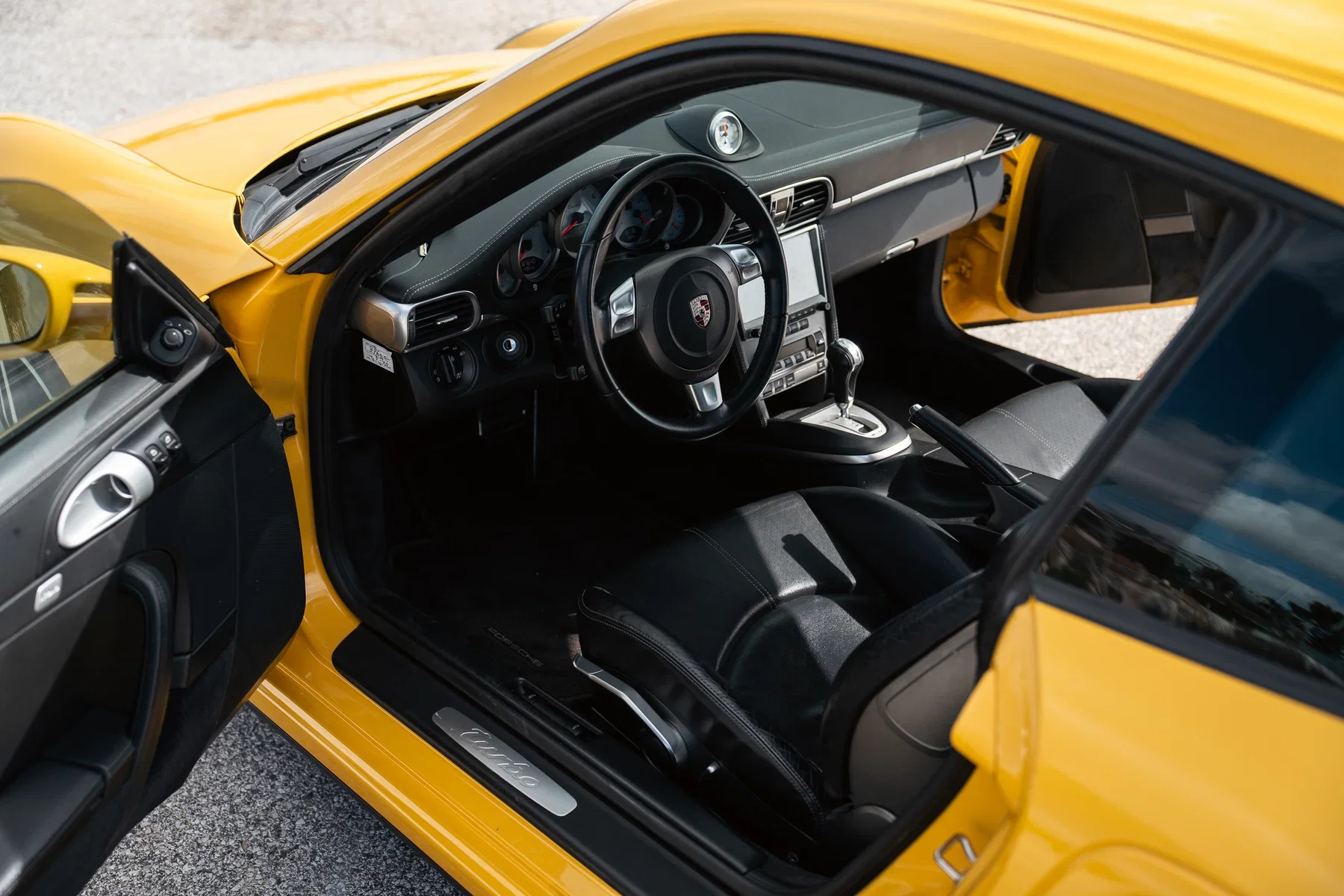
With the 997 Turbo, the tables turned for the first time. The 480 PS Turbo, equipped with Tiptronic S, accelerated to 100 km/h in 3.7 seconds—two-tenths of a second faster than the manual transmission model. Both reached 310 km/h. Thus, the torque-converter automatic transmission achieved its greatest success in terms of driving dynamics in the most powerful 911 of its time, of all cars. The Tiptronic era finally came to an end with the 2008 facelift of the Carrera. Its new seven-speed PDK shifted faster, weighed less, and replaced the Tiptronic S in the 911 after nearly two decades.
Is the Porsche Tiptronic better than its reputation?
It’s hard to lump all nearly two decades of Tiptronic in the Porsche 911 into a single category. In terms of driving dynamics, there’s a world of difference between the four-speed automatic in the 964 and the latest Tiptronic S in the 997. The 964 and 993 in particular, with their mere four gears, demand significantly more compromise than the later five-speed transmissions. With the 996, the gap to the manual transmission had already narrowed noticeably; in the 997 Turbo, the Tiptronic S was even faster in the sprint to 100 km/h. Anyone referring to “the Tiptronic” should therefore at least specify which generation they’re talking about.
The price premium is understandable, nonetheless. A manual 911 offers a more direct connection between driver and vehicle, and it is precisely this driving experience that commands a premium in today’s enthusiast market. The fact that manual-transmission models—particularly in North America—sometimes command significantly higher premiums is consistent with this trend. However, the nearly identical time it takes to sell them also shows that Tiptronic models are by no means unsellable. Their buyer base is smaller, but it exists.
That’s why the Tiptronic might be particularly appealing today. Anyone looking for the purest possible 964 or 993 for country driving will likely be happier with the manual transmission. But without serious sporting ambitions, a Tiptronic 964 can still be thoroughly enjoyed. Rob Grant, the man behind the964page on Instagram, has a clear opinion after driving over a hundred 964s, including numerous Tiptronic models:
Does a 964 Tiptronic Cabriolet offer only half the driving experience of a manual-transmission coupe? No. So if you’re looking for a more affordable way to get started in the world of the 964, this could be just the right choice for you.
Rob Grant
In terms of driving dynamics, water-cooled Tiptronic 911s are much closer to the manual transmission models.
With the 996, the decision becomes less clear-cut, and by the time you get to a 997 Turbo, it’s hard to justify a lower price based on inferior performance. For drivers who use their 911 a lot for long trips, everyday driving, or in city traffic, a good Tiptronic 911 may therefore be the better car for the same budget. And with price differences running into tens of thousands of euros, the question ultimately arises: how much is that third pedal actually worth to you?
Message
Do you have a tip for a story or just want to get in touch with Richard?












 1991
1991 
 2008
2008 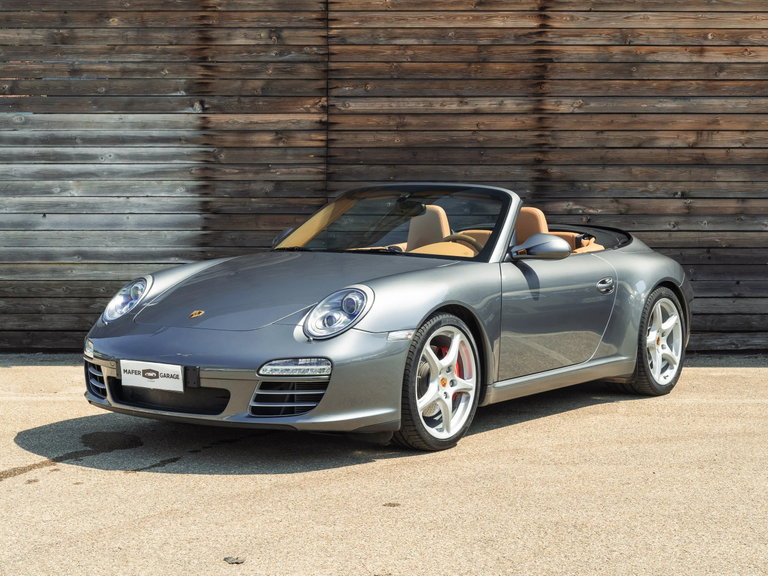
 2009
2009 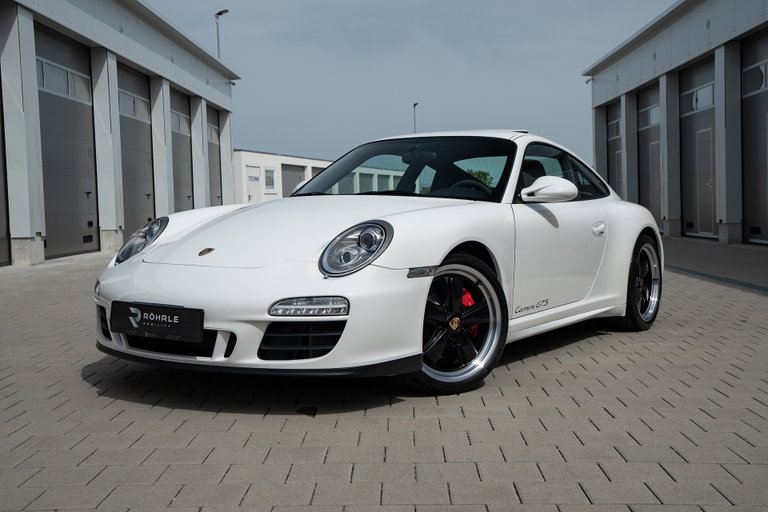
 2011
2011