Hardly any question is debated as passionately among Porsche enthusiasts as this one: Which 911 model is the last “true 911”? Even though the objective answer must always be “the latest model,” the very subjective discussion on this topic is actually a lot of fun. For some, the history of the 911 ends in 1998 with the last air-cooled 993 models. Others see it in the 997 as the last modern 911 with a truly analog feel. Still others think of Mezger engines or the last naturally aspirated 991. That’s precisely what makes the question so intriguing: in principle, there’s a perfect 911 for everyone – it’s just about personal preferences. We’ve selected a few popular examples that are frequently mentioned when discussing the last “true 911″ and explain why they are in the mix.
“The last true 911 is the last short wheelbase 911” – Porsche 911 SWB
We begin our search for the last true 911 right at the very beginning of its history. Up through and including the 1968 model year, the 911 was built in its original configuration with a 2,211 mm wheelbase. For the 1969 model year, Porsche extended the wheelbase to 2,268 mm to noticeably smooth out the handling. This made the 911 more stable, predictable, and suitable for everyday use – but it also lost some of its raw immediacy, which is what makes the early models so appealing today.
The short-wheelbase models were given the nickname SWB. They represent the 911 in perhaps its most original form: a narrow body, light weight, but also challenging handling. Anyone who wants to drive an early 911 fast needs to be on their guard. Load changes can cause the rear end to break loose. But that’s exactly what makes the SWB models so fascinating: they showcase the 911 in its original state, before Porsche refined it step by step over the decades.
The Porsche 911 up to the 1968 model year is, in a sense, the quintessential classic 911. Its short wheelbase (SWB) gives it a distinctive look and a pure driving experience.
The early SWB 911 is not a perfect sports car in the modern sense. It is, rather, the unadulterated starting point of a long evolutionary process. For many, the 911 SWB – which still bears the original design by Ferdinand Alexander Porsche – is therefore considered the last “true 911.”
It was supposed to be the very last 911 ever made – the Porsche 911 SC
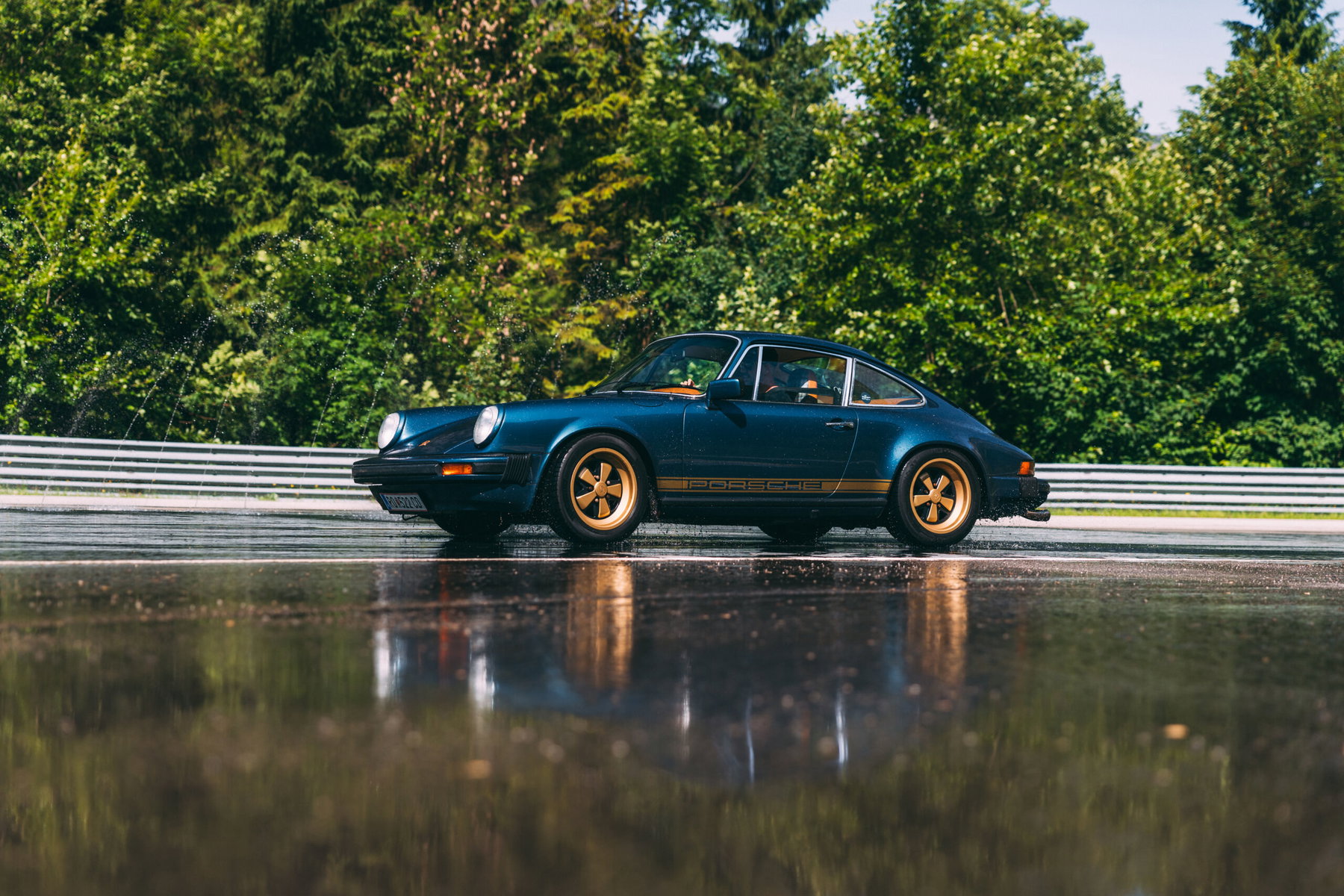
Let’s fast-forward a good ten years to the Porsche 911 SC. By the late 1970s, it was by no means a given that the 911 would have a long future ahead of it. Porsche already had the 928 in its lineup – a top-of-the-line model that was technically more advanced, more comfortable, and better suited for long-distance driving. The 911 had already been designated as a model-year-end vehicle and was supposed to have come to an end with the SC – Super Carrera.
The fact that it was intended to be Porsche’s final 911 model rightly places it in the discussion about the last true 911. Its traditional chassis architecture with torsion bar suspension and the 915 transmission clearly identifies it as a child of the 1970s. At the same time, it was no longer a raw early 911. It seemed more mature, more reliable, and better suited for everyday use than many of its predecessors. This was due, in part, to the 3.0-liter engine, which was tuned for a broader usable power band and thus offered more low-end torque.
That the 911 ultimately continued is now considered one of the most important turning points in Porsche’s history. This decision was also based on the fact that the 911 SC became a true bestseller, with a total of about 56,000 units sold from the 1978 model year through 1983. So it seems logical that the last true 911 is the one that was actually supposed to be the last 911 at all.
Porsche 993 Carrera RS – The Last Porsche 911 Carrera RS
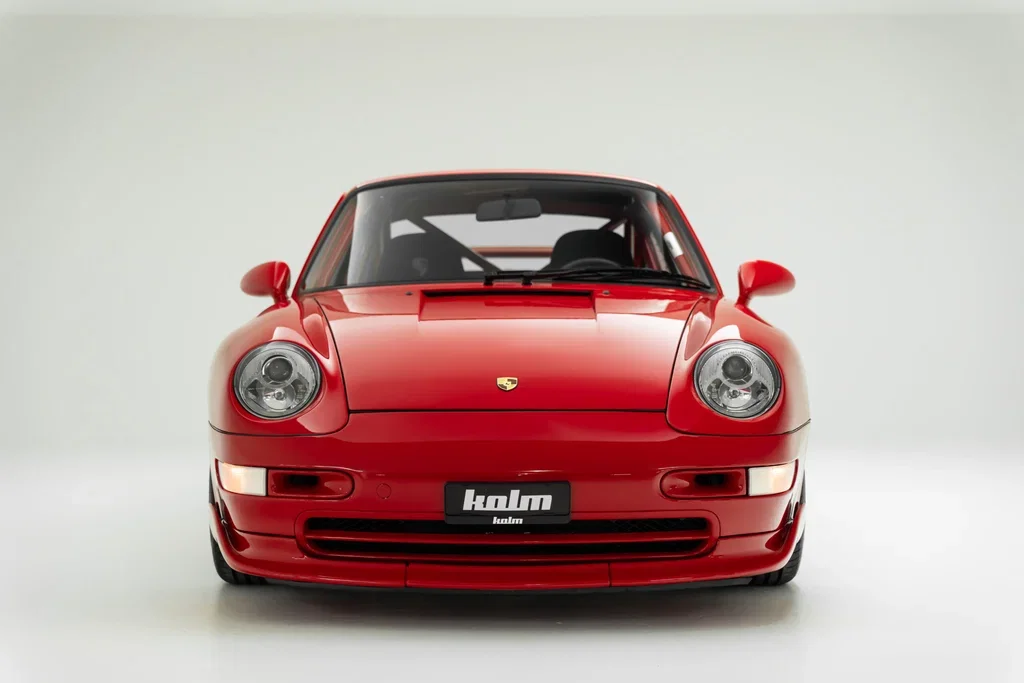
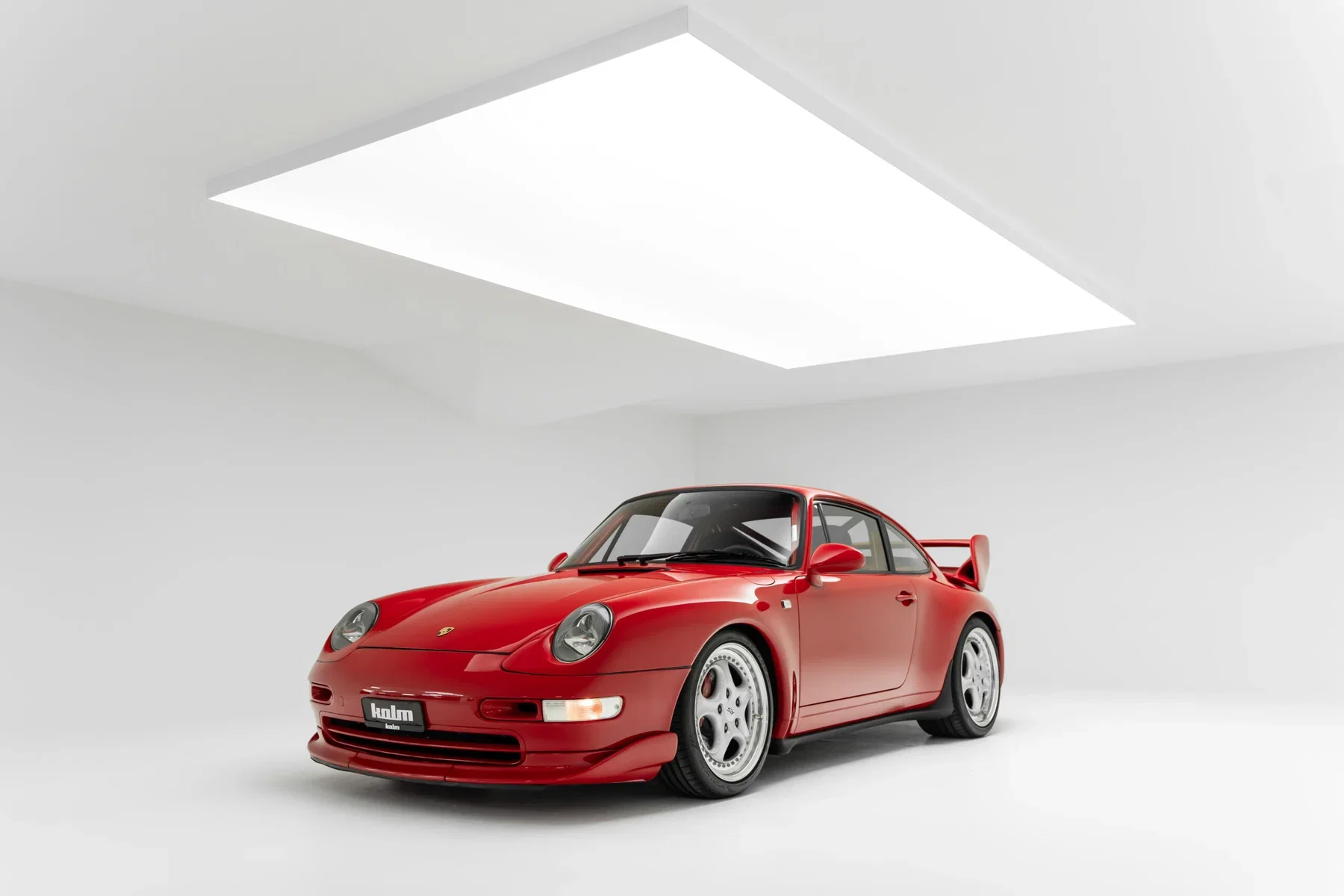
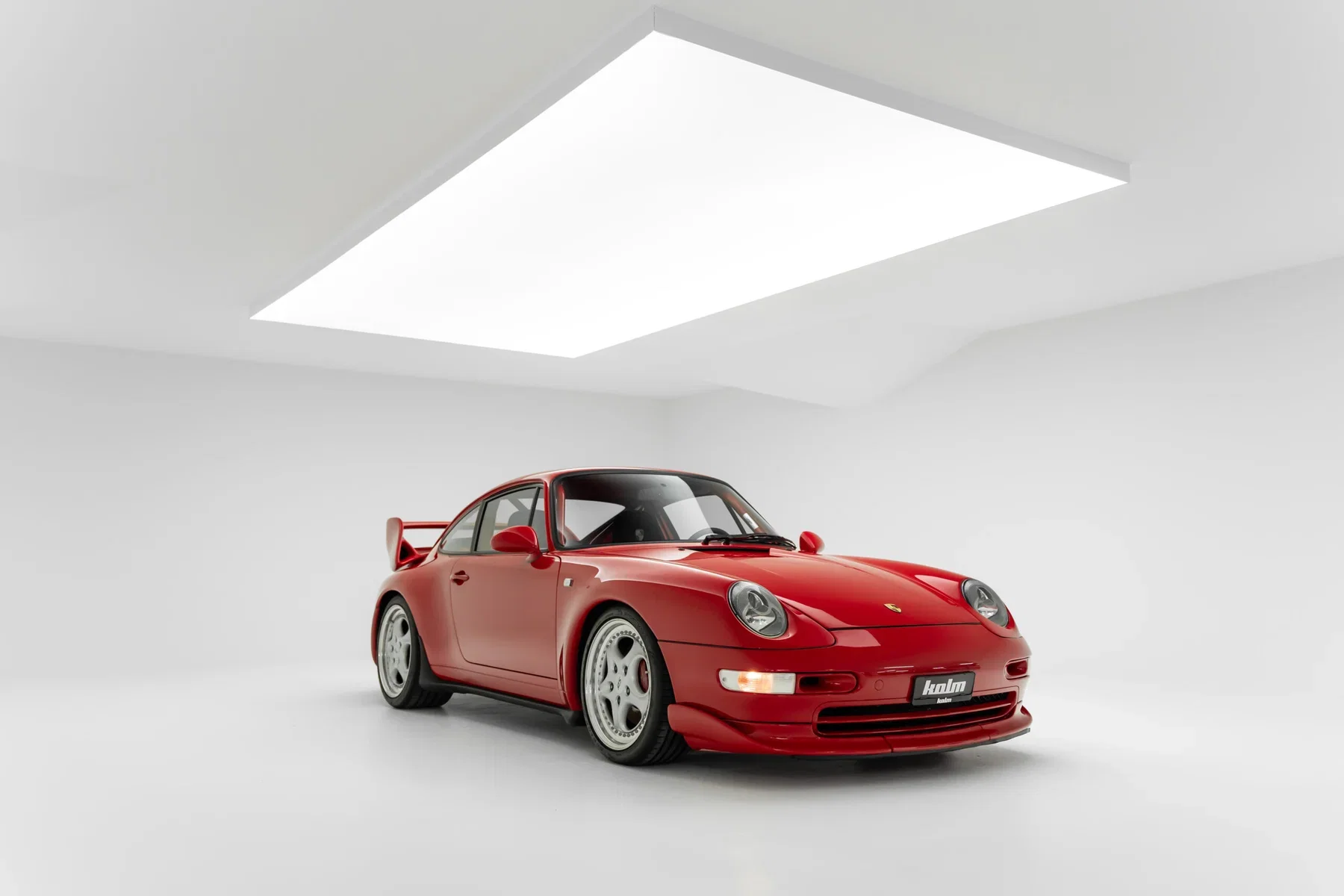
In two ways, the Porsche 993 Carrera RS marks the end of an era. First, it is the last Carrera RS that Porsche has produced to date. Following the 911 Carrera RS 2.7 and the 964 Carrera RS, it served as the crowning achievement of the air-cooled 911s with naturally aspirated engines. And as a member of the 993 series, it is also one of the last air-cooled Porsches ever produced – even though it was built only in the 1995 and 1996 model years.
The 993 Carrera RS continued the tradition of exceptionally lightweight 911s with naturally aspirated engines and an extremely sporty design. Its air-cooled six-cylinder engine was increased to 3.8 liters of displacement and, thanks to the vacuum-controlled VarioRam system, offered a more susbstantial torque curve. Its 300 hp represented a gain of 35 hp over the Carrera. At the same time, weighing in at 1,270 kilograms, it was exactly 100 kilograms lighter than the more street-oriented entry-level 911. With only 1,014 units built, it is also rare and in high demand – a strong contender for the title of the last true 911!
“The last true 911s have a Mezger engine!” – Porsche 997.2 GT2 RS & 997.2 GT3 RS 4.0
In the world of Porsche, one engineer’s name is held in particularly high esteem: Hans Mezger. He is considered the mastermind behind the six-cylinder boxer engine with a split, two-piece crankcase. For more than 40 years, numerous engines in the rear of the Porsche 911 were based on Mezger’s design. Among enthusiasts, they are simply referred to as Mezger engines. Two 997 models, which were still equipped with an engine based on Hans Mezger’s design, are therefore among the most sought-after models on the Porsche market.
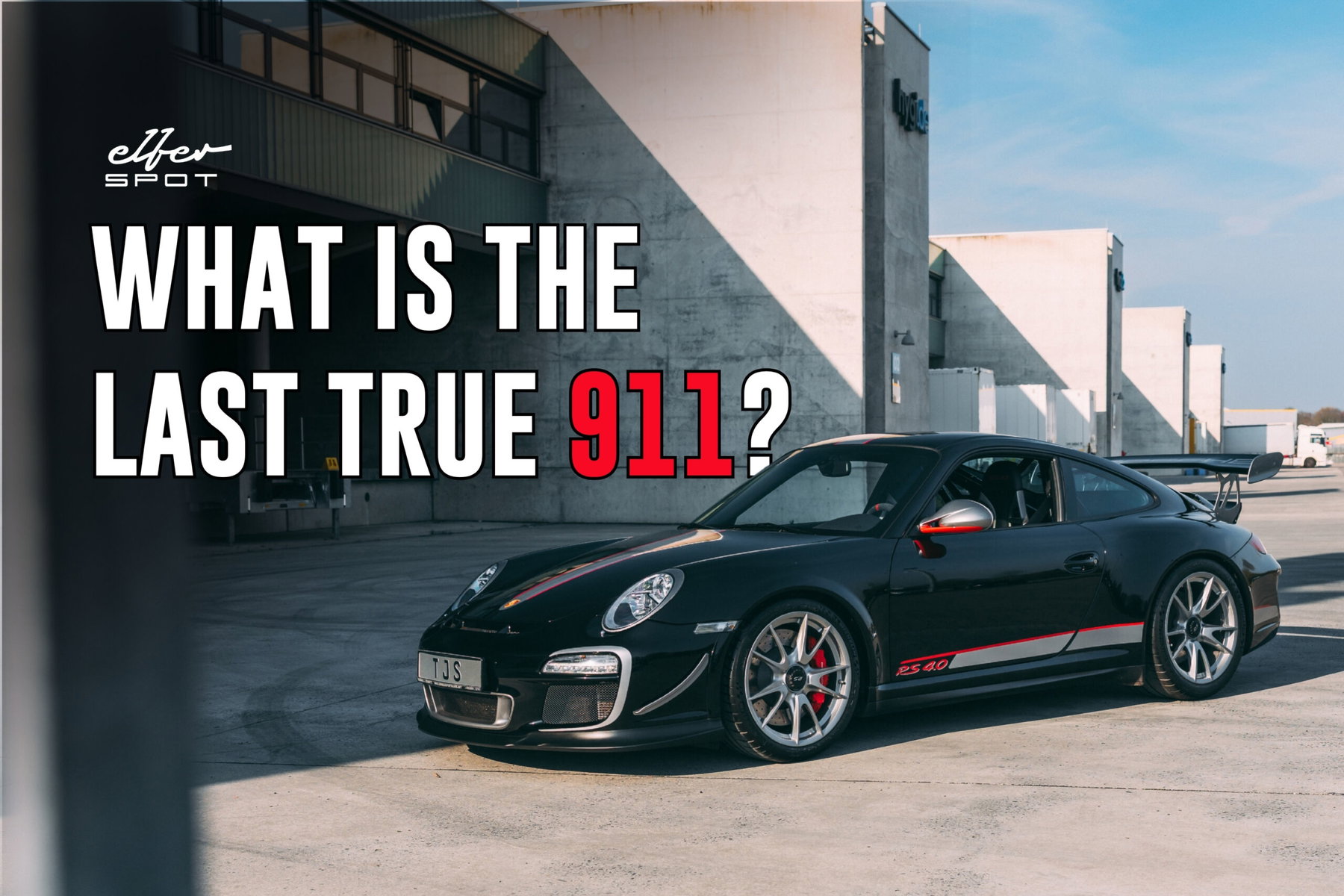
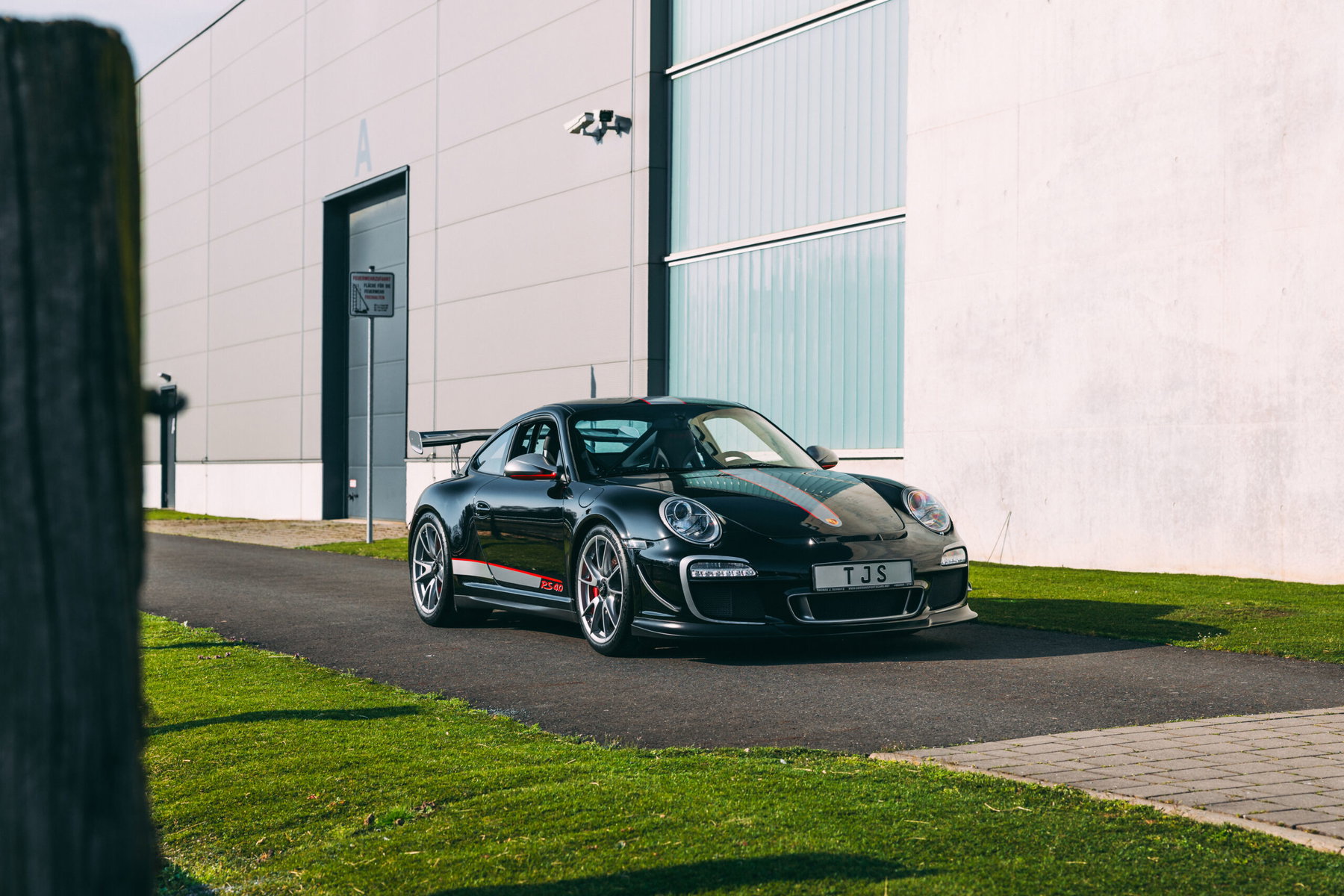
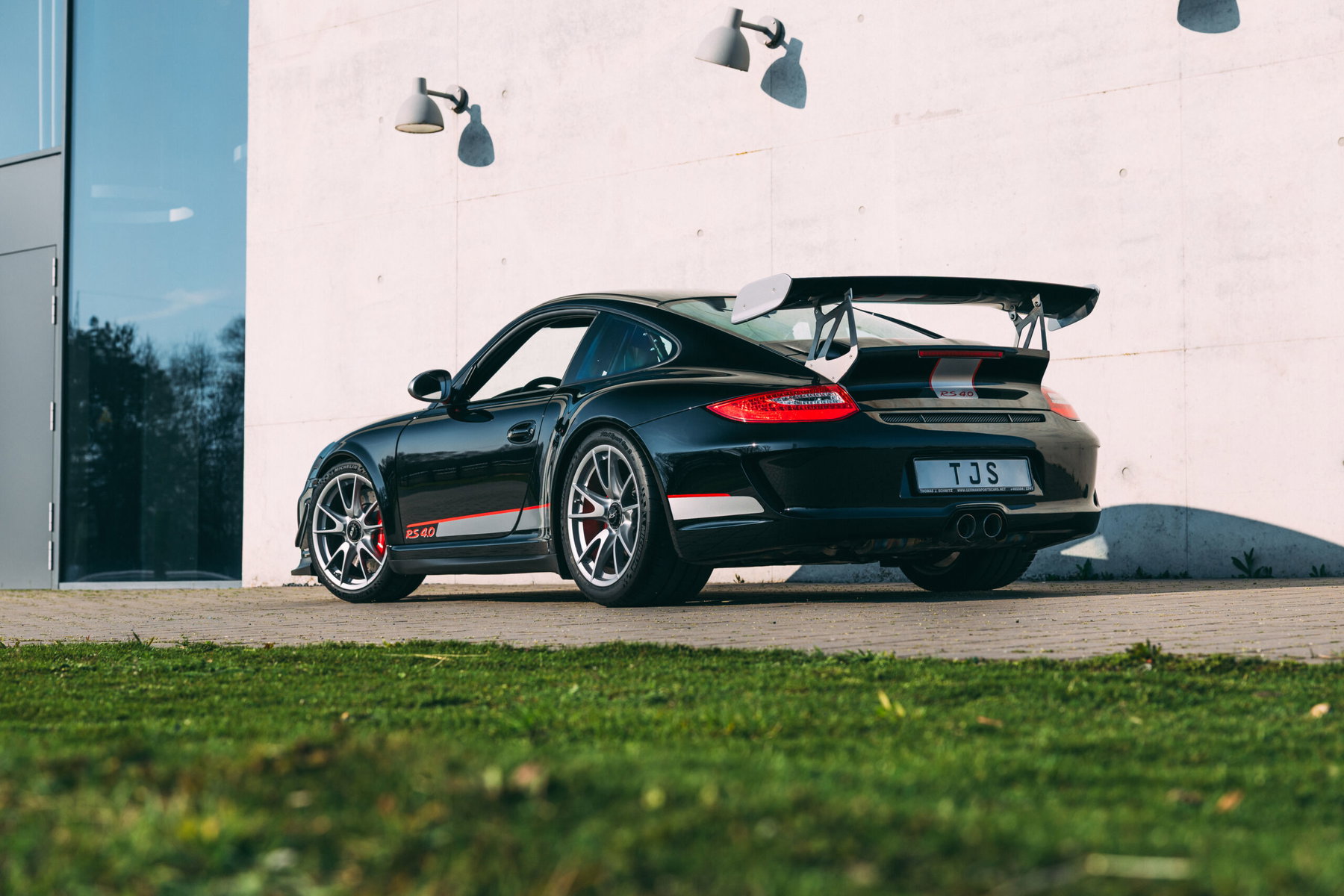
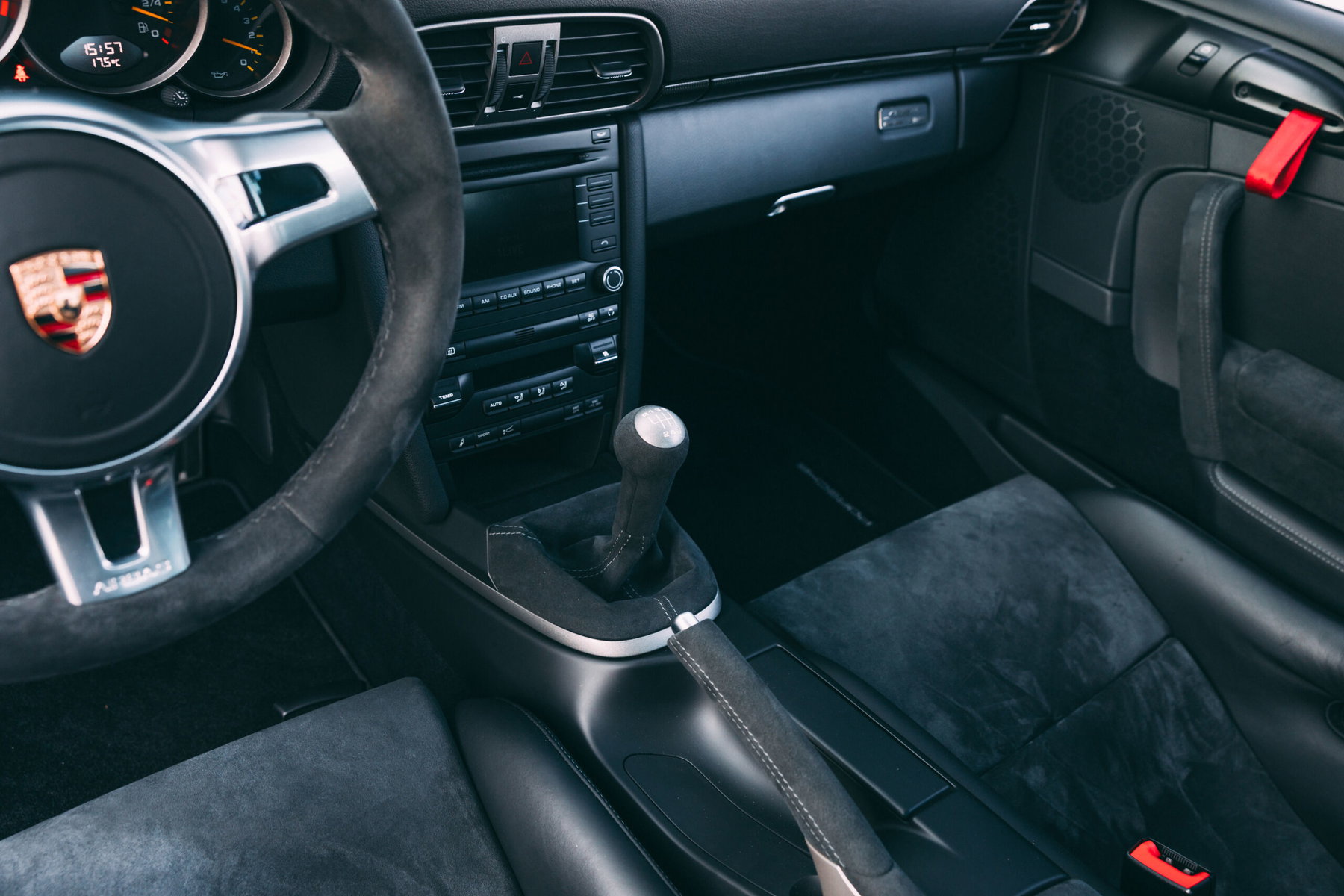
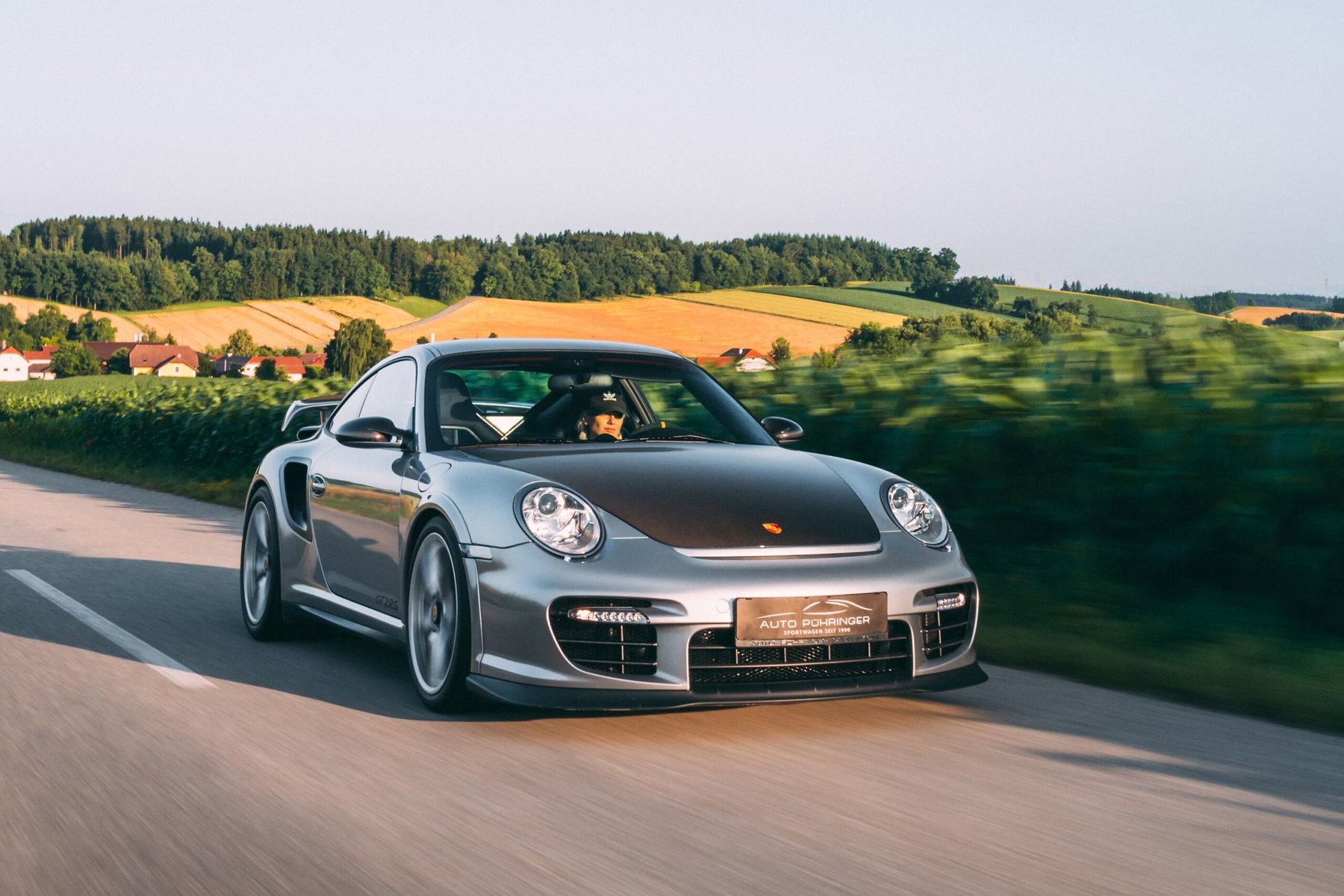
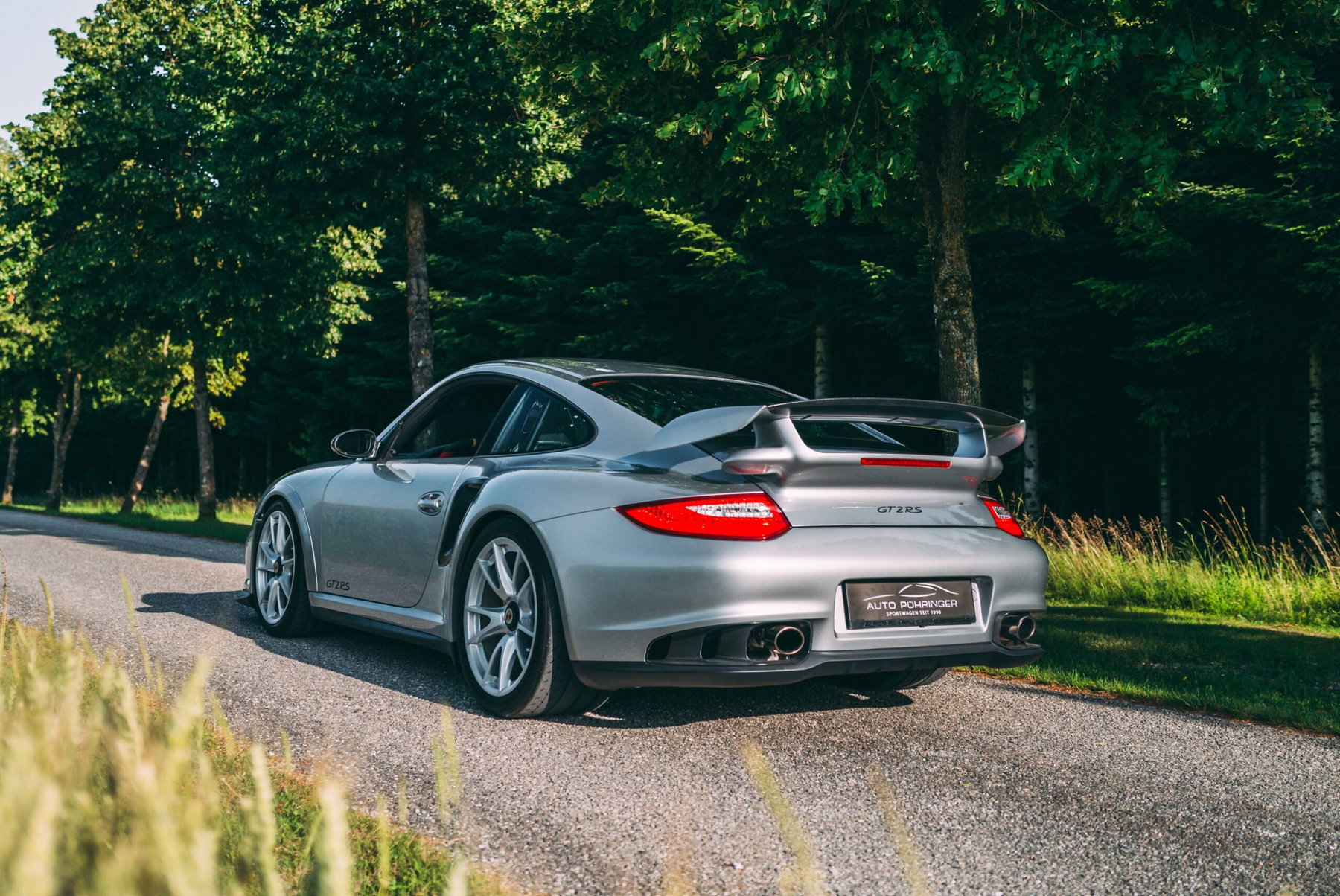
These are the Porsche 997.2 GT3 RS 4.0 and the 997.2 GT2 RS. These two Rennsport-911s marked the swan song of the Mezger engines for the 2011 model year. In the 997 GT3 RS 4.0, of which 613 were built, the engine delivered 500 hp at 8,250 rpm. Weighing just 1,360 kilograms, the 997 accelerated to 100 kph in 3.9 seconds and reached a top speed of 310 kph. For many, it is the ultimate Porsche 911 – and therefore the last true 911.
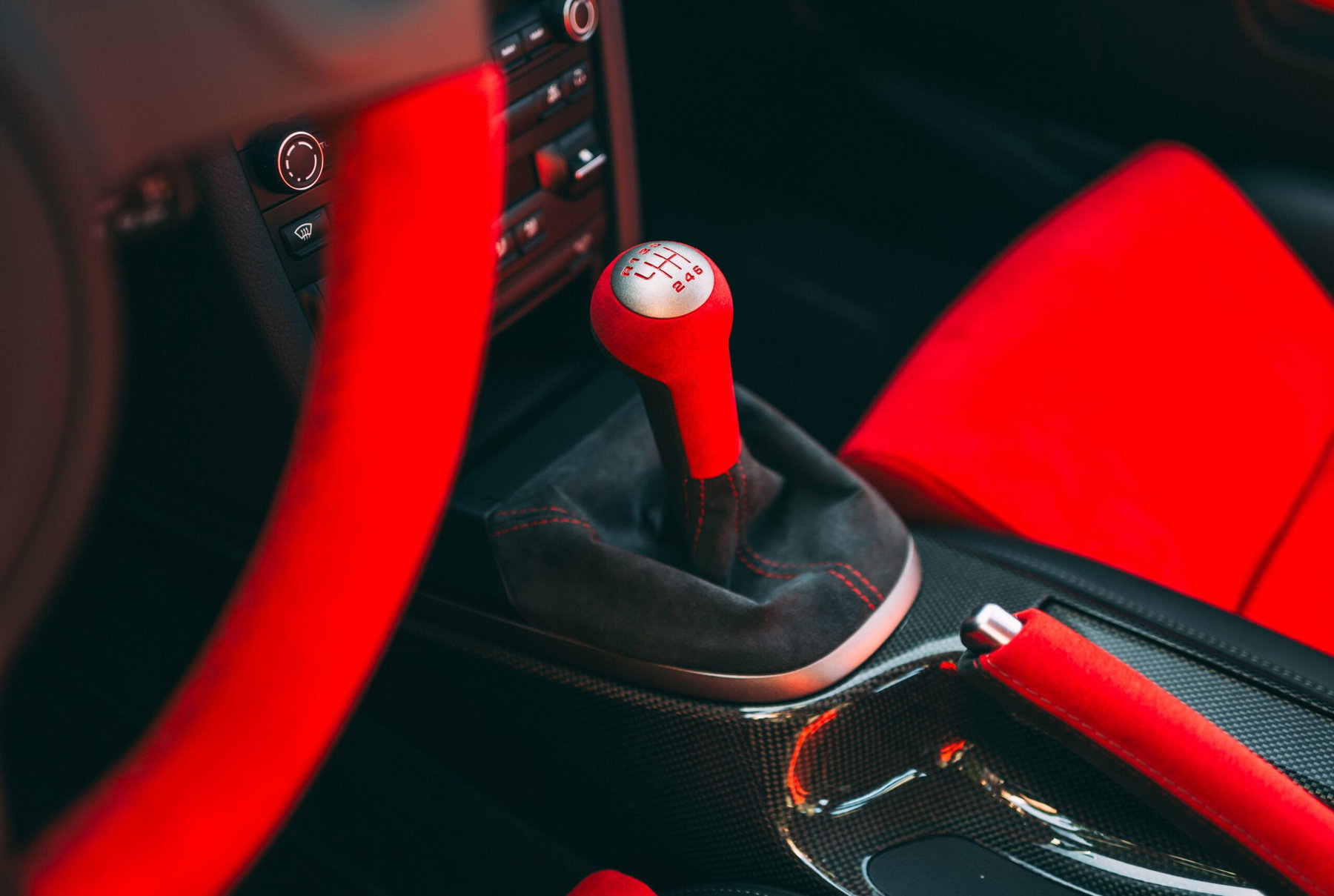
The Porsche 997.2 GT2 RS had “only” 3.6 liters of displacement, but it did have two turbochargers. This allowed it to achieve an incredible 620 hp in 2011. Despite the additional Turbo-tech, the GT2 RS weighed only ten kilograms more than the GT3 RS 4.0. The appearance of the GT2 RS – of which 510 were built – is among the most impressive things Porsche has ever put on four wheels. As a result, it clocked in at 7:18 minutes on the Nordschleife – more than 11 seconds faster than the Carrera GT. No wonder, then, that many consider the most extreme 997 models to be the last true 911s.
Porsche 991 Carrera – Last 911 Carrera with a naturally aspirated engine = Last true 911?
As was the case with the 997 before it, the engine is considered the defining feature of the 991 Mk 1 or 991.1. This is because the Carrera, Carrera S, and GTS models were equipped with naturally aspirated engines for the last time before the 991.2 facelift. Starting with the 2016 model year, the Carrera was equipped exclusively with a 3.0-liter twin-turbo engine. While this engine is objectively superior to its predecessor in every respect, the naturally aspirated 3.4- or 3.8-liter six-cylinder boxer engine clearly has the edge when it comes to sound.
The Carrera had 3.4-liter displacement, while the Carrera S and the later Carrera GTS had 3.8 liters. All variants thrived on high RPMs, offering extremely direct responsiveness and absolutely linear power delivery – the kind only a naturally aspirated engine can provide. With every additional engine revolution, the sound experience intensifies. Especially when combined with the sport exhaust system, this creates an experience that many missed in the 991.2.
This is because the turbocharged engines in the facelift models delivered more torque, better performance, and lower fuel consumption, but they also altered the car’s character. The 991.1 Carrera therefore represents the last standard 911 whose essence is still defined by a naturally aspirated engine with its characteristic sound and its eagerness to rev. In its turbocharged successors it simply isn’t as rewarding to rev it out, as it provides so much more torque. In that respect, the last N/A Carrera is a strong contender for the title of the last true 911.
Honorable Mentions
Of course, the debate over the last true 911 doesn’t end with the short wheelbase or the Mezger engine. The answers are as varied as the Porsche 911 itself. As such, there is no one-size-fits-all answer. Instead, there are numerous other examples that come up time and again.
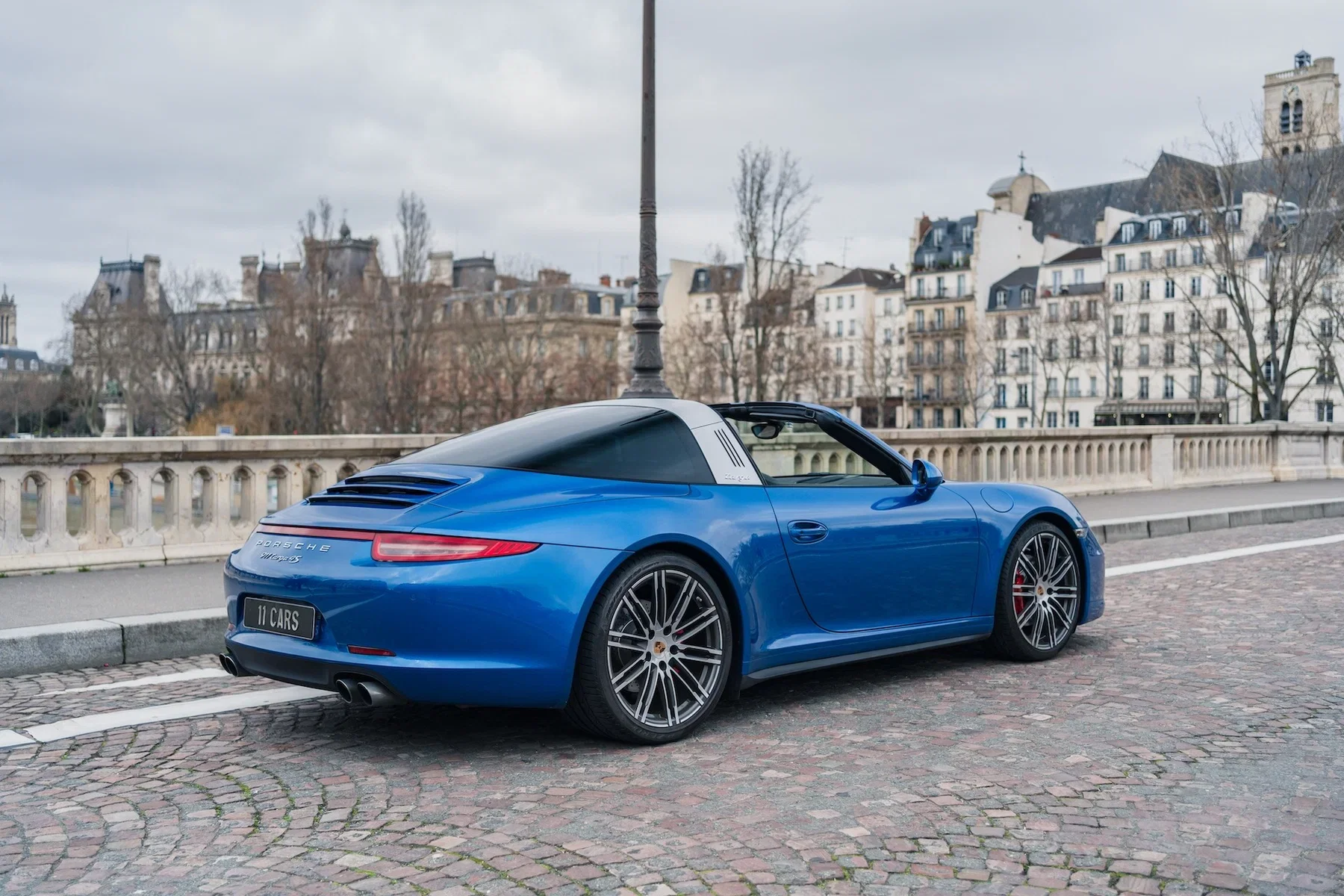
Take, for example, the Porsche 997.2 Carrera, the last 911 with hydraulic power steering. With the 991, Porsche switched to an electromechanical system. This undoubtedly offered technical advantages, but many drivers appreciate the unique feedback a 997 provides in response to steering inputs. The 991.2 up to the 2018 model year is also frequently mentioned in these discussions. Starting in 2019, all 911 models were equipped with an gasoline particulate filter (OPF), which significantly altered the 911’s exhaust note.
So which one is the last true 911?
Ultimately, there is no definitive answer to this question. Anyone looking for the origins of the 911 will end up with the early SWB. For many purists, there’s no getting around the Carrera RS. Those who prioritize the engine think of the Mezger models. And anyone looking for a modern, yet highly emotional Carrera will find a strong contender in the 991.1.
Now it’s your turn: Which Porsche 911 do you consider to be the last true 911? The last air-cooled 911, the last Mezger, the last naturally aspirated Carrera, the last with hydraulic steering – or a completely different model?
Perhaps the last “true” 911 is always the one that came just before Porsche changed something that enthusiasts of a particular generation had grown especially fond of. That’s exactly what gives rise to the debates that have surrounded the 911 for decades. Each generation has preserved something, improved something else, and left something behind. In the end, of course, every 911 remains a true 911. But interesting discussions about individual automotive preferences are almost as much fun as the driving itself, aren’t they?
Message
Do you have a tip for a story or just want to get in touch with Richard?