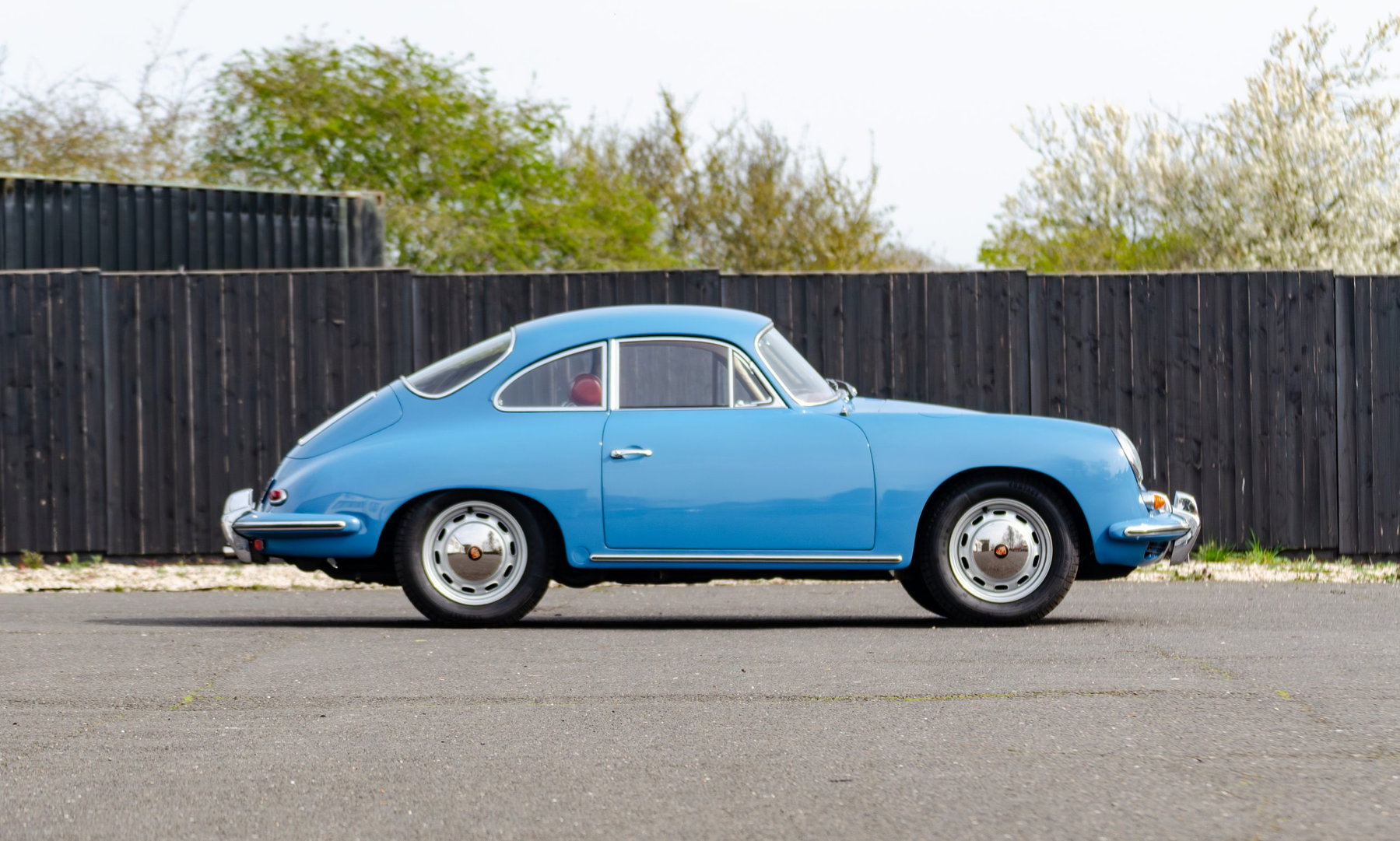
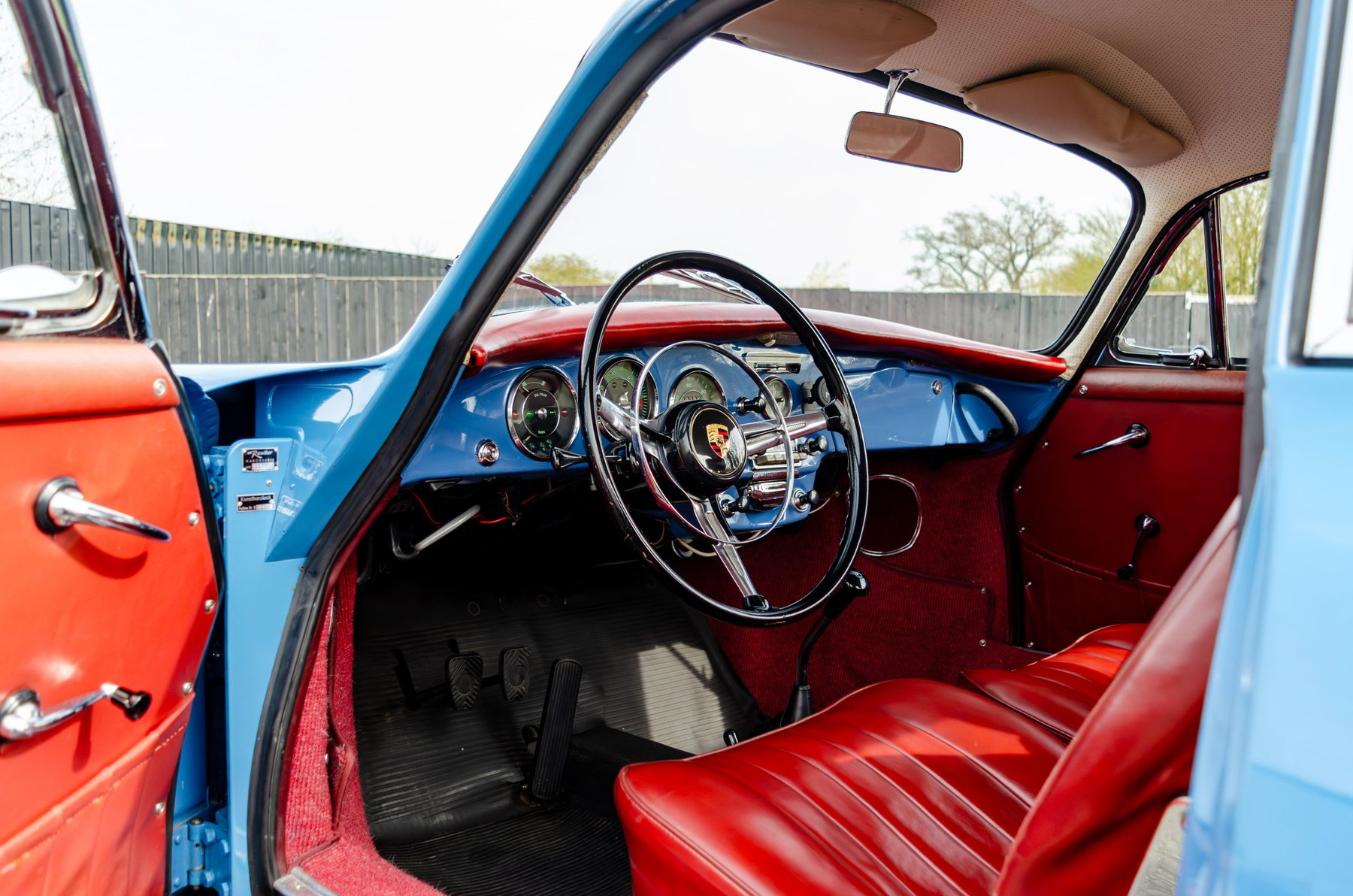
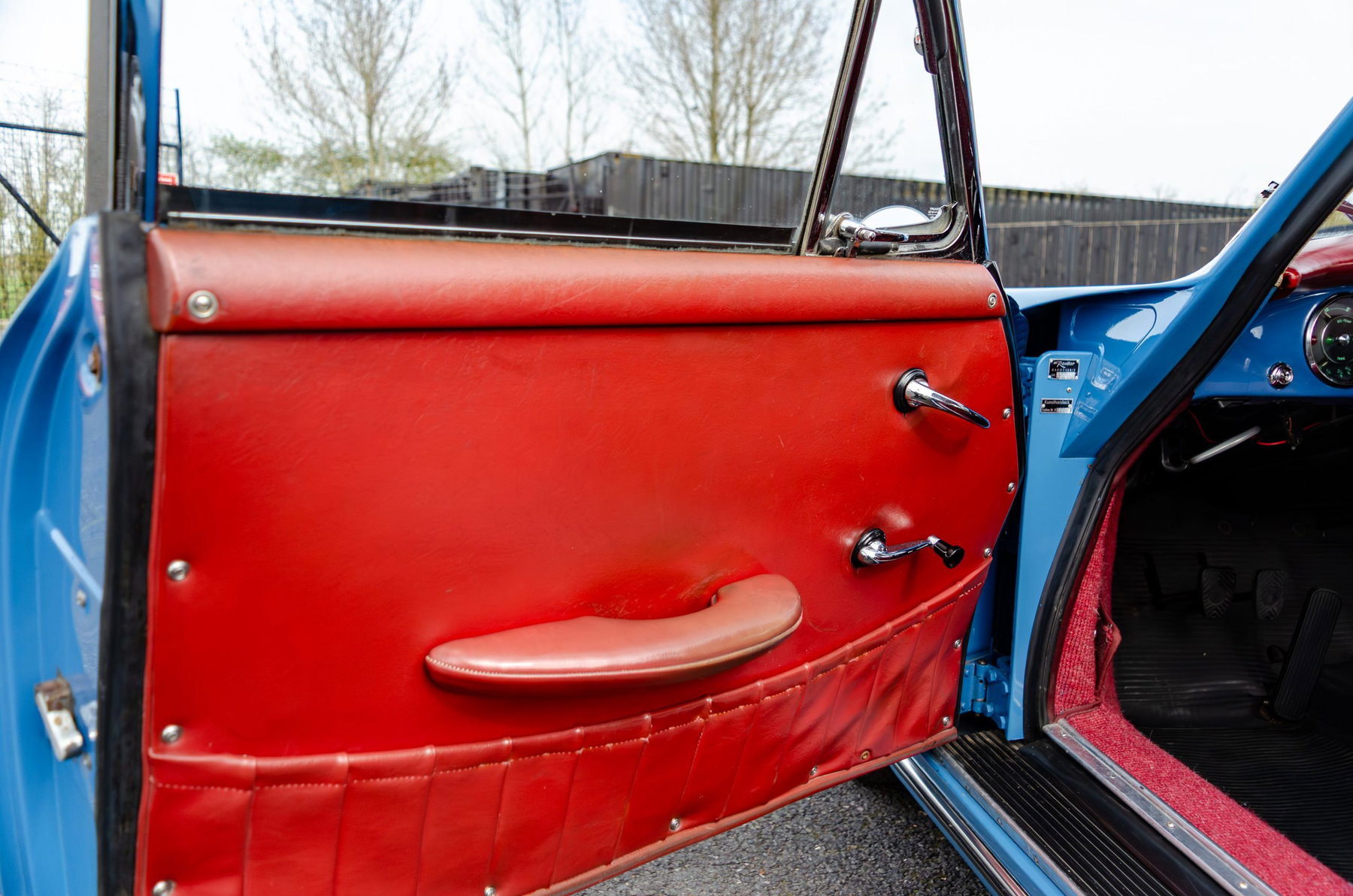
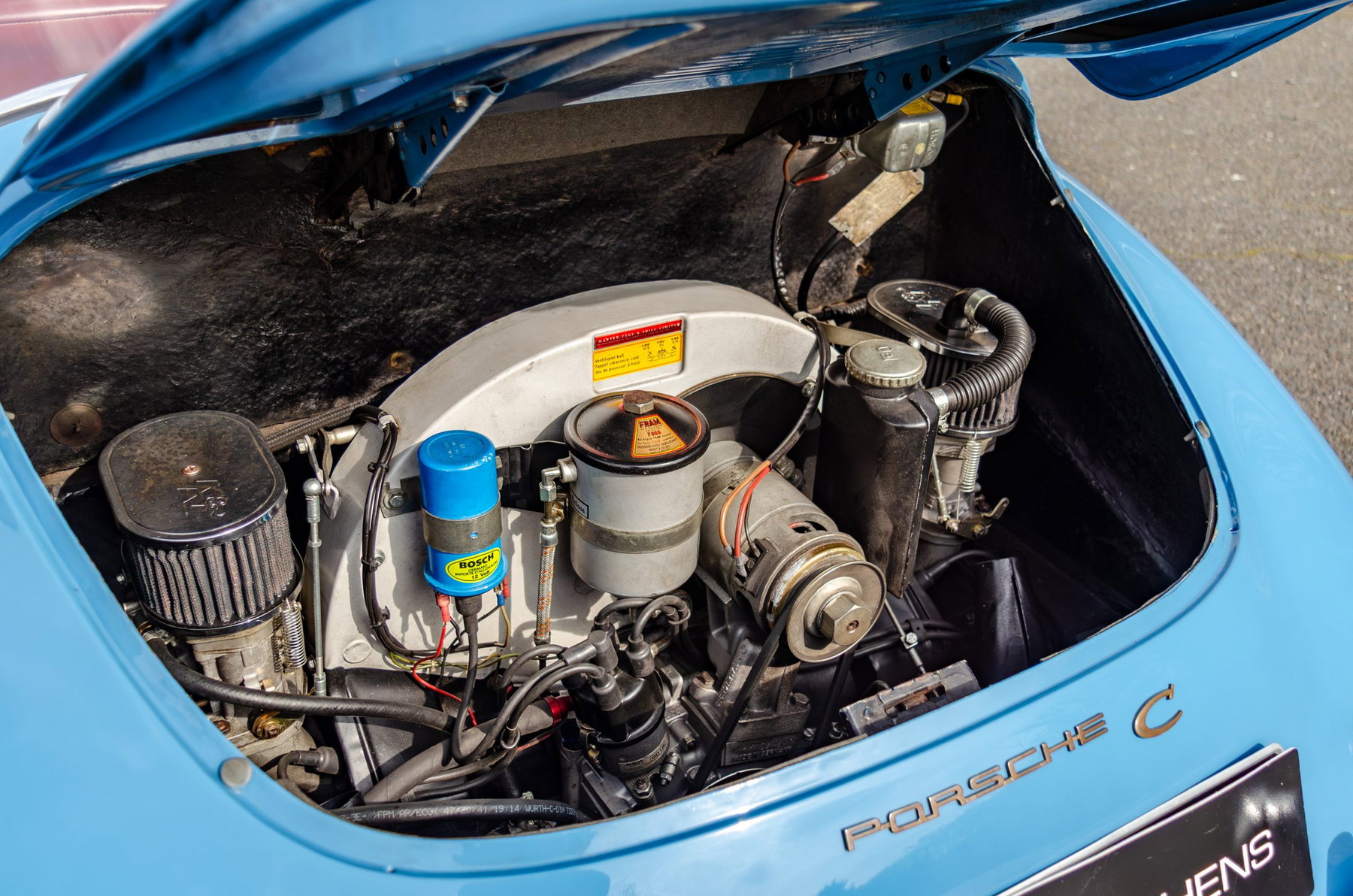
While maintenance during its time in Belgium was clearly regular, there comes a time in any 356s life when it becomes time for a full restoration, and this car is no different, as an extensive folder of pictures show. That the bodywork and paintwork still present well some 20+ years later speaks volumes for the work carried out. Following the bodywork restoration, the engine was rebuilt by Maxted Page & Prill, as was all the running gear, suspension and brakes etc. In view of the cost to restore a 356 in today’s market, this is all very good news, as prices for labour and parts become ever more prohibitive.
Responding well to a guiding hand, rather than being hustled, the 356 drifts between corners on its skinny 15-inch Michelins and shrugs off modern road conditions in a way that puts many modern Porsches to shame.
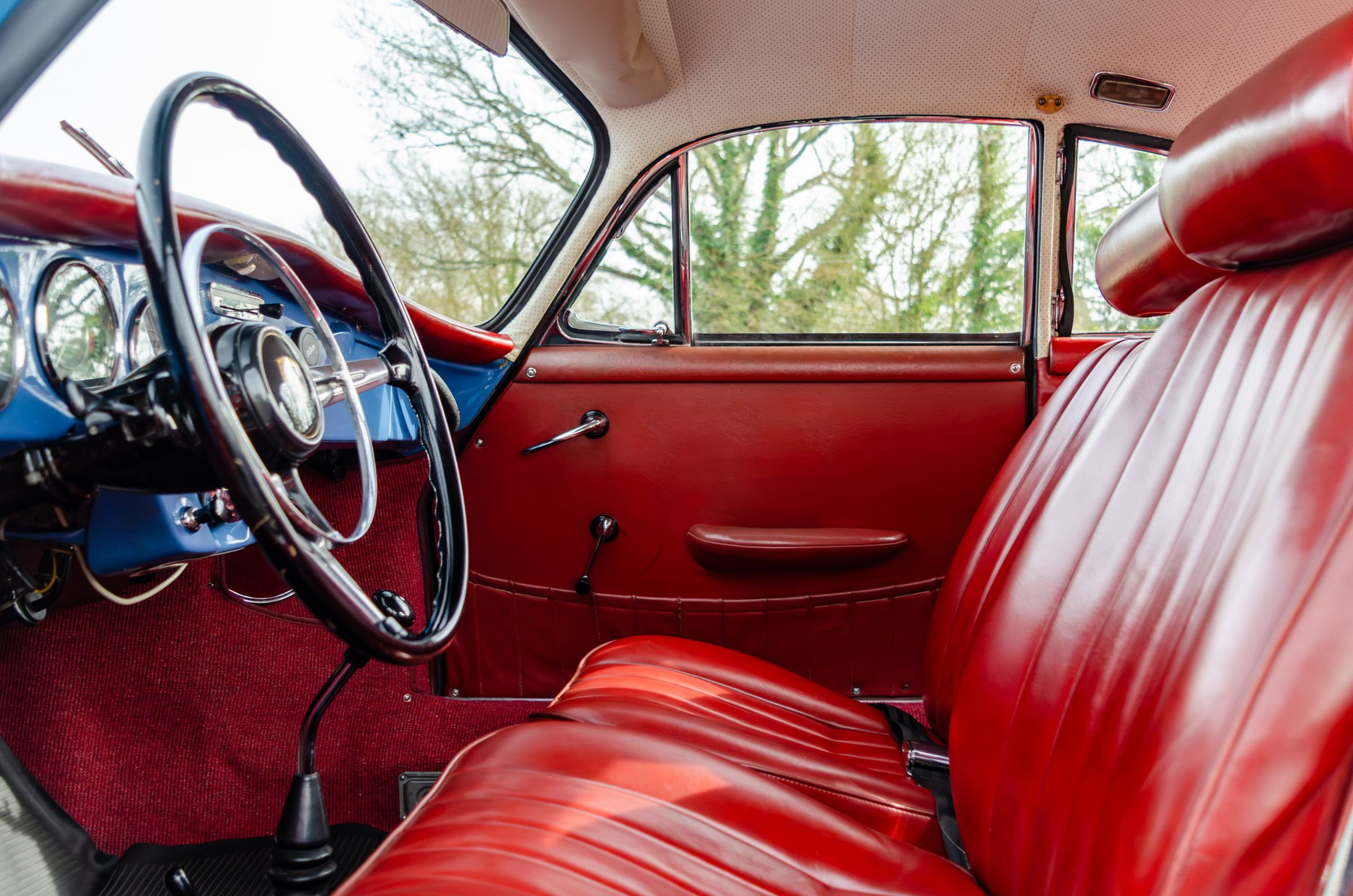
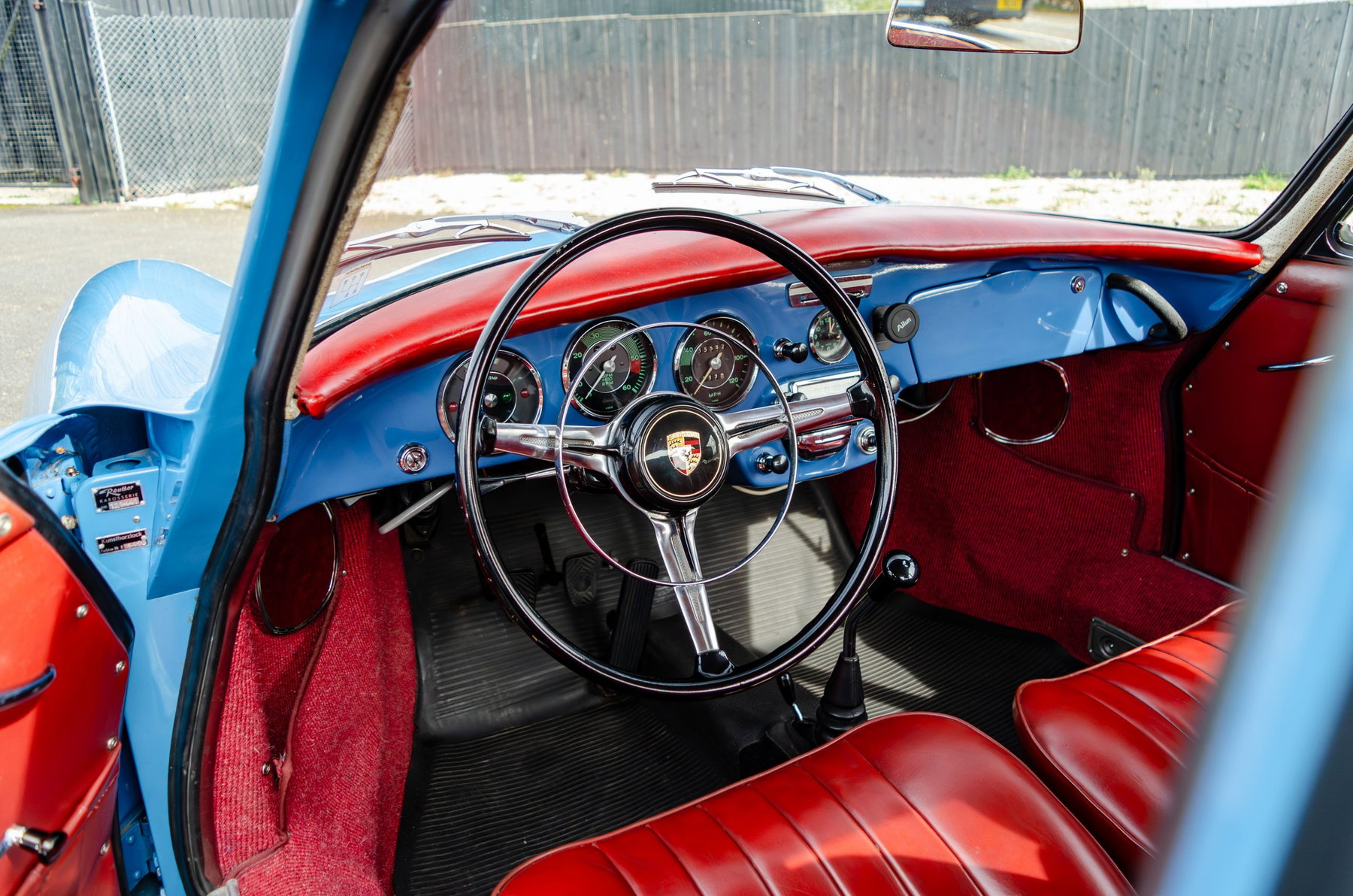
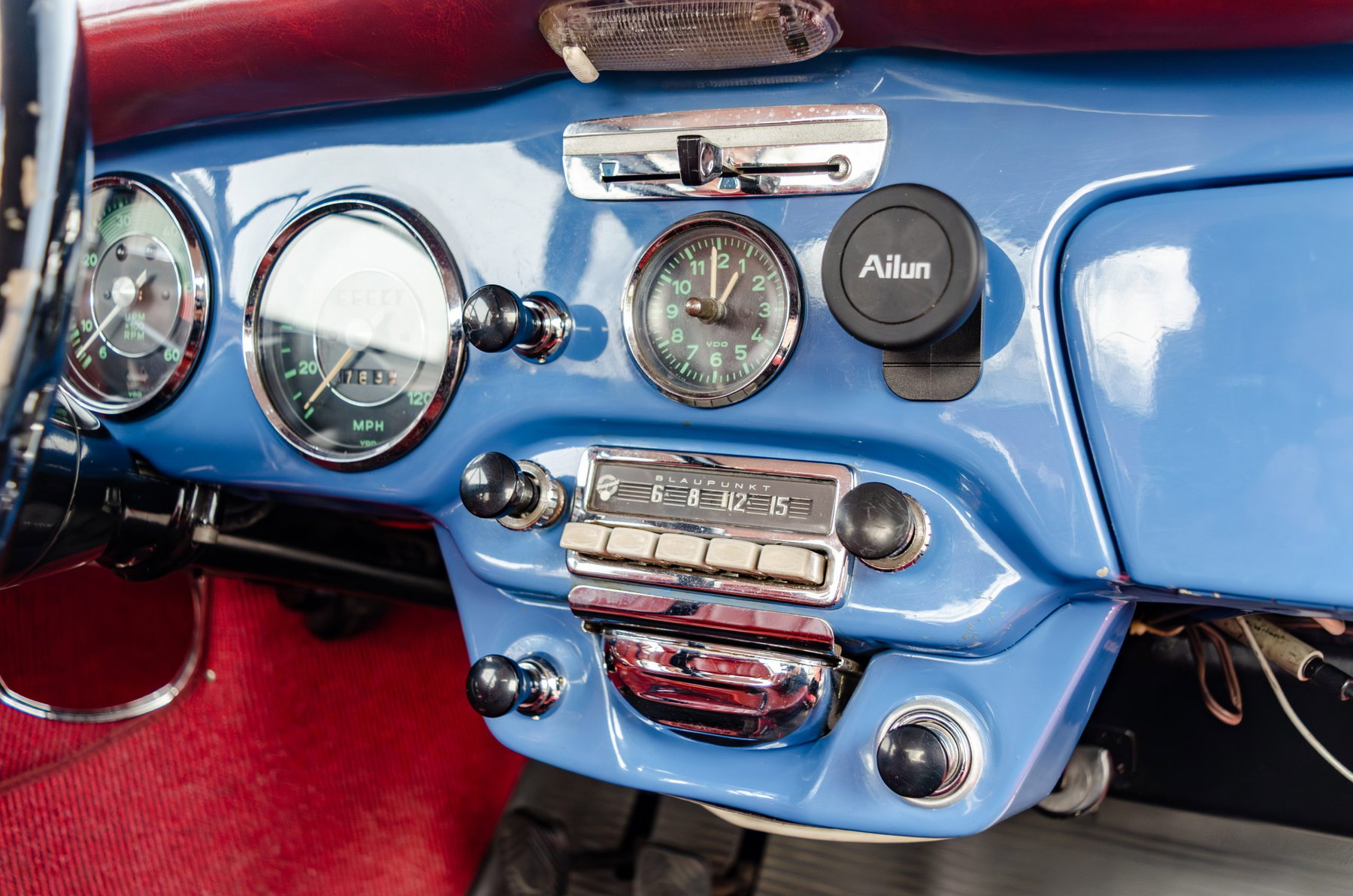
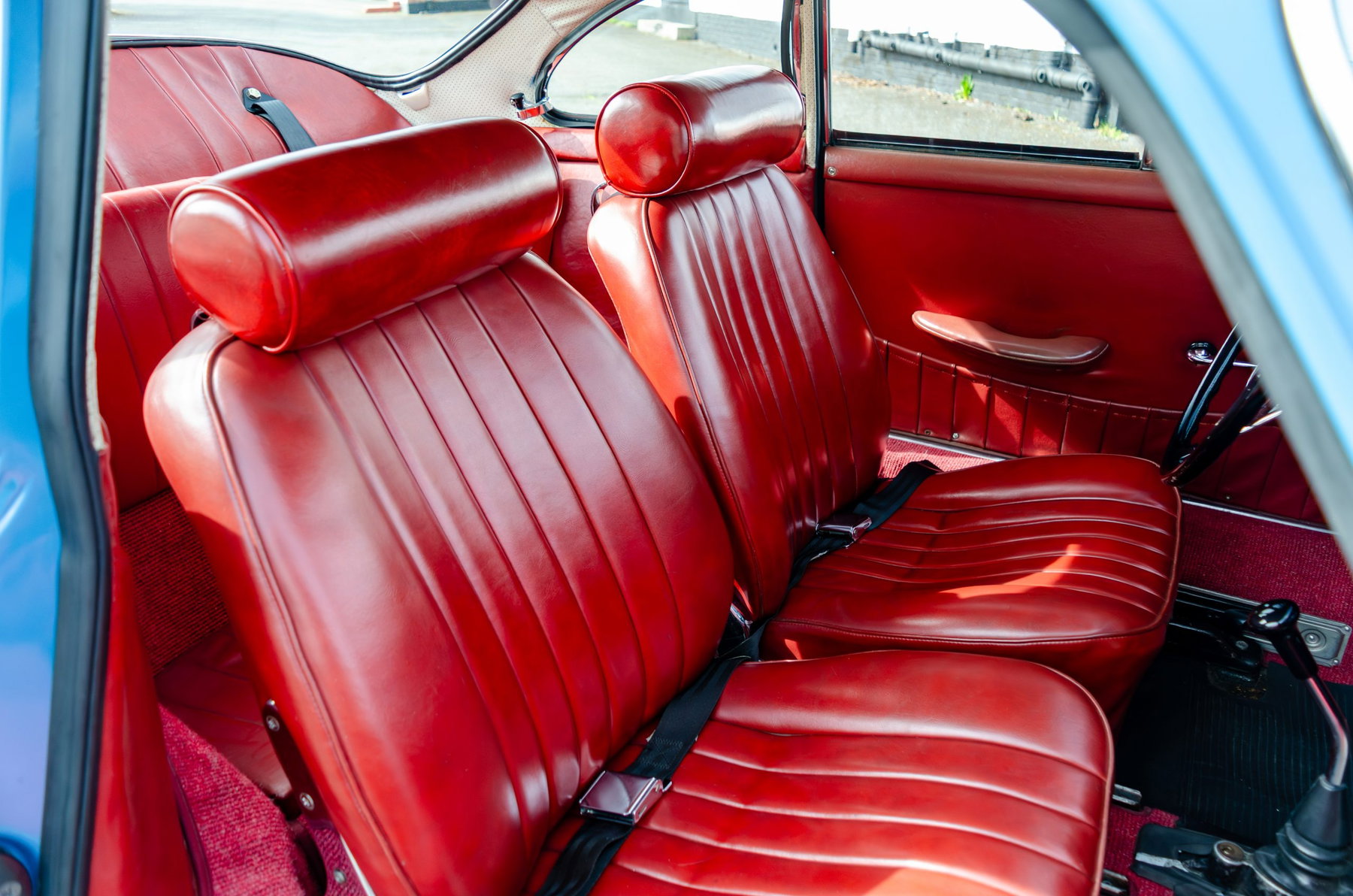
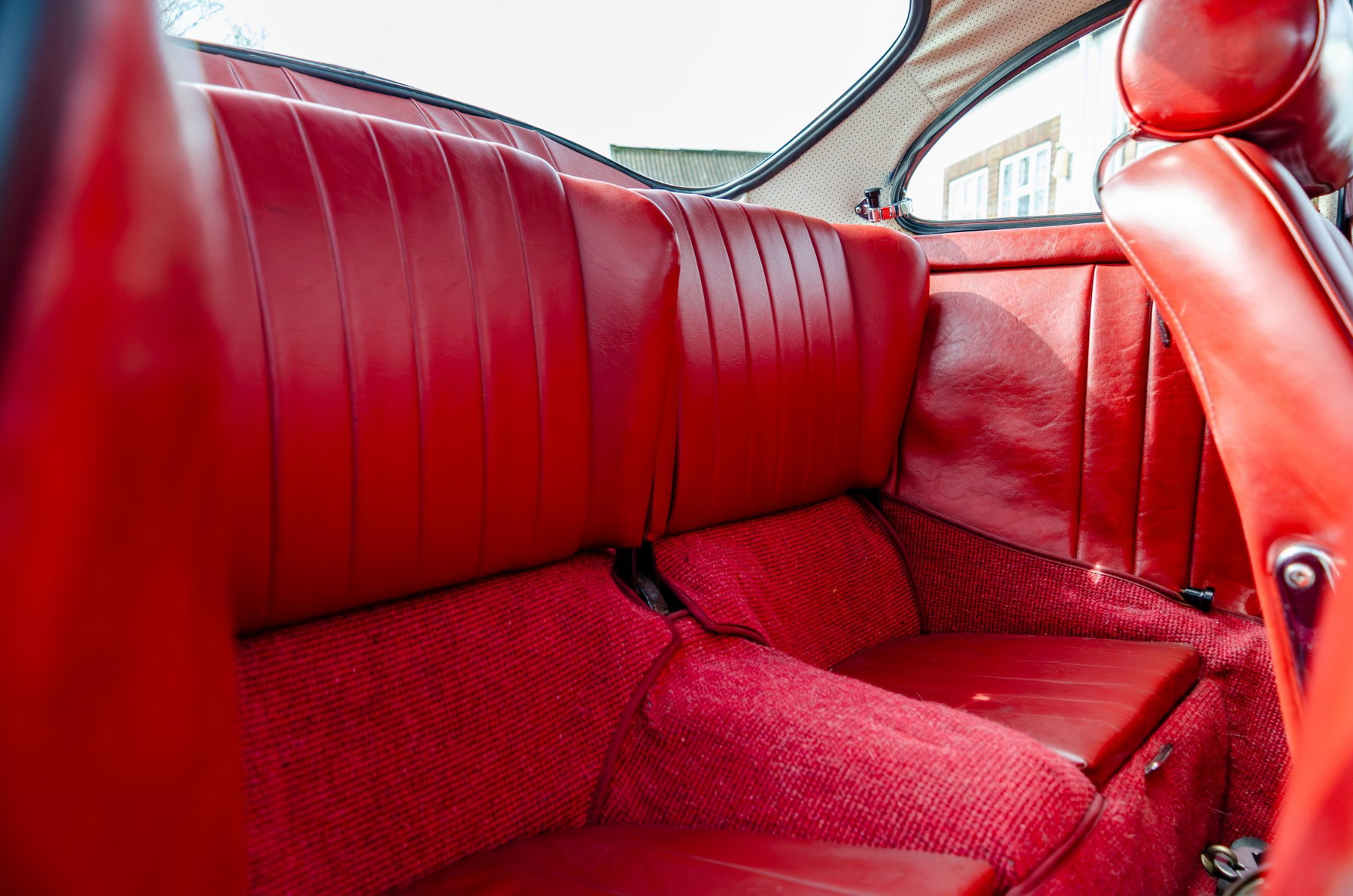
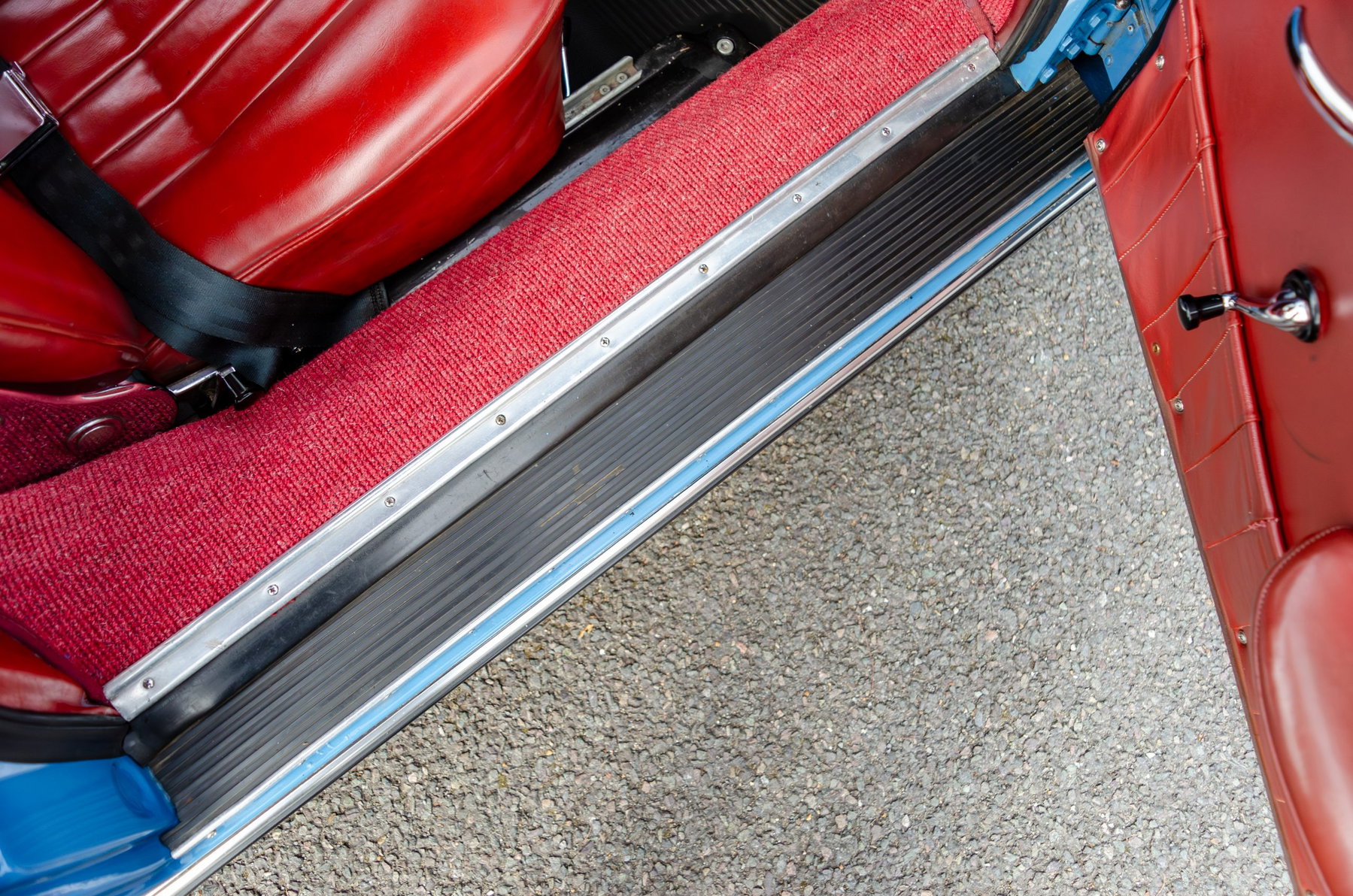
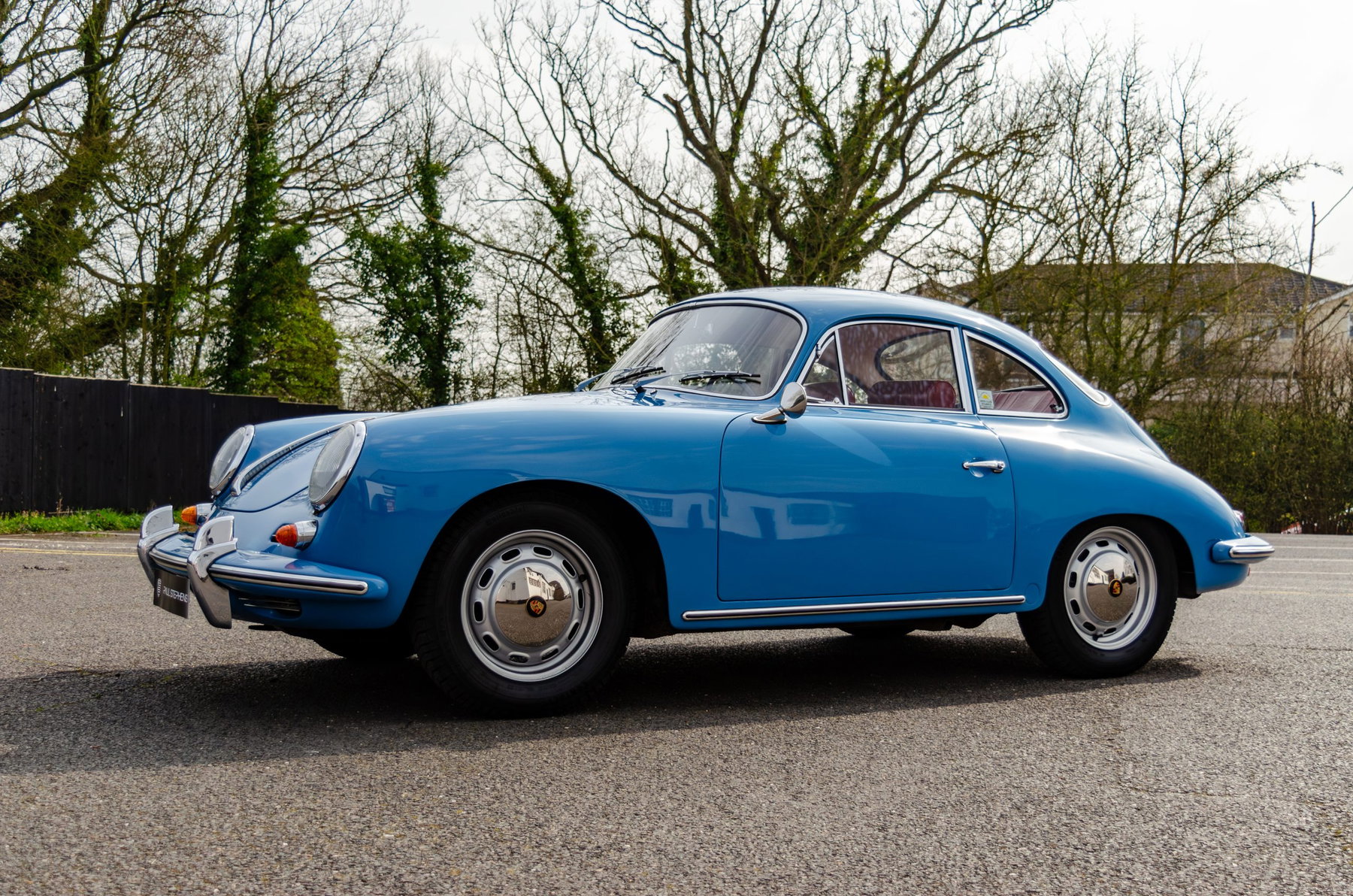
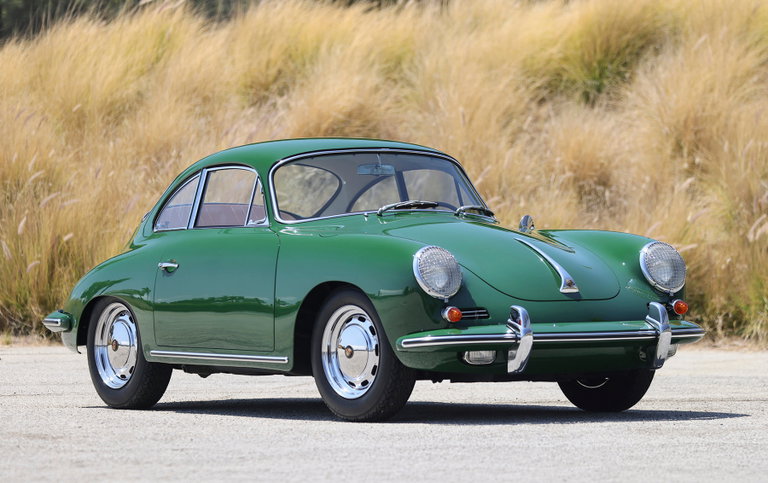
A real time capsule and great example of Porsche pre-911. Ready to go, this late model 356 C has much to offer, not least its fully restored status.
We hesitate to use the word, but “iconic” does surely apply to the Porsche 356 and the genesis of Porsche as a manufacturer, the very first 356/1 Roadster emerging from Porsche’s Gmund woodshed in Austria in 1948. History in the making indeed.
That rear-engined roadster, built largely from VW components evolved rapidly, its sports car ethos being literally turned around as mid-engined became rear-engined, to accommodate a more practical machine with rear seats. To this very day, the rear-engined 911 can trace its roots back to the 356.
It was without doubt a quirky thing, but the 356 really captured the imagination of a select group of enthusiasts who valued design, engineering and a certain sophistication over perhaps outright speed. Compared to a lot of homegrown sports cars at the time, the 356s monocoque body/chassis, and its unusual layout, was a distinctly leftfield choice. Or to put it in more modern terms: ‘If you knew, you knew!’
It’s adoption into the American market, and high profile/celeb owners like Steve McQueen, James Dean and even Janis Joplin certainly helped, as did motorsport success in events like Le Mans. And while the 356 was a contemporary rarity in the UK (and very expensive), the likes of MotorSport journalist, Dennis Jenkinson and World Land and Water Speed record holder, Donald Campbell, certainly added to the unusual car’s mystique.
Production and model history of the 356 is complicated to say the least, and not a subject that we’re going to tackle here. Suffice to say that following Porsche’s relocation back to Stuttgart/Zuffenhausen in 1949, the 356 remained as Porsche’s core/mainstream model up until 1964, and the arrival of the 911. Even then, the 356 remained in production until 1966, the final run of 10 white Cabriolets being delivered to the Dutch police! A remarkable run, by any standard.
Last of The 356
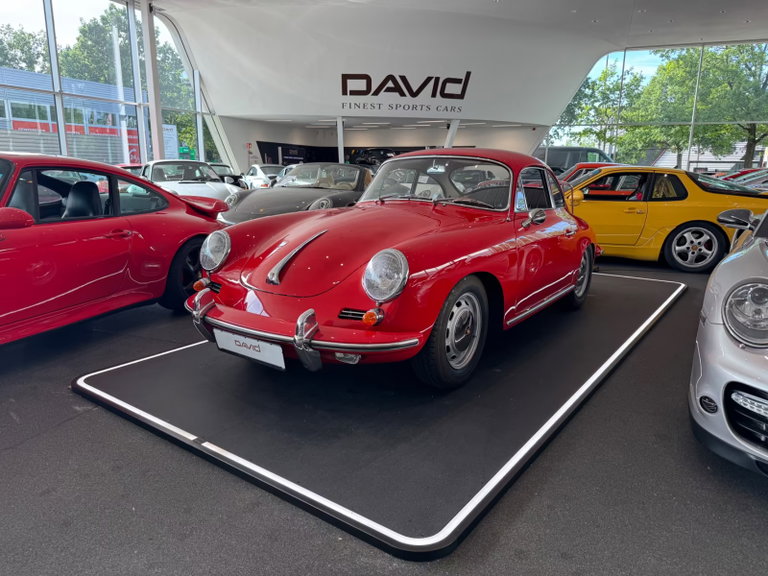
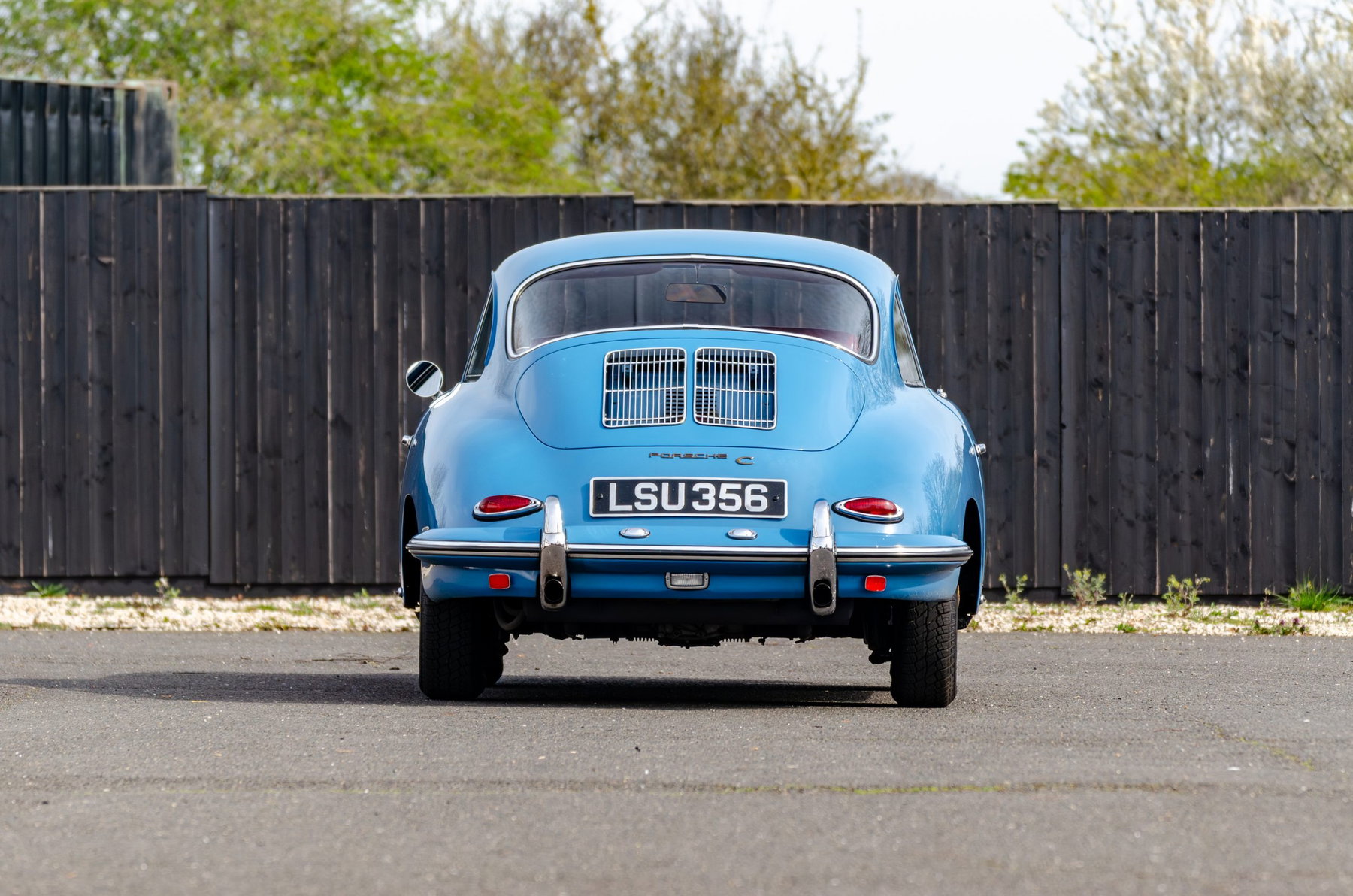
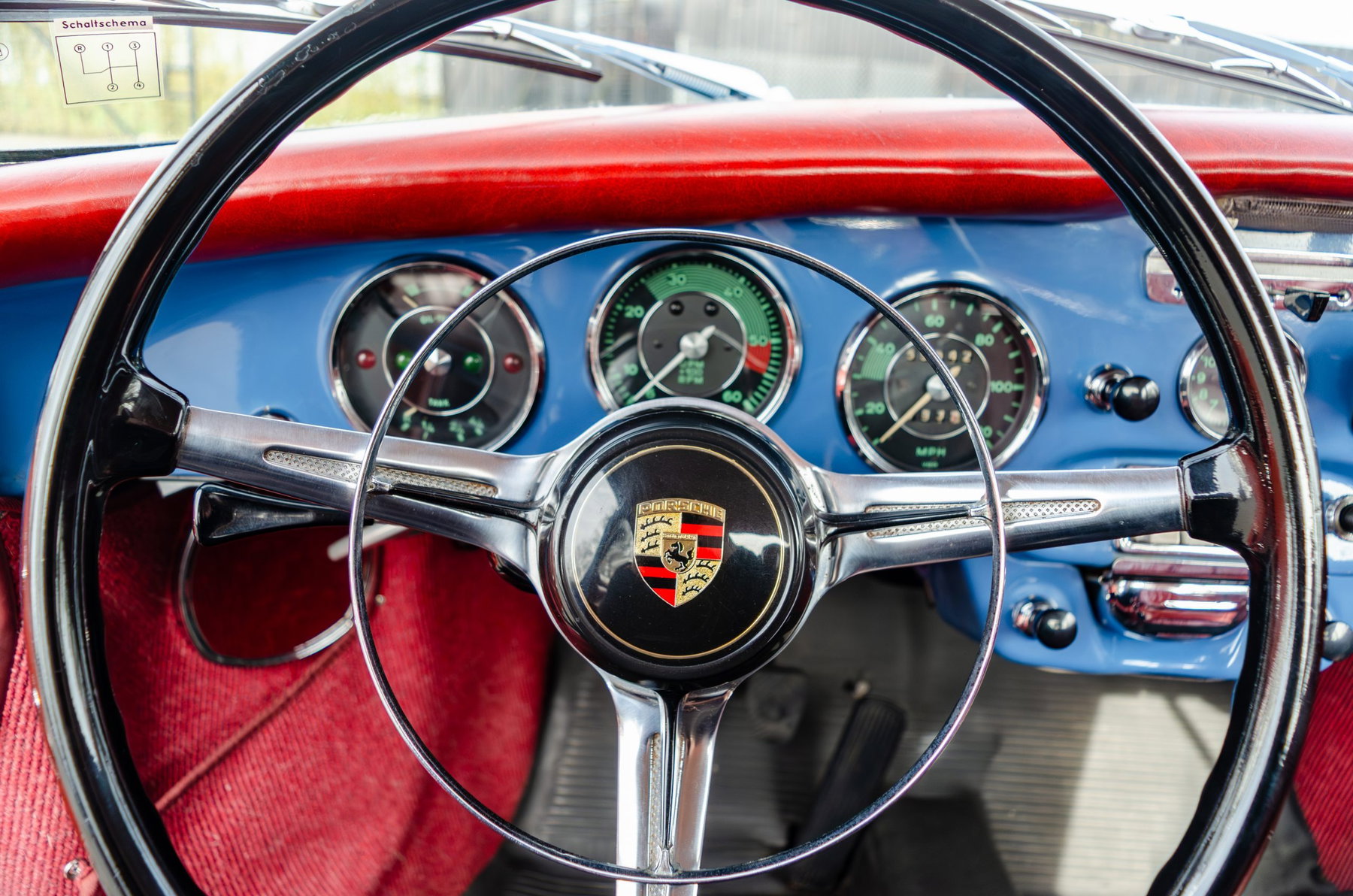
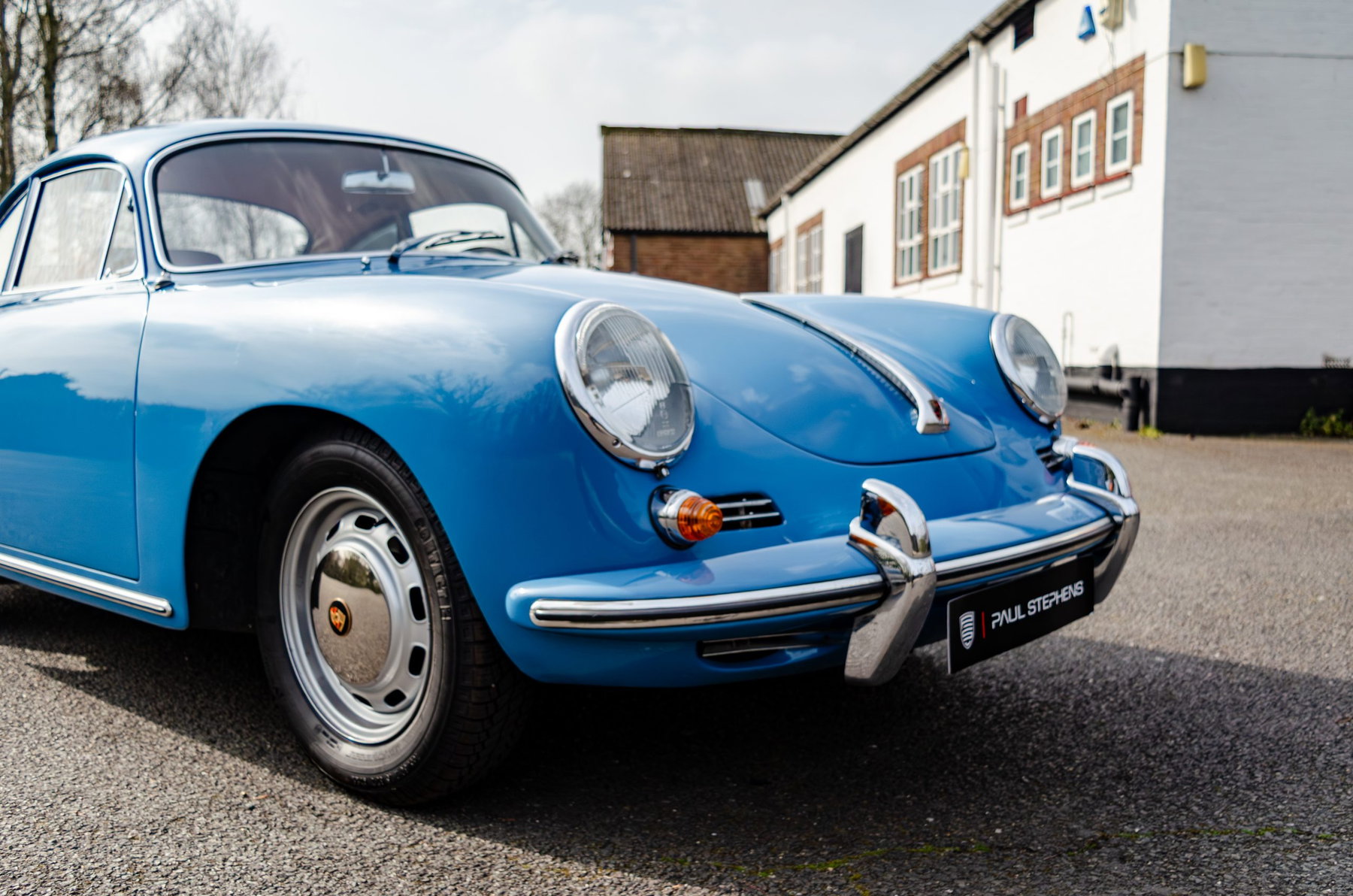
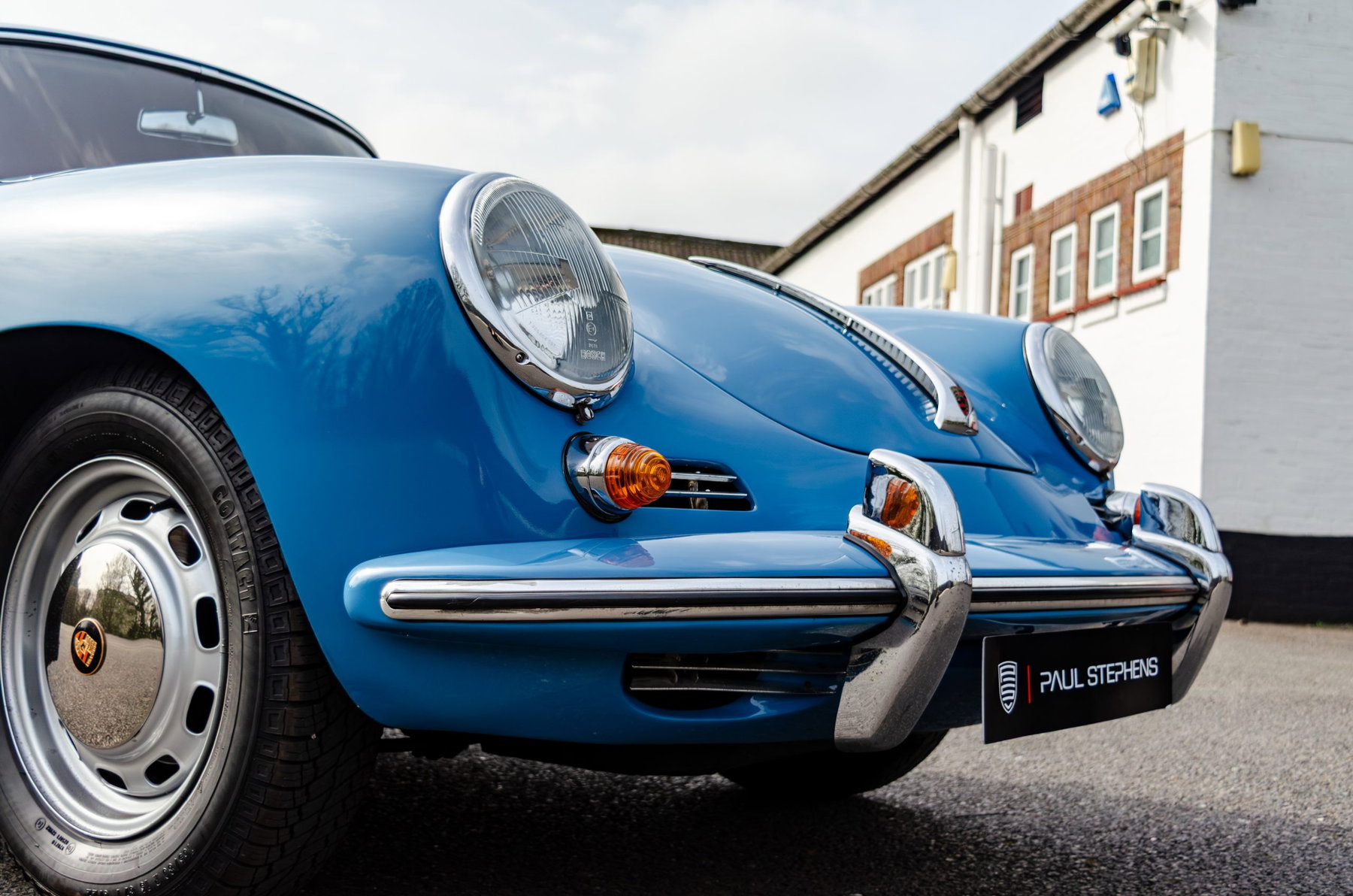
Which brings us rather neatly to this very late model, 1964, 356 1600 C, a car that is locally well known to us and which currently sits alongside a 356 B Cabriolet that we also currently have for sale here at PS.
While the 356 B was quite a significant development over the 356 A, the C features largely detail changes styling wise, with just newly designed wheels and flat hubcaps distinguishing it. Engine wise there was more going on and in 356 C spec, the 1600cc pushrod unit was developed and tuned for reliability, torque and long life. It developed 75bhp at 5200rpm, but more significantly, 91lbs/ft of torque at 3600rpm, which tells you all you need to know about the C’s engine characteristics.






















 1965
1965 
 1964
1964