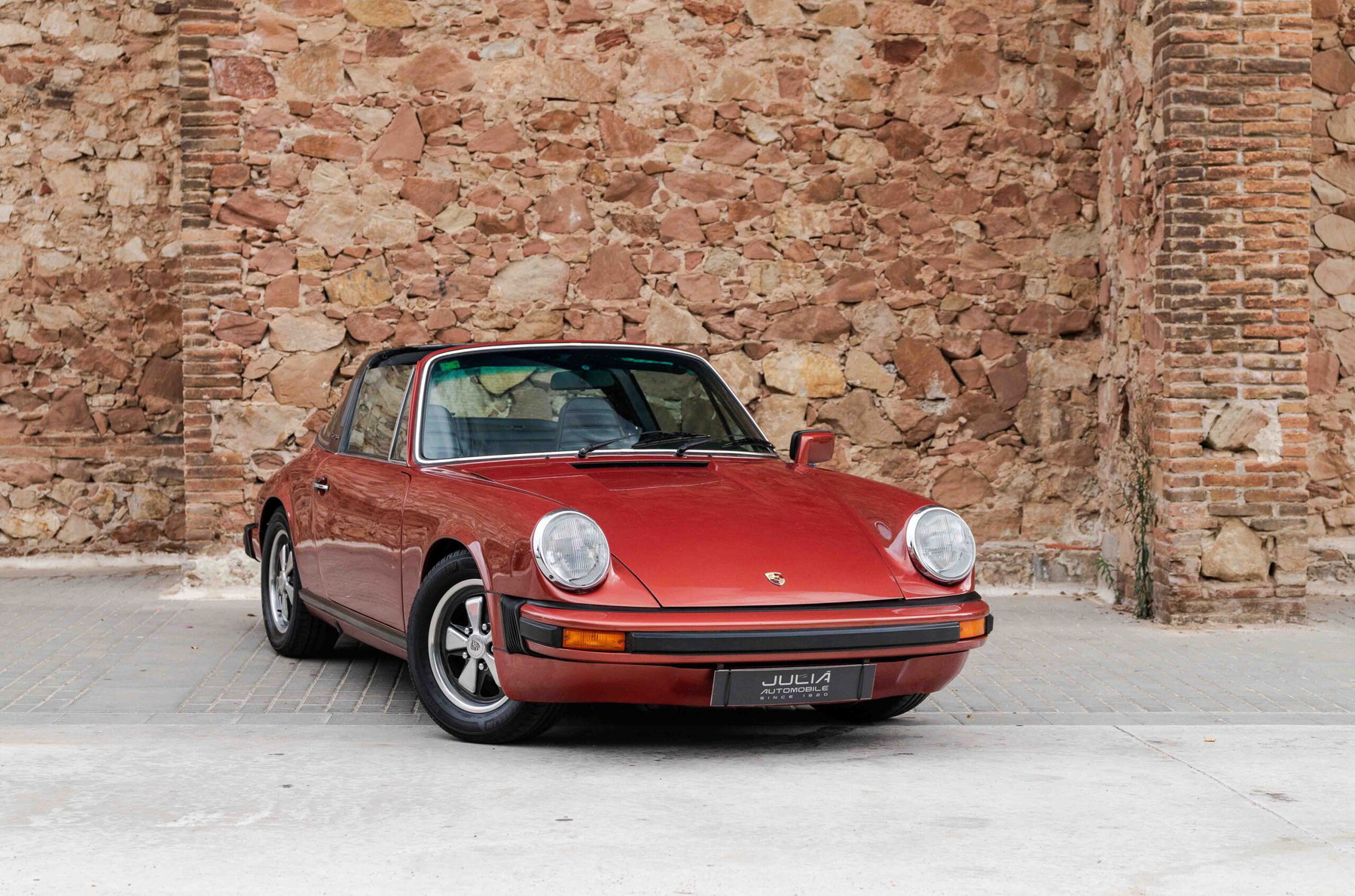
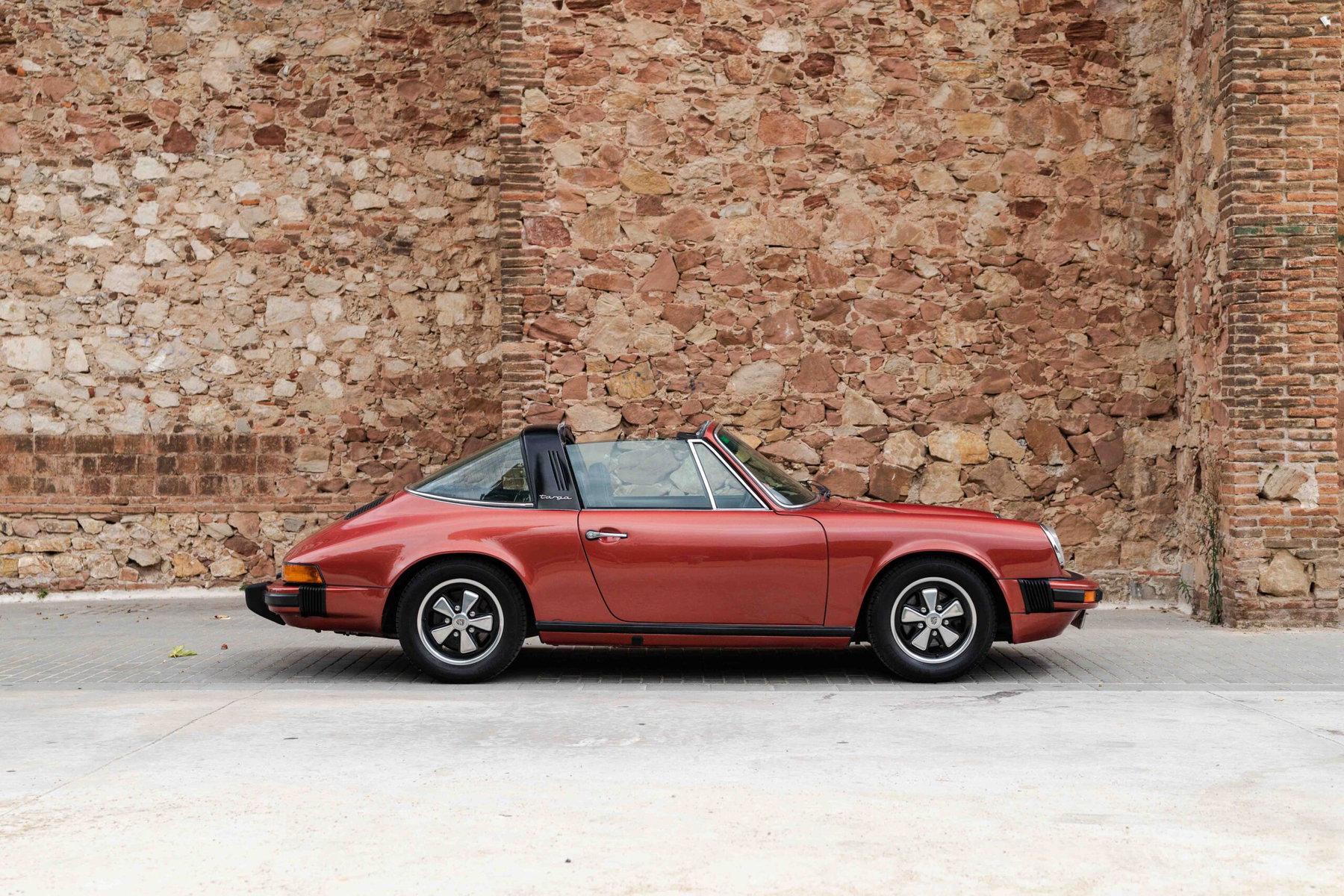
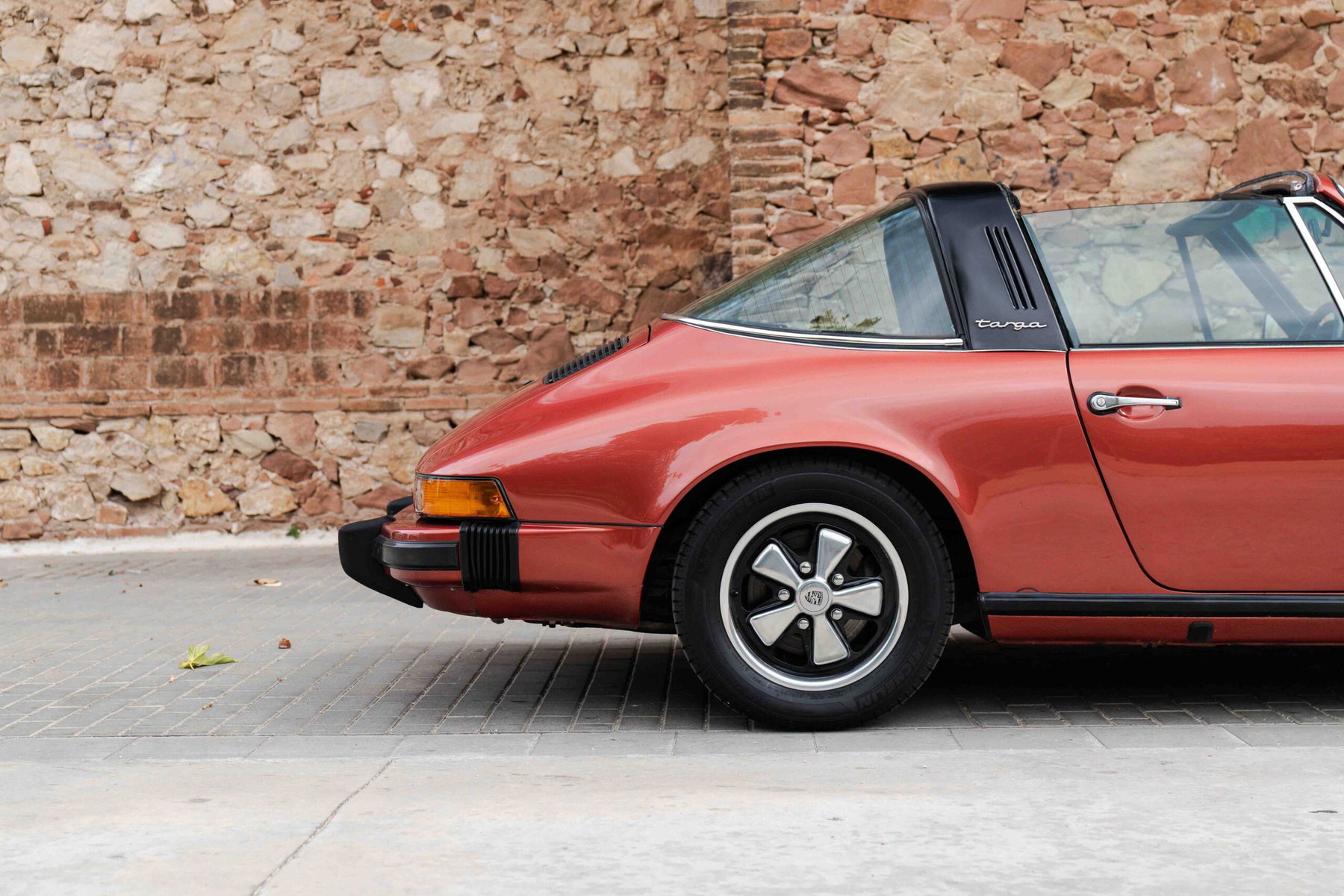
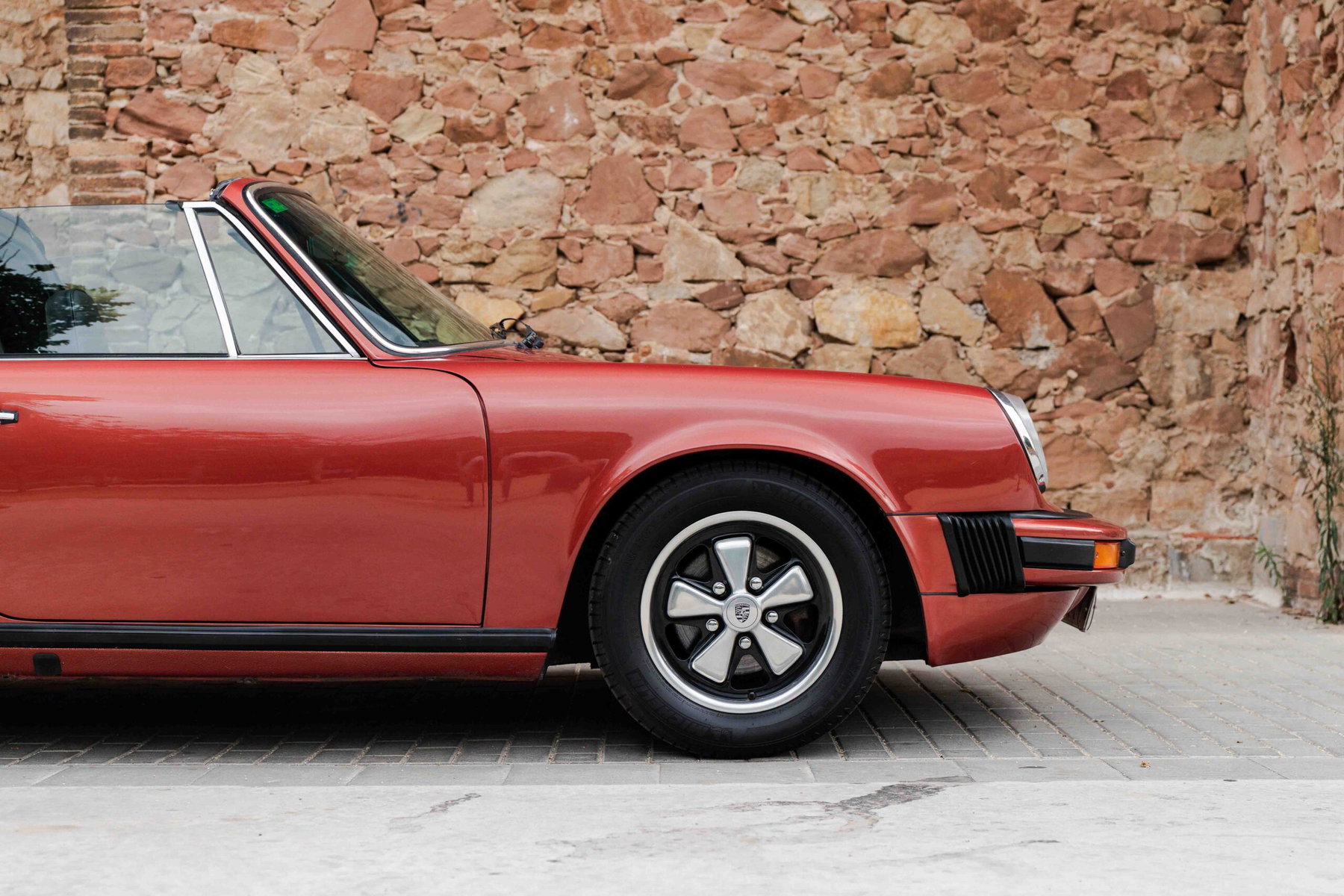
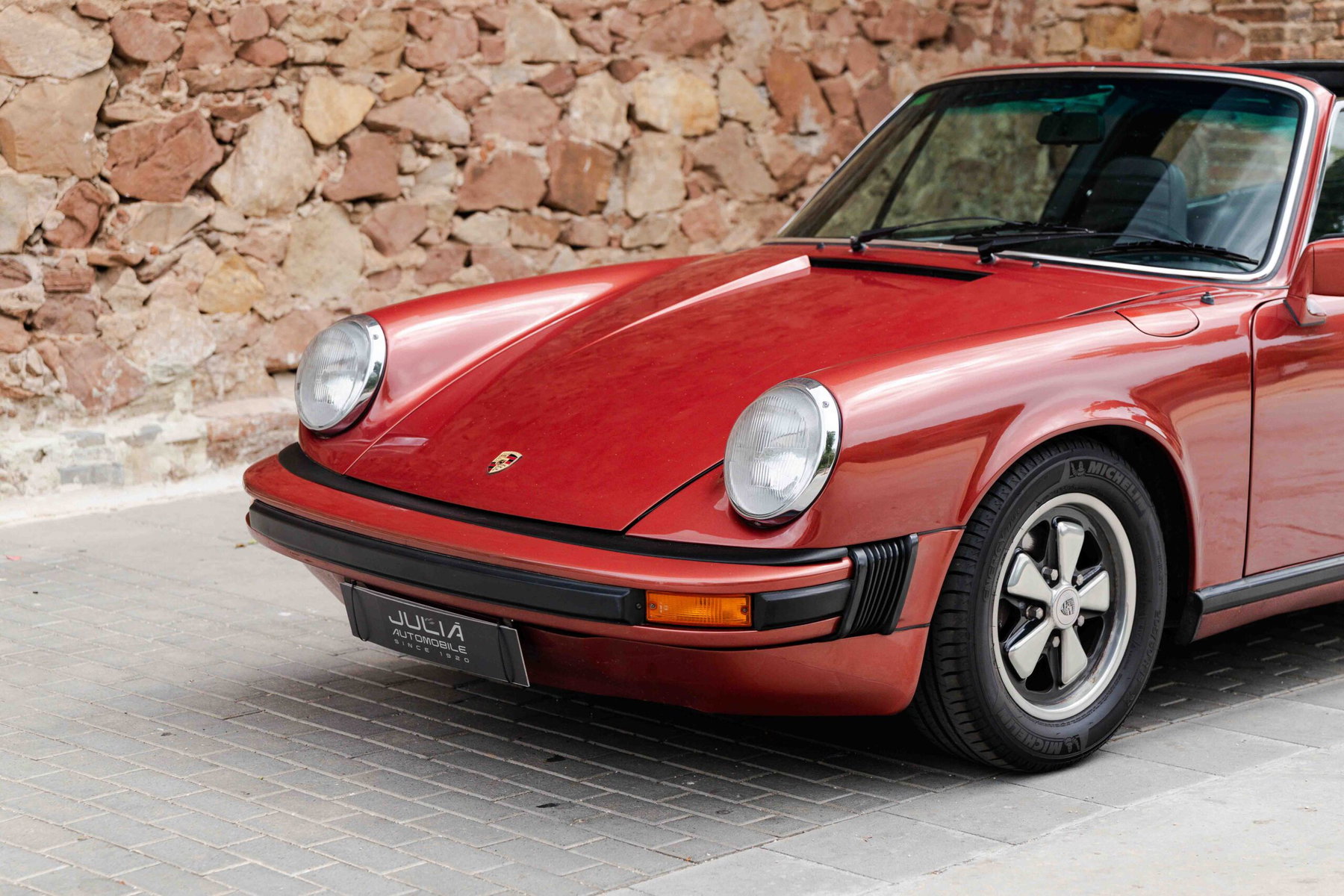
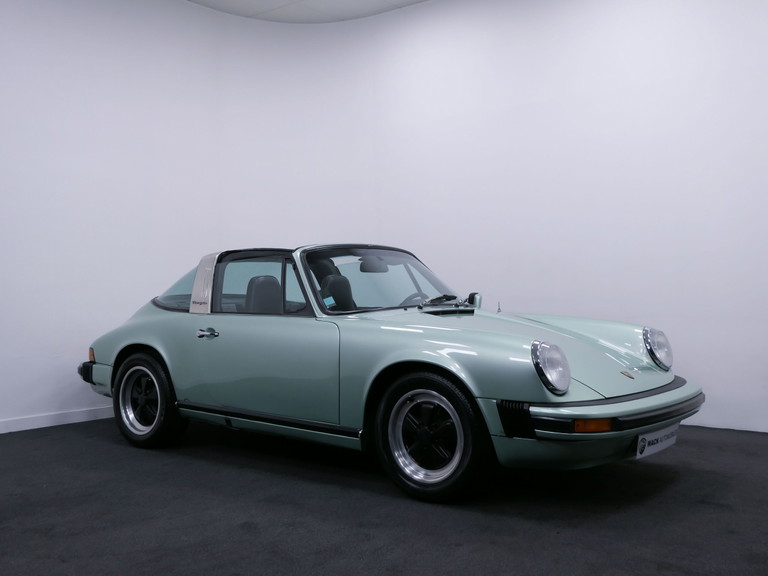
Exclusive Siena Metallic / Diamond Sahara colour (code 436), which is quite rare, as it was not part of the standard colour range for 1977 but rather one of the special colours available that year. The paintwork is in excellent condition, which undoubtedly indicates that it was repainted in its original colour a few years ago.
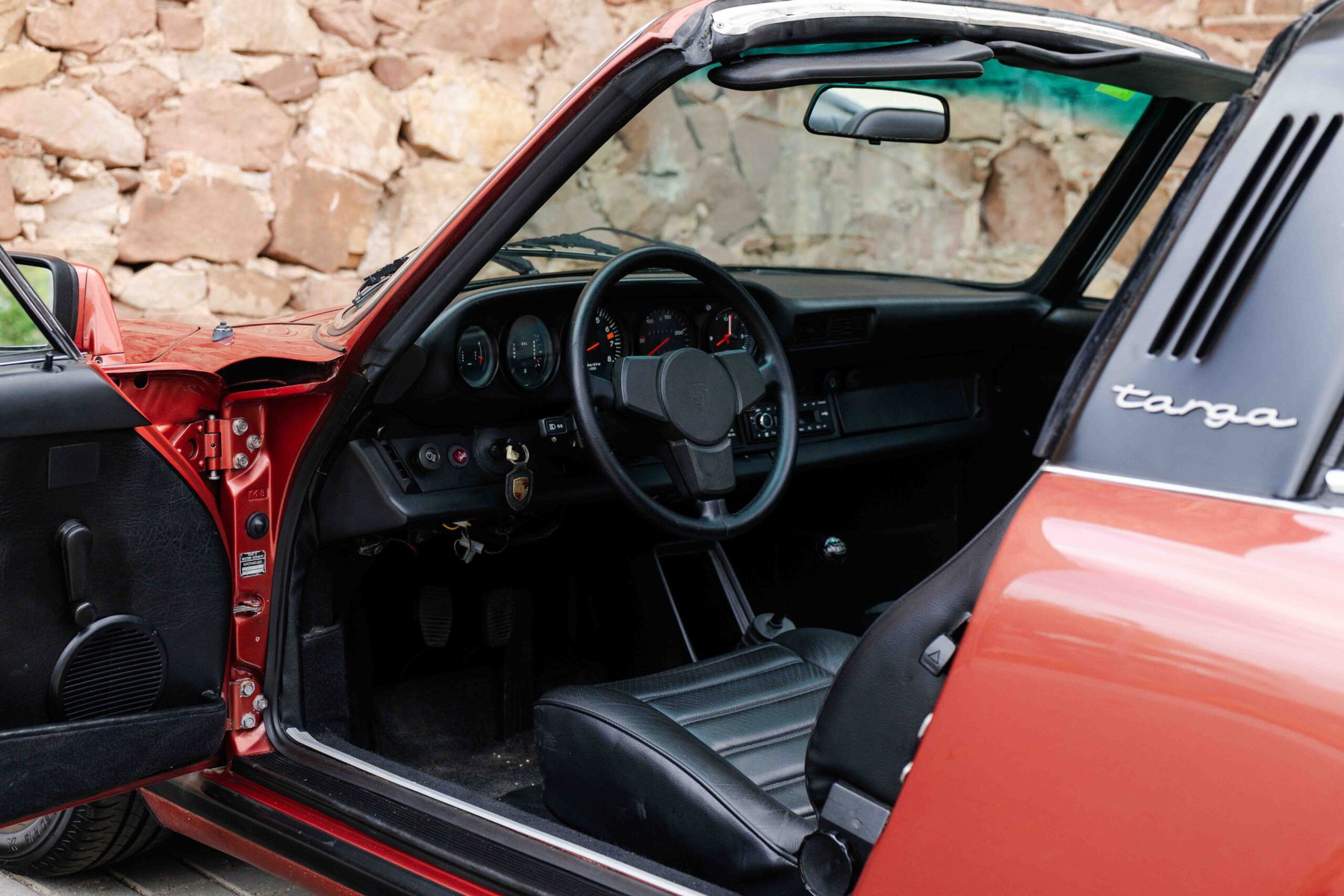
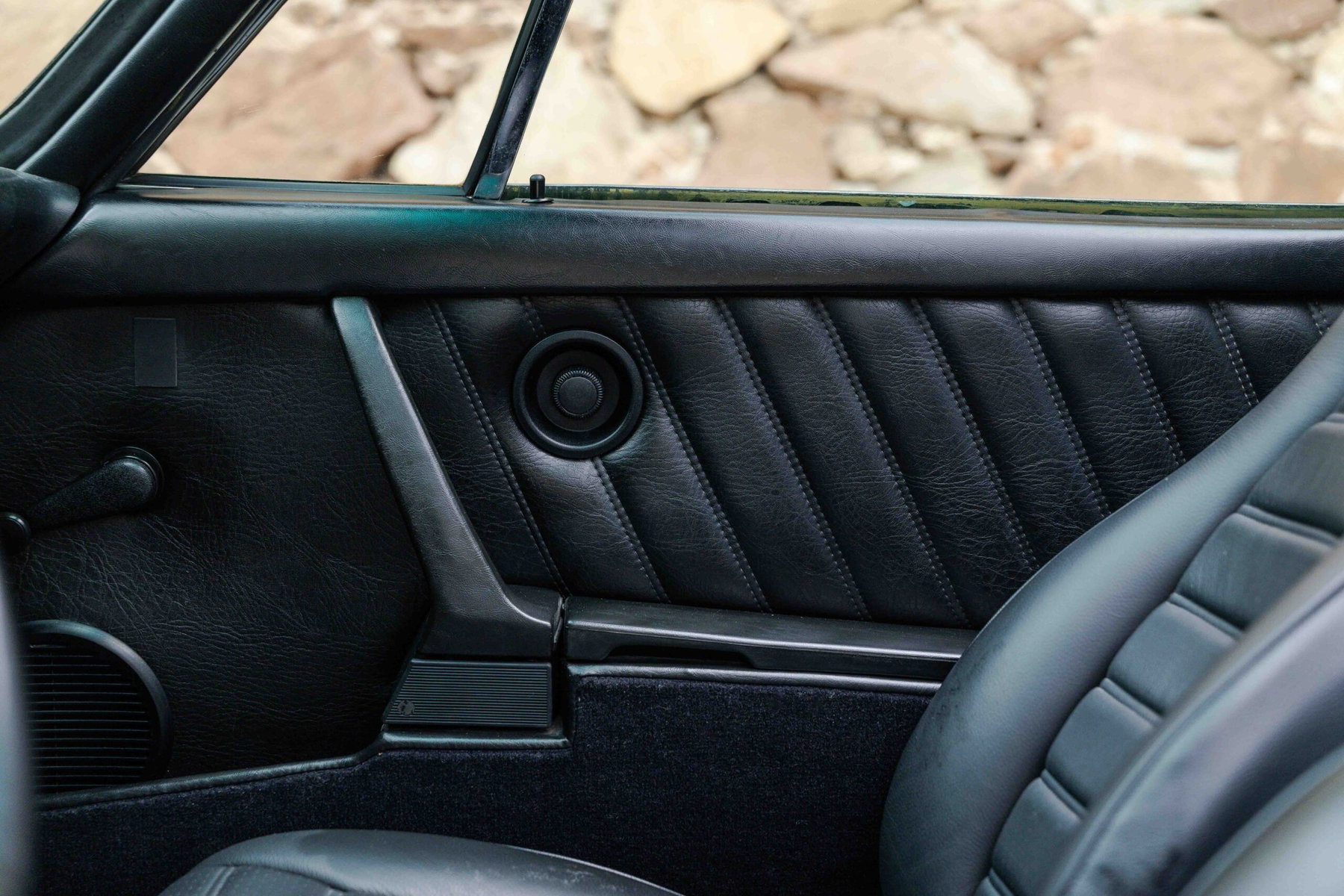
It also stands out for its narrow body. The latter measured 1,610 mm in width, the same width as the first 911s. It is also worth noting that this is one of the last 911s with a 2.7-litre engine to be produced, just before the arrival of the 911 SC the following year. As such, it features details typical of a transitional model. It includes both chrome-plated parts and parts finished in black. Among the improvements and changes introduced in the 1977 models are the central air conditioning vent, the rotary controls on the door panels for locking the doors, and the illuminated air conditioning controls. Furthermore, as this is a model produced after 1976, its bodywork was already galvanised, which undoubtedly offers better protection against corrosion.
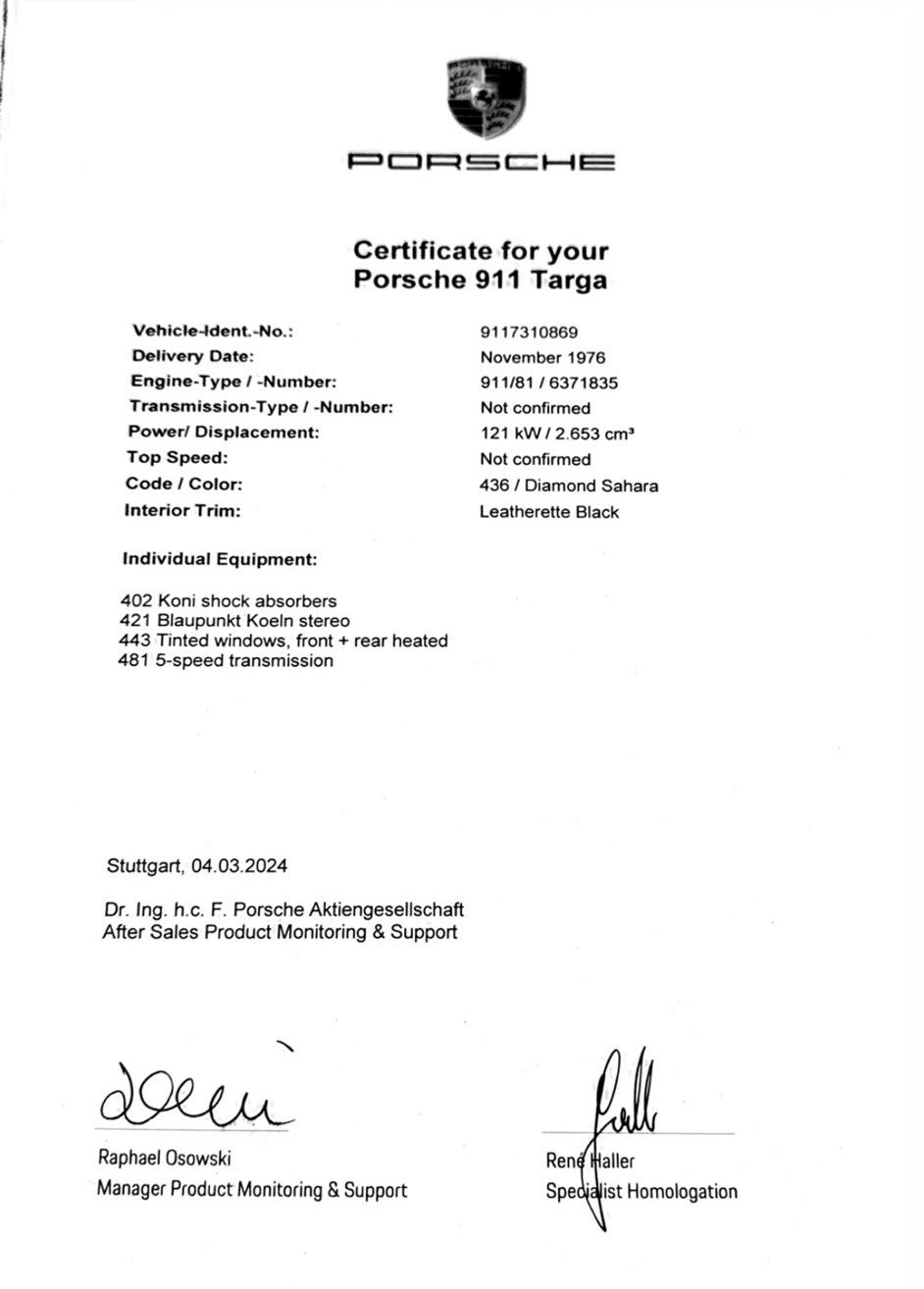
The car comes with its original Porsche Certificate of Authenticity, issued in 2024, which certifies that the engine is the original one.
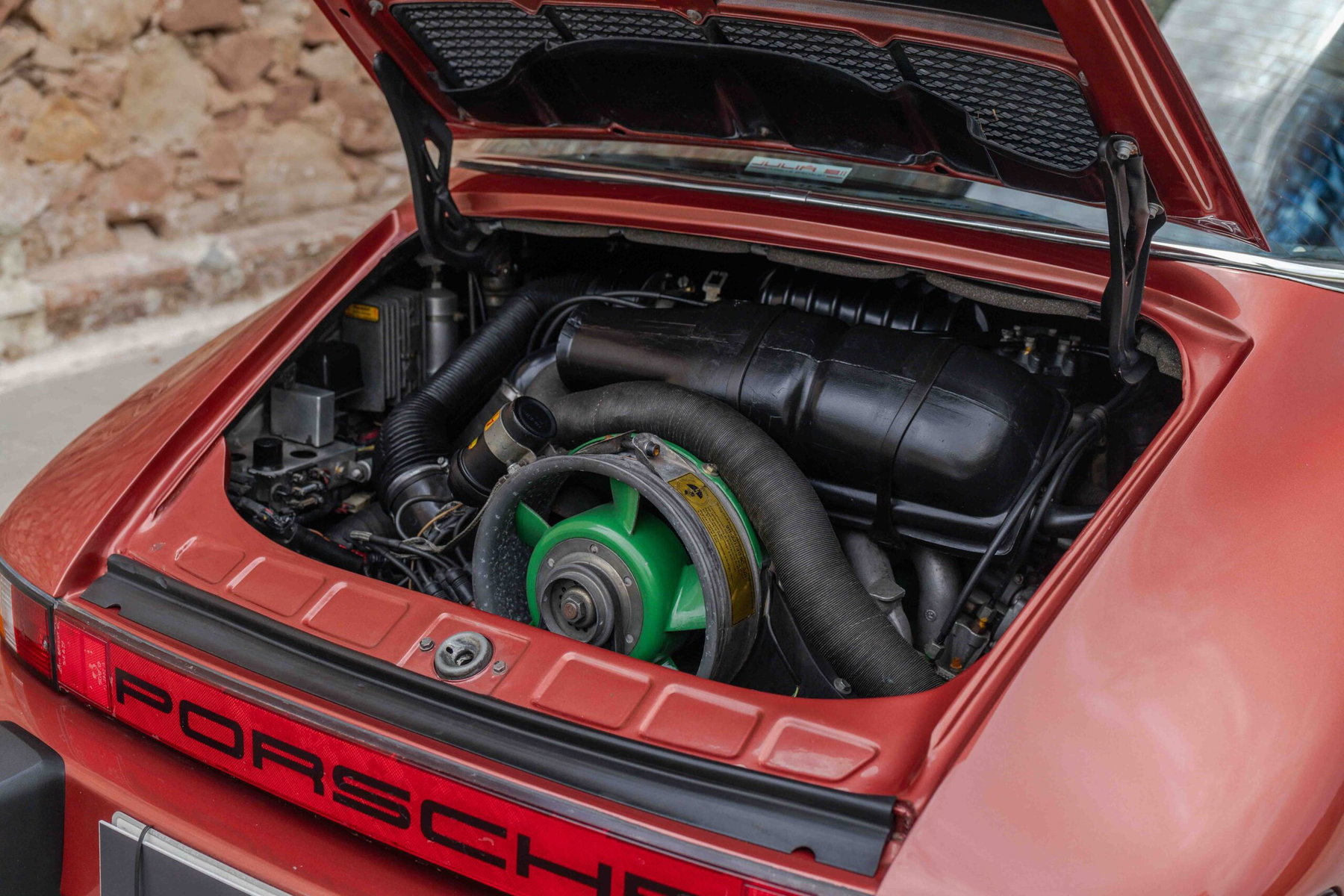
Mechanically, the engine was restored in our workshop. We also took the opportunity to restore the electrical system. Its engine is a 2.7-litre 6-cylinder boxer engine that delivers 165cv and 235Nm of torque.
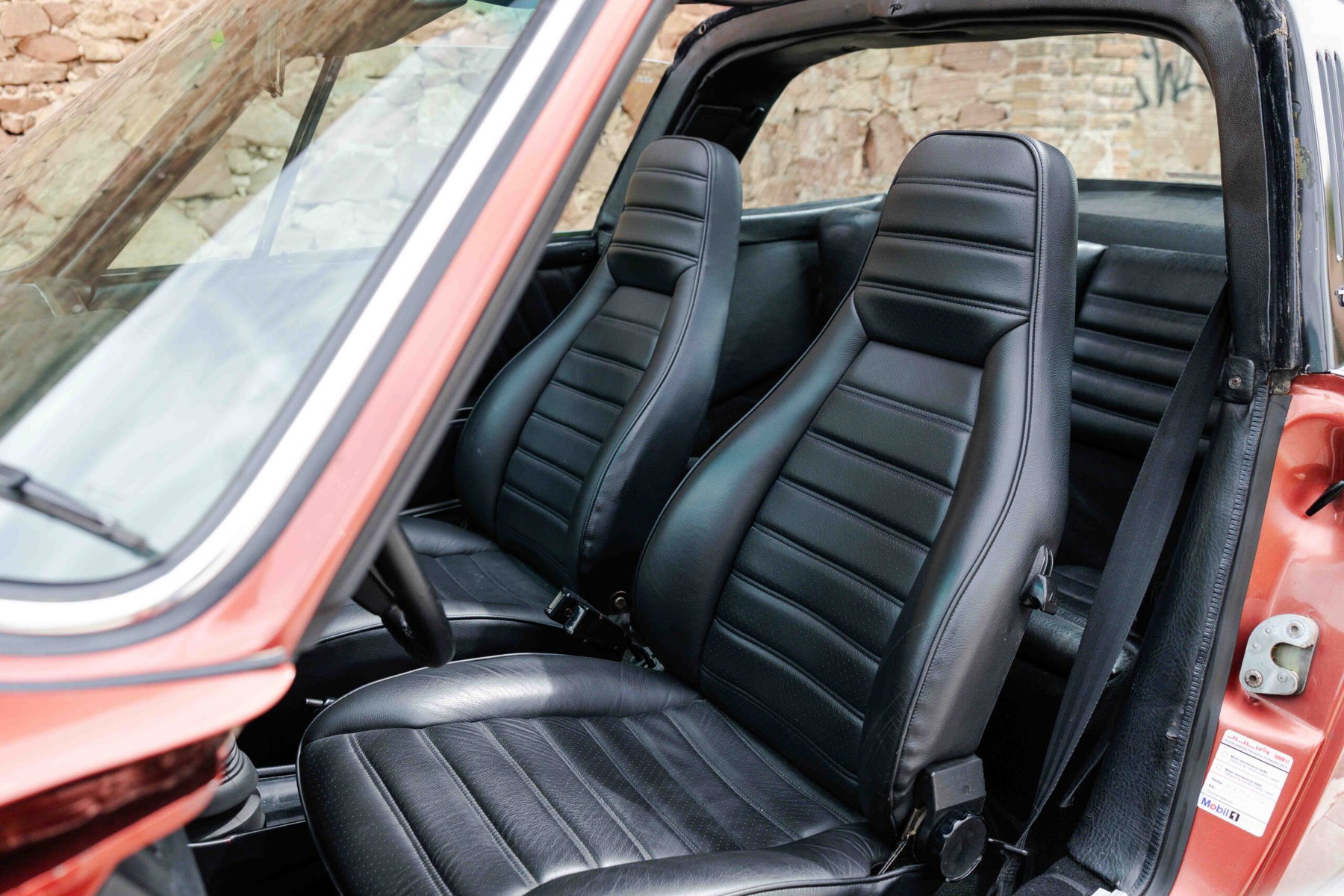
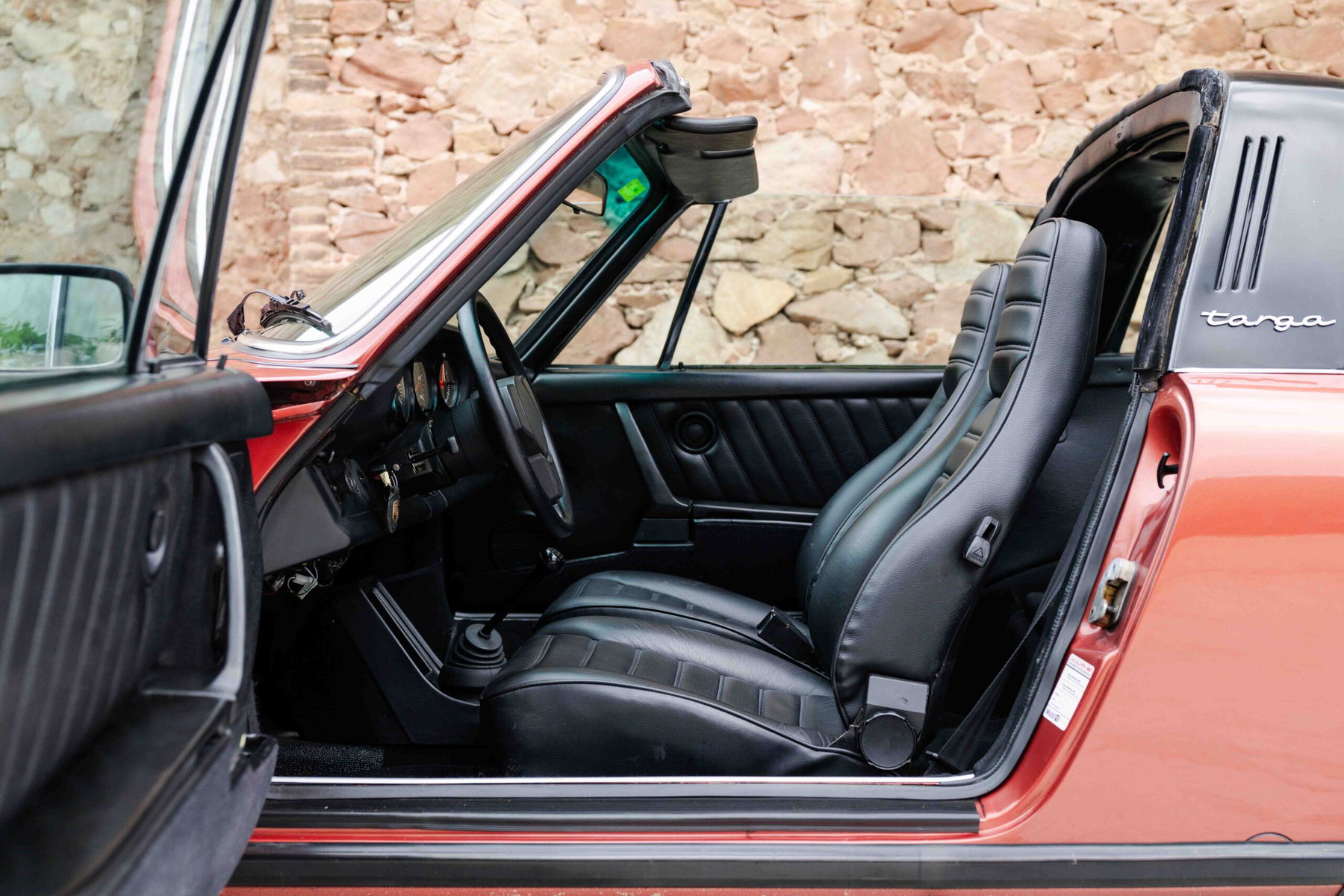
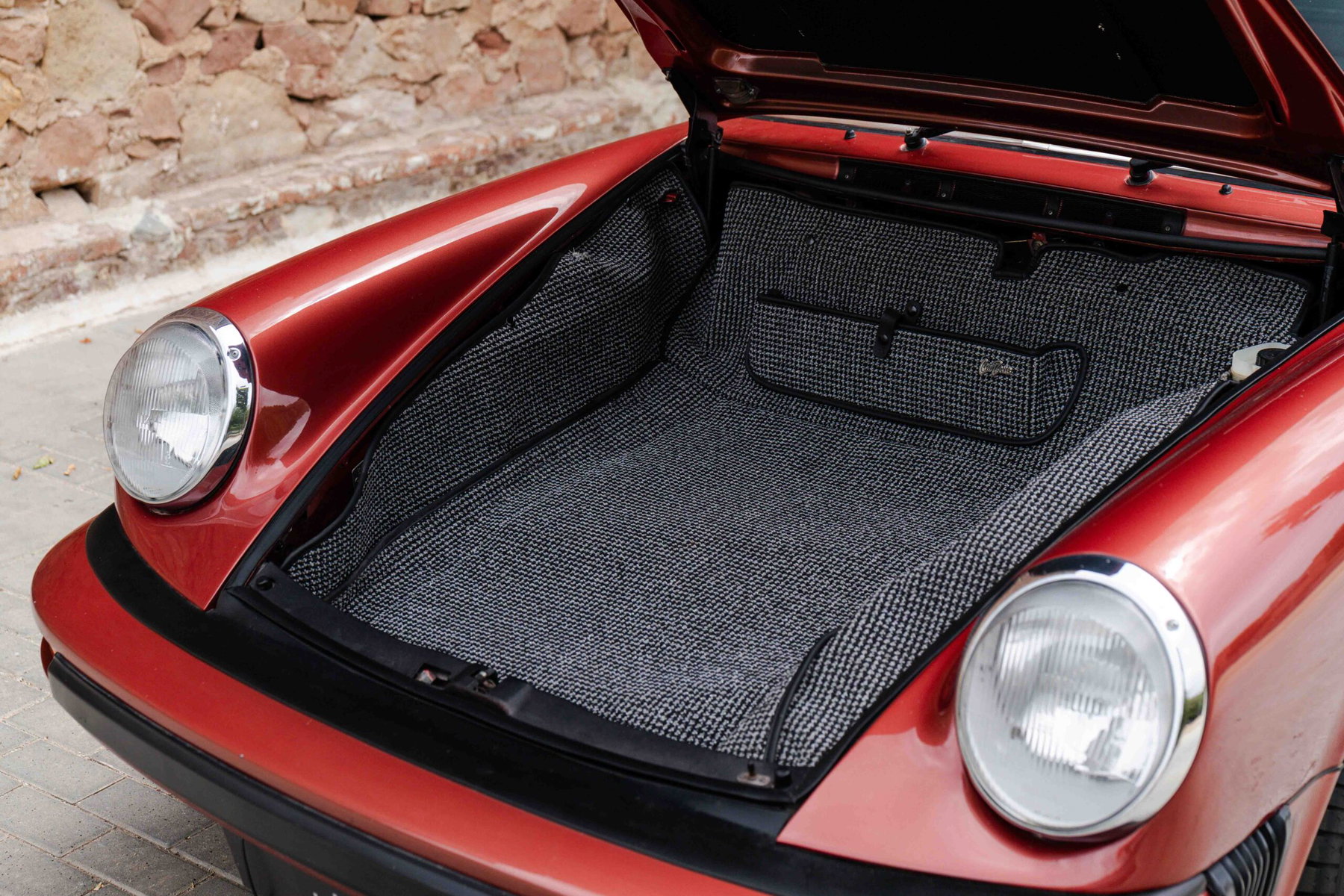
The exterior Targa roof was also recently restored, as were the front seats, using perforated leather on the backrests whilst retaining the original design. The front boot also features new CarBone carpets.
Michelin tyres recently replaced.
The 911 2.7 was launched as a 1974 model. The previous T, E and S versions gave way to the 911 and 911 S designations, with the top-of-the-range model being the 911 Carrera 2.7. They delivered 150, 175 and 210cv respectively. The first two were fitted with K-Jetronic fuel injection, whilst the European 911 Carrera 2.7 featured CIS mechanical fuel injection. The major aesthetic change compared to the first generation was the introduction of bellows-type bumpers, which could absorb impacts at speeds of up to 8 km/h. As for the bodywork, this had been galvanised since 1976 and was available in Coupé and Targa versions. From 1976, the 911 2.7 version saw its power output increase from 150cv to 165cv, as is the case with this model. In 1977, only 1,724 units of the 911 Targa were manufactured worldwide.
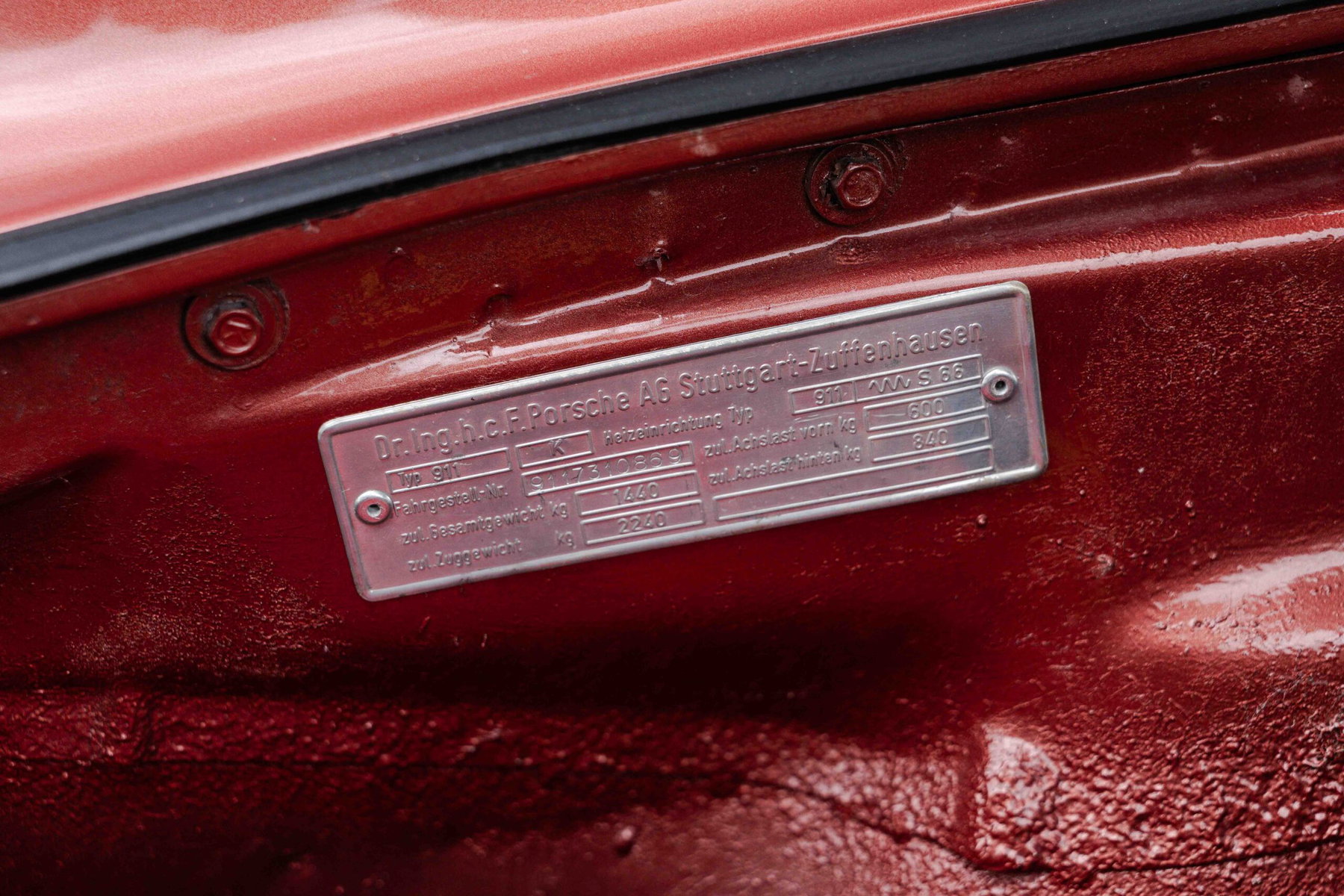
Chassis number: 9117310869
Engine: 2,687 cc 6-cylinder boxer engine
Engine number: 6371835
Engine type: 911/81
Power: 165cv at 5,800rpm
Torque: 235Nm at 4,000rpm
Top speed: 210km/h
Continue reading





 1976
1976 
 1974
1974