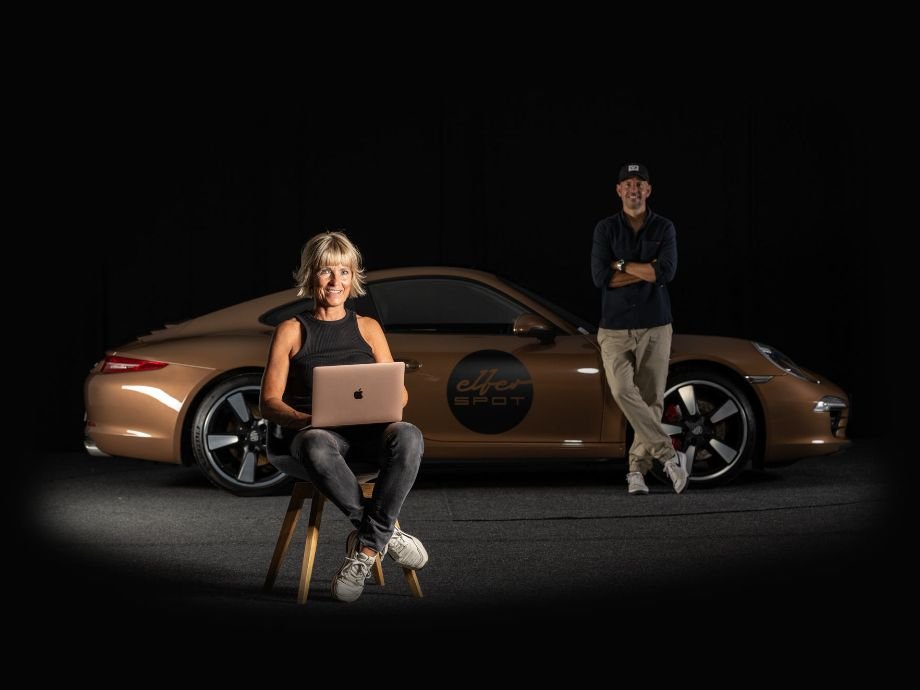
The car was delivered in Germany to its first owner, Hans Bube. A special connection to Porsche history makes this early period even more remarkable. Hans Bube’s daughter later married Ferdinand Alexander Porsche, the creator of the legendary Porsche 911.
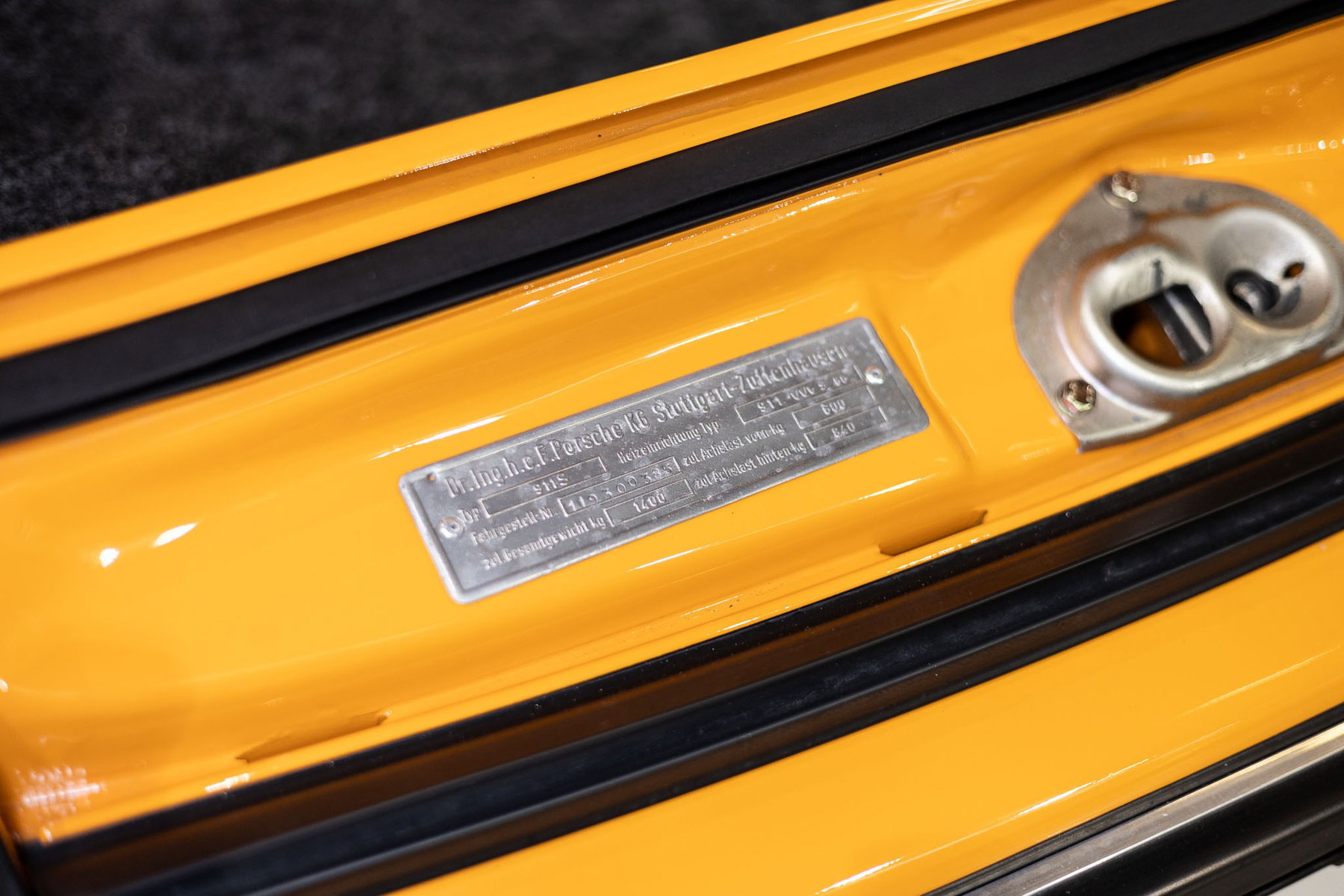
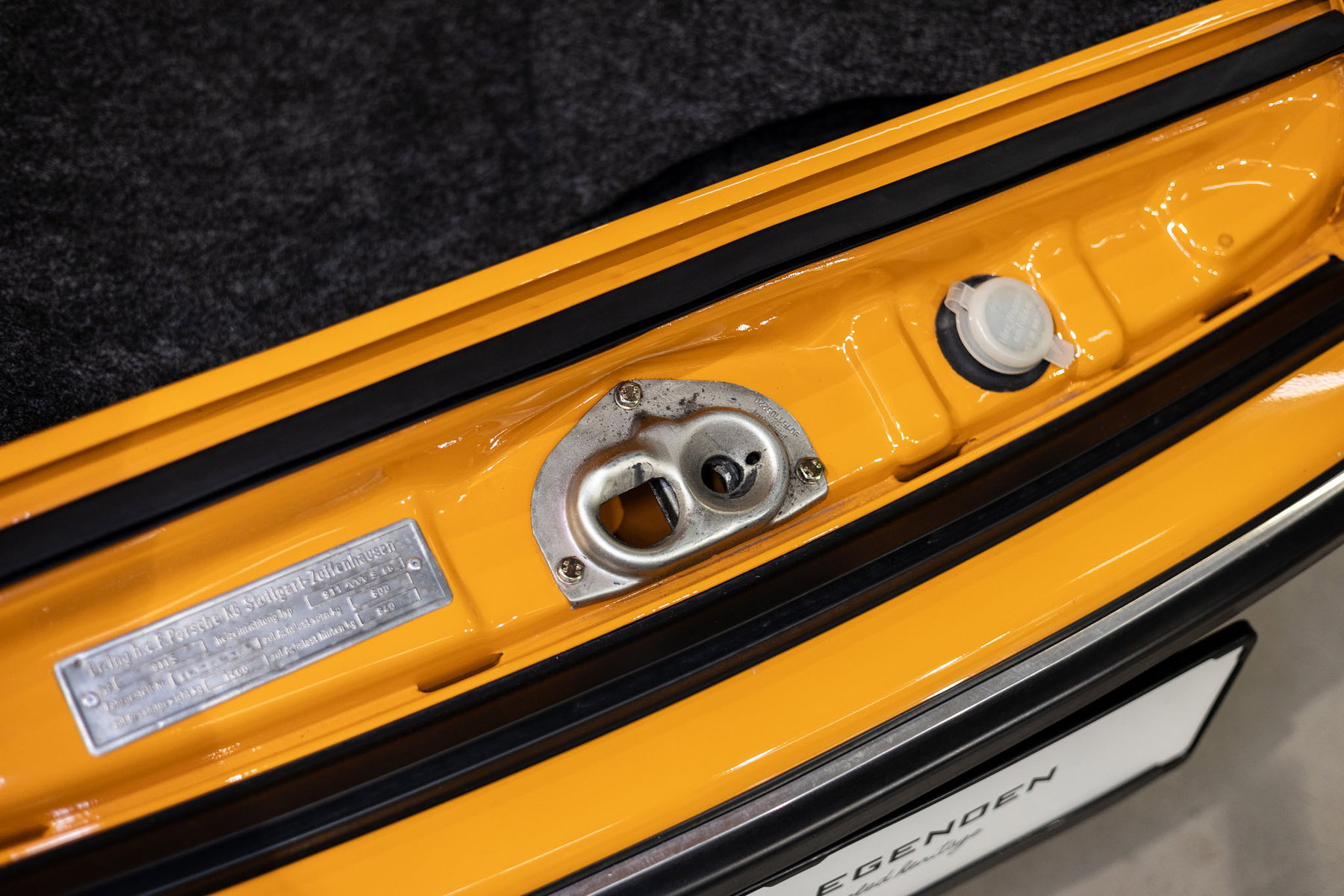
The Porsche Kardex is available. It documents the factory delivery and provides an authentic insight into the car’s original configuration. Among other details, it records the chassis number, the engine and transmission numbers, the delivery color, and the factory-documented equipment features.
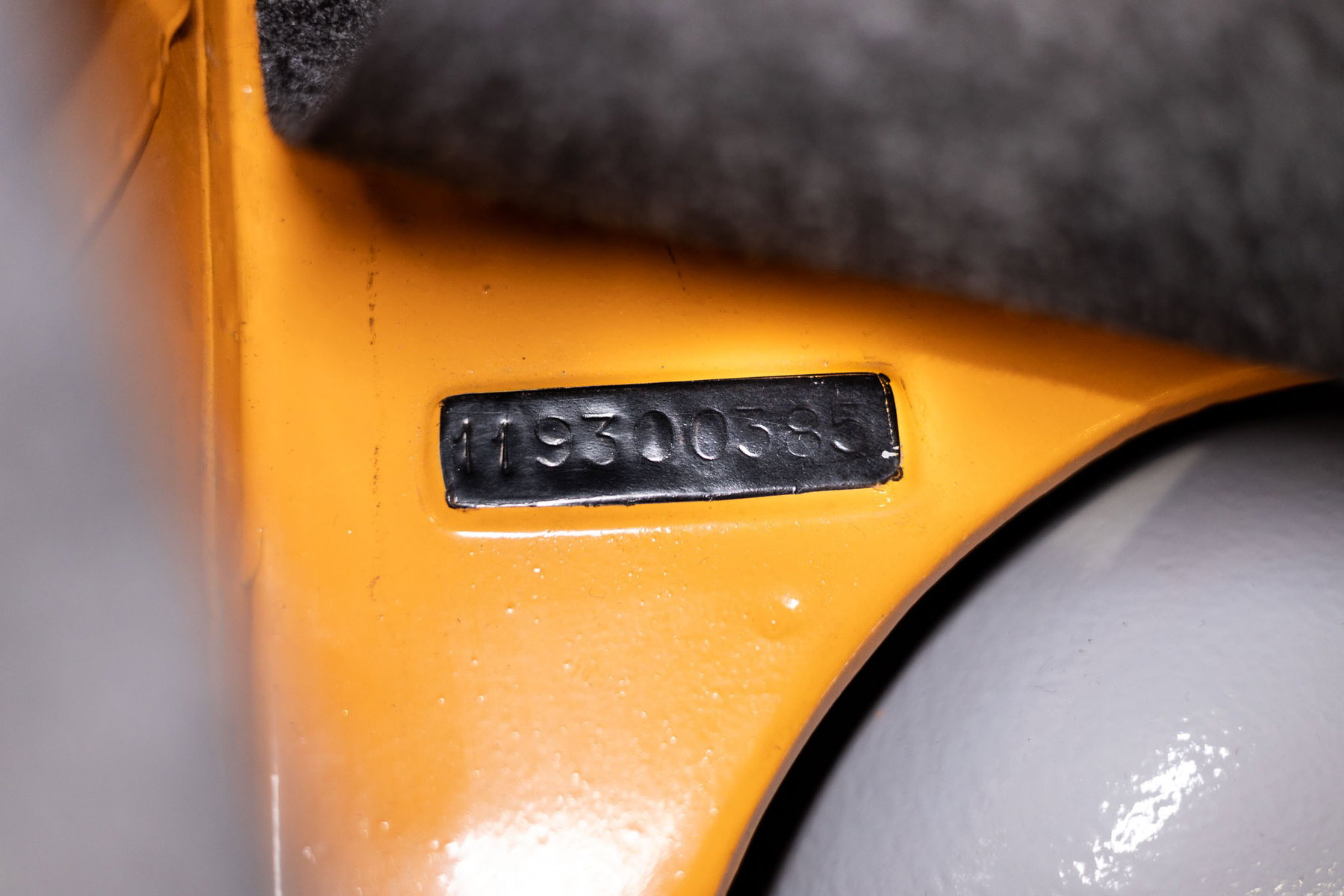
The chassis number of this exceptional 911 S is 119300385.
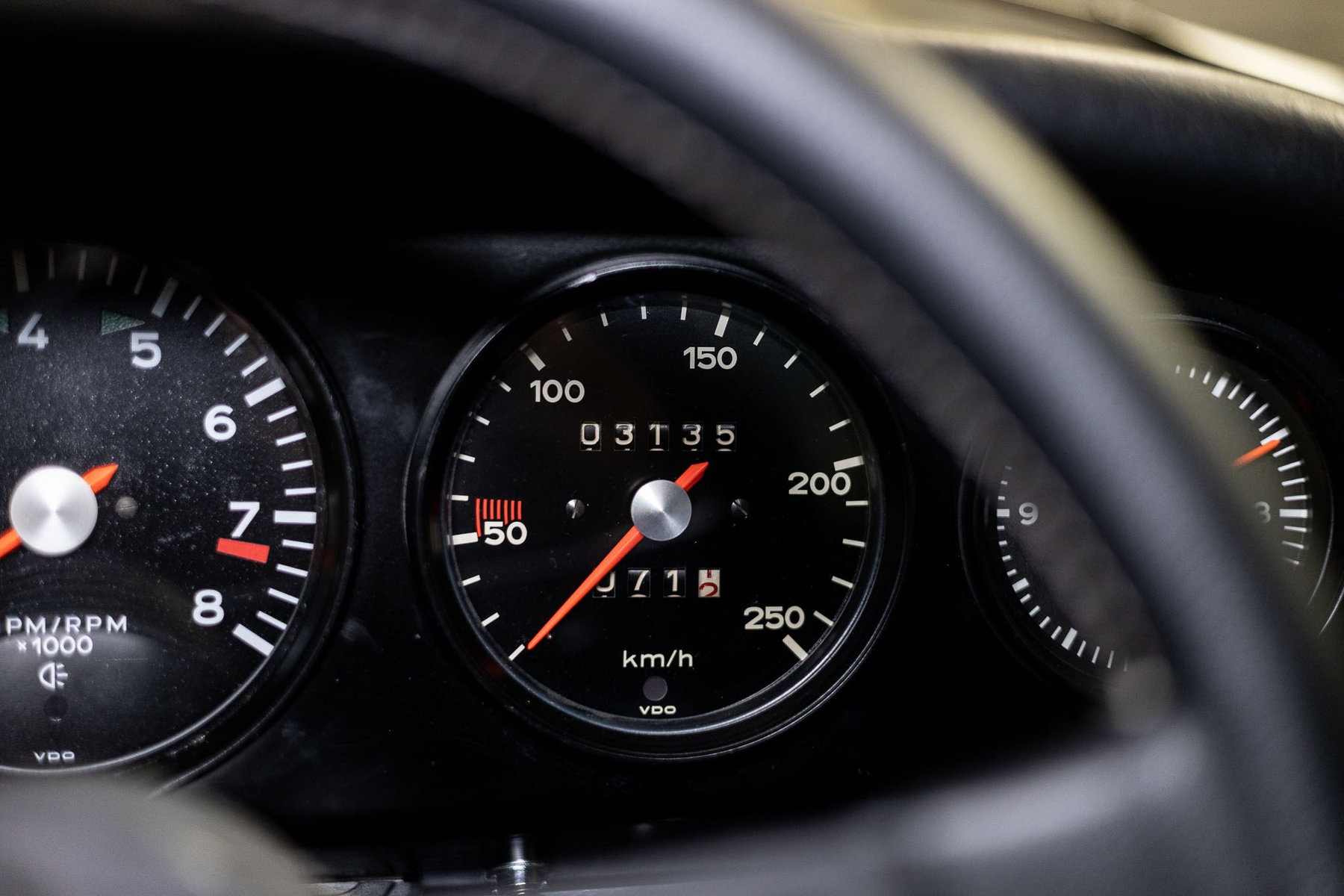
In the late 1980s, the vehicle—with a mileage of approximately 9,000 kilometers—was sold to its next owner, Mr. Reinbold, Jears Jacques, 1 Rue Du Printunpo, 67150 Erstein, France (a leather manufacturer), who kept the vehicle in his collection for over 30 years. In 2016, the Porsche came into the possession of its current owner.
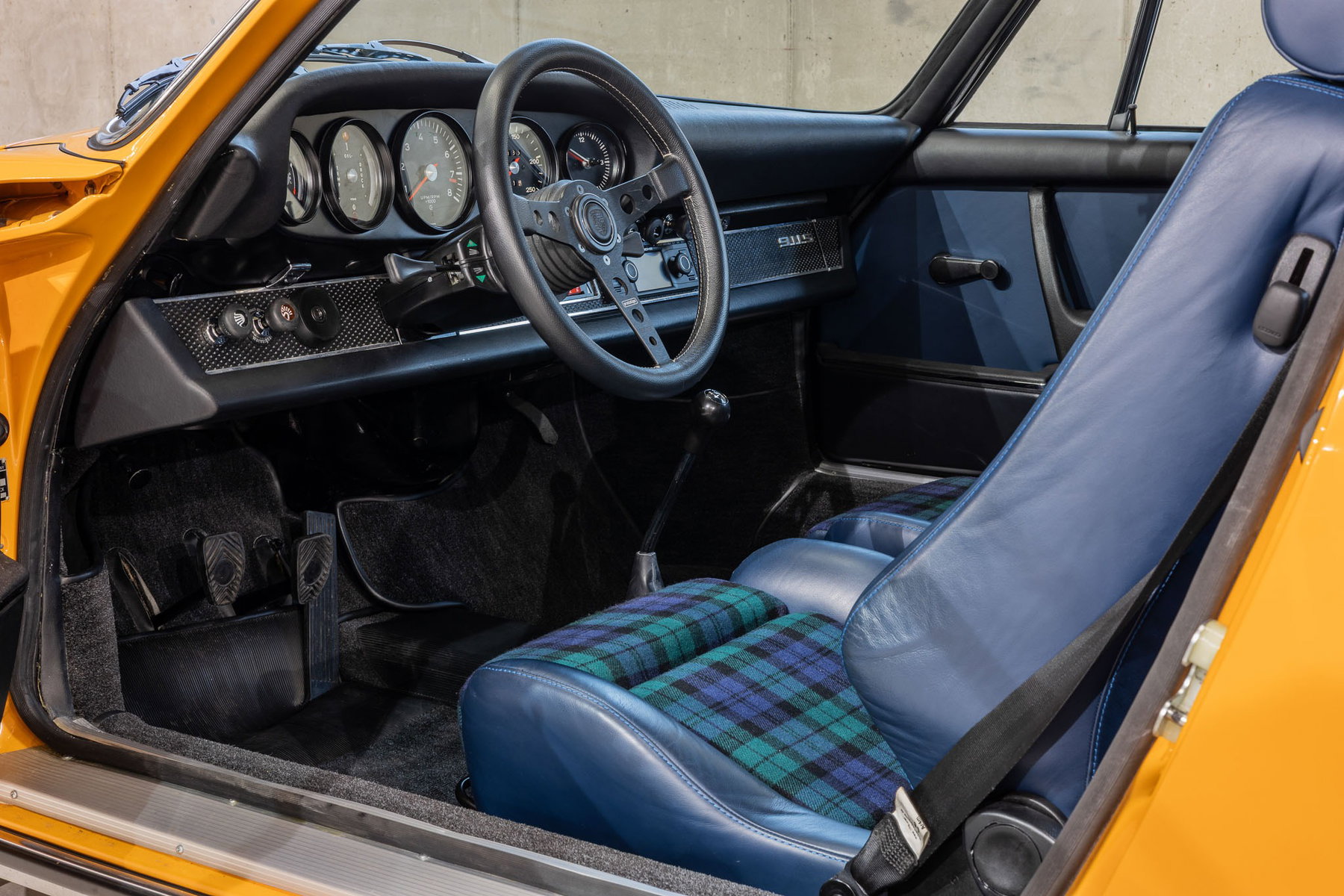
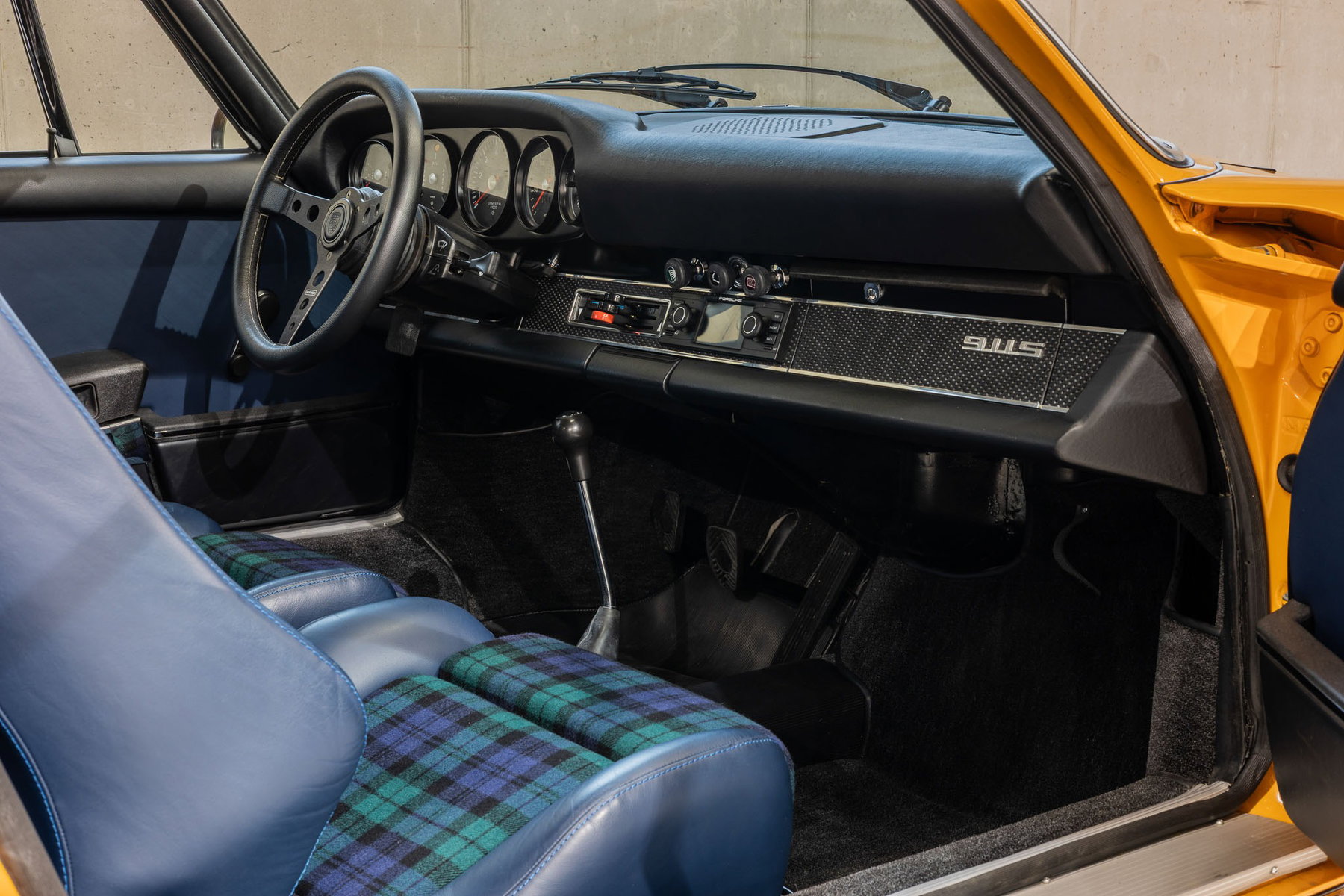
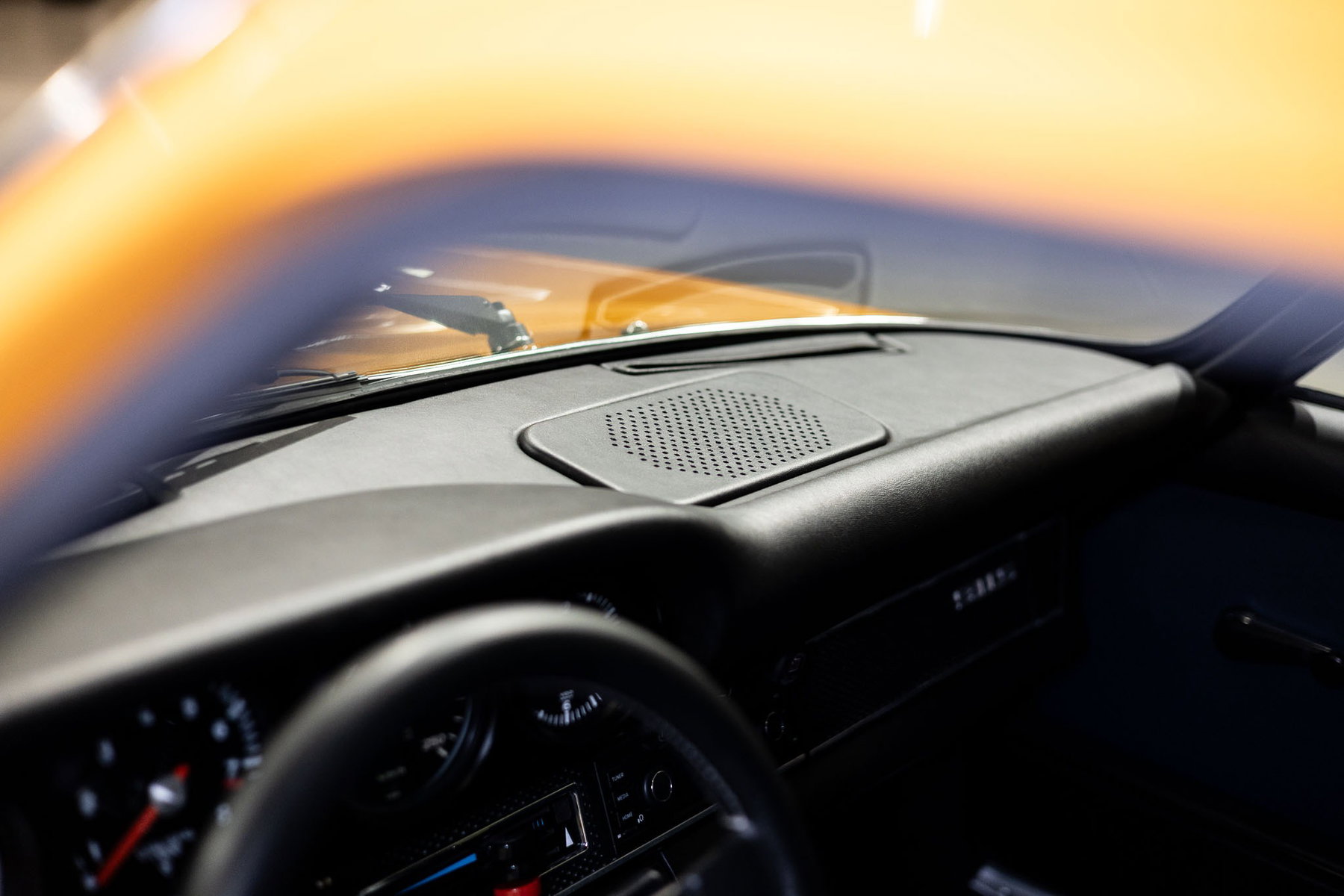
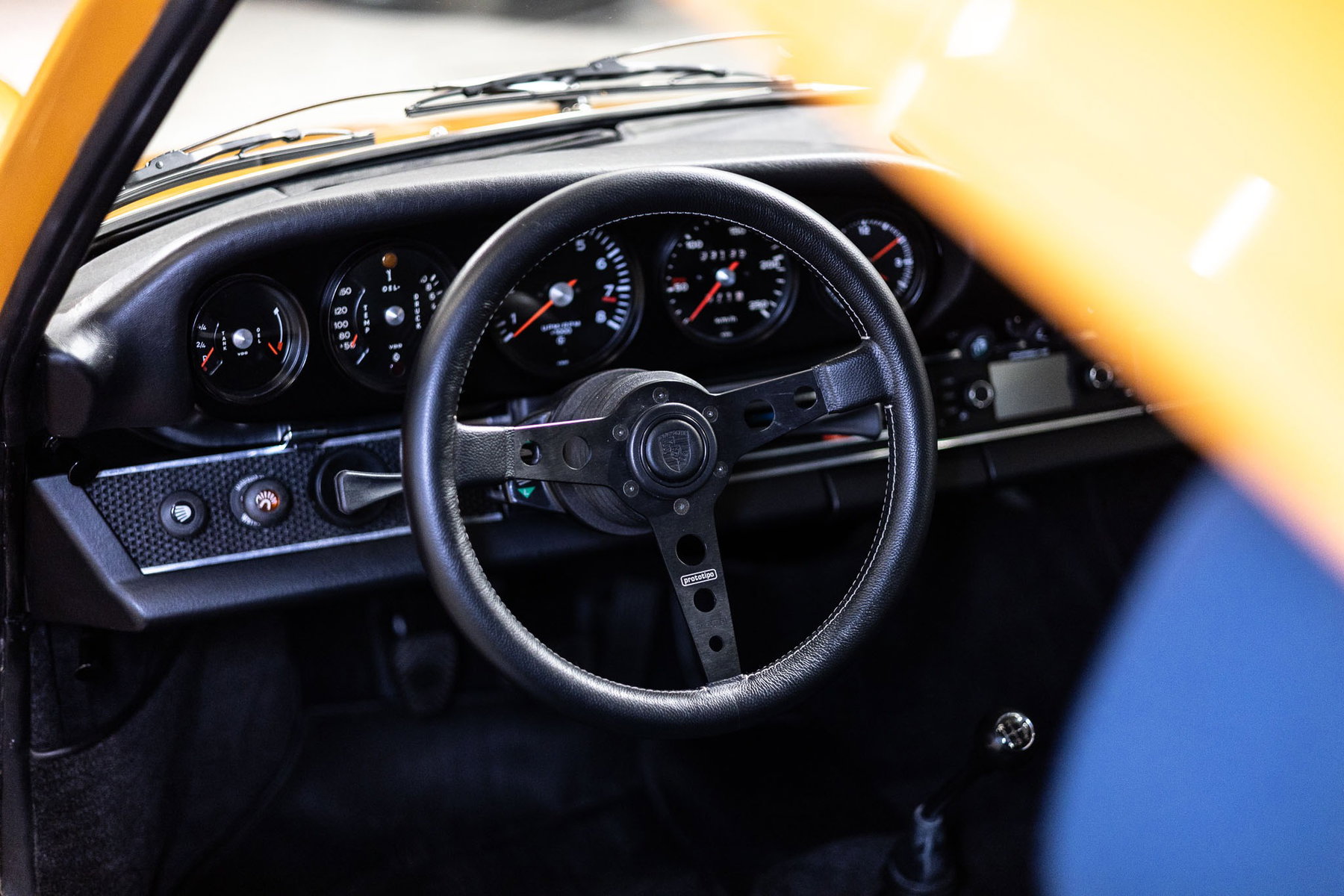
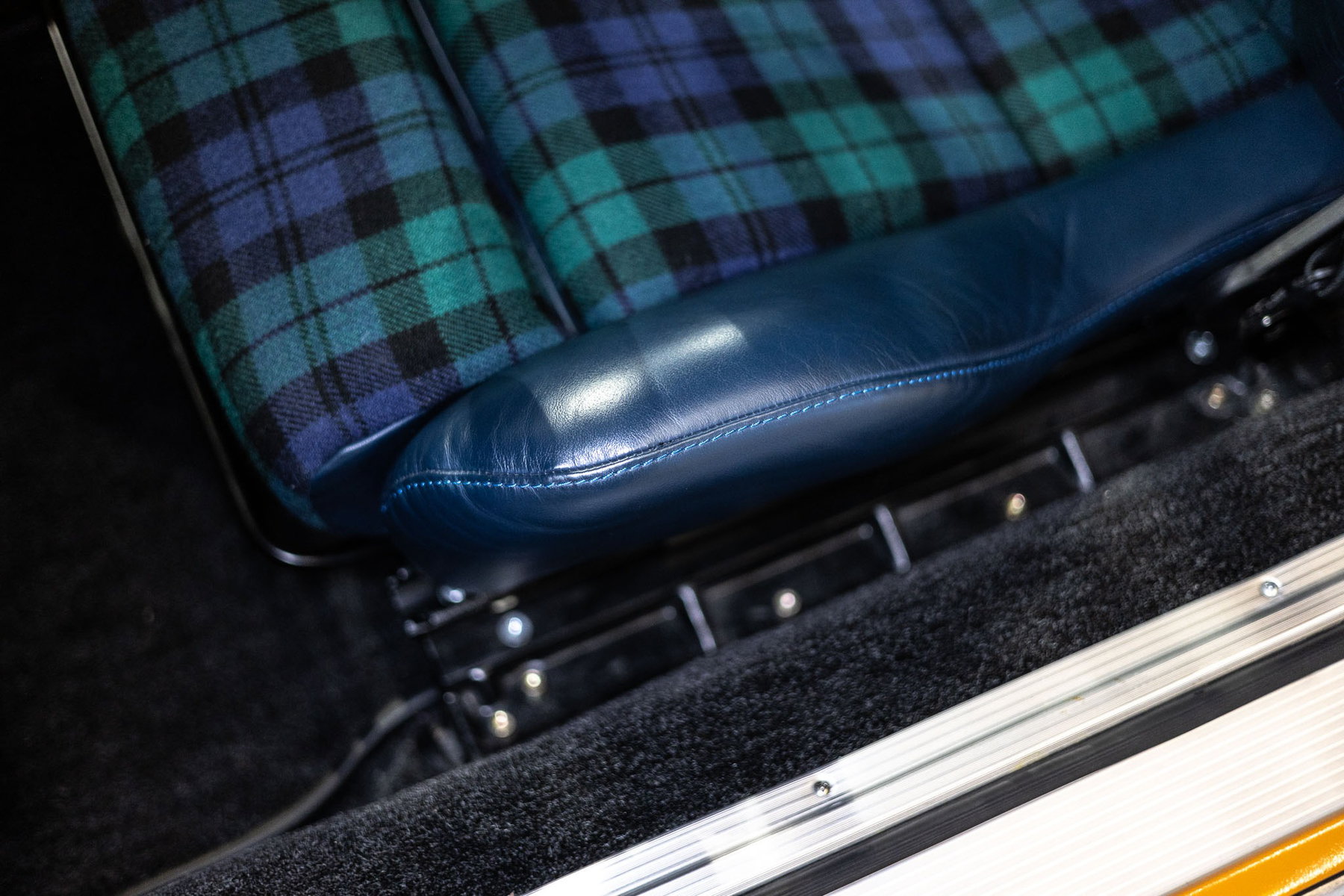
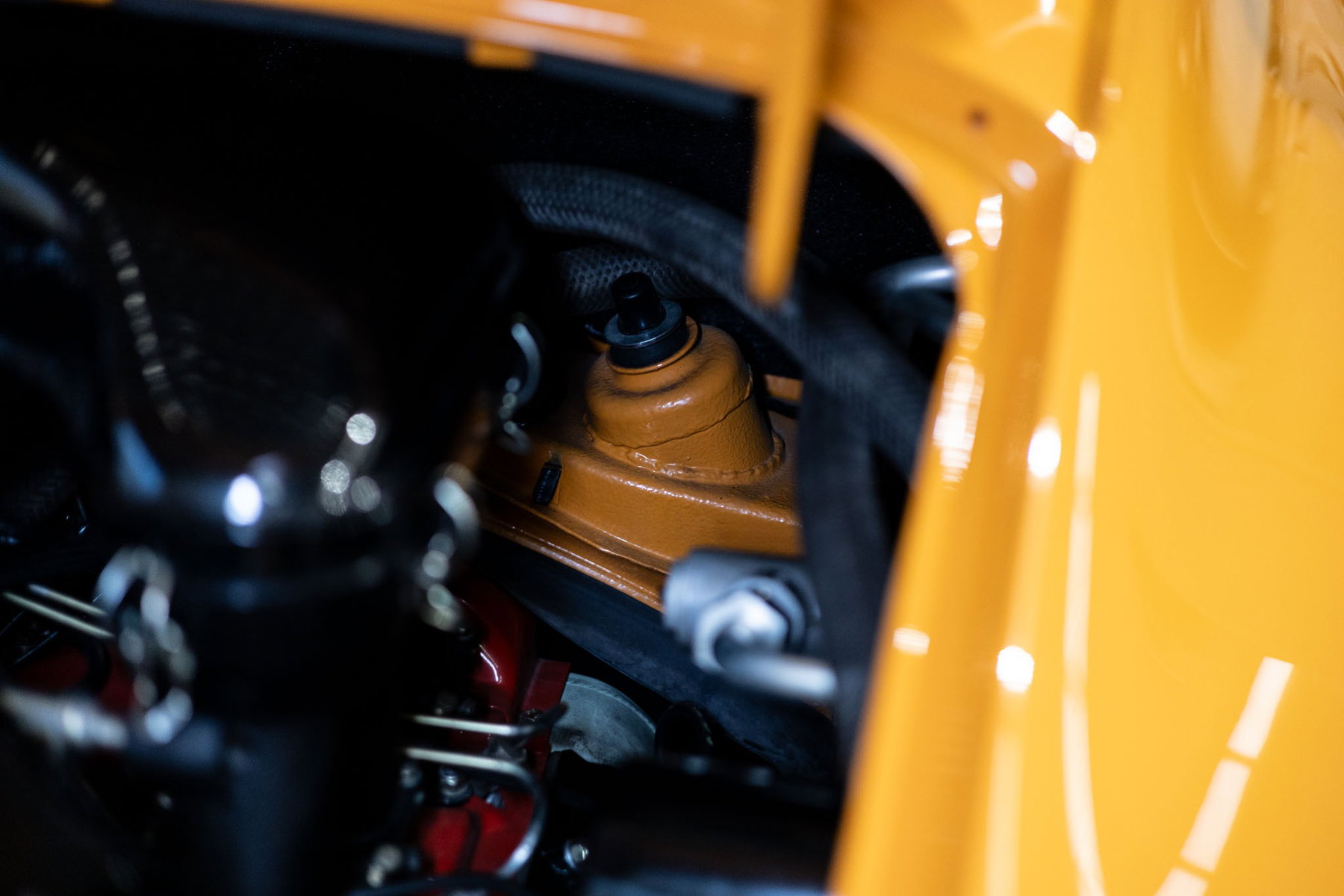
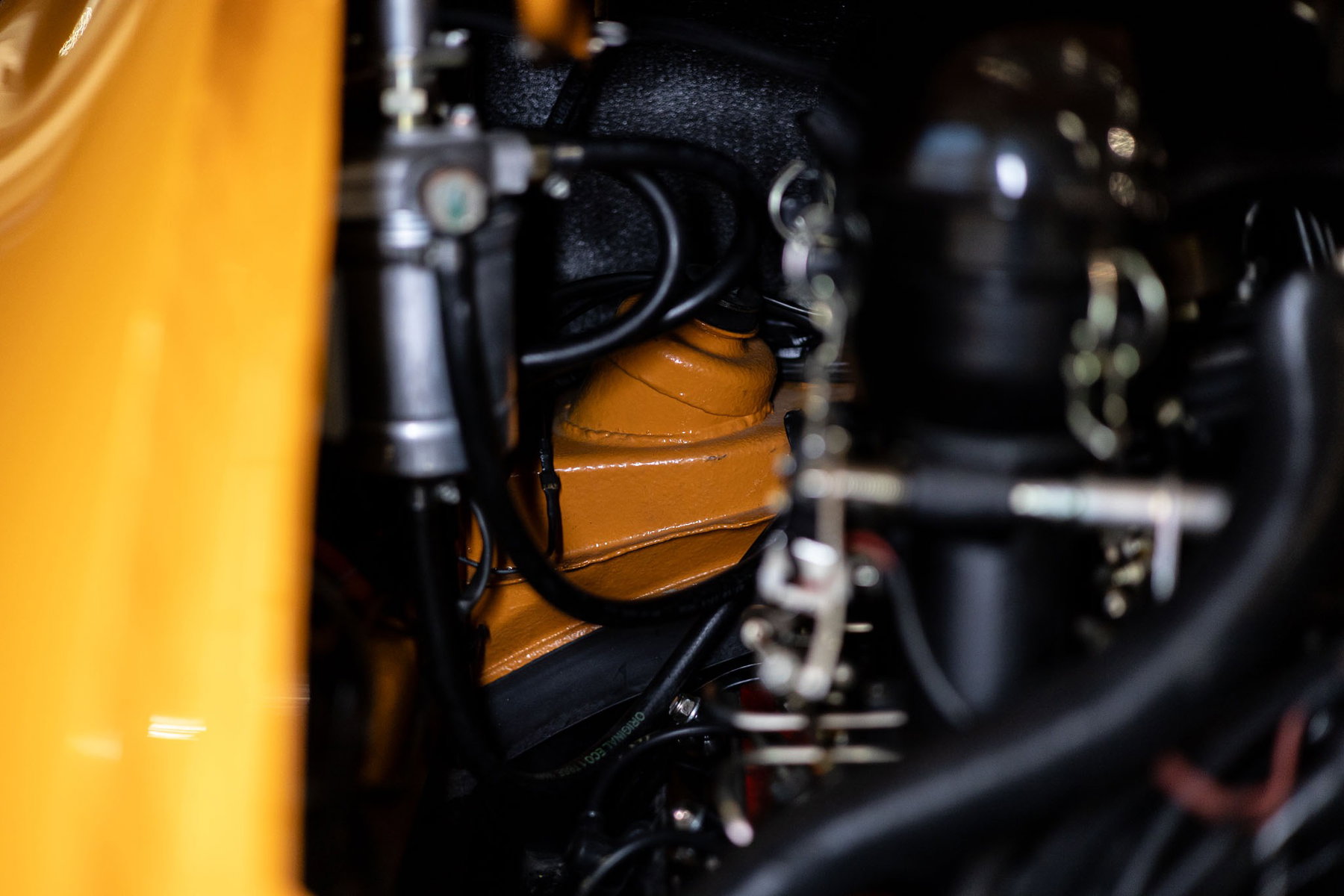
Starting in 2019, the vehicle underwent a restoration carried out with the utmost care and to exceptionally high standards. The focus was not solely on achieving a perfect visual appearance. Rather, the goal was to restore it to a condition that feels just as one would expect from a nearly new Porsche, without losing the character and authenticity of a Porsche from the 1960s.
It is precisely this combination that makes this 911 S so special.
The Engine
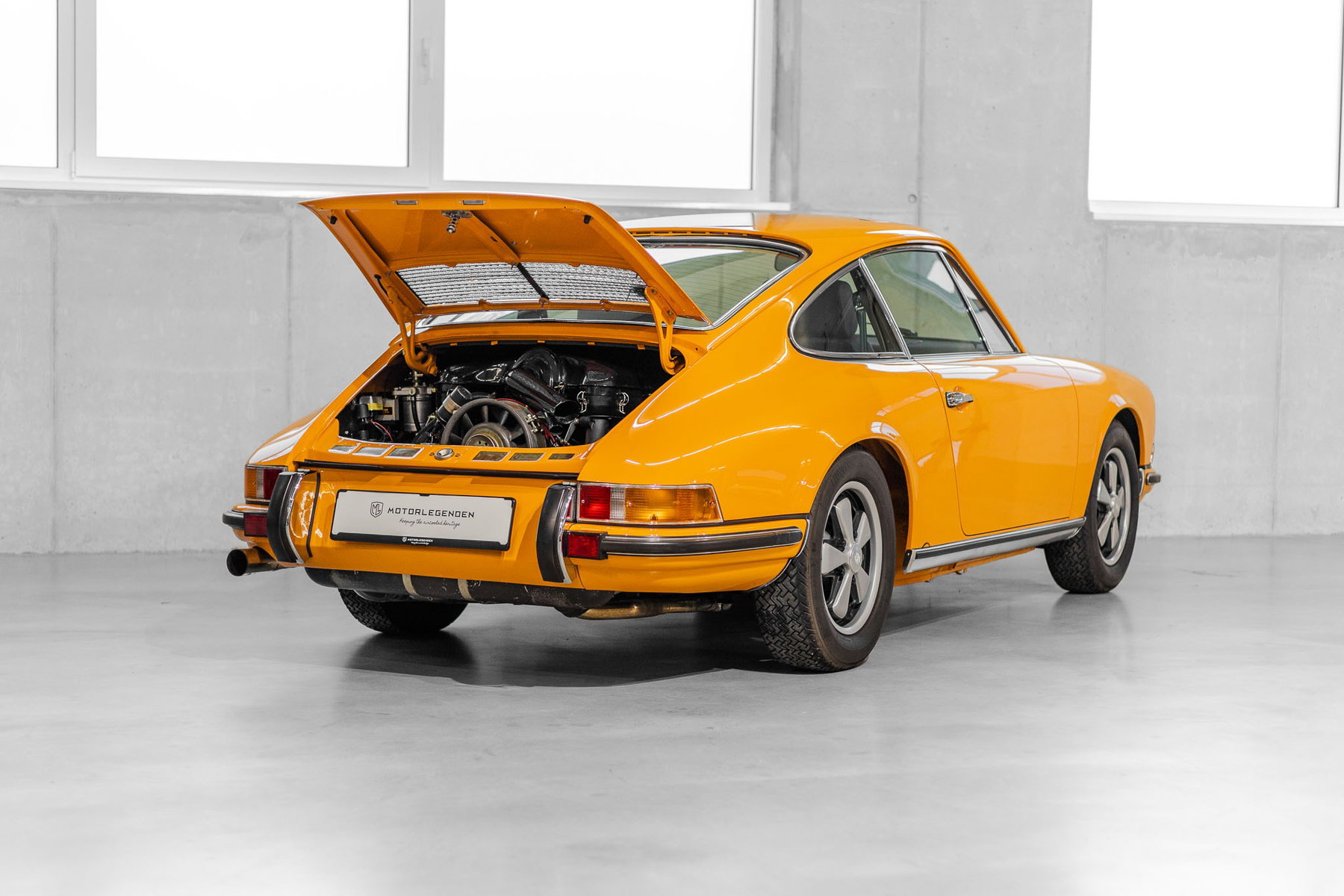
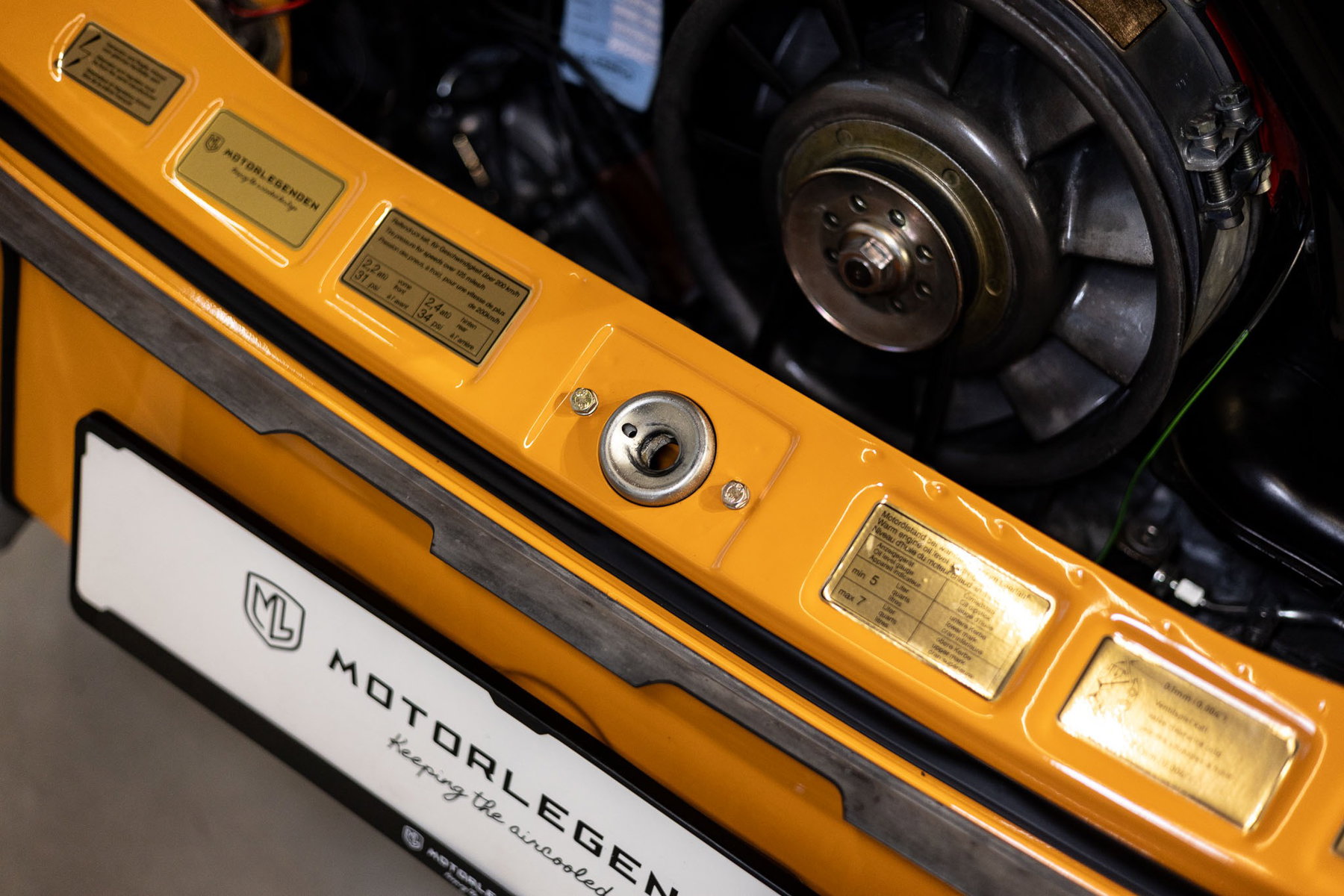
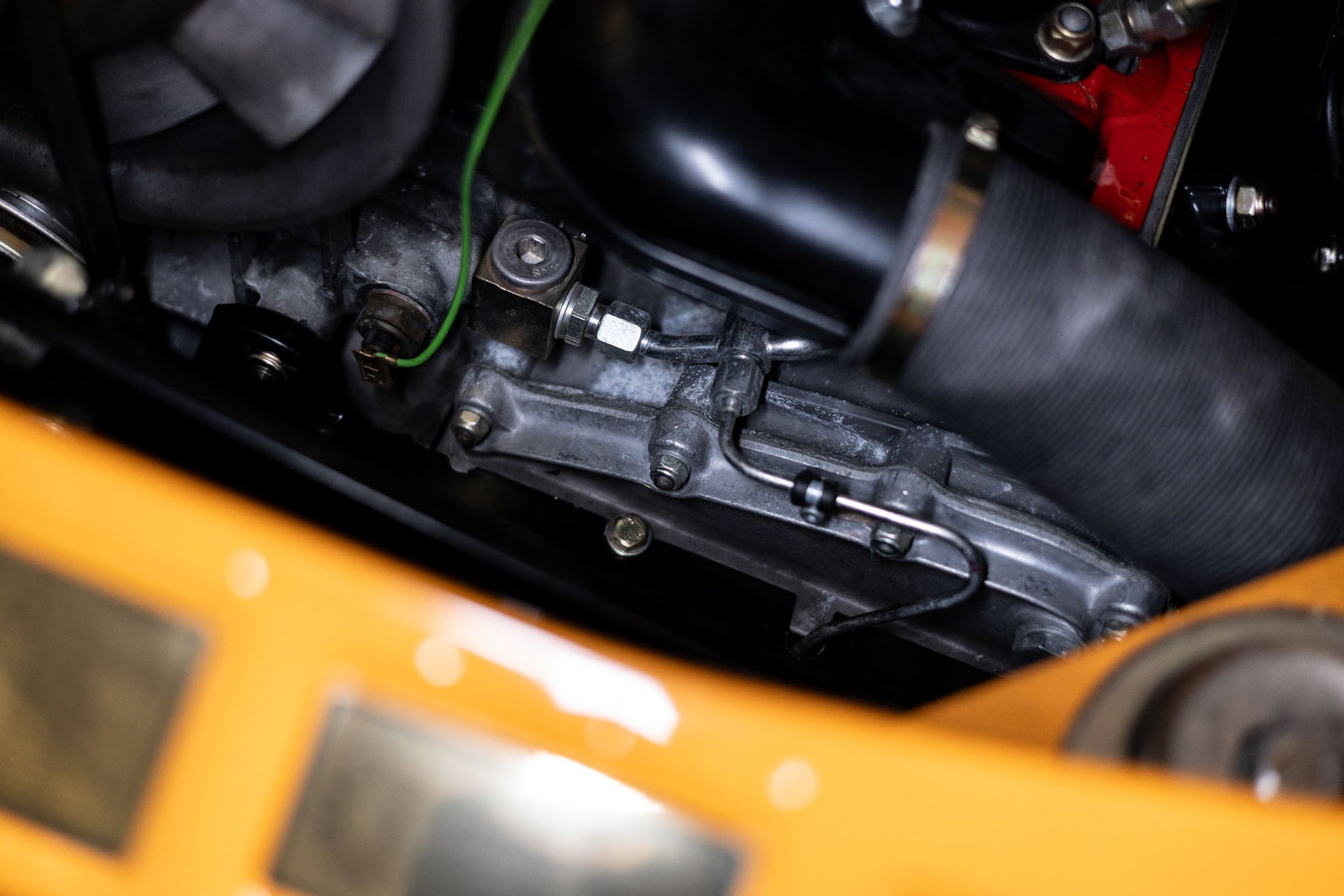
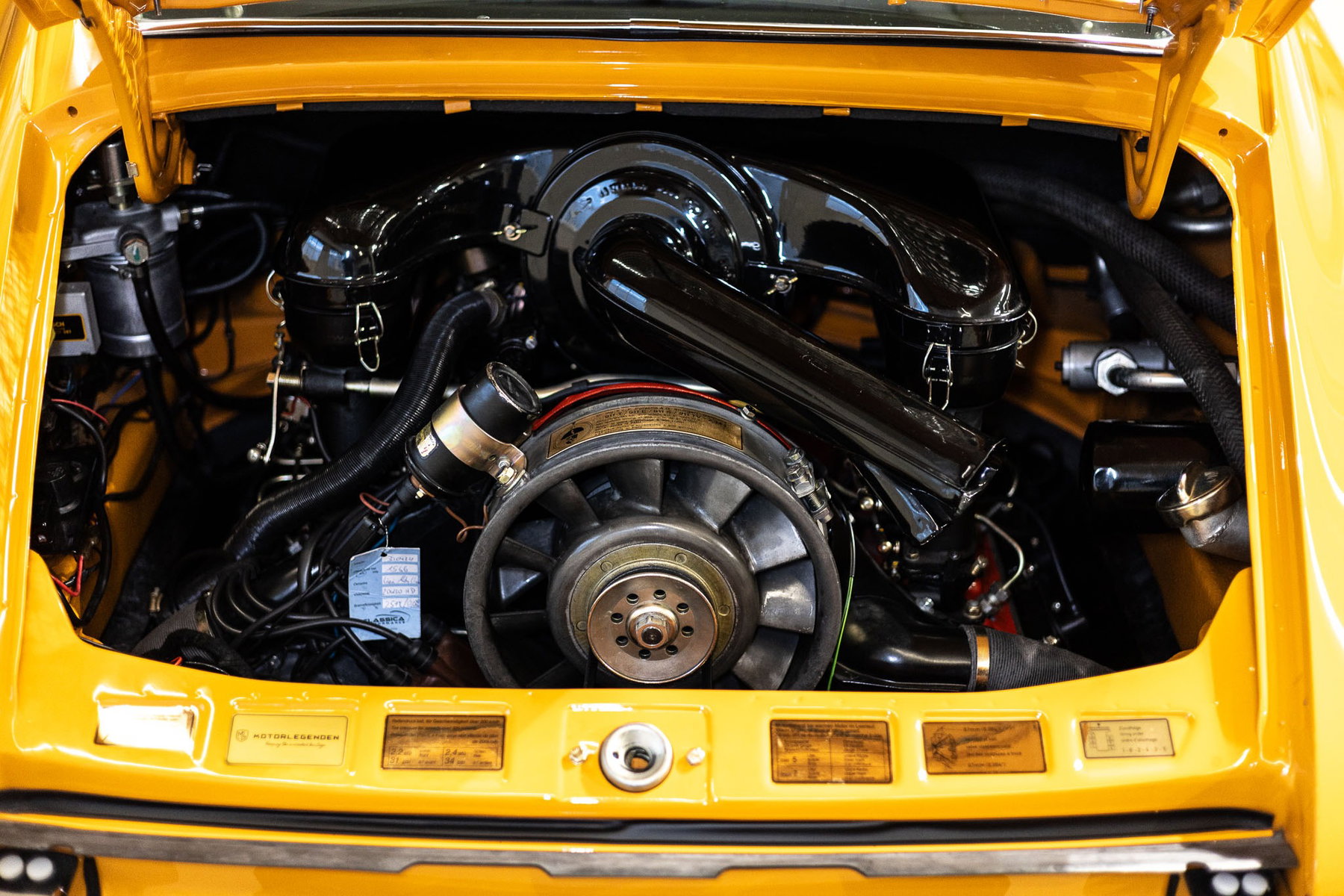
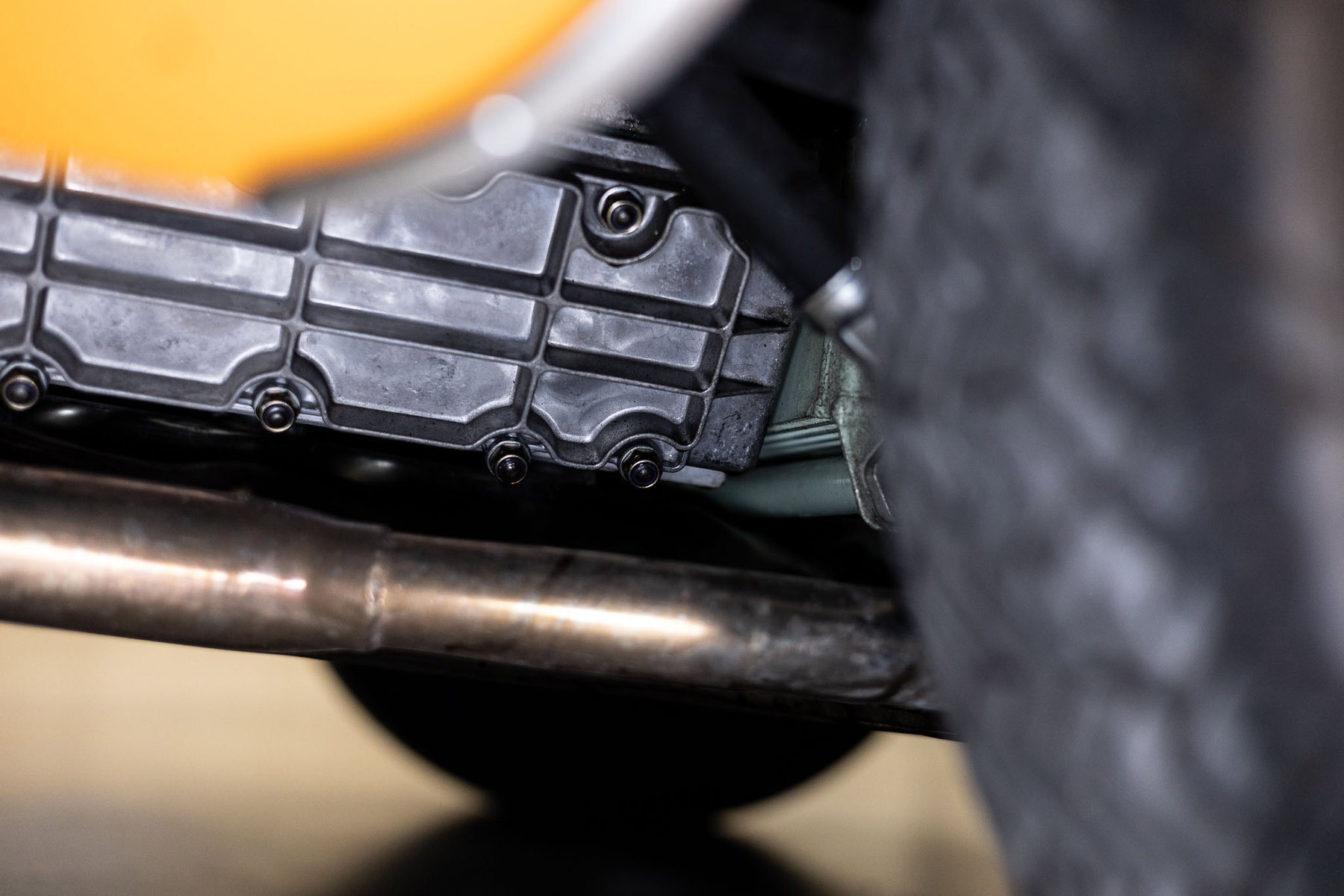
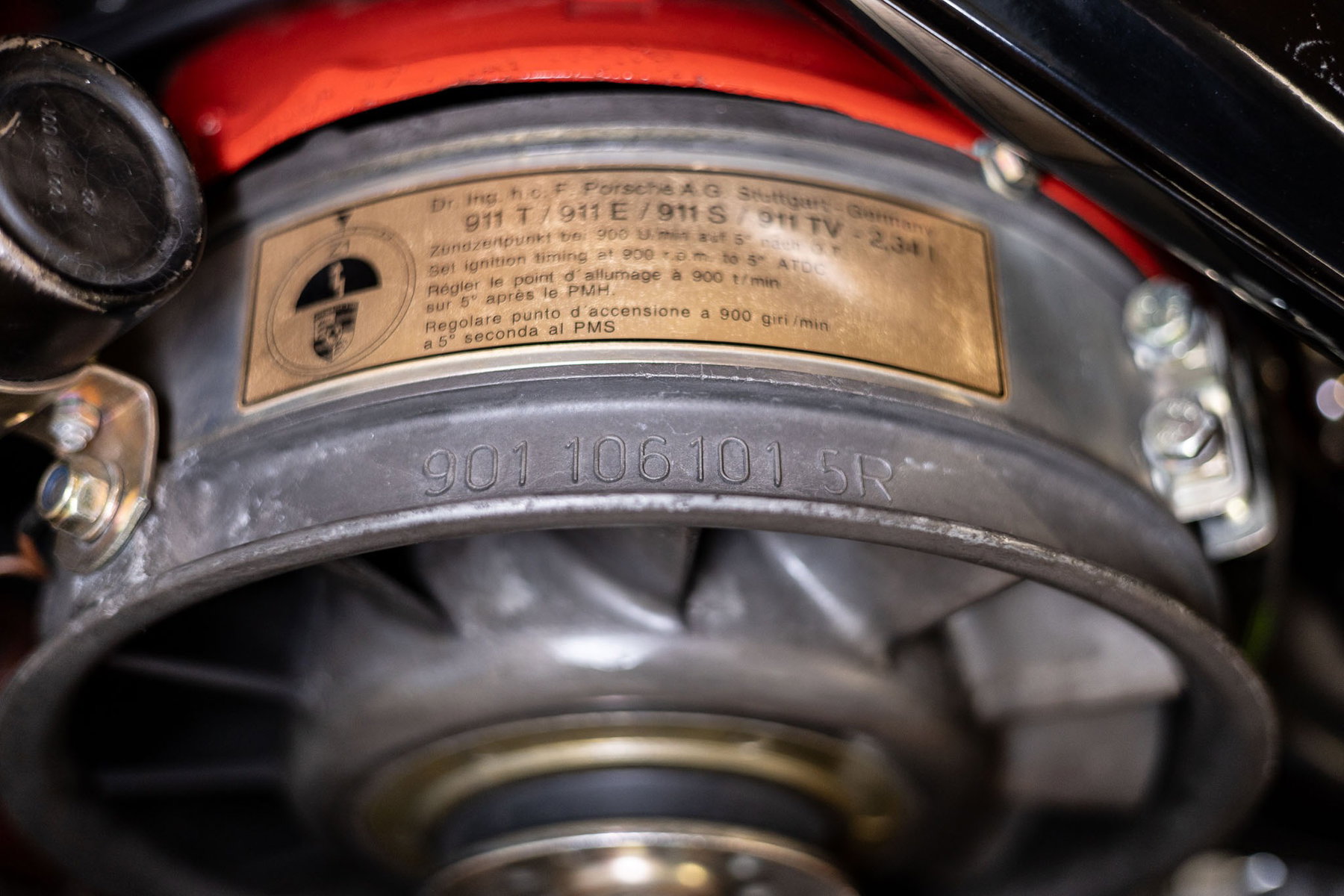
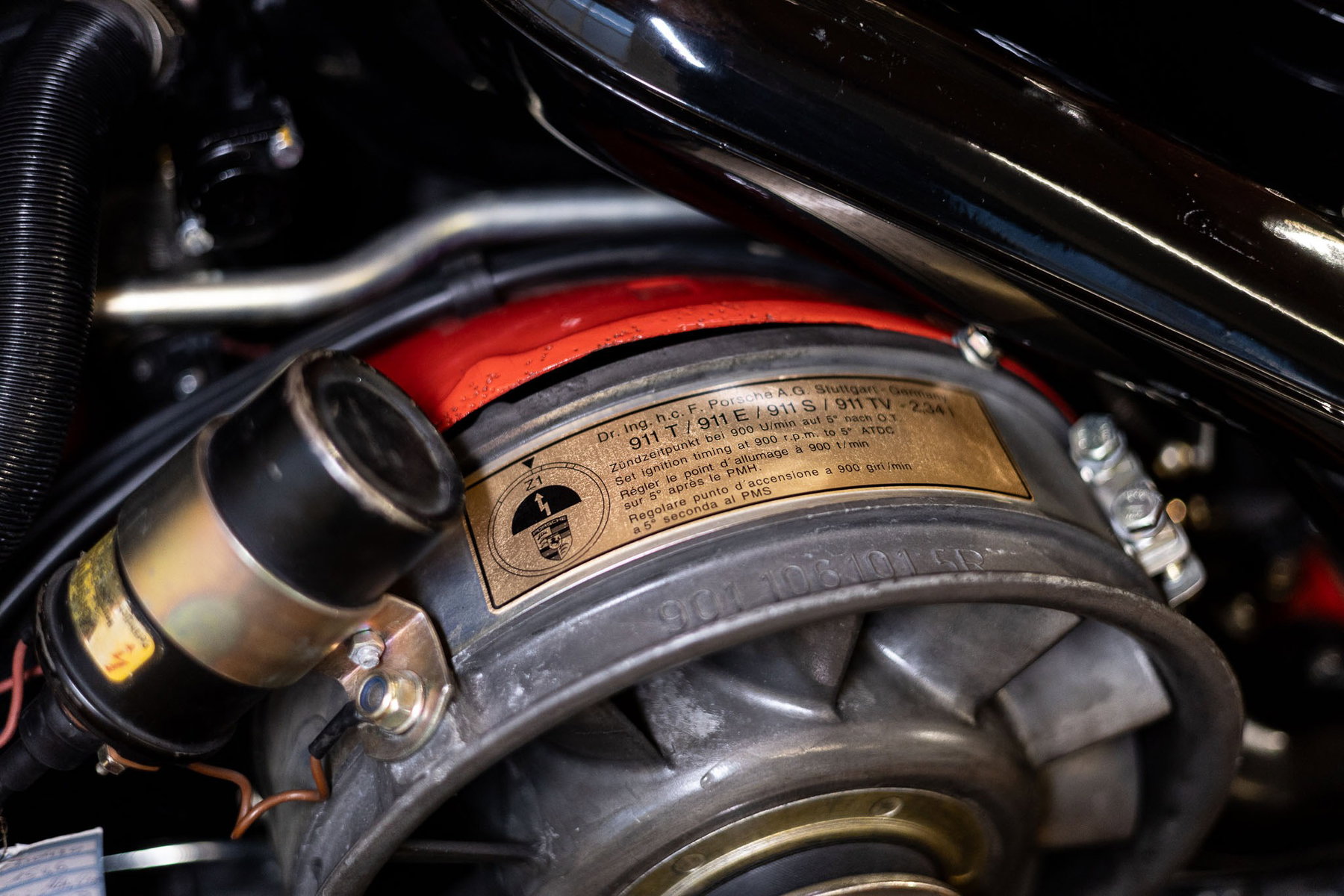
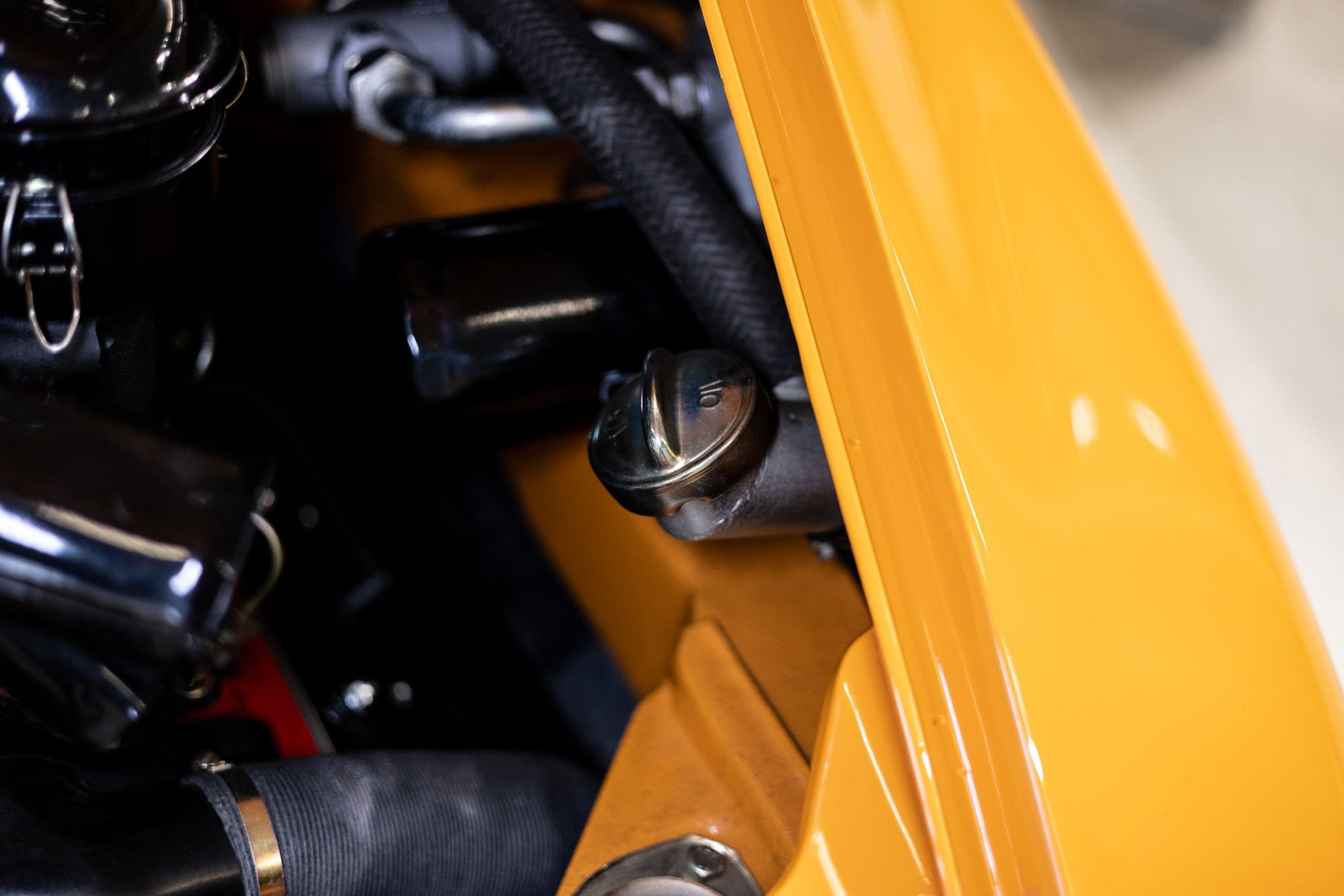
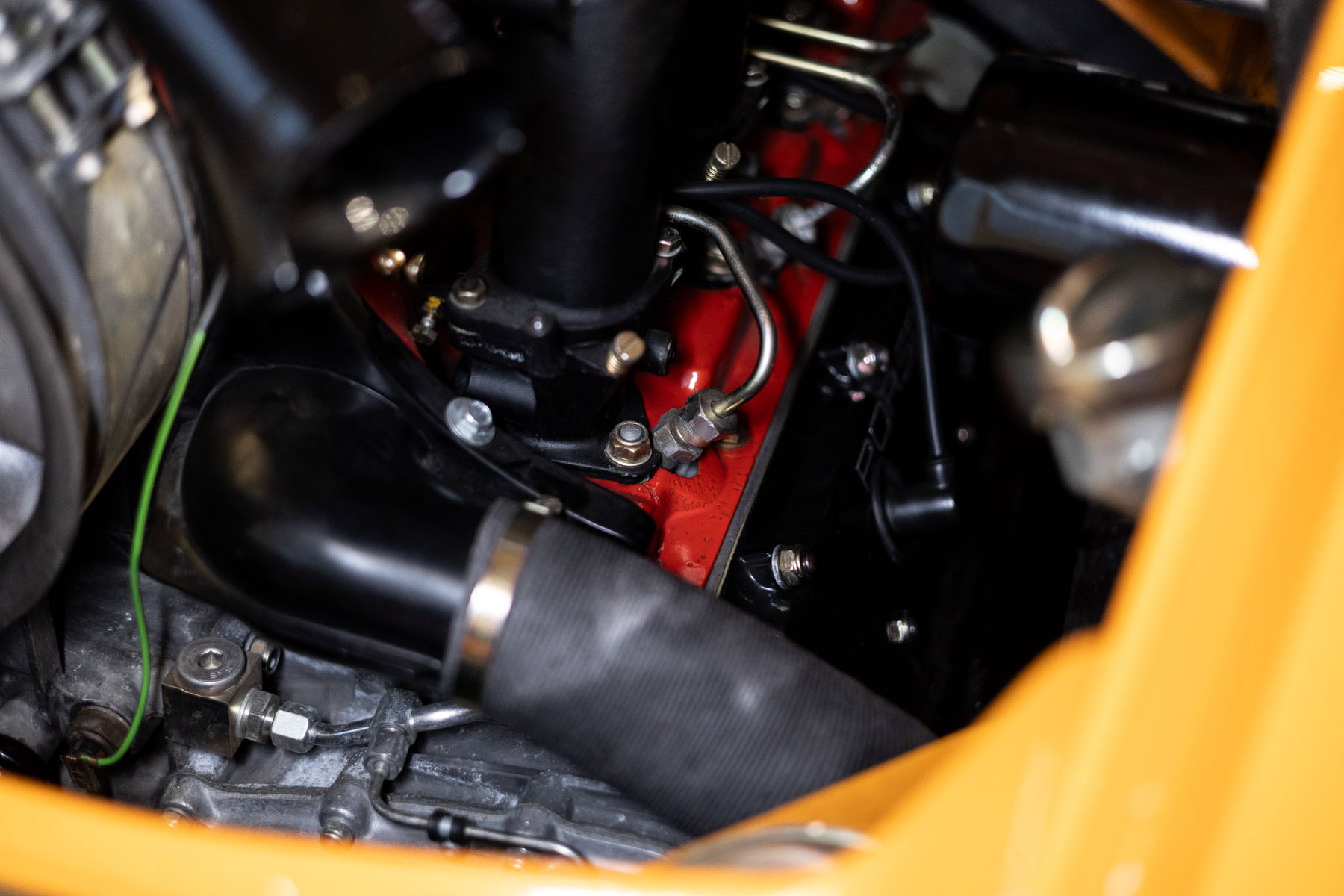
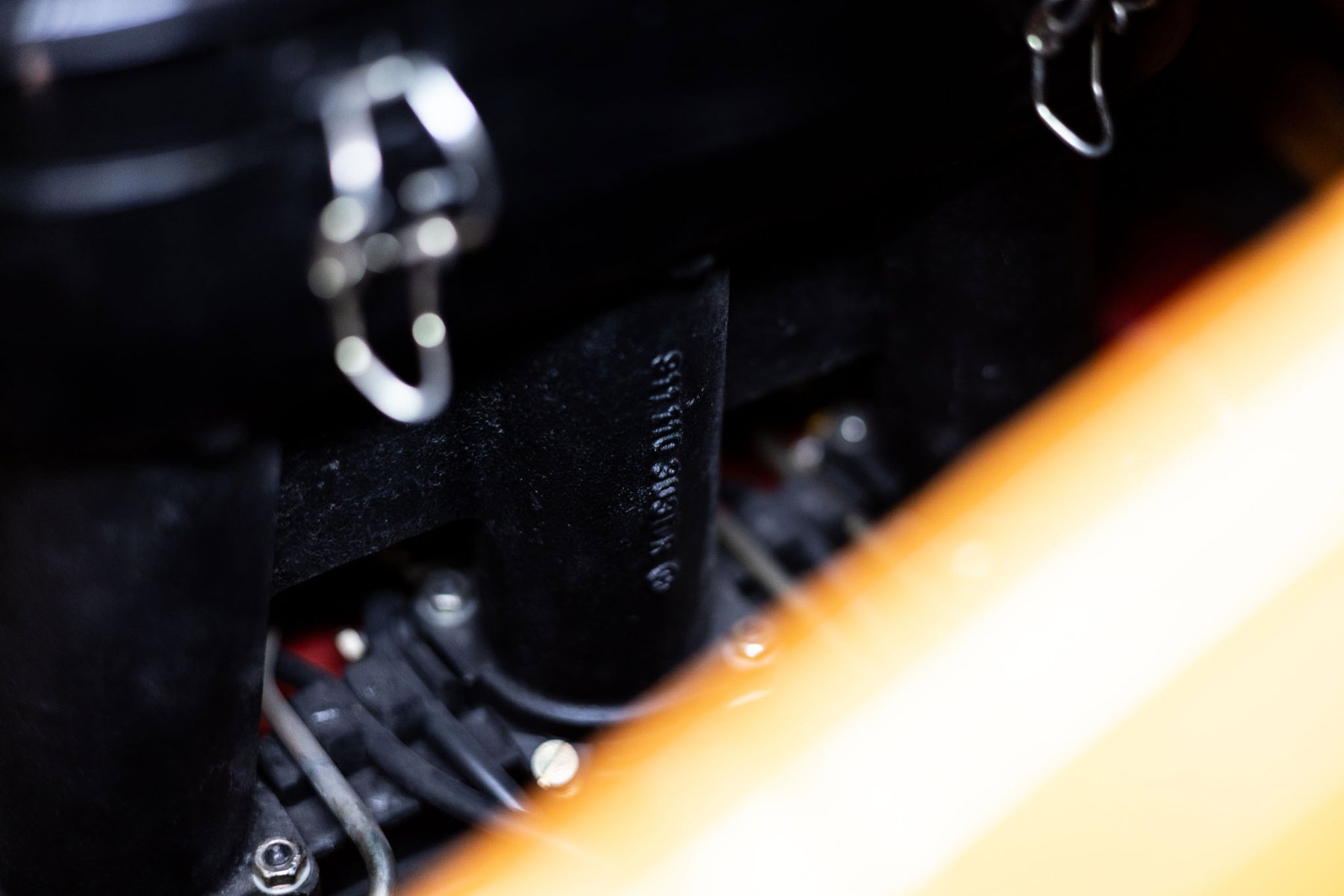
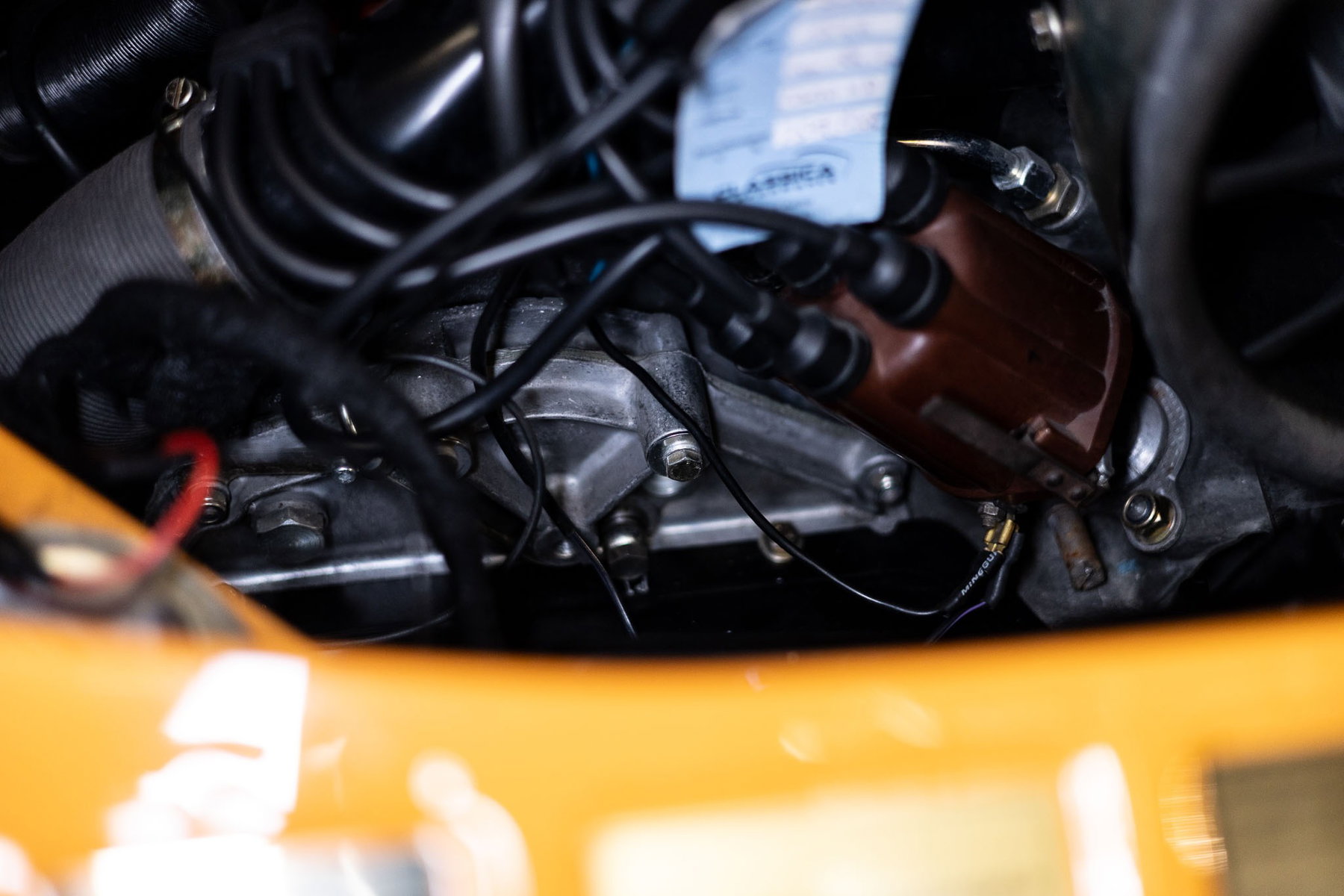
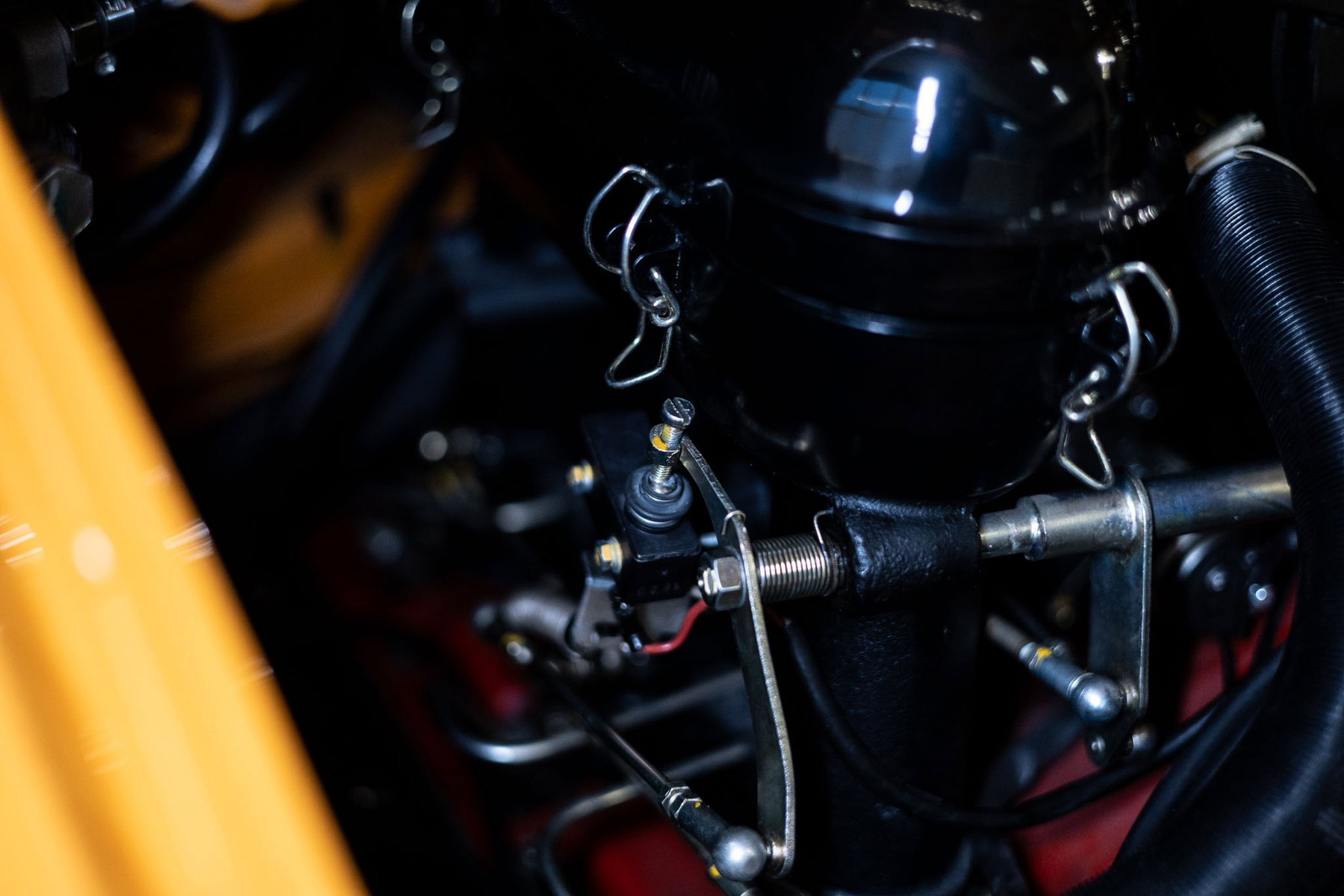
Technically as well, this 911 S was built to exceptionally high standards. The engine is now configured as a 2.5-liter unit and features 89-mm Mahle pistons and cylinders. This so-called “Mahle engine” represents a period-appropriate performance upgrade.
With a stroke of 66 mm, the displacement is 2,463.57 ccm. This configuration corresponds to a classic 2.5-liter racing setup frequently used in historic motorsports.
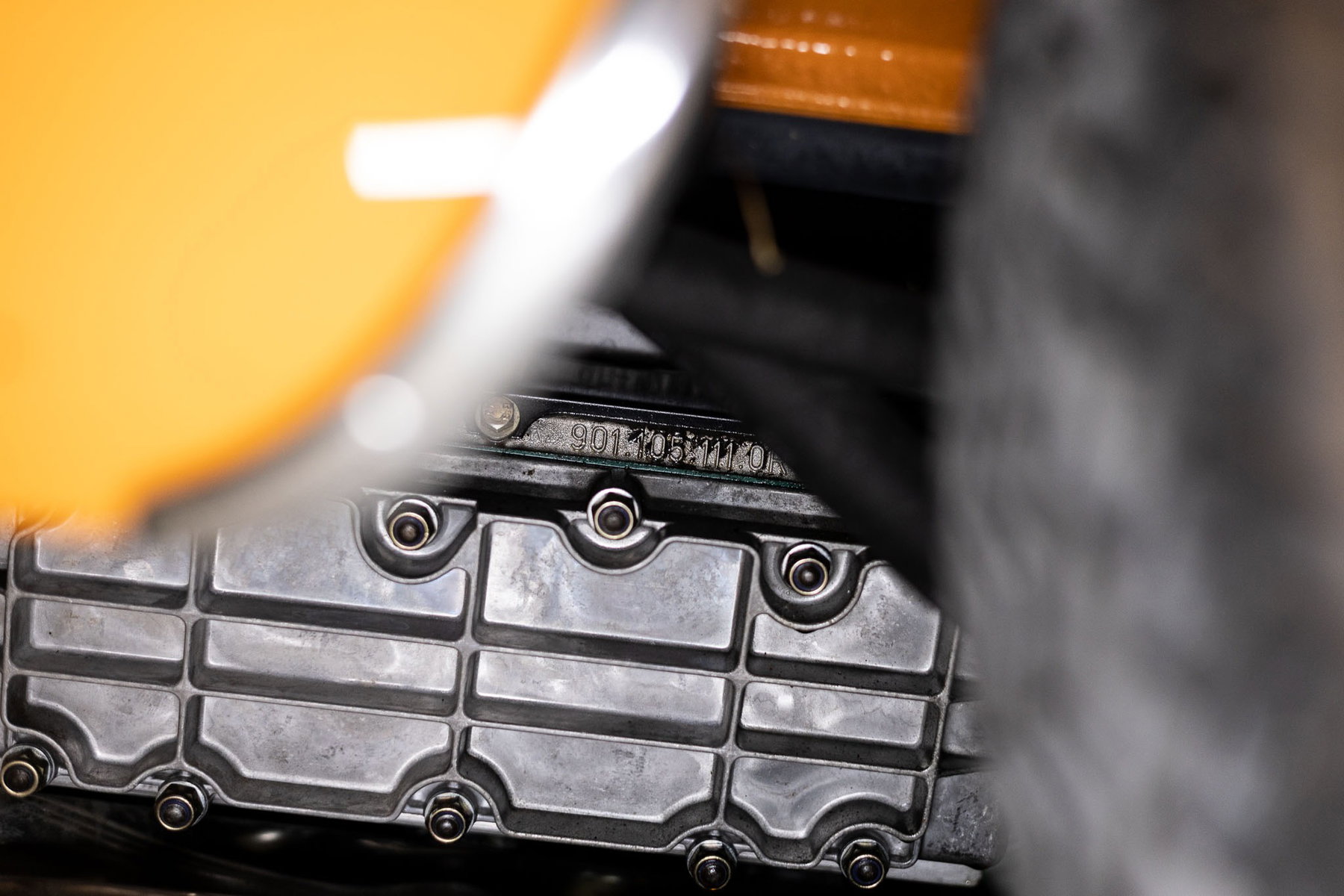
The combination of the short 66 mm stroke and the 89 mm Mahle pistons ensures a particularly well-balanced engine character. The 2.5-liter engines of this design are known for their smooth power delivery and exceptionally favorable torque curve. As part of the engine rebuild, the transmission was also completely overhauled; a limited-slip differential was retrofitted: Porsche HMAG 70°/90°, coarse gear set, short flange, 901 transmission.
Mandarin Orange
One of the most extraordinary features of this vehicle is its color.
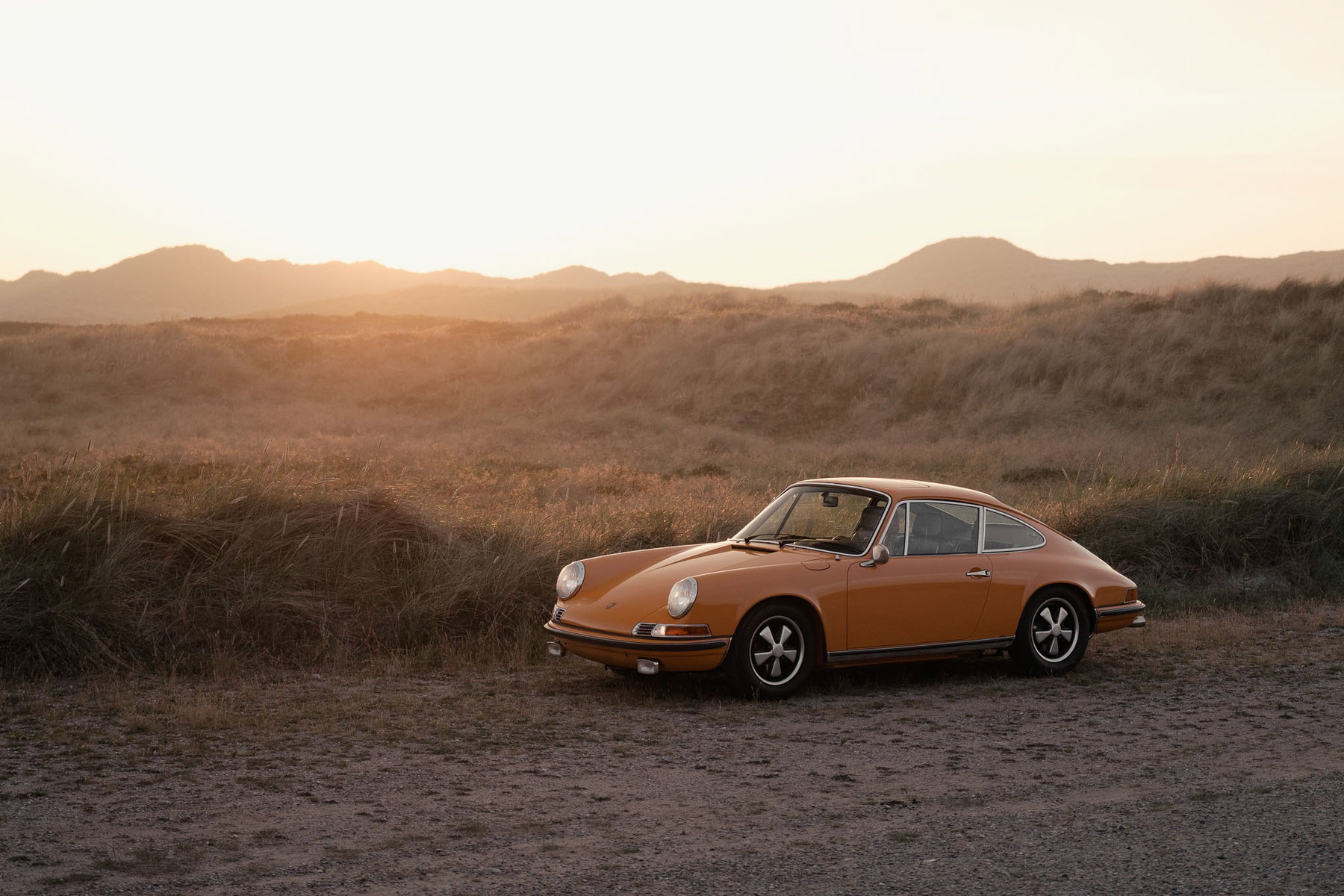
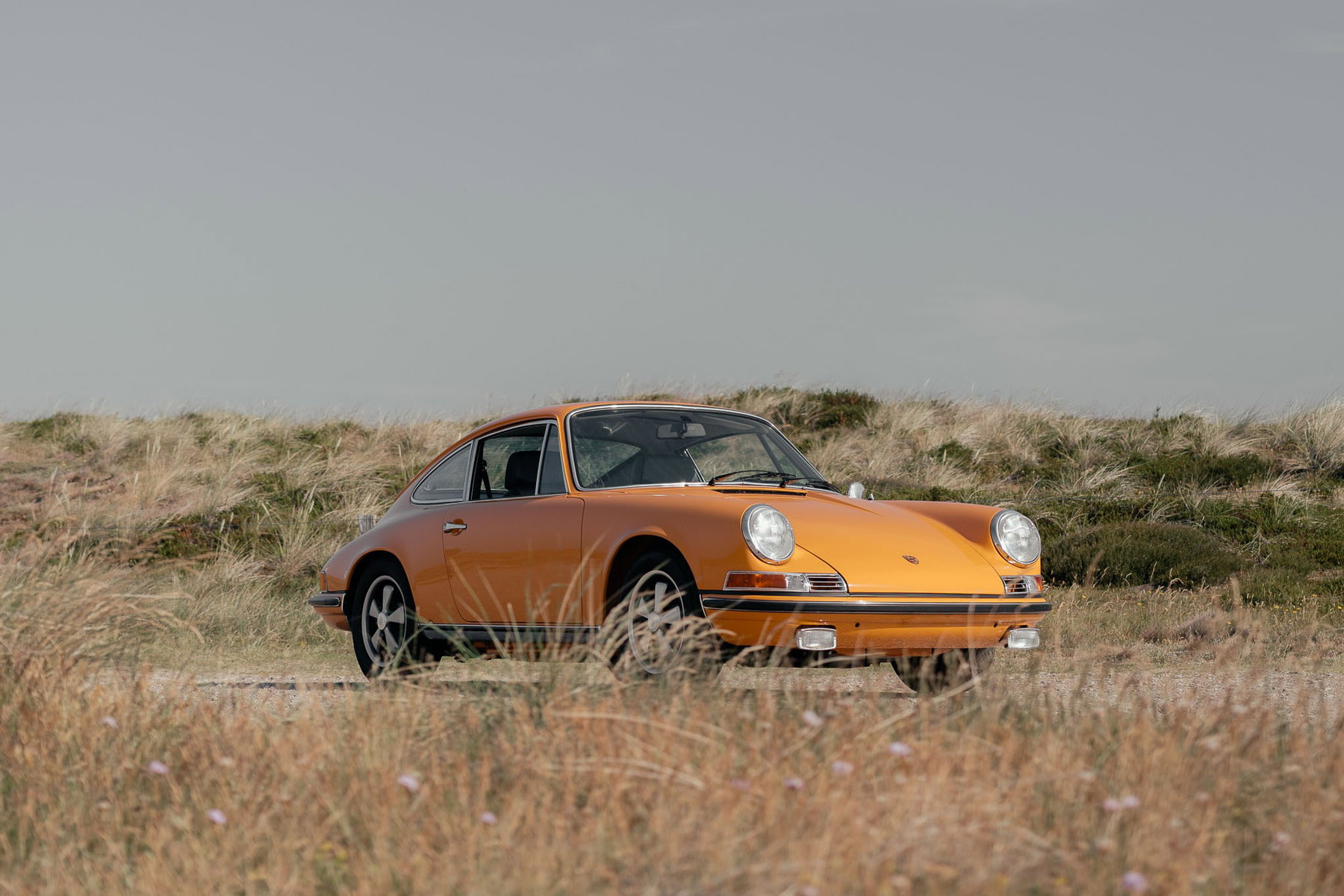
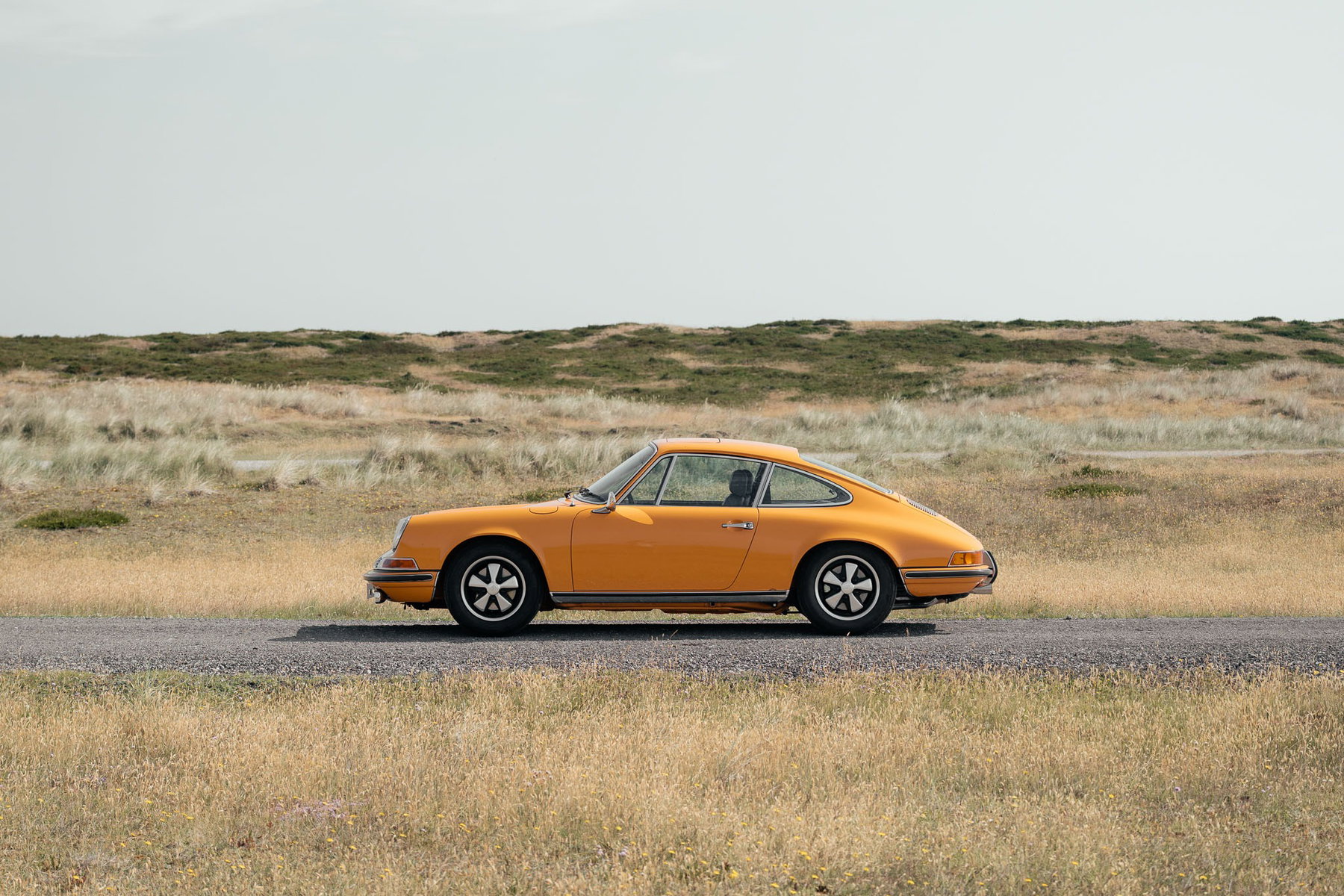
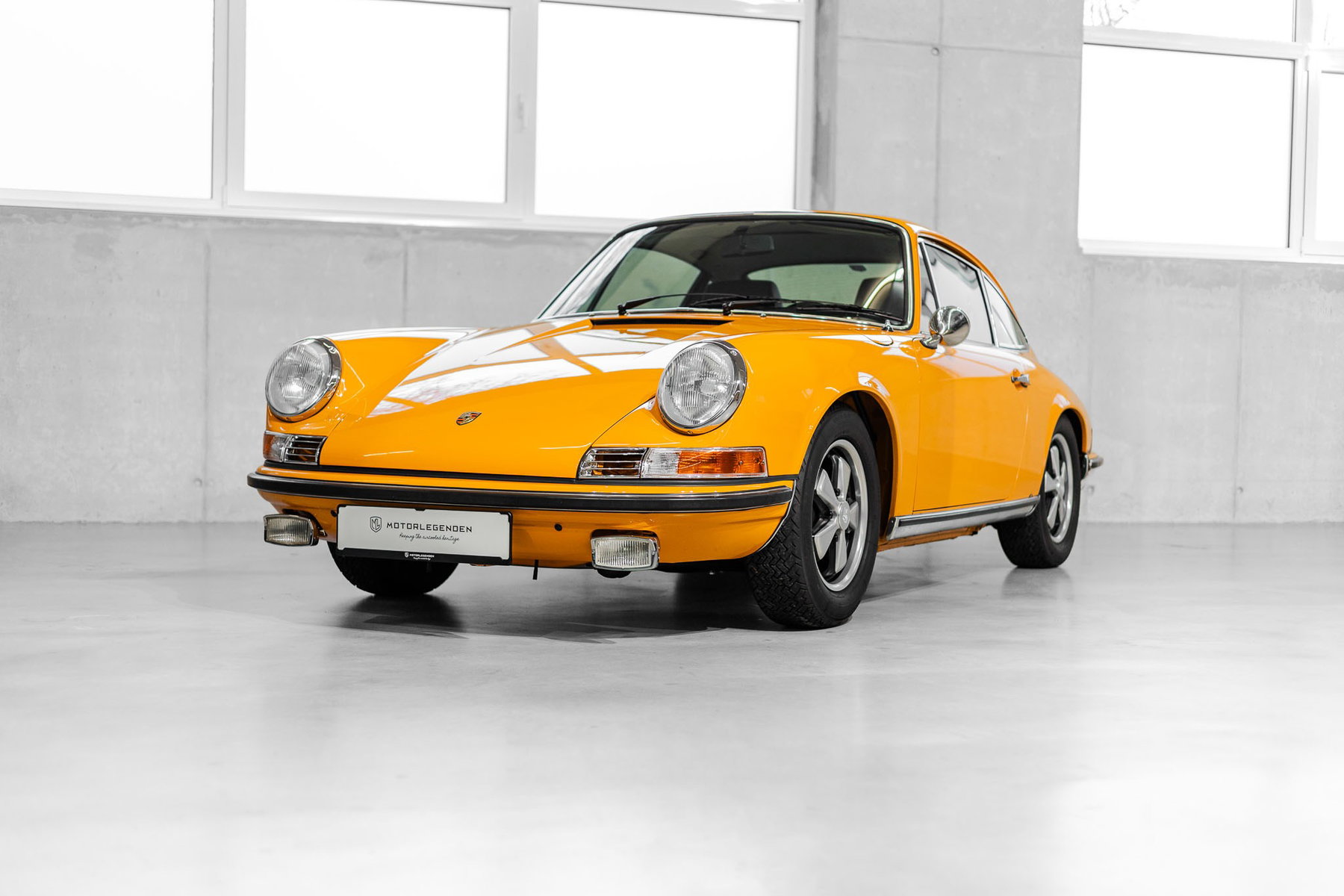
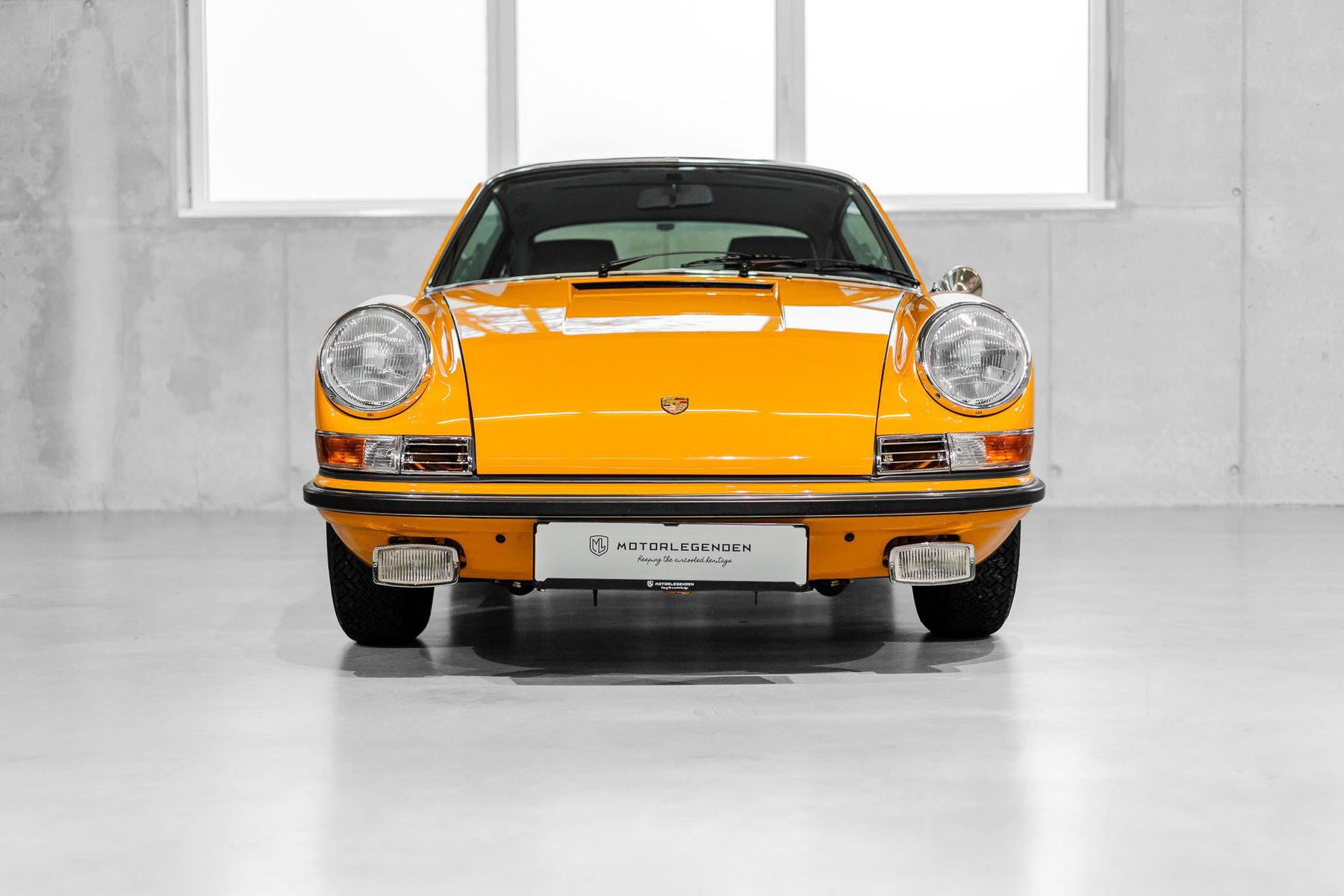
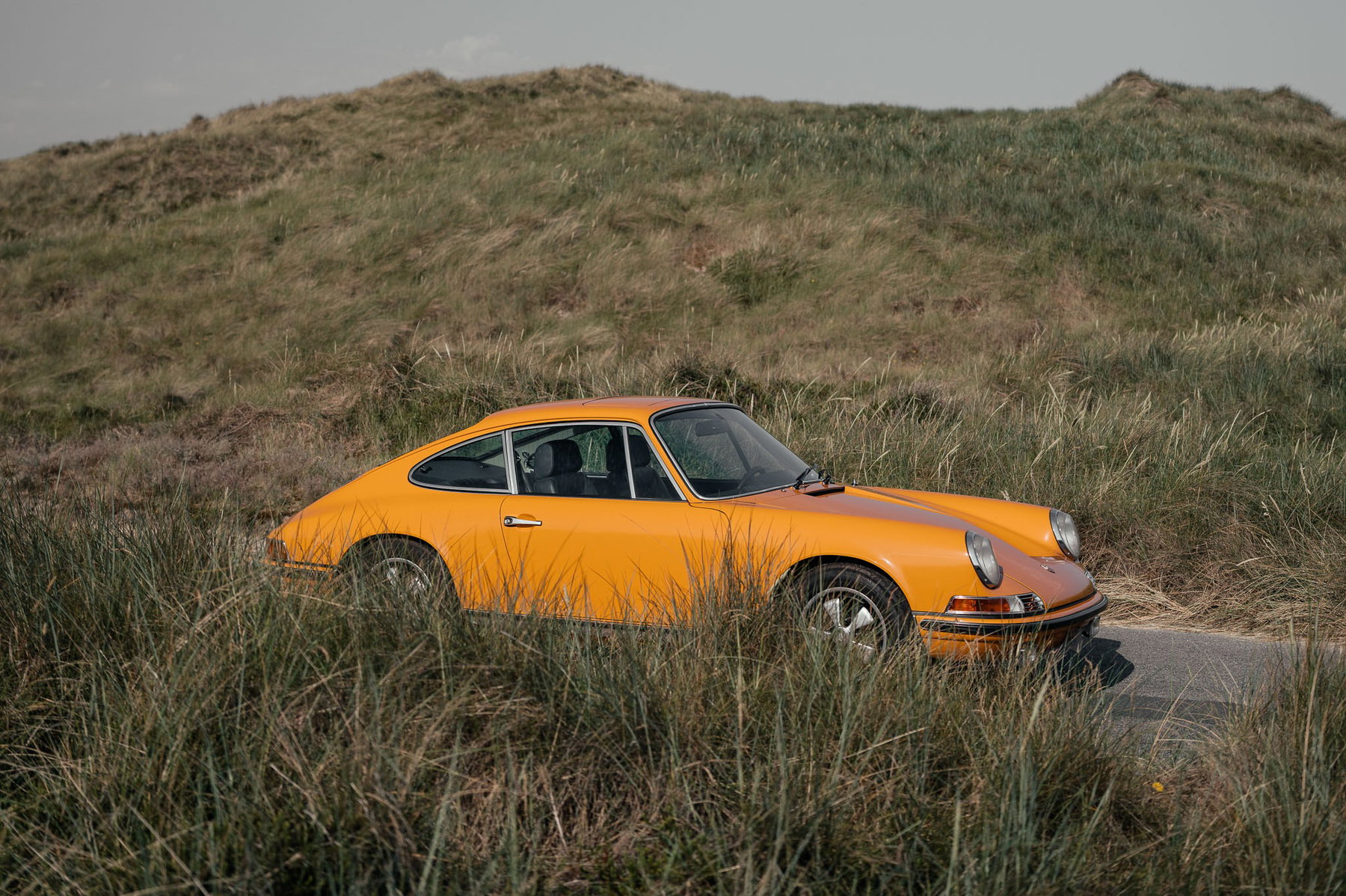
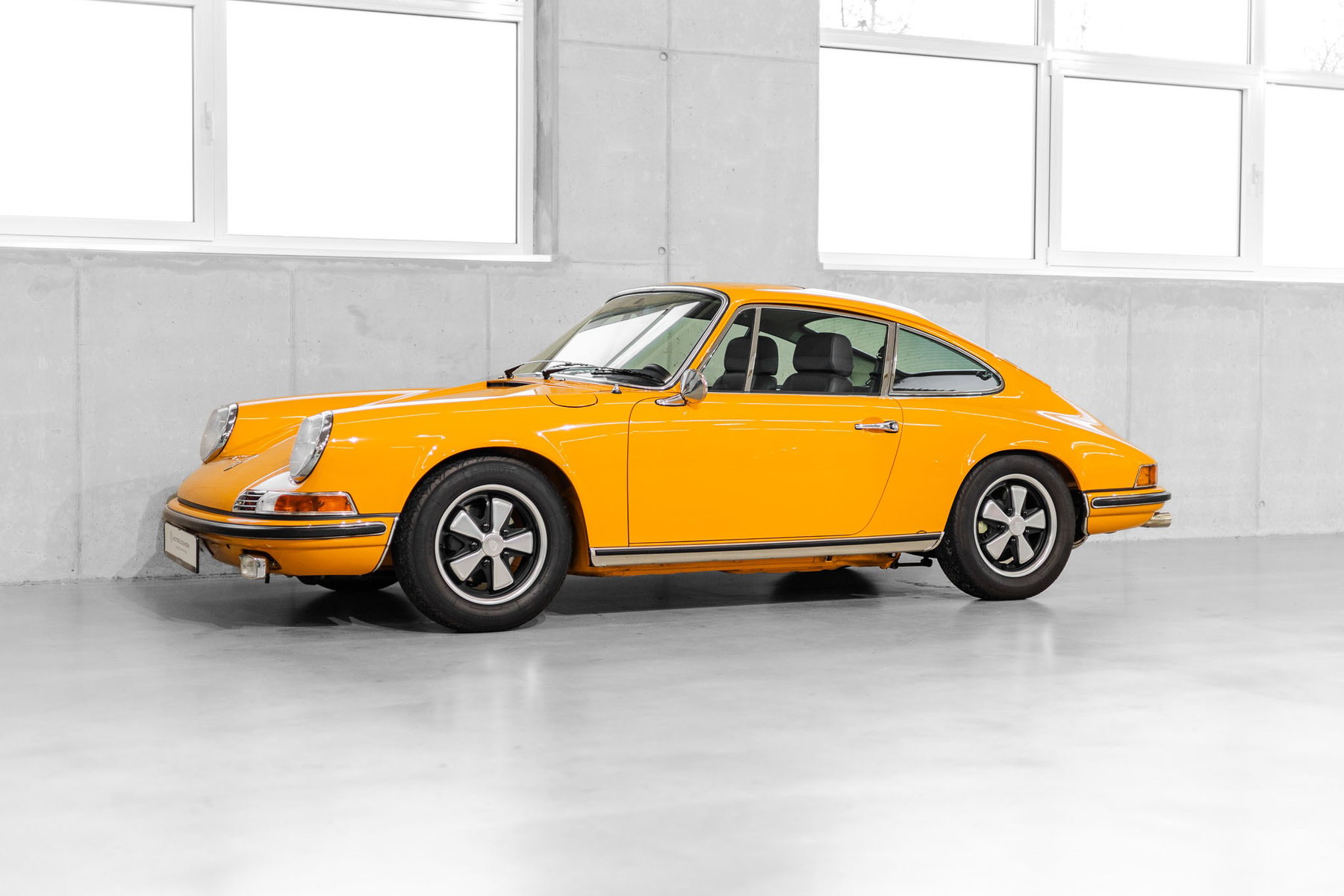
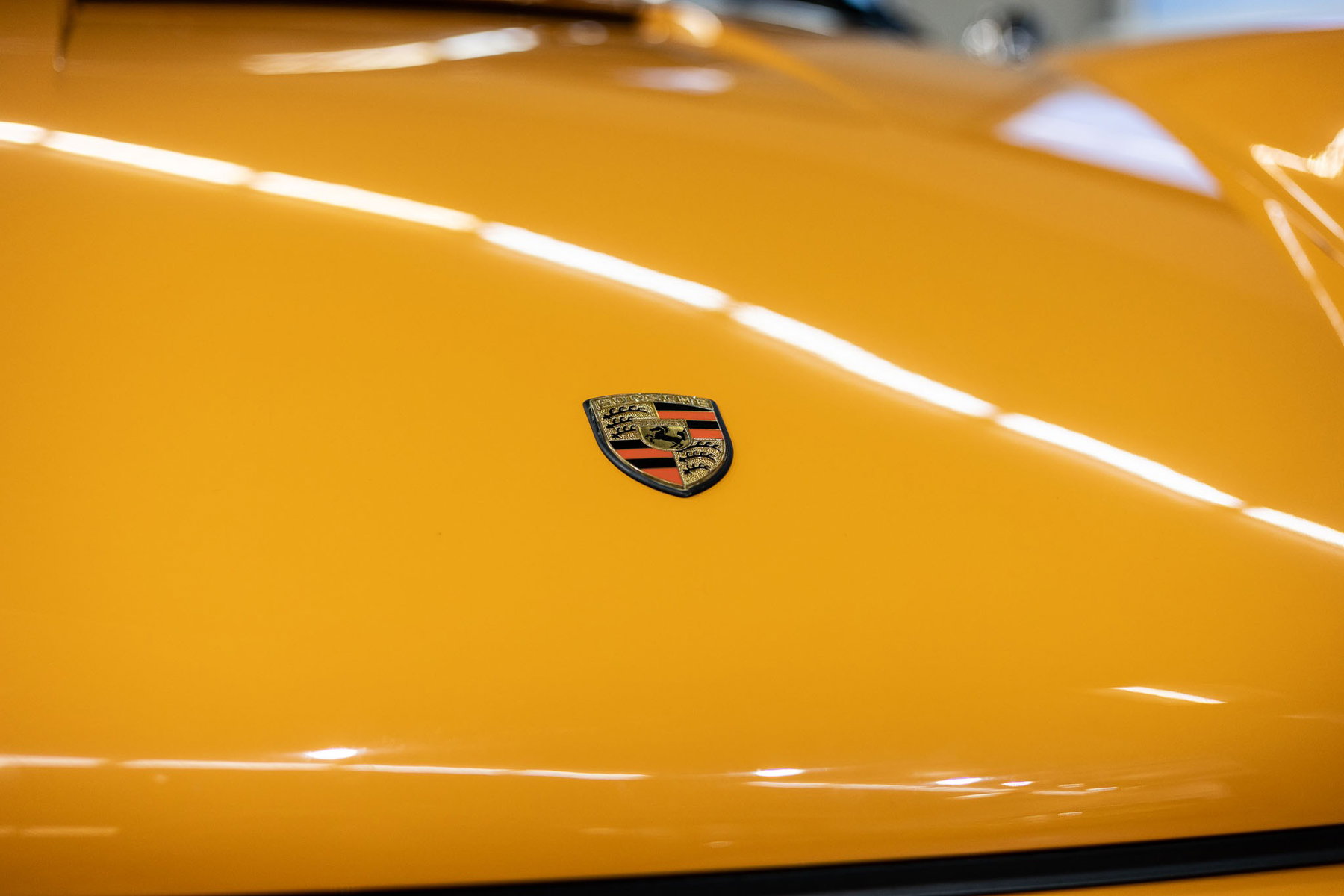
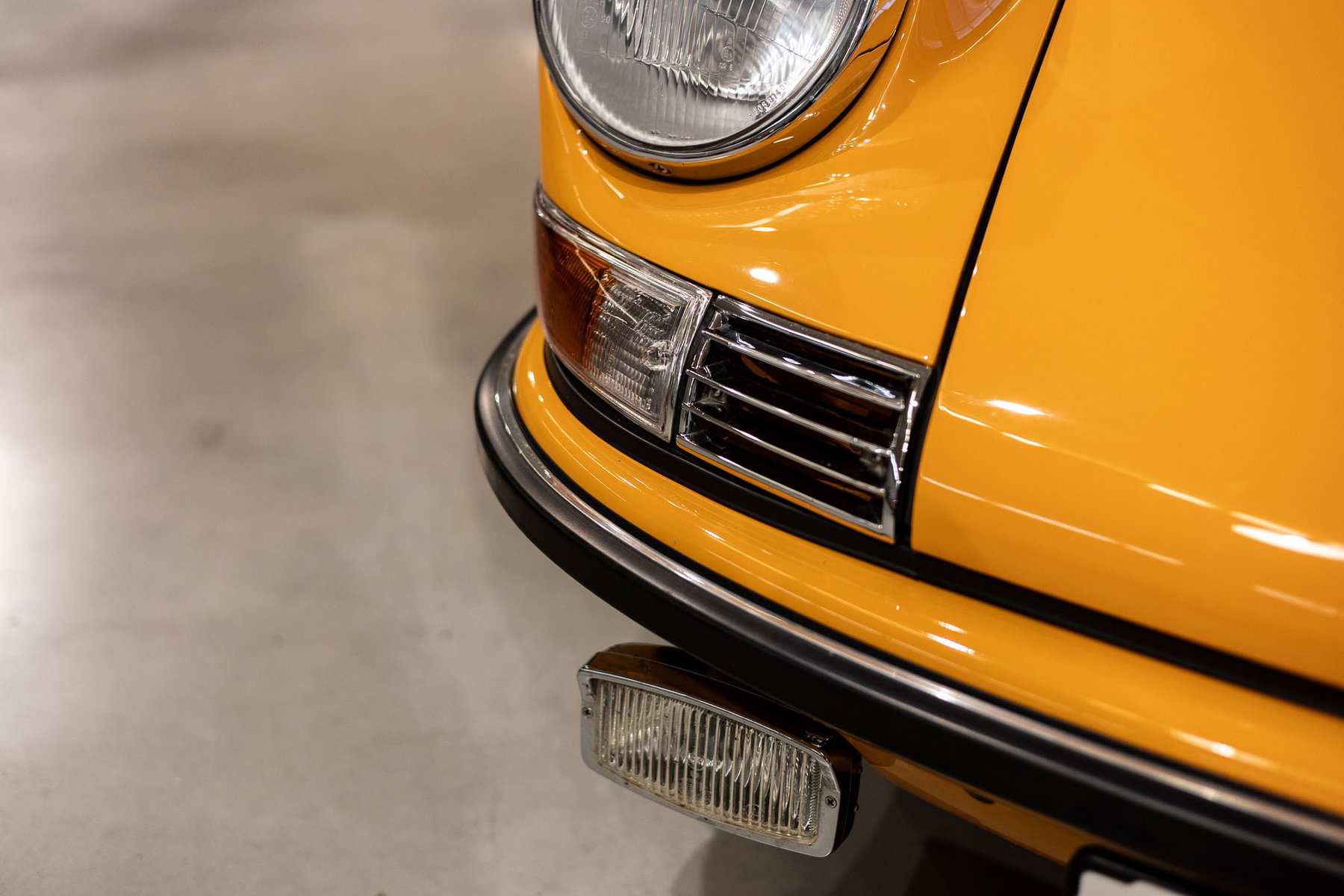
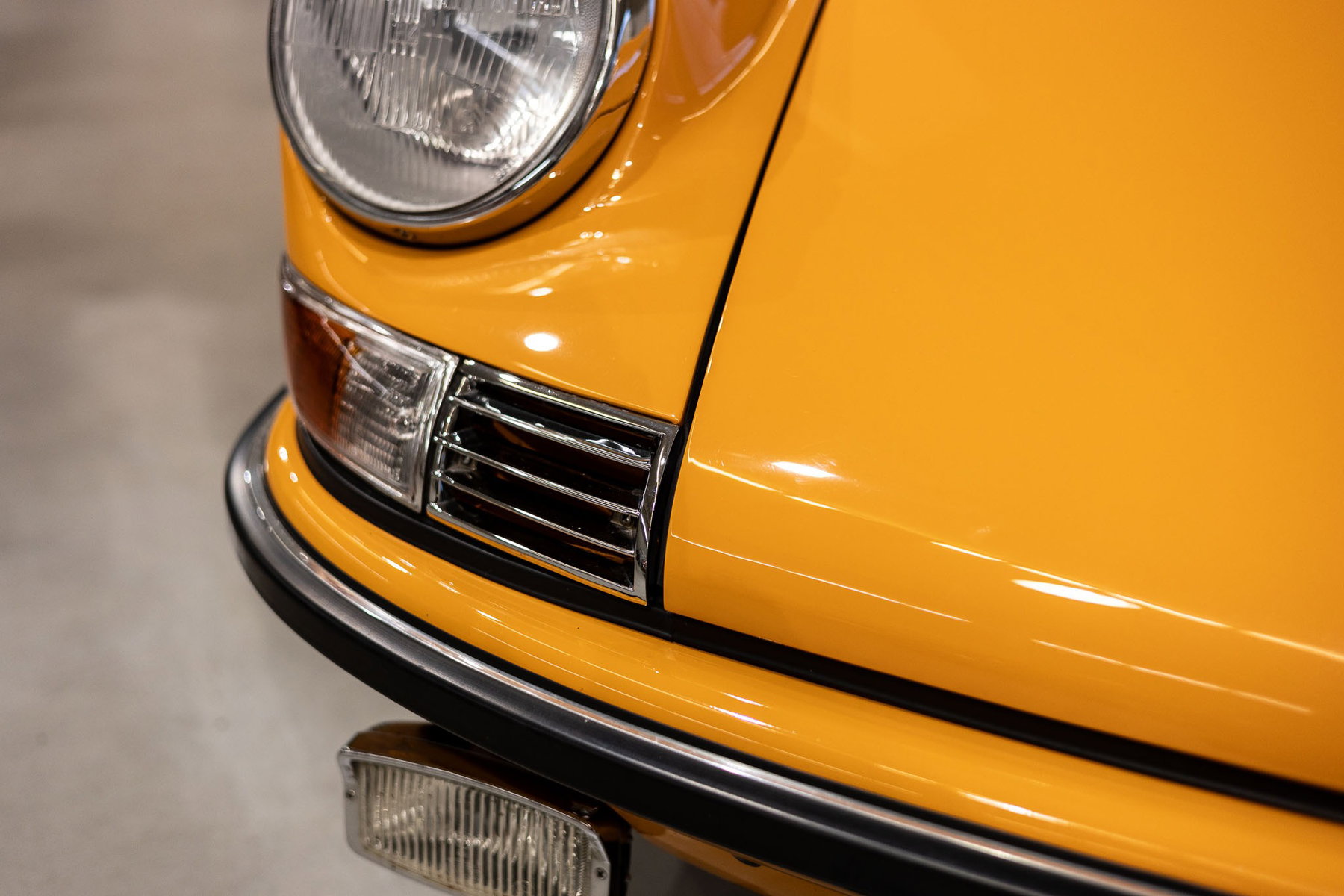
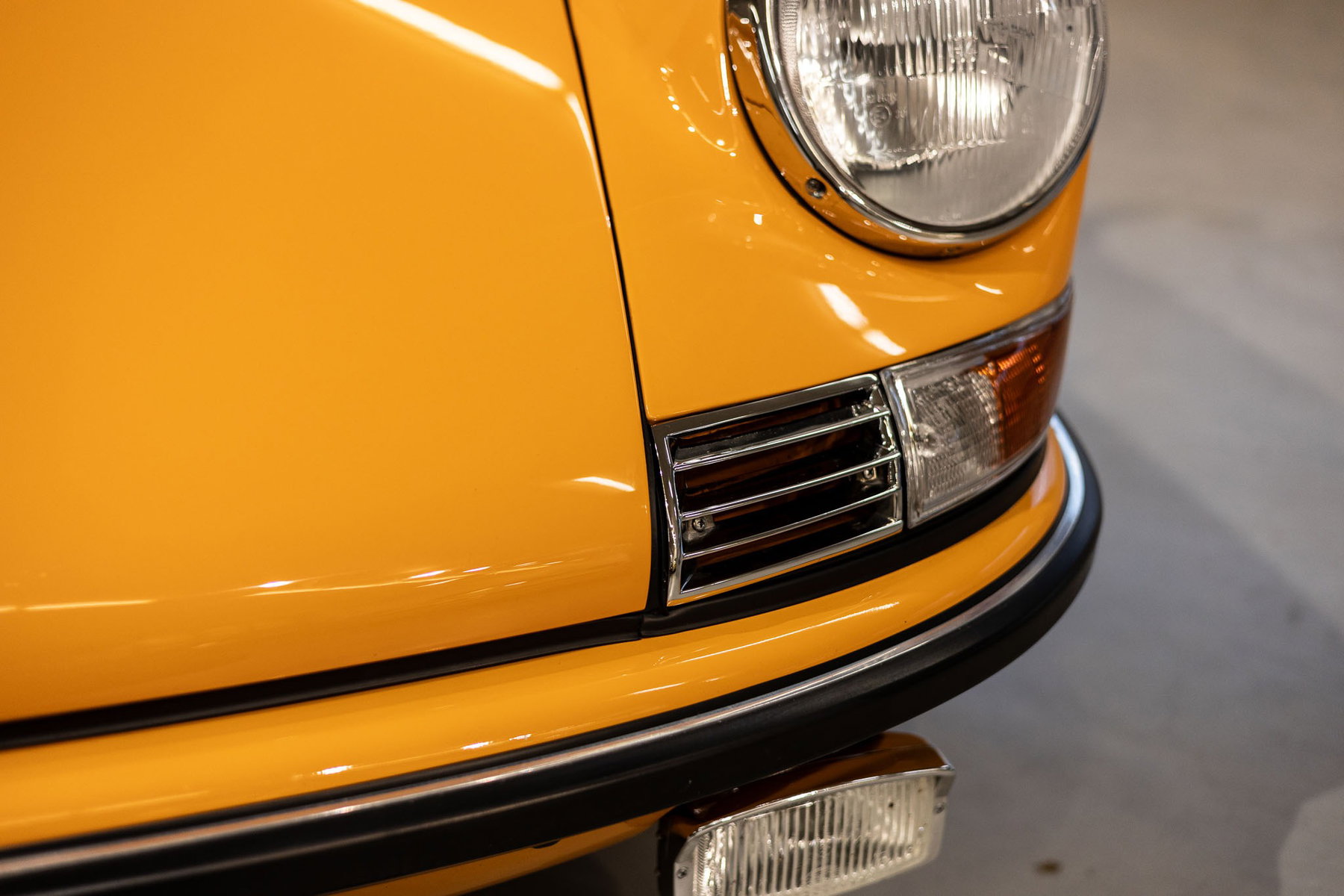
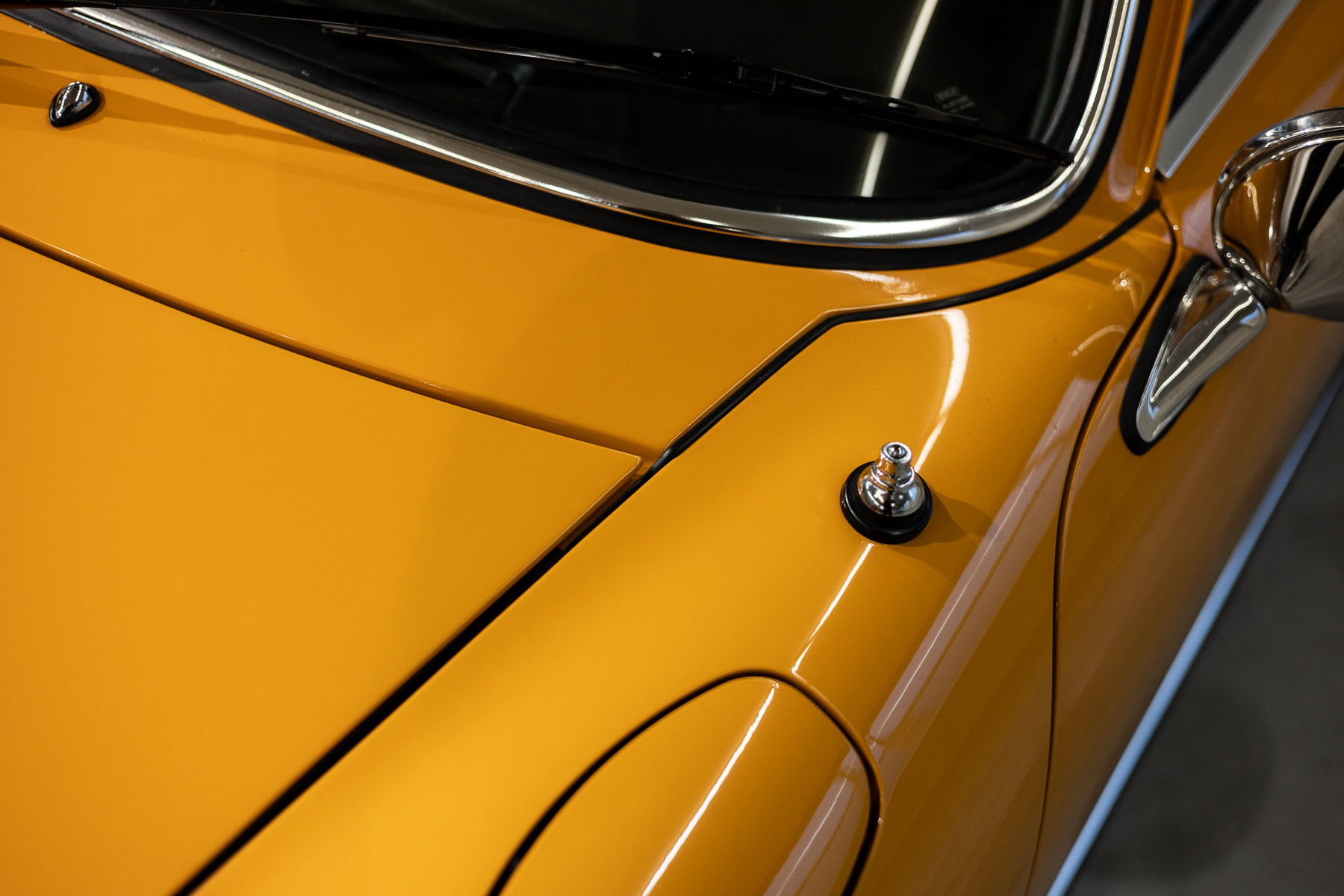
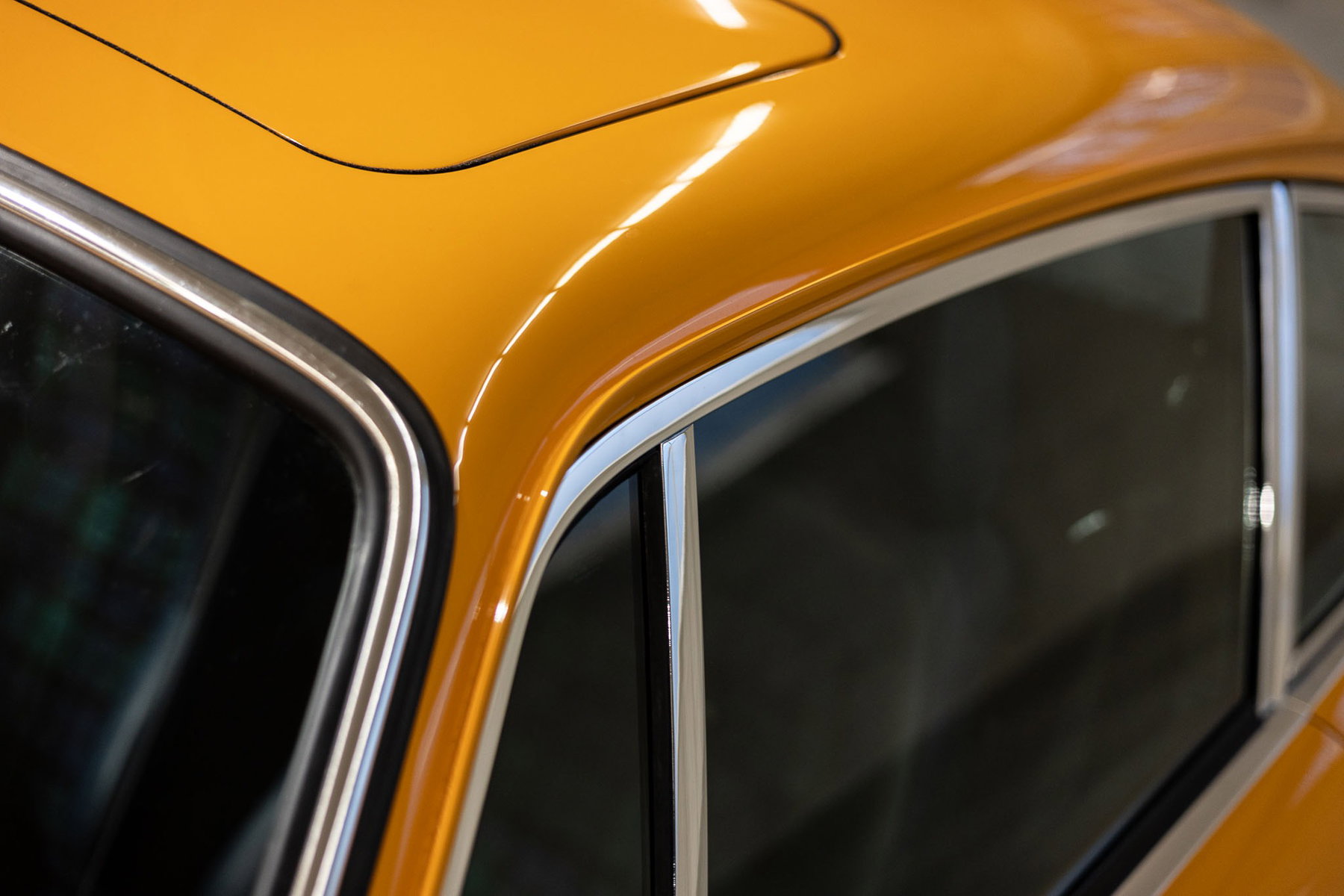
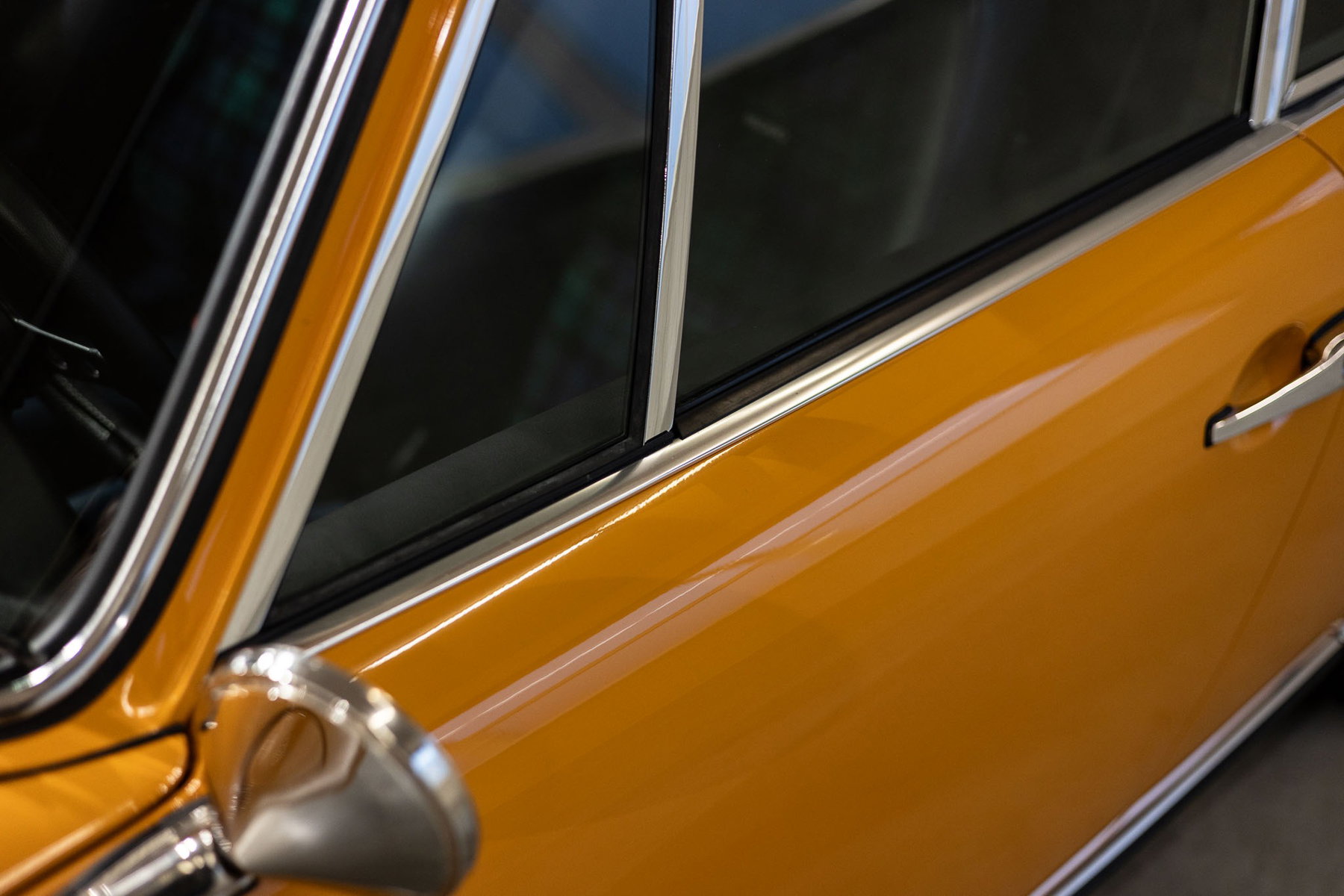
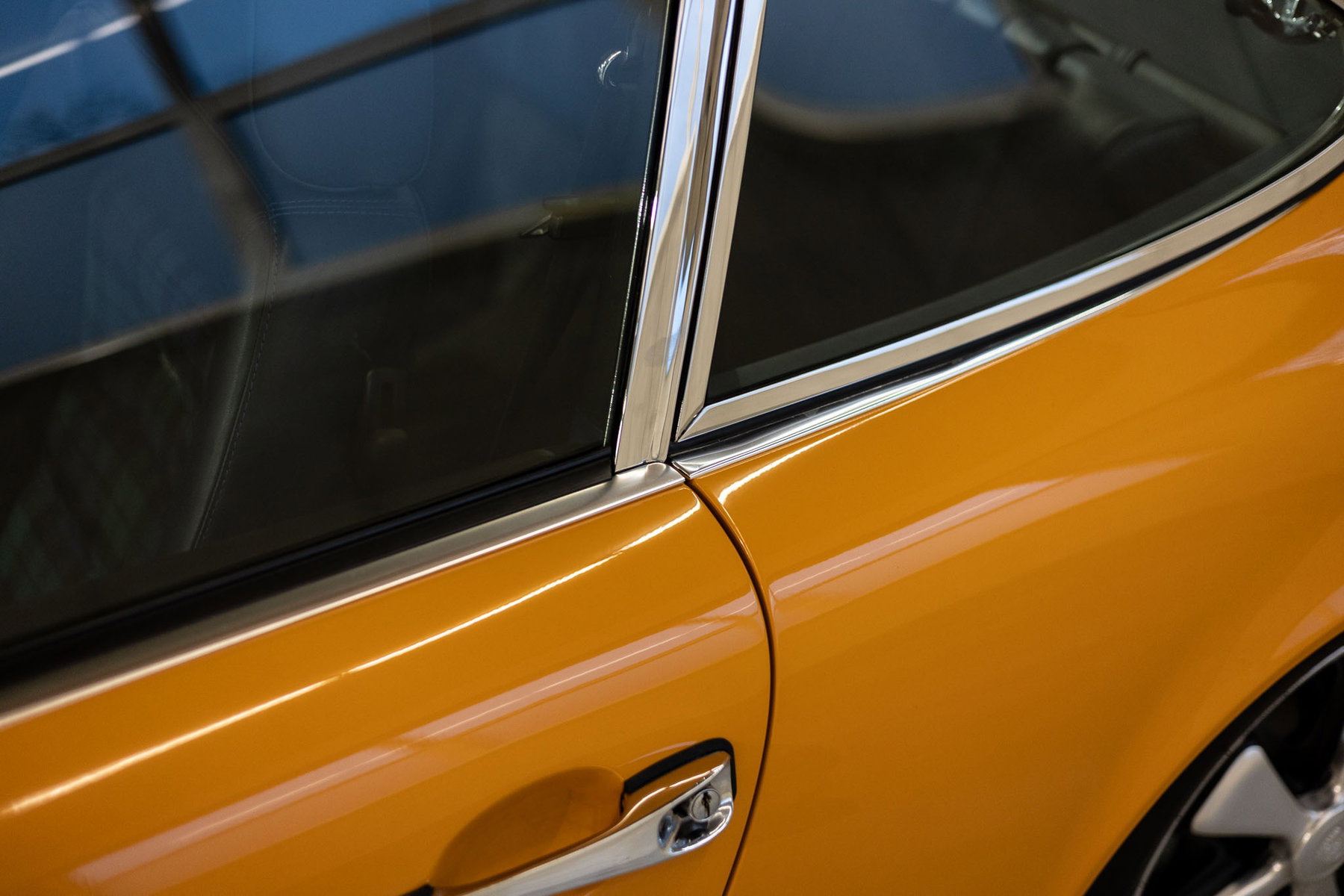
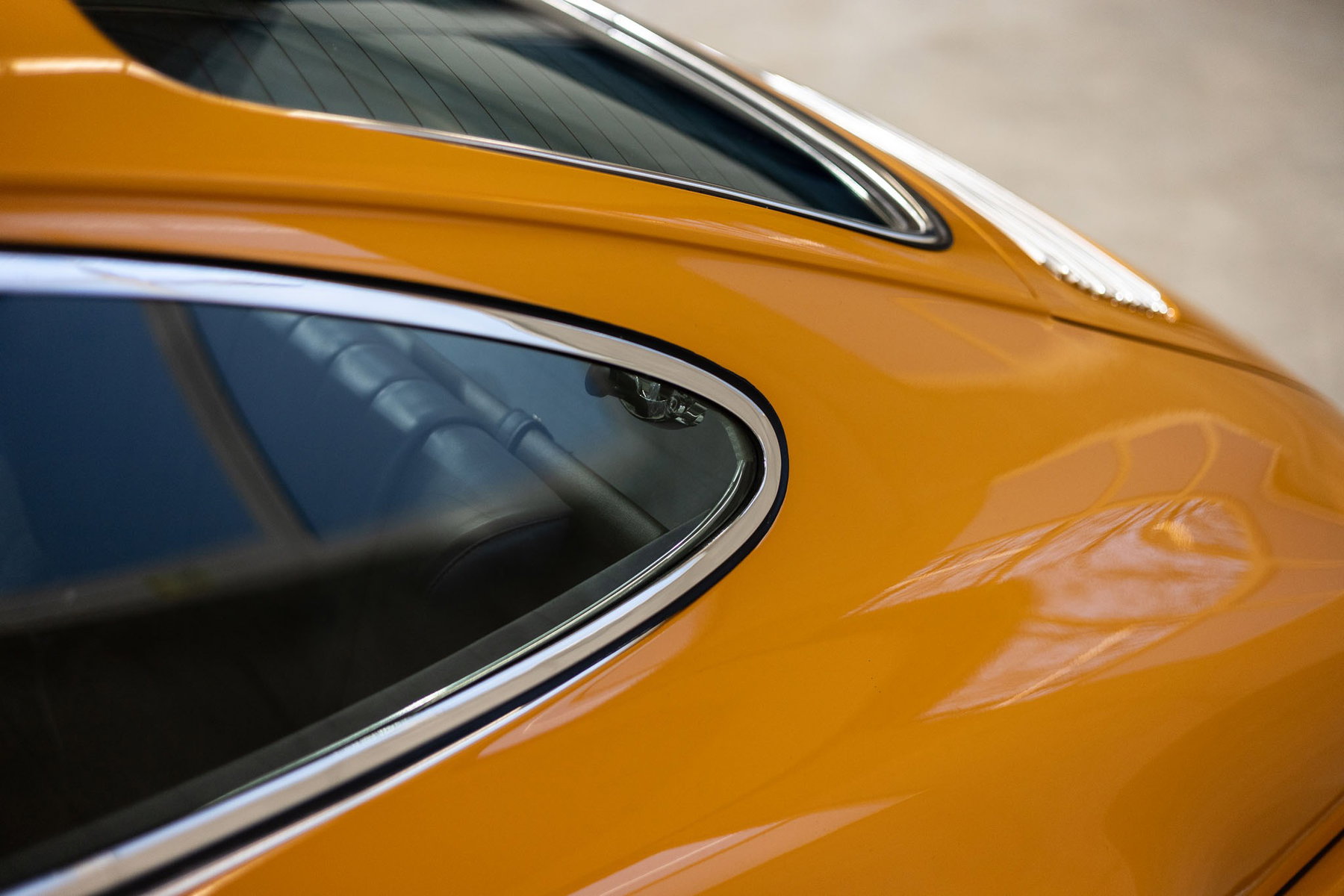
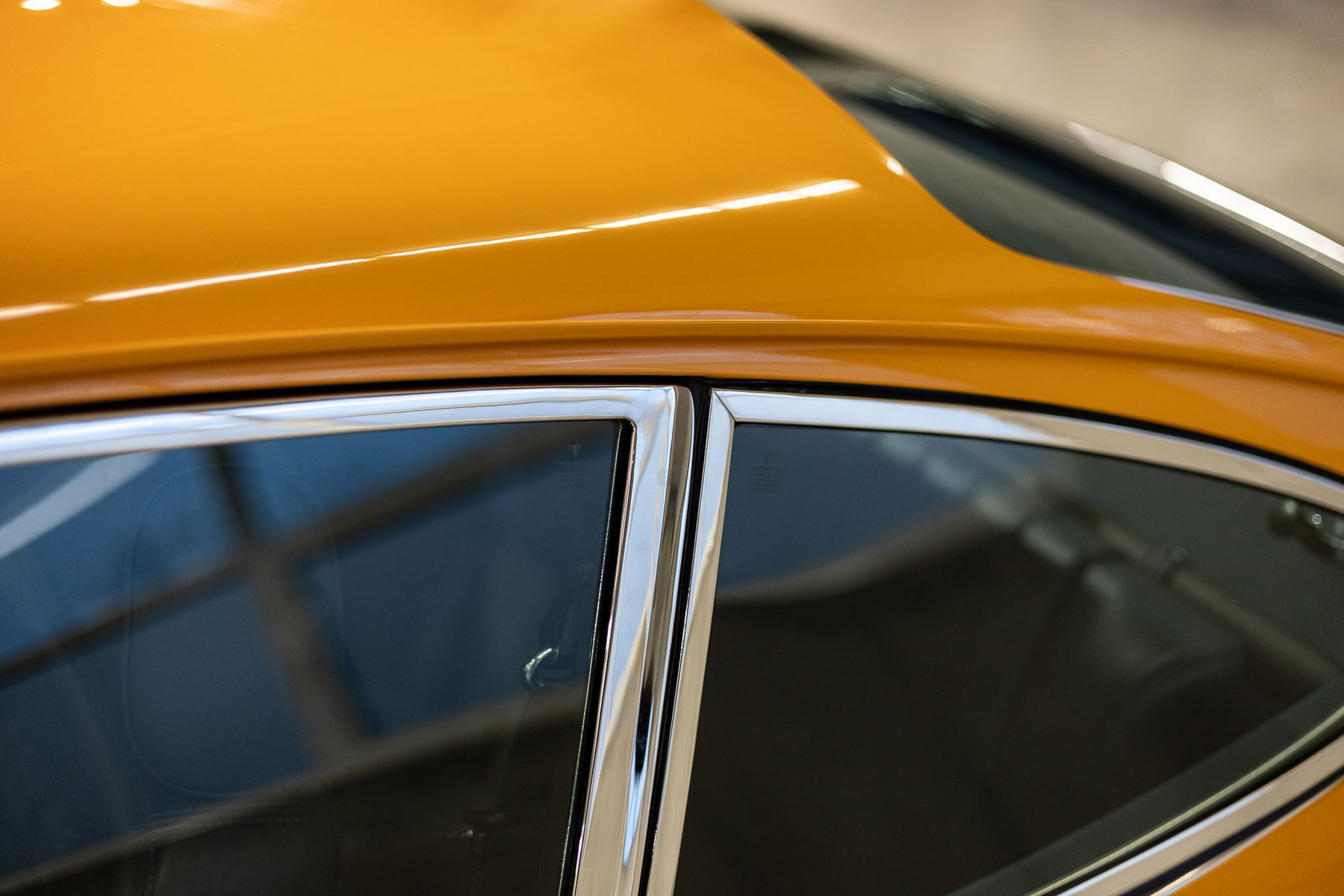
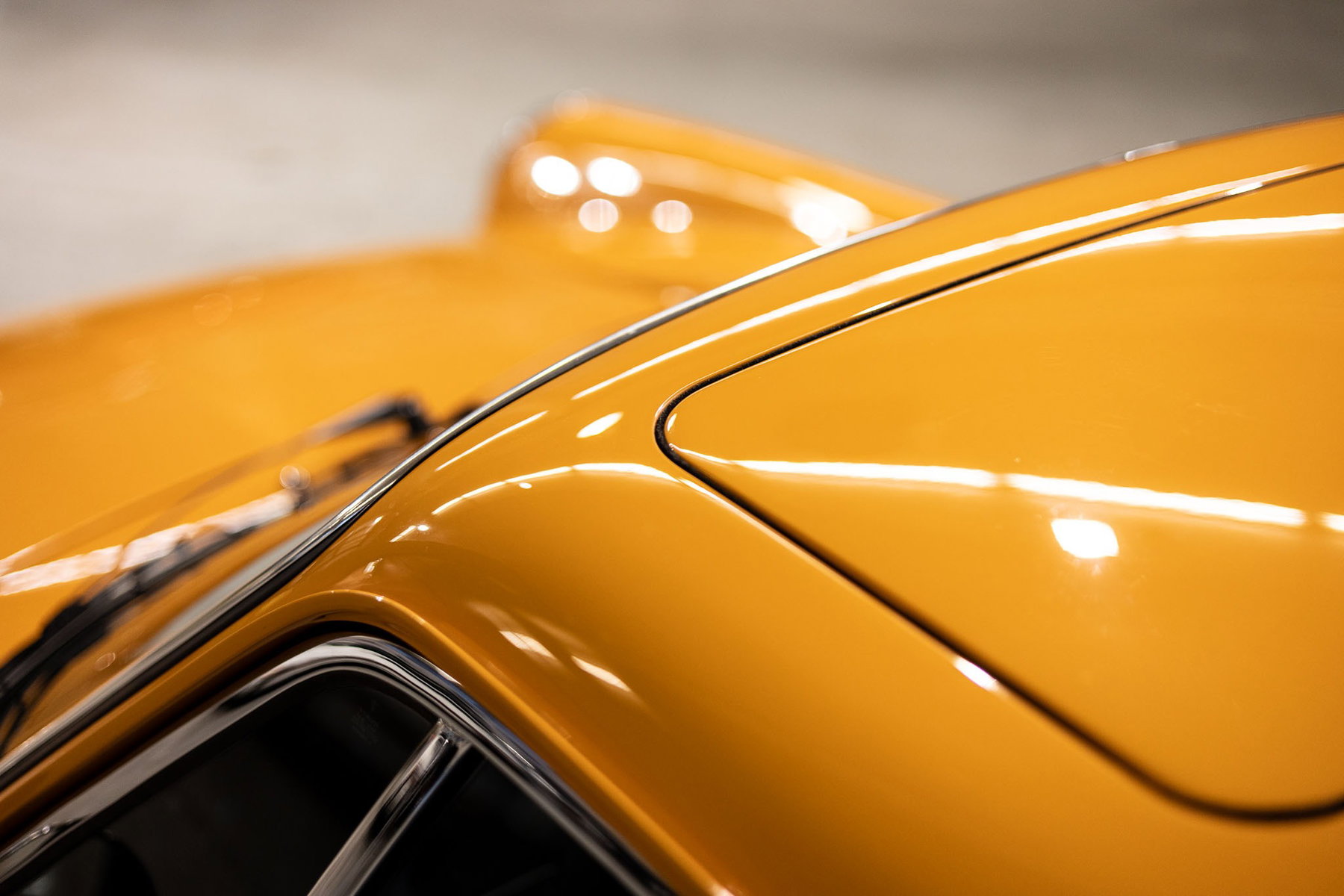
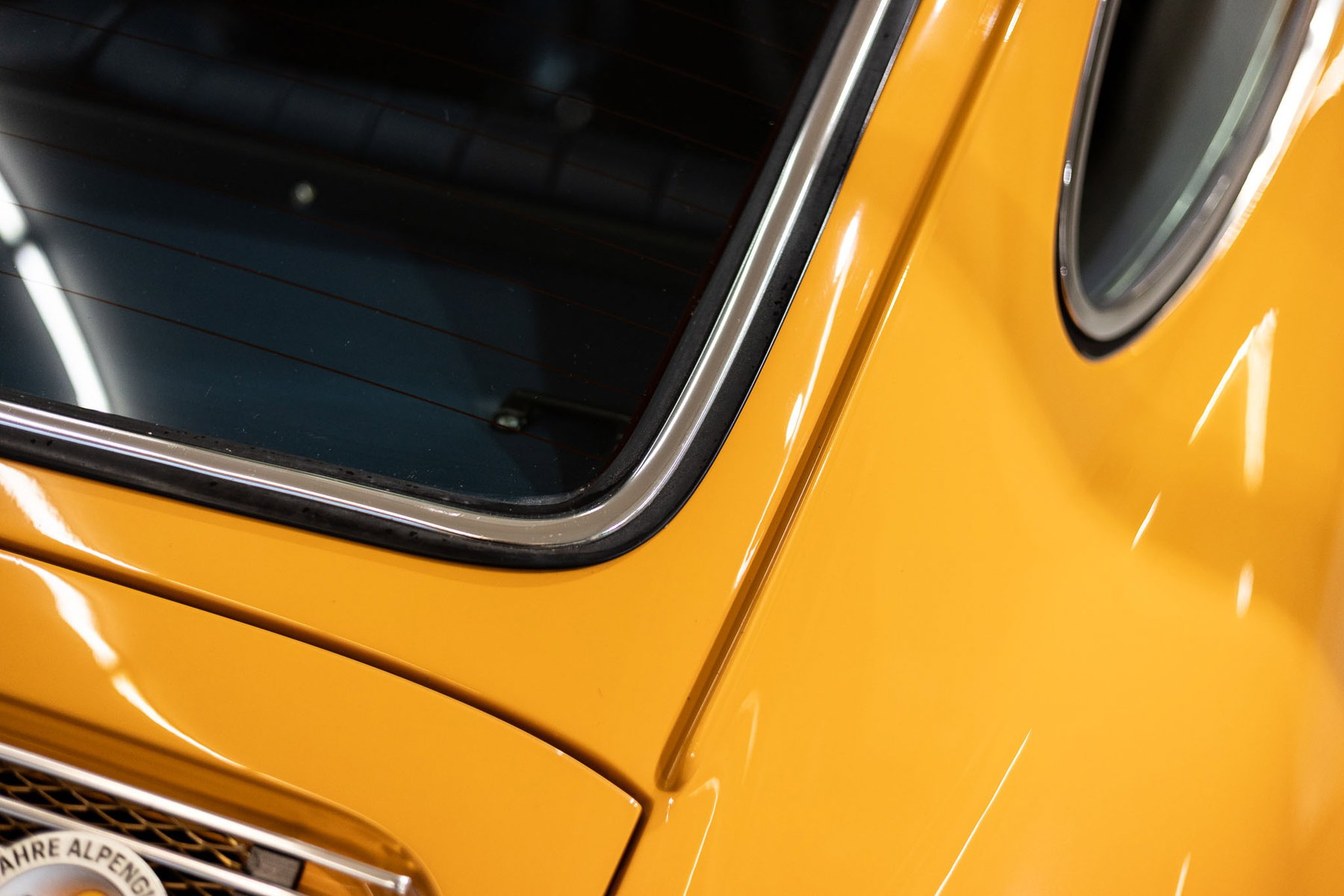
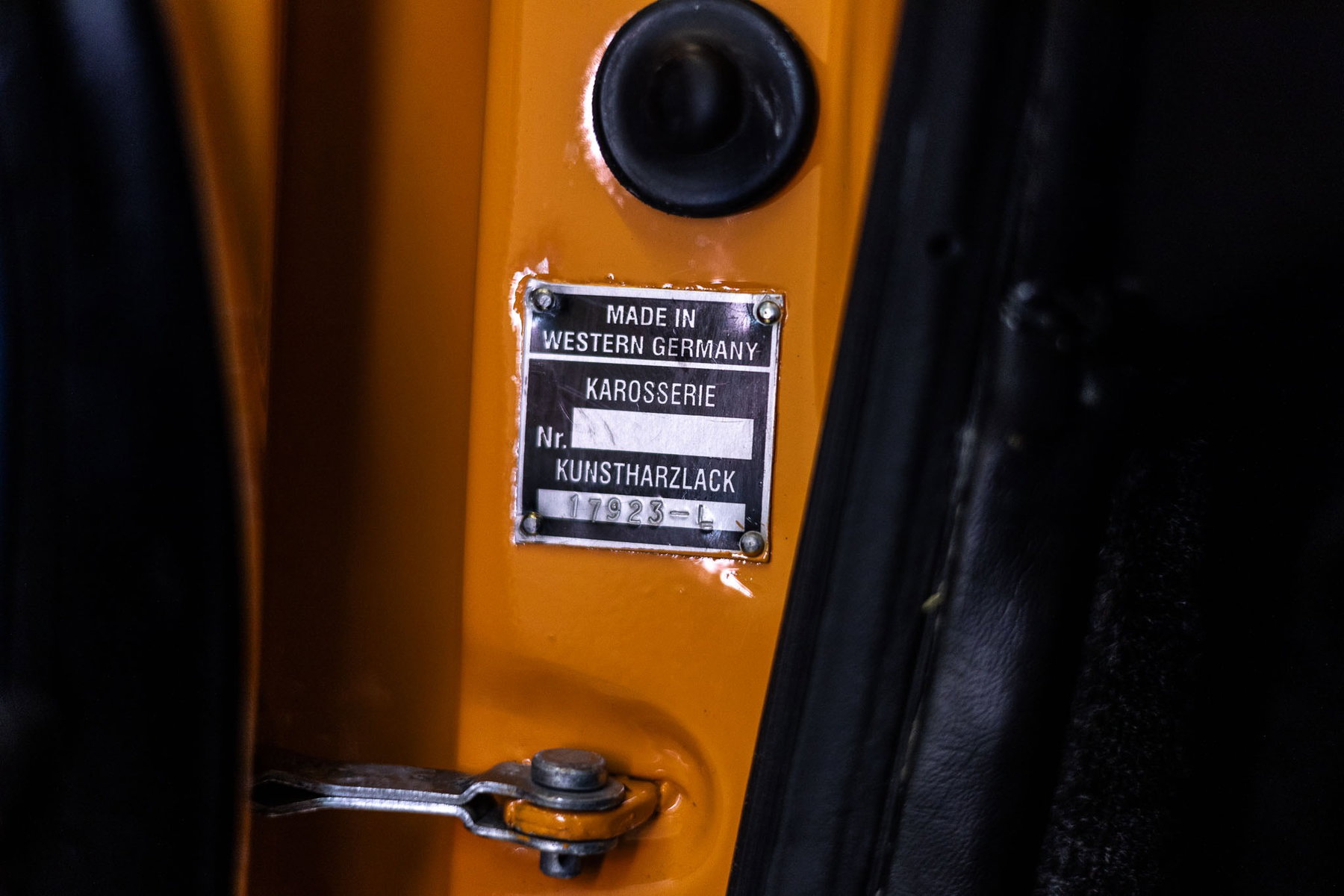
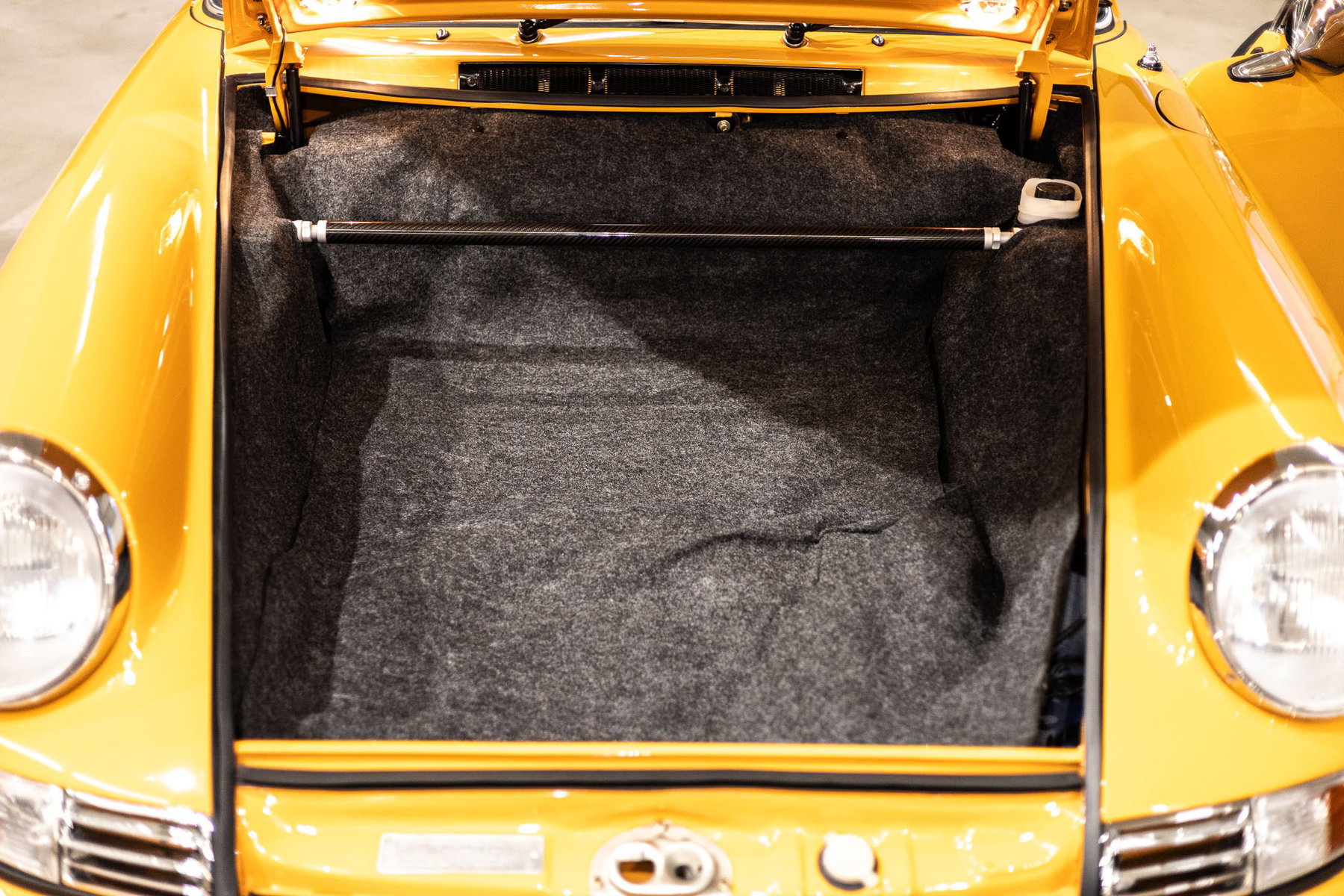
LA1A stands for Mandarin Orange. A color that could not be ordered as standard at the time and was applied to this Porsche upon special request.
Especially in combination with the shape of the early 911, it creates a look that is at once elegant, sporty, and unmistakable. The color is inextricably linked to the history of this special vehicle and gives it a personality all its own.
Restoration and Documentation
The restoration was comprehensively documented from the very beginning. Every single step of the process and every detail can be traced using the available records.
This means that not only is the result of the restoration documented, but also the process leading up to it. The available documentation makes it possible to trace the work performed down to the smallest detail and provides a high degree of transparency.
Particularly impressive is the high standard to which the vehicle was restored. The purchase and restoration costs totaled well over €350,000.00.
This is not a restoration that merely perfected the exterior condition. Rather, care was taken to create an overall picture in which quality, functionality, authenticity, and character come together to form an extraordinary whole.
The result is a Porsche that feels like a new car while remaining exactly what it has always been.
A 1969 Porsche 911.
A Porsche for the road
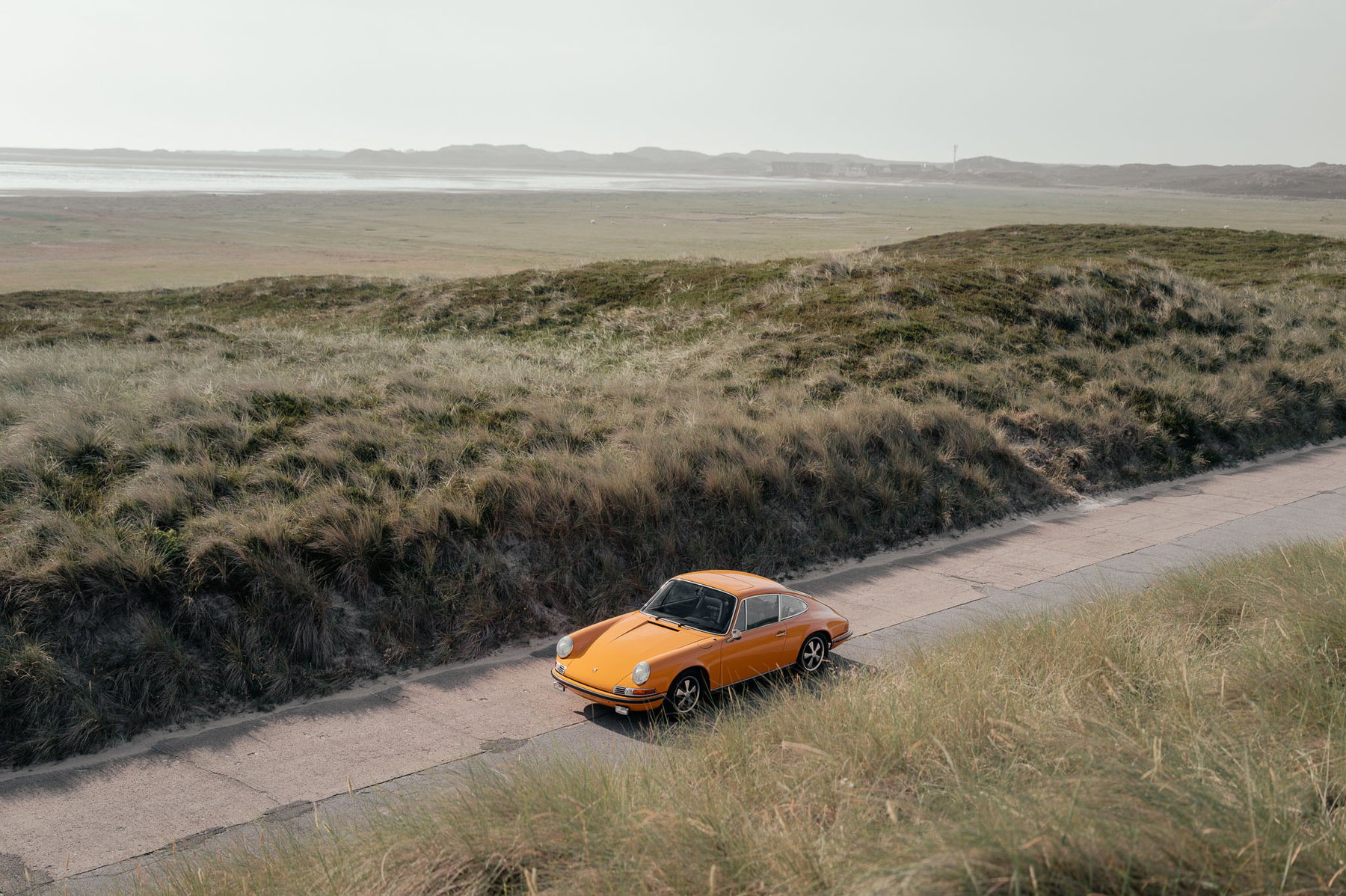
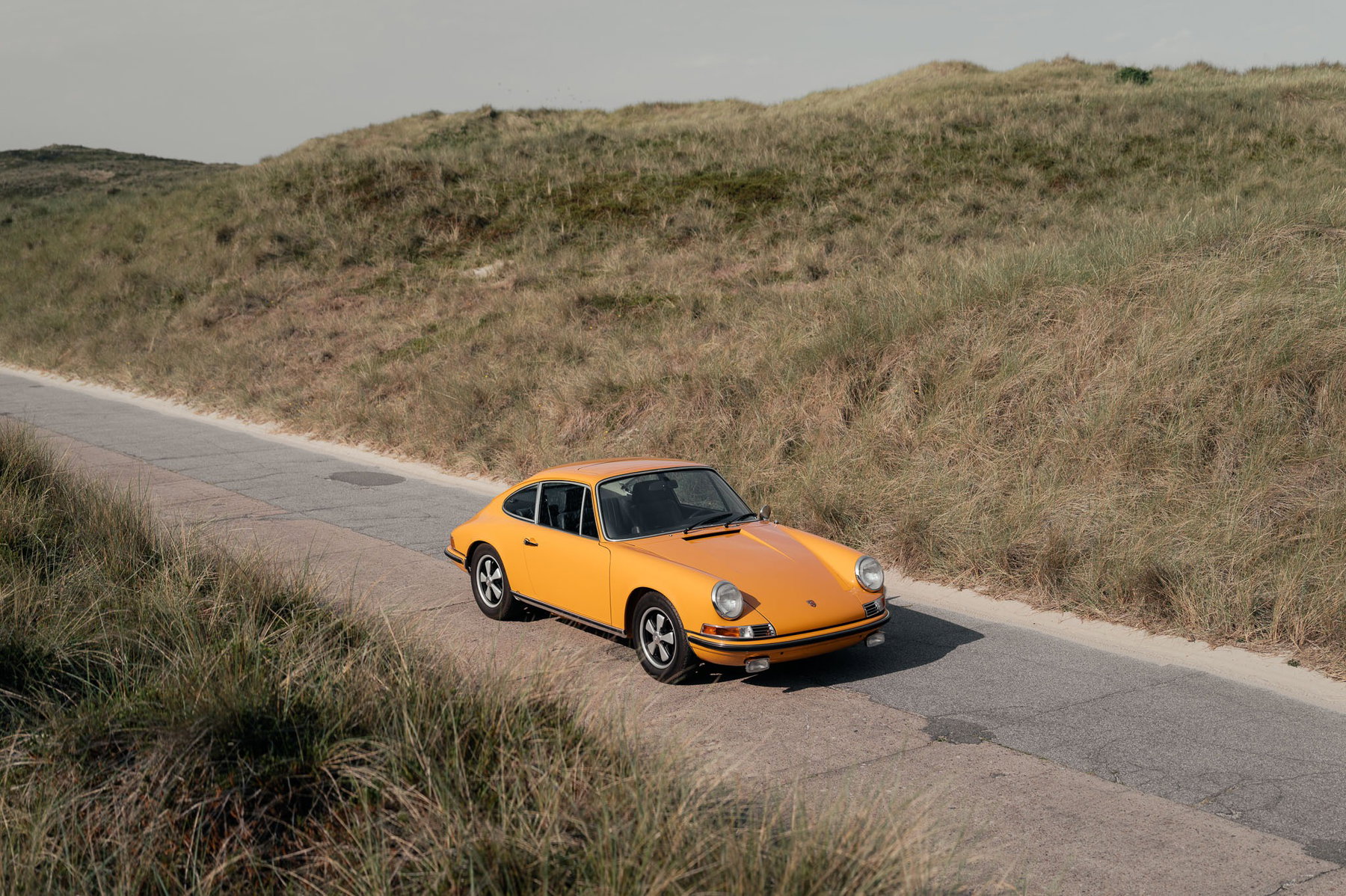
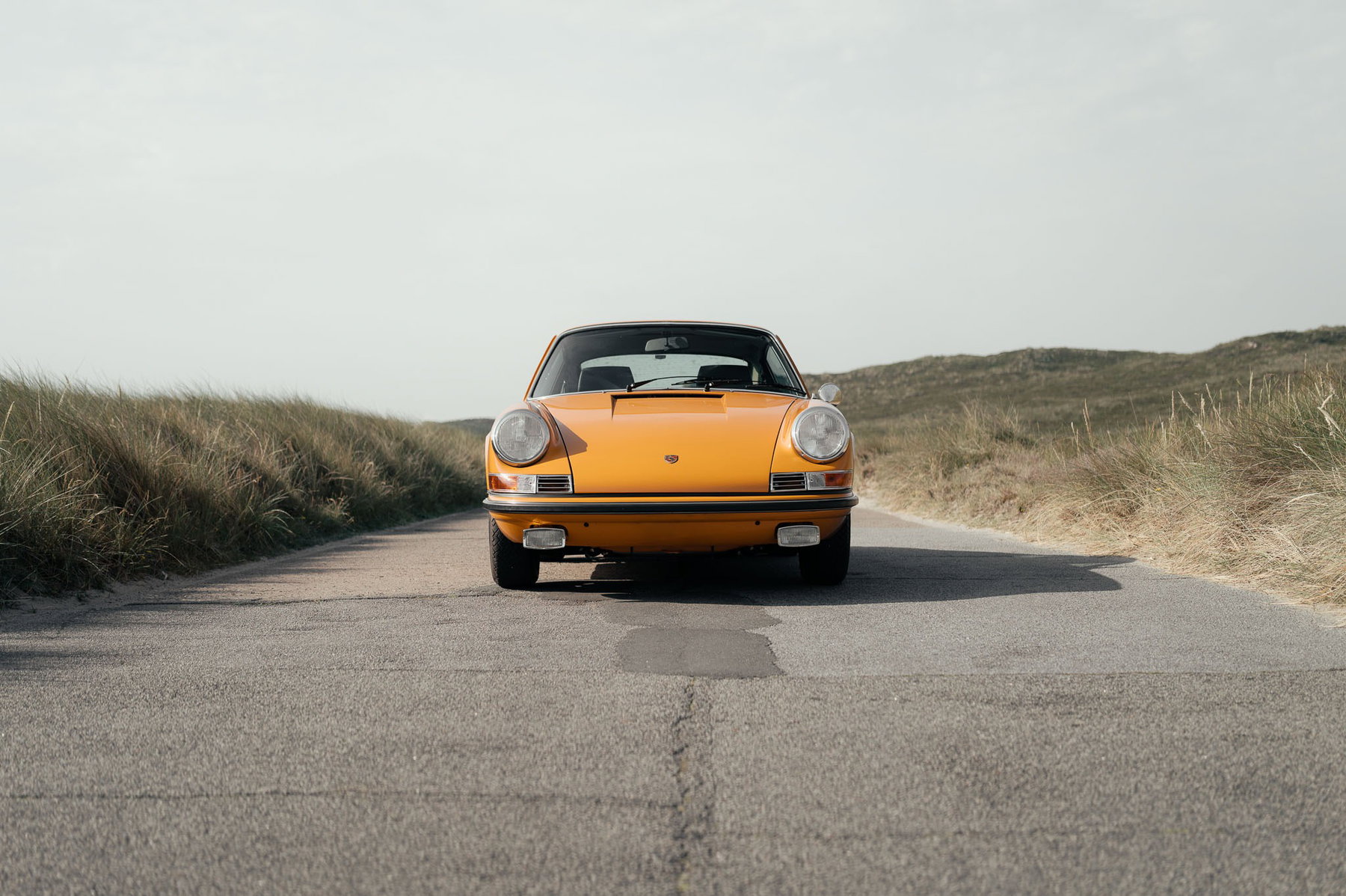
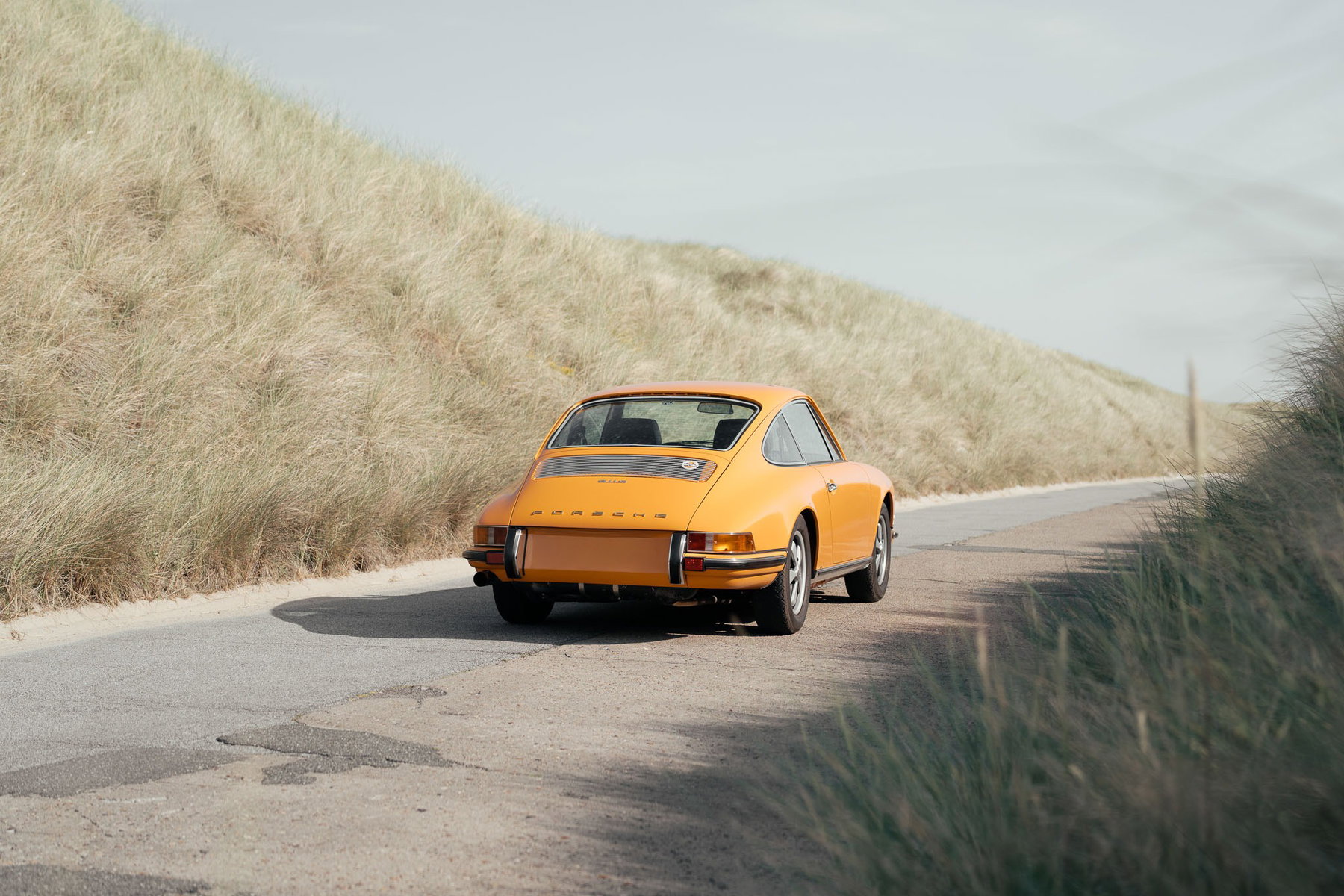
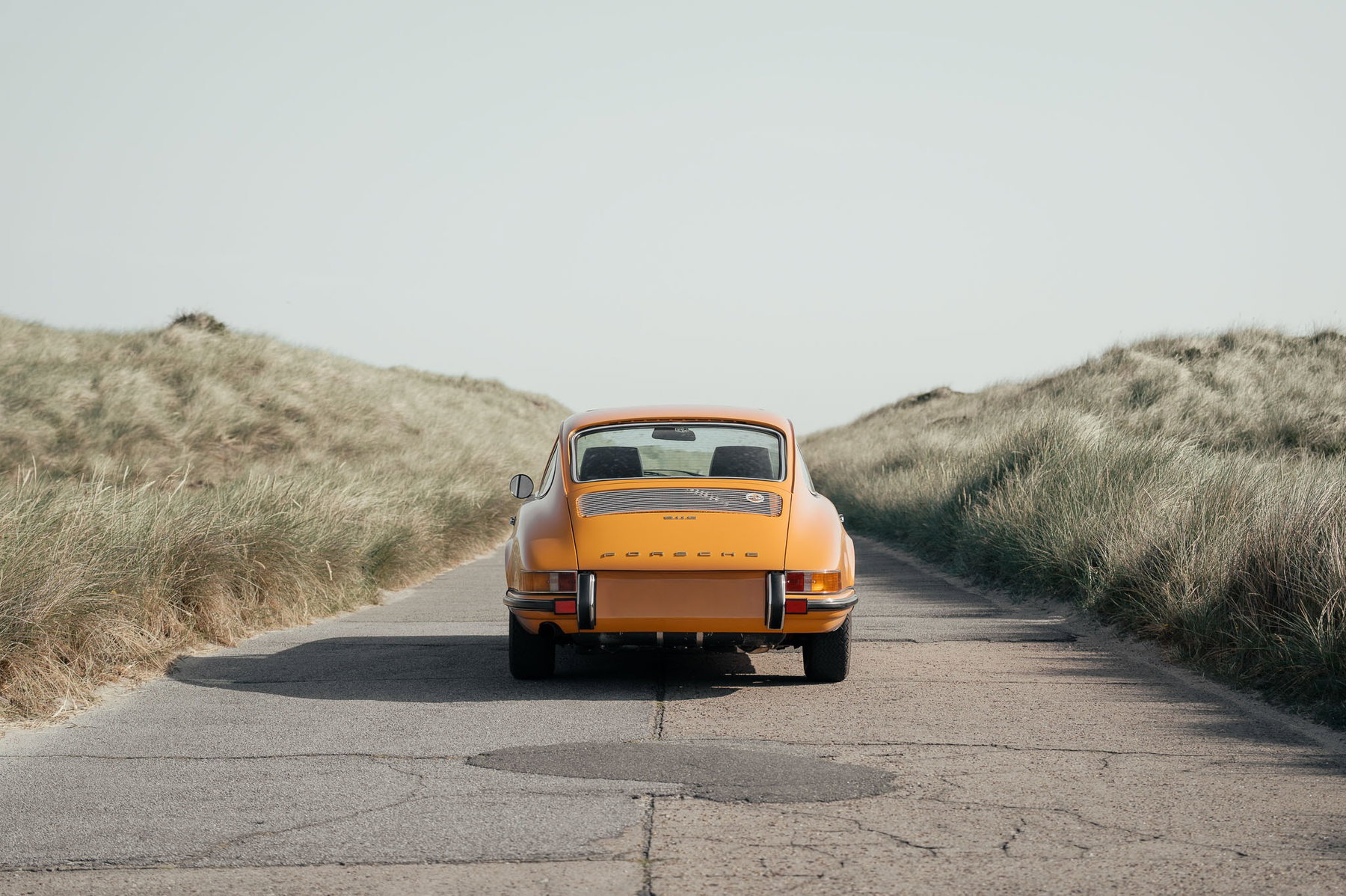
The best way to see just how impressive the result is is right where a Porsche belongs: on the road.
This year, we drove this 911 S to the Petro Surf Event on Sylt. Not on a trailer, but under its own power and over a long distance. Despite very high outside temperatures in July 2026, the standard steel sunroof ensured pleasant temperatures throughout the entire trip.
It’s on a drive like this that you really see what makes this Porsche special.
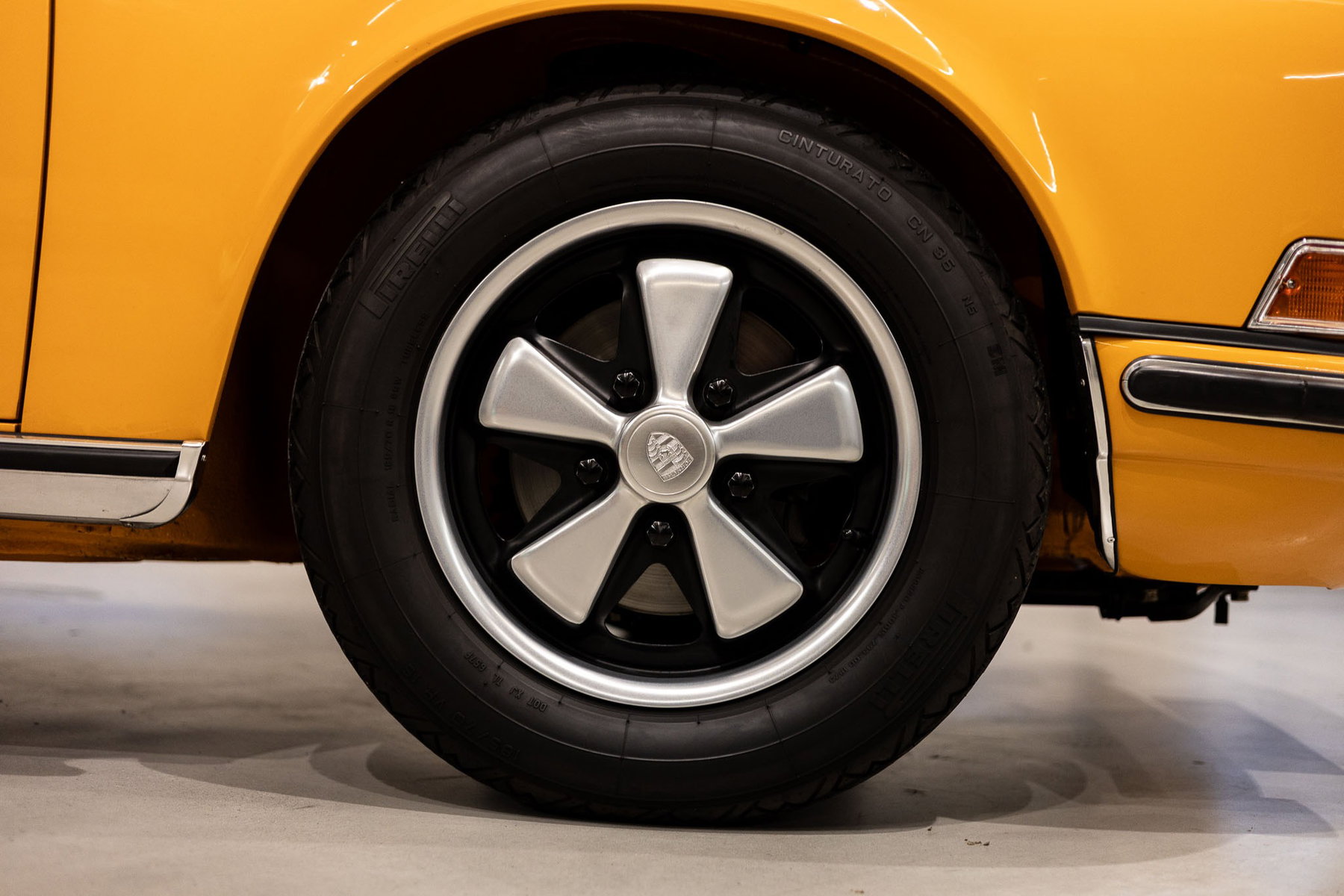
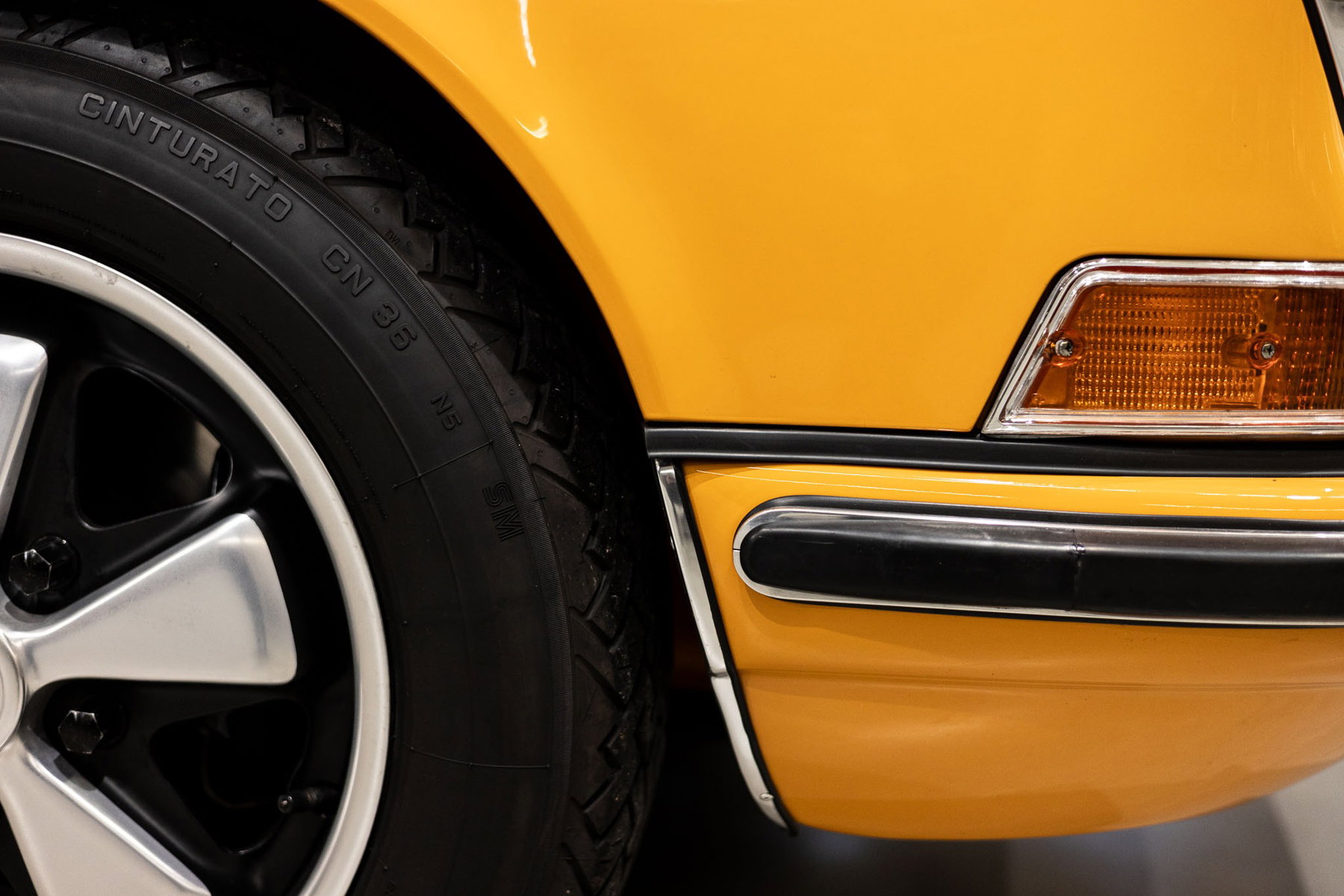
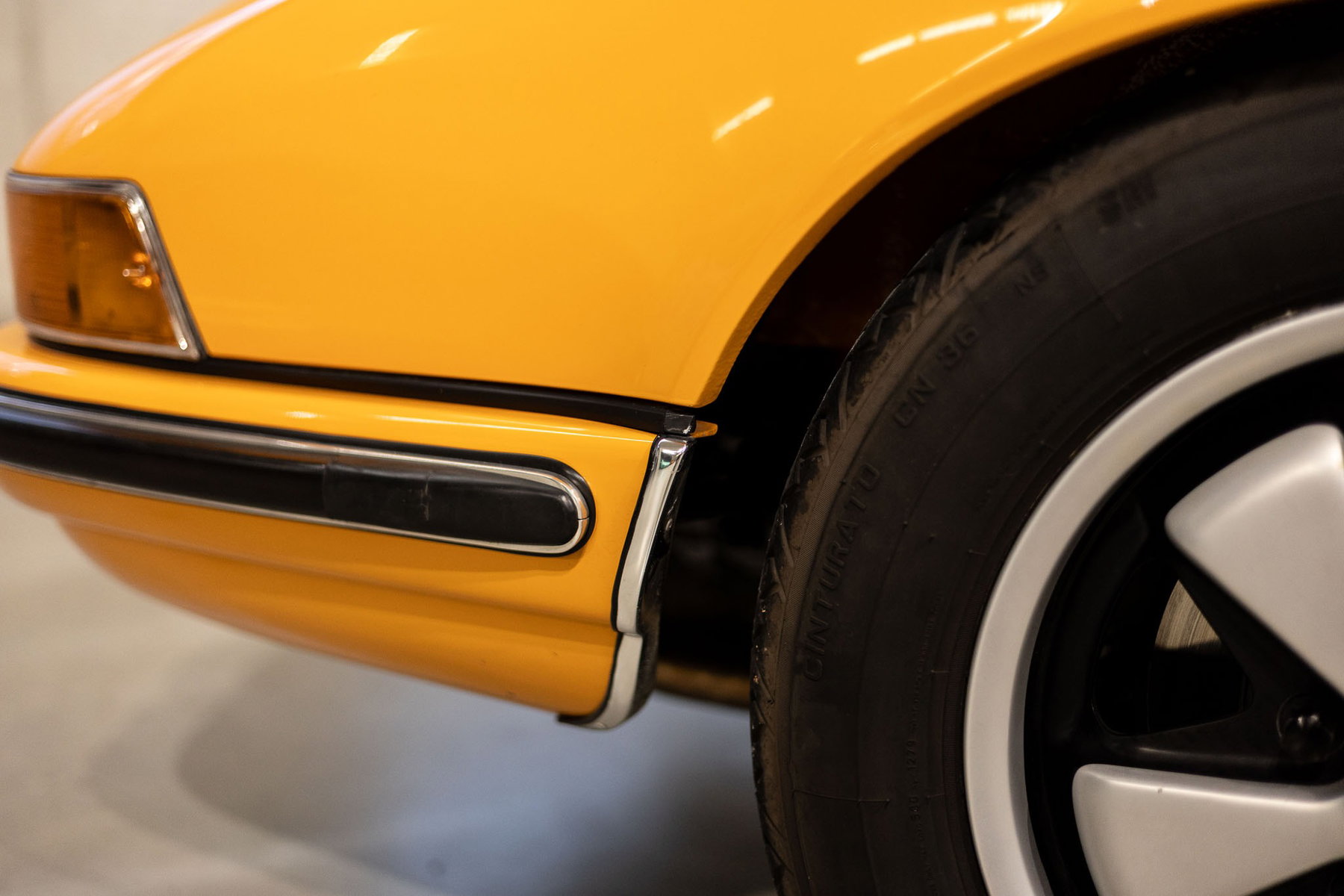
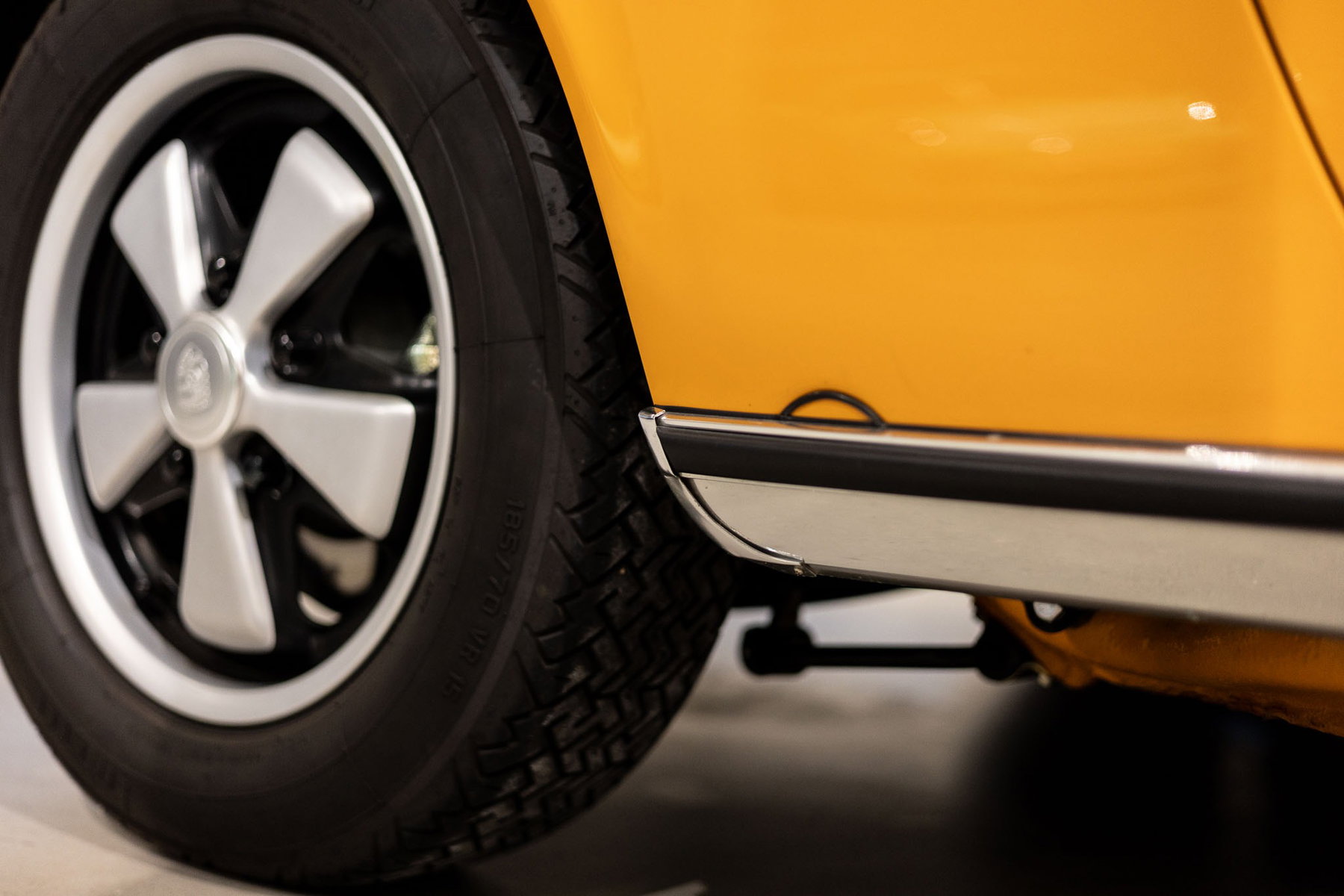
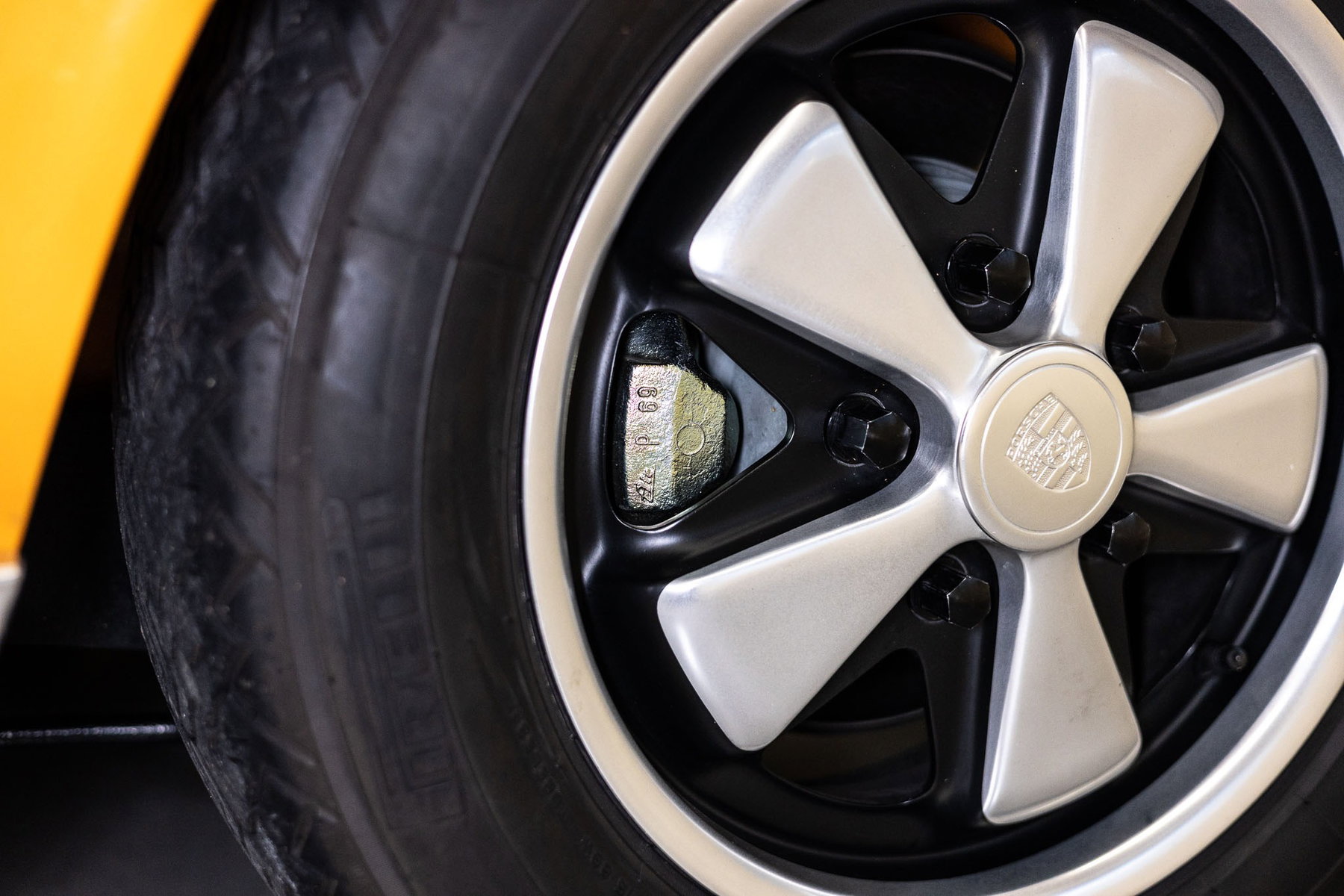
It conveys an extraordinary sense of safety and confidence. You can get in and drive off at any time, no matter how far away the destination is; this is certainly also due to the new Michelin tires, which feature a historic tread pattern, so that even this detail matches the spec sheet.
You don’t get that typical feeling with a classic car of constantly having to think about what needs to be serviced or repaired next.
Instead, you can focus on what a car like this is really all about.
And perhaps that is precisely one of the greatest strengths of this 911 S. It’s not just an exceptionally beautiful classic, but a car that gives its owner the freedom to actually use it.
A New Chapter
Owning a vehicle in this condition therefore doesn’t mean taking on a long list of future tasks.
Rather, it means having the opportunity to focus entirely on the car and on your own story with it.
Its unique history, the original Porsche Kardex, the exceptional mandarin orange paint scheme, the comprehensively documented restoration, and—above all—its current condition make this 911 S a vehicle of exceptional quality.
The new owner is not simply taking on a restored Porsche; they are taking on a special part of Porsche’s history.
And at the same time, they’ll have the rare opportunity to write their own chapter in the story of this extraordinary 911 S.
Because this Porsche is ready for whatever lies ahead.
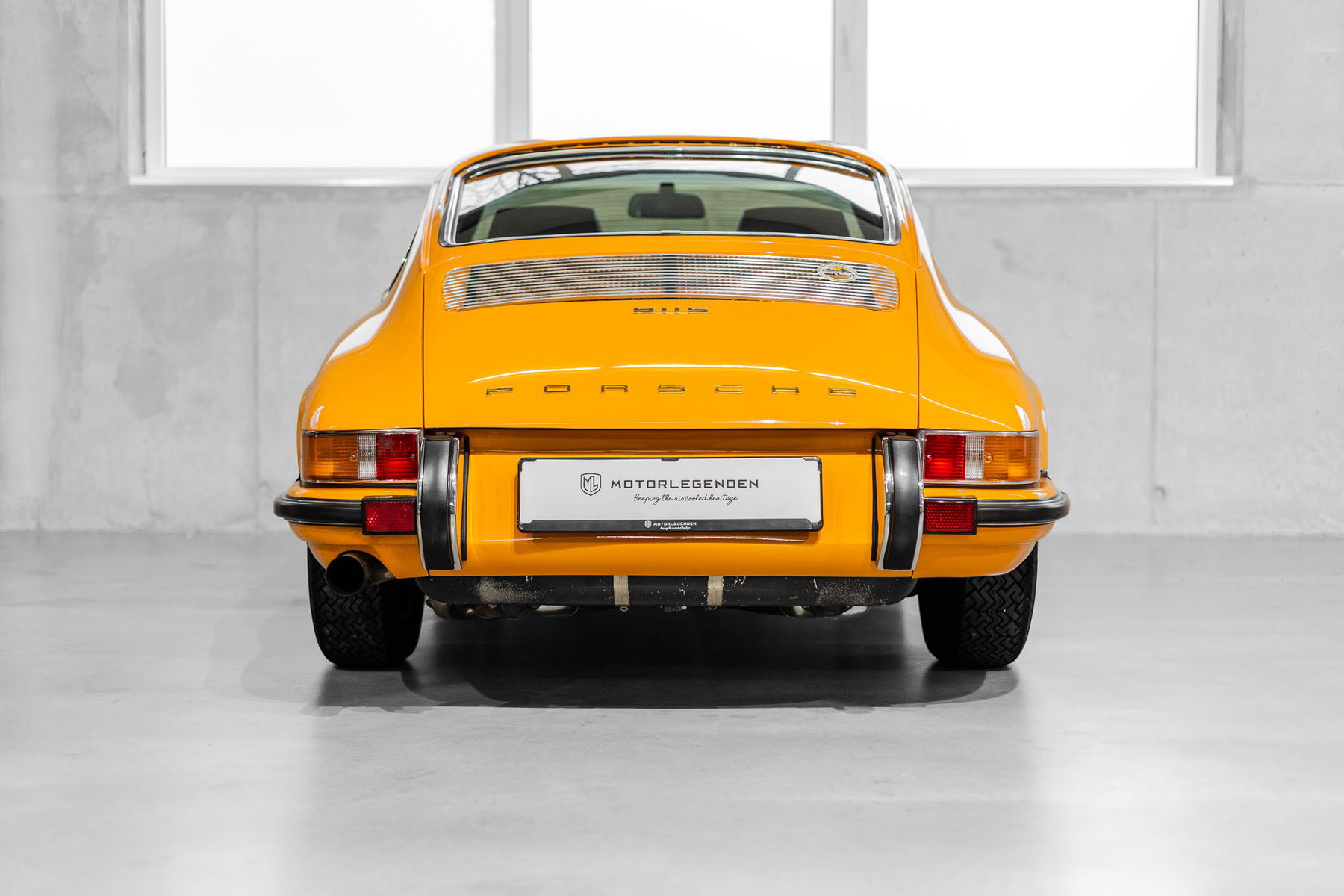
Special features of the 1969 911 2.0 S model:
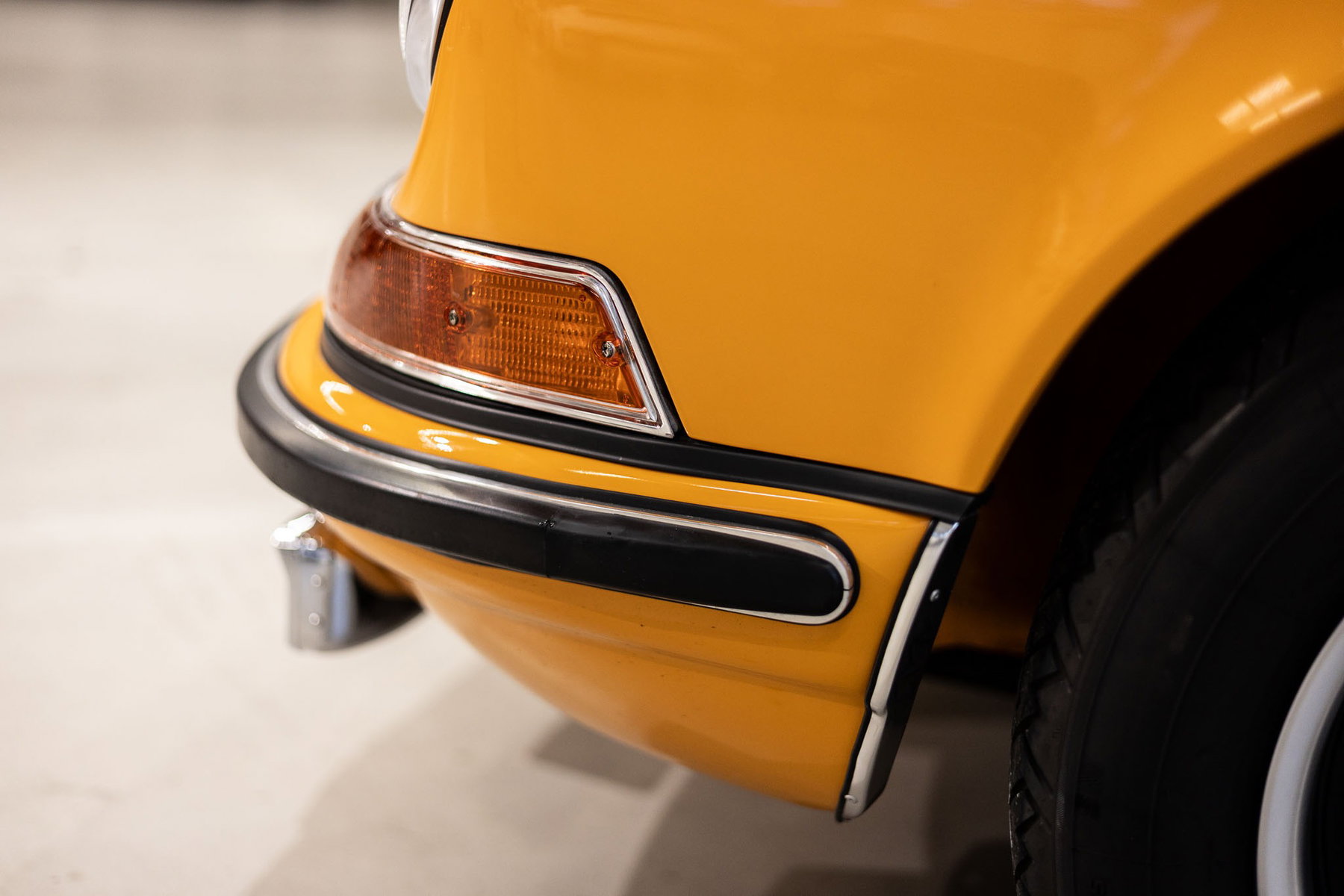
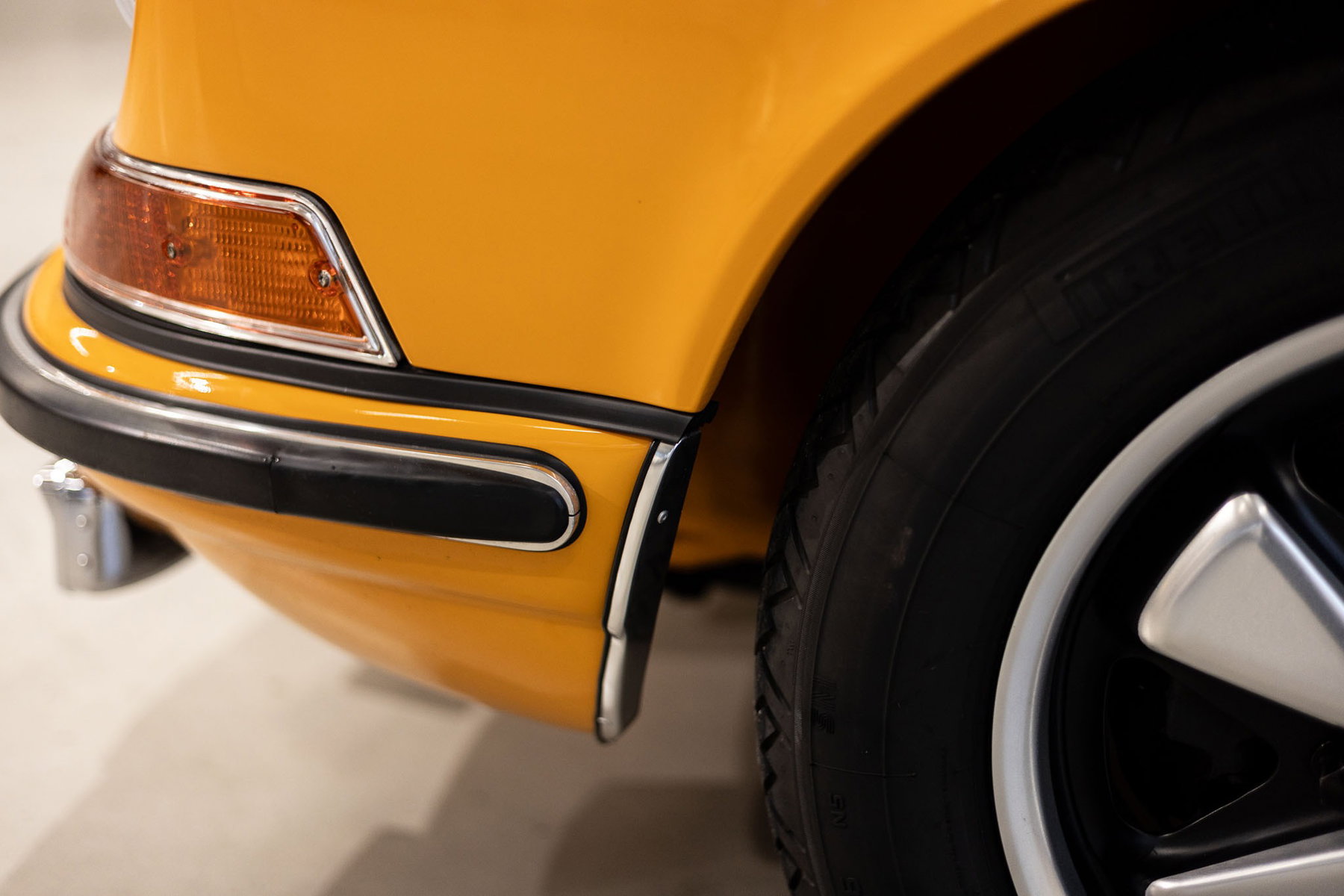
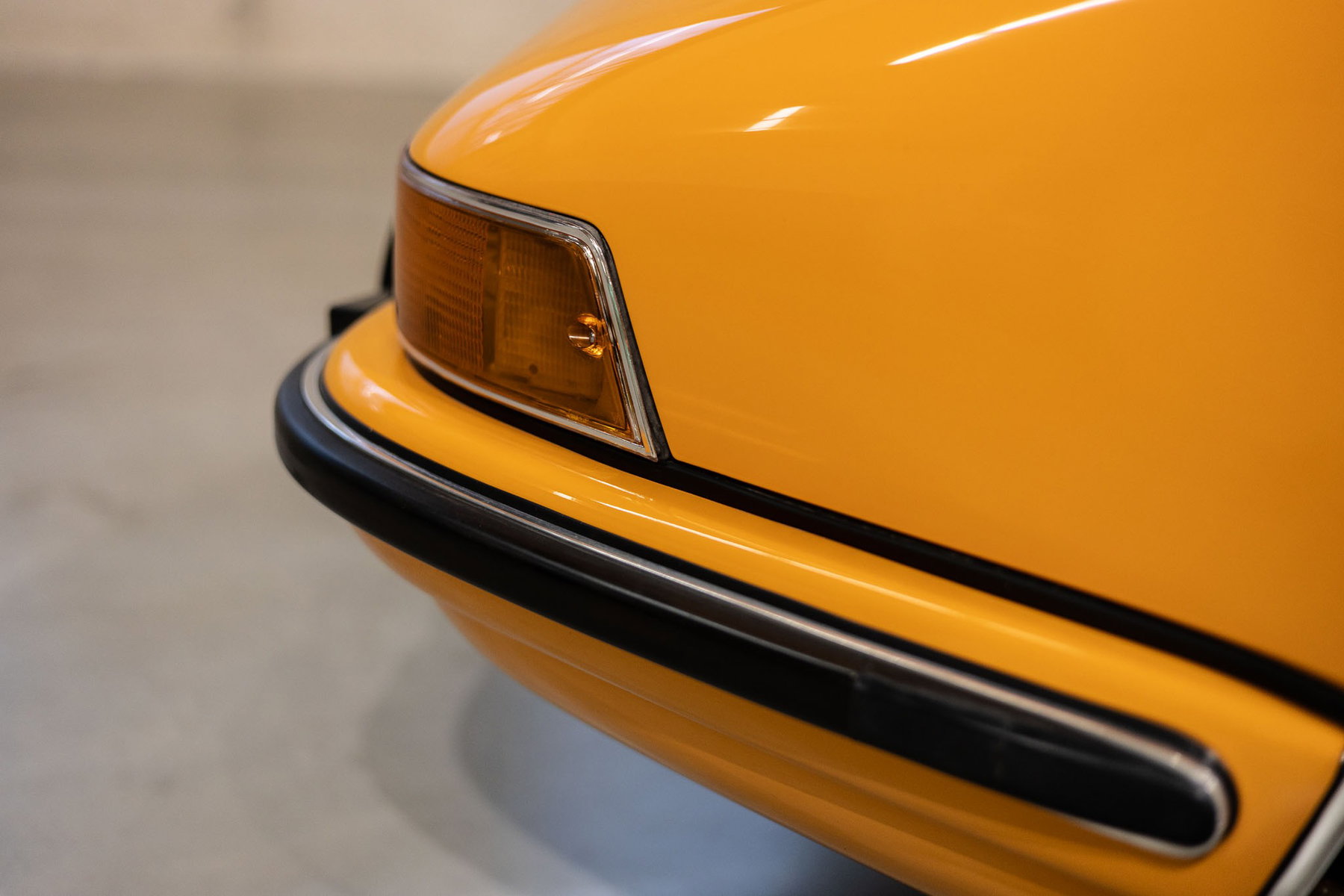
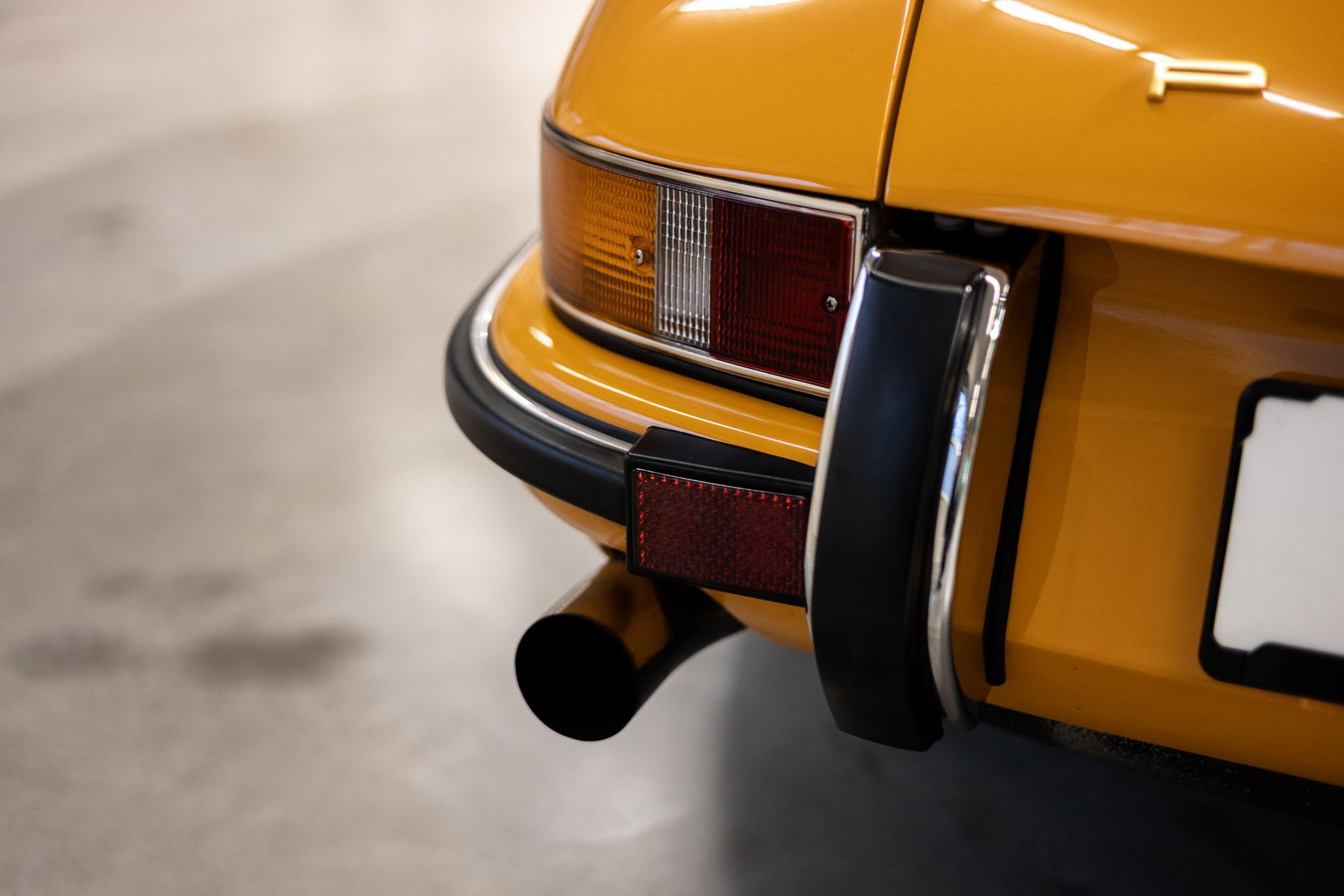
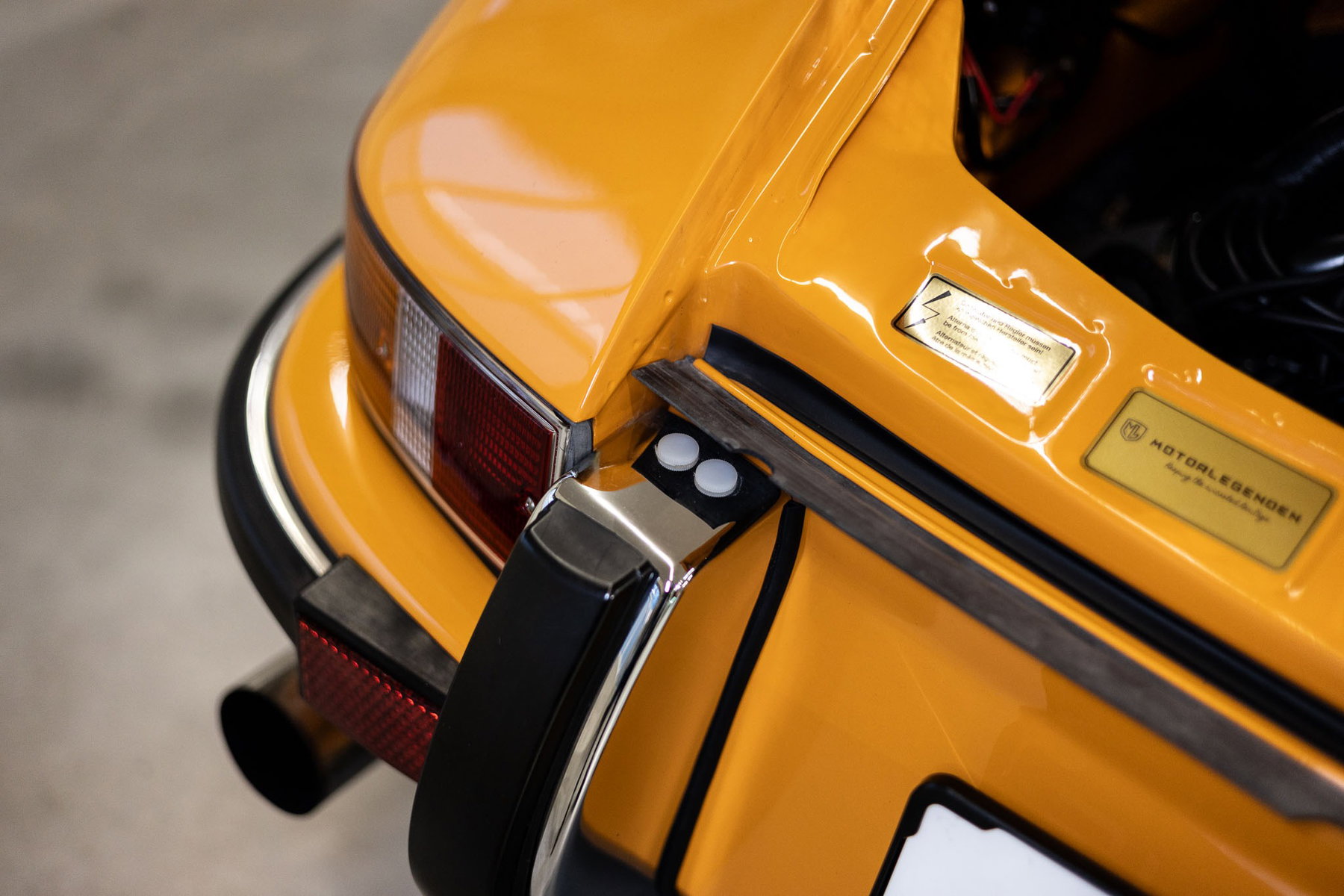
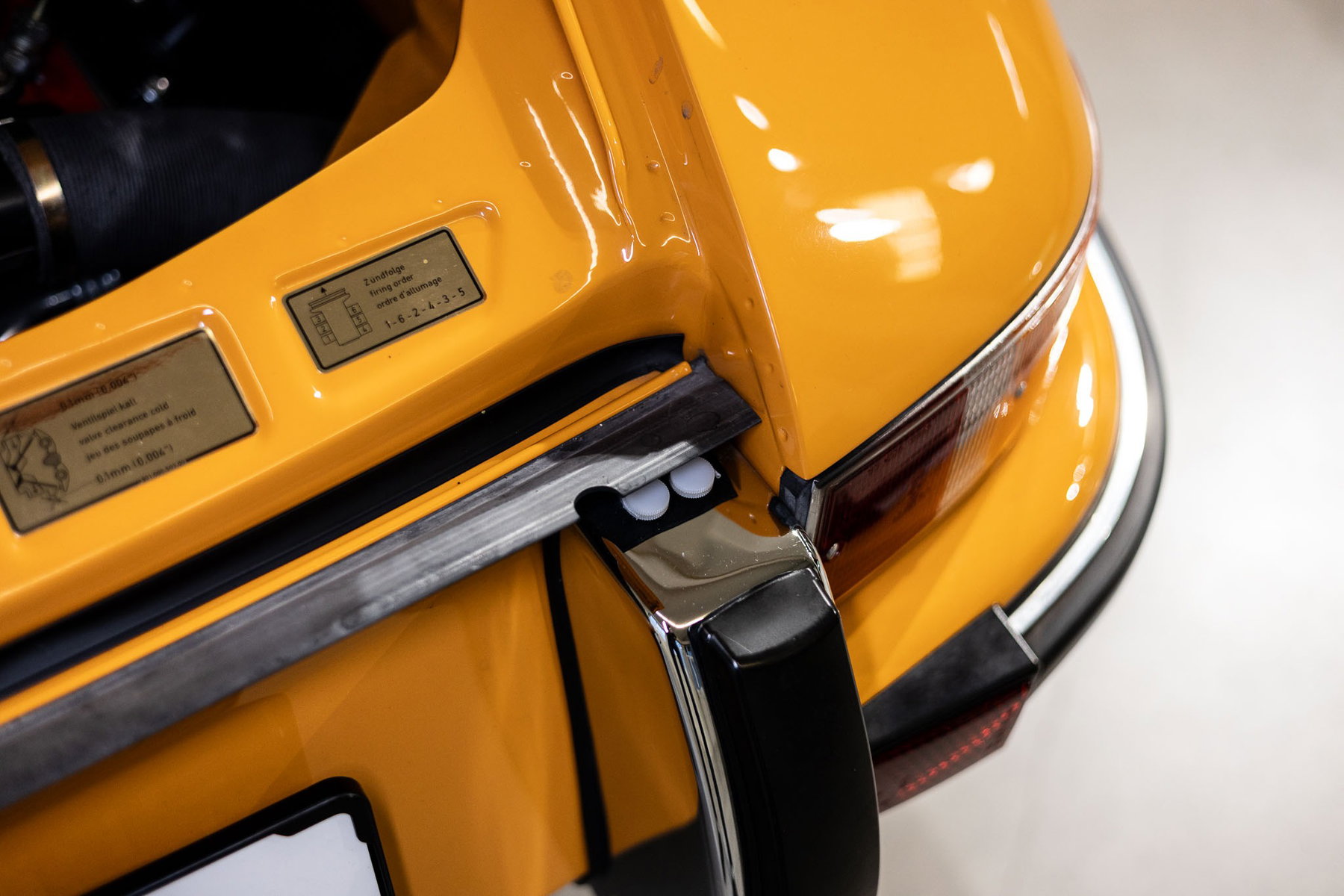
• Bumpers with chrome bumper horns and rubber pads
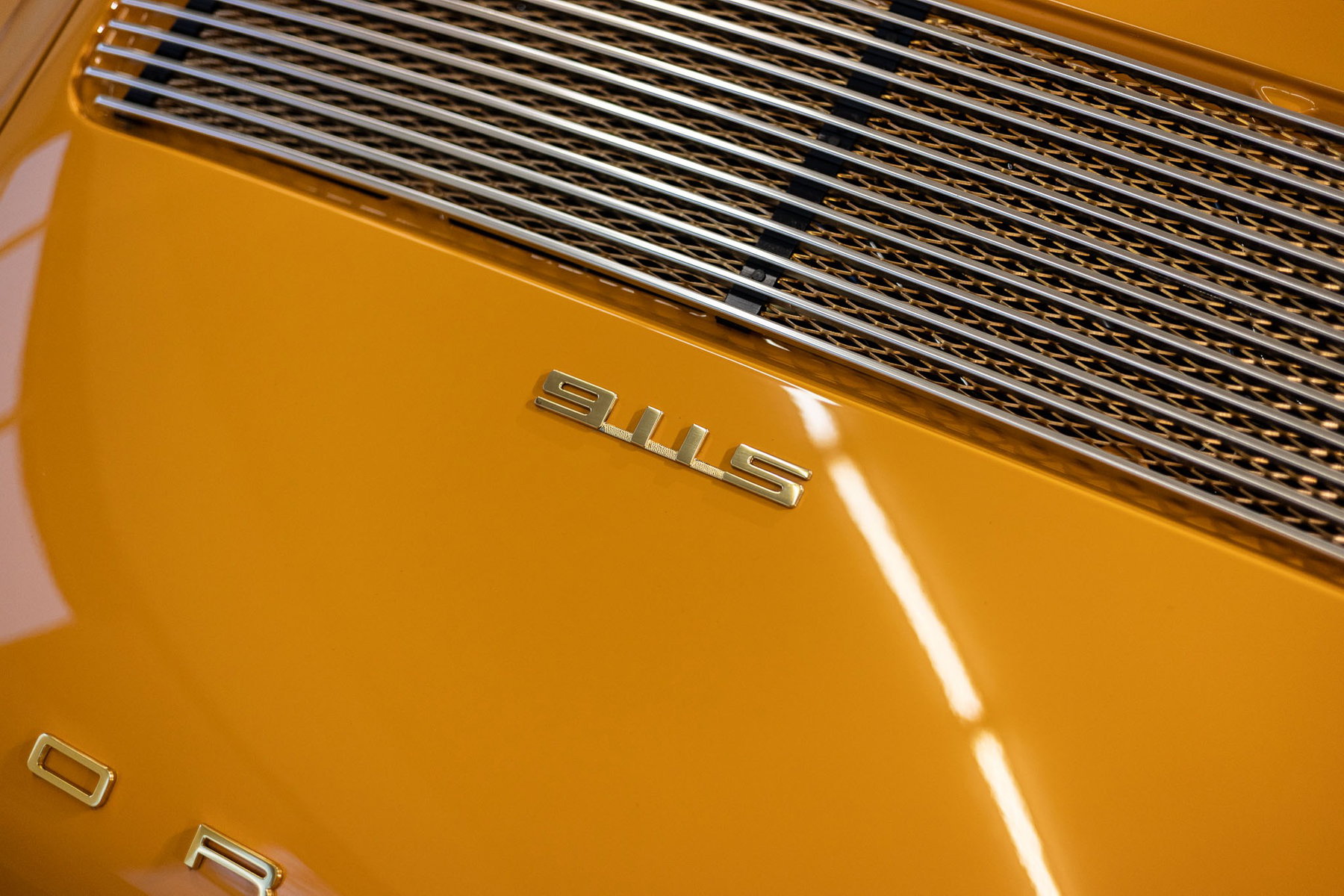
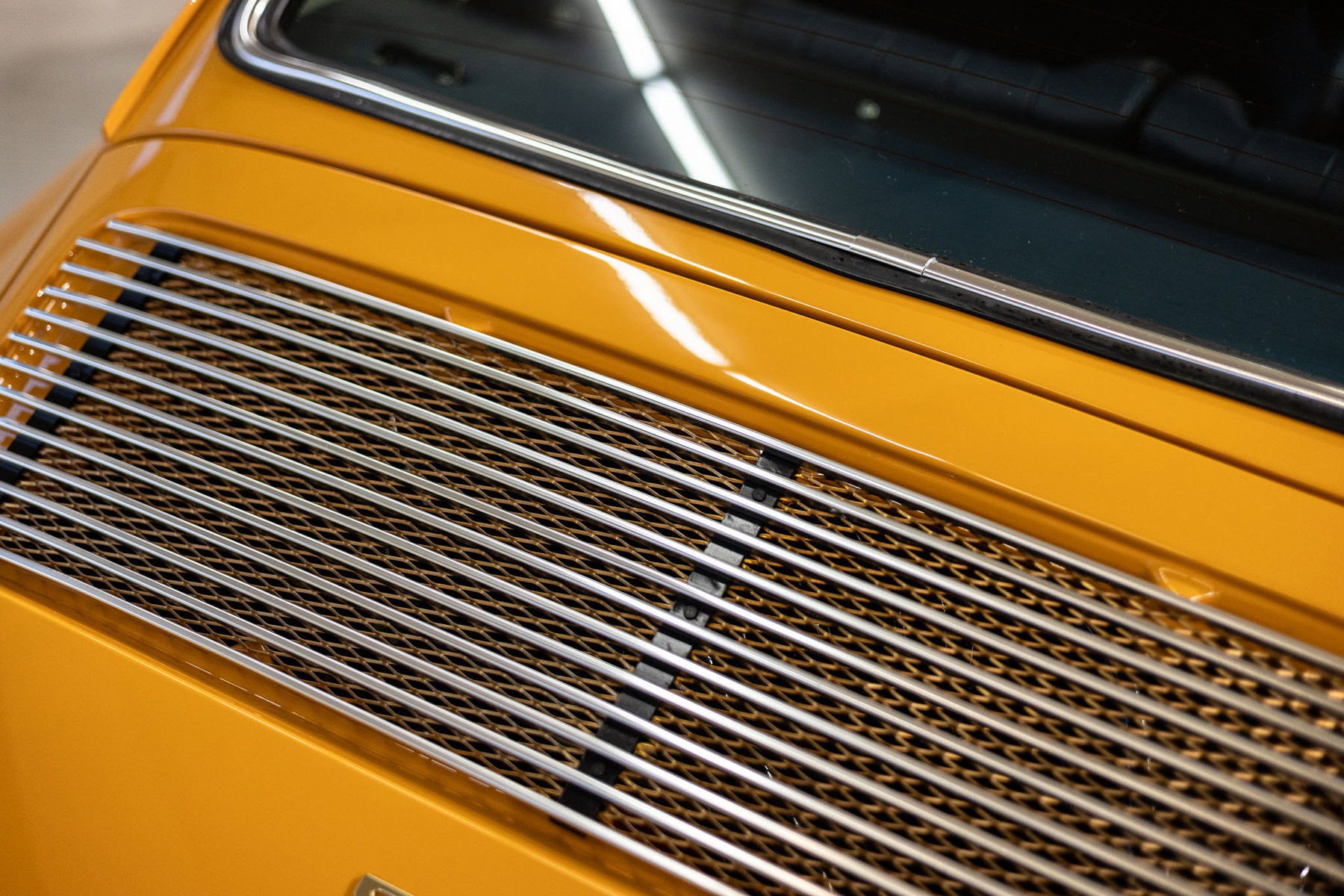
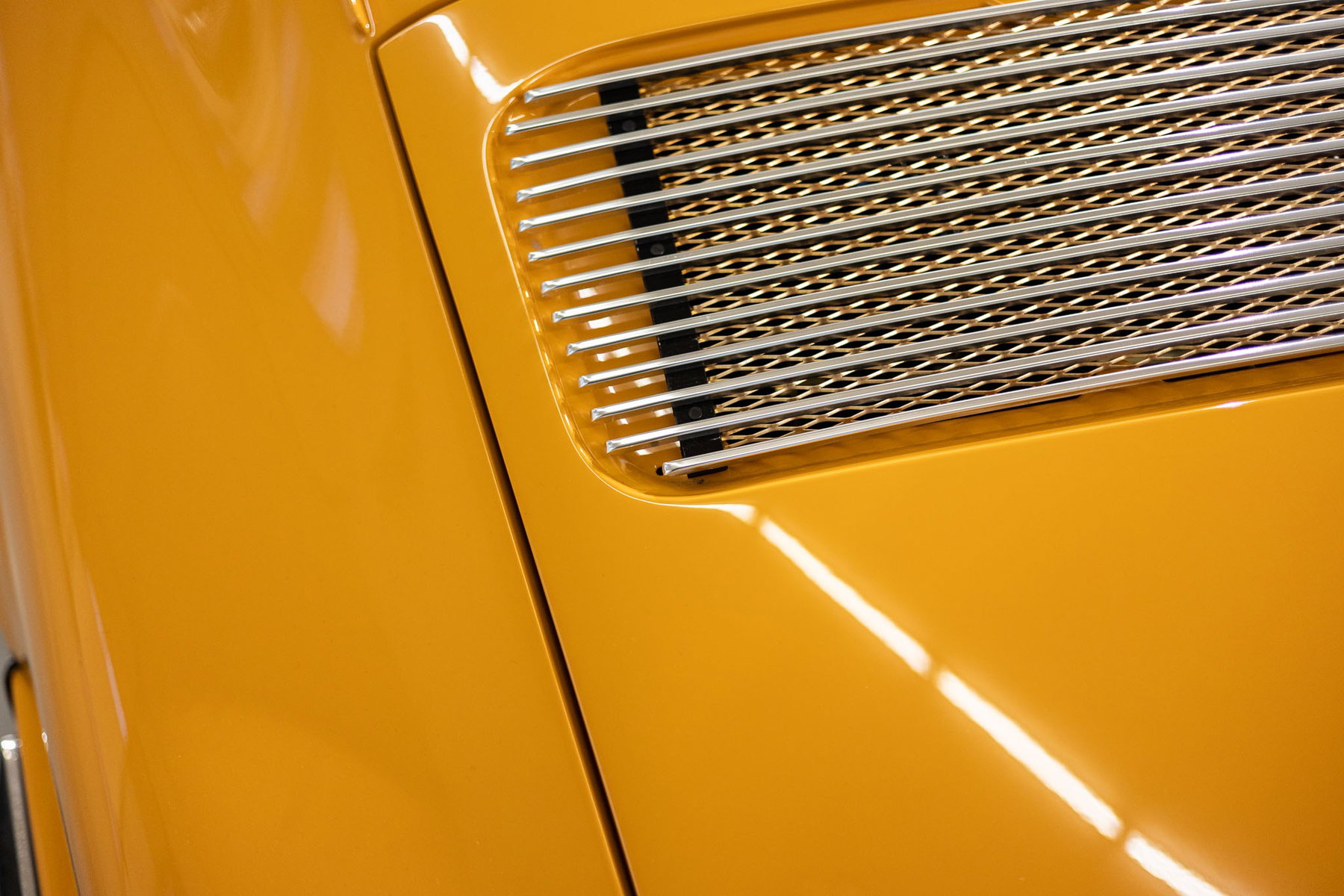
• Engine hood with chrome-plated ventilation grille
• Chrome-plated, downscaled horn grille
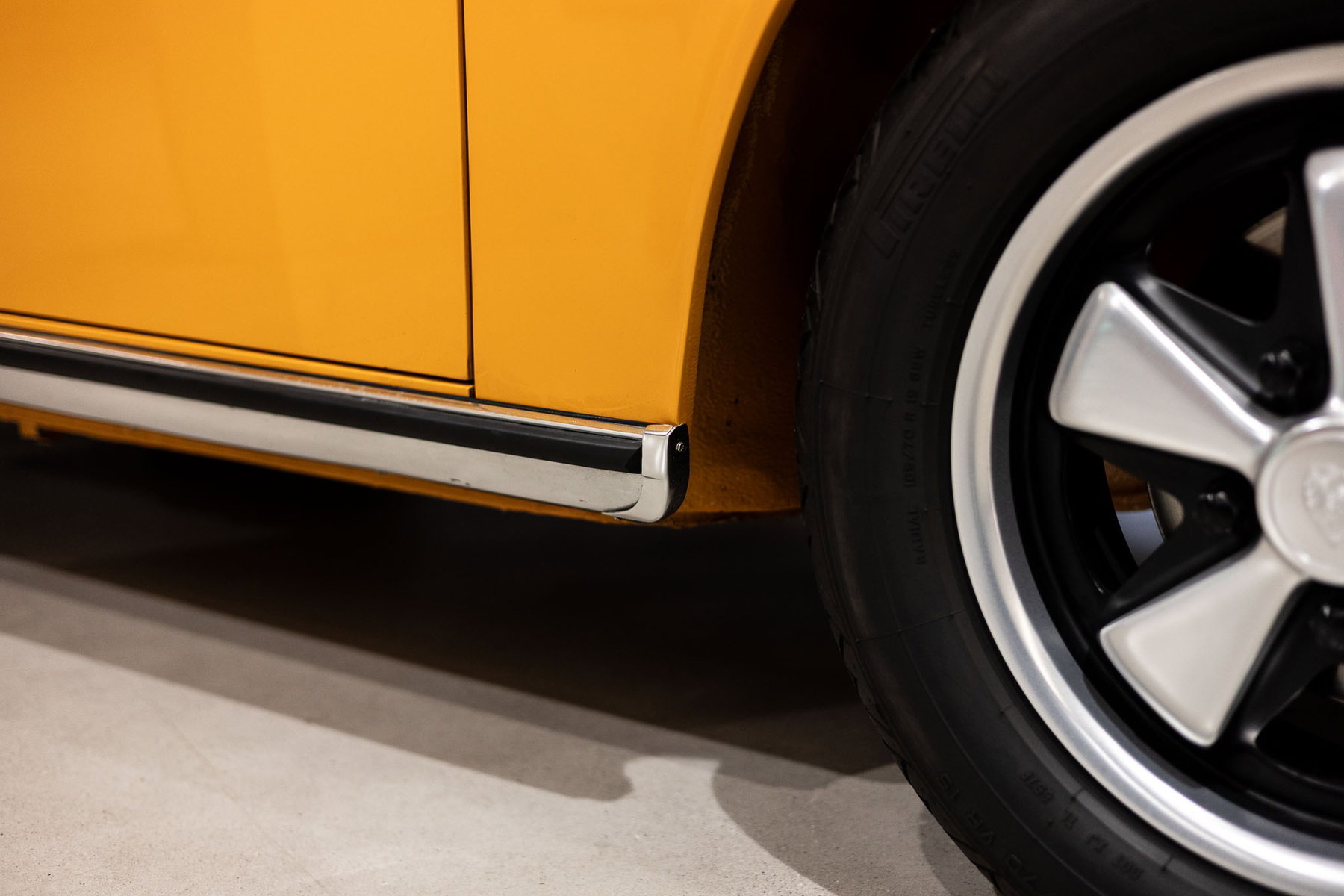
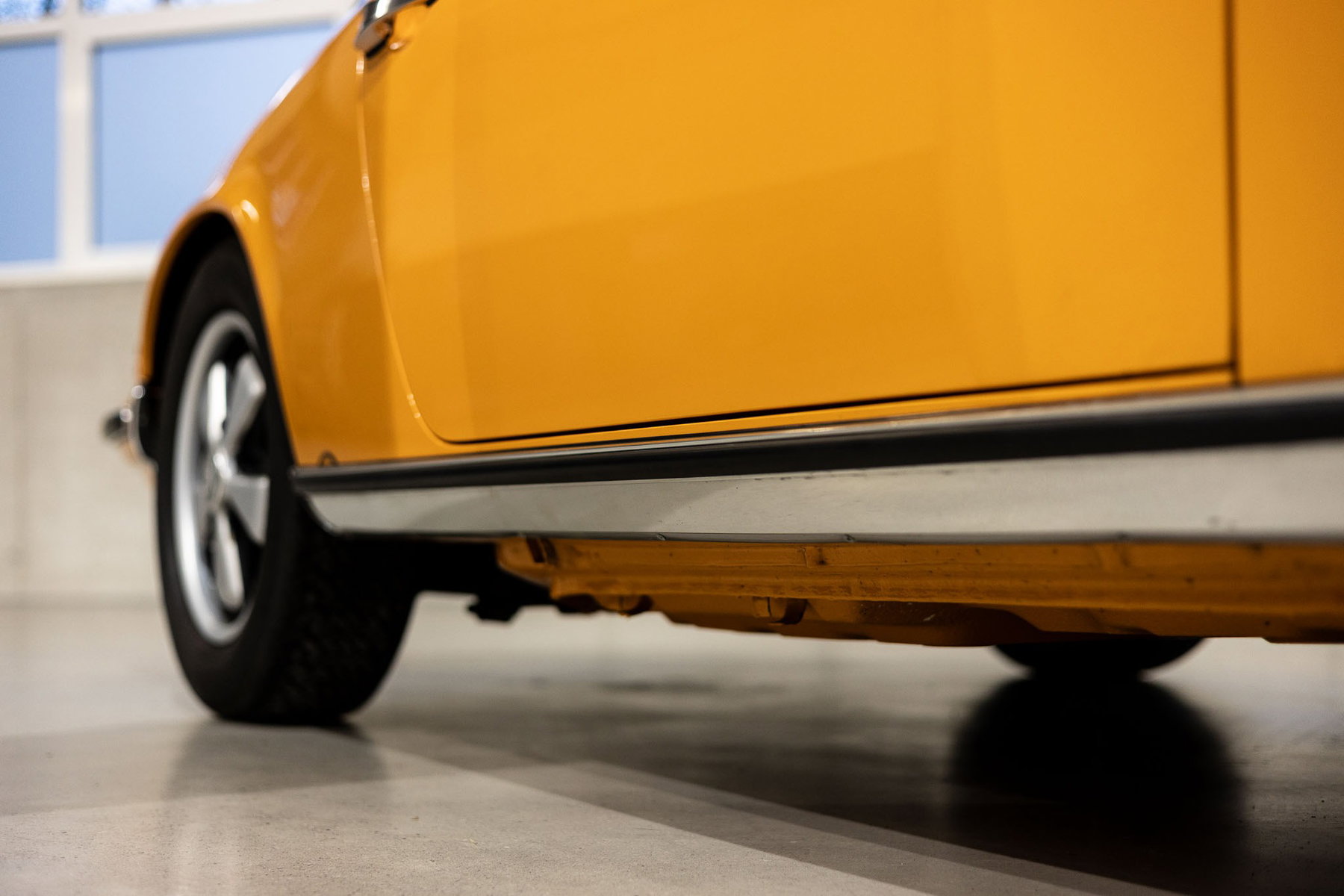
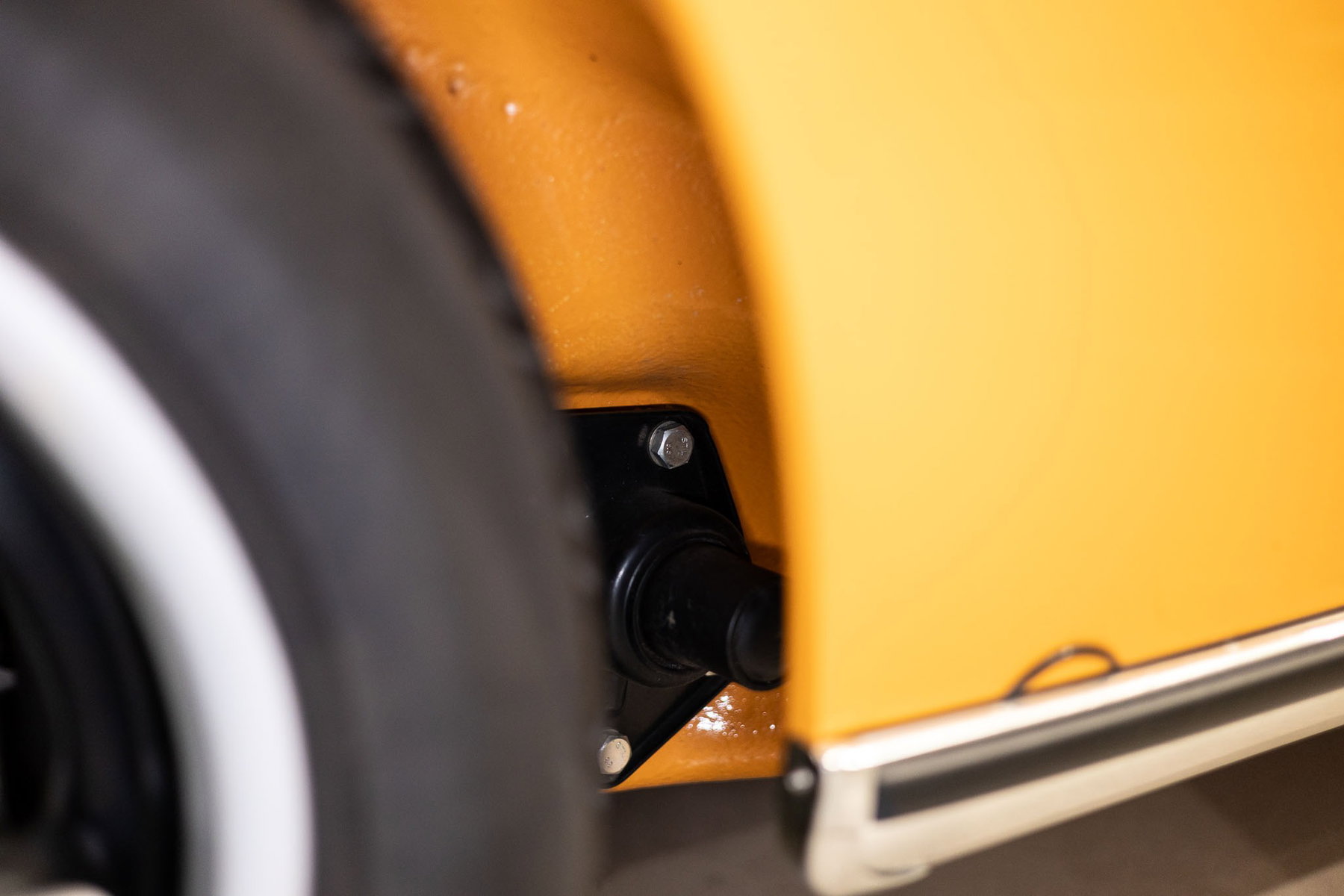
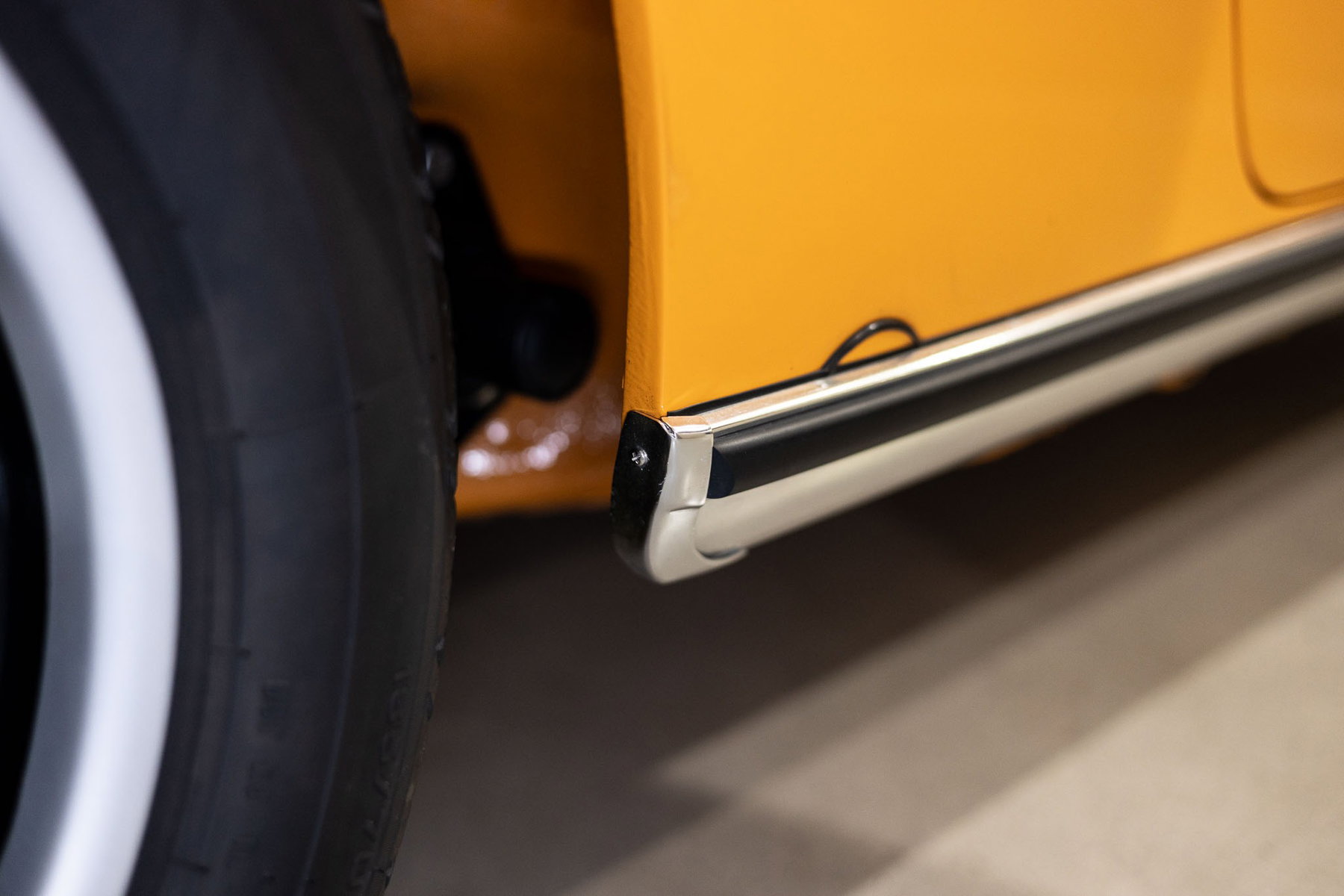
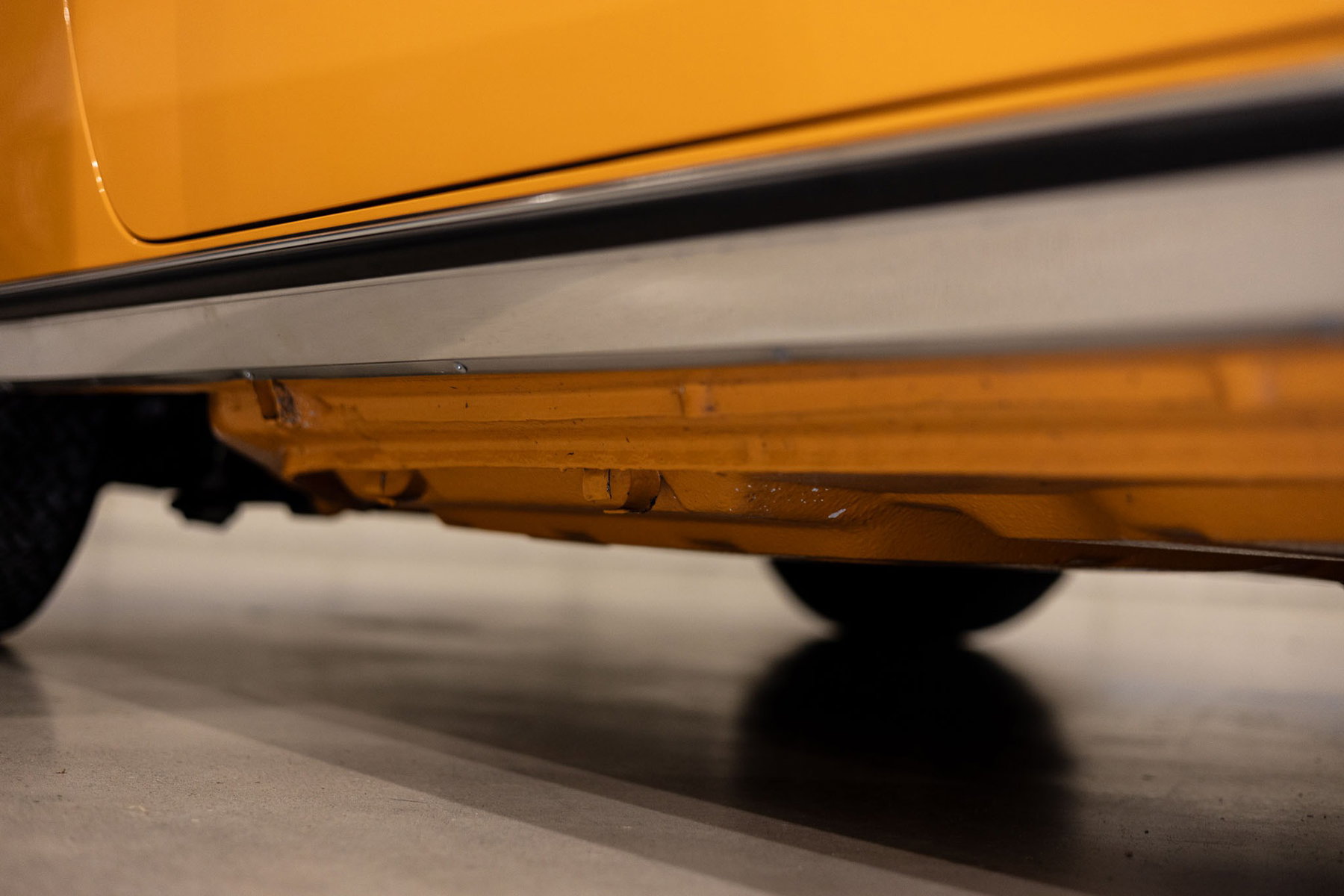
• Wide side sill trim strips
• Round, chrome-plated exterior mirrors
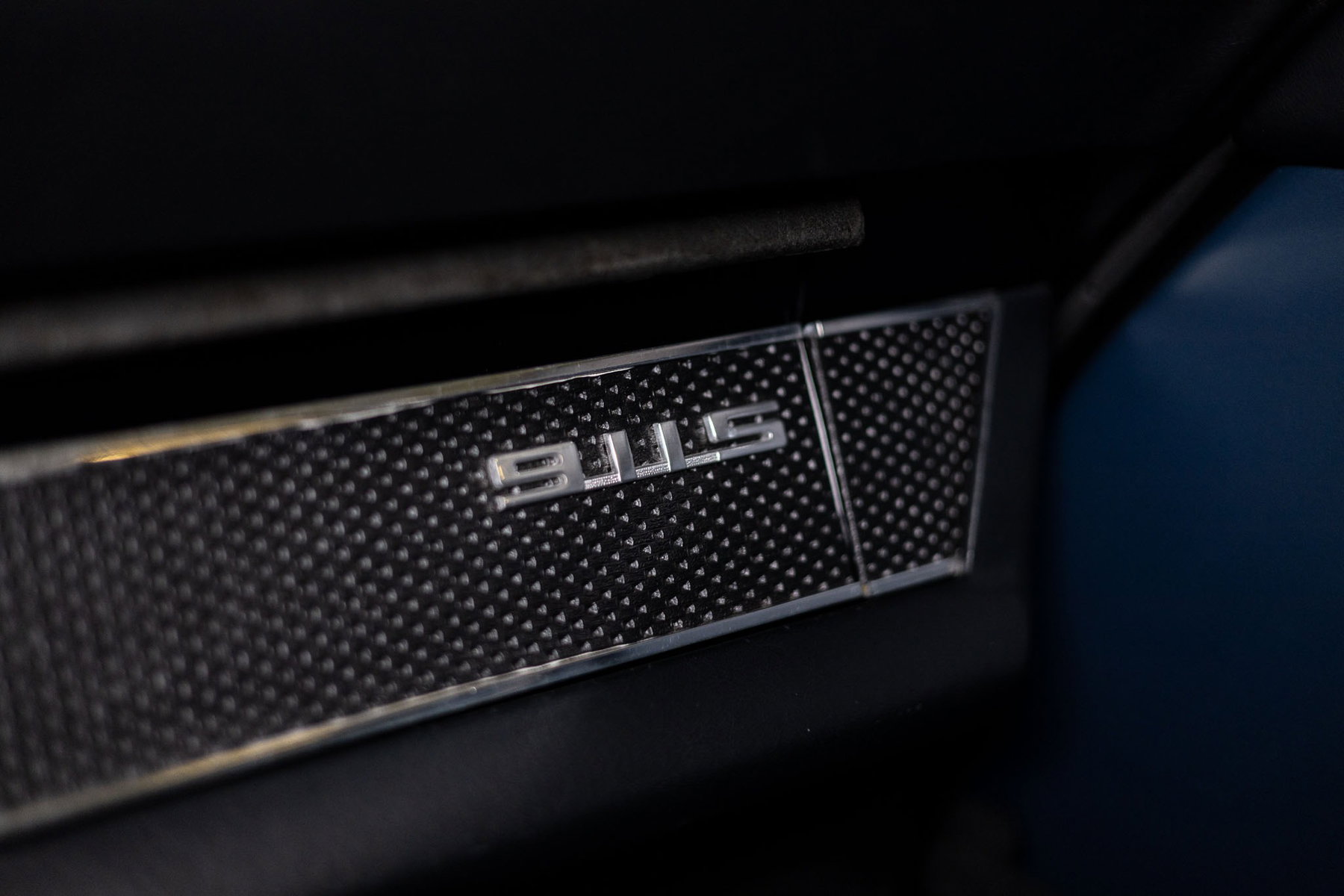
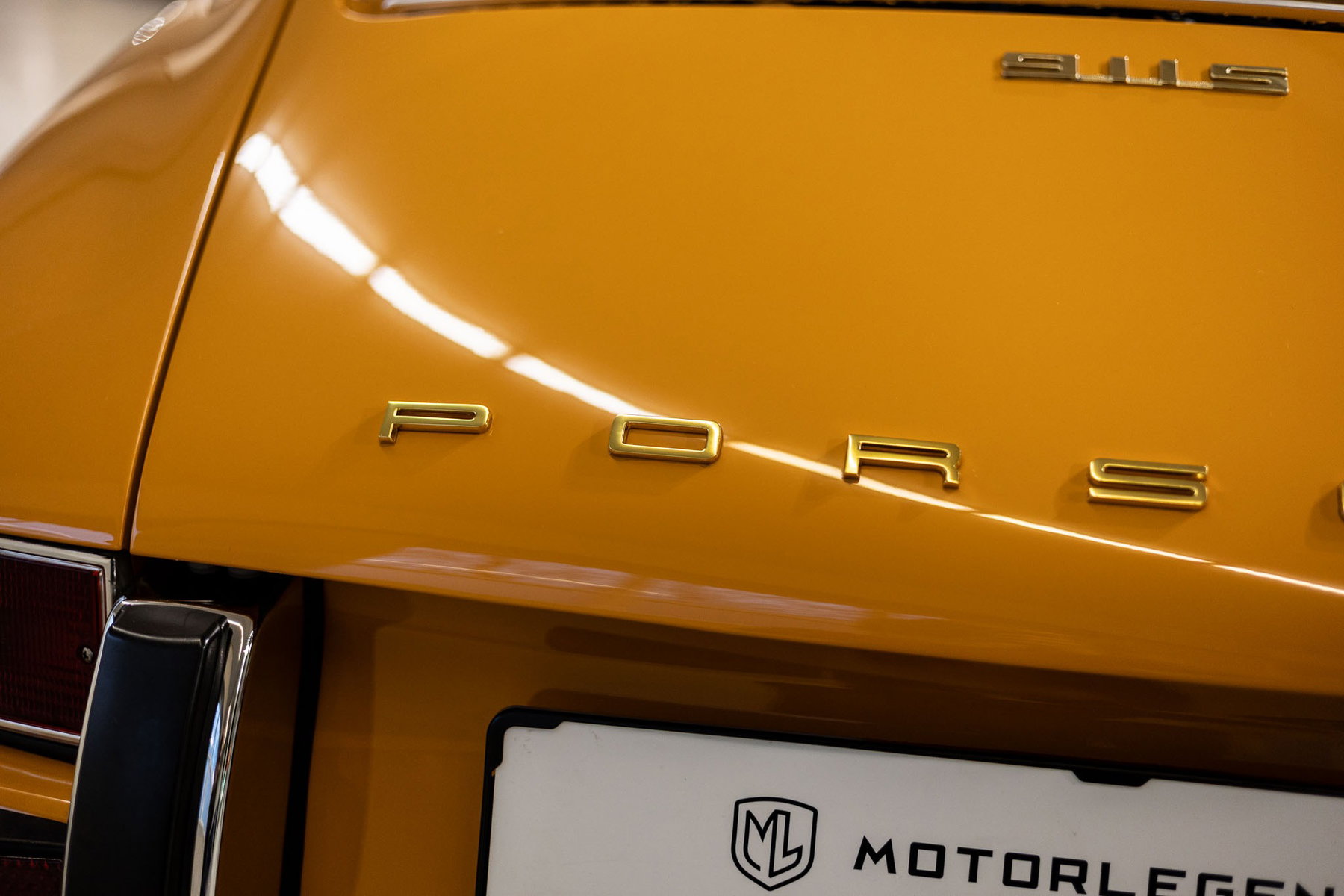
• Gold-colored “911 S” Porsche lettering
• Gold-colored 911 S emblem, upright and centered
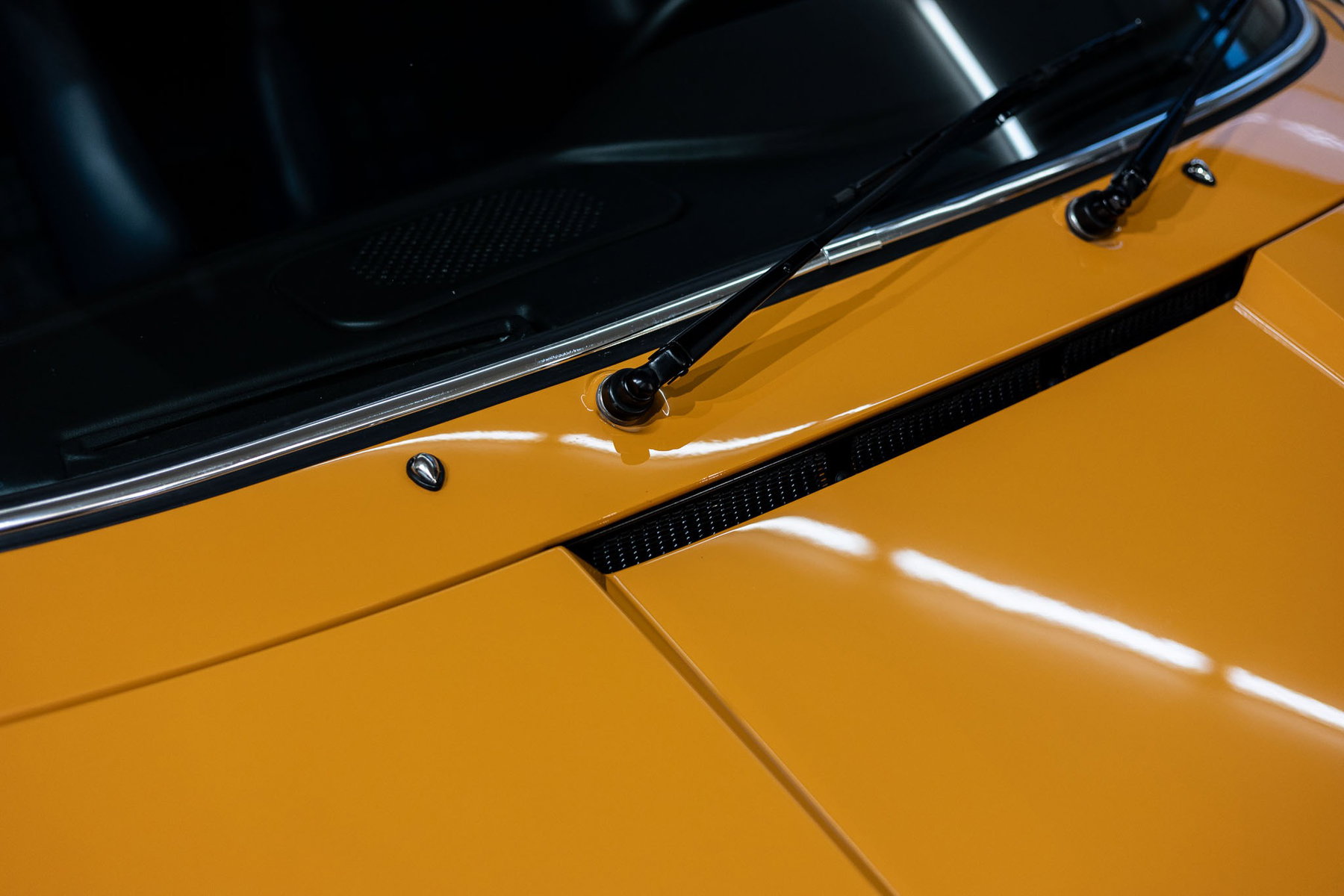
• Windshield wiper rest position: left
• Dimmable rearview mirror
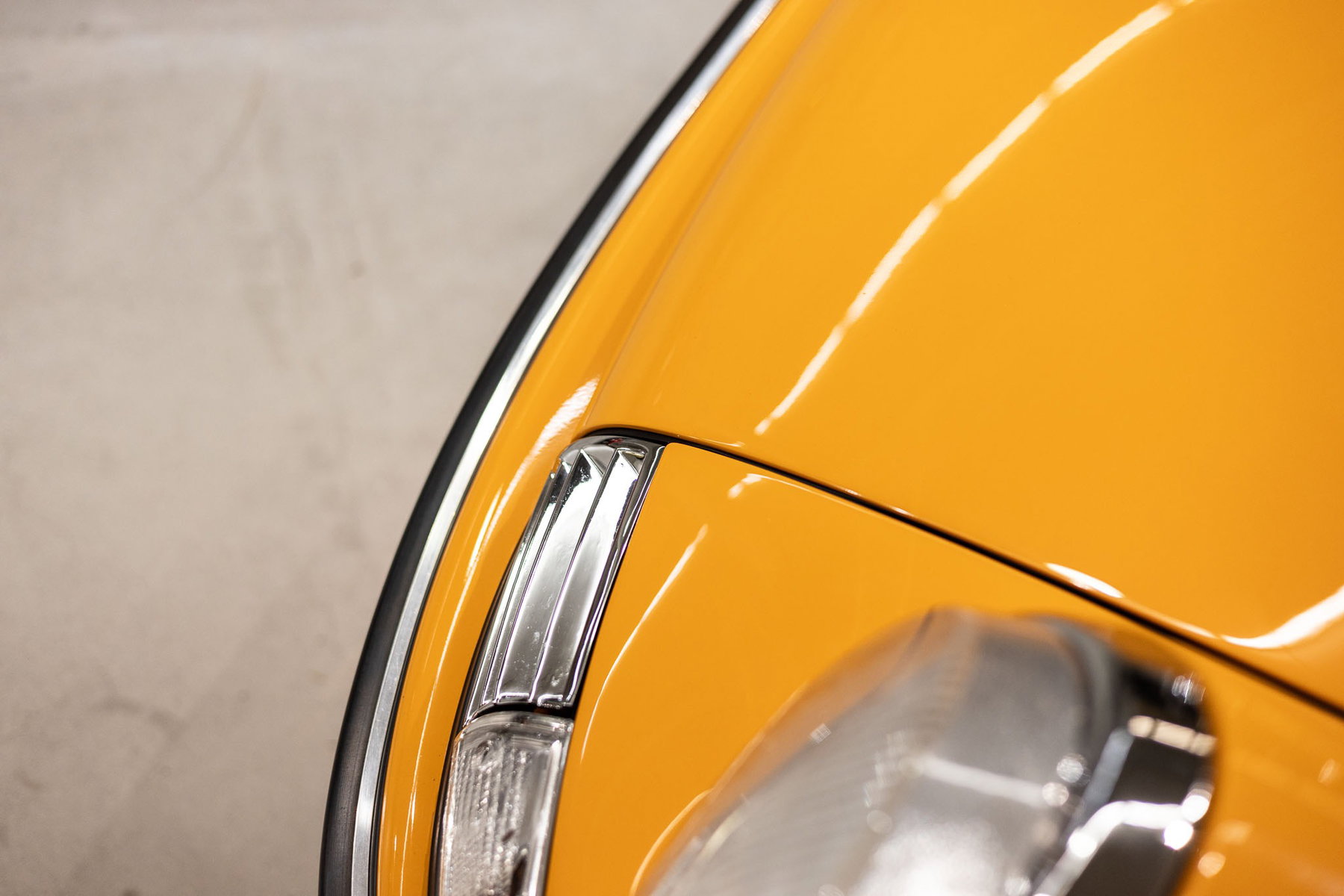
• “Flared” fender edges
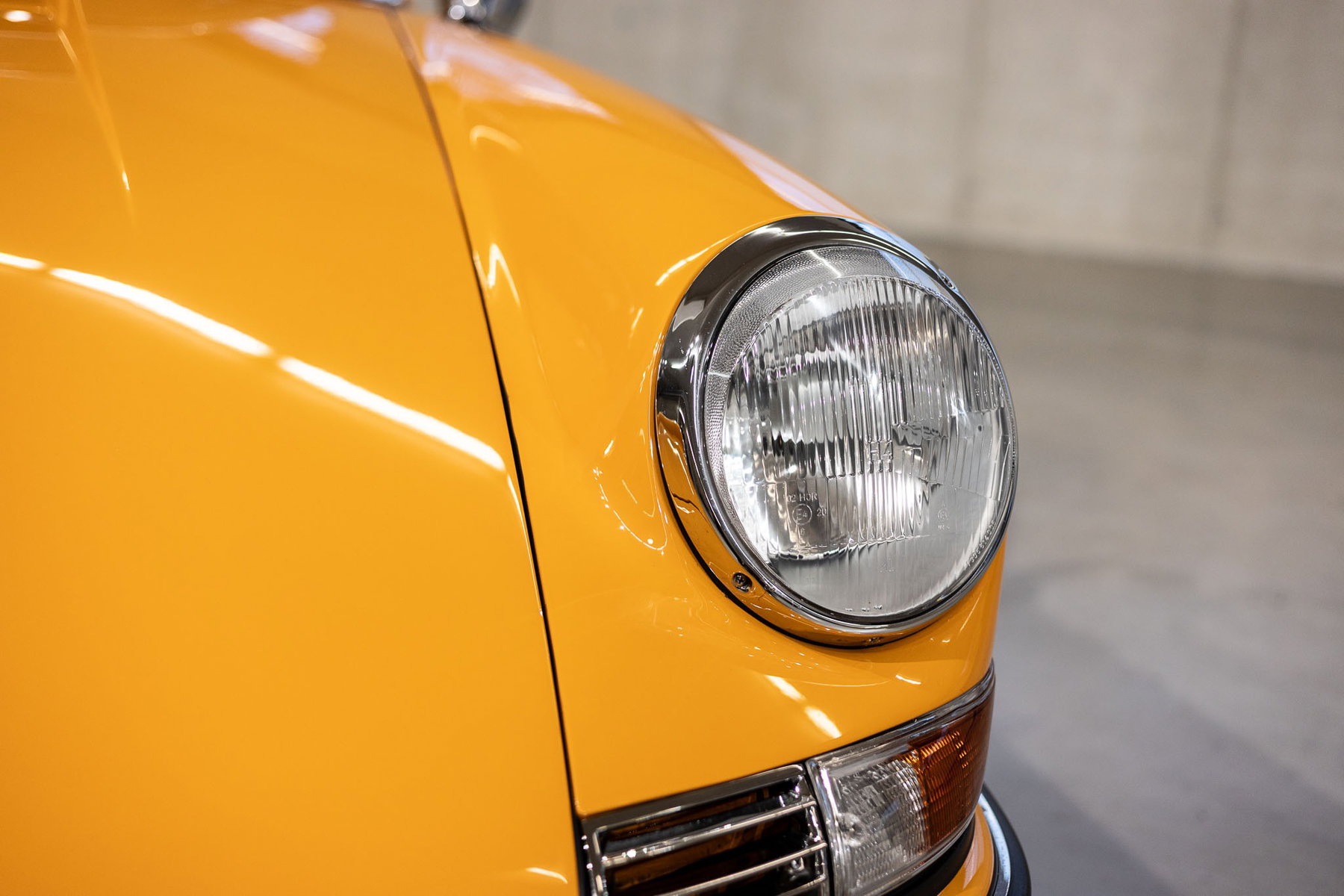
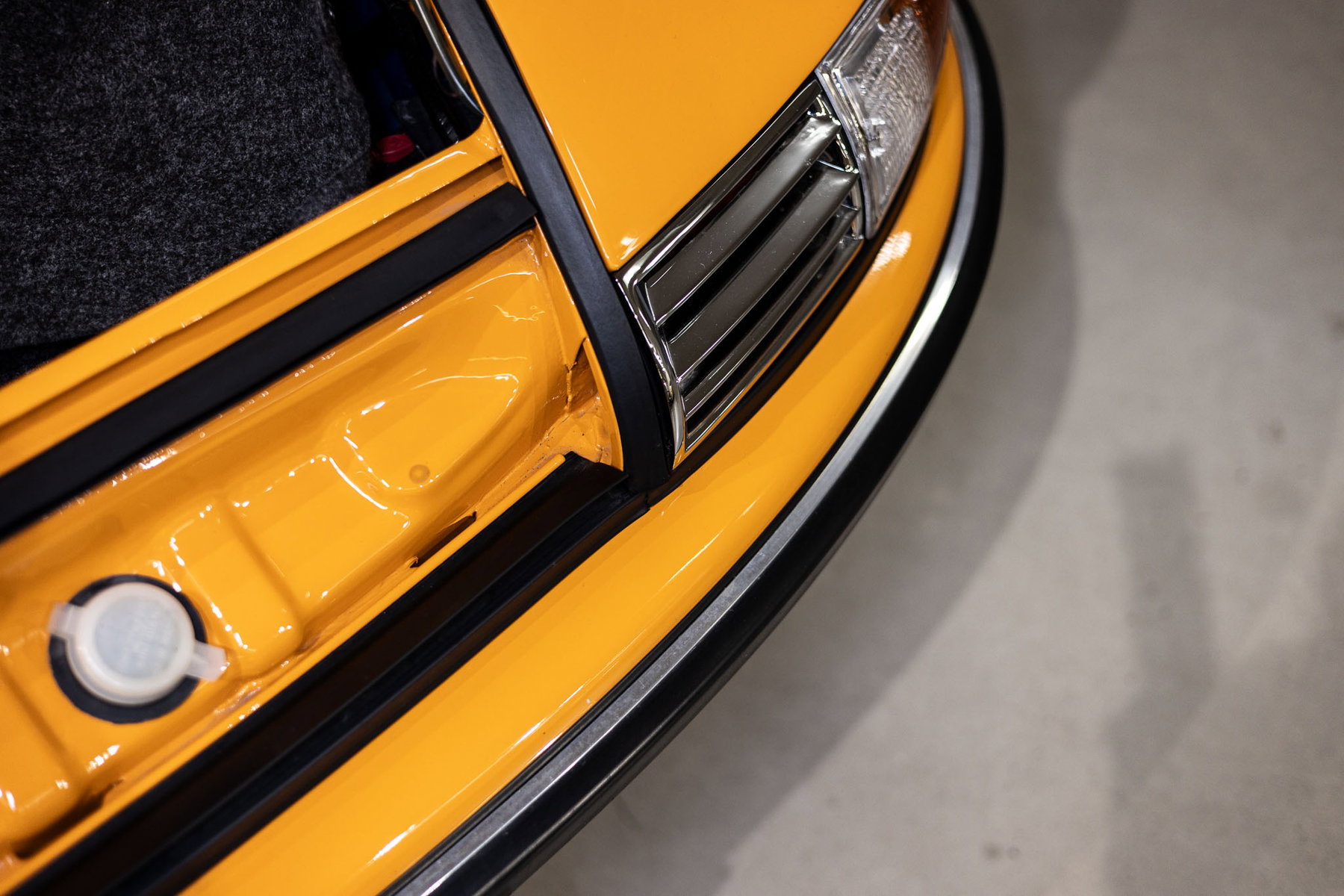
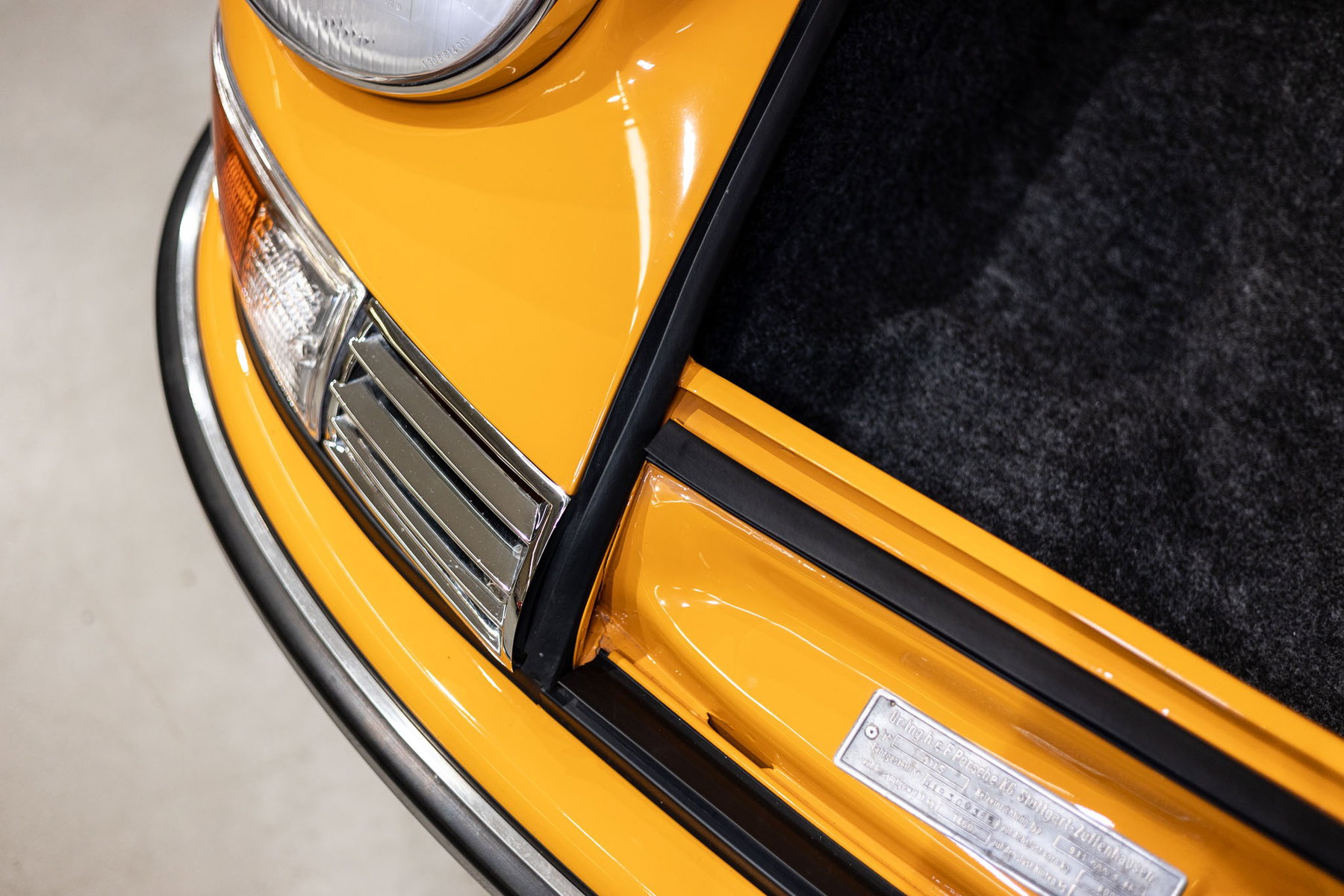
• Larger front turn signal lenses
• Door handle recessed into the armrest as a pull lever
























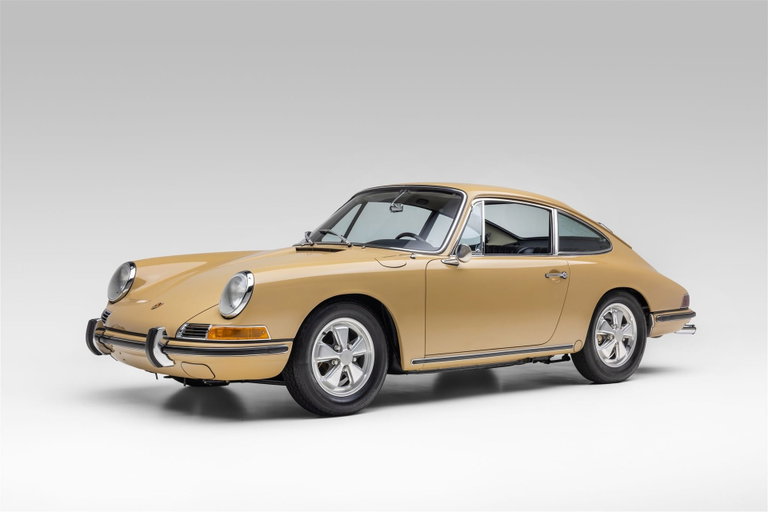
 1967
1967 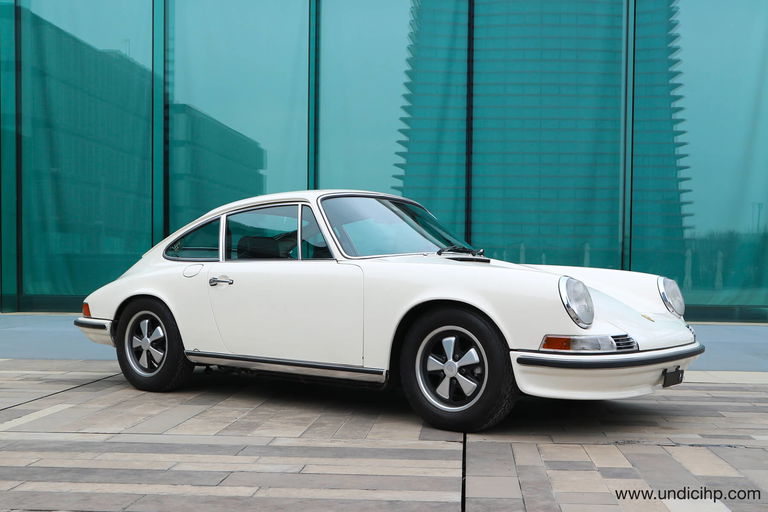
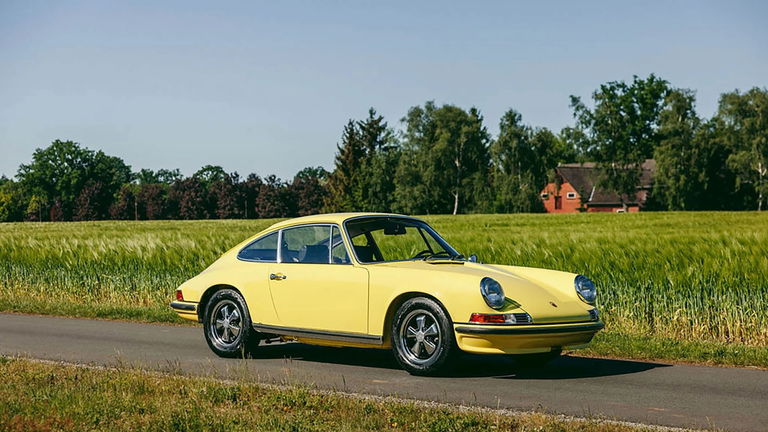
 1972
1972