“What isn’t shared will be lost”: Arthur Mathieu keeps Porsche’s history alive
15.09.2026By Richard Lindhorst
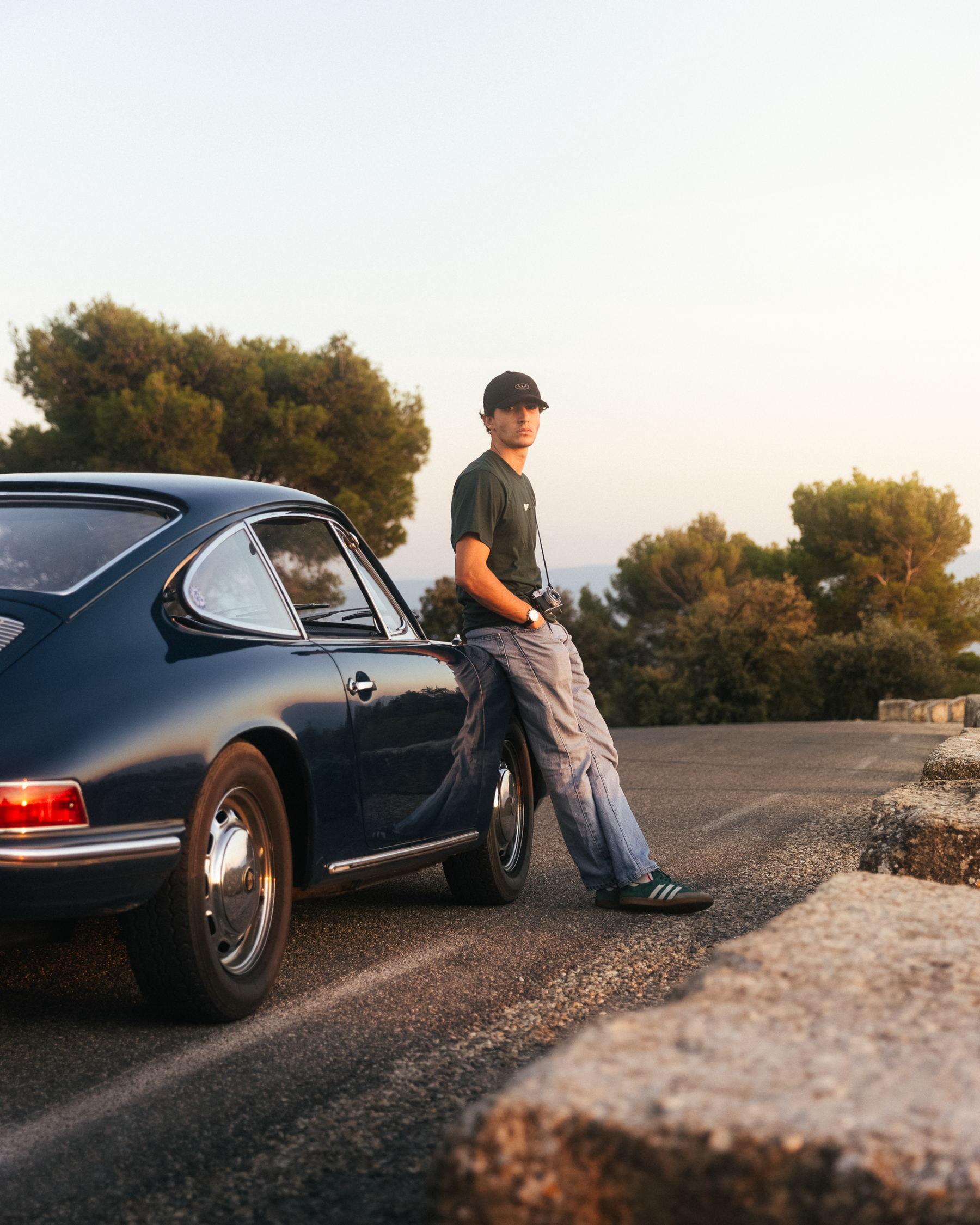
“It was snowing, and we had almost reached the restaurant. My father sat me on his lap and said, ‘You steer, I’ll pedal.'” Arthur Mathieu was about six years old when he drove a Porsche for the first time at a classic car rally. They weren’t racing against the clock. The event was more like a group drive. “At the end, we got a little trophy. I still have it in my room. I’ll remember that day for the rest of my life.” Porsches have been a part of Arthur Mathieu’s life for as long as he can remember. He grew up in Provence surrounded by art, chandeliers, and classic Porsches. In the Elferspot Porsche Talk, the 22-year-old talks about his experiences in motorsports and his personal connection to the brand. His motto: “What isn’t shared will be lost.”
Arthur’s first ride in the Porsche began on the way home from the maternity hospital
“I don’t even remember my first ride in a Porsche. My father picked me up from the hospital in a Porsche 356 Speedster right after I was born. So that was the first Porsche I was ever put in,” Arthur says. Régis Mathieu had already bought his Speedster when he was 19. His enthusiasm rubbed off on his son at an early age.
Arthur Mathieu gained his first driving experience in classic Porsches on his parents’ property.
When he was about 14, Arthur was finally allowed to drive the cars on the family property himself. “I’d take them out of the garage, park them in front of the house, check the tire pressure, and was even allowed to wash them sometimes. That’s how I got to drive many of the family’s different cars. I don’t remember which one was the first, though. It was probably a 356.”
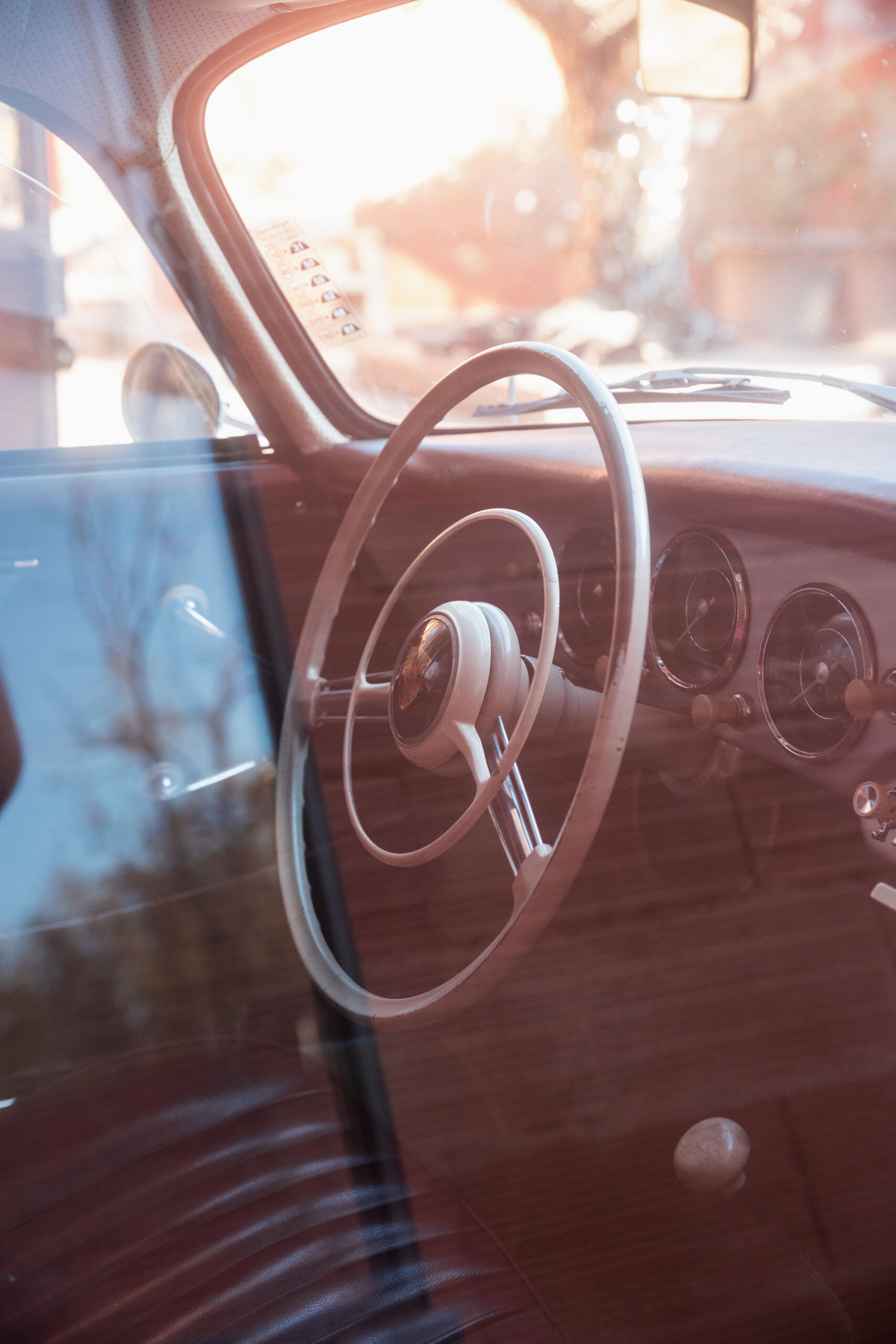
Even today, the Porsche 356 remains one of Arthur Mathieu’s favorites.
Arthur, on the other hand, doesn’t have to look far to find his favorite. “I haven’t found a car I don’t like yet. Almost every time I get out of a Porsche, I say to my dad, ‘We have to keep this one. It’s the best of them all!’ But my all-time favorite remains the 356 Speedster. When I drove it myself for the first time, I immediately understood why my father loves it. It’s light, simple, and handles beautifully on the road. Sporty, yet playful at the same time. For me, that’s the kind of Porsche you dream of your whole life.”
At the Mathieu household, Porsches are part of family life
“These cars were never just a means of transportation to us. They were part of the family. Many of them have a name and a soul of their own,” says Arthur. One of them is “Sally,” an early 911 with a racing history that he shares with his father. “The name is connected to an earlier design or decal. Also, the Porsche in the movie Cars is named Sally. That’s why the name was a perfect fit.”
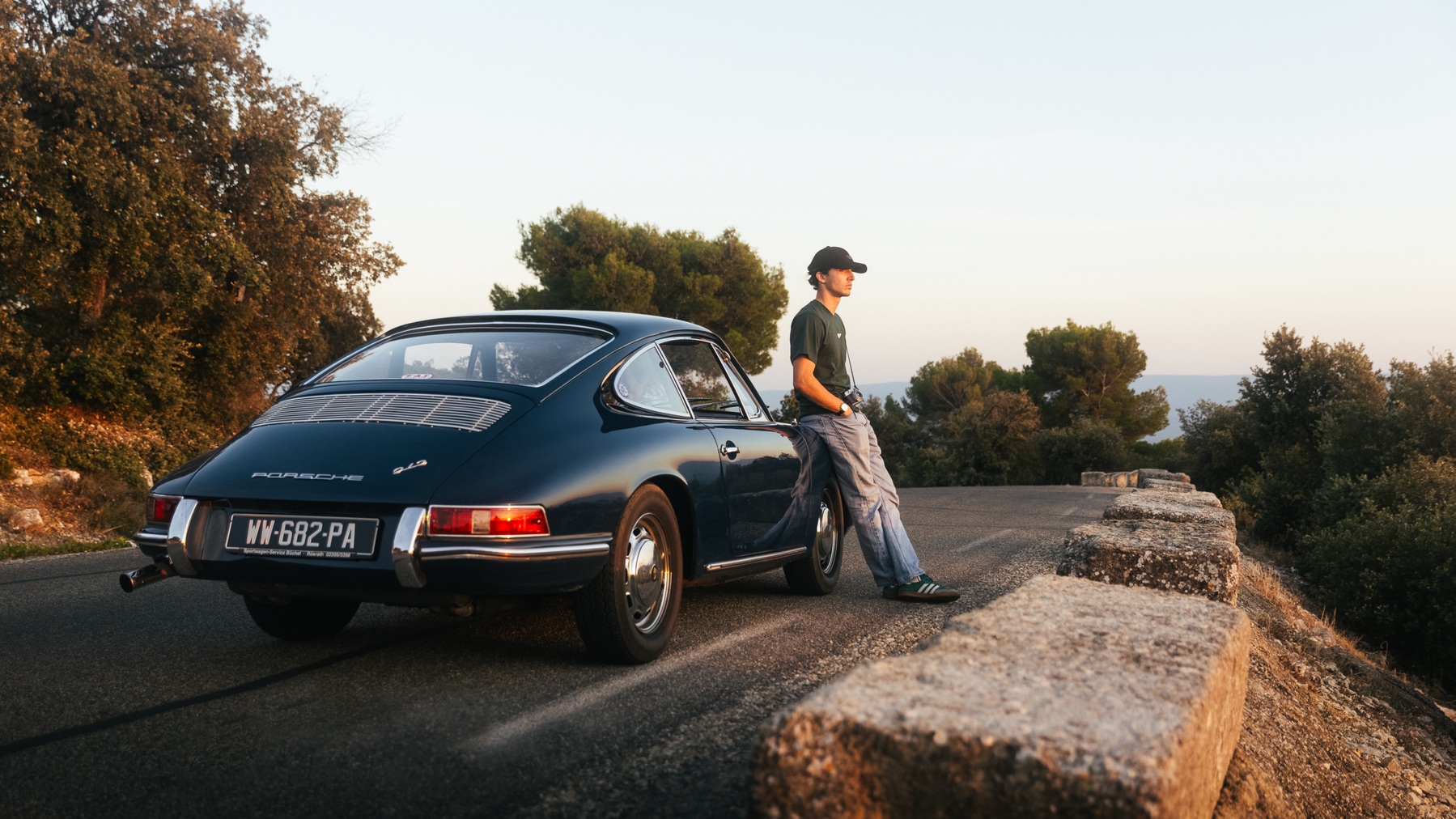
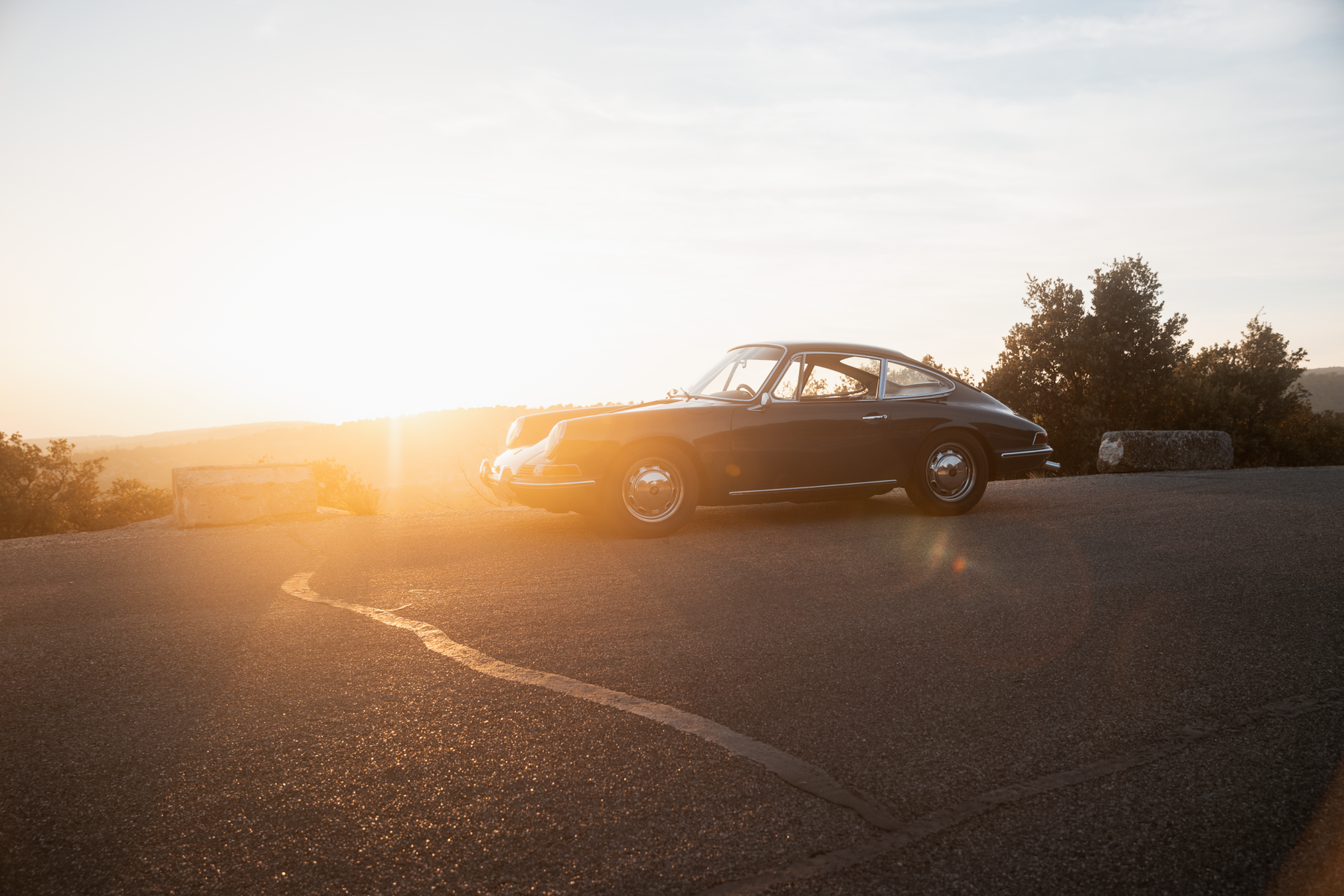
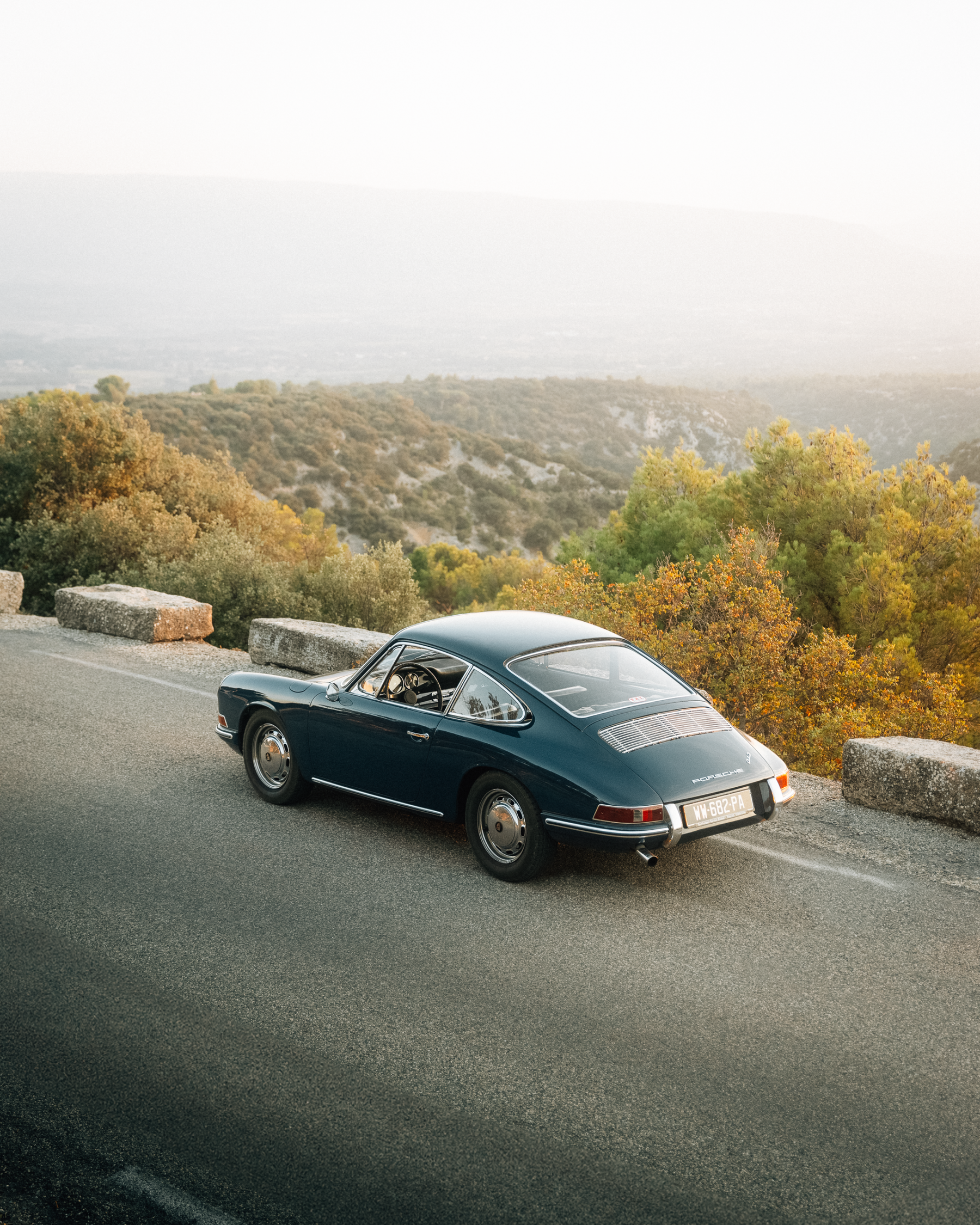
In 2023, Arthur Mathieu and his father, Régis, bought a 1965 Porsche 912 in Bali Blue.
Arthur bought his first Porsche in 2023, also together with Régis. “Bali” is an early Porsche 912, built in 1965, in Bali Blue. “We searched for previous owners, found old photos, and gathered documents. That makes the car more valuable to me. When I know its history, I feel a connection.”
For Arthur, this research is part of preserving a classic car. “Especially in the U.S., I often see cars that have been completely disassembled and then practically rebuilt from scratch. To me, that’s too much restoration. I try to preserve as much of the original substance as possible and only repair what needs to be repaired. A newly rebuilt car that has just left a restoration shop may look flawless, but to me, it has no soul.”
At age 16, Arthur Mathieu began his career in motorsports with no karting experience
In 2019, Arthur Mathieu read about the Porsche France Junior Program in a French magazine. For him, this was the opportunity to begin his journey into motorsports. When he called Porsche France, he learned that he lacked the racing experience required for the selection process. So he looked for a way in and joined the French Caterham Academy in 2020 at the age of 16. Prior to that, Arthur didn’t even have any karting experience. Nevertheless, he stood on the podium during his very first race weekend and finished the season in third place overall.
In 2021, Mathieu moved up to the Porsche Carrera Cup France
The moment finally arrived in October 2020: Arthur drove a Porsche 991.2 GT3 Cup for the first time. In 2021, he made his debut in the Porsche Carrera Cup France. “That was only my second season in motorsports. In the Caterham, I was able to compete for podium finishes. In the Carrera Cup, I suddenly had to hold my own against drivers who had much more experience. That’s where I learned to perform under intense pressure.”
Arthur Mathieu’s talent behind the wheel was already evident in his first season with the French Caterham Academy. At age 16, he finished third overall there and moved up to the Carrera Cup France in 2021.
Above all, racing changed Arthur’s perspective on the material. “A race car embodies the work of many people. With my cars, an artist’s name was added to the mix. After all, they were art projects. If I destroy them, it affects far more than just myself. The history of the entire project changes. But treating a car with respect doesn’t mean you can’t drive it fast,” explains the young race car driver.
Art Cars gave Arthur’s racing project its own unique style
“To many people, the connection between art and cars seems unusual. To me, it’s completely natural. A car can be a work of art in and of itself,” says Arthur. Instead of slapping a standard sponsorship package on his Cup Porsche, he wanted to involve artists in the project. “I like to bring people and ideas together.”
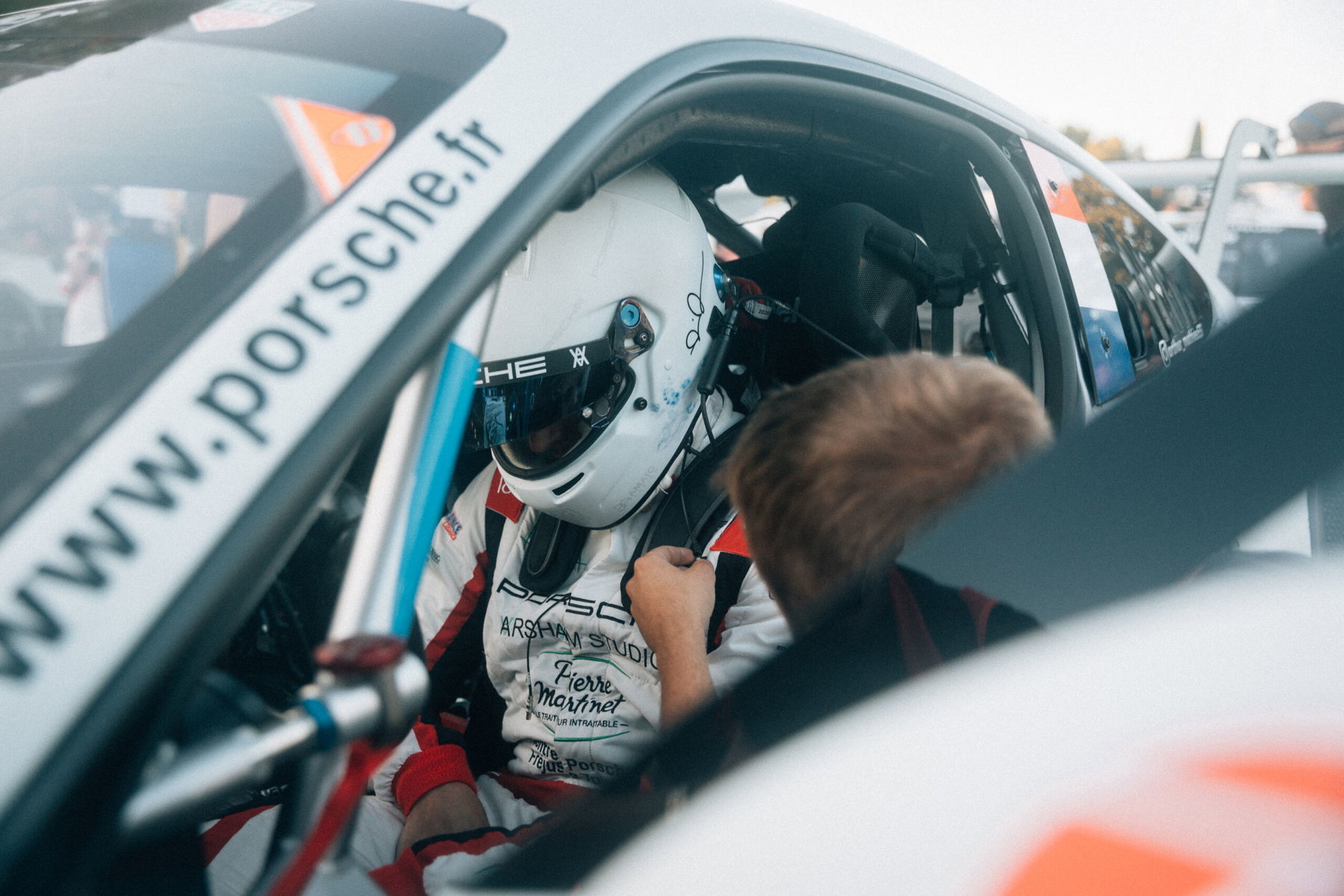
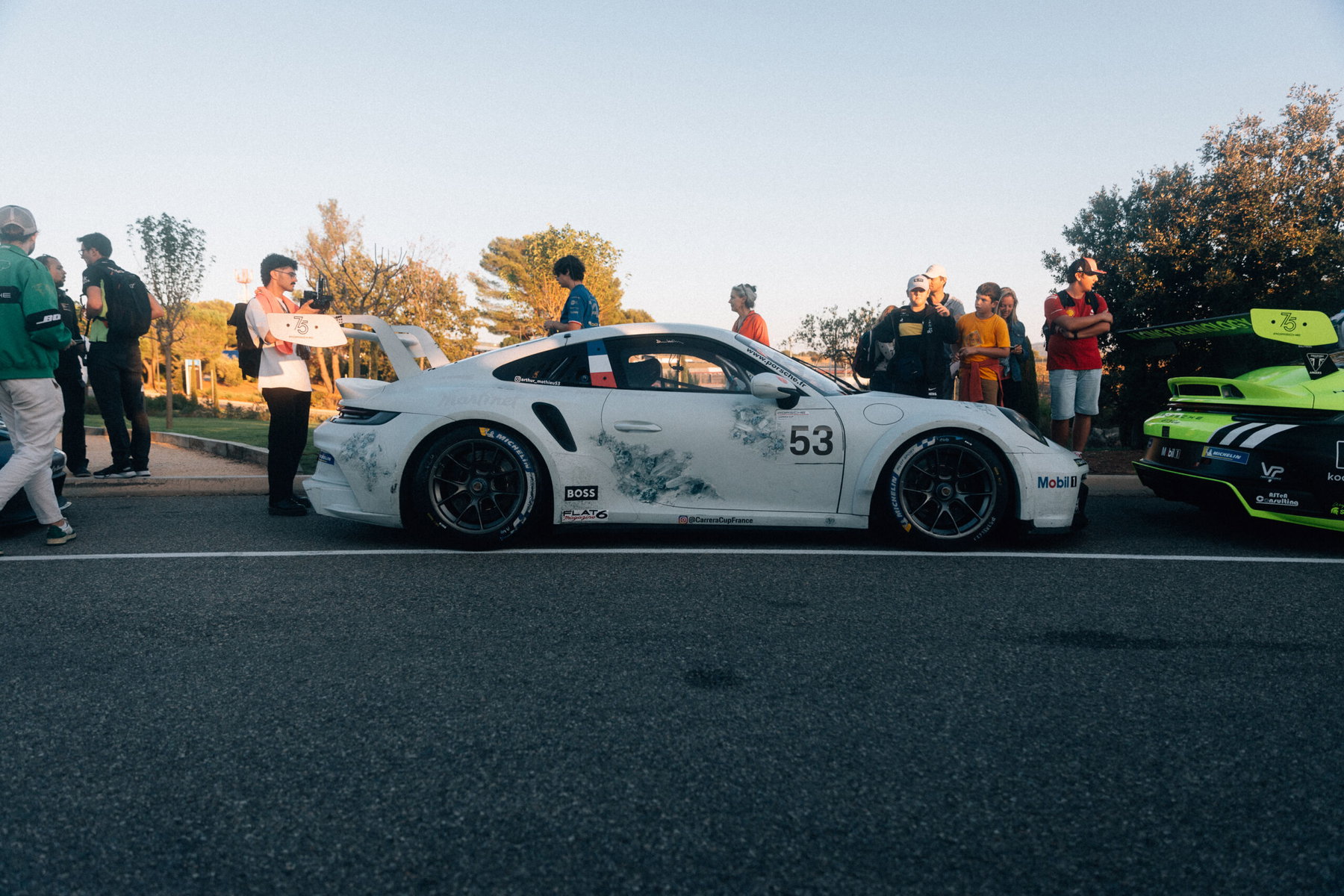
In 2023, renowned New York artist Daniel Arsham designed the 911 GT3 Cup, which Arthur Mathieu drove in the Carrera Cup France.
In 2021, French conceptual artist Bernar Venet designed Arthur’s Cup Porsche. A year later, he collaborated with Arthur Karakoumouchian, the founder of L’Art de L’Automobile. In 2023, Daniel Arsham designed the Porsche 992 GT3 Cup. How did this come about? “The story is surprisingly short. I messaged him on Instagram. He already had a concept and sent it to me. I replied that it would be a perfect fit for my Cup car. Working with Daniel was straightforward, and we were on the same page,” Arthur sums up.
For Arthur, however, a striking racing livery doesn’t automatically make a race car an art car. “A classic livery often serves the sponsor first and foremost. With Gulf, light blue and orange are enough for everyone to make the connection. With an art car, the artist looks at the car first. He engages with its lines, surfaces, and proportions. He doesn’t take an existing image and simply superimpose it onto the body. His art enters into a relationship with an object that has already been designed. A livery tells a story primarily about the sponsor. An art car tells a story about an artist’s work with the car.”
Arthur didn’t want to devote his entire life to racing
After three seasons, however, Arthur’s Carrera Cup project came to an end. “When I drove on a racetrack for the first time, I became completely obsessed with that feeling. For a long time, I thought this was inevitably going to be my path in life,” he says. “Of course, I miss driving. At the same time, I’m not sure if I want to devote my entire life to this path. Racing takes an enormous amount of time and money. I want to create things that better suit my personality. Above all, that includes sharing.”
Over the course of those three years, however, he’s gained a great deal of life experience. “Racing has shown me just how much work goes into things that look simple from the outside. To spectators, a professional performance seems effortless. Behind the scenes, there’s sponsor coordination, logistics, preparation, and countless decisions. Ultimately, racing is the result of many hours of hard training and preparation in the simulator.”
To spectators, a professional performance seems effortless. Behind the scenes, there’s sponsor coordination, logistics, preparation, and countless decisions. Ultimately, racing is the result of many hours of hard training and preparation in the simulator.
When Arthur thinks about making a comeback today, it’s historic motorsports that appeal to him most of all. “Modern race cars require you to push to the absolute limit at all times. At the same time, modern systems take a lot of the work off your hands. With historic cars, you have to think more for yourself. You have to keep an eye on temperatures and pressures. If a problem arises in a modern car, a warning message appears and the system switches to safety mode. Historic racing is more authentic and mechanical. That’s exactly what I like about it.”
You are currently viewing a placeholder content from Youtube. To access the actual content, click the button below. Please note that doing so will share data with third-party providers.
For Arthur, the most important thing about a good Porsche is that it actually drives
Aged just 18, Arthur drove a Porsche 962C. Later, he drove, among others, a 718 RSK with a history at the Carrera Panamericana, a largely original 904 GTS, and a Porsche 917 at Le Mans. “The owner simply said to me, ‘You’re always talking about driving. Now you’re going to drive.’ I asked him several times if he was really serious. I was very lucky to be surrounded by people who share their passion and their cars with me.”
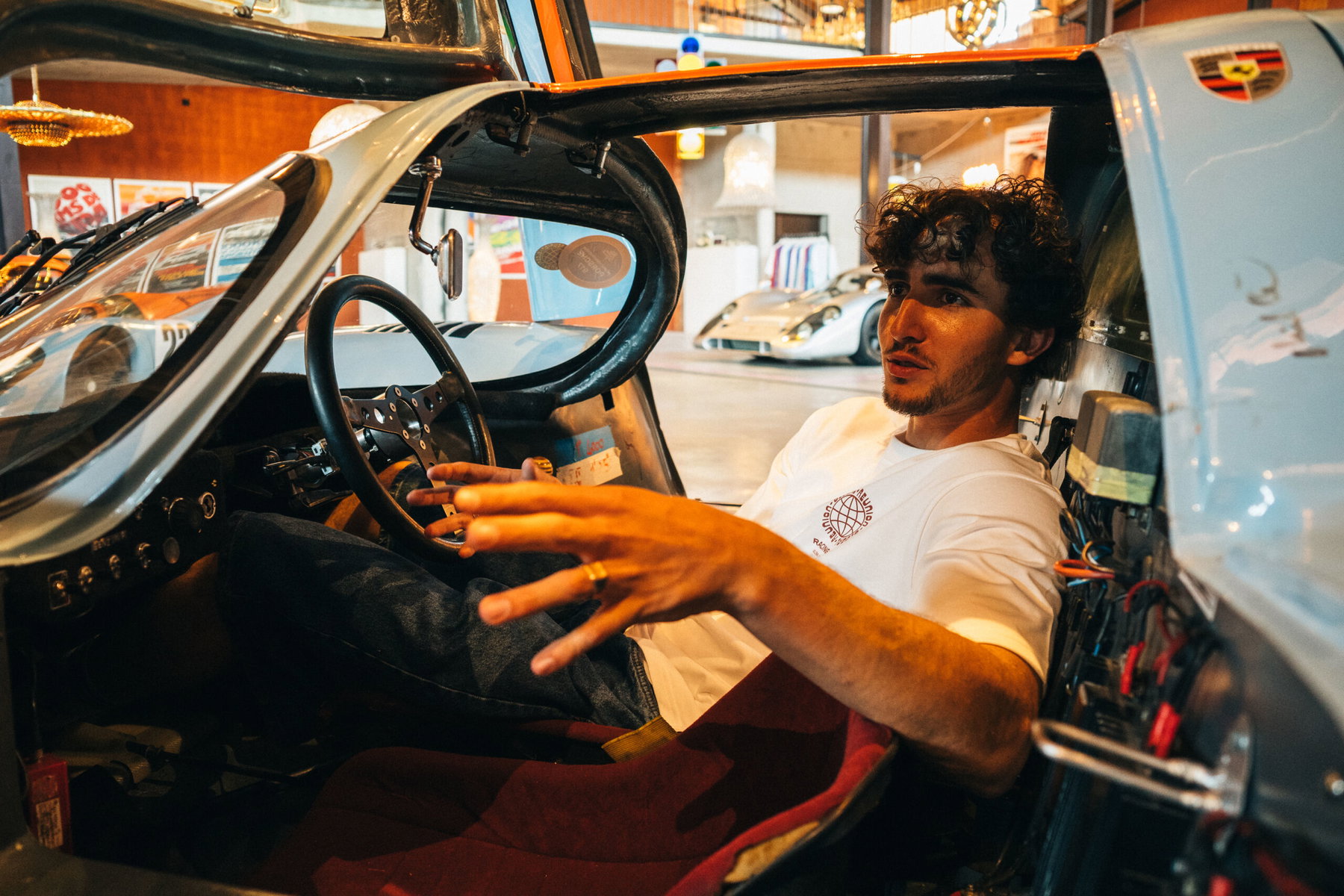
Historic race cars like the Porsche 908 or 917, hold a special appeal for Arthur Mathieu.
What makes a Porsche special to him? Arthur begins his answer in a surprisingly pragmatic way. “A Porsche just starts right up. That sounds trivial, but to me it’s part of the essence of these cars. Sometimes classic cars show up at an event that haven’t been driven in two years. The battery gets charged, the key is turned, and the engine starts on the first try. If a Porsche won’t start, it usually means it wasn’t treated properly beforehand.”
“Even the race cars are surprisingly accessible. That doesn’t mean anyone can drive them fast. You need talent and experience for that. But handling the car and getting a feel for it often comes very naturally. Basically, Porsches are easy to drive. Driving them really fast, however, is very challenging. That, to me, is what defines a Porsche.” Arthur generally pays little attention to the usual distinction between air-cooled and water-cooled models. “I like the 996. The transaxle models drive great, too. Still, my greatest enthusiasm is for the cars from the 1950s, 1960s, and 1970s.”
“What isn’t shared will be lost”
“Everything I know about Porsche today, I’ve learned from other people. My family taught me a great deal. Later on, other people came along who shared their knowledge and experience with me—I find that completely natural,” says Arthur. “If historic cars are just parked away and not driven, we lose technical knowledge. Someone who drives them might stop by the side of the road, open the hood, and try to figure out what’s wrong. That’s exactly how you learn.”
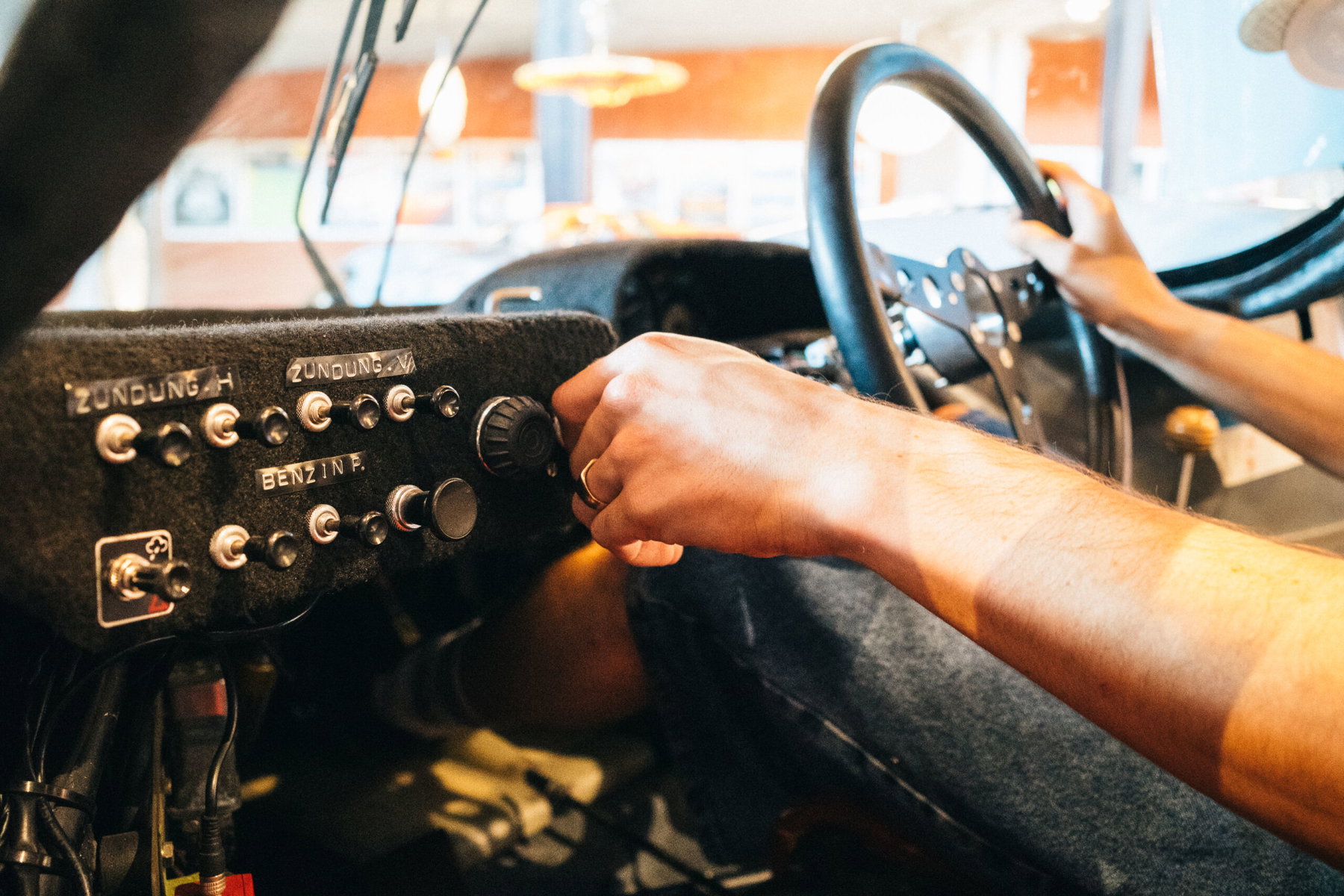
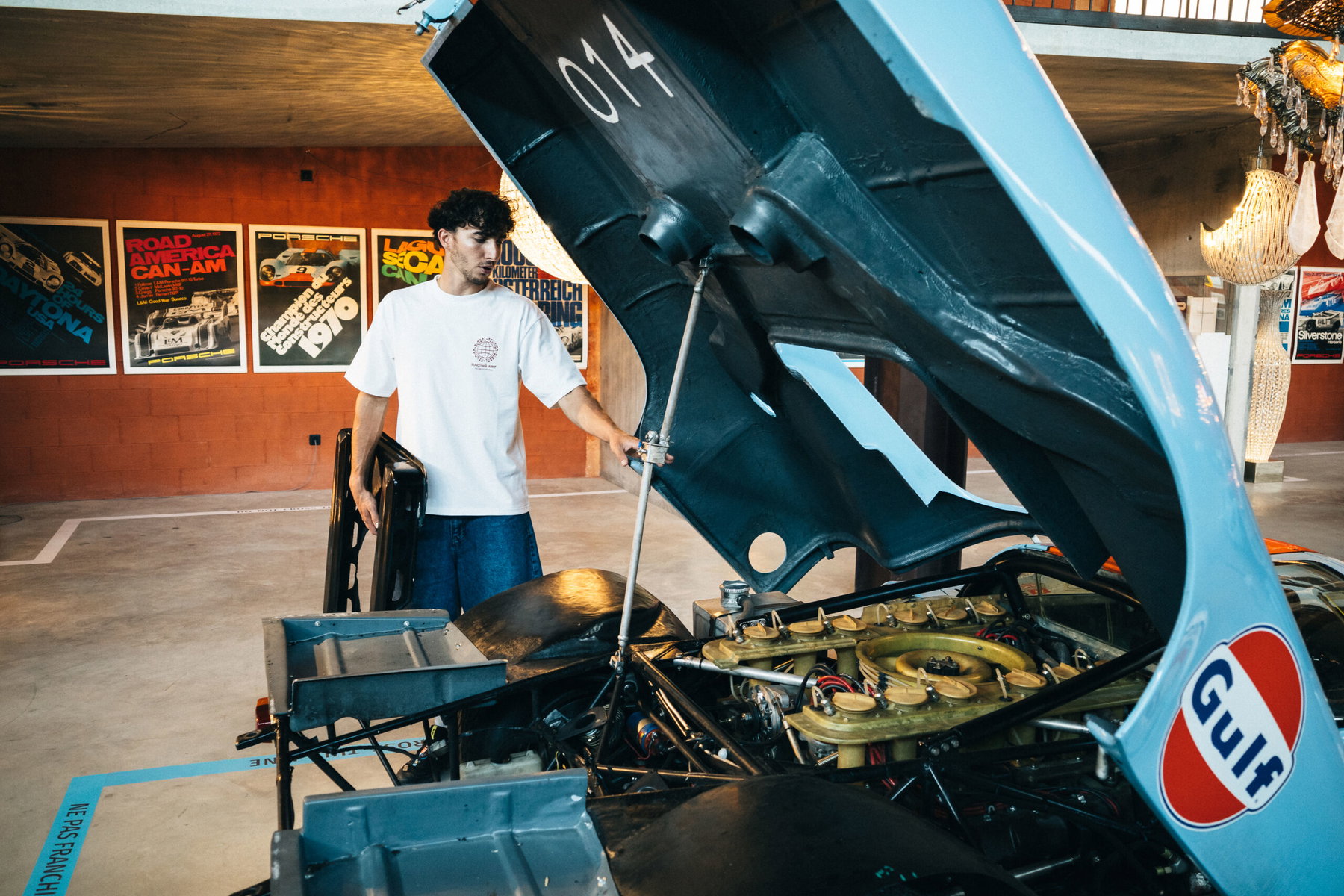
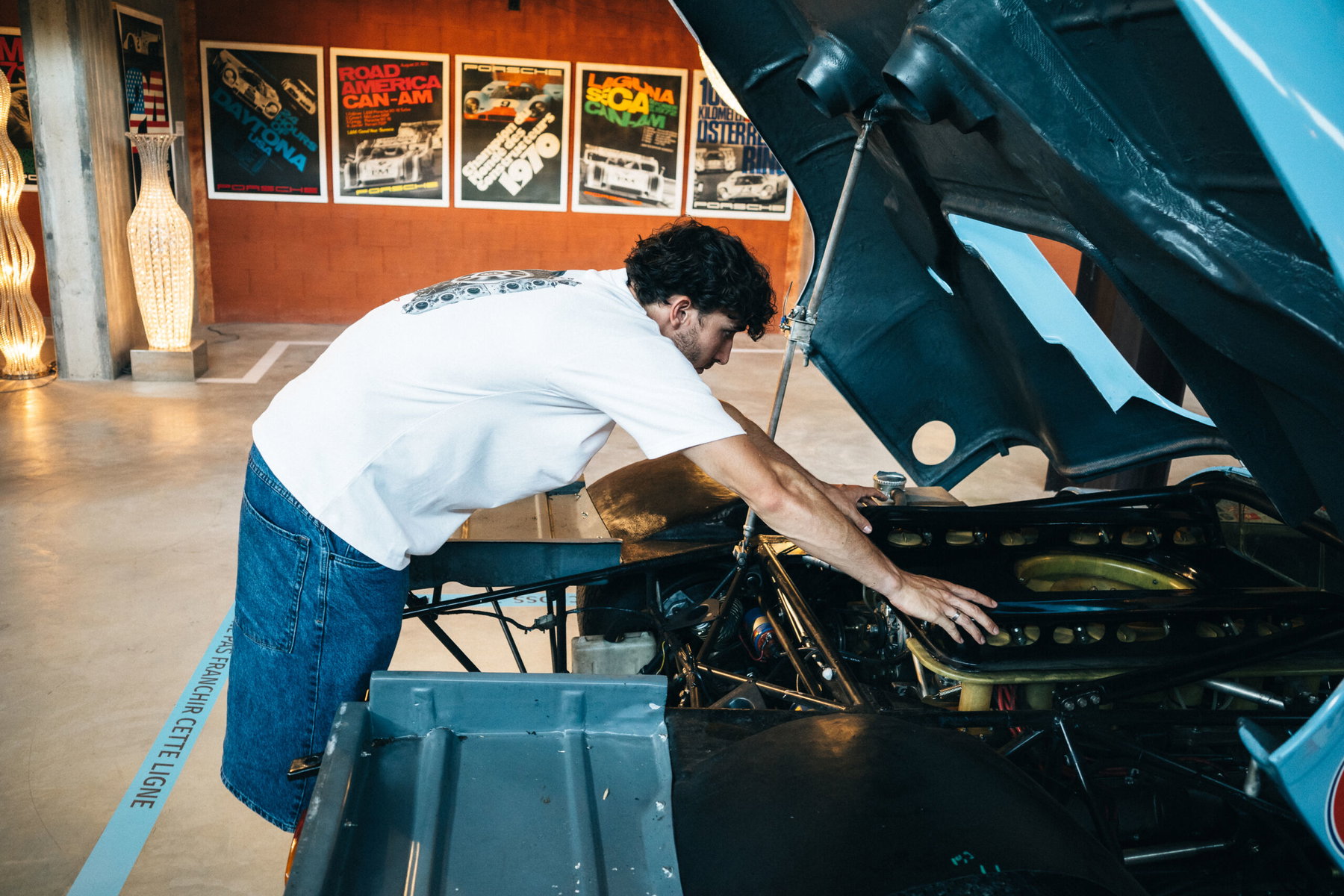
Arthur Mathieu doesn’t just want to drive classic cars. He also wants to understand the technology behind them.
That’s why events featuring rare classic cars are so important to Arthur. “When you tell a story well, it sparks passion. It’s less about how someone presents something on Instagram. What matters is what people tell their friends afterward—and why they bring those friends to an exhibition or event. The story behind a car really sticks with people.”
If no one organized events, prepared for anniversaries, or planned reunions, the Porsche world wouldn’t be the same. What isn’t shared will be lost.
To mark the 60th anniversary of the Porsche 912, Arthur has already organized gatherings in Provence, Japan, and the U.S. “I try to create a setting where the stories of these cars can be passed on. If no one organized events, prepared anniversaries, or planned reunions, the Porsche world wouldn’t be the same. What isn’t shared will be lost.”
“I want to create events every year that bring art and Porsche together. The focus should be on the people—the stories behind the cars, the engineers, and everyone who built, drove, or maintained these vehicles,” says Arthur. In the long term, he envisions a European gathering in the spirit of the Rennsport Reunion. “A large part of Porsche’s history took place in Europe, and many important collections are based here. Europe needs an event of this kind.”
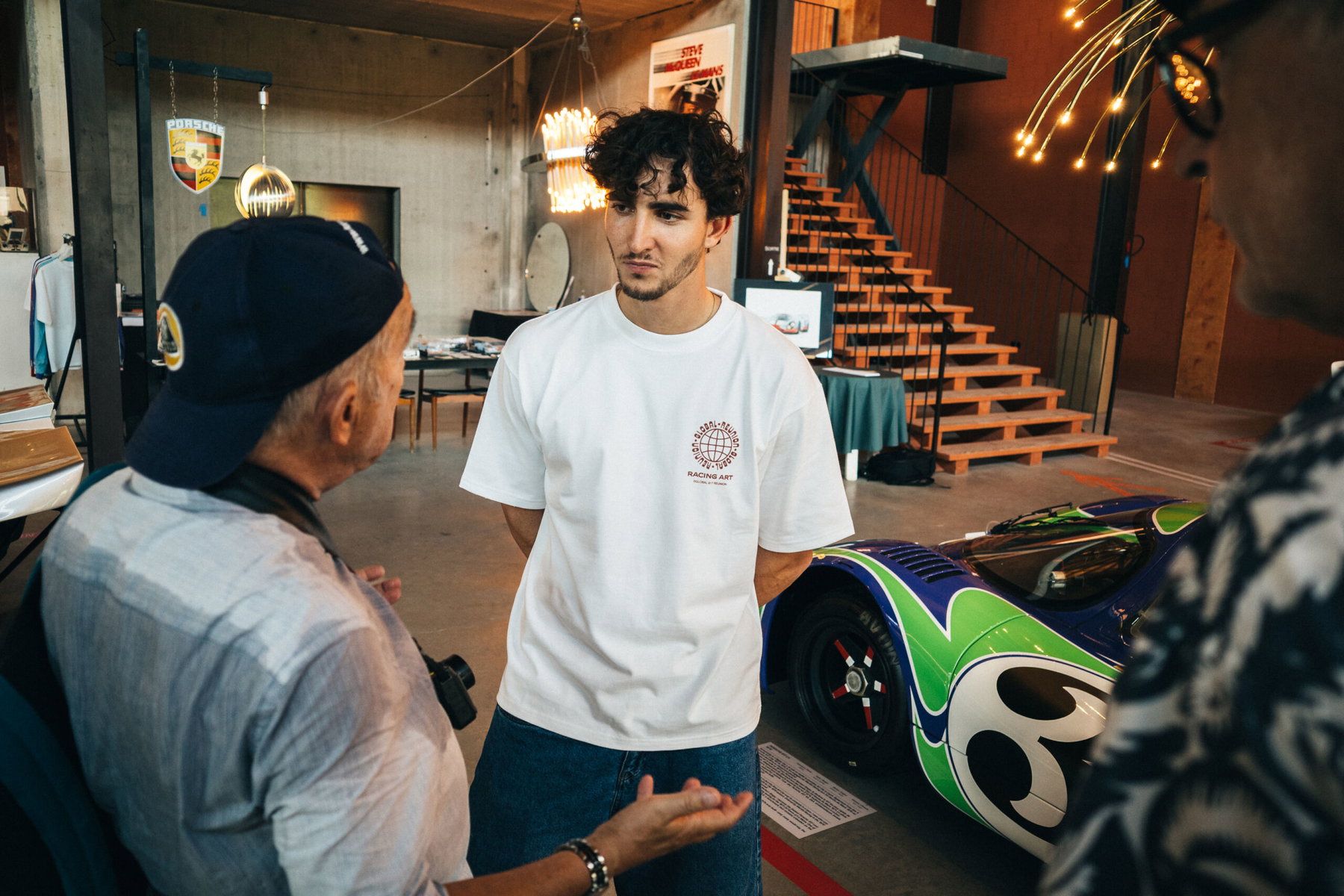
For Arthur Mathieu, fostering dialogue across different generations is a key focus when organizing events.
His vision is extremely practical. “There should be places to go for repairs, small workshops, and casual hangouts where you can have coffee with friends. People should be able to drive there in their cars, use them, and feel at home. If someone breaks down, they should be able to find help. For me, it’s about creating a complete experience and passing on the stories.”
Arthur doesn’t view other organizers as competitors. “Passionate people should help other passionate people and bring them together. The idea that two people automatically have to be competitors just because they organize similar events isn’t true. We should coordinate schedules, share knowledge, and work together to ensure that visitors have as many great experiences as possible.”
With the Global 917 Reunion, Arthur brought his idea to life himself
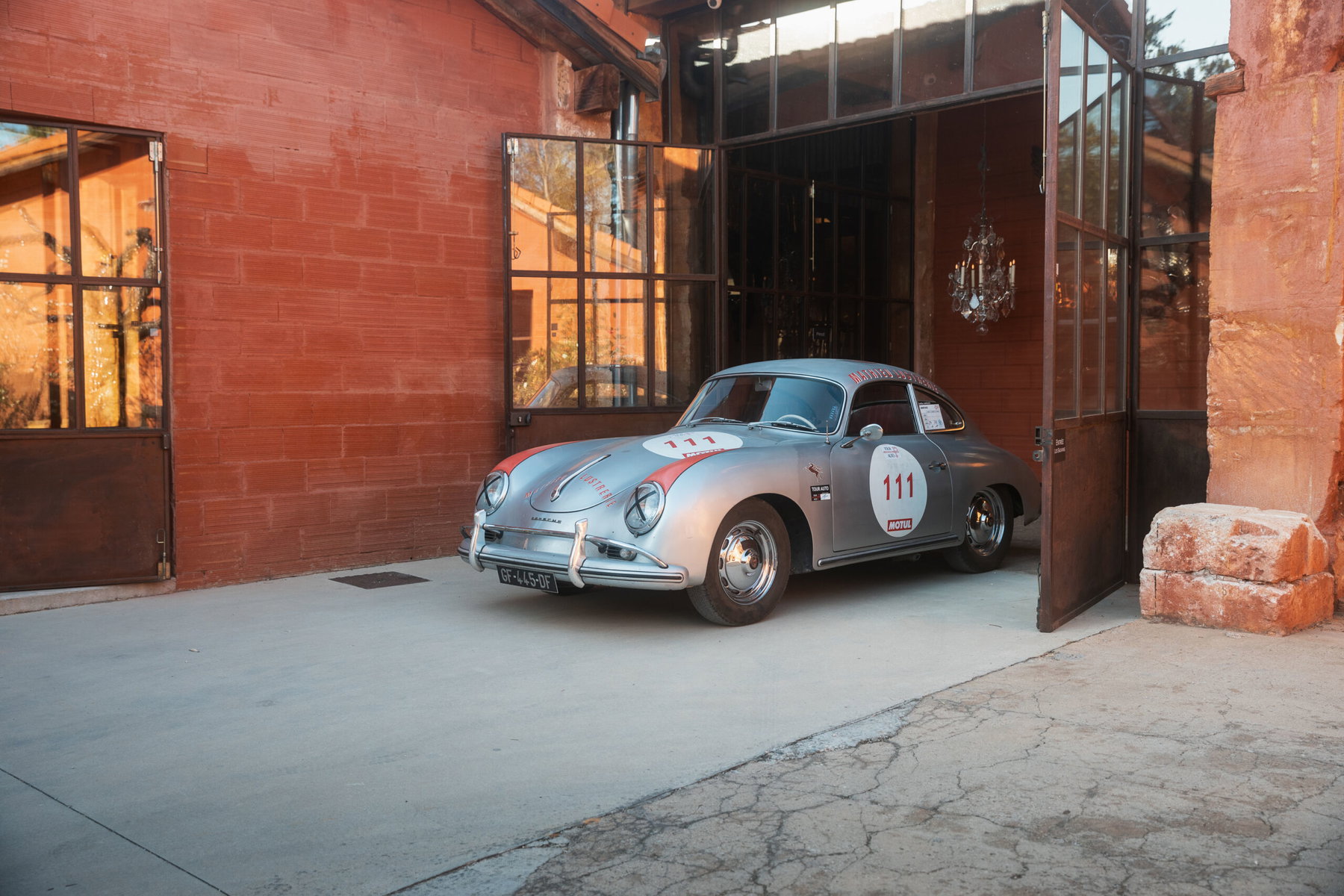
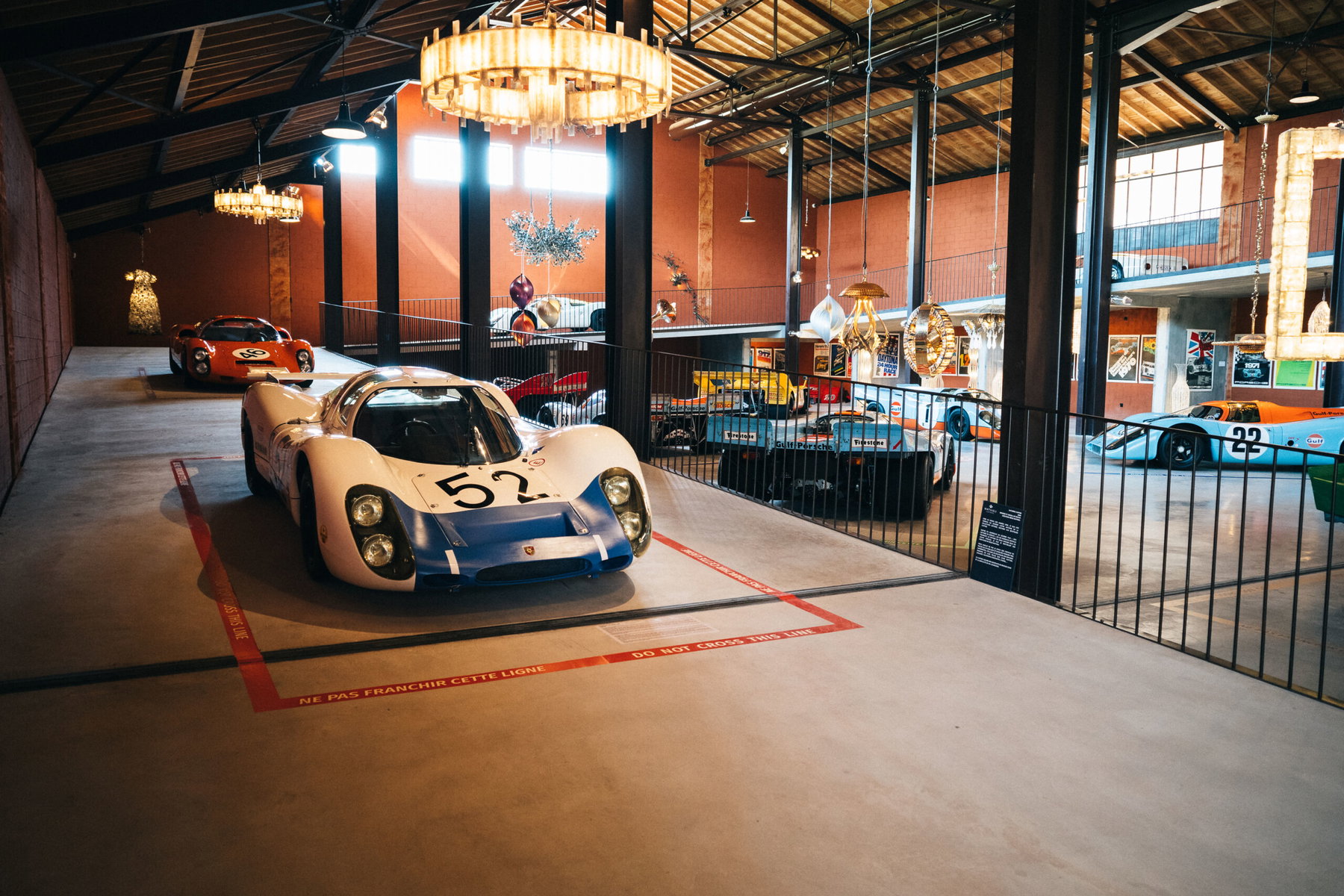
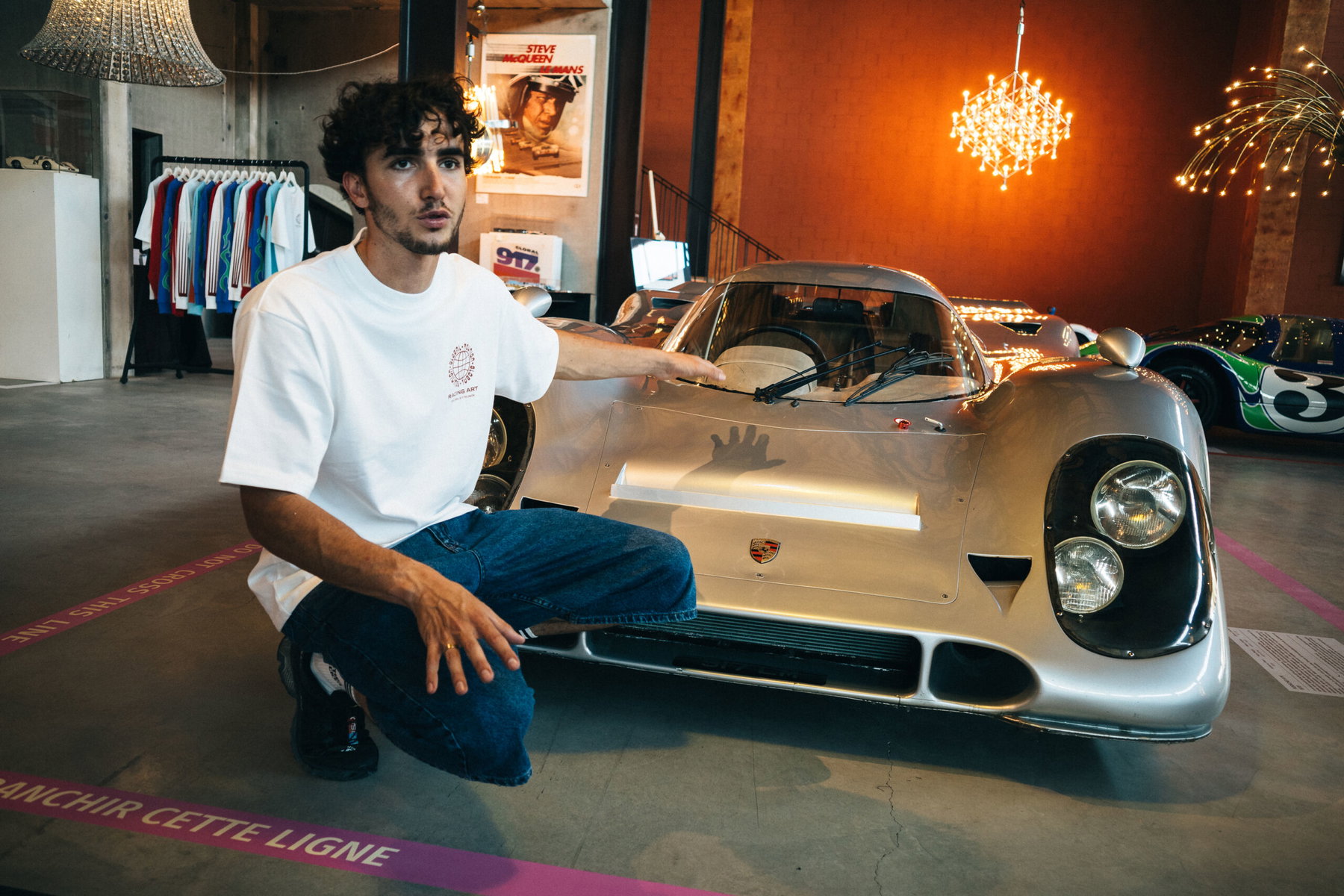
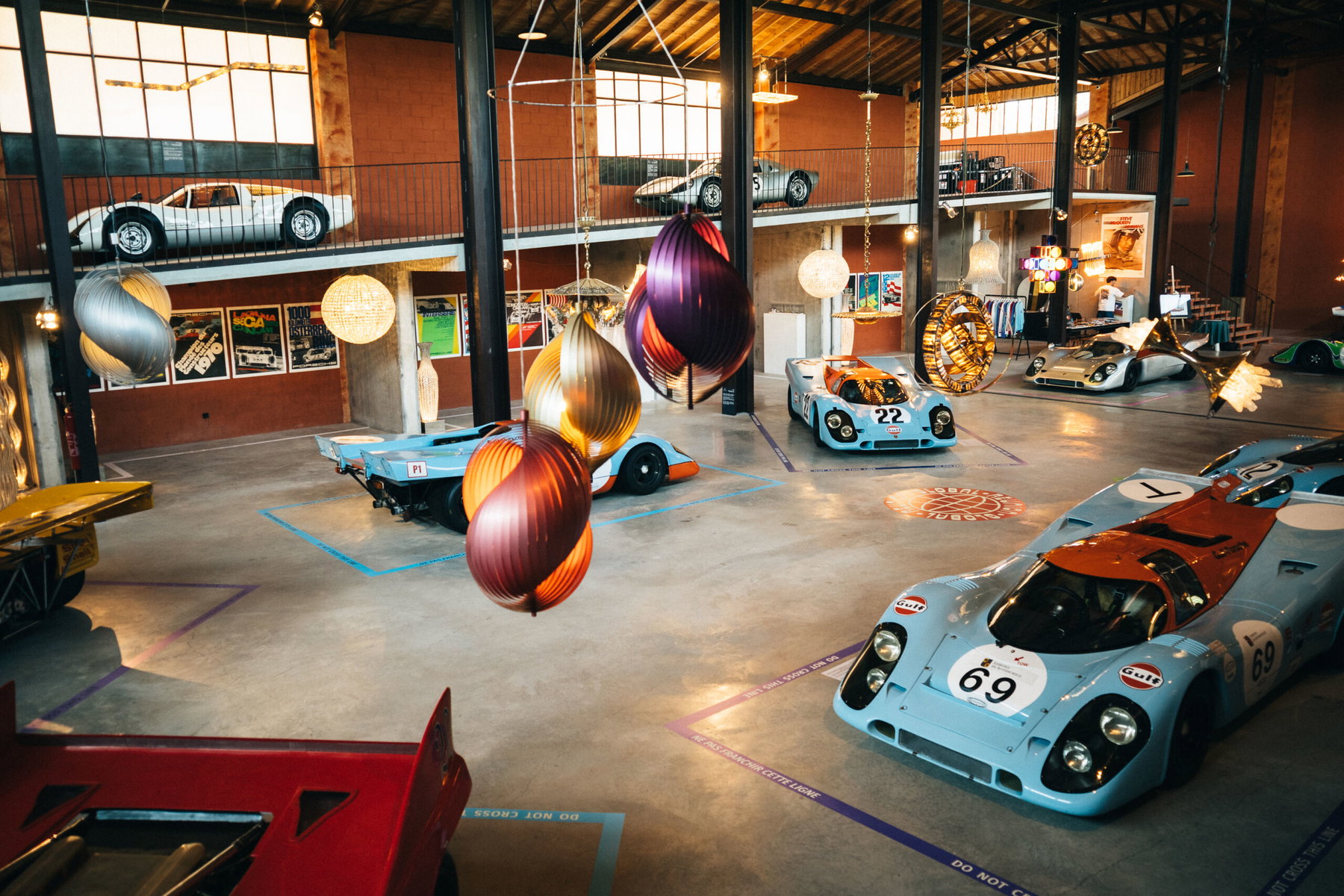
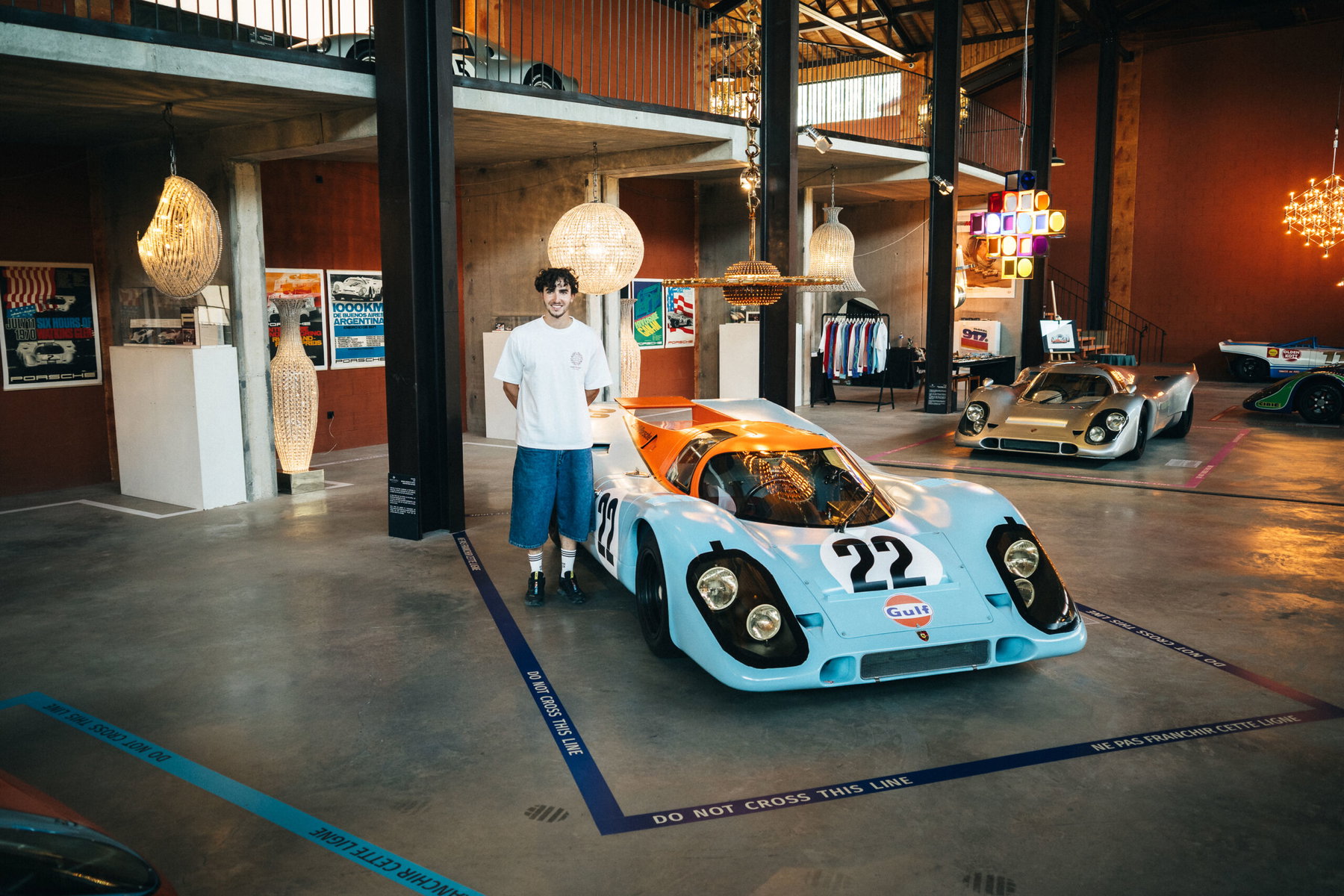
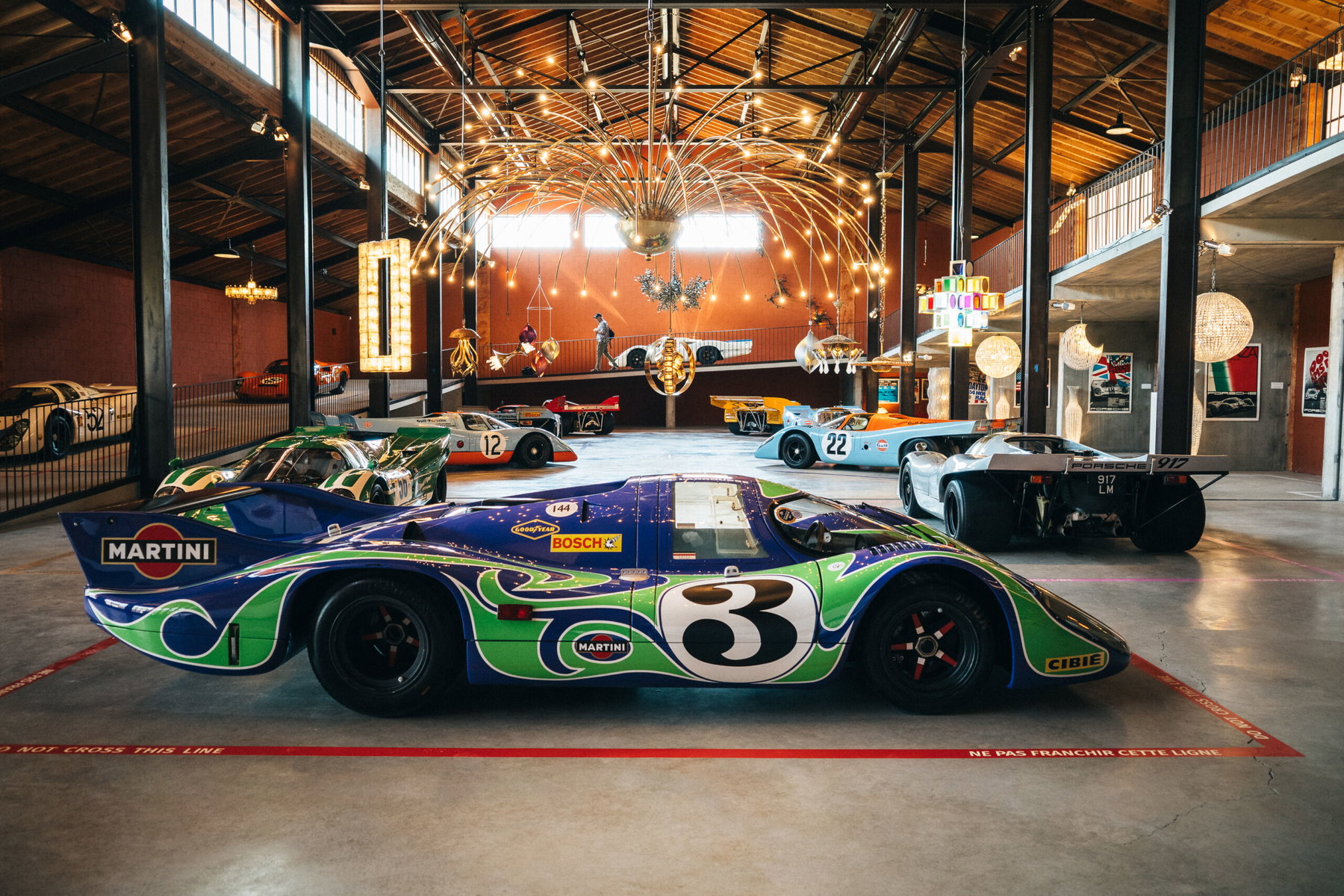
One example of this was the Global 917 Reunion in the summer of 2026. Ten Porsche 917s from private collections first competed in the Le Mans Classic and were subsequently exhibited at Mathieu Lustrerie in Gargas. Historical photographs, posters, and memorabilia complemented the race cars. At the same time, the exhibition paid tribute to Hans Herrmann, Porsche’s first overall winner at Le Mans.
Arthur Mathieu brought together a total of ten privately owned Porsche 917s at the Mathieu Lustrerie.
“For me, it was an emotional moment to experience these cars together on the track. You hear the engines on the straights and see all these 917s in one place. At first, some people said, ‘There are cars here worth well over 100 million euros.’ But that wasn’t what it was about for me at all. I want to give people a different perspective. When they get to know the drivers, the races, the technology, and the history of a particular car, they talk about emotions and not just prices all the time. I think that’s much more important!”
The Frenchman would be happy to see Porsche draw even more on collectors’ knowledge
“The Porsche brand has such a magnificent history. At the same time, dedicated collectors sometimes know individual cars and very specific historical contexts in extraordinary detail. Maybe Porsche can draw even more on this knowledge to further document and preserve its own legacy with the greatest possible historical accuracy,” says Arthur.
Arthur’s dream takes him back to the Porsche 356 Speedster
To wrap things up, I ask Arthur our traditional question: Which Porsche would he choose if money were no object? He doesn’t have to think long. “A Porsche 356 Carrera GT Speedster.” With that, Arthur’s answer takes us back to the beginning of his Porsche story: to the very model in which his father once drove him home from the maternity ward.