– Largely original, with patina intentionally preserved
– H registration
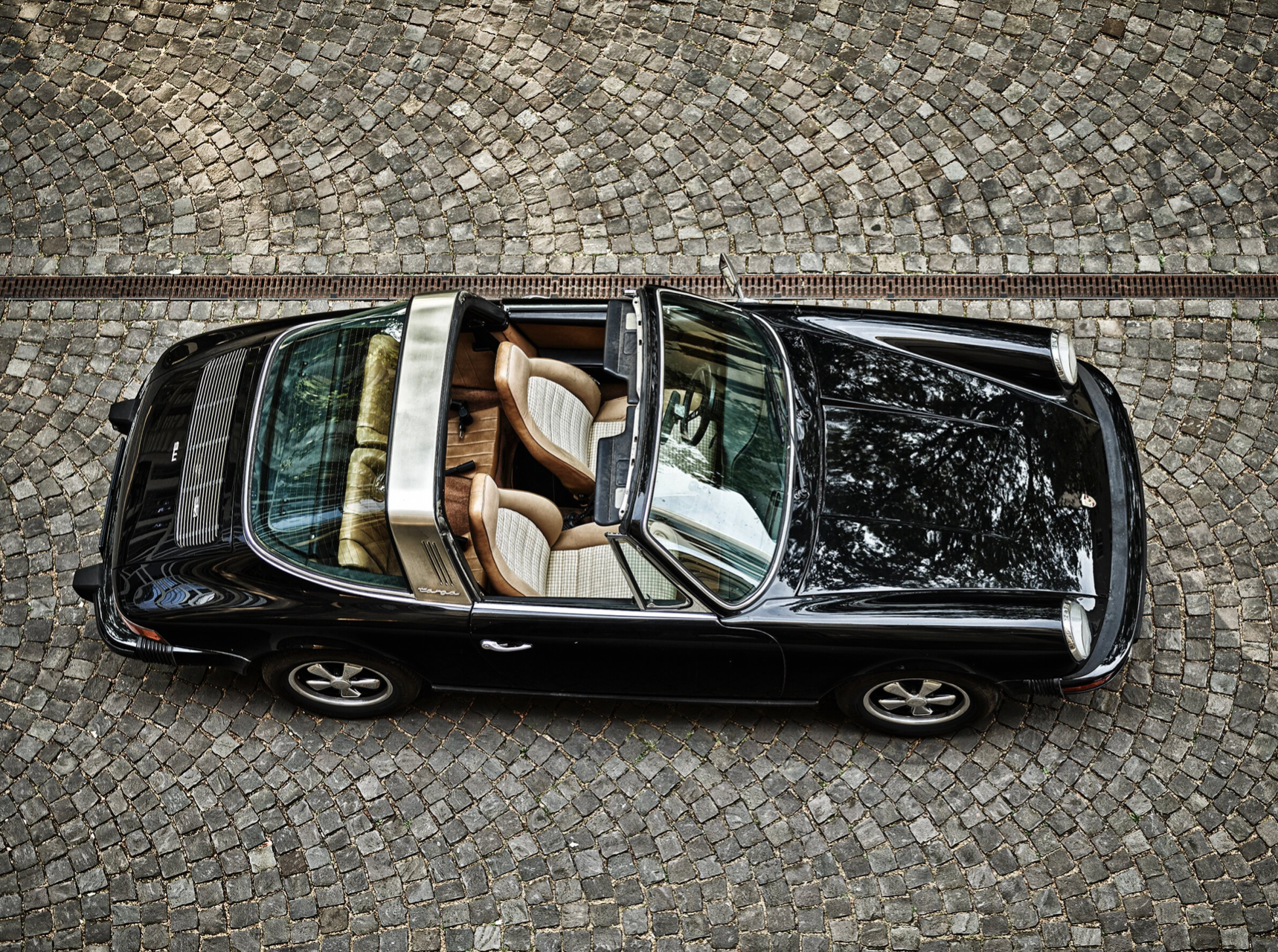
– First registration: 1974 · Mileage: · Color: black · Interior: Original beige / fabric / synthetic leather
The Vehicle
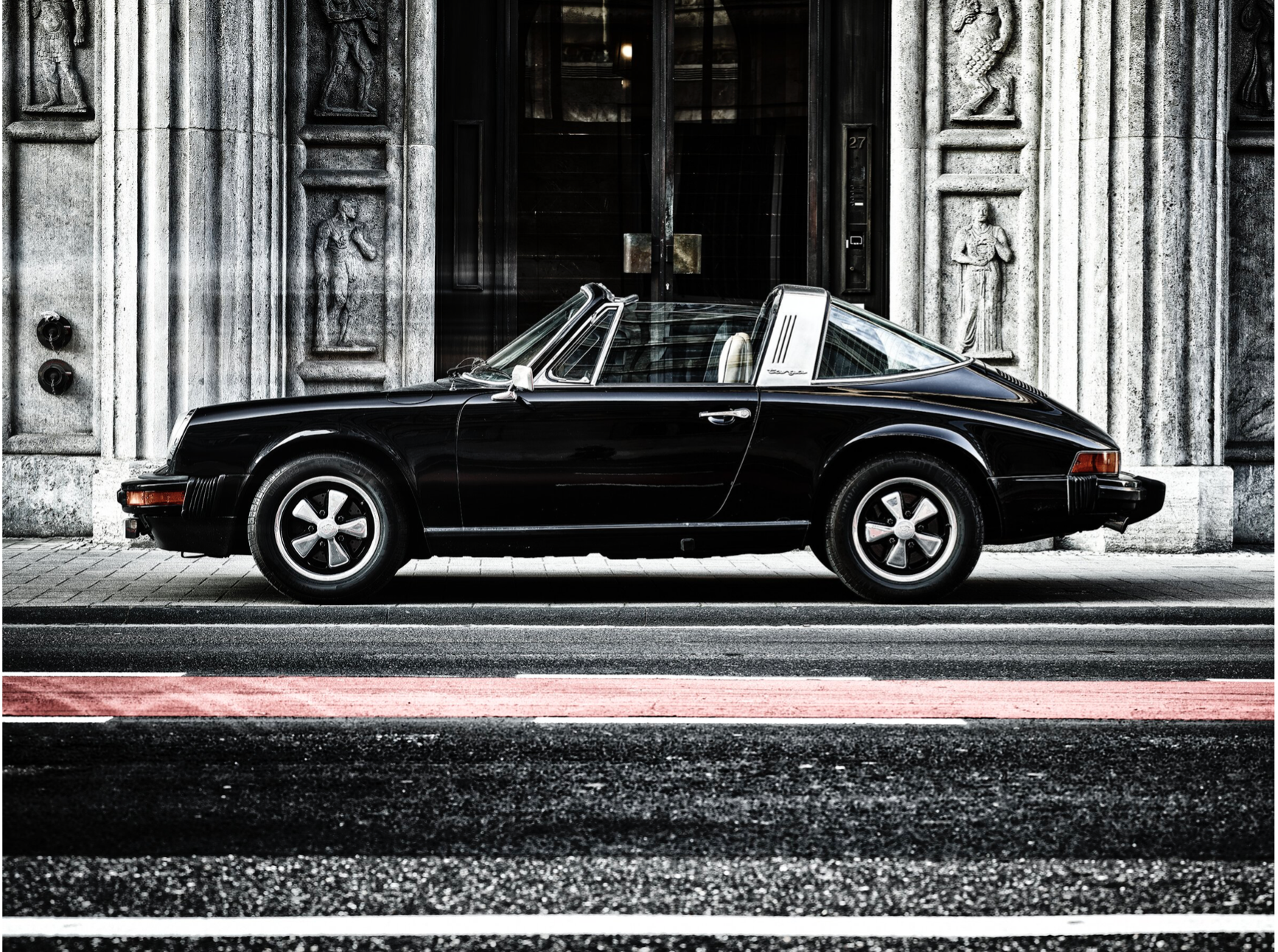
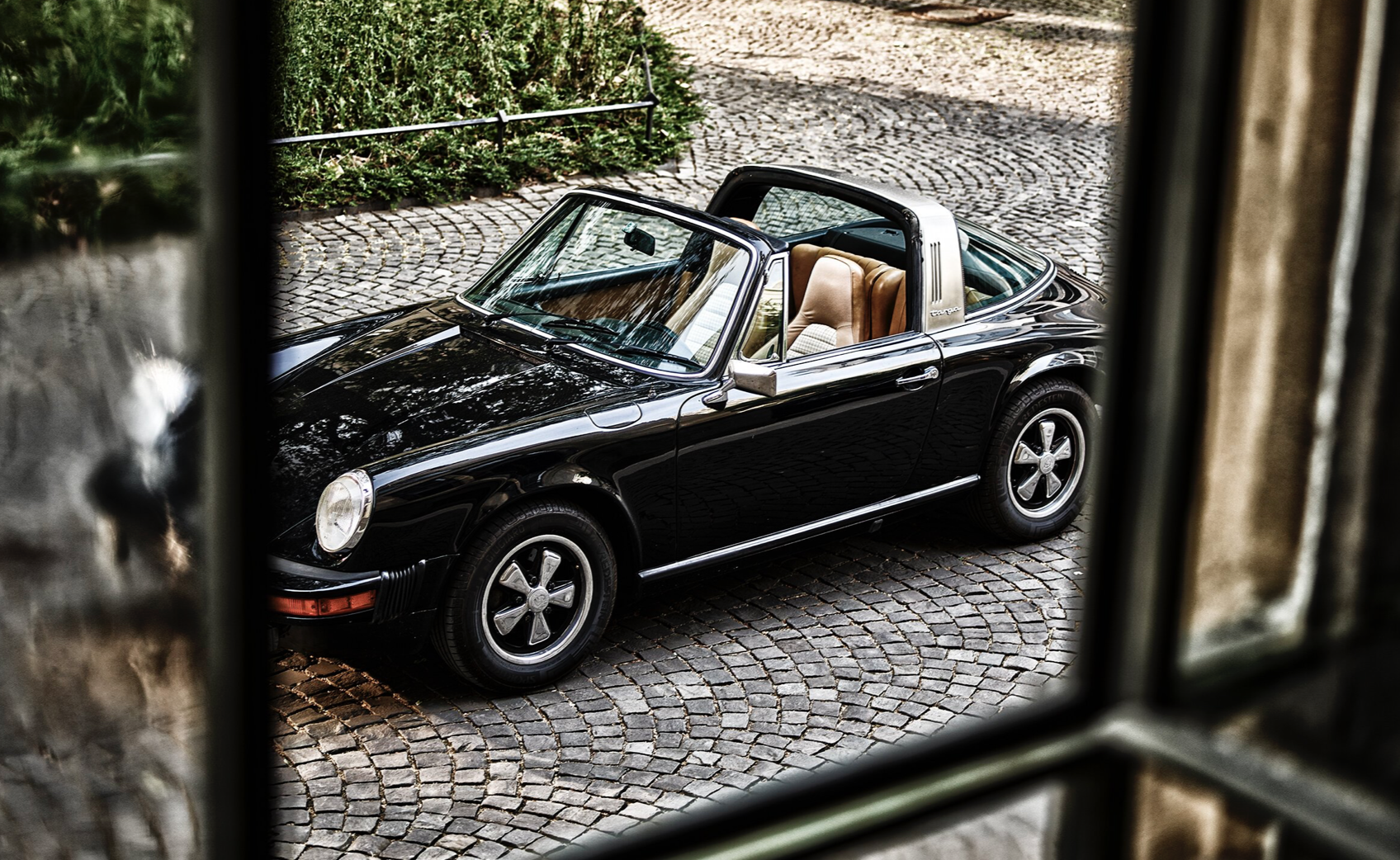
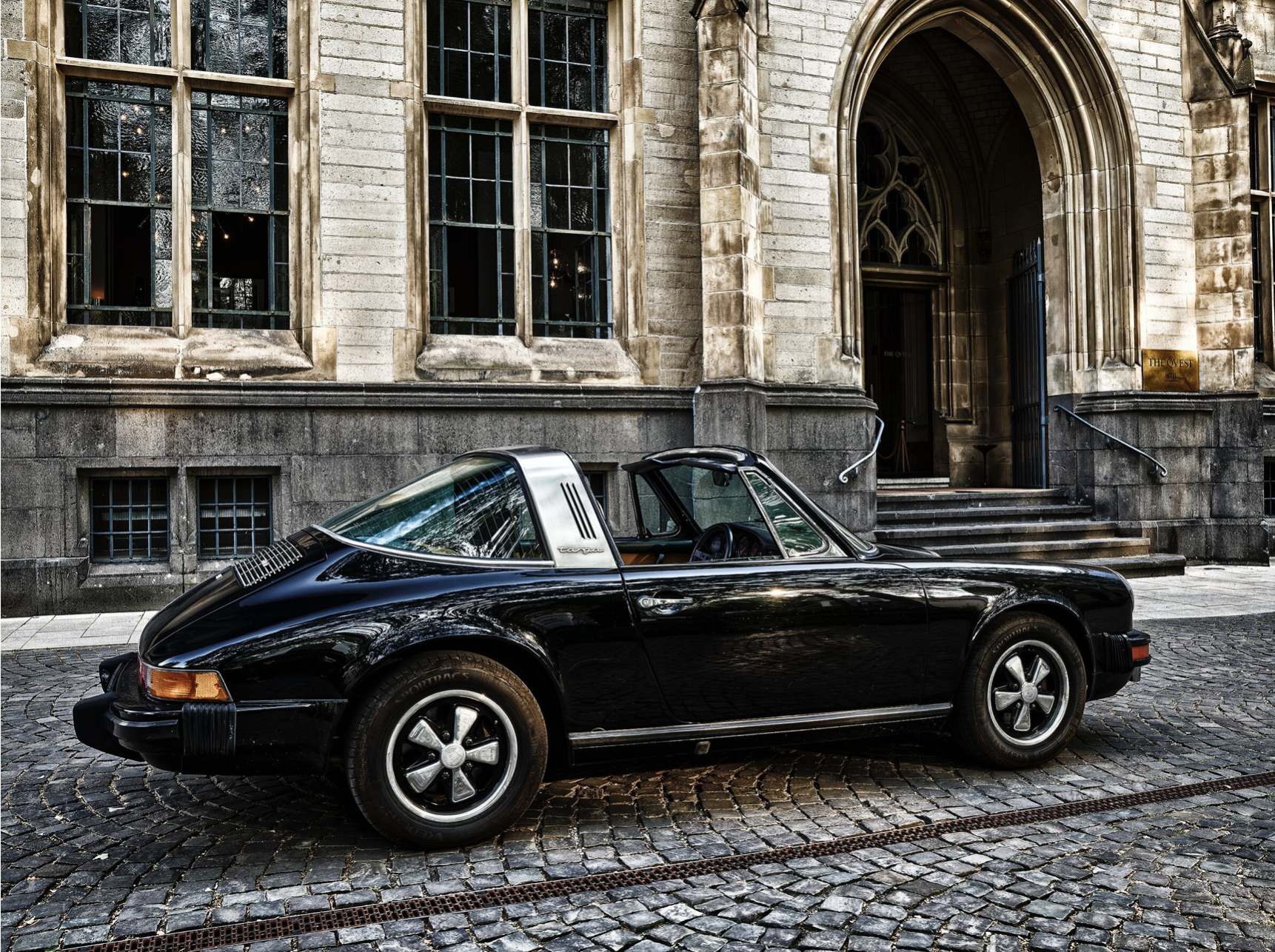
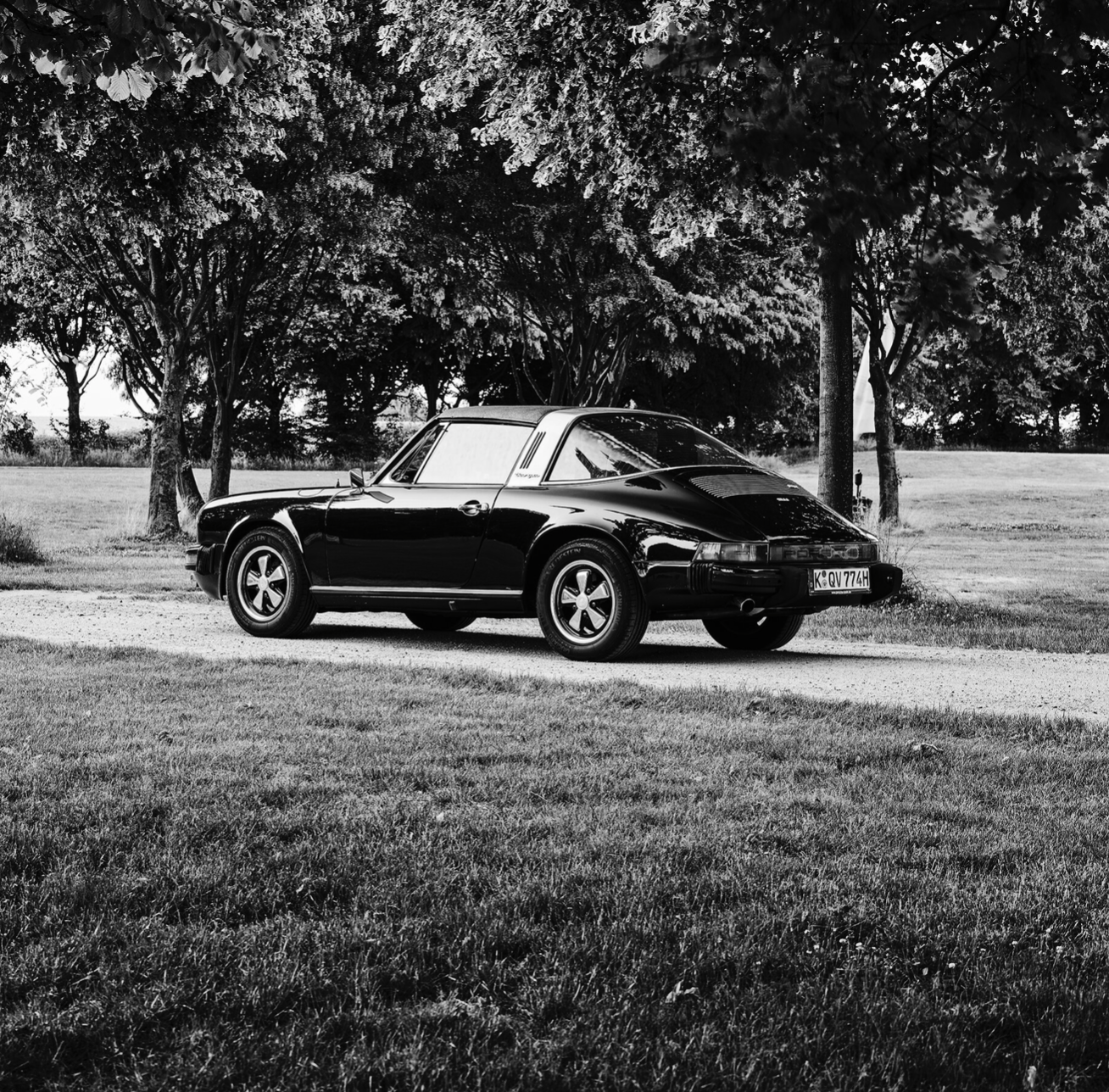
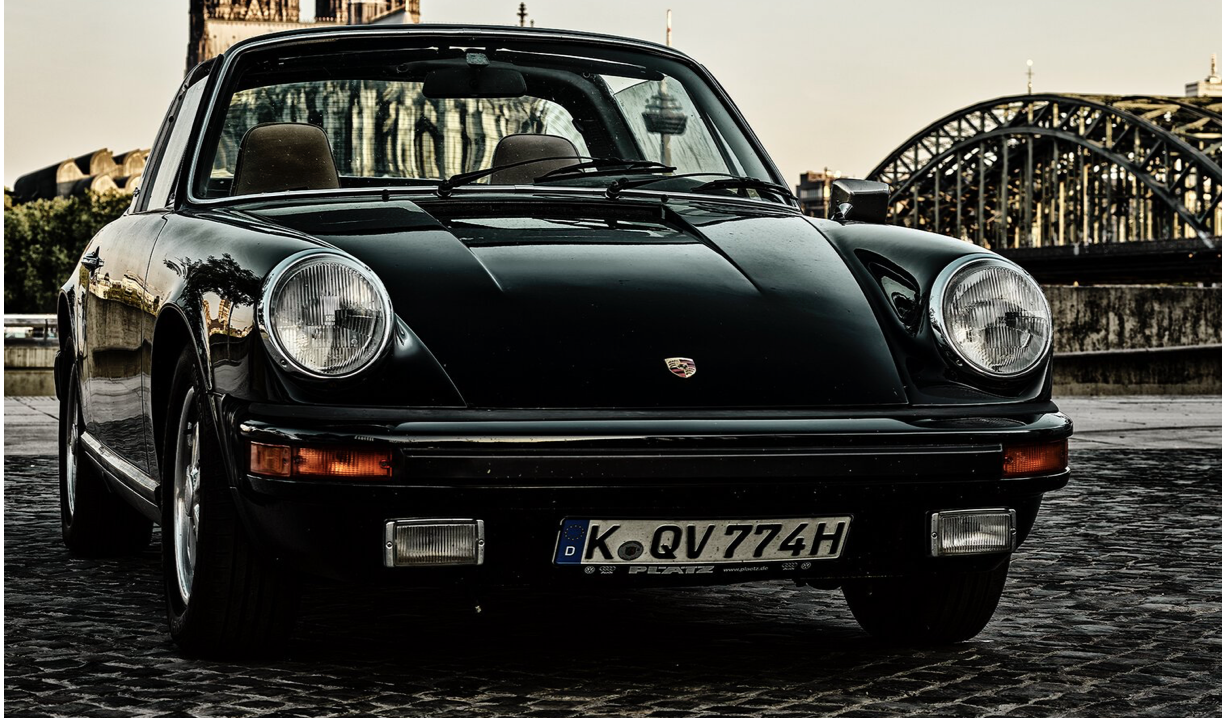
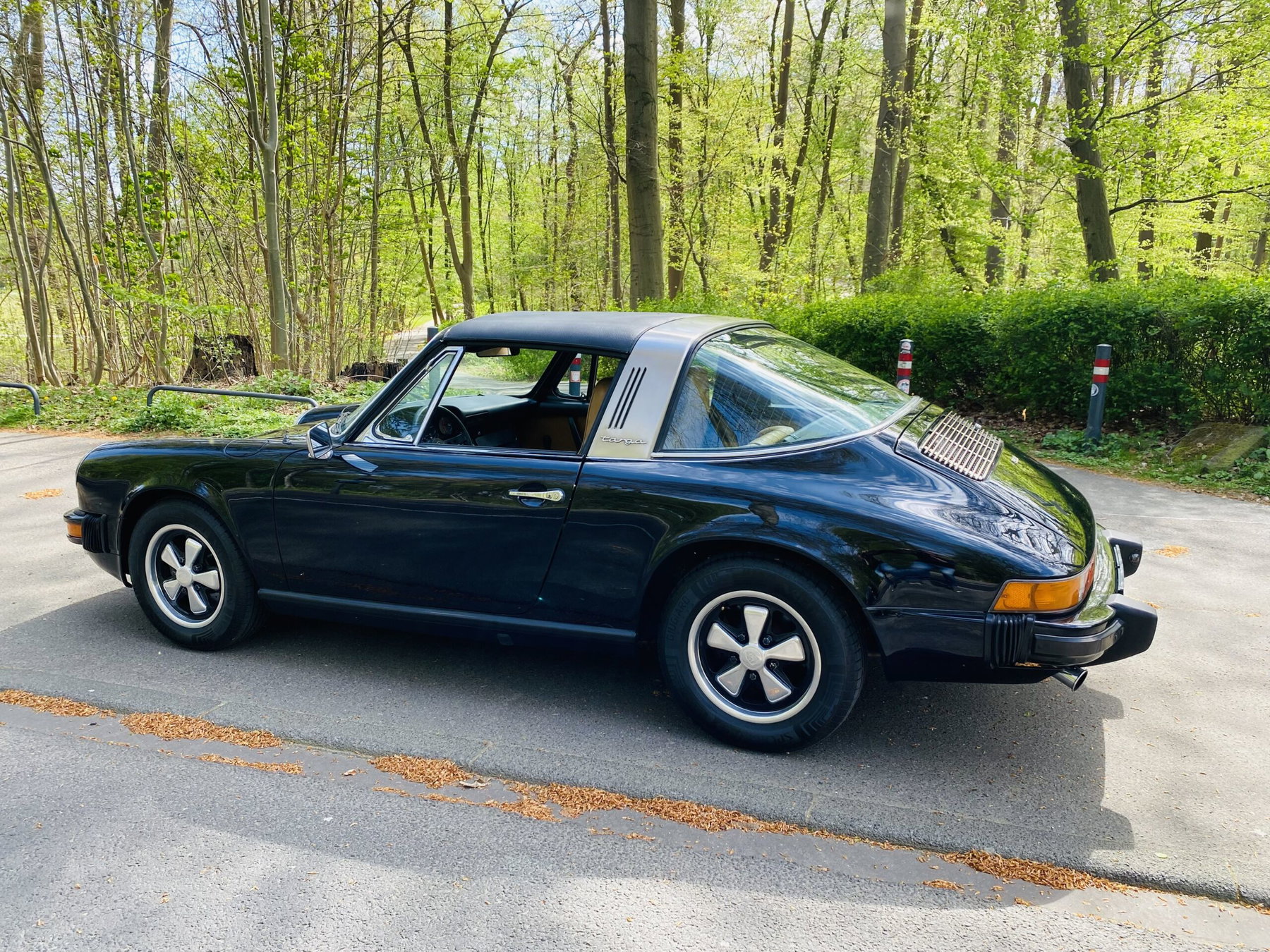
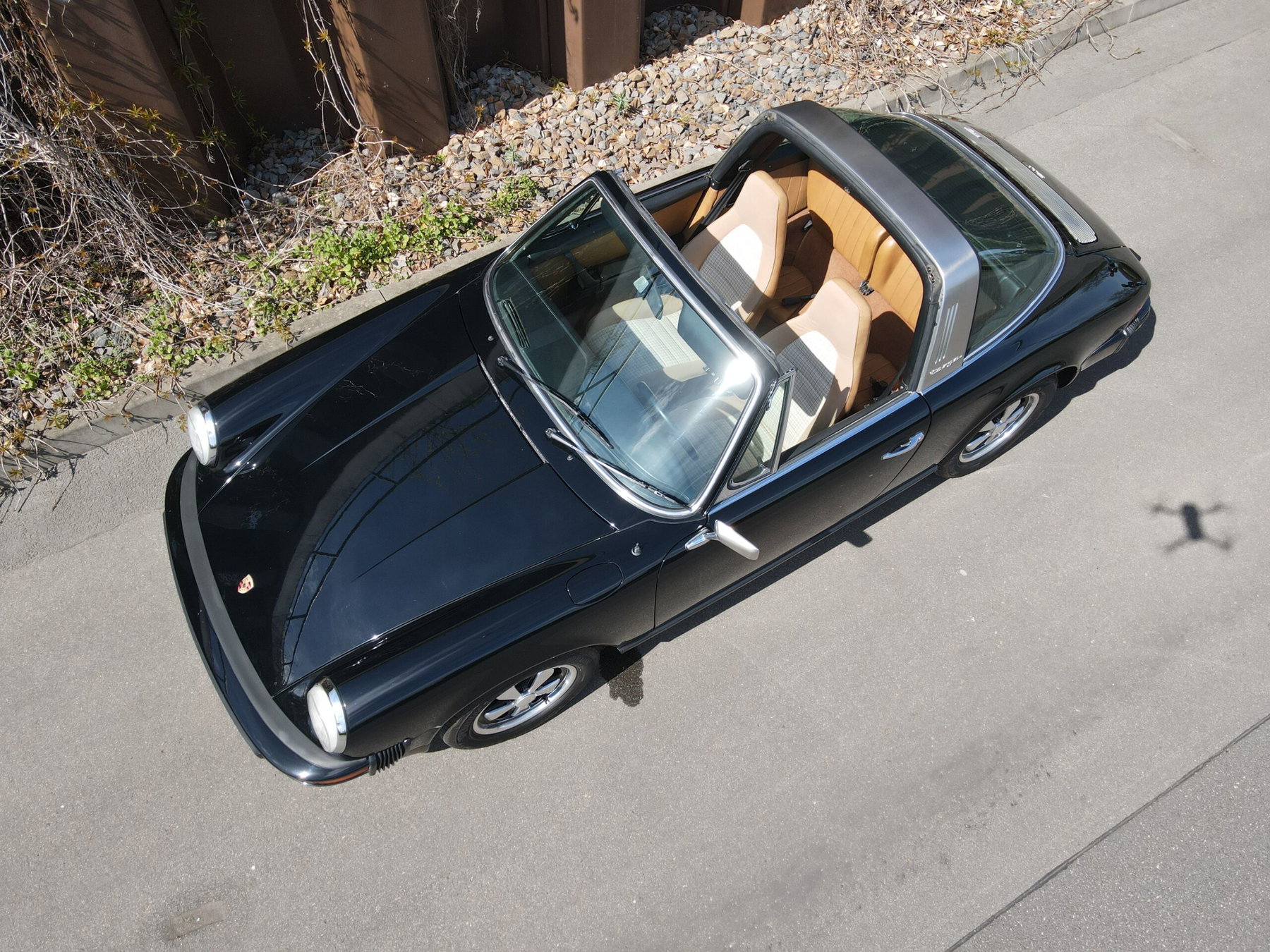
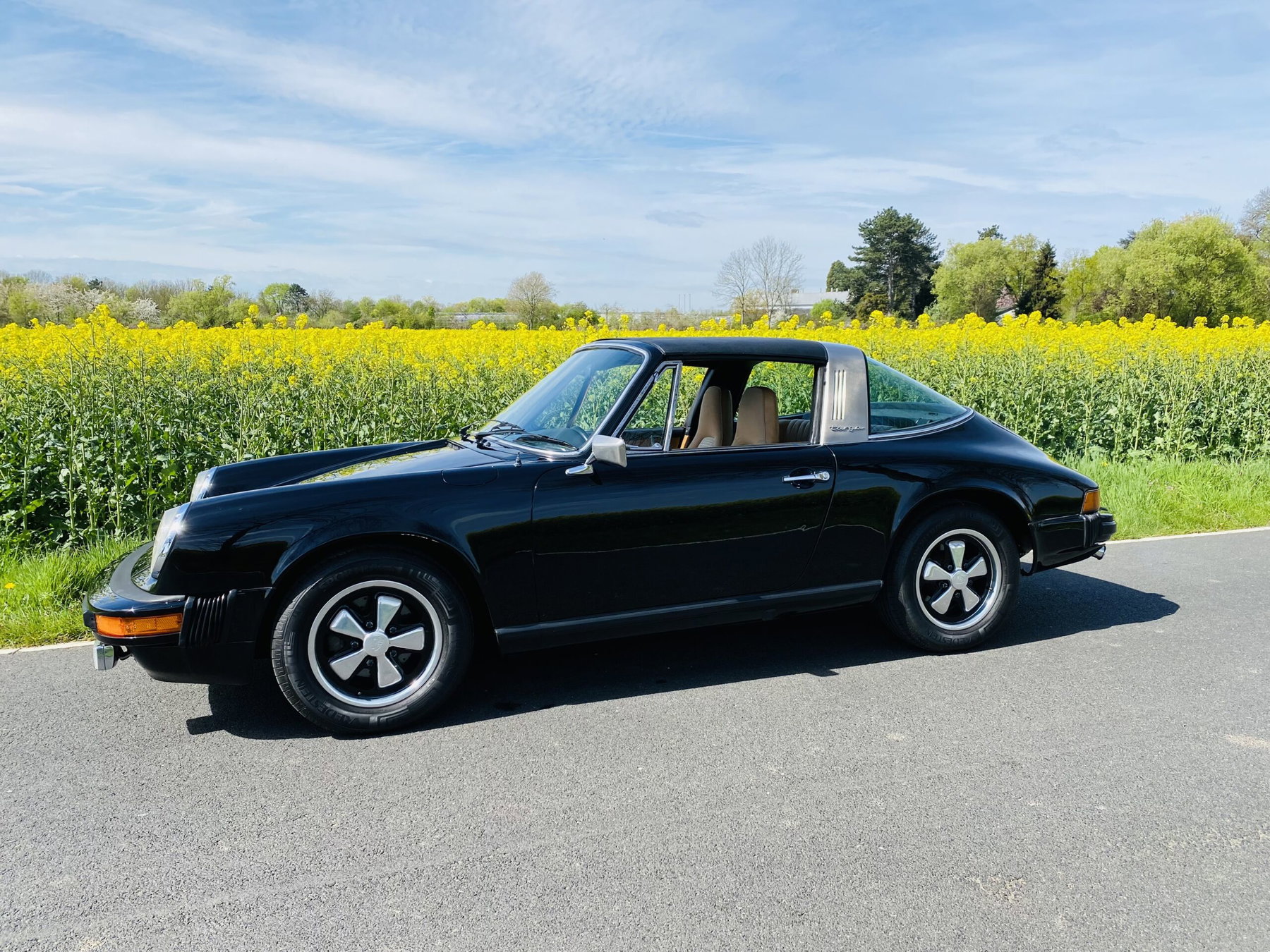
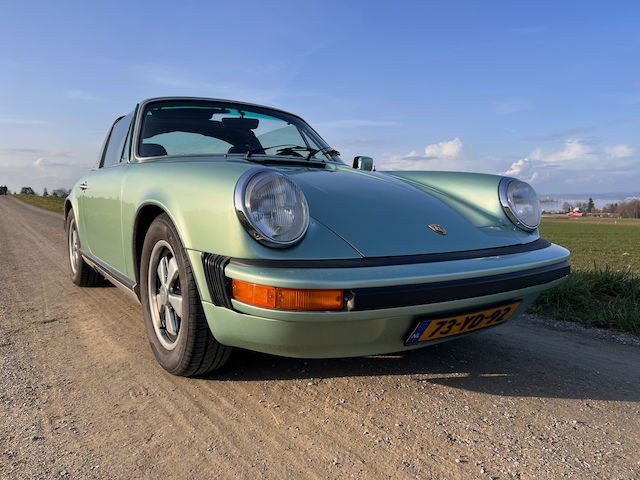
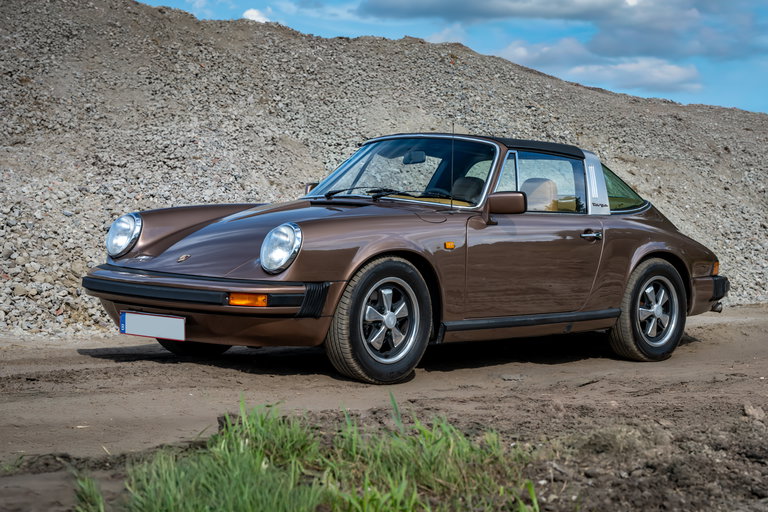
With the 1974 model year, Porsche introduced the fundamentally redesigned 911—internally known as the G-Series. What many people don’t know: Internally, only this one model year bore the letter G. As early as the 1975 model year, Porsche referred to the series as the H-Series, and in 1976 as the I-Series. Popular usage later extended the name “G-model” to the entire generation up to 1989—nearly 200,000 vehicles. Strictly speaking, however, only the 1974 models are true G-Series 911s. This vehicle, therefore, is not just any G-Model, but one from the eponymous first model year—of which 3,110 units of the 150-PS Targa were produced worldwide.
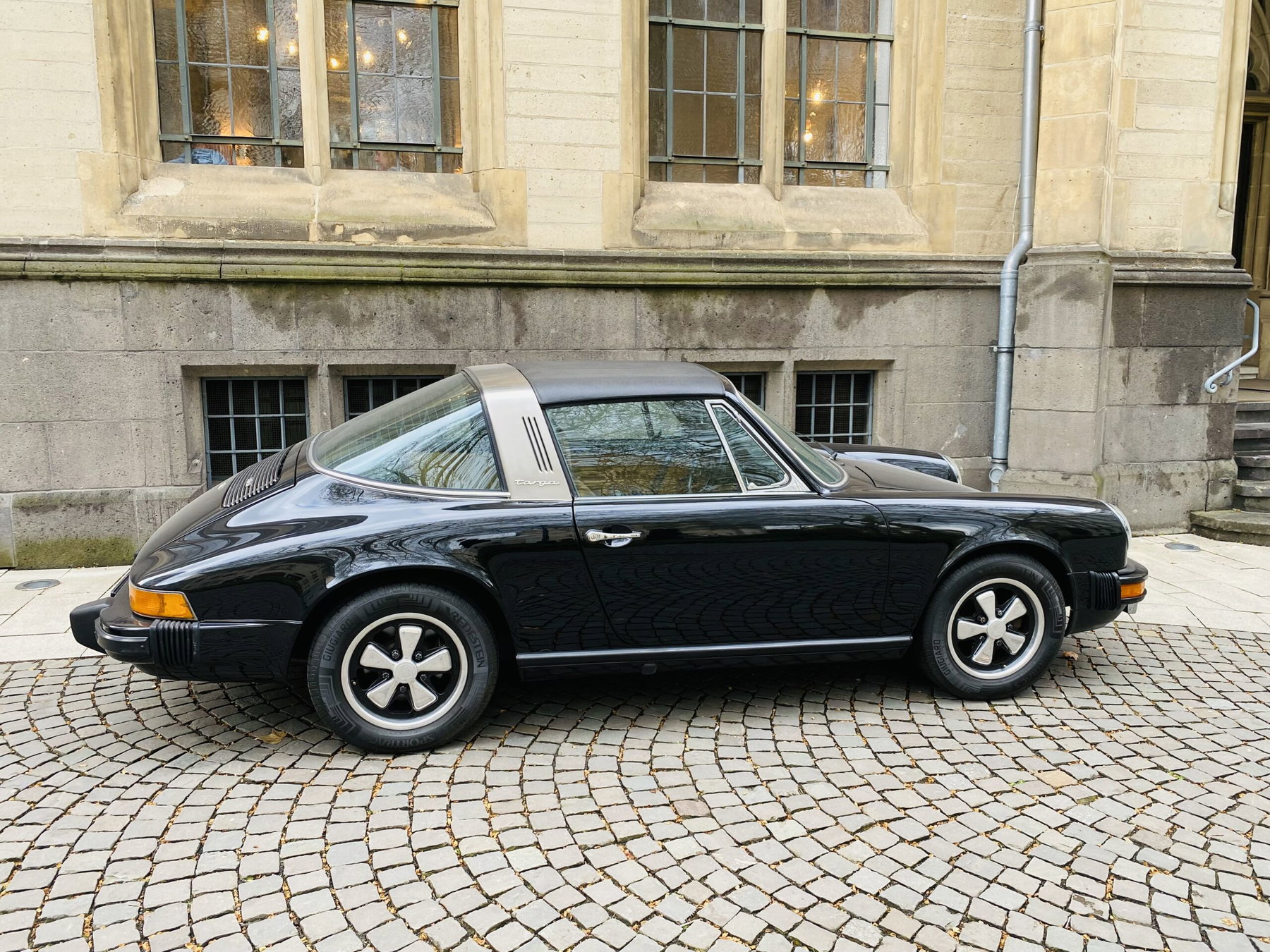
The early, narrow models of this series are increasingly sought after today: Many were converted to the Turbo wide-body style as early as the 1970s to suit the tastes of the time—as a result, original, unmodified narrow-rear 911s have become correspondingly rare.
Furthermore, the 911 produced the 150 PS from a 2.7-liter displacement featured here only in the 1974 and 1975 model years; starting with the 1976 model year, the output was increased to 165 PS. If we include the 1975 model year with its 998 Targa, a total of just over 4,100 vehicles were produced worldwide in this configuration. How many of these still exist today in their original, narrow form can only be estimated; there are likely to be significantly fewer.
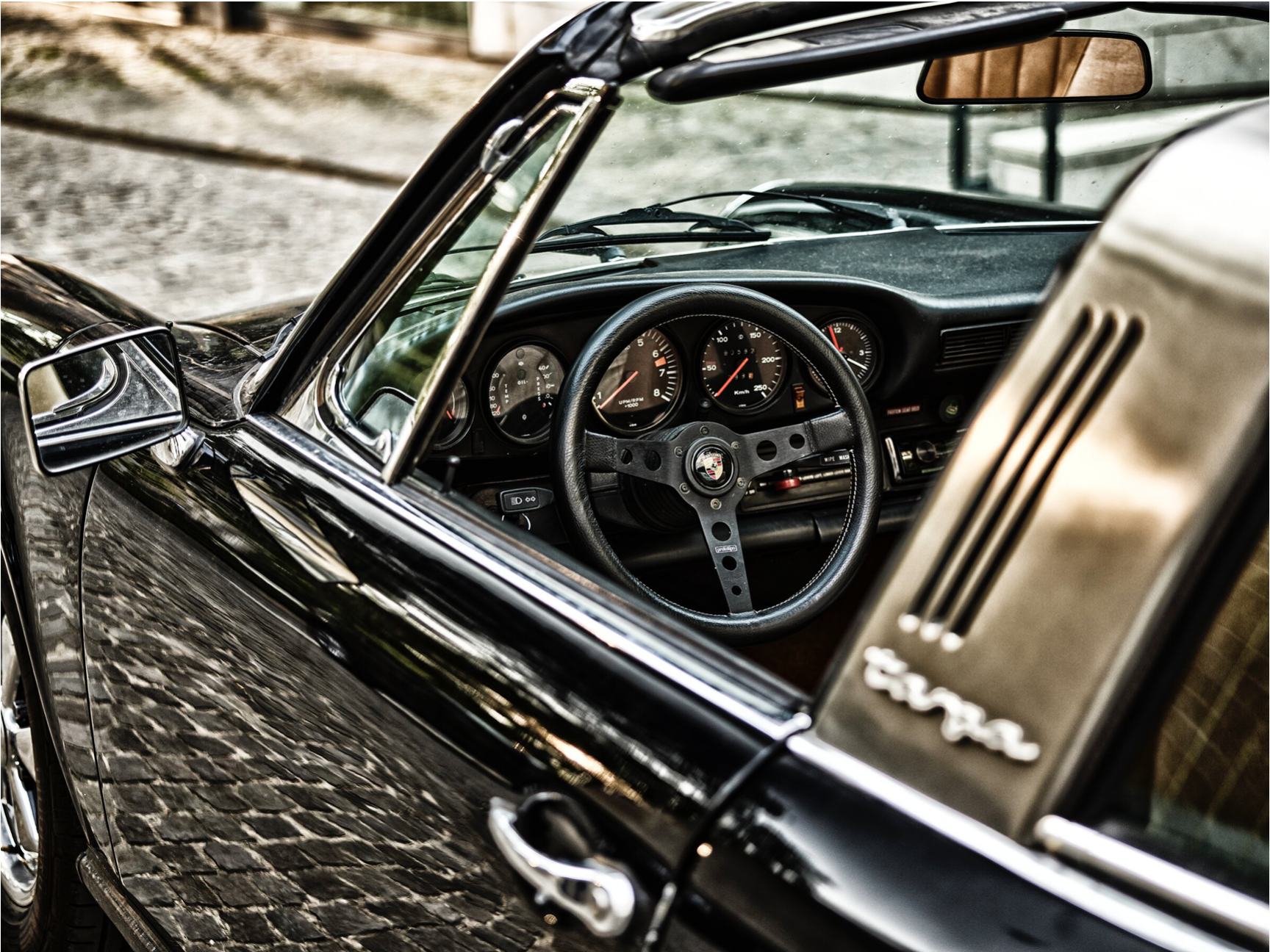
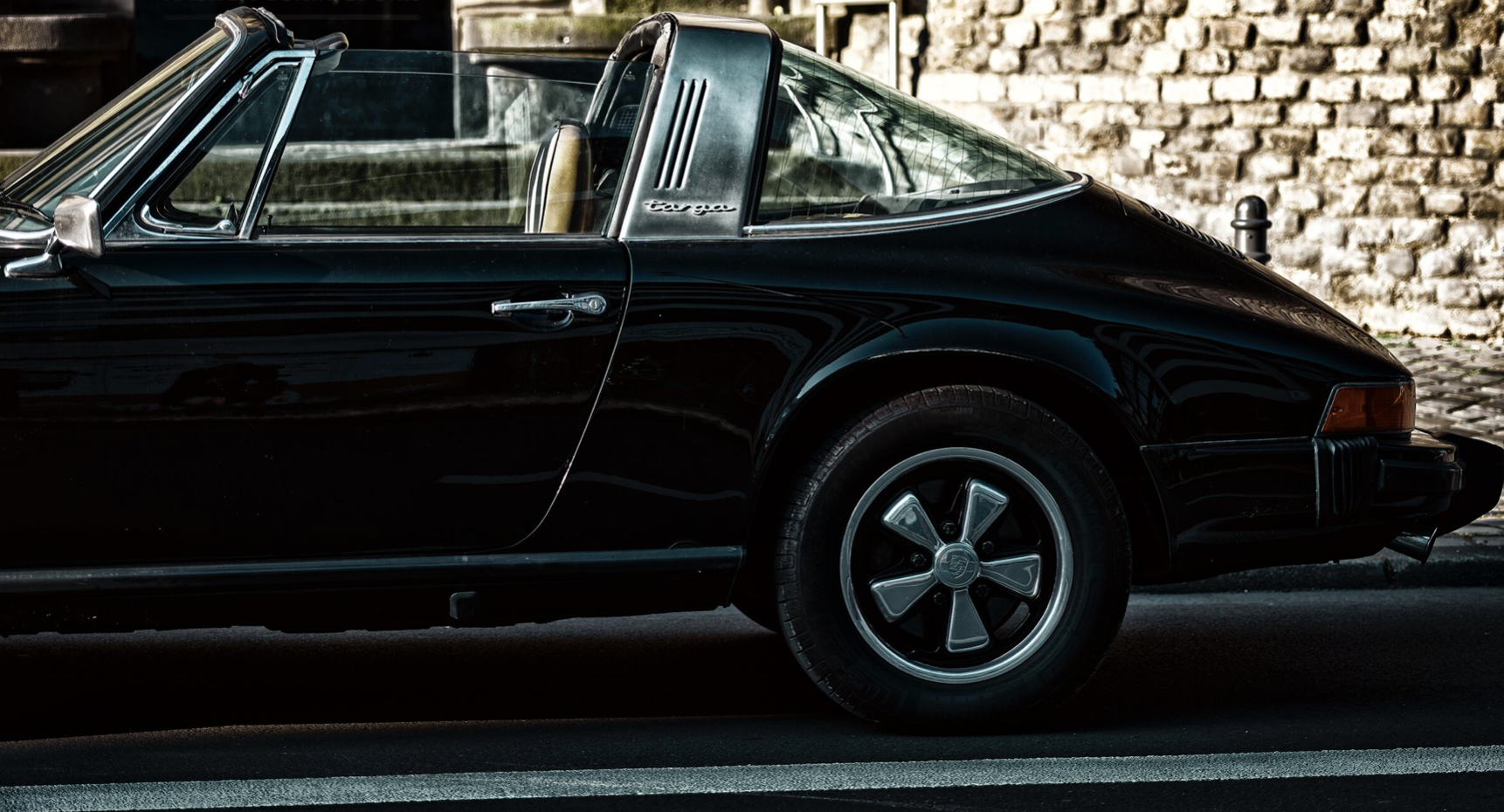
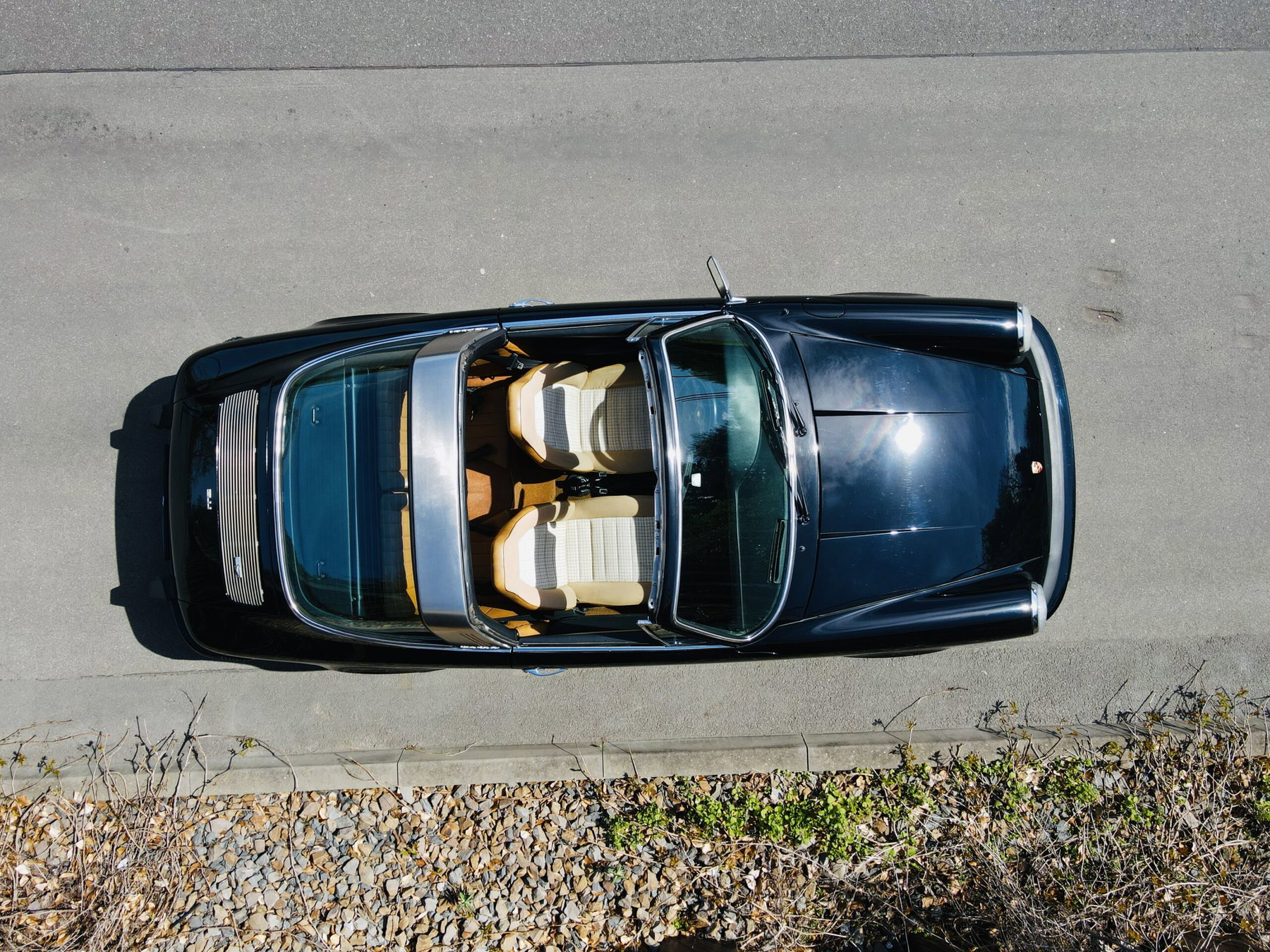
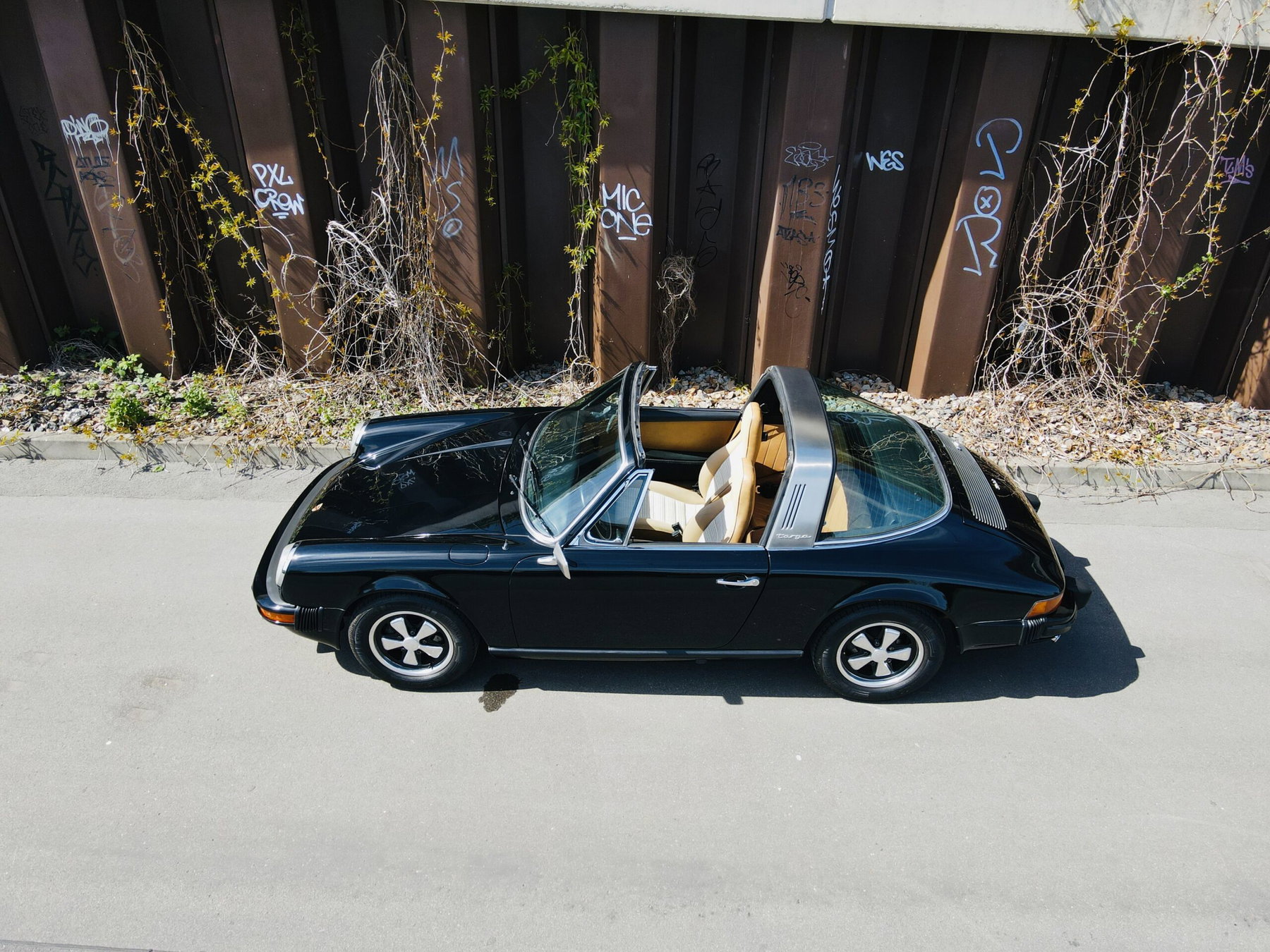
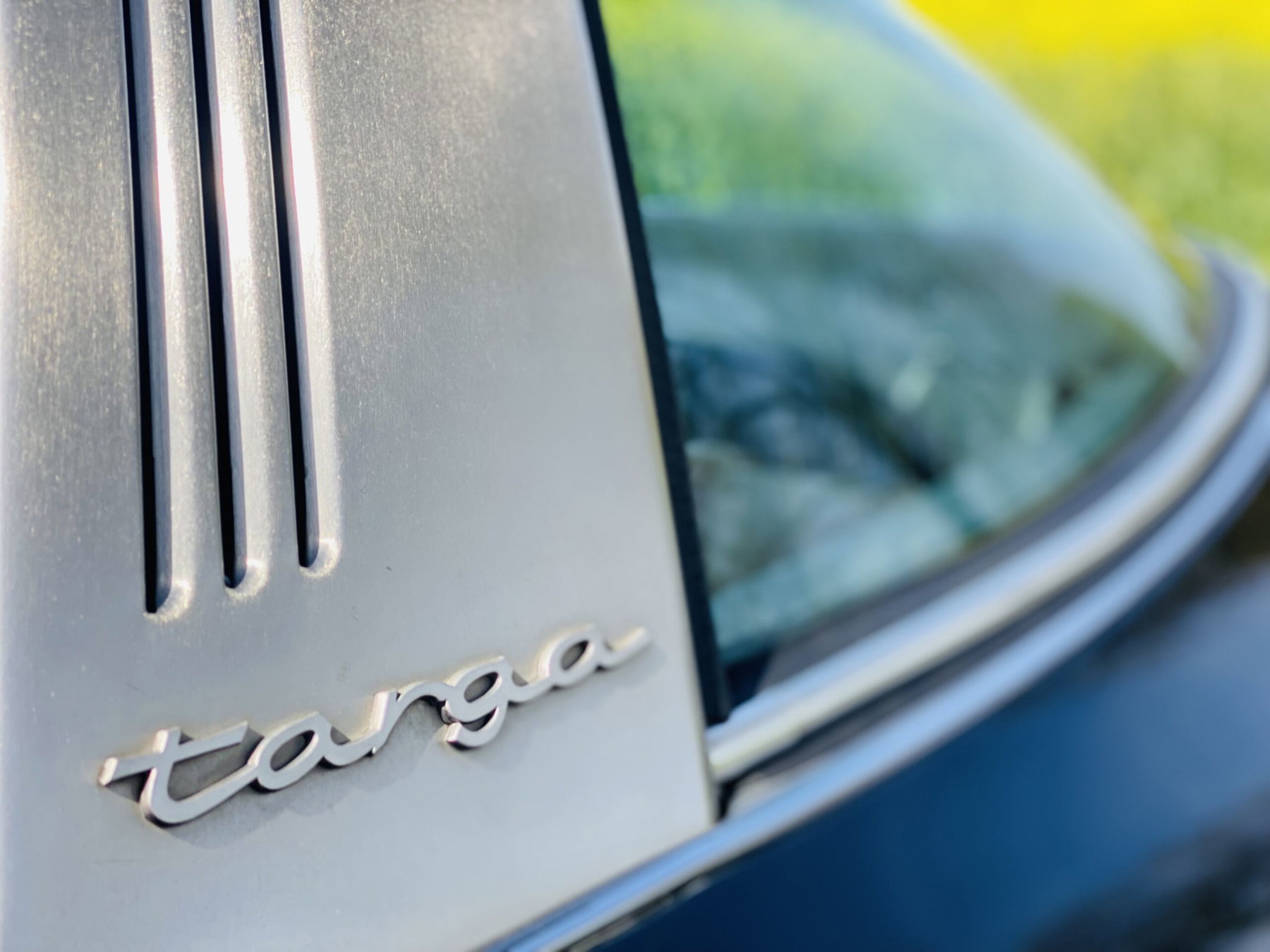
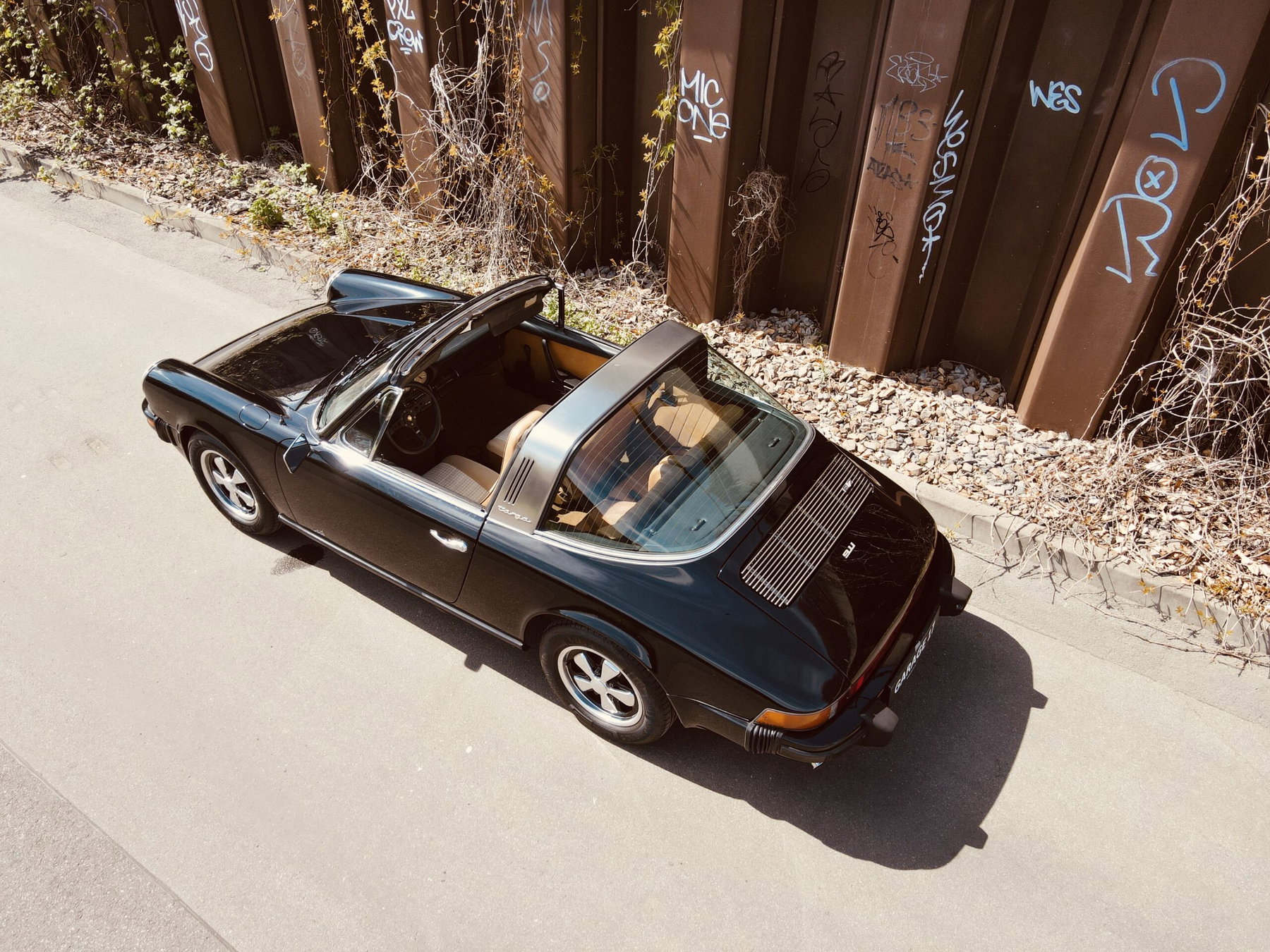
Added to this is the chrome trim that makes this model year unmistakable: window surrounds, door handles, and headlight bezels are chrome-plated, as is the single exterior mirror on the left—a detail that was unique to the early model years, before larger, painted power mirrors were introduced starting with the 1976 model year. The Targa roll bar is made of brushed Nirosta stainless steel, as is the rear grille. And the early 2.7 Targas had another feature that is particularly prized today: the small vent windows in both doors. Anyone who has ever driven with the roof down and the triangular window slightly open knows why they are so fondly missed. Of course, the Targa is equipped with the original Fuchs rims.
Technical Specifications and History
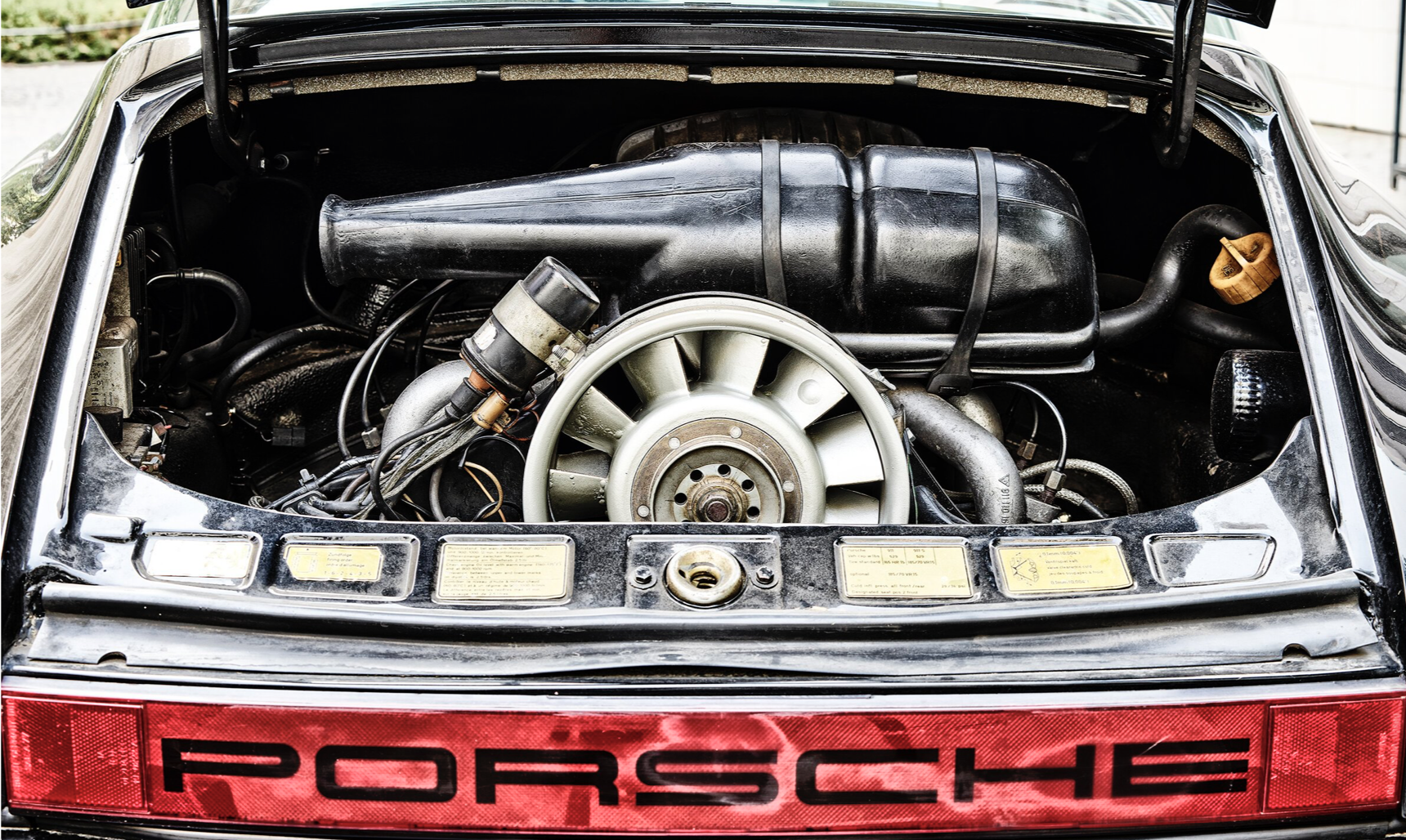
I purchased the vehicle from a Porsche collection. After the purchase, everything that showed signs of potential wear was inspected or replaced over the course of several months. The 2.7-liter naturally aspirated engine was completely overhauled by Cologne-based Porsche specialist Arne Ziesche—regardless of cost, including all hoses and auxiliary units. Invoices are available, totaling well over 20,000 euros.
Since then, the car has covered about 3,000 km—driven regularly, but always gently due to other vehicles in the fleet. It starts right up even after the winter break and runs flawlessly. It is one of the few classic cars that can truly do that.
Continue reading


 1977
1977 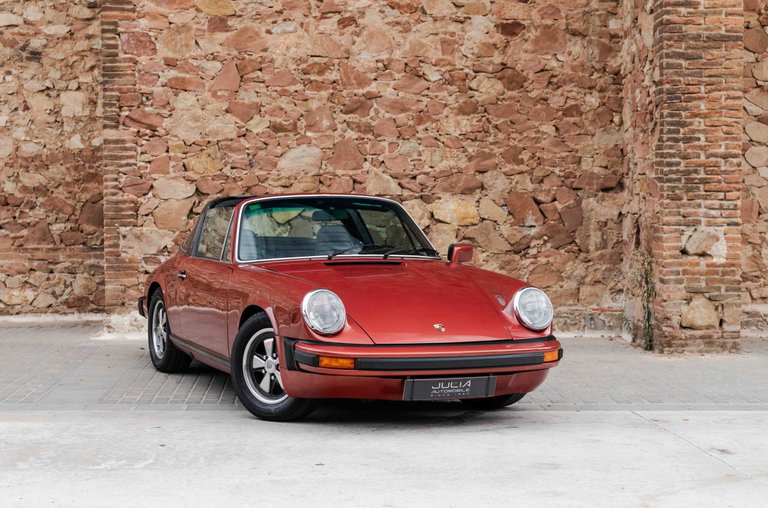
 1977
1977 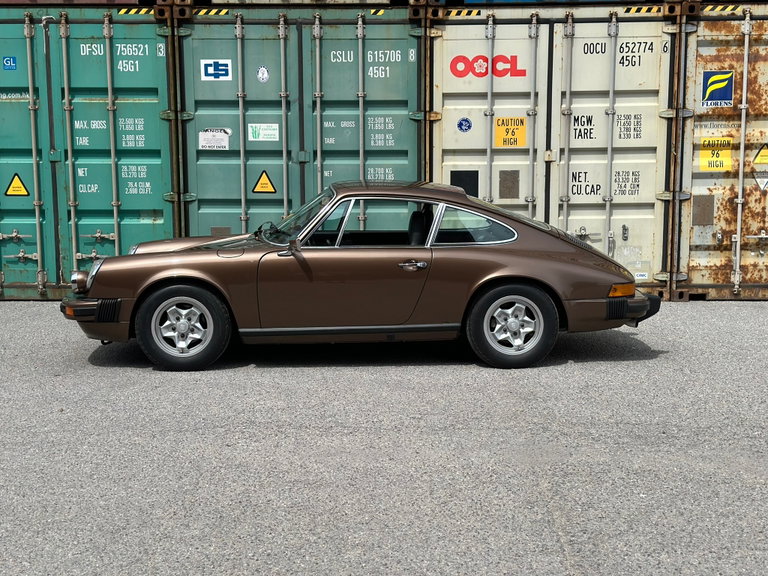
 1974
1974