THE PUREST PORSCHE 911
There is something about the earliest 911 that Porsche could never quite repeat.
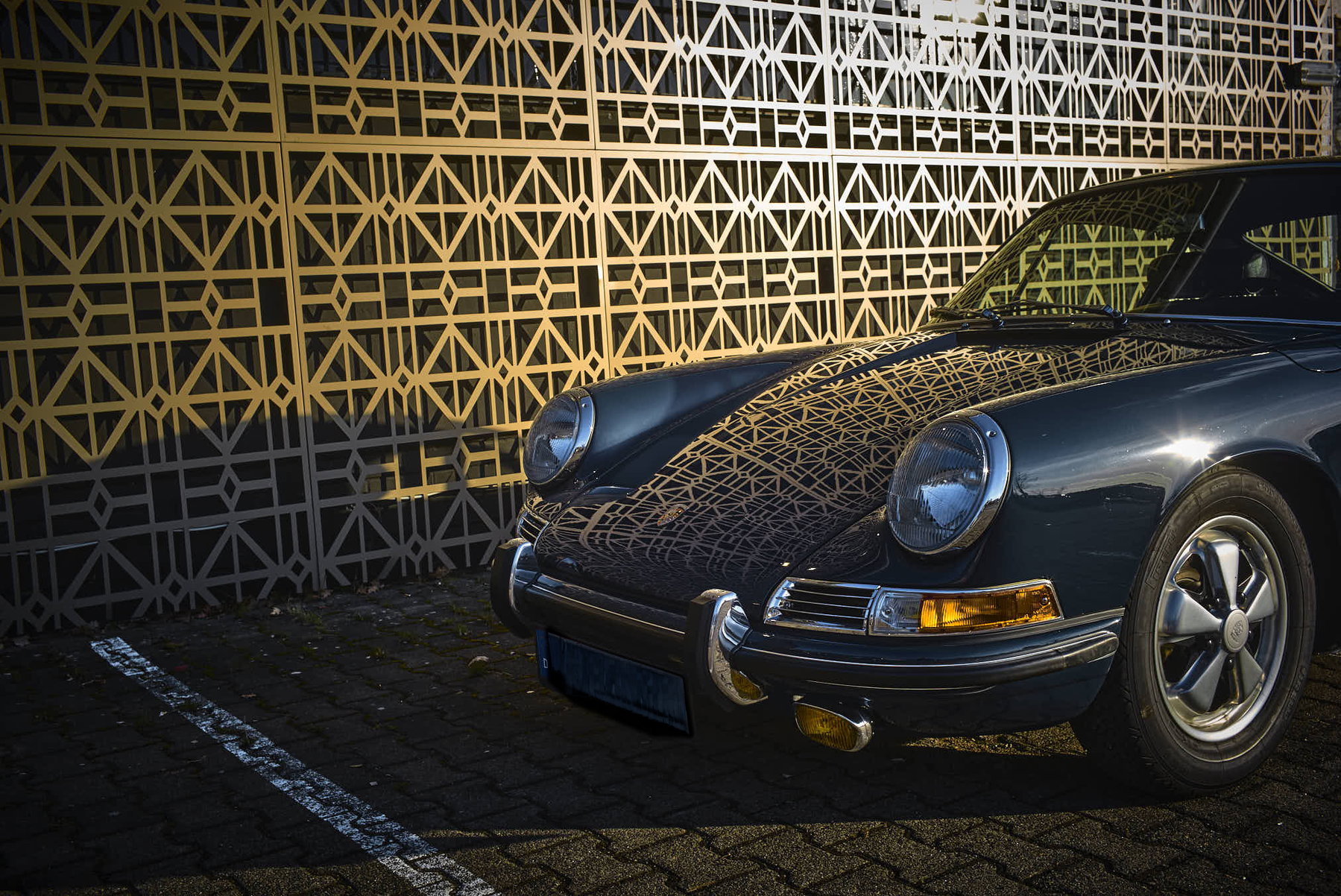
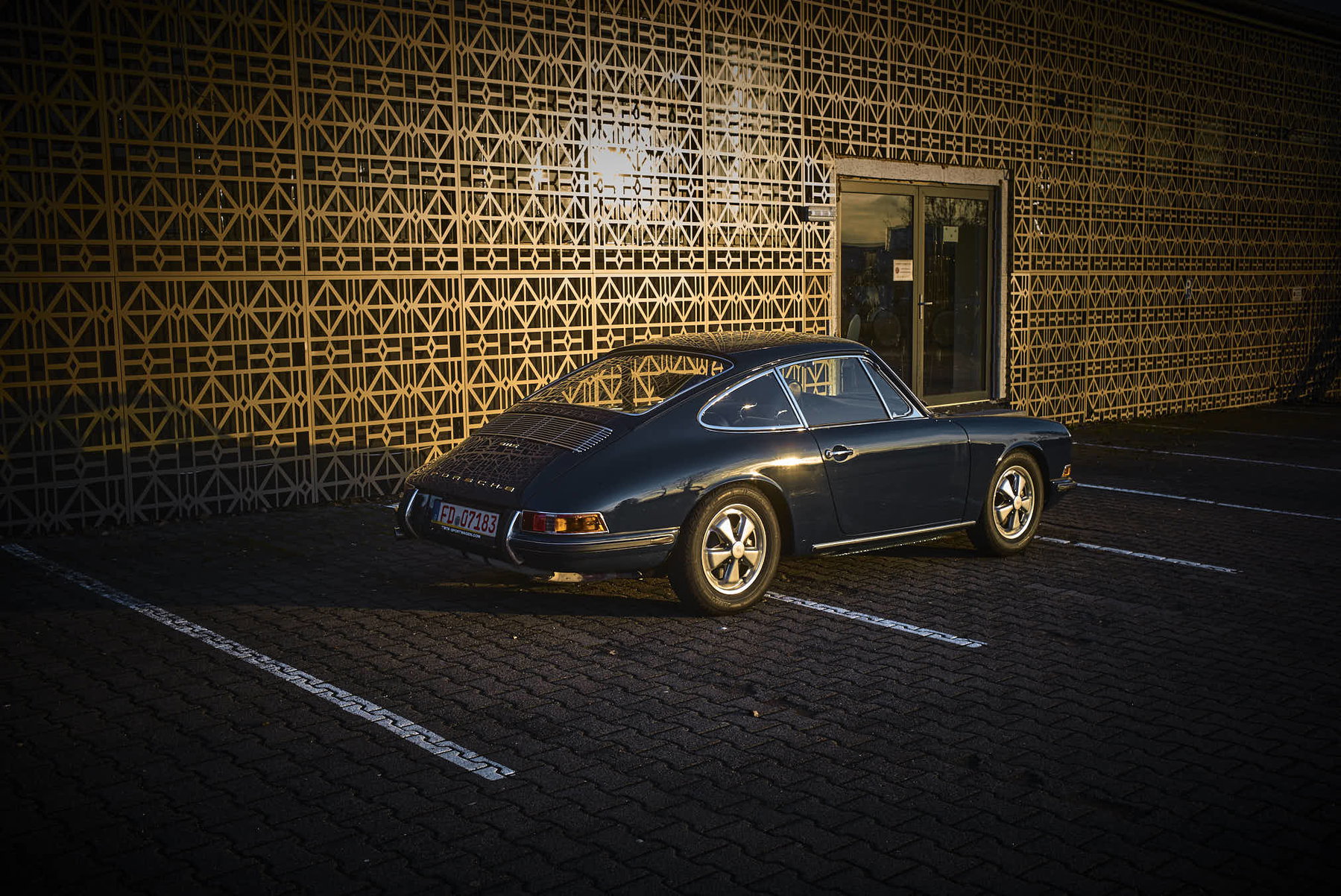
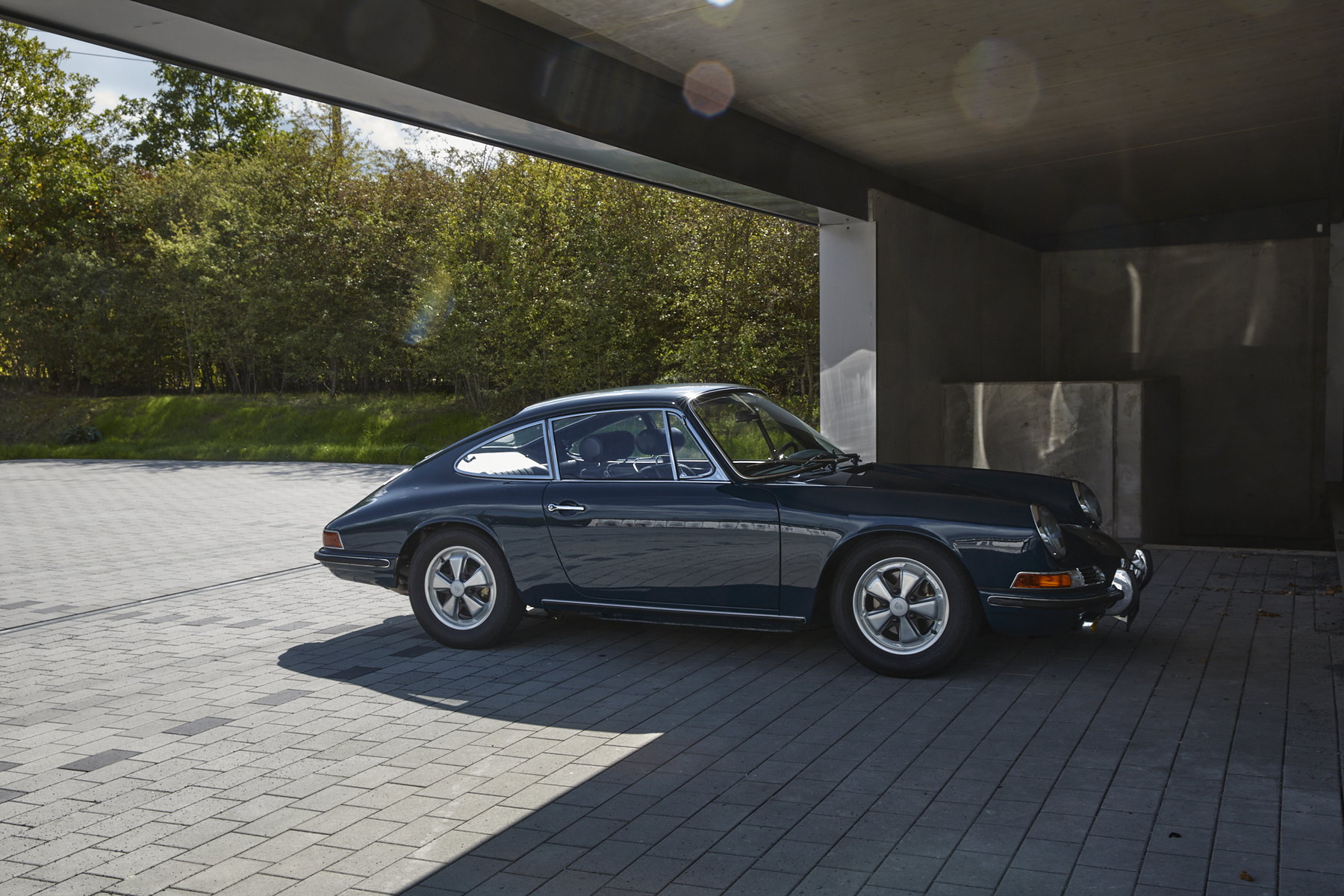
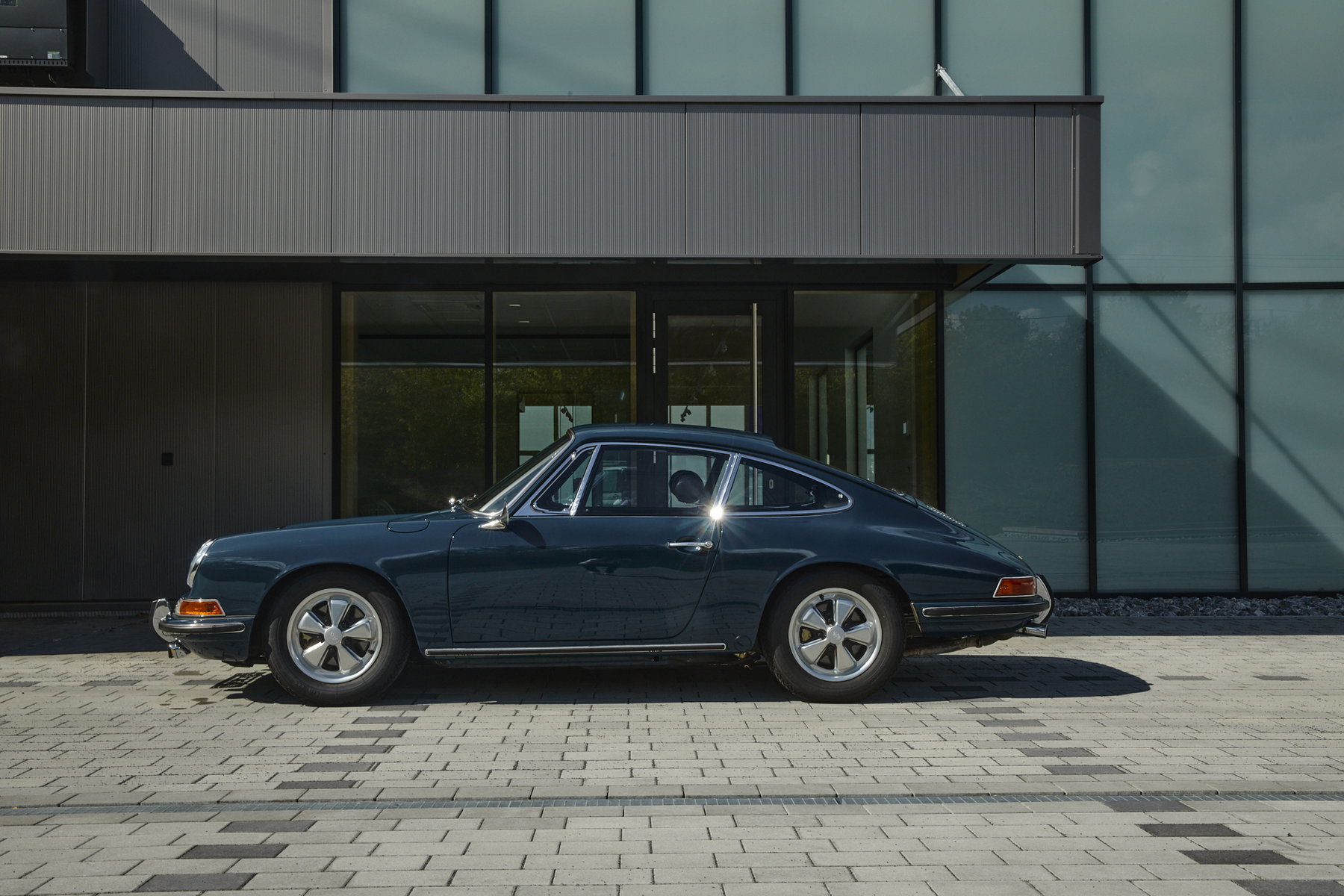
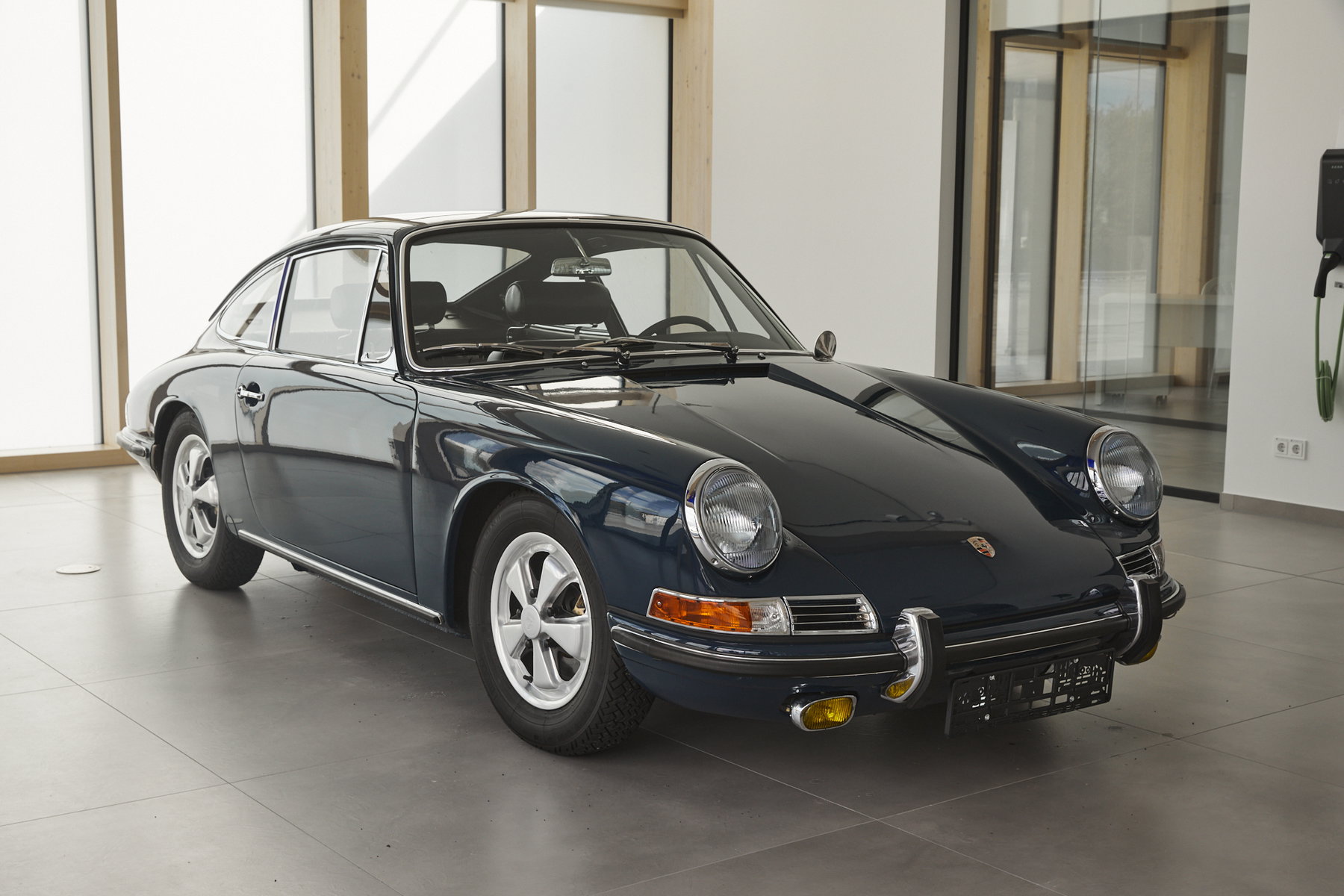
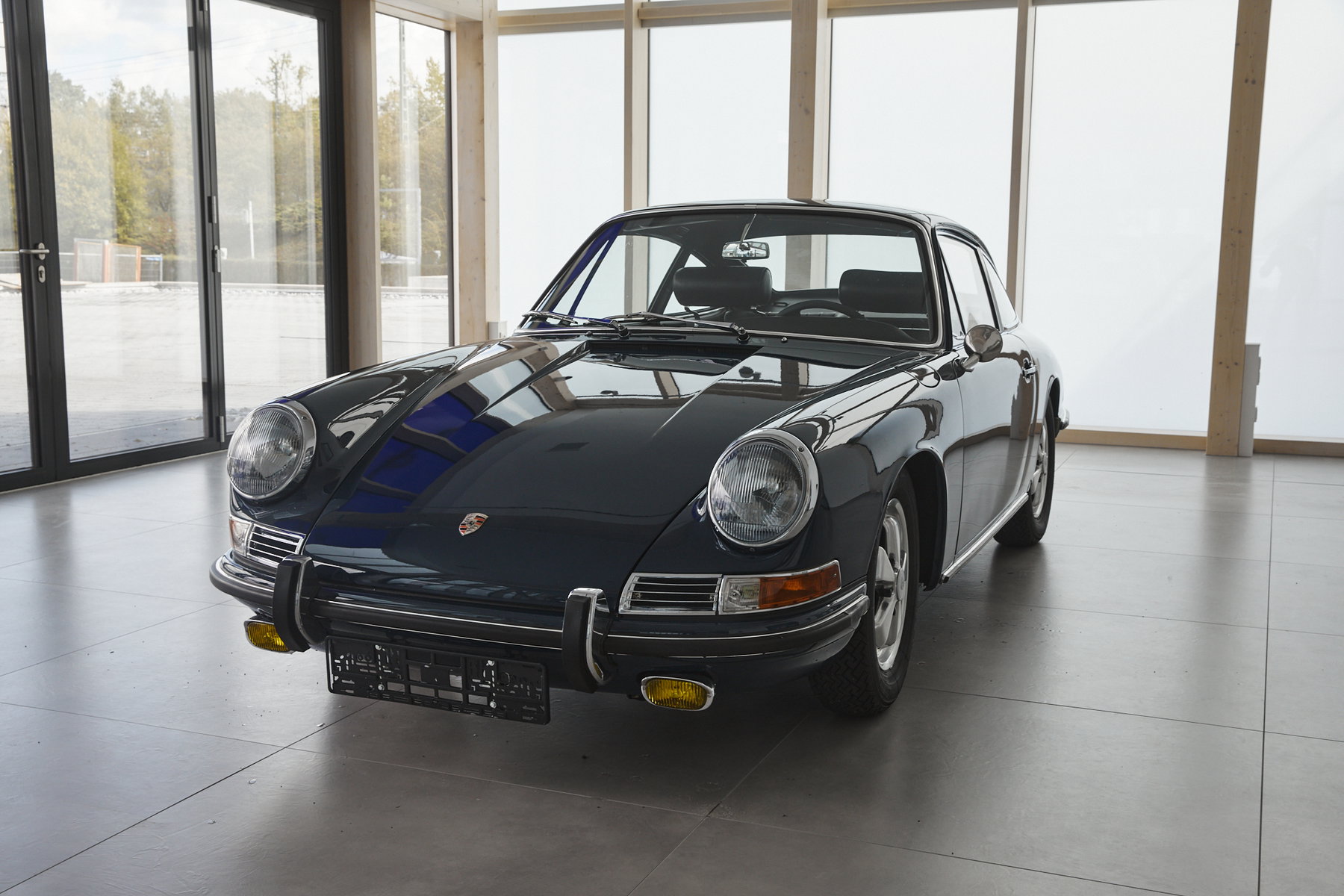
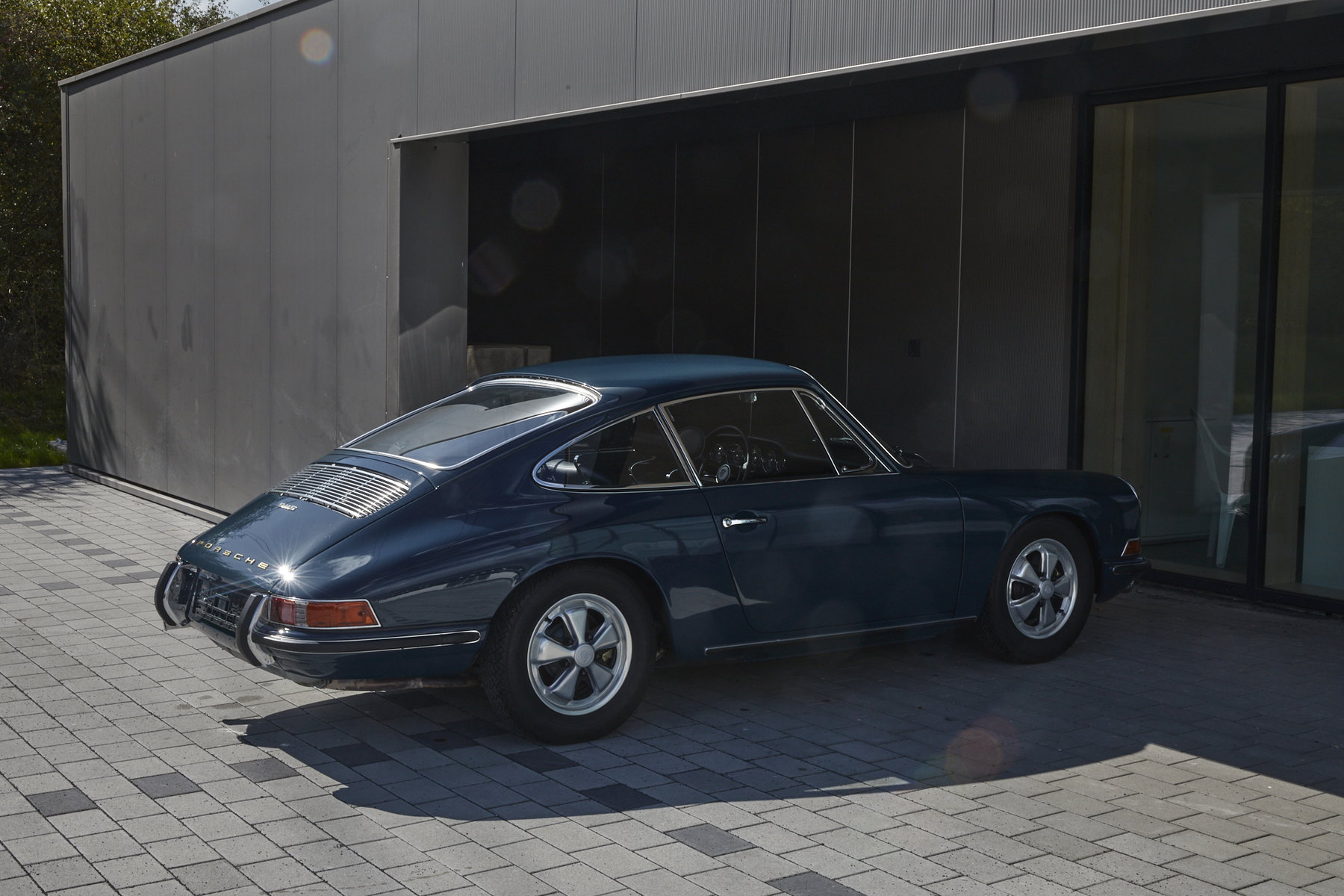
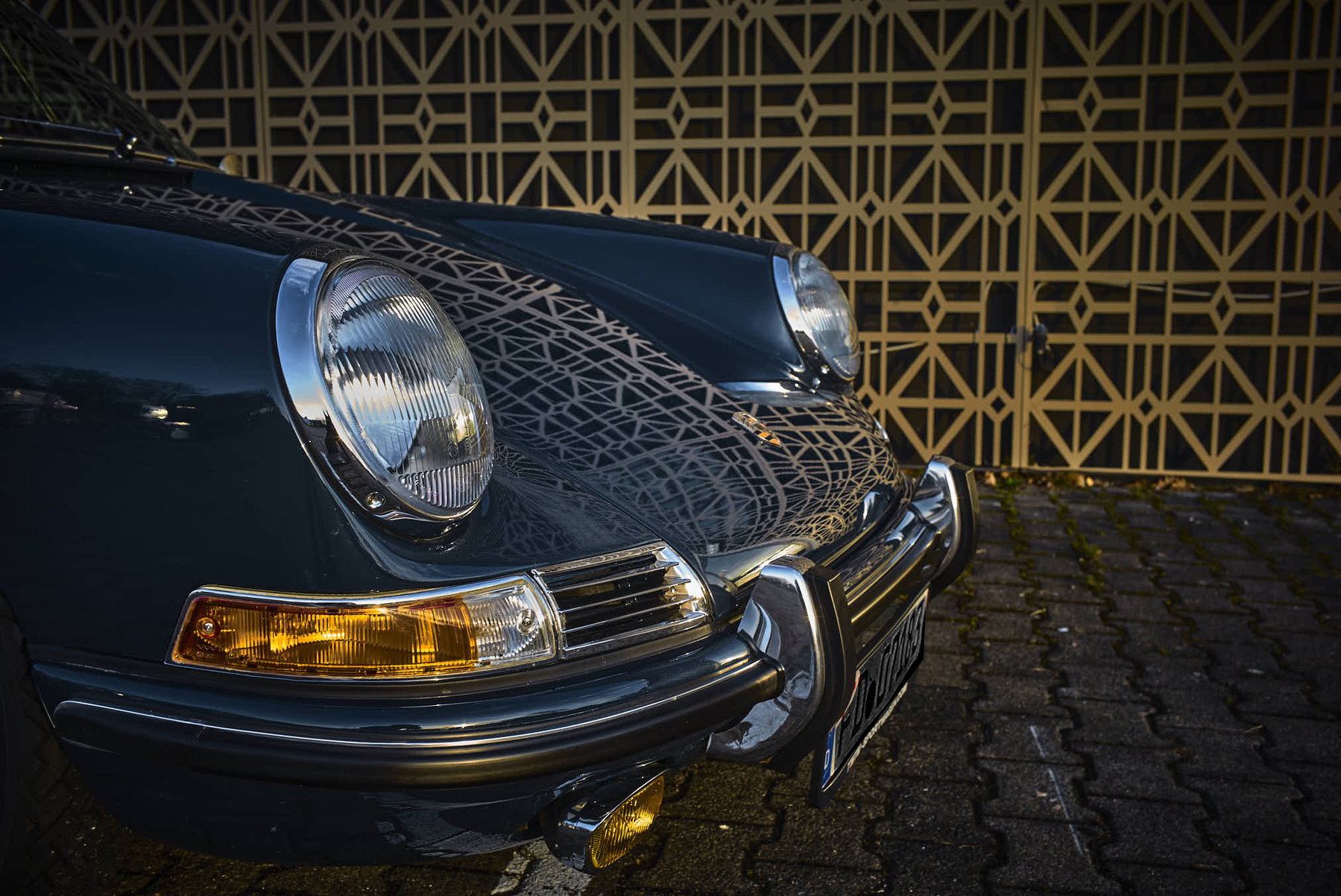
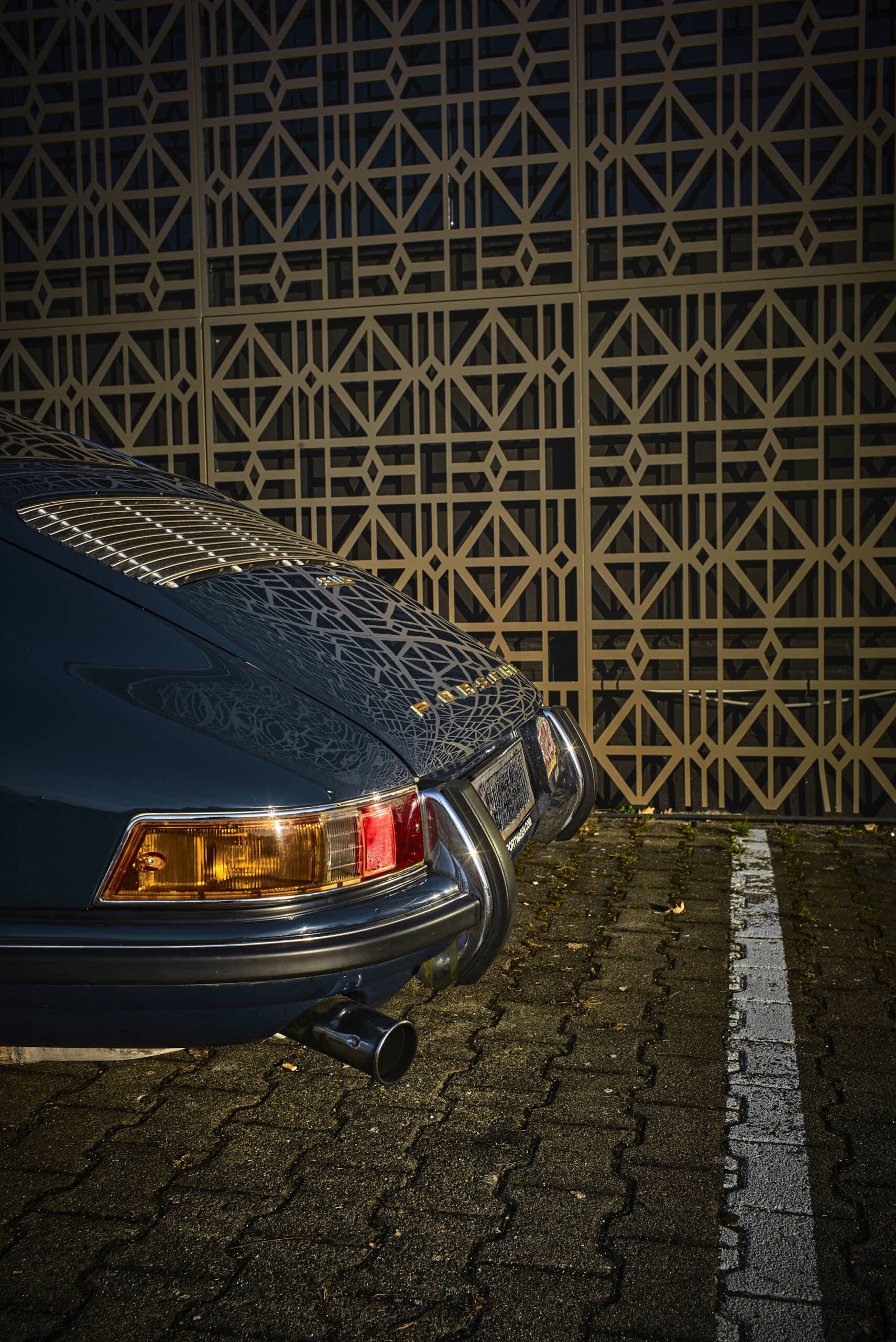
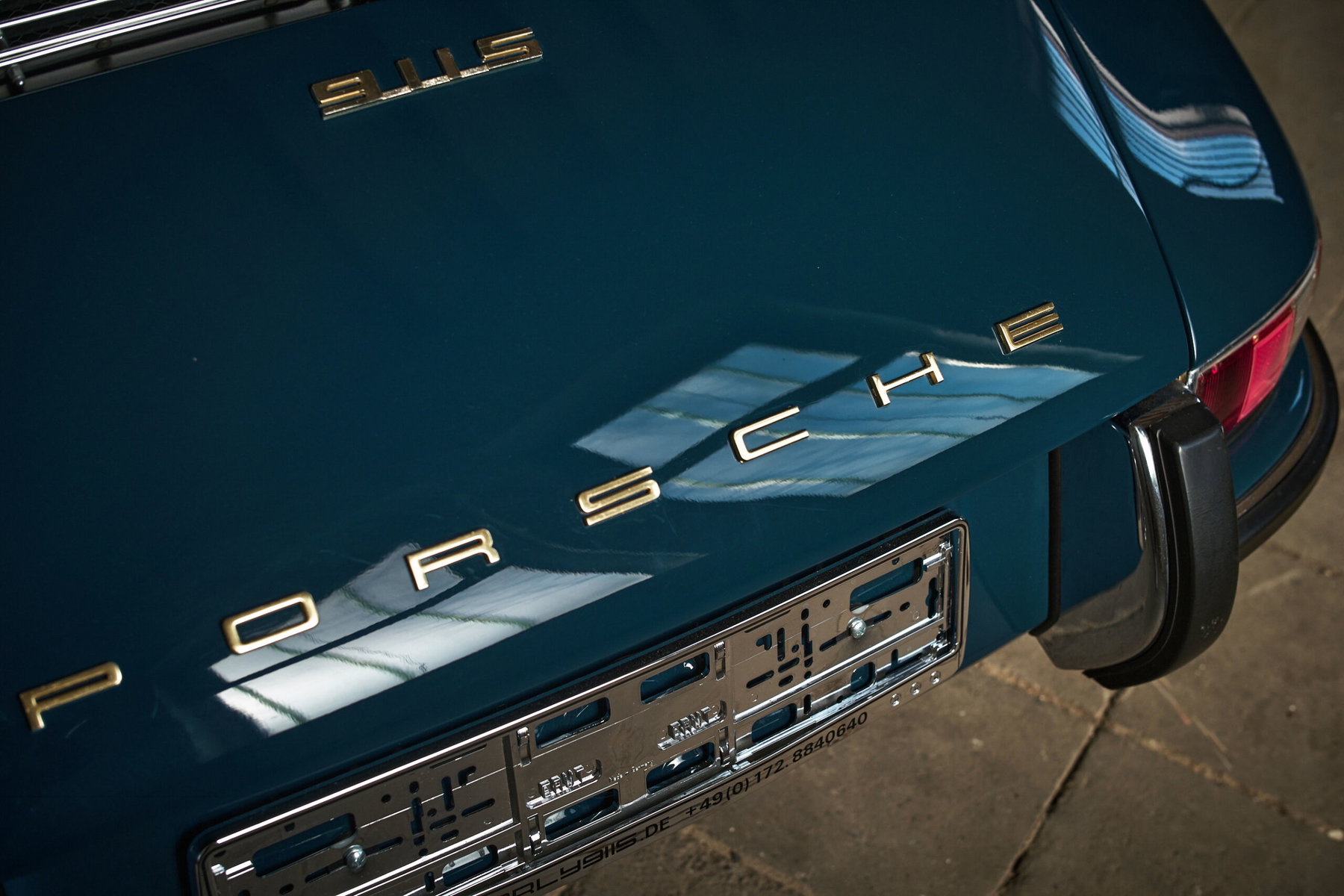
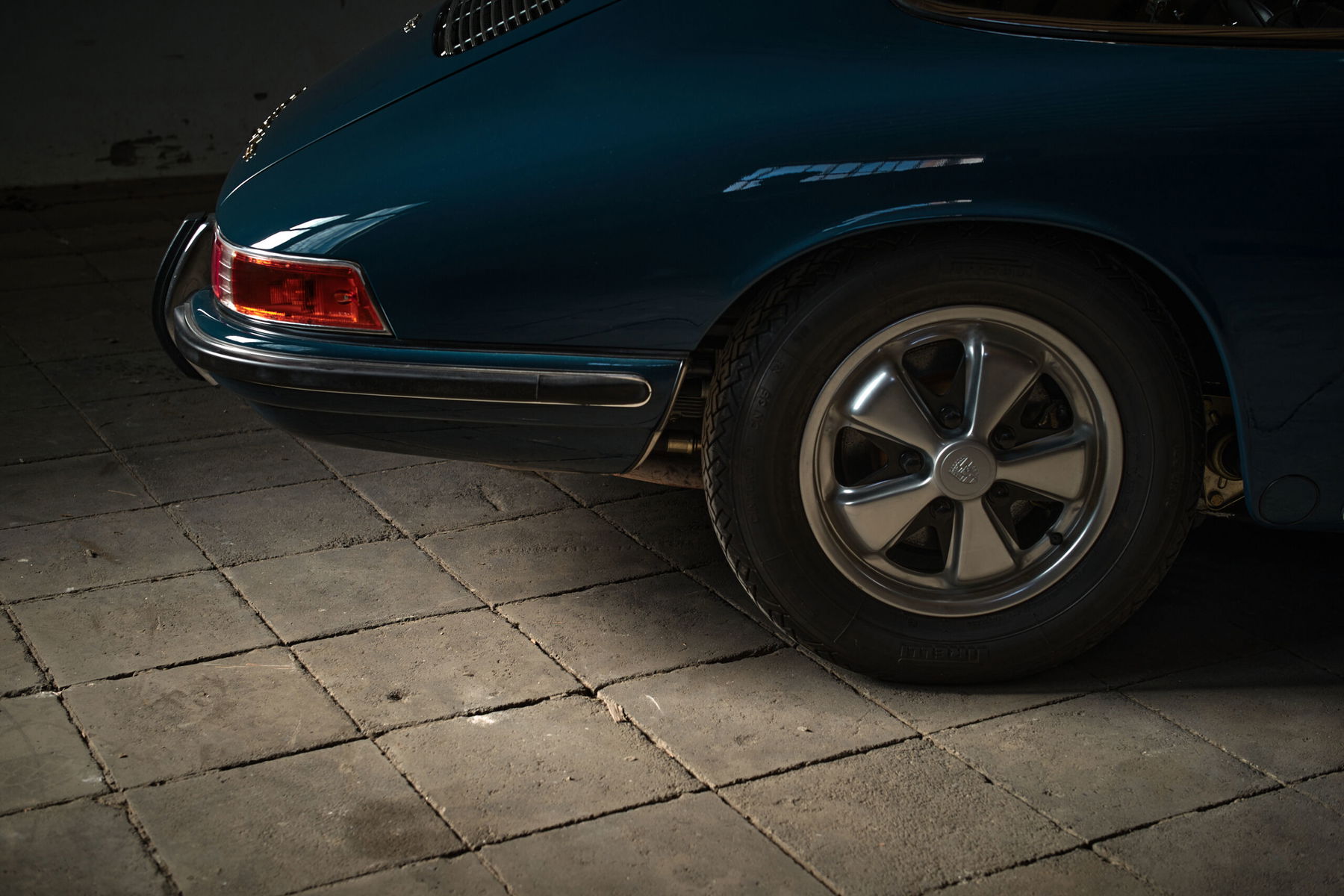
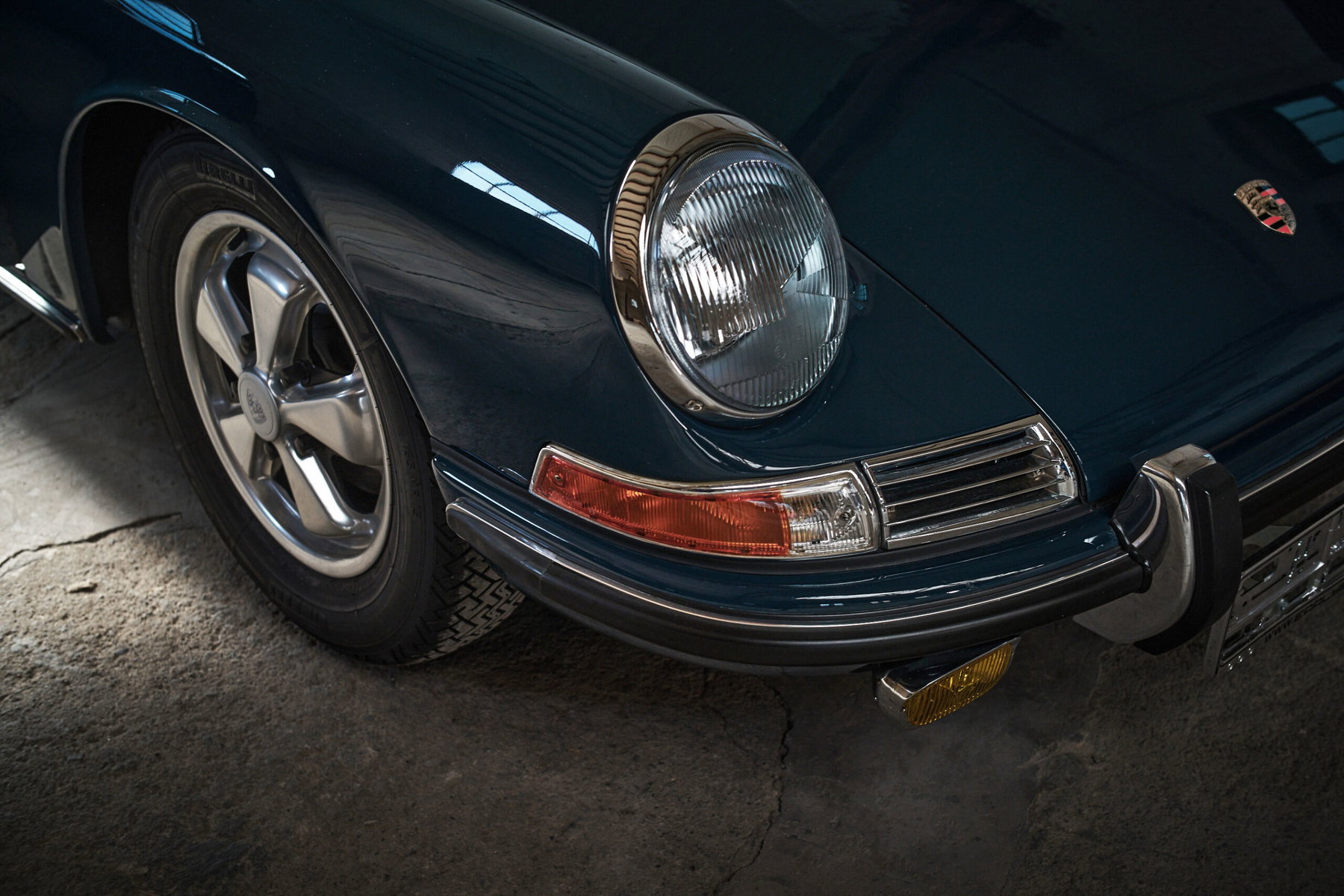
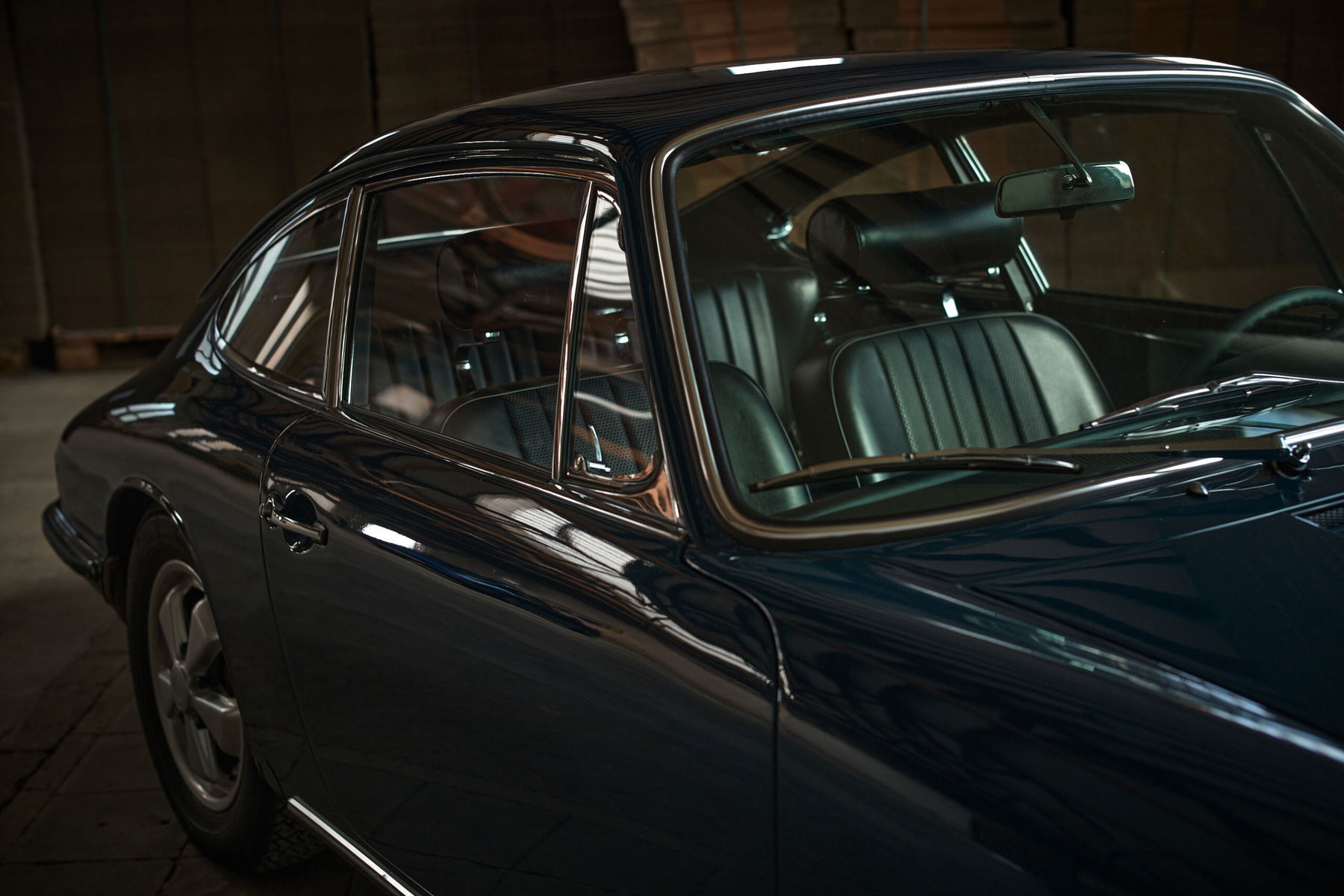
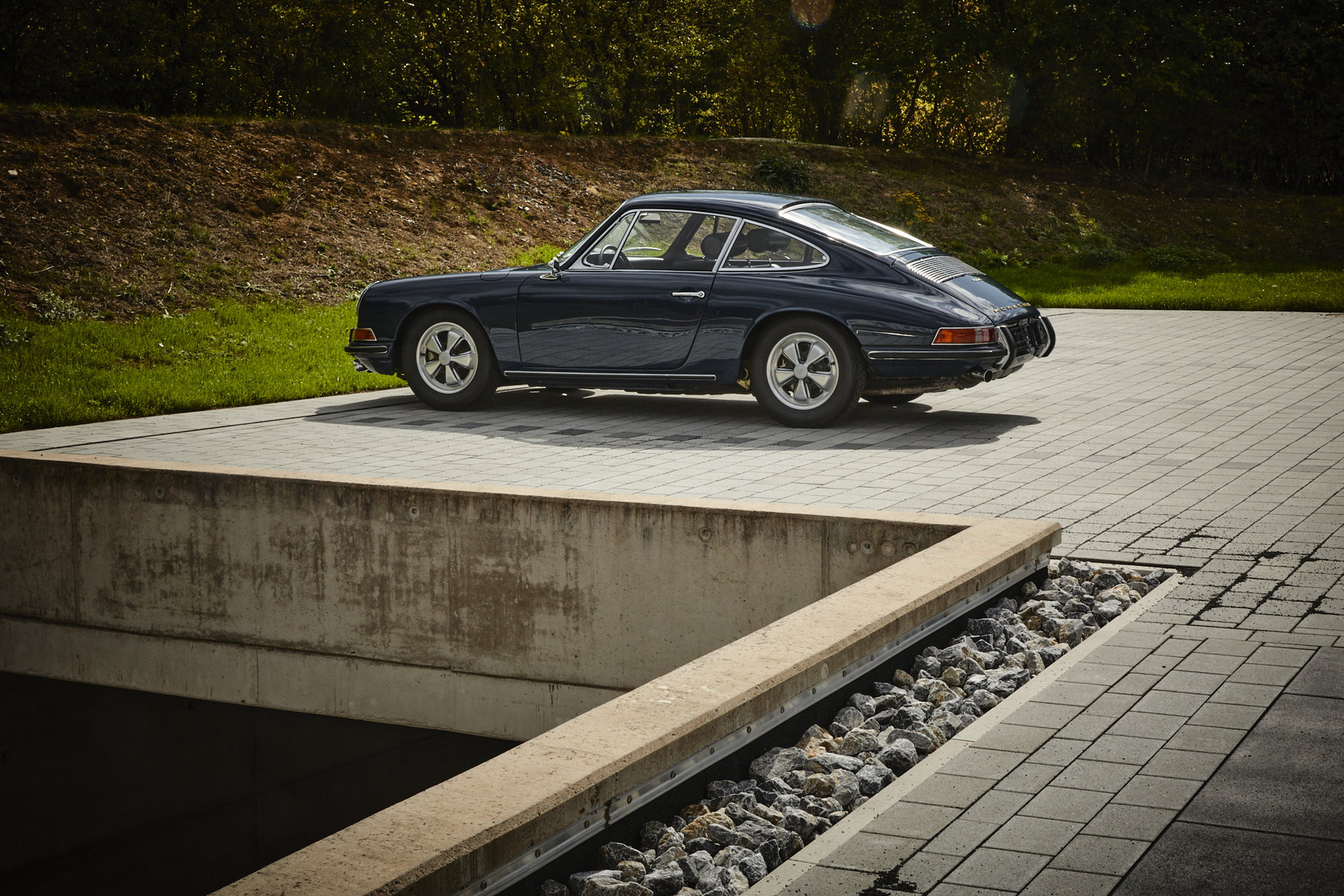
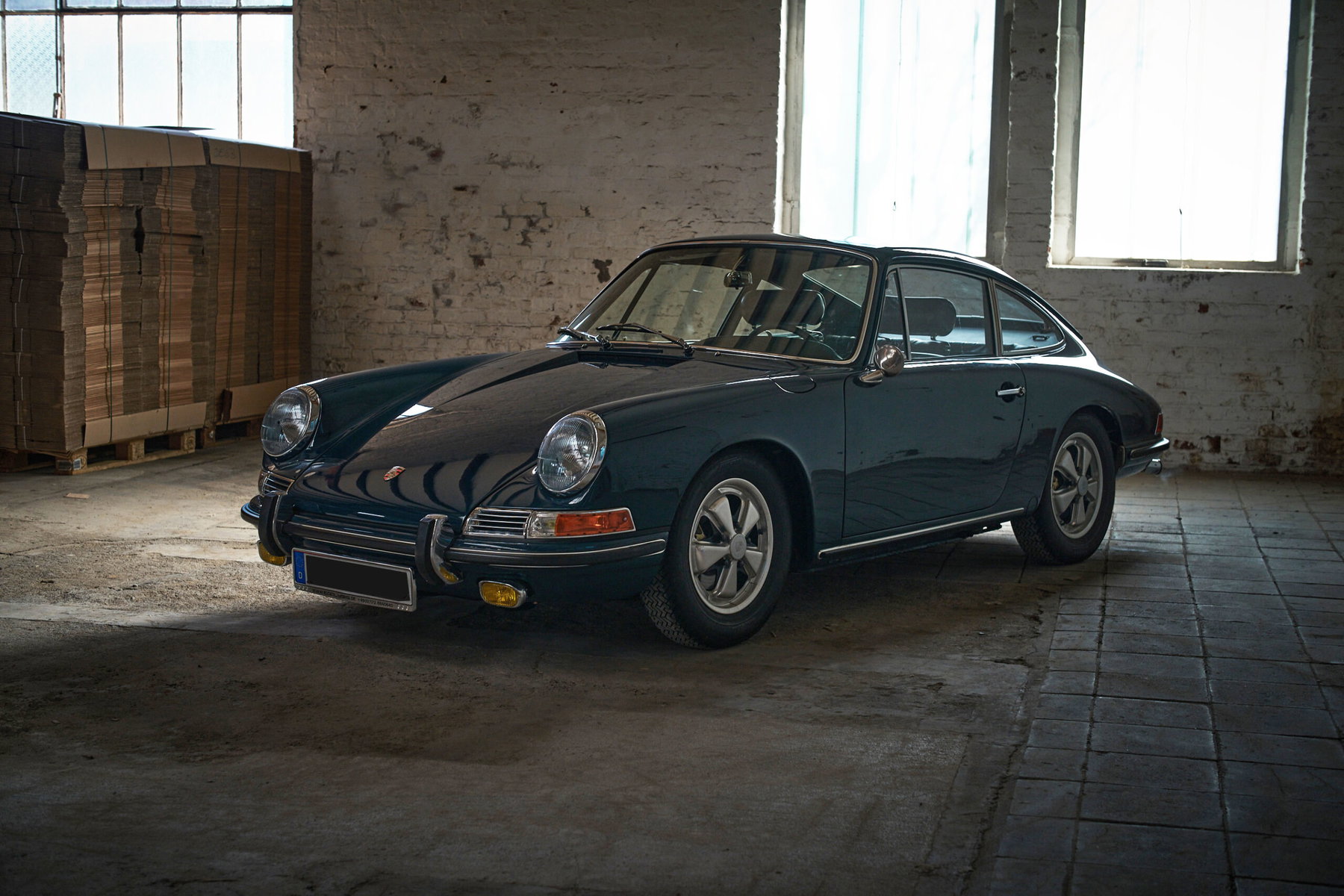
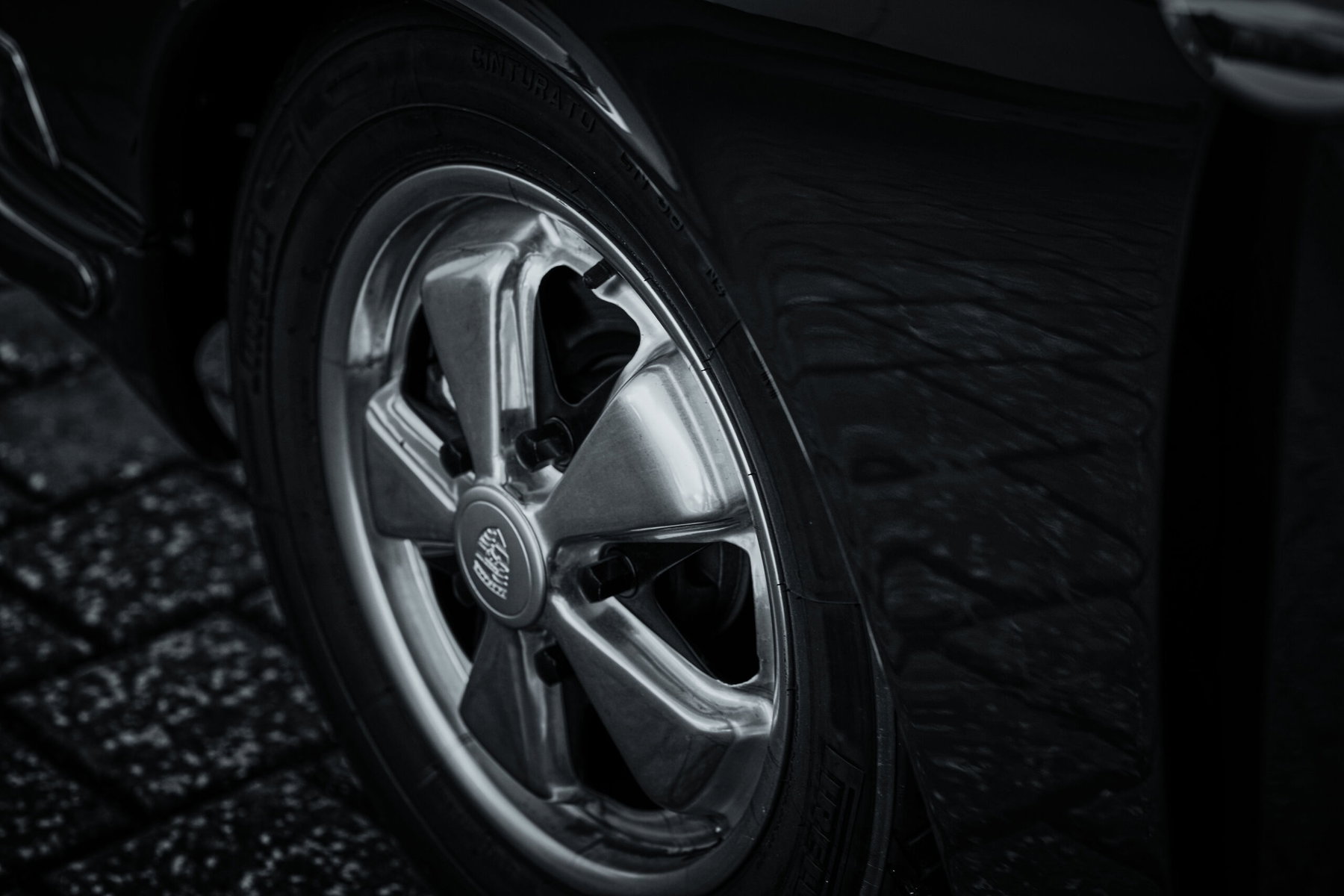
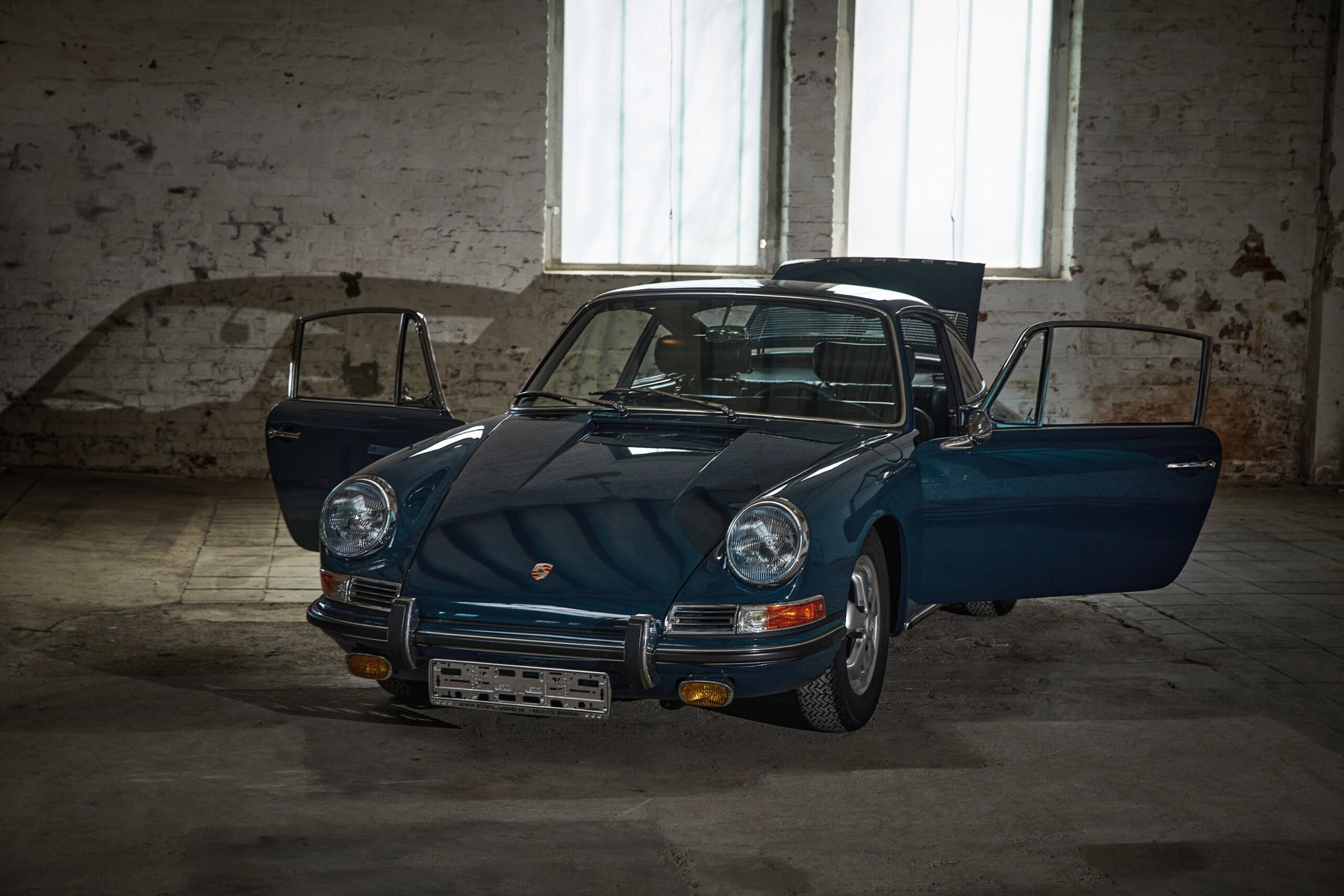
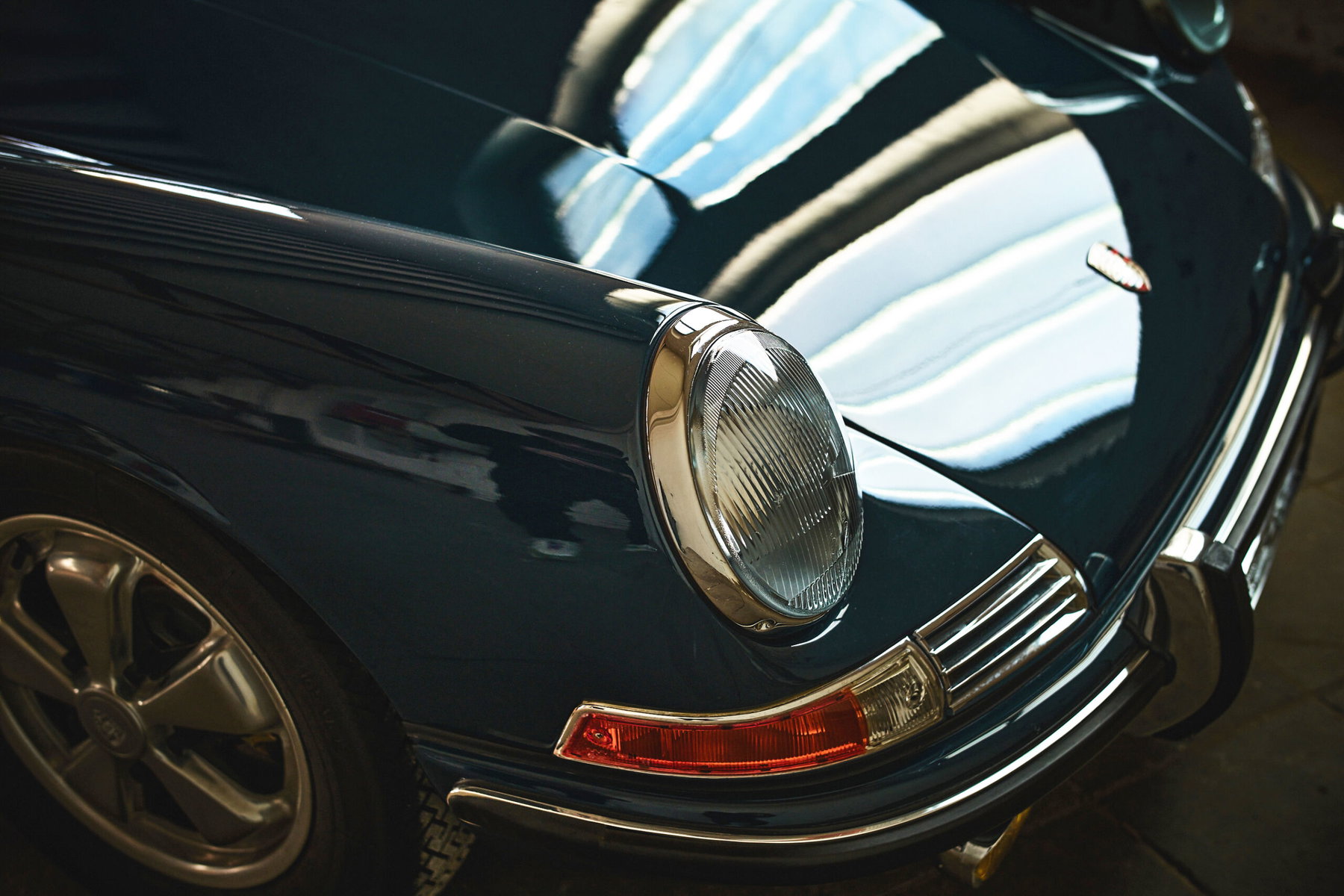
The short wheelbase, narrow body, fine chrome details and delicate 4.5 × 15 Fuchs give the car an extraordinary visual lightness. In Aga Blue over Black, the effect is almost architectural: restrained, elegant and perfectly proportioned.
And this is not simply an early 911.
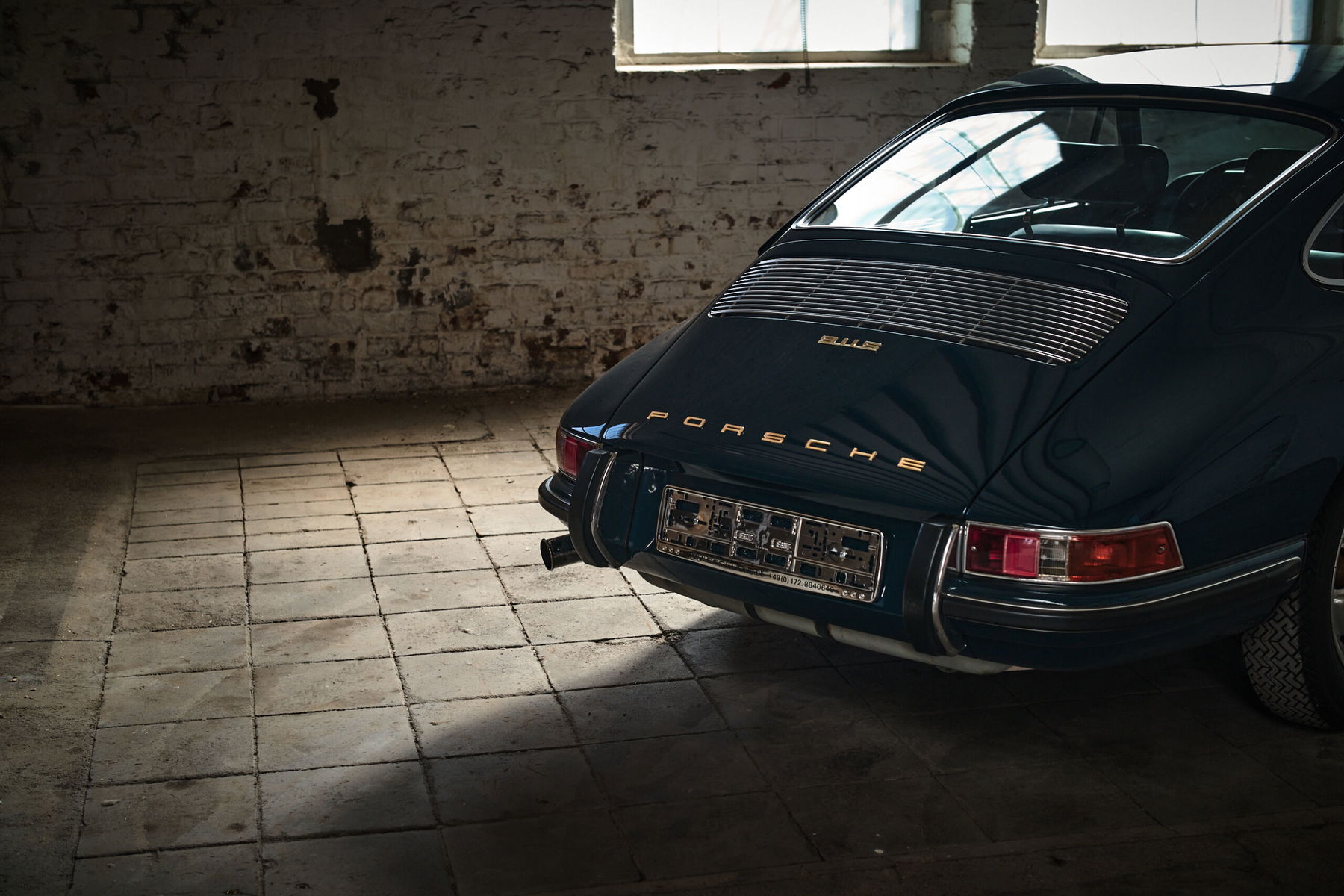
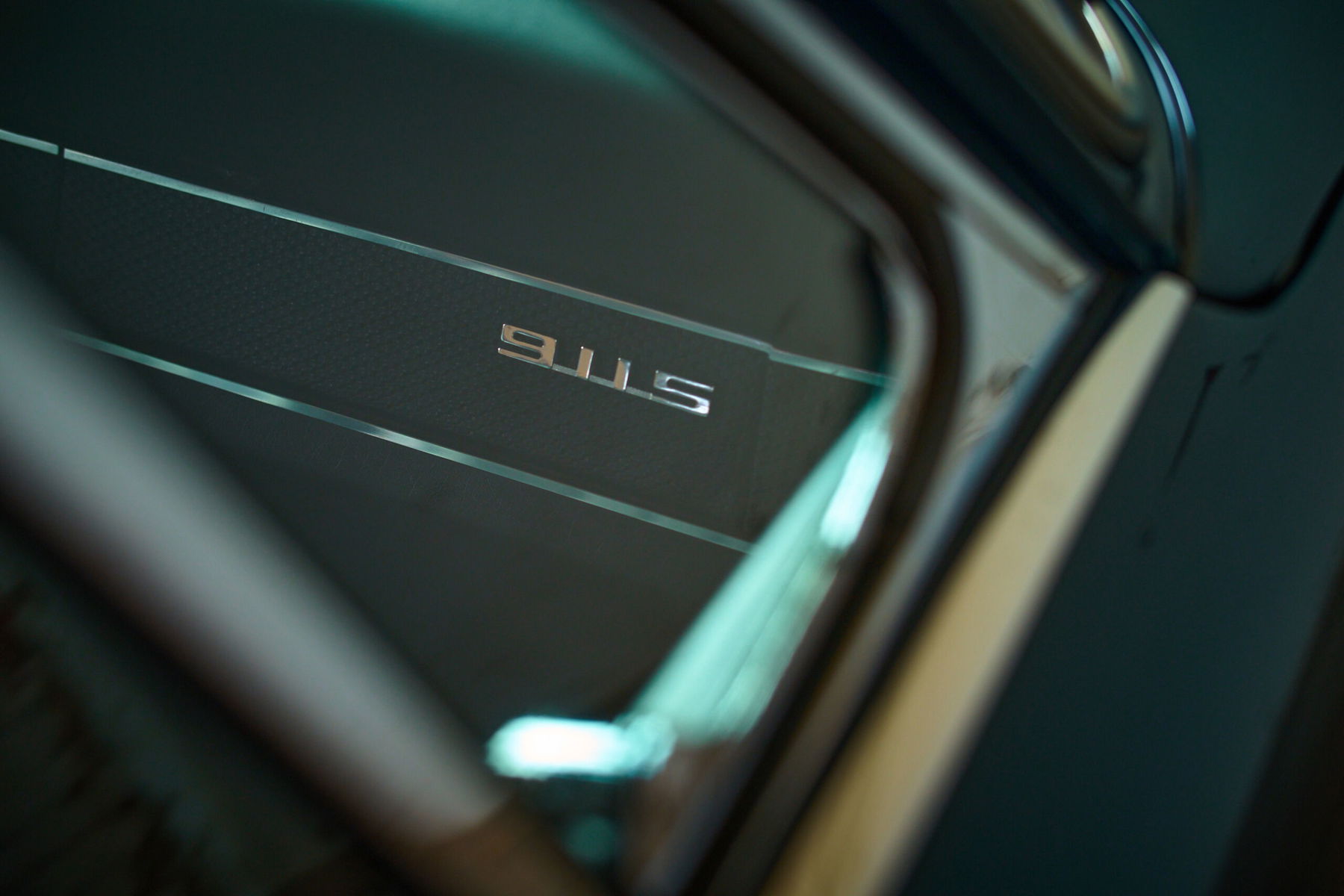
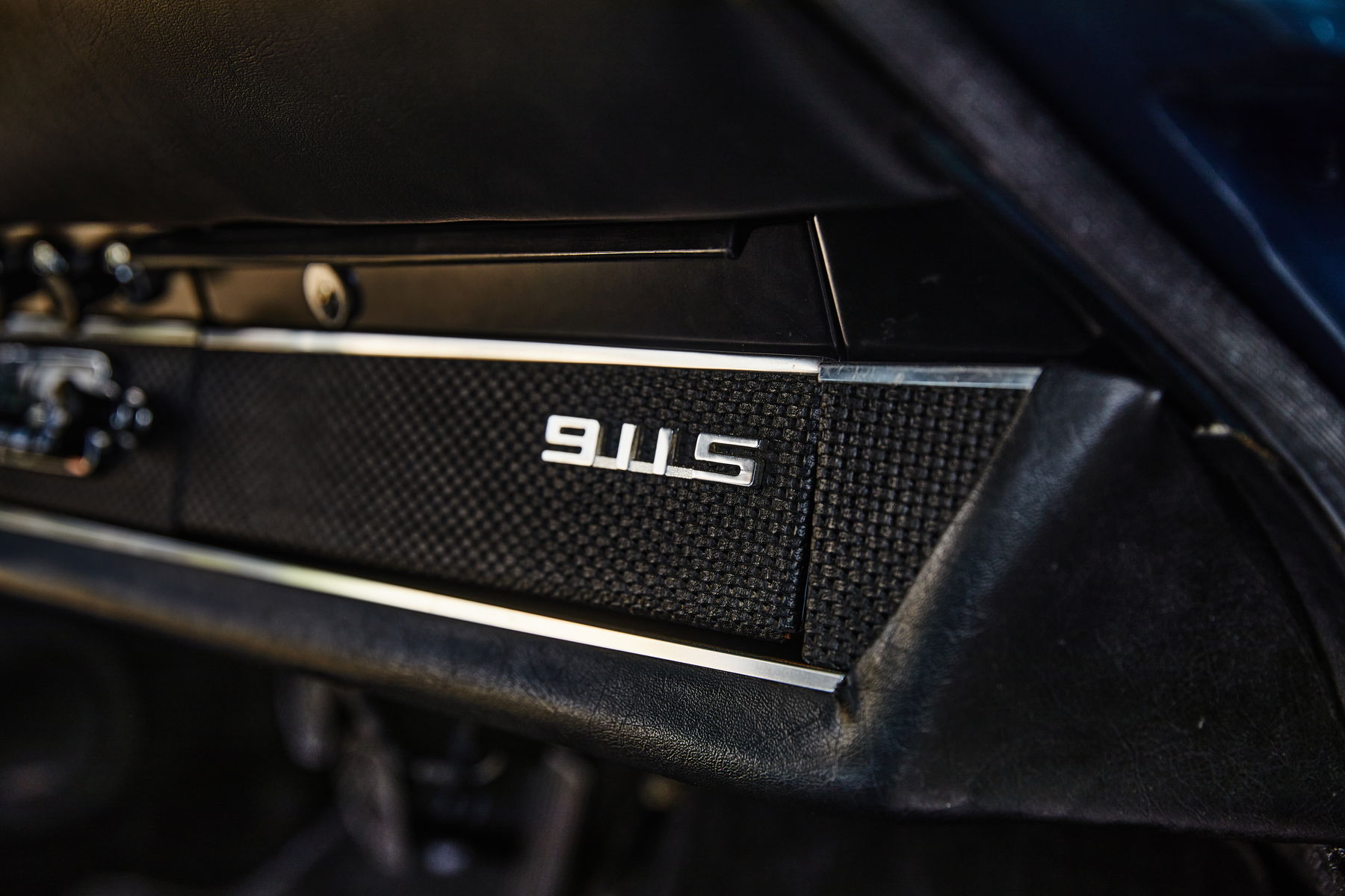
This is a 1967 911 S – the first year of the S and one of only 1,823 Coupés produced for the model year. The 2.0-litre, 160 hp S brought substantially more performance while retaining the purity of the original short-wheelbase design.
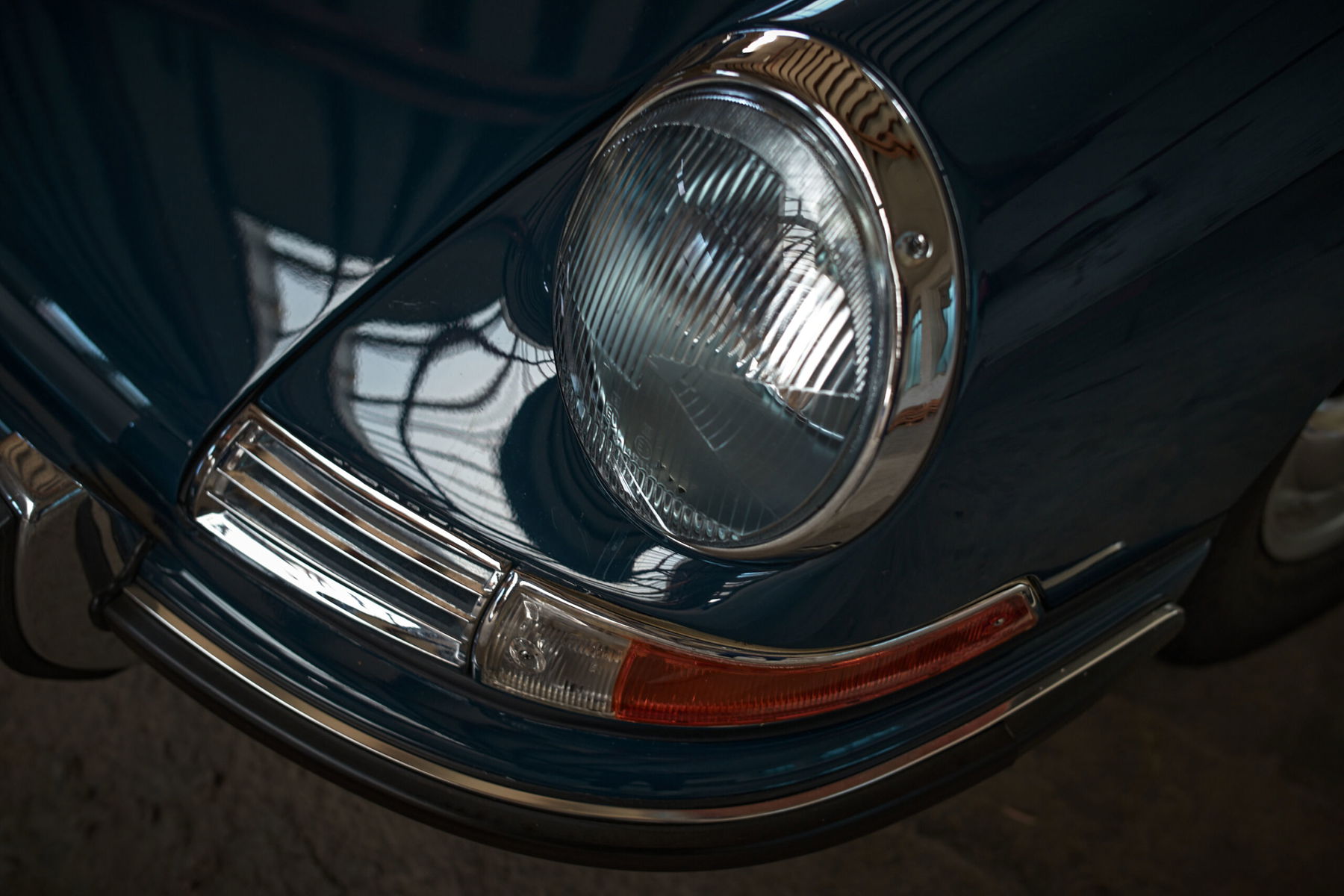
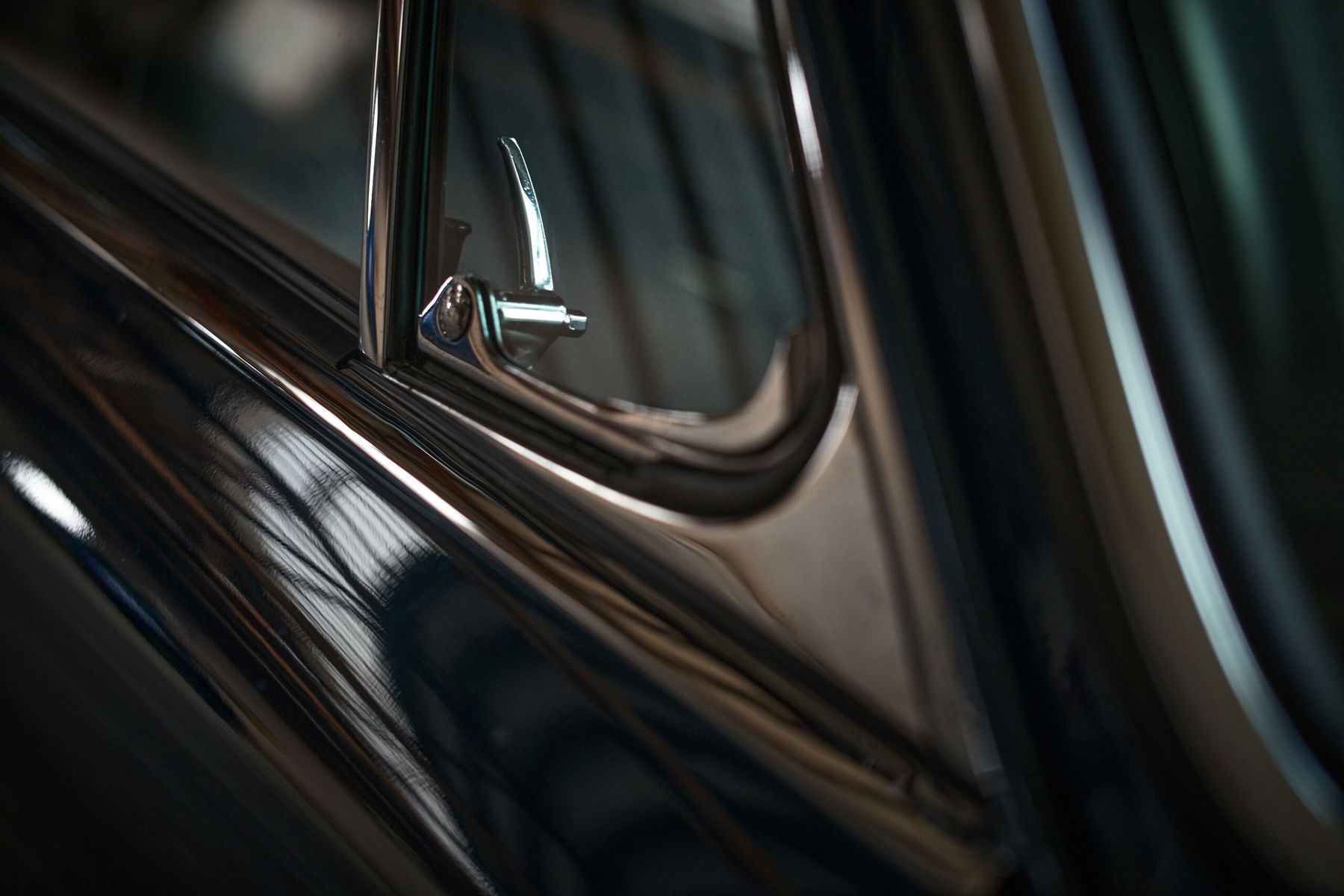
Many details belong specifically to this early generation. The glass, brightwork, trim and numerous components differ from the cars that followed. Even the narrow forged 4.5 × 15 Fuchs wheels are a one-year-only feature.
This car still has them.
FULL MATCHING NUMBERS
The originality goes considerably further.
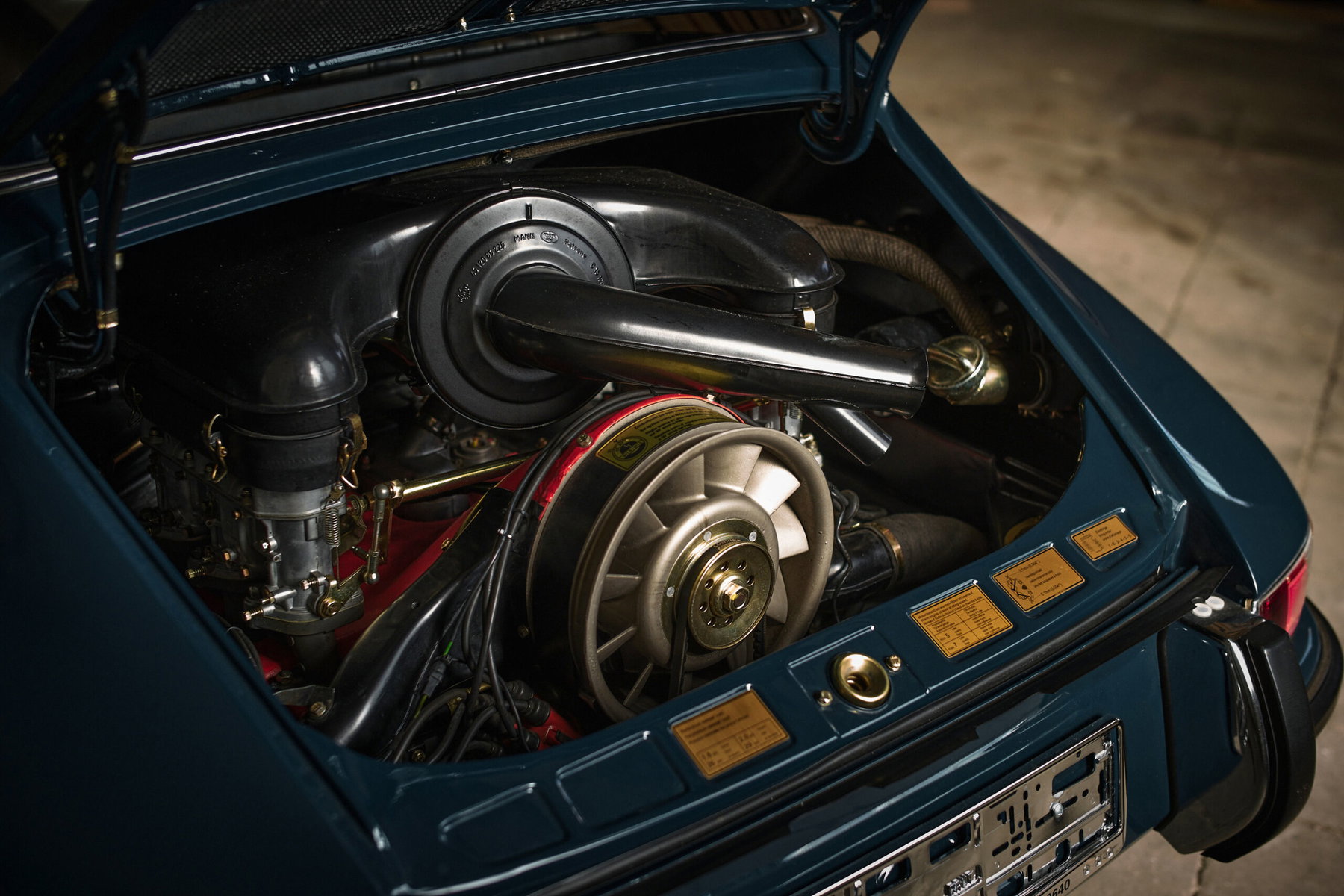
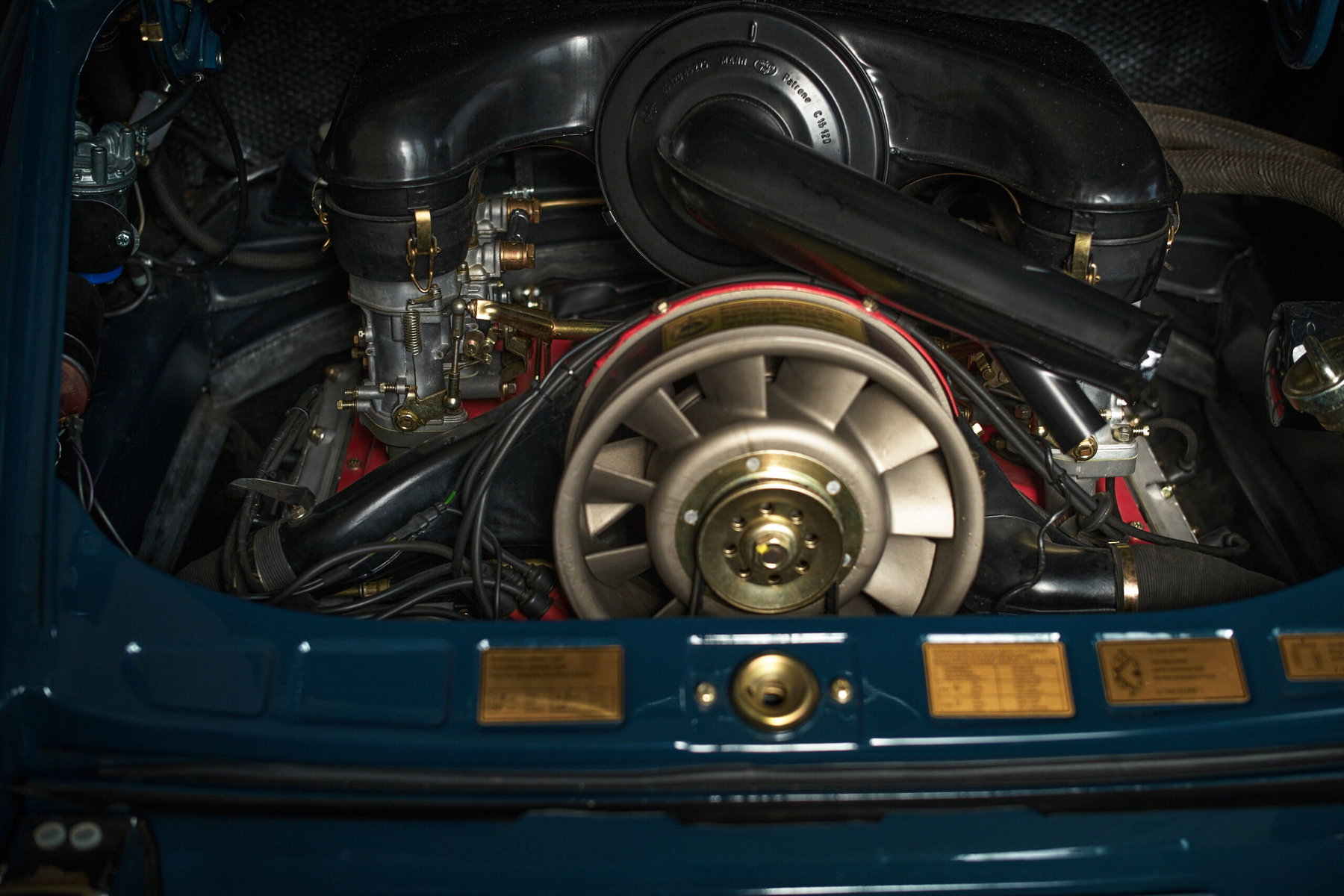
The engine is the original matching-numbers unit. So is the gearbox.
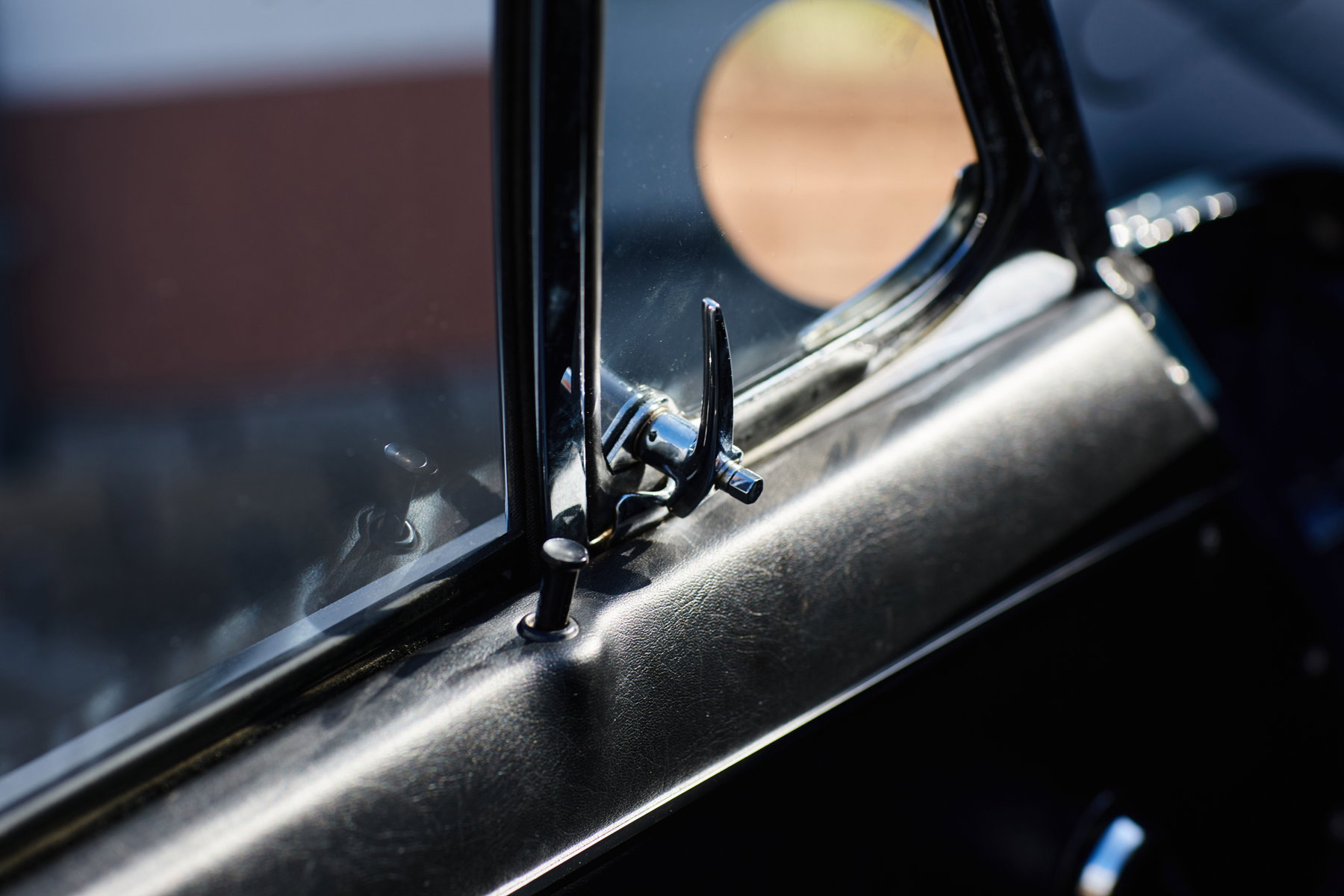
And matching numbers on this car does not stop at the drivetrain: the original factory-stamped doors and lids remain with the car and can still be identified as the panels with which it was built.
That level of continuity was fundamental to the restoration.
The intention was never to create a beautiful 1967 S from an assortment of correct parts.
A RESTORATION ON ANOTHER LEVEL
The project took approximately two and a half years and involved specialist workshops in Germany.
The car was completely dismantled until nothing remained but the bare body shell.
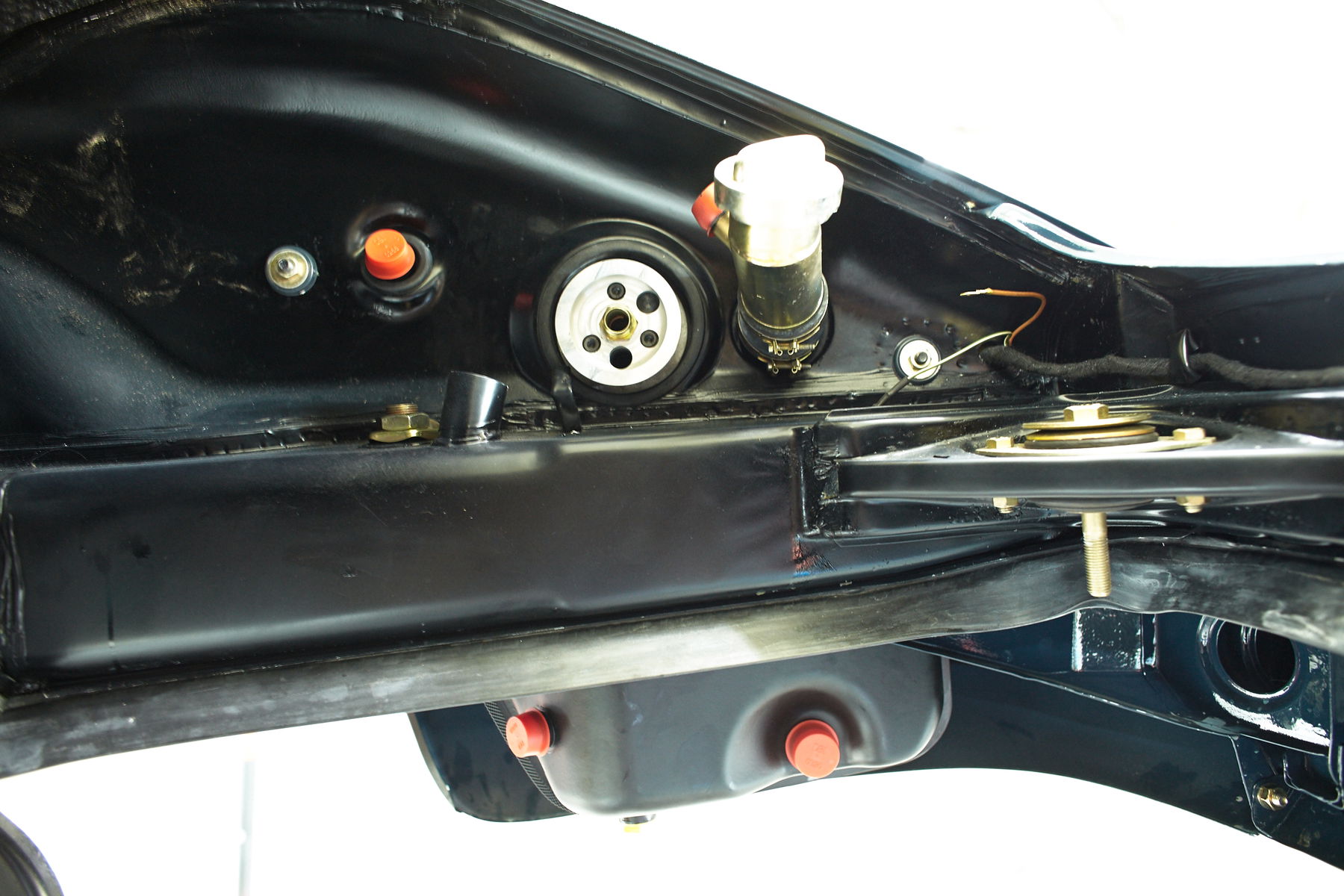
It was then fully immersion-stripped. Not simply sanded, blasted or prepared where visible: paint, old coatings and corrosion protection were chemically removed even from seams, cavities and areas that conventional preparation cannot reach.
For the structural work, the bare shell was mounted on a Blackhawk body bench and precisely dimensioned and aligned while the metalwork was carried out.
Once completed, the entire body received KTL/e-coat treatment – including the internal structures, seams and cavities.
The finishing philosophy was equally uncompromising. Where body finishing was required, the shell was traditionally lead-finished, rather than cosmetically shaped beneath layers of body filler.
After painting and assembly, the cavities were additionally flooded with hot-applied Mike Sanders corrosion protection wax.
This was not a restoration designed simply to look impressive when finished.
The work started where nobody would ever see it again.
And virtually every stage – from the stripped shell and structural work through KTL treatment, paint, mechanical rebuild and final assembly – is extensively documented photographically.
MECHANICALLY TO THE SAME STANDARD
The mechanical restoration followed exactly the same philosophy.
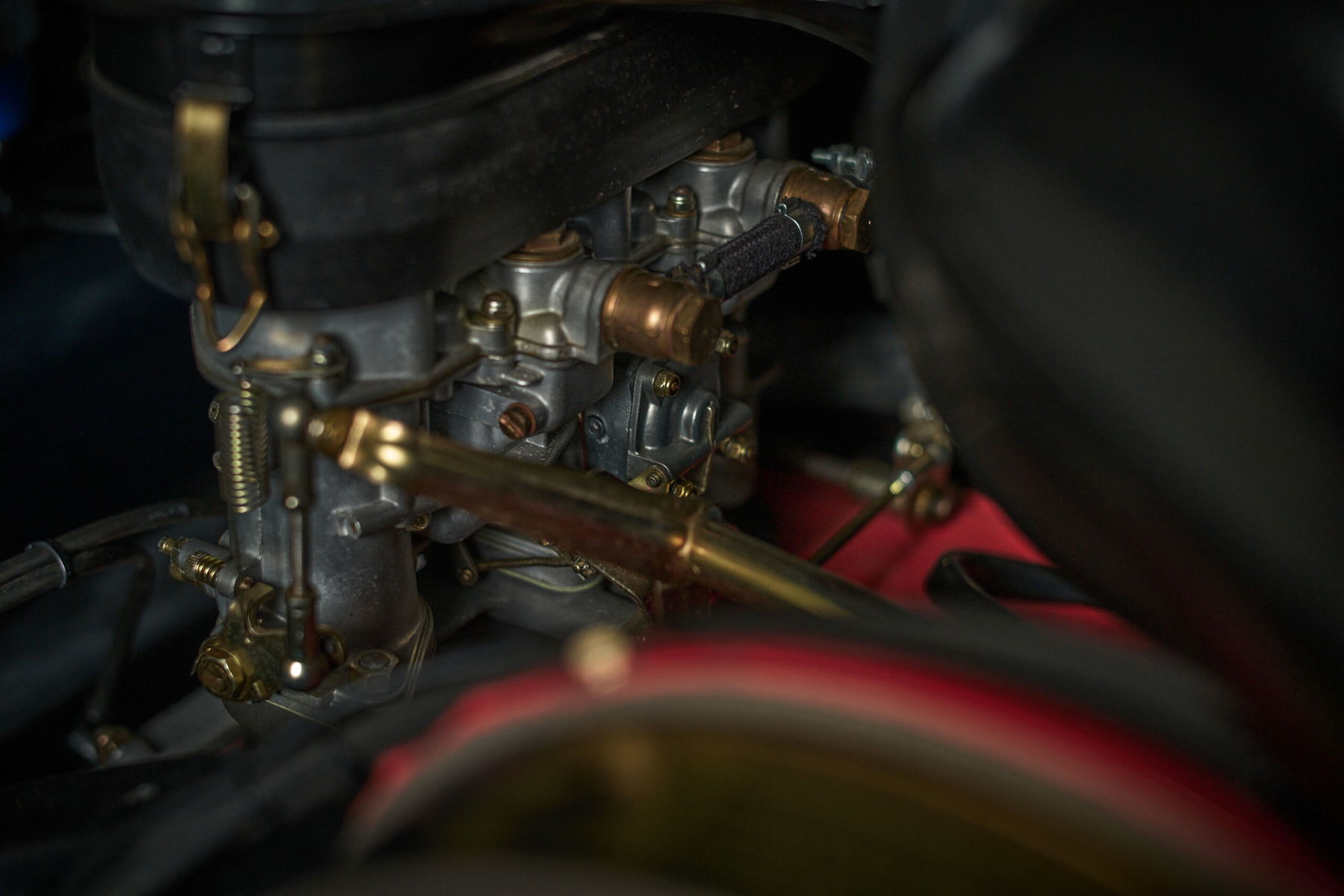
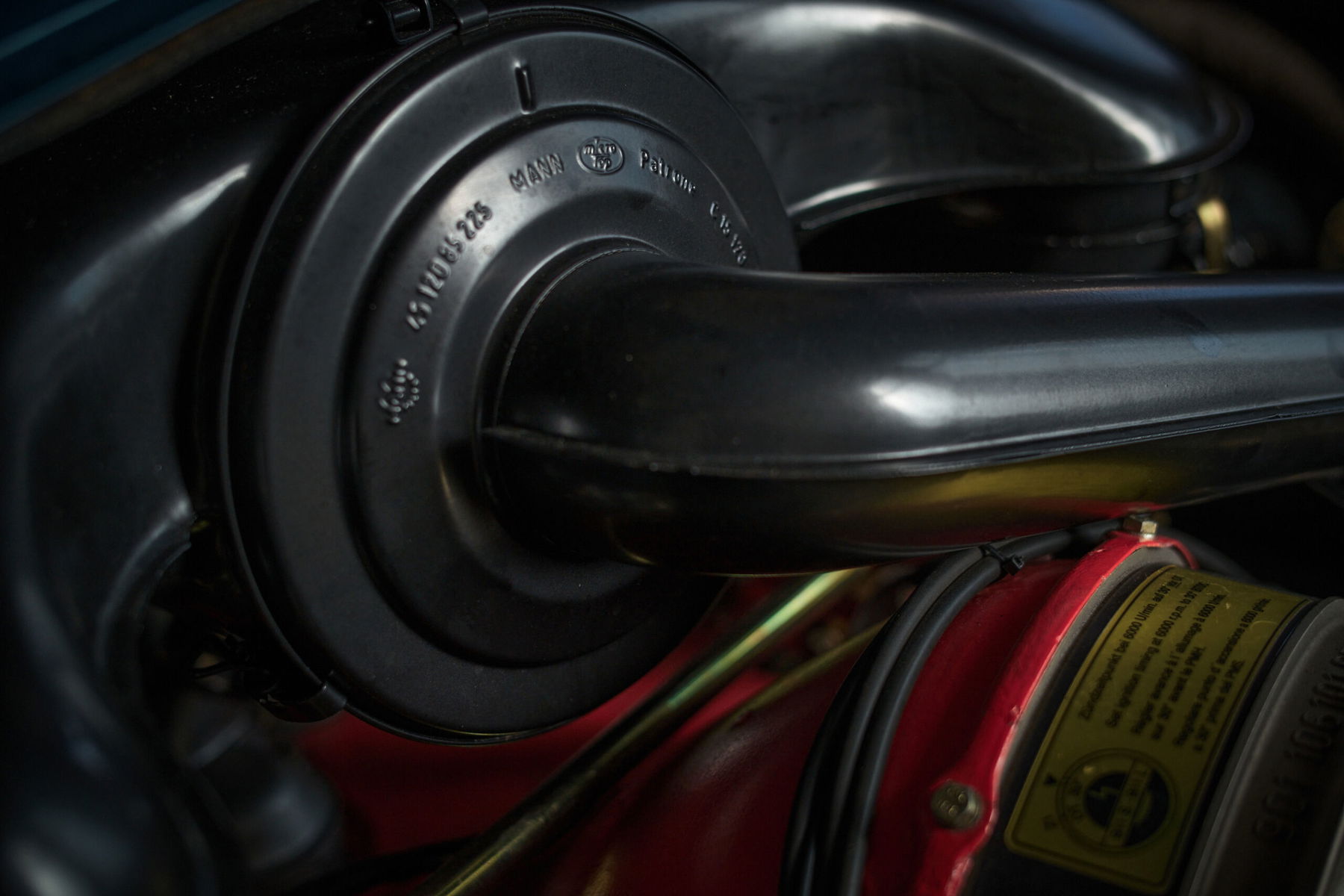
The original matching-numbers 2.0-litre S engine and matching-numbers gearbox were completely rebuilt by Boxer Motoren Bienert.
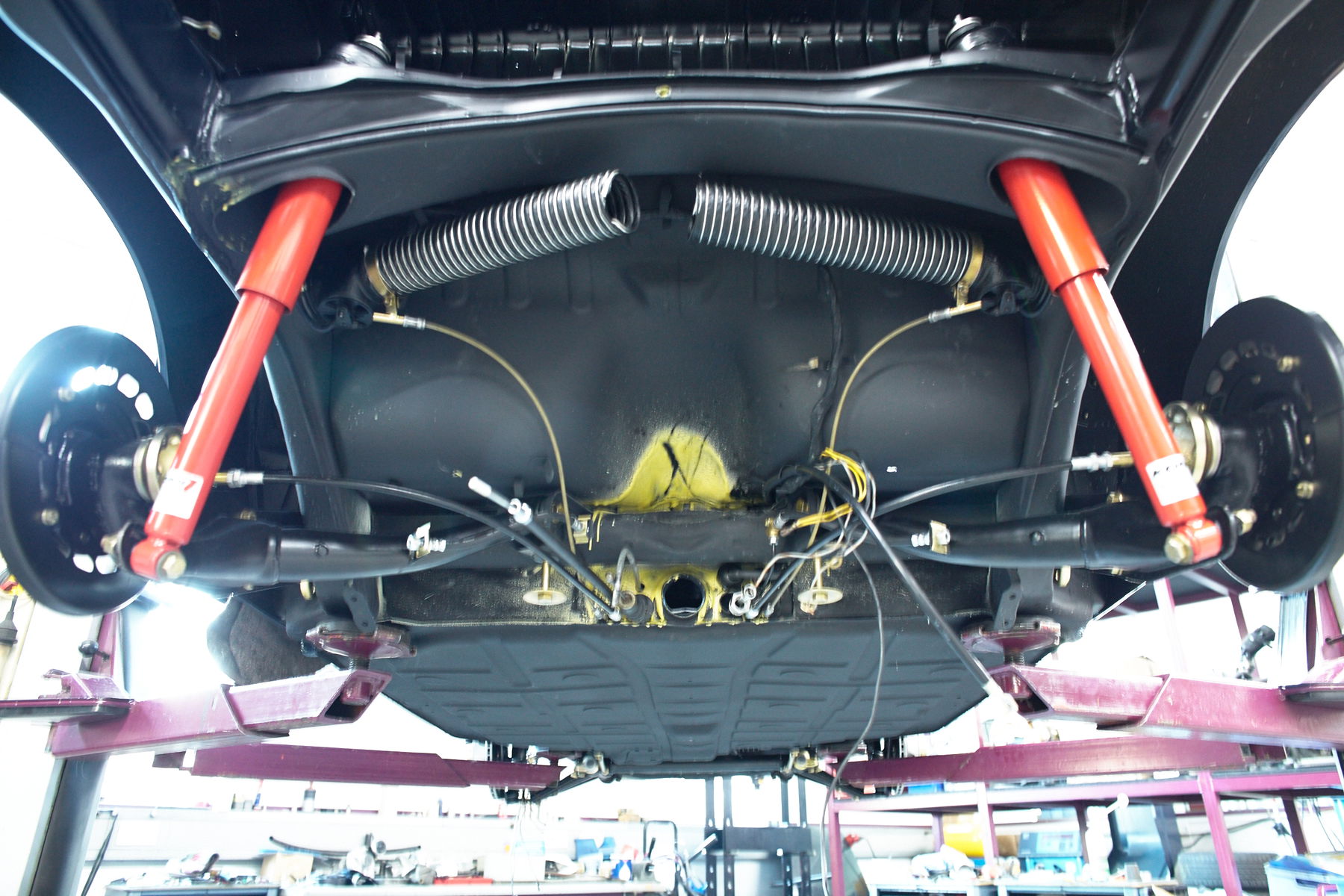
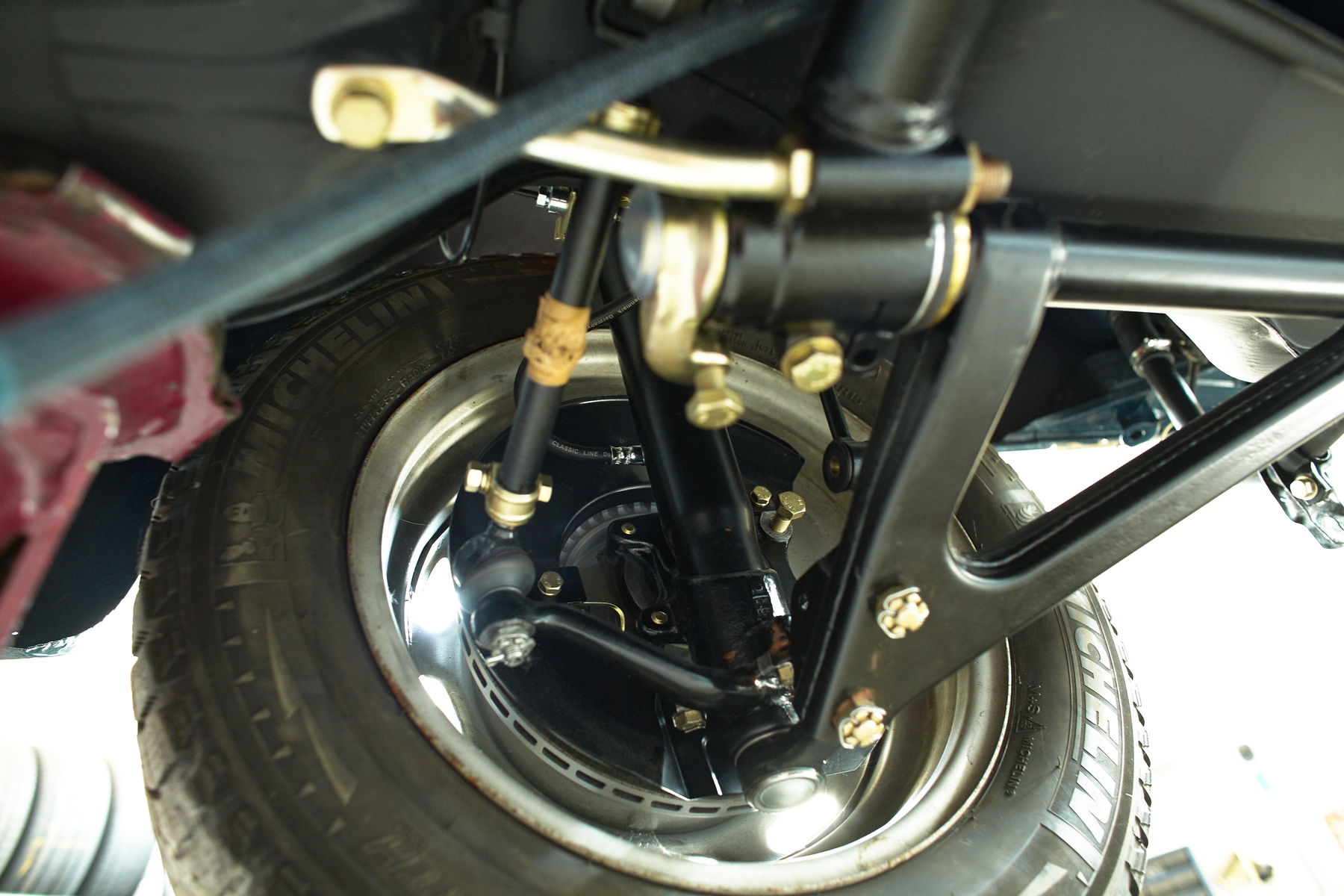
Chassis, suspension and braking systems were comprehensively restored.
The electrical system was addressed throughout. Wiring harnesses, connectors and associated components were restored and, where necessary, newly manufactured.
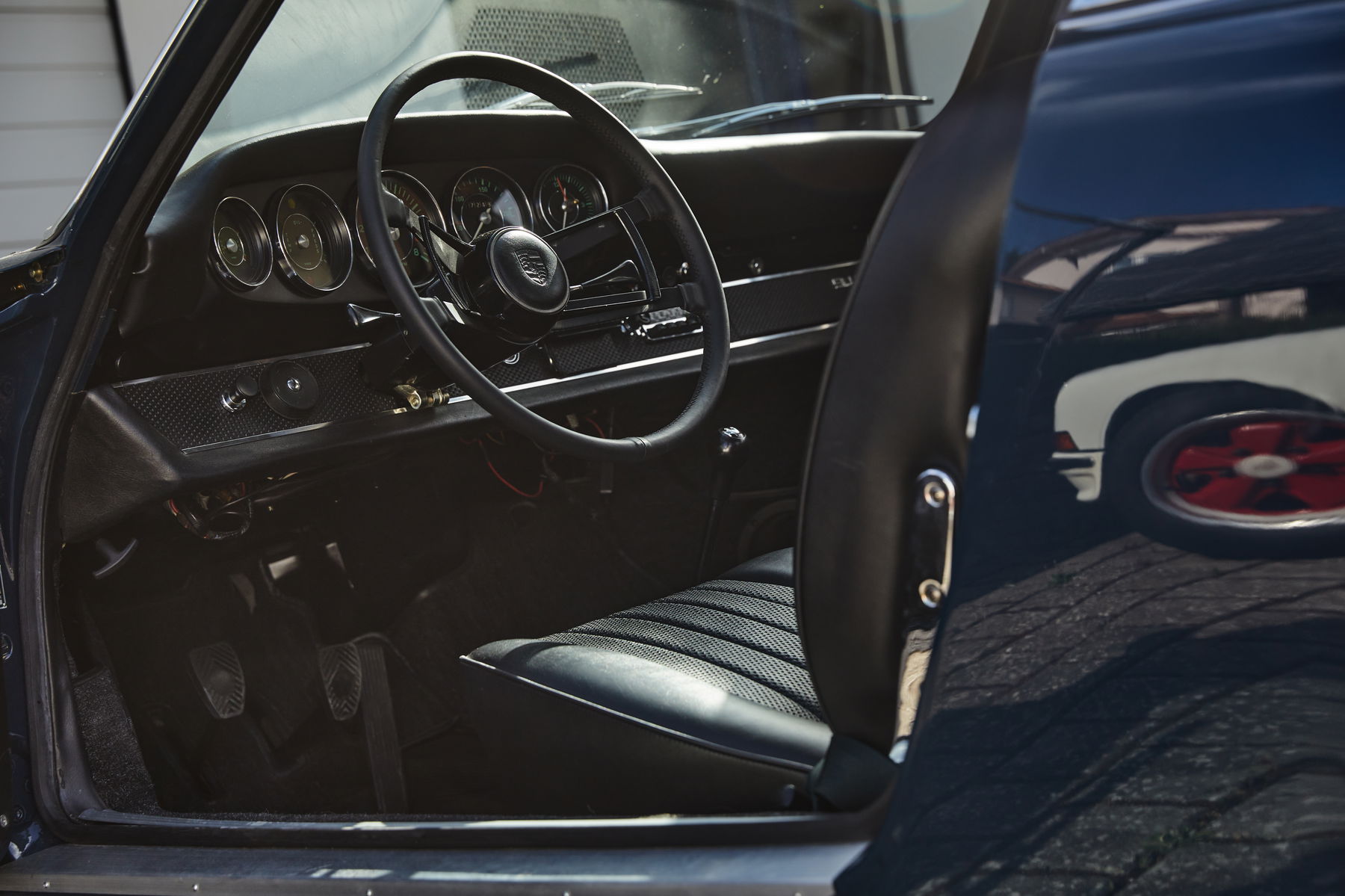
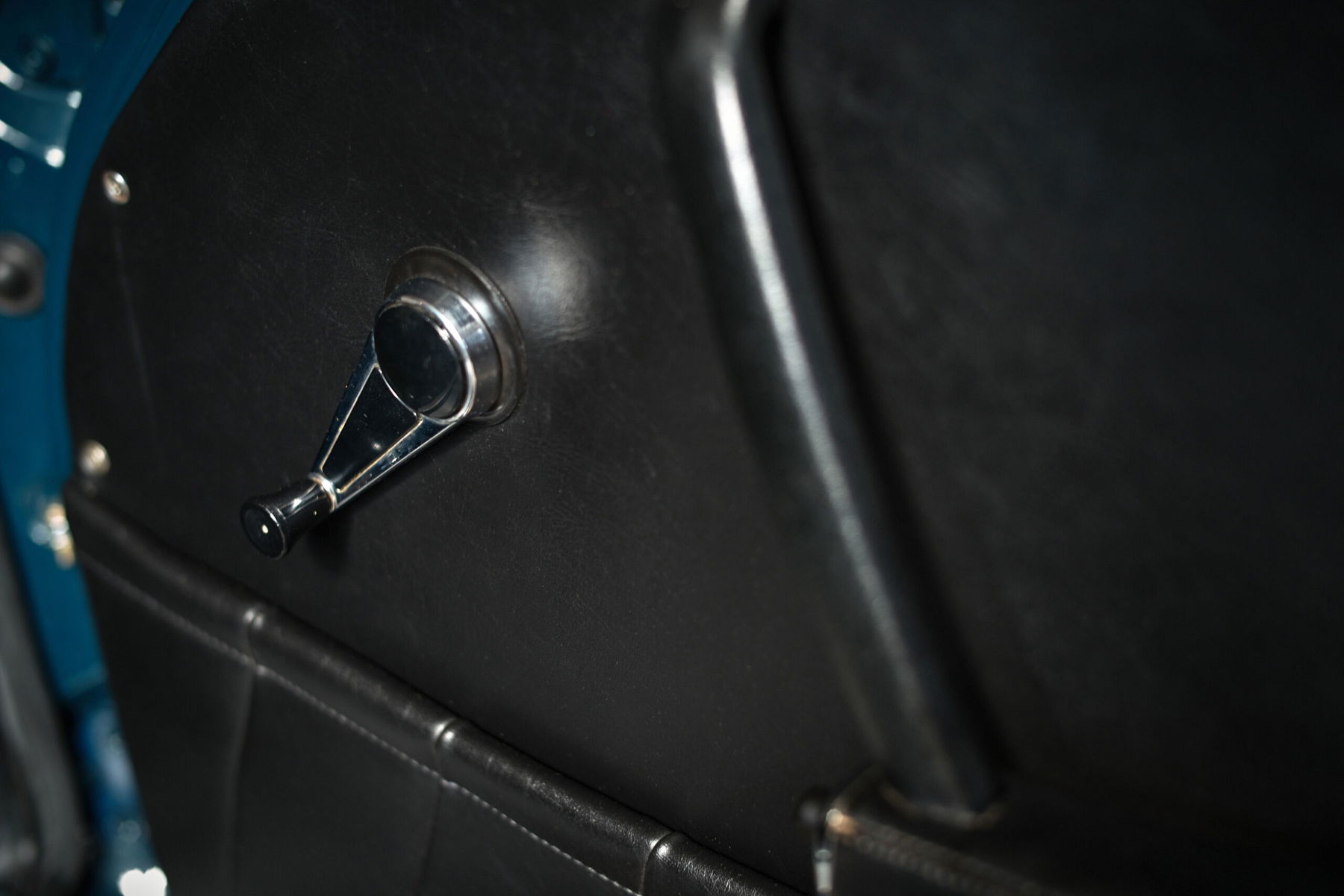
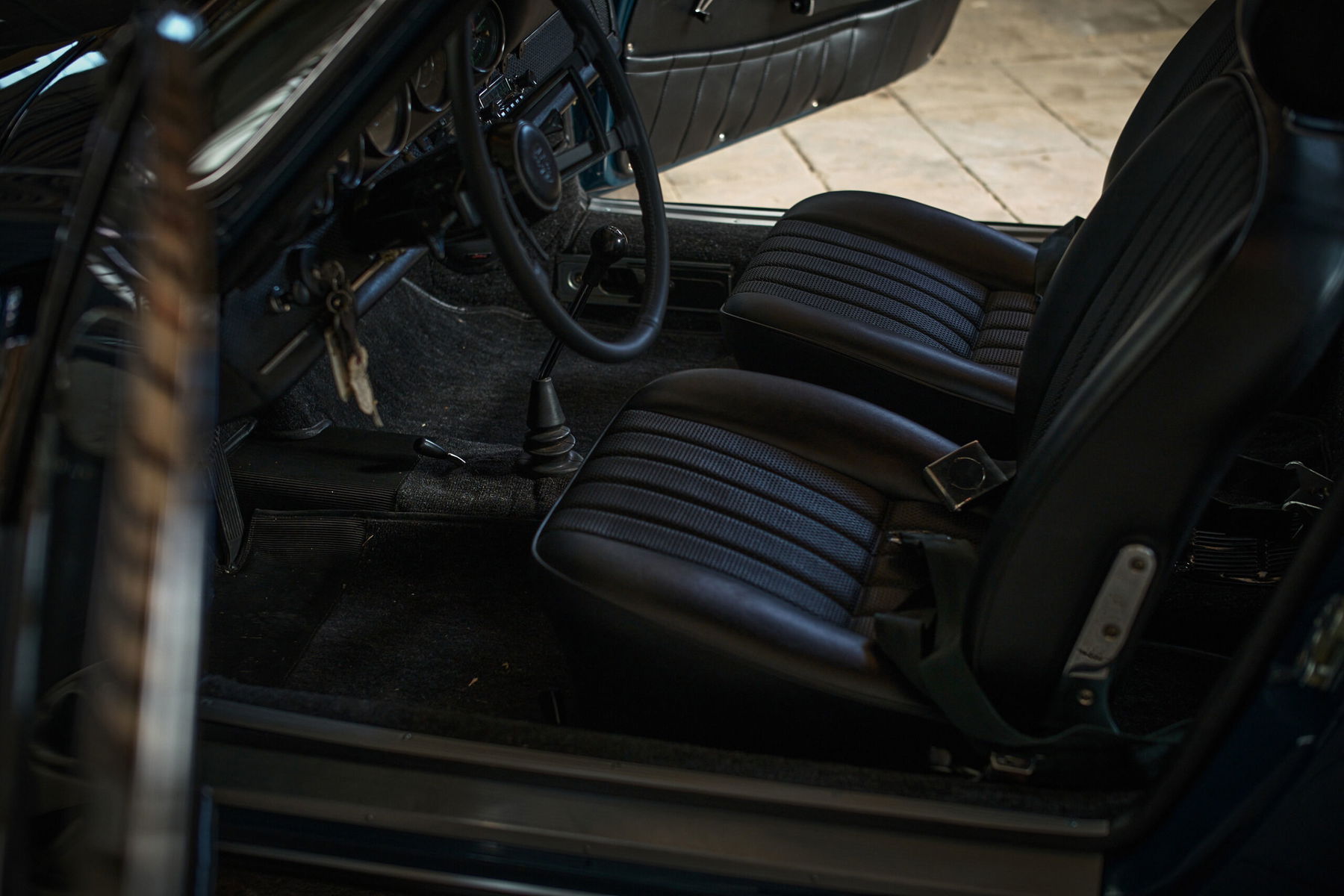
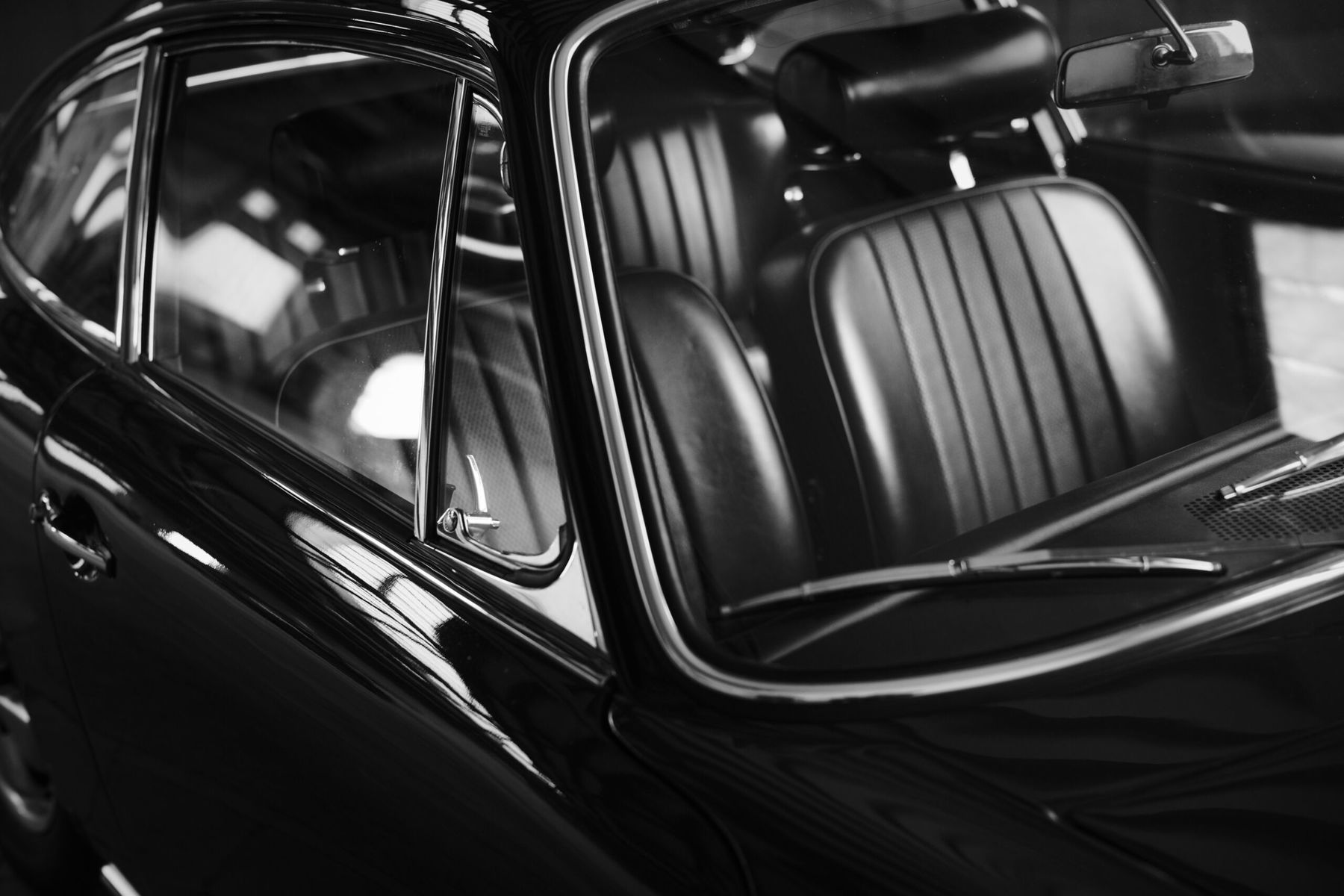
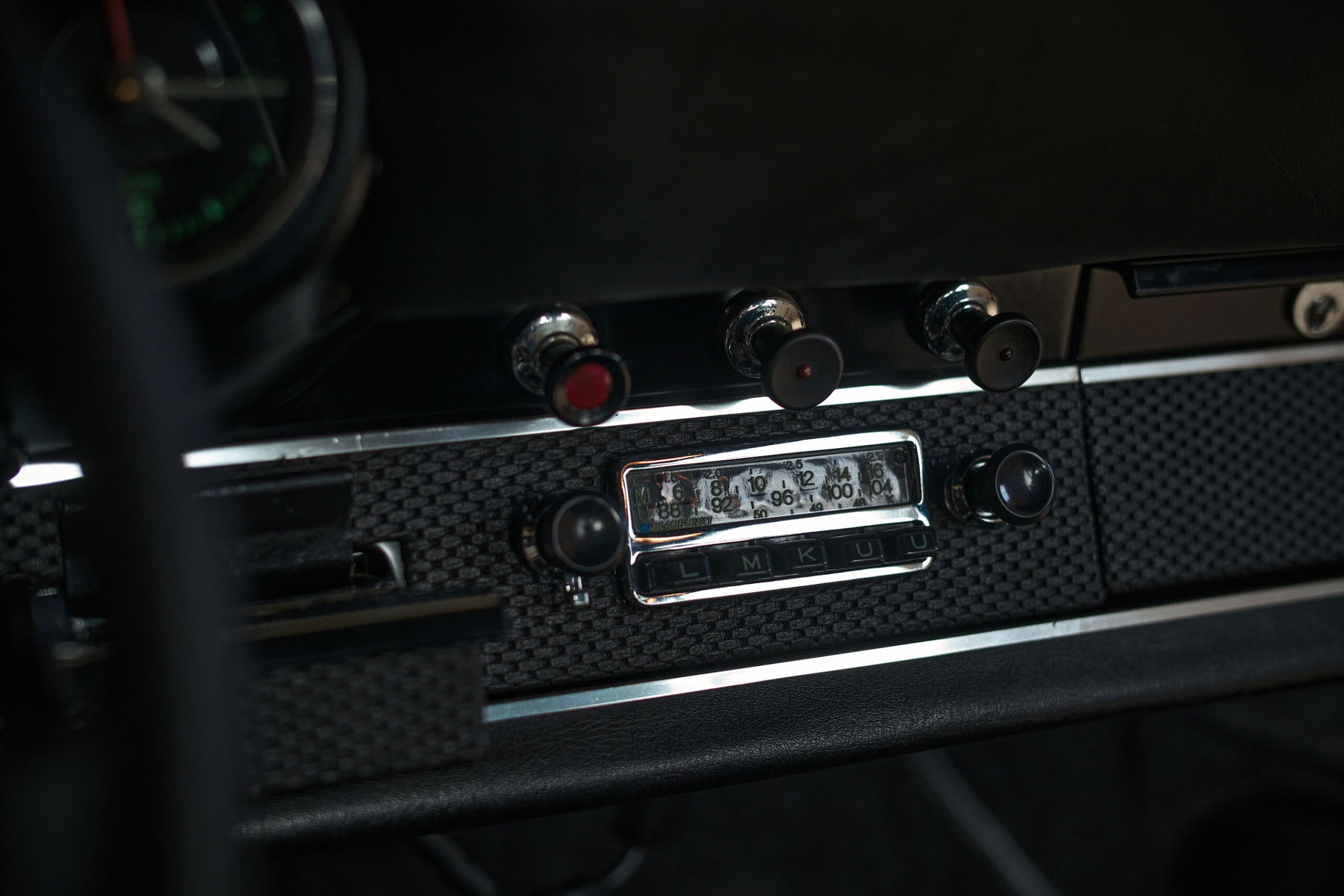
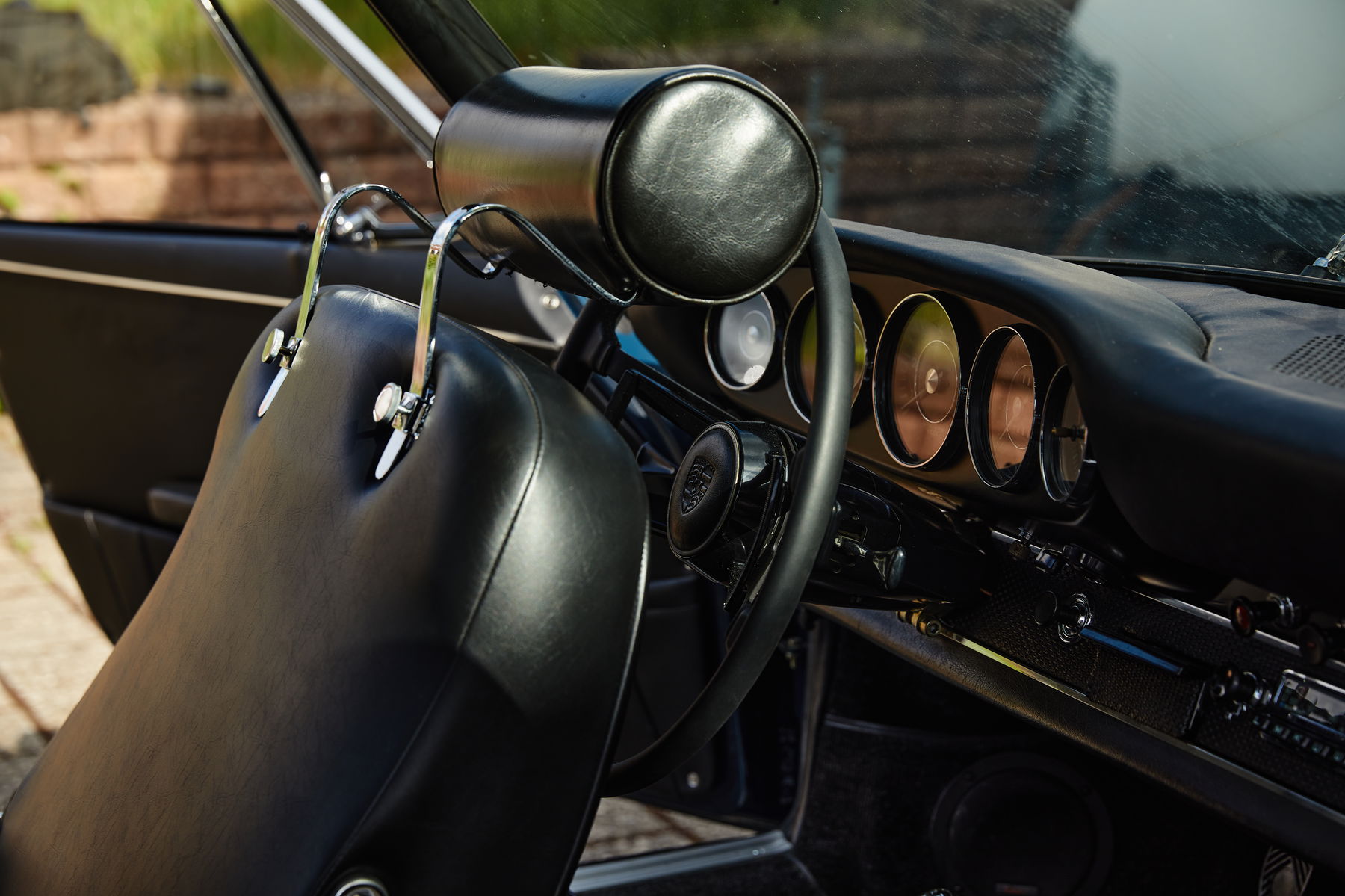
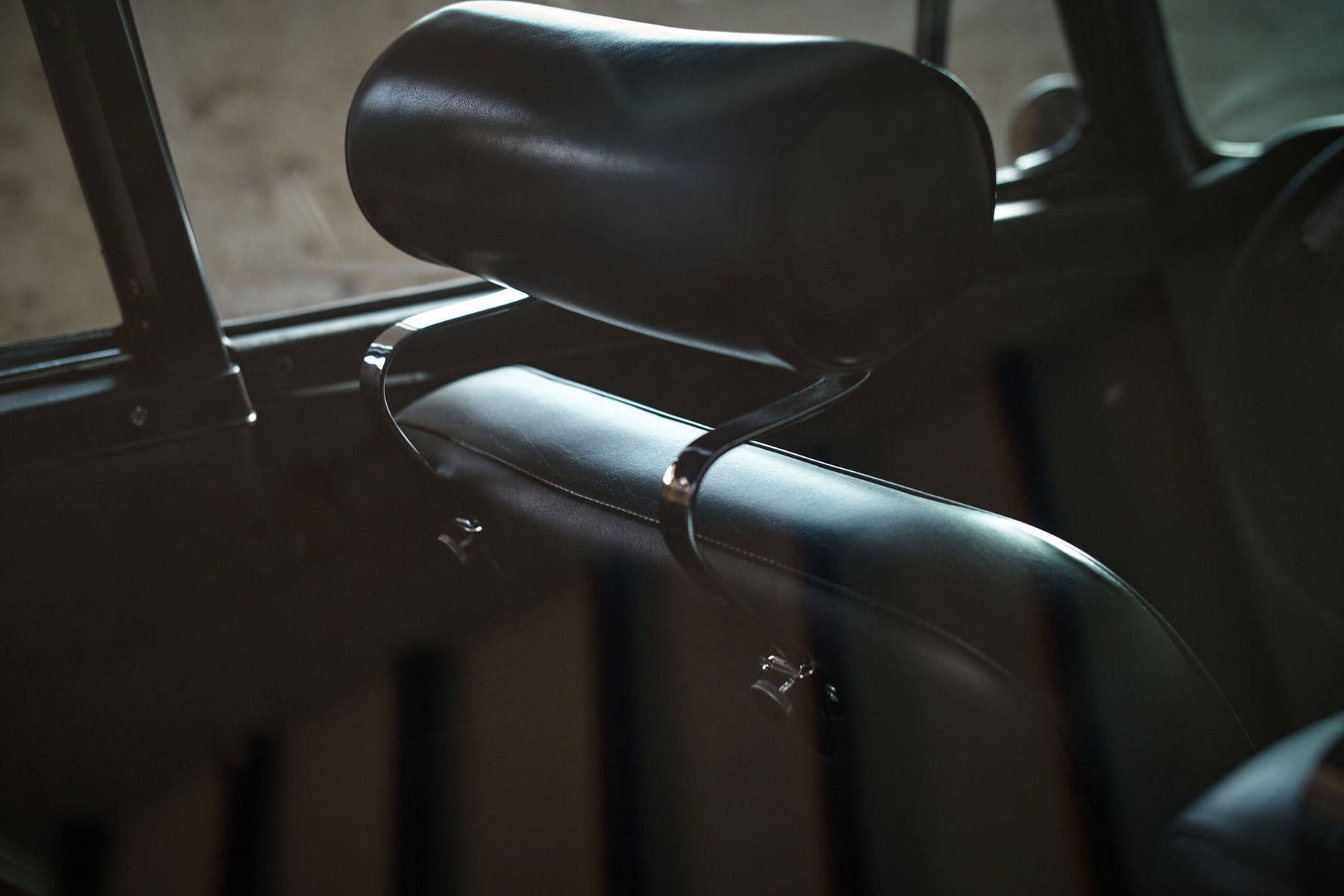
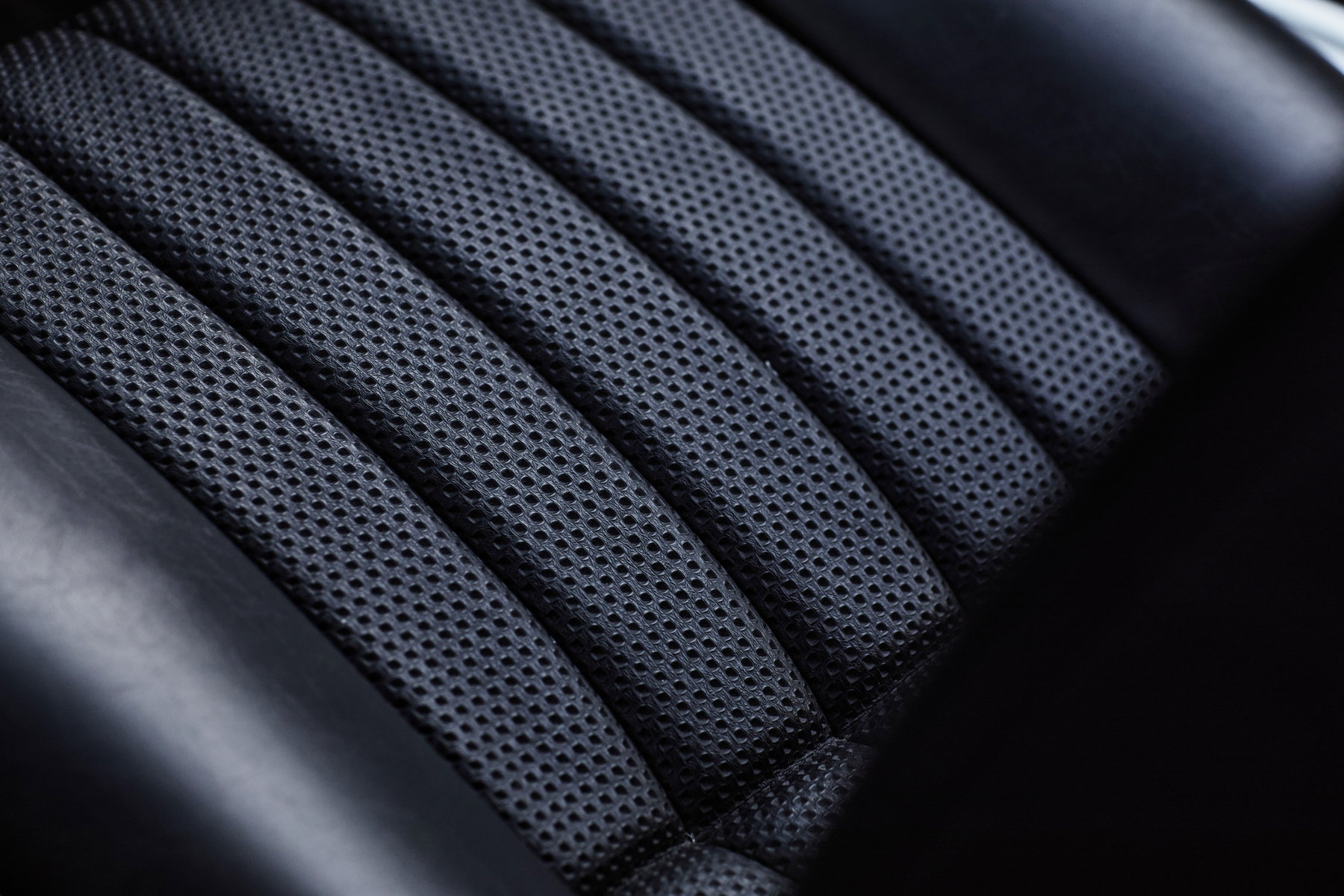
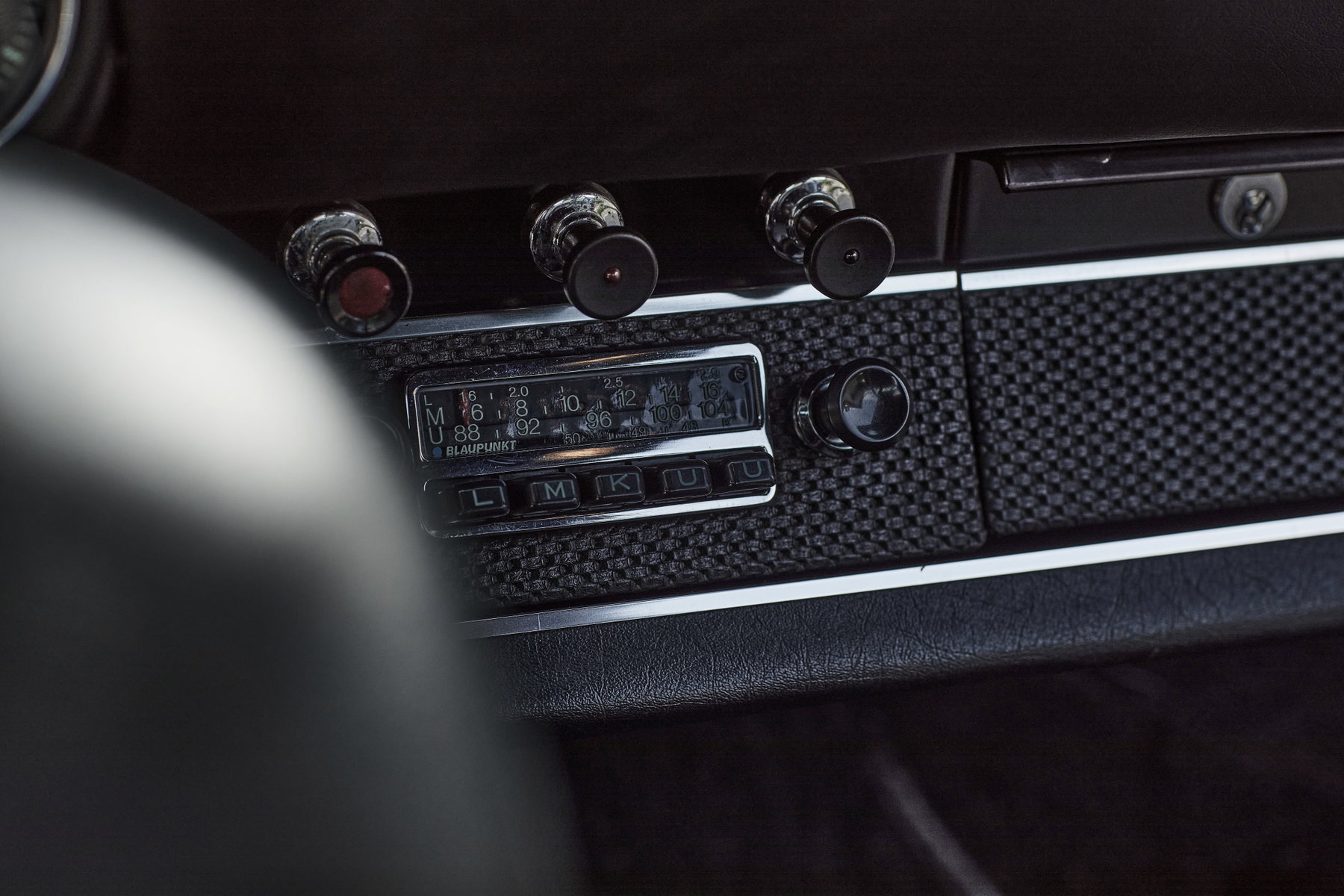
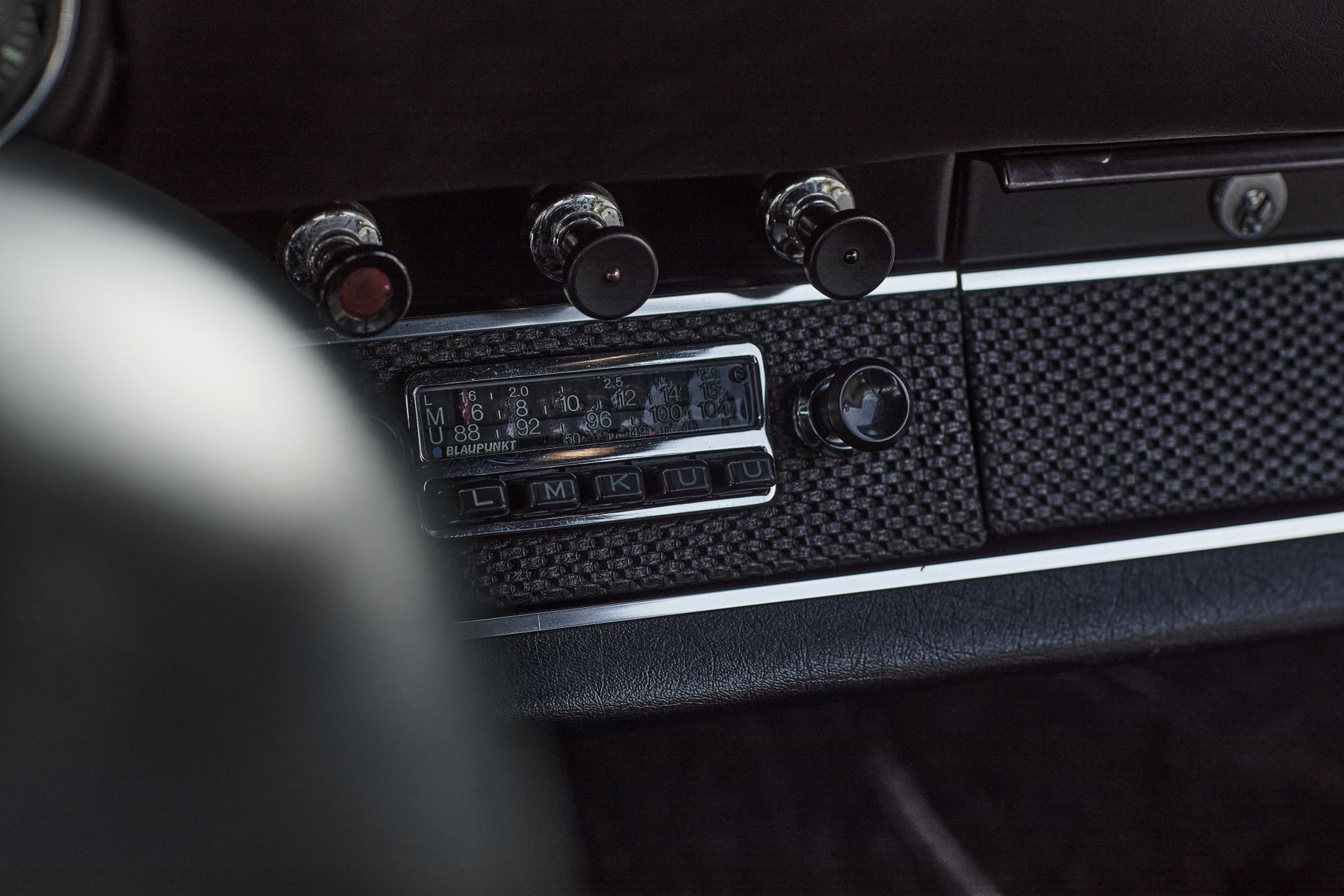
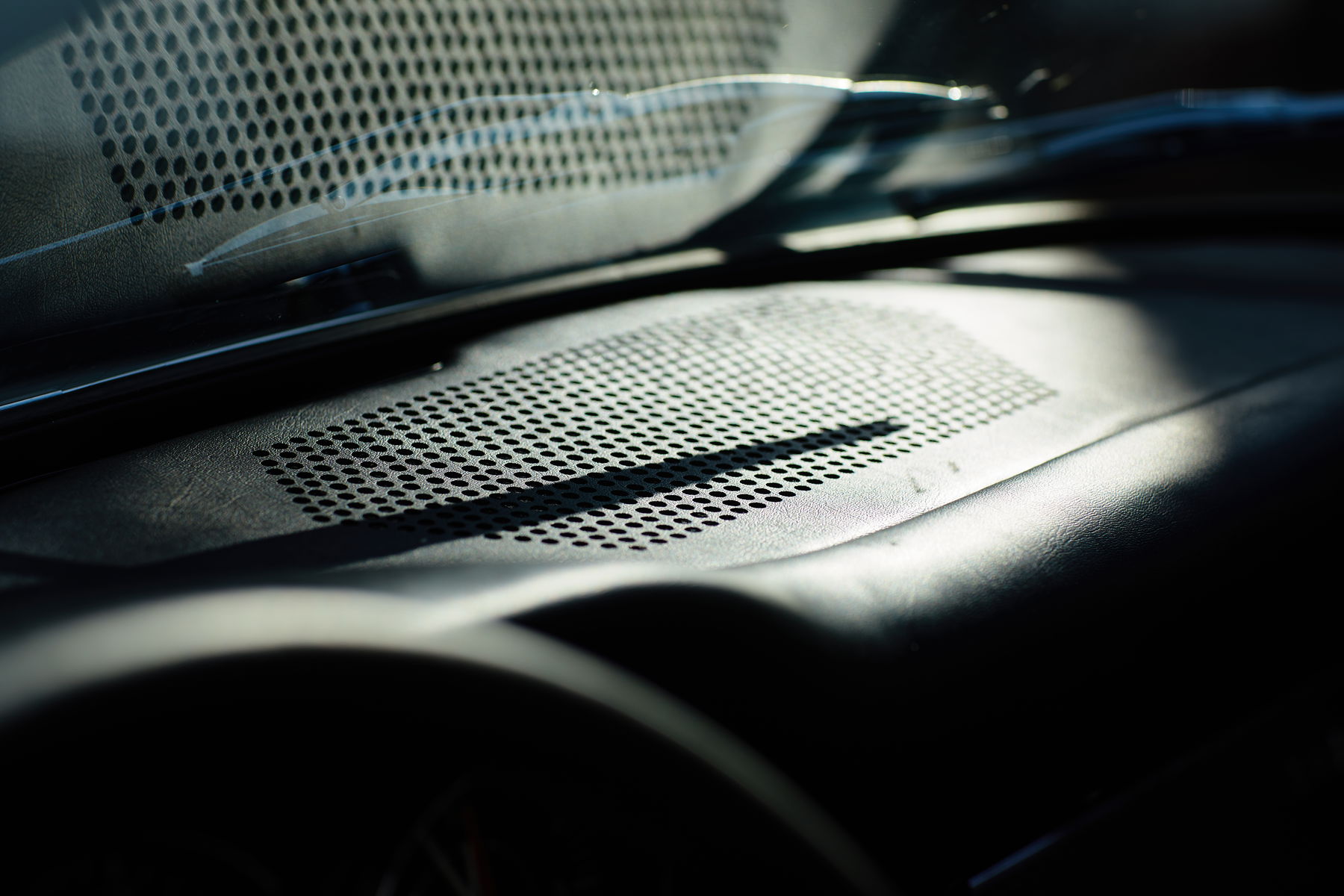
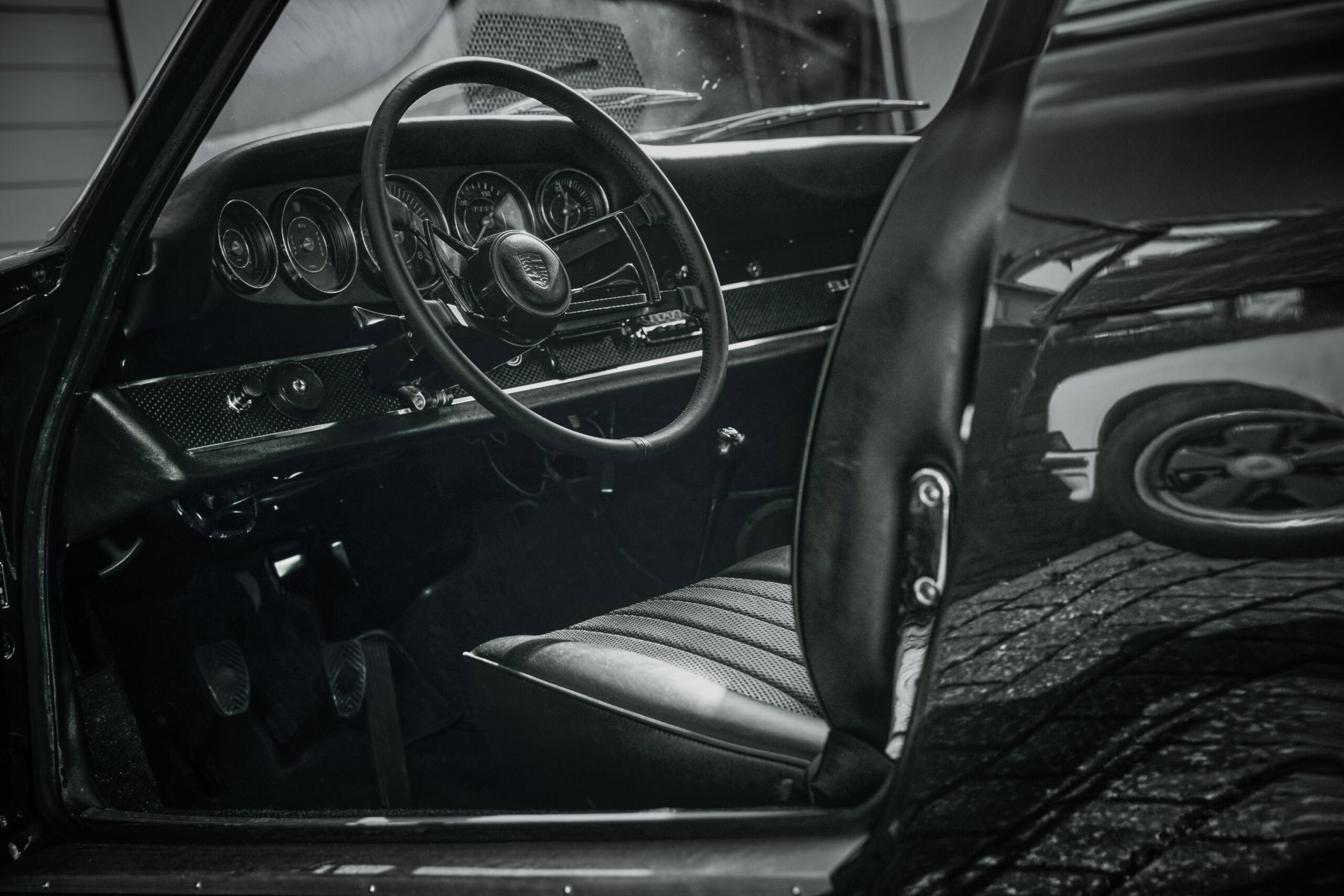
Following the bare-shell restoration, the complete black interior was rebuilt from the metal structure outward, with close attention paid to the specific materials, appearance and details of the 1967 model year.
Final finishing work was carried out by EARLY 911S.
The result is unusual even among restored early 911s: the quality does not end at the paint surface. It continues through the structure, drivetrain, chassis, electrics and interior.
AGA BLUE
And after all that work, perhaps the most immediate quality of the car remains the simplest one:
It is beautiful.
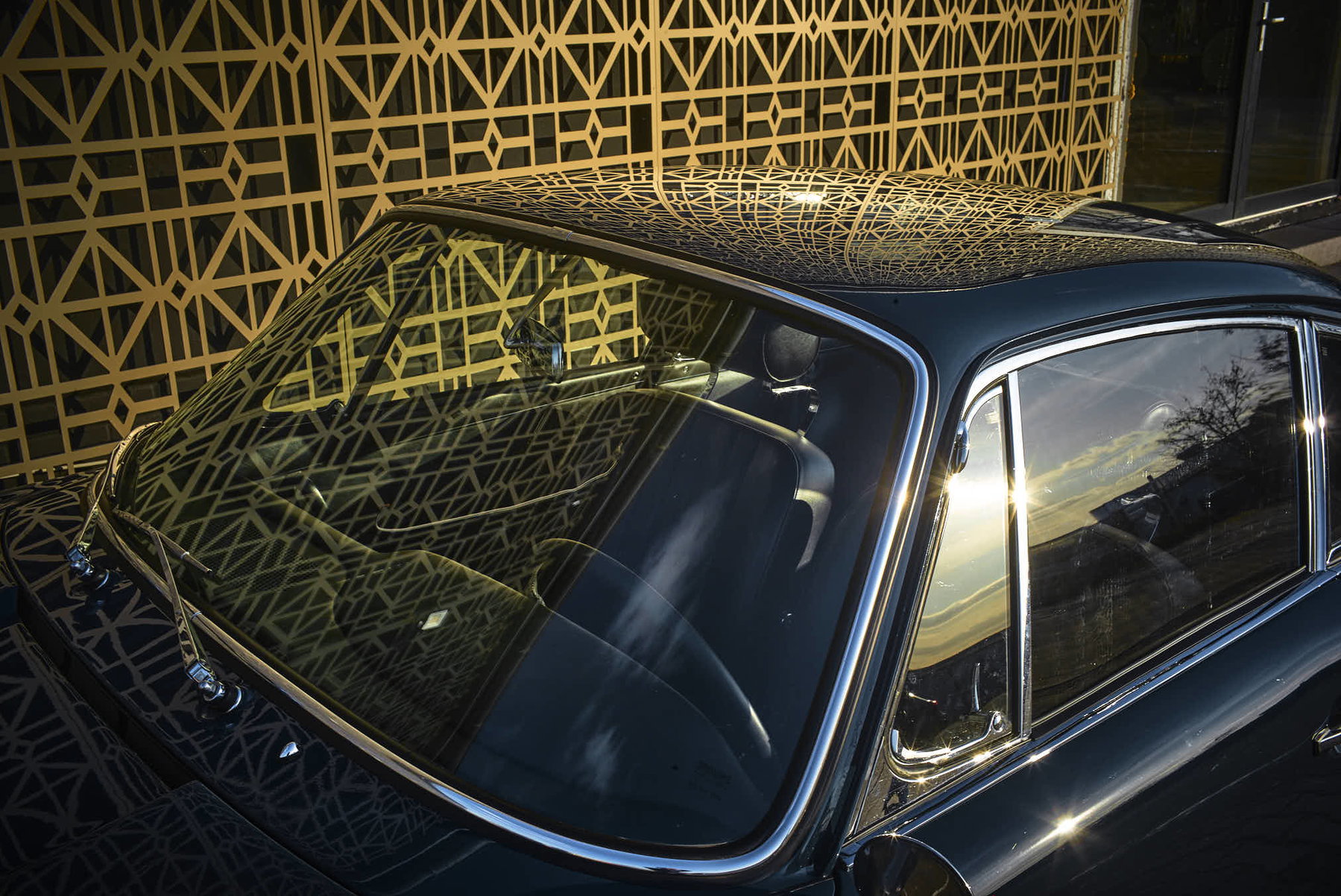
Aga Blue gives the small early body an extraordinary presence without overwhelming its shape. Against the chrome, black interior and narrow Fuchs wheels, the colour feels completely natural to the period.
It is also the car’s original colour.
Combined with the first-year S specification, full matching numbers and original stamped panels, it gives this example an identity that could not simply be recreated by choosing an attractive colour during restoration.
FIFTEEN YEARS
The car was discovered many years ago near Boston, Massachusetts, at a Porsche specialist and subsequently brought to Germany.
It has been part of a private collection for almost fifteen years and has had only four previous owners.
Today it presents in exceptional visual and mechanical condition, accompanied by extensive photographic documentation of the restoration.
This is not an early 911 that needs to prove itself through extravagance.
Its appeal lies somewhere else: in proportion, precision, material quality and the extraordinary simplicity of the original idea.
A 1967 911 S. Aga Blue. Short wheelbase. Full matching numbers. Restored with an almost obsessive attention to detail.
Some objects simply do not need anything added.
Private sale from long-term ownership.















 1968
1968 
 1973
1973 
 1971
1971