Kremer Racing is one of the most significant private racing teams in German motorsport history and had a lasting impact on the golden era of endurance racing in the 1970s and 1980s. Founded by brothers Erwin and Manfred Kremer, the team evolved from a small Porsche shop in Cologne into a globally recognized motorsports powerhouse, whose name remains closely associated with innovation, passion, and extraordinary success to this day. It is particularly noteworthy that, as a private team, Kremer Racing consistently competed against major factory teams and held its own at the highest international level. The foundation of this success was the close connection to Porsche. Early on, Kremer Racing specialized in the development, preparation, and deployment of high-performance Porsche race cars. The team did not limit itself to merely fielding vehicles but independently refined many concepts. Kremer knew how to consistently optimize existing Porsche platforms and adapt them to the demands of international motorsports. It was precisely this combination of technical expertise, innovative spirit, and racing experience that made the team a fixture in endurance racing.
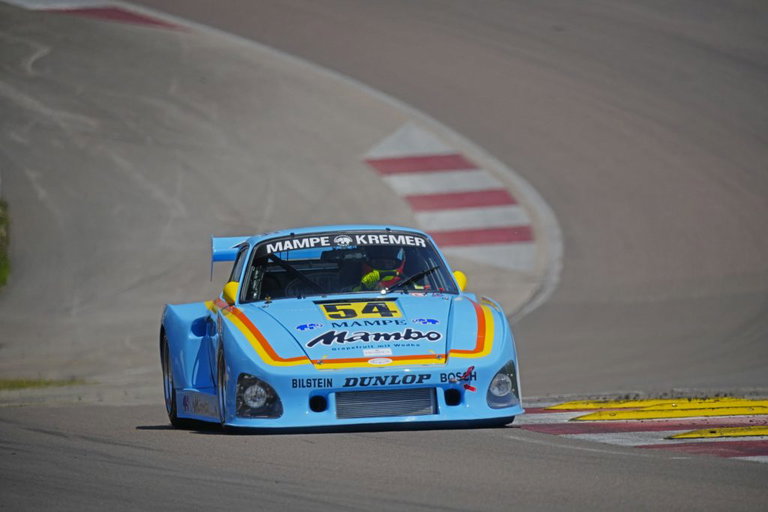
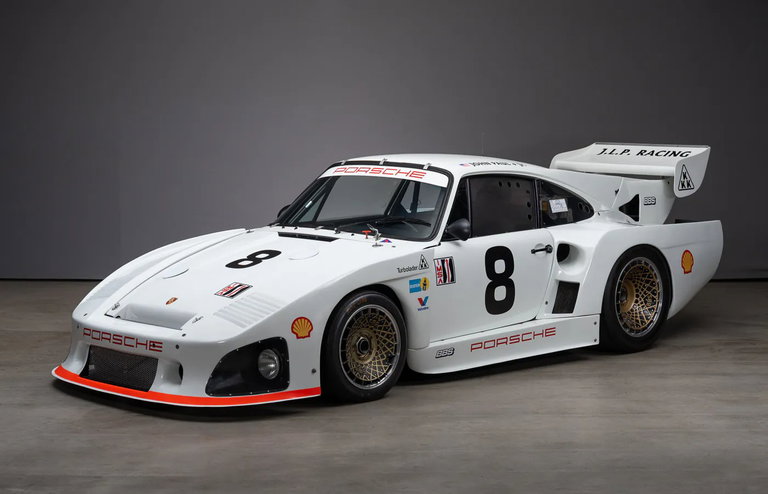
In the 1970s, Kremer Racing increasingly established itself at prestigious racing events such as the German Racing Championship, the Interserie, and above all at the 24 Hours of Le Mans. There, the team faced the world’s leading manufacturers and top drivers. Despite limited resources, Kremer Racing repeatedly succeeded in fielding competitive cars and surprising everyone with intelligent technical solutions. The absolute highlight of the team’s history came in 1979 with the overall victory at the 24 Hours of Le Mans. To this day, this success is considered one of the greatest triumphs of a private racing team in the history of endurance racing. The legendary 935 K3 was used—a vehicle independently further developed by Kremer Racing based on the Porsche 935. The suffix “K3” stood for the third evolutionary stage of Kremer’s development and symbolized the team’s high technical standards. The 935 K3 differed significantly from the factory cars in many areas. Kremer Racing optimized aerodynamics, weight, cooling, and handling, thereby creating a car perfectly tailored to the demands of Le Mans. In particular, the striking body design and sophisticated aerodynamics made the K3 one of the most iconic race cars of its time. At the same time, the car impressed with its high reliability and tremendous speed over long distances.
In the 1979 race, drivers Klaus Ludwig, Bill Whittington, and Don Whittington managed to lead the K3 to overall victory against strong competition. This success was extraordinary for several reasons. For one, it was a triumph of a private team over established factory entries; for another, the Kremer K3 remains to this day the only rear-engined overall winner of the 24 Hours of Le Mans. The victory made Kremer Racing famous worldwide and cemented the team’s reputation as one of the most innovative and successful private teams of its time. In the years that followed, Kremer Racing remained active in international motorsports and continued to develop its own race cars and evolutionary models. Cars like the CK5 or later Le Mans prototypes demonstrated that the team was always ready to explore new technical paths. Furthermore, Kremer Racing competed in various international racing series and collaborated with numerous well-known drivers. Today, Kremer Racing holds a special place in motorsports history. The team epitomizes an era in which private racing teams were able to conquer the biggest stages of motorsport through creativity, technical skill, and passion. Above all, the K3’s Le Mans victory remains to this day a symbol of Kremer Racing’s extraordinary pioneering spirit and competitiveness.
The Kremer K3 Le Mans
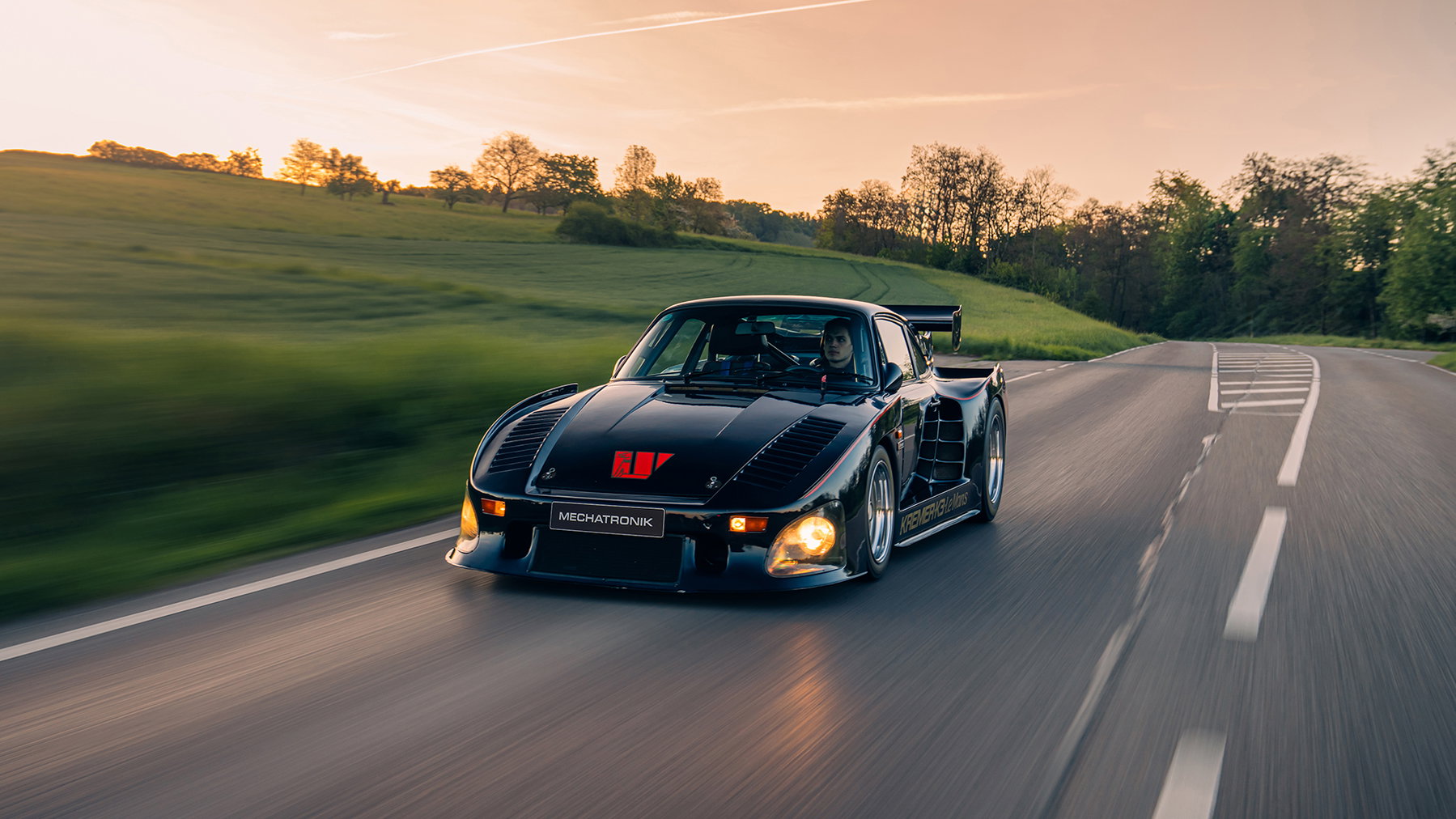
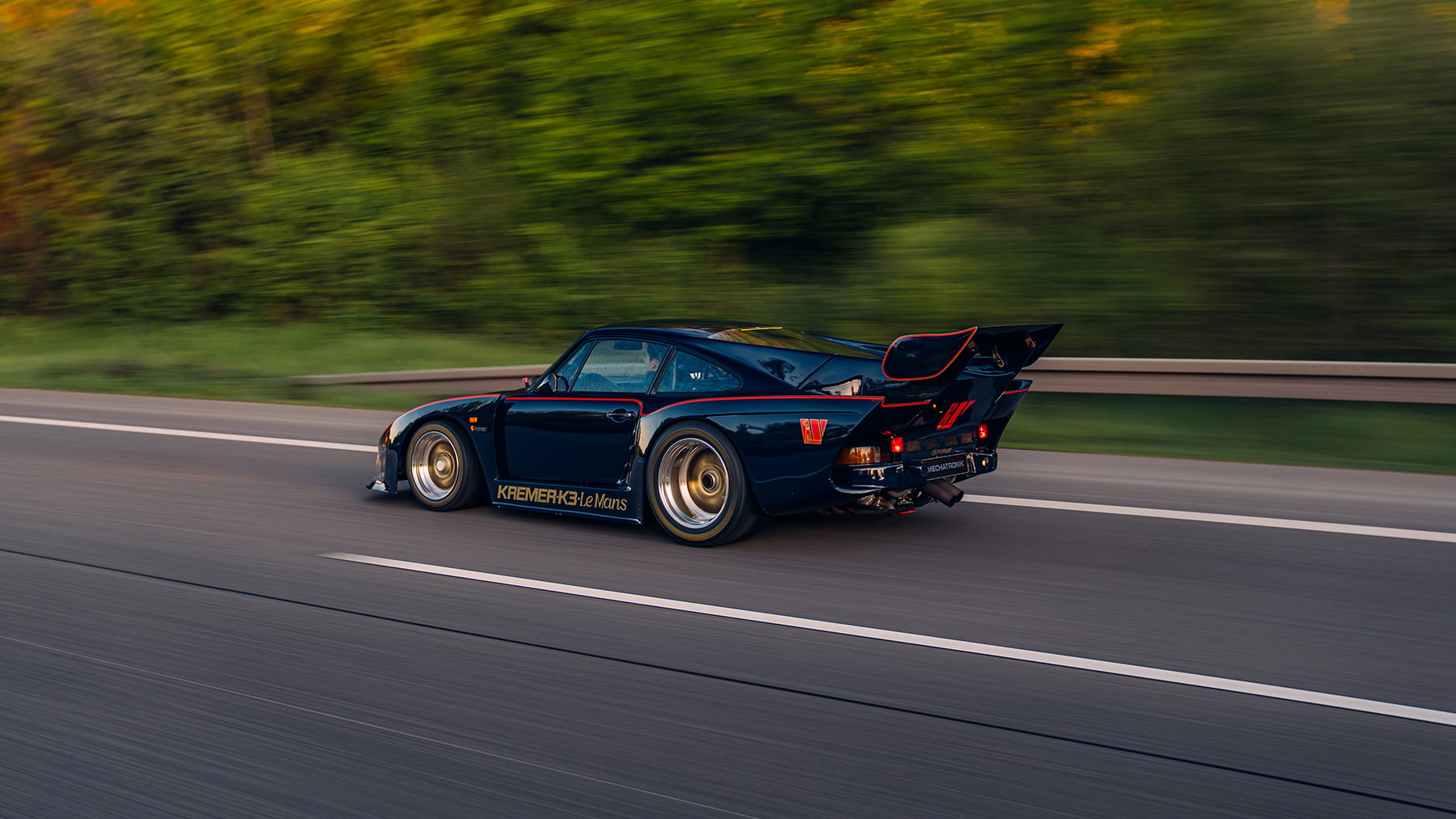
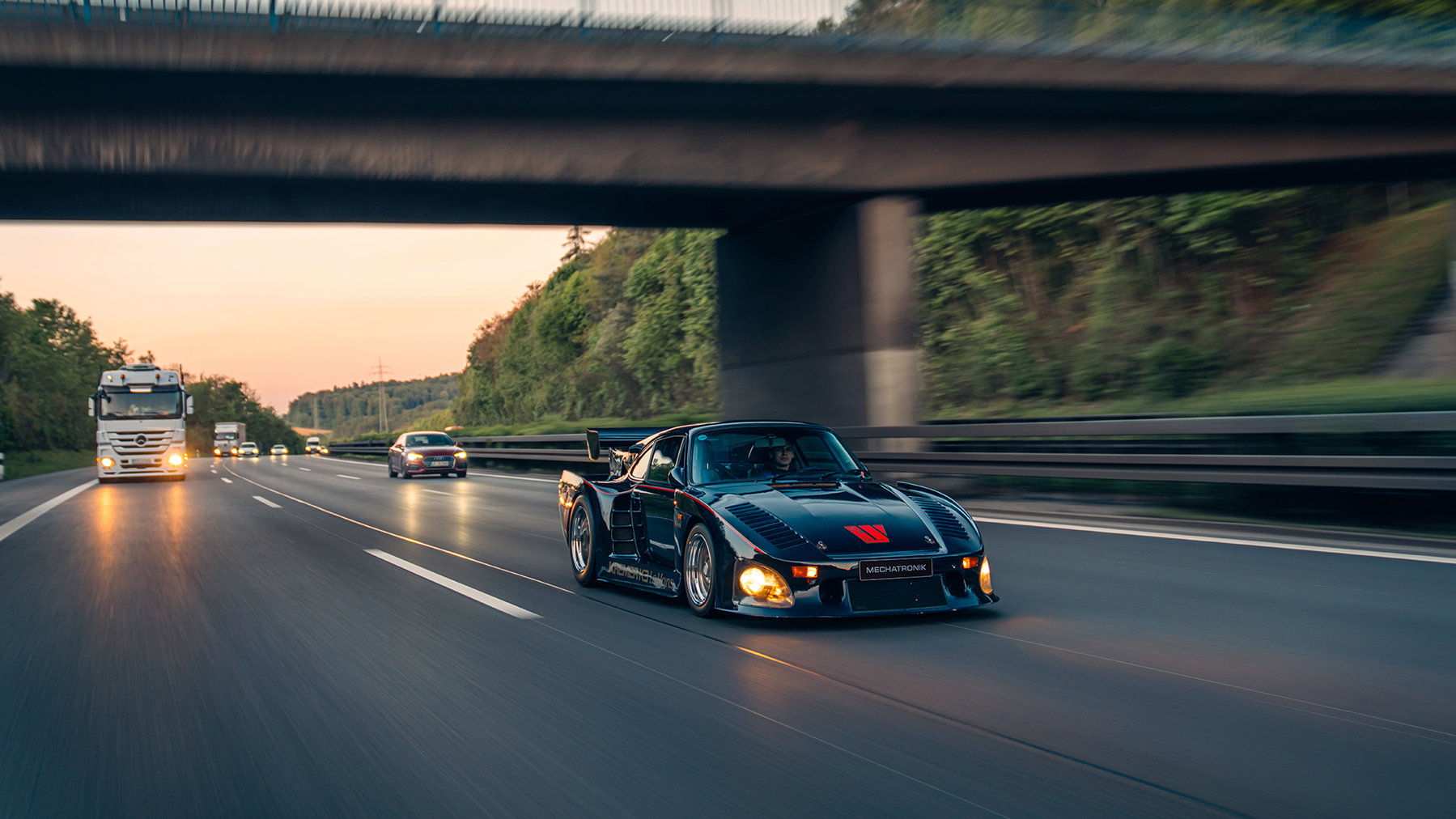
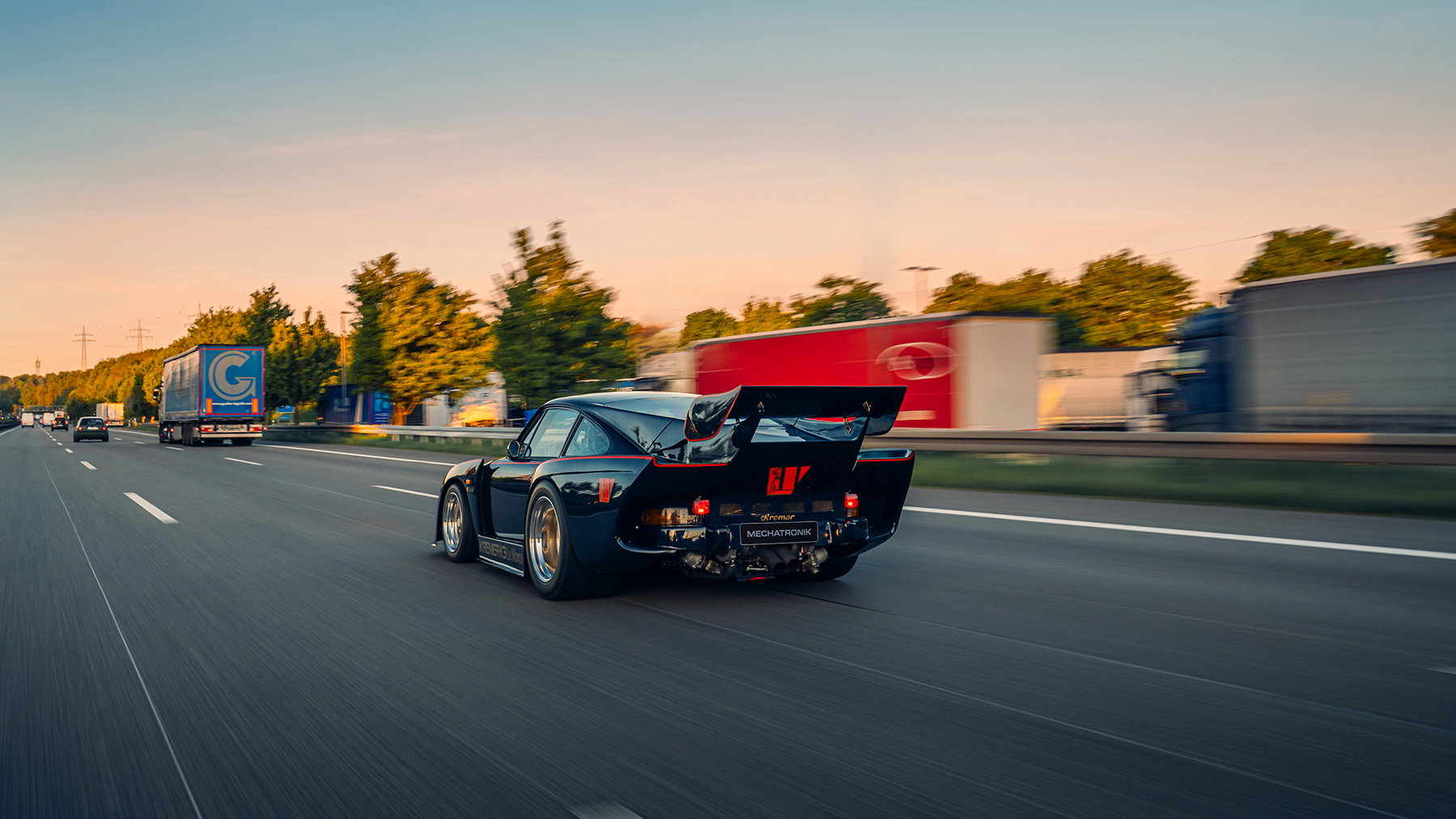
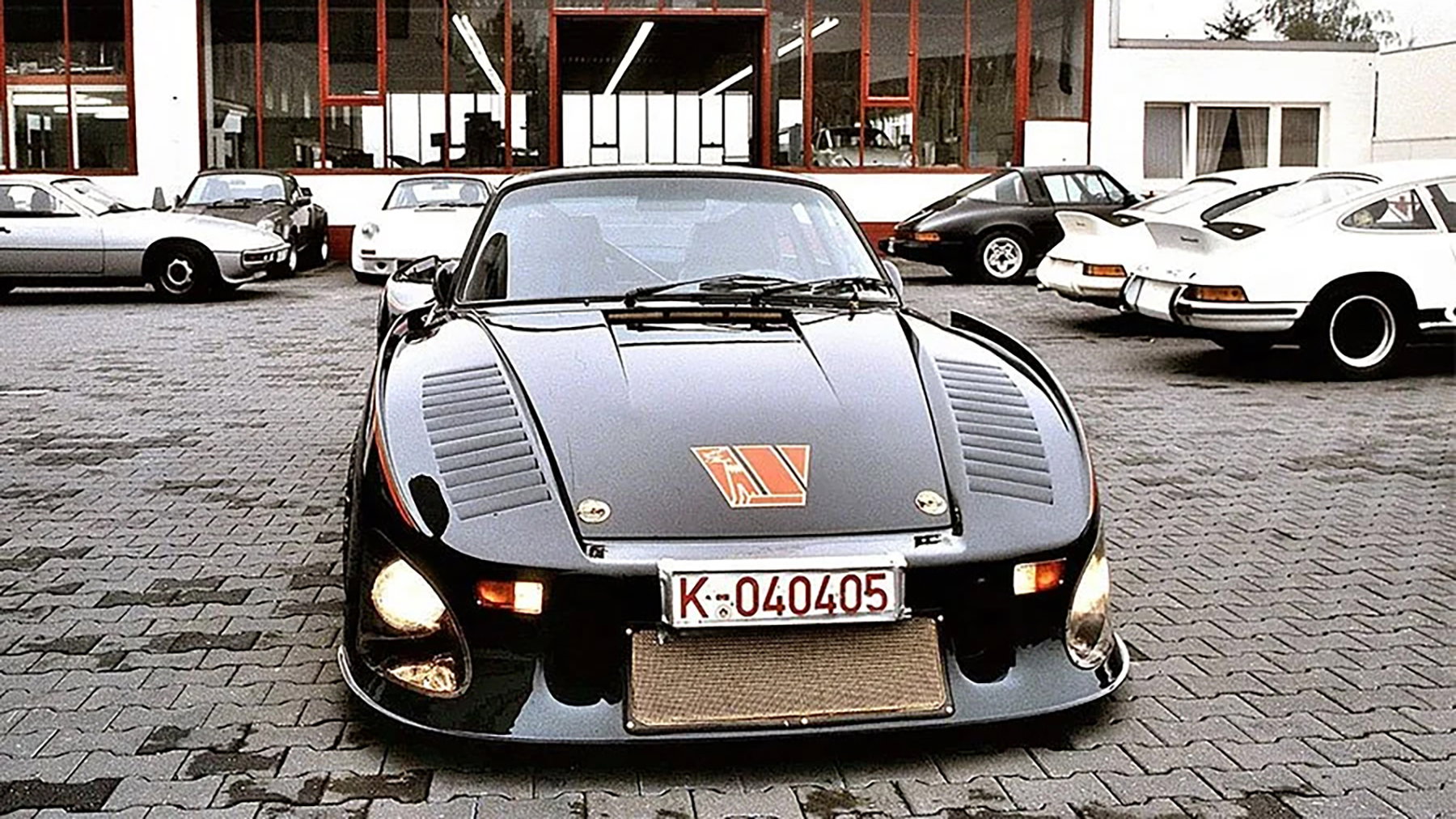
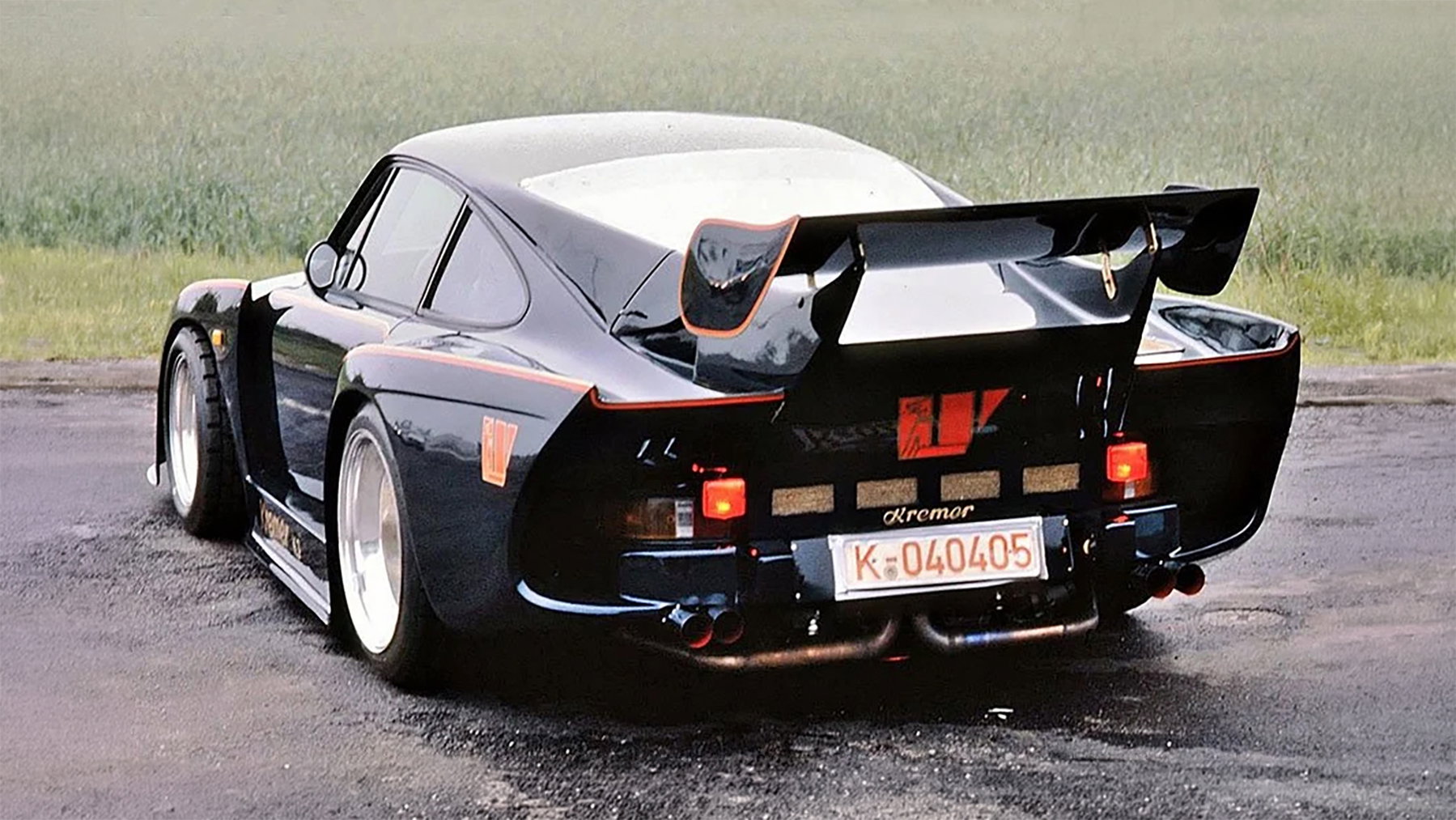
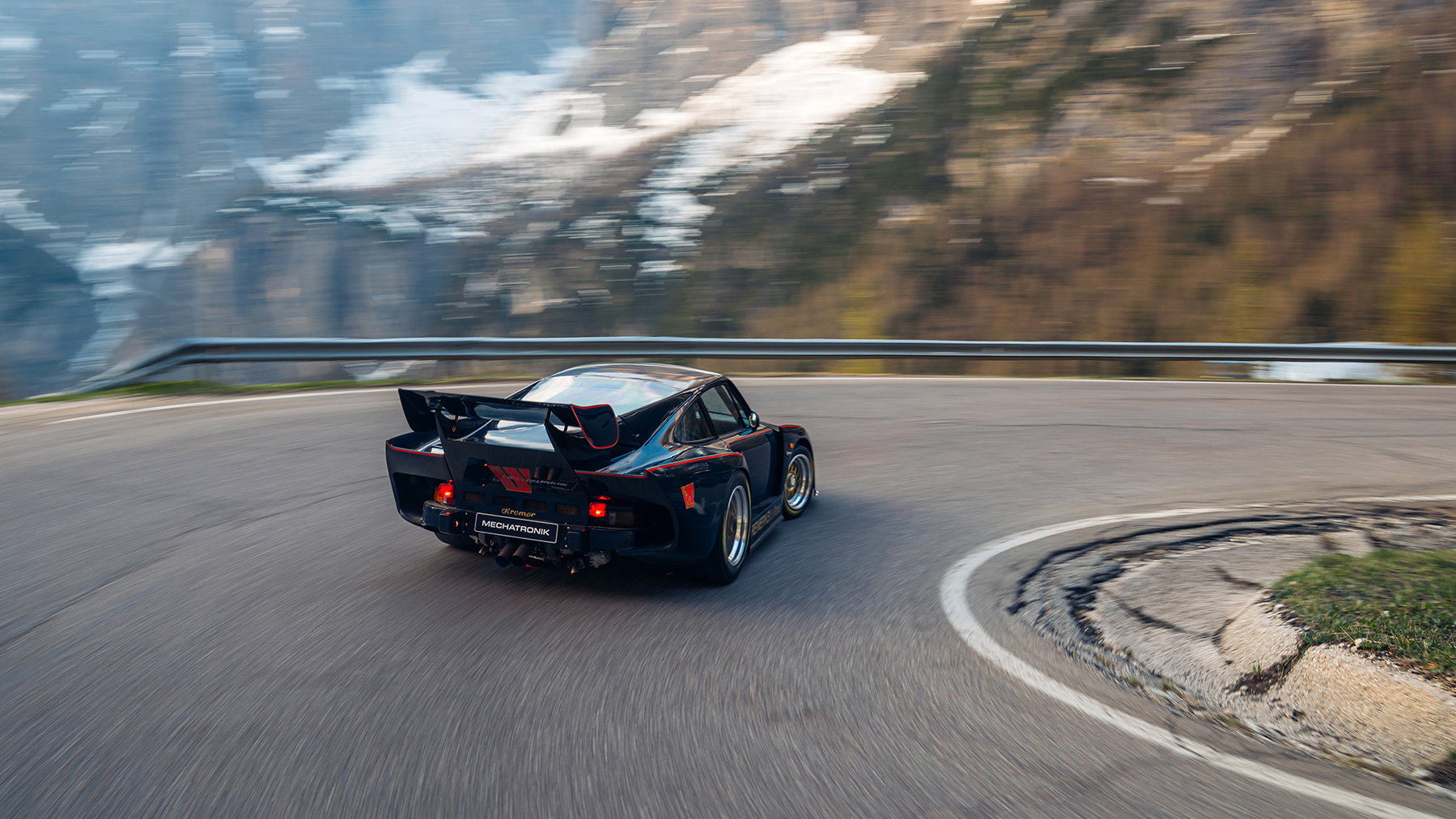
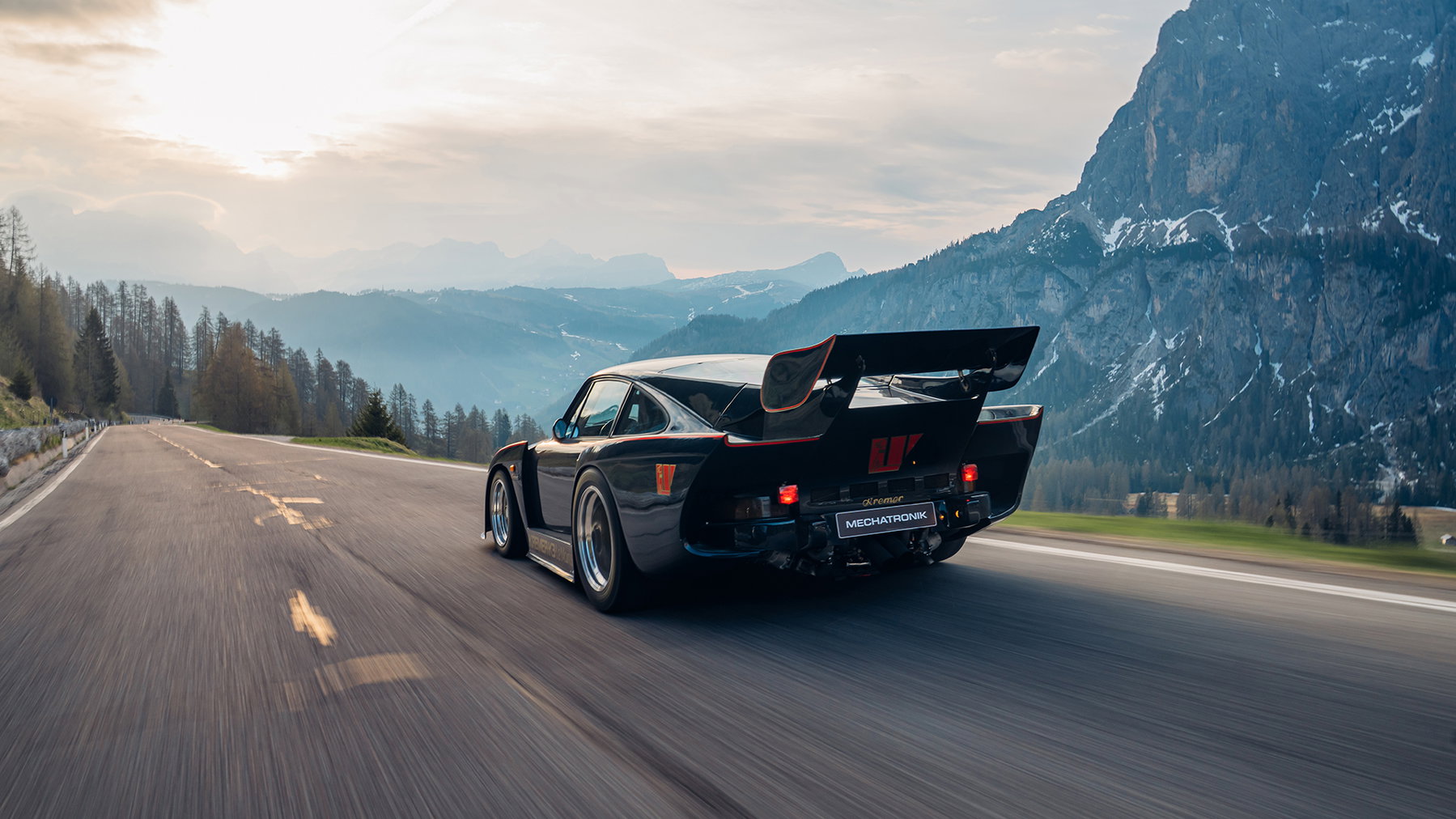
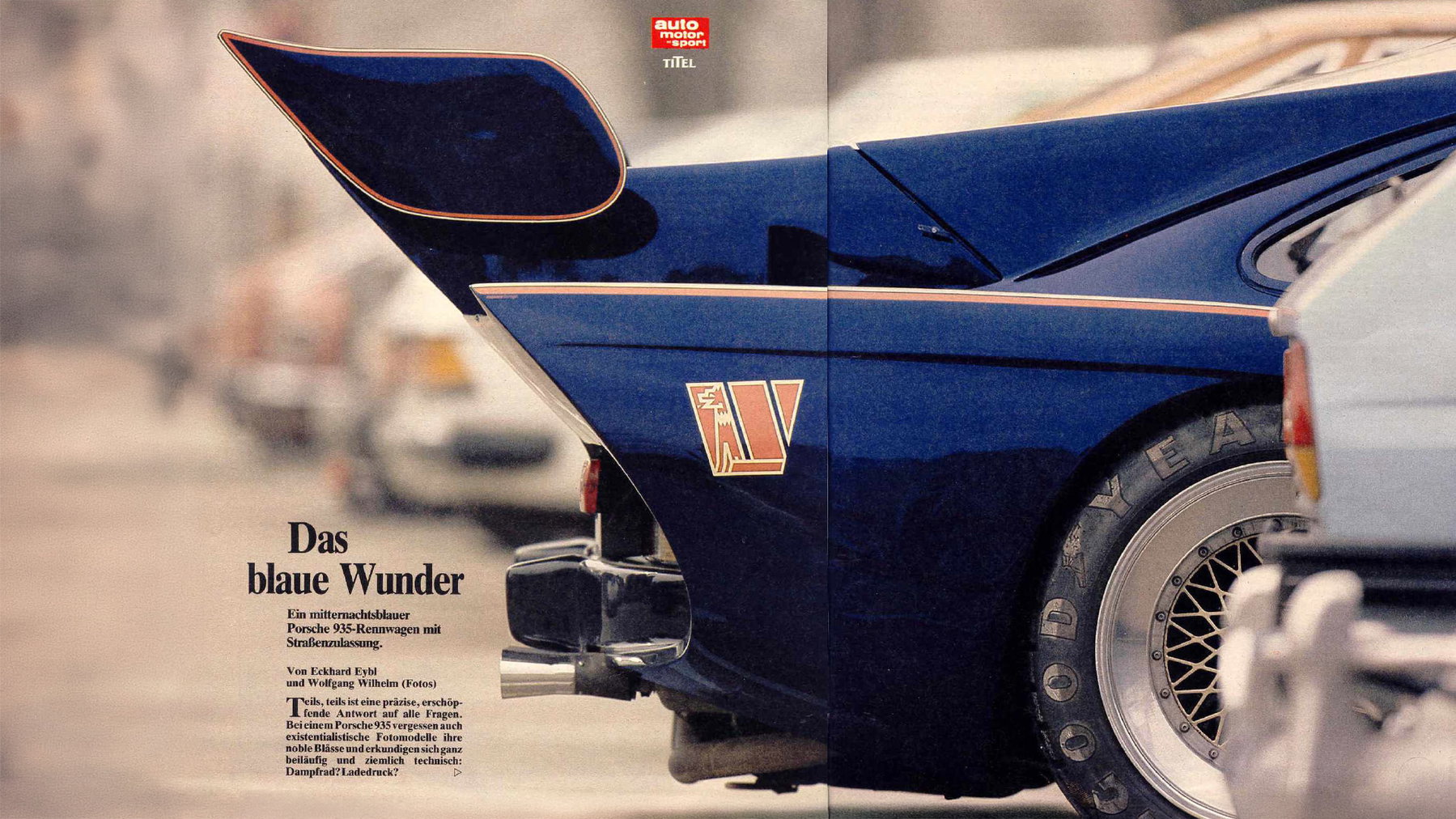
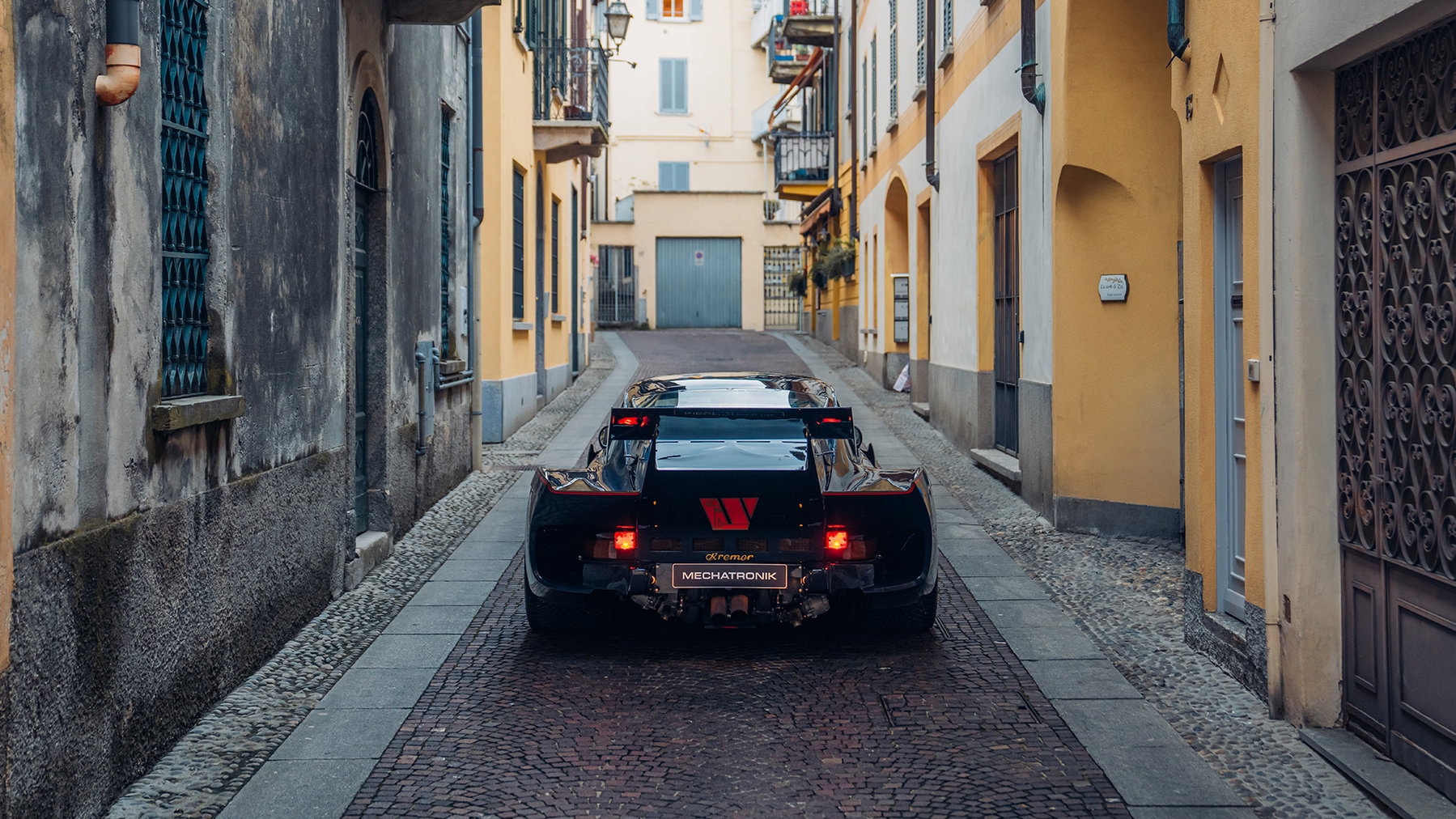
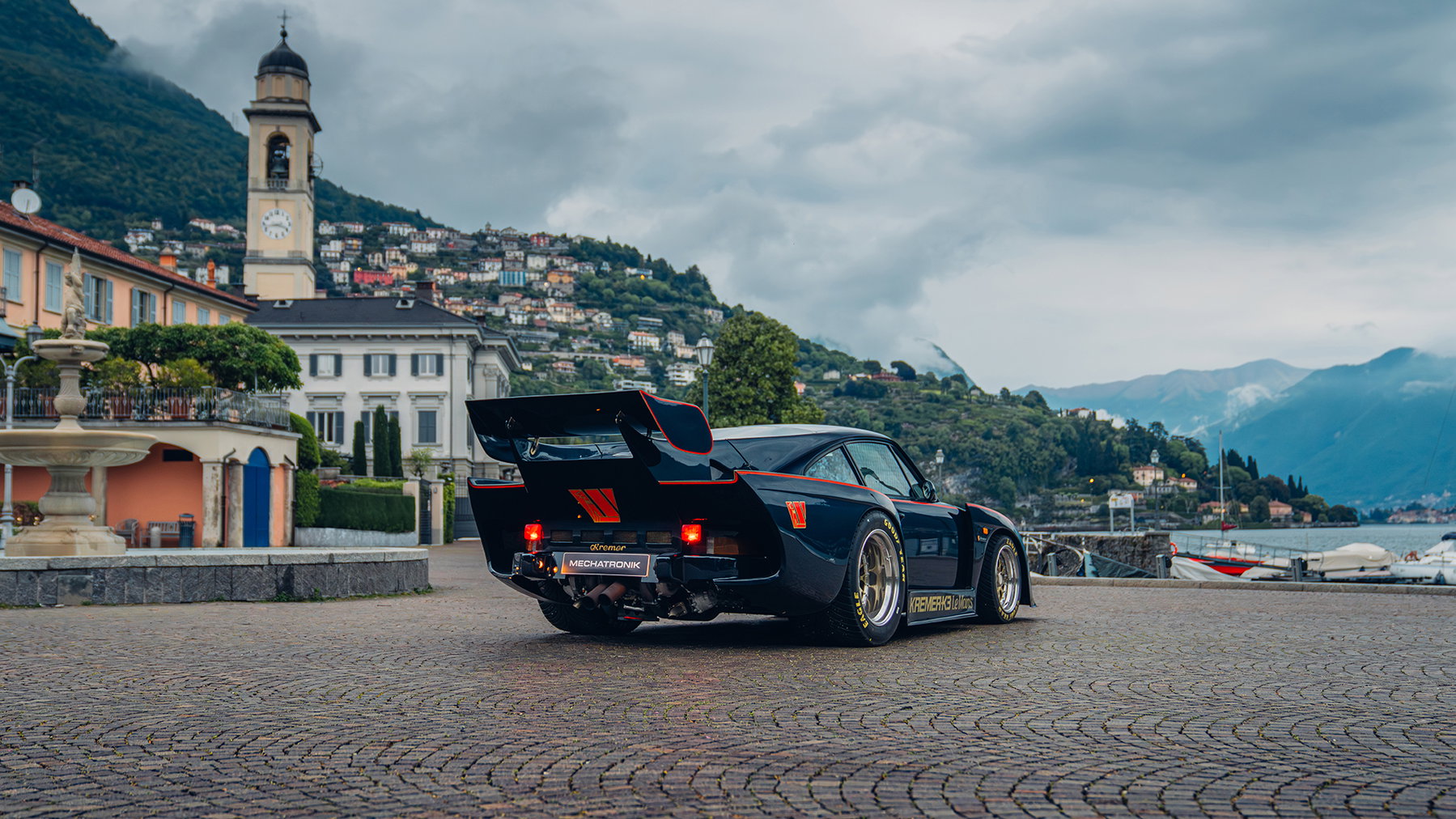
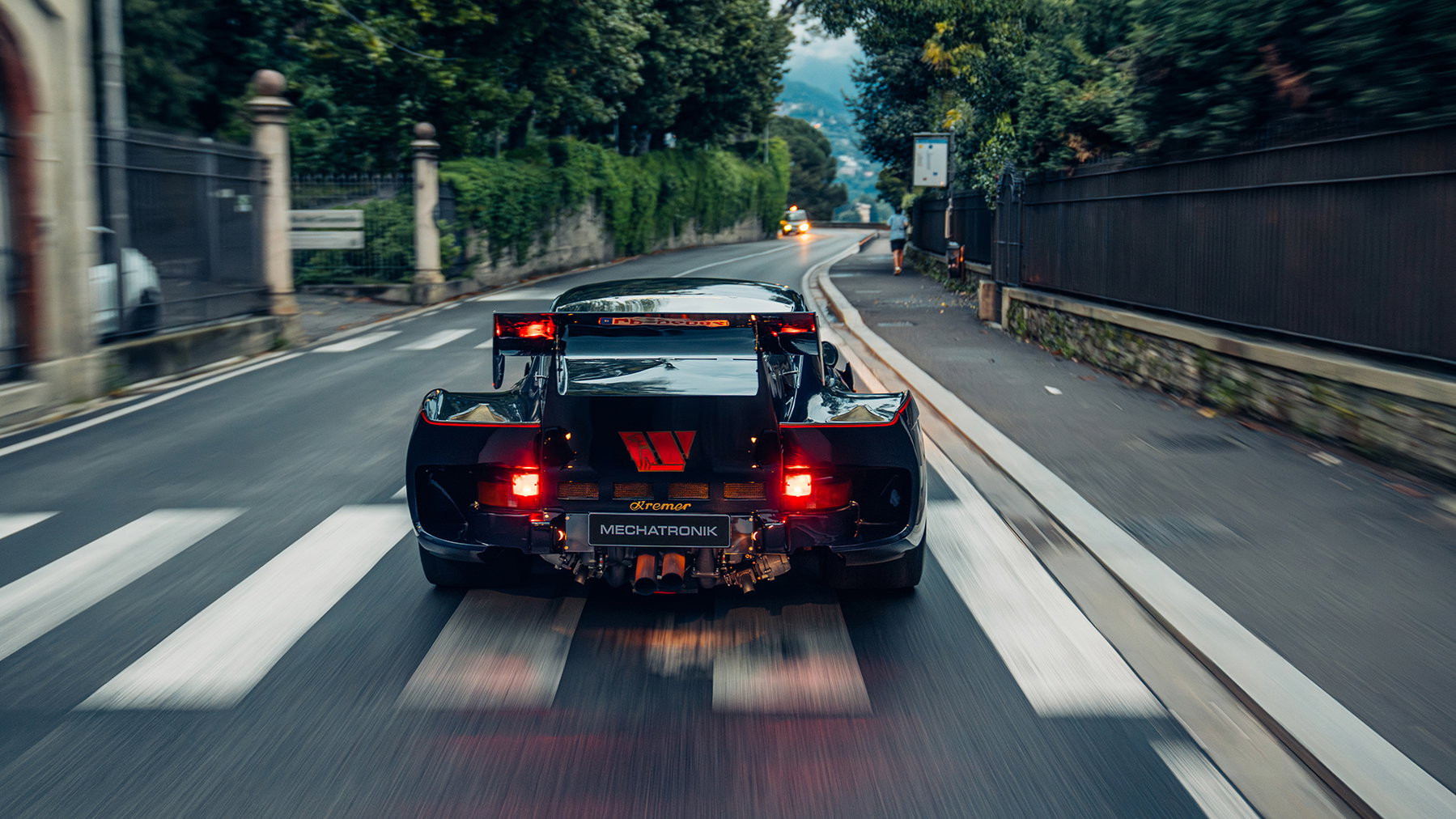
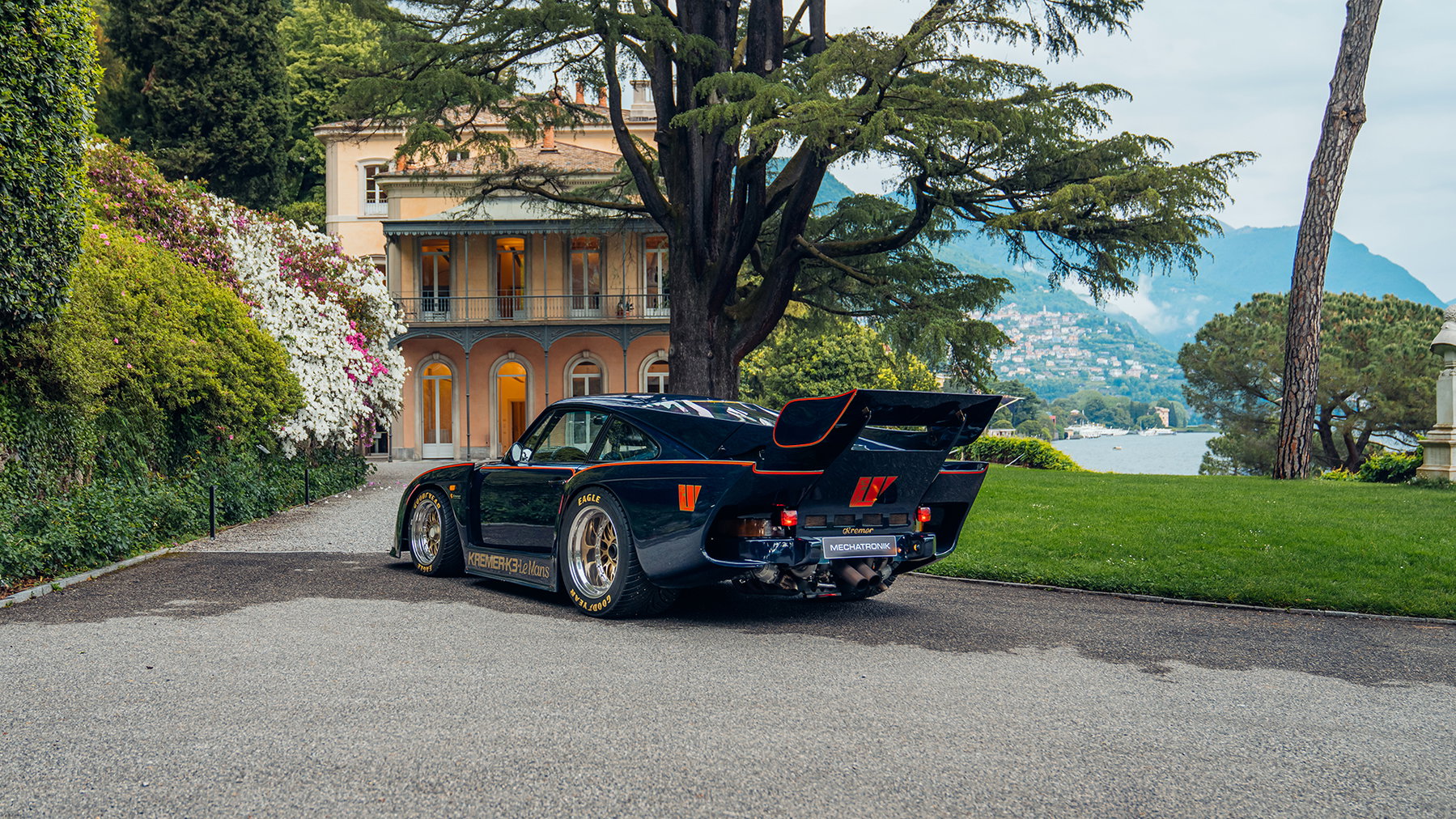
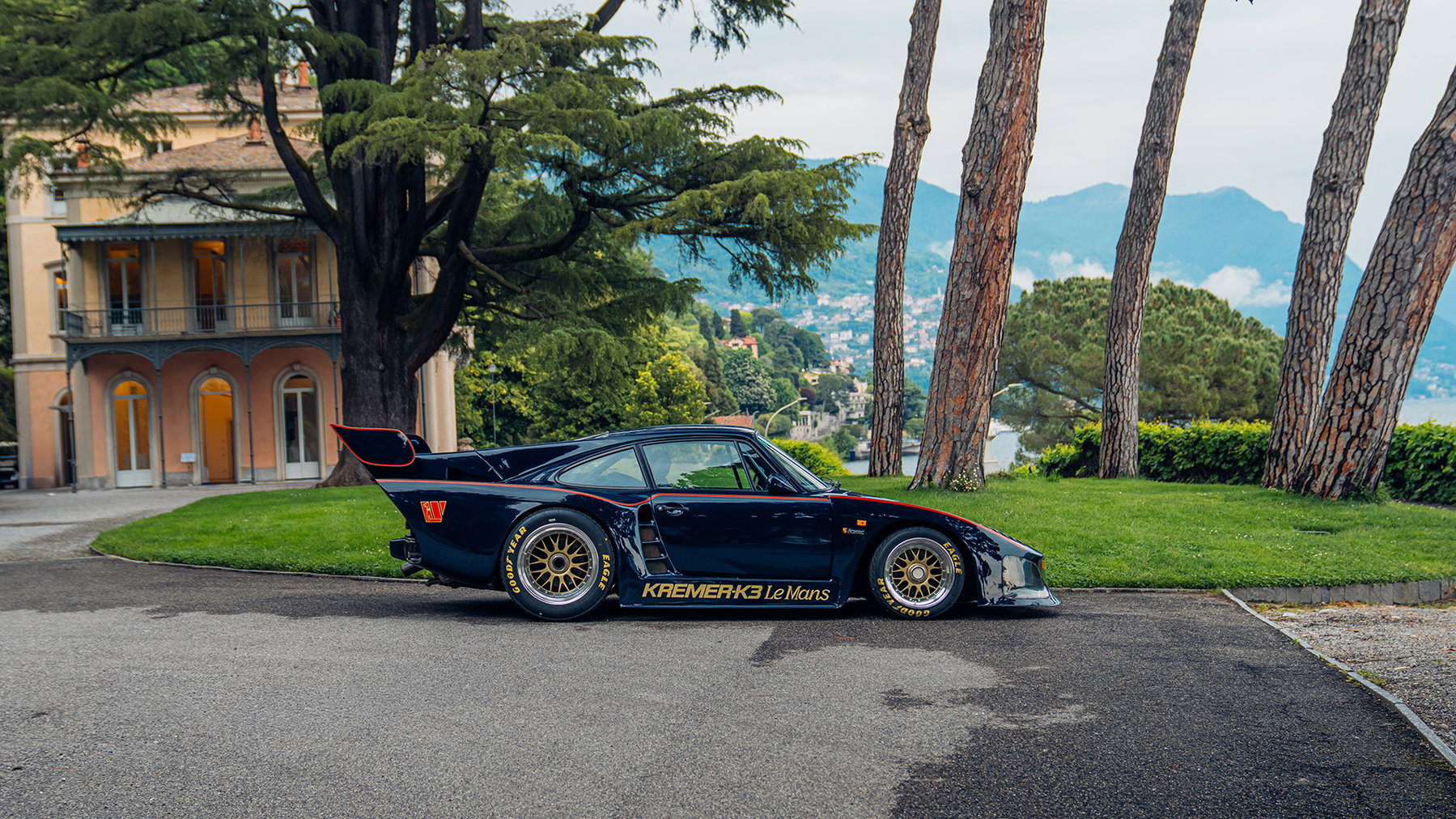
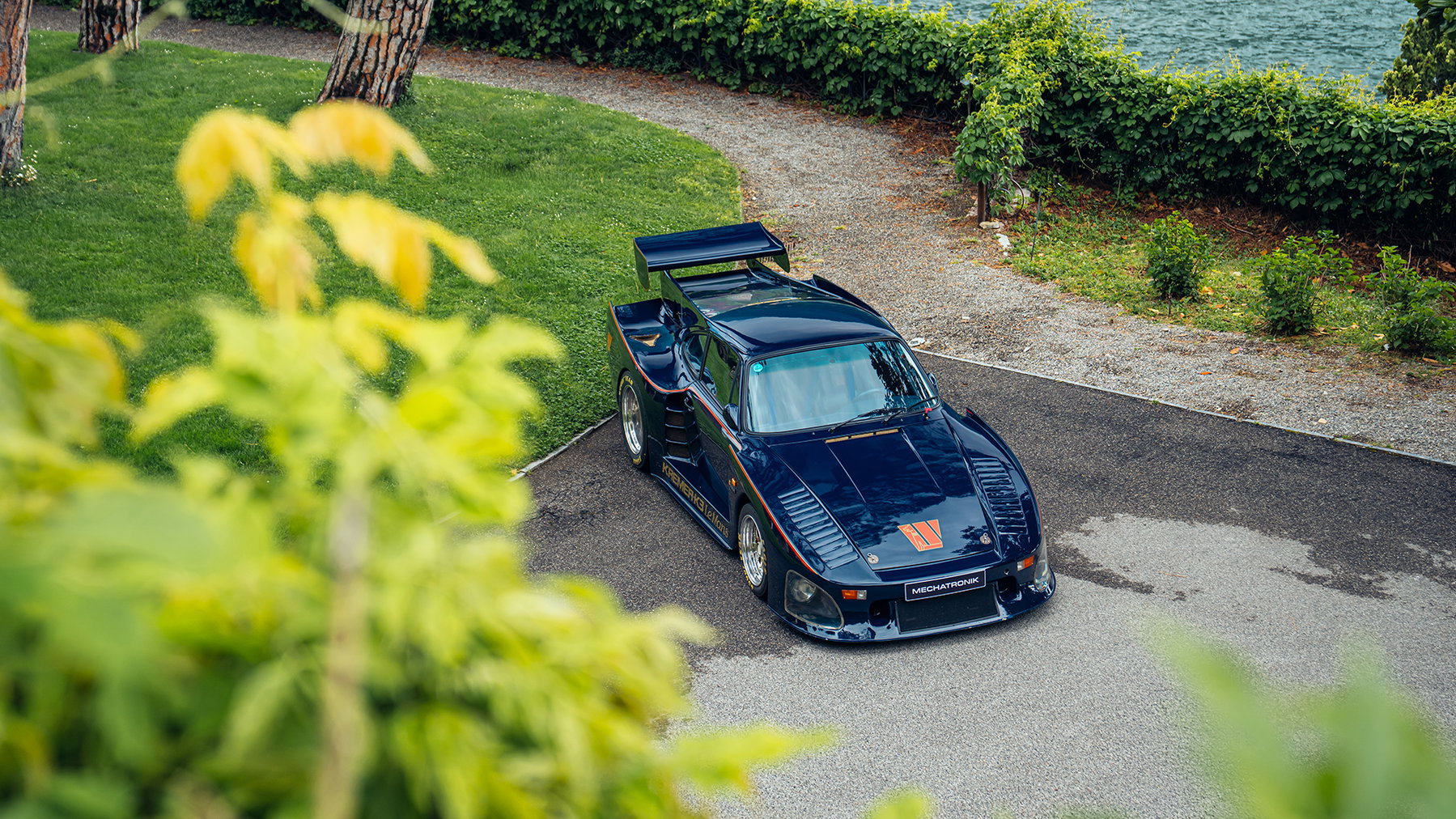
Alongside the twelve race cars, it is the only K3 road version built by Kremer and the most extraordinary interpretation of the legendary Porsche 935, combining uncompromising racing technology with roadworthiness. The vehicle was completed in 1984 based on the famous 935 K3, exactly like the one with which Kremer Racing won the 24 Hours of Le Mans in 1979. Walter Wolf, an entrepreneur, Formula 1 team boss, and motorsport icon, commissioned the Kremer brothers to build a custom road car that would adopt the technology and appearance of the Le Mans winner virtually unchanged. Walter Wolf was already a well-known figure in international motorsports in the 1970s. He celebrated Grand Prix victories with his own Formula 1 team. At the same time, Wolf developed a great enthusiasm for high-performance vehicles and, in particular, for the 935 K3 from Kremer Racing. Following its legendary overall victory at Le Mans, he decided to have his own K3 built for road use. The result was one of the most radical road-legal vehicles of all time. The so-called Kremer K3 Le Mans retained the extreme Group 5 bodywork—with its striking fender flares, large air intakes, and massive rear wing—virtually unchanged. The vehicle was painted in a distinctive midnight blue with red and gold accents and Walter Wolf’s personal W emblem.
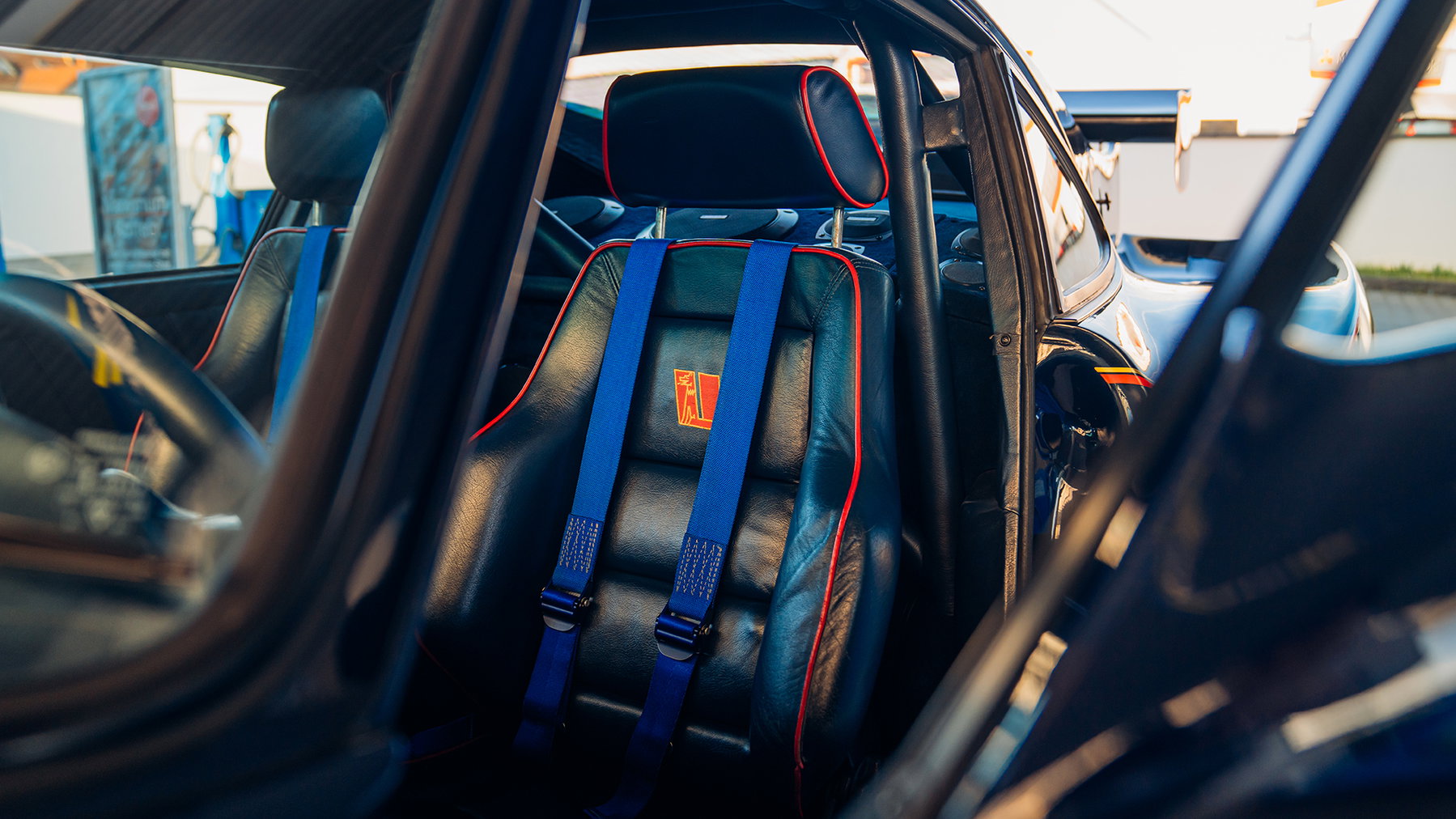
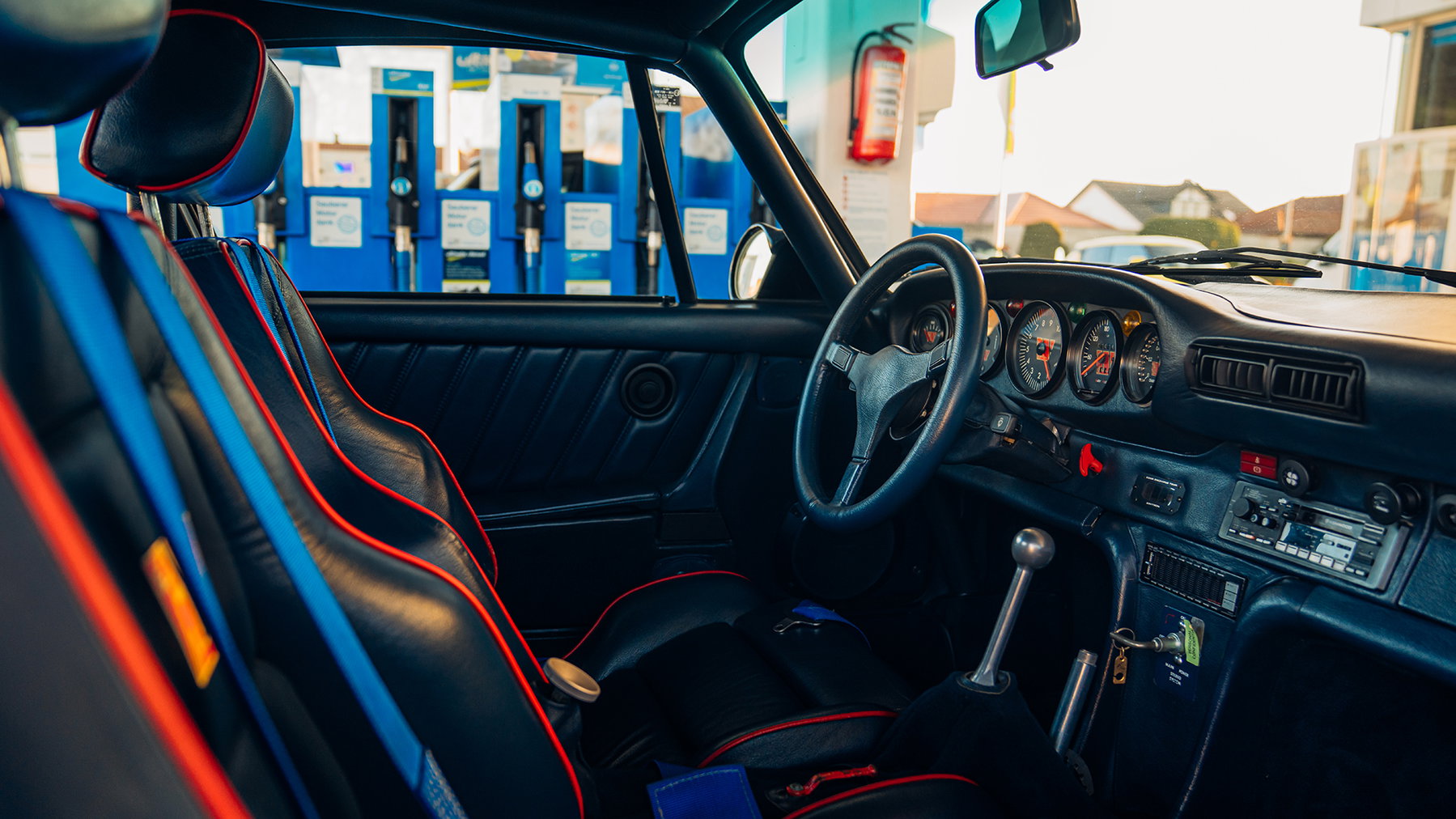
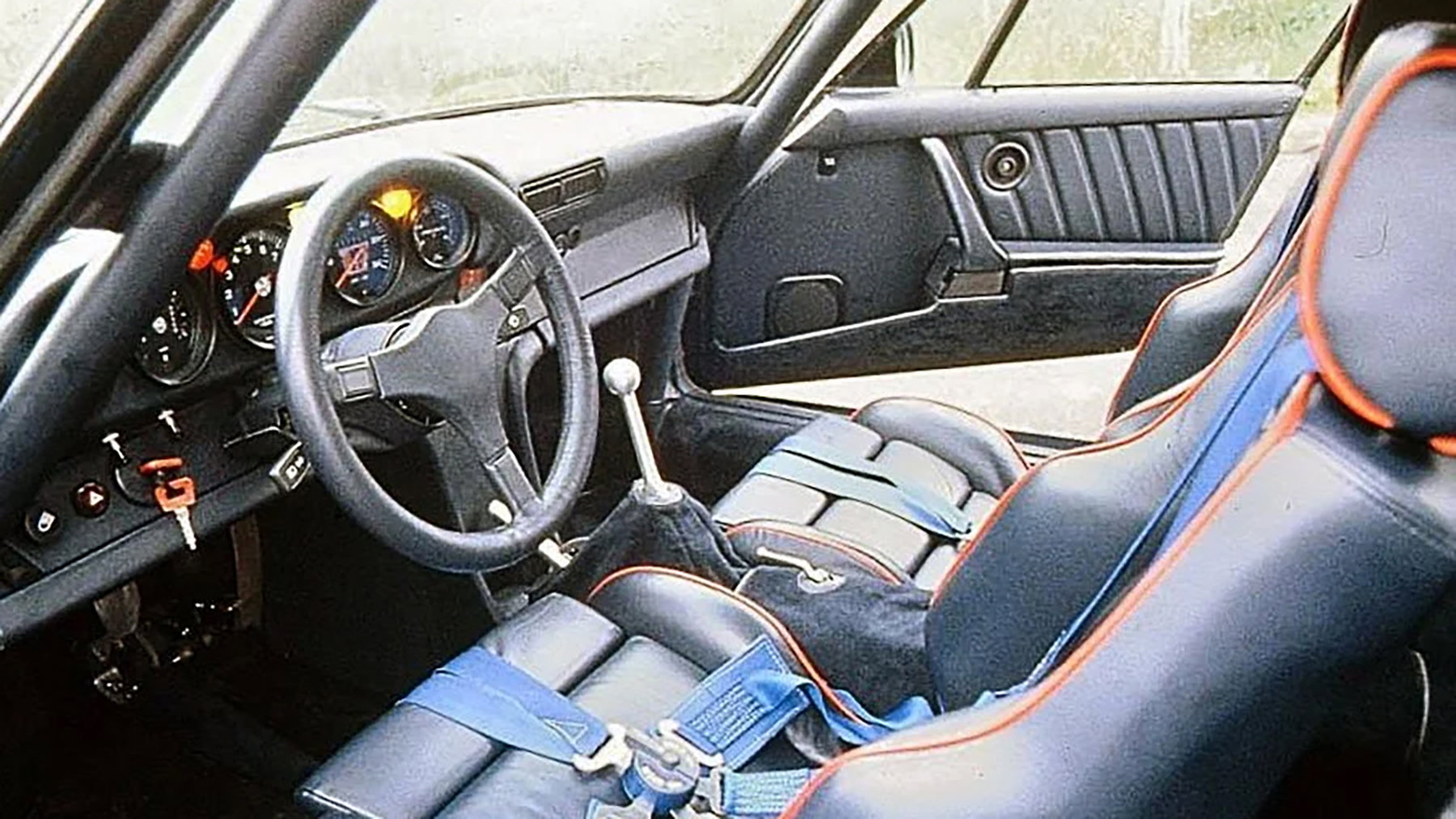
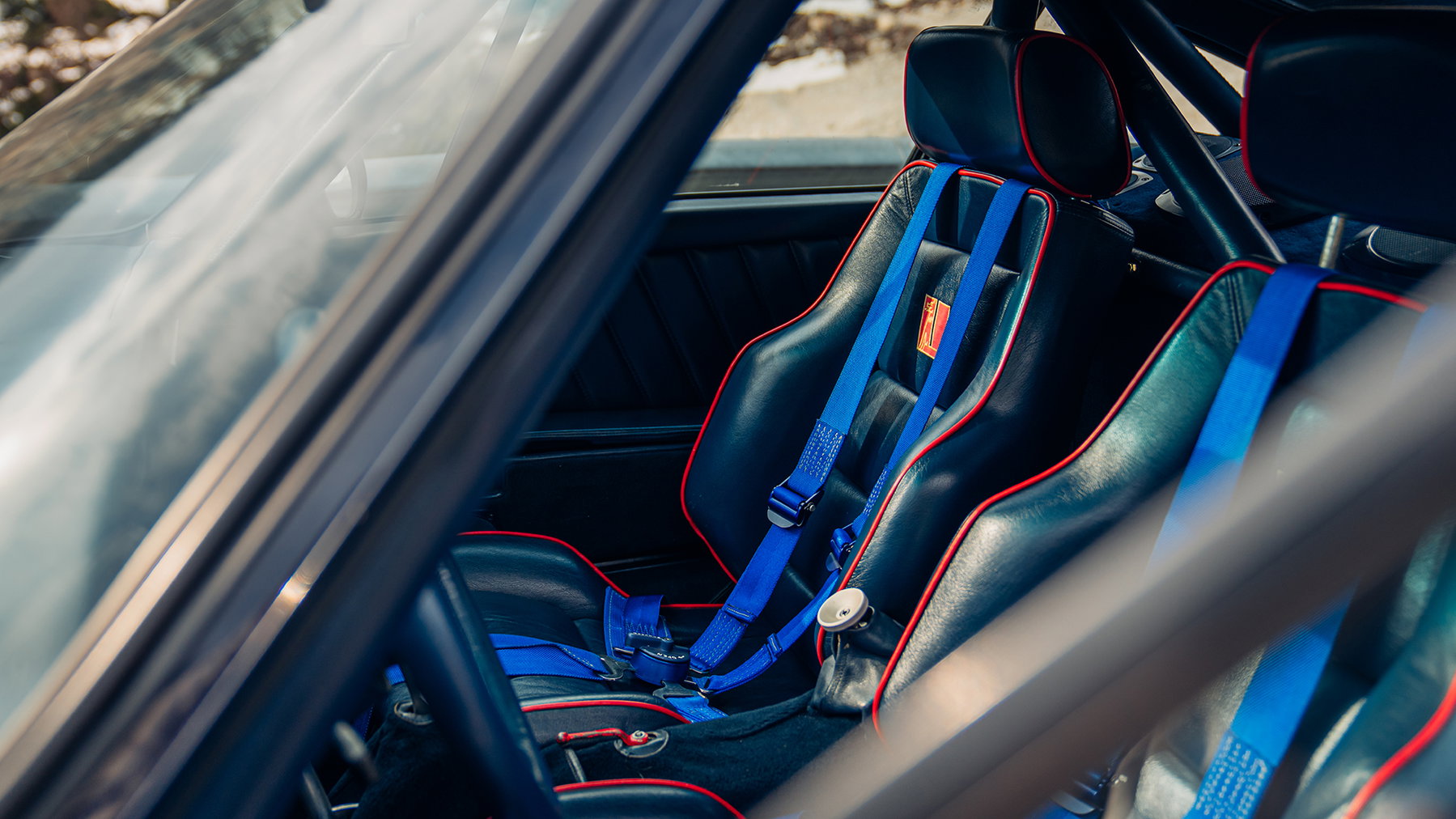
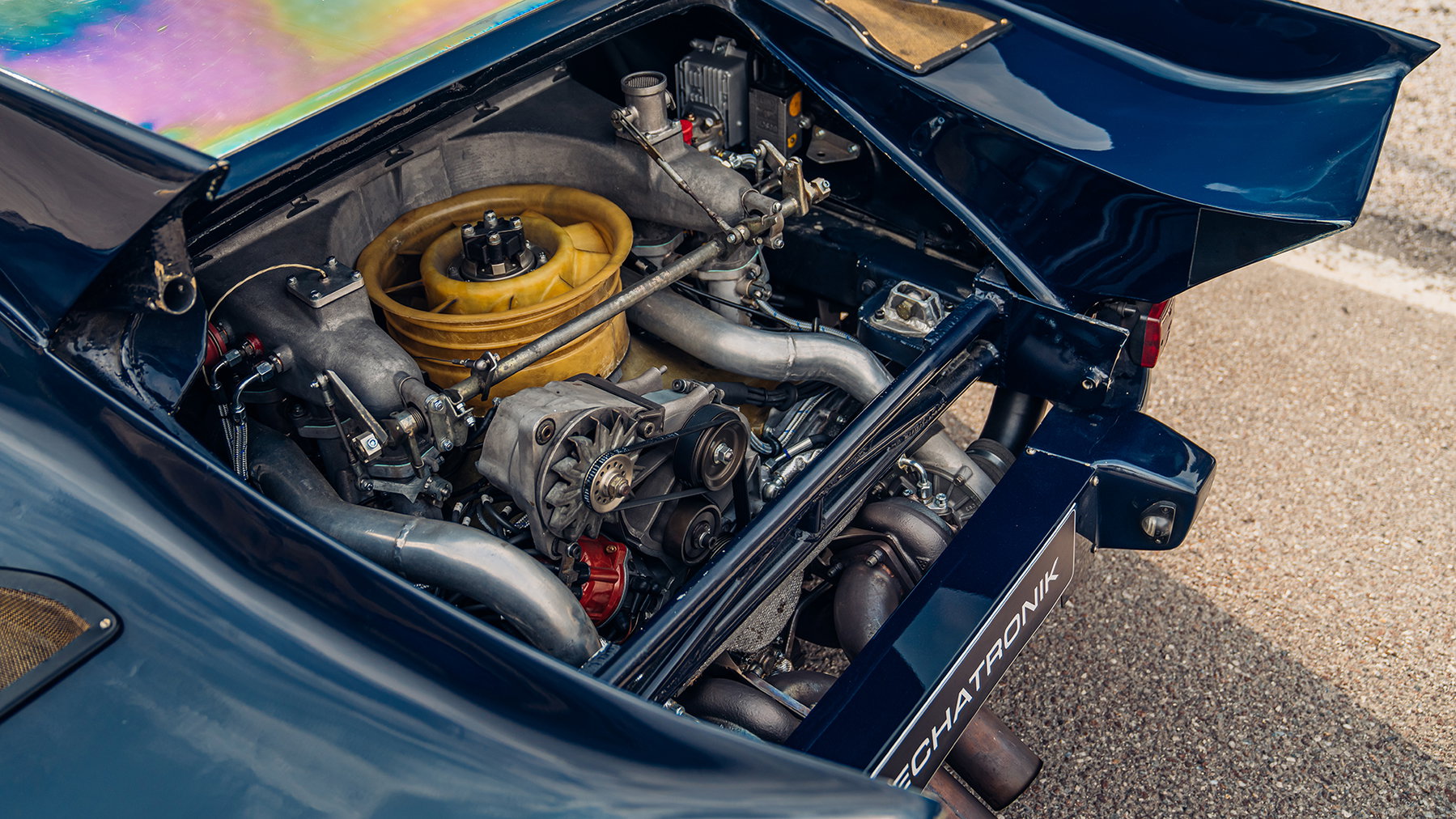
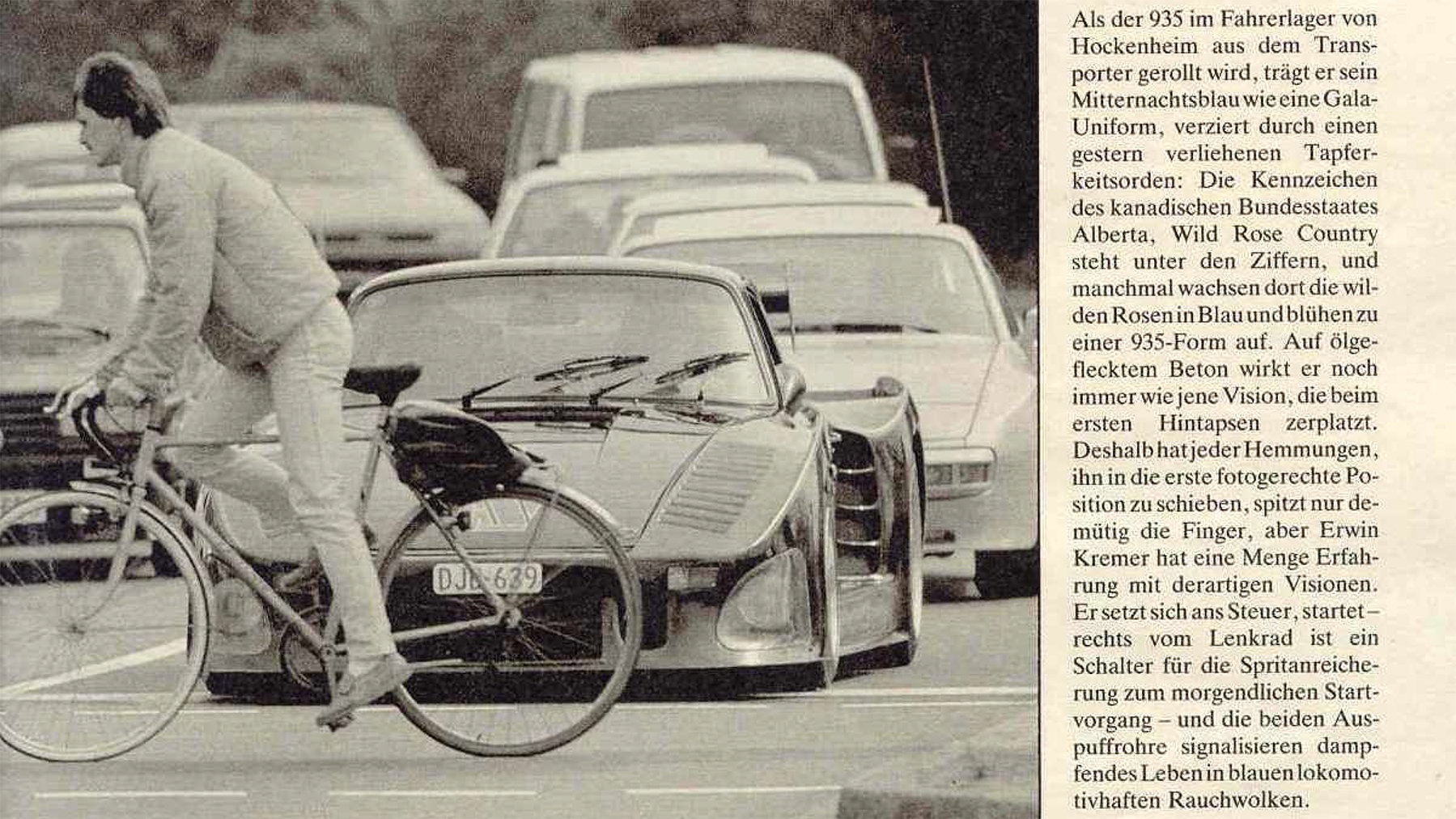
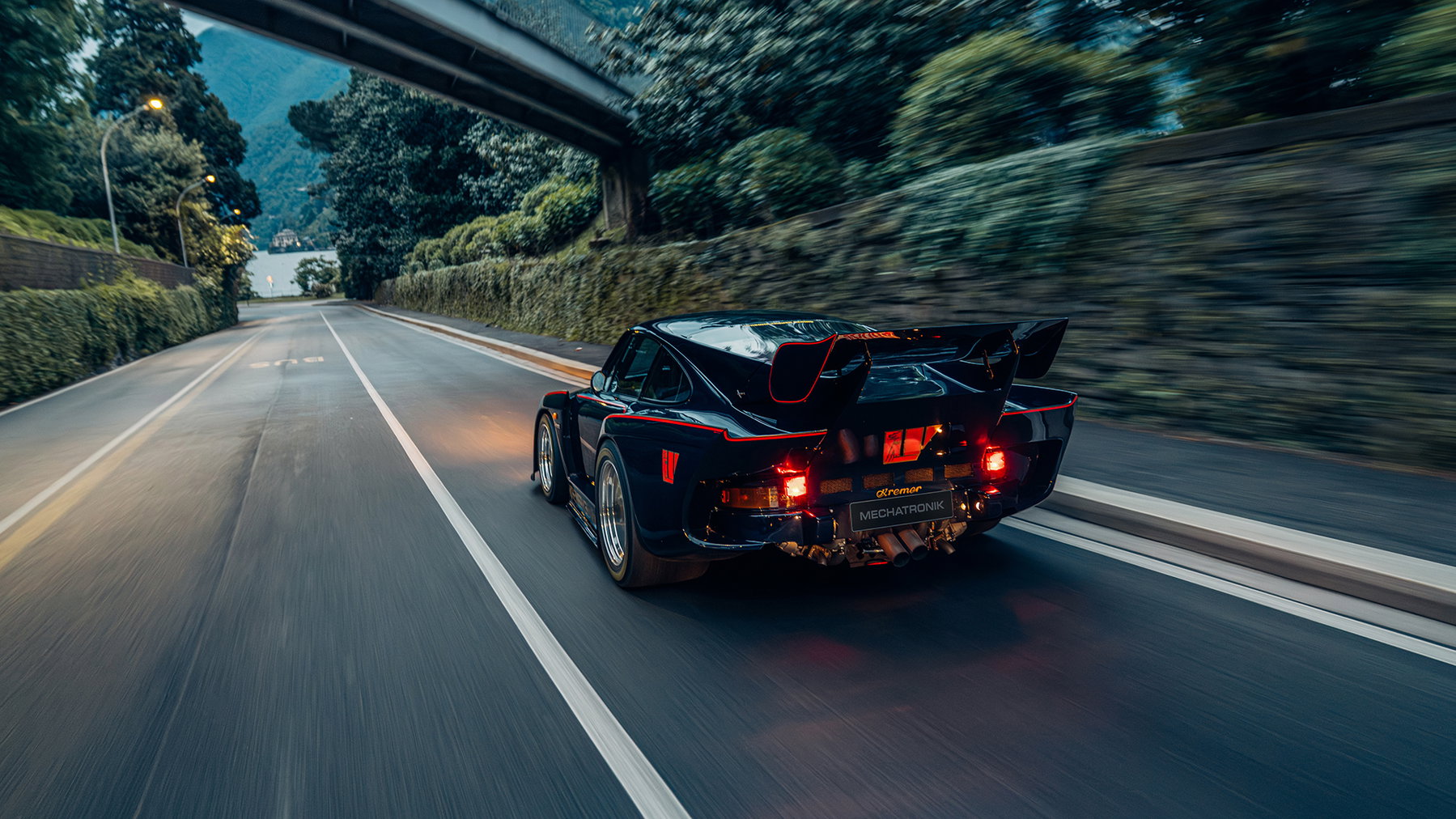
Technically, the vehicle was based on the 935 K3 with an air-cooled six-cylinder boxer engine and twin KKK turbochargers. This engine produced 740 hp with a vehicle weight of just 1,175 kilograms. Power was transmitted to the rear wheels via a 4-speed reverse-shift gearbox. Technically identical to the race car. With a top speed of 338 kph, the car was among the fastest street-legal vehicles worldwide in the mid-1980s and even outperformed the Ferrari F40. Particularly fascinating was the blend of uncompromising racing technology and luxurious details. While the chassis, aerodynamics, and engine were almost entirely derived from motorsports, the vehicle was equipped with leather upholstery, a high-quality audio system, and numerous customizations according to Walter Wolf’s specifications, such as power windows. Nevertheless, the character of the K3 remained extremely raw and motorsports-oriented. Contemporary reports described the driving experience as brutal, loud, and unfiltered. “Like a Le Mans race car with license plates instead of a classic road sports car,” said a journalist who wrote the famous 1986 newspaper article “Das blaue Wunder” for Auto-Motor-und-Sport, a copy of which is available. Walter Wolf drove the K3 Le Mans over 9,000 kilometers across Europe until he sold the vehicle in 1987 to the collector and former race car driver Angelo Pallavicini in Switzerland.
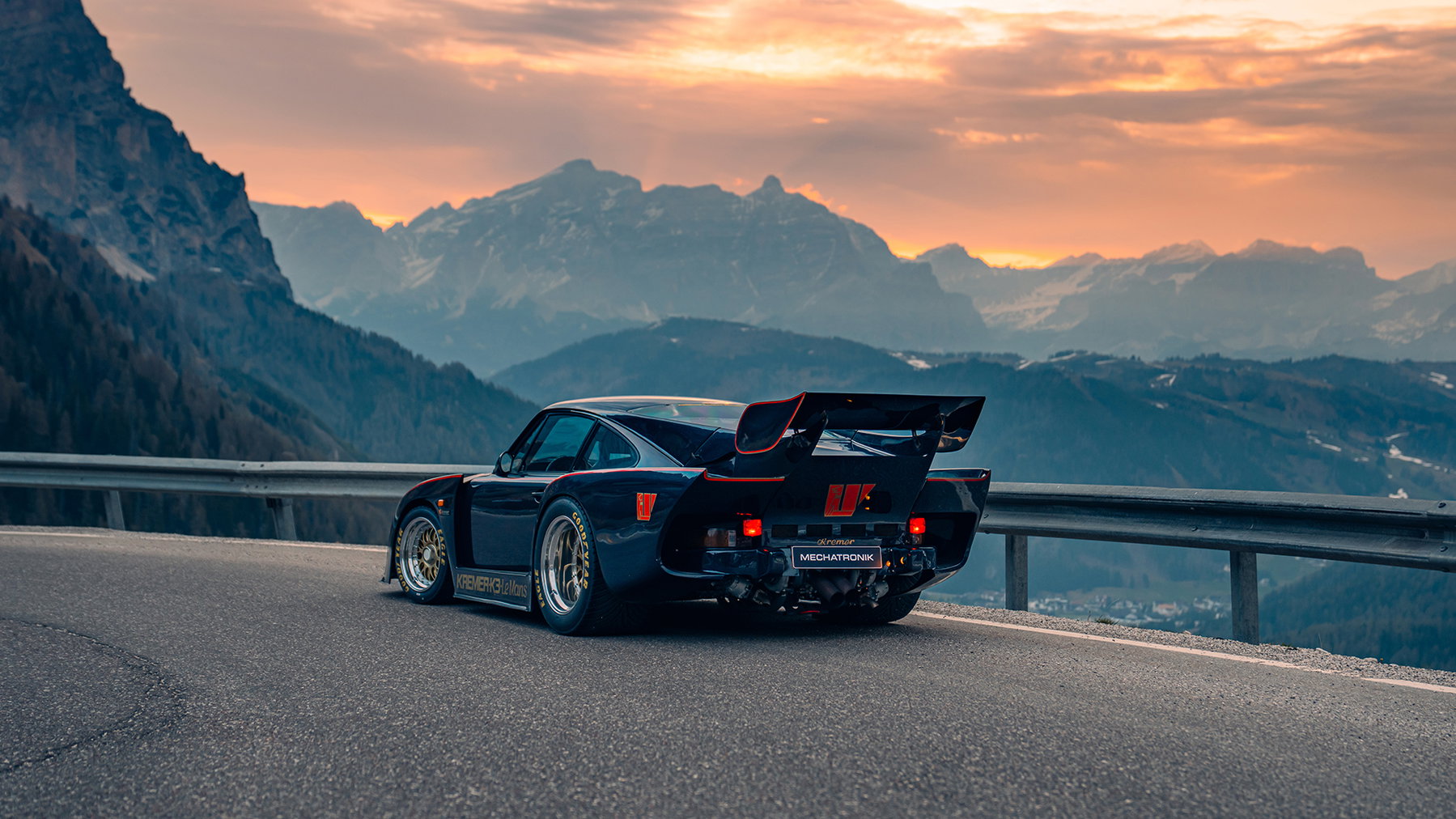
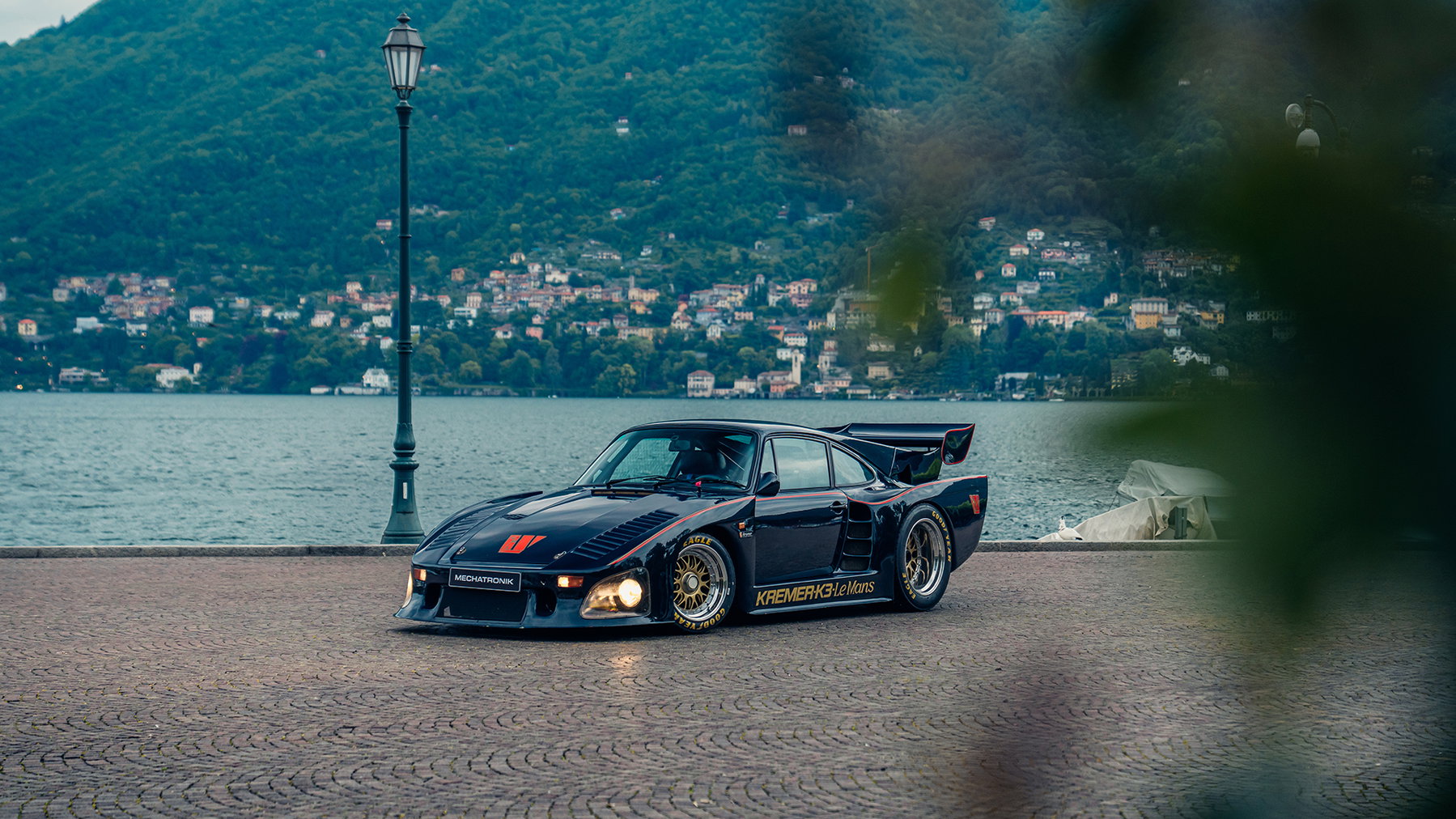
Pallavicini kept the Kremer for many decades until it came into the possession of Mechatronik in the mid-2010s, where it remained in storage for another decade as part of the company’s in-house collection. In the summer of 2024, we decided to restore the vehicle to running condition. For this purpose, the K3 Le Mans was delivered to its creator, Kremer Racing, which successfully carried out the extensive mechanical restoration over two years for €150,000. Great care was taken to preserve the vehicle’s original condition. In honor of and in the spirit of the first owner, Walter Wolf, the Mechatronik team conducted a three-day road trip from Pleidelsheim, Germany, through the Dolomites to Lake Como in Italy as a stress test—completed without any technical issues. There, the Kremer K3 Le Mans was presented to the public for the first time in a decade at the Fuori Concorso, with a mileage of 10,250 kilometers. To this day, Walter Wolf’s Kremer K3 Le Mans is considered an icon of the turbo era and one of the most spectacular one-off cars in Porsche history, alongside Count Rossi’s 917K, the 1998 911 GT1 road version, and the 963 RSP. The vehicle embodies an era in which virtually limitless performance, uncompromising aerodynamics, and an individual motorsport lifestyle merged in a unique way. At the same time, the car serves as a reminder of Kremer Racing’s extraordinary innovative power and the legendary Le Mans triumph of the 935 K3, which is still regarded today as one of the greatest successes of a private racing team of all time.
Our sales staff is always available to answer any questions you may have. Please note that vehicle viewings are generally only possible by prior appointment.












 2020
2020