In the world of Porsche, the talk often revolves around investments, appreciation in value, and auction records. However, if we look back to the brand’s origins, sports cars from Zuffenhausen were known internationally for something entirely different: they were relatively affordable and economical – almost sensible in comparison. That’s why we’re focusing on the question that preoccupies first-time buyers and newcomers to the scene more than almost any other: Which Porsches are still affordable – not just to buy, but to own over the long term? We’ll give you a few examples of different generations of Zuffenhausen sports cars whose running costs won’t bring tears to your eyes.
The purchase price is only part of the equation
Of course, no Porsche is really cheap. But let’s say your lifelong dream is within reach and you can afford a Porsche. Which models would be recommended over a five-year period, assuming 5,000 kilometers per year and typical usage without track days? How high are the running costs? To answer this, we’re comparing the costs of taxes, insurance, tires, fuel, and maintenance for a car registered in Germany. We’re always assuming that the car in question has just undergone a major service. We’re also factoring in a complete set of brake rotors and pads, as well as tires, for each one.
What’s harder to calculate is the risk of certain breakdowns. After all, costs can vary dramatically. A new engine for a 911 GT3 is, of course, considerably more expensive than one for a 914. And while one might need a new alternator, another might have a broken air conditioning compressor. For this reason, the “reserve for the unexpected” can, of course, only be estimated roughly. But it must not be overlooked in the overall assessment.
The cheapest Porsche is rarely the most affordable
A low purchase price is always tempting. But buying the cheapest example of a particular model can end up costing more in the long run. Take a very inexpensive Porsche 986 Boxster with worn or old tires, a worn-out suspension, and an unclear maintenance history. If a suspension overhaul, new radiators, and perhaps a new clutch and a new rear main seal become necessary, the costs can quickly add up to the point where even a well-maintained Boxster from the succeeding 987 series would have been cheaper in the end.
Disclaimer: The analysis of the running costs for these models is for reference only. Actual costs may vary significantly depending on the specific vehicle, the region, and individual circumstances. However, these calculations allow for a rough comparison between the different models.
Conversely, a classic car that seems quite expensive at first glance can actually turn out to be a surprisingly good deal. A freshly restored or overhauled air-cooled 911 may have a high initial price, but the biggest cost traps have already been eliminated. Given tax breaks and special insurance rates for classic cars, as well as relatively affordable tire sizes, classic cars are often cheaper to maintain than modern 911s.
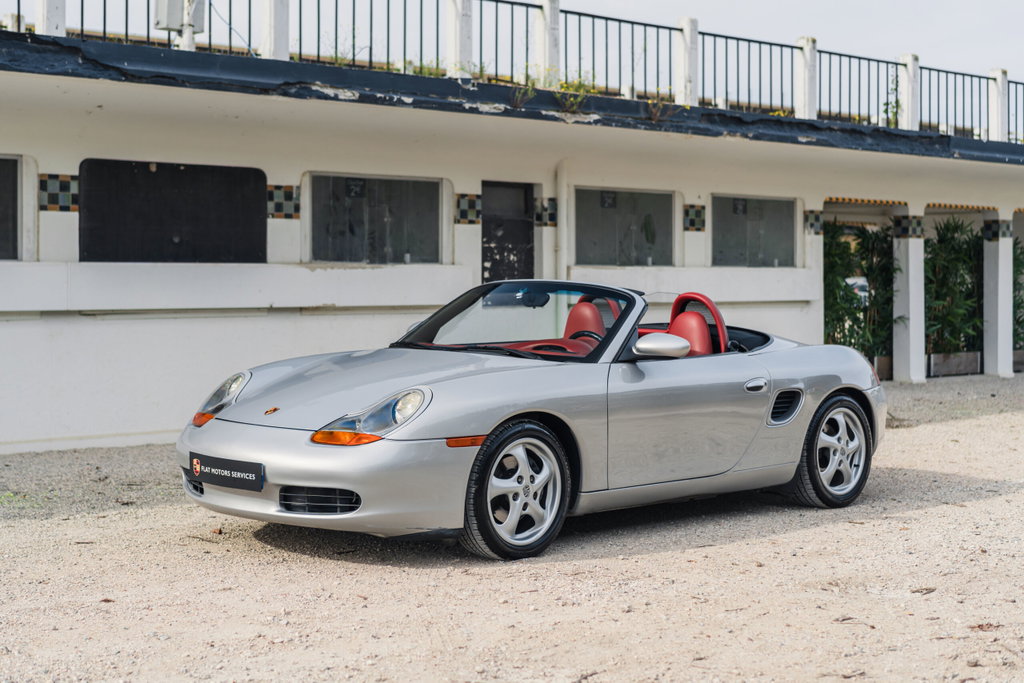
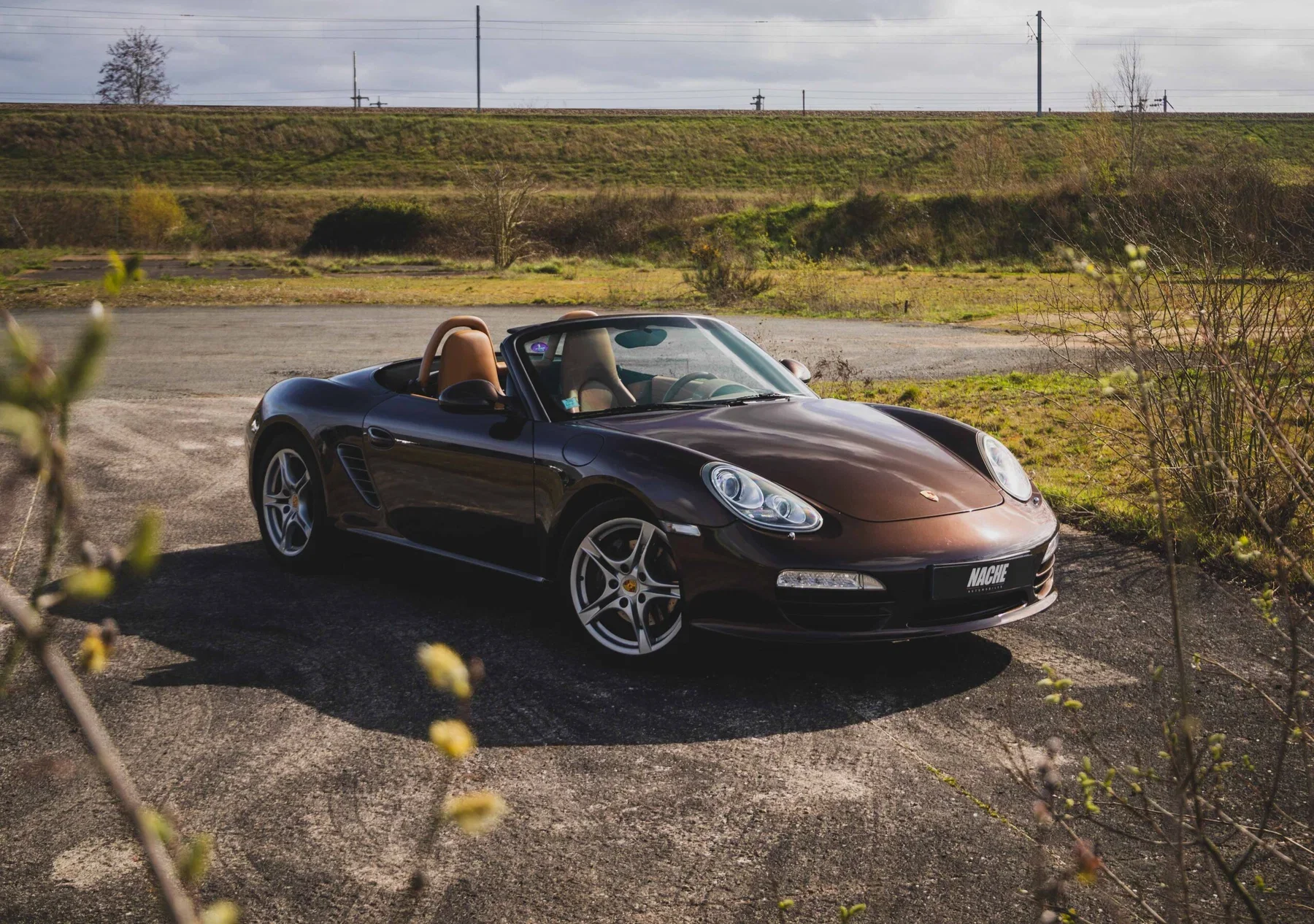
An obvious choice for affordable Porsche driving: the Porsche 986 Boxster
A lightweight roadster with a mid-mounted six-cylinder boxer engine, great handling, and an amazing sound for 20,000 euros. Sounds like a real bargain – and it might just be one. But there’s also a certain risk hidden in that low purchase price. A look back at history shows this: 911 G-Models in particular, which were extremely affordable at the start of the millennium, often ended up in the hands of owners who could afford the purchase price but not the proper maintenance the car required.
The same is true for the first-generation Porsche Boxster. That’s why you need to pay special attention to the critical areas: intermediate shaft (IMS) bearings, radiator, water pump, oil separator, A/C condensers, suspension, or even a rusty exhaust system. A clear and well-maintained service history is crucial. If these items haven’t been addressed yet, you should set aside a little buffer for unexpected costs. To be on the safe side, you should budget at least 3,500 to 5,000 euros. On the other hand, depreciation is not really to be expected, provided the mileage remains within reasonable limits. Market prices have been trending slightly upward for several years now.
Porsche 986 Boxster – Running Costs
Cost Breakdown
Costs over 5 years
Maintenance
4,500–6,500 €
Tires
700–1,000 €
Brakes
700–1,500 €
Tax
1,300–1,600 €
Insurance
2,500–4,500 €
Fuel
5,500–6,100 €
Repair Buffer
3,500–5,500 €
Total
18,700–26,700 €
Annual Cost
approx. 3,740–5,340 €
Cost per kilometer
approx. 0.75–1.07 €/km
Sample calculation for a vehicle registered in Germany, including a set of tires and a set of brake rotors and pads.
Its running costs are also relatively manageable. The insurance rating for exampe is favorable. By comparison, the VW Golf and Polo are usually on par or even more expensive. On average, regular maintenance costs about 900 to 1,300 euros per year. Even tires in the standard 16- to 18-inch sizes aren’t a major expense. Even the fuel economy with just under 10 liters per 100 kilometers is still acceptable. This makes the first-generation Boxster not only affordable to buy but also inexpensive to maintain – provided it’s in good condition and has been properly serviced.
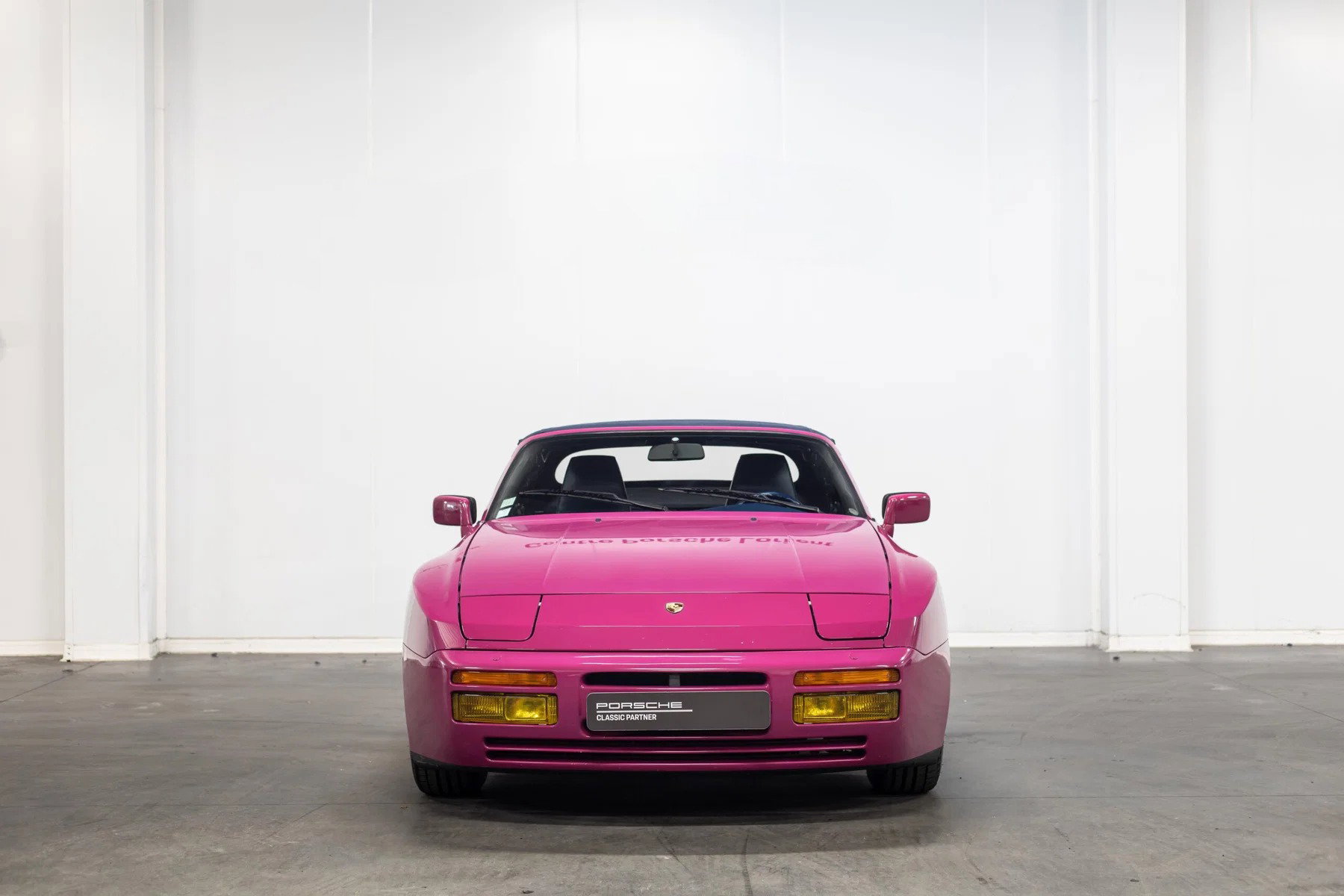
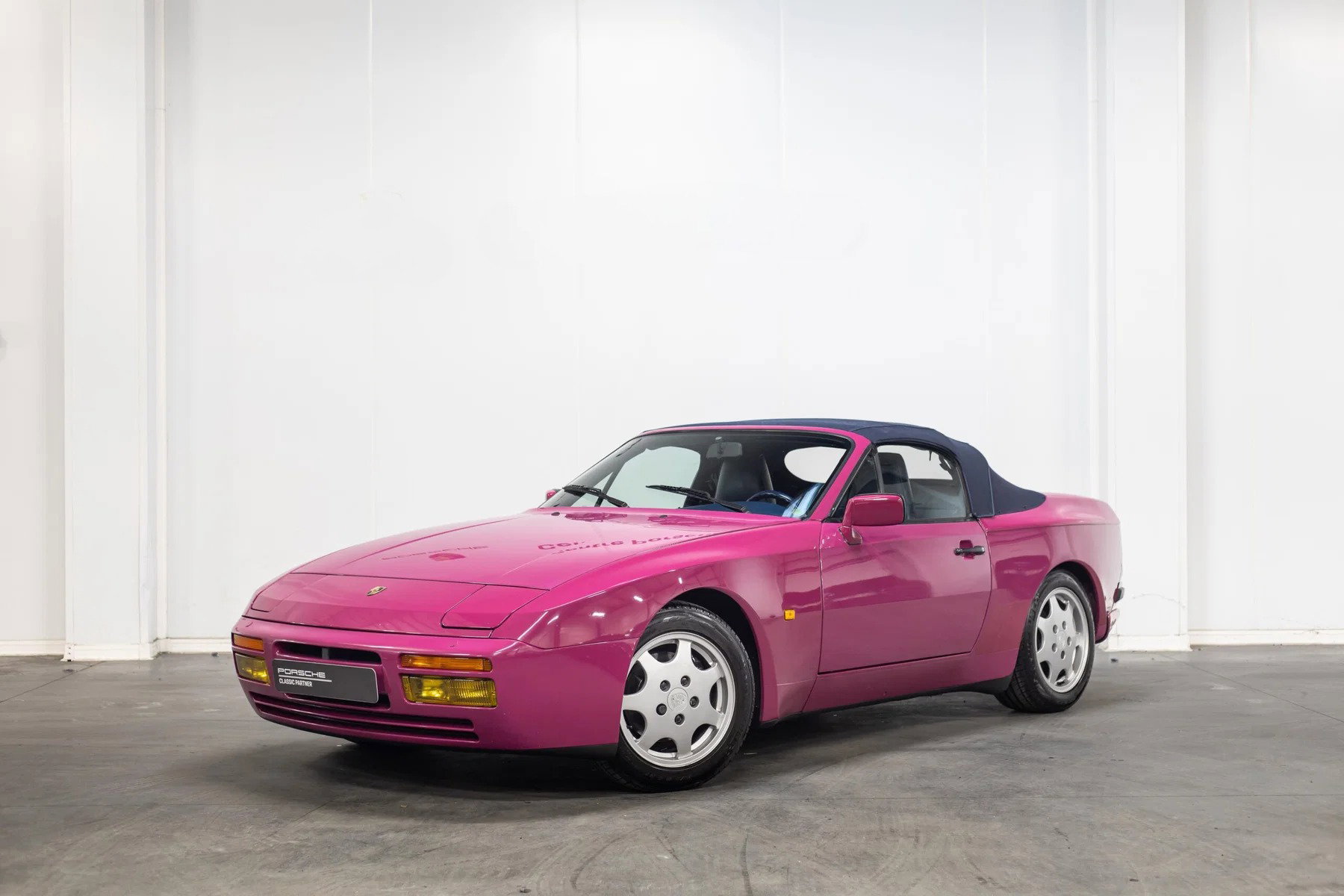
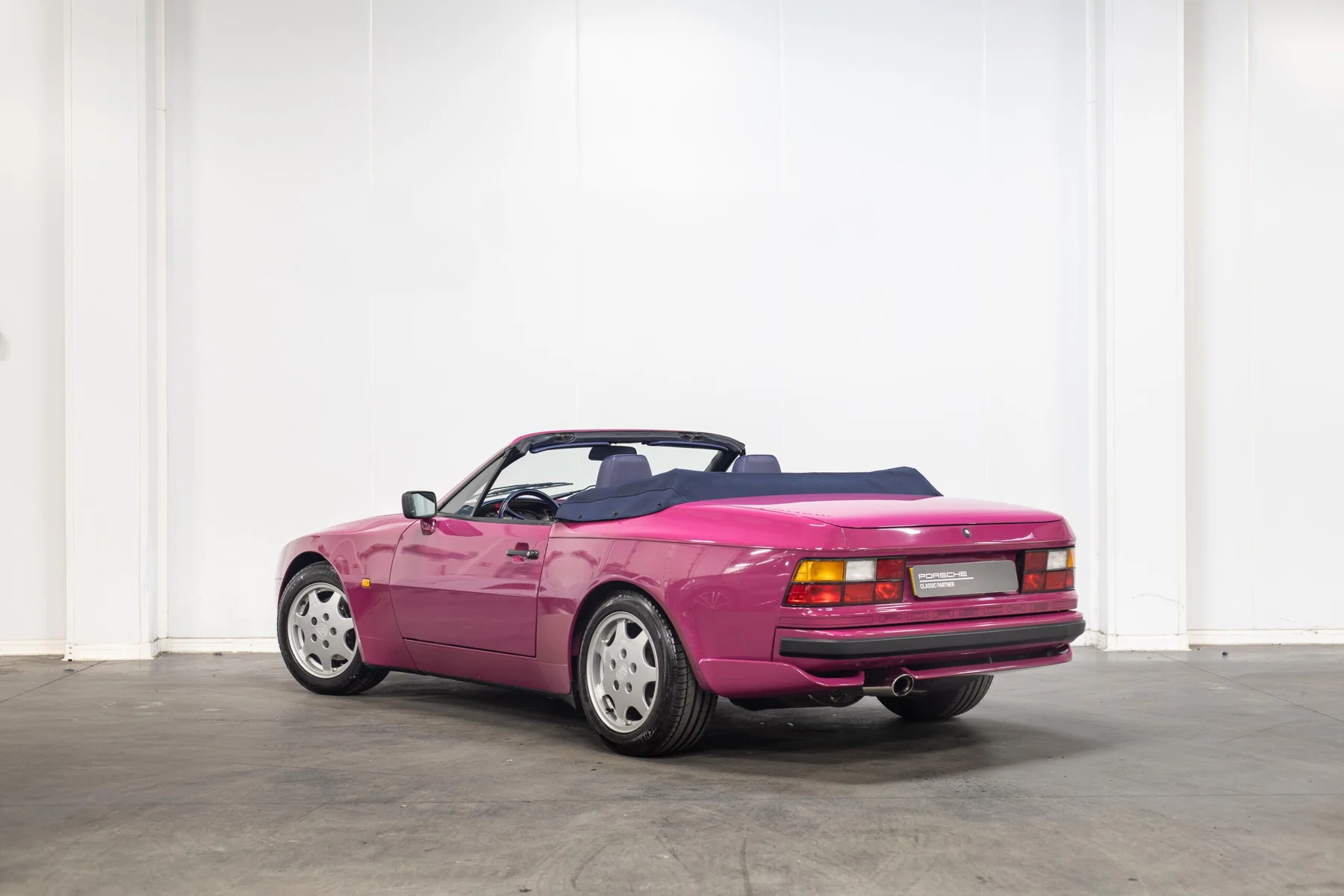
Transaxle Porsches are still a sensible choice: Porsche 944 S2
They have always been “sensible” sports cars, and even after at least three decades, they still are. We’re talking, of course, about Porsche’s transaxle models with four-cylinder engines. The Porsche 944 S2, in particular, is still considered an exceptionally practical sports car with brisk performance and ample comfort.
But from an economic standpoint as well, the last Porsche 944 is a good choice. Its technical robustness has rightly earned it a reputation as a reliable long-distance runner. If you can find a model in top condition that has just undergone a major service – including a timing belt replacement – you can enjoy driving a Porsche at a surprisingly affordable price in a 944 S2.
After all, with the exception of the expensive belt replacement due every five years, there are very few major items on the service schedule. Although he, too, often had to deal with previous owners who were a bit too stingy and neglected maintenance, the wheat has now been separated from the chaff.
Affordable insurance, low-cost tire sizes
Its classification as a classic car makes it affordable in terms of taxes and insurance. The other running costs are more or less on par with those of the Boxster. The standard 16-inch wheels have the pleasant side effect that even sports tires from well-known manufacturers are available for well under 200 euros each. All of this makes the 944 S2 one of the more affordable sources of driving pleasure from Zuffenhausen.
Porsche 944 S2 – Running Costs
Cost Breakdown
Costs over 5 years
Maintenance
5,500–8,000 €
Tires
700–1,000 €
Brakes
700–1,500 €
Tax
approx. 960 €
Insurance
2,000–4,000 €
Fuel
4,750–5,250 €
Repair Buffer
3,500–5,500 €
Total
€18,110–26,210
Annual Cost
approx. 3,620–5,240 €
Cost per kilometer
approx. 0.72–1.05 €/km
Sample calculation for a vehicle registered in Germany, including a set of tires and a set of brake rotors and pads.
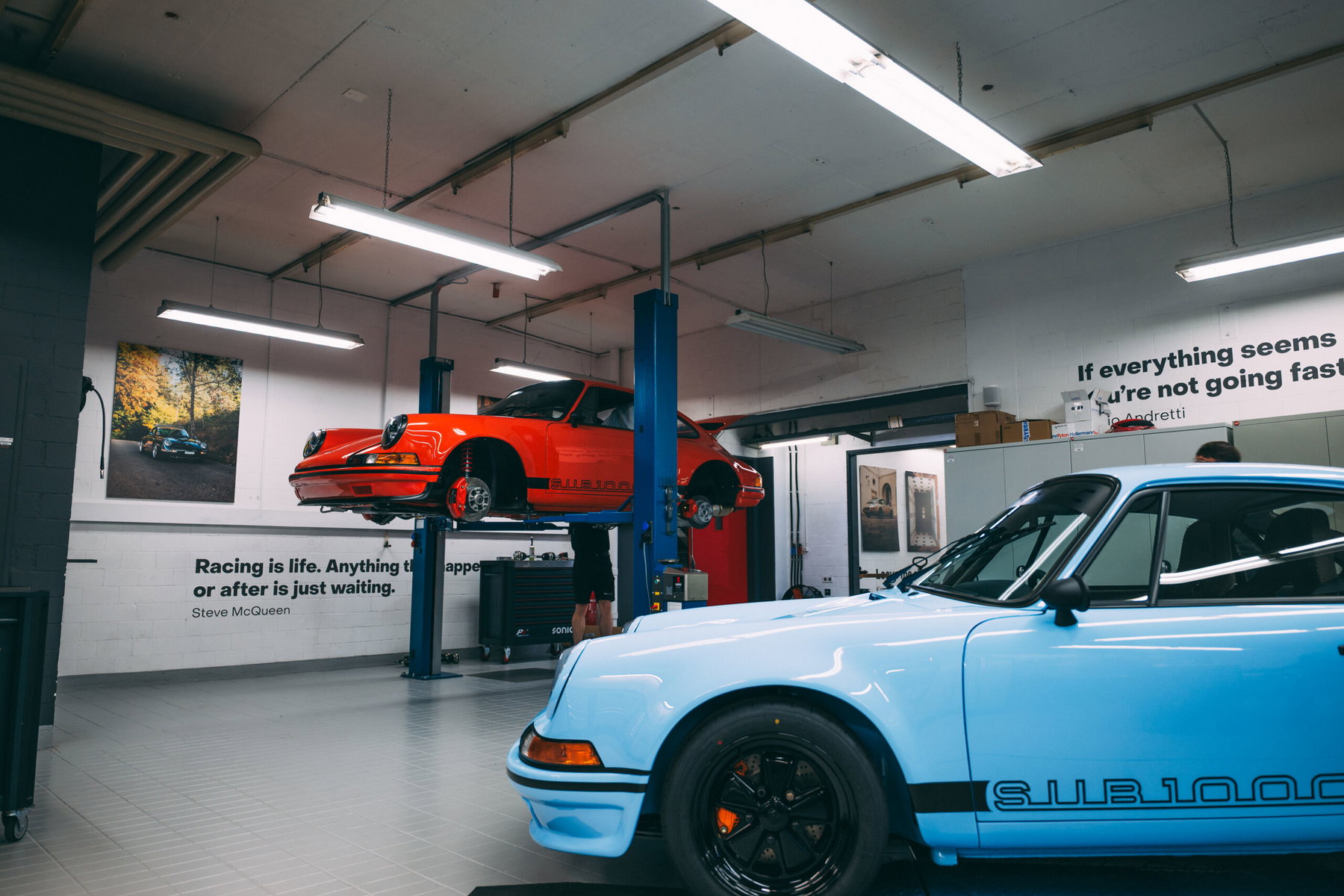
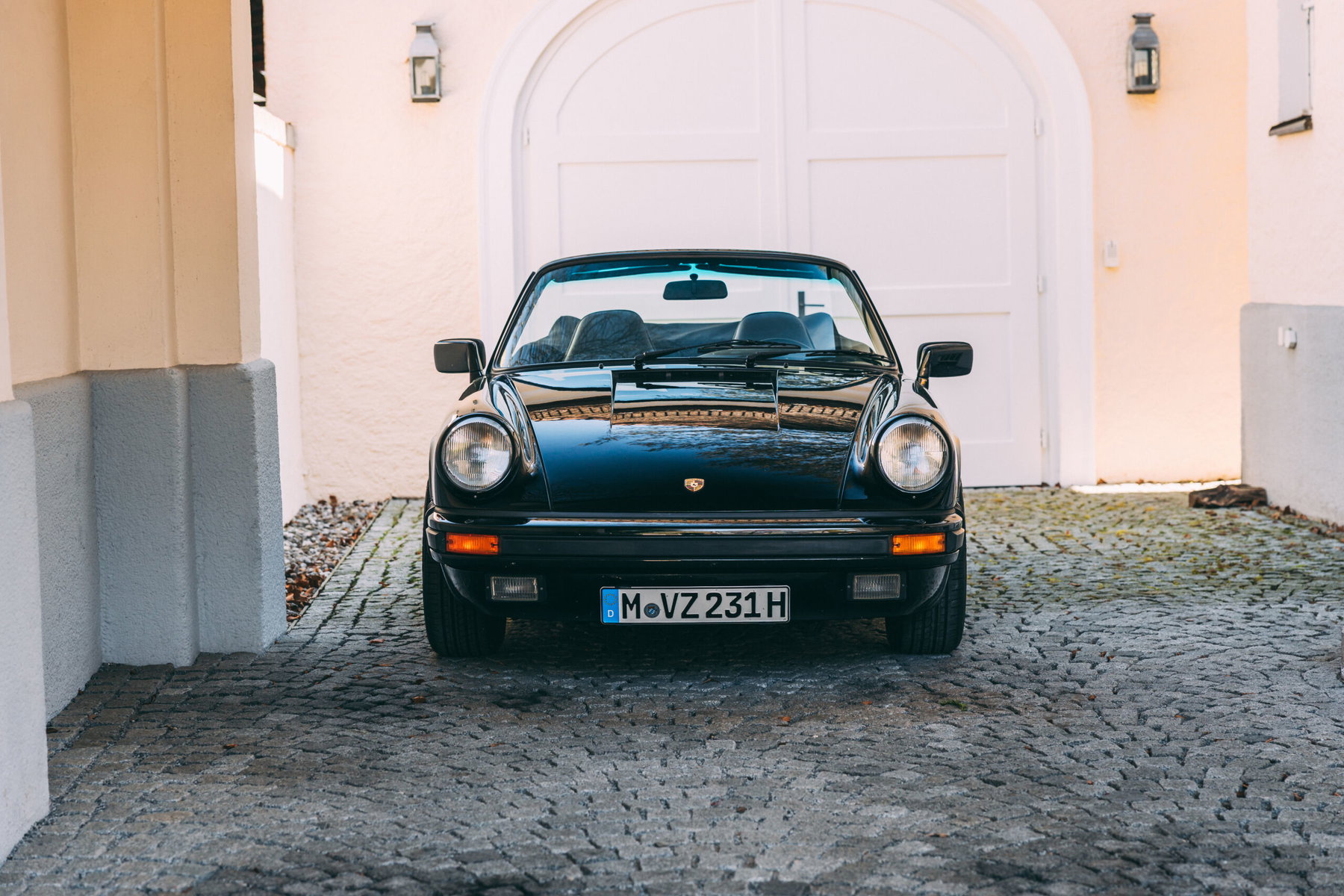
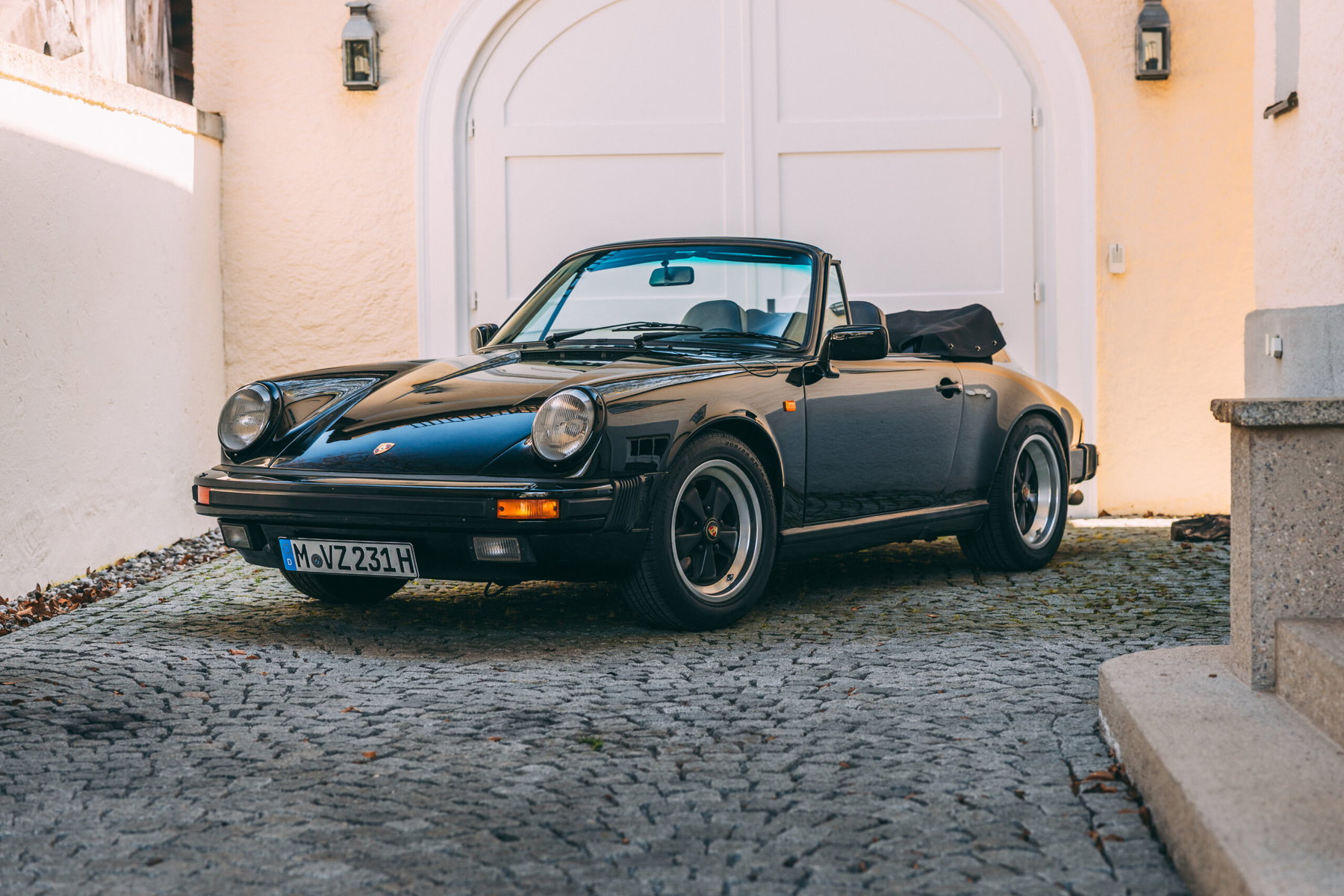
Among the air-cooled 911s, the Porsche 911 Carrera 3.2 is considered reliable and relatively economical
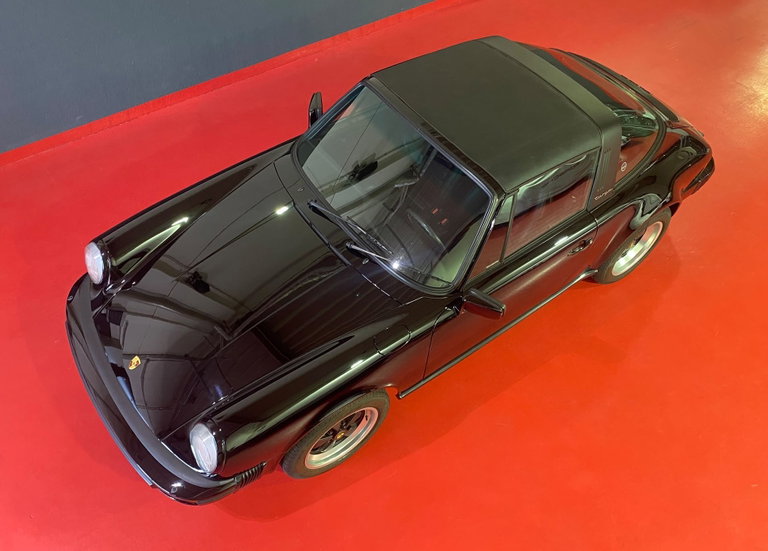
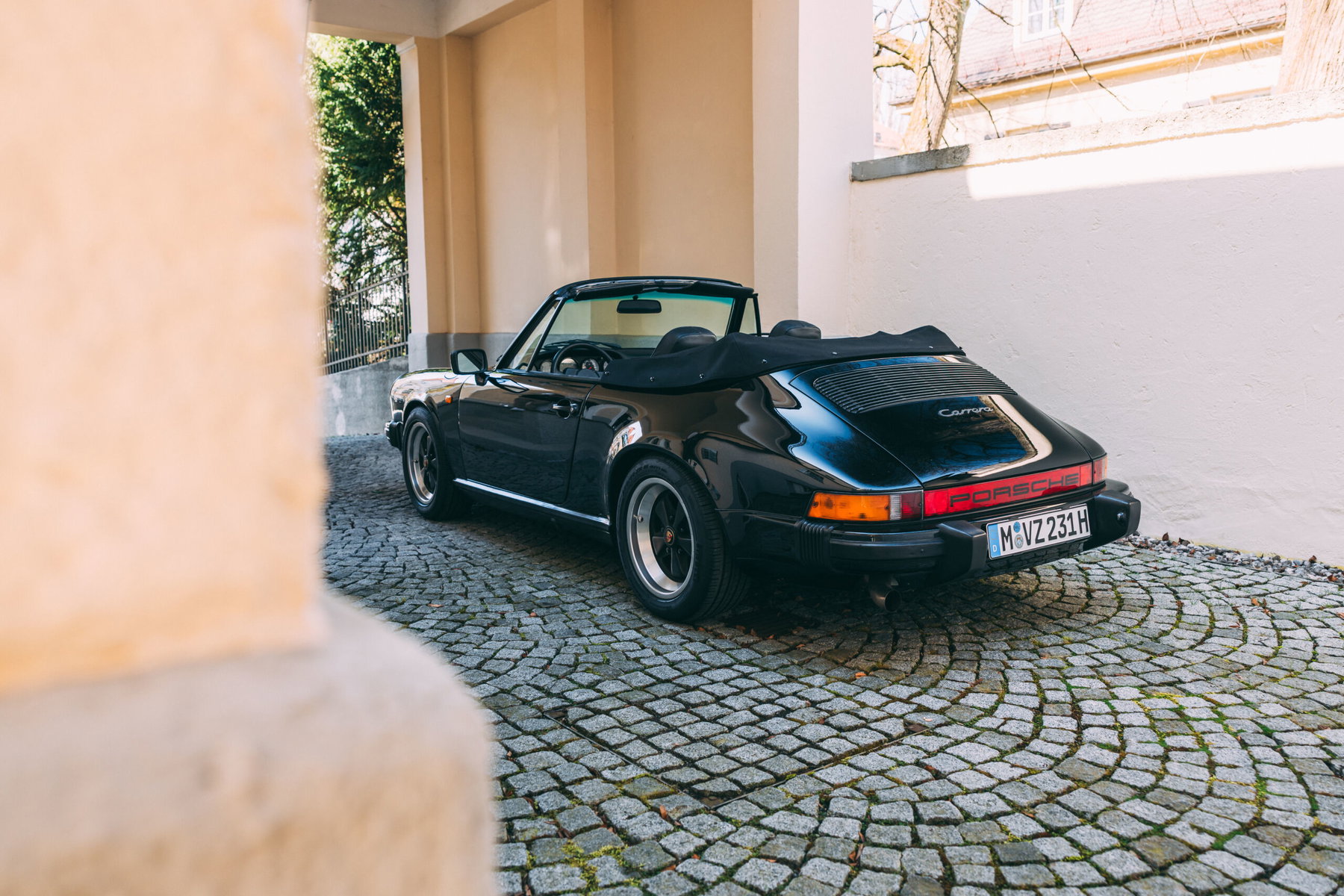
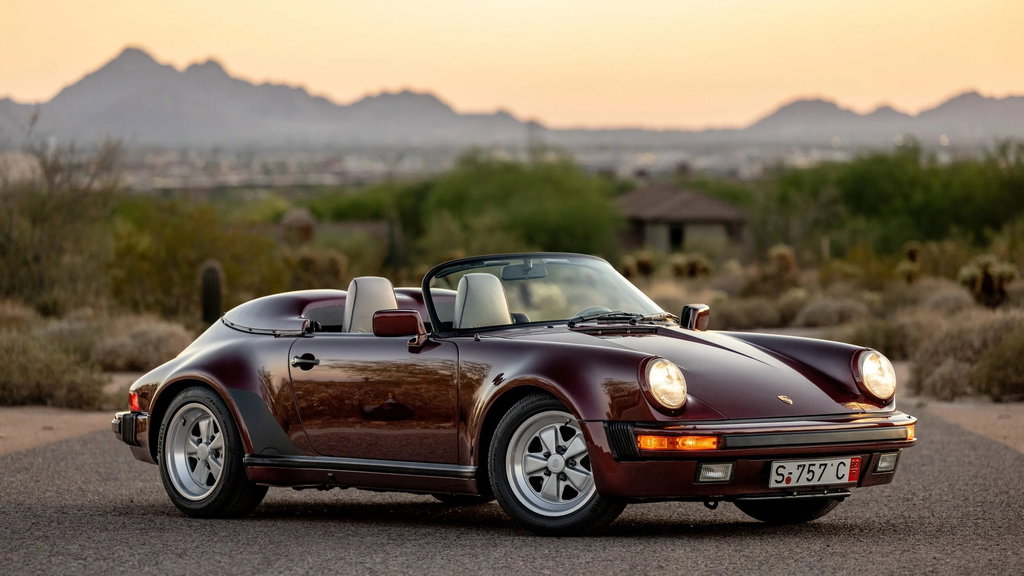
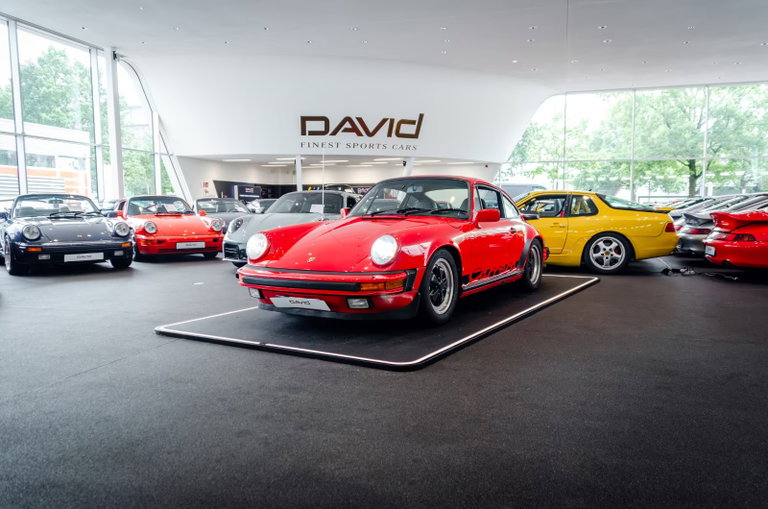
Now that we’ve taken a closer look at two of the “more affordable” Porsche sports cars, let’s turn our attention to the air-cooled 911s. Despite their now very high purchase prices, certain models are exceptionally durable and surprisingly economical per kilometer. A prime example of this is the Porsche 911 Carrera 3.2. The late G-Models from the 1984 to 1989 model years are almost a safe bet when kept in good condition.
As is typical, vehicle tax and insurance are low. Brake rotors, pads, and tires are also affordable. The additional cost compared to the Porsche 944 S2 in these categories is almost negligible. Regular oil changes, however, have become a significant cost factor. With a 13-liter oil capacity, the Carrera 3.2, for example, requires twice as much oil as a 944 S2.
Conversely, the air-cooled Carrera, of course, doesn’t require coolant changes. However, with the Carrera 3.2, you also need to factor in valve clearance checks every 20,000 kilometers. Ultimately, though, the 911’s predictable maintenance costs aren’t all that much higher than those of the Transaxle, as a layperson might initially expect.
But amid all the excitement over relatively low running costs, one key point must not be overlooked: Unplanned repairs can be prohibitively expensive on an air-cooled 911. The cost of replacing an exhaust system with heat exchangers alone can quickly reach the equivalent of a used compact car. Oil leaks can also quickly lead to costly problems – keyword: stud bolts. If one breaks, the engine must be opened up. When that happens, there are usually many other parts that need to be replaced due to wear and tear.
Porsche 911 Carrera 3.2 – Running Costs
Cost Breakdown
Costs over 5 years
Maintenance
6,000–8,500 €
Tires
800–1,100 €
Brakes
700–1,700 €
Tax
approx. 960 €
Insurance
2,500–4,500 €
Fuel
approx. 5,500 €
Repair Buffer
3,500–5,000 €
Total
€19,960–27,260
Annual Cost
approx. 4,000–5,450 €
Cost per kilometer
approx. 0.80–1.09 €/km
Sample calculation for a vehicle registered in Germany, including a set of tires and a set of brake rotors and pads.
That’s why, when it comes to the classic 911, it’s even more true that the better car will be the more economical one in the long run. For example, if you find a Carrera 3.2 that’s been meticulously maintained, with a rebuilt engine and a truly rust-free body, you can enjoy it for a long time at reasonable running costs. While we’re certainly talking about purchase prices in the high five figures at that point, the 3.2’s durability and retention of value make it an excellent choice if it’s in good condition.
For a 911 Carrera 3.2 that hasn’t been technically overhauled, you should budget for a significantly higher repair allowance than in our example! Just replacing the exhaust system alone costs a mid-four-figure amount.
Porsche 987.2 Boxster/Cayman — Perhaps the most affordable way to drive a modern Porsche?
Technical sophistication comes at a price: Modern Porsches are more complex, their replacement parts are more expensive than they used to be, and, as a result, insurance premiums are also higher. On the other hand, they offer not only greater comfort and performance, but also better fuel economy. Every coin has two sides.
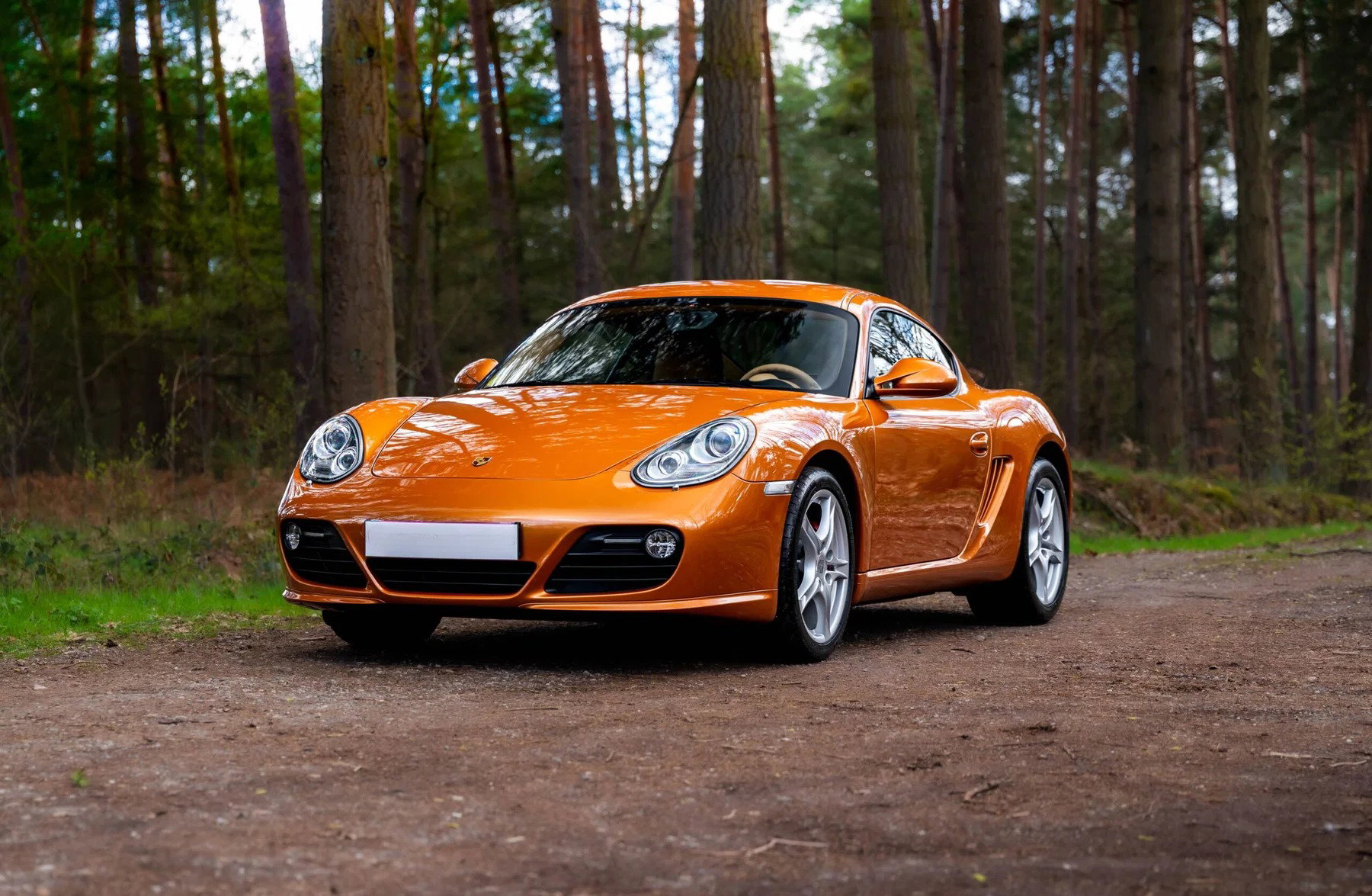
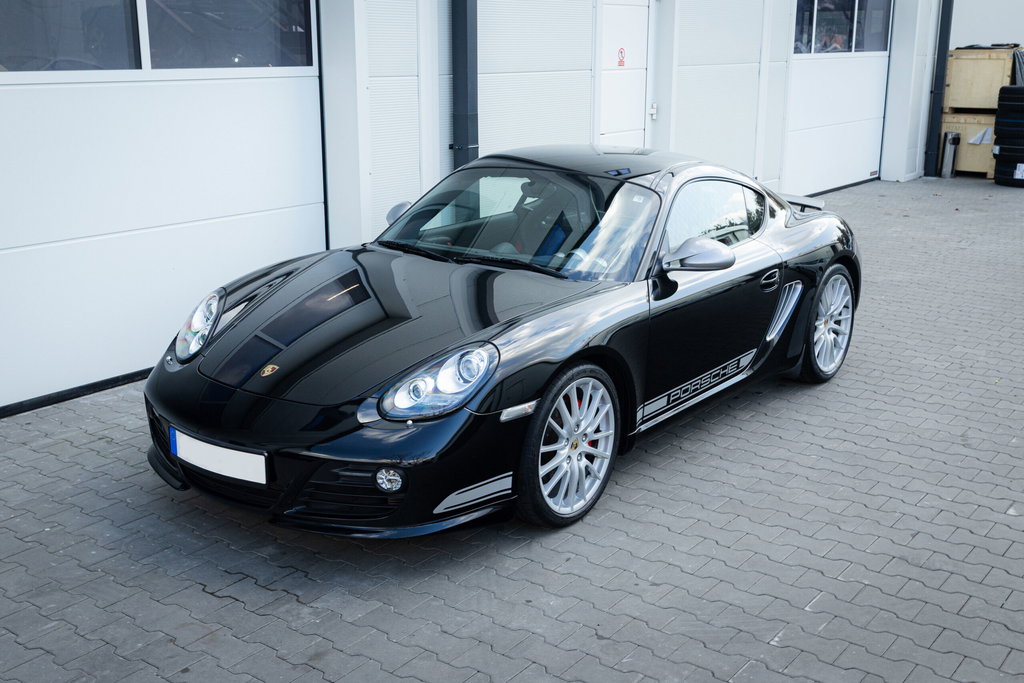
The 987-generation Porsche Boxster and Cayman, starting with the 2009 model year, combine the benefits of modern technology and performance with manageable maintenance costs. In addition, the starting prices are well below 50,000 euros. In some cases, well-maintained vehicles are available for 30,000 euros or less. This makes it at least 10,000 euros cheaper than its successor, the 981. At the same time, the running costs are no higher than those of a relatively new VW Golf GTI.
Especially the base Boxster or Cayman which are equipped with the 2.9-liter engine deliver sporty performance at a reasonable price. The very affordable 17- or 18-inch tire sizes on the so-called 987.2 even allow for four new Michelin Pilot Sport tires with an “N” rating at prices around 1,000 euros, including installation. Insurance premiums are also relatively low. The same applies to the fuel economy figures for the direct-fuel-injection (DFI) engines, which are considered very reliable. If you really try, you can even get by with well under 9 L/100 km.
Relatively low risks make the 987.2 particularly attractive
This then-newly introduced generation of engines is also one of the main reasons why Cayman and Boxster drivers were able to sleep a little more soundly after the facelift for the 2009 model year. They have fewer design flaws than their M96/97-generation predecessors. Furthermore, they were still delivered without the fault-prone PADM system (Porsche Active Drivetrain Mount) for active engine and transmission mounting. As a result, repair costs for this generation remain easy to estimate and – for a Porsche – are even surprisingly low.
Cost Breakdown
Costs over 5 years
Maintenance
4,500–6,500 €
Tires
900–1,300 €
Brakes
800–1,800 €
Tax
1,300–1,500 €
Insurance
3,000–5,000 €
Fuel
approx. 5,000 €
Repair Buffer
2,500–4,500 €
Total
€18,000–€25,600
Annual Cost
approx. 3,600–5,100 €
Cost per kilometer
approx. 0.72–1.02 €/km
Sample calculation for a vehicle registered in Germany, including a set of tires and a set of brake rotors and pads.
It all comes down to choosing the right car
Of course, our comparison covers only a very specific scenario. But it illustrates a principle that applies to every Porsche purchase: A cheap car can quickly become expensive, while a good car recoups its higher price tag over the years through savings on repair costs. It also shows that driving a Porsche doesn’t have to be extremely expensive. Especially since depreciation – particularly for the Transaxle and Boxster/Cayman models – plays a relatively minor role.
How much does it cost to maintain a Porsche Boxster?
Running costs for the Porsche Boxster vary depending on the series and model. For insurance, maintenance, taxes, fuel, tires, brakes, and repairs, you should expect to pay about 0.72 to 1.05 €/km over five years, based on an annual mileage of about 5,000 km.
How much does it cost to maintain a classic Porsche 911?
Provided it is a well-maintained vehicle with a rebuilt engine and transmission, an air-cooled Porsche 911 can incur relatively low maintenance costs. For example, a realistic estimate for a 911 Carrera 3.2 with 5,000 kilometers of annual mileage would be between 0.80 and 1.10 €/km.
Is a Porsche 944 expensive to maintain?
The maintenance costs for a Porsche 944 are similar to those of, say, a VW Golf GTI. Because it’s considered a classic car, insurance and taxes are relatively inexpensive. Tires and brakes are also inexpensive to replace. However, costs can add up if maintenance has been neglected. Replacing the timing belt, in particular, is not cheap.
A newer car is usually the more practical and objectively better choice. That’s no different with Porsche. But a 911 Carrera 3.2 can be the more economical choice than a 991 Carrera once the major expenses have already been paid off. It always gets expensive when maintenance is neglected or when you cut corners in the wrong places.













 1984
1984 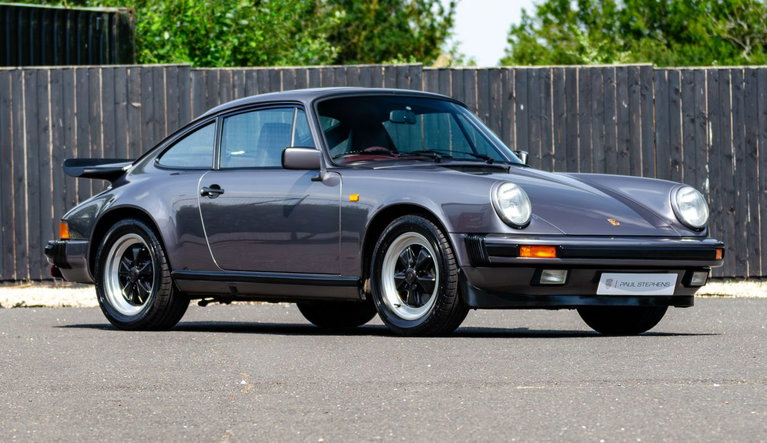
 1986
1986 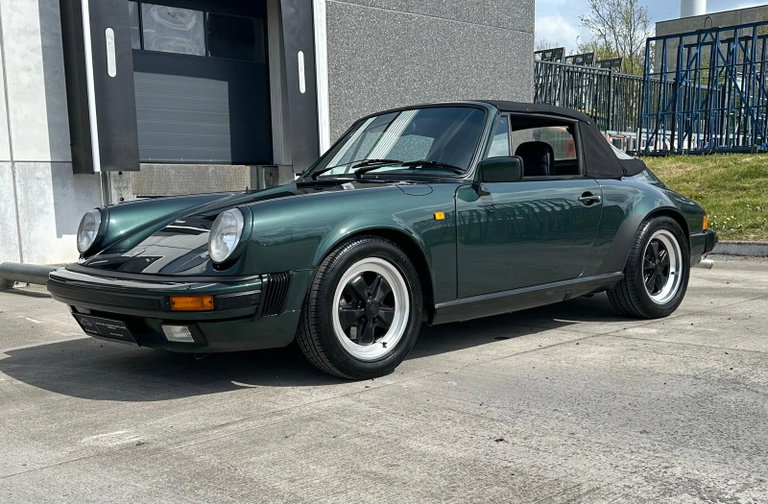
 1984
1984